








We are privately owned and not affiliated or endorsed by any government agency.

Take the Benefits Quiz

Boat space

Definition

Boat space is a term used in military operations to describe the capacity of a particular vessel or group of vessels to accommodate personnel, vehicles, equipment, and supplies during transportation. It is a crucial factor in planning and executing amphibious operations, as it determines the number of resources that can be transported in a single trip. It ensures that military forces have efficient and effective means to reach their objectives in the maritime environment.

Key Takeaways

  1. Boat space refers to the capacity or slots available on a military vessel to accommodate personnel, equipment, and resources during military operations.
  2. This term is crucial in planning and executing amphibious operations, where forces are transported and deployed from sea to land, requiring precise calculation of boat space for optimal effectiveness.
  3. Efficient management of boat space is essential for successful military operations, as it ensures that adequate resources and personnel can be transported, minimizing the logistical challenges involved in amphibious warfare.

Importance

Boat space is an important military operations term because it refers to the available capacity assigned to specific vessels for transporting troops, vehicles, and equipment during amphibious operations.

This concept ensures the efficient and effective coordination of assets, resources, and personnel during crucial military missions.

It allows military planners to accurately allocate and distribute personnel and resources, providing a smooth embarkation, transit, and debarkation process.

Proper management of boat space is critical for maintaining the integrity of mission timelines, force protection, and overall operational success, making it an essential aspect of modern military and naval strategy.

Explanation

Boat space plays a crucial role in military operations, especially in the planning and execution of amphibious landings. The purpose of boat space is to provide an accurate estimation of the capacity and organization required to transport troops, equipment, and supplies across a body of water to a hostile shoreline.

Efficient management of boat space is essential for ensuring that both the timing and the sequence of the landing operations are coordinated effectively. By doing so, military commanders can minimize the risk of bottlenecks or delays that could result in mission failure or unnecessary casualties.

Boat space is calculated based on the types and numbers of landing craft, amphibious vehicles, and watercraft supporting the operation. The utilization of boat space is carefully assessed and matched to the specific operational requirements, considering factors such as the size, composition, and mission objectives of the landing force.

Furthermore, planners must also account for the environmental conditions, tidal patterns, and beach gradients to ensure the optimum usage of available landing craft and vehicles. In essence, boat space is an indispensable tool for military planners to ensure a smooth and well-coordinated amphibious operation, ultimately leading to mission success and the effective completion of strategic objectives.

Examples of Boat space

Boat space refers to the capacity of a vessel or a group of vessels required to transport military units, equipment, or supplies during military operations. Here are three examples of boat space utilized in real-world military operations:

D-Day Invasion (Operation Overlord) – June 1944:During World War II, in one of the largest amphibious military assaults in history, a vast number of boats and ships with ample boat space were required to transport and land over 156,000 troops from the United States, the United Kingdom, and Canada onto the beaches of Normandy, France. The operation required the use of various types of vessel, including landing ships, landing craft, and Higgins boats. The boat space played an essential role in the successful deployment of troops and resources for this crucial turning point in the war.

Falklands War (Operation Corporate) – April-June 1982:In this conflict between the United Kingdom and Argentina, the British Royal Navy assembled a task force that included over 100 ships, such as aircraft carriers, destroyers, and auxiliary vessels, providing significant boat space to carry troops, equipment, and supplies nearly 8,000 miles to the South Atlantic. Amphibious landing ships were used to transport and deploy land forces to reclaim the Falkland Islands after the Argentine invasion.

Haitian Earthquake Relief Operation (Operation Unified Response) – January 2010:In response to the devastating

0 magnitude earthquake that struck Haiti in 2010, the United States launched a humanitarian relief operation that involved the deployment of military vessels, aircraft, and personnel. The US Navy dispatched ships such as the aircraft carrier USS Carl Vinson, the amphibious assault ship USS Bataan, and the hospital ship USNS Comfort to the disaster zone. These vessels provided essential boat space for the transportation of humanitarian aid supplies, medical staff, and military personnel who contributed to the relief efforts.

FAQ: Boat Space

What is boat space in military operations?

Boat space in military operations refers to the amount of room or capacity available on naval vessels to accommodate personnel, equipment, vehicles, and supplies for transport or deployment. It is an important factor in the planning and execution of military missions, as it determines the quantity of resources that can be transported effectively and efficiently.

How is boat space calculated?

Boat space is calculated based on the dimensions and layout of a naval vessel, taking into consideration factors such as internal and external storage areas, deck space, and weight capacity. Additionally, boat space allocation must account for crew requirements, safety regulations, and operational limitations.

Why is boat space crucial in military operations?

Boat space plays a vital role in military operations, as it directly impacts the ability to transport essential resources, including personnel, equipment, and supplies. Effective and efficient use of boat space enables military units to deploy quickly and execute missions successfully. Insufficient boat space can result in resource constraints, logistical challenges, or operational limitations which can hinder mission success.

What factors influence boat space allocation during military operations?

Boat space allocation in military operations is influenced by factors such as mission objectives, resource requirements, and the type of naval vessels available. Other factors, like the duration and destination of the operation, potential threats, and environmental conditions, may also come into play when deciding how to allocate boat space. Additionally, boat space allocation must adhere to safety regulations and operational limitations for the specific vessels involved.

How do military forces optimize boat space?

Military forces optimize boat space by adopting efficient planning, packing, and loading techniques to ensure maximum utilization of available space. This includes careful selection of resources, strategic prioritization, and the use of modular systems, stackable equipment, and adaptable vehicles when possible. Additionally, military units often employ simulation and analytic tools to determine optimal space allocation and maximize operational efficiency.

Related Military Operation Terms

  • Marine Recreation
  • Veterans Marina Access
  • Boat Mooring Assistance
  • Watercraft Storage
  • Veteran Boat Slip Discount

Sources for More Information

Benefits.com Advisors

With expertise spanning local, state, and federal benefit programs, our team is dedicated to guiding individuals towards the perfect program tailored to their unique circumstances.

Rise to the top with Peak Benefits!

Join our Peak Benefits Newsletter for the latest news, resources, and offers on all things government benefits.


Related Articles

Bona fides

Definition

Bona fides, in the context of military operations, refers to the act of verifying the identity and authenticity of a person, group, or entity to ensure they are who they claim to be. This process is often crucial for maintaining security and preventing infiltration by opposing forces. In essence, bona fides confirms the genuine nature and trustworthiness of an individual or organization within the military context.

Key Takeaways

  1. Bona fides is a Latin term, literally translating to “good faith.” In the context of military operations, it refers to the honesty, sincerity, and genuine intentions of an individual, group, or communication.
  2. In military operations, establishing bona fides is crucial for ensuring trust and cooperation among allies. Demonstrating bona fides can involve sharing intelligence, joint training exercises, or collaborating on missions that show commitment to working together and achieving common goals.
  3. Verification of bona fides is essential in preventing infiltration, espionage, or sabotage by potential adversaries. This can be achieved through rigorous background checks, secure communication protocols, and adherence to standard operating procedures designed to maintain the integrity and security of an operation or partnership.

Importance

The term “bona fides” is significant in military operations as it is a Latin phrase that means “good faith.” In the context of military operations, establishing bona fides is crucial for verifying the authenticity, credibility, and trustworthiness of individuals, organizations, and intelligence sources.

Accurate and reliable information is vital in strategic decision-making, and having bona fides helps ensure that military personnel cooperate with legitimate partners and act on verified intelligence.

This process minimizes the potential risks associated with misinformation or deception, ultimately contributing to the success and safety of military missions.

Explanation

Bona fides, in the context of military operations, is a term primarily used to verify the authenticity and trustworthiness of an individual or a group. The purpose of determining bona fides in military applications is to ensure that personnel, allies, and other assets are genuinely who they claim to be, hence establishing a secure environment for strategic planning and execution of missions.

As the security of military operations largely depends on accurate information exchange and coordination among individuals, establishing the bona fides of those involved becomes a crucial aspect to minimize the risk of infiltration, compromised intelligence, and counterfeit collaboration. Bona fides serve as a cornerstone in counterintelligence and security measures employed by military forces.

The process of verifying bona fides may involve multiple layers of authentication, such as personal identification, background checks, communication authentication procedures, and biometric verification. These measures provide a reliable means of ascertaining the true identity and intentions of those involved in sensitive military operations, thereby safeguarding classified information and assets.

By ensuring that thorough checks are conducted for establishing bona fides, military organizations deter possible threats from enemy agents and protect the integrity of their personnel and missions. In turn, this fosters an atmosphere of trust and confidence among the military ranks, enabling them to execute their operations effectively and efficiently.

Examples of Bona fides

In military operations, the term “bona fides” refers to the authenticity or genuine nature of an individual, operation, or information. Here are three real-world examples related to military operations:

During World War II, the Double Cross System was an operation wherein the British intelligence agency MI5 turned captured enemy agents into double agents. These double agents provided the Germans with false information, all while maintaining the appearance of being legitimate agents. The carefully orchestrated “bona fides” of these double agents allowed the British to deceive the German intelligence services throughout the war.

In the context of military operations, “bona fides” can also apply to the verification of personnel’s identities. For example, during the Vietnam War, the US military implemented the Chieu Hoi (Open Arms) program to incentivize enemy defection. North Vietnamese and Viet Cong soldiers who were genuinely looking to defect and provide information to US forces had to prove their “bona fides” to avoid being mistaken for spies or infiltrators.

Another example of “bona fides” in military operations would be the use of special forces units that are trained to blend in with foreign populations to gather intelligence or conduct operations. Members of these units need to establish their “bona fides” with the local population by speaking the language, understanding cultural customs, and maintaining plausible cover stories. One such example is the US Army Special Forces, also known as the Green Berets, who carry out these types of missions on a regular basis.

FAQ – Military Operations Bona Fides

What does the term “Bona fides” mean in the context of military operations?

Bona fides, in the context of military operations, refers to the authenticity or credibility of a document, information, or a person’s intentions. The phrase is derived from Latin, and it is used to indicate the genuineness or real nature of a subject in question.

How is “Bona fides” used in military operations?

In military operations, bona fides can be used to describe the validity of intelligence, the legitimacy of orders, or the trustworthiness of an individual. Establishing the bona fides of information or personnel is important for maintaining operational security and preventing deception or infiltration by hostile forces.

Why is establishing “Bona fides” important in military operations?

Establishing bona fides is crucial in military operations to ensure that the information and personnel involved in an operation are genuine and not compromised by enemy forces. This is essential to maintaining the integrity and effectiveness of operations, as well as ensuring the safety and security of troops in the field.

What methods are used to establish “Bona fides” in military operations?

Methods used for establishing bona fides in military operations can include background checks, verifying identification, confirming passwords or biometrics, cross-referencing intel with trusted sources, and evaluating the reliability of human intelligence through a variety of techniques. The specific method used will depend on the situation and the level of security required.

Can bona fides be guaranteed in military operations?

While various methods are employed to establish and maintain bona fides in military operations, it is not possible to guarantee complete certainty due to factors such as misinformation, counterintelligence efforts, or infiltration tactics. However, diligent efforts are made to ensure the highest possible level of authenticity and credibility in all aspects of an operation to minimize potential security risks.

Related Military Operation Terms

  • Eligibility Verification
  • Service Connection
  • Benefit Application Process
  • Dependency and Indemnity Compensation (DIC)
  • Veterans Pension Program

Sources for More Information

  • Encyclopædia Britannica: A respected and comprehensive encyclopedia with a long history of publishing reliable and accurate information on a wide range of topics, including military terms and concepts.
  • GlobalSecurity.org: A source for timely, objective, and authoritative information on military, homeland security, and defense policy issues, featuring numerous articles and resources.
  • RAND Corporation: A global policy research nonprofit organization that provides research and analysis to the U.S. Armed Forces and other governmental organizations, with a focus on various aspects of strategy, doctrine, and operations.
  • U.S. Army Combined Arms Center: The organization responsible for providing leadership and supervision for leader development and professional military education in the U.S. Army, featuring numerous publications and resources on military operations and terminology.

Benefits.com Advisors

With expertise spanning local, state, and federal benefit programs, our team is dedicated to guiding individuals towards the perfect program tailored to their unique circumstances.

Rise to the top with Peak Benefits!

Join our Peak Benefits Newsletter for the latest news, resources, and offers on all things government benefits.

Related Articles

Boost phase

Definition

The boost phase is a stage within the flight of a ballistic missile, specifically the initial phase immediately after its launch. In this phase, the missile’s rocket engines propel it away from the launch site, gaining altitude and trajectory toward the intended target. The boost phase concludes once the engines shut off and the missile enters the midcourse phase, where it continues in a ballistic trajectory.

Key Takeaways

  1. The boost phase is the initial stage of a ballistic missile’s flight, during which the missile’s rocket engines are ignited and provide propulsion to ascend.
  2. During this phase, the missile is most vulnerable to interception due to its slower speed, lower altitude, and the presence of a bright rocket exhaust that makes it easily detectable.
  3. Countermeasures like boost-phase missile defense systems aim to intercept and destroy missiles during this critical phase, preventing them from reaching their intended targets.

Importance

The boost phase is an important military operations term as it refers to the initial stage of a ballistic missile’s flight trajectory, during which the missile’s engines, specifically its rocket boosters, provide thrust and acceleration to attain sufficient velocity and altitude.

This phase is crucial because it directly impacts the missile’s ability to reach its intended target, as well as its vulnerability to interception.

During the boost phase, the missile is relatively slow-moving and easier to detect due to the heat and visible exhaust generated by its engines.

Therefore, this period is critical for defensive measures to intercept and neutralize the missile before it becomes harder to detect, track, and counter during the subsequent mid-course and terminal phases.

Understanding the significance of the boost phase helps in strategizing missile defense systems and enhancing national security.

Explanation

The boost phase is an integral part of a missile’s flight trajectory and serves a crucial purpose in ensuring the missile’s successful deployment and subsequent operations. Primarily, the boost phase is the initial stage during which the missile’s rocket engines ignite and provide the requisite propulsion to lift it from the launch pad and accelerate to its desired velocity.

In addition to dictating the speed required to overcome atmospheric resistance, the boost phase also helps establish the mechanical stress-resistance needed to bear the impact of gravitational forces and aero-thermal effects, which could significantly affect the trajectory and functioning of a ballistic missile. The boost phase not only determines the stability and operational efficacy of the missile, but it also plays an essential role in ballistic missile defense systems.

By closely monitoring a missile’s boost phase, military operations can identify and track the potential threats and calculate the anticipated path of the missile. This information allows for the efficient deployment of defense systems that can intercept and neutralize threats in the early stages, thus preventing catastrophes and limiting collateral damage.

Characterized by relatively short durations, typically measured in mere minutes, the boost phase is a critical window of opportunity for both offensive and defensive military tactics in modern warfare.

Examples of Boost phase

“Boost phase” refers to the initial stage of a missile’s flight, where it is accelerating, gaining altitude, and powered by its rocket motors. This phase is characterized by higher visibility and vulnerability, making it an ideal time to intercept the missile. Here are three real-world examples related to boost phase interception:

Aegis Ballistic Missile Defense System (Aegis BMD): The Aegis BMD system is a United States Department of Defense program designed to provide missile defense against short- to intermediate-range ballistic missiles in the boost and ascent phases. Developed by the Missile Defense Agency and the United States Navy, the system utilizes sophisticated radar tracking, advanced data processing, and missile interceptors. Aegis destroyers and cruisers have been deployed worldwide to help defend against potential threats.

Ground-Based Midcourse Defense (GMD): Developed by the United States Missile Defense Agency, the GMD interceptors are designed to intercept incoming enemy ballistic missiles during the midcourse phase of their ballistic trajectory, while they are flying through space. However, recent discussions have focused on the possibility of adapting the GMD system to be capable of intercepting ballistic missiles during the boost phase, providing an additional layer of defense.

Arrow 3 Missile Defense System: The Arrow 3 system is an advanced missile defense system developed by Israel Aerospace Industries and Boeing, specifically designed to counter long-range ballistic missiles. It is capable of intercepting missiles at very high altitudes in both the boost and midcourse phases, making it a versatile asset for Israel’s defensive strategies.In summary, the boost phase is an essential aspect of a missile’s flight, and several advanced defense systems are being developed and deployed to counter potential missile threats during this vulnerable stage.

FAQ – Boost Phase

1. What is the boost phase?

The boost phase is the initial phase of a ballistic missile’s flight, during which the rocket’s engines are actively propelling the missile upwards and out of the atmosphere. This phase is typically characterized by high acceleration and rapid fuel consumption.

2. How long does the boost phase last?

The duration of the boost phase varies depending on the type of missile and its specific propulsion system. For most intercontinental ballistic missiles (ICBMs), the boost phase lasts for approximately 3 to 5 minutes.

3. Why is the boost phase important in missile defense?

The boost phase is an important period in missile defense because it offers a window of opportunity to intercept and neutralize a missile while it is still relatively slow and close to its launch point. Additionally, during the boost phase, the missile’s engines generate a significant heat signature, making it easier to detect and track using infrared sensors.

4. What are some challenges in intercepting missiles during the boost phase?

Intercepting missiles during the boost phase presents several challenges, including the need for rapid decision-making and action due to its relatively short duration, as well as proximity to the adversary’s territory. Additionally, the high acceleration and speed of the missile during this phase make it more difficult for intercept systems to engage and destroy the target.

5. Are there any missile defense systems specifically designed for boost phase interception?

Yes, there are a few missile defense systems in development or operational stage that are designed specifically for boost phase interception. Some of these systems include the Airborne Laser (ABL), a modified Boeing 747 aircraft equipped with a laser designed to destroy missiles during their boost phase, and the Kinetic Energy Interceptor (KEI), a ground-based interceptor with the purpose of engaging and destroying missiles in the early stages of their flight.

Related Military Operation Terms

  • Missile defense system
  • Interceptor
  • Early warning radar
  • Ground-based Midcourse Defense (GMD)
  • Ballistic missile trajectory

Sources for More Information

Benefits.com Advisors

With expertise spanning local, state, and federal benefit programs, our team is dedicated to guiding individuals towards the perfect program tailored to their unique circumstances.

Rise to the top with Peak Benefits!

Join our Peak Benefits Newsletter for the latest news, resources, and offers on all things government benefits.

Related Articles

Bottom mine

Definition

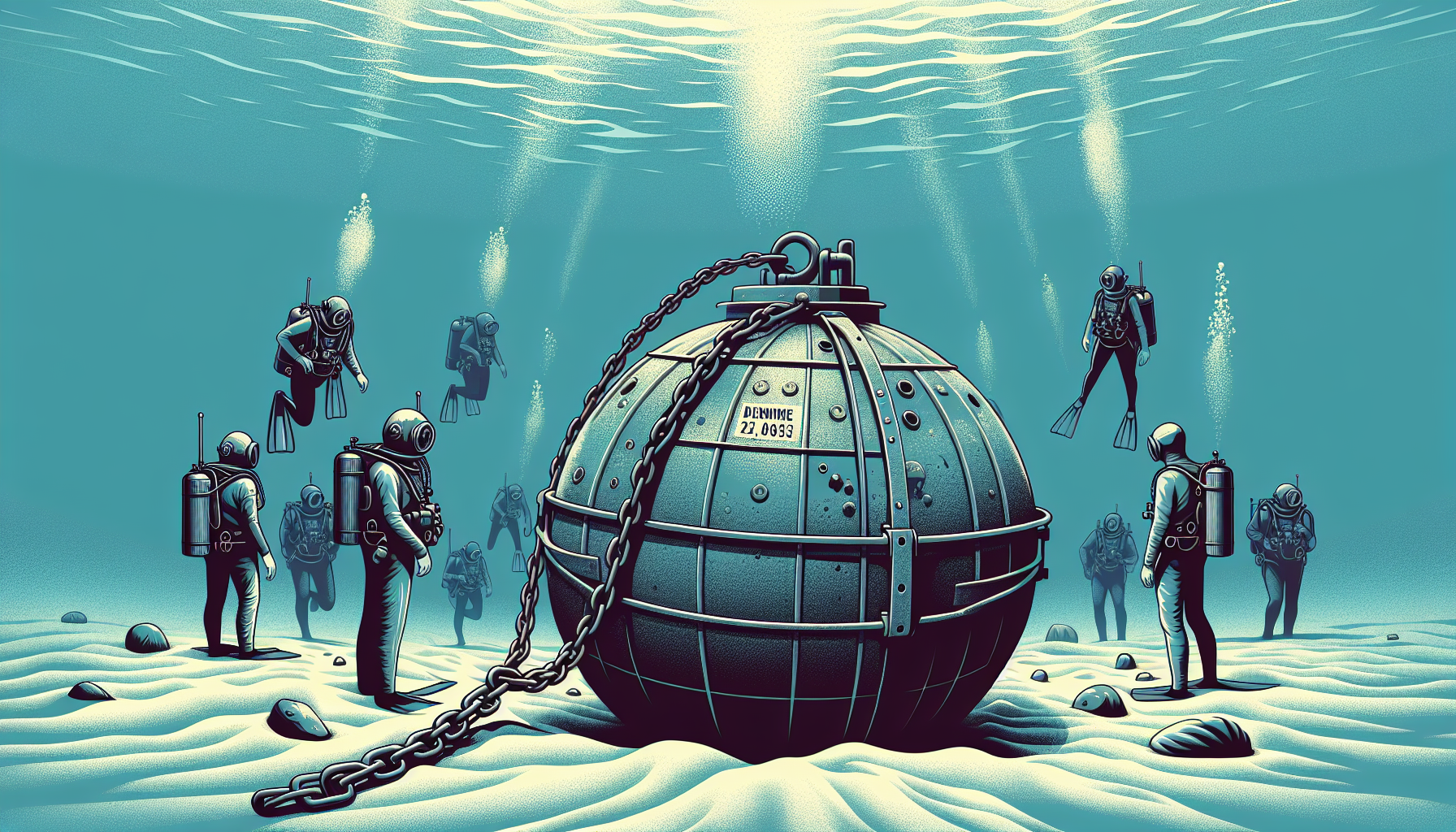
A bottom mine is a type of naval mine designed to rest on the sea floor and detonate when triggered by the presence of a vessel passing above it. It usually uses magnetic, acoustic, or pressure sensors to activate and target ships or submarines. These mines pose a significant risk to naval operations in strategically important areas, forcing vessels to navigate with caution.

Key Takeaways

  1. Bottom mines are naval explosive devices that are strategically placed on the ocean floor to damage, disable, or destroy enemy ships that pass over or near them.
  2. These mines can be deployed by various methods, including dropping from aircraft, launching from submarines, or being laid by specialized mine-laying ships. They usually remain hidden until activated by the proximity or contact of a target vessel.
  3. Bottom mines have been used extensively in modern warfare, with a significant role in controlling sea routes and coastal zones. They pose a significant threat to both military and civilian vessels, requiring specialized teams and equipment for clearance operations.

Importance

The term “bottom mine” holds significant importance within military operations due to its strategic use in naval warfare.

Bottom mines are a type of naval mine designed to sit on the seabed, often concealed by mud or sediment, waiting for an enemy vessel to come within its proximity.

When triggered by a ship passing nearby, the bottom mine detonates, causing damage or destruction to the vessel, impairing its functionality, and potentially resulting in loss of life.

These mines play a crucial role in controlling enemy movement in strategically important waterways, denying access to crucial areas, and safeguarding key resources or territories.

Consequently, understanding and managing bottom mine threats greatly influences the planning and success of naval operations.

Explanation

Bottom mines, as a component of naval warfare, are strategically designed to serve the purpose of denying access or posing a significant threat to hostile vessels, protecting territorial waters, and securing key chokepoints or restricted waterways. These powerful, underwater explosive devices are placed on the seabed which makes them difficult to detect.

They can fulfill a variety of objectives such as safeguarding valuable marine assets, hampering enemy’s logistical supply, or delimiting an adversary’s navigational freedom. In addition, bottom mines play a vital role in enhancing naval force protection and preserving maritime security by creating a deterrent effect, forcing adversaries to expend valuable time and resources to clear them in order to ensure safe passage.

To achieve these purposes, bottom mines utilize a combination of mechanisms and sensors to detect nearby vessels. This includes acoustic, magnetic, pressure, and seismic sensors that, when triggered by the presence of a ship, can initiate detonation.

Though predominantly targeting military and naval vessels, bottom mines can also inadvertently pose risks for commercial shipping channels and civilian maritime navigation. These unintentional consequences make it essential for nations to incorporate defensive countermeasures, such as deploying mine countermeasure vessels (MCMVs) or utilizing advanced technologies like sonars and remotely operated vehicles (ROVs) to locate and neutralize mines in a safe and effective manner.

Examples of Bottom mine

A bottom mine refers to a naval mine that is positioned on the ocean floor and is designed to damage or destroy enemy ships that pass nearby. Here are three real-world examples of bottom mine usage in military operations:

North Sea Mine Barrage (1917-1919): During World War I, the United States and the United Kingdom laid over 50,000 bottom mines in the North Sea, specifically in the area between Scotland and Norway. This massive minefield, known as the North Sea Mine Barrage, was intended to limit the movement of German U-boats and disrupt their access to the Atlantic Ocean. The mine barrage damaged or sank several German submarines and ships causing significant disruption in their naval operations.

Operation Starvation (1945): During World War II, the United States Army Air Forces (USAAF) conducted a large-scale mining operation known as Operation Starvation against Japan. The USAAF used B-29 bombers to lay bottom mines in an attempt to disrupt Japanese shipping and maritime activities in and around the Japanese home islands. These mines were responsible for the sinking or damaging of a significant portion of Japanese shipping, contributing to the eventual defeat of Japan in World War II.

Iran-Iraq War – Persian Gulf (1980-1988): During the Iran-Iraq War, both Iraq and Iran extensively used bottom mines in the Persian Gulf to disrupt each other’s shipping and naval operations. The mine warfare in the region became particularly intense when the countries began targeting international shipping, including oil tankers, leading to a decrease in maritime traffic in the region. Many mines laid during this conflict still pose a threat to navigation in the Persian Gulf today, despite efforts to clear them.

FAQ: Bottom Mine

1. What is a bottom mine?

A bottom mine is an underwater weapon that is designed to either rest on or be concealed beneath the seabed. They are typically used to target and destroy naval vessels such as ships and submarines when they pass through a mined area.

2. How do bottom mines work?

Bottom mines use a variety of sensors and activation mechanisms to detect the presence of nearby ships or submarines. When a vessel comes within a certain range, the mine’s sensors pick up its presence, triggering the mine to detonate and cause damage or destruction to the target.

3. What is the purpose of a bottom mine in military operations?

Bottom mines serve as strategic naval weapons to protect territorial waters and key maritime routes. They are used to deter enemy naval forces, restrict access to specific areas, and impede or disrupt the movement of hostile vessels. Additionally, bottom mines can provide a cost-effective means of naval defense, as they require less personnel and resources than other maritime assets.

4. Are there different types of bottom mines?

Yes, there are several types of bottom mines, including contact mines, influence mines, and mobile mines. Contact mines can either rest on the seabed or be moored to the bottom at a certain depth, with a trigger mechanism that detonates upon physical contact with a vessel. Influence mines use acoustic, magnetic, or pressure sensors to detect nearby ships and submarines, detonating when they come within range. Mobile mines can self-propel to a predetermined location and then station themselves on the seabed.

5. How are bottom mines deployed and removed?

Bottom mines can be deployed using minelaying ships, submarines, or aircraft. They are generally placed in strategic locations to maximize their effectiveness in disrupting enemy naval operations. To remove bottom mines, specialized mine countermeasure vessels use sonar and other underwater detection systems to locate them, then employ remotely operated vehicles or divers to neutralize the mines or safely recover them for disposal.

Related Military Operation Terms

  • Underwater explosive devices
  • Mine countermeasures
  • Mine warfare
  • Mine detection and clearance
  • Naval minesweeping

Sources for More Information

  • Naval Surface Warfare Center – Official U.S. Navy resource for information on naval mine engineering and development. Homepage URL: https://www.navsea.navy.mil/Home/Warfare-Centers/NSWC-Carderock/Resources/Naval-Mine-Engineering-Facility/
  • Jane’s Navy International – Widely respected and authoritative source on naval and maritime topics, including bottom mines. Homepage URL: https://www.janes.com/defence/navy
  • United States Naval Institute – Independent, non-profit, professional military association that publishes information related to naval forces, including bottom mines. Homepage URL: https://www.usni.org/
  • U.S. Navy – Official website of the United States Navy with resources on naval mine warfare and relevant topics. Homepage URL: http://www.navy.mil/

Benefits.com Advisors

With expertise spanning local, state, and federal benefit programs, our team is dedicated to guiding individuals towards the perfect program tailored to their unique circumstances.

Rise to the top with Peak Benefits!

Join our Peak Benefits Newsletter for the latest news, resources, and offers on all things government benefits.

Related Articles

Boundary

Definition

A boundary, in military operations, refers to a geographical line that separates adjacent units or borders between various military forces. These lines delineate areas of operational responsibility and facilitate coordination among multiple units operating in a shared battle space. Boundaries can be designated along physical features like rivers or roads, or based upon grid lines or other defined criteria.

Key Takeaways

  1. Boundaries are geographical lines that demarcate areas of responsibility between different military forces or units, ensuring clear division of tasks and jurisdiction during military operations.
  2. They can be set along various features like roads, rivers, or man-made structures, and they aid in efficient communication and coordination among friendly forces while preventing potential conflicts or confusion.
  3. Boundaries may be adjusted and shifted during the progress of military operations as the situation evolves, requiring frequent updates and maintaining a shared understanding among all units involved.

Importance

Boundary is an important military operations term because it refers to a designated line, which may be depicted on a map or other graphic media, that defines the specific geographical limits of the area of operations or area of responsibility for different units or organizations.

By clearly designating these boundaries, military forces can maintain effective coordination and cooperation between various units, ensure that they do not inadvertently enter hostile or restricted territory, and prevent confusion and potential friendly fire incidents during combat or other operations.

The establishment and understanding of boundaries play a vital role in promoting the organization, operational efficiency, and safety of military personnel in various situations.

Explanation

The term “Boundary” in military operations refers to the demarcation lines or zones found on the battlefield, separating different tactical elements, military units, or areas of responsibility. The purpose of assigning boundaries is to foster efficient command and management of forces, facilitate coordination, and minimize the possibilities of friendly fire and confusion during conflict.

By establishing clear and recognizable lines of demarcation, military boundaries help enhance the communication of each unit’s mission and simplify the execution of complex strategies. One particularly important use of boundaries in military operations is in the allocation and management of resources.

When units are assigned distinct zones, their resources and support measures can be tailored to the specific mission and challenges they face in their designated territory. Boundaries also help to create buffers between friendly forces, preventing accidental conflict or interference as well as delineating areas in which specific rules of engagement apply.

Additionally, boundaries can be utilized to mark objectives, offering a clear method for prioritizing targets and enabling operational planning to be focused on accomplishing the mission in these specific areas. Overall, boundaries play a crucial role in maintaining order and efficiency within the scope of military operations.

Examples of Boundary

Operation Neptune (D-Day, Normandy Landings): In World War II, the military operation called Operation Neptune, also known as D-Day or the Normandy Landings, took place on June 6,

The military boundary for this operation was specifically set to the coast of Normandy, France, where Allied forces invaded to push back the German military occupying the region. This well-defined boundary allowed for strategic planning and successful execution of the operation.

Korean Demilitarized Zone (DMZ): Established in 1953 after the Korean War, the Korean Demilitarized Zone (DMZ) is a military boundary that separates North Korea and South Korea. This

5-mile-wide (4 km) and 160-mile-long (258 km) border is heavily guarded and serves as a buffer between the two nations to prevent further conflict. While there is still tension between the countries, the DMZ enforces a clear boundary to maintain a sense of stability in the region.

United Nations Buffer Zone in Cyprus: Created in 1964 and expanded in 1974, the UN Buffer Zone in Cyprus is a demilitarized zone that separates the Republic of Cyprus and the Turkish Republic of Northern Cyprus. Following the conflict between Greek Cypriot and Turkish Cypriot communities, the United Nations established this military boundary to maintain peace and stability on the island. The boundary, which stretches 112 miles (180 km) across Cyprus, is patrolled by the United Nations Peacekeeping Force in Cyprus (UNFICYP) to ensure that both sides respect the established boundary lines.

FAQ – Military Operations: Boundary

What is a boundary in the context of military operations?

A boundary is a defining line or a limit that separates or distinguishes the areas of responsibility for military forces and their commanders during operations. It can serve various purposes like controlling the movement, coordinating efforts and maintaining accountability within the military units. Boundaries are typically established by higher-ranking commanders and can be both temporary or long-term depending on the mission.

What types of boundaries can be found in military operations?

In military operations, boundaries can be of various types such as lateral, rear, or forward boundaries. Lateral boundaries are those that are found on the flanks of a military unit, while forward and rear boundaries are found at the front and rear of the unit respectively. These boundaries are essential for controlling the movement of forces, allocating resources and coordinating efforts with different units.

How are boundaries designated on a map?

Boundaries are designated on a map using specific symbols or lines that represent the limits of a unit’s area of operations. The lines can be solid or dashed, and the symbols might include unit identification markings to designate which military units control the area enclosed by the boundaries. In some cases, a combination of symbols and lines can be used to represent different types or levels of military boundaries on the map.

Why are boundaries important in military operations?

Boundaries play a crucial role in military operations by enabling commanders to maintain control over their respective areas of responsibility and ensure effective communication and collaboration among various units. They help to establish limits and guidelines for the movement of forces, which are vital for achieving objectives in a timely and efficient manner. Additionally, boundaries facilitate in keeping track of force locations, planning of future operations, and minimizing confusion during missions.

Can the boundaries change during military operations?

Yes, in the course of military operations, the boundaries can be adjusted or changed as the mission evolves and new objectives are established. The changes in the boundaries can be imposed by higher-ranking commanders and can occur due to various factors like changes in the operational environment, achieving specific objectives, or responding to threats. Adjusting boundaries is a common practice to ensure effective coordination and resource allocation among military units in real-time.

Related Military Operation Terms

  • Eligibility criteria
  • Service-connected disability
  • Veterans benefits administration
  • Non-service-connected pension
  • Geographical boundary

Sources for More Information

Benefits.com Advisors

With expertise spanning local, state, and federal benefit programs, our team is dedicated to guiding individuals towards the perfect program tailored to their unique circumstances.

Rise to the top with Peak Benefits!

Join our Peak Benefits Newsletter for the latest news, resources, and offers on all things government benefits.

Related Articles

Branch

Definition

The military operations term “Branch” refers to an alternative or contingency plan within an overall operation plan. It is a supporting plan that adapts to unforeseen changes or developments during the execution of the primary plan, allowing for flexibility. Essentially, a branch provides additional options to the commander to ensure mission success, despite changes in the circumstances or enemy actions.

Key Takeaways

  1. A Branch is a specific contingency plan or subsidiary operation created within a larger military plan, aiming to achieve a significant effect or accomplish a specific objective.
  2. Branches are built on the basis of “what if” scenarios, considering the potentially changing situation of the military environment. This ensures flexibility and adaptability in military operations, responding effectively to uncertainties.
  3. In military planning and execution, Branches allow for quick decision-making by having multiple options on hand. Each Branch receives adequate resources and support, ensuring military readiness for various possible outcomes in the operation.

Importance

The term “branch” is important in military operations because it represents a key conceptual element in operational planning and decision-making.

A branch is a contingency plan or adaptation to the main course of action, which allows military commanders to prepare and respond effectively to uncertainties and potential changes in the battlefield.

By developing multiple branches, the military can adapt its strategies and tactics to unforeseen situations, thereby promoting flexibility, resilience, and overall operational success.

Therefore, branches play a critical role in ensuring that military operations can adjust to unpredictable and complex environments, ultimately enhancing the effectiveness and efficiency of missions while minimizing risks and potential collateral damage.

Explanation

A military branch serves a critical purpose in ensuring the smooth and efficient execution of defense strategies for protecting a nation and its interests. Each branch within a military structure specializes in specific domains or aspects of warfare, bringing their expertise and resources together for a strong, synergistic defense force.

They are designed to complement and support one another in joint or combined operations, enabling the armed forces to cover a wide range of scenarios with comprehensive and appropriate responses. A well-coordinated interaction among various branches enhances the capabilities of the entire military organization, making it better suited to adapt and react to the complexities of modern warfare.

In practice, the branches of the military typically include one or more ground-based forces, such as an army, naval forces to operate on and below water, and air forces to dominate the air. However, with the advancement of technology and the ever-changing landscape of warfare, some countries have also developed branches dedicated to cyber forces, space operations, or other relevant fields.

Each branch plays a vital role in ensuring national security, as they are responsible for different areas within the overarching mission of protecting the nation. By dividing the roles and responsibilities among various branches, a nation can maintain a robust, agile, and versatile military force capable of dealing with a wide range of global threats and challenges, ultimately resulting in a stronger and safer homeland.

Examples of Branch

The term “branch” in military operations refers to a contingency option built into the base plan, allowing commanders to respond to changing conditions on the battlefield. Here are three real-world examples of incorporating branches in military operations:

Operation Desert Storm (1991): During the Gulf War, the U.S. and its coalition partners developed an operational plan that contained several branches. They planned for various contingencies, including the possibility of the Iraqi Army conducting a surprise attack on Saudi Arabia or Israel. By having branches in place, the coalition could quickly adapt to any change in the situation.

D-Day Invasion (1944): Prior to the Allied invasion of Normandy during World War II, the Allies prepared several operational branches depending on the success of the initial landings. If certain landing zones proved to be more heavily defended than anticipated, alternate beaches or additional reinforcements were pre-planned to be utilized. Additionally, various branches were in place for adjusting the timing of the invasion based on weather conditions.

Operation Enduring Freedom (2001): When launching Operation Enduring Freedom in Afghanistan, the U.S. military had several branches built into its plans. These contingencies included adjusting troop deployments and mission objectives based on the responsiveness of local Afghan forces, as well as making adjustments depending on levels of support from nearby countries and the willingness of the Taliban to surrender or negotiate.

Military Operations: Branch

What is a Branch in military operations?

A Branch in military operations refers to an alternative sequence of actions that evolves during the planning or execution of a military mission. It aims to address changes in the operational environment or adjusts the overall strategy, ensuring the success of the mission.

Why are Branches important in military planning?

Branches are crucial in military planning because they allow for flexibility and adaptability, considering the uncertainties and inherent risks in the operational environment. By providing multiple courses of action, military commanders can adjust their strategies to respond effectively to various changes, challenges, or obstacles that may occur during the mission.

How does a Branch relate to a Sequel in military operations?

While Branch and Sequel both pertain to alternative courses of action, they differ in their application. A Branch focuses on contingencies during ongoing operations, offering different pathways or actions to adjust to changing circumstances. On the other hand, Sequel refers to the follow-on actions or subsequent operations after achieving the main objective or terminating the current operation, focused on ensuring long-term success and stability.

How are Branches developed in the military planning process?

Branches are developed during the military planning process by determining appropriate actions under various conditions and incorporating them into the overall operation plan. Through analysis, war-gaming, and creative thinking, military planners identify potential events, challenges or decisive points that could alter the mission’s outcome and develop alternative solutions. These alternatives are then integrated into the plan as Branches, providing commanders with a range of options to ensure mission success.

What factors influence the selection of a Branch during a military operation?

Several factors influence the selection of a Branch during military operations, such as the evolving operational environment, available resources, intelligence information, strategic objectives, and enemy actions. Commanders must continually assess the situation, compare the effectiveness of different Branches, and determine the most appropriate course of action based on the operational risks, opportunities, and desired end-state.

Related Military Operation Terms

  • Armed Forces
  • Military Service
  • VA Loan
  • Disability Compensation
  • Post-9/11 GI Bill

Sources for More Information

Benefits.com Advisors

With expertise spanning local, state, and federal benefit programs, our team is dedicated to guiding individuals towards the perfect program tailored to their unique circumstances.

Rise to the top with Peak Benefits!

Join our Peak Benefits Newsletter for the latest news, resources, and offers on all things government benefits.

Related Articles

Breakbulk ship

Definition

A breakbulk ship is a type of cargo vessel designed to transport non-containerized, individual items or packages, often on pallets or in crates. This traditional method of shipping allows for the transportation of various types of cargo such as heavy machinery, vehicles, and oversized equipment. Breakbulk ships, also known as general cargo ships, offer more flexibility in accommodating diverse loads when compared to container ships.

Key Takeaways

  1. Breakbulk ships, also known as general cargo ships, are specifically designed to carry diverse types of cargo such as vehicles, machinery, and even smaller boats. They do not have large, standardized containers like container ships.
  2. Breakbulk ships play a crucial role in military operations by providing flexible transportation for various types and sizes of cargo that may not fit in standard containers. This allows military forces to deploy necessary equipment and supplies efficiently.
  3. These ships often have multiple cargo holds and are equipped with specialized gear such as cranes, derricks, or ramps to facilitate loading and unloading of different types of cargo, making them versatile for military logistics operations.

Importance

The term “breakbulk ship” holds significant importance in military operations because it refers to a type of vessel specifically designed to transport non-containerized, often oversized, and heavy cargo.

These ships are equipped with on-board cranes or other loading equipment, allowing them to handle a diverse range of military equipment, such as tanks, helicopters, and other vehicles, providing increased flexibility and logistical capabilities during operations.

In comparison to container ships, breakbulk ships enable the rapid and efficient movement of critical military assets to various deployment locations, thus ensuring preparedness, enhanced strategic capabilities, and prompt response to developing situations worldwide.

Explanation

Breakbulk ships hold a vital role in military operations when it comes to the transportation of various types of cargo. The primary purpose of these vessels is to facilitate the movement of goods that are too large, heavy, or otherwise unsuitable for containerized shipping.

This could include items such as military vehicles, large pieces of equipment, or oversized machinery that cannot fit within the standardized size constraints of a typical shipping container. Essentially, breakbulk ships provide flexibility and adaptability in handling cargo that requires special attention due to its unique size, shape, or weight.

These specialized ships are equipped with on-board cranes, derricks, or other lifting equipment designed to simplify the logistical process and maximize efficiency. This allows for the seamless loading, offloading, and rearrangement of cargo even in the absence of port infrastructure or when such facilities are limited.

Access to breakbulk ships ensures that military forces are able to deliver much-needed equipment and supplies to areas with underdeveloped infrastructure, adding strategic value to military operations. Furthermore, the ability to transport large volumes of diverse cargo in one vessel allows for cost-effective and timely delivery of essential items, ultimately supporting the overall success of the mission at hand.

Examples of Breakbulk ship

A breakbulk ship is a vessel designed to carry goods that cannot be containerized, such as oversized machinery, vehicles, or bulk cargo like grain. They are equipped with cranes or other cargo-handling equipment, allowing for the efficient loading and unloading of items. Here are three real-world examples of breakbulk ship operations related to military operations:Operation Tomodachi (2011): Following the devastating earthquake and tsunami in Japan, the U.S. military provided extensive aid through Operation Tomodachi. The USNS Rappahannock, a breakbulk ship, was tasked with delivering crucial supplies such as vehicles, pumps, and water purifiers to the affected regions. The ship’s cargo-handling capabilities made it ideal for the efficient loading and unloading of relief equipment.

West African Training Cruise (2017): The U.S. Navy, in partnership with African countries, conducted a West African Training Cruise (WATC) inThe workhorse of this operation was USNS Carson City, a breakbulk ship. The Carson City carried a variety of equipment, including trucks, generators, and water purification units to various parts of West Africa to support international maritime security efforts. The ship’s specialized cargo-handling equipment was critical in ensuring that all items were loaded and offloaded efficiently for distribution.

Delivery of Military Equipment to Baltic States (2010s): In response to NATO’s request, the U.S. military has increased its presence in the Baltic States sinceSeveral breakbulk ships, including the USNS Mendonca, have been utilized to transport military vehicles and equipment to allied nations in the region. These shipments have included large items such as tanks, aircraft, and artillery systems, which require a breakbulk ship’s unique cargo-handling capabilities for efficient transport. These deliveries have supported NATO’s strategic goals of maintaining stability and deterrence in the Baltic region.

“`

FAQ – Breakbulk Ship

1. What is a breakbulk ship?

A breakbulk ship is a type of cargo vessel designed to transport non-containerized cargoes, such as items too large or heavy to fit into a standard shipping container. Breakbulk ships carry goods that are loaded and unloaded individually rather than in containers, making them ideal for transporting large or bulky items, such as vehicles, machinery, and industrial equipment.

2. How is breakbulk shipping different from container shipping?

Breakbulk shipping differs from container shipping in that it transports cargo not suited for containerization. While container shipping deals with standardized cargo packed into shipping containers, breakbulk shipping accommodates more oversized or irregularly shaped items. Breakbulk ships load and unload cargo piece by piece, rather than in shipping containers.

3. What are some common types of cargo transported by breakbulk ships?

Breakbulk ships typically transport large, bulky, or heavy items that cannot be easily transported in standard shipping containers. Common cargo types include vehicles, agricultural and construction equipment, machinery, industrial goods, steel, wood, and other oversized or irregularly shaped items.

4. What are the advantages of using breakbulk shipping?

Breakbulk shipping provides several advantages, including the ability to transport oversized or irregular cargo that does not fit into standard shipping containers. The process also allows for greater flexibility in cargo handling and transportation, as it can accommodate a variety of cargo types. Additionally, breakbulk shipping can potentially be more cost-effective for certain cargo types compared to container shipping or other methods.

5. Are there any specific challenges or considerations when using breakbulk shipping?

Some challenges and considerations when using breakbulk shipping include the increased time and labor required for cargo handling due to the manual loading and unloading process, as well as the potential for additional costs associated with specialized handling equipment or port facilities. Additionally, breakbulk shipping may have a higher risk of cargo damage or loss compared to container shipping, as individual items may be more exposed to the elements or handling errors during transportation.

“`

Related Military Operation Terms

  • Maritime cargo
  • Shipping container
  • Port of loading
  • Cargo consolidation
  • Roll-on/roll-off (RoRo) ship

Sources for More Information

Benefits.com Advisors

With expertise spanning local, state, and federal benefit programs, our team is dedicated to guiding individuals towards the perfect program tailored to their unique circumstances.

Rise to the top with Peak Benefits!

Join our Peak Benefits Newsletter for the latest news, resources, and offers on all things government benefits.
Related Articles

Brevity code

Definition

Brevity code refers to a set of standardized phrases or terms used in military communications to convey complex information quickly and efficiently. These codes are designed to reduce ambiguity and confusion during critical operations, enabling clear and concise messaging between military personnel. Brevity codes ensure both time-efficient communication and enhanced operational security by limiting potential exposure to adversaries.

Key Takeaways

  1. Brevity code is a set of standardized phrases or words used by military personnel to convey information quickly and effectively, thereby minimizing confusion and miscommunication.
  2. These codes are particularly useful in situations where conventional communication may be too time-consuming, such as during combat or in high-stress environments.
  3. Brevity codes may differ between countries or military branches but are generally understood by all parties involved to ensure smooth coordination and collaboration during operations.

Importance

Brevity code plays a crucial role in military operations as it facilitates efficient, clear, and concise communication between military units during critical missions.

By using standardized, easily understood phrases or codewords, brevity codes assist in reducing misinterpretation and errors while accelerating the transmission of essential information.

This contributes to operational security by minimizing the time spent on open communication channels, reducing the chances of adversaries intercepting sensitive data.

In high-pressure, time-sensitive situations, brevity codes help ensure the quick and accurate exchange of information, leading to better decision-making and, ultimately, increased success in military operations.

Explanation

Brevity code serves a crucial purpose in military operations as an efficient and secure means of communication among personnel. During high-intensity and time-sensitive situations, conveying key information with precision and speed is vital for the success of the mission and the safety of the troops involved. Brevity code utilizes a set of standardized, pre-defined short phrases or words to represent complex instructions or information.

These codes enable military personnel from various departments and units to communicate rapidly while minimizing the chances of miscommunication or misunderstanding. In turn, this reduces the time taken to relay and process important details, allowing military forces to coordinate more effectively. The use of brevity codes not only expedites communication, but also aids in maintaining operational security.

Given that adversaries may attempt to intercept and decipher messages exchanged among military forces, brevity codes provide a level of protection against unauthorized access. Moreover, these codes cannot be easily guessed or decoded by adversaries, as they are designed to be specific and unique to the context of military operations. This essential aspect of brevity codes shields critical information from the enemy and adds an extra layer of security.

Ultimately, the implementation of brevity code in military operations contributes to enhanced decision-making, response times, coordination, and the overall success of missions.

Examples of Brevity code

NATO Phonetic Alphabet: The NATO Phonetic Alphabet is a widely-used brevity code that assigns a specific word to each letter of the alphabet. This ensures accurate and efficient communication in military operations, minimizing confusion and misunderstandings. For instance, “Alpha” stands for the letter “A,” “Bravo” refers to the letter “B,” and “Charlie” denotes the letter “C.”

Operation Red Wings: During the U.S. military operation in 2005 in Afghanistan called “Operation Red Wings,” brevity codes such as “Four Horsemen” and “2-1 Delta” were used to refer to specific units or locations. These codes allowed for quick and clear communication, especially during high-stress situations.

Joint Army/Navy Phonetic Alphabet (Able Baker): Before the adoption of the NATO Phonetic Alphabet, the U.S. military utilized the Joint Army/Navy Phonetic Alphabet, also known as “Able Baker.” This brevity code similarly assigned words to letters, like “Able” for the letter “A” and “Baker” for the letter “B.” Developed during World War II, the code greatly improved clarity and efficiency in communication during military operations.

FAQ: Brevity Code

What is a Brevity Code?

A Brevity Code is a set of standardized words or phrases used to simplify and expedite communications between military units. These codes are designed to reduce misunderstandings and enhance coordination during operations.

Why are Brevity Codes used in military operations?

Brevity Codes are used to streamline communication and improve efficiency during military activities. By using standardized phrases, it reduces the chances of miscommunication and ensures that all personnel are on the same page quickly and effectively.

How are Brevity Codes developed?

Brevity Codes are developed through collaboration between various military organizations. They are usually based on operational requirements and standardized to ensure easy understanding among personnel from different units and backgrounds. Once established, they are regularly reviewed and updated as needed.

Can civilians use Brevity Codes?

While Brevity Codes are primarily designed for military use, some codes have been adopted by civilian agencies for use in specific contexts. For example, law enforcement and emergency service providers may use certain codes during communication for clarity and efficiency. However, it is essential to understand the context and meaning of each code before using it in civilian communication.

Do other countries have their own Brevity Codes?

Yes, other countries have their own sets of Brevity Codes depending on their operational requirements. While many nations collaborate and share codes for interoperability during joint military exercises and operations, each country generally maintains its own set of standardized phrases tailored to its military’s unique needs and objectives.

Related Military Operation Terms

  • Communication Efficiency
  • Military Abbreviations
  • Standardized Phrases
  • Secure Messaging
  • Operational Jargon

Sources for More Information

Benefits.com Advisors

With expertise spanning local, state, and federal benefit programs, our team is dedicated to guiding individuals towards the perfect program tailored to their unique circumstances.

Rise to the top with Peak Benefits!

Join our Peak Benefits Newsletter for the latest news, resources, and offers on all things government benefits.

Related Articles

Brigade combat team (BCT)

Definition

A Brigade Combat Team (BCT) is a modular, self-sufficient military unit within the United States Army, designed for rapid deployment and executing a wide range of ground combat operations. Each BCT typically consists of around 4,500 soldiers, combining infantry, armor, artillery, and support units into a cohesive fighting force. The BCT is the basic building block of the Army’s ground combat power, providing flexibility and adaptability for a broad spectrum of combat scenarios.

Key Takeaways

  1. A Brigade Combat Team (BCT) is a multi-functional and modular military unit within the United States Army, designed for rapid deployment and flexible operations in modern warfare.
  2. There are three main types of BCTs: the Stryker Brigade Combat Team (SBCT), the Infantry Brigade Combat Team (IBCT), and the Armored Brigade Combat Team (ABCT). Each type has its specific focus and composition tailored to meet different mission requirements.
  3. BCTs consist of a brigade headquarters and three to four subordinate battalions, including combat arms (infantry, cavalry, or armor), combat support, and combat service support elements. This versatile structure allows for seamless integration of new capabilities and technologies to adapt to evolving threats and missions.

Importance

The Brigade Combat Team (BCT) is a critical component in modern military operations, as it represents the primary tactical and operational unit within the larger military hierarchy.

BCTs are designed to be highly modular and adaptive, allowing them to function effectively in various combat scenarios and environments.

This structure enables a BCT to conduct sustained ground campaigns, combining infantry, armor, artillery, and other specialized units into one cohesive and agile fighting force.

Their importance is further underscored by their ability to integrate quickly with other components in joint operations, maximizing their impact on the battlefield.

In essence, the Brigade Combat Team serves as a cornerstone for contemporary military strategy, ensuring that a nation’s armed forces remain versatile, potent, and responsive to emerging threats.

Explanation

A Brigade Combat Team (BCT) is a versatile and self-sustaining military unit designed to perform specific functions on the battlefield with efficiency and flexibility. The primary purpose of a BCT is to execute combat operations effectively and independently while also integrating rapidly with other units and force structures.

Due to its ability to perform a wide range of missions, a Brigade Combat Team allows military commanders to achieve objectives that require a mixture of specialized capabilities, including infantry and armored maneuvers, artillery support, reconnaissance, and other critical combat tasks. The BCT’s multifaceted structure enables the military to respond swiftly to the changing dynamics of modern warfare, where threats and challenges can come from various sources, locations, and scales.

A key aspect of the Brigade Combat Team’s capabilities lies in its modular design, which allows military planners to tailor it to the specific requirements of the mission and combat environment. This design enables the BCT to incorporate different combinations of capabilities and personnel resources, depending on the objectives and conditions at hand.

In doing so, the BCT becomes an adaptive and potent fighting force that provides military commanders with a highly effective tool for achieving victory over adversaries in a wide range of scenarios. This synergy, coupled with continuous training and technological advancements, ensures that the Brigade Combat Team remains a critical element in maintaining the military’s readiness and dominance in the evolving landscape of global conflict.

Examples of Brigade combat team (BCT)

1st Brigade Combat Team, 82nd Airborne Division – The “Devil Brigade” is a U.S. Army BCT that specializes in parachute assault (airborne operations). The team has been involved in various missions, such as Operation Just Cause in Panama (1989), Operation Iraqi Freedom (2003-2011), and Operation Enduring Freedom in Afghanistan.

3rd Armored Brigade Combat Team, 4th Infantry Division – The U.S. Army’s “Iron Brigade” is an armored BCT consisting of tanks, infantry, and artillery units. This BCT was deployed during the Iraq War in 2003, the surge in Iraq during 2007-2008, and has participated in military operations in Europe as part of the U.S. Army’s commitment to the NATO alliance, providing support for multinational exercises and security initiatives.

7th Mechanized Brigade, Israeli Defense Forces – Also known as the “Sa’ar Golan”, the 7th Mechanized Brigade is an Israeli BCT consisting mainly of tanks and mechanized infantry. The 7th Mechanized Brigade participated in numerous operations, including the Six-Day War (1967), the Yom Kippur War (1973), and the First Lebanon War (1982).

Brigade Combat Team (BCT) FAQ

What is a Brigade Combat Team (BCT)?

A Brigade Combat Team (BCT) is a standardized modular military organization in the United States Army that can be tailored to meet varying combat requirements. BCTs are autonomous and are capable of independently executing operations across a broad range of military objectives.

What are the types of Brigade Combat Teams?

There are three main types of Brigade Combat Teams: Infantry Brigade Combat Team (IBCT), Stryker Brigade Combat Team (SBCT), and Armored Brigade Combat Team (ABCT). Each of these types has unique strengths and capabilities geared towards specific combat situations and objectives.

How large is a Brigade Combat Team?

A typical Brigade Combat Team consists of around 4,500 soldiers, although the exact number may vary depending on the type of BCT and the specific components included within the team.

What are the key components of a BCT?

A BCT consists of several key components, including a headquarters element, maneuver battalions, reconnaissance units, artillery units, combat support battalions, and sustainment units. These components are designed to work together to provide a self-sufficient, agile, and flexible force capable of achieving a variety of military objectives.

What is the role of a Brigade Combat Team in modern warfare?

Brigade Combat Teams play a pivotal role in modern warfare by providing the Army with a highly adaptable force that can quickly respond to emerging threats and rapidly-changing operational environments. BCTs are designed to be capable of executing a wide range of missions, from counterinsurgency, stability operations, and humanitarian assistance, to kinetic combat, and offensive and defensive operations against near-peer adversaries.

Related Military Operation Terms

  • Infantry Battalion
  • Armored Brigade
  • BCT Headquarters
  • Combat Support Battalion
  • Soldier Readiness Processing (SRP)

Sources for More Information

Benefits.com Advisors

With expertise spanning local, state, and federal benefit programs, our team is dedicated to guiding individuals towards the perfect program tailored to their unique circumstances.

Rise to the top with Peak Benefits!

Join our Peak Benefits Newsletter for the latest news, resources, and offers on all things government benefits.

Related Articles

Broken stowage

Definition

Broken stowage refers to the unused spaces or gaps left in a storage area or compartment after loading cargo or supplies. This could be due to irregular shapes, packing inefficiencies, or arrangement limitations. In military operations, minimizing broken stowage is crucial for optimal utilization of space and resources.

Key Takeaways

  1. Broken stowage refers to the unused space in a ship or other military transport vehicle, which is left empty due to irregular shapes or sizes of cargo.
  2. It is an essential factor to consider in planning and optimization of cargo arrangement in military operations. Minimizing broken stowage allows for efficient use of space and potentially increases the capacity of transport vehicle.
  3. Methods such as proper pre-planning, selection of compatible cargo, and effective packing techniques are used by military personnel to reduce broken stowage and ensure efficient transport of goods and equipment.

Importance

Broken stowage is an important military operations term referring to the spaces or gaps that occur within the stowage of cargo, ammunition, and supplies during transportation or storage activities.

Efficient utilization of these spaces ensures optimal use of available storage capacity, enhances the overall organization, and ultimately leads to an increase in operational efficiency and effectiveness of military logistics.

By addressing broken stowage concerns, the military can ensure that resources are readily available and quickly accessible during times of need, resulting in more streamlined and successful missions for the armed forces.

Explanation

Broken stowage is a concept employed in military logistics as well as in commercial shipping to optimize the storage and transportation of various assets during maritime operations. Its primary purpose is to ensure efficient use of space aboard vessels in order to accommodate cargo of different shapes, sizes, and weight while maximizing accessibility and stability.

The underlying principle of broken stowage lies in filling void spaces between larger items with smaller ones. This allows vessels to carry more cargo and better protect sensitive equipment by minimizing movement and dispersing force throughout the transportation process.

In the realm of military operations, the importance of broken stowage cannot be overstated as it directly affects the effectiveness and success of missions. Efficient storage of supplies, weapons, and equipment enables swift, smooth, and safe delivery of materials to units who require them in order to maintain their operational readiness.

To achieve this, specialized military logisticians work out plans, carefully coordinating with other military departments to ensure that the vessel’s load is balanced and does not exceed its carrying capacity. As a result, broken stowage not only ensures optimal utilization of space and efficient transportation but can also prove to be crucial in tactical missions, both in peacekeeping or during times of conflict.

Examples of Broken stowage

Broken stowage is a term used in the military and logistics operations, referring to the unused or wasted space that results from irregularly shaped cargo or gaps between items when packing and transporting goods. Here are three real-world examples of broken stowage in military operations:

Humanitarian Aid Shipments: During natural disasters or humanitarian crises, military units are often tasked with delivering aid supplies, such as food, medicine, and other essential items. When these supplies are hastily packed into shipping containers, aircraft, or vessels without proper planning or care taken to efficiently utilize the available space, broken stowage may occur. This can lead to less cargo being transported and delay in delivering the much-needed supplies.

Military Equipment Transportation: Military forces often need to rapidly deploy large amounts of equipment to various locations. In such cases, vehicles, weapons, and other gear may be irregularly shaped and difficult to pack efficiently. Broken stowage can result in not only wasted space but can also lead to increased fuel consumption and transportation costs, as more trips may be needed to move the required equipment.

Deployment of Troops: When troops are transported overseas or to remote locations, they often bring with them personal gear, along with military supplies and equipment. Broken stowage can occur when soldiers’ duffel bags, barracks bags, and other personal items are packed inefficiently or at the last minute. This can result in wasted space in troop transports, requiring additional logistics support or limiting the number of troops that can be transported.

FAQ: Broken Stowage

What is broken stowage?

Broken stowage is a term used to describe the inefficient use of space when packing or storing items on a vehicle or inside a container. It often occurs when larger items are stored alongside smaller items, causing an uneven distribution of space and potentially leading to wasted storage capacity.

Why is broken stowage a concern?

Broken stowage is a concern because it can lead to inefficient use of storage space, which in turn can result in increased transportation costs and logistical challenges. In military operations, it is particularly important to make the best use of available space in order to transport necessary supplies and personnel to support mission objectives.

How can broken stowage be minimized in military operations?

To minimize broken stowage in military operations, proper planning and organization are crucial. This can include making use of standard-sized containers and pallets, consolidating smaller items together, and ensuring that all items are packed as tightly and efficiently as possible. Utilizing software programs designed to optimize storage space can also be helpful in minimizing broken stowage.

Are there any specific examples of broken stowage in military operations?

Although specific examples of broken stowage in military operations may be difficult to identify publicly, the concept itself can be found in many elements of military logistics. One example might involve loading a cargo plane with a variety of equipment, from large vehicles to smaller, irregularly shaped items. Ensuring that every available inch of space is used effectively in this scenario requires careful planning and organization.

What are the consequences of broken stowage in military operations?

The consequences of broken stowage in military operations can include increased transportation costs, longer transit times, and a reduced ability to rapidly deploy forces and equipment. In the worst-case scenario, this can even lead to a failure to complete mission objectives or, in extreme cases, compromised safety for military personnel. Minimizing broken stowage is therefore essential in maintaining efficient and effective military operations.

Related Military Operation Terms

  • Warehouse optimization
  • Inventory management
  • Cargo handling
  • Space utilization
  • Shipping efficiency

Sources for More Information

Benefits.com Advisors

With expertise spanning local, state, and federal benefit programs, our team is dedicated to guiding individuals towards the perfect program tailored to their unique circumstances.

Rise to the top with Peak Benefits!

Join our Peak Benefits Newsletter for the latest news, resources, and offers on all things government benefits.

Related Articles

x