










We are privately owned and not affiliated or endorsed by any government agency.

Take the Benefits Quiz

Base boundary

Definition

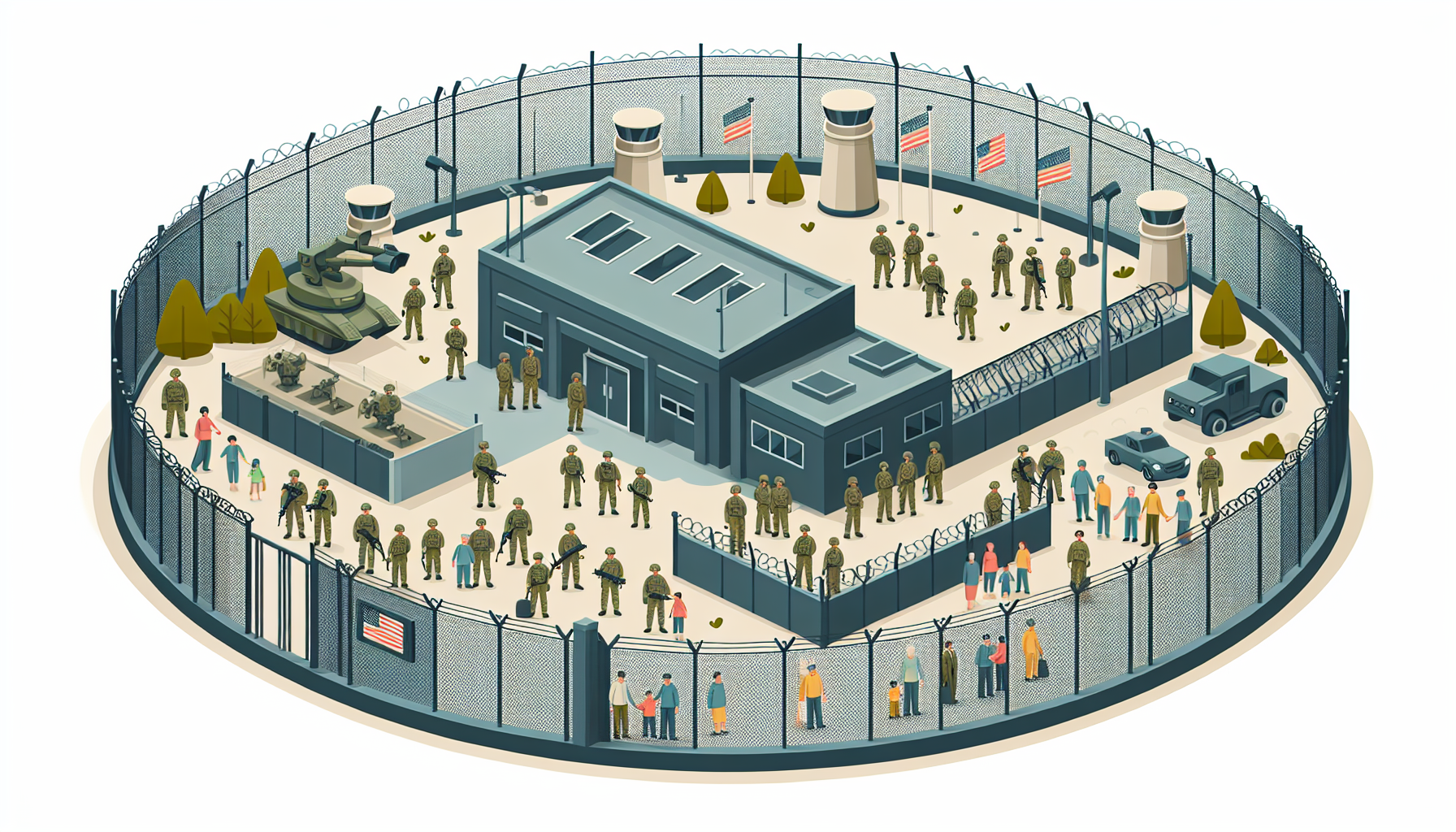
A base boundary, in military operations, refers to the delineated perimeter that encompasses a specific military base or installation. This boundary ensures security, control, and regulatory measures within the designated area. The perimeters can be marked by physical barriers, such as fences or walls, or demarcated with visible signs or flags.

Key Takeaways

  1. A base boundary refers to the demarcation line that defines the limits of a military installation or facility, separating it from the surrounding civilian areas.
  2. Base boundaries are vital for maintaining security, access control, and monitoring of military activities, personnel, and equipment within the premises.
  3. These boundaries may vary from physical barriers like fences and walls to natural features like rivers and hills, depending on the specific location and needs of the military base.

Importance

The term “base boundary” in military operations is important because it defines the precise limits of a military base or installation, ensuring proper organization, security, and allocation of resources.

It establishes a clear geographical demarcation, distinguishing between military-controlled land, facilities, and activities, and those beyond military jurisdiction.

By doing so, it helps maintain effective operational control and coordination within the base, while enabling adherence to laws and regulations governing land use and interactions with civilian communities in the surrounding areas.

Furthermore, it plays a crucial role in creating safety precautions and disaster response plans, as it outlines the area that must be protected or evacuated in case of emergencies.

Explanation

A base boundary is a crucial component in military operations that serves the purpose of clearly defining the territorial limits of a military base or installation. By establishing a delineated, distinct perimeter, it facilitates the organization and management of resources, infrastructure, and assets within the base.

This boundary allows military authorities to implement security measures, monitor movement, and effectively respond to any hostile activity targeting the base. It also aids in the protection of confidential information within the base, as well as maintaining the safety and well-being of military personnel stationed there.

Furthermore, base boundaries are of significant importance when it comes to coordinating joint military operations with allied forces or demarcating the area of responsibility for multiple units situated within the same vicinity. These boundaries help prevent confusion among different branches of the military or between various international forces, allowing for seamless communication, coordination, and cooperation during joint operations.

In doing so, base boundaries enable the efficient and organized execution of military missions, ultimately contributing to the overall success of national defense objectives.

Examples of Base boundary

A base boundary refers to the delineated perimeter of a military installation, separating it from the surrounding civilian areas or other military establishments. It is essential to establish these boundaries for security, operational, and legal purposes. Here are three real-world examples of base boundaries:

Guantanamo Bay Naval Base, Cuba: The Guantanamo Bay Naval Base (also known as Gitmo) is a U.S. military installation located in southeastern Cuba. Its base boundaries are clearly defined, with a fence line and minefield separating it from the rest of Cuba. This well-established boundary has been the subject of numerous disputes between the United States and Cuba, as Cuba asserts that the United States maintains control over the base without a valid lease.

Osan Air Base, South Korea: Osan Air Base is a U.S. Air Force installation located in South Korea, critical for U.S. power projection in the Korean Peninsula. The base boundaries are strictly enforced, with fences and gates separating it from the nearby urban areas and Korean civilian establishments. Maintaining the base boundary is essential to protect U.S. forces, maintain operational security, and promote effective collaboration with South Korean military personnel.

Joint Base Elmendorf-Richardson, Alaska: In 2010, the U.S. military merged Elmendorf Air Force Base and Fort Richardson into a single installation, creating Joint Base Elmendorf-Richardson (JBER). Defining and maintaining the new base boundary has been critical for security and collaboration between multiple military branches, including the U.S. Air Force, Army, Alaska National Guard, and reserve components. This includes clear separation from the surrounding civilian areas in Anchorage, Alaska.

FAQ: Base Boundary

1. What is a base boundary?

A base boundary refers to the physical limits or borders that define a military installation or facility. It separates the military area from the surrounding civilian community or other non-military areas.

2. Why are base boundaries important?

Base boundaries are crucial for several reasons, including preserving the security and integrity of a military installation, regulating access to the facility, and ensuring that military activities do not interfere with civilian life nearby.

3. How are base boundaries established?

Base boundaries are typically established by the military authorities or the government that oversees the installation. They may be delineated using various methods, such as by fences, walls, or natural features such as water bodies or wooded areas.

4. Can base boundaries change over time?

Yes, base boundaries can change over time, usually due to expansion or reduction of a military installation. Such changes usually require approval from the military authorities or government and may involve coordination with other stakeholders, such as nearby civilian communities.

5. How can I find out about the base boundaries around a specific military installation?

To learn about the base boundaries of a specific military installation, you can consult official sources, such as the installation’s public affairs office or the relevant government authority. Maps and other information about base boundaries may also be available online, or through local libraries or records.

Related Military Operation Terms

  • Military installations
  • Geographical limitations
  • Service-connected disabilities
  • Base housing allowances
  • Facility access

Sources for More Information

Benefits.com Advisors

With expertise spanning local, state, and federal benefit programs, our team is dedicated to guiding individuals towards the perfect program tailored to their unique circumstances.

Rise to the top with Peak Benefits!

Join our Peak Benefits Newsletter for the latest news, resources, and offers on all things government benefits.


Related Articles

Base cluster

Definition

A base cluster, in military operations, refers to a group of interconnected military bases or installations in a particular area that support each other in terms of resources, logistics, and defense. These clusters provide a strategic advantage by allowing for improved coordination, communication, and protection of vital assets. The interconnected nature of a base cluster allows for more efficient use of resources and quicker response to emergencies or threats.

Key Takeaways

  1. A base cluster refers to a group of military installations or facilities, often close in proximity, that support and complement each other in terms of functionality and logistics.
  2. Base clusters are strategically designed to optimize resource sharing, communication, and cooperation among the different military units and installations involved, thereby increasing overall efficiency and reducing operational costs.
  3. Consolidating installations and units into base clusters allows for streamlined logistical support, better security and protection, and an improved ability to carry out joint operations and training exercises among different branches of the military.

Importance

The term “base cluster” is important in military operations as it refers to a strategic grouping of multiple military bases or facilities within a specific geographical area.

This concept enables efficient utilization of resources, streamlined logistics, and enhanced force protection.

By consolidating various military assets such as personnel, equipment, and command centers, base clusters facilitate improved communication, collaboration, and coordination among different military units.

Furthermore, these clusters provide greater flexibility in the deployment of troops during both peacetime and wartime, acting as a crucial force multiplier and contributing to the overall effectiveness and responsiveness of the military.

Explanation

Base clusters play a pivotal role in military operations by serving as a centralized hub from which troops, equipment, and other resources can be efficiently organized, coordinated, and deployed. Typically comprising multiple units and often positioned in strategically advantageous locations, the purpose of a base cluster is to enhance operational effectiveness and facilitate rapid response to emerging threats or evolving mission requirements.

This consolidation of bases enables the military to synergize its efforts while simplifying logistics and providing a more robust support network for personnel situated both within the cluster and by extension, those dispersed throughout the area of operation. Moreover, base clusters contribute to cohesive and unified military planning and execution by fostering greater interaction, communication, and cooperation among various units and service branches.

This is particularly vital in joint or multinational operations, where coordination and interoperability between different national and multinational forces are of utmost importance. Additionally, base clusters allow for enhanced training opportunities, providing a shared space for personnel to hone their skills and develop joint competencies that can be vital to their effectiveness on the battlefield or during peacekeeping missions.

In essence, base clusters not only streamline military efforts but also contribute to a more agile, adaptable, and efficient operational force.

Examples of Base cluster

A “base cluster” refers to a group of military installations or bases in close proximity to each other, often used for logistical, support, and operational purposes. Base clusters play a crucial role in enhancing military cooperation, training, and efficiencies among the forces located within the area. Here are three real-world examples of base clusters:

Hampton Roads, Virginia, United States: This region, located in southeastern Virginia, hosts multiple military installations and services of the United States. The installations include Joint Base Langley-Eustis, Naval Station Norfolk, Naval Air Station Oceana, Naval Amphibious Base Little Creek, and the Army’s Fort Eustis, among others. These bases collectively form a significant military presence and make the area one of the most prominent military base clusters in the United States.

San Diego, California, United States: San Diego is home to a significant concentration of military installations, primarily catering to the United States Navy and Marine Corps. The bases in this region include Naval Base San Diego, Marine Corps Base Camp Pendleton, Marine Corps Air Station Miramar, and Naval Air Station North Island. These installations are geographically close and form a base cluster around the strategic Pacific coastline of the United States.

Kaiserslautern Military Community (KMC), Germany: This base cluster in the Rhineland-Palatinate region is the largest concentration of American forces outside the United States. The installations include Ramstein Air Base, Landstuhl Regional Medical Center, Kapaun Air Station, and several other U.S. Army Europe facilities, which support U.S. military operations in the European and African continents. This cluster serves not only as a strategic location for forward operations but also acts as a vital link in the supply and logistics chains connecting U.S. forces with their counterparts in Europe.

FAQ: Base Cluster Military Operations

What is a base cluster in military operations?

A base cluster in military operations refers to a group of military bases or installations that are located in proximity to one another, often to facilitate better collaboration, shared resources, and increased security. These clusters can include facilities for different branches of the military, such as the Army, Navy, and Air Force.

What is the purpose of a base cluster?

The purpose of a base cluster is to consolidate military resources and enhance the effectiveness of military operations. By having multiple bases and installations in close proximity, it becomes easier to share personnel, equipment, and other resources. Base clusters also contribute to improved communication and coordination among different military units, promoting a more efficient and successful operational environment.

What are the advantages of base clusters?

There are several advantages to base clusters in military operations. These include increased efficiency in resource allocation, improved collaboration and communication between various military units, enhanced security and protection for installations within the cluster, consolidated training and logistical support, and cost savings derived from the sharing of infrastructure and resources.

Can base clusters be located in different countries?

Yes, base clusters may be located in different countries as part of international military alliances or agreements. Collaborative arrangements like these enable countries to work together in areas of mutual strategic interest and enhance their collective defense capabilities. Examples include NATO and the US’s forward-deployed bases in Asia-Pacific and Europe.

How does the government decide on the location of a base cluster?

The location of a base cluster is typically determined by a combination of factors, such as strategic importance, geographical considerations, availability of resources, and political or diplomatic considerations. Decision-makers analyze these factors carefully to decide on the most optimal location for a base cluster to ensure it serves its intended purpose and provides maximal benefits to the military force and the host nation.

Related Military Operation Terms

  • 1. Compensation and Pension (C&P) Benefits
  • 2. GI Bill: Educational Assistance Program
  • 3. VA Home Loan Guaranty
  • 4. Vocational Rehabilitation and Employment (VR&E) Services
  • 5. VA Health Care Benefits

Sources for More Information

  • RAND Corporation – A research organization that provides analysis and solutions to various topics, including military operations and strategy.
  • NATO – The official website of NATO, a key military alliance. Their site shares information on operations, strategies, and defense policies.
  • GlobalSecurity.org – A website that offers expert research and analysis on current military operations, strategies, and developments in security worldwide.
  • NATO Strategic Communications Centre of Excellence – A multinational, NATO-accredited organization, focusing on research, analysis, and training in strategic communications, including military operations.

Benefits.com Advisors

With expertise spanning local, state, and federal benefit programs, our team is dedicated to guiding individuals towards the perfect program tailored to their unique circumstances.

Rise to the top with Peak Benefits!

Join our Peak Benefits Newsletter for the latest news, resources, and offers on all things government benefits.

Related Articles

Base cluster commander

Definition

The term “Base Cluster Commander” refers to a high-ranking military officer who is responsible for overseeing multiple military bases or installations within a designated geographic area. They ensure efficient operations, coordination, and communication among the bases under their command. Additionally, the Base Cluster Commander addresses strategic planning, administrative tasks, and allocation of resources to support the mission objectives of the bases in their cluster.

Key Takeaways

  1. The Base Cluster Commander is in charge of overseeing and managing multiple military bases or installations that are geographically close and functionally related, ensuring efficient administration and resource allocation.
  2. These commanders are responsible for coordinating logistics, maintenance, security, and overall operations within their cluster of bases, while also liaising with higher headquarters and other external organizations to support the mission and strategic objectives.
  3. Base Cluster Commanders play a crucial role in maintaining readiness, fostering collaboration, and streamlining support functions for the military units and personnel assigned to the bases in their cluster.

Importance

The term “Base Cluster Commander” is important in military operations as it signifies the high-ranking officer responsible for managing and overseeing the coordination of multiple subordinate military units or bases within a specific geographical area.

These commanders play a critical role in ensuring the efficiency, safety, and overall success of their designated base cluster by executing strategic planning, maintaining open lines of communication, and making vital decisions in response to varying circumstances.

Their leadership and expertise contribute significantly to the readiness and stability of military forces, thereby directly impacting the effectiveness of both defensive and offensive operations during times of conflict or peacekeeping missions.

Explanation

In the context of military operations, the concept of the Base Cluster Commander serves a vital purpose in ensuring the seamless coordination and functioning of various units within a base cluster. A base cluster is essentially a group of military bases or installations located in close proximity to one another, sharing resources, personnel, and expertise to achieve a common objective.

The role of the base cluster commander, therefore, is to effectively manage these resources, facilitate cooperation between different units, and direct the overall efforts towards the accomplishment of the mission at hand. The Base Cluster Commander assumes a mantle of responsibility by acting as the central decision-making authority, resulting in improved coordination and communication amongst the disparate units within the cluster.

This ensures that all operations within the scope of the base cluster are aligned, well-executed, and adaptable to changing conditions. In times of conflict or crisis, the base cluster commander holds the reins in terms of resource allocation, strategic planning, and prioritization of tasks, leading to a robust and agile response.

Furthermore, the commander must also liaise with higher-ups in the military hierarchy, consistently updating them on the progress of operations and the effectiveness of their strategies. Ultimately, the role of the base cluster commander is indispensable in maintaining an environment of cohesion and efficiency within the base cluster, allowing for streamlined military operations and enhanced readiness in the face of any challenge.

Examples of Base cluster commander

The term “base cluster commander” refers to a higher-ranking military officer who is responsible for managing a collection of military bases or facilities within a specific geographical area or under a particular regional command. Here are three examples of base cluster commanders in real-world military operations:

United States Navy Region SouthwestThe Commander of Navy Region Southwest in the United States is responsible for overseeing naval bases in the southwest region of the country. This includes bases like Naval Base San Diego, Naval Air Station North Island, Naval Amphibious Base Coronado, and Naval Air Weapons Station China Lake, among others. As a base cluster commander, this individual ensures that the facilities operate efficiently and effectively, maintains overall readiness, and supports the operational needs of the fleet.

United Kingdom Permanent Joint Operating Bases (PJOBs)The British military has four Permanent Joint Operating Bases (PJOBs) located overseas: Gibraltar, Falkland Islands, Ascension Island, and British Indian Ocean Territory. These bases support the UK’s defense commitments and provide strategic facilities for operations worldwide. The Commander Joint Operations (CJO) is responsible for managing these bases, serving as the base cluster commander. The CJO coordinates training, logistics, maintenance, and overall support for the bases, ensuring their readiness for various military operations.

NATO’s Allied Air Command (AIRCOM)The Commander of NATO’s Allied Air Command (AIRCOM), based at Ramstein Air Base in Germany, is responsible for managing and coordinating the Alliance’s air activities across multiple bases spread across NATO’s member nations. The AIRCOM commander oversees air defense, air operations, and conducts joint force air component command for NATO-led missions. As a base cluster commander, this individual facilitates the integration and cooperation of participating countries’ air forces to ensure the effectiveness and readiness of NATO’s collective air power.

FAQ: Base Cluster Commander

1. What is a Base Cluster Commander?

A Base Cluster Commander is a high-ranking military officer responsible for overseeing the operations, security, and administration of multiple military installations or bases within a specific region. They coordinate various activities, manage resources, and ensure the efficient and effective functioning of their assigned military facilities.

2. What are the roles and responsibilities of a Base Cluster Commander?

Some of the key roles and responsibilities of a Base Cluster Commander include maintaining operational readiness of the assigned bases, ensuring the security and safety of personnel and assets, coordinating administrative and logistical support, managing financial budgets, and liaising with other military and civilian authorities on matters related to base operations.

3. How is a Base Cluster Commander selected?

A Base Cluster Commander is typically selected through a rigorous selection process within the military hierarchy, considering the individual’s rank, experience, expertise, and demonstrated leadership abilities in previous assignments. The candidate must have a proven track record of executing similar responsibilities effectively and must possess the skills necessary to manage complex military operations.

4. What qualities should a Base Cluster Commander possess?

Some essential qualities of a Base Cluster Commander include strong leadership skills, excellent strategic planning and decision-making abilities, adaptability, exceptional communication and interpersonal skills, and a deep understanding of the military organization’s goals and objectives. They must also be resourceful, dedicated, and able to work well under pressure.

5. How does a Base Cluster Commander communicate with subordinate units?

A Base Cluster Commander communicates with subordinate units using various channels, such as face-to-face meetings, briefings, reports, official correspondence, and electronic communication systems. It is crucial for the Commander to maintain open lines of communication to ensure the efficient flow of information, receive updates on ongoing operations, and convey directives or guidance to subordinate units promptly.

Related Military Operation Terms

  • VA Benefits Administration
  • Military Base Leadership
  • Commander’s Responsibilities
  • Base Support Services
  • Coordination with VA

Sources for More Information

Benefits.com Advisors

With expertise spanning local, state, and federal benefit programs, our team is dedicated to guiding individuals towards the perfect program tailored to their unique circumstances.

Rise to the top with Peak Benefits!

Join our Peak Benefits Newsletter for the latest news, resources, and offers on all things government benefits.

Related Articles

Base cluster operations center (BCOC)

Definition

The base cluster operations center (BCOC) is a military term referring to a centralized hub responsible for coordinating and managing the operational activities of multiple military bases within a specific region. It facilitates communication, information sharing, and decision-making among the bases. The BCOC enhances operational efficiency and effectiveness by streamlining command and control processes.

Key Takeaways

  1. Base Cluster Operations Center (BCOC) is a centralized command and control facility that is responsible for the efficient coordination and execution of various military operations within a specific geographic area or base cluster.
  2. It serves as a hub for the gathering, analysis, and dissemination of critical information, enabling rapid decision-making and ensuring the success of missions. This includes coordinating logistics, intelligence, communications, and other support functions.
  3. BCOC enhances the interoperability among different military units and allied forces, streamlining communication, and fostering collaboration. This leads to improved situational awareness, greater force protection, and optimizes the use of resources during military operations.

Importance

The Base Cluster Operations Center (BCOC) is an essential component in military operations as it serves as the centralized hub for coordinating, managing, and ensuring the efficient functioning of various support activities within multiple military installations, also known as base clusters.

These activities include logistics, supply chain management, communication, transportation, and force protection.

The BCOC plays a crucial role in optimizing mission readiness, enhancing the effectiveness of the military units, and ensuring resource optimization.

Furthermore, it fosters teamwork and information sharing among military personnel, enabling them to respond swiftly to unforeseen challenges and threats, thereby significantly contributing to the overall success and security of military operations.

Explanation

The primary objective of a Base Cluster Operations Center (BCOC) in military operations is to serve as a command and control hub that streamlines communication, coordination, and decision-making efforts across various components of a military base. This centralized control system is essential for maintaining situational awareness on the ground, allowing commanders and personnel to work together effectively to achieve tactical and strategic objectives.

The BCOC not only manages day-to-day operations of the base, but also ensures a quick and efficient response to potential threats or emergencies, leveraging available resources and assets to handle any situation that arises. Moreover, the BCOC is equipped with an array of advanced technological systems that enhance information sharing, data analysis, and communication between various military units and external agencies.

As a vital nerve center for military operations, the BCOC provides a platform for intelligence coordination, surveillance activities, force protection measures, and logistical support. This comprehensive approach to operations management not only bolsters the base’s overall defensive capabilities but also grants a higher degree of flexibility and adaptability to changing circumstances on the battlefield.

Ultimately, the BCOC plays a significant role in ensuring optimum performance of military personnel and equipment, ultimately contributing to mission success and the safeguarding of national security interests.

Examples of Base cluster operations center (BCOC)

Bagram Airfield, Afghanistan: The Bagram Base Cluster Operations Center (BCOC) served as a central command and control center for military forces operating in Afghanistan. It was responsible for coordinating and overseeing all aspects of base security, logistics, and operational support for U.S. and NATO forces operating in the area.

Camp Lemonnier, Djibouti: The Base Cluster Operations Center (BCOC) at Camp Lemonnier serves as a central hub for U.S. military activities in the Horn of Africa region. It facilitates coordination among various military units, including the Combined Joint Task Force – Horn of Africa (CJTF-HOA), ensuring that their efforts are aligned with overall strategic goals and providing key support functions, such as logistics, maintenance, and communications.

Al Udeid Air Base, Qatar: The Al Udeid Base Cluster Operations Center (BCOC) is responsible for coordinating the various support functions needed for ongoing military operations in the Middle East, such as Operation Inherent Resolve against ISIS. The BCOC works closely with partner nations, including Qatar, to ensure the smooth functioning of the base and its ability to support U.S. and coalition forces in the region.

FAQ: Base Cluster Operations Center (BCOC)

What is a Base Cluster Operations Center (BCOC)?

A Base Cluster Operations Center (BCOC) is a centralized command and control facility responsible for planning, directing, coordinating, and executing operational activities related to base support functions for a group of military bases within a specific area or region. BCOCs enhance operational efficiency and effectiveness by streamlining decision-making processes, improving communication, and providing oversight for critical base support operations.

What are the primary functions of a BCOC?

The primary functions of a BCOC include, but are not limited to: coordinating base support activities, managing resource allocation, overseeing infrastructure maintenance and development, providing logistical support, facilitating communication between military units, developing and implementing contingency plans, and ensuring the security and stability of the bases within its jurisdiction.

Why is a BCOC important in military operations?

A BCOC is important in military operations because it provides a centralized command structure for managing and supporting multiple military bases, ensuring a unified and efficient approach to addressing key operational requirements. This level of integration allows the military to better respond to incidents, emergencies, or other operational needs, and maintain mission readiness across all installations within the cluster.

How is a BCOC organized?

A BCOC is organized into various functional sections or cells, each responsible for a specific aspect of support operations. These may include operations, plans, intelligence, logistics, communications, and engineering cells, among others. The center is led by the BCOC director and their staff, which typically includes military personnel, civilian staff, contractors, and liaisons from other military or government agencies.

What types of bases/facilities can be supported by a BCOC?

A BCOC can support a diverse range of military installation types, such as air bases, naval stations, army posts, and joint interagency facilities. The specific nature of the bases within a cluster may vary depending on factors such as geographical location, mission requirements, and service affiliation. A BCOC’s primary goal is to effectively manage and support the needs of its assigned installations, regardless of their individual characteristics.

Related Military Operation Terms

  • Regional Network Operations (RNOC)
  • Disaster Recovery Plan (DRP)
  • Veterans Benefits Management System (VBMS)
  • Integrated Operations Center (IOC)
  • Service Delivery Network (SDN)

Sources for More Information

  • GlobalSecurity.org – GlobalSecurity.org offers in-depth information on a variety of subjects related to defense, space, intelligence, and more.
  • U.S. Department of Defense – The official website of the United States Department of Defense includes various topics on military strategy, operations, and terminology, including BCOC.
  • Joint Chiefs of Staff – The Joint Chiefs of Staff website offers information on joint military strategies, doctrine, and operations from the United States Armed Forces.
  • RAND Corporation – RAND Corporation conducts research and analysis on various topics related to defense, including military operations and base cluster operations centers.

Benefits.com Advisors

With expertise spanning local, state, and federal benefit programs, our team is dedicated to guiding individuals towards the perfect program tailored to their unique circumstances.

Rise to the top with Peak Benefits!

Join our Peak Benefits Newsletter for the latest news, resources, and offers on all things government benefits.

Related Articles

Base defense

Definition

Base defense refers to a set of coordinated measures and strategies implemented to protect and secure a military installation, camp, or facility. This includes an array of defensive actions involving physical security systems, surveillance, intelligence gathering, and personnel training. The primary goal of base defense is to prevent unauthorized access, maintain operational capability, and protect personnel, equipment, and resources from potential threats.

Key Takeaways

  1. Base defense refers to the protection and security measures implemented at a military installation or facility to ensure operational readiness and safeguard personnel and assets from potential threats.
  2. Effective base defense involves a combination of elements like surveillance, intrusion detection systems, physical barriers, armed personnel, and coordination with local authorities to maintain security and thwart potential attacks.
  3. Regular training and drills, as well as continuous evaluation of threat levels and updates to defense measures, are critical for ensuring the success of base defense strategies and keeping the military installation secure.

Importance

Base defense is a crucial aspect of military operations as it ensures the security and integrity of the military’s vital assets, personnel, and infrastructure.

By protecting these critical components, base defense enables the military to maintain operational readiness, execute strategic missions, and support overall national security objectives.

Effective base defense comprises various elements, including physical barriers, force protection measures, surveillance systems, and rapid response capabilities.

Moreover, it serves as a deterrent against potential adversaries, preventing unauthorized access, espionage, and acts of sabotage or terrorism.

As a cornerstone of military strategy and a foundation for force projection, base defense is essential for safeguarding a nation’s interests and preserving its military power.

Explanation

Base defense is a critical aspect of military operations, designed to ensure the security and functionality of any military installation. Its primary purpose is to protect valuable assets, personnel, and infrastructure from potential threats, such as enemy forces, sabotage, or acts of terror. By providing a robust defense system at a military base, it serves as a powerful deterrent to potential adversaries, consequently preserving the overall mission readiness and capabilities of the armed forces stationed at that location.

Base defense encompasses an extensive array of measures, including surveillance, perimeter security, access control, and rapid response teams equipped to deal with various incidents and aggressions against the installation. In practice, base defense is implemented through a multi-layered approach that consists of a range of physical, technological, and procedural elements. This typically includes fortifying the perimeter with barriers, fences, and security checkpoints to control and monitor access to the base, as well as installing surveillance equipment, such as cameras and sensors, to maintain constant oversight of the surrounding area.

Furthermore, base defense personnel receive specialized training in advanced tactics and strategies to detect, identify, and neutralize potential threats. They work in close collaboration with other branches of the armed forces, such as military intelligence units and specialized air defense systems, which provide vital information about any imminent threats. This comprehensive approach to base defense ensures the protection and resilience of critical military installations, guaranteeing their ability to support and execute successful operations in times of necessity.

Examples of Base defense

Camp Bastion Attack (2012) – In September 2012, a high-profile base defense incident took place at Camp Bastion in Afghanistan, a strategically essential British military base housing U.S. and British troops. Taliban insurgents infiltrated the base, destroying aircraft and killing two U.S. Marines. In response, base defense protocols were evaluated and improved to prevent future security breaches.

Incirlik Air Base, Turkey – Incirlik Air Base is a key NATO installation that hosts U.S. and Turkish Air Force units near the border with Syria. The base has experienced extended security alerts and lockdowns due to its proximity to conflict zones and high-value, strategic importance. Base defense measures here include reinforced perimeter security, hardened aircraft shelters, and continuous monitoring of potential threats.

Camp Lemonnier, Djibouti – Located in the Horn of Africa, Camp Lemonnier is the only permanent U.S. military base in Africa and has been used for various missions, including counter-terrorism, humanitarian aid, and maritime security. A prime example of base defense, the camp features expanded protective measures ranging from physical barriers and security personnel to surveillance systems, ensuring the safety and security of personnel and assets.

FAQ – Base Defense

What is base defense?

Base defense refers to the process and strategies used by military forces to protect and secure their installations, equipment, and personnel from enemy attacks or potential threats. This involves the use of various tactics, physical barriers, early warning systems, and force protection measures.

Why is base defense important?

Base defense is crucial to maintaining the operational readiness and effectiveness of military forces. It helps prevent damage or disruption to critical assets, protects the lives of military personnel, and ensures that essential services and facilities are available for military operations. Additionally, it can also act as a deterrent to potential adversaries and help maintain overall national security.

What are the key elements of base defense?

The key elements of base defense include physical security measures, active and passive defensive systems, access control, surveillance and early warning systems, and well-trained and equipped personnel. These elements work together to create a comprehensive defense strategy and minimize vulnerabilities.

What are some examples of physical security measures used for base defense?

Physical security measures for base defense can include perimeter fences, walls, barriers, intrusion detection systems, secure entry points, and hardened shelters or buildings. These measures are designed to prevent unauthorized access, provide protection from attacks, and ensure the safety of personnel and assets.

What do active and passive defensive systems entail?

Active defensive systems refer to weapons and equipment used to counter threats or attacks, such as air defense systems, ground-based interceptors, and electronic warfare capabilities. Passive defensive systems involve measures taken to minimize the impact of an attack or make it difficult for an adversary to locate and target a base. This can include camouflage, concealment, and deception techniques, as well as the use of protective construction materials and designs.

How are access control and surveillance important in base defense?

Access control ensures that only authorized individuals can enter a military base or gain access to sensitive areas and information. This is typically achieved through a combination of identification and credentials checks, physical barriers, and security personnel. Surveillance and early warning systems help provide ongoing monitoring of a base’s surroundings, detect potential threats, and give military forces time to respond to any security incidents effectively.

Related Military Operation Terms

  • Military Installations
  • Force Protection
  • Perimeter Security
  • Surveillance Systems
  • Access Control

Sources for More Information

Benefits.com Advisors

With expertise spanning local, state, and federal benefit programs, our team is dedicated to guiding individuals towards the perfect program tailored to their unique circumstances.

Rise to the top with Peak Benefits!

Join our Peak Benefits Newsletter for the latest news, resources, and offers on all things government benefits.

Related Articles

Base defense operations center (BDOC)

Definition

The Base Defense Operations Center (BDOC) is a centralized command and control facility responsible for organizing, coordinating, and directing base defense activities. It is typically staffed by military personnel from various units and is responsible for monitoring and assessing threats, gathering intelligence, and disseminating information to relevant parties. In essence, the BDOC serves as a hub for managing the security and defense of a military installation.

Key Takeaways

  1. The Base Defense Operations Center (BDOC) serves as the central command and control hub for planning, coordinating, and executing all security and defense functions within a military installation.
  2. BDOC effectively integrates and disseminates real-time information utilizing communication systems and assigned personnel, enabling swift decision-making for improved base protection.
  3. Key responsibilities of the BDOC include monitoring and assessing potential threats, overseeing security forces and resources, and coordinating with external agencies to ensure the safety and security of military assets and personnel.

Importance

The Military Operations term Base Defense Operations Center (BDOC) is important because it serves as the central command and control hub for managing and directing all security and defense measures within a military installation or base.

It plays a crucial role in maintaining the safety and integrity of personnel, resources, and critical assets against potential threats or attacks.

BDOC facilitates efficient communication and coordination among various units, enabling real-time situational awareness and rapid response to incidents or emergencies.

By overseeing surveillance systems, access control points, and perimeter security, BDOC ensures the smooth functioning of base operations while preserving the well-being of service members and supporting the overall mission.

Explanation

The Base Defense Operations Center (BDOC) serves a crucial role in safeguarding military installations by providing comprehensive and integrated defense measures. The fundamental purpose of a BDOC is to centralize and streamline base security efforts to ensure the safety of personnel and resources, while efficiently coordinating with military units or personnel tasked with defending the base.

This efficient coordination of various elements, such as intelligence, surveillance, reconnaissance, and communication, enables information-sharing and rapid decision-making to help detect, deter, and respond to potential threats or security breaches. BDOCs not only help maintain the vigilance of military bases but also contribute significantly to the overall operational readiness of deployed forces.

To l this end, BDOCs monitor and assess data from various sensors, such as cameras, radar systems, and other intelligence sources, enabling them to provide real-time situational awareness of the base’s security posture. Additionally, BDOCs manage and direct base defense forces, such as security patrols and quick reaction forces, by dispatching them to any location on the installation requiring their response or assistance.

In summary, the Base Defense Operations Center operates as the nerve center of an installation’s security apparatus, maximizing its ability to safeguard personnel, assets, and critical infrastructure from threats both external and internal.

Examples of Base defense operations center (BDOC)

Bagram Airfield Base Defense Operations Center (BDOC), Afghanistan: During the Afghan conflict, the U.S. and NATO operated a BDOC at Bagram Airfield, which served as the logistics hub for military forces in the region. The BDOC was responsible for monitoring and coordinating the overall security of the base, working with multiple units including military police, quick reaction forces, and intelligence units.

Combined Joint Task Force – Horn of Africa (CJTF-HOA) BDOC at Camp Lemonnier, Djibouti: The CJTF-HOA BDOC is responsible for managing base defense and coordinating force protection efforts for Camp Lemonnier, which houses U.S. and allied military personnel supporting operations in East Africa. The BDOC brings together various units and national partners for real-time sharing of information, enhanced situational awareness, and rapid response capabilities.

Naval Station Guantanamo Bay BDOC, Cuba: The Guantanamo Bay detention facility also utilizes a BDOC to coordinate and oversee base defense operations for the Naval Station (NAVSTA). The BDOC ensures the protection of maritime, aviation, and ground security assets and coordinates with the Joint Task Force Guantanamo (JTF-GTMO) on matters of force protection and security. The BDOC integrates multiple functions such as surveillance, access control, and response to security incidents, bolstering the overall safety of the base.

Base Defense Operations Center (BDOC) FAQ

What is a Base Defense Operations Center (BDOC)?

A Base Defense Operations Center (BDOC) is a centralized command and control facility responsible for coordinating and controlling the security and defense operations of a military base or installation. The BDOC manages and directs resources, monitors the base’s perimeter, and maintains communication with relevant units and organizations.

What are the primary functions of a BDOC?

The primary functions of a BDOC include monitoring the base’s security forces, coordinating responses to incidents or threats, maintaining situational awareness of the base’s surroundings, analyzing and disseminating intelligence and surveillance information, and communicating with higher headquarters, adjacent units, and external agencies as required.

Who operates a BDOC?

A BDOC is operated by a team of trained military personnel, including security forces and intelligence specialists, who work together to maintain the security of the base. This team may be supported by civilian contractors or other specialized personnel, depending on the specific requirements of the base and mission.

How does a BDOC maintain situational awareness?

A BDOC maintains situational awareness through constant monitoring of the base perimeter, using a combination of surveillance equipment, sensors, and security patrols. The BDOC also receives and analyzes intelligence information from various sources, including reconnaissance units, higher headquarters, and external agencies. This information is then used to identify potential threats and develop security plans to protect the base and its personnel.

What role does a BDOC play in responding to incidents or threats?

When an incident or threat occurs, the BDOC serves as the primary command and control center for all base defense and security operations. This includes coordinating the response of security forces and other emergency responders, directing reinforcements or additional resources as needed, and communicating with higher headquarters and adjacent units. The BDOC also serves as a central point for collecting, analyzing, and disseminating information related to the incident or threat, ensuring that all relevant personnel are kept informed and can respond effectively.

Related Military Operation Terms

  • Force Protection
  • Security Forces
  • Threat Assessment
  • Emergency Management
  • Surveillance Systems

Sources for More Information

Benefits.com Advisors

With expertise spanning local, state, and federal benefit programs, our team is dedicated to guiding individuals towards the perfect program tailored to their unique circumstances.

Rise to the top with Peak Benefits!

Join our Peak Benefits Newsletter for the latest news, resources, and offers on all things government benefits.

Related Articles

Base defense zone (BDZ)

Definition

A Base Defense Zone (BDZ) is a designated area surrounding and including a military installation or facility. This zone serves as the primary location for implementing security measures and defensive operations. The primary purpose of a BDZ is to ensure the protection of personnel, equipment, and infrastructure from potential threats or enemy action.

Key Takeaways

  1. Base Defense Zone (BDZ) refers to a predefined area surrounding a military base or installation designed to provide protection against external threats and ensure the security of the personnel, equipment, and facilities within the zone.
  2. BDZ primarily involves a combination of security measures including surveillance systems, access control, physical barriers, and presence of military forces to both deter and respond to any hostile actions, intrusions or incidents within the designated area.
  3. The establishment and management of a BDZ requires close coordination between different military units and departments responsible for intelligence, planning, and execution of the defense strategy to efficiently utilize resources and ensure the safety of the base and its missions.

Importance

The military operations term, Base Defense Zone (BDZ), is important because it designates a specific area around a military installation where security forces focus on organizing and executing necessary defense measures to protect critical assets, personnel, and infrastructure from potential threats and attacks.

A well-defined and effectively managed BDZ is essential to maintaining the operational readiness and safety of military installations and ensures that they can continue to support vital missions and objectives.

By establishing a robust BDZ and employing a combination of physical security measures, surveillance technologies, and coordinated response procedures, military forces are better equipped to deter, detect, and defend against potential physical or cyber intrusions, safeguarding the strategic interests and capabilities of their nation.

Explanation

The primary purpose of a Base Defense Zone (BDZ) is to safeguard military installations from potential threats and enemy engagements. Establishing a BDZ is crucial because it ensures the continued functioning of military operations, protects valuable human resources, and minimizes the risk of loss or damage to mission-critical equipment and facilities.

By maintaining a protected zone around key infrastructures, the military can operate more efficiently and securely while also focusing on broader strategic objectives. In order to achieve this protection, the BDZ is comprised of a multi-layered security approach that involves various tactics, personnel, and technologies.

This may include perimeter security measures such as fencing, surveillance systems, and access control points, as well as regular patrols to monitor and deter any possible threats. The use of intelligence gathering and analysis plays a vital role in identifying potential risks and improving the overall security posture of the BDZ.

In the event of an actual attack, the BDZ serves as a strategic staging area, allowing for rapid response and defense against hostile forces.

Examples of Base defense zone (BDZ)

Green Zone (Baghdad, Iraq): The Green Zone, also known as the International Zone of Baghdad, is a heavily fortified district in central Baghdad that served as the primary base for coalition forces after the 2003 invasion of Iraq. This area was established as a security measure and the base defense zone for military and government personnel to operate safely. It housed the Coalition Provisional Authority, U.S. Embassy, and various military and governmental facilities.

Camp Bastion (Helmand Province, Afghanistan): Camp Bastion was the main British military base in Afghanistan, established in

The camp was situated in the volatile Helmand Province and served as a base defense zone for the United Kingdom, United States, and other coalition forces. Its primary purpose was to provide support, resources, and security for military personnel operating in the region. Camp Bastion was handed over to Afghan National Security Forces in

Joint Security Area (Panmunjom, Korean Demilitarized Zone): The Joint Security Area (JSA) is located in the village of Panmunjom within the Korean Demilitarized Zone (DMZ) and serves as a base defense zone for both North and South Korea. The JSA is roughly 800 meters in diameter and is the only point where North and South Korean forces stand face-to-face. It is primarily used for diplomatic engagements between the two countries, and though it is a potentially hostile area, security forces from both sides maintain a consistent and watchful presence to protect the zone.

FAQ: Base Defense Zone (BDZ)

What is a Base Defense Zone (BDZ)?

A Base Defense Zone (BDZ) is a designated area surrounding a military installation or facility which serves as a protected perimeter. The main purpose of a BDZ is to provide security and defense against potential threats, as well as to maintain operational readiness of the military forces stationed within the zone.

Why are Base Defense Zones important?

Base Defense Zones play a crucial role in ensuring the safety and security of military personnel, equipment, and critical assets from external threats. They also contribute to the overall readiness and effectiveness of military forces by allowing them to train and conduct operations within a secure environment, free from enemy interference.

How is a BDZ established?

A BDZ is typically established through a combination of physical barriers, surveillance systems, and security forces. The perimeter may consist of fencing, walls, or natural barriers, while technology such as cameras, motion sensors, and communication systems ensure constant monitoring of the area. Military personnel, often in conjunction with local law enforcement, patrol the zone and respond to threats as necessary.

What types of threats does a BDZ aim to prevent?

Base Defense Zones aim to prevent a wide range of potential threats, including unauthorized entry, espionage, sabotage, terrorism, and direct enemy attacks. A comprehensive defense strategy ensures that military installations and facilities can maintain their operations and readiness even during periods of heightened threat levels or active conflict.

Can civilians enter a BDZ?

Access to a Base Defense Zone is restricted and subject to strict security measures. Civilians may be granted access for specific purposes such as family visits, contractor work, or official functions but must undergo security checks and obtain the necessary authorization. Unauthorized entry into a BDZ is strictly prohibited and may result in legal consequences or the use of force to ensure the security of the installation.

Related Military Operation Terms

  • Perimeter Security
  • Force Protection
  • Military Installations
  • Access Control Points
  • Defense Strategies

Sources for More Information

Benefits.com Advisors

With expertise spanning local, state, and federal benefit programs, our team is dedicated to guiding individuals towards the perfect program tailored to their unique circumstances.

Rise to the top with Peak Benefits!

Join our Peak Benefits Newsletter for the latest news, resources, and offers on all things government benefits.

Related Articles

Base development

Definition

Base development refers to the process of planning, establishing, and improving military facilities and infrastructure in a specific location. This includes constructing and upgrading communication systems, transportation routes, accommodations, and other essential support structures. The goal of base development is to create a functional and secure environment that enhances military capabilities and supports the overall mission of the armed forces.

Key Takeaways

  1. Base development refers to the planning, construction, and expansion of military installations to support operational requirements and military forces.
  2. It includes the establishment and improvement of infrastructure, such as barracks, communications systems, storage facilities, and airfields, to enhance the combat readiness and effectiveness of military personnel and equipment.
  3. Base development is crucial for maintaining a robust and agile military force, enabling rapid response to emerging threats and ensuring sustainable support for long-term missions and deployments.

Importance

Base development is a crucial aspect of military operations as it involves the establishment, expansion, and maintenance of facilities and infrastructure to support and sustain military forces during various missions and deployments.

These bases enable seamless communication, logistical support, and efficient command and control, playing a vital role in executing military strategies and ensuring the overall success of the operation.

Additionally, well-developed military bases strengthen a nation’s defense capabilities, provide strategic locations for rapid response, and foster cooperation among allied forces.

Consequently, base development is a key factor in enhancing a nation’s military preparedness, enabling it to respond effectively to potential threats and maintain security and stability in the region.

Explanation

Base development is a critical aspect of military operations, aimed at strengthening a nation’s defensive and offensive capabilities, as well as enhancing sustainability and operational readiness during times of conflict or peace. The primary purpose of base development is to establish and improve military infrastructure, including bases, logistics facilities, and communication networks, which serve as the foundation for troop deployment, training, supply, and overall military preparedness.

By investing in base development, countries can ensure their Armed Forces are ready to respond effectively to threats, project power when necessary, and maintain a stable presence in strategic areas, both domestically and internationally. Apart from fortifying the military’s capacity to protect national interests and fulfill its strategic goals, base development also facilitates essential intra-agency and bilateral cooperation among different branches and allied nations.

This includes joint training exercises, intelligence sharing, and technology development that enable the synergy of military operations. In essence, base development serves as a critical enabler for power projection, deterrence, and interoperability, contributing to a cohesive and efficient military force capable of addressing evolving challenges in an increasingly complex security landscape.

Investing in base development ultimately enhances a nation’s strategic posture and promotes preparedness, flexibility, and resilience against various threats and contingencies.

Examples of Base development

Base development refers to the process of planning, constructing, improving, and maintaining military facilities and infrastructure to support military operations. Here are three real-world examples of base development:

Naval Station Rota (Spain): Naval Station Rota is a U.S. Navy base located in Rota, Spain. The base is a major hub for U.S. and NATO forces in the Mediterranean region and serves as a key logistics and maintenance facility. Base development at Naval Station Rota has included the construction of new housing facilities, upgrading existing structures, and improving port facilities to accommodate more naval vessels.

Camp Lemonnier (Djibouti): Camp Lemonnier is a U.S. military base located in Djibouti, Africa, and serves as the primary base for the U.S. military’s counterterrorism and stabilization efforts in the region. The base has gone through significant development since being established in 2001, including expanding the airfield, building new living quarters, and upgrading communication systems.

Kandahar Airfield (Afghanistan): Kandahar Airfield, a major military base in Afghanistan, was established in 2001 during Operation Enduring Freedom. The base played a critical role in NATO’s military operations in Afghanistan and housed thousands of military personnel. Base development at Kandahar Airfield included the construction of new housing, a hospital, and infrastructure to support military aircraft and heavy equipment. The Kandahar Airfield was handed over to Afghan security forces in 2014 after NATO’s combat mission ended in Afghanistan.

Base Development FAQ

What is base development?

Base development is the process of planning, designing, constructing, and maintaining military facilities to support the activities and operations of armed forces. It involves creating infrastructure such as barracks, airfields, storage facilities, and command centers that contribute to the force’s readiness, effectiveness, and overall efficiency.

Why is base development important?

Base development is crucial for military success and contributes to the overall national defense strategy. Developing and maintaining well-designed bases ensures that soldiers have the proper living conditions, resources, and training facilities required to prepare for their missions. It enhances operational efficiency and aids in quick response to unforeseen situations or threats.

How does base development contribute to a nation’s defense capabilities?

By providing adequate infrastructure and support facilities, base development plays a vital role in ensuring that a nation’s military is well-prepared, equipped, and fully operational. It also helps in optimally utilizing military resources, accommodating future expansions, and effectively addressing potential challenges.

What factors influence base development decisions?

Several factors influence base development decisions, including strategic goals, budget constraints, security concerns, environmental considerations, and land availability. Evaluating these factors enables military planners to make informed decisions in selecting the location, size, and scope of base projects that effectively meet the organization’s needs and objectives.

What kind of personnel are involved in base development?

A diverse range of professionals are involved in base development, including military engineers, architects, urban planners, environmental experts, project managers, construction specialists, and financial analysts. These experts work collaboratively to ensure the timely and successful completion of military base projects while adhering to quality, safety, and budgetary standards.

Related Military Operation Terms

  • Eligibility Criteria
  • Compensation and Pension
  • Educational and Training Assistance
  • Vocational Rehabilitation
  • Healthcare Services

Sources for More Information

Benefits.com Advisors

With expertise spanning local, state, and federal benefit programs, our team is dedicated to guiding individuals towards the perfect program tailored to their unique circumstances.

Rise to the top with Peak Benefits!

Join our Peak Benefits Newsletter for the latest news, resources, and offers on all things government benefits.
Related Articles

Baseline costs

Definition

Baseline costs in military operations refer to the initial estimated expenditure required to successfully accomplish a mission, program, or project. These costs serve as a benchmark for comparison with the actual costs that may arise during the execution. Baseline costs include expenses like personnel wages, equipment purchases, and maintenance budgets, among other operational requirements.

Key Takeaways

  1. Baseline costs refer to the initial financial resources allocated for military operations, including personnel, equipment, training, maintenance, and other essential components.
  2. Baseline costs serve as a benchmark for measuring the financial efficiency of military operations and assist in budget planning, making adjustments, and calculating the overall cost of accomplishing objectives.
  3. Accurate assessment and management of baseline costs are critical in enabling governments and military leaders to strategically allocate resources and make informed decisions regarding the prioritization of missions, modernization of equipment, and management of manpower.

Importance

Baseline costs are an essential concept in military operations as they provide a clear financial foundation for decision-making, planning, and evaluating the efficiency of military initiatives.

By establishing the minimum financial requirements of ongoing operations, maintenance, and support, baseline costs enable military commanders and defense leaders to understand the necessary budgetary allocations, while also comparing potential expenditures for new projects, strategies, or equipment.

Essentially, this clear understanding of fundamental operational expenses assists in determining resource distribution, prioritizing tasks, and assessing the cost-effectiveness of various military efforts, thus contributing to overall success and national security.

Explanation

Baseline costs serve a crucial role in military operations, as they provide a standardized foundation for financial planning, evaluation, and decision-making. By establishing a baseline for budgetary analysis, military organizations are better equipped to allocate resources effectively, ensuring that different projects and operations achieve intended goals while minimizing financial waste.

In this context, baseline costs represent the estimated expenditures required to maintain force readiness, execute strategic plans, and accomplish critical tasks. Consequently, having accurate baseline cost data enables military leaders to achieve operational goals more effectively and to justify those financial requirements to higher authorities and stakeholders.

Moreover, baseline costs provide a reference point for cost comparisons and gauging the potential return on investment for proposed initiatives, such as the introduction of new technologies or the implementation of innovative strategies. By weighing the baseline costs against the costs associated with these new initiatives, military leaders can make data-driven decisions about where to allocate resources, ultimately optimizing the allocation of their budget.

Additionally, this process allows decision-makers to track whether any changes made are effectively reducing the overall costs of military operations, and assess whether these changes are financially justifiable. Ultimately, the purpose of baseline costs is to ensure that military organizations maintain both financial responsibility and operational effectiveness.

Examples of Baseline costs

Baseline costs refer to the minimum amount of funds and resources required to maintain, train, and operate military forces. Here are three real-world examples about the military operations term:F-35 Joint Strike Fighter Program: The baseline cost for the F-35 Joint Strike Fighter Program includes the cost of research, development, testing, evaluation, procurement, and necessary maintenance of the aircraft, facilities, and equipment required for operation. In 2021, the U.S. Department of Defense (DoD) estimated the total baseline cost for the F-35 program to be around $6 billion.

National Guard and Reserve Units: Baseline costs for maintaining National Guard and reserve units include the cost of training, equipping, and operating these forces during peacetime and routine activities. Such costs typically cover salaries and allowances, logistics, facilities, and training activities. For instance, in the fiscal year 2021, the baseline personnel costs for the Army National Guard and Army Reserve were approximately $4 billion and $9 billion, respectively.

Military Readiness: Ensuring adequate military readiness requires continuous maintenance of military equipment, routine training, and replenishment of supplies to prepare forces for rapid deployment when needed. The baseline costs encompass both routine and long-term investments to achieve this readiness. For instance, in 2017, the U.S. Department of Defense requested a budget of around $3 billion, out of a total $7 billion budget, for military readiness, including training, maintenance, and support costs across all branches of the Armed Forces.

FAQ – Baseline Costs for Military Operations

1. What are baseline costs in military operations?

Baseline costs in military operations refer to the standard or initial costs of resources, personnel, and equipment utilized in the planning, execution, and support of military missions and activities. These costs may vary depending on the specific operation, complexity, and location of the operations.

2. How are baseline costs calculated?

Baseline costs are generally calculated by estimating the expenses for personnel, equipment, supplies, training, and others required to carry out a particular military operation. In some cases, historical data from past operations may be used as a reference when determining baseline costs.

3. Why are baseline costs important in military operations?

Baseline costs are crucial in military operations as they provide a starting point for budgeting, planning, and managing the resources required for successful mission outcomes. They also serve as a benchmark against which actual costs can be measured and analyzed throughout the execution of an operation, allowing for the identification of any deviations or inefficiencies that may arise.

4. Can baseline costs change during a military operation?

Yes, baseline costs can change during a military operation due to unforeseen circumstances, changes in the scope of the operation, or fluctuations in resource prices. For this reason, it is essential to continuously monitor, evaluate, and adjust baseline costs as necessary to ensure the successful execution of an operation within budget constraints.

5. How can military leaders minimize the baseline costs of an operation?

Military leaders can minimize the baseline costs of an operation by implementing accurate planning, efficient resource allocation, utilization of existing resources, and continuous monitoring and optimization of costs during the execution of the mission. Additionally, collaborating with partner nations and utilizing shared resources can help in reducing the overall costs.

Related Military Operation Terms

  • Eligibility Criteria
  • Compensation Rates
  • Benefit Disbursement
  • Enrollment Period
  • Medical Expense Reimbursement

Sources for More Information

Benefits.com Advisors

With expertise spanning local, state, and federal benefit programs, our team is dedicated to guiding individuals towards the perfect program tailored to their unique circumstances.

Rise to the top with Peak Benefits!

Join our Peak Benefits Newsletter for the latest news, resources, and offers on all things government benefits.

Related Articles

Base operating support (BOS)

Definition

Base Operating Support (BOS) refers to essential services and resources provided to maintain, sustain, and manage military installations or facilities. These services include, but are not limited to, facility maintenance, security, utilities, communications, supply management, and general administration. BOS ensures the smooth functioning of a military base by supporting the personnel and their mission activities.

Key Takeaways

  1. Base Operating Support (BOS) refers to the various services and resources necessary to maintain and sustain the daily operations of a military base or installation.
  2. These services may include essential components such as logistics, administration, facility maintenance, security, communications, transportation, and emergency response.
  3. BOS plays a critical role in ensuring the efficiency and readiness of military forces, enabling them to perform their missions effectively and successfully.

Importance

Base Operating Support (BOS) is a crucial element in military operations as it encompasses a wide range of necessary services and resources that ensure the smooth and efficient functioning of military bases and installations.

It includes essential aspects such as facility management, security, logistics, transportation, communications, and other support systems that directly contribute to the operational readiness and effectiveness of military forces.

By providing a well-maintained, properly functioning and secure environment, BOS enables military personnel to focus on their core mission and respond swiftly to various situations.

Furthermore, a well-organized BOS facilitates the coordination and communication between different units, bolstering overall military preparedness and capabilities.

Explanation

Base Operating Support (BOS) encompasses an array of capabilities and services that ensure the smooth functioning of military installations and the effective execution of defense operations. The primary purpose of BOS is to provide the necessary logistical, administrative, and infrastructure support to maintain overall mission readiness for military forces.

This support allows combat units to remain focused on combat operations without becoming bogged down by the complexities of base management and sustainment duties. By streamlining these essential services, BOS contributes to the overall efficiency of military forces, ensuring that they can deploy, operate, and maintain themselves at readiness levels required to achieve their intended objectives.

The services encompassed by BOS include supply chain management, facilities maintenance, transportation, communication, security, and medical support, among others. Additionally, BOS ensures that troops have access to quality of life services such as housing, dining facilities, and recreational activities needed for their welfare and morale.

The efficient delivery of these services enables military personnel to perform at maximum capacity in their primary assignments, reducing the chances of distraction or lapses in operational effectiveness. In essence, BOS functions as the backbone of military installations and plays a critical role in enabling military forces to successfully complete their missions by providing a stable, organized, and well-maintained environment.

Examples of Base operating support (BOS)

Base Operating Support (BOS) refers to the essential services and functions required for the daily functioning and maintenance of military installations and facilities. Here are three real-world examples of BOS in military operations:

Naval Station Norfolk (United States): Naval Station Norfolk in Virginia is the largest naval base in the world, housing a variety of support facilities that are critical to the daily operation of the base itself and U.S. Navy’s Atlantic Fleet. BOS services at this base include infrastructure maintenance, utilities management, emergency services, housing, food services, and training facilities. These services help ensure that personnel stationed at Naval Station Norfolk have the resources necessary to maintain military readiness and complete their missions effectively.

Camp Lemonnier (Djibouti): Camp Lemonnier is a U.S. military installation located in Djibouti, Africa, which serves as a hub for counterterrorism and regional security operations for U.S. Africa Command (AFRICOM). Base Operating Support at Camp Lemonnier involves providing essential services including airfield operations, logistics and supply chain management, communications infrastructure, and medical services. These BOS services help maintain the base’s operational capabilities and support personnel deployed for various missions within the region.

Kandahar Airfield (Afghanistan): During the height of the U.S.-led NATO operations in Afghanistan, Kandahar Airfield was one of the largest military bases in the country, serving as a key logistics and support hub for coalition forces. BOS functions at Kandahar Airfield included air traffic control, fuel storage and distribution, medical facilities, dining services, and base security. By providing these essential services, Base Operating Support ensured that coalition forces had the resources and infrastructure necessary to conduct operations throughout Afghanistan effectively.

FAQ – Base Operating Support (BOS)

What is Base Operating Support (BOS)?

Base Operating Support (BOS) is a term used to describe the essential services required to operate and maintain military installations, facilities, and infrastructure. These services help ensure the efficient functioning of the military base and support missions, personnel, and daily activities.

What services are included in Base Operating Support (BOS)?

Base Operating Support (BOS) includes a wide variety of services, such as facility maintenance, security, utilities, communications, transportation, supply, and other administrative and support services. These services contribute to the overall functionality of the military base and its ability to support defense operations.

Who is responsible for providing Base Operating Support (BOS)?

Base Operating Support (BOS) is typically provided by military personnel, civilian employees, or contractors, depending on the specific needs and requirements of the particular installation or facility. Military commanders, logistics personnel, and administrative staff often oversee and coordinate the delivery of these essential services.

Why is Base Operating Support (BOS) important?

Base Operating Support (BOS) is critical to the effective functioning of military installations and facilities. By ensuring that essential services and infrastructure are maintained in good working order, BOS helps to support mission readiness, improve the quality of life for personnel, and protect valuable assets and resources. Additionally, effective BOS can result in cost savings and operational efficiencies for the military organization.

How is Base Operating Support (BOS) funded?

Base Operating Support (BOS) is typically funded through the annual budget of the Department of Defense or the defense budgets of specific branches of the military. The allocation of funding for BOS is subject to budgetary constraints, priorities, and the specific needs of each installation or facility.

Related Military Operation Terms

  • Facility maintenance and repair
  • Utilities and communication services
  • Grounds maintenance and landscaping
  • Base security and protection
  • Base emergency services

Sources for More Information

Benefits.com Advisors

With expertise spanning local, state, and federal benefit programs, our team is dedicated to guiding individuals towards the perfect program tailored to their unique circumstances.

Rise to the top with Peak Benefits!

Join our Peak Benefits Newsletter for the latest news, resources, and offers on all things government benefits.

Related Articles

x