








We are privately owned and not affiliated or endorsed by any government agency.

Take the Benefits Quiz

Biomedical Technology

Definition

Biomedical technology, in the context of VA benefits, refers to the application of technology and engineering principles to the medical and healthcare field. It involves the development, maintenance, and improvement of medical equipment, devices, and software. The goal is to enhance diagnostic, therapeutic, and support services to provide better healthcare and improved quality of life for veterans.

Key Takeaways

  1. Biomedical Technology refers to the application of engineering and technology principles in the healthcare sector, including medical devices, equipment, and software solutions that are constantly advancing the quality of veterans’ care and services provided by the VA.
  2. The VA is committed to investing in and integrating the latest Biomedical Technology into its facilities and services, ensuring that veterans have access to the most advanced care available, optimizing their treatment outcomes, and enhancing their overall health and well-being.
  3. Biomedical Technology supports the VA’s goal of continuous improvement by upgrading and maintaining medical facilities, providing ongoing training for healthcare providers and staff, and contributing to evidence-based research and development to identify new ways of treating veterans more effectively and efficiently.

Importance

Biomedical Technology is an important term in VA benefits as it refers to the advanced technological equipment and medical devices that play a critical role in improving the diagnosis, treatment, and overall healthcare outcomes for veterans.

By staying updated with the latest advancements in biomedical technology, the Department of Veterans Affairs is able to provide veterans with more accurate, effective, and efficient healthcare services.

This ultimately ensures a better quality of life and faster recovery process for those who have served the country.

As such, the term Biomedical Technology is crucial in the context of VA benefits as it highlights the ongoing commitment towards enhancing the medical care offered to veterans.

Explanation

Biomedical technology, within the context of the VA benefits, is an indispensable asset that works to improve the well-being and quality of life for veterans. Its primary purpose is to harness advanced technological innovations for creating medical devices, applications, and treatment techniques that enable more effective, precise, and minimally invasive healthcare options.

By integrating engineering principles and design disciplines with life sciences, the VA’s Biomedical Technology program aims to generate tangible solutions that can attend to the needs of veterans while overcoming challenges related to accessibility, cost, and efficiency of healthcare services. In doing so, it empowers those who have served to lead healthier, happier, and more fulfilling lives post-service.

The application of Biomedical Technology in the VA benefits system encompasses various areas, from providing cutting-edge diagnostic and therapeutic equipment to research targeted towards addressing specific healthcare concerns faced by veterans. For instance, VA facilities often utilize state-of-the-art imaging systems, rehabilitation tools, and telehealth services to provide timely, personalized, and relevant assistance for veterans.

Additionally, this technology plays a pivotal role in the development of innovative prosthetic limbs and devices, enabling veterans to regain their independence and reclaim their sense of self after a life-altering injury. By investing in such vital applications, the VA actively demonstrates its commitment to fostering a supportive and inclusive environment for veterans, and honors the invaluable service they have rendered to our nation.

Examples of Biomedical Technology

The VA Benefits term “Biomedical Technology” refers to the application of engineering and technology principles to solve medical and biological problems, leading to improved healthcare delivery and veteran care. Three real-world examples of biomedical technology used in Veteran Affairs medical facilities are:

Prosthetic Limbs: The VA’s innovative prosthetic limb technology offers increased mobility, functionality, and comfort to veterans who have experienced amputations. The department funds research and development projects aimed at creating advanced prosthetic devices, such as myoelectric limbs that use muscle signals to control movement and 3D-printed prosthetics designed to be more lightweight and customizable than traditional prostheses.

Telemedicine: Telemedicine is the use of telecommunication and information technology to provide healthcare services remotely. This allows veterans, especially those who live far from VA medical facilities, to access quality healthcare without having to travel long distances. Examples of telemedicine services provided by VA include video consultations for mental health, remote monitoring of vital signs for patients with chronic conditions, and electronic sharing of medical information among healthcare providers to ensure coordinated care.

Robotic Surgery: Many VA medical centers have adopted robotic surgery technology to perform minimally invasive procedures with increased precision, leading to quicker recovery times and reduced postoperative complications for veterans. One such example is the da Vinci Surgical System, which allows surgeons to perform a variety of complex procedures through small incisions using robotic arms and a 3D high-definition vision system. This technology has been utilized in gynecologic, urologic, and general surgery, among others, at VA hospitals across the country.

FAQ: Biomedical Technology VA Benefits

1. What are the VA benefits available for biomedical technology?

The VA offers a variety of benefits for those interested in pursuing a career in biomedical technology, such as healthcare, education, and vocational rehabilitation benefits. These benefits can provide financial support for education, training programs, and job placement assistance.

2. How can I apply for VA education benefits to pursue a biomedical technology degree or certification?

To apply for VA education benefits, you need to complete and submit the VA Form 22-1990 (Application for VA Education Benefits) through the VA eBenefits portal (https://www.ebenefits.va.gov/ebenefits/) or by mailing a paper form to your regional processing center. Make sure to include information about your desired biomedical technology program when applying.

3. Can VA healthcare benefits be used for biomedical technology devices and equipment?

VA healthcare benefits may cover some of the costs associated with biomedical technology devices and equipment if they are deemed medically necessary. Consult with your VA healthcare provider to determine if your specific device or equipment is covered under your VA healthcare plan.

4. Are there any specific VA vocational rehabilitation benefits available for pursuing a career in biomedical technology?

Yes, the VA offers the Vocational Rehabilitation and Employment (VR&E) program, which can help eligible veterans prepare for, obtain, and maintain suitable employment in various fields, including biomedical technology. Services offered under the VR&E program may include counseling, job placement, and training assistance.

5. Are there any VA-approved biomedical technology internships or training programs available?

There may be VA-approved biomedical technology internships or training programs available, depending on your location and available opportunities. To find VA-approved internships or training programs in your area, you can search on the VA’s WEAMS Institution Search website (https://inquiry.vba.va.gov/weamspub/searchApprovedPrograms.do) or contact your local VA office for assistance.

6. Can I use the VA’s GI Bill benefits to support my transition into biomedical technology?

Yes, you can use the GI Bill benefits to help finance your education and training in biomedical technology. The funds from your GI Bill can be applied towards tuition, books, and other related expenses for your chosen program, subject to eligibility and program approval.

Related VA Benefit Terms

  • Medical Imaging Technology
  • Prosthetics and Orthotics
  • Biomedical Engineering
  • Telemedicine and Telehealth
  • Medical Device Innovation

Sources for More Information

Benefits.com Advisors

With expertise spanning local, state, and federal benefit programs, our team is dedicated to guiding individuals towards the perfect program tailored to their unique circumstances.

Rise to the top with Peak Benefits!

Join our Peak Benefits Newsletter for the latest news, resources, and offers on all things government benefits.


Related Articles

Biometric

Definition

Biometric, in the context of VA benefits, refers to the unique physical or behavioral characteristics of an individual, such as fingerprints, facial patterns, voice, or iris scans. These biometric identifiers are often used for security purposes, including verifying the identity of a person accessing their specific VA benefits. It helps to maintain the integrity of the system while providing a secure and convenient method to access personal information.

Key Takeaways

  1. Biometric data is used by the VA to verify the identity of veterans and provide secure access to their benefits and services.
  2. Biometrics can include various types of measurements such as fingerprints, facial recognition, and voice recognition, providing an extra layer of security.
  3. By utilizing biometric technologies, the VA aims to enhance the convenience, privacy, and overall user experience for veterans accessing their benefits and services.

Importance

The term “biometric” is important in the context of VA benefits because it relates to the use of an individual’s unique biological characteristics to confirm their identity.

This includes utilizing features such as fingerprints, facial recognition, or iris scans.

Implementing biometric authentication systems can enhance the security and accuracy of the processes involved in accessing and managing veterans’ benefits, ensuring that only the rightful recipients can obtain them.

By providing a higher level of identity verification, biometrics helps prevent fraud and identity theft, thus safeguarding the essential resources designed to assist veterans in their post-military lives.

Explanation

Biometric technology in the context of VA benefits serves a critical purpose: ensuring the security and integrity of a veteran’s personal information and benefits. Biometrics, which involves the identification and verification of individuals based on unique physical or behavioral traits, has emerged as an effective, reliable, and more convenient method of identity management. This technology employs a range of techniques, such as fingerprint scans, facial recognition, voiceprints, and iris scans, to authenticate users and provide them access to their benefits and services.

By using biometrics, the Department of Veterans Affairs (VA) can provide veterans a secure way to access and manage their benefits, while minimizing the risks associated with identity theft and fraud. The implementation of biometric solutions within the VA system not only safeguards the sensitive information of veterans, but it also streamlines the process of accessing and managing benefits. For example, veterans can utilize biometric authentication to access their health records, schedule appointments, and obtain prescription refills at VA medical centers.

This technology helps to eliminate the need for veterans to remember multiple usernames and passwords, reducing the potential for errors and enhancing the overall user experience. Additionally, the VA can use biometrics to verify the identity of veterans seeking educational, housing, or career benefits, ensuring that those who have earned and deserve these benefits are the ones who receive them. In summary, biometrics serves both a protective and an efficiency-enhancing function for veterans within the scope of their essential benefits and services.

Examples of Biometric

The term “biometric” in the context of VA (U.S. Department of Veterans Affairs) Benefits refers to the use of unique biological or physical characteristics to verify or authenticate an individual’s identity. Here are three real-world examples related to VA Benefits and biometrics:

Healthcare Identification:Veterans accessing healthcare services at VA facilities use biometric identifiers like fingerprint scans to confirm their identity. This helps ensure that only eligible veterans receive care and helps protect their personal information. VA hospitals and clinics employ biometric security measures like fingerprint scanners at entry points to ensure that only authorized individuals gain access to the facility.

Disability Benefits Application Process:Biometric data may be collected as part of the application process for disability benefits through the VA. This could include fingerprints, facial recognition, and other biometric identifiers for verification purposes. This process helps to prevent fraud and ensures that disability benefits are granted only to eligible veterans.

VA’s Veterans Relationship Management (VRM) Initiative:Under VA’s VRM initiative, veterans can access their earned benefits and services using a secure platform known as VA’s One-VA Identity Proofing solution. This platform uses multifactor authentication that includes biometric verification like fingerprint authentication to ensure that only the rightful owner of the account can access their personal information and benefits. This not only makes it easier for veterans to access their services, but it also increases security by preventing unauthorized access.

Biometric VA Benefits FAQ

What are Biometric VA Benefits?

Biometric VA Benefits are the utilization of biometric data, such as fingerprints or facial recognition, in combination with Veteran Affairs services and benefits programs. This technology helps to ensure the security and privacy of veterans’ personal information and streamline processes for accessing services.

How do I enroll in the Biometric VA Benefits system?

To enroll in the Biometric VA Benefits system, you’ll need to visit your local VA facility or a VA-approved location where they offer biometric enrollment services. You will be asked to provide identification and complete a consent form. Biometric data, such as fingerprints, will be collected during the enrollment process.

Is my biometric information secure with the VA?

Yes, the VA takes data security seriously and follows strict guidelines to ensure the protection of your biometric information. They store the data in secure facilities and implement strong encryption methods to prevent unauthorized access. Moreover, the VA complies with federal privacy laws and regulations to safeguard your information.

Can I opt out of Biometric VA Benefits?

Yes, if you prefer not to use biometric data for accessing VA benefits and services, you can choose not to enroll in the Biometric VA Benefits system. Keep in mind, however, that alternative methods for verifying your identity may be slower and less convenient.

What can I expect when using Biometric VA Benefits to access services?

Once enrolled in the Biometric VA Benefits system, you will be able to use your biometric data to securely and easily access various VA benefits and services. This can include faster check-ins for appointments, quicker access to secure records, and more streamlined authentication processes for various online services.

Related VA Benefit Terms

  • Fingerprint Recognition
  • Facial Recognition
  • Iris Scanning
  • Voice Recognition
  • Biometric Authentication

Sources for More Information

Benefits.com Advisors

With expertise spanning local, state, and federal benefit programs, our team is dedicated to guiding individuals towards the perfect program tailored to their unique circumstances.

Rise to the top with Peak Benefits!

Join our Peak Benefits Newsletter for the latest news, resources, and offers on all things government benefits.

Related Articles

Birth Control

Definition

The VA benefits term “Birth Control” refers to the various methods and practices employed to prevent or reduce the likelihood of pregnancy. This may involve contraceptives, such as pills, patches, or intrauterine devices (IUDs), as well as barrier methods like condoms or diaphragms. The Department of Veterans Affairs (VA) offers comprehensive family planning services and counseling for eligible veterans, including various birth control options.

Key Takeaways

  1. VA benefits cover a wide range of birth control methods, including prescriptions, over-the-counter options, and procedures such as sterilization, to support the reproductive health of eligible veterans.
  2. VA healthcare providers offer guidance and personalized recommendations for birth control methods, taking into account each veteran’s unique medical history, lifestyle, and preferences.
  3. Access to affordable and effective birth control is a vital aspect of preventive healthcare, and the VA is committed to ensuring that eligible veterans can make informed decisions about their reproductive health.

Importance

The VA benefits term “Birth Control” is important because it highlights the commitment of the Department of Veterans Affairs (VA) to support and provide comprehensive family planning services to eligible veterans.

This includes access to various birth control methods, counseling, and reproductive education to help veterans make informed decisions about their reproductive health and family planning needs.

By offering these services and resources, the VA enables veterans to effectively manage their health, exercise personal autonomy regarding their families, and contribute positively to their overall well-being.

Explanation

Birth control, also known as family planning or contraception, has a significant purpose in allowing individuals and couples to manage their reproductive health and make decisions in regard to family size and timing. The primary function of birth control is to prevent unintended pregnancies, providing individuals with the ability to choose when and if they want to conceive.

This empowers people to make informed decisions about their lives, leading to better physical, emotional, and financial well-being for themselves and their families. It can also be vital in reducing population growth and socio-economic pressures on our rapidly evolving world.

Within the realm of VA benefits, birth control serves a critical function for veterans and their families. Access to various contraceptive methods supports the well-being of female veterans by giving them control over their reproductive decisions post-service, a crucial aspect of overall health and quality of life.

Furthermore, the ability to plan and space pregnancies not only benefits maternal and child health outcomes, but also allows veterans to pursue education and career goals, contributing to their ongoing personal and family stability. Ensuring that veterans have access to birth control as part of their VA benefits portfolio demonstrates a commitment to their comprehensive health and well-being beyond their time in service.

Examples of Birth Control

The VA Benefits term “Birth Control” refers to the healthcare benefits offered to eligible veterans, which include coverage for various contraceptive options. Here are three real-world examples of birth control options provided by the VA:

Contraceptive Pills: A common birth control method, contraceptive pills are prescribed to female veterans by their VA healthcare providers. These pills contain hormones that help prevent ovulation, thereby preventing pregnancy. They are usually taken daily, and VA Benefits cover the cost of these prescriptions for eligible veterans.

Intrauterine Device (IUD): The VA healthcare system offers IUDs to female veterans seeking long-term birth control. An IUD is a small, T-shaped device that is inserted into the uterus by a healthcare provider. It prevents pregnancy by altering the environment of the uterus, making it inhospitable to sperm. VA Benefits cover the cost of the IUD and the insertion procedure for eligible veterans.

Condoms: Condoms are a barrier method of birth control, which VA facilities offer at no cost to eligible veterans. These are typically made of latex or polyurethane and help prevent the spread of sexually transmitted infections (STIs) and unintended pregnancies. No prescription is required to obtain condoms at VA facilities, and they can be requested during visits to the healthcare provider.

FAQs: Birth Control and VA Benefits

1. Are birth control options covered under VA health care benefits?

Yes, the Department of Veterans Affairs (VA) provides a variety of birth control options to eligible veterans. These options include traditional contraceptives, hormonal methods, non-hormonal methods, and permanent options. The available birth control methods will depend on your specific needs and your healthcare provider’s recommendations.

2. How can I access birth control through the VA?

To access birth control through the VA, you must first be enrolled in VA healthcare. You can apply for VA healthcare benefits online, by phone, by mail, or in person. Once enrolled, you can consult with your primary care provider or women’s health provider to discuss your birth control options and determine which method is best for you.

3. Is emergency contraception available through VA benefits?

Yes, emergency contraception, also known as the “morning-after pill,” is available through the VA. To access emergency contraception, you can contact your VA healthcare provider, visit an urgent care clinic, or go to an emergency room to request it. It is essential to take emergency contraception as soon as possible after unprotected sex to maximize its effectiveness.

4. Can I receive family planning counseling and birth control education through the VA?

Yes, the VA offers family planning counseling and education to help you make informed decisions about your reproductive health choices. You can discuss your concerns and ask questions about your birth control options during appointments with your VA healthcare provider or women’s health specialist.

5. Are tubal ligation and vasectomy procedures covered by VA benefits?

Yes, the VA covers both tubal ligation and vasectomy procedures as permanent birth control options for eligible veterans. However, it is essential to discuss your desire for permanent birth control with your VA healthcare provider to determine if it is the best option for your specific situation and to review any potential risks and benefits.

Related VA Benefit Terms

  • Contraceptive methods
  • Family planning
  • Reproductive health
  • Emergency contraception
  • Preventive healthcare

Sources for More Information

  • U.S. Department of Veterans Affairs: The official website of the Department of Veterans Affairs provides comprehensive information related to VA benefits, including birth control options and services available for veterans.
  • Planned Parenthood: Planned Parenthood offers a wealth of information related to reproductive health, including birth control methods and family planning services available to veterans and non-veterans alike.
  • The Reproductive Health Access Project: RHAP is dedicated to expanding access to reproductive health care, providing information about various birth control methods, as well as resources for health care providers and patients, including veterans.
  • Office on Women’s Health: This U.S. Department of Health and Human Services office provides resources and information related to women’s health, including birth control options, services, and resources that are relevant for female veterans.

Benefits.com Advisors

With expertise spanning local, state, and federal benefit programs, our team is dedicated to guiding individuals towards the perfect program tailored to their unique circumstances.

Rise to the top with Peak Benefits!

Join our Peak Benefits Newsletter for the latest news, resources, and offers on all things government benefits.

Related Articles

Backfill

Definition

Backfill in military operations refers to the process of replacing personnel or resources that have been deployed elsewhere or have been consumed in ongoing operations. This ensures the replenishment of vital assets and the continuity of the mission. It is critical for maintaining strength, operational efficiency, and strategic readiness of military forces.

Key Takeaways

  1. Backfill refers to the process of replacing deployed military personnel, resources, or equipment with new or existing resources to maintain operational effectiveness and capabilities.
  2. It is a crucial aspect of military operations as it ensures continuity in missions, minimizes operational disruptions, and helps maintain force readiness and sustainability.
  3. Backfill can occur through various methods such as asset transfer, personnel rotation, or utilizing reserve forces, depending on the specific needs of the mission and availability of resources.

Importance

The military operations term “backfill” is important because it refers to the strategic process of replacing or reinforcing personnel, equipment, or other resources that have been withdrawn, consumed, or lost during military operations.

This ensures that the troop strength, supply chain, and combat readiness are maintained at optimal levels throughout the operation.

By effectively executing backfill plans, military commanders can maintain the continuity and effectiveness of their forces, thus enhancing their overall operational performance and mission success.

It also helps to minimize the disruption caused by the loss or depletion of resources, allowing the military to better adapt and respond to the dynamic and challenging situations they may face on the battlefield.

Explanation

Backfill, in the context of military operations, is a vital process that ensures the continuity and effectiveness of an operation by seamlessly addressing gaps in both personnel and resources. These gaps may arise due to the unexpected loss of critical personnel, machinery, or supplies during an operation. Rapid deployment and effective utilization of backfill initiatives contribute to the successful execution and satisfactory completion of missions by replenishing exhausted resources on time.

Backfill can be realized by providing ready-to-deploy teams or even individual soldiers, thereby ensuring that various military units are able to maintain full combat strength throughout their assigned tasks. The purpose of backfill extends far beyond just replacing lost assets, as it safeguards the overall operational stability and strategic goals of a campaign. By doing so, backfilling helps prevent the potential collapse of specific operations due to unforeseen circumstances.

It ensures that the operational tempo remains high and that military units remain fully operational and structured as intended. In addition, backfill teams have diverse functions such as completing mission-critical tasks, providing technical expertise where needed, and offering support and guidance during complex operations. In short, backfill allows military forces to better adapt to ever-changing operational environments and achieve their objectives with greater efficiency and effectiveness.

Examples of Backfill

Iraq War – Operation Iraqi Freedom (2003): During the 2003 invasion of Iraq, coalition forces encountered severe sandstorms that slowed their advance on several occasions. To maintain the momentum of their operations, the U.S. Army used backfill strategies to replace combat-effective units that were unable to move forward, thus ensuring that the operation’s objectives were met. Soldiers from other units were rotated in to fill the gaps and continue advancing.

World War II – Normandy Landings (1944): The Normandy Landings, also known as D-Day, required extensive backfill operations, as there was a constant need to replenish the forces on the frontlines. As troops moved inland to secure their objectives, replacements were brought in from the rear to take their place on the front lines and maintain pressure on the German defenders. This constant flow of fresh troops ensured that the Allies could successfully establish a foothold in France and ultimately achieve victory in Europe.

Afghanistan War – ISAF Forces Rotation (2001-2014): During the Afghanistan War, the International Security Assistance Force (ISAF) was responsible for helping the Afghan government maintain security and stability in the country. As part of this effort, ISAF forces were often rotated out of the country and replaced by new units from member nations. This backfill process ensured that there was a continuous presence of international forces in the country, providing the necessary support and assistance to the Afghan government and its security forces.

FAQ for Backfill Operations

1. What does the term “Backfill” mean in military operations?

Backfill in military operations refers to the process of replacing or filling in vacant positions, roles, or resources that have been depleted or rotated out during an operation. This involves supplementing the active force with personnel or equipment to ensure continuous functionality and combat effectiveness.

2. Why is backfill important in military operations?

Backfill is crucial in maintaining a unit’s combat effectiveness and sustaining operations over an extended period. It ensures that the necessary personnel, equipment, and resources are available to achieve mission objectives, allowing a seamless transition and minimizing any potential operational disruptions.

3. How are backfill decisions made in the military?

Backfill decisions are typically made by higher-ranking officers or military planners who have a comprehensive understanding of the operational requirements and available resources. They assess the needs of ongoing missions and coordinate with other units to identify replacement personnel, equipment, or resources that can effectively fill any identified gaps.

4. What factors are considered in the backfill process?

Multiple factors are involved in the backfill process, including the nature of the operation, the roles and responsibilities of the vacant positions, the availability and compatibility of replacement resources, and the overall impact on the mission’s success. The logistical and financial aspects of backfill, as well as potential risks associated with the replacement process, are also taken into account.

5. Can backfill operations also involve civilian resources?

Yes, backfill operations can involve civilian resources, particularly in cases of disaster relief, humanitarian aid, or civil-military cooperation. In such scenarios, military forces might coordinate with local authorities, non-governmental organizations, or other civilian entities to provide essential services, supplies, or personnel to support the operation’s objectives.

Related Military Operation Terms

  • Disability Compensation
  • Educational Assistance
  • Vocational Rehabilitation
  • Survivor Benefits
  • Healthcare Services

Sources for More Information

Benefits.com Advisors

With expertise spanning local, state, and federal benefit programs, our team is dedicated to guiding individuals towards the perfect program tailored to their unique circumstances.

Rise to the top with Peak Benefits!

Join our Peak Benefits Newsletter for the latest news, resources, and offers on all things government benefits.

Related Articles

Bale cubic capacity

Definition

Bale cubic capacity refers to the total volume of space that is available within a transport vehicle, vessel, or storage facility for loading and storing goods, measured in cubic meters or cubic feet. It specifically focuses on the space that can be occupied by non-compacted goods that might be packed in bales, crates, or other units. In a military context, this term is important when planning logistics and transportation for supplies, equipment, and personnel.

Key Takeaways

  1. Bale cubic capacity refers to the available space for storing cargo in a military transport vehicle, ship or aircraft, taking into account the space that can be utilized for cargo in bales, boxes, or other forms of non-liquid and non-bulk packaging.
  2. It is an essential measurement used by military logistics personnel and planners to determine the amount of equipment, supplies, and materials that can be effectively transported and to optimize the use of available transport assets during military operations.
  3. High bale cubic capacity is advantageous in military operations since it allows for larger quantities of cargo or troops to be transported swiftly and efficiently, enhancing operational flexibility and minimizing the need for multiple trips or additional transport resources.

Importance

Bale cubic capacity is an important military operations term because it refers to the total space available in a transportation or storage unit for holding cargo, specifically non-liquid bulk materials, such as ammunition, food, or equipment.

This measurement becomes vital in military logistics, as it helps in determining the most efficient method of transporting and storing these essential supplies.

Accurate assessment of bale cubic capacity ensures that cargo is optimally organized, maximizing available space and ultimately leading to more effective distribution and allocation of resources during military operations.

This, in turn, has a significant impact on the smooth functioning and success of the mission.

Explanation

The Bale cubic capacity is primarily utilized in the shipping and transport sector for militaries around the world, providing them with crucial information to efficiently and effectively manage the loading of various equipment, vehicles, and supplies onto cargo ships. Its purpose is to measure and optimize the internal storage space of a ship’s hold and to ensure that the cargo is appropriately packed and stowed, taking into account the size and shape of the items being transported.

This is essential for militaries to optimize the allocation of their resources and maximize the capacity of their logistics capabilities, which in turn contributes to the smooth functioning of operations and missions in various theaters around the world. Moreover, the Bale cubic capacity plays a significant role in enhancing the safety and stability of the transported cargo and the vessel itself.

A well-organized and stowed military cargo ensures that the ship’s center of gravity and balance are accurately maintained during the voyage, thus minimizing the risks of capsizing or other maritime accidents. Additionally, an effective utilization of the available bale cubic capacity ensures that military units receive their equipment and supplies in a timely and efficient manner, drastically reducing delays, and maintaining the operational readiness of forces deployed in various missions.

In conclusion, the concept of bale cubic capacity transcends beyond a mere measurement of storage space; it is a vital tool in optimizing military logistics and ensuring the safe delivery of essential cargo to support ongoing operations.

Examples of Bale cubic capacity

Bale cubic capacity, also known as bale cubic measurement, is the total volume of cargo space in a transport vehicle or vessel, typically measured in cubic meters or cubic feet. It is often used in military operations to determine the amount of cargo that can be transported in missions such as logistical support, humanitarian aid, or evacuation. Here are three real-world examples:

Operation Enduring Freedom (2001–2014) – During this military operation, the U.S. and coalition forces engaged in counter-terrorism efforts in Afghanistan. Bale cubic capacity was crucial in determining how much equipment, supplies, and personnel could be transported to and from the region using cargo planes and vessels.

Operation Tomodachi (2011) – In response to the earthquake and tsunami in Japan, the United States mobilized military forces to provide humanitarian assistance and disaster relief. Bale cubic capacity played a role in estimating the amount of food, water, and relief supplies that could be transported to affected areas using military cargo aircraft and ships.

Berlin Airlift (1948–1949) – Following the end of World War II, the Soviet Union blocked all land access to West Berlin, leading to a massive shortage of essential supplies. Western Allies organized an airlift to deliver food and other necessities. Throughout the operation, planners had to carefully calculate the bale cubic capacity of transport aircraft to ensure the most efficient use of resources and maximize the number of supplies delivered to the isolated city.

FAQ: Bale Cubic Capacity

1. What is bale cubic capacity?

Bale cubic capacity is a term used to describe the total volume of a shipping container or storage space dedicated to holding bagged or bundled goods, typically in the form of bales. This measurement is crucial in calculating shipping costs and determining the proper use of space in military operations and logistics.

2. How is bale cubic capacity measured?

Bale cubic capacity is measured in cubic feet or cubic meters. The space is calculated by multiplying the length, width, and height of a storage area or container. Generally, it refers to the maximum amount of volume that can be occupied by bagged or bundled goods without exceeding the space available.

3. How does bale cubic capacity differ from other capacity measurements?

Unlike total cubic capacity, which refers to the overall volume of a space, bale cubic capacity specifically takes into account the volume of bales or bundles that can fit within a storage area or container. This measurement is particularly relevant in military operations, where efficiency and space utilization are critical factors.

4. Why is bale cubic capacity important in military operations?

In military operations and logistical planning, knowing the bale cubic capacity of a shipping container or storage space helps ensure that resources are used efficiently and effectively. By optimizing the space available and packaging goods in bales, military personnel can better plan for their logistics requirements, avoid wasted space, and minimize transport costs.

5. How can I optimize bale cubic capacity in a storage space?

To optimize bale cubic capacity in a storage space or shipping container, it is essential to accurately measure the available space, including the length, width, and height. Then, consider factors such as stackability, shape, and weight distribution to ensure that the goods are arranged efficiently. Another helpful method is using standardized bale sizes or packaging dimensions, which simplifies loading and provides better space utilization.

Related Military Operation Terms

  • Marine Cargo Insurance
  • Freight tonnage
  • Measurement of Cargo space
  • Shipping load capacity
  • Volumetric efficiency

Sources for More Information

Benefits.com Advisors

With expertise spanning local, state, and federal benefit programs, our team is dedicated to guiding individuals towards the perfect program tailored to their unique circumstances.

Rise to the top with Peak Benefits!

Join our Peak Benefits Newsletter for the latest news, resources, and offers on all things government benefits.

Related Articles

Ballistic missile

Definition

A ballistic missile is a type of missile that follows a sub-orbital, parabolic trajectory to deliver its payload to a specific target. It is powered by a rocket engine during the initial launch and ascent phase, and it then coasts through space under the influence of gravity. Ballistic missiles can carry various types of payloads, such as conventional explosives, nuclear warheads, or chemical and biological weapons, and they can be deployed from land, air, or sea platforms.

Key Takeaways

  1. A ballistic missile is a type of missile that follows a specific trajectory (typically an arc-shaped path) to reach its intended target, using gravity and momentum to guide itself after an initial propulsive phase.
  2. Ballistic missiles can be classified into four categories based on their range: short-range, medium-range, intermediate-range, and intercontinental-range. Each category represents an increasing level of capability and potential threat.
  3. Defensive measures against ballistic missiles include various anti-missile systems, such as missile defense systems like the Aegis Ballistic Missile Defense System and the Ground-Based Midcourse Defense System, which aim to neutralize these threats before they reach their targets.

Importance

The term “ballistic missile” is important in military operations because it refers to a powerful, self-propelled guided missile system with a significant range, capable of delivering conventional or nuclear warheads to specific targets.

These missiles follow a ballistic trajectory during the flight phase, which offers advantages such as a higher degree of accuracy in reaching targets and the ability to cover vast distances quickly.

Ballistic missiles pose a critical security challenge, since their destructive potential threatens global stability and can lead to escalating conflicts among nations.

Consequently, understanding and managing the proliferation of ballistic missile technology is essential for ensuring international peace and security.

Explanation

Ballistic missiles serve as a crucial component in a nation’s military arsenal, designed for the primary purpose of delivering highly potent payloads to targets at long distances. These advanced weapons systems offer inherent advantages over traditional means of warfare, as they allow for rapid response and vast reach with minimal risk to the launching nation.

The payloads can vary greatly, often including conventional high-explosive warheads, chemical or biological agents, or even nuclear weapons. The versatility of these missiles in their potential to destroy a wide array of targets makes them an essential tool for nations seeking to maintain a strong and effective deterrent capability, often intended to dissuade potential adversaries from launching an offensive or engaging in hostile acts.

Aside from deterrence, ballistic missiles are also employed in times of conflict and serve tactical and strategic objectives. In a tactical context, they can be used to neutralize key enemy installations, disrupt logistical operations, or destroy military assets, hindering the adversary’s ability to prosecute a war effectively.

Strategically, ballistic missiles can induce a psychological advantage over the enemy by demonstrating the willingness and capability to cause mass destruction, potentially forcing negotiation or capitulation. Though largely seen as a tool for powerful nations to maintain a check on each other’s military capabilities, their proliferation in recent times to other countries underlines their significance as a centerpiece of modern warfare and national defense strategy.

Examples of Ballistic missile

V-2 Rocket (Germany, World War II): The V-2 rocket, also known as the A4 ballistic missile, was developed by Nazi Germany during World War II. As the world’s first long-range guided ballistic missile, it’s considered the ancestor of modern ballistic missiles. The V-2 rocket was used primarily against targets in London and Antwerp, killing thousands of civilians in the process.

R-7 Semyorka (USSR, 1957): The R-7 Semyorka was the first intercontinental ballistic missile (ICBM) developed by the Soviet Union during the Cold War. With a range of approximately 5,000 miles, the R-7 was capable of delivering a nuclear warhead to targets in the United States, elevating the potential destructiveness of warfare to a global scale. Its successful test launches in 1957 paved the way for a race to develop increasingly sophisticated ICBMs by both the United States and the Soviet Union.

Minuteman III (USA, 1970): The Minuteman III is an ICBM developed by the United States as a key component of its nuclear deterrent strategy throughout the Cold War and beyond. With a range of over 8,000 miles and the ability to carry multiple nuclear warheads, the Minuteman III can target various locations with independently targeted reentry vehicles (MIRVs). The missile remains in service to this day and continues to be modernized, playing a crucial role in maintaining global strategic stability.

FAQ: Ballistic Missile

What is a ballistic missile?

A ballistic missile is a missile that follows a ballistic trajectory with the objective of delivering one or more warheads to a predetermined target. The missile is guided only during the powered phase of its flight and path is primarily influenced by gravity during the unpowered phase.

How do ballistic missiles work?

Ballistic missiles work in four stages: launch, boost phase, midcourse phase, and terminal phase. In the launch and boost phase, the missile is propelled into the sky by a rocket. During the midcourse phase, the missile enters space, and the warhead separates from the delivery vehicle. Finally, in the terminal phase, the warhead reenters the Earth’s atmosphere and descends toward its target.

What are the different types of ballistic missiles?

There are four primary types of ballistic missiles: short-range, medium-range, intermediate-range, and intercontinental. These categories are based on the missile’s maximum range, defined by the distance it can travel while carrying a specific payload.

What is the difference between ballistic missiles and cruise missiles?

Ballistic missiles follow a trajectory that takes them into space, whereas cruise missiles fly at low altitudes within the atmosphere. Cruise missiles also use propulsion during the majority of their flight, while ballistic missiles are unpowered during the midcourse and terminal phases.

Can ballistic missile defense systems effectively counter missile threats?

Ballistic missile defense systems have the potential to intercept and destroy incoming missiles. However, they may not be 100% effective due to factors such as countermeasures, decoys, and the overall speed of the incoming missile. Continuous advancements are being made to improve the effectiveness of these defense systems.

Related Military Operation Terms

  • Intercontinental ballistic missile (ICBM)
  • Submarine-launched ballistic missile (SLBM)
  • Missile defense systems
  • Missile launch detection
  • Short-range ballistic missile (SRBM)

Sources for More Information

Benefits.com Advisors

With expertise spanning local, state, and federal benefit programs, our team is dedicated to guiding individuals towards the perfect program tailored to their unique circumstances.

Rise to the top with Peak Benefits!

Join our Peak Benefits Newsletter for the latest news, resources, and offers on all things government benefits.

Related Articles

Barrier

Definition

In military operations, a barrier refers to a natural or artificial obstacle or obstruction that inhibits or impedes enemy movement and engagement. Barriers can be physical, like minefields or trenches, or intangible, such as electronic jamming or psychological tactics. They are strategically employed to protect and control territory, channel enemy forces, and strengthen defensive positions.

Key Takeaways

  1. A barrier in military operations refers to a physical or non-physical obstruction employed to stop, delay, or restrict the movement of enemy forces.
  2. Barriers can include natural obstacles like rivers and mountains, or man-made structures such as fortifications, walls, or minefields.
  3. Strategically incorporating barriers into defense tactics enhances force protection and has a significant impact on channeling, impeding, or shaping the enemy’s actions.

Importance

The military operations term “Barrier” is crucial as it encompasses the strategies, tactics, and physical structures employed to impede, delay, or disrupt the movement or advance of enemy forces.

Establishing and maintaining barriers are key components in providing military personnel with the necessary time and space to prepare their defenses, gain tactical advantages, and protect valuable assets in both offensive and defensive scenarios.

Barriers can include natural obstacles, such as rivers or mountains, or man-made structures like fortifications and minefields.

By understanding the importance of barriers in military operations, commanders can efficiently allocate resources, coordinate their forces, and maximize their chances of achieving strategic objectives.

Explanation

Barrier, as a military operations term, plays a crucial role in the strategic planning and execution of defense initiatives. The purpose of establishing a barrier is to impede or deter an enemy’s movement, disrupt their communication and supply lines, and restrict their access to specific areas of tactical interest.

By limiting the enemy’s mobility and access to vital resources, defense forces can effectively maintain the upper hand in combat and protect their territory from further advances. Barriers help maintain control over the battlefield, funneling enemy forces into predictable and manageable paths, allowing for a precise and calculated response from the defensive side.

Barriers can take various forms, such as natural barriers (mountain ranges or rivers), man-made structures (walls or fortifications), or even a combination of both. These obstacles are often strategically placed to provide maximum protection to sensitive areas, such as border regions or critical assets like military installations or supply depots.

The functionality of barriers extends beyond physical deterrence; they may also involve the use of surveillance systems, electronic countermeasures, or minefields to disrupt enemy advances further. By integrating these elements into a barrier, military forces have a dynamic and comprehensive system for protecting their interests and maintaining a favorable position in the ever-changing landscape of war.

Examples of Barrier

The D-Day Beach Obstacles: During World War II, the Germans installed a series of underwater and beach obstacles along the Normandy coast in France to prevent Allied forces from successfully landing during the highly anticipated invasion. These defensive measures included various types of barriers, such as hedgehogs, tetrahedrons, and Czech hedgehogs, which were designed to disable tanks and landing craft while also creating a physical barrier that slowed down the advancing troops.

The Great Wall of China: Although not a modern military operation, the Great Wall of China serves as an example of an ancient barrier created for military purposes. The massive fortification, which stretches over 13,000 miles, was built to protect Chinese states and empires from invasion by nomadic groups and provided both a physical barrier and an extensive line of defensive watchtowers, allowing for early warning systems.

The Israeli West Bank Barrier: Constructed by Israel in the early 2000s, the Israeli West Bank Barrier is both a physical wall and a system of fences and electronic surveillance designed to control the movement of people and prevent terrorist attacks. This military barrier separates Israel from the Palestinian territories in the West Bank and has become a controversial symbol of the ongoing conflict between the two sides.

FAQ: Barrier Military Operations

What are barrier military operations?

Barrier military operations refer to strategic and tactical actions taken by military forces to create impediments and obstacles, which are designed to halt, slow down or redirect enemy movement. These obstacles can be both physical and psychological in nature. Physical barriers can include barricades, fortifications, minefields, and trenches, while psychological barriers can include tactics that result in the enemy’s uncertainty, confusion, and hesitation.

Why are barrier military operations important?

Barrier military operations are important because they help in delaying, disrupting or denying enemy forces’ advance, protecting friendly forces, and providing time for reinforcements to arrive. By creating barriers, the forces can gain a strategic advantage over the adversary by establishing clear defensive lines, controlling key terrains, hampering enemy logistics, and imposing attrition on the enemy.

What are some examples of barrier military operations in history?

Throughout history, several notable barrier military operations have been implemented. Some of these include the Maginot Line in France during World War II, the Great Wall of China, and the Berlin Wall during the Cold War. These barriers were designed to prevent enemy forces from quickly advancing into territories and to defend strategic or critical areas.

What assets and equipment are commonly used in barrier military operations?

Various assets and equipment can be used in barrier military operations, depending on the specific needs of the forces involved. Common assets include defensive structures like walls, fences, and fortifications; minefields and other explosive devices; natural obstacles such as mountains or rivers; and man-made obstacles like trenches and reinforced concrete barriers. Military forces may also utilize psychological tactics to create barriers, such as spreading false information or using deception.

How do modern militaries adapt barrier tactics to current warfare environments?

Modern militaries continue to adapt and improve barrier tactics to address current warfare environments. Technological advancements have led to improvements in physical obstacles, with enhanced fortification designs and the integration of sensors, cameras, and other surveillance tools. Furthermore, modern militaries have developed capabilities for cyber and electronic warfare, allowing them to create cyber barriers that can slow down or impair an enemy’s digital communications and operations.

Related Military Operation Terms

  • Accessibility
  • Disability-Related Accommodations
  • Communication Barrier
  • Culturally and Linguistically Appropriate Services (CLAS)
  • Physical Barrier

Sources for More Information

Benefits.com Advisors

With expertise spanning local, state, and federal benefit programs, our team is dedicated to guiding individuals towards the perfect program tailored to their unique circumstances.

Rise to the top with Peak Benefits!

Join our Peak Benefits Newsletter for the latest news, resources, and offers on all things government benefits.

Related Articles

Barrier combat air patrol

Definition

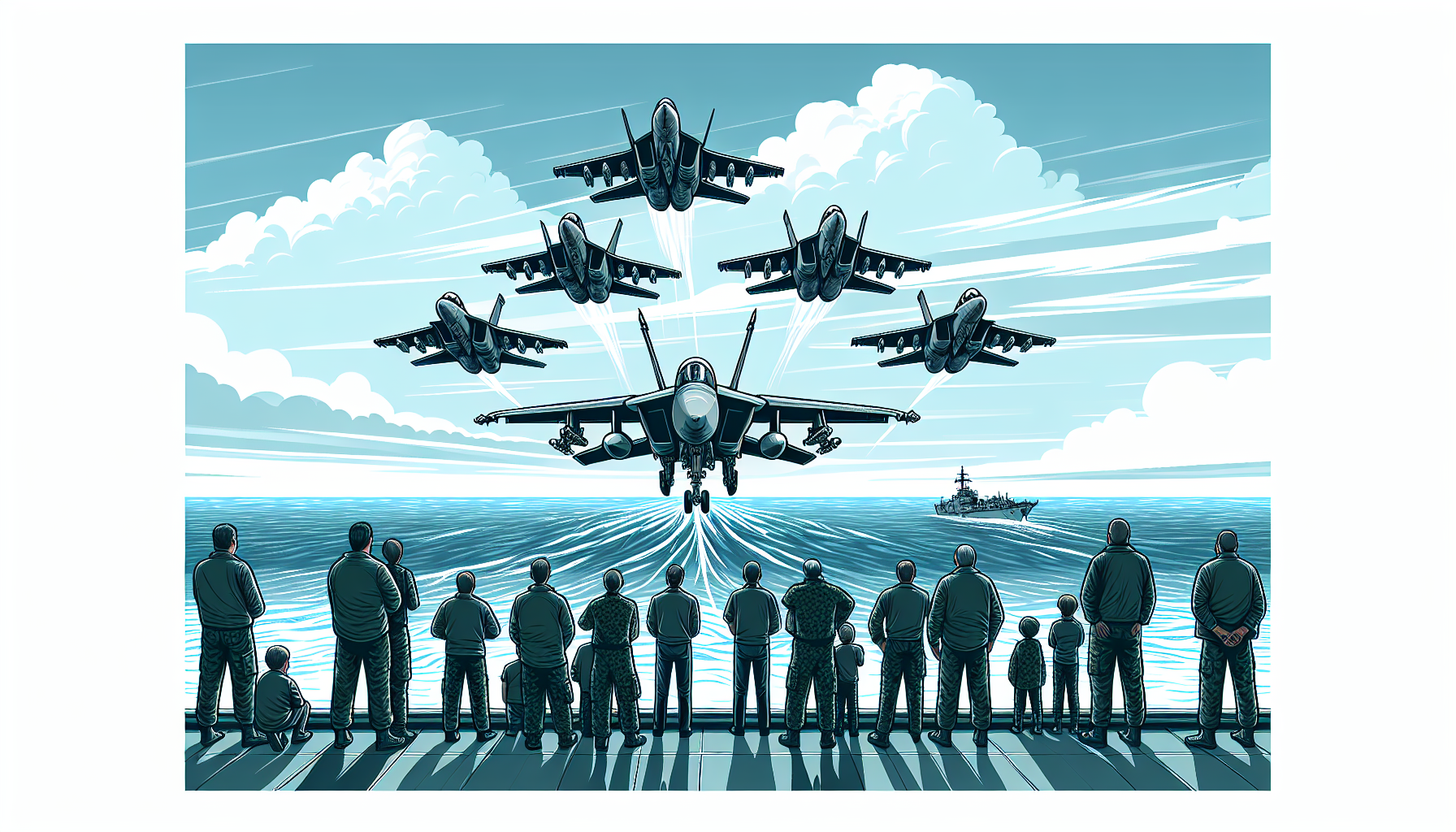
Barrier combat air patrol (BARCAP) is a military operation term referring to a specific type of combat air patrol mission. It involves deploying aircraft to patrol a designated airspace to intercept and engage any potential hostile aircraft before they can pose a threat. This protective tactic acts as a barrier to protect friendly forces and assets from enemy air attacks.

Key Takeaways

  1. Barrier combat air patrol (BARCAP) is a mission where fighter or interceptor aircraft patrol a pre-determined airspace to defend against potential enemy penetration, acting as a barrier against hostile forces.
  2. The primary goal of a BARCAP is to intercept and engage incoming enemy aircraft before they can approach or harm friendly assets, such as ground forces, ships, or bases.
  3. BARCAP missions require careful coordination between air and ground control systems to ensure timely information and effective responses to potential threats, allowing the defenders to maintain a positional advantage to intercept enemy aircraft.

Importance

The term Barrier Combat Air Patrol (BARCAP) holds significant importance in military operations as it refers to an airspace tactic employed to protect friendly forces, assets, or territories from potential aerial threats.

By using fighter aircraft or other defense systems to form a barrier, BARCAP maintains constant surveillance, reconnaissance, and interception capabilities to counteract enemy aircraft and deter adversarial advancements.

This proactive defensive strategy not only safeguards sensitive areas and vital targets, but also ensures airspace dominance and a more secure operational environment for friendly forces.

Overall, BARCAP plays a crucial role in enhancing the effectiveness of military missions and preserving the integrity of national airspace.

Explanation

Barrier Combat Air Patrol (BARCAP) is a military operation specifically employed to safeguard and maintain aerial superiority in a designated area. The primary purpose of this mission is to protect friendly aircraft or other high-value assets such as naval vessels, ground installations, and key strategic locations from airborne threats posed by enemy aircraft or incoming missiles.

By creating a “barrier” in the sky, BARCAP provides an additional line of defense against hostile forces, ensuring the security of friendly assets and enabling greater freedom of action in their operational efforts. This strategic tactic is executed by deploying a team of fighter aircraft, which are responsible for continuous patrolling within a specified aerial zone.

These aircraft often work in conjunction with early warning and control systems in order to detect any potential threats and respond swiftly with the necessary countermeasures. By maintaining this aerial presence, the barrier combat air patrol not only deters enemy incursions but also grants friendly forces ample reaction time to intercept and neutralize any hostile activities.

As a result, BARCAP plays a significant role in shaping the outcomes of air campaigns while reinforcing the overall protection and resilience of military assets during combat operations.

Examples of Barrier combat air patrol

Barrier Combat Air Patrol (BARCAP) is a military mission where aircraft are positioned to defend a specific area or to form a barrier against enemy air incursions or attacks. Here are three real-world examples where barrier combat air patrols have been or are being used:

Battle of Britain (1940): During the Second World War, the British Royal Air Force (RAF) utilized barrier combat air patrols to counter the incessant bombing raids conducted by the German Luftwaffe. RAF fighter planes, including the iconic Supermarine Spitfires and the Hawker Hurricanes, were deployed to form defensive barriers to intercept incoming enemy bombers and their fighter escorts, limiting the damage to the UK’s military and civilian infrastructure.

Vietnam War (1955-1975): During the Vietnam War, the United States Air Force (USAF) utilized barrier combat air patrols to protect their aircraft carriers and other ships operating in the Gulf of Tonkin. F-4 Phantom II and F-8 Crusader fighter jets were assigned to patrol and deter potential bombing raids from North Vietnamese forces. These BARCAP missions were critical to maintaining control of the airspace around the high-value assets, providing a first line of defense against enemy aircraft.

Strait of Hormuz (Present): In recent times, the United States Navy and other allied forces operate barrier combat air patrols in the strategically important Strait of Hormuz, a vital waterway for global shipping and energy supplies in the Persian Gulf. These patrols aim to deter any potential aggression from Iran, as well as provide early warnings against air and naval threats in the region.Overall, Barrier Combat Air Patrols have been an essential aspect of military air operations, proving invaluable in protecting high-value assets and critical locations from enemy air attacks.

FAQ: Barrier Combat Air Patrol

Q1: What is a Barrier Combat Air Patrol?

A1: A Barrier Combat Air Patrol (BarCAP) is a strategic defense tactic where fighter aircraft patrol a designated area in a barrier formation, serving as a defensive screen. It is intended to detect, intercept, and eliminate enemy aircraft or missiles before they enter the protected airspace.

Q2: What is the purpose of a Barrier Combat Air Patrol?

A2: The primary purpose of a Barrier Combat Air Patrol is to provide an additional layer of airborne protection and early warning for friendly forces, bases, or specific assets, such as naval vessels. By patrolling the designated area, BarCAPs can identify and neutralize potential threats before they jeopardize friendly assets, thus maintaining the integrity of the protected airspace.

Q3: How do BarCAPs differ from standard Combat Air Patrols (CAPs)?

A3: While both BarCAPs and standard CAPs involve patrolling and defending a designated airspace, the primary difference lies in their spatial deployment. BarCAPs establish a barrier or a defensive screen along a front or specific area, while standard CAPs are typically more focused on localized defense and may be positioned to specifically protect a single asset such as a base or a fleet.

Q4: What type of aircraft are typically used in Barrier Combat Air Patrols?

A4: Fighter aircraft, such as F-16s and F-18s or their equivalent, are usually deployed for Barrier Combat Air Patrols. These aircraft are fast, agile, and well-suited for air-to-air combat, making them ideal for the interception and expulsion of potential threats attempting to penetrate the protected airspace.

Q5: How is communication maintained during a Barrier Combat Air Patrol?

A5: Communication during a BarCAP is primarily maintained through radio communication, with pilots in constant contact with each other and ground control or airborne surveillance assets. This enables them to receive real-time updates on potential threats, coordinate their efforts, and maintain an effective defense formation. Additionally, aircraft may receive data from airborne early warning systems to enhance their situational awareness and effectively respond to threats.

Related Military Operation Terms

  • Airborne Early Warning and Control (AEW&C)
  • Combat Air Patrol (CAP)
  • Suppression of Enemy Air Defenses (SEAD)
  • Area Defense Interceptor (ADI)
  • Close Air Support (CAS)

Sources for More Information

Benefits.com Advisors

With expertise spanning local, state, and federal benefit programs, our team is dedicated to guiding individuals towards the perfect program tailored to their unique circumstances.

Rise to the top with Peak Benefits!

Join our Peak Benefits Newsletter for the latest news, resources, and offers on all things government benefits.

Related Articles

Barrier, obstacle, and mine warfare plan

Definition

The Barrier, Obstacle, and Mine Warfare Plan is a strategic approach within military operations that focuses on utilizing barriers, obstacles, and mines to impede enemy movement and protect friendly forces. This plan aims to disrupt, delay, or destroy enemy forces by placing physical impediments and explosive devices in their path. It encompasses planning, coordination, and execution of these measures, and is a crucial component of comprehensive defense strategies.

Key Takeaways

  1. Barrier, obstacle, and mine warfare plan refers to the coordinated implementation of various defensive measures, aimed at delaying, directing, or preventing enemy movement and ensuring the protection of friendly forces.
  2. These plans involve the use of various physical barriers (both natural and man-made), obstacles, and mines to create zones of protection, hindering enemy advancement while providing a tactical advantage to friendly forces.
  3. Effective execution of barrier, obstacle, and mine warfare plans requires careful planning, coordination, and collaboration among various units and branches of the military, ensuring the optimal placement and use of available resources for maximum defensive capability.

Importance

The military operations term: Barrier, obstacle, and mine warfare plan is important because it outlines the strategic use of physical barriers, obstacles, and mines to shape the battlefield, protect friendly forces, and deny the enemy’s maneuverability, access, and freedom of action.

This plan is critical in enhancing force protection, disrupting the enemy’s plans, and directing them into predefined engagement areas where friendly forces have a tactical advantage.

Additionally, it helps military commanders make informed decisions regarding the allocation of resources, balancing the risks, and synchronizing actions with other elements of the operational plan.

By doing so, the barrier, obstacle, and mine warfare plan contributes significantly to the overall success of military operations and objectives.

Explanation

The purpose of a barrier, obstacle, and mine warfare plan within military operations is to effectively disrupt, delay, and deter enemy forces by integrating and coordinating numerous defensive mechanisms. These elements combined create an environment that hinders enemy troop movement, ultimately providing friendly forces with greater control and security over a contested area.

By utilizing barriers, obstacles, and mines, a defending force is able to capitalize on limited resources and buy valuable time for decision-making, force mobilization, and strategic response. Additionally, these measures can actively shape the enemy’s course of action, forcing them to commit to less advantageous routes or reconsider their advance altogether.

When implementing a barrier, obstacle, and mine warfare plan, commanders must carefully consider factors such as terrain, weather, and enemy capabilities in order to maximize the effectiveness of their chosen defensive tactics. This may involve deploying natural or artificial obstacles such as roadblocks, trenches, and mines to restrict or guide enemy movement.

Furthermore, mine warfare incorporates the strategic use of sea, air, or land-based mines to disrupt the mobility and effectiveness of opposing forces. The goal is to leverage the synergistic effect of these components in a way that complements the overall military strategy, ultimately reinforcing a strong defensive posture and denying the enemy an opportunity to achieve their objectives.

Examples of Barrier, obstacle, and mine warfare plan

Barrier: The Great Wall of ChinaA real-world example of a barrier in military operations is the Great Wall of China. Built over multiple dynasties, it extends thousands of miles across northern China. Its primary purpose was to protect China from invasions by nomadic tribes and other hostile forces. It acted as a physical barrier, slowing down and deterring potential invaders, allowing the Chinese military additional time to mobilize and respond to threats. The Great Wall is considered one of the most extensive and impressive military barriers in history.

Obstacle: The Atlantic WallThe Atlantic Wall, constructed by Nazi Germany during World War II, is an example of an obstacle in military operations. This extensive system of coastal fortifications stretched from Norway to Spain, aimed at defending against an Allied invasion of occupied Europe from the Atlantic Ocean. The Atlantic Wall consisted of bunkers, gun emplacements, and various obstacles such as anti-tank ditches, concrete “dragon’s teeth,” and mines. These obstacles were designed to hinder the mobility and progress of invading forces and to channel them into pre-determined kill zones where they could be more easily engaged by German defenders.

Mine Warfare Plan: Operation Desert StormDuring Operation Desert Storm (1991) in the Persian Gulf War, the Iraqi military executed a mine warfare plan as part of their defensive strategy. Iraq deployed thousands of naval mines in the northern Persian Gulf to protect their coastline from a potential amphibious assault by the U.S.-led coalition forces. These mines posed a significant threat to coalition naval forces and led to a large-scale mine-clearing operation, delaying the coalition’s offensive efforts.

FAQ: Barrier, Obstacle, and Mine Warfare Plan

What is the purpose of a barrier, obstacle, and mine warfare plan?

A barrier, obstacle, and mine warfare plan aims to shape the battlefield by incorporating the use of barriers, obstacles, and mines to deny, delay, or disrupt the enemy’s movement and maneuver, while protecting friendly forces and enhancing their freedom of maneuver.

What are the types of barriers and obstacles used in military operations?

Barriers and obstacles can be natural or artificial. Natural barriers and obstacles include mountains, rivers, forests, and swamps. Artificial barriers and obstacles can be man-made, such as concertina wire, tank ditches, or minefields.

How are mines used within the plan?

Mines are used as part of the barrier, obstacle, and mine warfare plan to target specific enemy assets and capabilities, hinder the enemy’s movement, and protect friendly forces’ positions. They can be scattered in minefields, combined with other obstacles, or employed as individual devices to achieve the desired effect on the enemy’s activities.

How do military forces decide where to place barriers, obstacles, and mines?

Military forces analyze the terrain, enemy capabilities, and their own tactical objectives to determine the most effective placement of barriers, obstacles, and mines. Factors such as the population density, major transportation routes, and key terrain features are all taken into consideration when planning the employment of these measures.

What precautions are taken to protect friendly forces from the effects of barriers, obstacles, and mines?

Friendly forces must be familiar with the locations and types of barriers, obstacles, and mines used in the operational area to avoid inadvertent casualties and damage. Proper marking, maps, and communication of the information among all the units involved in the operation are essential for minimizing risks to friendly forces. Additionally, specialized training and equipment can help troops safely navigate through or around these hazards, if necessary.

Related Military Operation Terms

  • Countermeasure Tactics
  • Explosive Ordnance Disposal
  • Underwater Demolition
  • Electronic Warfare Support
  • Naval Mine Deployment

Sources for More Information

Benefits.com Advisors

With expertise spanning local, state, and federal benefit programs, our team is dedicated to guiding individuals towards the perfect program tailored to their unique circumstances.

Rise to the top with Peak Benefits!

Join our Peak Benefits Newsletter for the latest news, resources, and offers on all things government benefits.

Related Articles

Base

Definition

In military operations, the term “base” refers to a location that serves as a center for the support and control of military forces. It provides essential resources, infrastructure, and services such as housing, training facilities, and equipment storage and maintenance. Bases can be used as staging areas for the deployment of troops and supplies in various missions and operations.

Key Takeaways

  1. A military base is a facility established for the accommodation, supply, and management of military personnel and equipment, serving as a headquarters for operational planning and support.
  2. Military bases can be land-based or naval installations, providing basic necessities like housing, medical facilities, and training grounds, as well as specialized infrastructure for maintaining, testing, and repairing equipment.
  3. Strategically-placed military bases contribute significantly to a nation’s power projection, enabling rapid response and global deployment of forces in times of crisis or conflict.

Importance

The term “base” is integral to military operations as it refers to the central location or facility from which military forces organize, train, maintain, equip, and project power.

Bases function as a hub for command and control, ensuring efficient communication, and swift execution of missions.

Additionally, bases offer protection and security to both personnel and equipment, enabling a continual state of readiness.

The strategic positioning of bases, either on home soil or in foreign territories, directly impacts a military’s ability to effectively respond to threats or crises.

Overall, bases play a crucial role in the sustenance and success of military operations, fostering the ability to consistently and effectively uphold national defense objectives.

Explanation

A military base serves a crucial purpose in upholding the defense structure of a nation by acting as a strategic location for accommodating military personnel, vehicles, and equipment storage facilities. In essence, it functions as a support hub and operational center for military forces to carry out training exercises, tactical planning, and logistical coordination.

Furthermore, these bases can be positioned within the country’s borders or established in foreign territories through diplomatic agreements, paving the way for an enhanced and far-reaching military presence. The utility of a military base extends beyond its role in housing and maintaining troops and equipment.

It is a critical component in ensuring the effective deployment and eventual mobilization of forces in case of rapid response, rescue missions, or combat scenarios. Additionally, a well-placed military base can contribute to intelligence gathering, serving as a location for espionage or surveillance operations against adversaries.

The presence of a military base in an area often provides a morale boost for the country’s citizens, conveying a sense of security and strength. In summary, a military base’s core purpose is to reinforce a nation’s military capabilities, ensuring preparedness and adaptability while safeguarding its national security interests.

Examples of Base

Ramstein Air Base, Germany: Located in the southwestern part of Germany, Ramstein Air Base is a prominent United States Air Force (USAF) installation and a key NATO facility. Serving as headquarters for the United States Air Forces in Europe (USAFE), Ramstein plays a crucial role in military operations, communication, and logistics throughout Europe, Africa, and the Middle East.

Fort Bragg, North Carolina, USA: Fort Bragg is one of the largest United States Army installations globally, spreading across approximately 500 square miles. The base is home to the Army’s Airborne and Special Operations Forces, including the 82nd Airborne Division and the United States Army Special Operations Command (USASOC). Fort Bragg serves as the command center for numerous divisions and training programs, making it a key military installation in the United States.

Naval Station Norfolk, Virginia, USA: Naval Station Norfolk is the world’s largest naval station, with a sizable concentration of naval forces and supporting installations. It serves as the primary East Coast base for the United States Navy and provides support to the US Atlantic Fleet. With 14 piers and over 75 ships, it serves as a major hub for naval operations, including training, maintenance, and deployment. Furthermore, the base hosts multiple aircraft carriers, cruisers, destroyers, and other essential naval vessels.

FAQ: Military Base Operations

What is a military base?

A military base is a facility, camp, or station that houses military personnel, equipment, and resources. They can be found both domestically and internationally and are crucial for planning, organizing, and launching military operations.

What is the purpose of a military base?

Military bases serve multiple purposes including training, housing, and deployment of troops and equipment. They act as logistical hubs, providing supplies and resources for military operations, and may also be utilized for intelligence gathering and communication.

How is a military base structured?

A military base typically consists of living quarters, command centers, training facilities, and storage areas for equipment and supplies. They may also contain airfields, ports, or other transport infrastructure to ensure efficient movement of troops and materials. The base’s layout and organization depend on its specific function, location, and the military branch it serves.

What types of military bases exist?

There are several types of military bases including fort, garrison, and camp. A fort is a fortified military base designed to protect troops and critical resources. A garrison is a permanent installation that houses military personnel and operations, while a camp is a temporary, semi-permanent base used by military forces during operational engagements.

Can civilians visit a military base?

Civilians can visit military bases under certain conditions and with proper authorization. Many bases have guided tours, museums, and public events open to civilians. However, proper identification and security clearances may be required depending on the base or specific areas within the base being visited.

How do military bases impact the community?

Military bases can have both positive and negative impacts on the communities around them. They may provide economic benefits and job opportunities, while also creating a sense of security and protection. However, they may also cause noise pollution, environmental concerns, and increased traffic. The overall impact depends on various factors, such as the scale of the base, the type of military operations conducted, and the level of community engagement.

Related Military Operation Terms

  • Eligibility
  • Disability Compensation
  • Education and Training
  • Veterans Pension
  • Vocational Rehabilitation

Sources for More Information

Benefits.com Advisors

With expertise spanning local, state, and federal benefit programs, our team is dedicated to guiding individuals towards the perfect program tailored to their unique circumstances.

Rise to the top with Peak Benefits!

Join our Peak Benefits Newsletter for the latest news, resources, and offers on all things government benefits.
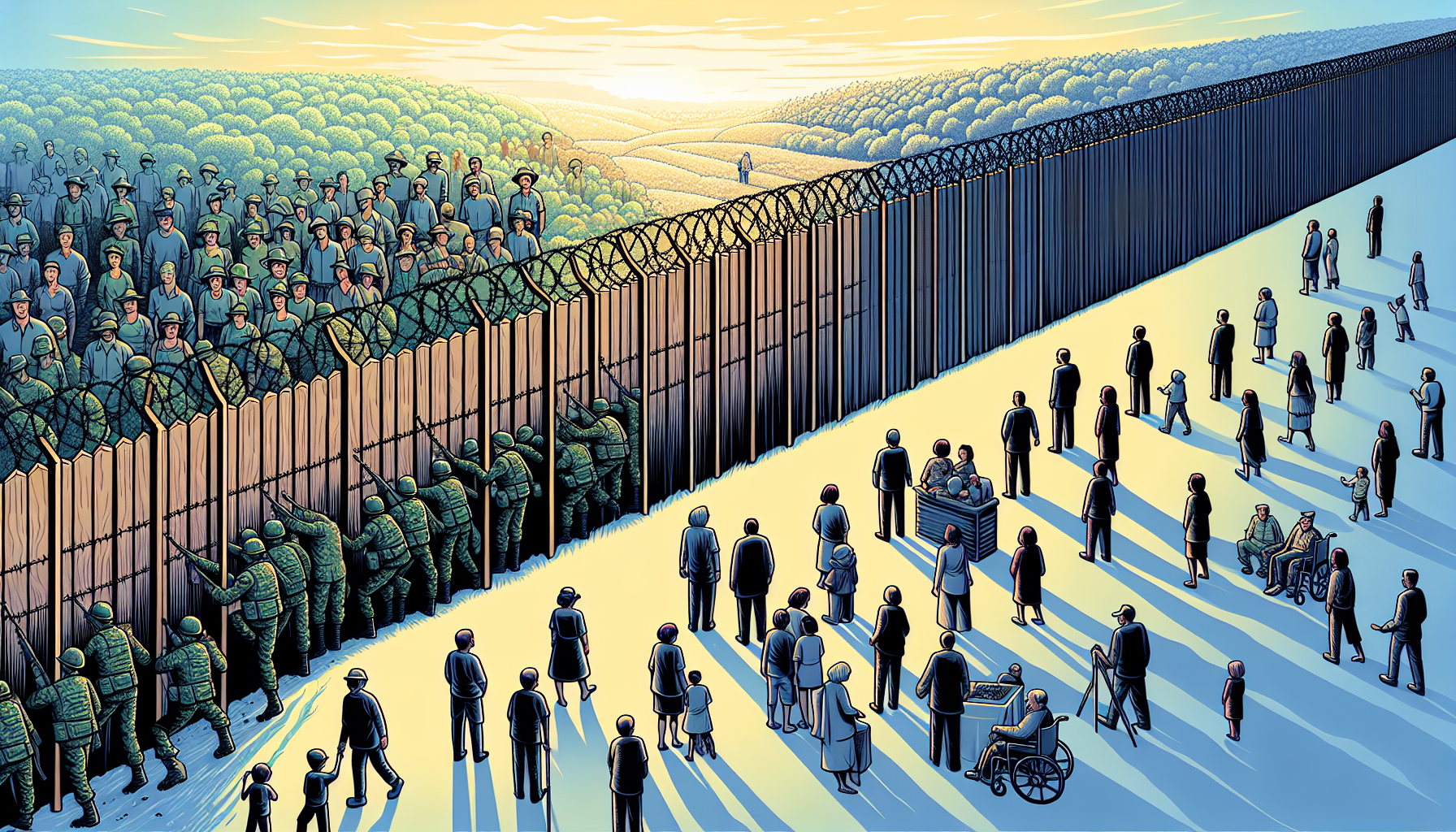
Related Articles

x