







We are privately owned and not affiliated or endorsed by any government agency.

Take the Benefits Quiz

Broken stowage factor

Definition

The term “broken stowage factor” refers to the percentage of wasted or unused space within a cargo hold or storage area when loading cargo or supplies for military operations. This occurs because of irregularly shaped or sized items, which prevent efficient stacking and utilization of the available space. The higher the broken stowage factor, the greater the amount of wasted space in the storage area.

Key Takeaways

  1. Broken stowage factor refers to the unused or lost space in a cargo hold or storage area due to irregular shapes and sizes of the items being stored.
  2. It is a critical factor in optimizing cargo space and efficient utilization of available storage, directly impacting the overall cost and effectiveness of military operations.
  3. Reducing the broken stowage factor can be achieved by proper planning, organization, and employing stacking techniques or software that take into account the specific dimensions and characteristics of the cargo items.

Importance

The Broken Stowage Factor (BSF) is an important term in military operations because it refers to the percentage of space in a ship, aircraft, or transport vehicle that is unused or underutilized due to the irregular shape or size of the cargo being transported.

Efficient use of space is crucial in military operations, as timely and optimal allocation of resources can greatly impact the success of a mission.

By understanding and analyzing the BSF, logistical planners can optimize the packing and transportation of cargo, thus ensuring maximum utilization of available space, improving resource allocation, and ultimately enhancing the effectiveness and agility of military forces.

Explanation

The purpose of the broken stowage factor within military operations is to ensure efficient utilization and allocation of space within various transportation methods, such as cargo ships, aircraft, and land vehicles. This factor is a crucial element in the planning and execution of military logistical operations, as numerous resources, materials, and personnel often need to be quickly transported across vast distances.

By effectively managing the broken stowage factor, military logistic professionals can optimize the space utilization within a transport vessel or vehicle, preventing bottlenecks, reducing shipping costs, and ensuring the timely delivery of essential assets and provisions. Broken stowage factor serves as a valuable tool for calculating available space and optimizing cargo arrangements within different transport means.

Logisticians use this factor to determine the extra space needed to accommodate irregularly shaped cargo items that cannot be efficiently arranged in a compact manner. In practice, this means accounting for all the unused gaps, voids, and empty spaces that result from stowing irregular-shaped items.

The efficient management of these spaces ultimately streamlines transport processes, improves the deployment efficiency of military assets, and facilitates rapid response in various operational scenarios, thus contributing to overall mission success and readiness.

Examples of Broken stowage factor

Broken stowage factor (BSF) refers to the loss of available space while loading cargo, vehicles, and equipment onto vessels or transport vehicles due to irregular shapes, improper stacking or placement. In the context of military operations, BSF becomes a critical component in efficient loading and transportation planning. Here are three real-world examples involving the military:

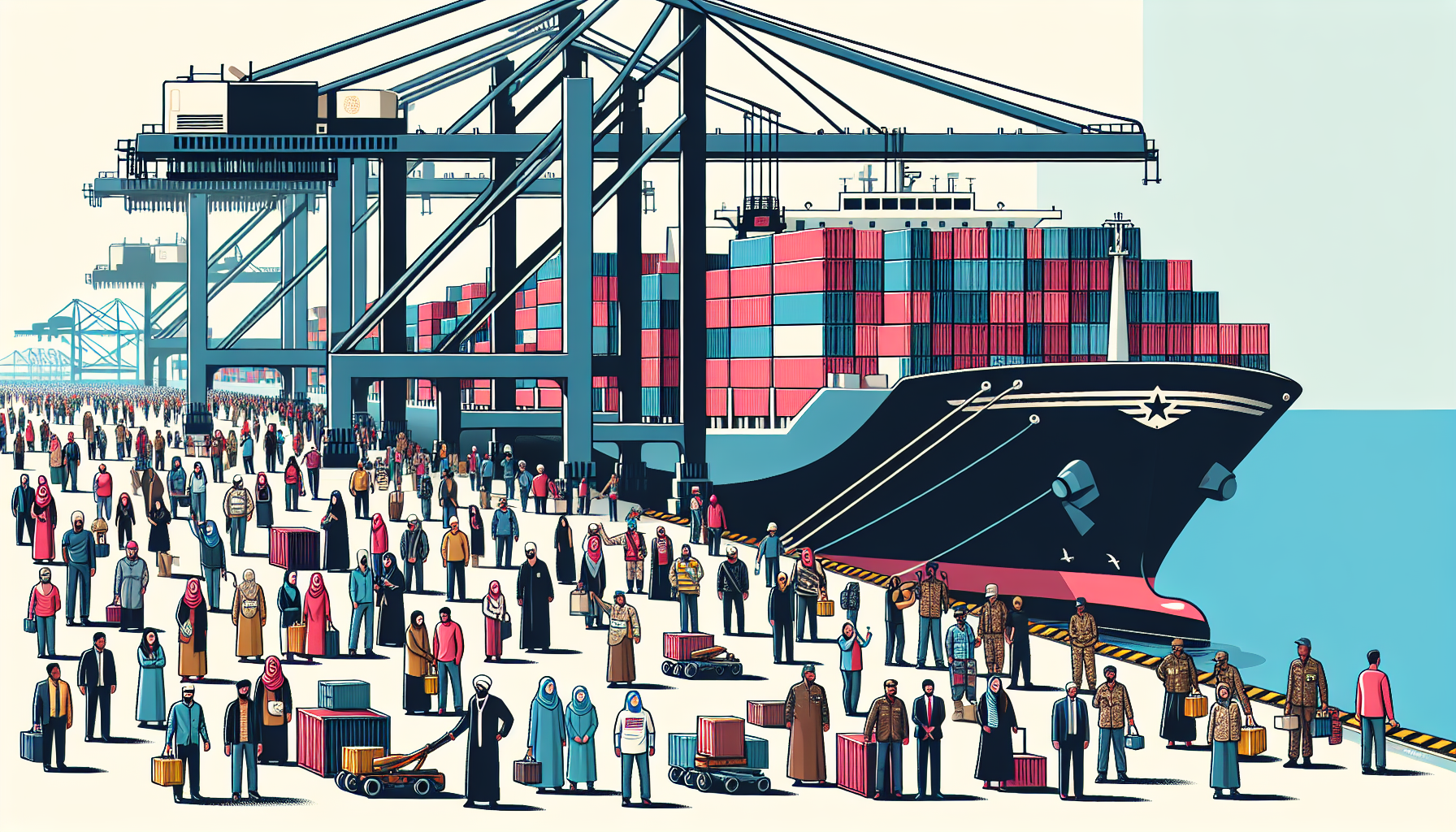
Humvees on a Cargo Ship: When loading Humvees onto a cargo ship, the vehicles’ irregular shapes and sizes create gaps and voids in-between them. This results in less cargo being transported than the ship’s maximum capacity. The military needs to carefully plan and utilize the available space, taking into account the broken stowage factor, to ensure an efficient transportation operation.

Aircraft Cargo Transportation: Military cargo aircraft, such as the C-130 Hercules or the C-17 Globemaster III, are often tasked with transporting equipment and supplies to remote locations. The broken stowage factor comes into play when loading items like fuel drums, cargo pallets, and irregularly-shaped equipment. The available space in the aircraft needs to be maximized, accounting for any voids or empty spaces, to ensure the effective delivery of essential supplies and equipment.

Containerized Military Shelters: The military often utilizes containerized shelters for rapid deployment of operational assets. These shelters come in different shapes and sizes, housing communication equipment, workshops, and field hospitals. When loading these shelters on to transport platforms such as trucks, ships, or aircraft, they must account for broken stowage factors to ensure optimal space utilization and efficient transportation of these crucial units.

FAQ – Broken Stowage Factor

What is the Broken Stowage Factor?

The Broken Stowage Factor (BSF) refers to the percentage of unusable or wasted space in a cargo hold or container due to irregularities in the shape or size of the cargo itself or the packing arrangements. This factor is vital in maximizing the efficiency of cargo transport and minimizing the shipping cost.

Why is the Broken Stowage Factor important?

Determining the BSF is crucial for several reasons, including accurate freight calculations, space optimization, and shipping cost management. Shippers must consider the BSF in order to correctly plan their cargo stowage and avoid wastage of valuable storage space. Reducing the BSF can decrease shipping costs and improve overall transport efficiency.

How is the Broken Stowage Factor calculated?

The BSF is calculated by dividing the space unusable or wasted by the total cargo hold’s space, then multiplying it by 100, which gives the percentage of wasted space compared to the available space. When transporting a variety of cargo types or sizes, the BSF may differ significantly based on their arrangement in the cargo hold or container.

How can I minimize the Broken Stowage Factor?

To minimize the BSF, proper planning and stowage methods must be employed. Some steps include accurately estimating the available space, matching compatible cargo shapes and sizes, using dunnage or separating materials effectively, and arranging the cargo in a way that minimizes the unused space. Some companies may use specialized software to predict and manage stowage planning.

What is the standard Broken Stowage Factor?

There is no fixed “standard” BSF as it varies depending on the cargo type, size, and arrangement. However, shippers always strive to minimize the BSF to maximize efficiency and reduce shipping costs. In some cases, a BSF of 5-10% may be considered acceptable, but this can vary greatly based on the specifics of each shipment.

Related Military Operation Terms

  • Marine Cargo Insurance
  • Freight Volume Optimization
  • Shipping Containers Utilization
  • Load Planning and Efficiency
  • Deadweight Tonnage Management

Sources for More Information

Benefits.com Advisors

With expertise spanning local, state, and federal benefit programs, our team is dedicated to guiding individuals towards the perfect program tailored to their unique circumstances.

Rise to the top with Peak Benefits!

Join our Peak Benefits Newsletter for the latest news, resources, and offers on all things government benefits.


Related Articles

Buddy-aid

Definition

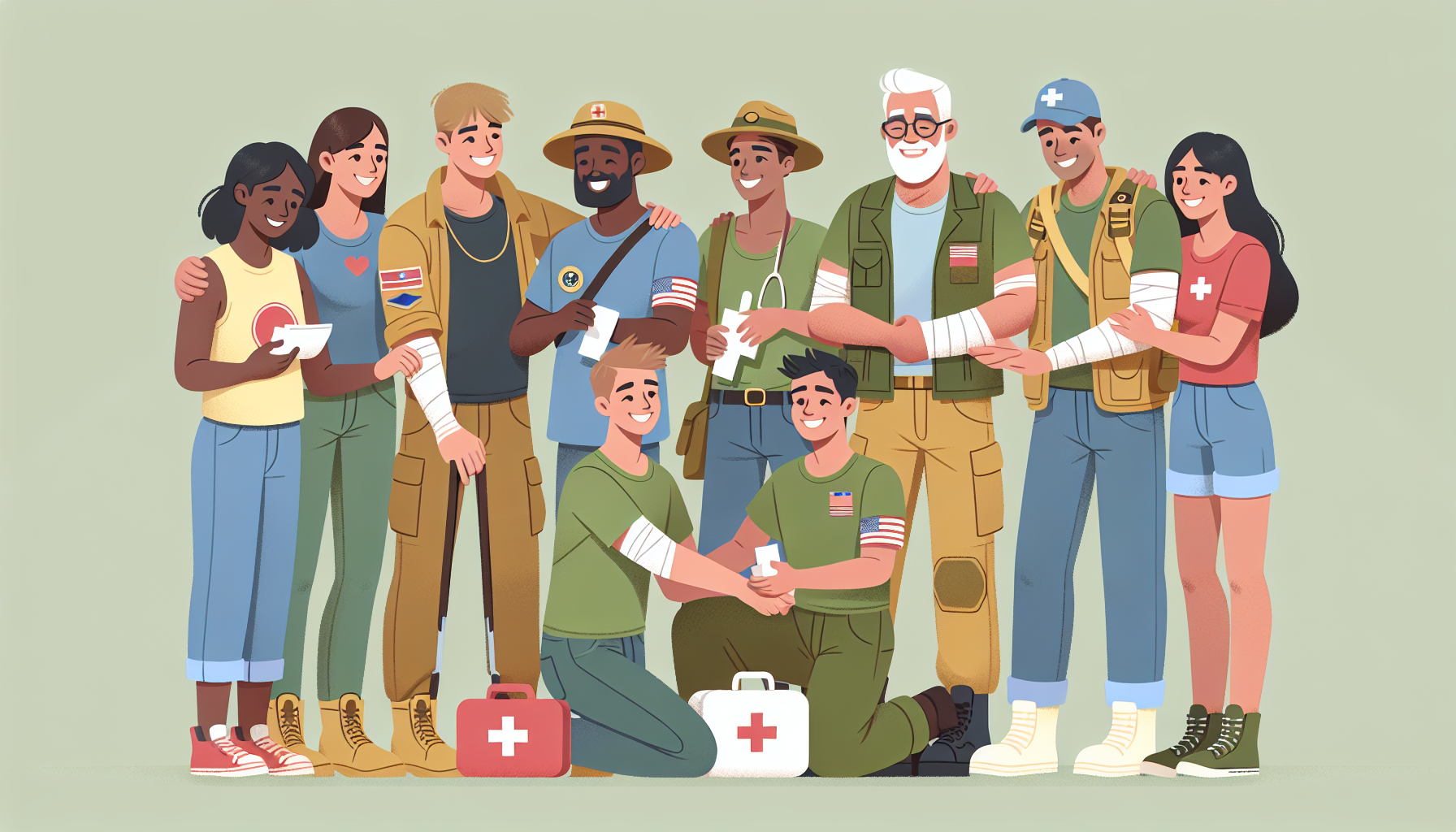
Buddy-aid refers to the basic medical assistance provided by one soldier to another during military operations. It often emphasizes the use of first aid techniques and immediate medical care in the field. The primary goal of buddy-aid is to stabilize and help injured soldiers before professional medical help arrives.

Key Takeaways

  1. Buddy-aid refers to a system where military personnel provide immediate first aid and medical assistance to their injured comrades in the field.
  2. It helps in stabilizing the condition of the wounded soldier, thus increasing their chances of survival and providing valuable time for proper medical help to arrive.
  3. Buddy-aid instills a sense of camaraderie and teamwork among military personnel, enhancing unit cohesion and ensuring that no soldier is left alone in times of need.

Importance

Buddy-aid is a crucial concept in military operations as it emphasizes the importance of teamwork, selflessness, and support among soldiers on the battlefield.

It refers to the practice of soldiers assisting and treating their injured comrades before medical personnel arrive, ensuring a timely response to potentially life-threatening situations.

With proper training in administering first aid, soldiers can stabilize and save their fellow service members, fostering trust and camaraderie within the unit.

Additionally, this approach enables medical teams to focus on more critical cases, ensuring that overall battlefield efficiency is maintained and maximizing the chances of mission success.

Altogether, Buddy-aid plays a vital role in maintaining soldier safety, resilience, and cohesion during military operations.

Explanation

Buddy-aid is a vital component of military operations, serving as a frontline mechanism for assisting injured personnel while under combat or training circumstances. The primary purpose of buddy-aid is to enable quick and effective administration of first aid by fellow soldiers or teammates in the absence of immediate medical professionals. It aims to stabilize a wounded service member’s condition, prevent further injuries, and potentially save lives in high-pressure situations where time is of the essence.

By promoting teamwork and accountability, buddy-aid fosters a sense of camaraderie and trust among military personnel, assuring that no one is left behind in times of crisis. The implementation of buddy-aid ensures that service members are equipped with essential skills and knowledge that can be life-saving on the battlefield. Military personnel are trained to assess and provide care for various types of injuries, such as hemorrhage control, fracture management, airway management, and shock prevention.

In addition to first aid techniques, buddy-aid also focuses on more advanced methods, like Tactical Combat Casualty Care (TCCC), which is specifically designed for combat situations. Utilizing buddy-aid ensures that military personnel are prepared to handle a wide range of emergencies and promotes self-reliance within a unit. Ultimately, by streamlining the medical response in the field, buddy-aid significantly contributes to a higher survival rate and overall resilience among the military force.

Examples of Buddy-aid

Battle of Mogadishu (1993): During the Battle of Mogadishu, also known as the Black Hawk Down incident, US Army Rangers and Delta Force operators found themselves pinned down by hostile forces in the city. The soldiers used buddy-aid techniques to treat their wounded comrades on the field before they could be safely evacuated. This included applying tourniquets, dressing wounds, and administering morphine to alleviate the pain of injured soldiers while waiting for medical evacuation.

Operation Red Wings (2005): In this operation, a four-man US Navy SEAL team was ambushed by enemy forces in the mountains of Afghanistan. As the team fought to evade capture, they used buddy-aid to address injuries sustained by teammates. Petty Officer First Class Marcus Luttrell, the only survivor of the operation, recounted the importance of buddy-aid as they attempted to provide initial care to the fatally wounded Lt. Michael Murphy, Senior Chief Petty Officer Daniel Dietz, and Petty Officer Second Class Matthew Axelson.

Operation Medusa (2006): During Operation Medusa, a Canadian-led offensive in Afghanistan’s Panjwaii district, soldiers utilized buddy-aid in response to injuries sustained during heavy fighting with the Taliban. One notable example occurred when a Canadian convoy came under attack, resulting in several soldiers being injured. Under enemy fire, fellow soldiers provided lifesaving intervention like applying tourniquets, administering first-aid, and providing necessary care to their wounded comrades until they could be evacuated for further medical treatment.

FAQ – Buddy-aid in Military Operations

What is buddy-aid?

Buddy-aid, also known as self-aid, is a technique used in military operations where soldiers help each other in providing initial medical care and assistance during emergencies on the battlefield. It aims to prevent further injury, prioritize casualties, and treat life-threatening conditions before professional medical treatment can be administered.

Why is buddy-aid important?

Buddy-aid is crucial in combat situations where professional medical teams or support might not be immediately available. It allows soldiers to assist their comrades in stabilizing their condition, potentially saving lives, and increasing the chances of a successful mission.

What are the primary objectives of buddy-aid?

The primary objectives of buddy-aid are to:

  1. Save life and prevent further injury
  2. Protect the injured from further harm
  3. Provide immediate first aid to stabilize the casualties’ condition
  4. Evacuate the wounded to a designated medical treatment facility, if necessary

What are some common buddy-aid techniques used by military personnel?

Some common buddy-aid techniques include:

  • Applying pressure to stop bleeding
  • Assessing and evaluating the injured person’s condition
  • Maintaining the airway, breathing, and circulation of the injured
  • Applying dressings and bandages to wounds
  • Immobilizing fractures and dislocations
  • Evacuating the injured to a safe location for further treatment

How does buddy-aid training prepare soldiers for combat situations?

Buddy-aid training prepares soldiers to effectively respond to a variety of injuries during combat situations. By teaching critical first aid skills and promoting teamwork, soldiers become better prepared and more confident in their ability to handle difficult and life-threatening situations. This training also promotes a sense of camaraderie and trust among soldiers, strengthening the overall bonds of the unit.

Related Military Operation Terms

  • VA Disability Compensation
  • Post-traumatic Stress Disorder (PTSD)
  • Traumatic Brain Injury (TBI)
  • Combat-Related Special Compensation (CRSC)
  • Service-Connected Disability

Sources for More Information

Benefits.com Advisors

With expertise spanning local, state, and federal benefit programs, our team is dedicated to guiding individuals towards the perfect program tailored to their unique circumstances.

Rise to the top with Peak Benefits!

Join our Peak Benefits Newsletter for the latest news, resources, and offers on all things government benefits.

Related Articles

Buffer zone (BZ)

Definition

A buffer zone (BZ) in military operations refers to a defined area established to create a space or barrier between opposing forces, with the goal of reducing the chance of direct contact or conflict. These zones may be established on land, at sea, or in the air. Buffer zones can be made up of physical barriers, such as walls and fences, or can be designated through diplomatic agreements, serving as a protective measure to maintain peace and stability.

Key Takeaways

  1. A buffer zone (BZ) is a neutral area or territory created to separate conflicting forces or entities, reducing the likelihood of direct confrontation or violence.
  2. Buffer zones are typically established along the borders of two conflicting parties and are often demilitarized, meaning that military forces and weaponry are not permitted within the zone.
  3. While buffer zones can help promote peace and stability between adversaries, they may also face challenges related to enforcement, monitoring, and potential violations by either party involved in the conflict.

Importance

The term “Buffer Zone” (BZ) is of significant importance in military operations as it refers to a demarcated area or region designed to separate two potentially hostile forces, serving as a protective barrier to minimize the likelihood of direct conflict.

By establishing a BZ, tensions between opposing forces can be reduced and potential escalations towards war can be mitigated, allowing for diplomatic negotiations and peaceful resolutions.

Furthermore, their implementation during military operations ensures the safety and security of civilians living within or near the conflict area, ultimately promoting stability and maintaining peace within the region.

Explanation

The concept of a buffer zone (BZ) serves an essential purpose in military operations, primarily to enhance the protection of certain territories or strategic areas. The principal function of a buffer zone is to establish a designated area between two or more potentially adversarial forces, with the intention of reducing the likelihood of direct conflict between them.

A buffer zone may be set up as a physical barrier using forces or natural obstacles to separate the opposing parties, or it may be agreed upon diplomatically through negotiated terms. By creating a protective cushion or neutral territory, the buffer zone plays a critical role in preventing accidental or unintended military engagements, which could lead to larger-scale conflicts.

Throughout history, buffer zones have been utilized for various objectives, including maintaining security and stability within a region or along national borders. They are also invaluable for mitigating the risk of escalation during uncertain or tense situations, providing an opportunity for opposing forces to maintain a safe distance and avoid provocations or miscommunication.

In addition, buffer zones have often served humanitarian purposes, such as allowing for the safe passage of civilians during conflict or serving as neutral grounds for the exchange of POWs. Overall, the establishment of a buffer zone supports diplomatic efforts toward defusing tensions and maintaining peace, while providing a valuable measure of protection and reassurance to all involved parties.

Examples of Buffer zone (BZ)

Korean Demilitarized Zone (DMZ): Established in 1953 as part of the Korean Armistice Agreement, the Korean DMZ serves as a buffer zone between North and South Korea. This 4-kilometers-wide strip of land runs approximately 250 kilometers along the 38th parallel, effectively separating the two countries. It is heavily fortified on both sides and is considered one of the most heavily guarded and tense border areas globally.

United Nations Buffer Zone in Cyprus: Established in 1974 after the Turkish invasion of Cyprus, this buffer zone, also known as the Green Line, stretches for 180 kilometers across the island of Cyprus, dividing the Turkish Cypriot community in the north and the Greek Cypriot community in the south. The United Nations Peacekeeping Force in Cyprus (UNFICYP) maintains control over the demilitarized area, safeguarding peace and ensuring that the ceasefire is maintained between the two communities.

Sinai Peninsula Buffer Zones: Following the signing of the Egypt-Israel Peace Treaty in 1979, a series of buffer zones were established in the Sinai Peninsula to maintain peace between Egypt and Israel. The treaty defines four areas (Area A, Area B, Area C, and Area D) with varying demilitarization limits and conditions. The Multinational Force and Observers (MFO), an international peacekeeping organization, is responsible for monitoring the compliance of both parties with the terms of the treaty, thereby reducing the likelihood of conflict between Egypt and Israel.

FAQ: Buffer Zone (BZ)

What is a Buffer Zone (BZ)?

A Buffer Zone (BZ) is a defined area that lies between two or more conflicting parties, and is intended to minimize the possibility of incidents, conflicts, or further escalations. These zones typically act as a neutral territory and promote peace and stability in tense or conflicted regions.

Why are Buffer Zones needed?

Buffer Zones are created for a range of reasons, such as separating warring factions or countries, establishing safe zones for civilians, mitigating the spread of violence, or fostering conditions necessary for diplomatic negotiations. It helps to prevent inadvertent or accidental engagement that could escalate into a larger conflict.

Which organizations typically create and manage Buffer Zones?

Buffer Zones can be established and managed by various organizations, such as the United Nations, regional organizations like the African Union or the European Union, or mutual agreements between the conflicting parties involved. Buffer Zones can also be established as part of peacekeeping missions or ceasefire agreements.

What are some examples of Buffer Zones?

Some historical examples of Buffer Zones include the demilitarized zone (DMZ) between North and South Korea, the United Nations Buffer Zone in Cyprus, and the Green Line that separates Israel and Lebanon. Buffer Zones have also been established in conflict-affected regions such as Bosnia and Herzegovina and South Sudan, as well as the recently proposed buffer zone in Syria.

Are there any drawbacks or problems with Buffer Zones?

While Buffer Zones can be effective in reducing hostilities and promoting peace, they are not without challenges. They can become points of contention between conflicting parties, and might lead to the long-term stagnation of conflict resolution if not adequately managed. Interested nations providing aid or support to establish Buffer Zones might also have their own political agendas, which can impact the effectiveness and neutrality of the zones.

Related Military Operation Terms

  • VA Benefits Eligibility
  • Military Transitional Assistance
  • Geographic Relief Area
  • Base Closure Area
  • Environmental Contamination Exposure

Sources for More Information

Benefits.com Advisors

With expertise spanning local, state, and federal benefit programs, our team is dedicated to guiding individuals towards the perfect program tailored to their unique circumstances.

Rise to the top with Peak Benefits!

Join our Peak Benefits Newsletter for the latest news, resources, and offers on all things government benefits.

Related Articles

Building system

Definition

A building system in military operations refers to an integrated and interconnected set of components and structures that make up a built environment like a facility, infrastructure, or a base. These components and structures include design, construction, maintenance, and upgrade of physical and organizational structures, equipment, and facilities that support military functions. Building systems contribute to the overall capacity and efficiency of the military’s operational functionality, safety, and responsiveness.

Key Takeaways

  1. Building systems are a set of integrated, interoperable, and coordinated methods, processes, and tools that support military operations by enhancing efficiency, decision-making, and effectiveness.
  2. These systems encompass various aspects of military operations such as command and control, communication, intelligence, surveillance, and logistics, making them vital for maximizing operational capabilities.
  3. Developing and maintaining highly effective building systems require continuous innovation, robust security, and adaptability to remain resilient and reliable in the face of rapidly changing operational environments and potential adversaries.

Importance

The term “building system” in military operations is important because it refers to the systematic and organized construction or improvement of essential infrastructures that contribute to overall operational effectiveness, support mission accomplishment, and enhance the well-being of the military personnel as well as the local population.

This can include developing and maintaining transportation networks, communication systems, energy resources, and other vital installations that are necessary for maintaining a strong military presence and ensuring the successful implementation of various strategies.

Furthermore, building system in a military context often involves integrating emerging technologies into existing systems, which can drastically improve the efficiency and performance of military forces, and adapt to the ever-changing global security environment.

By understanding the significance of the building system and prioritizing its development, military organizations can strengthen their capabilities and resilience in the face of potential threats and challenges.

Explanation

The purpose of the military operations term “building system” is to streamline and optimize the establishment and maintenance of operational facilities or infrastructure to support military endeavors. In essence, it encompasses planning, constructing, and managing the physical resources necessary for carrying out successful military missions.

These can range from forward operating bases, communication installations, logistical hubs, and airfields, to various other essential infrastructure required for defense operations. Utilizing a building system ensures that these facilities are built in a robust, efficient, and sustainable manner to withstand the stresses and challenges posed by diverse operational environments, while also being adaptable and flexible to rapidly changing mission requirements.

The building system is vital for enhancing the military’s strategic and tactical capabilities as it directly supports the uninterrupted functioning of the defense forces and the accomplishment of their assigned objectives. By employing efficient methods, technologies, and procedures in the construction and maintenance stages, the military aims to reduce downtime, minimize resource consumption, and increase operational performance.

Additionally, building systems that are well-integrated and interoperable with partner countries’ military infrastructure facilitate smoother collaboration during joint exercises or missions, further strengthening defense capabilities. In summary, the building system serves as a key enabler for modern defense forces to maintain a high level of operational readiness and effectiveness, providing the critical infrastructure necessary for successful military operations.

Examples of Building system

U.S. Army’s Base Realignment and Closure (BRAC) Program: The BRAC program was initiated in 1988 as a way to reorganize military installations and improve efficiency. The program involves constructing new facilities, expanding existing ones, and closing or realigning bases no longer needed to achieve mission goals. Over the years, the program has led to the establishment of joint bases, where multiple military branches use the same facility to optimize resources and streamline operations.

NATO’s Integrated Air and Missile Defense (IAMD) System: This system is designed to protect NATO member nations against air and missile threats. It involves the integration of various land, sea, and air platforms, sensors, and weapons, creating a comprehensive system that can identify, track, and neutralize threats across multiple domains. To build this system, NATO nations have invested in upgrading their existing military assets and collaborating on joint development projects, such as the Medium Extended Air Defense System (MEADS) and the Aegis Ballistic Missile Defense system.

The F-35 Joint Strike Fighter Program: This multi-national military project aims to develop a new generation of stealth fighter aircraft capable of meeting the diverse operational needs of participating countries: the United States, United Kingdom, Italy, Netherlands, Turkey, Canada, Denmark, Norway, and Australia. The development and production of the F-35 aircraft involve building and upgrading a wide range of systems, from advanced avionics to cutting-edge propulsion technologies. The program has also resulted in the construction of new facilities and improvements to existing infrastructure, including production plants and training centers.

FAQs: Building System in Military Operations

What is the purpose of a building system in military operations?

A building system in military operations refers to the well-coordinated process of constructing and managing infrastructure and facilities that support military functions. Its purpose is to ensure the efficient and effective functioning of various units and services within the military, accommodating training, deployment, and maintenance of military weapons and equipment.

What are the key components of a military building system?

The key components of a military building system include barracks, command centers, training facilities, maintenance and storage facilities, airfields, and hospitals. These components are designed to serve the specific needs of military units and are an integral part of any military operation.

How do military building systems contribute to the overall strategic success of the missions?

Military building systems help establish a strong and reliable foundation to carry out various missions. They ensure that troops have suitable accommodation, provide proper medical care in case of emergencies, and facilitate the smooth functioning of command and communication operations. These systems also support training activities, enhancing soldiers’ skills and overall readiness for future missions.

How are military building systems kept versatile and adaptable to varying mission requirements?

Military infrastructure planners often design building systems with flexibility and adaptability in mind. These designs are built for multi-purpose use, accommodating rapid reconfiguration to suit the needs of various units and missions. Additionally, the use of modular building techniques and technologies, such as prefabricated structures, allows the military to quickly erect, expand, or dismantle facilities as required.

What measures are taken to ensure the security and protection of building systems in military operations?

Security and protection of building systems are of utmost importance in military operations. Some measures taken to ensure security include perimeter fencing, access control systems, security personnel, surveillance systems, and reinforced structures. These measures aim to minimize unauthorized access and protect valuable assets and personnel from any external threats.

Related Military Operation Terms

  • Energy Efficiency Standards
  • Building Code Compliance
  • Modular Construction
  • HVAC Systems
  • Fire Protection Systems

Sources for More Information

Benefits.com Advisors

With expertise spanning local, state, and federal benefit programs, our team is dedicated to guiding individuals towards the perfect program tailored to their unique circumstances.

Rise to the top with Peak Benefits!

Join our Peak Benefits Newsletter for the latest news, resources, and offers on all things government benefits.

Related Articles

Bulk cargo

Definition

Bulk cargo refers to the transportation of unpackaged, loose, and unbound commodities such as coal, grains, minerals, or other raw materials in large quantities. These materials are typically loaded and unloaded using specialized equipment and are stored in large compartments called bulkheads within the transport vessel or vehicle. This term is commonly used in maritime shipping and military logistics to describe the efficient handling and transport of massive amounts of goods without individual packaging.

Key Takeaways

  1. Bulk cargo refers to the transportation of large quantities of homogeneous, unpackaged goods like coal, grain, and iron ore, typically transported without individual packaging or containers.
  2. During military operations, bulk cargo logistics plays a critical role in ensuring the efficient supply and movement of essential resources, such as fuel, construction materials, and food supplies to support the troops.
  3. The management of bulk cargo in military operations often requires specialized equipment, like cargo ships, railcars, and trucks, as well as competent handling and planning to ensure the timely, secure, and efficient delivery of the transported goods.

Importance

The term “bulk cargo” is important in military operations because it refers to the large quantities of goods and supplies that are essential for sustaining military forces in various conflict zones or during relief missions.

These goods, which may include fuel, food, equipment, and ammunition, are typically transported in bulk to optimize logistical efficiency and ensure that military personnel have the necessary resources to carry out their missions effectively.

Managing bulk cargo is a critical aspect of military logistics because it impacts the strategic readiness and overall success of military operations.

Proper organization, storage, and distribution of bulk cargo are vital to maintaining the operational capabilities of the armed forces and facilitating timely responses to emerging threats or crises.

Explanation

Bulk cargo, in the context of military operations, serves a crucial purpose in ensuring the efficient, timely, and cost-effective transportation of large quantities of essential supplies and equipment for the armed forces. The ability to transport vast amounts of commodities, such as fuel, ammunition, food, and vehicles, is critical to the proper functioning and overall effectiveness of military units in both domestic and international deployments. Effective management of bulk cargo ensures that warfighters on the front lines have the necessary resources to carry out missions, maintain readiness, and respond rapidly to emerging crises.

This is particularly important during times of conflict or humanitarian relief efforts, where rapid and reliable access to supplies can make a significant difference in the outcome of such operations. Military bulk cargo transportation often necessitates specialized infrastructure, logistical planning, and innovative solutions. Elements such as port facilities, cargo ships, railroads, and trucks are all used to ensure the efficient movement of bulk cargo to their final destinations.

Over the years, advancements in technology have improved the speed, efficiency, and security of managing bulk cargo, including the implementation of automated systems, enhanced monitoring technologies, and improved storage methods. The coordination of these elements enables military logisticians to optimize the distribution of resources in an organized and efficient manner. By streamlining the movement of supplies and ensuring their timely arrival to the forces that require them, bulk cargo management plays a key role in maintaining military readiness and upholding national security objectives.

Examples of Bulk cargo

Bulk cargo generally refers to commodities that are transported unpackaged in large quantities, usually by a ship or a train. Although the term is not exclusively used in military operations, we can consider three real-world examples where bulk cargo plays a significant role in military logistics:

Humanitarian Aid: During humanitarian crises, emergency relief aid by various military organizations often contains large shipments of bulk cargo. Examples include natural disaster responses, famine relief efforts, or assistance to war-torn regions. Items like food supplies, drinking water, and medical supplies are shipped in bulk to the affected locations, often using military transport vessels and aircraft.

Military Base Supplies: Military bases around the world require a constant supply of items to maintain operations. Fuel, construction materials, and food are often transported in bulk to bases, particularly those in remote locations. For example, during the Afghanistan conflict, the U.S. military regularly utilized bulk cargo shipments to supply its forces in the region.

Ammunition and Arms Transport: Military forces require large quantities of ammunition and arms for their operations. Bulk cargo ships or military transport aircraft are often high-priority targets in wartime, as they carry critical supplies to ensure military readiness. An example is the U.S. Military Sealift Command, which conducts bulk cargo missions to resupply ammunition, weapons, and spare parts to U.S. Navy vessels and bases worldwide.

Frequently Asked Questions: Bulk Cargo

What is bulk cargo?

Bulk cargo refers to large quantities of unpackaged, loose cargo that is typically transported by land, sea, or air. This type of cargo can include goods like coal, grains, ores, metals, or construction materials. It is a cost-effective, efficient way of moving large amounts of raw or unfinished materials.

How is bulk cargo transported?

Bulk cargo can be transported using a variety of methods, including trucks, trains, and ships specially designed for the purpose. These transport methods typically feature large, open holding areas to accommodate the unpackaged cargo. The choice of transport method often depends on factors like cargo type, destination, and distance.

What are the advantages of transporting bulk cargo?

There are several advantages to transporting bulk cargo, including cost-effectiveness, time efficiency, and environmental benefits. Because the cargo is unpackaged, it often requires fewer materials for packaging and can be loaded and unloaded more quickly compared to packaged goods. Additionally, transporting cargo in bulk can reduce the overall number of shipments required, which can result in lower fuel consumption and reduced emissions.

What are some challenges of handling bulk cargo?

Handling bulk cargo presents several challenges, including maintaining cargo integrity, monitoring weight, and adhering to safety guidelines. As the cargo is not packaged, it can be more susceptible to damage from shifting during transport, exposure to moisture, or pests. Ensuring the proper handling and containment of bulk goods is crucial to avoid costly losses and maintain a safe working environment.

How are bulk cargo shipments regulated?

Bulk cargo shipments are subject to various regulations and guidelines, depending on the cargo type and the country involved. This can include weight limitations, proper handling procedures, permits, and classification requirements. Additionally, certain types of bulk cargo, such as hazardous materials, are subject to specific regulations to ensure the safety of people and the environment during transport.

Related Military Operation Terms

  • Freight transport
  • Shipping container
  • Break bulk cargo
  • Commodity handling
  • Bulk carrier vessel

Sources for More Information

Benefits.com Advisors

With expertise spanning local, state, and federal benefit programs, our team is dedicated to guiding individuals towards the perfect program tailored to their unique circumstances.

Rise to the top with Peak Benefits!

Join our Peak Benefits Newsletter for the latest news, resources, and offers on all things government benefits.
Related Articles

Bulk petroleum product

Definition

Bulk petroleum products refer to large quantities of fuel and oil used by the military for various purposes, such as powering vehicles, aircraft, and naval vessels. These products include, but are not limited to, gasoline, diesel, and aviation fuels. The efficient storage and distribution of bulk petroleum products are crucial for successful military operations.

Key Takeaways

  1. Bulk petroleum products refer to large quantities of fuel, oil, and lubricants that are essential for the smooth functioning of military operations, equipment, and vehicles.
  2. They are transported and stored in a logistical supply chain, employing massive infrastructure such as pipelines, tanker trucks, and fuel depots to maintain a continuous supply for military forces.
  3. Effective handling, storage, and transportation of bulk petroleum products are vital for the success of military missions, as they directly impact the operational readiness and sustainability of forces in any operational scenario.

Importance

Bulk petroleum products are vital to military operations due to their role as a primary energy source for powering various aspects of a mission, including transportation, communication, and essential equipment.

These products, such as fuels and lubricants, are required in large quantities to ensure the efficient functioning of military vehicles and machinery, as well as supporting strategic logistics and supply chain management.

Ensuring the availability and distribution of bulk petroleum products directly impacts the ability of military forces to remain agile and effective in combat situations, providing them with the necessary means to achieve their operational objectives.

Consequently, bulk petroleum product management is a critical aspect of military planning and logistics, contributing significantly to overall mission success.

Explanation

Bulk petroleum products play a crucial role in modern military operations, serving as a lifeline for various defense apparatuses and equipment. They mainly comprise fuels and lubricants that are extensively used in the operation of military vehicles, aircraft, naval vessels, and power generation systems. The purpose of bulk petroleum products is to ensure a continuous supply of energy and lubricants, thereby enhancing the mobility, combat effectiveness, and overall readiness of different military units.

The proper management, storage, and distribution of these products are of paramount importance as disruptions in the supply chain could potentially undermine military strategy and jeopardize mission objectives. One of the primary uses of bulk petroleum products is in the powering of vehicles and equipment in the field. Combat vehicles such as tanks, armored personnel carriers, and trucks rely heavily on fossil fuels, particularly diesel, to function and maintain their strategic advantage during operations.

Similarly, military aircraft and naval vessels require specialized fuels, such as jet fuel for aircraft engines and marine diesel for ships and submarines. Bulk petroleum products are also integral in remote power generation systems throughout the military frontier, sustaining base camps and support facilities that are critical in pursuing decisive action against adversaries. The efficient delivery and allocation of these products across different theaters of operation contribute significantly to the agility, capability, and sustainability of military forces in fulfilling their mission.

Examples of Bulk petroleum product

Operation Desert Storm (1991): During this military operation, the US-led coalition forces, which aimed to liberate Kuwait from Iraqi occupation, heavily relied on bulk petroleum products for their logistics and combat sustenance. These products included fuel for tanks, aircraft and fighting vehicles, and lubricating oils for naval ships and heavy machinery. The US Department of Defense (DoD) used various logistical strategies, such as establishing fuel storage facilities in nearby countries like Saudi Arabia to supply the numerous military assets effectively.

Operation Atlantic Resolve (2014-Present): This ongoing operation showcases NATO’s strong commitment to collective defense and ensuring the security of Europe’s eastern flank. Bulk petroleum products play a critical role in fueling U.S. and Allied military equipment (land, air, and naval assets) participating in this operation – such as moving armored vehicles for field exercises, operating surveillance equipment, or powering ships and aircraft. NATO ensures sufficient supply and logistics support by partnering with host nations in regions like the Baltic states, Poland, and Eastern Europe to provide the necessary bulk petroleum products for seamless operations.

Humanitarian Assistance and Disaster Relief (HADR) operations: A prominent example would be the response to the 2010 Haiti earthquake when the US military provided relief efforts, including medical personnel, food, and clean drinking water. In situations like these, bulk petroleum products are required to sustain search and rescue operations – fueling helicopters, cargo planes, and vehicles that transport vital supplies, as well as powering generators to support emergency services in affected areas. The success of these relief missions relies heavily on the proper management and distribution of bulk petroleum products to ensure the timely response and the sufficiency of aid offered to disaster-stricken regions.

FAQ for Bulk Petroleum Product

What is a bulk petroleum product?

A bulk petroleum product refers to large quantities of refined oil, such as gasoline, diesel fuel, and aviation fuel, stored in massive containers and distributed to various locations. These products play a vital role in military operations to provide energy sources, facilitate transportation, and support other essential tasks.

How are bulk petroleum products used in military operations?

In military operations, bulk petroleum products are needed to power vehicles, aircraft, and naval vessels. Additionally, they are utilized in heating and cooking systems, generators, and other equipment that require energy to function. The timely and adequate distribution of these products is crucial to ensure efficient operational support and sustainment of military forces.

What are the challenges associated with the storage and distribution of bulk petroleum products in military operations?

The storage and distribution of bulk petroleum products in military operations can face various challenges, such as maintaining the quality and quantity of the fuels, ensuring adequate storage facilities and logistics support, preventing potential environmental contamination, and defending these resources from potential enemy threats.

How do military forces ensure the quality of bulk petroleum products?

Military forces implement strict quality control measures to maintain the quality of bulk petroleum products. These measures include regular sampling and testing of the fuels, continuous monitoring of storage conditions, and adherence to established guidelines and industry standards. Any anomalies or potential hazards are addressed swiftly to avoid adverse consequences in military operations.

What measures are in place to protect and secure bulk petroleum products in military operations?

Several measures are implemented to protect and secure bulk petroleum products in military operations. Some of these include robust storage facilities, continuous surveillance, early warning systems, and deployment of security forces to protect the resources from sabotage, theft, or unauthorized access. Collaboration with host countries and local authorities also plays a role in ensuring the security of these valuable resources.

Related Military Operation Terms

  • Refined Fuel Storage
  • Transportation infrastructure
  • Fuel Distribution
  • Supply Chain Management
  • Petroleum Quality Control

Sources for More Information

  • U.S. Army – The official website of the United States Army provides general information on bulk petroleum product usage in military operations.
  • GlobalSecurity.org – A website dedicated to providing information on security issues, military operations, and equipment, including details on bulk petroleum product usage.
  • U.S. Navy – The official website of the United States Navy provides information on various aspects of naval operations and equipment, including bulk petroleum product management.
  • U.S. Air Force – The official website of the United States Air Force, where you can find information about various aspects, including bulk petroleum product usage in aviation fuel management.

Benefits.com Advisors

With expertise spanning local, state, and federal benefit programs, our team is dedicated to guiding individuals towards the perfect program tailored to their unique circumstances.

Rise to the top with Peak Benefits!

Join our Peak Benefits Newsletter for the latest news, resources, and offers on all things government benefits.
Related Articles

Bulk storage

Definition

Bulk storage refers to the large-scale storage of military goods, supplies, and equipment in a designated area or facility. These storage facilities are designed to hold and manage vast quantities of materials efficiently, ensuring their accessibility and maintenance for military operations. The stored items can include ammunition, fuel, food, spare parts, and other essential supplies needed to support the armed forces.

Key Takeaways

  1. Bulk storage refers to the large-scale storage of goods, materials, or equipment, typically used in military operations to centralize resources and ensure timely distribution to deployed forces.
  2. These storage facilities are often strategically located near essential supply lines, transportation hubs, or central logistics areas, ensuring rapid and organized deployment of vital resources during military operations.
  3. Bulk storage management emphasizes efficient space utilization, inventory control, and security to minimize the risk of supply chain disruption and optimize the operational readiness of military forces.

Importance

Bulk storage, in the context of military operations, holds significant importance as it refers to the centralized and secure storage of essential resources such as fuel, ammunition, food, water, and equipment.

This method is crucial to the success of military missions, as it ensures efficient and timely access to provisions that directly impact the operational readiness and the overall performance of military forces.

In addition, bulk storage facilitates streamlined logistical operations, reduces vulnerabilities to sabotage or enemy attacks, and enables easier management and tracking of resources, thus enhancing the overall effectiveness of the military during active operations and exercises.

Explanation

Bulk storage within the context of military operations serves the strategic purpose of streamlining the supply chain and ensuring the efficient allocation of essential resources to armed forces. These resources include, but are not limited to, fuel, ammunition, food, and other vital supplies needed to sustain military personnel and their operations. Bulk storage facilities are integral to the success of military campaigns, as they allow rapid access to necessary resources on-demand, ensuring smooth execution of missions and contributing to the overall readiness of military forces.

Careful management and coordination of bulk storage sites also function as a contingency measure, providing continuous support to military units in cases of prolonged engagements, unexpected emergencies, and sudden demand surges. The design and maintenance of bulk storage facilities take into account various factors, such as the geographical location and security needs of military installations. For instance, remote bases or regions with a higher likelihood of conflicts may require more substantial storage capacities, whereas those with proximate and established supply routes may prioritize cost-effective storage solutions.

Moreover, the protection and security of these sites are paramount, given their vulnerability to potential attacks by adversaries attempting to weaken the armed forces’ operational capabilities. To this end, proper security measures, including surveillance, personnel training, and efficient communication channels, are put in place to safeguard these critical infrastructure assets. In sum, bulk storage plays an indispensable role in ensuring the effective functioning of military operations, necessitating strategic planning for its optimal utilization and meticulous defense.

Examples of Bulk storage

U.S. Army Prepositioned Stocks (APS): The United States Army strategically places combat equipment and supply stockpiles in locations across the world to support rapid deployment and contingency operations. These stockpiles are maintained in large, secure bulk storage facilities or warehouses, consisting of vehicles, munitions, fuel, spare parts, and other essential supplies needed by the military during operations. One example is the APS-2 site located in Eygelshoven, the Netherlands.

Naval Support Activity (NSA) Crane Ammunition Storage: NSA Crane is a U.S. Navy installation in Indiana that serves as one of the primary ammunition depots for the Department of Defense. The facility stores a wide range of munitions, from small arms cartridges to rocket systems, in bulk storage bunkers called earth-covered magazines (ECMs). These facilities are designed to store large quantities of ammunition and explosives, providing quick access and distribution to military units in times of need.

Diego Garcia Strategic Petroleum Reserve: Located in the British Indian Ocean Territory of Diego Garcia, this military installation is home to one of the largest strategic petroleum reserves in the world. It is a critical asset for the U.S. military and its allies, providing a bulk storage facility for millions of barrels of various types of petroleum products, such as fuel oil, diesel, and aviation fuel. The purpose of this installation is to ensure sufficient fuel supplies for U.S. and NATO operations in the region during times of conflict or natural disaster.

Frequently Asked Questions: Bulk Storage in Military Operations

What is bulk storage in military operations?

Bulk storage in military operations refers to the large-scale storage of supplies, equipment, ammunition, and other essentials required to support military forces. This includes maintaining warehouses, containers, and storage facilities that store these items until needed for operational use.

Why is bulk storage important in military operations?

Bulk storage is crucial in military operations because it ensures that military personnel have access to vital resources whenever needed. Proper bulk storage maintains readiness and operational efficiency, enabling troops and their equipment to respond quickly to rapidly changing situations in the field.

What are the common contents of military bulk storage facilities?

Military bulk storage facilities typically store various types of supplies, such as ammunition, fuel, medical supplies, spare parts, clothing, rations, and water. They may also store military vehicles, equipment, and other assets, depending on the specific requirements of the military operation.

How are military bulk storage facilities secured and maintained?

Military bulk storage facilities are secured and maintained through a combination of physical security measures, access controls, and inventory management systems. This includes perimeter fencing, surveillance cameras, access card systems, and regular security patrols. Additionally, regular inspections and maintenance are conducted to preserve the quality and safety of the stored items.

What are some challenges in managing military bulk storage?

Some challenges in managing military bulk storage include ensuring security and safety, maintaining an efficient inventory management system, and adapting to changing operational requirements. Efficient bulk storage requires a balance between having sufficient quantities of supplies and equipment for operational needs and not overstocking items that could potentially be wasted or become obsolete.

Related Military Operation Terms

  • Inventory Management
  • Warehousing
  • Pallet Racking
  • Material Handling
  • Supply Chain Management

Sources for More Information

Benefits.com Advisors

With expertise spanning local, state, and federal benefit programs, our team is dedicated to guiding individuals towards the perfect program tailored to their unique circumstances.

Rise to the top with Peak Benefits!

Join our Peak Benefits Newsletter for the latest news, resources, and offers on all things government benefits.

Related Articles

Birth Defects

Definition

In the context of VA benefits, the term “Birth Defects” refers to abnormalities present in a child at birth, which result in physical or mental disabilities. These defects may be caused by various factors, including genetics or exposure to harmful substances during pregnancy. Notably, the VA recognizes specific birth defects in children of veterans who were exposed to certain substances or served in particular locations, making those children eligible for disability benefits and other support services.

Key Takeaways

  1. Birth defects in children of eligible veterans can qualify for VA benefits, specifically when the defects are related to the parent’s military service.
  2. These benefits can include compensation, healthcare, vocational training, and support services, depending on the severity of the birth defect and the veteran’s history of service.
  3. The VA recognizes specific birth defects linked to certain military service scenarios, such as Agent Orange exposure in Vietnam or contaminated water at Camp Lejeune, and these connections are required for eligibility for benefits.

Importance

The term “Birth Defects” is significant in the context of VA benefits because it refers to the congenital disabilities or anomalies that may affect the children of veterans who have been exposed to certain hazardous agents, chemicals, or medications during their military service.

The Department of Veterans Affairs (VA) recognizes the association between specific risk factors and the occurrence of birth defects in the offspring of veterans.

Consequently, the VA offers benefits and support programs to help address the health-related, financial, and social challenges that affected families may face.

Recognizing the importance of “Birth Defects” in VA benefits not only acknowledges the sacrifices made by veterans and their families but also serves as a commitment from the government to ensure appropriate assistance and compensation for those who are directly impacted by the consequences of their service.

Explanation

The VA benefits term “Birth Defects” is primarily used in the context of providing necessary support and assistance to the children of veterans who have been diagnosed with certain medical conditions attributed to their parents’ military service, specifically those who have been exposed to particular harmful substances or faced hazardous situations during their time on duty. The purpose of acknowledging and addressing these birth defects is to ensure that affected children receive appropriate care, financial support, and other essential resources, as their medical conditions may result from their parents’ brave service to the nation.

Consequently, the VA benefits system aims to alleviate the financial strain and emotional challenges faced by the veterans and their families in addressing these unique health concerns. VA benefits for children with recognized birth defects may include healthcare services, special monthly monetary compensation, and vocational training to help them lead a fulfilled life.

These benefits serve as a way to show gratitude and support to the veterans and their families who have been impacted by the collateral consequences of military service and to make necessary resources available for the appropriate care of their children. By providing these benefits, the Department of Veterans Affairs (VA) recognizes the sacrifices made by veterans and strives to support them and their families in coping with the long-lasting effects of their service-related experiences.

Examples of Birth Defects

The term “Birth Defects” in the context of VA Benefits refers to conditions or disabilities that are a direct result of the parent’s military service. Here are three real-world examples of birth defects related to VA Benefits:

Spina Bifida: Spina Bifida is a neural tube defect that occurs during the early stages of pregnancy, leading to spinal cord abnormalities and severe disabilities. Children born to veterans who were exposed to Agent Orange or other herbicides during the Vietnam War are eligible for VA benefits to help cover the costs of medical treatment and rehabilitation.

Anencephaly: This is a severe birth defect in which a baby is born with an underdeveloped brain and an incomplete skull. Children of veterans who served at Camp Lejeune, North Carolina, between August 1, 1953, and December 31, 1987, and were exposed to contaminated drinking water, may be eligible for VA benefits if they developed anencephaly.

Certain birth defects in children of female Vietnam veterans: Female veterans who served in Vietnam between February 28, 1961, and May 7, 1975, and have children with specific birth defects linked to their military service may be eligible for financial assistance and medical care through the Department of Veterans Affairs. These birth defects include, but are not limited to, cleft lip or palate, congenital heart defects, and learning disabilities.

FAQs for VA Benefits – Birth Defects

1. What birth defects are covered by VA benefits?

VA benefits cover a wide range of birth defects associated with veterans’ exposure to certain toxic substances during military service, such as Agent Orange. These birth defects include spina bifida, heart defects, respiratory disorders, and certain mental disabilities. The full list of covered birth defects can be found on the VA’s website.

2. How do I apply for VA benefits for my child’s birth defect?

To apply for VA benefits for your child’s birth defect, you can submit an application online through the VA’s eBenefits website or by mailing the appropriate forms to your nearest VA regional office. You will need to provide medical records, service records, and any other supporting documentation to prove your eligibility and your child’s condition.

3. Can surviving spouses or family members apply for VA benefits for birth defects?

Yes, surviving spouses and other eligible family members of deceased veterans can apply for VA benefits for birth defects. They will need to provide proof of the veteran’s service, their relationship to the veteran, and the child’s birth defect to be considered for eligibility.

4. What types of benefits are available for children with birth defects related to a veteran’s military service?

The VA offers several types of benefits for children with birth defects related to a veteran’s military service. These benefits may include monthly disability compensation, healthcare services, vocational training, and educational assistance to help the child lead a more independent life.

5. Does the VA provide any support or resources for families dealing with birth defects?

Yes, the VA provides support and resources for families dealing with birth defects through various programs and services. These may include healthcare services, counseling, and referral services to help families access specialized care and support for their child’s needs. To learn more, contact your nearest VA regional office or visit the VA’s website.

Related VA Benefit Terms

  • Agent Orange Exposure
  • Congenital Disabilities
  • Spina Bifida
  • Disabled Veterans’ Dependents
  • Veterans Health Administration (VHA)

Sources for More Information

Benefits.com Advisors

With expertise spanning local, state, and federal benefit programs, our team is dedicated to guiding individuals towards the perfect program tailored to their unique circumstances.

Rise to the top with Peak Benefits!

Join our Peak Benefits Newsletter for the latest news, resources, and offers on all things government benefits.
Related Articles

Black Lung Benefits

Definition

Black Lung Benefits refers to a federal assistance program that provides financial compensation and medical benefits to coal miners who have developed pneumoconiosis (black lung disease) as a direct result of their occupation. This disease is caused by long-term inhalation of coal dust leading to severe lung conditions. The Black Lung Benefits program is administered by the Department of Labor’s Office of Workers’ Compensation Programs and aims to support affected miners and their families.

Key Takeaways

  1. Black Lung Benefits are granted by The Federal Black Lung Program which provides monthly payments and medical benefits to coal miners totally disabled by pneumoconiosis (black lung) as a result of their work in the coal mines.
  2. Eligible beneficiaries include miners, widows/widowers, and dependents of miners who have suffered or died from complications related to the black lung disease.
  3. Black Lung Benefits are managed by the U.S. Department of Labor, aiming to assist affected individuals and provide financial security and medical support during their hardships.

Importance

The term “Black Lung Benefits” is of great importance as it refers to a federally-funded program designed to provide financial assistance and medical benefits to miners suffering from pneumoconiosis or Black Lung Disease.

Pneumoconiosis is a severe respiratory ailment caused by long-term exposure to coal dust, resulting in the deposit of coal particles in the lung tissues, leading to breathing difficulties and other health complications.

By offering vital support to affected miners and their families, the Black Lung Benefits program not only acknowledges the sacrifices and risks miners have taken working in the coal industry but also strives to ease the financial burden associated with essential medical treatments and ongoing care.

Explanation

The Black Lung Benefits program serves a critical purpose in providing financial assistance and medical support to coal miners suffering from black lung disease, also known as coal workers’ pneumoconiosis, and their families. Coal mining has long been an essential industry, but it carries significant risks, as prolonged exposure to coal dust can cause severe lung damage or death. This unique program acknowledges the sacrifices that these miners have made for the nation’s growth and strives to create a safety net for those impacted by the effects of the job.

By offering compensation for disability, ongoing medical treatments, and other expenses associated with the disease, the Black Lung Benefits program is designed to alleviate the financial burdens that coal workers and their dependents may face during an exceptionally challenging time. Moreover, this vital program not only caters to the monetary necessities but also addresses the emotional turmoil faced by the coal mining community. It highlights the importance of the physical well-being of these workers, setting an example for industries plagued by similar occupational hazards.

For many of those who have spent years mining coal, the Black Lung Benefits program serves as a lifeline that supports them and their families as they navigate the uncertain waters of their diagnosis. For some, it means a second chance to live a comfortable life under these circumstances. Ultimately, the program is a testament to the nation’s commitment to its hardworking citizens, providing them with the security and respect they deserve for their invaluable contributions.

Examples of Black Lung Benefits

Black Lung Benefits is a term related to the benefits provided to coal miners and their families under the Black Lung Benefits Act in the United States. These benefits were designed to financially assist coal miners who develop pneumoconiosis (black lung disease) due to the inhalation of coal mine dust during their employment. Here are three real-world examples of Black Lung Benefits:

Medical Coverage: Coal miners suffering from black lung disease may receive medical coverage for their condition-related healthcare expenses, including doctor visits, treatments, and hospitalizations. This medical coverage is part of the black lung benefits provided by the federal government and ensures that affected miners receive proper care for their disease.

Monthly Disability Payments: Another component of the Black Lung Benefits program is the monthly disability payments provided to eligible miners. Miners with black lung disease who meet specific criteria, such as working for some time in coal mines and demonstrating a level of lung impairment related to their employment, may receive monthly benefits to help offset their lost income resulting from the disease’s disabling effects.

Survivor Benefits: The Black Lung Benefits program also extends to the families of deceased coal miners who succumbed to black lung disease. Spouses, surviving dependents, or eligible family members of miners who died from black lung disease may receive monthly survivor benefits. These benefits help to provide financial assistance for the surviving family members who may have depended on the deceased miner’s income.

FAQ: Black Lung Benefits

What are Black Lung Benefits?

Black Lung Benefits are federal benefits provided to coal miners who have been totally disabled by pneumoconiosis, also known as “black lung disease,” which arose out of coal mine employment. These benefits also cover eligible survivors of affected miners.

Who is eligible for Black Lung Benefits?

Coal miners who have worked in one or more coal mines for a qualifying period, are totally disabled due to black lung disease, and whose disability arose from their employment in a coal mine are eligible for Black Lung Benefits. Additionally, eligible survivors of miners who suffered from black lung disease may also be entitled to benefits.

How do I apply for Black Lung Benefits?

To apply for Black Lung Benefits, you will need to complete and submit Form CM-911, the “Miner’s Claim for Benefits,” or Form CM-912, the “Survivor’s Claim for Benefits.” These forms can be obtained from your local Division of Coal Mine Workers’ Compensation (DCMWC) district office or downloaded from their website. Completed forms must be submitted to the DCMWC office nearest to you.

What benefits are provided under the Black Lung Benefits program?

Black Lung Benefits include monthly monetary payments and medical coverage for the treatment of black lung disease. The amount of monthly benefits depends on various factors, such as the number of dependents and the degree of disability. Medical coverage covers the cost of diagnosing and treating black lung disease and its related health conditions.

Are there any requirements for receiving medical benefits?

Yes, to receive medical benefits for black lung disease, a miner must be diagnosed by a qualified physician and adhere to the approved treatment plan. The physician must be approved by the Division of Coal Mine Workers’ Compensation. All medical bills related to the treatment of black lung disease must be submitted to the appropriate DCMWC district office for payment.

Related VA Benefit Terms

  • Coal Workers’ Pneumoconiosis
  • Federal Black Lung Program
  • Respiratory Disability Compensation
  • Black Lung Clinics Program
  • Miners’ Health Surveillance

Sources for More Information

Benefits.com Advisors

With expertise spanning local, state, and federal benefit programs, our team is dedicated to guiding individuals towards the perfect program tailored to their unique circumstances.

Rise to the top with Peak Benefits!

Join our Peak Benefits Newsletter for the latest news, resources, and offers on all things government benefits.

Related Articles

Bladder Cancer

Definition

Bladder cancer, in the context of VA benefits, refers to a malignant disease that develops in the tissues of the urinary bladder. This condition is recognized as a presumptive service-connected disability for certain veterans who were exposed to specific chemicals, such as Agent Orange, during their military service. Eligible veterans can apply for compensation and medical care under VA benefits for health issues related to bladder cancer.

Key Takeaways

  1. Bladder cancer is a condition that may qualify veterans for VA benefits if they have been exposed to certain hazardous chemicals or substances during their military service.
  2. Veterans with bladder cancer can receive disability compensation, healthcare benefits, and access to specialized care through the VA healthcare system.
  3. Eligibility for VA benefits related to bladder cancer depends on factors such as military service history, exposure to specific hazards, and documentation of the cancer’s relationship to military service.

Importance

The VA benefits term “Bladder Cancer” is important because it relates to the medical conditions eligible for compensation and support by the U.S.

Department of Veterans Affairs (VA) for veterans exposed to hazardous materials, such as Agent Orange, during their military service.

Bladder cancer is one of the presumptive conditions associated with this exposure, making it crucial in justifying a veteran’s claim for benefits.

By identifying bladder cancer as a significant term, the VA acknowledges the serious health implications of such conditions while ensuring the provision of proper care, financial compensation, and other benefits to veterans suffering from it as a result of their service.

Explanation

The term “Bladder Cancer” in the context of VA benefits refers to a health condition that may qualify veterans for compensation and assistance through the Department of Veterans Affairs. The purpose of attributing Bladder Cancer to VA benefits is to provide financial and healthcare support to veterans who have developed this condition as a result of their military service.

By acknowledging Bladder Cancer as a potential service-connected disability, the VA aims to ensure that affected veterans receive proper medical care and support to manage their health and improve their overall quality of life. Bladder Cancer is included in the VA benefits system because of its prevalence among veterans, especially those who have been exposed to certain hazardous chemicals and agents during their service.

For instance, Vietnam War veterans who were exposed to Agent Orange, a toxic herbicide used during the war, have a significantly higher risk of developing this condition. By providing compensation and medical care to veterans suffering from Bladder Cancer as a service-related disability, the VA demonstrates its commitment to recognizing and addressing the long-term physical and mental health consequences of military service.

This support ultimately aims to help veterans and their families cope with the life-altering impact of their service-related health conditions.

Examples of Bladder Cancer

Bladder cancer is a type of cancer that affects the bladder, which is the organ responsible for storing urine until it is eliminated from the body. The U.S. Department of Veterans Affairs (VA) provides benefits to eligible veterans diagnosed with bladder cancer when it is determined to be connected to their military service.

Agent Orange Exposure: Some veterans who were exposed to the herbicide Agent Orange during their military service may be eligible for VA benefits, including disability compensation and healthcare services. Bladder cancer has recently been added to the list of presumptive conditions associated with Agent Orange exposure, primarily affecting veterans who served in Vietnam and the Korean Demilitarized Zone (DMZ). If a veteran with bladder cancer can prove exposure to Agent Orange, they may receive VA benefits for the condition.

Radiation Exposure: Veterans who were exposed to radiation during their military service, such as those involved in nuclear weapons testing, cleanup, or other activities involving radiation, may be at an increased risk of developing bladder cancer. The VA provides benefits to eligible veterans diagnosed with bladder cancer that can be linked to radiation exposure during their service. The veteran would need to demonstrate that their bladder cancer is related to their military service in order to receive VA benefits.

Gulf War Veterans: Gulf War veterans may have been exposed to hazard environmental conditions, including contaminated water, which could potentially lead to an increased risk of developing bladder cancer. These veterans might be eligible for VA benefits if they can establish a direct connection between their military service in the Gulf War and their bladder cancer diagnosis. VA benefits could be provided in the form of disability compensation, healthcare services, or specialized treatment programs.

“`html

VA Benefits FAQ for Bladder Cancer

1. What are VA benefits for bladder cancer?

VA benefits for bladder cancer include disability compensation, healthcare services, and support for caregivers and dependents. These benefits are provided to veterans who have developed bladder cancer as a result of their military service or exposure to harmful substances during service.

2. How do I apply for VA benefits for bladder cancer?

To apply for VA benefits for bladder cancer, you can submit a claim online through the VA’s eBenefits website, by mail, or in person at a regional VA office. You will need to provide evidence of your bladder cancer diagnosis, proof of exposure to harmful substances during service, and any relevant medical records.

3. What is the eligibility criteria for obtaining VA benefits for bladder cancer?

To be eligible for VA benefits for bladder cancer, you must be a veteran with a current diagnosis of bladder cancer and have evidence of exposure to harmful substances during your military service. Additionally, you must prove that the bladder cancer is directly caused or aggravated by your military service.

4. How much compensation can I receive for bladder cancer?

The amount of compensation you can receive for bladder cancer depends on the severity of your condition and its impact on your daily life. The VA rates conditions on a scale of 0 to 100 percent, with higher ratings indicating more severe disabilities. Compensation amounts vary based on the rating and the number of dependents you have.

5. Can my family receive benefits if I have bladder cancer?

Yes, certain family members of veterans with bladder cancer may be eligible to receive benefits such as Dependency and Indemnity Compensation (DIC), survivors’ pension, and healthcare services. Eligible family members include surviving spouses, dependent children, and dependent parents.

“`

Related VA Benefit Terms

  • Agent Orange Exposure
  • Disability Compensation
  • VA Health Care Eligibility
  • Blue Water Navy Veterans
  • Presumptive Conditions

Sources for More Information

  • U.S. Department of Veterans Affairs – The official homepage of the Department of Veterans Affairs, which manages benefits and services provided to U.S. veterans, including coverage for bladder cancer.
  • National Cancer Institute – The NCI website, a part of the U.S. National Institutes of Health (NIH), offers extensive information on bladder cancer, including research, treatment, and prevention.
  • Centers for Disease Control and Prevention – The CDC is the U.S. agency tasked with public health protection and offers information on bladder cancer prevention, screening, and treatment.
  • American Cancer Society – A respected organization dedicated to cancer research and education, it provides valuable resources on bladder cancer, including risk factors, detection, and treatment.

Benefits.com Advisors

With expertise spanning local, state, and federal benefit programs, our team is dedicated to guiding individuals towards the perfect program tailored to their unique circumstances.

Rise to the top with Peak Benefits!

Join our Peak Benefits Newsletter for the latest news, resources, and offers on all things government benefits.
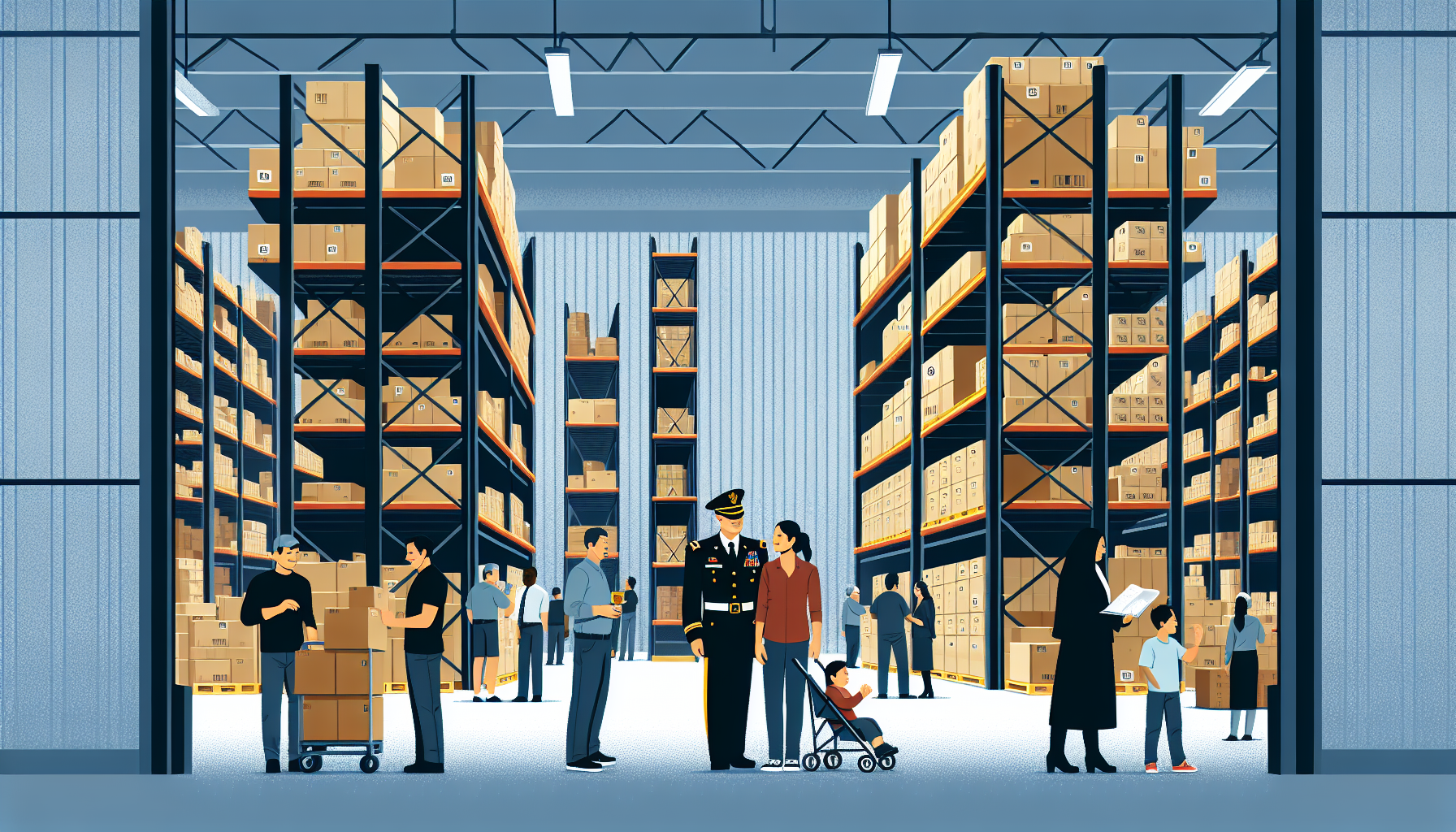
Related Articles

x