





We are privately owned and not affiliated or endorsed by any government agency.

Take the Benefits Quiz

Combat search and rescue (CSAR)

Definition

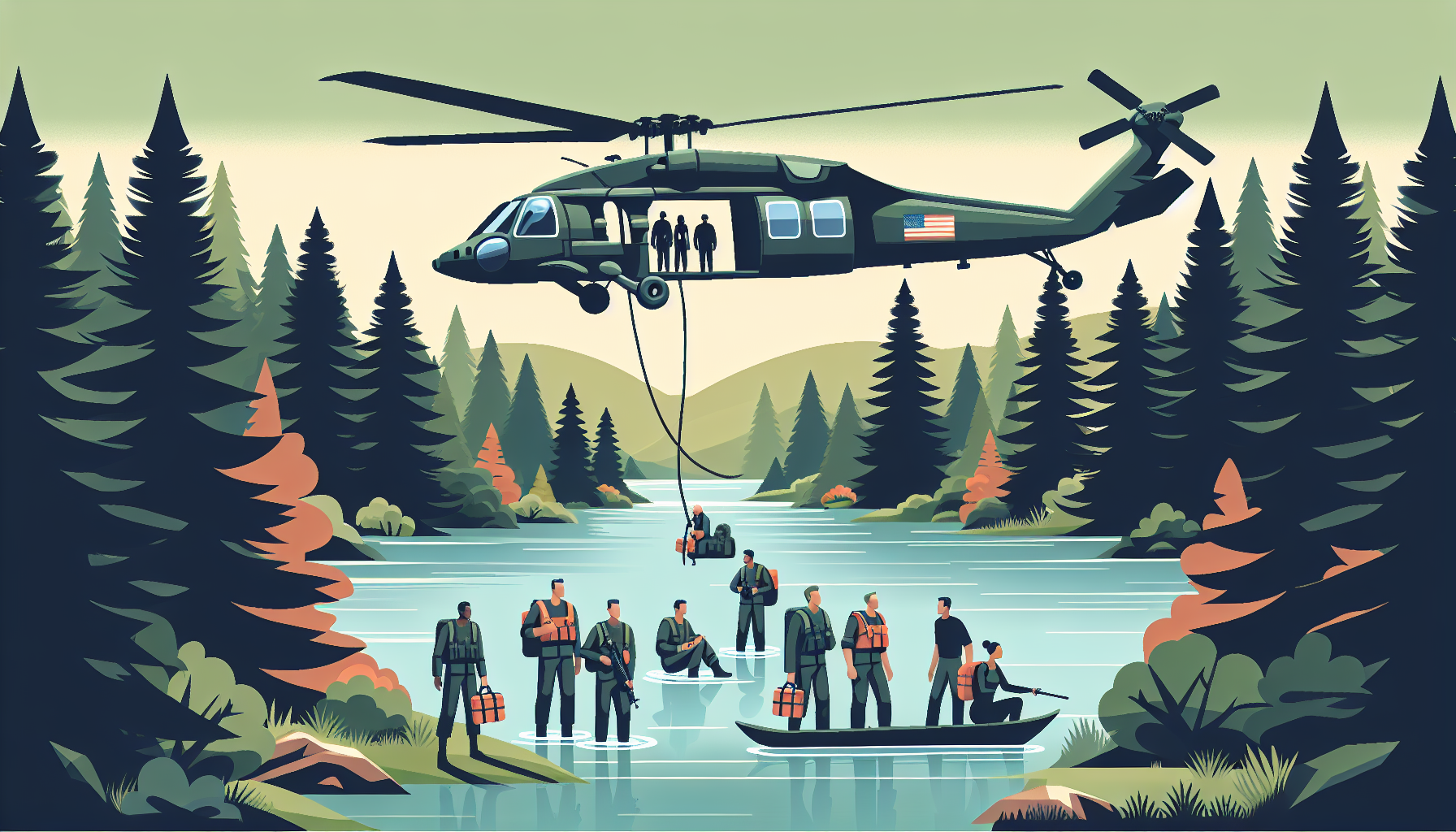
Combat search and rescue (CSAR) is a specialized type of military operation that focuses on the recovery and extraction of combatants who are isolated, missing, or in distress. These missions often involve the use of specialized personnel, aircraft, and equipment designed to locate and retrieve individuals in hostile or dangerous environments. CSAR operations prioritize the quick and safe recovery of personnel while minimizing the risk to both the rescue team and the individual being rescued.

Key Takeaways

  1. Combat search and rescue (CSAR) is a specialized military operation conducted to recover isolated personnel, such as downed pilots or captured soldiers, in hostile territory.
  2. CSAR operations require highly trained personnel, advanced equipment, and exceptional coordination among various armed forces units, with assets typically including helicopters, fixed-wing aircraft, and special operations forces.
  3. The primary objectives of CSAR missions are to ensure the safe return of isolated personnel to friendly control, to protect them from capture or harm, and to deny adversaries any potential intelligence, propaganda, or strategic gains from capturing personnel.

Importance

Combat Search and Rescue (CSAR) is a crucial aspect of military operations because it involves the timely and efficient recovery of downed aircrew, isolated personnel, or stranded soldiers from hostile or denied areas.

CSAR is essential for maintaining high morale and trust among military personnel, as it showcases an unwavering commitment to leave no one behind in enemy territory.

By employing highly trained, well-equipped, and coordinated units for these critical missions, the armed forces can ensure the safe return of their personnel while minimizing additional casualties.

Furthermore, successful CSAR missions can protect vital intelligence, equipment, and resources from falling into the hands of the enemy.

Overall, CSAR operations play a significant role in safeguarding the well-being of military personnel and maintaining the operational readiness and effectiveness of the armed forces.

Explanation

Combat search and rescue (CSAR) serves a vital purpose in military operations by locating and recovering downed pilots, ground troops, and other personnel who become isolated or trapped in hostile territory. CSAR operations are not solely limited to recovering wounded or distressed individuals but also extend to retrieving sensitive equipment to prevent it from falling into enemy hands.

These highly trained and specialized units assume extraordinary risks, operating in dangerous environments where threats from enemy forces are prevalent. The success of a CSAR mission can significantly impact morale and foster a strong sense of allegiance among military personnel knowing that they will not be left behind when in trouble.

To execute a CSAR mission effectively, a harmonious fusion of intelligence, air and ground forces, and careful planning is essential. This often includes the utilization of reconnaissance assets to first locate the missing or trapped individuals, followed by the deployment of swift and stealthy recovery teams who possess expert knowledge in navigation, evasion techniques, and extraction under extreme conditions.

These missions can be prolonged due to the complex nature of hostile territories and require appropriate support from additional forces that provide air cover, medical care, and contribute to the overall success of the operation. Ultimately, the primary goal of combat search and rescue is to reunite the recovered military personnel with friendly forces, ensuring their safety and further strengthening the combat effectiveness and resolve of the military.

Examples of Combat search and rescue (CSAR)

Operation Kingpin (1970): A notable CSAR mission during the Vietnam War was the Son Tay prison raid, also known as Operation Kingpin. The mission aimed to rescue American prisoners of war held at a camp near Hanoi in North Vietnam. U.S. Special Forces and aircrews executed a daring nighttime raid, but upon arrival, they discovered that the prisoners had been relocated. Despite the mission’s failure to recover POWs, it showcased the effectiveness of the CSAR concept, as the raid successfully penetrated deep into enemy territory without significant loss of U.S. personnel or equipment.

Operation Anaconda (2002): During the early stages of the War in Afghanistan, a U.S. Navy SEAL team was tasked with conducting reconnaissance in the Shahi-Kot Valley as part of Operation Anaconda. The team encountered an ambush by Taliban forces and was cut off from their helicopter extraction. A CSAR mission was launched by U.S. Air Force Pave Hawk helicopters to rescue the SEAL team. Two helicopters were shot down during the attempted rescue, leading to further efforts by U.S. and Coalition forces to safely recover the downed aircrews and the original SEAL team. During the resulting battle, the concept of CSAR was demonstrated as multiple personnel were ultimately rescued from hostile territory.

Operation Red Wings (2005): Another significant CSAR operation from the War in Afghanistan was the one launched following the events of Operation Red Wings. In June 2005, a four-man Navy SEAL team was inserted into the mountains of Afghanistan to capture or kill a high-ranking enemy leader. They were discovered and engaged by a large hostile force, leading to the deaths of three of the SEALs. As reinforcements were deployed to the area to assist, one of the rescue helicopters, a U.S. Army Chinook, was shot down by an enemy RPG, killing 16 personnel onboard. Despite further loss and significant setbacks, a dedicated CSAR effort was organized to find and rescue the lone surviving SEAL, Marcus Luttrell. Ultimately, the mission was successful, demonstrating the commitment to the CSAR principle of leaving no one behind.

FAQ: Combat Search and Rescue (CSAR)

What is Combat Search and Rescue (CSAR)?

Combat Search and Rescue (CSAR) is a specialized and important operation within the military. Its primary purpose is to rescue downed aircrew and isolated personnel behind enemy lines, as well as assist in retrieving equipment and any sensitive information that might be lost during a mission. CSAR teams are trained to operate in high-threat environments and utilize various tactics to ensure the safe and successful retrieval of personnel and equipment.

Why is CSAR important?

CSAR is crucial for various reasons. Firstly, it helps in the recovery of aircrew members or other personnel who are stranded in hostile areas. This not only saves the lives of valuable military personnel but also prevents the possibility of sensitive information falling into enemy hands. Second, CSAR helps maintain morale within deployed units, as members know that a skilled team is ready to assist them if necessary. Finally, CSAR serves as a deterrent to enemy forces, indicating that any attempts to capture military personnel would be met with a swift and powerful response.

What is the difference between CSAR and other search and rescue operations?

Although CSAR falls under the broader umbrella of search and rescue (SAR), it differs significantly from other SAR missions. CSAR specifically deals with rescuing personnel behind enemy lines or in hostile territories and requires specialized training and equipment. CSAR forces need to be adept at evading enemy detection or actively engaging enemy forces while they carry out their mission. On the other hand, general SAR operations focus on rescuing individuals in non-hostile environments, such as lost hikers or individuals stranded due to natural disasters.

What types of personnel and equipment are involved in CSAR missions?

CSAR missions require highly skilled and specially trained personnel, such as Pararescue Jumpers (PJs), Combat Controllers (CCTs), and Combat Rescue Officers (CROs). These individuals possess a unique combination of skills, such as medical expertise, air traffic control, and advanced combat capabilities. CSAR personnel are typically supported by a range of specialized equipment and vehicles, including but not limited to helicopters (e.g. HH-60 Pave Hawk), aircraft (e.g. HC-130J), and ground vehicles. Technology such as night vision goggles and advanced communication systems also play a critical role in the success of CSAR missions.

How do CSAR teams coordinate with other military units?

Successful CSAR missions require close coordination and support from various military entities. The CSAR team may work together with intelligence, surveillance, and reconnaissance (ISR) assets to gather valuable information about the mission area beforehand. Additionally, air and ground forces may provide coverage or engage enemy targets to create a safer environment for the CSAR team to perform its rescue operation. Close communication between all involved units is vital to ensure a successful and timely rescue mission.

Related Military Operation Terms

  • Airborne rescue operations
  • Pararescue teams
  • Evasion and recovery
  • Downed pilot extraction
  • Hostile environment recovery

Sources for More Information

  • United States Air Force (USAF): The official homepage of the United States Air Force, which features detailed information about various military operations and tactics, including Combat Search and Rescue (CSAR).
  • North Atlantic Treaty Organization (NATO): The NATO website provides extensive information on the alliance’s military operations and strategies, including CSAR missions during joint operations.
  • United States Army: The official homepage of the United States Army, another reliable source for information about various military operations, including CSAR and its related tactics and procedures.
  • GlobalSecurity.org: An independent organization that offers an extensive collection of information and analysis on various military, security, and defense topics, including detailed articles and resources on CSAR.

Benefits.com Advisors

With expertise spanning local, state, and federal benefit programs, our team is dedicated to guiding individuals towards the perfect program tailored to their unique circumstances.

Rise to the top with Peak Benefits!

Join our Peak Benefits Newsletter for the latest news, resources, and offers on all things government benefits.

Related Articles

Combat service support (CSS)

Definition

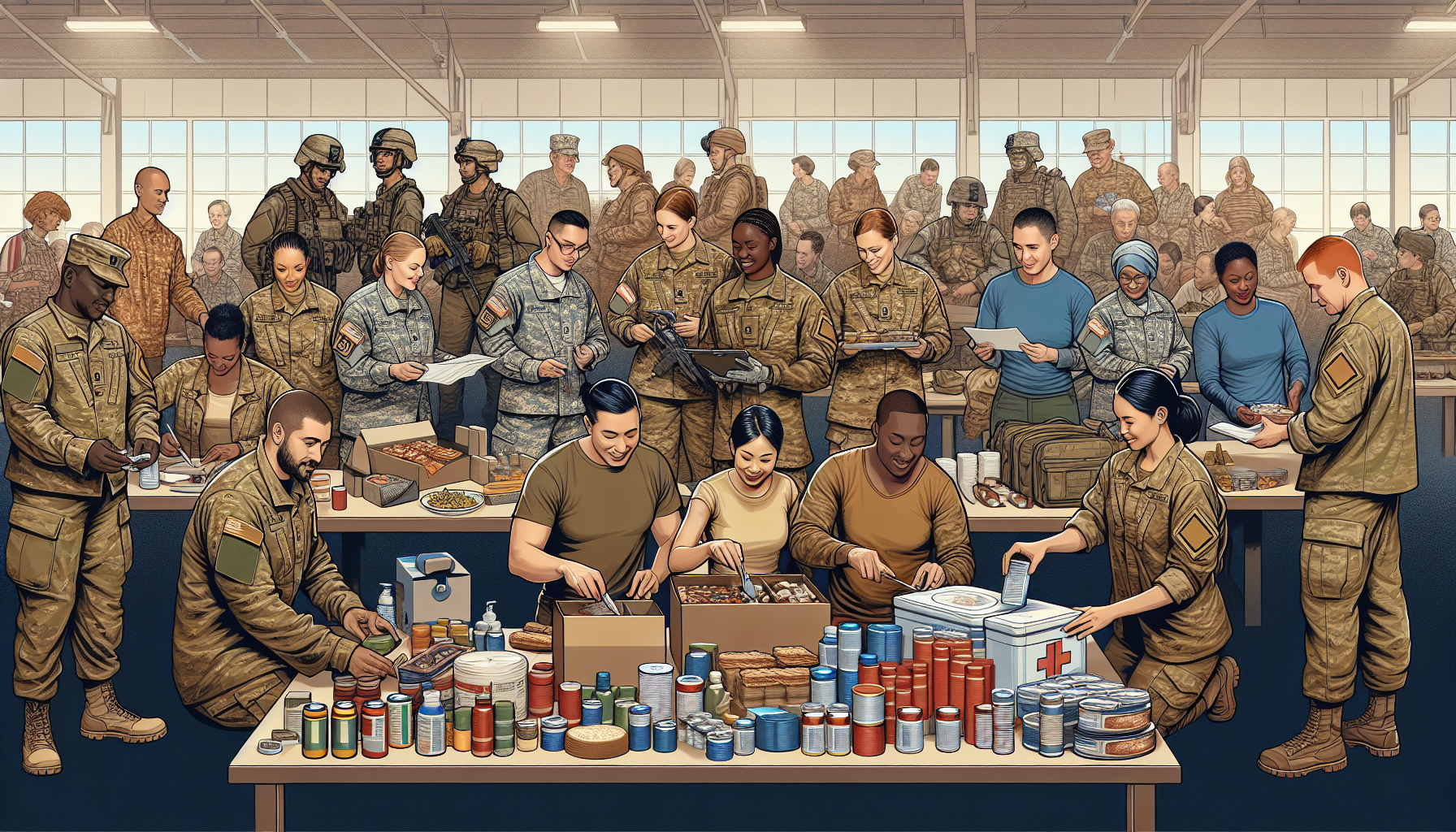
Combat service support (CSS) refers to the essential logistical and administrative services provided to military units during operations. These services include transportation, supply, maintenance, medical care, and administrative support. The primary objective of CSS is to sustain and maintain the operational readiness of combat forces throughout the duration of a mission.

Key Takeaways

  1. Combat service support (CSS) encompasses the essential logistics and administrative support required for military operations, including transportation, supply, maintenance, and medical assistance.
  2. CSS units play a crucial role in ensuring that combat arms and other military elements have the resources necessary to maintain readiness, sustain operations, and achieve mission objectives.
  3. Efficient and effective CSS relies on robust planning, coordination, and communication among military commanders, allowing them to properly align their logistical and administrative resources with the evolving demands of the mission.

Importance

Combat service support (CSS) is a crucial aspect of military operations as it ensures the comprehensive functionality and efficiency of combat forces. By providing essential services such as logistics, administration, transportation, medical care, and maintenance, CSS plays a vital role in maintaining combat readiness and sustaining troops’ morale.

The support activities ensure a smooth supply chain of equipment, munitions, and necessities that allow troops to be fully operational and mission-ready. Moreover, CSS enables the seamless coordination and communication among different units, allowing military forces to adapt to changing conditions and execute their missions in the most effective manner.

Overall, the significance of combat service support lies in its ability to bolster combat capabilities, sustain the long-term operations, and maintain the operational continuity of military forces on the battlefield.

Explanation

Combat service support (CSS) plays a crucial role in military operations, as it ensures the smooth functioning and effectiveness of the combat units in the field. The primary purpose of CSS is to provide logistical, administrative, personnel, and medical support to the troops engaged in combat missions.

This backing ultimately enhances the efficiency, sustainment, and combat readiness of military forces. CSS is indispensable because it enables troops to focus on their missions, knowing that their vital support requirements are being managed and maintained by dedicated teams of professionals.

One of the critical aspects of CSS lies in its ability to adapt and respond to the ever-changing needs of military operations. To achieve success in modern warfare, it is essential to have a robust and well-coordinated support structure that operates seamlessly in conjunction with combat units.

CSS encompasses various military functions like supply chain management, transportation, maintenance, medical care, and personnel services, all of which help maintain the morale, welfare, and resilience of fighting forces. Underpinning every successful military campaign is a diverse and organized system of combat service support, demonstrating the vital role it serves in contributing to victory.

Examples of Combat service support (CSS)

Operation Restore Hope – Somalia (1992-1993): Combat service support played a crucial role during this humanitarian mission in Somalia. The mission aimed to provide aid and food to the famine-stricken population. CSS elements were responsible for logistics, transportation, and medical support for the troops deployed on the ground. They ensured that essential supplies like food, ammunition, and fuel reached the troops while also coordinating medical evacuation in case of injuries or illnesses.

The Battle of Khe Sanh – Vietnam War (1968): During this major battle in the Vietnam War, combat service support units played a critical role in keeping the besieged Marine base resupplied despite heavy enemy fire. CSS units delivered food, ammunition, fuel, and other essential supplies via air and ground transport, while evacuating wounded personnel and repairing damaged equipment. Additionally, they managed a constant rotation of troops between the combat zone and support areas, ensuring a continuous flow of fresh forces and maintaining a robust defense.

Operation Iraqi Freedom – Iraq (2003-2011): Throughout the Iraq War, combat service support units were continually called upon to provide the necessary logistical, maintenance, and medical support to the U.S. and allied forces engaged in combat. These units established forward operating bases, supplied troops with essential items such as food, fuel, and munitions, and provided vital medical care. CSS units also played a critical role in maintaining and repairing equipment, constructing infrastructure, and managing the transportation and distribution of supplies throughout the complex and changing environment of the conflict.

FAQs: Combat Service Support (CSS)

What is Combat Service Support (CSS)?

Combat Service Support (CSS) refers to the essential capabilities, functions, and activities that provide the necessary support to combat forces in the field. This includes logistics, maintenance, transportation, medical services, administrative support, and other services required to sustain military operations.

Why is CSS crucial to military operations?

CSS plays a vital role in maintaining the effectiveness and efficiency of the combat forces. By providing timely and reliable support services, it ensures that the units in the field can focus on their primary mission of engaging the enemy without being bogged down by logistics and other administrative concerns.

What are the main components of CSS?

The main components of CSS can be categorized into several functional areas, which include supply and logistics, maintenance and engineering support, transportation, medical support, and personnel and administrative services. These functions are crucial to keep combat forces well-equipped and ready to engage in military operations.

How does CSS contribute to the overall success of a military operation?

CSS contributes to the overall success of a military operation by ensuring that combat forces have the necessary supplies, equipment, and infrastructure to fulfill their mission. This includes providing critical logistical support, such as the timely movement of supplies and personnel, as well as essential services like medical care, which helps maintain the overall health and wellbeing of the troops.

What role do military logisticians play in CSS?

Military logisticians are specialized personnel responsible for planning, coordinating, and executing CSS functions in support of military operations. They play a crucial role in ensuring that combat forces have the necessary resources to sustain their mission. This includes managing the procurement, transportation, distribution, and storage of supplies, as well as coordinating maintenance, medical support, and other essential services.

Related Military Operation Terms

  • Logistical Support
  • Medical Services
  • Transportation Services
  • Engineer Support
  • Maintenance and Repair

Sources for More Information

Benefits.com Advisors

With expertise spanning local, state, and federal benefit programs, our team is dedicated to guiding individuals towards the perfect program tailored to their unique circumstances.

Rise to the top with Peak Benefits!

Join our Peak Benefits Newsletter for the latest news, resources, and offers on all things government benefits.

Related Articles

Combat service support area (CSSA)

Definition

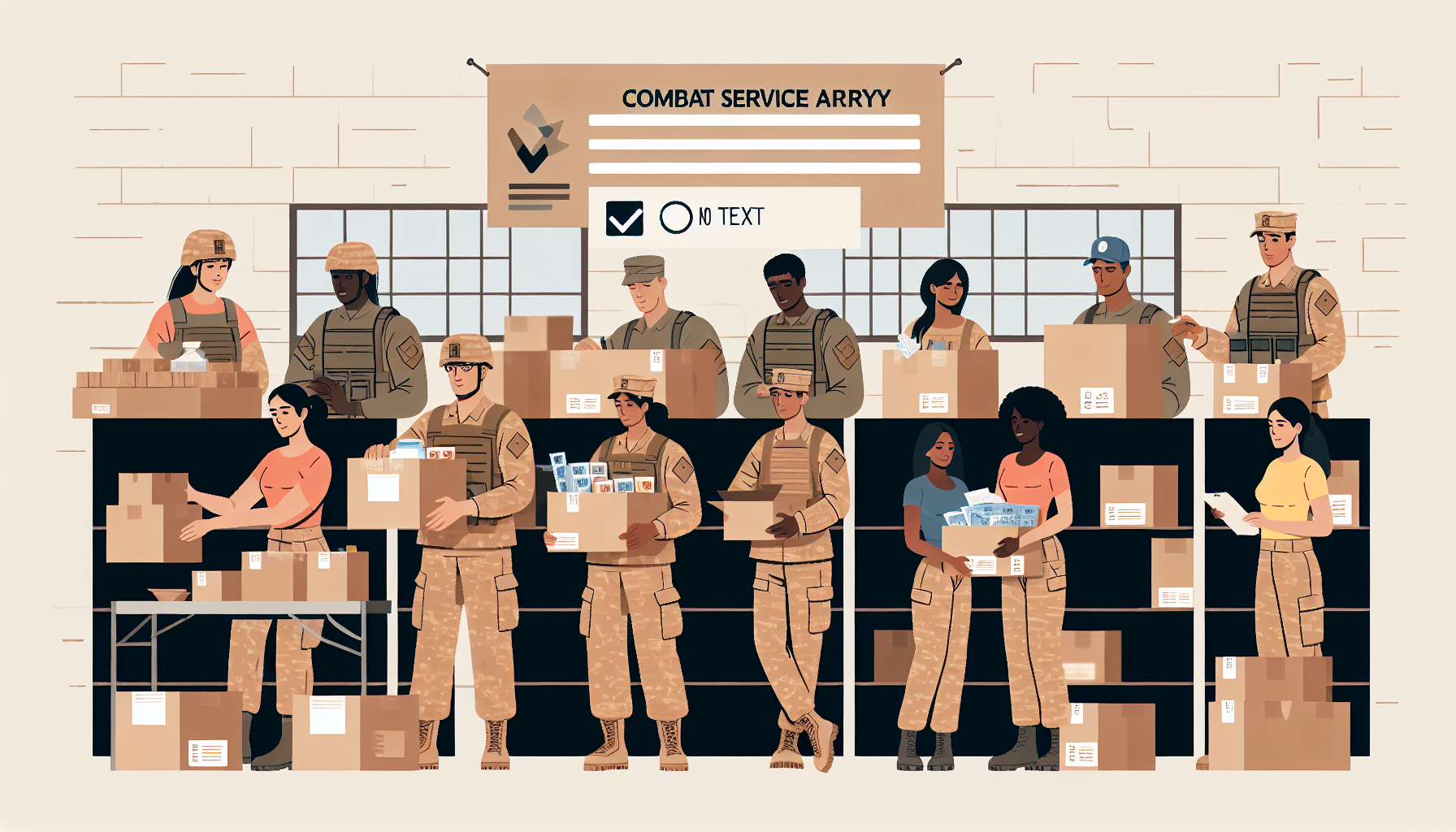
The Combat Service Support Area (CSSA) is a designated zone within a theater of operations where logistic and support activities are primarily based and coordinated. The primary purpose of CSSA is to facilitate the efficient flow of supplies, maintenance, transportation, and other support functions for combat units. This critical area helps ensure that military forces receive the necessary resources to maintain combat readiness and effectively carry out missions.

Key Takeaways

  1. Combat Service Support Area (CSSA) is an area designated for the performance of various logistical functions in support of combat operations and units.
  2. In CSSA, essential activities such as supply, maintenance, transportation, medical services, and administration are conducted to support the frontline troops effectively and efficiently.
  3. Proper management and organization of CSSA are crucial to ensure timely supply of necessary resources and services to frontline units, enabling a successful and sustained military operation.

Importance

The Combat Service Support Area (CSSA) is a crucial element in military operations, as it is responsible for providing necessary logistics, operational, and administrative support to frontline combat units.

By ensuring the availability of vital resources such as fuel, ammunition, medical aid, and vehicle maintenance, the CSSA enables combat forces to maintain peak efficiency and operational readiness during their missions.

Additionally, the CSSA is responsible for the coordination of key personnel movements, reinforcements, and communication support.

In essence, it serves as the backbone of the armed forces by optimizing the efforts of combat units and allowing them to focus on their core mission objectives, ultimately enhancing the effectiveness and success of military campaigns.

Explanation

The Combat Service Support Area (CSSA) plays a crucial role in sustaining military operations by ensuring the necessary support and resources are consistently available to frontline troops. The primary purpose of the CSSA is to provide a strategically located base where various types of support units coordinate and work together to assist fighting forces in executing their missions effectively. This is achieved through managing logistics, maintenance, transportation, and other essential functions that are required for a smooth and successful operation.

A well-functioning CSSA enables combat troops to stay focused on their mission, knowing that their needs are being met and any potential issues will be promptly addressed. CSSAs are designed to maximize efficiency, enabling rapid deployment of resources and services to support forces engaged in combat. This is accomplished through the integration of distinct support elements such as mobile hospitals, supply depots, and maintenance facilities.

Additionally, CSSAs house communications infrastructure to facilitate prompt coordination between support units and frontline forces. In essence, a CSSA serves as the lifeline for combat troops, maintaining a steady flow of crucial supplies, equipment, and reinforcements when and where they are needed most. By reliably managing various aspects of support operations, from medical services to equipment repair, a CSSA forms the backbone of combat effectiveness, ensuring that the warfighters can continue to maintain their operational capabilities and ultimately achieve their objectives.

Examples of Combat service support area (CSSA)

Bagram Airfield during Operation Enduring Freedom (Afghanistan): Bagram Airfield was a crucial CSSA during the United States military’s operation in Afghanistan. As a major hub for U.S., NATO, and partner nation forces, Bagram Airfield provided essential support services, including logistics, supply chain management, medical services, and maintenance. Troops and resources in the region relied upon this base to maintain operational readiness, enabling ongoing combat operations against the Taliban and other opposing forces.

Balad Air Base during Operation Iraqi Freedom (Iraq): Balad Air Base was a key CSSA during the U.S.-led military coalition’s operation in Iraq. Also known as the Logistics Support Area (LSA) Anaconda, the base provided a significant range of combat support services to coalition forces. These services included logistical support, maintenance, force protection, transportation, and medical treatment for injured personnel. Balad Air Base played a critical role in sustaining the U.S. military’s presence in Iraq and supporting ongoing operations.

Da Nang Air Base during the Vietnam War (Vietnam): The Da Nang Air Base in South Vietnam was an essential CSSA, playing a vital role in supporting U.S. military operations during the Vietnam War. The airbase provided critical support services to the U.S. and other participating forces in the region, such as ground and air logistical support, maintenance facilities, medical services, and a staging area for troops and supplies. Da Nang was a vital link in the supply chain, ensuring military units throughout the region had the resources they needed to continue their missions and efforts to counter the North Vietnamese forces.These three examples of Combat Service Support Areas illustrate the importance of such locations in maintaining operational readiness, ensuring logistical efficiency, and providing critical support services to military forces engaged in combat operations.

FAQ: Combat Service Support Area (CSSA)

1. What is a Combat Service Support Area (CSSA)?

A Combat Service Support Area (CSSA) refers to a designated area within a theater of operations, typically close to the front lines, where coordinated logistical support and resupply efforts take place for the military units involved in combat operations. This area typically includes facilities for equipment maintenance, provision of supplies, medical support, and other services that are necessary for maintaining and enhancing the operational effectiveness of the military forces.

2. What is the main purpose of a CSSA?

The main purpose of a CSSA is to provide logistical support to military forces engaged in combat operations. This support can include provisioning of vital supplies such as ammunition, food, fuel, and spare parts, as well as medical services for troops, equipment maintenance, and transportation resources. By ensuring the availability and timely delivery of these resources, a CSSA helps maintain the operational readiness and effectiveness of military forces in the field.

3. What types of units are typically present in a CSSA?

Several types of units can be present in a CSSA, including logistical, medical, and maintenance units. For example, transportation units handle the movement of personnel and equipment in and out of the area, while supply units are responsible for managing and distributing critical materials such as food, fuel, and ammunition. Medical units provide treatment for wounded personnel, and maintenance units perform repairs and upkeep of vehicles, weapons, and other equipment necessary for combat operations.

4. How are CSSAs protected and secured?

Ensuring the security and protection of a CSSA is a vital aspect of maintaining the operational effectiveness of military forces. This can be accomplished in various ways, including the deployment of security forces around the perimeter of the area, the implementation of access control measures for individuals and vehicles entering the area, and the monitoring and surveillance of external threats. Additionally, defensive measures such as fortifications, barriers, and protective systems can be employed to minimize potential damage from enemy attacks and natural disasters.

5. How do CSSAs adapt to changing conditions or evolving missions?

One of the key aspects of a CSSA is its ability to adapt to changing situations and mission requirements. This flexibility is achieved through a combination of careful planning, efficient organization, and the use of modular systems that enable rapid reconfiguration and deployment to serve the evolving needs of military forces. For example, a CSSA might be expanded or contracted in size, have its logistical priorities adjusted, or be relocated to a new area in response to changes in the operational environment or mission objectives. The ability to swiftly adapt ensures that a CSSA remains a valuable asset for military forces throughout the duration of a conflict.

Related Military Operation Terms

  • Logistical Support
  • Military Supply Chain
  • Base Support Operations
  • Field Maintenance
  • Medical Evacuation

Sources for More Information

Benefits.com Advisors

With expertise spanning local, state, and federal benefit programs, our team is dedicated to guiding individuals towards the perfect program tailored to their unique circumstances.

Rise to the top with Peak Benefits!

Join our Peak Benefits Newsletter for the latest news, resources, and offers on all things government benefits.
Related Articles

Combat spread loading

Definition

Combat spread loading is a military tactic involving the strategic distribution of resources, personnel, and equipment across a wide area during operations. This approach reduces the risk of extensive damage or loss during enemy engagements by minimizing the concentration of valuable assets in one location. Ultimately, the aim of combat spread loading is to enhance operational effectiveness while maintaining flexibility and increasing survivability on the battlefield.

Key Takeaways

  1. Combat spread loading refers to the strategic distribution of troops, equipment, and other resources to minimize losses and improve military effectiveness during combat situations.
  2. By not concentrating resources in one location, spread loading decreases vulnerability to enemy attacks and increases the chances of successful missions by allowing better operational flexibility.
  3. Combat spread loading can also help maintain logistical efficiency, as resources can be easily relocated or reinforced when required, ultimately resulting in better adaptability during conflicts.

Importance

Combat spread loading is a crucial military concept as it ensures efficient allocation of resources, personnel, and equipment among various combat units operating in a theater of conflict.

By distributing the assets, including weapons and supplies, the military diminishes the vulnerability of concentrating resources in one place, thus minimizing potential losses from enemy attacks or equipment failures.

Furthermore, combat spread loading fosters greater coordination, communication, and cooperation among different teams, leading to improved adaptability, resilience, and effectiveness during combat missions.

In summary, combat spread loading is essential for maximizing the operational capabilities of military forces while minimizing potential risks and setbacks.

Explanation

Combat spread loading is a critical military operations tactic utilized to increase the efficiency, survivability, and overall effectiveness of a given unit during combat engagements. The primary purpose of combat spread loading is to ensure optimal distribution of personnel, vehicles, weapons, and equipment within the military units in a manner that capitalizes on the available resources and reduces vulnerability to enemy attacks, such as ambushes or air strikes.

By dispersing and allocating troops and assets in this manner, military forces can achieve a balance between offense and defense, vastly improving unit cohesion and tactical adaptability while minimizing the risks of concentrated losses. In practice, combat spread loading involves carefully determining and organizing units in a tactical formation that allows for maximum flexibility, rapid response to enemy threats, and effective communication between elements of the force.

This arrangement ensures timely reinforcement and support to the engaged elements as well as continuous, synchronized operations even in difficult and rapidly changing battlefield conditions. Furthermore, when combating adversaries with long-range precision-guided munitions or heavy firepower, combat spread loading becomes an essential tactic to mitigate the risk of mass casualties and maintain a unit’s fighting power.

Ultimately, combat spread loading provides military forces with an optimal configuration for engaging and defeating the enemy, while preserving the lives and capabilities of their own soldiers.

Examples of Combat spread loading

Combat spread loading is a military operations term that refers to the strategic distribution of combat resources, personnel, and equipment across a variety of locations to minimize potential damage from enemy attacks and improve the overall survivability and operational capability of a force.

Distribution of air assets in the Gulf War: During the 1991 Gulf War, the United States and its coalition partners utilized combat spread loading by dispersing their air assets across numerous airbases in the region, including Saudi Arabia, Bahrain, and Qatar. This helped to mitigate the impact of any single enemy attack and made it harder for the Iraqi forces to target coalition aircraft and infrastructure.

NATO’s Cold War strategy: Throughout the Cold War, NATO employed combat spread loading against the threat of a Soviet invasion in Europe. NATO forces were strategically positioned across member countries to reduce the risk of being wiped out by a single, massive Soviet strike. The deployment of troops, equipment, and supplies in multiple forward and rear areas increased the alliance’s resiliency and hindered the enemy’s ability to disrupt NATO’s defense capabilities.

U.S. Marine Corps Expeditionary Advanced Base Operations (EABO): The U.S. Marine Corps is currently developing the Expeditionary Advanced Base Operations (EABO) concept to prepare for potential future conflicts, particularly in the Asia-Pacific region. The EABO approach involves the distribution of small, mobile combat units across numerous locations, such as islands and atolls, to complicate an adversary’s targeting calculations and improve survivability. This strategy represents an example of combat spread loading, as it necessitates the dispersal of forces to create a resilient and effective operational environment.

FAQ: Combat Spread Loading

1. What is combat spread loading?

Combat spread loading is a military logistics strategy that involves distributing essential supplies, ammunition, and equipment across multiple vehicles or platforms. This ensures that in the event of an attack, no single vehicle or platform would carry all crucial resources, and the loss would be minimized.

2. What is the purpose of combat spread loading?

The primary purpose of combat spread loading is to increase the survivability and resilience of a military unit by preventing the loss of all essential resources in a single attack. It also helps ensure that units can continue operating effectively even after sustaining losses or damage.

3. In what situations is combat spread loading essential?

Combat spread loading is essential in situations where there is a high risk of vehicle or platform loss due to enemy attack or other hazards, such as difficult terrain or environmental conditions. This strategy is especially crucial for units operating in hostile environments or when conducting high-risk missions.

4. How does combat spread loading influence military tactics and strategy?

Combat spread loading impacts military tactics and strategy by requiring commanders to consider the distribution of resources when planning missions. This can influence decisions regarding vehicle composition, route selection, and convoy formations. Additionally, the need to keep units supplied despite potential losses may necessitate more frequent resupply missions and closer cooperation between logistics and combat personnel.

5. Are there any challenges or drawbacks associated with combat spread loading?

While combat spread loading offers numerous benefits, it can also create challenges and drawbacks. These may include increased logistical complexity, as well as increased transport or storage requirements for essential resources. Additionally, if vehicles or platforms are loaded with a variety of supplies, it could complicate the process of identifying and accessing specific items during missions.

Related Military Operation Terms

  • Combat-related disability compensation
  • Combat service-connected pension
  • Concurrent Retirement and Disability Payment (CRDP)
  • Veterans Affairs home loan guarantee
  • Post 9/11 GI Bill education benefits

Sources for More Information

Benefits.com Advisors

With expertise spanning local, state, and federal benefit programs, our team is dedicated to guiding individuals towards the perfect program tailored to their unique circumstances.

Rise to the top with Peak Benefits!

Join our Peak Benefits Newsletter for the latest news, resources, and offers on all things government benefits.

Related Articles

Combat support (CS)

Definition

Combat support (CS) refers to the various units, organizations, and services that provide essential assistance and resources to front-line combat elements in a military operation. This support typically includes functions such as intelligence, communications, logistics, and medical assistance. CS enhances the effectiveness and sustainability of fighting forces, enabling them to carry out their missions successfully.

Key Takeaways

  1. Combat support (CS) refers to a wide range of units, functions, and capabilities that primarily assist and enhance the effectiveness of combat arms, such as infantry, armor, and artillery, in achieving their mission objectives.
  2. The primary goal of CS is to ensure the readiness and sustainability of fighting forces by providing critical logistics, intelligence, medical, engineering, and communication services, among others, to enhance their overall combat effectiveness.
  3. As a crucial component of military operations, CS units work in close coordination with other elements of a force, including combat and combat service support units, to provide a seamless and integrated effort in planning and executing missions across diverse operational environments and scenarios.

Importance

Combat support (CS) holds significant importance in military operations as it contributes to the overall effectiveness, efficiency, and success of combat missions.

CS encompasses a wide range of essential services and capabilities, including engineering, logistics, intelligence, communications, and medical support.

These services enable combat forces to carry out their operations seamlessly and help sustain their fighting capabilities.

By providing the necessary backing to the frontline troops, Combat support ensures that soldiers can focus on their core mission objectives while having access to on-time assistance and resources.

Furthermore, CS plays a vital role in enhancing the operational endurance, adaptability, and readiness of the military forces, which ultimately results in a more coordinated and powerful response to any given threat or situation.

Explanation

Combat support (CS) plays a crucial role in modern military operations by providing essential capabilities and services to directly aid forces engaged in combat situations. The primary purpose of combat support is to extend and enhance the overall operational effectiveness of armed forces, contributing to mission success and the accomplishment of strategic objectives. CS is fundamental in reinforcing frontline combat units, ensuring seamless and uninterrupted execution of a wide range of combat and peacekeeping missions.

Various elements within the military contribute to combat support. It encompasses specific functions such as intelligence gathering, communications, logistics, engineering, medical support, and transportation. For example, military intelligence provides vital information of enemy forces and their capabilities, strengthening the situational awareness of combat troops in the field.

Furthermore, CS encompasses logistical functions involved in the continuous supply of ammunition, fuel, food, and other necessities to facilitate the smooth execution of operations. Engineering assets play a significant role, enabling the construction and maintenance of infrastructure and defenses in a conflict zone, while medical personnel ensure the health and welfare of the forces. In the increasingly interconnected battlefield environment, combat support is essential for maintaining the morale and fighting capabilities of the front-line units, ultimately enabling the successful accomplishment of the mission.

Examples of Combat support (CS)

Artillery and Close Air Support: In the 2003 Iraq War, combat support units played a crucial role in assisting ground troops in their advances. The U.S. Army’s field artillery units worked closely with the Air Force to provide coordinated firing and aerial support, which led to more precise targeting and increased effectiveness in neutralizing enemy positions. This support enabled infantry and armored units to move forward with less resistance, ultimately helping to capture key cities and strategic locations.

Logistics and Supply: During the 1991 Gulf War, Operation Desert Shield was a critical combat support operation providing equipment, supplies, and additional forces to the region. This support included thousands of personnel from the U.S. and other coalition countries organizing and transporting food, water, fuel, ammunition, and other necessary resources for the war effort. The success of this extensive logistical operation ensured that troops had the necessary resources to conduct combat operations during Operation Desert Storm.

Military Intelligence and Reconnaissance: The role of combat support in intelligence gathering and reconnaissance is crucial for modern military operations. During the 2011 operation to find and eliminate Osama bin Laden in Pakistan, various combat support units played an essential role. These included the Central Intelligence Agency (CIA), National Security Agency (NSA), and the Defense Intelligence Agency (DIA), which provided accurate intelligence on bin Laden’s location and the compound’s layout. Additionally, support from reconnaissance units, such as aerial and satellite surveillance teams, were critical in planning and executing the operation by the U.S. Navy SEALs.

FAQ: Combat Support (CS)

What is Combat Support (CS)?

Combat Support (CS) refers to a variety of military functions that support combat operations and enhance the effectiveness of combat arms. These support functions often involve operations like intelligence, communication, engineering, and logistics.

What are the primary roles of Combat Support (CS)?

The primary roles of Combat Support (CS) are to provide essential support to combat units on the battlefield, enhance their fighting capabilities, and assist in achieving their tactical and strategic objectives. This supports combat units by coordinating tasks like supply, maintenance, transportation, medical services, and military intelligence.

How does Combat Support (CS) differ from Combat Service Support (CSS)?

Combat Support (CS) is focused on directly supporting combat operations by providing capabilities that enhance the effectiveness of combat arms, while Combat Service Support (CSS) deals with the administrative and logistic functions that maintain and sustain combat operations. However, both CS and CSS are essential components of a fully functional fighting force.

What are some examples of Combat Support (CS) units?

Examples of Combat Support (CS) units include military intelligence units, signal (communication) units, military police, engineer units, and air defense artillery. These units work together to provide functions like surveillance, reconnaissance, and communication support to the combat forces.

Why is Combat Support (CS) important in military operations?

Combat Support (CS) is crucial in military operations as it enhances the efficiency, effectiveness, and survivability of combat forces. It provides essential capabilities that allow combat units to plan, coordinate, and execute their operations more successfully. With improved situational awareness, communication, and logistical support, CS can directly contribute to the success of military missions.

Related Military Operation Terms

  • Post-9/11 GI Bill
  • Combat-Related Special Compensation (CRSC)
  • Service-Connected Disability Compensation
  • Concurrent Retirement and Disability Pay (CRDP)
  • Veteran Readiness and Employment (VR&E) Services

Sources for More Information

Benefits.com Advisors

With expertise spanning local, state, and federal benefit programs, our team is dedicated to guiding individuals towards the perfect program tailored to their unique circumstances.

Rise to the top with Peak Benefits!

Join our Peak Benefits Newsletter for the latest news, resources, and offers on all things government benefits.
Related Articles

Caregiver Support Program

Definition

The Caregiver Support Program is a service provided by the Department of Veterans Affairs (VA) to assist caregivers of eligible veterans. The program offers resources, education, support, and services to aid caregivers in their role of caring for veterans with physical, emotional, or mental health needs. Its goal is to improve the quality of life for both the caregiver and the veteran, while enhancing the caregiver’s ability to provide care effectively.

Key Takeaways

  1. The Caregiver Support Program provides a range of services and support to the caregivers of eligible Veterans, including education resources, counseling, and peer support.
  2. It offers two levels of benefits: the Program of General Caregiver Support Services (PGCSS), which is available to any caregiver of a Veteran, and the Program of Comprehensive Assistance for Family Caregivers (PCAFC), designed specifically for eligible post-9/11 Veterans.
  3. To qualify for the Caregiver Support Program, the Veteran must require assistance with daily activities, have served on or after September 11, 2001, and have sustained a serious injury, including traumatic brain injury, psychological trauma, or other mental disorders.

Importance

The VA Benefits term, “Caregiver Support Program,” is crucial as it offers much-needed assistance and resources to caregivers of veterans who provide essential emotional, physical, and logistical support to those who have bravely served our nation.

Recognizing the vital role these caregivers play in the well-being and recovery of veterans, this program aims to alleviate their responsibilities by offering services such as caregiver education, peer support mentoring, respite care, and financial assistance.

Furthermore, by implementing this support system, it not only helps caregivers maintain their own health and well-being, but also contributes to the overall quality of care received by the veterans, ultimately ensuring that their sacrifices and service are honored with the best possible support network the nation can provide.

Explanation

The Caregiver Support Program serves a crucial purpose in the lives of veterans and their caregivers by providing much-needed support and resources to those who selflessly devote their lives to assisting veterans experiencing physical or mental health challenges. The program aims to improve the overall well-being and quality of life for both the caregiver and the veteran, by offering a comprehensive array of services designed to address a variety of needs.

By focusing on the unique requirements of each caregiving situation, the Caregiver Support Program enables caregivers to better manage their responsibilities and ensures that veterans are afforded the highest level of care and assistance to help them thrive in their daily lives. To achieve this, the Caregiver Support Program offers a multitude of resources and services, ranging from education and training programs to promote caregiver wellbeing and effective caregiving skills, to respite care options which provide caregivers a much-needed break to recharge and take care of their personal needs.

Additionally, the program offers financial assistance by way of monthly stipends and health insurance coverage for qualifying caregivers, ensuring that their personal needs are not neglected while they care for their loved ones. Furthermore, the program connects caregivers with a dedicated Caregiver Support Coordinator, whose role is to assist in navigating the VA benefits landscape and facilitate access to necessary resources.

Through this comprehensive approach, the Caregiver Support Program not only ensures that veterans receive the highest quality assistance, but also empowers caregivers to maintain their resilience and well-being while fulfilling their valuable role in the lives of veterans.

Examples of Caregiver Support Program

The VA Caregiver Support Program is designed to provide support and assistance to caregivers of veterans who have been severely injured, are disabled, or require help with daily activities. Here are three real-world examples of how individuals have benefited from the Caregiver Support Program:

Example 1: A veteran who served in Iraq and suffered a traumatic brain injury during his deployment needs constant care and assistance with daily tasks. His wife serves as his primary caregiver, and through the Caregiver Support Program, she receives training on how to properly assist her husband, manage medications, and cope with her own stress and emotions. The program also provides monthly stipends and travel expenses for attending medical appointments.

Example 2: A Vietnam War veteran was diagnosed with Parkinson’s disease, directly related to his exposure to Agent Orange during his service. His adult daughter takes on the role of his caregiver and receives support from the Caregiver Support Program, which provides her with access to a caregiver support coordinator, peer support mentoring, and respite care services. These services allow her to balance her caregiving duties with her own personal and professional life.

Example 3: A Gulf War veteran living with Post-Traumatic Stress Disorder (PTSD) and severe physical injuries requires frequent medical appointments and daily assistance. His aging mother becomes his primary caregiver but requires help herself. The Caregiver Support Program connects her with a support line to answer any questions or concerns she has, and she is able to participate in local support groups with other caregivers. The program also offers her training on the specific needs and challenges her veteran son faces and how she can best support him.

FAQ: Caregiver Support Program

What is the Caregiver Support Program?

The Caregiver Support Program is a VA initiative designed to provide support and resources for family caregivers of veterans. The program aims to enhance the caregiver’s quality of life, reduce stress, and improve the veteran’s access to appropriate care and services.

Who is eligible for the Caregiver Support Program?

Eligible caregivers must be the spouse, family member, friend, or significant other of a veteran, and they must provide personal care services to the veteran. The veteran must require support as a result of a physical, mental, or emotional injury, and they should be enrolled in the VA health care system.

How do I apply for the Caregiver Support Program?

You can apply for the Caregiver Support Program by completing VA Form 10-10CG and submitting it to your local VA Medical Center. The form can be found on the VA’s website, and it can be submitted online, via mail, or in-person at a VA facility.

What benefits and services are available through the Caregiver Support Program?

The Caregiver Support Program offers a range of benefits, including but not limited to: caregiver training and education, respite care, mental health services, support groups, and a caregiver support line. Additionally, eligible caregivers may also receive a monthly stipend, health care coverage, and access to travel benefits.

How long will it take for my application to be processed?

Processing times for Caregiver Support Program applications may vary depending on factors such as the complexity of the application and the number of applications being processed at that time. Generally, a decision can be expected within a few weeks to a few months after submitting your application.

Can I appeal the decision if my application is denied for the Caregiver Support Program?

Yes, if your application for the Caregiver Support Program is denied, you have the right to appeal the decision. To do this, you must submit a Notice of Disagreement (NOD) to your local VA Medical Center within one year of the date the decision was made. It is recommended that you seek assistance from a Veterans Service Organization (VSO) or a VA-accredited attorney or agent to help you with the appeal process.

Related VA Benefit Terms

  • Family Caregiver Support
  • Respite Care
  • Caregiver Education and Training
  • Peer Support and Mentoring
  • Home and Community-Based Care

Sources for More Information

Benefits.com Advisors

With expertise spanning local, state, and federal benefit programs, our team is dedicated to guiding individuals towards the perfect program tailored to their unique circumstances.

Rise to the top with Peak Benefits!

Join our Peak Benefits Newsletter for the latest news, resources, and offers on all things government benefits.
Related Articles

Caregiver Stipend

Definition

A Caregiver Stipend is a monetary allowance provided to qualified family caregivers of eligible veterans under the VA benefits program. This financial support aims to compensate caregivers for their support and assistance to veterans who require help with daily activities due to a service-related injury or condition. The amount and eligibility for the stipend depend on the level of care needed by the veteran and the caregiving services provided by the family caregiver.

Key Takeaways

  1. The Caregiver Stipend is part of the VA’s Program of Comprehensive Assistance for Family Caregivers, designed to support family caregivers of eligible veterans with a monthly financial compensation.
  2. Eligibility for the stipend is based on the veteran’s level of service-connected disability, the need for personal care services, and the caregiver’s ability to provide the required care, among other criteria.
  3. The amount received by the caregiver each month is determined by the geographic location, the level of care needed, and the veteran’s dependency status, ensuring appropriate compensation for caregivers based on specific needs.

Importance

The VA benefits term “Caregiver Stipend” is important because it acknowledges the crucial role that caregivers play in supporting veterans with disabilities, injuries, or illnesses.

This stipend, offered through the Department of Veterans Affairs, provides financial assistance to designated primary family caregivers, enabling them to offer care and support to veterans who require ongoing assistance with daily activities.

By providing compensation, caregiver stipend allows the caregiver to focus on attending to the unique needs and challenges of the veteran, thereby enhancing the overall quality of life for both the veteran and their family.

Furthermore, this benefit helps alleviate financial pressures, underscoring the significance of the caregiver’s role and their contributions to veteran’s well-being, and can ultimately help veterans stay in their homes instead of transitioning to institutionalized care.

Explanation

The Caregiver Stipend is a financial benefit designed to support caregivers who dedicate their time and effort to attending to the needs of veterans who have suffered a severe injury or disability. Recognizing that these caregivers make significant sacrifices and bear considerable responsibilities, the purpose of the stipend is to provide financial stability and alleviate the burden that caregivers often experience, enabling them to continue providing high-quality care and assistance to their loved ones.

This financial assistance also helps to reduce the potential for caregiver burnout, which can negatively impact both the caregiver’s well-being and the level of care provided to the veteran. In many cases, caregiver stipends enable injured or disabled veterans to live in a home environment and receive personalized care from a loved one.

This arrangement is often preferable to institutional care, as it provides veterans with an opportunity to remain connected to their families and communities. Additionally, caregivers are better situated to attend to the specific and unique needs of the veteran, promoting overall health and well-being.

The Caregiver Stipend serves to acknowledge and support the vital role that caregivers play in the recovery and maintenance of veterans’ health, empowering them to give their full attention to this essential work without being overwhelmed by financial pressures.

Examples of Caregiver Stipend

Example 1: A veteran who has sustained a physical injury during service, such as loss of limb or severe spinal cord injury, would require a caregiver to assist with activities of daily living such as bathing, grooming, dressing, and mobility. The VA caregiver stipend would provide financial support to cover caregiving-related expenses, allowing the caregiver to focus on providing quality care for the veteran.

Example 2: A veteran with PTSD (Post-Traumatic Stress Disorder) may require assistance in managing day-to-day life, such as coping with stress and anxiety, setting up appointments, and going through daily routines. The caregiver stipend could help support a family member or spouse who provides this assistance, making it easier for both the caregiver and the veteran to manage daily life.

Example 3: A veteran suffering from Traumatic Brain Injury (TBI) may require ongoing support and supervision to help managing cognitive challenges, such as memory, attention, or problem-solving tasks. The caregiver stipend would help alleviate the financial burden on the caregiver, who may need to reduce their working hours or quit their job to provide appropriate care to the veteran.

FAQ: Caregiver Stipend

1. What is the Caregiver Stipend?

The Caregiver Stipend is a monthly financial support provided to qualified caregivers of eligible Veterans to address the needs of the Veteran and assist in their daily care. This program is part of the VA’s comprehensive Caregiver Support Program, designed to support caregivers of Veterans who require assistance in the activities of daily living.

2. Who is eligible for the Caregiver Stipend program?

Eligible Veterans include those who have sustained a serious injury, including traumatic brain injury, psychological trauma, or any other debilitating injury or illness due to their military service. The caregiver must be the primary provider of care, support, and assistance for daily personal and instrumental activities of the Veteran.

3. How do I apply for the VA’s Caregiver Stipend program?

To apply, complete VA Form 10-10CG, “Application for the Program of Comprehensive Assistance for Family Caregivers.” You can submit the completed form in person, by mail, or online through the VA’s eBenefits portal.

4. How is the Caregiver Stipend amount calculated?

The stipend amount is determined based on the Veteran’s level of dependency and the need for assistance in daily activities. The stipend is calculated using a specific formula that considers the average number of hours of care provided per week and the hourly wage of a Home Health Aide reported by the Bureau of Labor Statistics (BLS).

5. Can I receive other VA benefits while receiving the Caregiver Stipend?

Yes, the Caregiver Stipend is non-taxable and does not impact the eligibility for other VA benefits. However, it is essential to inform the VA of any changes in your situation, such as receiving additional financial benefits from other sources, as this may affect your eligibility for the Caregiver Stipend.

6. What additional benefits are available through the Caregiver Support Program?

Beyond the Caregiver Stipend, the Caregiver Support Program provides access to a range of services and support, such as mental health counseling, respite care, educational resources, support groups, and access to the VA’s Caregiver Support Line.

7. Who can I contact if I have questions or concerns about the Caregiver Stipend program?

If you have questions or concerns, you can contact your local VA Caregiver Support Coordinator or call the VA’s Caregiver Support Line at 1-855-260-3274.

Related VA Benefit Terms

  • Assistance with daily activities
  • Home health aide services
  • Respite care
  • Monthly stipend payments
  • Program of Comprehensive Assistance for Family Caregivers

Sources for More Information

Benefits.com Advisors

With expertise spanning local, state, and federal benefit programs, our team is dedicated to guiding individuals towards the perfect program tailored to their unique circumstances.

Rise to the top with Peak Benefits!

Join our Peak Benefits Newsletter for the latest news, resources, and offers on all things government benefits.

Related Articles

Caregiver Training

Definition

Caregiver Training refers to educational programs and support resources provided by the Department of Veterans Affairs (VA) for caregivers of eligible veterans. These resources aim to equip caregivers with the necessary skills and knowledge to effectively care for their veterans, addressing issues such as physical, emotional, and mental health. Caregiver Training is an essential component of the VA’s caregiver support initiatives, ensuring well-equipped and informed caregivers for veterans in need.

Key Takeaways

  1. Caregiver Training is an essential aspect of the VA benefits system, designed to provide family members and primary caregivers with the necessary knowledge and skills to support veterans in their daily living activities.
  2. The program includes various training modules and resources covering a range of topics, such as managing medications, dealing with stress, and addressing the veteran’s physical, emotional, and mental health needs.
  3. VA-approved caregivers can access the Caregiver Training courses online or in-person, providing them with a comprehensive resource base to gain confidence in their caregiving abilities and improve the quality of care for the veteran.

Importance

The VA benefits term “Caregiver Training” is important because it offers essential support and guidance to family members and caregivers who assist veterans in their daily lives.

This training ensures that caregivers are well-equipped with the knowledge and skills needed to provide comprehensive, high-quality care tailored to the individual needs of the veteran.

It covers various topics such as managing medications, addressing mobility challenges, and understanding the psychological effects of physical and mental health conditions on the veteran.

By empowering caregivers with proper training, the Department of Veterans Affairs aims to enhance the quality of life for veterans and promote their overall well-being, allowing them to remain in their homes and communities for as long as possible.

Explanation

The purpose of Caregiver Training in the context of VA benefits is to provide essential support, education, and resources to family members or friends serving as caregivers for veterans. This training aims to equip caregivers with the necessary knowledge, skills, and emotional support to adequately assist veterans who require assistance with daily activities or have complex medical needs due to service-related injuries, disabilities, or illnesses.

This invaluable service ensures that veterans receive the appropriate care and attention within the comfort of their homes, allowing them to maintain a better quality of life, while also providing relief and stability for their caregivers. Caregiver Training encompasses a variety of components, including comprehensive self-care, respite care, home safety practices, managing medication, and effective communication with healthcare professionals.

It also covers essential skills like stress management, problem-solving, and crisis intervention, which can be critical in responding to the mental and emotional well-being of both the veteran and the caregiver. Ultimately, these programs are crucial in providing the necessary tools for caregivers to competently navigate challenging situations and make well-informed decisions while maintaining a balanced and healthy lifestyle for themselves and the veterans they care for.

Examples of Caregiver Training

VA Caregiver Support Program: The Department of Veterans Affairs (VA) offers a comprehensive Caregiver Support Program that provides caregiver training for individuals caring for veterans. This program aims to improve caregivers’ confidence and competence in managing the daily care needs of veterans. The training program includes modules on managing personal care, understanding the impact of injury and illness, building communication skills, and practicing self-care as a caregiver. In-person and online training sessions are available for caregivers, ensuring they can access the support they need.

REACH VA (Resources for Enhancing All Caregivers Health in the VA): REACH VA is a caregiver training program offered by the VA for caregivers of veterans with Alzheimer’s disease, dementia, or other memory problems. This program is based on the highly successful REACH II intervention and provides individualized training and support to help caregivers learn effective strategies for managing stress and improving the quality of care they provide to their loved ones. REACH VA includes tailored education sessions, skill-building exercises, and ongoing support through regular meetings with a trained interventionist.

Operation Family Caregiver (OFC): Operation Family Caregiver is a caregiver training program designed specifically for the caregivers of post-9/11 veterans who are living with physical and mental health challenges, such as traumatic brain injury (TBI) and post-traumatic stress disorder (PTSD). This program, supported by the VA in collaboration with external partners like the Rosalynn Carter Institute for Caregiving, provides individualized support and training for caregivers in areas such as problem-solving, stress management, and effective communication with their loved one and healthcare providers. OFC uses evidence-based interventions and is tailored to the unique needs of each caregiver and their family.

FAQ: VA Caregiver Training Benefits

What is the VA Caregiver Training Program?

The VA Caregiver Training Program is designed to provide support and resources to caregivers of Veterans. This program offers training on various aspects of caregiving, helping caregivers develop the skills needed to provide quality care for their loved ones while maintaining their own well-being.

Who is eligible for the VA Caregiver Training Program?

The program is available to caregivers of Veterans who are enrolled in the VA health care system. Eligibility may also depend on the Veteran’s specific needs, current health conditions, and level of care required. Caregivers can be spouses, family members, friends, or other individuals who provide support to the Veteran.

What topics are covered in the VA Caregiver Training Program?

The training program covers a variety of topics, including managing daily activities, medication management, communication techniques, self-care for caregivers, managing challenging behaviors, and navigating the VA healthcare system. The goal is to provide caregivers with a comprehensive understanding of the challenges they may face, and the tools they need to manage them effectively.

Is there a cost for participating in the VA Caregiver Training Program?

No, the VA Caregiver Training Program is offered at no cost to eligible caregivers. The program is designed to provide essential tools and resources to support caregivers in their role, with access to ongoing training opportunities and support services.

How can I apply for the VA Caregiver Training Program?

To apply for the VA Caregiver Training Program, you can visit the Caregiver Support Program website and complete the application process. You may also contact the VA Caregiver Support Coordinator at your local VA Medical Center for assistance with the application process and any questions you may have.

Are there any additional resources or support services available for caregivers beyond the training program?

Yes, the VA offers additional support services for caregivers, such as respite care, home-based primary care, adult daycare services, and support groups. You can discuss your individual needs with your local VA Caregiver Support Coordinator, who can help you access appropriate services and resources.

Related VA Benefit Terms

  • Family Caregiver Support
  • Respite Care Services
  • Home Health Aide Assistance
  • Skills Development Workshops
  • Adaptive Equipment Training

Sources for More Information

Benefits.com Advisors

With expertise spanning local, state, and federal benefit programs, our team is dedicated to guiding individuals towards the perfect program tailored to their unique circumstances.

Rise to the top with Peak Benefits!

Join our Peak Benefits Newsletter for the latest news, resources, and offers on all things government benefits.

Related Articles

Camp Lejeune Family Member Program

Definition

The Camp Lejeune Family Member Program is a specific VA benefits program for family members of veterans who were stationed at Camp Lejeune, North Carolina, between August 1, 1953, and December 31, 1987. The program provides healthcare benefits to eligible family members who may have been exposed to contaminated drinking water during their time at Camp Lejeune. These benefits cover the cost of treating medical conditions associated with the water contamination, including certain cancers and neurological disorders.

Key Takeaways

  1. The Camp Lejeune Family Member Program provides healthcare benefits to eligible family members of Veterans who were stationed at Camp Lejeune or MCAS New River in North Carolina between August 1, 1953, and December 31, 1987, and were exposed to contaminated drinking water.
  2. Eligible family members can receive reimbursement for out-of-pocket medical expenses related to one or more of the 15 established Camp Lejeune-related health issues, such as multiple cancer types, neurological disorders, and kidney or liver diseases.
  3. To apply for the program, family members must complete the VA Form 10-10068 (Family Member Program Application), providing evidence of the Veteran’s service at Camp Lejeune or MCAS New River, proof of family relationship, and documents to verify medical expenses for the covered conditions.

Importance

The Camp Lejeune Family Member Program is important because it acknowledges and offers critical support to the family members of veterans who resided on the Camp Lejeune military base in North Carolina during specific periods when the base’s water supply was contaminated with harmful chemicals.

This program was established by the Department of Veterans Affairs (VA) to provide healthcare benefits to designated family members who suffer from any of the medical conditions linked to the contaminated water.

Thus, the Camp Lejeune Family Member Program plays a vital role in addressing the long-term health impacts that resulted from this incident, ensuring that affected family members receive appropriate medical care and alleviate their suffering.

Explanation

The Camp Lejeune Family Member Program serves as a cornerstone in assisting and providing necessary support to family members of veterans who were stationed at Camp Lejeune, North Carolina. The primary purpose of this program is to address the health issues and challenges faced by those family members who were exposed to contaminated drinking water while residing at the military base between August 1, 1953, and December 31, 1987.

It is a well-documented event that has led to numerous health complications for the affected individuals, thus necessitating dedicated benefits and resources for the care and well-being of these affected family members. Through the Camp Lejeune Family Member Program, eligible individuals can receive healthcare benefits that cover certain medical conditions associated with this exposure to contaminated water.

These healthcare benefits are an essential lifeline, as they provide financial assistance and support in managing and treating illnesses related to this historical event. Some of these covered medical conditions include certain cancers, renal dysfunction, and neurological disorders, among others.

Overall, the program aims to alleviate the financial burden and health challenges faced by the impacted family members, ensuring that they receive adequate medical care and support for the long-term repercussions of their exposure at Camp Lejeune.

Examples of Camp Lejeune Family Member Program

The Camp Lejeune Family Member Program provides healthcare benefits to family members of veterans who resided at Camp Lejeune, North Carolina, for at least 30 days between August 1, 1953, and December 31, 1987, and were potentially exposed to contaminated water. Here are three real-world examples of individuals who could benefit from this program:

Spouse of a Marine: A woman whose husband was stationed at Camp Lejeune during the specified time period might have lived on base with him. If she has developed any of the qualifying health conditions attributed to the contaminated water exposure, she would be eligible for healthcare benefits under the Camp Lejeune Family Member Program.

Child born to a service member: A child born to a service member who lived at Camp Lejeune during the specified period might have been exposed to the contaminated water during their early years. If the child develops any of the specified health conditions, they would be eligible for healthcare benefits through this program.

Dependent adult family member: Suppose an adult dependent, such as an elderly parent or sibling with disabilities, was living with a service member at Camp Lejeune during the exposure period. In that case, they may be eligible for healthcare benefits under the Camp Lejeune Family Member Program if they develop any of the specified health conditions tied to contaminated water exposure.

FAQ: Camp Lejeune Family Member Program

What is the Camp Lejeune Family Member Program?

The Camp Lejeune Family Member Program is a VA benefits program designed to provide healthcare to eligible family members of veterans who were stationed at Camp Lejeune, North Carolina between August 1, 1953 and December 31, 1987. This program aims to address health issues resulting from exposure to contaminated drinking water during that period.

Who is eligible for the Camp Lejeune Family Member Program?

Eligible family members include spouses, children, and certain dependents of veterans who served at Camp Lejeune for at least 30 days within the specified timeframe. The family members must have a condition related to the exposure to the contaminated drinking water at the camp and must be able to provide proper documentation to support their claim.

What healthcare benefits are covered by this program?

The Camp Lejeune Family Member Program provides coverage for specific medical conditions linked to exposure to the contaminated drinking water at Camp Lejeune, including cancer, leukemia, non-Hodgkin’s lymphoma, Parkinson’s disease, and others. A full list of covered medical conditions can be found on the VA website.

How do I apply for the Camp Lejeune Family Member Program?

To apply for the Camp Lejeune Family Member Program, you will need to complete and submit VA Form 10-10068, “Health Benefits Application For Certain Camp Lejeune Family Members.” The form is available for download on the VA website, and must be submitted along with the required supporting documentation.

Where can I find more information on the Camp Lejeune Family Member Program?

More information about the Camp Lejeune Family Member Program can be found on the U.S. Department of Veterans Affairs website at www.va.gov. Alternatively, you can contact your local VA medical facility or call the VA Health Benefits Service Center at 1-877-222-VETS (8387).

Related VA Benefit Terms

  • Contaminated Drinking Water Exposure
  • VA Health Care Eligibility
  • Disability Compensation Reimbursement
  • Tricare Retiree Benefit
  • VA Claims Processing

Sources for More Information

  • U.S. Department of Veterans Affairs – Official website of the Department of Veterans Affairs
  • Veterans Benefits Administration – Homepage for information on various veterans’ benefits and programs, part of the Department of Veterans Affairs
  • Military.com – A comprehensive resource for military members, veterans, and their families
  • TRICARE – The official healthcare program for uniformed service members, retirees, and their families

Benefits.com Advisors

With expertise spanning local, state, and federal benefit programs, our team is dedicated to guiding individuals towards the perfect program tailored to their unique circumstances.

Rise to the top with Peak Benefits!

Join our Peak Benefits Newsletter for the latest news, resources, and offers on all things government benefits.
Related Articles

Camp Lejeune Water Contamination

Definition

The Camp Lejeune Water Contamination refers to the historical water contamination incident at the United States Marine Corps Base, Camp Lejeune, in North Carolina. Between 1953 and 1987, people at the base were exposed to contaminated drinking water containing harmful chemicals such as trichloroethylene (TCE), benzene, and other contaminants. The VA provides benefits and healthcare assistance to veterans and their families who were affected by this contamination, and who suffer from specific illnesses as a result of the exposure.

Key Takeaways

  1. The Camp Lejeune Water Contamination refers to the pollution of drinking water at the U.S. Marine Corps Base Camp Lejeune in North Carolina, where hazardous chemicals were present at significant levels from the 1950s to the 1980s.
  2. Veterans, their dependents, and former residents who were exposed to the contaminated water may experience health issues and are eligible for VA benefits, including healthcare and disability compensation.
  3. The VA presumes that certain health conditions are caused by exposure to the contaminated water at Camp Lejeune, making it easier for affected individuals to qualify for benefits without having to prove a direct connection to their specific condition.

Importance

The term “Camp Lejeune Water Contamination” is important because it refers to a critical issue that affected thousands of military personnel and their families who were stationed at the U.S. Marine Corps Base Camp Lejeune in North Carolina between 1953 and 1987.

During this period, people living on the base were exposed to drinking water contaminated with harmful chemicals, including trichloroethylene (TCE), a degreaser; perchloroethylene (PCE), a dry cleaning agent; and vinyl chloride, a known carcinogen. This contamination has resulted in a variety of health problems and illnesses among those affected, such as cancer, birth defects, and other long-term medical conditions.

Due to this serious public health issue, the U.S. Department of Veterans Affairs (VA) has established specific benefits and resources for eligible veterans and their family members, which include healthcare services, disability compensation, and the Camp Lejeune Family Member Program.

Recognizing the term Camp Lejeune Water Contamination is essential to understanding the background, challenges, and support available for individuals impacted by this historic environmental calamity.

Explanation

The Camp Lejeune Water Contamination refers to a concerning issue that took place at the U.S. Marine Corps Base Camp Lejeune in North Carolina, where a significant amount of toxic chemicals and substances were found contaminating the base’s water supply systems between 1953 and 1987.

This event had a devastating impact on both Marine personnel and their families who lived and worked on the base, as they were exposed to hazardous substances, thereby increasing their risk of serious health conditions. Consequently, the purpose of the term and recognition in VA benefits is to provide assistance and support to the affected veterans and their families for the adverse health effects caused by this contamination.

In response to this water contamination crisis, the Department of Veterans Affairs (VA) set up specific benefits and healthcare programs to address the needs of those who were affected by the contamination at Camp Lejeune. These benefits include medical care and disability compensation for eligible veterans and their family members who developed certain health conditions as a result of being exposed to the toxic chemicals present in the contaminated water.

The establishment of these benefits underscores the government’s commitment to taking care of its military personnel and their families even after their service has ended, ensuring that their health needs are met and providing financial support for those experiencing long-term effects from this tragic event.

Examples of Camp Lejeune Water Contamination

Jerry Ensminger’s Case: Jerry Ensminger is a retired Marine Master Sergeant who had served at Camp Lejeune. His daughter, Janey, was born in 1976 while the family was stationed at the base. Janey developed leukemia and died at the age of nine. Years later, through Jerry’s persistent search for answers, the link between water contamination at Camp Lejeune and various illnesses among veterans, civilian employees, and their families was established. Jerry’s dedication led to the passage of the Janey Ensminger Act, which extended healthcare benefits to affected individuals at Camp Lejeune.

Health Issues among Camp Lejeune Veterans: Many veterans who lived or worked at Camp Lejeune between August 1, 1953, and December 31, 1987, have reported serious health issues, such as multiple types of cancer, leukemia, miscarriages, infertility, and birth defects in their children. It was later discovered that the water at Camp Lejeune was contaminated with toxic chemicals, including trichloroethylene, perchloroethylene, and benzene, which have been linked to the health problems experienced by those living and working at the camp during this time period.

Camp Lejeune Water Contamination Legislation: In 2012, the U.S. Congress passed the Honoring America’s Veterans and Caring for Camp Lejeune Families Act, also known as the “Janey Ensminger Act,” named after Jerry Ensminger’s daughter. This legislation provides healthcare benefits to eligible veterans and their family members who were exposed to the contaminated water at Camp Lejeune. The VA Benefits provided as a result of this legislation include hospital care, medical services, and other resources for affected individuals who suffer from specific illnesses and conditions related to the water contamination.

FAQ: Camp Lejeune Water Contamination

What is Camp Lejeune water contamination?

From 1953 to 1987, the water at Camp Lejeune, a US Marine Corps base in North Carolina, was contaminated with harmful chemicals. This contamination led to adverse health effects for those who lived and worked on the base during that period.

Who is affected by the water contamination at Camp Lejeune?

Service members, family members, and civilian employees who lived or worked at Camp Lejeune for at least 30 days from August 1953 to December 1987 were potentially exposed to contaminated water, which could lead to various health issues.

What health issues have been linked to the Camp Lejeune water contamination?

Health issues linked to the Camp Lejeune water contamination include kidney cancer, liver cancer, non-Hodgkin’s lymphoma, adult leukemia, multiple myeloma, Parkinson’s disease, bladder cancer, and aplastic anemia.

What benefits are available to those affected by Camp Lejeune water contamination?

VA benefits are available for affected veterans, including healthcare and disability compensation. Family members may also be eligible for healthcare benefits and reimbursement for medical costs related to specified conditions caused by the contamination.

How do I apply for Camp Lejeune water contamination-related VA benefits?

To apply for disability compensation, veterans can submit an application through the eBenefits website or by visiting their local VA regional office. For healthcare benefits, veterans can apply online or by mail, while family members can submit an application on the Camp Lejeune Family Member Program website.

Related VA Benefit Terms

  • Marine Corps Base (MCB) Camp Lejeune
  • Volatile Organic Compounds (VOCs)
  • Trichloroethylene (TCE)
  • 4.

  • Perchloroethylene (PCE)
  • 5.

  • VA healthcare benefits for Camp Lejeune veterans

Sources for More Information

Benefits.com Advisors

With expertise spanning local, state, and federal benefit programs, our team is dedicated to guiding individuals towards the perfect program tailored to their unique circumstances.

Rise to the top with Peak Benefits!

Join our Peak Benefits Newsletter for the latest news, resources, and offers on all things government benefits.

Related Articles

x