






We are privately owned and not affiliated or endorsed by any government agency.

Take the Benefits Quiz

Combat chart

Definition

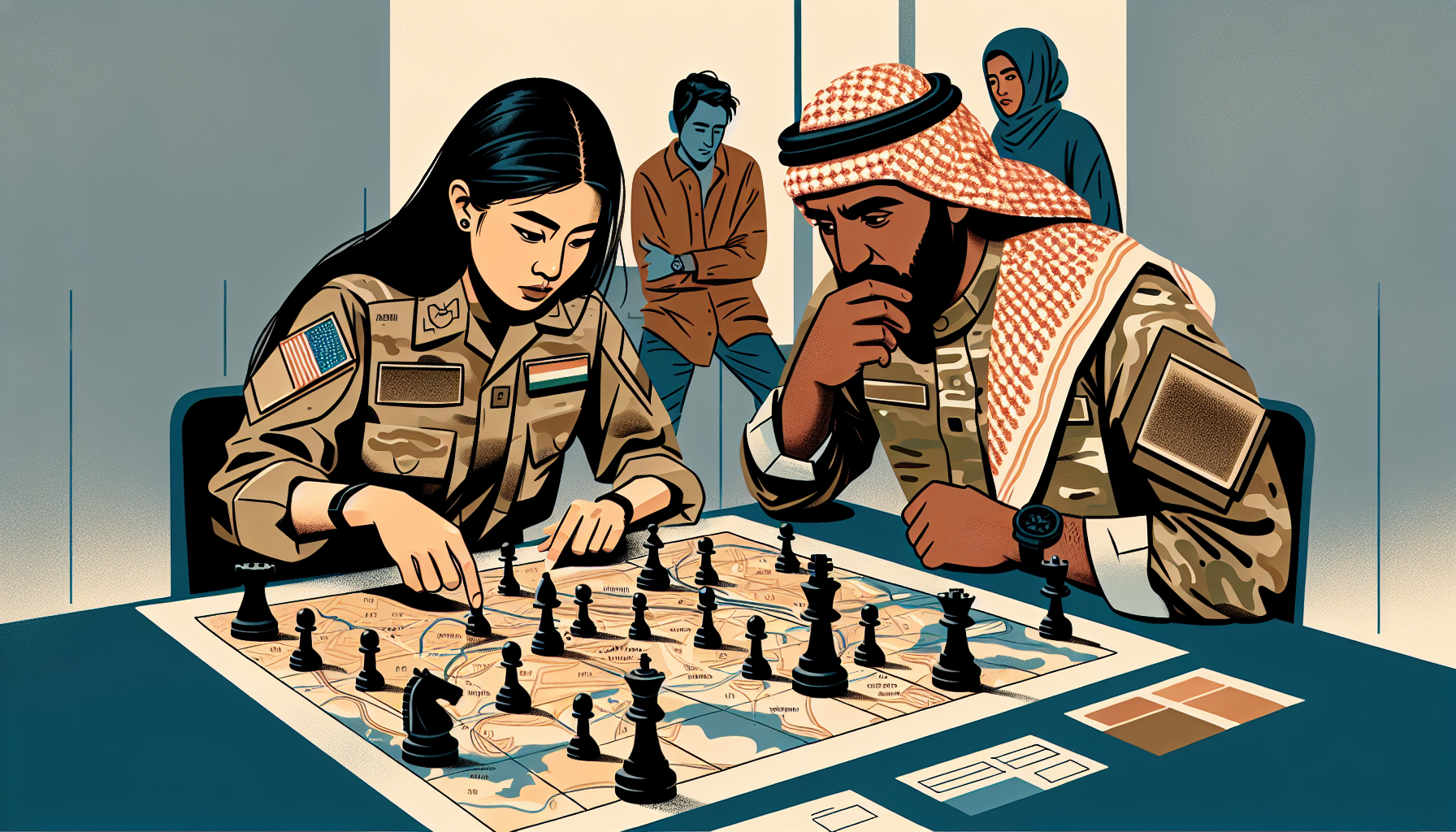
A combat chart is a type of military map specifically designed for use in planning and executing military operations. It provides detailed, accurate, and up-to-date geographical, topographical, and tactical information about a specific area of operation. The chart may include data such as terrain, obstacles, infrastructure, and enemy positions to support decision-making and mission coordination.

Key Takeaways

  1. A combat chart is a detailed map specifically designed for military operations, providing critical information like terrain, enemy positions, and troop movements.
  2. These charts help military planners and troops to strategize, coordinate, and navigate during various stages of combat operations like reconnaissance, planning, and execution.
  3. Modern combat charts may incorporate various data sources and technologies such as satellite imagery, GPS data, and real-time intelligence to provide enhanced situational awareness and support for decision-making.

Importance

The military operations term, “combat chart,” is important because it serves as a vital tool for planning, coordinating, and executing military missions effectively.

Combat charts provide detailed visual aids that display tactical information such as terrain, enemy positions, troop movements, and logistic resources.

With this information at their disposal, military leaders can develop strategies and tactics for various phases of a mission, identify potential obstacles, and allocate resources efficiently.

Moreover, combat charts facilitate communication and collaboration among different units, contributing to the overall success of military operations and ensuring the safety of military personnel.

Thus, combat charts are essential for maximizing operational efficiency and enabling well-informed decision-making in military missions.

Explanation

A combat chart serves as a critical tool for military personnel for planning and executing missions, providing them with essential information about the battlefield environment to guide strategic and tactical decisions. Its primary purpose is to offer a detailed visual representation of the terrain, alongside key installations and infrastructures. These may include roads, water bodies, communication networks, and other pertinent factors that may influence the movement and deployment of troops and resources.

By consolidating this information, military leaders can accurately assess the lines of communication, points of resistance, and opportunities for maneuvering. This enables them to determine the best courses of action to secure an advantage over the adversary and maximize their potential for success. Moreover, a combat chart frequently features detailed intelligence data acquired from an array of sources, such as satellite imagery, reconnaissance missions, and human intelligence.

These insights enable military leaders to gain an in-depth understanding of the adversary’s dispositions, strength, and potential capabilities. By analyzing this information in conjunction with the topographical data, commanders can anticipate possible threats, vulnerabilities, and opportunities for exploitation. Additionally, contemporary combat charts may integrate real-time situational awareness feeds from surveillance systems, drones, or other allied units, allowing swift adaptation to the dynamic and rapidly evolving nature of the battlefield.

In sum, the combat chart remains an indispensable instrument for facilitating well-informed decision-making and enhancing the efficiency and effectiveness of military operations.

Examples of Combat chart

A combat chart is a military map that provides detailed information about a specific area to aid in planning and executing military operations. These charts show terrain features, enemy positions, and other vital information for decision-making during combat. Here are three real-world examples of the military operations term “combat chart”:

D-Day Landings (Operation Neptune/Overlord): During World War II, allied forces used combat charts to plan the invasion of Normandy, France, on June 6,

The charts provided invaluable information about the coastlines, beach gradients, and German defense positions, ensuring that allied troops were knowledgeable about their objectives and able to navigate safely during the landings.

Operation Desert Storm: The 1991 Persian Gulf War saw the use of combat charts to plan and execute military operations against Iraq to liberate Kuwait. These charts included details of terrain, enemy positions, and targets for airstrikes. The accurate and up-to-date information provided by these charts proved crucial in the short but decisive conflict.

Battle of Ia Drang (Vietnam War): The first significant engagement between the US Army and the North Vietnamese Army took place in November 1965 in the Ia Drang Valley. Combat charts played a critical role in providing information about the battlefield, the locations of North Vietnamese troops, and the preferred routes for American forces. The use of these charts helped the US commanders to make informed decisions during the course of the battle.In each of these examples, the use of combat charts proved to be essential in providing accurate, in-depth information needed for the planning and execution of military operations.

FAQ – Combat Chart

What is a combat chart?

A combat chart is a visual representation used in military operations to display and analyze various aspects of a combat situation. This may include displaying the movement and positions of friendly and enemy forces, depicting terrain features, illustrating objectives, and presenting other relevant information for planning and decision-making purposes.

What are the primary uses of a combat chart?

Combat charts serve several purposes, such as aiding in the strategic planning of military operations, tracking the progress of ongoing missions, facilitating communication between different military units and personnel, and providing situational awareness to commanders and leaders.

What types of information can be displayed on a combat chart?

Combat charts can display various types of information, including the locations and movements of friendly and enemy forces, the positions of key terrain features, the status of mission objectives, information on available resources, intelligence data, and other relevant factors that can impact a military operation.

How are combat charts updated during an operation?

Combat charts can be updated in real-time or periodically based on the flow of information and the needs of the operation. They can be updated manually by military personnel or automatically through various data input systems, such as GPS tracking, sensor data, or intelligence reports. Updating the chart allows the commanders and other decision-makers to maintain situational awareness and make informed decisions based on evolving circumstances.

What role do digital technologies play in modern combat charts?

Advanced digital technologies have significantly enhanced the capabilities of modern combat charts. Digital systems allow for easy updating and distribution of information, better visualization of data, and seamless integration of various information sources. They can also enable real-time collaboration between different units and personnel, and provide decision-makers with powerful analytic tools to support their understanding and decision-making processes.

Related Military Operation Terms

  • Service-Connected Disability Compensation
  • Veterans Health Administration
  • Post-9/11 GI Bill
  • Veterans Pension
  • Vocational Rehabilitation and Employment

Sources for More Information

  • NATO – The North Atlantic Treaty Organization provides comprehensive information on military operations, including combat charts.
  • U.S. Department of Defense – The official website of the United States Department of Defense contains extensive resources on military tactics, including combat charts.
  • U.S. Army – The official website of the United States Army gives insights into various military operations and strategies, including information on combat charts.
  • RAND Corporation – The RAND Corporation is a research organization that provides analysis and studies on various military tactics and strategies, including combat charts.

Benefits.com Advisors

With expertise spanning local, state, and federal benefit programs, our team is dedicated to guiding individuals towards the perfect program tailored to their unique circumstances.

Rise to the top with Peak Benefits!

Join our Peak Benefits Newsletter for the latest news, resources, and offers on all things government benefits.

Related Articles

Combat control team (CCT)

Definition

A Combat Control Team (CCT) refers to a specialized unit within the United States Air Force Special Operations Command. These highly trained individuals are skilled in air traffic control, reconnaissance, and directing close air support in hostile and austere environments. Their primary mission is to establish air assault zones, work closely with ground forces, and coordinate air support to ensure battlefield success and aid in rescue missions.

Key Takeaways

  1. Combat control teams (CCTs) are highly trained and versatile special operations forces within the United States Air Force, capable of deploying in high-threat environments to establish and manage air traffic control.
  2. CCTs play a crucial role in various missions, including airfield seizure, personnel recovery, forward air control, and special reconnaissance, using their expertise in air traffic control, communications, and other specialized skills.
  3. Members of combat control teams undergo rigorous training and maintain high physical fitness standards, allowing them to perform a wide range of tasks as part of joint special operations missions with other U.S. military branches and allied nations.

Importance

The military operations term, Combat Control Team (CCT), is crucial because it refers to a highly specialized group of individuals within the United States Air Force Special Operations Command (AFSOC). These teams are responsible for establishing and overseeing air traffic control, communications, and command and control infrastructure in remote and hostile environments.

Their unique skills and expertise are vital in coordinating and directing air support, ensuring the safe and efficient execution of air assets, and supporting the overall mission’s success during various special operations, humanitarian relief, and combat situations.

By effectively managing the complex airspace and providing essential data to other forces, the combat control teams’ contributions play an indispensable role in strategic military operations and mission effectiveness.

Explanation

A Combat Control Team (CCT) fulfills a crucial role in modern military operations by ensuring seamless coordination and effective communication among various elements of the armed forces. The primary objective of a CCT is to establish and maintain an unimpeded operational environment for friendly forces by managing and directing essential resources such as air traffic, airspace, and communication systems.

This multifaceted task requires CCT members to possess a diverse range of technical skills and expertise. They are responsible for assisting air assets in conducting accurate air strikes, navigating hostile territories, as well as facilitating resupply efforts, and coordinating pararescue missions in search and rescue operations.

In order to effectively carry out these responsibilities, CCT members undergo rigorous physical and mental training, enabling them to operate in diverse, remote, and hostile environments. Their diverse skill set and commitment to mission success positions CCTs as indispensable components in joint and multinational military operations.

This highly specialized team considerably enhances the overall effectiveness of military efforts by optimizing resource allocation, expediting decision-making processes, and minimizing potential risks within the operation. CCTs have been vital to the success of numerous military campaigns in recent history, demonstrating the indispensable role they play in orchestrating modern warfare strategies.

Examples of Combat control team (CCT)

Operation Enduring Freedom (2001): During the initial stages of the war in Afghanistan, Combat Control Teams (CCTs) from the United States Air Force played a crucial role in the early campaign against the Taliban and Al-Qaeda. They operated alongside Army Special Forces teams, helping to coordinate air support and establish airfields behind enemy lines. One notable example is the actions of CCT members during the Battle of Tora Bora, where they provided critical air support allowing US and Afghan forces to engage with and eventually drive out the enemy.

Operation Just Cause (1989): In the US invasion of Panama, CCTs played a pivotal role in ensuring the success of airborne operations. They were responsible for setting up drop zones, guiding in paratroopers, and coordinating close air support during the operation, which aimed to depose Panamanian dictator Manuel Noriega. As part of the mission, CCTs had to parachute into the Panamanian jungle at night, infiltrate enemy-held territory, and establish assault landing zones for subsequent troops and cargo drops.

Operation Eagle Claw (1980): In this failed attempt to rescue American hostages in Iran, CCTs were assigned the critical task of establishing a desert-based airstrip, known as Desert One, in the Iranian desert. They were responsible for ensuring that the remote location was both safe and suitable for securing and launching helicopters to transport special operations forces into Tehran, where the hostages were being held. While the mission ultimately failed due to a series of problems, including a collision between a helicopter and a C-130 transport plane, the CCT displayed their capability to operate in challenging and hostile environments.

Combat Control Team (CCT) FAQ

What is a Combat Control Team (CCT)?

A Combat Control Team (CCT) is a specialized unit within the United States Air Force Special Tactics community. They are responsible for conducting and supporting Special Operations missions, including air traffic control, terminal attack control, and long-range surveillance.

What are the primary responsibilities of a Combat Control Team?

Combat Control Teams have several primary responsibilities, which include establishing and maintaining air traffic control, directing aircraft in close air support operations, conducting reconnaissance and providing valuable intelligence to ground commanders, and assisting with personnel recovery and other Special Operations missions.

How do Combat Controllers communicate with pilots and ground forces?

Combat Controllers use various communication equipment, including radios and satellite communications devices, to establish and maintain communication with pilots, ground forces, and other elements involved in a mission. They are trained in air traffic control procedures and use specialized terminology to ensure clear and precise communication with all parties involved.

What kind of training do CCT members undergo?

Members of the Combat Control Team undergo extensive training, including the U.S. Air Force Basic Military Training, Combat Control Operator Course, Army Airborne School, Air Traffic Control School, and the Special Tactics Training Squadron program. Additionally, they receive ongoing training in advanced skills such as freefall parachuting, scuba diving, and close air support coordination.

How do CCTs integrate with other Special Operations Forces?

Combat Control Teams are highly skilled in working alongside other Special Operations Forces, such as the U.S. Army Special Forces, Navy SEALs, and Marine Corps Special Operations Command. They are often embedded within these units during missions, providing critical air support and communication capabilities to accomplish the mission objectives.

Related Military Operation Terms

  • Special Operations Forces (SOF)
  • Air Traffic Control (ATC)
  • Joint Terminal Attack Controller (JTAC)
  • Combat Search and Rescue (CSAR)
  • Military Freefall (MFF)

Sources for More Information

Benefits.com Advisors

With expertise spanning local, state, and federal benefit programs, our team is dedicated to guiding individuals towards the perfect program tailored to their unique circumstances.

Rise to the top with Peak Benefits!

Join our Peak Benefits Newsletter for the latest news, resources, and offers on all things government benefits.

Related Articles

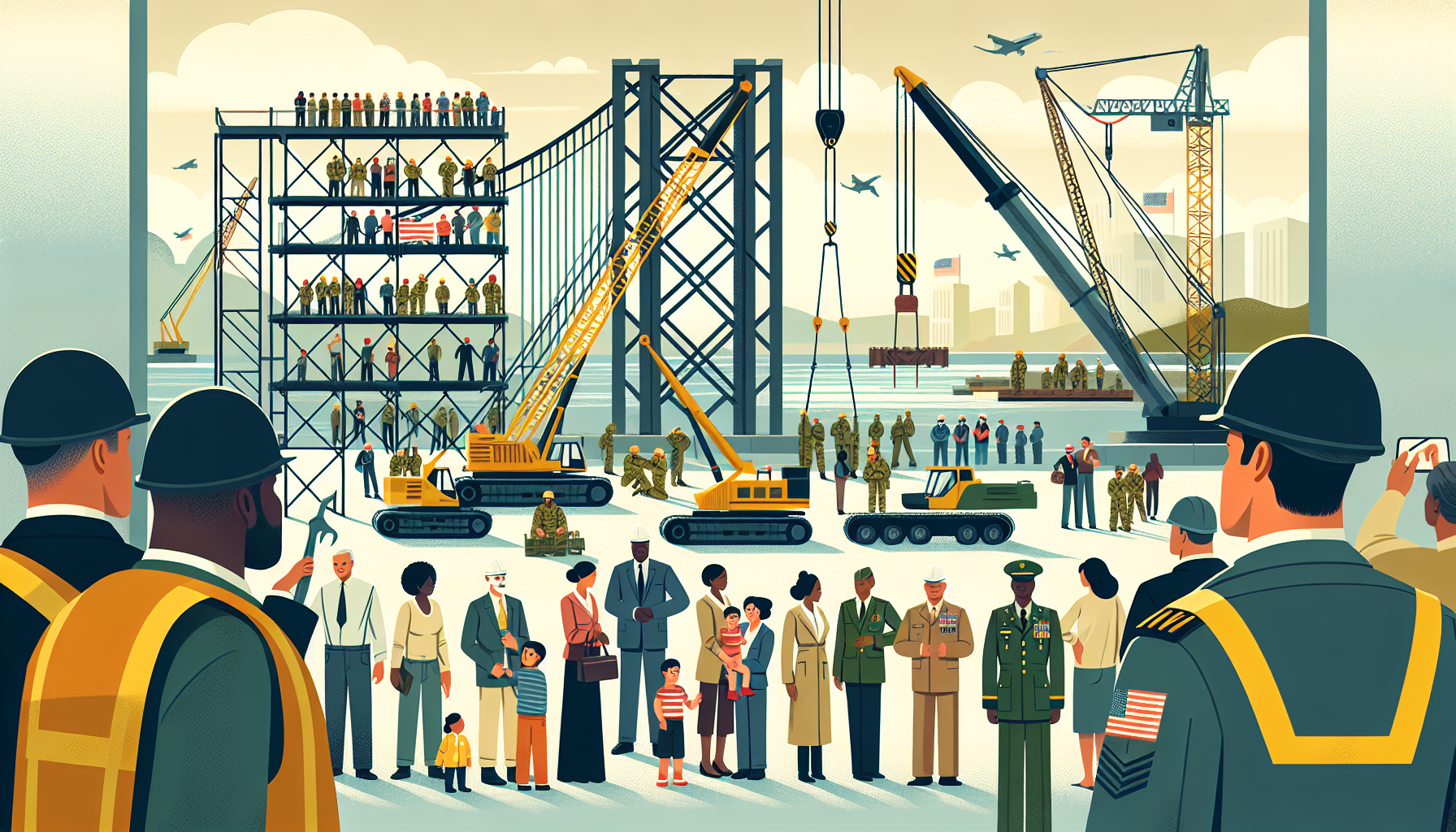
Combat engineering

Definition

Combat engineering refers to the specialized field within military operations that focuses on construction, demolition, and obstacle and mobility solutions in support of combat forces. Combat engineers handle tasks such as building and repairing infrastructure, breaching enemy fortifications, and clearing minefields. Their primary objective is to facilitate the movement and effectiveness of military troops by overcoming physical challenges on the battlefield.

Key Takeaways

  1. Combat engineering refers to the construction, destruction, and maintenance activities carried out by military engineers to support and enable the movement and effectiveness of armed forces during various operations.
  2. Combat engineers are responsible for tasks such as building bridges, roads, and fortifications; clearing obstacles and minefields; establishing and restoring critical infrastructure and services; and demolitions and breaching operations.
  3. Combat engineering also plays a crucial role in humanitarian missions, disaster relief, and stability operations where the expertise and capabilities of military engineers are deployed to provide essential services and infrastructure, build and maintain peace, and facilitate recovery efforts.

Importance

Combat engineering is a crucial aspect of military operations as it plays a vital role in enhancing the mobility, survivability, and overall effectiveness of a nation’s armed forces.

By providing expertise in areas such as construction, demolition, fortifications, and bridging, combat engineers ensure that troops can navigate diverse terrain, overcome various obstacles, and maintain access to essential resources and infrastructure.

Furthermore, these engineers collaborate with other military personnel to enable successful offensive and defensive strategies, offering innovative solutions for breaching enemy lines, defending friendly positions, and managing hazards like explosives and mines.

Ultimately, combat engineering contributes significantly to the achievement of mission objectives and the overall security of a nation.

Explanation

Combat engineering, an essential component of modern military operations, serves a multifaceted purpose on the battlefield. The overarching goal of combat engineering is to facilitate seamless mobility for armed forces and provide logistical support across various aspects of an operation.

Achieving this objective involves a diverse range of tasks, encompassing breaching obstacles, constructing infrastructure, and ensuring the effective functioning of communication systems. Additionally, combat engineers play a critical role in protecting troops by designing and building defensive structures, such as fortification systems, in order to counter enemy advancements.

Aside from enhancing mobility and providing structural security, combat engineering is also responsible for counter-mobility operations, aimed at impeding the movements and strategies of opposing forces. This involves erecting obstacles, deploying landmines, and demolishing bridges, all of which intend to stymie enemy progression and disrupt their capacity to wage an effective offensive.

Due to the wide-ranging applications of combat engineering, these military specialists receive extensive training on a variety of skills, from handling explosives and heavy machinery to designing and constructing bridges and roadways. As a result of their versatile abilities and functions, combat engineers remain a crucial component in ensuring not only the swift movement of friendly troops but also in hindering enemy forces—bolstering overall strategic military success.

Examples of Combat engineering

D-Day Landings (Operation Overlord) – June 1944: Combat engineers, or sappers, played a crucial role in the success of the Allied invasion of Normandy during World War II. They were responsible for clearing obstacles and fortifications on the beaches, constructing bridges to support advancing troops, and creating temporary landing strips for aircraft. Additionally, they helped to disarm and dispose of mines and improvised explosive devices. Their efforts helped to establish a secure foothold for the Allied forces in occupied Europe.

The Battle of Mosul – October 2016 to July 2017: During the offensive to retake the city of Mosul, Iraq, from ISIS, combat engineers played an integral role in the operation. As part of the multinational coalition, they were called upon to breach enemy defenses, construct or repair infrastructure, and clear improvised explosive devices and booby traps. Engineers also dismantled ISIS’s tunnel networks, constructed defensive barriers for friendly forces, and helped with the restoration of essential services for the local population.

Operation Enduring Freedom – October 2001 to December 2014: During the conflict in Afghanistan, combat engineers were essential in supporting both U.S. and coalition forces in their operations against the Taliban and Al-Qaida. Engineers cleared roads to allow safe passage for troops and provided technical expertise to build or repair infrastructure, such as bridges, airfields, and facilities. They also played a crucial role in neutralizing improvised explosive devices (IEDs), providing force protection, and supporting humanitarian missions for the local population.

Combat Engineering FAQ

What is combat engineering?

Combat engineering is a military specialization focused on designing, building, and maintaining infrastructure and tactical systems needed for military operations. This includes constructing fortifications, bridges, and roads, as well as detecting and clearing mines and explosives.

What are the main tasks of combat engineers?

Combat engineers perform various tasks, including military construction, demolition, breaching obstacles, mine and explosive detection and clearance, and maintenance of military infrastructure in the field.

How do combat engineers contribute to military operations?

Combat engineers play a critical role in military operations by providing essential infrastructure, ensuring safe passage through hostile territory, and enabling the rapid movement and deployment of troops and supplies. By doing so, they directly contribute to the success and sustainability of military missions.

Do combat engineers engage in direct combat?

While combat engineers primarily focus on construction and engineering tasks, they are trained and equipped to defend themselves and engage in direct combat when necessary. They may provide support to infantry units and assist other military branches during operations.

What training do combat engineers undergo?

Combat engineers undergo extensive training in both general military skills and specialized engineering skills. This includes training in construction, explosives, mine detection and clearance, and vehicle and equipment operation. They also learn tactics, techniques, and procedures relevant to their role in military operations.

Related Military Operation Terms

  • Explosive Ordnance Disposal (EOD)
  • Military bridging
  • Field fortifications
  • Demolition operations
  • Mobility and counter-mobility

Sources for More Information

Benefits.com Advisors

With expertise spanning local, state, and federal benefit programs, our team is dedicated to guiding individuals towards the perfect program tailored to their unique circumstances.

Rise to the top with Peak Benefits!

Join our Peak Benefits Newsletter for the latest news, resources, and offers on all things government benefits.
Related Articles

Combat identification (CID)

Definition

Combat identification (CID) refers to the accurate characterization and differentiation of friendly forces, enemy forces, and non-combatants on the battlefield. The primary aim of CID is to minimize the risk of friendly fire incidents and enhance the efficiency of targeting enemy assets. This process can involve a combination of visual cues, electronic systems, and shared intelligence to streamline the decision-making process during military engagements.

Key Takeaways

  1. Combat Identification (CID) is the process of accurately and rapidly distinguishing friendly forces from enemy forces and non-combatants during military operations, reducing the risk of friendly fire incidents and collateral damages.
  2. CID relies on various techniques and systems, such as visual recognition, communication systems, vehicle markings, electronic identification, and data links, to ensure accurate and up-to-date identification.
  3. Effective Combat Identification enhances situational awareness, improves decision-making, and increases the overall effectiveness and safety of military operations.

Importance

Combat identification (CID) is a crucial aspect of military operations as it enables accurate and timely identification of friendly, neutral, and hostile forces on the battlefield.

By ensuring that all parties can clearly distinguish between allies and adversaries, CID minimizes the risk of friendly fire incidents and collateral damage, while enhancing the effectiveness of tactical decision-making.

In addition, it contributes to overall operational efficiency by facilitating seamless coordination between ground forces, air support, and naval assets.

Ultimately, the proper implementation of combat identification promotes mission success, safeguards the lives of military personnel, and reduces unintended consequences in complex and rapidly evolving combat environments.

Explanation

Combat Identification (CID) is a crucial aspect of modern military operations, as it serves to streamline coordination between friendly forces and minimize the occurrence of incidents involving friendly fire. The primary purpose of CID is to facilitate the accurate and timely identification of allied units, host-nation forces, non-combatants, and enemy combatants in the complex environment of modern warfare.

CID enables military personnel to make critical distinctions between these various entities, thereby reducing the likelihood of miscommunication and fratricide that could arise from ambiguous or insufficient information. Furthermore, accurate CID allows for more effective targeting, force maneuvering, and coordination between joint and combined forces.

In practice, CID is achieved through a combination of technologies, techniques, and procedures that span across various domains of warfare, including air, land, sea, and cyber. These systems range from visual cues and markers to advanced technological solutions such as Blue Force Tracking and sensor systems.

Additionally, military personnel are trained to adhere to specific procedures, such as the use of challenge and response methods or airspace deconfliction rules, to ensure a safer and more cohesive battlespace. Regardless of the measures employed, the ultimate goal of CID is to enhance situational awareness and enable commanders to make informed decisions in the fog of war, leading to more effective and secure military operations.

Examples of Combat identification (CID)

Operation Desert Storm (1991): During the Gulf War, U.S. and coalition forces created systems and means of marking vehicles to help decrease the risk of friendly fire incidents. Combat identification played a crucial role in enabling the coalition forces to differentiate between friendly and enemy combatants on the battlefield. Despite these efforts, there were still incidents of friendly fire due to the fast-paced and rapidly changing nature of the conflict.

NATO’s Tactical Data Link in Afghanistan (2001-2014): To enhance situational awareness and maintain coordination among coalition troops during the War in Afghanistan, NATO implemented a Tactical Data Link (TDL) network. The TDL enabled secure communication and data exchange between various military platforms, providing real-time information about friendly and enemy forces’ positions. This enhanced situational awareness reduced the possibility of friendly fire incidents, improving combat identification significantly.

Blue Force Tracking (BFT) systems in Iraq War (2003-2011): During the Iraq War, the United States military employed the Blue Force Tracking system, allowing real-time tracking of friendly units during military operations. The BFT system used GPS and satellite communication technology to share friendly forces’ positions within the command and control network. The increased situational awareness provided by BFT substantially improved combat identification capabilities and reduced the likelihood of friendly fire incidents.

FAQ – Combat Identification (CID)

What is Combat Identification (CID)?

Combat Identification (CID) is the process of accurately identifying and distinguishing friendly forces from potential enemy forces in a military operation. This is crucial in ensuring the safety of friendly troops and minimizing the risk of friendly fire incidents.

Why is CID essential in military operations?

CID is essential in military operations because it reduces the risk of fratricide, enhances situational awareness, and increases the efficiency and effectiveness of combat engagements. Proper identification allows commanders to make informed decisions and use force appropriately, ultimately saving lives and resources.

What are the key components of a CID system?

The key components of a CID system include sensors, communication systems, and decision-making tools. Sensors help detect, identify, and track targets, while communication systems share this information with other units. Decision-making tools analyze the data to provide actionable intelligence for the commander’s decision-making process.

Are there challenges with implementing Combat Identification?

Yes, there are several challenges with implementing Combat Identification, including technological limitations, interoperability between systems, and the rapidly changing dynamics of a combat environment. Overcoming these challenges requires continued research, development, and integration of advanced technologies to improve accuracy, speed, and reliability of CID systems.

How can technology improve CID?

Technology can improve CID through advancements in sensors, data processing, and communication systems. Improved sensors can increase the accuracy, range, and speed of identification, while advancements in data processing and communication allow for better sharing of information between units, ultimately leading to improved decision-making and more effective military operations.

Related Military Operation Terms

  • Post-Traumatic Stress Disorder (PTSD)
  • Agent Orange Exposure
  • Combat-Related Special Compensation (CRSC)
  • Service-Connected Disability
  • VA Health Care

Sources for More Information

  • U.S. Army – The official website of the United States Army, providing comprehensive information on the Army’s mission and the various aspects of military operations, including combat identification (CID).
  • NATO – The official website of the North Atlantic Treaty Organization, offering a wealth of information on military operations and multinational cooperation, including details on combat identification (CID) systems and techniques.
  • RAND Corporation – As a global policy think tank, RAND Corporation provides research and analysis on a wide range of topics including military operations and combat identification (CID) systems, which can be found in their publications and reports.
  • Jane’s by IHS Markit – A renowned source for defense, maritime, and aerospace information, Jane’s by IHS Markit offers detailed and up-to-date analysis and reports on combat identification (CID) technologies utilized by various military organizations.

Benefits.com Advisors

With expertise spanning local, state, and federal benefit programs, our team is dedicated to guiding individuals towards the perfect program tailored to their unique circumstances.

Rise to the top with Peak Benefits!

Join our Peak Benefits Newsletter for the latest news, resources, and offers on all things government benefits.

Related Articles

Combat information

Definition

Combat information refers to any organized and processed data about enemy forces, tactics, or the environment that holds immediate relevance to current or potential military engagements. This information is gathered through various intelligence sources, including reconnaissance, surveillance, and human gatherings. The primary aim of combat information is to support decision-making processes and facilitate successful military operations by providing real-time insights about various battle elements.

Key Takeaways

  1. Combat information consists of real-time data about enemy forces, activities, and environmental conditions collected and analyzed during military operations, enabling commanders to make informed decisions and achieve mission objectives.
  2. It is gathered through various sources like intelligence gathering, surveillance, reconnaissance, and direct observation, and can be shared among different units and branches of the military for better situational awareness and coordinated action.
  3. Accurate and reliable combat information is crucial to the success of military operations, enabling rapid responses and minimizing friendly casualties. Modern military forces use advanced communication and information technology systems to effectively collect, process, and distribute combat information throughout the organization.

Importance

Combat information is vital in military operations as it serves as the basis for accurate, informed decision-making by commanders and their staff.

This term encompasses all relevant data about the enemy forces, their intentions, capabilities and limitations, as well as the situational awareness of friendly forces in the area of interest.

Timely and precise combat information allows military leaders to make well-founded tactical and strategic choices, resulting in a higher likelihood of successful mission outcomes, the minimization of casualties, and the efficient utilization of resources.

Furthermore, having a comprehensive understanding of all aspects of the operational environment enhances a unit’s ability to maintain the initiative, exploit enemy vulnerabilities, and effectively counter threats, ultimately contributing to the overall success and effectiveness of the military forces.

Explanation

Combat information serves as an essential component in the strategic planning and execution of military operations. Its primary purpose is to facilitate well-informed decision-making by providing military commanders and their staff with timely, accurate, and relevant data on enemy forces, terrain, weather, and other key factors.

By gathering, analyzing, and disseminating this information, military personnel can assess the current situation, anticipate future developments, and formulate appropriate courses of action. Ultimately, the effective utilization of combat information translates to increased situational awareness, improved operational efficiency, and enhanced mission success.

In the dynamic and ever-changing environment of warfare, the need for combat information becomes increasingly critical to maintain a tactical advantage and protect friendly forces. This information is collected through various means, such as intelligence, surveillance, and reconnaissance (ISR) assets, human intelligence sources, and technological advancements in communication and sensor systems.

Once gathered, the information is processed, analyzed, and distributed to decision-makers and tactical units to support the planning and execution of military operations. As a result, combat information acts as a force multiplier, enabling military forces to adapt, overcome challenges, and achieve their objectives in a timely and efficient manner, while minimizing the risk to personnel and equipment.

Examples of Combat information

Combat information refers to any tactical intelligence and reconnaissance data collected before, during, and after a mission that provides a real-time picture of enemy forces, geographic details, and other relevant aspects to support military decision-making. Here are three real-world examples illustrating the use of combat information in military operations:

Operation Desert Storm (1991): In this operation to liberate Kuwait from Iraqi occupation, the coalition forces comprising mainly US military extensively used combat information gathered from various sources such as satellite imagery, human intelligence, and signals intelligence. This information was used to locate and target Iraqi military installations, communication nodes, and troop movements. Additionally, data collected from aerial reconnaissance was shared amongst coalition forces real-time, allowing for coordinated strikes and effective battle planning.

The Battle of Tora Bora (2001): During the efforts to capture Osama Bin Laden and al-Qaeda forces following 9/11, the US military used combat information on a smaller scale to target and plan their operations. Data collected from human intelligence assets, surveillance, and signals intelligence were used to coordinate ground forces and air support during this battle in the mountainous region of Afghanistan. The use of combat information helped plan the attack, track potential escape routes, and locate enemy positions.

Operation Red Wings (2005): This operation involved a US Navy SEAL team’s mission to capture or kill a high-ranking Taliban leader in Afghanistan. Prior to the mission, combat information was collected using satellite imagery and signals intelligence to understand the terrain, enemy positions, and communication networks in the area. Unfortunately, the mission was compromised, but the gathered combat information played a vital role in assisting and informing the rescue operations that followed during Operation Red Wings II.

FAQ: Combat Information

What is combat information?

Combat information refers to the real-time tactical data collected and analyzed about the enemy, weather, terrain, and other factors during military operations. This information is essential for commanders to make informed decisions and successfully execute their missions.

How is combat information gathered?

Combat information is gathered through various means including reconnaissance, surveillance, intelligence reports, communication intercepts, and direct observations from friendly units on the ground, in the air, and from space-based assets.

Why is combat information important?

Combat information is crucial for the successful planning and execution of military operations. It helps commanders to understand the enemy’s intentions, capabilities, and location, allowing them to make informed decisions and effectively allocate resources for the mission.

What is the role of technology in combat information?

Technology plays a significant role in modern combat information gathering, analysis, and dissemination. Advanced systems such as unmanned aerial vehicles (UAVs), space-based satellites, and advanced communication systems enable the rapid collection, processing, and sharing of information with relevant units and command structures.

What are some challenges faced when dealing with combat information?

Some challenges faced while dealing with combat information include information overload, adversary deception, time-sensitive decision-making, maintaining information security, and interoperability between various units, allies, and technology systems.

Related Military Operation Terms

  • Post-9/11 GI Bill
  • Combat-related Special Compensation (CRSC)
  • Veterans’ Preference
  • Disability Compensation for Combat Wounds
  • Purple Heart Benefits

Sources for More Information

Benefits.com Advisors

With expertise spanning local, state, and federal benefit programs, our team is dedicated to guiding individuals towards the perfect program tailored to their unique circumstances.

Rise to the top with Peak Benefits!

Join our Peak Benefits Newsletter for the latest news, resources, and offers on all things government benefits.

Related Articles

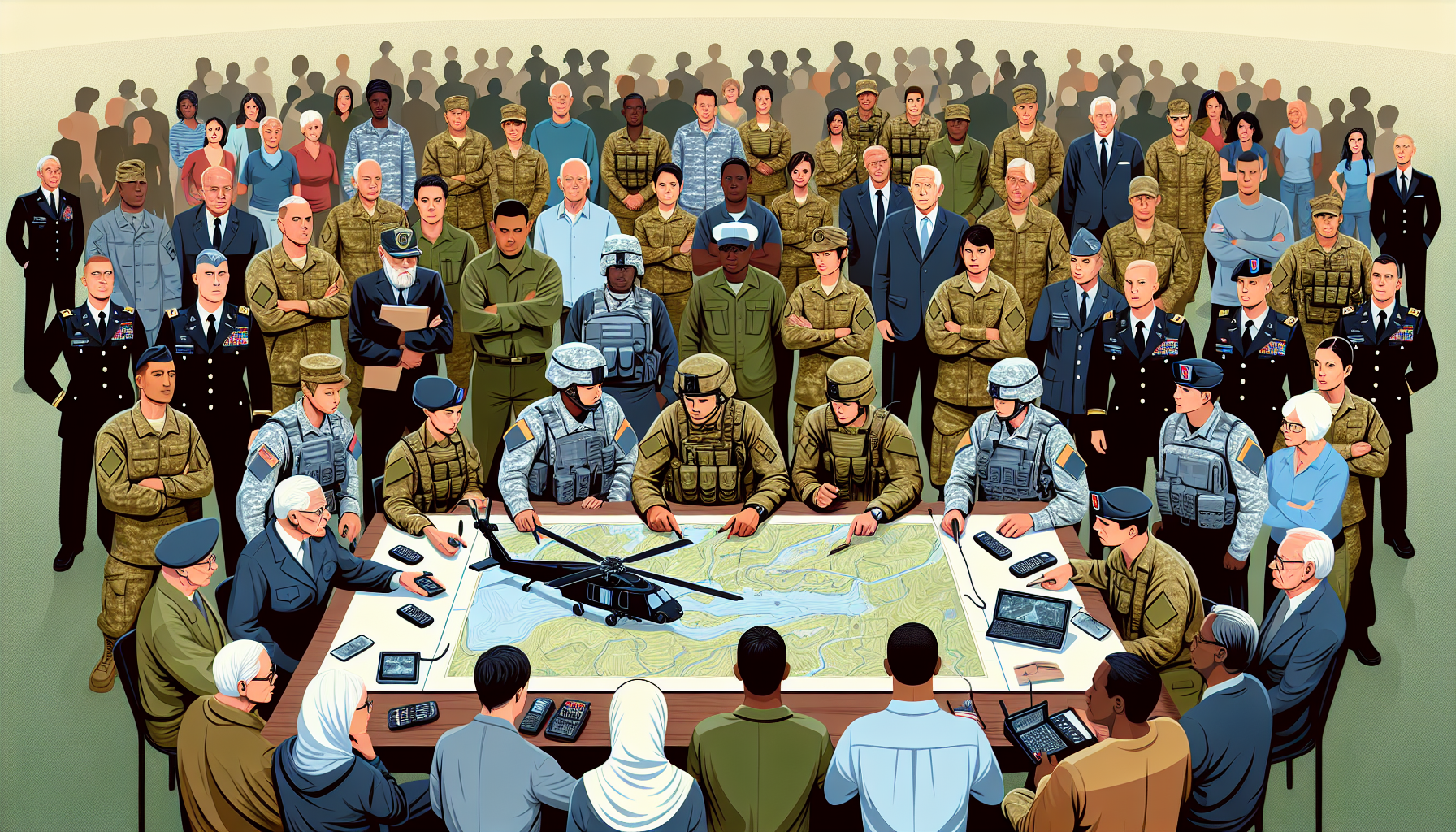
Combat information center (CIC)

Definition

The Combat Information Center (CIC) refers to a central command hub found in naval warships and air defense facilities, responsible for gathering, processing, and analyzing tactical data in real-time. The CIC facilitates decision-making and coordinates the execution of orders through efficient communication. It plays a crucial role in maintaining situational awareness, ensuring the proper functioning of weapons systems, and synchronizing the operations of various units.

Key Takeaways

  1. The Combat Information Center (CIC) is a centralized hub within a warship or military installation that processes and communicates situational information, intelligence, and command decisions during combat operations.
  2. Personnel within the CIC interpret and manage data from various sources, such as radar, sonar, and intelligence reports, to provide real-time battlefield awareness to commanding officers and coordinate the actions of various military assets.
  3. Modern CICs rely heavily on advanced technology and computer systems to efficiently process large amounts of data, enabling a swift and effective response to dynamic military situations.

Importance

The Combat Information Center (CIC) is a vital component of military operations as it serves as the nerve center for processing and disseminating critical information that ensures the efficient coordination and execution of missions.

The CIC integrates data from various sources such as radar, sonar, and communications, which enables commanders to make informed decisions about tactical situations.

It plays a crucial role in managing situational awareness, directing resources, and coordinating the actions of different branches within a military operation.

Furthermore, the CIC’s ability to effectively process and analyze real-time information is key in providing timely support to personnel engaged in combat situations, ultimately contributing to the overall success and safety of military missions.

Explanation

The Combat Information Center (CIC) plays a critical role in modern military operations as a centralized hub for managing and coordinating combat-related information. It is designed to efficiently process and disseminate relevant data to facilitate decision-making and enhance situational awareness during missions.

The purpose of the CIC is to gather, analyze, and present relevant data from various sources to commanders, who can use this information to make informed and timely decisions. By streamlining the flow of information and enabling rapid communication among different units, the CIC ensures a cohesive and well-coordinated response to any potential threat or operation.

In order to serve its purpose effectively, the CIC relies on a range of sophisticated tools and technologies that allow for real-time monitoring, secure communication, information analysis, and data visualization. These tools typically include radar systems, tracking devices, radio communication systems, and advanced computer networks.

The integration of these technologies helps analysts in the CIC identify and predict the movements and actions of hostile forces, track friendly troops, and map out the terrain to ensure the optimal deployment of resources. Throughout military operations, the CIC acts as a nerve center that effectively turns raw data into actionable intelligence, thereby significantly contributing to the overall success of a mission.

Examples of Combat information center (CIC)

USS Missouri (BB-63) CIC during World War II: The USS Missouri was an Iowa-class battleship commissioned in 1944 that served in World War II, the Korean War, and the Gulf War. Its Combat Information Center (CIC) was a key component of the ship’s operation, responsible for collecting, processing, and analyzing data related to enemy targets, friendly forces, and navigation. The CIC of USS Missouri exemplifies the vital role of this centralized hub in maintaining situational awareness during battles at sea and delivering accurate targeting information to the ship’s weapons systems.

The Royal Navy’s Type 45 Destroyer CIC: The Type 45 Destroyer, also known as the Daring-class, is a class of guided missile destroyers in service with the United Kingdom’s Royal Navy. These modern warships feature advanced CICs, which are designed to manage the entire ship’s combat, navigation, and communication systems. The Type 45 CIC integrates radar and sonar information with intelligence data from various sources and utilizes state-of-the-art electronic warfare systems to provide real-time situational awareness, allowing commanders to make informed decisions and efficiently manage their ship’s assets during combat operations.

The USS Nimitz (CVN-68) Carrier Strike Group CIC during Operation Enduring Freedom: The USS Nimitz is a nuclear-powered aircraft carrier of the United States Navy and the lead ship of her class. During Operation Enduring Freedom, which was initiated in response to the September 11 attacks in 2001, the Nimitz Carrier Strike Group participated in various combat operations in the Middle East. The CIC on board the USS Nimitz was responsible for managing the complex coordination of air, surface, and subsurface warfare operations, including tracking enemy movements, monitoring friendly assets, and analyzing intelligence data. The Nimitz CIC was essential to the successful execution of the carrier’s mission and the overall effectiveness of the strike group during the operation.

Combat Information Center (CIC) FAQ

What is the purpose of a Combat Information Center (CIC)?

The purpose of a Combat Information Center (CIC) is to serve as the operational nerve center of a ship, aircraft, or military unit. It is responsible for the collection, analysis, and dissemination of vital tactical information required for the effective command and control of military operations.

What are the main functions of a CIC?

The main functions of a CIC include: tracking and identification of friendly, hostile, and neutral forces; coordination and control of weapons systems; navigation and maneuvering support; and coordination of communication, both internally and externally with other military units.

What kind of equipment can be found in a CIC?

A CIC typically contains equipment such as radar and sonar displays, communication devices, ship and navigation plotting tools, status boards, and computer systems for data analysis, decision-making, and information sharing. The exact composition of equipment can vary depending on the platform and mission requirements.

What types of personnel work in a CIC?

Personnel working in a CIC often come from various military disciplines such as intelligence, communications, operations, and weapons control. They collaborate to execute the mission in a cohesive and efficient manner. The CIC is usually led by a senior officer, often a tactical action officer (TAO) or a combat information center officer (CICO).

How does the CIC contribute to a unit’s overall effectiveness?

By integrating and consolidating vital tactical information, the CIC enables commanders to make well-informed and timely decisions that enhance the unit’s overall effectiveness. The CIC also ensures seamless communication among different components of a military operation, contributing to the successful execution of assigned missions.

Related Military Operation Terms

  • Command and Control Systems
  • Threat Evaluation and Weapon Assignment
  • Situational Awareness and Surveillance
  • Intelligence, Surveillance, and Reconnaissance (ISR)
  • Air and Missile Defense

Sources for More Information

  • U.S. Navy Homepage: For official information and insights into the role of CIC in U.S. naval operations.
  • Naval History and Heritage Command: For historical context and details about the development of the CIC in naval warfare.
  • Naval Postgraduate School: For academic research, discussions, and studies related to military operations, including the CIC.
  • The Diplomat: For articles and analyses on military strategies and equipment, including the functions and use of the CIC in various contexts.

Benefits.com Advisors

With expertise spanning local, state, and federal benefit programs, our team is dedicated to guiding individuals towards the perfect program tailored to their unique circumstances.

Rise to the top with Peak Benefits!

Join our Peak Benefits Newsletter for the latest news, resources, and offers on all things government benefits.
Related Articles

Combating terrorism (CbT)

Definition

Combating terrorism (CbT) refers to the range of actions, strategies, and tactics employed by various military, intelligence, and law enforcement agencies to prevent, deter, and combat terrorism. These actions can include preemptive measures, strategic response, defense, mitigation, and crisis management, all aimed at protecting the nation and its citizens. CbT encompasses various elements such as intelligence gathering, tactical operations, counter-financing, infrastructure protection, and international cooperation to identify, target, and neutralize terrorist threats.

Key Takeaways

  1. Combating terrorism (CbT) refers to the use of military force and intelligence efforts to prevent, disrupt, and counteract terrorist activities, with the aim of ensuring public safety and national security.
  2. CbT involves a wide range of activities and strategies, including information sharing, capacity building, cooperation with international partners, and targeting specific terrorist groups, networks, and individuals that pose a threat to the nation.
  3. It is essential that CbT is conducted in compliance with international laws and human rights standards, ensuring the protection of civilians and the minimization of collateral damage, while successfully countering terrorism and its root causes.

Importance

Combating terrorism (CbT) is a crucial aspect of modern military operations as terrorism poses a significant threat to global security, political stability, and social well-being.

CbT encompasses a wide range of activities such as intelligence gathering, tactical operations, capacity building, and interagency collaboration, all aimed at preventing and responding to terrorist attacks.

By actively engaging in CbT, military forces contribute to the creation of a safer environment for both domestic and international communities while also promoting peace and supporting democratic values.

Furthermore, the collaborative efforts in CbT enhance positive relationships among nations, fostering unity in the global fight against terrorism.

Explanation

Combating terrorism, or CbT, is a critical aspect of modern military operations aimed at protecting nations, their people, and national interests from the threats posed by terrorist activities. The primary purpose of CbT is to detect, deter, and disrupt the capabilities of terrorist organizations, as well as to prevent potential acts of terror. This multifaceted effort encompasses collaboration among military, intelligence, law enforcement, and political entities by employing various strategies, techniques, and resources.

By actively working together, these agencies strive to safeguard the public and secure vital infrastructure, all while preserving the fundamental values of the nation, such as democracy and human rights. In carrying out its mission, CbT relies on both offensive and defensive measures, leveraging intelligence and technology to remain agile and proactive in the ever-evolving landscape of terrorism. Intelligence gathering, analysis, and sharing are essential components of this endeavor, allowing for the identification of potential threats and the formulation of appropriate responses.

On the one hand, offensive measures entail direct action against terrorist groups, such as targeted strikes or special operations conducted by elite military teams. On the other hand, defensive measures encompass activities such as enhancing border security, establishing crisis response units, and implementing counter-radicalization programs to address the root causes of terrorism. Ultimately, CbT helps create a more secure and resilient global community by addressing and mitigating the multifaceted dangers posed by terrorist activities.

Examples of Combating terrorism (CbT)

Operation Enduring Freedom (2001): Launched by the United States and its coalition partners in response to the terrorist attacks on September 11, 2001, this military operation aimed to combat and dismantle the Al-Qaeda terrorist network and its affiliates in Afghanistan. The operation not only targeted Al-Qaeda, but also the Taliban regime that provided support and safe havens for terrorists. Over time, the mission expanded to include the stabilization and reconstruction of Afghanistan, as well as ongoing counterterrorism efforts.

Operation Inherent Resolve (2014-Present): This ongoing multinational military operation was initiated to combat the rise of the Islamic State of Iraq and Syria (ISIS). Led by the United States, the coalition aims to eliminate the terrorist group, provide support to Iraqi and Syrian forces, and restore stability in the region. The operation includes airstrikes, intelligence sharing, and training and equipping local forces to counter the ISIS threat.

France’s Operation Barkhane (2014-Present): Launched in response to the growing threat of terrorism in Africa’s Sahel region, this French-led military operation aims to combat extremist insurgent groups such as Al-Qaeda in the Islamic Maghreb (AQIM) and Boko Haram. With its primary focus on countries like Mali, Niger, and Chad, Operation Barkhane also provides support and training for local forces in the region, strengthens regional cooperation, and seeks to stabilize the area to prevent further spread of terrorism.

Frequently Asked Questions about Combating Terrorism (CbT)

What is Combating Terrorism (CbT)?

Combating Terrorism (CbT) is a strategic approach used by military and government agencies to counter and minimize the threat of terrorist activities. It includes measures like intelligence gathering, surveillance, analysis, and targeted operations to disrupt and dismantle terrorist organizations, networks, or individuals.

What are the primary goals of CbT?

The primary goals of CbT are to protect the lives and security of people, reduce the occurrence and impact of terrorist activities, and prevent the spread of extremist ideologies. These objectives are achieved through a combination of proactive and reactive measures aimed at identifying and neutralizing potential threats, while fostering international cooperation and multilateral agreements to strengthen global counterterrorism efforts.

Which agencies are involved in CbT?

A wide range of government agencies are involved in CbT. This includes military, intelligence, law enforcement, and diplomatic entities. At the national level, organizations like the Department of Defense, Central Intelligence Agency, Federal Bureau of Investigation, and Department of Homeland Security play key roles in CbT operations. Internationally, alliances and groups like NATO and the United Nations also contribute to global counterterrorism efforts.

What are some common CbT strategies?

Common CbT strategies include intelligence collection and analysis, financial sanctions, border control measures, counter-radicalization programs, and targeted operations against known terrorist networks and individuals. The use of force, including special forces and drone strikes, is also employed when necessary to eliminate high-value targets or to disrupt terrorist plots.

What role does information sharing play in CbT?

Information sharing is a critical component of CbT efforts. By fostering strong communication channels between national and international agencies, law enforcement, and private institutions, the flow of information related to terrorist activities is enhanced. This facilitates the accurate and timely identification of potential threats and allows for more effective and coordinated responses across multiple jurisdictions and sectors.

Related Military Operation Terms

  • Counter-terrorism operations
  • Intelligence gathering and analysis
  • Security training and support
  • Risk assessment and management
  • International collaboration and partnerships

Sources for More Information

Benefits.com Advisors

With expertise spanning local, state, and federal benefit programs, our team is dedicated to guiding individuals towards the perfect program tailored to their unique circumstances.

Rise to the top with Peak Benefits!

Join our Peak Benefits Newsletter for the latest news, resources, and offers on all things government benefits.
Related Articles

Combat loading

Definition

Combat loading is a process in military operations that involves strategically organizing and stowing troops, equipment, and supplies on transport vessels, with the intent of facilitating rapid deployment and assembly upon reaching the destination. This method maximizes efficiency in unloading and reduces confusion during high-stress situations. The goal of combat loading is to ensure that critical resources are available for use in the correct order and in a timely manner when disembarking in a combat scenario.

Key Takeaways

  1. Combat loading refers to the strategic arrangement of personnel, equipment, and supplies on military transport vehicles or vessels to ensure rapid deployment and efficient movement during military operations.
  2. This method prioritizes the easy accessibility of essential cargo, allowing forces to disembark quickly and seamlessly, which is crucial for achieving tactical advantage and reducing vulnerability during combat situations.
  3. Efficient combat loading requires careful planning, coordination, and execution; it involves considerations such as the vehicle or vessel’s capacity, weight limitations, and the prioritization of cargo based on mission objectives specific to each operation.

Importance

Combat loading is a crucial term in military operations, as it refers to the strategic organization and arrangement of troops, equipment, and supplies to facilitate a swift, efficient, and effective deployment during combat situations.

This process aims to maximize the unit’s readiness, minimize the time spent in vulnerable states, and ensure the proper sequencing and accessibility of essential gear and resources upon arrival in conflict zones.

Combat loading is vital for the optimal utilization of limited space and transport capabilities, allowing military units to deploy rapidly and respond to ever-changing dynamics on the battlefield, leading to greater mission success and the preservation of human lives.

Explanation

Combat loading is an essential element of military operations that enhances the effectiveness and efficiency of forces during their deployment in a conflict zone. The central purpose of combat loading is to carefully organize and distribute supplies, equipment, and personnel aboard a military vessel or aircraft in a manner that ensures the units being transported can disembark quickly and fully operational upon arrival.

This methodical approach to loading resources often includes prioritizing placement based on the needs and strategic objectives of the combat mission, significantly reducing the time taken to deploy forces and assemble assets in the theater of operations. Consequently, this accelerates the unit’s ability to engage with the enemy and establish a tactical advantage.

The utility of combat loading becomes particularly evident when military units are required to respond rapidly to emerging threats or when the margin for error is minimal during time-sensitive operations. Employing combat loading principles allows for seamless integration of various components, such as personnel, vehicles, and cargo, while maintaining the capacity for swift and smooth offloading when reaching the destination.

By streamlining the equipment and personnel distribution process, combat loading helps mitigate potential mistakes or delays that could hamper the effectiveness of troops in the field. All in all, success in military operations is greatly increased by implementing this proven loading technique, as it significantly bolsters a unit’s capacity to perform missions confidently and achieve their goals.

Examples of Combat loading

Operation Overlord (D-Day, June 6, 1944): Combat loading played a crucial role in the success of the Allied invasion of Normandy during World War II. Troops, vehicles, weapons, and supplies were carefully loaded onto transport ships following combat loading plans. This enabled efficient unloading at the beaches, while prioritizing the necessary troops and equipment for the initial assault waves and ensuring optimal distribution of forces to different landing areas.

Operation Desert Storm (1991): The U.S. military used combat loading in preparations for the Gulf War. Military planners meticulously arranged transport ships with all the necessary tanks, armored vehicles, infantry, and artillery systems that were required for the rapid advancement of U.S. forces against the Iraqi military once the ground war commenced. This logistical effort ensured that critical supplies and military assets were strategically placed for immediate use upon arrival in the theater of operations.

Operation Enduring Freedom (2001-2021): Combat loading played a significant role during the U.S.-led invasion of Afghanistan. Naval vessels carried U.S. Marine Expeditionary Units (MEUs), which were organized and loaded for combat operations based on mission requirements. This allowed the Marines to rapidly move into Afghanistan and establish a military presence, ensuring that necessary equipment, weapons, and supplies were available to support their forward deployment and combat missions.

FAQs on Combat Loading

What is combat loading?

Combat loading is a military logistics strategy wherein equipment, supplies, and personnel are loaded onto transport vessels in a manner that allows for quick and efficient offloading once arriving at the destination. This is particularly important in situations where rapid deployment is essential, such as during amphibious assaults, air drop operations, and other military engagements.

Why is combat loading important?

Combat loading is crucial because it significantly reduces the time needed to deploy forces once they arrive at their destination. This allows military units to respond more effectively to rapidly-evolving situations, and ensures that they can establish a foothold and secure an area before enemy forces have a chance to counterattack.

How is combat loading carried out?

Combat loading involves careful planning and coordination by military personnel. Various factors, such as the type and quantity of equipment, personnel and vehicles, and the order in which they will be needed at the destination, must be taken into consideration. The loading process must be carefully timed, and it requires a high level of organization and cooperation among different units and departments to ensure everything goes smoothly.

What are some challenges of combat loading?

Some challenges of combat loading include limited space on transport vessels, varying sizes and types of equipment, and the need to plan for contingencies. It is critical to optimize space usage on the vessels while ensuring that the highest-priority equipment and personnel are easily accessible after landing. Moreover, factors such as changes in weather conditions, unexpected enemy movements, and equipment malfunctions may require adjustments to the initial loading plan.

Are there any specific techniques or technologies used in combat loading?

Various techniques and technologies are employed in combat loading, such as using palletized cargo systems for easy loading and unloading, or employing specialized containers and cases for storing and transporting sensitive equipment. Additionally, computerized systems and simulation tools can be utilized to optimize load planning and coordination, ensuring the most efficient use of available space on the transport vessels and the fastest offloading times upon arrival.

Related Military Operation Terms

  • Deployed Service
  • Hostile Fire Pay
  • Imminent Danger Pay
  • Expeditionary Medal
  • Combat-Related Special Compensation (CRSC)

Sources for More Information

Benefits.com Advisors

With expertise spanning local, state, and federal benefit programs, our team is dedicated to guiding individuals towards the perfect program tailored to their unique circumstances.

Rise to the top with Peak Benefits!

Join our Peak Benefits Newsletter for the latest news, resources, and offers on all things government benefits.
Related Articles

Combat organizational loading

Definition

Combat organizational loading is a military operations term that refers to the process of preparing and arranging troops, equipment, and supplies for transportation and deployment to a combat zone. This process includes the allocation of appropriate resources and personnel for the mission, ensuring that they are loaded securely and logically onto transport vehicles or aircraft. The main objective of combat organizational loading is to facilitate efficient and smooth transportation, while ensuring the proper organization of forces for rapid deployment upon arrival at the destination.

Key Takeaways

  1. Combat organizational loading refers to the process of strategically arranging and equipping military forces to optimize their performance, agility, and flexibility in combat situations.
  2. It encompasses the allocation of personnel, weapons, equipment, supplies, and means of transport to ensure that military units are not only adequately supplied but also capable of adapting quickly to changing combat situations.
  3. Efficient combat organizational loading is crucial for sustaining the readiness, responsiveness, and effectiveness of military operations and can significantly influence the outcome of conflicts and missions.

Importance

Combat organizational loading is a crucial term in military operations as it refers to the efficient and strategic distribution of manpower, equipment, and resources among military units during combat situations.

This process ensures that forces are prepared and equipped to respond effectively to diverse scenarios and threats on the battlefield.

Proper combat organizational loading is vital for maintaining operational readiness, enhancing the mobility and capabilities of military units, and ultimately, ensuring the success of missions.

By optimizing the allocation of resources, military leaders can maximize their warfighting potential, minimize risks, and maintain a decisive edge in turbulent and complex combat environments.

Explanation

Combat organizational loading is a critical aspect of military operations as it greatly affects a mission’s overall effectiveness. It primarily refers to the process of strategically allocating and organizing personnel, equipment, and resources to ensure that a military unit is adequately prepared for combat engagement. The purpose of combat organizational loading extends beyond merely assembling troops and equipment.

Proper implementation enables a military unit to optimize its combat readiness, achieve operational goals, and adapt to dynamic battlefield conditions rapidly and effectively. Essentially, the process of combat organizational loading is grounded in the idea that a well-prepared and organized military force is a key determining factor in the success of a mission. Understanding the importance of combat organizational loading requires examining its implications on various aspects of military operation.

As a fundamental component of military strategy, it requires consideration and planning on multiple levels, including logistics, tactics, personnel, and communications. By allocating resources efficiently, military units can maximize their operational potential by synchronizing various elements, such as troops, weapons, and supplies, allowing for improved coordination and execution on the battlefield. Moreover, efficient combat organizational loading contributes to increased troop morale and resilience, as it ensures that they are well-equipped and prepared to confront any challenges that may arise during a mission.

In summary, combat organizational loading’s primary purpose is to enhance the overall effectiveness and capabilities of a military unit by ensuring optimal allocation and organization of its essential resources, thereby increasing its potential for success on the battlefield.

Examples of Combat organizational loading

Combat organizational loading refers to the process of organizing and allocating assets, equipment, supplies, and personnel necessary for conducting military operations. Here are three real-world examples involving this concept:

Operation Desert Storm (1991):During Operation Desert Storm, the United States and its coalition allies implemented an extensive combat organizational loading strategy to ensure their forces were adequately supplied. This involved a massive deployment of military personnel, equipment, and supplies reaching the Persian Gulf region, including tanks, vehicles, ammunition, food, and fuel. Sophisticated organizational planning was crucial in delivering the needed resources to the troops on the battlefield, which ultimately helped coalition forces achieve a swift and decisive victory against Iraqi forces.

The D-Day Invasion of Normandy (1944): One of the largest military operations in history, the D-Day invasion required precise combat organizational loading to transport thousands of troops, vehicles, and supplies across the English Channel. This operation involved the mobilization and coordination of an extensive logistical network, including the construction of artificial harbors, known as Mulberry harbors, to facilitate the unloading of troops and equipment onto the beaches. The success of the invasion relied heavily on this crucial loading aspect, enabling the Allied forces to establish a foothold in France and ultimately defeat the German military.

The Berlin Airlift (1948-1949):Though not a combat operation, the Berlin Airlift required significant organizational loading to overcome the Soviet blockade and provide much-needed resources to West Berlin. The US and its allies transported food, fuel, and other materials via aircraft in an unprecedented logistical operation. Over 200,000 flights were conducted during the airlift, delivering over two million tons of supplies to the besieged city. The operation’s success in sustaining West Berlin demonstrated the critical importance of effective organizational planning and loading in military operations, even when not directly linked to combat.

FAQ – Combat Organizational Loading

What is combat organizational loading?

Combat organizational loading refers to the process of preparing and distributing necessary equipment, supplies, and personnel to support combat operations. This entails a systematic and efficient approach to transporting and deploying resources to optimize military readiness and operational effectiveness.

Why is combat organizational loading important?

Combat organizational loading is essential to ensure military forces have the necessary resources and personnel at their disposal to conduct successful combat operations. Proper organizational loading enables efficient resource allocation, promotes operational success, and can provide a strategic advantage during military operations.

What are the key components of combat organizational loading?

Key components of combat organizational loading include transportation and logistics, personnel management, and equipment distribution. Transportation and logistics pertain to the movement and storage of necessary resources, while personnel management focuses on the allocation and deployment of military staff. Additionally, equipment distribution ensures that the necessary arms, armor, and support equipment are available for combat operations.

How is combat organizational loading planned and executed?

Planning and executing combat organizational loading typically involves coordination between various military branches and logistical units. This planning process may involve analyzing potential scenarios and missions, estimating resource requirements, and systematically organizing transportation and distribution networks. Execution involves putting these plans into action by mobilizing the required assets and personnel to the appropriate areas for operations.

What challenges are commonly faced in combat organizational loading?

Challenges experienced in combat organizational loading include transportation and logistics difficulties, resource scarcity, and time constraints. Ensuring a smooth transportation and logistical process can be particularly difficult, given the unpredictable nature of combat operations. Scarcity of resources and tight timeframes may further demand foresight and adaptability to ensure optimal distribution of assets.

Related Military Operation Terms

  • Deployment Allowances
  • Military Supply Chain
  • Tactical Logistics
  • Force Sustainment
  • Unaccompanied Baggage

Sources for More Information

Benefits.com Advisors

With expertise spanning local, state, and federal benefit programs, our team is dedicated to guiding individuals towards the perfect program tailored to their unique circumstances.

Rise to the top with Peak Benefits!

Join our Peak Benefits Newsletter for the latest news, resources, and offers on all things government benefits.

Related Articles

Combat power

Definition

Combat power refers to the total capacity of a military force to engage in and sustain combat operations. It encompasses a combination of physical capabilities, such as the size of the force, weaponry, and equipment, as well as less tangible factors like leadership, tactics, morale, and the ability to adapt in the field. By evaluating combat power, military strategists can determine the strength and effectiveness of a force in achieving its mission objectives.

Key Takeaways

  1. Combat power refers to a military force’s ability to engage and defeat an adversary by combining all elements of force capability, which include maneuver, firepower, protection, and leadership.
  2. It is a crucial factor in determining the outcome of military operations, and therefore, military forces seek to enhance their combat power as well as efficiently utilize it to achieve military objectives.
  3. Combat power is not static and can change due to factors such as training, technological advancements, strategic planning, and morale, thus, military forces must continually evaluate and adapt their combat power in response to the evolving nature of warfare and threat environments.

Importance

Combat power is a crucial military operations term as it refers to the collective strength, capabilities, and efficiency of a military force in a combat scenario.

It encompasses various components such as the number and quality of personnel, weaponry, equipment, strategic planning, and morale of the troops.

This term enables military planners and commanders to assess, compare, and leverage their forces’ abilities and resources against potential adversaries effectively.

Ultimately, understanding and maximizing combat power is vital to achieve tactical and strategic objectives, ensure mission success, and maintain the security and sovereignty of nations.

Explanation

Combat power serves as a critical metric in military operations, providing an assessment of the overall capability and effectiveness of a military force to accomplish assigned missions and objectives. Its purpose is to evaluate the strength of military forces by taking into consideration elements like personnel, equipment, skill level, and leadership.

In essence, combat power is an expression of the combined might and cohesion of a force on the battlefield. This evaluation enables military tacticians and strategists to formulate and revise battle plans, efficiently allocate resources, predict probable outcomes for different scenarios, and identify potential gaps or deficiencies within their forces.

The utility of combat power lies not only in its usefulness as a tool for analyzing existing capabilities, but also as a guide for decision-making with respect to force development and military preparedness. By understanding their own combat power and that of potential adversaries, military leaders can ensure that their forces maintain a position of strategic strength and adaptability.

Moreover, analysis of combat power can drive adjustments in training, equipment acquisition, and force posture to shape the potential outcomes of future conflicts. Ultimately, combat power serves as a cornerstone of effective military planning and execution, enabling nations to maintain their national security interests, deter potential threats, and prevail when faced with the challenges and uncertainties of armed conflict.

Examples of Combat power

Operation Desert Storm (1991): This military operation was led by the United States and a coalition of 34 nations against Iraq in response to its invasion of Kuwait. The coalition’s combat power was demonstrated through overwhelming air superiority, advanced weapon systems, and highly trained ground troops, which ultimately led to the rapid defeat of Iraqi forces and the successful liberation of Kuwait.

The Battle of Stalingrad (1942-1943): One of the most significant battles of World War II, the Battle of Stalingrad was a major confrontation between the Axis powers led by Nazi Germany and the Soviet Union. The combat power in this conflict was showcased in brutal urban warfare, massive artillery bombardments, and intense air support from both sides. Ultimately, the Soviets were able to use their combat power to exhaust and decisively defeat the German forces, turning the tide of the war in favor of the Allies.

The Battle of Midway (1942): A critical naval battle during World War II, the Battle of Midway was fought between the United States and Japan in the Pacific theater. The US Navy’s combat power was demonstrated through strategic intelligence gathering, effective carrier-based airpower, and skilled naval tactics, which allowed them to sink four Japanese aircraft carriers while only losing one of their own. This significant victory weakened Japan’s naval combat power and shifted the momentum of the war in favor of the United States and its allies.

FAQ: Combat Power

What is combat power?

Combat power refers to the total capacity of a military force to conduct successful military operations. It’s an overarching term that encompasses factors including the number of personnel, weapons systems, combat readiness, training, and force sustainability.

How is combat power measured?

There is no specific formula to measure combat power, as it is highly contextual and depends on various factors like the type of operation, capabilities of the force, and the environment. However, generally, combat power is evaluated based on elements such as personnel, equipment, training, operational readiness, and other available resources.

What factors contribute to combat power?

There are several factors that contribute to combat power, including:

  1. The number of motivated and well-trained personnel
  2. Highly capable and well-maintained equipment, including weapons systems and vehicles
  3. Effective command and control structure
  4. Intelligence, surveillance, and reconnaissance capabilities
  5. Adequate logistical and support systems
  6. Efficient communications systems
  7. Training and operational readiness
  8. Doctrine and strategy to effectively employ these resources

How can a military force increase its combat power?

A military force can increase its combat power through various means, such as:

  1. Improving the quality and size of its personnel through recruitment, training, and retention
  2. Upgrading and modernizing equipment, weapons, and vehicles
  3. Enhancing command and control systems
  4. Investing in advanced intelligence, surveillance, and reconnaissance capabilities
  5. Improving logistics and support systems
  6. Developing and implementing effective doctrine and strategies
  7. Collaborating with allies for joint operations and information sharing

Why is combat power important in military operations?

Combat power is crucial as it enables a military force to engage in successful operations against adversaries. A higher combat power allows the military to assert dominance, deter potential threats, and respond to various challenges. Moreover, it provides an assessment of the capabilities and performance of a military force, serving as a vital input for strategic planning and decision-making processes.

Related Military Operation Terms

  • Military Readiness
  • Operational Capability
  • Force Projection
  • Strategic Mobility
  • Tactical Maneuverability

Sources for More Information

Benefits.com Advisors

With expertise spanning local, state, and federal benefit programs, our team is dedicated to guiding individuals towards the perfect program tailored to their unique circumstances.

Rise to the top with Peak Benefits!

Join our Peak Benefits Newsletter for the latest news, resources, and offers on all things government benefits.

Related Articles

x