






We are privately owned and not affiliated or endorsed by any government agency.

Take the Benefits Quiz

Combat and operational stress control

Definition

Combat and operational stress control (COSC) is a term in military operations that refers to a systematic approach for managing combat-related stress in service members. COSC aims to prevent, identify, and treat the psychological consequences of exposure to traumatic events during military operations. This includes providing mental health support, promoting resilience, and enhancing overall force readiness.

Key Takeaways

  1. Combat and operational stress control (COSC) involves managing the psychological and physical consequences of the battlefield and other military operations, aimed at maintaining or restoring optimal performance in personnel.
  2. It encompasses various support structures, prevention strategies, and treatment interventions in order to facilitate return to duty and promote long-term resilience in military personnel.
  3. COSC plays a crucial role in ensuring the readiness and effectiveness of military units by addressing the mental health needs and stress reactions of service members during training, deployment, or post-deployment phases.

Importance

Combat and operational stress control (COSC) is a crucial aspect of military operations because it addresses the various psychological and emotional challenges faced by service members during their deployments and combat situations.

The importance of COSC lies in its ability to identify, prevent, manage and treat stress-related disorders, helping to maintain the mental health and overall well-being of military personnel.

By ensuring the resilience and proper functioning of service members, COSC contributes to the effectiveness of military operations, preserves troop cohesion and morale, and ultimately, safeguards the readiness of the military force.

Timely and appropriate stress control measures not only aid in the personal recovery of affected soldiers, but also enable them to reintegrate successfully back into their units, families and communities, thus supporting the long-term health and stability of military forces.

Explanation

Combat and operational stress control (COSC) plays a critical role in maintaining the psychological health and effectiveness of military personnel during highly demanding situations. Its primary purpose is to minimize the negative impact of stress on the performance, morale, and overall well-being of soldiers. Military operations often involve exposure to extreme conditions, life-threatening events, moral dilemmas, and extended periods of separation from family and loved ones.

These factors can significantly contribute to the development of stress-related problems, such as post-traumatic stress disorder (PTSD), depression, and anxiety. By implementing COSC strategies, military units enhance their service members’ resilience and ability to withstand the psychological challenges of modern warfare. COSC programs and services are designed to facilitate early identification, intervention, and treatment of stress-related issues, as well as prevent the escalation of these problems into long-term disorders.

Key components of COSC include training and education, leadership support, screening and assessment tools, and access to mental health resources. Through training and education, soldiers are taught to recognize the signs and symptoms of stress in themselves and their peers, as well as learn essential coping skills and stress management techniques. Leadership plays a pivotal role in fostering an environment that encourages open communication and active utilization of available mental health services.

By integrating COSC strategies into military operations, service members are better equipped to handle the psychological demands of their missions, leading to increased unit cohesion, improved decision-making, and ultimately, successful mission outcomes.

Examples of Combat and operational stress control

Battle of Okinawa (1945): The Battle of Okinawa was a critical World War II operation known for its extreme intensity, resulting in a high rate of operational and combat stress among the soldiers involved. The US military implemented various stress-control measures, such as rotating units in and out of combat, providing support from chaplains and mental health professionals, and offering rest and recuperation facilities to soldiers recovering from combat stress. This comprehensive approach was aimed at promoting psychological resilience and preventing the development of long-term psychological issues.

Vietnam War (1955-1975): The prolonged nature of the Vietnam War, coupled with the intense jungle warfare, resulted in high rates of combat stress among US forces. In response, the US Army deployed various Combat and Operational Stress Control (COSC) measures, including in-theatre treatment facilities, stress prevention training, and mental health resources. This approach aided in the treatment and recovery of service members, allowing them to return to duty and ensuring they received timely support for their psychological needs.

Operation Iraqi Freedom (2003-2011): The prolonged conflict in Iraq and the high incidence of casualties caused significant combat and operational stress on US military personnel. To address this, the US Department of Defense implemented various COSC initiatives, such as the establishment of Combat Stress Control (CSC) teams to provide immediate mental health services in the field, the conduct of pre-deployment stress-management training, and the integration of stress-control personnel to help soldiers manage stressors during deployment. These initiatives aimed at fostering resilience, preventing long-term mental health issues, and ensuring the well-being of service members engaged in combat operations.

FAQ: Combat and Operational Stress Control

What is combat and operational stress control?

Combat and operational stress control (COSC) is a set of strategies, programs, and actions designed to maintain and improve the psychological readiness, well-being, and overall mental health of military personnel during and after operations, missions, or combat situations. It aims to minimize the harmful effects of stress and to foster resilience among service members.

Why is combat and operational stress control important?

COSC is crucial for ensuring the overall readiness and effectiveness of military personnel. High levels of stress can lead to poor decision-making, decreased unit cohesion, and increased vulnerability to mental health problems, such as post-traumatic stress disorder (PTSD), depression, anxiety, and substance abuse. By addressing and mitigating the impact of combat and operational stress, COSC supports service members in maintaining emotional stability and optimal performance during their service.

What are the primary goals of combat and operational stress control?

The primary goals of COSC are to prevent, identify, and manage stress-related disorders, maintain or improve mental health, enhance mission readiness, and optimize unit performance. COSC strategies and programs seek to foster a positive command climate that supports mental health, promote resilience and coping skills, identify personnel at risk for stress-related problems, and provide appropriate interventions and support as needed.

What are some examples of combat and operational stress control strategies and programs?

Examples of COSC strategies and programs include pre-deployment training and education on stress management and coping skills, mental health screenings and assessments, development of unit cohesion and positive command climate, access to mental health professionals during deployment, post-deployment debriefings and reintegration support, and family support programs to help service members and their families cope with challenges related to military service.

How can military leaders support combat and operational stress control efforts?

Military leaders play a critical role in supporting COSC initiatives by promoting a command climate characterized by trust, open communication, and respect for the psychological well-being of all personnel. They can develop and encourage stress reduction and management strategies, facilitate access to mental health care and resources, and maintain a vigilant watch for signs of stress and mental health concerns among their subordinates. Providing guidance and support for service members and their families during difficult times is essential for successful stress control and overall mission readiness.

Related Military Operation Terms

  • Post-traumatic stress disorder (PTSD)
  • Mental health counseling
  • Resilience training
  • Traumatic brain injury (TBI)
  • Deployment health assessments

Sources for More Information

  • U.S. Army: The official website of the United States Army provides information about Combat and Operational Stress Control programs, as well as other resources related to military service and mental health.
  • Navy Medicine: The official website of the United States Navy’s medical department offers insights on stress control techniques, resiliency programs, and mental health services for service members.
  • National Institute of Mental Health (NIMH): A government organization dedicated to research and education on mental health issues, including stress-related disorders in military personnel.
  • Ramstein Air Base: The official website of the Ramstein Air Base, a US Air Force installation in Germany, features information about their Combat and Operational Stress Control programs and other mental health resources for active-duty service members and their families.

Benefits.com Advisors

With expertise spanning local, state, and federal benefit programs, our team is dedicated to guiding individuals towards the perfect program tailored to their unique circumstances.

Rise to the top with Peak Benefits!

Join our Peak Benefits Newsletter for the latest news, resources, and offers on all things government benefits.

Related Articles

Combatant command (CCMD)

Definition

A Combatant Command (CCMD) is a unified strategic military command under the United States Department of Defense, responsible for conducting military operations in specific geographical regions or functional areas. These commands are led by a four-star general or admiral and consist of personnel and resources from multiple military branches. Currently, there are 11 CCMDs, operating to manage and synchronize military activities, provide strategic direction, and achieve national security objectives.

Key Takeaways

  1. Combatant Command (CCMD) is a unified or specified military command in the US Department of Defense, led by a combatant commander, with geographically and functionally diverse responsibilities.
  2. There are 11 CCMDs in total, further divided into Geographic and Functional commands, responsible for coordinating and planning military operations within their respective areas.
  3. The purpose of CCMDs is to ensure joint, integrated, and synchronized command and control of US military forces, promoting national objectives, and providing an efficient and unified response to global security challenges.

Importance

The term Combatant Command (CCMD) holds significant importance in military operations as it refers to a unified strategic command under the Department of Defense (DoD) that combines different branches of the United States Armed Forces to execute missions with efficiency and synergy.

These commands are responsible for specific geographic or functional areas, allowing the military to streamline planning, decision-making, and resource allocation.

By enabling better coordination and cooperation among the forces, CCMDs play a crucial role in maintaining the United States’ national security objectives regionally and globally.

This unified command structure not only enhances preparedness and the ability to respond to threats but also fosters interoperability and collaboration among the different armed forces, thus ensuring a robust and effective defense posture.

Explanation

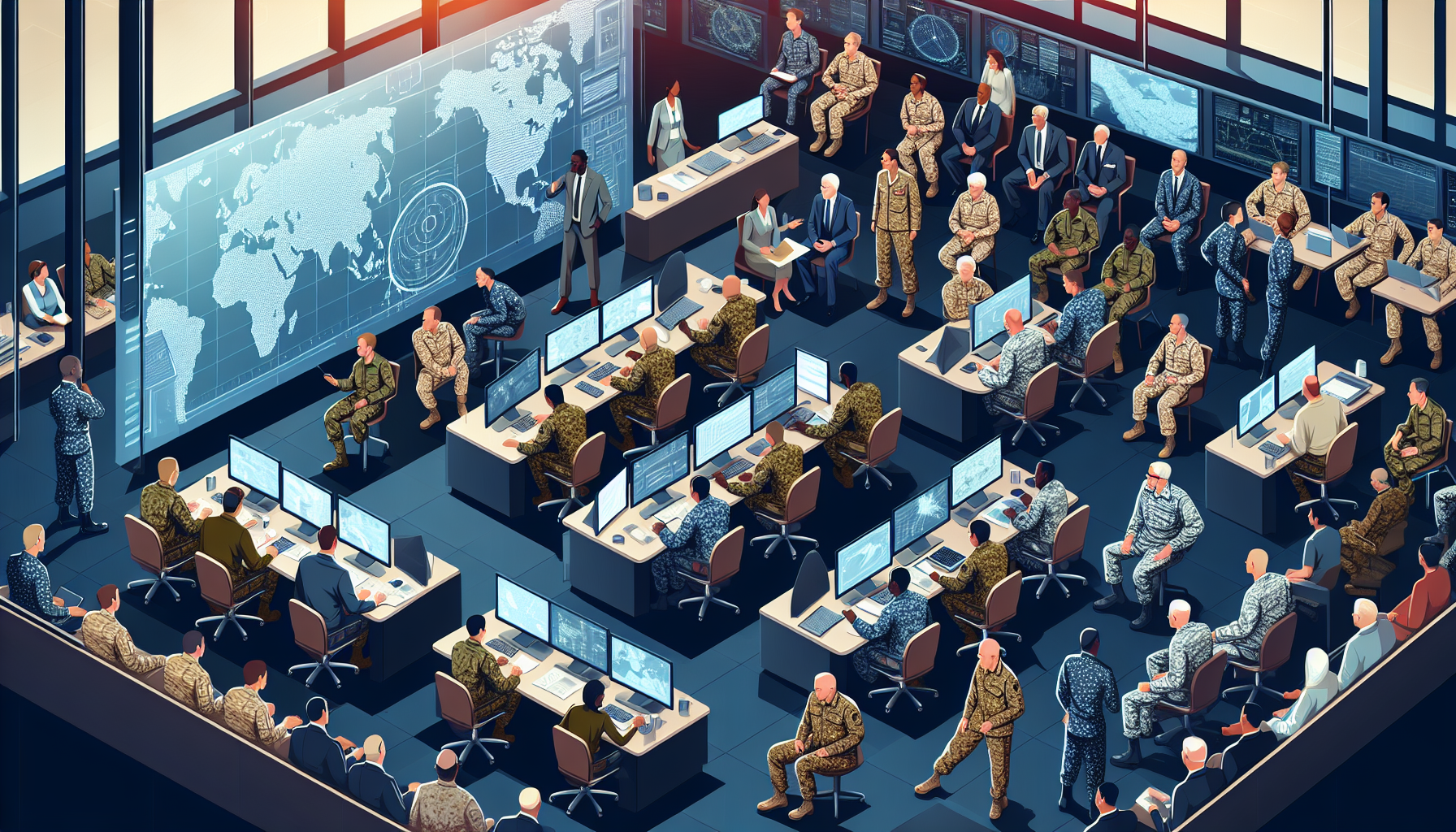
The Combatant Command (CCMD) serves a critical purpose in orchestrating and streamlining military operations by providing an effective command and control structure. Its primary function is to execute missions and conduct operations within their designated area of responsibility (AOR) to achieve strategic goals set forth by the nation’s defense policies. The CCMD allows for the integration and synchronization of various military services and capabilities—bringing together the Army, Navy, Air Force, Marine Corps, and other defense entities in a more cohesive manner.

Designated with a specific mission and geographical responsibility, CCMDs act as an essential link between strategic guidance from the highest levels of civilian authority, like the President or the Secretary of Defense, to the tactical application of force by military personnel at the ground level. In accomplishing its purpose, the Combatant Command plays a significant role in various aspects such as planning, operational readiness, intelligence gathering, and logistics support. A significant function of the CCMD is its involvement in joint operations planning, which helps to identify the strategic and operational objectives that need to be achieved.

In doing so, the CCMD continuously coordinates with other government agencies, partner nations, and international organizations to develop and execute contingency plans, harmonizing their efforts to attain a shared purpose. Supporting these efforts, the CCMD also oversees the readiness of the forces i.e., maintaining and ensuring that the troops under its command are adequately trained, equipped, and prepared for any emerging situation. Its involvement in intelligence gathering operations further enables it to provide real-time information and analysis that helps in making informed decisions during military operations.

Examples of Combatant command (CCMD)

United States Central Command (USCENTCOM): Established in 1983, USCENTCOM is one of the eleven unified combatant commands of the United States Department of Defense. It is responsible for overseeing military operations in a geographic region that covers the Middle East, East Africa, and Central Asia. USCENTCOM has played a key role in major military operations such as Operation Desert Storm, Operation Enduring Freedom, and Operation Inherent Resolve.

United States Pacific Command (USPACOM): Founded in 1947 as a result of the reorganization of military forces in the Pacific following World War II, USPACOM is another unified combatant command of the U.S. Department of Defense. It is responsible for the security and stability of the Indo-Pacific region, including operations in Korea, Japan, and the Philippines. USPACOM has been involved in numerous military operations, including the Korean War, the Vietnam War, and the Global War on Terrorism.

NATO’s Supreme Allied Commander Europe (SACEUR): The Supreme Allied Commander Europe is the strategic military commander-in-chief of NATO’s multinational military forces, with a geographic focus on Europe and parts of Africa. SACEUR leads the Allied Command Operations (ACO), which consists of numerous subordinate multinational commands, including the Joint Force Command Brunssum, Joint Force Command Naples, and the NATO Air Command. The command plays a vital role in coordinating the defense of NATO’s European territories and facilitating military cooperation among member nations.

FAQ: Combatant Command (CCMD)

What is a Combatant Command (CCMD)?

A Combatant Command (CCMD) is a large-scale military command that comprises forces from at least two military departments. It is led by a four-star general or admiral and has a broad, ongoing mission. The CCMDs are organized either on a geographical basis such as region-specific operations or on a functional basis that focuses on a specific type of military operation, such as special operations or strategic operations.

How many Combatant Commands are there?

Currently, there are 11 Combatant Commands in the U.S. Department of Defense, divided into six geographical and five functional commands. The geographical commands are responsible for specific regions, while functional commands have a global responsibility related to a particular aspect of military operations.

What is the role of a Combatant Commander?

A Combatant Commander is responsible for the overall direction, planning, and coordination of the forces within their respective commands. They provide unity of command, strategic guidance, and efficient use of resources, ensuring that military operations are effective and coordinated at all levels. The Combatant Commander also works closely with other government agencies and international partners to address security challenges and conflicts within their area of responsibility.

What are the responsibilities of a CCMD?

A CCMD is responsible for a range of tasks, including but not limited to: planning and executing joint military operations, coordinating and integrating the activities of the different branches of the armed forces, conducting training exercises to ensure readiness, providing humanitarian and disaster response assistance when required, and addressing regional security issues through diplomacy and military cooperation.

How do CCMDs support national security objectives?

CCMDs play a crucial role in supporting national security objectives by maintaining a robust and adaptive military presence in their respective areas. This involves deterring potential adversaries, responding to crises, engaging in military diplomacy to build partnerships and alliances, and ensuring the readiness and the capability of U.S. and partner nations’ forces. Additionally, CCMDs plan and conduct large-scale military operations in support of U.S. strategic goals, such as counterterrorism, nonproliferation and peacekeeping missions, and other vital missions.

Related Military Operation Terms

  • Joint Operations Area (JOA)
  • Theater Security Cooperation (TSC)
  • Unified Command Plan (UCP)
  • Combat Support Agency (CSA)
  • Contingency Planning (CP)

Sources for More Information

Benefits.com Advisors

With expertise spanning local, state, and federal benefit programs, our team is dedicated to guiding individuals towards the perfect program tailored to their unique circumstances.

Rise to the top with Peak Benefits!

Join our Peak Benefits Newsletter for the latest news, resources, and offers on all things government benefits.

Related Articles

Combatant command chaplain

Definition

A Combatant Command Chaplain is a military clergy member responsible for providing religious and spiritual support to the personnel within a specific combatant command. They serve as the principal advisor to the combatant commander on matters of religion, ethics, and morale, and assist in fostering the spiritual well-being of the command’s service members. The combatant command chaplain oversees and coordinates the activities of chaplains within their assigned area, ensuring religious needs and accommodations are met for various faith groups.

Key Takeaways

  1. Combatant Command Chaplain is a senior chaplain who serves as an advisor on religious, ethical, and moral matters for military leaders at the combatant command level.
  2. This individual is responsible for overseeing the well-being of service members in the combatant command, providing spiritual support, and ensuring religious accommodations are provided.
  3. Combatant Command Chaplains play a crucial role in fostering morale, maintaining ethical standards, and establishing healthy relationships with local religious leaders and organizations in the area of responsibility.

Importance

The term Combatant Command Chaplain is important in military operations as it highlights the crucial role of providing spiritual care, guidance, and support to the members of the armed forces within a specific combatant command.

This role is essential for fostering moral growth, boosting their morale, and ensuring that they can carry out their duties effectively under challenging circumstances.

The Combatant Command Chaplain possesses in-depth knowledge of diverse religious and cultural backgrounds, allowing them to offer appropriate pastoral care and religious accommodations to military personnel of various faiths.

Furthermore, they contribute to the overall well-being and readiness of the troops by addressing ethical, moral, and religious issues, becoming a vital aspect of the military command structure.

Explanation

The Combatant Command Chaplain serves a critical and multifaceted purpose within the military hierarchy, as it addresses the spiritual and moral needs of service members across diverse faiths and belief systems. Operating within the command structure of the United States Department of Defense, the Combatant Command Chaplain ensures that the spiritual well-being of military personnel is adequately addressed, regardless of their religious preferences, allowing them to focus on their missions while having peace of mind regarding their faith.

This support takes the form of religious services, pastoral care, and counseling tailored to the unique needs of service members in high-stress environments. By providing spiritual guidance and advocating for religious accommodations, chaplains contribute to the overall morale, resilience, and readiness of the troops.

In addition to fulfilling religious obligations, Combatant Command Chaplains play a significant role in fostering a strong sense of ethical conduct, cultural awareness, and human dignity in the minds of military personnel. As advisers to commanding officers, they actively participate in decision-making processes, offer expert guidance on religious, ethical, and moral matters, and strive to uphold the core values of the military in every aspect of its operations.

By doing so, Combatant Command Chaplains aid in fostering an environment of trust, respect, and unity within the ranks and support the overall mission of promoting and safeguarding global peace and security.

Examples of Combatant command chaplain

U.S. Central Command (CENTCOM) Chaplain: The U.S. Central Command’s Chaplain program aims to support the spiritual and moral wellbeing of deployed service members, their families, and civilian personnel within the Central Command area of responsibility. The CENTCOM Chaplain coordinates with component chaplains and religious affairs teams in operations across the Middle East and North Africa, providing guidance on religious practices, faith support, and cultural sensitivity.

U.S. Africa Command (AFRICOM) Chaplain: As the combatant command chaplain for the U.S. Africa Command, the AFRICOM Chaplain works to support the religious and pastoral needs of service members and personnel operating throughout Africa. This includes coordinating with other chaplains and religious affairs teams across the region, as well as working alongside military and civilian religious leaders in African partner nations to promote a better understanding of diverse religious and cultural practices.

NATO Supreme Allied Command Transformation (SACT) Chaplain: The NATO SACT Chaplain supports the spiritual and ethical needs of the members within the NATO command structure and multinational forces. This could include coordinating faith-based support and guidance on religious matters for troops participating in joint training exercises or working with international partners to ensure religious accommodations for personnel from a wide variety of faiths and traditions.In each of these examples, the combatant command chaplain plays an essential role in ensuring the spiritual wellbeing of military personnel, fostering cultural understanding, and promoting ethical decision-making within their respective combatant commands.

FAQ: Combatant Command Chaplain

1. What is a Combatant Command Chaplain?

A Combatant Command Chaplain is a chaplain who serves within a specific Combatant Command, providing religious support and spiritual guidance to the service members within that command. They help ensure the religious and spiritual needs of the service members are met, enhancing their morale, resilience, and overall well-being.

2. What are the roles and responsibilities of a Combatant Command Chaplain?

Combatant Command Chaplains are responsible for providing religious support to service members, advising the command leadership on religious matters, fostering religious pluralism, promoting ethical and moral leadership, and coordinating with other chaplains and religious support teams. Additionally, they may provide religious support during training exercises, humanitarian assistance, and disaster response operations.

3. How does a chaplain become a Combatant Command Chaplain?

To become a Combatant Command Chaplain, an individual must first be a qualified and endorsed military chaplain. They must then be selected for a position within a Combatant Command based on their background, experience, and qualifications. This process typically involves a review of their service record, interviews, and recommendations from senior chaplains and commanders.

4. Can a Combatant Command Chaplain provide support to members of all faiths?

Yes, Combatant Command Chaplains are trained to provide religious support to service members of all faiths and belief systems. They work closely with chaplains and religious support teams representing various religious denominations and traditions to ensure that every service member’s religious needs are met. In cases where a specific faith group’s chaplain is not available, the Combatant Command Chaplain will coordinate with other chaplains or civilian religious leaders to provide the necessary support.

5. How do service members connect with a Combatant Command Chaplain?

Service members can generally find information about their assigned Combatant Command Chaplain through their chain of command or unit chaplains. They can also reach out directly to the Combatant Command Chaplain’s office for assistance. In many cases, the Combatant Command Chaplain will also make regular visits to units and facilities to meet with service members and offer support.

Related Military Operation Terms

  • Military Ministry
  • Spiritual Support Services
  • Chaplain Corps
  • Religious Accommodation
  • Deployment Counseling

Sources for More Information

Benefits.com Advisors

With expertise spanning local, state, and federal benefit programs, our team is dedicated to guiding individuals towards the perfect program tailored to their unique circumstances.

Rise to the top with Peak Benefits!

Join our Peak Benefits Newsletter for the latest news, resources, and offers on all things government benefits.

Related Articles

Combatant command (command authority) (COCOM)

Definition

Combatant Command (COCOM) is a military term referring to the authority granted to a unified or specified combatant commander to assign missions, prioritize resources, and direct the operations of assigned forces within their designated area. This authority allows the commander to plan and execute missions effectively, coordinating with other military organizations. COCOM is exclusive to commanders at the highest level of command structure, ensuring a unified and organized response to military threats and operations.

Key Takeaways

  1. COCOM, or Combatant Command (Command Authority), refers to the highest level of military command that’s responsible for planning and executing military operations for a specific area or mission.
  2. Combatant Commands are respectively led by a four-star officer, known as a Combatant Commander, who is accountable for the overall performance of their assigned forces and reports directly to the Secretary of Defense.
  3. There are currently 11 Combatant Commands, which are organized either under the geographical area of responsibility (such as U.S. Central Command) or under the functional domain (such as U.S. Cyber Command) that they cover.

Importance

The term Combatant Command (COCOM) is important within military operations as it denotes a high level of organizational authority and operational control, which is crucial for coordinating and executing military missions.

COCOM is led by a four-star general or admiral, who assumes responsibility for a specific geographical region or a specialized function, such as transportation or special operations.

This unified command structure ensures that all branches of the military, as well as regional and functional components, work together effectively and efficiently.

Ultimately, COCOMs play a vital role in maintaining national security and global stability by enabling the United States armed forces to seamlessly integrate and respond to diverse challenges in defense of national interests.

Explanation

The purpose of Combatant Command (Command Authority) or COCOM is to provide effective coordination, management, and control of military forces across different domains to achieve strategic goals. COCOM acts as an authoritative node, ensuring that all military units fall under the direction of a single commander, thereby promoting unity of effort and efficient utilization of resources.

COCOM plays a vital role in organizing, planning, and employing military forces to achieve objectives in various theaters of operations in support of national and allied interests. This centralized command structure helps in rapid decision making and adaptability to emerging threats, enabling military forces to maintain an operational advantage and achieve mission success.

In fulfilling its purpose, COCOM is used for maintaining national security by planning and conducting various military operations such as deterrence, defense, and crisis response. It also helps streamline training, logistics support, and intelligence sharing among the various components of the Department of Defense (DoD) and partner nations.

Acting as the command and control (C2) hub, COCOM ensures that different military branches, governmental agencies, and multinational partners work together harmoniously towards a common goal. This integrated approach results in seamless interoperability, enhanced force readiness, and sustained military engagement, ultimately contributing to global peace and stability.

Examples of Combatant command (command authority) (COCOM)

United States Central Command (USCENTCOM): USCENTCOM is one of the eleven unified combatant commands in the U.S. military. Established in 1983, it has its headquarters at MacDill Air Force Base in Tampa, Florida. USCENTCOM is responsible for the planning, directing, and coordinating of military operations in the Central Region, which includes the Middle East, parts of South and Central Asia, as well as parts of Northern Africa. This combatant command has played a significant role in military operations such as Operation Desert Storm, Operation Enduring Freedom, and Operation Inherent Resolve.

NATO’s Allied Command Operations (ACO): The NATO ACO oversees military operations in the North Atlantic area, including Europe and North America. Headquartered in Mons, Belgium, ACO is responsible for the planning, conducting, and management of NATO military missions and is led by the Supreme Allied Commander Europe (SACEUR). It has been involved in numerous military operations, including the Balkans operations in 1990s, the International Security Assistance Force (ISAF) mission in Afghanistan, and various enhanced Forward Presence exercises in Eastern Europe in response to Russia’s military activities.

United States Indo-Pacific Command (USINDOPACOM): The USINDOPACOM is one of the U.S. Department of Defense’s eleven unified combatant commands, established in

Headquartered in Camp H.M. Smith, Hawaii, this command is responsible for coordinating and directing military operations across the Indo-Pacific region, covering 36 nations, including China, India, Australia, and Japan. Throughout its history, USINDOPACOM has played critical roles in the Korean War, the Vietnam War, and various disaster-relief operations in the region, such as the response to the 2004 Indian Ocean tsunami and the 2011 TĹŤhoku earthquake and tsunami.

FAQ – Combatant Command (Command Authority) (COCOM)

What is a Combatant Command (COCOM)?

A Combatant Command (COCOM) is a joint military command consisting of forces from two or more military services, tasked with carrying out missions in specific geographic areas or performing certain functions in support of strategic goals. There are currently 11 combatant commands under the United States Department of Defense.

How is COCOM different from other levels of command authority?

COCOM, or Combatant Command (Command Authority), is the highest level of authority that can be exercised by a commander over assigned military forces. This authority allows the commander to organize and employ their forces as they consider necessary to accomplish assigned missions. COCOM is non-transferable and cannot be delegated.

What are the main duties of a COCOM?

The main duties of a COCOM include planning, coordinating, and overseeing joint military operations, to provide strategic direction and guidance to its military forces, ensuring the readiness of its assigned forces, and maintaining unity of command. COCOMs also manage resources and establish priorities to accomplish strategic objectives within their assigned areas of responsibility.

How are the COCOMs organized?

COCOMs are organized based on geographic areas or specific functional missions. There are six geographic combatant commands, covering specific regions of the world, and four functional combatant commands that focus on specific missions such as cybersecurity, special operations, or strategic deterrence.

How do COCOMs support US national security objectives?

COCOMs play a critical role in advancing US national security objectives by providing a unified command structure that enables the different branches of the military to efficiently and effectively coordinate operations. Combining the capabilities of multiple military services allows COCOMs to respond quickly and adapt to changing security environments around the world, ensuring the United States is prepared to protect its national interests and fulfill its global commitments.

Related Military Operation Terms

  • Military chain of command
  • Unified combatant commands
  • Area of responsibility (AOR)
  • Operational control (OPCON)
  • Commander’s intent

Sources for More Information

Benefits.com Advisors

With expertise spanning local, state, and federal benefit programs, our team is dedicated to guiding individuals towards the perfect program tailored to their unique circumstances.

Rise to the top with Peak Benefits!

Join our Peak Benefits Newsletter for the latest news, resources, and offers on all things government benefits.

Related Articles

Combatant commander (CCDR)

Definition

A Combatant Commander (CCDR) is a high-ranking military officer who has been assigned the authority and responsibility for planning and executing military operations within a specific geographic or functional area. They report directly to the Secretary of Defense and the President of the United States, acting as the principal operational leaders for their respective commands. CCDRs are in charge of directing and coordinating the efforts of the forces assigned to their command to achieve strategic and operational objectives.

Key Takeaways

  1. Combatant commanders (CCDRs) are high-ranking military officers who oversee and manage regional or functional missions, directing the synchronized efforts of joint military forces within their areas of responsibility.
  2. CCDRs serve under the direct authority of the U.S. Secretary of Defense and are responsible for developing strategic plans, conducting military operations, and ensuring the readiness of their assigned forces.
  3. There are currently 11 Unified Combatant Commands, divided into geographic and functional commands, each led by a CCDR who plays a crucial role in responding to threats, maintaining security, and managing military resources.

Importance

The term Combatant Commander (CCDR) is important in military operations as it refers to the high-ranking officer responsible for overseeing and coordinating the efforts of a unified combatant command.

These officers play a crucial role in ensuring the effective management and execution of joint military operations across the different branches of the United States Armed Forces.

The CCDR possesses the necessary authority and operational control to devise strategic plans, allocate resources, and command troops from different services in the pursuit of common objectives.

In essence, the Combatant Commander helps enhance the overall combat effectiveness, strategic integration, and interoperability among the service branches, ensuring a cohesive and unified military response to any given situation, whether it be conflicts, crisis management, or humanitarian assistance missions.

Explanation

Combatant Commanders (CCDRs) serve a crucial role in addressing the intricacies and complexities involved in modern military conflicts. Their primary purpose is to provide greater efficiency in the strategic planning and execution of military missions across various branches of the armed forces.

By overseeing large-scale operations and exercising authority over different combatant commands globally, they ensure that resources, personnel, and intelligence are effectively managed and utilized to achieve mission success and military objectives. In addition to their significant responsibilities in coordinating joint force operations, CCDRs are also heavily involved in developing security cooperation and building relationships with foreign nations, maintaining stability in their designated geographic or functional areas.

This aspect of their work bolsters global partnerships and fosters collaboration, adding depth to the collective strategic capabilities of the United States and its allies. Ultimately, CCDRs are undeniably integral to the overall strength of the US military apparatus, delivering both tactical overview and strategic foresight in the pursuit of national defense objectives.

Examples of Combatant commander (CCDR)

General Kenneth F. McKenzie Jr., USMC – Commander, U.S. Central Command (CENTCOM): General McKenzie is a real-world example of a Combatant Commander. As the head of CENTCOM, he oversees military operations in the Middle East and Central Asia, including countries such as Afghanistan, Iraq, and Syria. His responsibilities include planning and executing military operations, ensuring the readiness of military forces in the region, and coordinating with partner nations to maintain regional security.

Admiral John C. Aquilino, USN – Commander, U.S. Indo-Pacific Command (INDOPACOM): Admiral Aquilino serves as a Combatant Commander for the U.S. military’s largest and most strategically important geographic area, spanning from the west coast of the United States to the western border of India. He is responsible for military operations and security cooperation efforts with partners and allies throughout the region, in addition to deterring potential adversaries and maintaining free and open access to international waters and airspace.

General Tod D. Wolters, USAF – Commander, U.S. European Command (EUCOM) and NATO Supreme Allied Commander Europe (SACEUR): General Wolters is a Combatant Commander who manages military operations across Europe and serves as the U.S. military’s primary liaison with NATO. As SACEUR, he is responsible for planning and executing NATO missions, maintaining a high state of readiness for NATO forces, and responding to crises and security threats throughout the European theater.

FAQ: Combatant Commander (CCDR)

1. What is the role of a Combatant Commander (CCDR)?

A Combatant Commander (CCDR) is a high-ranking military officer who is responsible for directing the operational functions of a particular geographic or functional Unified Combatant Command. They have the authority to command forces assigned to them, prioritize resources, conduct joint training exercises, and plan for continguard=positions within their area of responsibility (AOR).

2. How are CCDRs appointed?

Combatant Commanders are appointed by the President of the United States with the advice and consent of the Senate. They typically hold the rank of General (Army/Air Force) or Admiral (Navy), and they must have significant experience in both joint and combined operations.

3. How does a CCDR interact with other military components and national authorities?

CCDRs are responsible for maintaining effective communication and coordination with other military components, national authorities, and the Joint Chiefs of Staff. They work closely with other officials such as civilian representatives of the U.S. government, U.S. Ambassadors, and local foreign officials within their AOR. They also report directly to the Secretary of Defense and, as needed, to the President of the United States.

4. What is the difference between a geographic and functional CCDR?

A geographic CCDR oversees all military operations and planning within a specific geographic region. They are responsible for maintaining security, stability, and U.S. interests in their AOR. A functional CCDR, on the other hand, is responsible for particular activities or capabilities on a global scale, such as U.S. Special Operations Command or U.S. Strategic Command. Functional CCDRs support the efforts of geographic CCDRs as needed to achieve national security objectives.

5. How many CCDRs are there, and what are their AORs?

There are currently 11 Unified Combatant Commands, each led by a Combatant Commander. These include six geographic commands: U.S. Africa Command (AFRICOM), U.S. Central Command (CENTCOM), U.S. European Command (EUCOM), U.S. Indo-Pacific Command (INDOPACOM), U.S. Northern Command (NORTHCOM), and U.S. Southern Command (SOUTHCOM); and five functional commands: U.S. Cyber Command (CYBERCOM), U.S. Space Command (SPACECOM), U.S. Special Operations Command (SOCOM), U.S. Strategic Command (STRATCOM), and U.S. Transportation Command (TRANSCOM).

Related Military Operation Terms

  • Unified Combatant Command
  • Joint Chiefs of Staff
  • Operational Control (OPCON)
  • Theater of Operations
  • Command and Control (C2)

Sources for More Information

Benefits.com Advisors

With expertise spanning local, state, and federal benefit programs, our team is dedicated to guiding individuals towards the perfect program tailored to their unique circumstances.

Rise to the top with Peak Benefits!

Join our Peak Benefits Newsletter for the latest news, resources, and offers on all things government benefits.

Related Articles

Combatant commander logistic procurement support board (CLPSB)

Definition

The Combatant Commander Logistic Procurement Support Board (CLPSB) is a military term referring to a committee or group responsible for coordinating and overseeing the procurement of logistics and support for combatant commanders. This board plays a crucial role in ensuring that combatant commanders have the necessary resources and supplies to effectively execute their missions. The CLPSB works closely with various agencies, such as defense logistics, to streamline the acquisition process and prioritize the needs of the combatant commands.

Key Takeaways

  1. The Combatant Commander Logistic Procurement Support Board (CLPSB) is a joint-service organization that coordinates and streamlines the procurement process for U.S. military combatant commanders in order to meet their logistical requirements in a timely manner.
  2. CLPSB brings together representatives from various military departments and agencies to facilitate communication and collaboration, thus ensuring the effective and efficient fulfillment of the combatant commander’s logistical needs during military operations.
  3. By providing a centralized management structure for procurement and support, the CLPSB helps reduce duplication of effort, minimize logistical delays, and ultimately enhance the readiness and operational capabilities of U.S. military forces worldwide.

Importance

The term Combatant Commander Logistic Procurement Support Board (CLPSB) is important because it signifies a crucial element in the management and coordination of logistic resources within military operations.

The CLPSB functions as a centralized decision-making body that supports combatant commanders by facilitating the alignment of logistic procurement needs with operational priorities.

This helps to streamline and optimize supply chain processes, ensure timely provision of critical resources, and enhance military readiness in various scenarios.

By effectively coordinating between various stakeholders, the CLPSB contributes to the overall efficiency and success of military missions by seamlessly addressing logistic challenges and providing the necessary support to the people on the ground.

Explanation

The Combatant Commander Logistic Procurement Support Board (CLPSB) serves as a crucial component in military operations, ensuring efficient coordination and collaboration among various logistics agencies, support providers and combatant units. Its fundamental purpose is to synchronise and streamline the procurement and distribution of supplies, equipment, and services required by combatant forces to successfully conduct their missions.

By bringing together representatives from different organizations within the military, the CLPSB is better equipped to assess the unique logistical needs of a specific mission and develop strategies to fill those gaps in a timely and effective manner. The CLPSB plays a significant role in mitigating potential bottlenecks and addressing logistical challenges that might obstruct the flow of critical resources in mission execution.

It continuously reviews and analyzes the readiness and sustainability of combatant forces in coordination with support agencies, working proactively to address any operational issues. Furthermore, the board monitors ongoing procurement activities and evaluates their effectiveness, ensuring that support is provided swiftly and that scarce resources are allocated judiciously to advance the operational goals and objectives of the combatant forces.

In essence, the CLPSB functions as a strategic enabler, facilitating communication, decision-making and resource allocation to empower combatant commanders in overcoming logistical hurdles and ensuring mission success.

Examples of Combatant commander logistic procurement support board (CLPSB)

Operation Iraqi Freedom (2003-2010):During Operation Iraqi Freedom, the U.S. military conducted various missions to liberate Iraq from the oppressive regime of Saddam Hussein. A vital component of the mission was the logistical sustainment of coalition forces. The Combatant Commander Logistics Procurement Support Board (CLPSB) was an essential mechanism in managing the complex supply chains, ensuring that equipment, munitions, fuel, and other resources were available for the military to execute their objectives. The CLPSB worked closely with leaders from the U.S. Central Command (CENTCOM) to make appropriate decisions on prioritizing the allocation of resources, procurement, and transportation to support ongoing combatant commander operations.

Operation Enduring Freedom (2001-2014):Following the September 11 attacks in 2001, the U.S. launched Operation Enduring Freedom to dismantle the al-Qaeda terrorist network and remove the Taliban regime from power in Afghanistan. The operation involved a vast array of military personnel and equipment, spread across the rugged terrain of Afghanistan. The CLPSB played a crucial role in ensuring that the military’s logistical needs were met, including the procurement, transportation, and distribution of supplies, repair parts, and ammunition. The CLPSB coordinated with the U.S. Central Command (CENTCOM) and other coalition partners to develop strategies for maintaining the flow of resources in support of combat operations in the region.

Operation Inherent Resolve (2014-present):Operation Inherent Resolve (OIR) is an ongoing military operation focused on defeating the Islamic State (ISIS) in Iraq and Syria. The main objectives include disrupting ISIS’s leadership, liberating ISIS-controlled territories, and training and equipping local forces to maintain security in their regions. The CLPSB works to support military operations on the ground by ensuring a steady flow of supplies for U.S. and coalition forces. The board works closely with the U.S. Central Command (CENTCOM) and other partners to prioritize procurement and allocate resources effectively, while adjusting to the rapidly changing threat landscape, making the CLPSB an essential player in this ongoing military effort.

FAQ: Combatant Commander Logistic Procurement Support Board (CLPSB)

What is the Combatant Commander Logistic Procurement Support Board (CLPSB)?

The Combatant Commander Logistic Procurement Support Board (CLPSB) is a military operation focused on coordinating and managing logistics, procurement, and support missions within a combatant commander’s area of responsibility. It ensures that all components of the military are receiving the necessary supplies, equipment, and services needed to carry out their missions effectively.

What is the main purpose of the CLPSB?

The primary purpose of the CLPSB is to ensure synchronized and efficient logistics, procurement, and support operations across different military components in a combatant commander’s area of responsibility. This helps in delivering the required resources at the right time, place, and condition, thus enhancing the overall mission effectiveness.

What are the key functions of the CLPSB?

The key functions of the CLPSB include, but are not limited to, the following:

  • Coordinating procurement efforts
  • Overseeing logistics support, including transportation, maintenance, and services
  • Managing multinational logistics operations
  • Assisting with contingency planning and crisis response
  • Communicating with higher authorities regarding the status of procurement and logistics requirements

Who comprises the CLPSB?

The CLPSB is usually composed of representatives from different military components operating within the area of responsibility. This may include, but is not limited to, personnel from the army, navy, air force, and special operations units. In addition, representatives from allied nations and other multinational partners may also be included to facilitate logistic and procurement coordination.

How does the CLPSB contribute to mission success?

By coordinating and managing logistics, procurement, and support operations effectively, the CLPSB ensures that military units are properly equipped and resupplied in a timely manner. This directly contributes to the units’ ability to carry out their missions effectively and maintain a high level of operational readiness. The CLPSB also plays a crucial role in crisis response and contingency planning, making it an invaluable asset in any military operation.

Related Military Operation Terms

  • Logistics Support Operations
  • Procurement Planning
  • Combatant Commander Resources
  • Military Supply Chain Management
  • Defense Acquisition Coordination

Sources for More Information

Benefits.com Advisors

With expertise spanning local, state, and federal benefit programs, our team is dedicated to guiding individuals towards the perfect program tailored to their unique circumstances.

Rise to the top with Peak Benefits!

Join our Peak Benefits Newsletter for the latest news, resources, and offers on all things government benefits.
Related Articles

Combatant command support agent

Definition

The term Combatant Command Support Agent (CCSA) refers to a Department of Defense (DoD) agency or component that provides support to one or more combatant commands. This support includes administrative, logistical, planning, or operational assistance to improve the combatant command’s ability to carry out its mission. CCSAs help coordinate required resources and capabilities, and facilitate communication between various military and government entities.

Key Takeaways

  1. A Combatant Command Support Agent (CCSA) refers to a Department of Defense (DoD) component or agency designated to provide administrative, logistical, and technical support to a specified Combatant Command.
  2. The main purpose of a CCSA is to enhance the operational readiness and effectiveness of the Combatant Command by coordinating and delivering support services in areas such as communications, intelligence, transportation, and personnel management.
  3. CCSAs maintain close coordination with the supported Combatant Command and other relevant organizations to ensure seamless integration of support functions and timely response to the Command’s requirements and priorities.

Importance

The term “Combatant Command Support Agent” (CCSA) is important in military operations because it refers to the designated department or agency responsible for providing comprehensive and coordinated support to specific Combatant Commands (COCOMs). These support agents play a crucial role in ensuring that COCOMs, which are instrumental in managing and executing strategic military missions, have the necessary resources, planning, logistics, communication, and other essential services required to perform their functions efficiently.

By having a dedicated CCSA, it allows for streamlined coordination and faster response times during critical military events.

This enhances the effectiveness and readiness of military operations while enabling COCOMs to focus on their primary objective, successfully accomplishing their missions in defense of national security interests.

Explanation

The purpose of a Combatant Command Support Agent (CCSA) lies in its ability to streamline and ease the coordination of various resources and logistics for active combatant commanders. As combatant commanders are entrusted with the task of effectively conducting military operations within their assigned geographical or functional area, the CCSA plays a crucial role in reinforcing their capabilities.

By serving as an intermediary between the combatant command and various supporting agencies, the CCSA ensures that essential services, such as administration, planning, logistics, intelligence, and communication, are consistently available for the seamless execution of military activities and strategies across multiple domains. Furthermore, this allows CCSAs to act as a vital bridge towards fostering productive relationships between combatant commands and different branches within the Department of Defense (DoD) or other governmental departments.

The CCSA’s role in facilitating access to critical resources is instrumental in the expansion of military readiness and the adaptability of the United States Armed Forces, as they respond to a constantly changing global security landscape. By utilizing the assistance of a CCSA, combatant commanders can better focus their efforts on employing effective tactics and strategies that address potential threats.

The result is a more synchronized and efficient military force, capable of tapping into the full potential of its assets and resources within different services and agencies. Ultimately, the importance of Combatant Command Support Agents cannot be understated, as they significantly contribute to fortifying the United States military operations in an evolving world filled with complex challenges.

Examples of Combatant command support agent

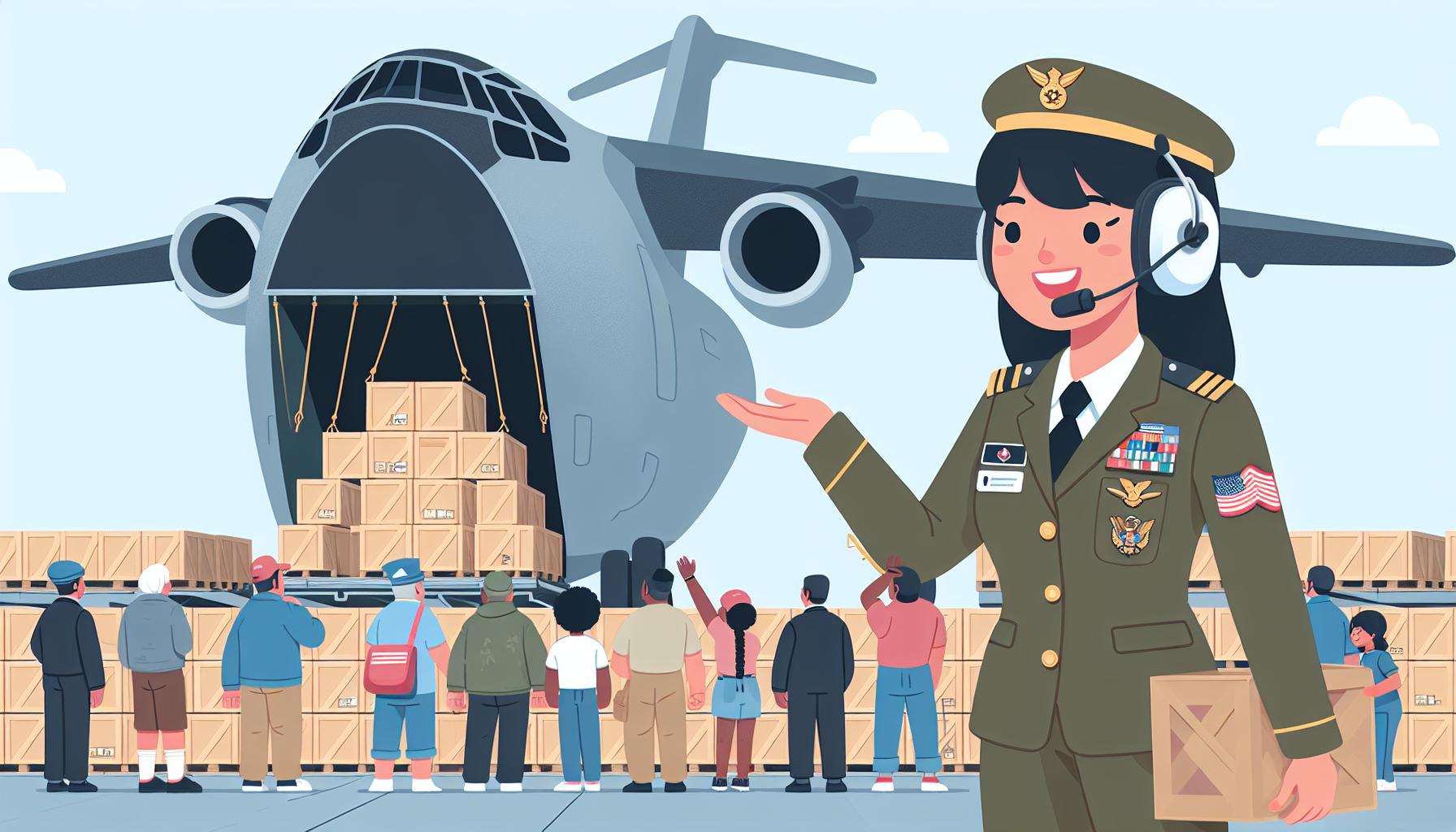
United States Transportation Command (USTRANSCOM) as a Support Agent for disaster relief efforts: In the wake of natural disasters such as hurricanes, earthquakes, or tsunamis, Combatant Commands like USTRANSCOM provide crucial support in the form of logistics, transportation, and supply chain management to deliver relief aid to affected areas. For instance, after Hurricane Maria hit Puerto Rico in 2017, USTRANSCOM played a vital role in delivering resources, personnel, and relief supplies to the region.

Defense Logistics Agency (DLA) supporting U.S. Africa Command (AFRICOM): As a Combatant Command Support Agent, the DLA provides critical assistance to AFRICOM in its mission to ensure stability and security across Africa. The DLA fulfills essential logistical requirements such as fuel, food, medical supplies, and equipment, enabling AFRICOM to carry out its tasks effectively. Additionally, DLA helps AFRICOM in the development of infrastructure projects in Africa to enhance local capabilities and improve interoperability.

U.S. Special Operations Command (SOCOM) aiding U.S. Central Command (CENTCOM): In ongoing counter-terrorism and counter-insurgency operations in the Middle East, SOCOM acts as a key Combatant Command Support Agent to CENTCOM. It provides highly-trained special operations forces, real-time intelligence, and specialized equipment to aid CENTCOM’s mission. For example, during Operation Inherent Resolve against ISIS in Iraq and Syria, SOCOM played a critical role by delivering specialized assets, operational planning, and tactical execution for specific missions, directly supporting CENTCOM’s broader objectives.

“`html

FAQ – Combatant Command Support Agent

What is a Combatant Command Support Agent?

A Combatant Command Support Agent (CCSA) is a specialized support service within the military that assists combatant commands with their coordination, communication, and logistical needs. These agents ensure that military operations are executed efficiently and effectively by providing essential services and resources.

What are the main responsibilities of a Combatant Command Support Agent?

A Combatant Command Support Agent’s primary responsibilities include coordinating resources, providing logistical support, and ensuring efficient communication among various units in a combatant command. This might involve managing transportation and supply chains, overseeing the allocation of equipment and personnel, and facilitating the exchange of critical information among commanders and other stakeholders.

How important is the role of a Combatant Command Support Agent in military operations?

The role of a CCSA is vital in military operations, as they enable commanders to focus on strategic and tactical decisions while ensuring that their units have the necessary resources and support. By effectively coordinating logistics, communication, and other essential aspects of military operations, CCSAs contribute to mission success and help maintain the readiness and effectiveness of combatant commands.

What skills are required to become a Combatant Command Support Agent?

To become an effective CCSA, one should possess strong communication, logistic management, and problem-solving skills. Additionally, a background in military operations, experience in coordinating resources and personnel, and the ability to operate under pressure are also valuable qualifications for this role.

What training is necessary for a Combatant Command Support Agent?

Training for a Combatant Command Support Agent may vary depending on the specific requirements of the position and the individual’s military branch. Generally, comprehensive training in military operations, logistics, communication, and leadership would be necessary. This could include formal education, on-the-job training, or a combination of both. Additionally, some positions may require specialized courses or certifications in areas such as transportation management, supply chain management, or information technology.

“`

Related Military Operation Terms

  • Joint operations planning
  • Military readiness assessment
  • Theater security cooperation
  • Force allocation
  • Contingency response management

Sources for More Information

Benefits.com Advisors

With expertise spanning local, state, and federal benefit programs, our team is dedicated to guiding individuals towards the perfect program tailored to their unique circumstances.

Rise to the top with Peak Benefits!

Join our Peak Benefits Newsletter for the latest news, resources, and offers on all things government benefits.

Related Articles

Combat assessment (CA)

Definition

Combat assessment (CA) is a military operations term that refers to the evaluation process of combat actions’ effectiveness, primarily focusing on the impact of those actions on the enemy. It involves analyzing real-time data, intelligence, and situational developments to adjust and refine tactics, strategies, and resources accordingly. This process is crucial in determining the success of military objectives and ensuring efficient use of resources in a given operation.

Key Takeaways

  1. Combat assessment (CA) is a crucial process in military operations that involves analyzing the effectiveness of actions taken in battle, helping commanders make informed decisions for future maneuvers.
  2. CA focuses on two primary aspects: battle damage assessment, which evaluates the damage inflicted on the enemy and its impacts on their capabilities; and munitions effectiveness assessment, which determines the success of the weaponry and tactics employed during a mission.
  3. Conducting a successful combat assessment not only improves decision-making and resource allocation, but it also provides valuable information for adapting strategies, refining tactics, and enhancing overall mission effectiveness.

Importance

Combat assessment (CA) is a critical aspect of military operations as it aids in evaluating the effectiveness of a specific operation or strategy employed during a conflict.

CA provides essential insight into the outcomes of an engagement, gauging the performance of a maneuver or tactic against an adversary.

By conducting a thorough analysis of factors such as enemy capabilities, collateral damage, and mission accomplishment, decision-makers can make informed choices in real-time or adjust future strategies accordingly.

This comprehensive evaluation helps optimize resource allocation and minimize risks, ultimately contributing to the success of the mission and the safety of military personnel.

Explanation

Combat assessment (CA) plays a pivotal role in modern military operations, serving as an essential tool for commanders and decision-makers to evaluate and analyze the effectiveness of the operations undertaken. The primary purpose of CA is to provide an accurate and timely evaluation of the results of military engagements, helping higher-ups adapt their strategies and tactics to ensure mission success.

By examining various aspects such as target effects, collateral damage, and the overall success of tactical objectives, commanders can identify elements that need improvement or unanticipated challenges in the battlefield, ultimately making the best possible decisions for future actions. In order to achieve this, the CA process systematically gathers and consolidates data from various sources such as intelligence, surveillance, and reconnaissance (ISR) assets, and battle damage assessments (BDA). CA then synthesizes this information to create a cohesive understanding of the situation, allowing commanders to assess whether the initial objectives have been met or if additional efforts and resources are required.

In essence, combat assessment serves as an invaluable feedback loop that constantly refines and optimizes military strategies and operations. This holistic approach not only mitigates risks and potential drawbacks but also maximizes the effectiveness of military forces in achieving their goals and safeguarding national interests.

Examples of Combat assessment (CA)

Operation Desert Storm (1991): During the Gulf War, the U.S. military and its coalition partners engaged in a large-scale combat assessment of the Iraqi forces. The CA process involved gathering information on the effectiveness of air strikes, ground forces, and other assets in the battlespace. Intelligence, surveillance, and reconnaissance (ISR) assets, such as satellite imagery and HUMINT, were used to assess the damage caused to the Iraqi forces. This allowed the coalition forces to identify gaps in their strategy and adjust their attack plans to achieve the desired outcome.

Operation Enduring Freedom (2001-2014): After the September 11 attacks, the U.S. and NATO forces launched Operation Enduring Freedom in Afghanistan, aimed at dismantling the Al-Qaeda terrorist network and defeating the Taliban regime. Throughout the operation, extensive combat assessments were performed to evaluate the progress and effectiveness of military campaigns. Analysts and commanders used information from ISR assets, human intelligence (HUMINT), and battle damage assessments to identify enemy capability, intentions, and forces. This intelligence analysis facilitated the adjustment of strategies, tactics, and resource allocations to successfully carry out the mission.

Battle of Mosul (2016-2017): During the battle to liberate the city of Mosul from the Islamic State (ISIS) in Iraq, the military forces of Iraq, the Kurdish Peshmerga, and the global coalition conducted continuous combat assessments. Throughout the nine-month-long operation, ISR assets, including drones, were employed to monitor the situation on the ground and collect vital information on the enemy’s numbers, equipment, tactics, and defenses. This enabled commanders to make informed decisions, adjust military tactics, and allocate resources and assets effectively. The battle concluded with the successful recapture of Mosul and a major setback for ISIS.

Combat Assessment (CA) FAQ

1. What is Combat Assessment (CA)?

Combat Assessment (CA) is the process of evaluating the effectiveness of military operations, such as force engagements, munitions employment, and maneuver activities. The primary objective of CA is to determine the success of these operations in achieving the intended objectives and to provide valuable information for refining tactics, techniques, and procedures for future missions.

2. What are the primary components of Combat Assessment?

Combat Assessment is comprised of three primary components: Battle Damage Assessment (BDA), Munitions Effectiveness Assessment (MEA), and Re-Attack Recommendation (RAR). BDA evaluates the extent of damage inflicted on the target, MEA assesses the performance of the employed munitions, and RAR recommends whether to conduct follow-on attacks to achieve the desired objectives.

3. Who is responsible for conducting Combat Assessment?

Combat Assessment is a joint responsibility of the command and control elements, intelligence community, and operational units involved in the military operation. These entities work together to gather, analyze, and share information about the mission’s effectiveness, helping the commander make informed decisions regarding follow-on operations.

4. How is Combat Assessment data collected?

Data for Combat Assessment is collected using various methods, including intelligence sources (e.g., satellite imagery, signals intelligence), operational reporting from the units involved in the operation, and post-strike reconnaissance using aircraft or unmanned aerial vehicles (UAVs). Additionally, friendly forces on the ground may provide first-hand observations of the mission’s effectiveness.

5. Why is Combat Assessment important?

Combat Assessment is crucial for several reasons. First, it helps commanders determine the success of their operations and make informed decisions on whether additional actions are necessary. Second, it enables the identification and analysis of potential weaknesses in enemy capabilities, providing valuable insights for future planning. Third, CA helps assess the performance of weapons systems and tactics, potentially leading to improvements in military technology and doctrine.

Related Military Operation Terms

  • Post-traumatic stress disorder (PTSD)
  • Disability compensation
  • Combat-related injury
  • Veterans healthcare services
  • Service-connected disability

Sources for More Information

Benefits.com Advisors

With expertise spanning local, state, and federal benefit programs, our team is dedicated to guiding individuals towards the perfect program tailored to their unique circumstances.

Rise to the top with Peak Benefits!

Join our Peak Benefits Newsletter for the latest news, resources, and offers on all things government benefits.

Related Articles

Combat camera (COMCAM)

Definition

Combat Camera (COMCAM) refers to the specialized units within the military that focus on capturing imagery and video documentation of combat operations, training exercises, and other significant military events. These units provide commanders with visual evidence to support decision-making and to serve historical, public affairs, and intelligence purposes. The COMCAM personnel are often combat-trained photographers and videographers who operate on the front lines alongside soldiers during military operations.

Key Takeaways

  1. Combat Camera (COMCAM) refers to the use of photography and videography by military personnel to document and support military operations, training, and public affairs.
  2. COMCAM teams are skilled professionals, often with backgrounds in journalism and communication, who utilize specialized equipment to capture high-quality images and footage in various environments and conditions.
  3. The primary purpose of COMCAM is to provide visual documentation for intelligence, planning, and historical records, while also helping to disseminate information, shape public perception, and boost morale through imagery and storytelling.

Importance

Combat Camera (COMCAM) is a crucial aspect of military operations as it plays a pivotal role in documenting and capturing essential visual information from the battlefield.

These images and videos serve multiple purposes such as providing real-time intelligence, assisting tactical decision-making, and facilitating information dissemination among various units.

Furthermore, COMCAM features prominently in the areas of training, historical records, and public affairs, showcasing the military’s capabilities and achievements.

Overall, COMCAM is a vital tool that enhances military readiness, bolsters situational awareness, and preserves significant historical events for posterity.

Explanation

Combat Camera (COMCAM) serves as a crucial element in military operations by documenting and producing visual imagery of the activities and missions carried out by armed forces. The primary purpose of COMCAM teams is to deliver a comprehensive and accurate portrayal of military engagement, whether during training exercises, humanitarian assistance operations, or actual combat scenarios.

This visual documentation not only provides real-time situational awareness to command elements, but also serves as a historical record and a tool in strategic communications efforts, promoting transparency and strengthening public trust. The versatile nature of COMCAM extends its use beyond merely documenting military actions on the battlefield.

The visual imagery captured can serve as a potent tool for intelligence gathering and analysis, which can be beneficial for decision-making processes in the theatre of operations. Additionally, COMCAM products can be employed in the development of training material, enabling warfighters to learn from real-world experiences and refine their tactics, techniques, and procedures.

In summary, Combat Camera plays a vital role in supporting the modern military’s multifaceted mission objectives, facilitating informed decision-making, fostering trust through public outreach, and enhancing the training and preparedness of military personnel.

Examples of Combat camera (COMCAM)

Operation Desert Storm (1991):During the Persian Gulf War, COMCAM teams were deployed to document the U.S. military’s role in liberating Kuwait from Iraqi occupation. These teams captured still and motion imagery of various combat operations, such as aerial bombings, ground engagements, and naval support. The imagery provided a comprehensive and historical perspective of the military campaign and was used for intelligence, analysis, and public affairs purposes.

Operation Enduring Freedom (2001-present):In response to the 9/11 terrorist attacks, the United States initiated Operation Enduring Freedom, primarily in Afghanistan, to eliminate the Taliban and al-Qaeda network. COMCAM teams have been present throughout the operation, capturing images and videos of military actions, including raids, air assaults, and daily patrols. These visual materials have been instrumental in providing situational awareness, fostering international support, and showcasing the professionalism and capabilities of the U.S. military.

Operation Inherent Resolve (2014-present):As part of the international effort to defeat the Islamic State (ISIS) in Iraq and Syria, COMCAM personnel were deployed to document the U.S. military’s involvement in the operation. They captured images and footage of airstrikes, special operations, and training provided to local forces. The materials captured by these teams have been utilized for intelligence purposes, public affairs, and fostering international support to counter ISIS.

FAQ Section: Combat Camera (COMCAM)

What is Combat Camera (COMCAM)?

Combat Camera (COMCAM) is a specialized unit within military operations that focuses on capturing visual information (photography and videography) in the areas of reconnaissance, surveillance, and documentation. They provide vital images and footage for intelligence, situational awareness, and historical archiving.

What are the primary functions of COMCAM units?

COMCAM units play a critical role in military operations by providing visual documentation of military activities, producing imagery for public affairs, and supporting psychological operations. They also aid in the rapid assessment of damage, and help in creating visual briefings and reports for decision-makers.

What kind of equipment is used by COMCAM personnel?

COMCAM personnel use state-of-the-art camera and video equipment, including high-resolution digital cameras, advanced video systems, aerial and underwater imaging equipment, night vision devices, and other specialized gear tailored to the needs of their specific missions.

How are COMCAM images and video utilized?

COMCAM visual information is utilized in multiple ways, including: providing imagery for public affairs, enhancing situational awareness for commanders, supporting intelligence gathering, assisting in damage assessment, and helping in the development of psychological operations campaigns.

What training do COMCAM personnel undergo?

COMCAM personnel are required to undergo specialized training in the operation of various camera and video equipment, digital editing software, and techniques for enhancing imagery quality in post-production. They also receive training in various military tactics and skills to effectively operate in the field alongside other military personnel during missions.

Related Military Operation Terms

  • Visual Information (VI)
  • Combat Documentation
  • Imagery Intelligence (IMINT)
  • Reconnaissance Photography
  • Public Affairs (PA) Photography

Sources for More Information

Benefits.com Advisors

With expertise spanning local, state, and federal benefit programs, our team is dedicated to guiding individuals towards the perfect program tailored to their unique circumstances.

Rise to the top with Peak Benefits!

Join our Peak Benefits Newsletter for the latest news, resources, and offers on all things government benefits.
Related Articles

Combat cargo officer (CCO)

Definition

A Combat Cargo Officer (CCO) is a specialized position within military operations, responsible for overseeing and managing the process of loading and unloading supplies, equipment, and troops on military vessels such as ships or aircraft. The CCO ensures the efficient and secure movement of essential cargo during military operations, while adhering to necessary safety protocols. They often collaborate with other military officers, logistics personnel, and crew members to coordinate and execute these tasks.

Key Takeaways

  1. A Combat Cargo Officer (CCO) is a specialized role within military operations, responsible for the efficient and safe management of cargo and personnel during amphibious and maritime operations.
  2. Key responsibilities of a CCO include planning, coordinating, and executing the loading and unloading of ships, managing cargo inventories, and ensuring proper documentation for transportation and logistics.
  3. The CCO works closely with various departments and personnel within the military, as well as civilian organizations, to ensure seamless coordination and effective communication while maintaining safety and security regulations.

Importance

The Combat Cargo Officer (CCO) plays a critical role in military operations by ensuring efficient and timely management of cargo during amphibious and maritime missions.

This includes coordinating, supervising, and overseeing the loading, unloading, and organization of supplies, personnel, and equipment both on board amphibious vessels and in port facilities.

As a vital link between logistical elements and operational units, the CCO’s work is essential for maintaining combat readiness and sustaining mission objectives, as their decisions directly impact the availability of resources on the battlefield.

In addition, the CCO contributes to the safety and security of assets on board ships, taking responsibility for compliance with safety regulations and maintaining communication with various stakeholders.

In summary, the effectiveness of a CCO can significantly influence the success of military operations.

Explanation

The primary purpose of a Combat Cargo Officer (CCO) is to ensure the efficient management and handling of various resources during military operations, particularly in the areas of logistics and transportation. This role is critical within naval forces, as it deals with the complex process of loading, unloading, and transferring cargo, personnel, and essential supplies among various vessels and on-shore facilities.

A CCO is responsible for developing and coordinating detailed plans and procedures for these operations, thereby contributing to the successful execution of military missions. Moreover, they also need to adhere to strict safety standards and regulations to minimize potential risks and hazards during the transport and distribution of vital assets.

In addition to overseeing the movement of materials, a Combat Cargo Officer plays a crucial role in the deployment of troops and the allocation of equipment for both combat and humanitarian missions. They liaise closely with other military personnel, such as commanding officers and logistics specialists, to determine the optimal allocation and positioning of available resources based on mission requirements and operational priorities.

Furthermore, a CCO performs regular assessments and maintains records to keep track of inventory levels and monitor cargo status throughout the entire supply chain process. This detailed monitoring and reporting contribute significantly to the overall strategic planning and the adjustment of military operations in response to evolving circumstances.

Examples of Combat cargo officer (CCO)

Operation Desert Storm (1991): During the Gulf War in 1991, the U.S-led coalition fought to liberate Kuwait from Iraqi occupation. Combat Cargo Officers (CCOs) played a significant role in managing and coordinating the massive troop movements, equipment, and supplies needed for the operation. CCOs ensured that troops received the necessary equipment on time and were able to execute their missions effectively.

Operation Unified Assistance (2005): After the Indian Ocean earthquake and tsunami hit several South Asian countries in December 2004, the U.S. Military initiated Operation Unified Assistance to provide humanitarian aid and disaster relief. CCOs were responsible for organizing and overseeing the transportation of personnel, medical supplies, food, and other essential items to the affected regions.

Operation Enduring Freedom (2001-2014): The war in Afghanistan involved a significant number of international military and security forces working together to combat terrorism and promote stability within Afghanistan. CCOs from various countries played a vital role in the coordination and management of resources, including troop deployments, vehicle movements, and the logistical support for day-to-day operations throughout the conflict. Many CCOs worked alongside military personnel across branches and nationalities to ensure the success of various missions and overall operational objectives.

FAQ Section: Combat Cargo Officer (CCO)

1. What is a Combat Cargo Officer (CCO)?

A Combat Cargo Officer (CCO) is a specialized military officer responsible for managing and supervising the loading, transportation, and delivery of cargo in various military operations, such as naval and air transport. They play a crucial role in ensuring the smooth execution of logistics during military missions and maintaining the supply chain for the armed forces.

2. What are the primary responsibilities of a CCO?

The primary responsibilities of a CCO include planning and executing cargo loading and unloading, managing the transportation and distribution of supplies, coordinating with various military and civilian agencies, ensuring the safe and efficient handling of hazardous materials, and maintaining detailed records of cargo movements and locations.

3. Do CCOs work exclusively in the Navy or other branches as well?

While the term Combat Cargo Officer is primarily associated with the Navy, similar roles exist in other branches of the military, such as the Air Force and Marine Corps. These roles may have slightly different responsibilities and titles, such as Air Force Loadmaster or Marine Corps Landing Support Officer.

4. What training or education is required for a CCO?

To become a CCO, one must complete military training, usually attending a military academy or participating in ROTC (Reserve Officer Training Corps) programs. In addition to basic military training and officer training, aspiring CCOs may undergo specialized training in logistics, hazardous materials handling, and cargo management.

5. How important is the role of a CCO during combat and non-combat operations?

The role of a CCO is critical in both combat and non-combat operations, as they oversee the effective and efficient movement of essential supplies and equipment. In combat situations, CCOs play a vital part in ensuring that frontline troops receive the necessary ammunition, fuel, and other supplies. During non-combat operations, such as humanitarian aid missions, CCOs are responsible for the timely and safe delivery of relief materials and personnel.

Related Military Operation Terms

  • Military Sealift Command (MSC)
  • Operational Logistics (OPLOG)
  • Joint Military Transportation (JMT)
  • Noncombatant Evacuation Operations (NEO)
  • Maritime Prepositioning Force (MPF)

Sources for More Information

Benefits.com Advisors

With expertise spanning local, state, and federal benefit programs, our team is dedicated to guiding individuals towards the perfect program tailored to their unique circumstances.

Rise to the top with Peak Benefits!

Join our Peak Benefits Newsletter for the latest news, resources, and offers on all things government benefits.

Related Articles

x