










We are privately owned and not affiliated or endorsed by any government agency.

Take the Benefits Quiz

Collection point (CP)

Definition

A collection point (CP) refers to a designated location within a military operational area where casualties, detainees, or other individuals are gathered for further processing or transportation. It is typically established in a secure area and serves as a temporary holding facility. The primary role of a CP is to efficiently manage resources and ensure the safety and well-being of the individuals present until they can be moved to their next destination.

Key Takeaways

  1. A Collection Point (CP) is a designated location or facility where casualties, prisoners, and other personnel or equipment are gathered and temporarily held for further processing, treatment or evacuation.
  2. CPs are essential for efficient management and organization during military operations. They help in maintaining order, facilitating communication and coordination, and ensuring the proper allocation of resources.
  3. There can be various types of Collection Points, such as Casualty Collection Points (CCPs) for wounded personnel, Enemy Prisoner of War (EPW) Collection Points for captured enemy combatants, and Equipment Collection Points for damaged or recovered vehicles and weapons.

Importance

The military operations term “Collection Point (CP)” holds significant importance as it serves as a designated location, where resources, personnel, or casualties are gathered, organized, and processed during the course of military operations.

Having a well-defined CP ensures efficient coordination, communication, and control, enabling military forces to optimize the use of critical assets, maintain strategic situational awareness, and manage relevant information effectively.

Furthermore, it allows for streamlined logistical support and medical care for wounded troops, ultimately contributing to the overall success of the operation and the mission objectives.

Explanation

Collection points (CPs) play a crucial role in facilitating the efficient management and organization of military resources during operations. The primary purpose of a collection point is to serve as a designated area, generally situated at a strategic location, where various essential resources such as personnel, equipment, vehicles, and supplies are assembled, organized, and disseminated as necessary.

These critical operational hubs ensure that resources are readily available and can be rapidly deployed in a coordinated fashion, streamlining the flow of troops, equipment, and logistics to support missions and enhance overall combat readiness. Furthermore, collection points function as central locations for temporarily staging evacuees, handling casualties, and managing prisoners of war (POWs) during military operations.

Effectively coordinating the treatment and evacuation of wounded troops, as well as the proper processing and handling of captives, is integral to maintaining both operational effectiveness and adherence to established rules of engagement. By centralizing these integral processes at collection points, military commanders can make informed decisions based on a holistic overview of the operational landscape, which ultimately contributes to the successful execution of missions and the preservation of military personnel’s welfare.

Examples of Collection point (CP)

Battle of Mogadishu (1993): During the operation in Mogadishu, Somalia, the U.S. Army Rangers and Delta Force set up several collection points to gather their wounded and dead soldiers during the intense urban combat. These CPs served as critical areas to provide immediate medical assistance and a secure location for soldiers to regroup before being transported back to their base or moved to another location.

Operation Iraqi Freedom (2003): In the initial phase of the invasion of Iraq, the U.S. military established multiple collection points across the country to manage the collection and transport of wounded or killed service members, as well as intelligence information and confiscated enemy equipment. These CPs played an essential role in ensuring that service members received timely medical care and that valuable information and resources were quickly relayed to the appropriate units.

United Nations Peacekeeping Mission in Liberia (2003-2018): During this peacekeeping operation, Collection Points were established by international forces as part of the disarmament, demobilization, and reintegration (DDR) process for ex-combatants. These collection points served as secured locations where former fighters would turn in their weapons and receive assistance in transitioning back to civilian life, such as vocational training, education, and medical care.

FAQ: Collection Point (CP) in Military Operations

What is a Collection Point (CP) in military operations?

A Collection Point (CP) refers to a specific location or area designated for the assembly, processing, and evacuation of casualties, prisoners of war, or other personnel and materials. It is a crucial aspect of military operations for effective organization and management of resources.

What is the main purpose of a Collection Point (CP)?

The primary purpose of a Collection Point is to ensure an organized and controlled evacuation and processing of personnel or materials in a military operation. CPs help manage resources efficiently, prioritize the treatment and evacuation of casualties, and facilitate the transfer of critical information and supplies between units.

How are Collection Points (CPs) established?

Collection Points are typically established by the command element responsible for the specific operation or area. The location, size, and structure of the CP will depend on factors such as terrain, the nature of the operation, expected number of personnel or materials, and available resources. Once established, the CP will be marked on maps and known to all personnel involved in the operation.

What are some common types of Collection Points (CPs)?

Some common types of Collection Points in military operations include Casualty Collection Points (CCPs), where injured personnel are gathered for medical treatment and evacuation; Prisoner of War Collection Points (PWCPs), for holding and processing captured enemy combatants; and Supply Collection Points (SCPs), for consolidating and distributing necessary supplies and equipment for the operation.

What is the role of medical personnel at a Casualty Collection Point (CCP)?

At a Casualty Collection Point, medical personnel play a critical role in triaging, treating, and stabilizing injured personnel. They assess the severity of each casualty’s injuries, provide initial treatment, and prioritize evacuation based on the need for further medical care. Medical personnel at CCPs work closely with other units to coordinate the evacuation of casualties to higher levels of care, such as field hospitals or medical facilities.

Related Military Operation Terms

  • Disbursement of Benefits
  • Regional Processing Office (RPO)
  • Veterans Benefits Administration (VBA)
  • Compensation and Pension (C&P) Payments
  • VA Education and Training (E&T) Payments

Sources for More Information

Benefits.com Advisors

With expertise spanning local, state, and federal benefit programs, our team is dedicated to guiding individuals towards the perfect program tailored to their unique circumstances.

Rise to the top with Peak Benefits!

Join our Peak Benefits Newsletter for the latest news, resources, and offers on all things government benefits.

Related Articles

Collection posture

Definition

Collection posture refers to the configuration and readiness of intelligence, surveillance, and reconnaissance (ISR) assets utilized by military forces. It encompasses the coordination, deployment, and management of these resources to gather information on enemy activities effectively. Adjusting the collection posture allows military commanders to prioritize specific targets, respond to threats, and support decision-making in various tactical and strategic situations.

Key Takeaways

  1. A collection posture refers to the arrangement and readiness of intelligence, surveillance, and reconnaissance (ISR) assets to gather and process information necessary for military operations.
  2. It involves the integration and synchronization of various platforms, sensors, and assets for the most effective and timely data gathering, aiding in decision-making, and enhancing situational awareness for commanders and troops.
  3. Maintaining an effective collection posture requires constant updates and adjustments to account for changing conditions or threats, ensuring the gathered intelligence remains relevant and accurate for mission success.

Importance

The military operations term “collection posture” is important because it refers to the positioning and readiness of intelligence gathering assets and resources to monitor, detect, and track potential threats or adversaries.

Maintaining an optimal collection posture ensures that the military has access to accurate and timely information, thereby enabling informed decision-making, strengthening situational awareness, and enhancing the capability to predict and counter the adversaries’ moves.

Furthermore, it supports force protection, mission planning, and execution, as well as reduces the likelihood of strategic surprise.

Proper collection posture management is thus crucial to ensuring a robust and effective defense and response, safeguarding national security interests, and achieving strategic objectives.

Explanation

Collection posture is an essential aspect in the sphere of military operations, as it pertains to the systematic configuration and employment of intelligence assets and resources to garner critical information on enemy activities, intentions, and capabilities. The primary purpose of collection posture is to enable military leaders to make well-informed decisions and devise strategies by having a comprehensive understanding of the operational landscape.

Essentially, this component of military intelligence gathering and management aims to optimize the utilization of relevant assets, such as human intelligence (HUMINT), signals intelligence (SIGINT), and geospatial intelligence (GEOINT), among others, to support and facilitate decision-making processes at various echelons of command. The effectiveness of the collection posture is largely determined by its responsiveness to the evolving nature of threats and conflicting interests in a given operational scenario.

This entails a seamless process of prioritizing, tasking, and directing assets that can offer valuable insights into adversaries’ intentions, force disposition, and vulnerabilities. By synergizing these varied intelligence sources, the collection posture allows commanders to have a more holistic understanding of the situation and anticipate potential risks and challenges.

As the operational environment becomes increasingly complex and dynamic, a robust collection posture becomes indispensable to the success of military missions, ensuring that tactical, operational, and strategic objectives are achieved with surgical precision and minimal unintended consequences.

Examples of Collection posture

Operation Desert Storm (1991): During the Gulf War, the United States and its coalition partners employed a robust collection posture to gather intelligence on Iraqi military capabilities, troop movements, and other critical information. The collection posture included utilizing imagery intelligence from satellites, signals intelligence from communication intercepts, and human intelligence from on-the-ground sources. This information helped informed decision-making and improved the effectiveness of military operations during the conflict.

Afghanistan War – Operation Enduring Freedom (2001-2014): In response to the September 11 attacks, the United States and its allies launched a military campaign targeting the Taliban and Al-Qaeda in Afghanistan. A comprehensive collection posture was essential to understanding the intentions, capabilities, and activities of both groups. Intelligence gathering included the use of unmanned aerial vehicles (UAVs) for reconnaissance, electronic intercepts for communication monitoring, and on-the-ground informants to provide insight into the activities and operations of targeted groups.

South China Sea Dispute: Currently, the United States and its regional allies are closely monitoring military activities in the South China Sea, where territorial disputes exist among several countries. In this complex environment, having a robust collection posture is essential for understanding the implications of military actions. Surveillance and reconnaissance flights, satellite imagery, and electronic intercepts are among the various means used to maintain situational awareness and ensure the security of shipping lanes and other international interests in the region.

FAQ for Collection Posture

What is a Collection Posture?

A Collection Posture is a predefined set of intelligence requirements and asset allocations to gather information necessary for military operations. It helps military authorities in understanding the environment, tracking threats, and making well-informed decisions.

Why is having a Collection Posture important in military operations?

Having a Collection Posture is crucial for military operations as it enables a systematic approach to collecting, analyzing, and sharing critical information. This ultimately leads to enhanced decision-making, situational awareness, and a more effective response to threats and challenges.

What are the different types of Collection Posture?

There are various types of Collection Postures depending on the nature of the operation, target, priority, and the available resources. Some common types include Human Intelligence (HUMINT), Signals Intelligence (SIGINT), Imagery Intelligence (IMINT), and Electronic Intelligence (ELINT).

How do military authorities decide on the appropriate Collection Posture?

Military authorities carefully assess intelligence requirements, operational priorities, available assets, and the threat environment to determine the appropriate Collection Posture. This involves balancing the need for information with the resources and risks associated with intelligence collection activities.

Can a Collection Posture change during an operation?

Yes, a Collection Posture can evolve during an operation based on changing intelligence requirements, threat assessments, and operational objectives. Military authorities continually evaluate the effectiveness of their collection efforts and adjust the posture accordingly to achieve mission success.

Related Military Operation Terms

  • Debt Management Center (DMC)
  • Overpayment Recovery
  • Financial Hardship Waivers
  • Compensation & Pension (C&P) Benefits
  • Debt Repayment Plans

Sources for More Information

Benefits.com Advisors

With expertise spanning local, state, and federal benefit programs, our team is dedicated to guiding individuals towards the perfect program tailored to their unique circumstances.

Rise to the top with Peak Benefits!

Join our Peak Benefits Newsletter for the latest news, resources, and offers on all things government benefits.

Related Articles

Collection requirement

Definition

A collection requirement, in military operations, refers to the intelligence or information gathering need that is identified to address specific queries or issues. This requirement helps guide the intelligence apparatus in allocating resources, prioritizing tasks, and targeting specific objectives. By establishing a collection requirement, military commands can streamline their information gathering efforts and ensure relevant data is collected for strategic decision-making.

Key Takeaways

  1. A collection requirement refers to the need for obtaining specific information or intelligence to support military operations, planning, and decision-making processes.
  2. It is derived from an intelligence gap, which is a lack of information or understanding about a particular matter of concern, making it crucial to fill this gap for successful mission execution.
  3. Collection requirements drive the allocation of resources and the employment of various intelligence disciplines, tools, and techniques, emphasizing coordination and collaboration among various intelligence-gathering entities.

Importance

The term “collection requirement” is important in military operations as it refers to the process of identifying, prioritizing, and managing the gathering of crucial information about adversaries and potential threats to ensure a well-informed decision-making process.

This process is essential to develop a comprehensive intelligence plan, allocate resources efficiently, and provide timely, relevant, and accurate data for military commanders to effectively execute missions and employ tactics.

By identifying the collection requirements, the military improves its situational awareness, reduces uncertainties, enables the assessment of enemy capabilities and intentions, and ultimately enhances the overall performance and success of military operations.

Explanation

A collection requirement serves a critical purpose within the realm of military operations, acting as a guide for intelligence personnel in gathering pertinent data that contributes to strategic and tactical decision-making. This information is crucial in understanding the overall operational environment, enemy assets, and potential threats. Functioning as a high-level request from a decision-maker, a collection requirement outlines specific information necessary for achieving a more informed approach to an operation.

Ultimately, the purpose of establishing a collection requirement is to direct the intelligence-gathering process in a manner that addresses the military’s goals, and enhances the troops’ ability to successfully execute their missions with minimal risk and maximum efficiency. The process of defining and utilizing collection requirements in military operations involves identifying intelligence gaps and prioritizing these in terms of their relevance and urgency. Once these gaps are recognized, the military’s intelligence capacities, such as human intelligence (HUMINT), signals intelligence (SIGINT), and geospatial intelligence (GEOINT), are deployed to fulfill those requirements.

By focusing on the specified information, intelligence agencies can avoid spending valuable time and resources on unrelated matters. This not only streamlines the intelligence-gathering process but also enables analysts to process and disseminate the gathered data more effectively. Consequently, military commanders can access timely, accurate, and actionable intelligence, allowing them to make well-informed decisions that directly impact the success and safety of their operations.

Examples of Collection requirement

A Collection Requirement in military operations refers to the intelligence needed to satisfy a specific information gap regarding an adversary or a foreign entity. Here are three real-world examples related to this term:

Operation Desert Shield/Desert Storm (1990-1991):During the Gulf War, the US-led coalition had numerous collection requirements to help plan and execute their strategy. These requirements included gathering intelligence on Iraqi troop deployments, fortifications, logistics support, and command and control structures. Military and civilian intelligence agencies used various sources such as satellite imagery, intercepted communications, and human intelligence (HUMINT) to fulfill these requirements and provide critical information to the coalition.

Operation Enduring Freedom (2001-2014):In the aftermath of the 9/11 terrorist attacks, the US and its allies initiated military operations in Afghanistan. Collection requirements during this operation revolved around gathering information about the Taliban, Al-Qaeda, and other extremist groups operating in the region, including their training and recruitment methodologies, funding sources, and prospective targets both within and outside the country. This intelligence was gathered through various means such as signals intelligence (SIGINT), HUMINT, and reconnaissance flights to support the fight against terrorism and provide security in Afghanistan.

2014 Ebola Crisis in West Africa:Though not a traditional military operation, the US military deployed troops and resources to West Africa in response to the Ebola crisis to help contain the spread of the virus. Collection requirements during this operation included understanding the unique biological threats posed by the virus, mapping disease hotspots, and tracking the effectiveness of the containment measures. Military personnel worked alongside governmental and non-governmental organizations to collect and analyze relevant data, using this information to support the broader humanitarian response to the epidemic.

“`html

Collection Requirement Military Operations FAQ

What is a collection requirement in the military operations context?

A collection requirement is an intelligence need identified by a commander or other designated authority, which engages intelligence assets and resources to gather and provide specific information to support decision-making and mission planning in military operations.

How are collection requirements prioritized?

Collection requirements are prioritized based on factors such as the commander’s priorities, intelligence gaps, the operational environment, and available intelligence assets. The decision-makers assign priorities to ensure that the most critical intelligence needs are addressed in a timely and efficient manner.

What is a Collection Manager’s role in military operations?

A Collection Manager is responsible for managing the collection requirements and coordinating the use of intelligence assets. They work closely with the commander and intelligence analysts to identify intelligence gaps and develop strategies to meet those needs. This includes prioritizing requirements, coordinating with other units or agencies, and ensuring that the collected information is properly analyzed and disseminated.

What intelligence assets may be used to fulfill collection requirements?

Intelligence assets used for collection requirements may include a wide range of resources, such as reconnaissance aircraft, unmanned aerial vehicles (UAVs), human intelligence (HUMINT) collectors, signals intelligence (SIGINT) assets, and geospatial intelligence (GEOINT) capabilities, among others. The choice of assets depends on the specific requirement and the operational environment.

How is the information collected through collection requirements analyzed and disseminated?

The information collected through collection requirements is analyzed by intelligence analysts who convert it into actionable intelligence. This intelligence is then disseminated to commanders, decision-makers, and other relevant personnel in the form of reports, briefs, and other products, to support planning and decision-making in military operations.

“`

Related Military Operation Terms

  • Debt Management Center (DMC)
  • Financial Hardship
  • Payment Plan
  • Debt Forgiveness
  • Debt Collection Assistance

Sources for More Information

Benefits.com Advisors

With expertise spanning local, state, and federal benefit programs, our team is dedicated to guiding individuals towards the perfect program tailored to their unique circumstances.

Rise to the top with Peak Benefits!

Join our Peak Benefits Newsletter for the latest news, resources, and offers on all things government benefits.

Related Articles

Collection requirements management (CRM)

Definition

Collection requirements management (CRM) is a critical aspect of military operations that deals with the systematic process of gathering, prioritizing, and satisfying intelligence needs. It focuses on identifying intelligence gaps, allocating appropriate resources for data collection, and coordinating efforts across intelligence disciplines. CRM aims to maximize the effectiveness and efficiency of intelligence support to achieve specific operational objectives.

Key Takeaways

  1. Collection Requirements Management (CRM) is a crucial process in military operations that involves identifying, prioritizing, and coordinating intelligence gathering efforts to support decision-making and mission accomplishment.
  2. CRM is an essential component of the broader intelligence cycle, ensuring that collected information is relevant, timely, and actionable for commanders and their staff in making well-informed decisions and maintaining situational awareness.
  3. Effective CRM relies on continued collaboration and communication between intelligence personnel and supported units. This process involves consistent evaluation and adjustment of requirements to adapt to the changing operational environment and the availability of collection assets.

Importance

Collection Requirements Management (CRM) is a critical aspect of military operations, as it enhances decision-making, situational awareness, and overall effectiveness of intelligence and surveillance efforts.

By systematically identifying, prioritizing, and allocating intelligence assets and resources to gather crucial information, CRM ensures that the right data is collected in a timely and organized manner.

This efficient use of resources not only optimizes operational planning, but also allows the military to react swiftly in dynamic and complex environments, ultimately leading to the achievement of strategic objectives and mission success.

Explanation

Collection Requirements Management (CRM) serves as a critical component in military operations, designed to effectively gather and analyze necessary information to enhance decision-making. Its primary purpose is to manage and prioritize the various intelligence requirements of military commanders to ensure they have the most credible and timely data at their disposal.

This is crucial in executing tactical and strategic operations, facilitating mission success, and reducing potential risks. CRM focuses on synchronizing the collection, analysis, and dissemination of relevant intelligence amongst the different military units, thereby streamlining the flow of information and enabling commanders to make informed decisions in a rapid and efficient manner.

Moreover, CRM is utilized for coordinating and integrating assets across the intelligence community, which might include human intelligence, signals intelligence, and geospatial intelligence. By leveraging these assets, CRM optimizes resource allocation and minimizes redundancy, ensuring that relevant and mission-focused data is collected without duplication or gaps.

It enables a proactive approach by anticipating future information needs, continuously updating priorities, and adapting to changes in the operational environment. In essence, Collection Requirements Management strengthens the overall effectiveness of military operations by enhancing situational awareness, promoting inter-agency collaboration, and providing commanders with accurate and actionable insights for strategic planning.

Examples of Collection requirements management (CRM)

Operation Desert Storm (1991): During the Gulf War, the United States-led coalition employed Collection Requirements Management (CRM) techniques to effectively gather intelligence and prioritize information requirements. The coalition forces utilized various sources like signals intelligence (SIGINT), imagery intelligence (IMINT), and human intelligence (HUMINT) to create a comprehensive and integrated understanding of the battlefield. CRM played a key role in optimizing the collection process, allowing the coalition forces to efficiently allocate resources and target critical enemy positions.

Operation Enduring Freedom (2001-2014): In the initial stages of the war in Afghanistan, one of the main challenges faced by the coalition forces was identifying and targeting key members of the Taliban regime and Al-Qaeda network. CRM was instrumental in addressing this challenge by prioritizing intelligence requirements and coordinating the collection efforts of national and tactical assets. This led to the successful capture of high-value targets and enabled the coalition forces to adapt to the constantly changing battlefield environment.

Operation Inherent Resolve (2014-present): The ongoing military campaign against the Islamic State (ISIS) in Iraq and Syria highlights the importance of CRM in modern warfare. The multinational coalition forces involved in the operation have been using CRM processes to effectively manage multiple intelligence collection requirements. By providing a systematic and structured approach for prioritizing targets, assessing capabilities, and allocating collection assets, CRM has proven to be crucial in ensuring the success of airstrikes and other tactical operations against ISIS.

FAQ: Collection Requirements Management (CRM)

1. What is Collection Requirements Management (CRM)?

Collection Requirements Management (CRM) is the process of identifying, validating, and prioritizing the need for information or intelligence, and then coordinating the collection resources to gather the necessary data to support military operations and decision-making.

2. Why is CRM important in military operations?

CRM is essential in military operations because it ensures that the right information is collected efficiently and effectively to aid in decision-making and mission planning. By prioritizing and allocating collection resources optimally, CRM allows commanders and intelligence officers to make informed decisions with the highest quality intelligence available.

3. What roles are involved in CRM?

Key roles involved in CRM include the Collection Manager, who oversees and coordinates the entire CRM process, and intelligence analysts, who help identify and validate the intelligence requirements. Additionally, various collection resource managers and operators contribute to the successful execution of CRM by allocating resources and acquiring the necessary information.

4. How is CRM integrated into the Intelligence Cycle?

CRM is an integral part of the Intelligence Cycle, providing a link between the Planning & Direction and Collection phases. CRM ensures that during the Planning & Direction phase, collection strategies are developed to address specific intelligence requirements. In the Collection phase, CRM enables the prioritization of these requirements and the coordination of collection assets to gather the necessary data.

5. What types of collection resources are typically used in CRM?

The types of collection resources utilized in CRM can vary depending on the intelligence requirement and the specific mission. Common collection resources include signals intelligence (SIGINT), geospatial intelligence (GEOINT), human intelligence (HUMINT), open-source intelligence (OSINT), and measurement and signature intelligence (MASINT). Each of these resources can provide valuable information and contribute to the overall intelligence picture.

Related Military Operation Terms

  • Debt Collection Improvement Act (DCIA)
  • Debt management services (DMS)
  • Federal Claims Collection Standards (FCCS)
  • Overpayment Recovery
  • Internal Revenue Service (IRS) Levy Program

Sources for More Information

  • Joint Chiefs of Staff – Official website of the United States military leadership body, including information on CRM.
  • Defense Intelligence Agency – The official website of the United States Defense Intelligence Agency, which has an essential role in CRM.
  • NATO – The official website of the North Atlantic Treaty Organization, providing information on military operations and CRM.
  • Federation of American Scientists – Independent organization aimed at providing research and analysis on military operations, including CRM.

Benefits.com Advisors

With expertise spanning local, state, and federal benefit programs, our team is dedicated to guiding individuals towards the perfect program tailored to their unique circumstances.

Rise to the top with Peak Benefits!

Join our Peak Benefits Newsletter for the latest news, resources, and offers on all things government benefits.

Related Articles

Collection resource

Definition

A collection resource in military operations refers to any asset, platform, or system utilized to gather, process, and disseminate data or information that is useful for decision-making. These resources can include surveillance systems, reconnaissance assets, intelligence personnel, and cyber capabilities. Their primary function is to provide accurate and timely information to support the planning and execution of military operations.

Key Takeaways

  1. Collection resources refer to various intelligence and information gathering assets utilized by the military to obtain data on enemy actions, capabilities, and intentions, which is crucial for planning and execution of military operations.
  2. These resources include a wide range of tools such as human intelligence (HUMINT) sources, signals intelligence (SIGINT), imagery intelligence (IMINT), and others, that work together to provide a comprehensive understanding of the operational environment.
  3. Effective management and integration of collection resources is critical to the success of military operations, as it allows for informed decision-making, proper resource allocation, and accurate assessment of the progress made in achieving the desired objectives.

Importance

The term “Collection Resource” is crucial in military operations as it refers to the various assets and capabilities dedicated to collecting and processing the essential information, intelligence, and data required for a successful mission.

These resources play a pivotal role in providing comprehensive situational awareness, enhancing the decision-making process, increasing the accuracy of threat assessments, and enabling the effective allocation of assets in the field.

The efficient and timely application of collection resources across varied domains such as human intelligence, signals intelligence, geospatial intelligence, and others is imperative for the success and overall safety of both military and support personnel, which in turn contributes to achieving strategic and operational objectives.

Explanation

The purpose of a collection resource in military operations is to enhance the decision-making process and facilitate the successful execution of missions. These resources serve as valuable tools for gathering critical information, analyzing it, and providing actionable intelligence to commanders, ensuring that military forces are primed for effective and strategic actions.

By utilizing various technological and human resources, collection resources enable military personnel to gain essential situational awareness – an indispensable factor in achieving tactical, operational, and strategic objectives. Collection resources are used for a variety of tasks, such as reconnaissance, surveillance, and target acquisition.

This multifaceted information-gathering capability plays a crucial role in planning and conducting operations by aiding in the establishment of a comprehensive understanding of the battlespace, as well as identifying potential threats, vulnerabilities, and opportunities. By continuously monitoring and assessing data from various sources, such as satellites, unmanned aerial vehicles (UAVs), and ground-based sensors, collection resources contribute to fostering an adaptive, responsive, and well-informed military force capable of overcoming challenges and exploiting advantages in a constantly evolving environment.

Examples of Collection resource

Collection resources in military operations refer to the tools, personnel, or equipment used to gather information and intelligence related to threats, situational awareness, and support decision-making. Here are three real-world examples:

Unmanned Aerial Vehicles (UAVs): UAVs, commonly known as drones, are used to gather intelligence, surveillance, and reconnaissance (ISR) information without risking human lives. This technology has been utilized extensively by the military to monitor enemy movements, gather data on potential targets, and provide real-time situational awareness. Examples of UAVs used for collection resources include the MQ-1 Predator and the RQ-4 Global Hawk.

Signals Intelligence (SIGINT): This involves collecting and analyzing intercepted enemy transmissions, such as radio communications, radar signals, and other electronic signals. Cryptanalytic methods are used to decrypt, understand, and exploit the collected information to gain insight into enemy plans and intentions. Examples of collection resources used in SIGINT include the Naval Security Group, which is part of the U.S. Navy, and communications interception equipment like the AN/SLQ-32 electronic warfare system.

Human Intelligence (HUMINT): HUMINT is gathered through interactions and engagements between humans, such as interrogations, debriefings of friendly forces, or interviews with personnel who have access to significant information. HUMINT collectors play a vital role in obtaining firsthand information and insights into enemy intentions, capabilities, and other valuable data. Examples of collection resources used for HUMINT include military intelligence units or CIA and DIA officers who work undercover or liaise with local informants and operatives in the field.

FAQ: Military Operations – Collection Resource

What is a collection resource in military operations?

A collection resource in military operations is an asset or system designed to collect, process, and disseminate information regarding an adversary’s activities, capabilities, or intentions. These resources can include various types of intelligence, surveillance, and reconnaissance (ISR) platforms and assets, such as satellites, drones, and ground units.

Why are collection resources important in military operations?

Collection resources play a crucial role in enhancing situational awareness and decision-making in military operations. They provide timely, accurate, and relevant information that allows commanders to assess the adversary’s capabilities and intentions. This information helps in planning and executing missions, ensuring the safety of personnel, and minimizing collateral damage.

What are the different types of collection resources?

Collection resources can be classified into various categories, including human intelligence (HUMINT), signals intelligence (SIGINT), imagery intelligence (IMINT), and geospatial intelligence (GEOINT). They may also involve various platforms and technologies such as satellites, aircraft, drones, ground-based systems, and even social media monitoring.

How are collection resources integrated into military operations?

Collection resources are integrated into military operations at various levels and across various domains. They can support strategic, operational, and tactical objectives by providing the required information needed for effective planning, decision-making, and mission execution. The military uses a multi-disciplinary approach, combining different types of collection resources to get a comprehensive understanding of the adversary’s intentions and capabilities.

What are the challenges in managing collection resources during military operations?

Some of the challenges in managing collection resources during military operations include the coordination and synchronization of different assets and platforms, ensuring timely analysis and dissemination of collected information, overcoming technical issues and limitations, maintaining security and operational integrity, and ensuring the safety of platforms and personnel. Moreover, the rapid pace of technological advancements and the evolving nature of modern warfare pose additional challenges in effectively exploiting collected information for decision-making and mission execution.

Related Military Operation Terms

  • Debt Management Center
  • Overpayment Recovery
  • Compensation and Pension Benefits
  • Education Benefits Repayment
  • Debt Waiver Request

Sources for More Information

Benefits.com Advisors

With expertise spanning local, state, and federal benefit programs, our team is dedicated to guiding individuals towards the perfect program tailored to their unique circumstances.

Rise to the top with Peak Benefits!

Join our Peak Benefits Newsletter for the latest news, resources, and offers on all things government benefits.

Related Articles

Collection strategy

Definition

A collection strategy, in military operations, refers to a coordinated plan that outlines the acquisition and utilization of relevant intelligence and information from a variety of sources. This strategy is designed to support decision-making and optimize the allocation of resources in achieving specific objectives. It typically considers factors such as prioritization of targets, identification of information gaps, and coordination of different intelligence disciplines to maximize efficiency and increase the effectiveness of the operation.

Key Takeaways

  1. A collection strategy is a well-coordinated plan outlining the process of gathering, processing, and organizing relevant information and intelligence to support military operations and meet specific objectives.
  2. It incorporates various sources for the collection of information, such as human intelligence (HUMINT), signals intelligence (SIGINT), geospatial intelligence (GEOINT) and open-source intelligence (OSINT), ensuring that all necessary data is collected efficiently and effectively to make informed decisions.
  3. Collection strategies need to be adaptable and constantly reviewed to ensure that they are meeting the dynamic needs of military operations and addressing emerging threats, as well as enabling timely, relevant, and accurate intelligence to support decision-making.

Importance

The term “collection strategy” holds significant importance in military operations as it refers to the methodical gathering and organization of crucial intelligence information that directly affects tactical planning, decision-making processes, and overall mission success.

The systematic process ensures that military commanders have accurate, relevant, and timely data about their adversaries, terrain, resources, and other variables in the operational landscape.

By having a well-defined collection strategy in place, operational efficiency is maximized, resources are utilized effectively, and potential threats can be predicted and addressed swiftly.

Ultimately, the importance of a robust collection strategy lies in its ability to contribute significantly to the success and safety of military operations and personnel.

Explanation

The collection strategy plays a crucial role in military operations as it serves to gather information, manage resources and direct intelligence operations in a manner that supports mission objectives. Its primary purpose is to provide a structured approach for identifying, acquiring, and processing relevant data, which enables decision-makers to make informed choices and allocate resources effectively.

By focusing on critical and relevant information, a collection strategy helps military planners assess the operating environment, prepare strategic and operational plans, and evaluate evolving threats or opportunities. A well-crafted collection strategy is vital for addressing diverse intelligence requirements, ranging from maintaining situational awareness to predicting enemy movements and capabilities.

By optimizing the use of available assets, such as human intelligence, signals intelligence, and geospatial intelligence, the collection strategy enhances the efficiency and accuracy of data analysis. Additionally, the strategy promotes collaboration across multiple intelligence agencies, ensuring that data is not only shared but synchronized to create a thorough and cohesive intelligence picture.

Ultimately, the effectiveness of a collection strategy can be measured by the timeliness and relevance of the intelligence it provides, enabling military leaders to rapidly adapt and respond to the ever-changing operational landscape.

Examples of Collection strategy

Operation Desert Storm (1991): The United States-led coalition’s collection strategy during the Persian Gulf War involved a combination of human intelligence (HUMINT), signals intelligence (SIGINT), and imagery intelligence (IMINT). The objective was to gather information on Saddam Hussein’s military forces, weapons systems, and overall strategic capabilities. This comprehensive strategy enabled the coalition forces to successfully target and disrupt Iraq’s command and control systems, ultimately leading to a swift victory.

Operation Neptune Spear (2011): The CIA and other U.S. intelligence agencies employed a multi-pronged collection strategy to locate and track al-Qaeda leader Osama bin Laden. The strategy combined HUMINT from assets on the ground, SIGINT gathered from electronic communications, and satellite-based IMINT. This extensive intelligence collection effort eventually led to the identification of bin Laden’s compound in Abbottabad, Pakistan, and the subsequent U.S. Navy SEALs raid that resulted in his death.

The Israeli Intelligence Collection Strategy during the Six-Day War (1967): In the lead up to the Six-Day War, Israel’s intelligence agencies employed a combination of HUMINT, SIGINT, and IMINT to gather information on Egyptian, Syrian, and Jordanian military capabilities, intentions, and dispositions. The intelligence gathered helped to inform Israel’s pre-emptive strikes against Egyptian airfields and the subsequent capture of the Sinai Peninsula, Golan Heights, and West Bank. The success of Israel’s military campaign can be attributed, in large part, to the effectiveness of their collection strategy in understanding the intentions and capabilities of their adversaries.

FAQ: Collection Strategy in Military Operations

1. What is a collection strategy in military operations?

A collection strategy in military operations is a coordinated plan to gather and manage information from various intelligence, surveillance, and reconnaissance (ISR) assets. It ensures that the right information is collected at the right time and place, enabling commanders to make well-informed decisions.

2. How is a collection strategy developed?

A collection strategy is developed through a collaborative process involving intelligence staff and operational commanders. It is typically based on the intelligence requirements, mission objectives, available assets, and the operational environment. The strategy is designed to balance the use of ISR assets with the need for timely and accurate information.

3. What are some factors that influence a collection strategy in military operations?

Some factors that influence a collection strategy in military operations include the mission objectives, intelligence requirements, available ISR assets, the operational environment, the enemy’s capabilities and intentions, and the need for force protection. These factors are considered to ensure that the strategy effectively contributes to the overall mission success.

4. How does a collection strategy affect decision-making in military operations?

A well-designed collection strategy provides timely and accurate information, allowing commanders to make informed decisions based on a comprehensive understanding of the operational environment. This reduces uncertainty, enhances situational awareness, and enables commanders to more effectively plan and execute their missions.

5. How is a collection strategy adjusted during a military operation?

A collection strategy may need to be adjusted during a military operation due to changes in the operational environment, new intelligence requirements, or the availability of ISR assets. Intelligence staff continuously monitor the effectiveness of the strategy and recommend adjustments as needed to ensure that the information gathered remains relevant and useful for decision-making.

Related Military Operation Terms

  • Debt Recovery Program
  • Overpayment Resolution
  • Payment Plans
  • Compromise Offers
  • Hardship Evaluations

Sources for More Information

  • CIA (Central Intelligence Agency) – Official website of the U.S. intelligence agency responsible for providing national security intelligence to senior U.S. policymakers.
  • RAND Corporation – A nonprofit, nonpartisan think tank that conducts research on a wide range of national security topics, including military strategy and intelligence collection.
  • Joint Chiefs of Staff – Official website of the U.S. Military’s highest-ranking group of officers who advise the President, the Secretary of Defense, and the National Security Council.
  • NATO (North Atlantic Treaty Organization) – Official website of the intergovernmental military alliance formed by North American and European countries.

Benefits.com Advisors

With expertise spanning local, state, and federal benefit programs, our team is dedicated to guiding individuals towards the perfect program tailored to their unique circumstances.

Rise to the top with Peak Benefits!

Join our Peak Benefits Newsletter for the latest news, resources, and offers on all things government benefits.

Related Articles

Collective protection (COLPRO)

Definition

Collective protection (COLPRO) refers to the measures taken to safeguard multiple individuals from chemical, biological, radiological, and nuclear (CBRN) threats or hazards in a shared environment. This is typically achieved through the use of specialized shelters, containment, air filtration systems, and protective clothing. COLPRO aims to minimize the exposure and potential harm caused by such hazards, allowing military operations to continue in hazardous situations.

Key Takeaways

  1. Collective protection (COLPRO) refers to the implementation of systems and procedures designed to defend a group of individuals or assets against the threats posed by chemical, biological, radiological, or nuclear (CBRN) incidents or attacks.
  2. In the context of military operations, COLPRO forms a critical component of a force’s overall defensive capabilities, ensuring that vital personnel, equipment, and structures can continue to function effectively even in contaminated environments.
  3. Some common examples of COLPRO measures include CBRN filtration and ventilation systems for shared facilities, specially designed protective shelters or vehicles, and the thorough training of personnel in essential CBRN detection, protection, and decontamination techniques.

Importance

Collective protection (COLPRO) is a crucial aspect of military operations as it ensures the safety and survivability of personnel, equipment, and mission-critical assets against chemical, biological, radiological, and nuclear (CBRN) threats.

Implementing COLPRO measures, such as constructing shelters with robust sealing systems or providing filtered ventilation, not only safeguards against the effects of CBRN attacks, but also creates a controlled environment that allows military personnel to function without the hindrance of protective gear.

These measures, in turn, increase the efficiency, readiness and resilience of the military forces, reiterating the strategic importance of COLPRO in the success of any military operation.

Explanation

Collective protection, or COLPRO, serves a critical purpose in military operations by safeguarding both infrastructure and personnel from the harmful effects of external threats, such as chemical, biological, radiological, and nuclear (CBRN) contaminants. This preventative measure is particularly relevant during times of warfare or in high-risk areas, ensuring that essential operations can continue unhampered despite the presence of hazardous environments.

The implementation of COLPRO strategies provides a substantial layer of security, acting as a robust shield against the potentially devastating consequences of CBRN attacks. To achieve this purpose, various systems and technologies are employed by military forces under the umbrella of COLPRO.

These include collective shelters with integrated filtration systems to protect against CBRN agents, specialized personal protective equipment, and advanced detection technologies that allow for rapid identification and response to threats. These systems can operate in concert, ensuring that military personnel and mission-critical assets remain safe and functional during both peacekeeping and combat operations.

By investing in the development, training, and deployment of COLPRO measures, military organizations can effectively fulfill their duties while continuing to safeguard the lives of their troops and minimize the risk of collateral damage in a variety of hazardous scenarios.

Examples of Collective protection (COLPRO)

Chemical, Biological, Radiological, and Nuclear (CBRN) Defense:One of the primary objectives of COLPRO is to protect military personnel and critical assets from chemical, biological, radiological, and nuclear threats. A real-world example of this is the use of personal protective gear, specialized detection devices, and systems like Joint Service Lightweight Integrated Suit Technology (JSLIST) to enhance collective protection during military operations in hazardous environments.

Hardened Shelters and Bunkers:During armed conflicts or high-intensity operations, military forces often construct hardened shelters or bunkers to provide a secure and protected environment for their personnel and equipment. These structures are reinforced with materials designed to resist blast, shrapnel, and environmental threats, thus ensuring the effective implementation of COLPRO. An example of this concept in practice is the use of underground bunkers by US forces in the Vietnam War or the Israeli construction of bomb shelters in areas vulnerable to rocket attacks.

Ballistic Missile Defense Systems:Collective protection extends to the protection of both military and civilian populations from aerial and missile threats. For instance, the Terminal High Altitude Area Defense (THAAD) system, an integral part of the US Missile Defense Agency, is designed to safeguard against short, medium, and intermediate-range ballistic missiles. The system combines radar, command & control, and interceptor elements to provide both regional and homeland defense capabilities, thus ensuring collective protection for the population and critical infrastructure.

FAQ: Collective Protection (COLPRO)

What is Collective Protection (COLPRO)?

Collective Protection (COLPRO) refers to protective measures taken to safeguard multiple individuals or assets from enemy threats such as chemical, biological, radiological, and nuclear (CBRN) hazards, as well as conventional attacks. This includes the use of protective shelters, air filtration systems, and tailored procedures to minimize exposure and ensure the safety of the individuals and assets.

How does COLPRO relate to military operations?

In military operations, COLPRO plays a crucial role in maintaining the functionality and readiness of forces by shielding them from CBRN and other threats. COLPRO systems are used in various settings, such as field headquarters, medical facilities, and maintenance facilities, to enhance the survivability and continuity of mission-essential functions.

What types of COLPRO systems are available?

There are several types of COLPRO systems, including collective shelters, mobile CBRN filtration systems, and individual protection systems. Collective shelters can be quickly deployed and provide protection for many individuals within a single protective structure. Mobile CBRN filtration systems can be installed in vehicles or facilities to remove harmful particulate and gaseous contaminants from the air. Individual protection systems, such as protective clothing and masks, provide a personal barrier between the individual and the hazardous environment.

What is a CBRN filtration system?

A CBRN filtration system is a specialized air filtration unit designed to remove chemical, biological, radiological, and nuclear contaminants from the air, thereby providing a safe environment for people inside a COLPRO-protected facility or vehicle. These systems typically consist of a combination of particulate filters, gas filters, and sorbents to effectively eliminate a wide range of contaminants.

How do I know if a shelter is COLPRO compliant?

A shelter is considered COLPRO compliant if it meets specific standards set forth by military organizations or international bodies responsible for CBRN protection. These standards usually include requirements for air filtration systems, overpressure maintenance, and seal integrity. To identify a COLPRO compliant shelter, look for certification or compliance markings on the equipment or consult with the shelter’s manufacturer or supplier.

Related Military Operation Terms

  • Chemical, Biological, Radiological, and Nuclear (CBRN) defense
  • Hardened shelters
  • Emergency Management
  • Hazard containment
  • Force protection measures

Sources for More Information

Benefits.com Advisors

With expertise spanning local, state, and federal benefit programs, our team is dedicated to guiding individuals towards the perfect program tailored to their unique circumstances.

Rise to the top with Peak Benefits!

Join our Peak Benefits Newsletter for the latest news, resources, and offers on all things government benefits.

Related Articles

Colored beach

Definition

Colored beach is a term used in military operations to designate specific sections of a shoreline during amphibious landings. These sections are assigned different colors as a means of identification, organization, and communication for coordinated planning among various units. The colors help ensure that individual landing craft and troops reach their intended landing zones and facilitate operational efficiency during amphibious assaults.

Key Takeaways

  1. Colored beaches are code names assigned to designated landing areas in amphibious military operations, allowing for strategic coordination and communication among the forces involved.
  2. These code names are often associated with specific colors, such as “Red Beach” or “Blue Beach,” to provide clear, identifiable locations for the troops, vehicles, and supplies during the operation.
  3. Colored beaches have been used in various military operations throughout history, including the World War II Allied landings in Normandy (D-Day), Operation Overlord, and other amphibious assaults across different conflicts.

Importance

The military operations term “colored beach” is important as it serves as a strategic tool during amphibious landings and operations, specifically for coordinating and organizing troops and resources effectively.

By assigning different colors to designated beach landing areas, military planners can minimize confusion and facilitate greater communication between various branches and units.

This system of colored beaches not only ensures the efficient allocation of troops, supplies, and supporting elements to specific areas but also aids in planning contingency measures, rapid response, and post-landing operations.

Overall, the concept of colored beaches is critical to streamlining complex and large-scale amphibious operations.

Explanation

Colored beaches are an essential component within military amphibious operations, designed to streamline the logistical process and facilitate coordination among the attacking forces. In essence, they provide a systematic approach to organizing the complex arrangement of infantry, vehicles, and equipment during amphibious assaults by assigning distinct code names to specific sectors of the landing zone.

By utilizing a designated color scheme, military personnel can easily identify their assigned area and understand the broader, geo-spatial context in which they are operating. Furthermore, this setup allows troops to communicate with one another effectively and reinforce their respective positions as the battle progresses, thereby increasing overall cohesion and situational awareness.

The purpose behind employing colored beaches is to enhance operational effectiveness both during the initial stages of an amphibious assault and in subsequent phases. This can include facilitating the rapid offloading of troops and equipment, maintaining supply lines, and providing a central command framework for coordinating combined arms support.

By compartmentalizing different parts of the beachhead, the attacking force can ensure that resources are allocated efficiently, objectives are prioritized properly, and all participating units can work in tandem towards the overall strategic goal. Over the years, this approach has proven to be invaluable to military planners preparing for large-scale amphibious invasions, as it significantly reduces confusion and setbacks, which can be devastating in the heat of the battle.

Examples of Colored beach

The term “colored beach” refers to a specific designated area for landing, logistics, and staging during amphibious military operations. Three real-world examples of colored beach designations in military history include:

Operation Neptune (D-Day) – During World War II’s invasion of Normandy in June 1944, the Allies designated different color codes for each landing beach. The American forces landed on Utah (Red, Green, and Yellow sectioned beaches) and Omaha (Green, Red, and White sectioned beaches) Beach; the British landed on Gold (Jig and King sectioned beaches) and Sword (Queen and Roger sectioned beaches) Beach; and the Canadian forces landed on Juno Beach. Each beach was subdivided into several colored sections to facilitate landings and coordination of forces onshore.

Operation Chromite (Incheon Landing) – In September 1950, during the Korean War, U.S. and United Nations forces led by General Douglas MacArthur conducted an amphibious assault at Incheon, South Korea. They designated three primary landing beaches as Red, Green, and Blue Beach, each chosen to allow for the coordinated advance of different military units inland after the landing and to provide a proper staging area for reinforcements.

Operation Overlord (the Battle of Okinawa) – In April 1945, during World War II, the Battle of Okinawa saw the largest amphibious assault in the Pacific theater. The U.S. forces used a colored beach system to organize and coordinate the landings of their troops on the Hagushi beaches. The beaches were designated as Yellow, Blue, Orange, and Red Beaches, with each color divided into numbered sub-sections. The beaches got divided systematically to ensure proper troop allocation and logistical support, leading to an organized assault on the heavily fortified island.

FAQ – Colored Beach Military Operations

What is a Colored Beach military operation?

A Colored Beach military operation refers to a planned and coordinated military action that takes place on a specific coastal area, designated by a color code for identification purposes. Beaches are often assigned different colors during amphibious assaults for better organization.

Why are colors used to designate beach landing sites in military operations?

Colors are used to designate beach landing sites to help simplify communication and coordination during military operations. By assigning unique colors to each landing zone, military personnel can easily identify and remember their objectives, ensuring a more efficient execution of the operation.

How are colored beach codes assigned to various landing sites during military operations?

During the planning phase of a military operation, commanders and strategists analyze various factors such as the terrain, enemy positions, and logistic routes to determine the ideal landing sites for their forces. Once the landing sites are chosen, they are assigned unique color codes (e.g., Red Beach, Blue Beach) for easy identification and communication purposes.

What are some historical examples of colored beach military operations?

One of the most famous examples of colored beach military operations is the D-Day invasion during World War II, where Allied forces used multiple color-coded landing zones along the Normandy coast of France, such as Omaha Beach and Utah Beach. Another example is the Battle of Tarawa during the Pacific campaign of World War II, where US forces landed on various color-coded beaches (Red Beach, Green Beach) on Betio Island.

Do modern military operations still use colored beach designations?

Yes, modern military operations still use colored beach designations, especially during amphibious assaults or joint exercises between different military forces. These designations help to streamline operations by ensuring everyone involved understands their specific roles and objectives for the various landing zones.

Related Military Operation Terms

  • Segregated recreational areas
  • Jim Crow policies
  • African-American military benefits
  • World War II-era beach facilities
  • Integration of public spaces

Sources for More Information

Benefits.com Advisors

With expertise spanning local, state, and federal benefit programs, our team is dedicated to guiding individuals towards the perfect program tailored to their unique circumstances.

Rise to the top with Peak Benefits!

Join our Peak Benefits Newsletter for the latest news, resources, and offers on all things government benefits.

Related Articles

Combat air patrol (CAP)

Definition

Combat air patrol (CAP) is a type of military operation in which fighter aircraft actively patrol a designated area with the purpose of engaging and intercepting hostile aircraft, protecting friendly assets, and maintaining air superiority. CAP missions can be offensive or defensive, and are often conducted to protect strategic locations, vital targets, or friendly forces. The patrolling aircraft are typically armed with air-to-air missiles, guns, and other weapons to eliminate potential threats.

Key Takeaways

  1. Combat air patrol (CAP) is an aircraft-based defensive tactic where fighter jets patrol a specific area to intercept and neutralize potential enemy threats, such as incoming hostile aircraft or missiles.
  2. CAPs are essential for maintaining air superiority and safeguarding friendly forces on land, sea, or air, providing early warning and engagement capabilities to prevent enemy aircraft from entering restricted areas or attacking friendly units.
  3. In modern warfare, CAPs can be conducted by both manned fighter aircraft and unmanned aerial vehicles (UAVs), utilizing advanced radar systems, targeting capabilities, and communication technologies to coordinate with ground or naval forces and act as force multipliers in various battle scenarios.

Importance

Combat air patrol (CAP) is an essential military operations term, signifying a crucial tactic deployed to protect and defend particular locations or assets, such as ground forces, naval vessels, or geographical areas.

By assigning fighter aircraft on a continuous or pre-arranged basis, CAP operations ensure rapid response to potential enemy threats, thereby safeguarding the protected entities.

Additionally, CAP acts as a vital deterrent, discouraging hostile forces from approaching or targeting the defended assets.

The significance of combat air patrol lies in its effectiveness in preserving the integrity of mission objectives and enhancing the overall security of military operations, while showcasing air superiority and situational awareness.

Explanation

Combat air patrol (CAP) is a vital military operation designed to protect and defend friendly assets, such as territories, aircraft, vessels, or installations. Its primary purpose is to establish air superiority by conducting aerial surveillance, intercepting and neutralizing potential enemy threats, and providing a constant line of defense. As a crucial element of air warfare, CAP greatly increases situational awareness, enabling a rapid response to any hostile movement or potential attack.

By continuously patrolling a designated area, the CAP serves as a deterrent, showcasing a strong military presence and sending a clear message to potential adversaries. CAP plays a significant role in both offensive and defensive military operations. Offensively, CAPs can be deployed ahead of advancing forces, protecting them from enemy aircraft and creating an advantage for ground, maritime, or special operations.

Defensively, CAPs act as a shield, safeguarding high-value assets and maintaining, if not dominating, the skies above a contested area. This operation requires strategic planning, robust communication, and advanced weaponry, supported by varying platforms such as fighter aircraft, aerial refuelers, airborne early warning aircraft, and advanced radar systems. In essence, Combat air patrol contributes immensely to the overall effectiveness and success of military operations, ensuring a safe and controlled airspace while fostering a powerful defensive posture.

Examples of Combat air patrol (CAP)

Battle of Britain (1940) – During World War II, the Royal Air Force (RAF) utilized Combat Air Patrols to defend the United Kingdom from the German Luftwaffe. Fighter aircraft such as the Spitfire and Hurricane patrolled the skies, ready to intercept and engage enemy bombers and fighters attempting to attack British infrastructure and cities. These CAP missions were critical in maintaining air superiority and ensuring the safety of the country, ultimately playing a significant role in the British victory in the Battle of Britain.

Gulf of Tonkin Incident (1964) – The Combat Air Patrol played an essential role during the Gulf of Tonkin Incident, which escalated the United States’ involvement in the Vietnam War. After reports of North Vietnamese attacks on US Navy destroyers, CAP missions were launched from aircraft carriers stationed in the area to provide aerial cover and protect US naval assets. The CAP missions helped to deter further attacks and ensure the safety of US ships and their crew members.

Operation Desert Storm (1991) – Combat Air Patrols were widely used during the first Gulf War, also known as Operation Desert Storm. The United States and its coalition partners enforced a no-fly zone over Iraq and Kuwait, using CAP missions to monitor the skies and intercept any unauthorized aircraft attempting to breach the airspace. These patrols played a crucial role in maintaining air superiority and ensuring the success of the coalition’s military objectives, ultimately resulting in the liberation of Kuwait from Iraqi occupation.

Combat Air Patrol (CAP) FAQ

What is Combat Air Patrol (CAP)?

Combat Air Patrol (CAP) is a type of aerial mission aimed at protecting friendly troops and neutralizing enemy air threats. It involves aircraft patrolling a designated area to deter enemy aircraft, intercept potential threats and provide air defense to friendly forces on the ground or at sea.

What is the main purpose of CAP missions?

The primary purpose of CAP missions is to maintain air superiority and protect friendly forces from hostile air threats. CAP missions provide a preemptive defense by deterring enemy aircraft from entering the patrolling area, detecting and engaging incoming threats, and providing on-demand air support when needed.

Which aircraft are commonly used for CAP missions?

Various types of aircraft can be used for CAP missions, but fighter aircraft are the most common due to their speed, maneuverability, and air-to-air combat capabilities. Examples of fighter aircraft employed in CAP missions are the F-16 Fighting Falcon, F-15 Eagle, and F/A-18 Hornet. Other aircraft, such as the A-10 Thunderbolt II, can also perform CAP missions in certain circumstances.

How long do CAP missions typically last?

The duration of a CAP mission varies depending on factors like the type of aircraft used, the nature of the threat, and the level of air superiority required. A typical CAP mission can last for a few hours, while others may continue for several days with a rotation of aircraft and pilots to maintain continuous coverage.

What is the difference between a CAP and an intercept mission?

A CAP mission involves patrolling a designated area with the intent of engaging or deterring hostile aircraft that may pose a threat to friendly forces. An intercept mission, on the other hand, focuses on identifying and neutralizing a specific target or group of targets that have already entered friendly airspace or are actively posing a threat. While both missions involve air-to-air combat, CAP is a more proactive and continuous mission, whereas intercepts are generally more reactive and targeted.

Related Military Operation Terms

  • Airborne Early Warning and Control (AEW&C)
  • Intercept Mission
  • Close Air Support (CAS)
  • Air-to-Air Combat
  • Tactical Air Control Party (TACP)

Sources for More Information

Benefits.com Advisors

With expertise spanning local, state, and federal benefit programs, our team is dedicated to guiding individuals towards the perfect program tailored to their unique circumstances.

Rise to the top with Peak Benefits!

Join our Peak Benefits Newsletter for the latest news, resources, and offers on all things government benefits.

Related Articles

Combat and operational stress

Definition

Combat and operational stress refers to the physical, emotional, and mental strain experienced by military personnel due to the demanding and potentially dangerous nature of military operations. This stress can result from factors such as the threat of injury or death, separation from loved ones, and extreme environmental conditions. Prolonged exposure to such stressors may lead to various psychological issues, including combat stress reactions, post-traumatic stress disorder, and impairments in decision-making.

Key Takeaways

  1. Combat and operational stress refers to the physical, emotional, and psychological reactions experienced by military personnel during or after their deployment in high-stress environments, such as war zones, disasters, and other crisis situations.
  2. This type of stress can manifest in various ways and can lead to a range of short-term or long-term effects, such as anxiety, depression, sleep disturbances, somatic complaints, or even post-traumatic stress disorder (PTSD) in severe cases.
  3. Addressing combat and operational stress in military personnel is crucial for maintaining their well-being and effectiveness, which can be achieved through comprehensive mental health support programs, stress management techniques, resilience training, and timely medical intervention if needed.

Importance

Combat and operational stress is a crucial term in military operations as it highlights the physical, emotional, and psychological challenges faced by service members during demanding and high-stress situations, such as combat missions or humanitarian assistance efforts.

This term emphasizes the need to understand and address the various stressors encountered by military personnel, both on and off the battlefields.

Properly identifying and managing combat and operational stress is essential in maintaining the overall well-being, resilience, and effectiveness of service members, as well as ensuring the successful execution of military missions.

Furthermore, acknowledging the impact of stress on military personnel helps to reduce the stigma associated with seeking help and encourages the development of effective prevention, intervention, and support strategies to promote their mental health and career longevity.

Explanation

Combat and operational stress serves as a crucial element in understanding the psychological and physiological responses experienced by military personnel during challenging and high-stress situations. Its purpose is to analyze the impact of stress on soldiers and military units, allowing the military to develop effective strategies to mitigate stress-related consequences while bolstering resilience and adaptability.

By comprehending the complexities of combat and operational stress, the military is enabled to maintain the well-being and mental fortitude of its service members while ensuring mission-readiness and efficacy. In the context of its application, combat and operational stress is examined using various tools, techniques, and programs that focus on both preventive and responsive measures.

With comprehensive training programs tailored to suit the intricate nature of military environments, soldiers are taught to recognize early signs of stress, adhere to stress management, and recovery techniques. Additionally, commanders pay heed to the mental and physical resilience of their troops, fostering an inclusive and supportive environment.

Ultimately, addressing combat and operational stress is vital for maintaining the optimal performance of military personnel, resulting in a better-equipped and efficient fighting force that can adapt and thrive in the most arduous and demanding circumstances.

Examples of Combat and operational stress

Battle of Iwo Jima (1945): During World War II, the Battle of Iwo Jima was a critical conflict between the United States and Japan that lasted over a month. The fierce combat, difficult terrain, and high casualty rates resulted in significant combat and operational stress for the soldiers involved. Many veterans of the battle reported symptoms such as anxiety, depression, and nightmares, which later were identified as manifestations of combat stress, now commonly known as post-traumatic stress disorder (PTSD).

Operation Desert Storm (1991): During the Gulf War, American-led coalition forces conducted military operations against Iraq in response to the invasion of Kuwait. Soldiers faced various stressors, including long deployments, harsh environmental conditions, and the threat of chemical warfare. These extreme circumstances contributed to the development of “Gulf War Syndrome,” a cluster of chronic symptoms such as fatigue, memory problems, and joint pain that affected many veterans of the conflict. The syndrome has been attributed, in part, to the high levels of operational and combat stress experienced by servicemen and women.

Afghanistan and Iraq Wars (2001-Present): The ongoing conflicts in Afghanistan and Iraq have subjected military personnel to multiple deployments, sustained combat, and exposure to violence and trauma. The stresses associated with these operations have contributed to a significant rise in PTSD, depression, and other mental health issues among veterans and active-duty military personnel. In the United States, for example, the Department of Veterans Affairs has reported that roughly 20% of veterans who served in Iraq or Afghanistan are likely to experience PTSD or major depression. This highlights the lasting impact of combat and operational stress on the mental health of soldiers involved in these conflicts.

FAQs about Combat and Operational Stress

What is combat and operational stress?

Combat and operational stress refers to the natural physiological and psychological responses soldiers may experience during and after participating in high-stress military operations. This stress can manifest through various symptoms, such as anxiety, irritability, and sleep disturbances.

What are the common symptoms of combat and operational stress?

Some common symptoms include feelings of anxiety, sadness, anger, irritability, sleep disturbances, concentration difficulties, and social withdrawal. Symptoms can also manifest as physical complaints such as headaches, stomachaches, and rapid heartbeat.

How can military personnel manage combat and operational stress?

Managing combat and operational stress involves a combination of resilience-building strategies, self-care practices, and seeking support from others. Service members can increase their resilience through regular physical exercise, getting adequate sleep, maintaining a healthy diet, and developing a supportive social network. It is crucial to address these issues early to avoid long-term consequences, including the development of more severe mental health disorders.

What resources are available for military personnel struggling with combat and operational stress?

The military offers various resources for those experiencing combat and operational stress, such as in-person and telephonic counseling services, psychological health and support programs, and mental health resources through Military OneSource. In addition, various community-based organizations provide support and assistance for veterans and active-duty service members dealing with stress and other mental health issues.

What is the difference between combat and operational stress and post-traumatic stress disorder (PTSD)?

While both combat and operational stress and PTSD relate to an individual’s experiences in high-stress situations, there is a distinction. Combat and operational stress refers to the acute stress responses that occur during or shortly after participating in military operations. In contrast, PTSD is a long-term, chronic mental health condition that may develop after exposure to one or more traumatic events, often involving actual or threatened death, serious injury, or sexual violence. The symptoms of PTSD can persist for months or even years after the event and may severely impact an individual’s daily functioning and well-being.

Related Military Operation Terms

  • Post-Traumatic Stress Disorder (PTSD)
  • Military Sexual Trauma (MST)
  • Traumatic Brain Injury (TBI)
  • 4

  • Deployment-related mental health issues
  • Resilience and coping strategies

Sources for More Information

Benefits.com Advisors

With expertise spanning local, state, and federal benefit programs, our team is dedicated to guiding individuals towards the perfect program tailored to their unique circumstances.

Rise to the top with Peak Benefits!

Join our Peak Benefits Newsletter for the latest news, resources, and offers on all things government benefits.
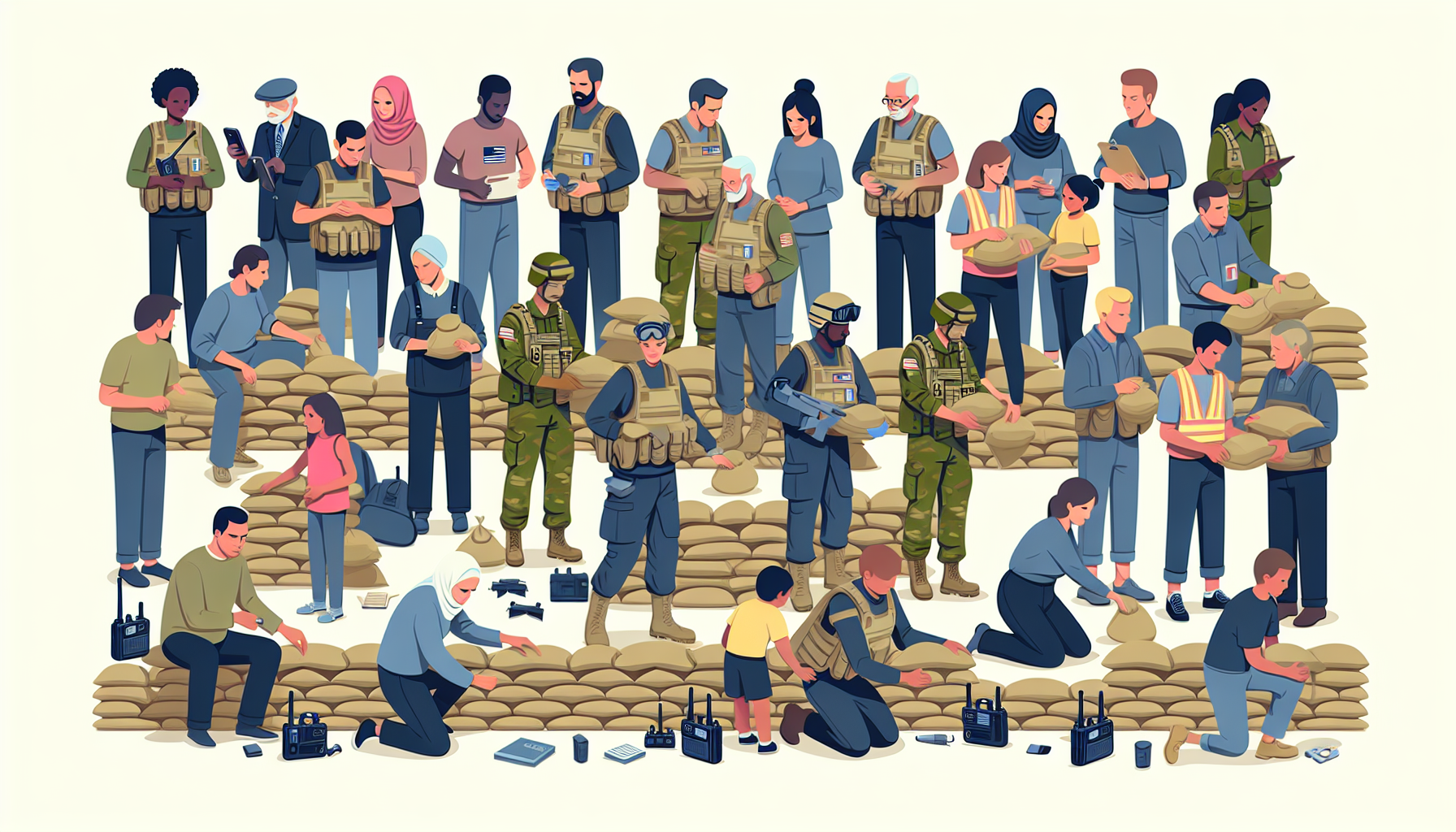
Related Articles

x