






We are privately owned and not affiliated or endorsed by any government agency.

Take the Benefits Quiz

Civil affairs operations (CAO)

Definition

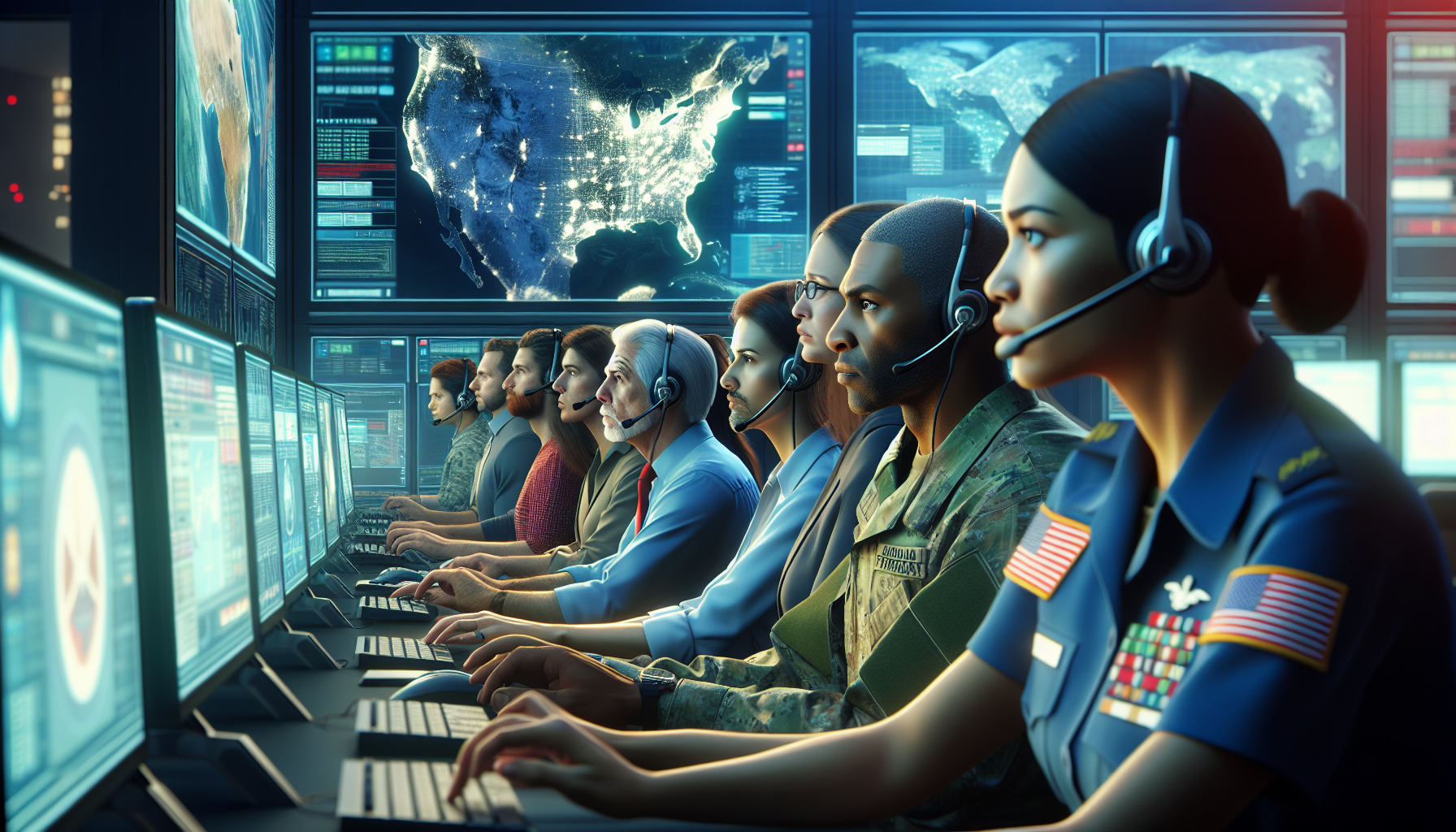
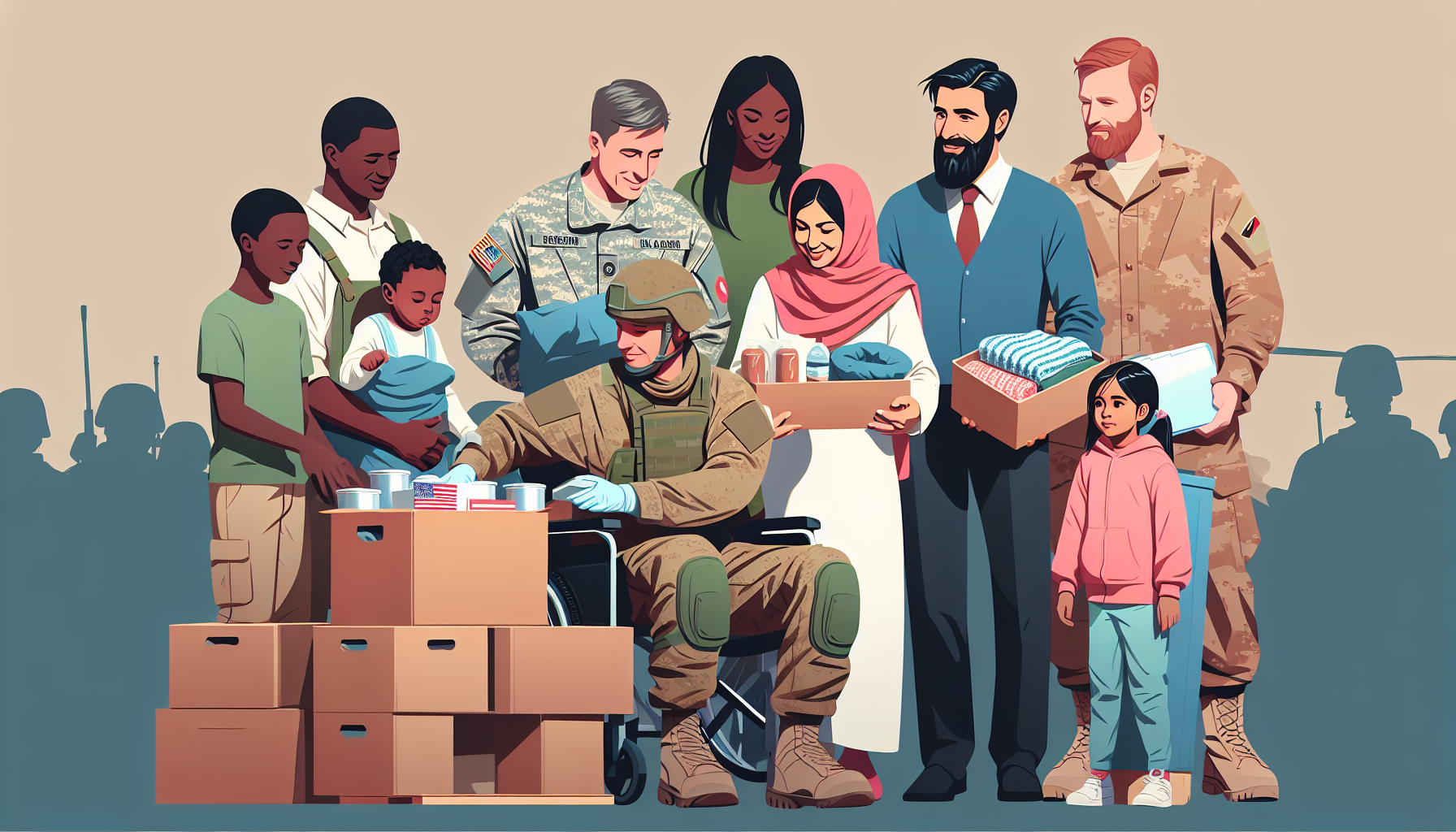
Civil affairs operations (CAO) refer to the activities carried out by military forces to establish, maintain, or enhance relations between the military, civil authorities, and the local population. These operations focus on minimizing the impact of military presence on civilians while fostering support for military missions. CAO can include humanitarian assistance, reconstruction efforts, and fostering cooperation with local governments and institutions.

Key Takeaways

  1. Civil Affairs Operations (CAO) are designed to support military objectives while simultaneously managing the impact on civilian populations, mitigating potential hostility, and fostering cooperation from local communities.
  2. CAO promotes stability within a region through activities such as humanitarian assistance, infrastructure development, establishment of civil administration systems, and support to non-governmental organizations.
  3. CAO often require collaboration with various interagency partners, host-nation support, and local leaders, thus necessitating strong communication and effective planning to achieve a favorable outcome for both military and civilian stakeholders.

Importance

Civil Affairs Operations (CAO) is a critical component of military operations, aiming to enhance the relationship between military forces, civil authorities, and the local population in conflict or disaster-affected areas.

By bridging the gap between military and civilian elements, CAO ensures better communication, coordination, and cooperation during missions, ultimately contributing to a more effective and successful outcome.

Through the establishment of a permissive environment, the facilitation of humanitarian aid, and the rebuilding of essential infrastructure, CAO plays a vital role in fostering goodwill, building trust, and garnering local support for military operations.

In essence, Civil Affairs Operations are instrumental in the stabilization and reconstruction of nations post-conflict, minimizing adverse consequences while enhancing the likelihood of long-term peace and stability.

Explanation

Civil affairs operations (CAO) serve a vital purpose in bridging the gap between military forces and civilian populations, particularly in regions experiencing conflict or instability. The primary objective of these operations is to maintain a positive relationship between the host nation and foreign military forces, ensuring that civilian needs are met and any disruptions caused by military activities are minimized.

By fostering goodwill and cooperation, civil affairs professionals play a crucial role in supporting national strategic objectives and ensuring the success of complex military endeavors. CAO encompass a wide range of activities aimed at reducing tensions, fostering understanding, and aiding in the overall reconstruction of affected areas.

To accomplish this, civil affairs personnel may engage in humanitarian assistance, disaster relief, and infrastructure development projects. Additionally, they work closely with local leaders, non-governmental organizations (NGOs), and international agencies to assess civilian needs and coordinate efforts to address them.

Through these efforts, military forces are better positioned to gain the trust and support of local communities, which ultimately contributes to a more stable and secure environment.

Examples of Civil affairs operations (CAO)

Operation Provide Comfort (1991): After the Gulf War in 1991, the United States, United Kingdom, France, and other coalition forces initiated Operation Provide Comfort to deliver humanitarian aid and protect Kurdish refugees in northern Iraq. This civil affairs operation aimed to provide shelter, food, and medical assistance to the refugees while also rebuilding infrastructure in the affected areas. Civil Affairs teams worked closely with non-governmental organizations (NGOs) and local officials to facilitate aid distribution and restore basic services.

Hurricane Katrina Relief Efforts (2005): Following the devastating effects of Hurricane Katrina in the United States, several branches of the US military were involved in civil affairs operations to assist affected communities. The US Army Reserve Civil Affairs and Psychological Operations Command (USACAPOC) worked closely with local and state governments, as well as non-military organizations to provide humanitarian assistance, evacuate survivors, and manage temporary shelters for displaced persons. They also played a crucial role in coordinating relief efforts and in the recovery phase – restoring utilities, infrastructure, and civilian services.

Operation United Assistance (2014-2015): During the West African Ebola outbreak in 2014-2015, the United States launched Operation United Assistance to provide humanitarian aid and contain the spread of the virus. As part of this civil affairs operation, military personnel from the US Army and other military branches collaborated with NGOs, local governments, and international organizations to establish treatment centers, train healthcare workers, and provide logistical support. Civil Affairs teams helped to bridge communication gaps and improve coordination among various stakeholders in the response effort.

FAQ – Civil Affairs Operations (CAO)

What are Civil Affairs Operations (CAO)?

Civil Affairs Operations (CAO) are activities conducted by military personnel to support civil authorities and the local population in the area where the military forces are deployed. This can include working with local governments, non-governmental organizations, and other partners to improve living conditions, enhance governance, and promote stability and security within the area.

What is the purpose of CAO?

The primary purpose of CAO is to foster a positive relationship between military forces and the civilian population in the area of operations. This is achieved by addressing the needs of the local population, promoting stability and security, and supporting reconstruction and development efforts. CAO also helps to mitigate any potential negative impact of military operations on the local population.

What are the main activities in CAO?

CAO can include a wide range of activities, such as providing humanitarian assistance, supporting local governance, conducting infrastructure projects like schools or hospitals, and promoting economic development. Additionally, Civil Affairs teams work closely with local leaders, non-governmental organizations, and other partners to identify and address the most pressing needs of the local population.

What role do Civil Affairs teams play in CAO?

Civil Affairs teams are specially trained military personnel responsible for planning, coordinating, and implementing CAO in the area of operations. They work closely with local leaders, organizations, and civil authorities to gather information, identify local needs and priorities, and develop plans to address them. They also serve as liaisons between the military and civilian stakeholders, ensuring effective communication and collaboration in support of the mission objectives.

How do CAO contribute to military missions?

CAO can be a critical component of military missions by helping to create a more stable and secure environment for military operations. By working with local populations and authorities, CAO can help to build trust and cooperation, reduce tensions, and minimize the risk of insurgency or other forms of unrest. This, in turn, enables military forces to focus on their primary mission objectives more effectively while minimizing the risk to all stakeholders.

Related Military Operation Terms

  • Humanitarian Assistance
  • Reconstruction Projects
  • Disaster Relief Operations
  • Civil-Military Coordination
  • Population and Resource Management

Sources for More Information

Benefits.com Advisors

With expertise spanning local, state, and federal benefit programs, our team is dedicated to guiding individuals towards the perfect program tailored to their unique circumstances.

Rise to the top with Peak Benefits!

Join our Peak Benefits Newsletter for the latest news, resources, and offers on all things government benefits.
Related Articles

Civil augmentation program (CAP)

Definition

The Civil Augmentation Program (CAP) is a military initiative designed to utilize civilian contractors to provide support and services during both peacetime and wartime operations. Contractors are employed to augment military forces with tasks such as base construction, facility management, logistics, and maintenance. CAP enables the military to efficiently allocate its resources while simultaneously benefiting from specialized skills provided by civilian companies.

Key Takeaways

  1. Civil Augmentation Program (CAP) is a strategic approach employed by various military organizations to supplement their personnel and logistic requirements by utilizing civilian contractors during peacekeeping, emergency, and wartime operations.
  2. CAP allows for efficient use of resources and decreases the need for active-duty military personnel in non-combat roles, enabling them to focus on their core combat-related tasks. Civilian contractors can provide services such as construction, transportation, logistics, and base support.
  3. Although CAP has several benefits, it also introduces potential security risks and increases dependency on civilian resources. Ensuring proper management, coordination, and oversight of these contracts and contractors is essential in maintaining operational effectiveness and mitigating risks.

Importance

The Civil Augmentation Program (CAP) is a crucial aspect of military operations because it allows governments to rapidly and efficiently strengthen their military forces during times of crisis, conflict, or heightened security needs.

By utilizing CAP, the military is able to tap into the skills and expertise of civilians and private contractors to supplement their military capabilities, support logistical needs, and achieve operational goals more effectively.

This enhances the adaptability and versatility of the armed forces, and eases the strain on military resources and personnel without compromising mission success.

Additionally, CAP fosters cooperation between the civilian and military sectors, encouraging collaboration and knowledge transfer, which ultimately contributes to the overall strength, stability, and security of a nation.

Explanation

The Civil Augmentation Program (CAP) is a crucial aspect of military operations that focuses on enhancing the effectiveness and efficiency of combat forces, primarily by integrating civilian contractors into the support system. The primary purpose of CAP is to provide comprehensive services and resources to the military, ranging from logistical support, equipment maintenance, and construction to base operations support and general administrative duties.

Through CAP, the military can draw expertise and skills from a vast pool of contractors, allowing military personnel to focus on mission-critical tasks while civilian experts handle non-combat responsibilities. This not only contributes to the smooth functioning of military operations, but also alleviates the burden from service members in terms of non-combat tasks, ultimately enhancing the overall mission readiness.

CAP is particularly beneficial in times of crisis or deployment to foreign areas, where the availability of local resources may be limited, and therefore, contractors can fill the gaps in support operations. By utilizing civilian contractors through the Civil Augmentation Program, military organizations can effectively leverage valuable resources and ensure an uninterrupted, optimized flow of goods and services.

This collaboration between civilian resources and military forces allows for a more seamless and effective execution of military operations, ultimately leading to the attainment of strategic objectives. Consequently, CAP plays a pivotal role in enhancing the overall operational capacity and agility of the military, thereby contributing significantly to the success of national defense strategies and objectives.

Examples of Civil augmentation program (CAP)

Logistics Civil Augmentation Program (LOGCAP): One of the most well-known Civil Augmentation Programs is the Logistics Civil Augmentation Program in the United States. Established in 1985, LOGCAP is an initiative where civilian contractors provide various logistical support to the U.S. military during wartime, peacekeeping missions, and humanitarian assistance efforts. Civilian contractors carry out services such as housing construction, catering, laundry facility management, and supply chain management, allowing the military to focus on core combat and strategic operations.

Korean Augmentation to the United States Army (KATUSA): Established in 1950 during the Korean War, the KATUSA program involved South Korean soldiers augmenting the United States Army. These South Korean soldiers are integrated into U.S. military units and serve alongside American soldiers under their command structures. This cooperation between the U.S. and South Korean forces helps improve communication, coordination, and overall effectiveness in joint military operations on the Korean Peninsula.

United Kingdom’s Contractor Logistic Support (CLS): The United Kingdom’s Ministry of Defence has utilized civilian contractors in various capacities to support British military operations and manage infrastructure. The CLS program typically involves providing logistical support such as maintaining equipment, repairing and resupplying, and handling administrative tasks. An example of CLS in action is when civilian contractors provided support to the British Armed Forces during their operations in the Balkans, Iraq, and Afghanistan.

FAQ Section: Civil Augmentation Program (CAP)

What is the Civil Augmentation Program (CAP)?

The Civil Augmentation Program (CAP) refers to a military program that partners with civilian companies to augment the military’s capabilities during peacetime, wartime, and contingency operations. It grants the military access to rapid support, additional resources, and unique services, allowing them to focus on mission-critical tasks more efficiently.

What are the objectives of the CAP?

The main objectives of the CAP are to enhance military operational efficiency, minimize the deployment of military personnel in non-combat roles, leverage civilian technical expertise, reduce logistical footprint, and enable the military to focus on core mission areas. CAP also aims to streamline and improve resource allocation during planned and unplanned operations, as well as emergency situations.

Which services are covered under the CAP?

Services covered under the CAP include logistics support, transportation, maintenance, engineering, medical services, billeting, sanitation, food services, and other essential support functions. The range of services can be tailored to suit the specific operational requirements of each military operation or mission.

How does the CAP benefit the military?

The CAP benefits the military by leveraging civilian expertise to perform non-combat support functions and allowing service members to focus on essential military operations. It enhances efficiencies through cost-effective and adaptable resource management and provides rapid support and capacity building during peacetime, wartime, and contingency operations. Additionally, CAP helps reduce the logistical burden on military personnel and improves their force sustainability.

Who are the key stakeholders in the Civil Augmentation Program?

The key stakeholders in the CAP include the Department of Defense, military services, combatant commands, defense contractors, and civilian companies that provide required services. These stakeholders work together to ensure that all operational requirements are fulfilled while maintaining the highest standards of quality and efficiency.

Related Military Operation Terms

  • Military Contractor Support
  • Logistics Civil Augmentation Program (LOGCAP)
  • Force Generation
  • Installation Support Services
  • Operational Contract Support (OCS)

Sources for More Information

Benefits.com Advisors

With expertise spanning local, state, and federal benefit programs, our team is dedicated to guiding individuals towards the perfect program tailored to their unique circumstances.

Rise to the top with Peak Benefits!

Join our Peak Benefits Newsletter for the latest news, resources, and offers on all things government benefits.

Related Articles

Civil authorities

Definition

Civil authorities, within the context of military operations, refer to the legally empowered government agencies or officials responsible for maintaining public order, safety, and welfare within a specific region or jurisdiction. These authorities include federal, state, and local government entities, as well as law enforcement agencies. Military operations often collaborate with civil authorities to support the mission, ensure a unified effort, and foster the protection of the local populace.

Key Takeaways

  1. Civil authorities are non-military government bodies responsible for maintaining law and order, public safety, and providing essential services to the civilian population.
  2. In times of crisis or emergency, military forces can collaborate with civil authorities to provide support such as disaster relief, search and rescue, and security operations.
  3. The interaction between military operations and civil authorities is governed by legal frameworks, policies, and guidelines that ensure a balance between civilian control and military effectiveness in accomplishing the mission.

Importance

The term “civil authorities” is important in military operations as it refers to the various non-military governmental entities, such as local, regional, and national bodies, that have jurisdiction over specific territories and populations.

In the context of military operations, coordination and cooperation with civil authorities are essential to ensure that the actions taken by the armed forces are in line with legal frameworks, policies, and overall public welfare objectives.

Establishing and maintaining clear communication channels and working relationships between the military and civil authorities help facilitate effective responses in times of crisis, reinforce civil-military collaboration, and ultimately contribute to the maintenance of domestic and international security, order, and stability.

Explanation

Civil authorities play a crucial role in ensuring the safety, security, and well-being of a nation’s citizens, especially during military operations. Their primary purpose is to maintain law and order and coordinate with military forces to facilitate a smooth functioning of the overall security apparatus.

By providing an efficient communication channel and collaboration between the military and government entities, civil authorities contribute to the seamless execution of national defense strategies, restoration, and maintenance of public order amidst crises, and upholding the government’s mandate in protecting its citizens. Furthermore, their extensive knowledge of the local terrain and socio-political dynamics enables them to better support and guide the military forces operating within their jurisdiction.

One of the crucial tasks that civil authorities engage in is coordinating and liaising between various law enforcement agencies, emergency services, and key stakeholders during military missions or disaster relief efforts. For instance, civil authorities may take charge of organizing evacuation plans, providing critical on-the-ground intelligence, handling detained persons, and establishing preliminary humanitarian aid.

Through their proactive involvement in these domains, civil authorities ensure that a comprehensive approach is taken, effectively addressing both immediate and long-term security and humanitarian concerns in their areas of responsibility. This collaboration between the civil and military sectors ultimately serves as a cohesive force, strengthening a nation’s ability to respond swiftly and effectively to any external and internal threats or emergencies.

Examples of Civil authorities

Hurricane Katrina Disaster Relief (2005): In the aftermath of Hurricane Katrina, a powerful storm that devastated the Gulf Coast in the United States, civil authorities from various levels of government (local, state, and federal) sought assistance from the military to conduct rescue and relief operations. The military worked closely with civil authorities to provide aid to affected communities, evacuate stranded individuals, and rebuild damaged infrastructure.

Boston Marathon Bombing (2013): In response to the terrorist attack on the Boston Marathon in April 2013, which killed three people and injured hundreds more, civil authorities requested military assistance. The Massachusetts National Guard was called upon to help secure the area during the manhunt for the suspects, as well as to provide medical support, bomb detection, and security at subsequent public events. The military personnel operated under the direction and control of local civil authorities while performing their assigned tasks.

COVID-19 Pandemic Response (2020-2021): The global pandemic caused by the novel coronavirus led to an unprecedented call for military support from civil authorities around the world. In the United States, the National Guard and active-duty military personnel were activated to assist in various roles, such as running testing sites, distributing vaccines, providing medical support in hospitals, and constructing temporary care facilities. In addition, military planners, logisticians, and other experts were embedded with civil authorities to help manage the crisis effectively.

FAQs about Military Operations Involving Civil Authorities

1. What are military operations involving civil authorities?

Military operations involving civil authorities are operations where the military provides support or works in coordination with civilian organizations, often during emergencies, disasters, or crises. These operations can include law enforcement, disaster response, and humanitarian assistance.

2. When do military operations assist civil authorities?

Military operations are called upon to assist civil authorities when local and state resources are overwhelmed or when specialized military capabilities are required. This can happen during natural disasters, terrorism incidents, or other emergencies that exceed the capacity of civilian organizations.

3. What is the role of civil authorities in these operations?

Civil authorities play a key role in commanding, coordinating, and organizing the response to emergencies. They request assistance from the military when needed, and they collaborate with military commanders to ensure that the provided support aligns with the objectives of the civil authorities and serves the interests of the local population.

4. How are military resources allocated during these operations?

Resources are allocated based on the needs and priorities identified by the civil authorities and military commanders. Military personnel and equipment are deployed as efficiently as possible to support the relief efforts and ensure the safety and well-being of those affected. The amount and duration of military support are determined by the scope of the emergency and the availability of military resources.

5. How do military operations involving civil authorities impact the community?

When military operations support civil authorities, the community often benefits from the specialized services, resources, and expertise that the military can provide. This can result in faster and more effective responses to emergencies, reduced loss of life and property, and more efficient recovery efforts. However, there may be temporary disruptions to the daily lives of community members during these operations, and it is essential to maintain effective communication between the military, civil authorities, and the community to minimize any negative impact.

Related Military Operation Terms

  • Military Discharge Status
  • Veterans Benefits Administration (VBA)
  • Post-9/11 GI Bill
  • VA Healthcare System
  • Disability Compensation

Sources for More Information

Benefits.com Advisors

With expertise spanning local, state, and federal benefit programs, our team is dedicated to guiding individuals towards the perfect program tailored to their unique circumstances.

Rise to the top with Peak Benefits!

Join our Peak Benefits Newsletter for the latest news, resources, and offers on all things government benefits.
Related Articles

Civil authority information support (CAIS)

Definition

Civil Authority Information Support (CAIS) refers to the provision of information, resources, and assistance by military forces to civil authorities, such as local governments and law enforcement agencies. The aim is to support their operations during emergencies, disasters, or civil unrest. CAIS typically involves sharing intelligence, expertise, and coordinating efforts to enhance public communication, safety, and overall effectiveness of the response.

Key Takeaways

  1. Civil Authority Information Support (CAIS) refers to the activities, resources, and communications used by military forces to assist civilian authorities in managing public information during crises, emergencies, or other specific events.
  2. The main purpose of CAIS is to facilitate accurate and timely information exchange between civil authorities and the public, ensuring transparency and effective communication in matters related to safety, security, and recovery efforts.
  3. CAIS activities may include public affairs support, media relations, social media engagement, and community outreach, all aimed at fostering a positive relationship between military forces, civilian authorities, and the general population in an area of operations.

Importance

Civil Authority Information Support (CAIS) is a crucial aspect of military operations as it bridges the gap between military forces and civil authorities, ensuring seamless coordination, communication, and cooperation during missions.

CAIS encompasses the sharing of vital information, joint decision-making, and the provision of necessary resources to civil authorities for the effective management of complex situations, such as natural disasters, security threats, and humanitarian crises.

By fostering a strong relationship between military and civil domains, CAIS not only enhances the effectiveness and efficiency of military operations but also bolsters public confidence in the institutions responsible for safeguarding lives, property, and national security.

Explanation

Civil Authority Information Support (CAIS) serves a vital purpose in military operations, particularly when it comes to facilitating collaboration and coordination between military forces and civilian authorities. The primary objective of CAIS is to enable the seamless exchange of information and provide comprehensive situational awareness, ensuring that both military and civil entities are well-informed and can make data-driven decisions.

By improving communication and fostering a strong working relationship between these organizations, CAIS enhances the effective implementation of military support in disaster response, humanitarian aid, and other similar scenarios where civil-military cooperation is essential. In practical terms, CAIS usually takes the form of a liaison team or dedicated information-sharing platform where military personnel and civilian officials can collaborate on planning, decision-making, and resource allocation.

This unified approach ensures that military support is tailored to the specific needs and priorities of the civilian authorities and ultimately benefits the affected community. Furthermore, CAIS activities contribute to strengthening trust and mutual understanding between the two entities, which can result in more effective civil-military collaboration during future operations.

Thus, CAIS is not only crucial for the success of individual missions, but also serves as a significant component in the long-term development of robust civil-military partnerships.

Examples of Civil authority information support (CAIS)

Hurricane Katrina Response (2005): In the aftermath of Hurricane Katrina in the United States, the military provided extensive support to civil authorities by assisting in search and rescue, disaster relief operations, and distribution of essential supplies and services. Under the framework of CAIS, military personnel worked closely with the Federal Emergency Management Agency (FEMA) and other local civil authorities to coordinate efforts, share critical information, and effectively respond to the disaster.

Operation Tomodachi (2011): Following the Great East Japan Earthquake and consequent tsunami, the United States military conducted Operation Tomodachi to provide support and assistance to Japanese self-defense forces and civil authorities. Elements of CAIS were utilized to facilitate communication between the Japanese government, the U.S. military, and other relief organizations to support search, rescue, and reconstruction efforts in the affected areas.

European Migrant Crisis (2015-2016): During the peak of the European migrant crisis, military forces from various countries provided support to civil authorities in dealing with the influx of refugees and migrants. In countries such as Germany, Italy, and Greece, the military helped set up reception centers, provide logistical support to humanitarians, and assist in search and rescue missions for migrants at sea. CAIS played a vital role in ensuring effective communication and cooperation between military and civilian agencies, providing timely information on the evolving situation, and allocating resources accordingly.

FAQ: Civil Authority Information Support (CAIS)

What is Civil Authority Information Support (CAIS)?

Civil Authority Information Support (CAIS) is a military operation aimed at assisting civil authorities in disseminating accurate and timely information to the public during times of crisis or emergency situations. This may involve the use of military assets and personnel to support information and communication efforts.

What is the purpose of CAIS operations?

The primary purpose of CAIS operations is to support civil authorities in maintaining public safety, order, and confidence during a crisis or emergency situation. This may involve providing resources or support for public information campaigns, coordinating with various agencies, and ensuring reliable communication channels.

What kind of activities are involved in CAIS operations?

Activities in CAIS operations may include, but are not limited to, providing public affairs support, strategic communication support, media relations, crisis communication, social media management, and public information dissemination. These activities are designed to help civil authorities inform and engage with the public during challenging situations.

How do CAIS operations benefit civil authorities?

CAIS operations benefit civil authorities by providing additional resources, expertise, and support for their information and communication efforts. This can help ensure that the public remains informed, safe, and resilient during a crisis or emergency situation. Additionally, CAIS operations can enhance the credibility and effectiveness of the civil authority’s messaging.

What are some examples of situations where CAIS may be implemented?

Some examples of situations where CAIS may be implemented include natural disasters, public health crises, terrorist attacks, civil unrest, or any other incident that requires a coordinated and effective public information response from civil authorities. In such situations, the military can provide valuable support to help civil authorities manage communications and maintain public trust.

Related Military Operation Terms

  • Disaster Response Assistance
  • Emergency Management Coordination
  • Information Sharing and Collaboration
  • Public Safety Outreach
  • Crisis Communication Strategies

Sources for More Information

Benefits.com Advisors

With expertise spanning local, state, and federal benefit programs, our team is dedicated to guiding individuals towards the perfect program tailored to their unique circumstances.

Rise to the top with Peak Benefits!

Join our Peak Benefits Newsletter for the latest news, resources, and offers on all things government benefits.

Related Articles

Civil emergency

Definition

A civil emergency is a situation or event that poses a significant threat to the general public’s safety, health, or well-being, typically requiring immediate intervention and assistance from civilian authorities and emergency services. It can arise from natural disasters, human-made incidents, public health emergencies, or other large-scale crises. While not primarily a military situation, military forces may be called upon to assist in response and recovery efforts when civilian resources are overwhelmed or inadequate.

Key Takeaways

  1. Civil emergency refers to situations or events that pose an imminent threat to the public’s safety, health, or welfare and often require immediate intervention from the military, law enforcement, or emergency service personnel.
  2. These emergencies can be caused by natural disasters like earthquakes, hurricanes or floods, human-made crises like terrorist attacks or unrest, and technological dangers like nuclear accidents or chemical spills.
  3. The role of the military during a civil emergency can include providing humanitarian aid, rescuing citizens, maintaining order, and supporting local authorities. Their presence aims to minimize the impact of the emergency, reestablish normalcy, and protect the community’s well-being.

Importance

The term “civil emergency” is important in military operations because it refers to situations where civilian authorities require the assistance of military forces to effectively respond to emergencies that threaten public safety, health, or welfare.

These emergencies can include natural disasters, large-scale accidents, or civil unrest.

Military support during civil emergencies is crucial in providing immediate aid, mitigating damage, and restoring normalcy.

Additionally, the involvement of military forces helps in efficiently coordinating resources, expertise, and logistics to ensure public safety and security, demonstrating the critical role they play in supporting civilian agencies during times of crisis.

Explanation

Civil emergencies are critical situations that necessitate immediate and decisive action from military and government authorities to prevent or manage substantial harm to the public. These unforeseen events can result from natural disasters, such as hurricanes, floods, or earthquakes, or human-induced crises, such as riots, terrorist attacks, or widespread disease outbreaks. The purpose of declaring a civil emergency is to safeguard lives, protect property, maintain law and order, and preserve normal societal functions.

It often requires a coordinated response from various departments and organizations, such as emergency services, military units, medical teams, law enforcement agencies, and local government entities. In a civil emergency, military operations play a vital role in supporting civilian authorities and implementing comprehensive strategies to minimize damage and suffering. Operating under the direction of the national government, military forces can offer unique capabilities and resources that may not be available to local civilian agencies.

These include search and rescue efforts, medical assistance, logistical and infrastructural support, and temporary shelter for displaced residents. Military operations during a civil emergency are not only focused on addressing the immediate effects of the crisis but also on enabling the affected areas to swiftly transition back to normalcy. Consequently, by providing essential aid, ensuring public safety, maintaining stability, and facilitating recovery, military involvement in civil emergencies serves as a crucial mechanism to mitigate and manage large-scale crises effectively.

Examples of Civil emergency

Hurricane Katrina (2005) – The U.S. military participated significantly in the response to Hurricane Katrina, which devastated New Orleans and other parts of the Gulf Coast in

National Guard units, active-duty military personnel, and equipment were deployed to assist with search and rescue, evacuation efforts, and providing logistics support for the affected areas. This civil emergency required close coordination between the military, federal, state, and local authorities to ensure an effective response to the disaster.

Fukushima Nuclear Disaster (2011) – In March 2011, a massive earthquake and tsunami struck the coast of Japan, causing a meltdown at the Fukushima Daiichi Nuclear Power Plant. In response, the Japanese Self-Defense Forces were mobilized, alongside civilian first responders, to conduct search and rescue operations, evacuate affected populations, and provide assistance in mitigating the nuclear crisis. The U.S. military also provided support, with Operation Tomodachi, offering helicopter airlifts, relief supplies, and technical expertise to help the Japanese government in dealing with the civil emergency situation.

COVID-19 Pandemic (2020-present) – The outbreak of COVID-19 has necessitated the use of military resources in various countries to address the public health crisis. The military has been called upon to assist with logistics, field hospital setup and management, medical support, vaccination efforts, and provision of additional healthcare personnel in overburdened healthcare systems. For example, the U.S. National Guard has been deployed to aid in the response to the pandemic, providing testing sites, food distribution, and support to hospitals. In many countries, the military’s role in responding to the pandemic has been essential in mitigating the public health effects and supporting civil institutions.

FAQ: Civil Emergency

What is a civil emergency?

A civil emergency is an event that poses a serious threat to public safety and requires immediate response from government agencies and emergency personnel. It may be caused by natural disasters, such as floods and hurricanes, or human-made incidents, such as infrastructure failures, industrial accidents, or terrorist attacks.

What is the role of the military in a civil emergency?

The military plays a vital role in civil emergency situations, providing support to civilian authorities such as local emergency services and government agencies. This assistance might include search and rescue operations, security and crowd control, transportation of goods and personnel, and aid in disaster recovery and reconstruction efforts.

How is the military prepared to handle civil emergencies?

Military forces are trained in specific skills and possess specialized equipment that enable them to respond rapidly to a variety of civil emergency situations. Their capabilities include air-lifting supplies, setting up medical facilities, maintaining order, and conducting search and rescue missions.

How do civil emergency response organizations work with the military during an incident?

During a civil emergency, cooperation and communication between civilian response organizations and military forces are essential to ensure an effective and coordinated response. This collaboration can include joint training exercises, information sharing, and resource pooling to maximize efficiency and minimize the potential for confusion during the actual event.

What additional resources do military forces receive during civil emergencies?

During a civil emergency, military forces receive additional resources from governmental and non-governmental agencies, depending on the nature of the situation. This includes equipment, personnel, and funding to support the response effort. The national government may also authorize reserve and national guard units to be activated, providing even greater support during the crisis.

Related Military Operation Terms

  • Disaster Relief Assistance
  • Emergency Management
  • Temporary Housing Support
  • Emergency Medical Services
  • Public Safety Operations

Sources for More Information

Benefits.com Advisors

With expertise spanning local, state, and federal benefit programs, our team is dedicated to guiding individuals towards the perfect program tailored to their unique circumstances.

Rise to the top with Peak Benefits!

Join our Peak Benefits Newsletter for the latest news, resources, and offers on all things government benefits.
Related Articles

Civilian internee (CI)

Definition

A Civilian Internee (CI) refers to a person who is detained or confined by a party during an armed conflict, military occupation, or other armed hostilities, primarily for their own safety, due to security reasons or for intelligence purposes. These individuals are not combatants but may have valuable information or pose risks if left free. The treatment, rights, and protection of Civilian Internees are governed by the provisions established under the Geneva Conventions.

Key Takeaways

  1. A Civilian Internee (CI) is a term used to describe a noncombatant person who, during an armed conflict or military occupation, is detained by an armed force for reasons of security.
  2. CIs are entitled to protection under international humanitarian law, such as the Geneva Conventions, which outline standards for humane treatment, fair trial, and release as soon as the security reasons for their detention no longer exist.
  3. Military forces have a duty to refrain from harming or using excessive force towards civilian internees; mistreating or violating the human rights of such individuals can result in sanctions or legal actions against the responsible military personnel.

Importance

The military operations term “Civilian Internee (CI)” is important because it refers to civilians who are detained by warring parties during armed conflicts for security reasons, their own protection, or due to their affiliation with hostile forces.

This classification helps in distinguishing these individuals from prisoners of war (POWs), who are typically combatants or military personnel, and ensuring that they are treated in accordance with international humanitarian law.

Recognizing the rights and vulnerable status of civilian internees can prevent inhumane treatment, ensure their basic needs are met, and ultimately contribute to the promotion of humane and ethical conduct during armed conflicts.

Explanation

The purpose of classifying individuals as Civilian Internees (CI) serves a crucial function in modern military operations, ensuring the protection and humane treatment of individuals who may find themselves in a conflict zone but are not considered combatants. In essence, they are non-combatant civilians who are taken into custody by military forces for security reasons, their own protection, or for other humanitarian purposes.

Typically, these may include people who have inadvertently entered a restricted or dangerous area, have provided aid to one of the warring parties, or have been found in areas where combat or hostile acts have taken place. This notion is rooted in international humanitarian law, which dictates that these civilians must be treated humanely and provided with the basic necessities of life, such as food, water, clothing, and medical care.

Civilian Internee status is used to ensure that civilians caught in the midst of military operations are not subjected to unlawful treatment or harm. It mandates that proper procedures are put in place for their temporary internment, including access to a fair and transparent legal process should allegations of wrongdoing arise.

Additionally, by categorizing individuals under CI status, military forces are duty-bound to uphold their obligations under international law, including the Geneva Conventions, which safeguard the rights, welfare, and dignity of these non-combatants. Ultimately, the concept of Civilian Internee serves as an essential protection mechanism for vulnerable individuals who find themselves caught in the crossfire of war, providing them with a recognized and protected status that promotes their safety, humane treatment, and eventual return to their normal lives.

Examples of Civilian internee (CI)

Japanese American Internment during World War II: Following the attack on Pearl Harbor in 1941, the US government deemed Japanese Americans as potential security threats and forcibly relocated around 120,000 people of Japanese ancestry from the West Coast to internment camps. Most of these internees were US citizens and were detained without trial, making them civilian internees. In 1988, the US government formally apologized for this internment and provided reparations to surviving Japanese American internees.

Bosnian War (1992-1995): During the Bosnian War, multiple detention camps were established where civilians were held by the various factions involved in the conflict. For example, the Omarska camp operated by Bosnian Serb forces held predominantly Bosniak (Bosnian Muslim) and Croat civilians, subjecting them to inhumane conditions, forced labor, physical torture, and sexual violence. The international community recognized these held civilians as civilian internees following the military operations term.

Guantanamo Bay Detention Camp: The Guantanamo Bay detention camp, established in 2002 following the US invasion of Afghanistan, has held numerous individuals suspected of being involved in terrorism or being enemy combatants. While the US government designates them as “unlawful enemy combatants” rather than civilian internees, this classification remains controversial. Human rights organizations and legal experts often argue that some detainees should be considered civilian internees as they have not been provided with proper legal trials or official prisoner-of-war status.

FAQs on Civilian Internee (CI)

1. What is a Civilian Internee (CI)?

A Civilian Internee (CI) is a civilian who is interned during an armed conflict or occupation for security reasons, or for any other reason related to the conflict. They may be citizens of the occupied territory, neutral individuals, or even enemy nationals.

2. How does the status of a CI differ from that of a prisoner of war (POW)?

While both CIs and POWs are detained individuals with certain rights and protections under international law, CIs differ from POWs in that they are civilians and not members of the armed forces. POWs are entitled to certain privileges, such as being treated as prisoners and not criminals, while CIs do not necessarily enjoy the same status.

3. Under which international laws are Civilian Internees protected?

Civilian Internees are protected under various international laws, including the Geneva Conventions, particularly the Fourth Geneva Convention relating to the Protection of Civilian Persons in Time of War, and the Additional Protocols I and II to the Geneva Conventions, which provide specific protections to CI.

4. What are the basic rights and protections granted to Civilian Internees?

Generic rights and protections granted to Civilian Internees include humane treatment, access to food, water, and medical care, the right to communicate with their families, protection against violence, and the prohibition of forced labor. Additionally, they are entitled to fair treatment and due process in disciplinary and judicial proceedings.

5. When can a Civilian Internee be released?

A Civilian Internee must be released as soon as the reasons for their internment cease to exist or the situation that led to their internment has been resolved. The detaining authority must also periodically review the necessity for continued internment throughout the internee’s detention.

Related Military Operation Terms

  • Internment Camps
  • Geneva Conventions
  • Repatriation
  • Noncombatant Detainee
  • Post-Internment Compensation

Sources for More Information

Benefits.com Advisors

With expertise spanning local, state, and federal benefit programs, our team is dedicated to guiding individuals towards the perfect program tailored to their unique circumstances.

Rise to the top with Peak Benefits!

Join our Peak Benefits Newsletter for the latest news, resources, and offers on all things government benefits.

Related Articles

Civil information

Definition

Civil information refers to data about the civil environment, including the population, organizations, institutions, and activities within a particular area. This information is crucial for military forces during operations to better understand the local context and the potential impact of their presence on civilians. The collection, analysis, and dissemination of civil information help in planning and executing military operations while minimizing harm to the local population.

Key Takeaways

  1. Civil information refers to the collection, analysis, and dissemination of data about the civil component of the operational environment during military operations. This encompasses information about key aspects of the civilian population, such as their culture, demographics, and infrastructure.
  2. Understanding civil information is critical for effective planning and execution of military operations, as it helps commanders to decide on the best course of action, minimize collateral damage, and enhance cooperation with the local population, thereby reducing misunderstandings and potential conflicts.
  3. Civil Information Management (CIM) is the process by which military units coordinate and organize civil information. This involves sharing important civil information among relevant personnel and organizations, ensuring accurate data is efficiently collected and disseminated, and ultimately, supporting decision-making and overall mission success.

Importance

Civil information is a crucial component of military operations as it encompasses the collection, analysis, and dissemination of data concerning the local population, infrastructure, and other key societal aspects within a given area.

This information plays a vital role in allowing military commanders to plan and execute operations, ensuring minimal collateral damage and maximum effectiveness.

Furthermore, understanding the civil landscape enables better coordination with local authorities, promotes a successful partnership with the civilian population, and ultimately fosters stability within the region.

By incorporating civil information into their decision-making process, military leaders can achieve strategic objectives while maintaining the support of the local community and reducing potential unintended consequences.

Explanation

Civil information is a military operations term that refers to information obtained from non-military sources, such as civilian authorities, organizations, and individuals within an operational area. Its purpose is to provide a comprehensive understanding of the civil dimension of a specific environment, contributing to the decision-making processes and overall effectiveness of military operations.

By integrating civil information into military planning and operational activities, forces have a greater ability to adapt, respond, and properly address the needs of the local population, developing a more comprehensive situational awareness that can significantly impact the success of a mission. The utilization of civil information serves several purposes in military operations.

It helps in identifying and addressing critical local factors and issues, such as cultural, social, economic, and infrastructure elements, which may play a significant role in shaping the environment and influencing the outcome of a conflict. Additionally, civil information allows for more effective coordination with local authorities, non-governmental organizations, and other actors operating in the area, fostering cooperation and collaboration in achieving shared objectives.

By understanding the human terrain and civil dynamics, military forces can develop more appropriate and targeted strategies to protect, support, and engage with civilian populations, creating an environment conducive to post-conflict stability and reconstruction.

Examples of Civil information

Civil information refers to any non-classified information about the civil population, infrastructure, and organizations within an area of operations, which can be useful in supporting military objectives and the planning and execution of military operations. Here are three real-world examples of civil information in military operations:

Humanitarian Assistance and Disaster Relief (HADR) Operations:During the response to natural disasters, such as earthquakes, hurricanes, or floods, civil information helps military units coordinate with the local population, NGOs, and government agencies to provide aid effectively. Examples include the U.S. military’s response to the 2010 Haiti earthquake and humanitarian operations following the 2004 Indian Ocean tsunami.

Stability and Peacekeeping Operations:In stability and peacekeeping missions, civil information is crucial to understanding the local population’s needs and concerns while monitoring and ensuring their safety. The United Nations peacekeeping efforts in Liberia, which included extensive collaborations with the local government, NGOs, and the population, is an example where civil information played an essential role in promoting stability.

Counterinsurgency Operations:During counterinsurgency operations, such as the U.S. military’s efforts in Iraq and Afghanistan, civil information helps in understanding local communities’ dynamics, developing relationships with local leaders, identifying potential threats, and bolstering support for government efforts. This information can aid in creating targeted strategies to undermine the insurgents’ influence while gaining the trust and support of the affected population.In each of these examples, leveraging civil information helps military forces tailor their approach, reduce potential risks, and increase the likelihood of successful outcomes in support of their broader objectives.

FAQ – Civil Information

What is civil information in military operations?

Civil information refers to data and knowledge pertaining to the civilian population, organizations, and infrastructure within an operational environment. It is a critical component of military operations, as it assists in planning, executing, and assessing missions effectively.

How does military gather civil information?

Military personnel gather civil information through various means, including direct interactions with the local populace, working with other governmental and non-governmental organizations, partner nations, and by analyzing open-source intelligence and geospatial data.

What are some common uses of civil information in military operations?

Common uses of civil information in military operations include understanding the local culture and customs, developing situational awareness, supporting security cooperation activities, minimizing civilian harm during armed conflict, and facilitating the delivery of humanitarian assistance.

What role do civil affairs personnel play in gathering and using civil information?

Civil affairs personnel serve as specialists in gathering, analyzing, and disseminating civil information. They interact directly with civilian populations and organizations, coordinate efforts with various partners, and contribute to mission planning and assessment to ensure civil considerations are taken into account during military operations.

How is civil information used for targeting purposes in military operations?

Civil information is utilized in the process of targeting during military operations to ensure adherence to the principles of distinction and proportionality. This information helps identify and discriminate between legitimate military targets and civilian populations and infrastructure, minimizing collateral damage and supporting compliance with international humanitarian law.

Related Military Operation Terms

  • VA Pension Benefits
  • VA Disability Compensation
  • Survivors’ Benefits
  • Veterans Education Assistance
  • Vocational Rehabilitation and Employment Services

Sources for More Information

Benefits.com Advisors

With expertise spanning local, state, and federal benefit programs, our team is dedicated to guiding individuals towards the perfect program tailored to their unique circumstances.

Rise to the top with Peak Benefits!

Join our Peak Benefits Newsletter for the latest news, resources, and offers on all things government benefits.
Related Articles

Civil information management (CIM)

Definition

Civil Information Management (CIM) refers to the process of collecting, analyzing, and utilizing information pertaining to the civil component of the operational environment during military operations. This information is used to support decision-making, enhance situational awareness, and facilitate coordination among military, civil authorities and the local population. In essence, CIM seeks to improve the effectiveness and efficiency of military operations by promoting understanding and collaboration between military forces and civilian entities.

Key Takeaways

  1. Civil Information Management (CIM) is a military process that involves the collection, analysis, and dissemination of information related to the civil environment, such as local infrastructure and needs, in order to support and integrate with military operations.
  2. Effective CIM helps military commanders to make informed decisions, maintain situational awareness, and build positive relationships with the local population, thereby enhancing the overall success and effectiveness of military operations while minimizing civilian harm.
  3. CIM requires robust, secure, and efficient communication channels among various stakeholders, including the military, local authorities, and other sources of civil information, in order to effectively share critical data and coordinate efforts in real-time during operations.

Importance

Civil Information Management (CIM) is vital to military operations because it enables effective communication and cooperation between military forces and civilian organizations, fostering a secure and stable environment during times of conflict or emergency situations.

By gathering, analyzing, and disseminating relevant civil information, it aids decision-makers in understanding the local socio-cultural landscape and addressing the needs of affected populations.

CIM helps military forces better coordinate with local governments, humanitarian agencies, and other stakeholders to support civil affairs and counterinsurgency efforts, mitigate risks to civilians, and enhance the overall success and legitimacy of military missions.

This holistic approach promotes synergy between military and civilian efforts, ultimately leading to positive, sustainable outcomes for both the local communities and the military forces involved.

Explanation

Civil information management (CIM) serves a critical purpose within the scope of military operations, especially in contemporary conflict landscapes where non-combatant dynamics significantly influence the outcome of missions. The primary purpose of CIM is to facilitate the systematic collection, analysis, and dissemination of data pertaining to civil entities, such as local populations, infrastructure, organizations, and leaders, that operate within a military area of responsibility.

By doing so, CIM supports informed decision-making and effective resource allocation, helping military forces to both shape the local environment in their favor and foster positive civil-military relations. CIM is often used as a tool to enhance the efficacy of various military activities, including peacekeeping operations, humanitarian assistance missions, and counterinsurgency efforts.

By establishing a comprehensive understanding of the civil environment, military forces can better anticipate the reactions of local populations and mitigate potential risks. Crucially, effective CIM enables commanders to identify friend or foe among the civilians themselves, helping to prevent the unintentional targeting of non-combatants and minimizing collateral damage.

Ultimately, the proper and effective employment of CIM can lead to more sustainable outcomes, simultaneously enhancing mission success and preserving the integrity of both military forces and civil societies in complex operational environments.

Examples of Civil information management (CIM)

The U.S. Department of Defense and Local Population Interaction in Iraq and Afghanistan: During the military operations in Iraq and Afghanistan, the U.S. Department of Defense recognized the importance of civil information management (CIM) in understanding and shaping the attitudes, perceptions, and behaviors of the local population. Military personnel were responsible for gathering and analyzing information from various sources, including the local population, Non-Governmental Organizations (NGOs), and other government agencies. This information was then used to develop effective communication strategies, support local governance, facilitate reconstruction and development efforts, and enhance overall mission success.

United Nations Peacekeeping Operations in Bosnia and Herzegovina: CIM played a critical role during the United Nations Peacekeeping Operations in Bosnia and Herzegovina from 1992–

Peacekeepers were tasked with ensuring the safety of humanitarian aid deliveries and facilitating negotiations between warring factions while simultaneously managing civil information. CIM efforts included building relationships with local leaders, collecting data on community needs, and coordinating with NGOs and other international organizations. This information supported peacekeeping strategies, helped maintain stability, and promoted confidence-building measures between various ethnic and political factions.

NATO CIM efforts in Kosovo: During the Kosovo conflict in 1998–1999, the North Atlantic Treaty Organization (NATO) recognized the importance of CIM as an essential component of their peace support operations. NATO forces focused on establishing dialogue with various local stakeholders, including the local population, local government authorities, and NGOs. They gathered information to understand the local dynamics, identify the underlying causes of conflict, and support the peaceful resolution of disputes. CIM efforts in Kosovo not only improved NATO’s situational awareness, but also facilitated the implementation of diplomatic measures, reconstruction activities, and humanitarian aid delivery.

Frequently Asked Questions: Civil Information Management (CIM)

What is Civil Information Management (CIM)?

Civil Information Management (CIM) is the process of collecting, analyzing, and disseminating civil information to support the planning and execution of military operations. This includes understanding the civil environment, maintaining relations with civil authorities, NGOs, and local populations, and coordinating the integration of civil and military efforts.

What role does CIM play in military operations?

CIM is crucial in military operations as it enhances situational awareness and supports decision-making processes. It helps in identifying potential challenges and opportunities within the civil environment, coordinating civil-military activities, and determining the appropriate allocation of resources.

What types of information are collected in CIM?

The information collected in CIM typically includes data on the political, economic, social, cultural, and infrastructure aspects of the civil environment, as well as details about key leaders, organizations, and facilities. It may also include information on local laws, customs, and public opinion relevant to the military operation.

How is civil information analyzed in CIM?

In CIM, civil information is analyzed through various methods, such as pattern analysis, historical comparisons, and the application of critical thinking and analytical techniques. This analysis aims to determine the impact of the civil environment on military operations and identify opportunities and potential challenges.

How is the collected information disseminated in CIM?

Collected information is disseminated through various channels, including intelligence and operations centers, civil-military cooperation teams, and liaison officers. The information is shared with relevant military units and other organizations in a timely and secure manner to ensure accurate and effective decision-making.

Related Military Operation Terms

  • Information Security (InfoSec)
  • Records Management (RM)
  • Electronic Document Management System (EDMS)
  • Data Privacy Compliance (DPC)
  • Freedom of Information Act (FOIA)

Sources for More Information

  • U.S. Army: Official homepage of the United States Army, providing extensive information on various military operations and terms, including Civil information management (CIM).
  • NATO: The official website of the North Atlantic Treaty Organization, offering details on its member countries’ military operations, terms, and guidelines, including CIM.
  • Joint Chiefs of Staff: The official website of the United States Department of Defense’s Joint Chiefs of Staff, providing information on various military operations, strategies, and terms, including CIM.
  • RAND Corporation: A nonprofit global policy think tank that conducts research and analysis on various subjects, including defense and military operations, with several publications and resources on CIM.

Benefits.com Advisors

With expertise spanning local, state, and federal benefit programs, our team is dedicated to guiding individuals towards the perfect program tailored to their unique circumstances.

Rise to the top with Peak Benefits!

Join our Peak Benefits Newsletter for the latest news, resources, and offers on all things government benefits.
Related Articles

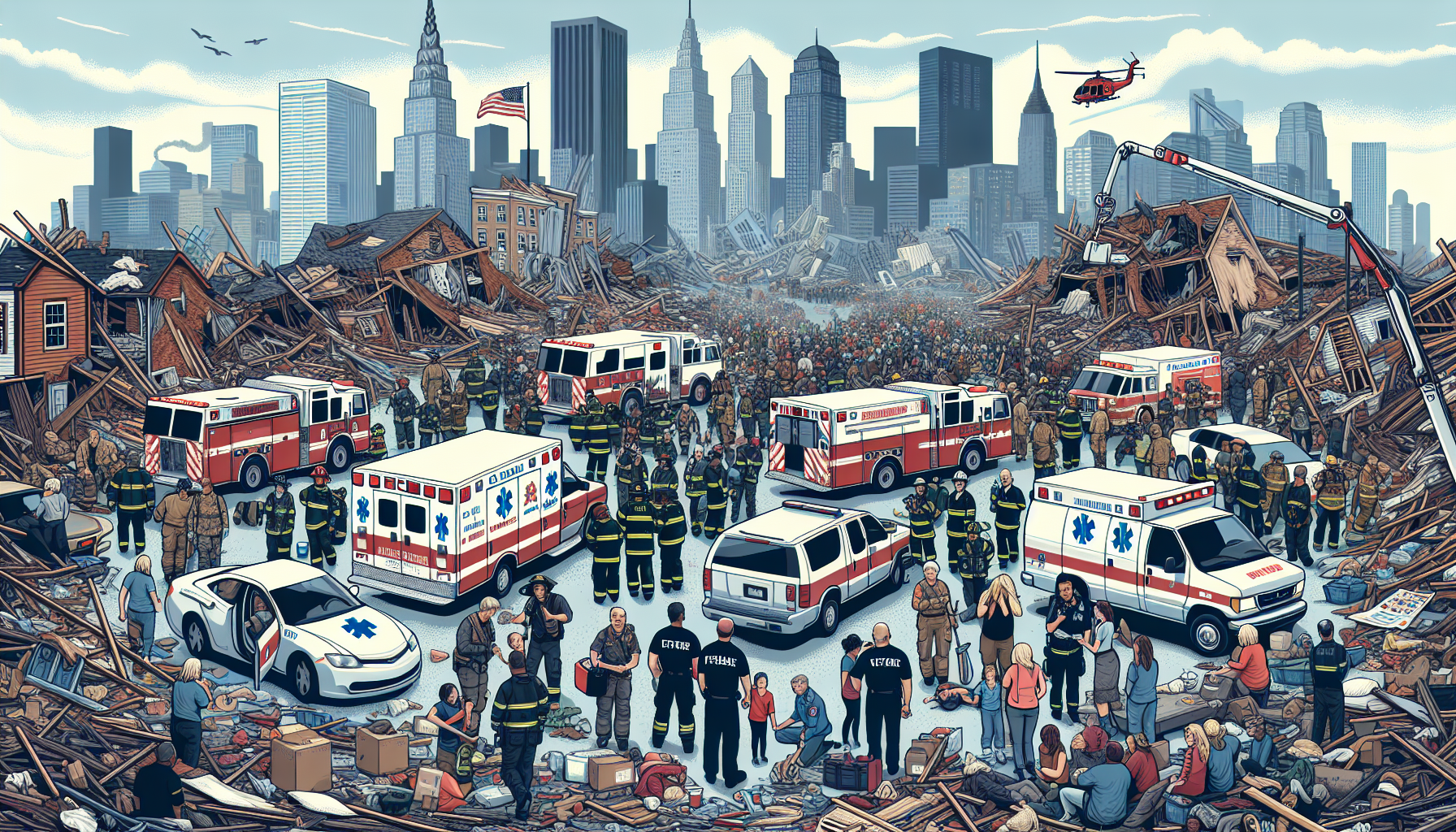
Civil-military medicine

Definition

Civil-military medicine refers to the collaboration between civilian and military medical resources, personnel, and facilities. This cooperation aims to enhance medical capabilities and optimize the delivery of healthcare services during both peacetime and wartime. It often involves joint training, research, disaster response, and humanitarian assistance efforts between the two sectors.

Key Takeaways

  1. Civil-military medicine refers to the collaborative efforts and coordination between civilian and military medical professionals in providing healthcare services, disaster relief, and responding to public health emergencies.
  2. Such cooperation often involves sharing resources, expertise, and personnel between the two sectors, improving the overall effectiveness of medical responses during crises, such as natural disasters, pandemics, or conflicts.
  3. Establishing and maintaining efficient civil-military medicine cooperation requires effective communication, planning, and training, as well as adherence to national and international legal and ethical guidelines regarding healthcare during emergencies.

Importance

Civil-military medicine is a crucial aspect of military operations as it plays a significant role in bridging the gap between the medical support provided by military and civilian healthcare systems.

This collaboration allows for more effective communication, coordinated responses, and resource sharing during humanitarian crises, disaster relief efforts, and conflict situations.

Furthermore, it promotes the development of standardized medical practices, joint training, and research to enhance the overall quality of medical care, while also fostering mutual understanding, trust, and cooperation between the military and civilian medical communities.

In essence, civil-military medicine strengthens healthcare systems and ensures the well-being of affected populations, benefiting both military personnel and civilians alike.

Explanation

Civil-military medicine is an essential aspect of military operations that focuses on the collaboration between civilian and military healthcare systems in times of humanitarian assistance, disaster relief, and crisis response. Its primary purpose is to streamline the capabilities of both sectors, allowing for organized and efficient medical support while mitigating any potential gaps in providing healthcare services during crises.

By blending the respective strengths of civil and military medicine, a more robust and effective response to the medical needs of affected populations can be achieved, ensuring prompt care while reducing potential chaos in emergency situations. The utilization of civil-military medicine proves especially crucial considering the unique challenges brought about by conflicts or disasters.

These situations often necessitate rapid response, access to vital resources, specialized training in mass casualty situations, and the ability to operate in austere or hostile environments. Combining these skills helps in dealing with complex emergencies such as pandemics, earthquakes, tsunamis, or other large-scale incidents.

Engaging in civil-military medicine collaborations not only fosters inter-agency coordination but also encourages sharing of best practices, knowledge, and resources between these different medical communities. This cooperation aims to optimize response efficiency, ultimately saving lives and mitigating the severe impacts of emergencies on vulnerable populations.

Examples of Civil-military medicine

The U.S. Department of Defense Ebola Relief Mission in West Africa (2014-2015): The U.S. military partnered with civil medical organizations and national healthcare systems to help contain and combat the Ebola outbreak in West Africa. This collaboration between the military and civilian medical professionals provided expertise in infectious diseases, medical care, construction of treatment centers, and support to healthcare infrastructure in affected countries, showcasing the importance of civil-military medicine in crisis response.

The U.S. Army’s Role in Hurricane Katrina Relief Efforts (2005): In the aftermath of Hurricane Katrina in the United States, civil-military medicine played a critical role in delivering medical assistance to affected communities. Military medical personnel worked alongside civilian first responders and healthcare providers to offer critical medical services, evacuation, and care for disaster victims, showcasing the value of civil-military medicine in domestic disaster response.

NATO’s Multinational Medical Support for Afghanistan (2001-2014): During Operation Enduring Freedom and the International Security Assistance Force (ISAF) mission in Afghanistan, NATO member countries deployed military medical personnel to provide healthcare support to both military and civilian populations. Military doctors, nurses, and medical technicians worked alongside local and international civilian healthcare professionals to provide medical services, train local medical staff, and deliver necessary healthcare supplies, highlighting the benefits of civil-military medicine cooperation in conflict areas.

FAQ: Civil-Military Medicine

What is civil-military medicine?

Civil-military medicine is a collaborative practice between civilian and military medical professionals, providing healthcare services to military personnel, their dependents, and civilian populations in various contexts such as humanitarian aid, disaster relief, and conflict situations.

How does civil-military medicine support military operations?

Civil-military medicine supports military operations by ensuring the physical and mental well-being of military personnel and enhancing the military’s relationship with civilian populations. By providing medical care and support in various contexts, civil-military medicine increases the operational readiness of the military forces.

What is the role of civil-military medicine in disaster relief?

In disaster relief settings, civil-military medicine plays a critical role by providing emergency medical care, public health services, medical infrastructure, and expertise to affected populations. These collaborative efforts support the overall disaster response, save lives, and reduce the risk of disease outbreaks.

What medical specialties are involved in civil-military medicine?

Various medical specialties are involved in civil-military medicine, including primary care, emergency medicine, surgery, psychiatry, public health, and more. These medical professionals work together to address the unique healthcare needs of both military personnel and civilian populations.

What benefits do civilian populations receive from civil-military medicine efforts?

Civilian populations benefit from civil-military medicine efforts through access to healthcare services, assistance during disasters, and improved public health outcomes. Additionally, these collaborative efforts can foster goodwill between military forces and civilian populations, promoting long-term peace and stability in the region.

Related Military Operation Terms

  • Joint medical facilities
  • Tricare health system
  • Veterans Healthcare Administration (VHA)
  • Collaborative patient care
  • Integrated health services

Sources for More Information

Benefits.com Advisors

With expertise spanning local, state, and federal benefit programs, our team is dedicated to guiding individuals towards the perfect program tailored to their unique circumstances.

Rise to the top with Peak Benefits!

Join our Peak Benefits Newsletter for the latest news, resources, and offers on all things government benefits.
Related Articles

Civil-military operations (CMO)

Definition

Civil-military operations (CMO) refer to activities and interactions between military forces and civilian authorities, organizations, or populations. These operations aim to establish or maintain a safe and secure environment, support humanitarian objectives, or facilitate conflict resolution. CMO often includes cooperation, coordination, and communication between military and civilian entities in areas such as reconstruction, infrastructure development, and disaster relief.

Key Takeaways

  1. Civil-military operations (CMO) are activities designed to establish, maintain, influence, or exploit relations between military forces, the civilian population, and local government institutions to support the overall mission.
  2. CMO serves as a tool for promoting cooperation, resolving conflicts and fostering a secure environment to achieve strategic military objectives, while also addressing the needs of the civilian population and ensuring the efficient use of resources.
  3. Key components of CMO may include civil affairs, humanitarian assistance, psychological operations, and coordinating with non-governmental organizations, international governing bodies, and local civilian leaders to build social, political, and economic stability in the region.

Importance

Civil-military operations (CMO) are a critical aspect of military operations, as they facilitate effective collaboration, communication, and coordination between military forces and civil authorities in complex environments.

CMO fosters greater understanding and cooperation to achieve common objectives and support the overall mission.

By integrating military efforts with those of local institutions, governmental and non-governmental organizations, CMO helps to restore essential services, build public trust, and ensure the long-term stability and development of the affected areas.

Moreover, CMO focuses on mitigating the impacts of military operations on civilian populations, ultimately contributing to a more comprehensive and holistic approach to conflict resolution and post-conflict reconstruction.

Explanation

Civil-military operations (CMO) are designed to reinforce and uphold the strategic objectives of a military campaign while prioritizing the welfare and needs of affected civilian populations. This vital aspect of military operations is aimed at fostering collaboration between military forces, civilian authorities, and local communities.

The primary purpose of CMO is to establish a support network that strengthens ties between these groups, thereby bolstering the efficacy of military endeavors and ensuring that civilian life remains as stable as possible. In essence, CMO recognizes the importance of human security during conflicts and aims to maintain the trust and cooperation of civilians in conflict-prone areas.

By delivering humanitarian assistance, engaging in reconstruction efforts, and facilitating dialogue between armed forces and community leaders, CMO bridges the gap between military forces and the civilian population. These efforts not only contribute to the overall stability and resilience of communities, but also serve to balance the potentially negative consequences of military operations on civilian livelihood.

Moreover, CMO initiatives help create an environment conducive to the success and eventual conclusion of conflict, laying the groundwork for long-lasting peace. Through such engagements, military forces are better able to promote goodwill, minimize collateral damage, and undermine the influence of adversarial factions in contested regions.

Examples of Civil-military operations (CMO)

Operation Unified Assistance (2004 Indian Ocean Tsunami): In December 2004, a massive earthquake triggered a devastating tsunami across the Indian Ocean, which resulted in the deaths of over 230,000 people and widespread destruction in 14 countries. In response, the US military, alongside other foreign military forces, humanitarian organizations, and local authorities, conducted civil-military operations under Operation Unified Assistance. The joint effort provided emergency relief, medical assistance, transportation, and logistics support to facilitate the distribution of aid and assistance to the affected areas.

Operation Restore Hope (Somalia, 1992-1993): The United Nations Operation in Somalia (UNOSOM) was an example of a civil-military operation involving a coalition of military forces from various countries working alongside humanitarian organizations. This operation aimed to provide humanitarian relief and security to the people of Somalia, who were suffering from widespread famine, civil war, and lawlessness. The military forces helped distribute food and other supplies, protect aid workers, and provide a secure environment for humanitarian assistance. Additionally, they assisted in rebuilding infrastructure and facilitating the return of displaced persons to their homes.

Operation Tomodachi (Japan, 2011): Following the Tohoku earthquake and tsunami in Japan in 2011, which caused significant damage to coastal regions and triggered the Fukushima Daiichi nuclear disaster, the US military launched Operation Tomodachi in support of Japanese Self-Defense Force’s relief efforts. This civil-military operation included search and rescue missions, medical support, logistical assistance, and the distribution of humanitarian aid. The operation also involved efforts to mitigate the nuclear crisis by providing specialized equipment and expertise to prevent further radiological releases.

FAQ Section: Civil-Military Operations (CMO)

What is the meaning of Civil-Military Operations (CMO)?

Civil-Military Operations (CMO) refers to the collaboration between civilian and military authorities to accomplish common goals, support humanitarian and development initiatives, protect civilian populations, and maintain peace and security in conflict-affected areas.

What is the purpose of CMO?

The purpose of CMO is to enhance communication, cooperation, and coordination between the civilian and military components of a mission, ensuring the effective use of resources and the successful accomplishment of both short-term and long-term objectives in complex environments.

How do CMO help in humanitarian assistance and disaster response?

CMO play a crucial role in humanitarian assistance and disaster response by providing logistic support, security, and expertise to civilian organizations. This includes transportation, infrastructure repair, medical assistance, and the distribution of food and other essential supplies to affected populations.

What are the key components of an effective CMO?

An effective CMO must have a clear understanding of the operational environment, comprehensive planning and coordination mechanisms, efficient resource management, transparent information sharing, and the ability to adapt quickly to changing circumstances.

How do CMO contribute to local capacity building and development?

CMO contribute to local capacity building and development by working closely with civilian partners to identify and address existing gaps in capabilities, fostering skills transfer, promoting good governance, and supporting sustainable economic growth through infrastructure projects and other initiatives.

Related Military Operation Terms

  • Joint civil-military cooperation (CIMIC)
  • Military community relations (MCR)
  • Civil affairs operations (CAO)
  • Disaster relief and humanitarian assistance (HADR)
  • Provincial reconstruction teams (PRTs)

Sources for More Information

Benefits.com Advisors

With expertise spanning local, state, and federal benefit programs, our team is dedicated to guiding individuals towards the perfect program tailored to their unique circumstances.

Rise to the top with Peak Benefits!

Join our Peak Benefits Newsletter for the latest news, resources, and offers on all things government benefits.

Related Articles

x