









We are privately owned and not affiliated or endorsed by any government agency.

Take the Benefits Quiz

Chemical, biological, radiological, or nuclear incident

Definition

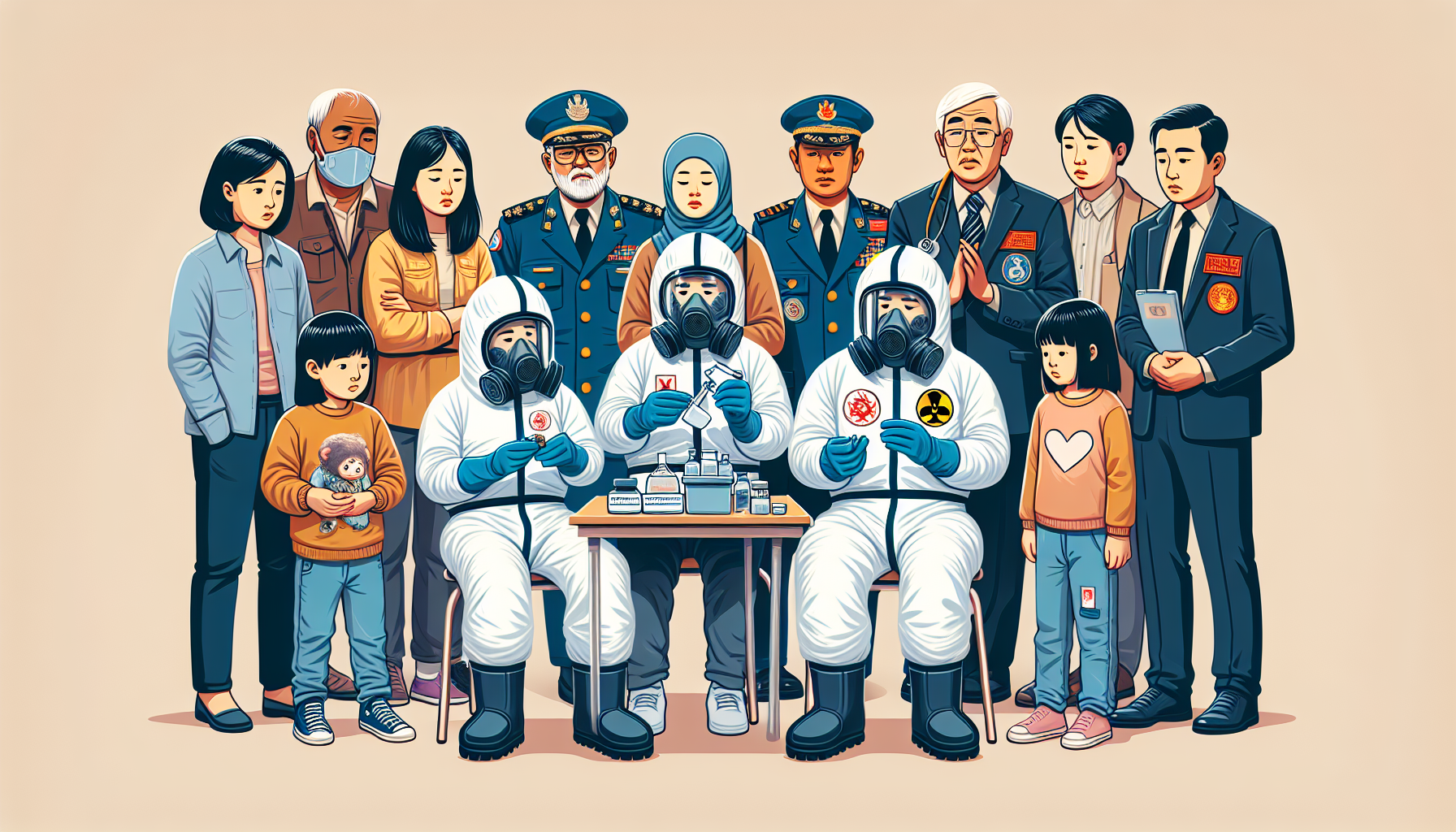
A Chemical, Biological, Radiological, or Nuclear (CBRN) incident is a term used to describe any event involving the accidental or intentional release, dissemination, or exposure to hazardous substances. These substances can include toxic chemicals, harmful biological agents, or radioactive materials, which pose significant threats to human health, the environment, and property. Military and emergency response teams are trained to manage and mitigate the effects of CBRN incidents to safeguard public safety and national security.

Key Takeaways

  1. Chemical, biological, radiological, or nuclear (CBRN) incidents refer to the intentional or accidental release of harmful substances, including toxic chemicals, infectious agents, radioactive materials, or nuclear materials.
  2. CBRN incidents pose a significant threat to military personnel and civilians, necessitating the development of specialized equipment, training, and response strategies to minimize casualties and damage to infrastructure.
  3. Preparedness and rapid response are crucial for dealing with CBRN incidents, which includes detection, identification, protection, decontamination, and medical treatment of the affected population and environment.

Importance

The military operations term “Chemical, Biological, Radiological, or Nuclear (CBRN) incident” is important because it encompasses a range of potential threats that can cause significant harm to people, infrastructure, and the environment.

These incidents can involve the use or release of hazardous materials, whether intentional (e.g., during warfare or terrorist attacks) or unintentional (e.g., accidents or natural disasters). Understanding and addressing CBRN incidents is crucial for military and emergency responders in order to effectively protect and save lives, maintain public safety, and ensure national security.

By identifying and mitigating these threats, authorities can better prepare for, respond to, and recover from such incidents, ultimately safeguarding communities and preserving stability.

Explanation

A chemical, biological, radiological, or nuclear (CBRN) incident refers to the intentional or unintentional release of hazardous materials that can cause significant harm to people, properties, and the environment. The purpose of understanding and preparing for such incidents is to enable military and civilian organizations to prevent, detect, respond to, mitigate, and recover from potential threats or actual attacks that may involve the use of CBRN agents.

These agents may be released through various methods, including conventional warfare, terrorism, or industrial accidents. To achieve this purpose, an array of specialized equipment, training, and tactics have been developed to address and manage the ever-evolving challenges posed by CBRN incidents.

One of the primary uses of understanding and preparing for CBRN incidents is to ensure the readiness of military forces and first responders to effectively operate in a contaminated environment. This includes the ability to protect themselves from the hazardous effects of CBRN agents, decontaminate personnel and equipment, and provide medical support to affected individuals.

Furthermore, the development of early warning systems, intelligence gathering, and robust communication networks facilitates rapid identification and response to potential or actual CBRN threats. Consequently, the focus on CBRN incidents ensures the continuity of operations while safeguarding lives, infrastructure, and national security interests against the perils of chemical, biological, radiological, or nuclear contamination.

Examples of Chemical, biological, radiological, or nuclear incident

The Chernobyl Disaster (1986): The Chernobyl nuclear power plant disaster in the USSR (now Ukraine) is perhaps the most infamous radiological incident in history. On April 26, 1986, a reactor explosion during a safety test released large amounts of radioactive particles into the atmosphere, contaminating the air and resulting in numerous direct and indirect casualties due to the long-lasting health impacts of the radiation.

The Tokyo Sarin Gas Attack (1995): On March 20, 1995, members of the Aum Shinrikyo cult released sarin gas, a lethal chemical weapon, in multiple subway trains in Tokyo, Japan. This attack was intended to create chaos and result in mass casualties, and it left 13 people dead and over 5,000 others injured. It remains one of the most notorious examples of a large-scale chemical attack on civilians.

The Anthrax Letter Attacks (2001): In the aftermath of the September 11th attacks, a series of letters containing anthrax spores were mailed to various media outlets and U.S. senators’ offices in the United States. Five people were killed, and 17 others were infected by this biohazard. The FBI conducted an extensive investigation to identify the sender, known as “Amerithrax,” and ultimately concluded that Bruce Ivins, a scientist working at a U.S. government biodefense facility, was the most likely perpetrator, although some controversy remains regarding this conclusion.

Frequently Asked Questions: Chemical, Biological, Radiological, or Nuclear Incident

What is a chemical, biological, radiological, or nuclear (CBRN) incident?

A CBRN incident refers to a situation involving the unintentional release or intentional use of hazardous chemicals, biological agents, radiological materials, or nuclear devices which pose a significant risk to the lives, health, and safety of individuals, property, and the environment.

What are the main types of CBRN incidents?

CBRN incidents can be classified into four main types: (1) Chemical incidents involving toxic substances or industrial chemicals, (2) Biological incidents involving infectious agents or toxins, (3) Radiological incidents involving radioactive materials, and (4) Nuclear incidents involving nuclear explosions.

How do authorities respond to CBRN incidents?

Authorities have established protocols to respond to CBRN incidents which include detection, identification, communication, protection, containment, decontamination, and recovery. These actions are carried out by specialized emergency response teams, such as CBRN response teams and hazardous materials (HazMat) teams, with the support of local, national, and international organizations.

What are the potential consequences of a CBRN incident?

The consequences of a CBRN incident depend on the type and scale of the event, the location, and the population affected. Potential consequences include loss of life, injuries, long-term health effects, psychological impact, disruption of critical infrastructure, environmental contamination, and economic impact.

How can individuals and communities prepare for CBRN incidents?

Individuals and communities can take several steps to prepare for potential CBRN incidents, such as raising awareness of the risks, developing preparedness plans, conducting training exercises, acquiring protective equipment, and ensuring effective communication and coordination with relevant authorities and organizations.

Related Military Operation Terms

  • Decontamination procedures
  • Personal protective equipment (PPE)
  • Hazardous material response teams
  • Emergency management protocols
  • Long-term health effects

Sources for More Information

Benefits.com Advisors

With expertise spanning local, state, and federal benefit programs, our team is dedicated to guiding individuals towards the perfect program tailored to their unique circumstances.

Rise to the top with Peak Benefits!

Join our Peak Benefits Newsletter for the latest news, resources, and offers on all things government benefits.

Related Articles

Chemical, biological, radiological, or nuclear weapon (CBRN weapon)

Definition

A CBRN weapon, or chemical, biological, radiological, and nuclear weapon, is a device intended to cause harm, injury, or death through the release of hazardous substances. These weapons utilize specific agents such as chemicals, viruses, bacteria, radiation, and nuclear materials. The goal of CBRN attacks is to cause widespread panic, contamination, and potential mass casualties, often targeting civilians as well as military personnel.

Key Takeaways

  1. CBRN weapons are highly dangerous and destructive, posing a significant threat to both military forces and civilian populations. They consist of chemical, biological, radiological, or nuclear materials designed to cause mass casualties and widespread damage.
  2. Preventing the proliferation and use of CBRN weapons is a major concern for international security. Governments and organizations worldwide work together to monitor, detect, and mitigate any efforts to obtain or deploy these weapons for malicious purposes.
  3. Preparedness and response to CBRN incidents require specialized training and equipment. Military forces and first responders must be adequately trained and equipped to safely and effectively manage the aftermath of a CBRN event, including identification of the threat, decontamination, medical support, and overall incident containment.

Importance

The term Chemical, Biological, Radiological, or Nuclear weapon (CBRN weapon) is important because it encompasses the four major types of weapons of mass destruction that have the potential to cause significant harm and destruction on a large scale.

The inclusion of all these weapons under a single term highlights the global threat they collectively pose to human life, the environment, and global security.

By addressing CBRN weapons as an inclusive category, military operations and international treaties can efficiently address the issues surrounding their proliferation, development, and usage.

Additionally, understanding these weapons helps governments and defense organizations develop appropriate countermeasures, security protocols, and disaster response strategies to mitigate their potential impact.

Explanation

Chemical, biological, radiological, or nuclear (CBRN) weapons serve a distinct purpose within the scope of military operations. These dangerous weapons are fundamentally designed to cause widespread damage and fear in both combatant forces and civilians alike, as they encompass a range of destructive capabilities. While each type of weapon operates differently, their collective purpose lies in their ability to incapacitate, contaminate, and cause long-lasting harm in targeted areas.

The usage of CBRN weapons can cause massive disruptions to critical infrastructure, generate extensive suffering, and provoke public hysteria, thereby weakening the morale and operational effectiveness of enemy forces. Due to their potent impact, CBRN weapons are often employed as tools for warfare or terrorism in various strategic and tactical conditions. Depending on the specific mode of deployment, these weapons can induce catastrophic consequences on local and global scales, potentially shaping the course of geopolitical conflicts.

Their capacity for mass destruction and potential environmental damage has resulted in strict international regulations on their development and usage. Despite their devastating effects, history has proven that CBRN weapons have been effective in achieving military objectives and altering the balance of power within the context of warfare. As a result, nations must be prepared to confront these threats in order to maintain stability and security in an increasingly complex global landscape.

Examples of Chemical, biological, radiological, or nuclear weapon (CBRN weapon)

The Tokyo Subway Sarin Attack (1995): Aum Shinrikyo, a Japanese doomsday cult, released the deadly nerve agent sarin into several Tokyo subway lines during the morning rush hour on March 20,

This chemical attack left 13 people dead, 50 severely injured, and more than 5,000 others with temporary vision problems. It was one of the most notable real-world examples of a chemical weapon being used in a terrorist attack.

The Anthrax Letter Attacks (2001): Soon after the September 11 attacks in the United States, a series of letters containing anthrax spores were mailed to several news organizations and two U.S. Senators. Five people were killed, and 17 others were infected by the deadly bacteria in this biological attack. The perpetrator was never conclusively identified, but the FBI’s primary suspect was a microbiologist who worked for a U.S. government biodefense research facility. The attack prompted a large-scale investigation and highlighted the potential danger of bioterrorism.

The Chernobyl Disaster (1986): Although not an intentional act of warfare, the Chernobyl nuclear disaster serves as a significant example of the catastrophic consequences of a radiological incident. On April 26, 1986, a reactor at the Chernobyl Nuclear Power Plant in Ukraine exploded, releasing massive amounts of radioactive material into the atmosphere. The immediate aftermath resulted in the deaths of two people, while up to several thousands of people later succumbed to radiation-related illnesses, such as cancer. The disaster forced large-scale evacuations and left vast areas of land uninhabitable due to dangerous radiation levels.

FAQ: Chemical, Biological, Radiological, or Nuclear Weapons (CBRN Weapons)

What are CBRN weapons?

Chemical, Biological, Radiological, and Nuclear (CBRN) weapons are weapons of mass destruction that can cause widespread harm and destruction, affecting humans and the environment. They are typically categorized as follows:

  • Chemical: Toxic substances designed to harm or kill living organisms.
  • Biological: Pathogens like viruses, bacteria, or other organisms, which can infect and cause disease and death.
  • Radiological: Materials or devices that emit harmful ionizing radiation.
  • Nuclear: Devices that release nuclear energy through fission or fusion, causing massive destruction.

What is the potential impact of a CBRN attack?

CBRN attacks can have severe consequences including large-scale loss of life, environmental damage, long-lasting health effects on the affected population, societal disruption, and economic impact. The severity of the impact depends on factors such as the type of weapon used, the scale of the attack, and the preparedness and response capabilities of the targeted community.

How can governments and organizations prepare for potential CBRN incidents?

Governments and organizations can prepare for CBRN incidents by developing and implementing comprehensive preparedness and response plans, which often include elements such as threat assessment, training and exercise programs, protective equipment for first responders and essential workers, public education and awareness campaigns, and the establishment of specialized units dedicated to the CBRN field.

How can CBRN threats be detected and monitored?

Detecting and monitoring CBRN threats involve various methods and technologies, which can include intelligence gathering and analysis, environmental monitoring, surveillance through technology (e.g., remote sensing, unmanned aerial vehicles), and early warning systems. In addition, international collaboration plays a crucial role in sharing information and best practices related to CBRN threat detection and prevention.

What are international agreements concerning CBRN weapons?

There are several international agreements and treaties aimed at reducing the risk of CBRN weapons and their proliferation, including:

  • Chemical Weapons Convention (CWC): Prohibits the production, stockpiling, and use of chemical weapons.
  • Biological and Toxin Weapons Convention (BTWC): Prohibits the production, stockpiling, and use of biological and toxin weapons.
  • Treaty on the Non-Proliferation of Nuclear Weapons (NPT): Promotes disarmament and non-proliferation of nuclear weapons.
  • Comprehensive Nuclear-Test-Ban Treaty (CTBT): Bans all nuclear explosions for any purpose.

Related Military Operation Terms

  • Decontamination Procedures
  • CBRN Defense Strategies
  • Personal Protective Equipment (PPE)
  • Hazard Detection Technologies
  • CBRN Incident Response Teams

Sources for More Information

  • GlobalSecurity.org – A leading source of background information and developing news stories related to global security, military operations, and CBRN weapons.
  • Nuclear Threat Initiative (NTI) – An organization that works to prevent catastrophic attacks and accidents with weapons of mass destruction and disruption, including CBRN weapons.
  • International Committee of the Red Cross (ICRC) – An international humanitarian organization that deals with the harmful impacts of armed conflicts and military operations, providing information on CBRN weapons and their effects on civilians.
  • Organization for Security and Co-operation in Europe (OSCE) – A regional security organization that works to enhance military transparency, reduce risks, and address security-related challenges, including those posed by CBRN weapons.

Benefits.com Advisors

With expertise spanning local, state, and federal benefit programs, our team is dedicated to guiding individuals towards the perfect program tailored to their unique circumstances.

Rise to the top with Peak Benefits!

Join our Peak Benefits Newsletter for the latest news, resources, and offers on all things government benefits.

Related Articles

Chemical hazard

Definition

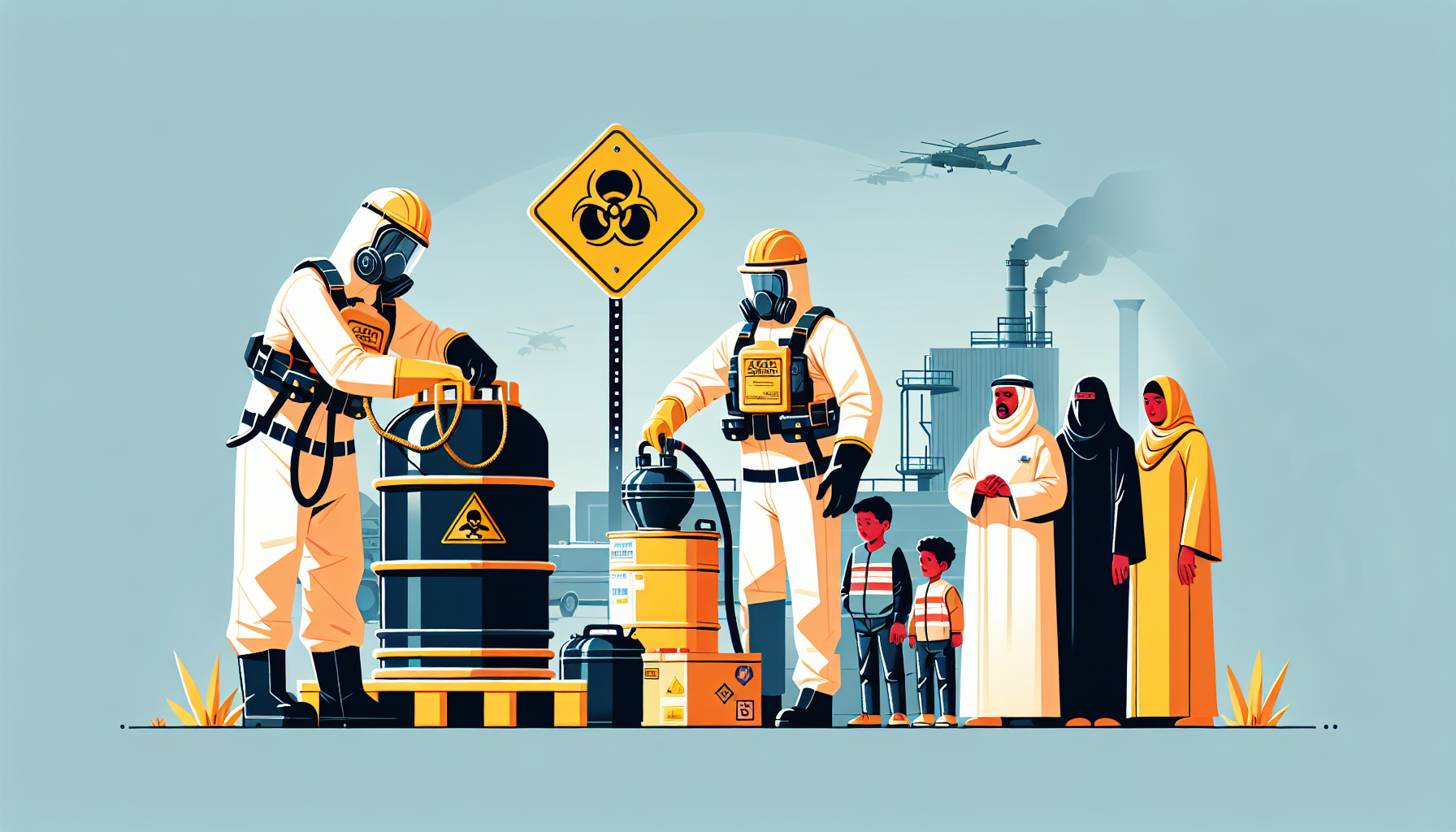
A chemical hazard refers to the potential threat posed by the presence, dissemination, or exposure to toxic substances, including chemical warfare agents in a military or conflict setting. These substances can lead to severe health risks or damage to the environment, personnel, or equipment. It is crucial for military personnel to be trained in the detection, protection, and decontamination processes related to chemical hazards.

Key Takeaways

  1. A chemical hazard refers to the potential presence of toxic or harmful chemical agents in the environment, which may be intentionally or accidentally released during military operations, posing a threat to the health and safety of personnel and civilians.
  2. Chemical hazards require specialized training, equipment, and procedures for detection, identification, and mitigation to minimize risks and ensure the protection of both military and affected civilian populations.
  3. Effective management of chemical hazards is critical in maintaining operational readiness, mission success, and achieving strategic objectives, as well as minimizing the short and long-term impacts on human health, the environment, and geopolitical stability.

Importance

The term “chemical hazard” is crucial in military operations as it refers to the potential risk associated with the use, release, or presence of harmful chemical agents or substances.

This could include chemical weapons, industrial chemicals, or hazardous materials during combat or non-combat scenarios.

Understanding and addressing chemical hazards is critical in ensuring the safety and well-being of military personnel, civilians, and the environment.

Proper identification, assessment, and management of chemical hazards contribute to the development of comprehensive protective measures, decontamination procedures, and medical countermeasures, ultimately fostering a more effective and secure military operation.

Explanation

Chemical hazards play a significant role in military operations as they pertain to any potential threats or dangers posed by the presence, use, or production of toxic chemical substances. The purpose of identifying and addressing chemical hazards is to ensure the safety and well-being of both military personnel and civilians by implementing appropriate detection, protection, and decontamination measures.

In the context of military operations, these hazards may originate from factors such as industrial accidents, natural disasters, or intentional acts of warfare or terrorism involving chemical agents. By understanding the spectrum of chemical hazards, military forces can better train and equip themselves to respond effectively in these situations.

This includes the development of specialized protective gear, detection devices, and decontamination procedures to minimize the impacts of chemical exposures. Additionally, military planners must consider the potential consequences of these hazards when developing operational strategies, such as taking into account the risks they pose to infrastructure, population centers, and troop movements.

In this way, addressing chemical hazards enhances the overall preparedness and resilience of military forces and supports their mission of upholding national security and safeguarding civilian populations.

Examples of Chemical hazard

World War I – Mustard Gas (Ypres, Belgium): One of the most notorious examples of chemical hazards in military operations occurred during World War I when both the German and Allied forces used chemical warfare agents such as chlorine and mustard gas. The Second Battle of Ypres in 1915 marked the first large-scale use of poison gas, leading to thousands of casualties and setting a precedent for the use of chemical weapons in future conflicts.

Vietnam War – Agent Orange (Various locations in Vietnam): During the Vietnam War, the United States military used a chemical defoliant called Agent Orange to eliminate forest cover and destroy crops that could aid the enemy. One of the primary ingredients in Agent Orange was dioxin, a carcinogenic compound later found to cause numerous health issues in both the civilian population and military personnel exposed to it. The use of Agent Orange led to widespread environmental degradation and long-term health problems for the local Vietnamese population and American veterans.

Syrian Civil War – Sarin Gas (Ghouta, Syria): In August 2013, the Syrian government under the Assad regime was responsible for a chemical attack using the nerve agent sarin in Ghouta, a suburb of Damascus. This attack caused widespread deaths and injuries, with estimates ranging from 281 to 1,729 fatalities and thousands of people affected. The incident led to international condemnation and increased pressure on the Syrian government to dismantle their chemical weapons program.

FAQ: Chemical Hazard in Military Operations

What is a chemical hazard in military operations?

A chemical hazard in military operations refers to the risk of exposure to potentially harmful chemicals during combat or training scenarios. These chemicals can be naturally occurring, such as in the environment, or intentionally used by adversaries in the form of chemical warfare agents.

How can military personnel protect themselves against chemical hazards?

Military personnel can protect themselves against chemical hazards by wearing appropriate protective gear, such as gas masks and chemical-resistant suits. Additionally, they should be trained in detecting and identifying chemical agents, as well as decontamination procedures if exposure occurs.

What are some common types of chemical agents used in warfare?

Common types of chemical agents include nerve agents, blister agents, blood agents, choking agents, and riot-control agents. These chemicals are designed to cause physical harm, incapacitate, or even kill those exposed to them, making them potent weapons of warfare.

What are the long-term health effects of exposure to chemical hazards in military operations?

The long-term health effects of exposure to chemical hazards can range from mild symptoms, such as skin irritation, to severe consequences including respiratory and neurological damage. The extent of the health impacts depends on the type and amount of exposure, as well as the individual’s health and susceptibility to the chemical agent.

Are there any international treaties to prevent the use of chemical weapons in warfare?

Yes, the Chemical Weapons Convention (CWC) is an international treaty that prohibits the production, stockpiling, and use of chemical weapons. It was implemented in 1997 and is overseen by the Organisation for the Prohibition of Chemical Weapons (OPCW). The treaty aims to promote global disarmament and reduce the threat of chemical warfare by ensuring the destruction of existing stockpiles and preventing the development of new chemical weapons.

Related Military Operation Terms

  • Agent Orange Exposure
  • Mustard Gas Exposure
  • Depleted Uranium Exposure
  • Veterans’ Environmental Exposures
  • Toxic Embedded Fragments

Sources for More Information

Benefits.com Advisors

With expertise spanning local, state, and federal benefit programs, our team is dedicated to guiding individuals towards the perfect program tailored to their unique circumstances.

Rise to the top with Peak Benefits!

Join our Peak Benefits Newsletter for the latest news, resources, and offers on all things government benefits.

Related Articles

Chemical warfare (CW)

Definition

Chemical warfare (CW) refers to the use of toxic chemical substances as weapons during military operations. These substances are intentionally deployed to harm, incapacitate, or kill adversaries and can be delivered using various means, such as missiles, bombs, or artillery shells. CW is highly controversial due to its potential for causing widespread devastation, long-term environmental damage, and severe harm to civilians.

Key Takeaways

  1. Chemical warfare (CW) refers to the use of toxic chemical substances, such as gases, liquids, or solids, as weapons to harm or kill opposing forces in a military conflict. These chemicals can also be weaponized for the purpose of threatening or forcibly suppressing populations.
  2. Chemical weapons have been internationally condemned due to their ability to cause widespread and indiscriminate suffering, as well as long-term damage to human health and the environment. The Chemical Weapons Convention (CWC), signed in 1993, aims to prevent the production, stockpiling, and use of chemical weapons by its signatories through international cooperation and oversight.
  3. Examples of well-known chemical warfare agents include mustard gas, sarin, and VX nerve agents. These toxic compounds can produce various effects, such as incapacitation, respiratory distress, nerve damage, and even death. Protection against chemical warfare agents requires specialized equipment, such as gas masks and chemical-resistant clothing, as well as preemptive measures and decontamination procedures.

Importance

Chemical warfare (CW) is an important term in military operations as it refers to the strategic and tactical use of toxic chemical substances, such as blister agents, nerve agents, choking agents, or blood agents, to harm, incapacitate, or kill enemy forces.

CW poses a significant threat in modern warfare due to its potential to cause mass casualties, long-term health effects, and environmental contamination, along with psychological impacts on the affected population.

Understanding and preventing the use of CW has become a critical aspect of military strategy and international security, as evidenced by global efforts to establish and enforce agreements like the Chemical Weapons Convention.

Consequently, countries invest in research and development of protective gear, medical countermeasures, and detection capabilities to mitigate the impact of potential chemical attacks, ensuring the safety and effectiveness of their personnel against this dangerous form of warfare.

Explanation

Chemical warfare (CW) is a strategic and tactical method of combat that serves the purpose of incapacitating, injuring, or annihilating enemy forces and civilian populations through the use of toxic chemicals and agents. These chemicals are designed to directly affect human physiology and to degrade combat effectiveness, ultimately achieving military and political objectives. The employment of CW goes beyond the battlefield, as it is often utilized to demoralize and instill fear in an adversary thereby depleting their capacity to fight and resist.

Such chemicals have a significant psychological impact, as well as the potential to inflict considerable damage to an enemy’s infrastructure. Chemical warfare plays a pivotal role in shaping the outcome of conflicts by impacting various aspects, such as movement, supply lines, and the ability of the enemy to coordinate their forces. The chemicals used in CW can be dispersed through various means including artillery shells, landmines, air-dropped bombs, and aerosol sprays.

Asymptomatic and stealthy in nature, these toxic agents can be difficult to detect and defend against, making them an insidious threat to target populations. The various classes of chemical warfare agents include choking agents, nerve agents, blood agents, and blister agents, each exhibiting unique characteristics and undesired effects. Due to the wide-ranging repercussions and potential for immense human suffering, the use of chemical warfare is considered inhumane, having been banned under the 1925 Geneva Protocol and the Chemical Weapons Convention.

Examples of Chemical warfare (CW)

World War I: One of the earliest examples of large-scale chemical warfare occurred during World War I, particularly in the form of mustard gas, chlorine gas, and phosgene. Both the Allied and Central Powers used these chemical weapons to break the stalemate of trench warfare, causing widespread suffering, injury, and death among soldiers.

Iran-Iraq War (1980-1988): During the conflict between Iran and Iraq, Iraqi forces under the regime of Saddam Hussein used chemical weapons extensively as a part of its warfare strategy. This involved the use of mustard gas, sarin, and tabun against Iranian troops and civilians, as well as against the Kurdish population in the Halabja chemical attack, resulting in thousands of casualties.

Syrian Civil War: In the ongoing Syrian Civil War, which began in 2011, the Assad regime has been accused of using chemical weapons, particularly sarin and chlorine gas, against opposition forces and civilian populations. The most notable incident was the Ghouta chemical attack near Damascus in August 2013, which resulted in hundreds of deaths and led to international condemnation and subsequent efforts to dismantle Syria’s chemical weapons stockpile.

FAQs on Chemical Warfare (CW)

What is chemical warfare?

Chemical warfare (CW) is the use of toxic chemical substances, deployed in various forms such as gas, liquid, or solid, to harm, incapacitate, or kill an enemy. These chemical agents cause severe harm or death through their toxic properties, and their main purpose is to disrupt or hinder an adversary’s military operations.

What are the types of chemical agents used in chemical warfare?

There are four main categories of chemical agents that are used in chemical warfare: nerve agents, blister agents, blood agents, and choking agents. Nerve agents, such as sarin and VX, disrupt the nervous system; blister agents, like mustard gas, cause severe burns and blisters; blood agents, such as hydrogen cyanide, are poisonous and affect the blood’s ability to carry oxygen; and choking agents, like chlorine gas, cause respiratory distress and lung damage.

What is the history of chemical warfare?

Chemical warfare has a long history, with evidence of its use dating back to ancient and medieval times. However, the large-scale use of chemical warfare began during World War I, where poisonous gas was extensively used on the Western Front by both the Allies and Central Powers. Despite attempts to regulate and ban the use of chemical weapons in international conflicts, instances of chemical warfare continued in the 20th century, notably during the Iran-Iraq War in the 1980s and in the Syrian Civil War in the 21st century.

What are the international laws and treaties governing chemical warfare?

The most significant international treaty that addresses chemical warfare is the Chemical Weapons Convention (CWC), which was adopted in 1993 and entered into force in 1997. The CWC prohibits the development, production, stockpiling, and use of chemical weapons and mandates the destruction of existing stockpiles. The Organization for the Prohibition of Chemical Weapons (OPCW) is responsible for monitoring and enforcing the CWC. Other international laws, such as the Geneva Protocol of 1925, also contribute to the regulation of chemical warfare.

What are the long-term effects of chemical warfare on the environment and human health?

The long-term effects of chemical warfare on the environment and human health can be quite severe, depending on the type and scale of chemical agents used. Exposure to some agents may cause chronic health issues or diseases such as cancer, respiratory diseases, and neurological disorders. In addition, chemical warfare can cause environmental degradation and contamination of soil, water, and vegetation, which may harm ecosystems and remain hazardous for extended periods of time.

Related Military Operation Terms

  • Agent Orange
  • Mustard Gas
  • Nerve Agents
  • Decontamination Procedures
  • Respiratory Protection

Sources for More Information

Benefits.com Advisors

With expertise spanning local, state, and federal benefit programs, our team is dedicated to guiding individuals towards the perfect program tailored to their unique circumstances.

Rise to the top with Peak Benefits!

Join our Peak Benefits Newsletter for the latest news, resources, and offers on all things government benefits.

Related Articles

Chemical weapon

Definition

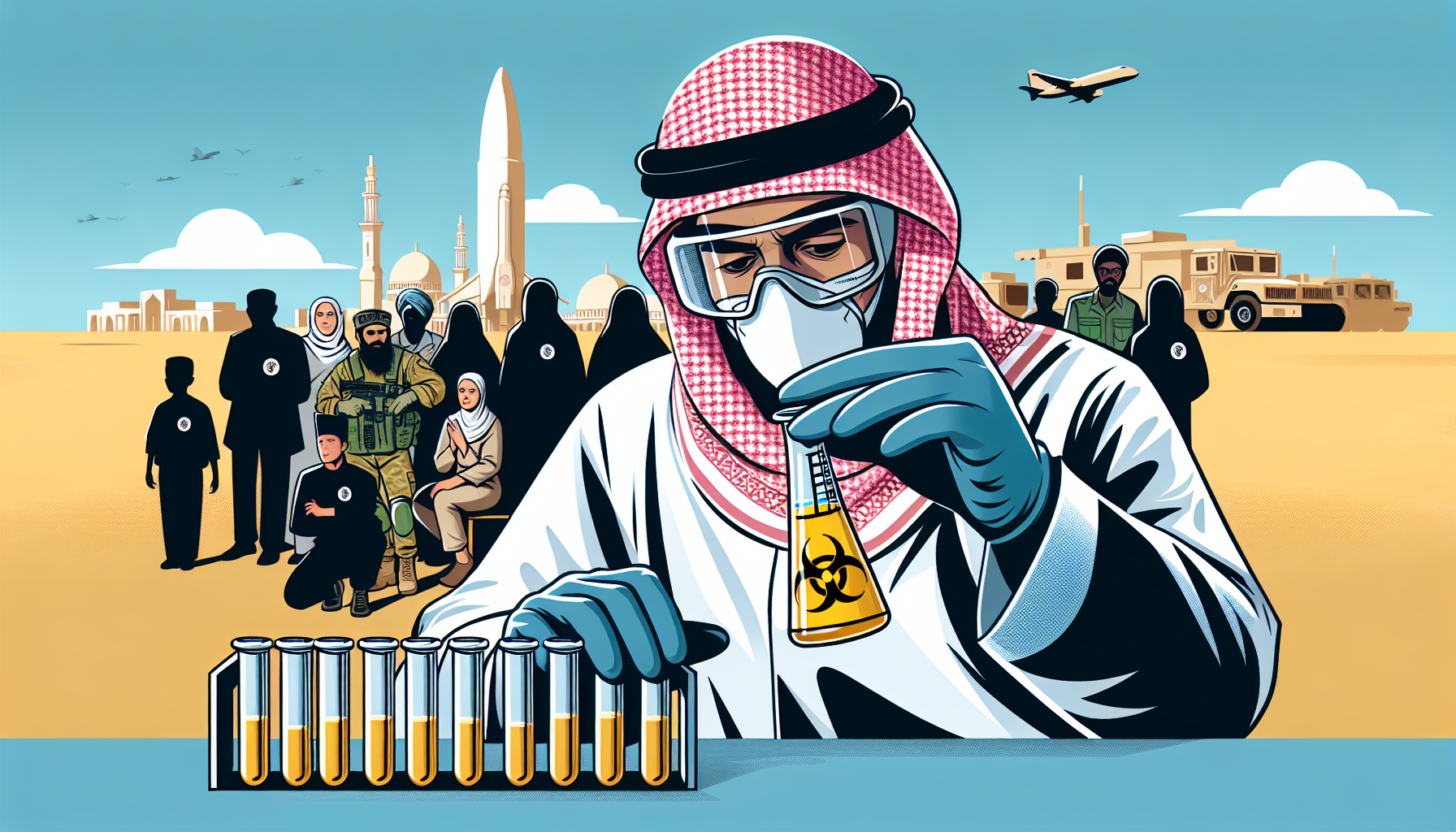
A chemical weapon is a device or substance that utilizes toxic chemicals to inflict harm or cause death to individuals, primarily in warfare situations. These weapons typically come in the form of gases, liquids, or as the payload of certain munitions. They often cause pain, physical damage, and disruption of bodily functions, and their use is widely considered a violation of international humanitarian law.

Key Takeaways

  1. Chemical weapons are toxic substances designed to cause death or severe harm to humans, animals, or plants by interacting with their biological processes. Examples include nerve agents, blister agents, and choking agents.
  2. The use of chemical weapons is considered unethical and inhumane, and it is prohibited under international law by the Chemical Weapons Convention, which is enforced by the Organization for the Prohibition of Chemical Weapons (OPCW).
  3. Detection, protection, and decontamination are crucial measures to prevent and manage chemical weapon threats. This includes monitoring the environment for signs of chemical agents, using protective gear, and employing specialized decontamination procedures.

Importance

The term “chemical weapon” is important in military operations because it refers to any toxic substance, whether in solid, liquid, or gaseous form, specifically designed and deployed to cause death, injury, or incapacitation during armed conflict or warfare.

Chemical weapons are considered particularly dangerous and controversial due to their potential for indiscriminate harm, causing widespread suffering and death among not only combatants but also civilians, as well as posing long-term environmental risks.

Recognizing their devastating effects and inhumane nature, the international community established the Chemical Weapons Convention in 1993 to prohibit the development, production, stockpiling, and use of such weapons.

Understanding the significance of chemical weapons is crucial for ensuring adherence to the Convention and maintaining global security by preventing their proliferation and use.

Explanation

Chemical weapons serve as a key component in the arsenal of military operations across the globe, primarily due to their ability to cause widespread, non-discriminatory harm and suffering. Their primary purpose is to incapacitate, injure, or kill opposing forces through the deployment of toxic chemical agents that target biological systems.

The use of these weapons can also act as a psychological deterrent, instilling fear and confusion among enemy combatants and potentially leading to hasty and imprudent decisions. Furthermore, chemical weapons can disrupt infrastructure and create long-term consequences for the environment and populations residing in conflict zones, thereby amplifying the negative effects of their usage beyond the immediate battle.

While chemical weapons, such as nerve agents, blister agents, and choking agents, can be extremely effective in achieving a tactical advantage, their use is often regarded as a breach of humanitarian principles and international law. As a result, numerous efforts have been made to establish norms and treaties that proscribe the development, production, and employment of these weapons in armed conflicts.

One such example is the Chemical Weapons Convention (CWC), an arms control treaty that aspires to eradicate chemical weapons worldwide, underscoring the global implications of their use. Recognizing the potential for devastating consequences, it is imperative that military planners and international stakeholders critically evaluate the role of chemical weapons in conflicts and work towards mitigating their potential consequences.

Examples of Chemical weapon

World War I: The first large-scale use of chemical weapons occurred during World War I, when both the Allies and Central Powers employed poison gas such as chlorine and mustard gas to incapacitate or kill enemy soldiers in the trenches. The Battle of Ypres in 1915 marked the first significant deployment, when German forces released chlorine gas against British and French positions, causing mass casualties.

Iran-Iraq War (1980-1988): During the Iran-Iraq War, Iraq extensively used chemical weapons against Iranian troops and its own Kurdish population. In the most notorious incident, the Iraqi government used mustard gas and the nerve agent sarin in the 1988 Halabja chemical attack, killing thousands of Kurdish civilians.

Syrian Civil War (2011-present): The use of chemical weapons has been reported numerous times during the ongoing Syrian Civil War. The most notable incident occurred in 2013, when sarin gas was used in the Ghouta attack, leading to the deaths of hundreds of civilians. The Syrian government, led by President Bashar al-Assad, has been accused of using chemical agents such as chlorine gas and sarin multiple times throughout the conflict, provoking international condemnation and military intervention.

FAQ: Chemical Weapons

1. What are chemical weapons?

Chemical weapons are toxic substances used as a method of warfare to cause illness, injury or death. These substances can be stored and transported as liquids, solids or aerosols and are typically deployed through bombs, grenades or other munitions to achieve maximum impact.

2. What are some examples of chemical weapons?

Some examples of chemical weapons include mustard gas, chlorine gas, sarin, VX, and novichok agents. Each of these chemicals has unique properties and potential impacts on both the environment and human health.

3. How were chemical weapons historically used?

Chemical weapons have been used in several conflicts throughout history, with one of the most notable instances being during World War I. During this time, various gases like chlorine, phosgene, and mustard gas were employed to cause mass casualties and demoralize enemy forces.

4. Are chemical weapons banned?

Yes, chemical weapons are banned under international law as a result of the Chemical Weapons Convention (CWC). The CWC prohibits the development, production, stockpiling, and use of chemical weapons. Many nations have agreed to abstain from utilizing such weapons, and organizations such as the Organisation for the Prohibition of Chemical Weapons (OPCW) work to ensure compliance with the treaty.

5. How are chemical weapons disposed of?

Chemical weapons disposal involves the destruction or neutralization of existing stockpiles. Methods for disposal include incineration, chemical neutralization, and more advanced techniques such as hydrolysis or electrochemical oxidation. The goal is to render the chemical agents harmless and ensure their irreversible conversion into non-toxic byproducts.

6. What are the long-term effects of chemical weapon exposure?

The long-term effects of chemical weapon exposure can vary, depending on the type of agent and the amount of exposure. Some potential health consequences include respiratory issues, nerve damage, skin lesions, and even death. Chronic exposure to certain chemical agents may also result in long-lasting health problems, such as cancer or neurological disorders.

Related Military Operation Terms

  • Mustard gas
  • Nerve agents
  • Chlorine gas
  • VX Agent
  • Chemical warfare

Sources for More Information

Benefits.com Advisors

With expertise spanning local, state, and federal benefit programs, our team is dedicated to guiding individuals towards the perfect program tailored to their unique circumstances.

Rise to the top with Peak Benefits!

Join our Peak Benefits Newsletter for the latest news, resources, and offers on all things government benefits.

Related Articles

Chief of fires (COF)

Definition

The Chief of Fires (COF) is a military term referring to a senior officer responsible for the coordination and management of fire support assets within a unit or organization. This officer oversees the employment of artillery, mortars, air support, and other fire support resources to maximize their effectiveness in combat operations. The COF plays a crucial role in planning, targeting, and synchronizing fire support to achieve mission objectives and ensure the safety of friendly forces.

Key Takeaways

  1. The Chief of Fires (COF) is a critical position within military operations, responsible for coordinating and integrating all aspects of fire support to enhance the effectiveness of a unit’s combat power.
  2. COFs serve as principal advisors to commanders on all fire support matters, ensuring effective synchronization of lethal and non-lethal fires, as well as the interoperability between elements such as artillery, air support, and other firepower resources.
  3. Chief of Fires can also play a significant role in coordinating civil-military relationships, humanitarian aid operations, and other non-combat scenarios, demonstrating the versatility and importance of their position in various mission contexts.

Importance

The Chief of Fires (COF) plays a crucial role in military operations, serving as the primary advisor to the commander on all fire support and coordination matters.

As the key figure responsible for integrating and synchronizing fires within the unit’s area of operations, the COF ensures the effective employment of firepower to achieve the commander’s objectives.

Their expertise in fire support planning, coordination, and execution is crucial to the successful completion of missions.

Overall, the importance of the COF stems from their ability to optimize the utilization of critical resources, enhance situational awareness, and improve battlefield agility, ultimately contributing to the overall efficiency and effectiveness of military operations.

Explanation

The Chief of Fires (COF) plays a significant role in military operations, functioning as a pivotal figure in orchestrating resources and facilitating communication to ensure effective fire support for the unit. The primary purpose of the COF is to synchronize, plan, and manage fire support assets in accordance with the commander’s intent and operational objectives.

These assets can range from field artillery, mortars, and rocket systems to air support and naval gunfire. By maintaining a comprehensive understanding of the battlespace and coordinating with various subsections of the force, the COF is able to maximize the impact of fire support, shape the battlefield, and enable the maneuver forces to achieve their mission objectives.

Furthermore, the COF is responsible for providing guidance and direction regarding the integration of fire support assets throughout all phases of the operation. This involves close collaboration with various staff sections, such as intelligence, operations, and logistics to ensure that fire support plans are tailored to the specific mission and take into account various factors, such as enemy capabilities, terrain, and weather conditions.

In doing so, the COF not only ensures that targets are accurately identified and prioritized, but also helps to minimize the risk of friendly-fire incidents and collateral damage while maximizing overall combat effectiveness. By leveraging their expertise in fire support coordination, the Chief of Fires plays an indispensable role in orchestrating the operational tempo and empowering their unit’s ability to succeed in dynamic and complex military engagements.

Examples of Chief of fires (COF)

The Chief of Fires (COF) is responsible for coordinating and synchronizing fire support assets and activities in military operations. Here are three real-world examples of the COF role or position in different military contexts:

Operation Iraqi Freedom (2003) – During the U.S.-led invasion of Iraq in 2003, the COF played a critical role in the planning and execution of numerous fire support missions and air support coordination. As part of the U.S. Army’s fire support structure, the COF was responsible for integrating artillery, mortars, close air support, and other indirect fire support assets to ensure timely and accurate fires on enemy targets and provide effective suppression of enemy forces.

Operation Enduring Freedom (2001-2014) – In the war in Afghanistan, the COF played a key role in coordinating assets and conducting fire support missions for U.S. and coalition forces. This included synchronizing efforts with non-traditional assets like unmanned aerial systems (UAS) and other intelligence, surveillance, and reconnaissance (ISR) platforms. The COF’s role in Afghanistan demonstrated their importance in both conventional and counterinsurgency operations.

Joint Fires Exercise (annual event) – The annual Joint Fires Exercise, conducted by the U.S. military, is an opportunity for multi-service and joint forces to train together and refine their fire support coordination techniques and procedures. During these exercises, the COF plays a critical role in synchronizing fires across the land, sea, and air domains, along with integrating cyber and electronic warfare capabilities. The exercise showcases the need for effective communication and collaboration between all fire support agencies under the guidance of the COF.

FAQ: Chief of Fires (COF)

1. What is the role of the Chief of Fires (COF) in military operations?

The Chief of Fires, or COF, is responsible for coordinating and synchronizing the delivery of fires and effects throughout a specific area of operations (AO). This may include surface-to-surface fires, air-to-ground fires, counter-fire, and other joint fires and effects.

2. How does the COF support the commander’s mission?

By integrating fires from multiple assets, the COF ensures the commander’s operational objectives are achieved and enhances the effectiveness of the mission. This includes prioritizing and allocating fire support resources, advising the commander on fire support capabilities, and coordinating the efforts of subordinate fire support elements.

3. What are the key functions of the COF?

The COF’s key functions include planning and coordinating fire support, implementing joint fire support command and control, supervising subordinate fire support operations, and advising on the employment of joint fire support assets.

4. How does the COF coordinate with other elements of the military?

The COF works closely with maneuver commanders, fire support officers, and other staff elements to ensure the most effective use of fires and effects across the battlefield. They also liaise with external agencies such as joint and multinational forces, as well as government and civilian entities to coordinate efforts.

5. What is the typical rank of a COF in the military?

A COF is usually a field grade officer (e.g. Major, Lieutenant Colonel, or Colonel) or a civilian equivalent in the case of contractor support, depending on the size and complexity of the organization they are supporting.

Related Military Operation Terms

  • Artillery Operations Management
  • Fire Support Coordination
  • Target Acquisition and Prioritization
  • Command and Control Systems
  • Field Artillery Officer Training

Sources for More Information

  • U.S. Army – Their official website provides information about various roles, including Chief of Fires (COF), within the United States Army.
  • GlobalSecurity.org – GlobalSecurity.org is a leading resource for military, intelligence, and foreign policy content, covering various military positions such as COF.
  • Joint Chiefs of Staff – The official website of the Joint Chiefs of Staff (JCS), where you may find information about various military roles, including Chief of Fires.
  • RAND Corporation – A non-profit organization that provides research and analysis on various topics, including military roles like the Chief of Fires.

Benefits.com Advisors

With expertise spanning local, state, and federal benefit programs, our team is dedicated to guiding individuals towards the perfect program tailored to their unique circumstances.

Rise to the top with Peak Benefits!

Join our Peak Benefits Newsletter for the latest news, resources, and offers on all things government benefits.
Related Articles

Chief of mission (COM)

Definition

In military operations, the term Chief of Mission (COM) refers to the top-ranking U.S. government official in a foreign country, usually the U.S. ambassador. The COM is responsible for coordinating all U.S. government functions within that country, including diplomatic and security efforts. In the absence of an ambassador, another senior diplomat may be designated as the COM.

Key Takeaways

  1. Chief of Mission (COM) refers to the principal officer responsible for all U.S. governmental functions within a foreign country, including military-related activities and communications with the host government.
  2. The COM is usually the U.S. Ambassador, who coordinates and oversees various departments and agencies that are involved in the implementation of U.S. foreign policy, and ensuring the safety and security of U.S. citizens and government personnel overseas.
  3. In military operations, the Chief of Mission plays a pivotal role in ensuring that the interests, missions, and operations of the U.S. military are appropriately aligned with U.S. foreign policy objectives and in compliance with host nation laws, regulations, and customs.

Importance

The term Chief of Mission (COM) is important in military operations because it refers to the senior diplomatic representative of a country, usually an ambassador, who is responsible for coordinating and overseeing all aspects of diplomatic engagements, including military and civilian affairs within a host country.

The COM plays a vital role in ensuring that the lines of communication and cooperation between the military and the diplomatic corps are maintained, thereby facilitating effective execution of foreign policy objectives.

Furthermore, the COM acts as a liaison between the host country and the foreign nation, making certain that both nations’ interests are upheld and enhancing mutual understanding.

In essence, the Chief of Mission’s critical role in diplomatic and military operations underpins the overall success of any mission and fosters international relations.

Explanation

The Chief of Mission (COM) serves a critical role in coordinating and overseeing military operations conducted within a host nation, particularly those relating to national security and foreign policy matters. The purpose of a COM is to ensure that the execution of these operations is in line with the objectives and priorities set out by the host nation’s government and the United States. Appointed by the President of the United States and acting as the principal representative, the COM is responsible for managing all elements of the diplomatic mission effectively.

This encompasses the development of policy recommendations, supervising the work of various federal agencies, as well as facilitating cooperation and communication between the host country and the United States. In fulfilling their purpose, COMs maintain an integrated and cohesive approach to bilateral relationships. Their responsibilities involve continuous evaluation of the military and political environment within the host nation, providing guidance to U.S.

government personnel, and coordinating operational activities that directly affect U.S. policy objectives. Through these actions, the Chief of Mission actively supports the cultivation of strong and productive relationships between countries, contributing to the successful implementation of security and diplomatic initiatives.

By fostering collaboration among different agencies and organizations, the COM has a direct impact on the effectiveness of operations and the preservation of strategic interests of the United States.

Examples of Chief of mission (COM)

Operation United Assistance: In 2014, the Chief of Mission (COM) in Liberia was Ambassador Deborah Malac. In response to the Ebola outbreak in West Africa, the United States deployed military personnel as part of Operation United Assistance to support Liberia’s efforts to contain the epidemic. Ambassador Malac played a crucial role in coordinating the US government’s interagency response and liaising with Liberian authorities, UN agencies, and other international partners.

US Embassy in Kabul, Afghanistan: Ross Wilson currently serves as the Chargé d’Affaires ad interim of the U.S. Embassy in Kabul, acting as the Chief of Mission (COM). In this capacity, he oversees the coordination of US military operations and civilian efforts in Afghanistan, working closely with NATO’s Resolute Support Mission, the Afghan government, and other international partners to enhance stability and counter-terrorism efforts in the region.

US Embassy in Bogotá, Colombia: During the late 1990s and early 2000s, the United States supported Colombia’s efforts against drug trafficking and organized crime through Plan Colombia. Ambassador Anne W. Patterson served as the Chief of Mission (COM) in Colombia from 2000-2003, coordinating US assistance to the Colombian government and military. Ambassador Patterson oversaw the delivery and tactical use of military aid and equipment, such as helicopters and intelligence support, while collaborating with Colombian authorities to carry out counternarcotics missions and strengthen the rule of law.

Chief of Mission (COM) FAQ

What does Chief of Mission (COM) mean?

Chief of Mission (COM) is the title given to the senior leader of the diplomatic mission of a country. The COM is responsible for overseeing the entire mission and its staff, and is the ambassador or charge d’affaires, depending on their diplomatic rank.

What are the responsibilities of a Chief of Mission?

The Chief of Mission is responsible for ensuring the smooth functioning of the diplomatic mission, representing their country’s interests, and overseeing embassy staff. This includes formulating strategies, implementing policies, and reporting back to the home government on issues of importance.

How is a Chief of Mission appointed?

Chiefs of Mission can be appointed or designated by a country’s president or head of state, following which it is confirmed by the Senate. In some cases, a career diplomat from the foreign service may be appointed as COM.

What is the difference between an Ambassador and a Chief of Mission?

An Ambassador is a specific rank in diplomacy, whereas Chief of Mission is the title given to the highest-ranked officer at an embassy or consulate. The Ambassador may also serve as the COM in most cases, but if an Ambassador is unavailable or not present, the Charge d’Affaires assumes the role of COM.

What is the role of the Chief of Mission in military operations?

In military operations, the Chief of Mission serves as the primary point of contact between the host country and the United States or other foreign military elements. They ensure coordination and communication between the two parties, and provide guidance on foreign policy objectives and adherence to international law.

Related Military Operation Terms

  • Embassy Functions
  • Diplomatic Representation
  • Country Security
  • Inter-agency Coordination
  • Consular Services

Sources for More Information

Benefits.com Advisors

With expertise spanning local, state, and federal benefit programs, our team is dedicated to guiding individuals towards the perfect program tailored to their unique circumstances.

Rise to the top with Peak Benefits!

Join our Peak Benefits Newsletter for the latest news, resources, and offers on all things government benefits.

Related Articles

Chief of staff (COS)

Definition

The Chief of Staff (COS) is a high-ranking military officer who serves as the senior-most advisor and assistant to a commanding officer, typically at the division or higher level. The COS is responsible for ensuring the smooth functioning of the command and coordinates between different departments and units to achieve the commander’s objectives. This role involves overseeing administration, planning, communication, and general management duties within the military organization.

Key Takeaways

  1. The Chief of Staff (COS) is a high-ranking officer in a military organization who serves as the primary advisor and assistant to the commanding officer, typically to coordinate and oversee various staff departments.
  2. As an essential part of the command structure, the COS is responsible for ensuring effective communication, coordination, and decision-making within the organization, as well as between the commanding officer and other entities such as higher commands, political authorities, or other military branches.
  3. While the specific functions and responsibilities of the COS may vary between countries and military branches, common duties include strategic planning, resource allocation, performance evaluation, and crisis management, providing invaluable support to the commanding officer to achieve the organization’s mission and objectives.

Importance

The military operations term “Chief of Staff (COS)” is important because it denotes a critical role in the command structure of a military organization.

The COS serves as the principal advisor to the commanding officer, responsible for ensuring effective communication, coordination, and execution of plans and policies within the unit.

This position plays a vital role in the decision-making process, as the COS assists the commander in formulating strategic objectives, managing personnel, and overseeing operational activities.

Additionally, the COS handles a wide array of administrative tasks, allowing the commanding officer to focus on overarching mission objectives.

In essence, the Chief of Staff’s role is crucial for maintaining organizational coherence, discipline, and the overall effectiveness of the military unit.

Explanation

The purpose of the position of Chief of Staff (COS) in military operations extends beyond the conventional boundaries of administration and organization. As a principal advisor to the commanding officer, the COS plays an essential role in facilitating the execution of strategic and tactical plans by synchronizing efforts across different components of the military hierarchy.

This involves efficient delegation of duties, ensuring smooth communication among various departments, and offering expert guidance to help maintain a high level of preparedness, responsiveness, and effectiveness in confronting dynamic security challenges. In exercising their duties, the Chief of Staff employs their skills and knowledge to align the vision and goals of the commanding officer with the resources and capacities of the military unit, be it on a macro scale in safeguarding national interests or a micro level targeting specific missions.

The COS assumes a vital part in decision-making processes, presenting thorough situational analysis and generating finely-tuned operational insights. As the linchpin of military operations, the Chief of Staff acts as the backbone, supporting the coordination and functionality of the military structure, enabling its members to fulfill their objectives successfully, while staying consistent with the overall organizational strategy.

Examples of Chief of staff (COS)

General Mark Milley, United States Army: General Milley served as the 39th Chief of Staff of the United States Army from August 2015 to August

In this role, he was the highest-ranking uniformed officer and primary advisor to the Secretary of the Army on matters related to Army operations, personnel, and resources. As Chief of Staff, General Milley was responsible for the overall readiness of the Army and its combat capabilities to support the national defense strategy.

General Charles Krulak, United States Marine Corps: General Krulak served as the 31st Commandant of the Marine Corps and was the Chief of Staff to the Commandant between 1995 and

As COS, he was the principle military officer responsible for coordinating the operations of the Marine Corps and reporting directly to the Secretary of the Navy and the President of the United States. General Krulak’s leadership contributed to the modernization and preparedness of the Marine Corps as a global expeditionary force.

General Sir Nicholas Carter, British Army: General Sir Carter served as the Chief of the General Staff of the British Army from 2014 to 2018 and is currently serving as the Chief of the Defence Staff. As the COS, he was the professional head of the British Army and the principal military advisor to the Secretary of State for Defence and the Prime Minister of the United Kingdom. His tenure as Chief of Staff involved implementing a program of modernization and transformation to ensure the effectiveness of the British Army in a rapidly changing security environment.

FAQs: Chief of Staff (COS)

1. What is the role of a Chief of Staff (COS) in the military?

The Chief of Staff (COS) in the military is a senior-ranking officer who provides administrative, strategic, and operational support to the commanding officer. It is a crucial role that ensures the coordination and efficiency of the organization they serve.

2. How does the Chief of Staff (COS) differ from an Executive Officer (XO)?

While both the Chief of Staff (COS) and the Executive Officer (XO) serve as advisors to the commanding officer, the COS focuses mainly on strategic, operational, and administrative aspects, whereas the XO usually oversees day-to-day management, logistics, and personnel issues.

3. What are the key responsibilities of a Chief of Staff (COS)?

The key responsibilities of a Chief of Staff (COS) include advising the commanding officer, coordinating staff activities, developing strategic plans, overseeing communication and information flow, and ensuring that the organization’s resources are aligned with its objectives.

4. What are the qualifications for a Chief of Staff (COS) position?

The qualifications for a Chief of Staff (COS) position typically include extensive military service with leadership experience, a strong knowledge of military operations, planning, and administration, as well as excellent communication and interpersonal skills.

5. In which branches of the military can a Chief of Staff (COS) be found?

A Chief of Staff (COS) can be found in various branches of the military, including the Army, Navy, Air Force, and Marines. They may also serve in Joint Commands and National Defense Headquarters.

Related Military Operation Terms

  • Veterans Affairs (VA)
  • Executive Leadership
  • Strategic Planning
  • Healthcare Administration
  • Medical Staff Management

Sources for More Information

Benefits.com Advisors

With expertise spanning local, state, and federal benefit programs, our team is dedicated to guiding individuals towards the perfect program tailored to their unique circumstances.

Rise to the top with Peak Benefits!

Join our Peak Benefits Newsletter for the latest news, resources, and offers on all things government benefits.
Related Articles

Civil administration (CA)

Definition

Civil administration (CA) refers to the establishment, maintenance, and supervision of a civilian government within a territory, often by military forces during or after a conflict. The purpose of CA is to ensure public safety, restore order, and facilitate essential services for the civilian population. It typically involves providing humanitarian aid, rebuilding infrastructure, and supporting the local government’s functions and institutions.

Key Takeaways

  1. Civil Administration (CA) refers to the management and governance of civilian affairs in a region or country, particularly during times of conflict or military occupation. It involves military forces working closely with local governments, non-government organizations, and international institutions to ensure stability and maintain essential services for the civilian population.
  2. CA activities focus on restoring and maintaining order, supporting humanitarian assistance, coordinating infrastructure development, and fostering cooperation and communication between military and civilian authorities. In effect, CA helps in mitigating potential tensions and promoting effective civil-military operations during peacekeeping and stability operations.
  3. As a crucial part of the military’s broader Civil Affairs operations, CA aims to build and sustain relationships with local communities, minimize civilian interference with military operations, and facilitate the transition from military to civilian control once military operations conclude. This helps to prevent power vacuums and aids in the long-term success of region reconstruction and development.

Importance

Civil Administration (CA) is a crucial term in military operations as it encompasses a wide range of activities aimed at supporting and maintaining a stable, functioning, and efficient civil society in territories affected by conflict or disaster.

These activities include providing essential governmental services, emergency management, infrastructure development, resource management, economic support, and social and cultural liaison.

By focusing on civil administration, military forces can foster sustainable long-term relationships with local communities, encourage local ownership of reconstructive efforts, and eventually facilitate a successful transition from military intervention to peacebuilding.

Ultimately, emphasizing CA reflects a comprehensive approach to reducing tensions, addressing humanitarian concerns, and promoting regional stability.

Explanation

Civil administration (CA) plays a crucial role in military operations, particularly when establishing a sense of order and stability in areas affected by conflict or natural disasters. The purpose of this term is to emphasize the collaboration between military forces and civilian authorities in the management of essential services, infrastructure, and resources.

Through strategic planning and effective communication, CA aims to ensure the efficient use of local resources and to minimize disruptions to the lives of the civilian population. It focuses on several areas, such as governance, law enforcement, public health, and education, to create a more resilient and prosperous community in the aftermath of a crisis.

CA is primarily used in stability operations, during which military forces work closely with local stakeholders to restore normalcy in the affected region. This cooperation is aimed at enhancing the capacity of the local government, facilitating humanitarian aid, and addressing the root causes of instability.

By fostering collaboration between the military and civilian agencies, CA promotes transparency, accountability, and the rule of law, empowering local communities to take charge of their own development and achieve a sustainable future. Ultimately, civil administration serves as a vital component in the larger objective of peace-building and conflict prevention, contributing to long-term stability and improved security in the region.

Examples of Civil administration (CA)

United Nations Transitional Administration in East Timor (UNTAET): Following the East Timor independence referendum in 1999, the United Nations established a transitional civil administration to facilitate the peaceful transition to independence. The UNTAET temporarily took over key functions of government, including law enforcement, judicial affairs, and public administration, to ensure stability and the protection of human rights while also assisting in the development of necessary institutions for self-governance.

Reconstruction of Iraq after the 2003 invasion: After the removal of Saddam Hussein’s regime, the Coalition Provisional Authority (CPA) was established to serve as a temporary civil administration in Iraq. The CPA aimed to provide essential services, manage humanitarian aid, ensure public order, and support the establishment of systems and structures for a democratic Iraq. The CPA played a crucial role in overseeing civil administration tasks such as rebuilding infrastructure, promoting economic reform, and creating a new Iraqi constitution.

Civil Affairs operations in Afghanistan: As a part of the International Security Assistance Force (ISAF) mission, various NATO countries deployed Civil Affairs teams to support the stabilization of post-Taliban Afghanistan. These teams worked closely with local officials to provide guidance and assistance in matters of governance, rule of law, and public services such as education and healthcare. They also facilitated cooperation between the Afghan government, military, and local populations to promote the restoration and development of essential institutions, ultimately aiming to enable self-governance and foster a secure environment.

FAQ: Civil Administration (CA)

1. What is Civil Administration (CA)?

Civil administration (CA) is a military function that supports the local population and government in areas affected by conflict or natural disasters. It involves coordinating and facilitating the delivery of essential services, restoring infrastructure, and ensuring the rule of law is maintained.

2. Why is Civil Administration important?

Civil administration is crucial in restoring stability, promoting long-term development, and building trust between the military, local government, and the population. It helps to create an environment conducive to the return of normal social and economic activities, which is essential for peace and security in the region.

3. How does the military contribute to Civil Administration?

The military can provide logistical support, manpower, and expertise in various fields, such as engineering, medical services, and law enforcement. Additionally, they can work closely with local authorities to facilitate communication and coordination, ensuring that assistance reaches those in need and that essential services are restored effectively.

4. What are some challenges faced in Civil Administration?

Challenges in civil administration can include a lack of resources, limited local capacity, security threats, and cultural differences. Coordination between multiple stakeholders, such as local authorities, international organizations, and non-governmental organizations, can also be challenging. Effective communication and a thorough understanding of local customs and needs are crucial for overcoming these challenges.

5. What is the role of non-governmental organizations (NGOs) in Civil Administration?

NGOs play an essential role in supporting civil administration efforts by providing specialized expertise, resources, and services to address specific needs in the community. They can work independently or in partnership with military forces and local authorities, helping to fill gaps in capabilities and sharing their experience and knowledge to improve overall effectiveness.

Related Military Operation Terms

  • Veterans Affairs (VA)
  • Disability Compensation
  • Educational Benefits (GI Bill)
  • Healthcare Services
  • Pension Benefits

Sources for More Information

  • RAND Corporation: A nonprofit global policy think tank that conducts research and analysis on a variety of issues, including civil administration within military operations.
  • United States Institute of Peace (USIP): An independent, nonpartisan institution dedicated to promoting peace and conflict resolution through research, analysis, and policy recommendations covering topics such as civil administration.
  • U.S. Department of State – Bureau of Civilian Security: Provides information on U.S. policies and efforts related to civilian security, focusing on civil administration in various operations and activities around the world.
  • International Committee of the Red Cross (ICRC): An impartial, neutral, and independent organization that works to provide humanitarian protection and assistance for victims of armed conflict, including research and guidelines related to civil administration in conflict zones.

Benefits.com Advisors

With expertise spanning local, state, and federal benefit programs, our team is dedicated to guiding individuals towards the perfect program tailored to their unique circumstances.

Rise to the top with Peak Benefits!

Join our Peak Benefits Newsletter for the latest news, resources, and offers on all things government benefits.

Related Articles

Civil affairs (CA)

Definition

Civil affairs (CA) refers to a branch of military operations that focuses on building and maintaining relationships with civilian populations, institutions, and authorities. The primary goal of CA is to minimize civilian interference with military operations, as well as to support and facilitate humanitarian aid and civilian reconstruction efforts. Through this, CA aims to secure and sustain the cooperation of the civilian population while contributing to a stable and secure environment during both conflict and non-conflict situations.

Key Takeaways

  1. Civil Affairs (CA) units are specialized military teams designed to work closely with civilian populations, authorities, and organizations to identify needs and foster communication and cooperation between military and civilian entities.
  2. CA operations play a vital role in minimizing the impact of military activities on civilian populations, while simultaneously enhancing the effectiveness of military efforts by addressing the root causes of conflict, fostering civil-military coordination, and promoting stability.
  3. The scope of CA activities includes resolving immediate civil problems or disputes, building and maintaining relationships with local authorities and organizations, and coordinating humanitarian assistance and disaster relief operations, making them a critical force multiplier in peacekeeping and stability operations.

Importance

Civil affairs (CA) is an important aspect of military operations as it focuses on establishing and maintaining effective communication and cooperation between the military, local civilian authorities, and the general population in conflict zones or areas undergoing transitions.

This key component ensures that military operations not only address security issues, but also consider the socio-economic, cultural, and political challenges that need to be addressed in order to create a stable environment.

By fostering positive interactions and promoting collaboration among diverse stakeholders, civil affairs can ultimately contribute to the restoration of essential services, promote the rule of law, bolster the legitimacy of local governments, and enhance the overall effectiveness of military missions, thus playing a crucial role in achieving long-term peace and stability in the affected regions.

Explanation

Civil affairs (CA) operations play a critical role in enhancing the relationship between military forces and civilian authorities in areas where military operations are taking place. The primary purpose of CA is to facilitate communication, coordination, and cooperation between the military, civil authorities, and the local population in order to mitigate the impact of military operations on civilian life, while simultaneously promoting the mission objectives of the military forces.

This process involves engaging with local leaders, communities, and non-governmental organizations to build trust and understanding, identify civilian needs, and address potential conflicts that may arise from the presence of military forces in a particular region. Beyond ensuring the wellbeing of the civilian population, CA operations contribute significantly to overall mission success as they often contain elements of nation-building, restoring essential services, and addressing underlying humanitarian issues in conflict-affected areas.

These activities can range from providing medical and logistic assistance to rebuilding infrastructure, such as schools and hospitals, and delivering humanitarian aid. By tackling these tasks, Civil affairs personnel act as vital liaison agents, not only working to win the ‘hearts and minds’ of the local population, but also ensuring that they have the necessary resources to recover from conflict situations and maintain stability.

In essence, the CA operations function as an essential bridge between military forces and the civilian environment, fostering a climate of mutual understanding that ultimately aids the accomplishment of strategic military goals and long-term peace.

Examples of Civil affairs (CA)

Operation Unified Response in Haiti (2010): In response to the devastating earthquake in Haiti, the U.S. military deployed a Civil Affairs team to provide humanitarian assistance and disaster relief. The CA team coordinated with non-governmental organizations (NGOs), United Nations agencies, and local authorities to assess the needs of the affected population, distribute aid, and facilitate the rebuilding of critical infrastructure.

Provincial Reconstruction Teams in Afghanistan (2001-2014): During Operation Enduring Freedom, Civil Affairs teams were integrated into Provincial Reconstruction Teams (PRTs) in Afghanistan. Their role was to work closely with local Afghan communities, NGOs, and government officials to address governance, infrastructure development, and stabilization efforts. CA personnel helped to build schools, medical clinics, and train local police forces, all in support of counterinsurgency objectives.

Operation Restore Hope in Somalia (1992-1993): In the early 1990s, Somalia faced a severe humanitarian crisis due to civil war, famine, and the collapse of the central government. As part of Operation Restore Hope, Civil Affairs teams were deployed to coordinate and supervise the distribution of food aid, restore water and sanitation systems, and provide medical care to affected populations. CA personnel worked alongside local and international agencies, NGOs, and the United Nations to help alleviate the humanitarian crisis and restore some degree of stability in the region.

FAQ – Civil Affairs (CA)

What are Civil Affairs (CA) operations?

Civil Affairs (CA) operations are missions conducted by military forces to support and enhance relations between civilian and military personnel in a local community. These operations aim to address societal issues, assist in governance, and facilitate long-term stability and development in areas affected by conflict or military presence.

Who conducts Civil Affairs operations?

Civil Affairs operations are typically carried out by specialized Civil Affairs units within a country’s military force. These units consist of soldiers who have received specialized training in cultural awareness, negotiation, and conflict resolution, allowing them to effectively communicate and work with civilian populations.

What is the main purpose of Civil Affairs operations?

The main purpose of Civil Affairs operations is to establish and maintain positive relationships between military forces and civilian populations. This is achieved by working together to address common concerns and resolve issues that may arise due to military presence or ongoing conflict. Ultimately, these operations aim to foster stability, minimize potential sources of tension, and support overall mission success.

How do Civil Affairs units engage with the local population?

Civil Affairs units engage with local populations through a variety of methods, including meetings with community leaders, organizing and participating in community projects, or providing training and resources to local groups. By working closely with civilians, CA units are able to gain valuable insights on local issues, needs, and priorities, which can be used to shape more effective military strategies and support local development efforts.

Can Civil Affairs units provide humanitarian assistance?

Yes, Civil Affairs units sometimes provide humanitarian assistance during missions, such as distributing food, water, and medical supplies to communities in crisis. They may also coordinate with other organizations, such as NGOs and UN agencies, to ensure effective delivery of aid to those in need. However, it is important to note that the primary focus of Civil Affairs operations is not humanitarian relief, but rather to facilitate civil-military cooperation and support broader mission objectives.

Related Military Operation Terms

  • Veterans Affairs (VA)
  • Compensation and Pension (C&P)
  • Vocational Rehabilitation and Employment (VR&E)
  • Educational Benefits (GI Bill)
  • Veterans Health Administration (VHA)

Sources for More Information

Benefits.com Advisors

With expertise spanning local, state, and federal benefit programs, our team is dedicated to guiding individuals towards the perfect program tailored to their unique circumstances.

Rise to the top with Peak Benefits!

Join our Peak Benefits Newsletter for the latest news, resources, and offers on all things government benefits.

Related Articles

x