








We are privately owned and not affiliated or endorsed by any government agency.

Take the Benefits Quiz

Chain of command

Definition

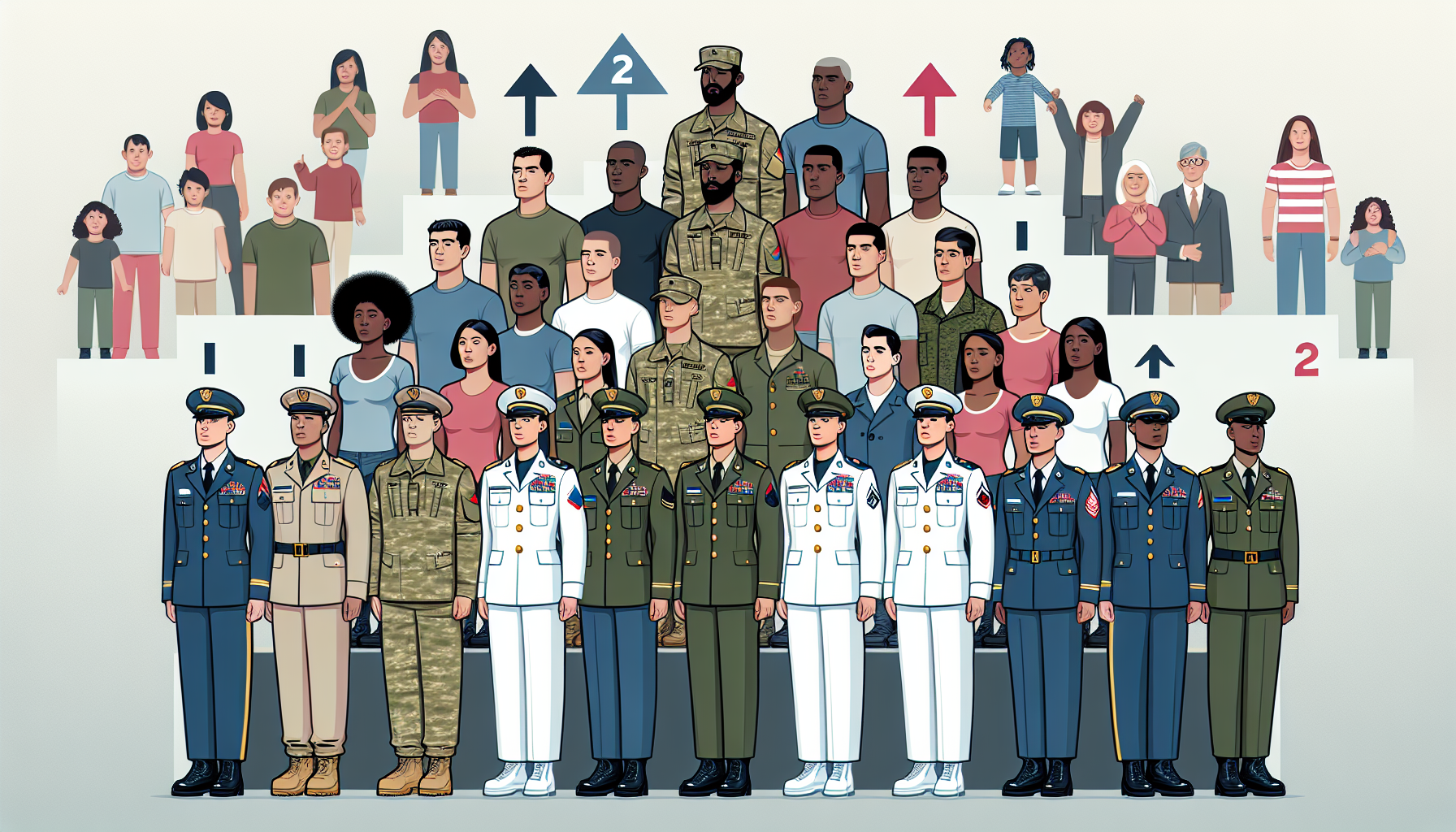
The term “chain of command” refers to the hierarchical structure within a military organization, where authority and responsibility flow from higher-ranking officers to lower-ranking personnel. It ensures that orders, decisions, and information are communicated effectively and consistently through the appropriate channels. This system maintains order, discipline, and accountability in the armed forces.

Key Takeaways

  1. Chain of command refers to the hierarchical structure within a military organization, governing the relationships between different officers, units, and personnel based on their ranks and responsibilities.
  2. The purpose of a chain of command is to ensure clear communication, control, and coordination in military operations, allowing for efficient decision-making and execution of orders from higher-ranking officials to subordinates.
  3. A well-defined chain of command is essential for maintaining discipline, accountability, and performance within the military, as it defines the roles and responsibilities of each individual and establishes the proper channels for resolving issues or conflicts.

Importance

The term “chain of command” is crucial in military operations as it establishes a clearly defined hierarchy of authority, communication, and decision-making within an organization.

This structure allows for efficient coordination, discipline, and communication across various levels of personnel by ensuring orders and decisions come from a single source and are followed accurately.

Additionally, the chain of command prevents confusion and conflict in crisis situations by streamlining decision-making and promoting accountability amongst different ranks.

In essence, the effectiveness and success of military operations largely depend on the smooth functioning of the chain of command, ensuring rapid responses to combat situational challenges while maintaining order among the troops.

Explanation

The chain of command is an integral aspect of military operations and serves to maintain order and unity among personnel. It provides a hierarchical structure through which orders are given, responsibilities are assigned, and tasks are coordinated efficiently.

The primary purpose of the chain of command is to ensure that decisions and directives from higher authorities are communicated and executed in an orderly manner at all levels within the armed forces. This organization strategy allows for swift, clear communication and steers the actions of the many disparate units within the military towards a shared goal with precision and cooperation.

Additionally, the chain of command is essential for maintaining discipline, accountability, and overall operational effectiveness. By delineating clear lines of authority, it helps to prevent confusion and conflicts among units or individuals, who know exactly to whom they report and from whom they receive orders.

This structure also fosters the professional development of military personnel, as it highlights opportunities for growth and promotion through the ranks. Furthermore, in high-stress and high-risk situations, the chain of command is vital for rapid decision-making, as it eliminates ambiguity in the execution of orders and ensures that each individual understands their specific role within the broader operational context.

Examples of Chain of command

Operation Neptune Spear (2011): This operation, also known as the mission to capture and kill Osama bin Laden, demonstrated the crucial role of a clear chain of command in highly sensitive military operations. The mission was led by the U.S. Naval Special Warfare Development Group (SEAL Team Six) under the command of their direct leaders, who coordinated with higher-ranking officials in the CIA, the Pentagon, and the White House. Ultimately, President Barack Obama, as the Commander-in-Chief, authorized and oversaw the operation, ensuring that every decision made throughout the mission adhered to a clear hierarchy.

The Battle of Midway (1942): This pivotal naval battle during World War II exhibited the chain of command between the United States Navy and the Imperial Japanese Navy. Admiral Chester Nimitz, Commander-in-Chief of the U.S. Pacific Fleet, was responsible for overall strategic planning and coordination of forces in the region. He delegated the execution of the battle, including aircraft and ship deployment, to subordinate admirals and officers. On the Japanese side, Admiral Isoroku Yamamoto was the Commander-in-Chief of the Combined Fleet, with his subordinate officers responsible for the various task forces in the battle. Both navies relied on their respective chains of command to coordinate actions, plan attacks, and respond to changing circumstances during the engagement.

Operation Desert Storm (1991): As a part of the Gulf War, the U.S.-led coalition against Iraq showcased the chain of command, both within the U.S. military and among multinational forces. President George H. W. Bush, as Commander-in-Chief, authorized the operation with the support of a United Nations resolution. General Norman Schwarzkopf Jr. served as the Commander of the Coalition Forces, overseeing both U.S. and international military units. Throughout the operation, a clearly defined chain of command was maintained, allowing for essential communication and coordination among the various ground, air, and naval forces during the conflict.

FAQ – Chain of Command

1. What is the chain of command in the military?

The chain of command is the line of authority within an organization, like the military, that establishes a clear hierarchy for communication, responsibility, and decision-making. It defines the relationships between different ranks and positions, ensuring that orders and information are relayed effectively and appropriately.

2. Why is the chain of command important?

The chain of command is crucial for maintaining order and discipline within a military organization. It ensures that all members of the organization understand their respective roles and responsibilities, creating a structure for communication and decision-making that minimizes confusion and enhances the military’s ability to complete its missions and objectives.

3. How does the chain of command work?

The chain of command works by organizing military personnel in a hierarchical structure, with each member reporting to and receiving orders from their direct superior. This structure typically begins with the highest-ranking officer and descends down to the lowest-ranking enlisted personnel. The chain of command provides a pathway for the transmission of orders, information, and decisions throughout the organization, ensuring that everyone is working together as a cohesive unit.

4. Can a lower-ranking member communicate directly to a higher-ranking member?

While the chain of command primarily relies on communication between immediate superiors and subordinates, there may be situations in which a lower-ranking member must communicate directly with a higher-ranking member. However, this is typically an exception rather than the norm and is often reserved for urgent or time-sensitive information that cannot be relayed through the normal channels.

5. What happens if someone violates the chain of command?

Violations of the chain of command can result in a breakdown of communication and order within an organization, leading to inefficiency, confusion, and potential mismanagement. In the military, violating the chain of command is considered a serious offense that can lead to disciplinary action, including potential loss of rank, fines, or other penalties depending on the severity and consequences of the violation.

Related Military Operation Terms

  • Military Hierarchy
  • Authority Structure
  • Leadership Levels
  • Command Structure
  • Superior Officers

Sources for More Information

  • The Library of Congress: The Library of Congress is one of the largest libraries in the world and houses a wide range of resources, including books, documents, and articles on military topics such as chain of command.
  • Department of Defense: The U.S. Department of Defense is a key source for military information, including chain of command structures within the United States military branches.
  • Joint Chiefs of Staff: The Joint Chiefs of Staff website contains information on the highest-ranking military officers who are responsible for coordinating military operations and maintaining the chain of command within the U.S. Armed Forces.
  • Encyclopedia Britannica: Encyclopedia Britannica is a reliable source for information on various topics, including military history and the concept of the chain of command within military organizations.

Benefits.com Advisors

With expertise spanning local, state, and federal benefit programs, our team is dedicated to guiding individuals towards the perfect program tailored to their unique circumstances.

Rise to the top with Peak Benefits!

Join our Peak Benefits Newsletter for the latest news, resources, and offers on all things government benefits.

Related Articles

Chairman of the Joint Chiefs of Staff instruction (CJCSI)

Definition

Chairman of the Joint Chiefs of Staff Instruction (CJCSI) refers to a type of directive issued by the Chairman of the Joint Chiefs of Staff (CJCS) to provide guidance and direction for military operations and procedures. These instructions are usually disseminated to the Joint Staff, the Services, and other relevant organizations within the Department of Defense. The goal of CJCSI is to enhance uniformity, consistency, and coordination among the U.S. Armed Forces and streamline their functions.

Key Takeaways

  1. The Chairman of the Joint Chiefs of Staff Instruction (CJCSI) is a key directive issued by the chairman to provide guidance, policy, and direction to the Joint Chiefs of Staff, combatant commands, and other Department of Defense components.
  2. CJSCIs cover a wide range of topics such as organization, training, operations, and personnel, as well as standardization and interoperability of equipment and procedures for U.S. military forces.
  3. As the highest-ranking military officer in the Department of Defense, the Chairman of the Joint Chiefs of Staff has the authority to issue CJSCIs to ensure the effective planning, execution, and management of joint military operations and resources.

Importance

The Chairman of the Joint Chiefs of Staff Instruction (CJCSI) is an important term in military operations as it refers to a series of formal guidance documents issued by the Chairman of the Joint Chiefs of Staff (CJCS), the highest-ranking military officer in the United States Armed Forces.

These instructions are crucial in providing direction, establishing policies, and articulating procedures to various stakeholders, including the Joint Staff, the Combatant Commands, and other Department of Defense components.

The CJCSI plays an essential role in ensuring the coordination, standardization, and effectiveness of the military’s operational readiness and capabilities, thus contributing to the overall national security and defense strategy of the United States.

Explanation

The Chairman of the Joint Chiefs of Staff Instruction (CJCSI) serves to provide critical guidance and direction within the United States Department of Defense (DoD). Its primary purpose is to coordinate and establish joint military policies, procedures, and doctrine, which ultimately contribute to the effective functioning of the defense forces. As a key element in maintaining the synergy of the U.S.

military and streamlining its actions, the CJCSI acts as a vital tool, authored and disseminated by the highest-ranking military officer, the Chairman of the Joint Chiefs of Staff. This guidance helps in unifying the diverse branches of the military, including the Army, Navy, Air Force, and Marine Corps, ensuring that they operate as a cohesive and potent force during both peace and war.

Moreover, the CJCSI facilitates the creation of standardized joint tactics, techniques, and procedures for use in joint operations, integrating the individual capabilities of each armed service. As such, it is essential in fostering harmonious decision-making, responsive command and control, and cooperative execution of national security objectives across all branches.

These instructions span a wide range of topics, including but not limited to joint training, capabilities development, communications systems, and personnel management. In essence, the Chairman of the Joint Chiefs of Staff Instructions significantly contribute to the seamless interoperability, preparedness, and adaptability of the United States military forces, ensuring their unwavering capacity to defend the nation and its interests.

Examples of Chairman of the Joint Chiefs of Staff instruction (CJCSI)

CJCSI01B – Standing Rules of Engagement (SROE) for U.S. Forces: The instruction, published in June 2005, provides a set of standard rules governing the use of force by U.S. military personnel during their operations. The document offers guidelines to commanders on how their troops should respond to various threats, protecting themselves, and ensuring mission success. It establishes a framework for the right of self-defense, rules on the use of force, and helps maintain consistency in the way U.S. troops carry out operations.

CJCSI01B – Joint Training Policy for the Armed Forces of the United States: This instruction, released in April 2008, establishes a framework for joint military training and readiness in the U.S. Armed Forces. The policy outlines the necessary steps taken to ensure that military personnel receive the adequate, rigorous, and up-to-date training needed for their respective roles. The document covers topics such as joint training systems, objectives, standards, program management, and evaluation processes, and is aimed at advancing joint mission readiness.

CJCSI01A – Global Force Management Allocation Plan: This instruction, published in May 2013, provides guidance for deploying and allocating U.S. forces around the world in support of strategic goals and objectives. The purpose of the plan is to optimize the use of available military resources, ensuring that forces are appropriately positioned and equipped to deal with threats that may emerge. The instruction contains information regarding the allocation of forces, mission sets, potential troop rotations, and coordination among the combatant commanders and military departments.

FAQ Section: Chairman of the Joint Chiefs of Staff Instruction (CJCSI)

What is the Chairman of the Joint Chiefs of Staff Instruction (CJCSI)?

The Chairman of the Joint Chiefs of Staff Instruction (CJCSI) is a series of official documents containing direction, policy, and guidance issued by the Chairman of the Joint Chiefs of Staff (CJCS) for the U.S. military’s joint training, doctrine, and policy matters. These instructions are used to govern the activities of the Joint Staff and provide guidance to combatant commanders and other elements within the Department of Defense (DoD).

Who is the intended audience for the CJCSI?

The intended audience for the CJCSI includes personnel from all branches of the U.S. armed forces, the Joint Staff, combatant commands, the National Guard Bureau, and the Office of the Secretary of Defense. The guidance and policies within these instructions are intended to facilitate coordination, communication, and collaboration among these entities.

What is the purpose and importance of CJCSI?

The purpose of the CJCSI is to ensure efficiency, effectiveness, and standardization within the joint military environment. By outlining guidance and policy, the CJCSI helps to improve communication and decision-making among the various stakeholders involved in joint military operations. This ultimately contributes to the overall mission success and national security objectives of the United States.

How often are CJCSIs revised and updated?

CJCSIs are revised and updated on a regular basis to ensure that they stay current with changes in the strategic environment, military technology, and DoD policy. The frequency of updates may vary depending on the document, but revisions typically occur at least once every three to five years or as needed in response to shifting priorities and emerging challenges.

Where can I find a comprehensive list of CJCSIs?

A comprehensive list of CJCSIs can be found on the official website of the Joint Chiefs of Staff. The website contains an online library that provides access to current and archived CJCSIs, along with other policy documents relevant to the U.S. military. Access to some of these documents may be limited due to classification levels and other restrictions.

Related Military Operation Terms

  • Joint Military Education
  • Force Readiness Training
  • Unified Combatant Commands
  • Interagency Coordination
  • National Security Strategy

Sources for More Information

Benefits.com Advisors

With expertise spanning local, state, and federal benefit programs, our team is dedicated to guiding individuals towards the perfect program tailored to their unique circumstances.

Rise to the top with Peak Benefits!

Join our Peak Benefits Newsletter for the latest news, resources, and offers on all things government benefits.

Related Articles

Chairman of the Joint Chiefs of Staff manual (CJCSM)

Definition

The Chairman of the Joint Chiefs of Staff Manual (CJCSM) is a type of U.S. Department of Defense document that provides guidance, instructions, and operational procedures for the Joint Chiefs of Staff, the highest-ranking military officers within the United States Armed Forces. These manuals contain specific information related to joint military operations, coordination, and planning. By establishing a standardized framework, the CJCSM ensures effective communication and collaboration among different branches of the military.

Key Takeaways

  1. The Chairman of the Joint Chiefs of Staff Manual (CJCSM) is a series of official documents and guidelines produced by the highest-ranking military officer in the United States Armed Forces. It aims to provide guidance, establish procedures, and convey essential information to all branches of the military and affiliated organizations.
  2. CJCSMs are crucial for promoting interoperability and standardization among different military branches, facilitating joint military operations, and ensuring successful communication and cooperation during both peacetime and combat situations.
  3. CJCSMs are continuously updated, revised, and expanded in response to evolving military technology, tactics, and global threats. This ensures that the U.S. military remains agile, adaptive, and capable of meeting the challenges of a rapidly changing security landscape.

Importance

The Chairman of the Joint Chiefs of Staff Manual (CJCSM) is an essential document in military operations because it provides unified guidance on a range of topics such as planning, training, doctrine, and execution of specific missions.

It is prepared by the Chairman of the Joint Chiefs of Staff (CJCS), the highest-ranking and most senior military officer in the United States Armed Forces, entrusted with the responsibility of advising the President, Secretary of Defense, and National Security Council on military matters.

The CJCSM ensures the coherence and standardization of procedures and practices within all branches of the military, fostering inter-service coordination and facilitating the joint force’s ability to carry out its mandate effectively and efficiently.

As such, the CJCSM is a crucial reference tool and resource for military personnel at every level, playing a significant role in maintaining the prowess and preparedness of the U.S.

Armed Forces.

Explanation

The Chairman of the Joint Chiefs of Staff Manual (CJCSM) serves as a critical document designed to guide the United States Armed Forces in achieving seamless coordination and unity among different branches. Its purpose is to provide standardized methods, procedures, and protocols for the planning, execution, and assessment of joint military operations. By outlining these guidelines, the CJCSM facilitates effective communication and interoperability among the Army, Navy, Air Force, and Marine Corps. This harmonization is essential to ensure that military personnel and resources can integrate efficiently during critical missions both at home and abroad, maximizing the effectiveness and impact of U.S.

military operations. The CJCSM is used by a wide range of military personnel, from high-ranking officers to enlisted troops, who rely on its directives for joint training, exercises, and actual operational execution. The manual’s specific contents address various aspects of joint operations, including doctrine, tactics, techniques, and logistical support. It also includes guidelines on matters such as command and control, joint fires, intelligence, and protection.

As an essential reference tool, the manual undergoes periodical updates to reflect evolving threats, technological advancements, and lessons learned from previous operations. This ensures that the U.S. military remains agile, adaptive, and prepared to address future challenges as a cohesive fighting force, better positioned to protect and further U.S. national interests.

Examples of Chairman of the Joint Chiefs of Staff manual (CJCSM)

The Chairman of the Joint Chiefs of Staff Manual (CJCSM) provides direction for the Joint Staff and guidance for other Department of Defense (DoD) activities. It contains a variety of documents on various military matters, including strategies, tactics, procedures, and other topics. Here are three real-world examples related to the CJCSM:CJCSM01A: Joint Operation Planning and Execution System (JOPES) Volume I (Planning Policies and Procedures)The JOPES manual outlines the guidelines for military planning and decision making within the Department of Defense. This includes the development and execution of plans for joint military operations, such as the planning for the 1991 Gulf War (Operation Desert Storm) or the 2003 Iraq War (Operation Iraqi Freedom). The JOPES manual helps to standardize the planning process and ensure all branches of the military are working together effectively.

CJCSM03E: Joint Training Manual for the Armed Forces of the United StatesThe Joint Training Manual provides guidelines for the development and execution of training programs for all branches of the U.S. military. This manual aims to ensure that military personnel are prepared to perform their duties with the highest level of proficiency. It covers various aspects of training, such as exercise design, evaluation, and feedback. For example, the CJCSM03E has been applied during the planning and execution of joint military exercises, like the annual BALTOPS maritime exercise that involves multiple NATO member nations.

CJCSM01B: Information Assurance (IA) and Computer Network Defense (CND)This manual provides guidance on protecting and defending the Department of Defense’s information systems and networks against cyber threats. It covers a range of topics, including risk management, vulnerability assessments, incident response, and other cybersecurity measures. In a real-world context, the CJCSM01B has shaped the development of policies and practices for cybersecurity within the military and has played a role in responding to cyber incidents, such as those attributed to nation-state actors like Russia and China.

FAQ on Chairman of the Joint Chiefs of Staff Manual (CJCSM)

1. What is the Chairman of the Joint Chiefs of Staff Manual (CJCSM)?

The Chairman of the Joint Chiefs of Staff Manual (CJCSM) is a series of guidance documents that outline the policies, procedures, and responsibilities for the US Department of Defense’s joint activities, as directed by the Chairman of the Joint Chiefs of Staff.

2. Who is the Chairman of the Joint Chiefs of Staff?

The Chairman of the Joint Chiefs of Staff (CJCS) is the highest-ranking military officer in the United States Department of Defense and serves as the principal military advisor to the President, the Secretary of Defense, and the National Security Council.

3. Why are CJCSM documents important for the military operations?

The CJCSM documents are vital for military operations because they provide a unified direction for various branches of the US Armed Forces, ensuring that their actions are coordinated, and resources are optimally utilized to achieve mission objectives.

4. Where can I find the Chairman of the Joint Chiefs of Staff Manuals (CJCSM)?

You can find the Chairman of the Joint Chiefs of Staff Manuals on the official Joint Electronic Library website, which is part of the US Department of Defense’s Defense Technical Information Center (DTIC). The link to the website is: https://www.jcs.mil/Doctrine/

5. Can the public access the entire collection of CJCSM documents?

While some of the Chairman of the Joint Chiefs of Staff Manuals (CJCSM) are public and accessible via the Joint Electronic Library, others are classified for security reasons and are accessible only to authorized personnel with appropriate security clearances.

Related Military Operation Terms

  • Joint Military Operations
  • Unified Combatant Commands
  • Joint Operation Planning
  • Strategic Communication
  • Joint Training System

Sources for More Information

Benefits.com Advisors

With expertise spanning local, state, and federal benefit programs, our team is dedicated to guiding individuals towards the perfect program tailored to their unique circumstances.

Rise to the top with Peak Benefits!

Join our Peak Benefits Newsletter for the latest news, resources, and offers on all things government benefits.

Related Articles

Chalk number

Definition

A chalk number is a term used in military operations to identify a specific unit or group of personnel and their accompanying equipment that are assigned to a particular aircraft for transport. This numbering system allows for easier organization, loading, and tracking of troops and their gear during deployments and missions. The term “chalk” is derived from the historical practice of marking aircraft with chalk to designate the assigned units.

Key Takeaways

  1. Chalk number refers to the specific numbering assigned to military personnel, vehicles, or equipment in a mission or operation, ensuring organization and effective communication.
  2. It is commonly used in airborne operations, where the chalk numbers help identify units, load assignments, and drop sequence during aircraft deployment.
  3. Chalk numbers play a crucial role in maintaining order and cohesion among units, especially during large-scale operations and boarding/deboarding processes, to enhance the overall mission efficiency.

Importance

The term “chalk number” holds significant importance in military operations as it serves as a crucial organizational tool, ensuring the smooth and efficient execution of operations.

Chalk numbers are assigned to groups of soldiers, vehicles, or aircraft, allowing military personnel to easily identify, coordinate, and track the movement and deployment of units within a larger force.

By streamlining communication and promoting operational clarity, chalk numbers contribute greatly to the overall success and effectiveness of military missions.

Explanation

A chalk number is a military term used for organizing and identifying specific groups or units during military operations, particularly in airborne or air assault missions. The main purpose of assigning chalk numbers is to facilitate smooth and precise coordination among the participating elements of a military force.

As these operations often require rapid deployment and efficient maneuvering, it is crucial for each unit involved to know their designated position and role in the operation. The chalk number is a simple tool that ensures the military personnel are organized and deployed according to plan, reducing confusion and minimizing the chances of error during these high-intensity missions.

In the field, the chalk number is assigned to an aircraft or a group of personnel who are about to be transported and deployed in a specific location or mission. The chalk number assists in maintaining both an on-ground and in-flight accountability of the troops, ensuring that all members are accounted for and in their designated positions.

During paratrooper missions, for example, a chalk number not only identifies the aircraft but also denotes an entire stick, which is a group of paratroopers scheduled to exit that specific aircraft together. Clear identification provided by the chalk numbers allows military commanders to maintain effective control during large-scale airborne or air assault operations, ultimately contributing to the success of the operation.

Examples of Chalk number

“Chalk number” in military operations refers to a designation assigned to a group of personnel or a specific piece of equipment, typically marked with an actual piece of chalk for easy identification during operations. This term is often used for assigning and organizing troops or equipment in airborne operations and military transport missions. Here are three real-world examples:

Operation Overlord (D-Day): During the D-Day invasion in World War II, one of the largest and most significant airborne operations in history, Allied airborne troops were divided into different chalk numbers. Each chalk number represented a specific aircraft and its occupants, ensuring that soldiers and equipment were organized and loaded efficiently for the massive parachute and glider assault into Normandy, France.

Operation Just Cause: In the US invasion of Panama in 1989, chalk numbers were used to organize and manage the transportation of personnel and equipment involved in the operation. For example, the 1st Battalion of the 508th Infantry Regiment was assigned chalk numbers for their C-141 aircraft to facilitate effective communication and coordination between units during their parachute jumps into the combat area.

Modern Airborne Training: Chalk numbers continue to be used in military airborne training and deployment exercises today. For instance, the U.S. Army’s 82nd Airborne Division may assign chalk numbers to specific aircraft and paratrooper groups during their regular training jumps, to ensure that personnel and equipment are organized and can be quickly accounted for throughout the exercise.In each of these examples, chalk numbers serve as essential organizational tools to promote clear communication, coordination, and accountability during military operations.

FAQ – Chalk Number

What is a chalk number in military operations?

A chalk number is a unique identifier assigned to each unit or group of personnel in military operations, particularly during air transportation processes. It is used to effectively manage, control, and track troop movement and allocations.

Why is it called a chalk number?

Historically, the military used chalk to write identification numbers on the sides of aircraft, vehicles, and the equipment used for transporting soldiers or supplies. This practice of writing numbers in chalk has evolved into the term “chalk number” to indicate an assigned number for any grouped unit during military operations.

What is the purpose of chalk numbers in military operations?

Chalk numbers serve several critical purposes in military operations. They help to streamline the organization of troops, ensuring that units embark and disembark in the correct order. They also facilitate accurate movement tracking, allowing military leaders to efficiently resource allocation and maintain operational control. Finally, chalk numbers provide a means of communication and identification between different units and command levels, contributing to clear and effective coordination during military missions.

How are chalk numbers assigned and communicated?

Chalk numbers are typically assigned by a higher-level commander or a designated planning authority. They take into account pertinent factors such as unit size, tactical priorities, and mission requirements. The chalk numbers are then communicated to the respective units and personnel through briefings or written orders, ensuring that everyone understands their number and allocated position during the operation.

Related Military Operation Terms

  • VA Educational Benefits
  • Post-9/11 GI Bill
  • Yellow Ribbon Program
  • Vocational Rehabilitation and Employment (VR&E)
  • Montgomery GI Bill

Sources for More Information

Benefits.com Advisors

With expertise spanning local, state, and federal benefit programs, our team is dedicated to guiding individuals towards the perfect program tailored to their unique circumstances.

Rise to the top with Peak Benefits!

Join our Peak Benefits Newsletter for the latest news, resources, and offers on all things government benefits.

Related Articles

Change detection

Definition

Change detection, in military operations, refers to the process of identifying and analyzing alterations in the environment, infrastructure, or activity patterns within a specific area over a certain period. This is done by comparing and evaluating information gathered from various surveillance and intelligence sources. The primary objective of change detection is to support decision-making, enhance situational awareness, and guide resource allocation for both defensive and offensive actions.

Key Takeaways

  1. Change detection refers to the process of identifying significant changes in military operations, which can include analyzing variations in enemy positions, equipment, and strategies.
  2. It plays a crucial role in maintaining situational awareness and making informed decisions by recognizing patterns, trends, and anomalies in real-time data or historical information.
  3. Technological advancements, such as AI and geospatial analysis, have greatly improved the accuracy and efficiency of change detection, enabling the military to monitor and adapt to complex environments more effectively.

Importance

Change detection is a crucial aspect of military operations as it enables the identification and monitoring of alterations in the environment, adversary capabilities, or operational situation.

By employing sophisticated observation strategies, advanced technologies, and intelligence analysis, change detection allows military forces to maintain situational awareness, adapt their tactics, and respond effectively to evolving threats and situations.

As a result, it helps ensure mission success, reduces the risk of surprise attacks, and enhances decision-making, ultimately contributing to the overall safety and efficacy of military operations.

Explanation

Change detection is an essential process within military operations, designed to support intelligence, surveillance, and reconnaissance (ISR) capabilities. Its primary purpose is to identify and monitor alterations in the environment, both natural and man-made, which may signal significant activities or potential threats that could impact the success of a mission.

By carefully examining various types of data, including satellite imagery, aerial photos, and sensor readings, operators can gain a more comprehensive understanding of the evolving landscape and the tactical implications of these changes. The value of change detection in military operations cannot be overstated, as it enables defense forces to maintain situational awareness, achieve strategic agility, and improve decision-making in rapidly changing situations.

This process facilitates the detection of hidden enemy activities such as the construction of new infrastructure, movement of military assets, or establishment of defensive positions. Additionally, by identifying shifts in patterns of life, commanders can better discern the impact of their operations on local communities, enabling them to make adjustments to minimize unintended consequences.

Moreover, change detection aids in the assessment of damage following natural disasters or conflict, allowing for more efficient allocation of resources and support for relief efforts. In essence, change detection equips military operations with the vital knowledge they need to adapt to an ever-changing world and to protect national interests effectively.

Examples of Change detection

Change detection in military operations refers to the process of identifying alterations in a particular area or situation over time, which can provide valuable insights for strategic decision-making. Here are three real-world examples of change detection in military operations:

Satellite Imagery Analysis:Military analysts often utilize satellite imagery to monitor changes in enemy territory or conflict zones. By comparing historical and current satellite images, they can detect alterations in landscape, troop movements, construction of new military facilities, and deployment of weaponry. For instance, during the 1991 Gulf War, satellite imagery enabled the coalition forces to detect the movements of Iraqi troops and equipment in Kuwait, allowing them to target their attacks more effectively.

Counter-IED Operations:In counter-Improvised Explosive Device (IED) operations, change detection is crucial for identifying potential threats to troops on the ground. This may involve regularly monitoring a specific route for any signs of suspicious activity or modifications. For example, during Operation Enduring Freedom in Afghanistan, change detection techniques helped identify newly dug holes or disturbed earth along the roadsides, suggesting the possible presence of IEDs. This information allowed the military forces to take appropriate precautions and safeguard their personnel against hidden dangers.

Border Surveillance and Security:Change detection plays a significant role in monitoring border security and detecting illegal crossings, smuggling activities, or unauthorized construction. Military and security personnel often rely on advanced sensor technologies, such as ground surveillance radar and seismic sensors, to spot changes in a particular area. For instance, along the US-Mexico border, the US Border Patrol employs change detection techniques to identify potential breaches and react swiftly to potential threats or illegal activities.

FAQ – Change Detection in Military Operations

What is change detection in military operations?

Change detection in military operations refers to the process of identifying and analyzing differences in an environment, such as geographic or situational changes, over time. This often involves the use of satellite imagery, aerial reconnaissance, or other surveillance techniques to observe and compare information at different periods.

Why is change detection important in military operations?

Change detection is crucial in military operations as it helps in monitoring enemy activities, identifying potential threats, assessing battle damage, and planning future operations. It allows commanders to make better-informed decisions based on the current situation and trends observed over time, leading to more effective and efficient military actions.

What technologies are used in change detection for military operations?

Various technologies are used in change detection for military operations, such as remote sensing data from satellites, aerial reconnaissance using unmanned aerial vehicles (UAVs), or drones, and ground-based surveillance systems. These systems collect data in the form of images, videos, or other sensor readings, which are then analyzed and compared to previous observations to identify changes.

How does change detection support intelligence gathering?

Change detection supports intelligence gathering by providing valuable information about the activities and capabilities of enemies or other actors of interest. By analyzing changes detected in the environment, military planners can infer movement patterns, deployment of new assets, or indications of potential attacks. This information is critical in formulating appropriate response strategies and maintaining situational awareness.

What are the challenges and limitations of change detection in military operations?

Challenges and limitations of change detection in military operations include the following:

  1. Limited data availability: Satellite or aerial imagery might not always be available or accessible due to restrictions or lack of coverage.
  2. Time constraints: Rapidly changing situations may require near real-time analysis, which can be difficult to achieve with large datasets or complex algorithms.
  3. Data accuracy: Errors in data collection or processing may lead to false positives or missed detection.
  4. Adversary countermeasures: Opponents may employ various tactics to deceive or counter change detection efforts, such as camouflage or concealment techniques.

Related Military Operation Terms

  • Baseline assessment
  • Monitoring frequency
  • Change identification
  • Temporal analysis
  • Change confirmation

Sources for More Information

Benefits.com Advisors

With expertise spanning local, state, and federal benefit programs, our team is dedicated to guiding individuals towards the perfect program tailored to their unique circumstances.

Rise to the top with Peak Benefits!

Join our Peak Benefits Newsletter for the latest news, resources, and offers on all things government benefits.
Related Articles

Channel airlift

Definition

Channel airlift refers to a recurring, scheduled transportation service used by the military to transport personnel, equipment, and supplies between designated locations. It employs military cargo aircraft and predetermined flight routes, also known as air corridors or channels. This system streamlines logistics and ensures efficient and coordinated movement of resources.

Key Takeaways

  1. Channel airlift is a method of military transportation that refers to the scheduled, routine flights used to deliver cargo and personnel to multiple destinations within a predetermined network of locations.
  2. These operations are primarily utilized to support military logistics, such as resupplying troops, moving equipment, and transporting personnel, thereby ensuring efficient and reliable distribution of resources during peacetime and conflicts.
  3. Channel airlifts can be conducted by military aircraft or by using contracted commercial air carriers, which allows for flexibility in response to various levels of demand and ensures that resources are allocated effectively in both routine and emergency situations.

Importance

Channel airlift is an important military operations term because it refers to a pre-scheduled and continuous airlift operation that efficiently provides transportation of personnel, equipment, and supplies through designated air routes.

This scheduled transportation system significantly contributes to the overall readiness and capability of military forces by enabling rapid deployment, timely provision of resources, and the ability to respond effectively to various missions and contingencies.

Additionally, channel airlift activities promote seamless coordination and collaboration among different units, improving flexibility and operability while demonstrating a nation’s force projection capability.

Overall, channel airlift is the backbone of military logistics, ensuring the successful execution of missions and a well-supported defense structure.

Explanation

Channel airlift is a crucial component of military operations, designed to provide an efficient and organized means for the transportation of cargo, troops, and resources through predetermined routes in support of various missions and contingencies. The primary purpose of channel airlift is to facilitate the movement of essential supplies and personnel between designated locations, thus ensuring a seamless and well-coordinated logistics support system.

This strategic tool not only enhances the readiness and mobility of military forces but also assists in maintaining the operational tempo of units engaged in missions at home and abroad. Channel airlift operations are planned and executed with the utmost precision and generally rely on fixed schedules, established routes, and consistent capacity allocations.

The utilization of these predetermined channels reduces response time, maximizes resource allocation, and alleviates logistic bottlenecks that may hinder the progress of military activities. As military operations constantly evolve, the channel airlift system provides a crucial lifeline that enables swift adaptation and redeployment when contingencies arise.

Furthermore, the strategic positioning and shifting of resources and personnel through channel airlift can also serve as a deterrent to potential adversaries, demonstrating a military’s fluidity and tenacious presence in the face of complex and dynamic scenarios.

Examples of Channel airlift

Channel airlift refers to a system of scheduled flights primarily used for transporting cargo and personnel within military operations. These airlifts operate as regular flights between designated locations, following routine routes and schedules. Here are three real-world examples of channel airlifts:

**Berlin Airlift (Operation Vittles), 1948-1949**: During the Berlin Blockade, when the Soviet Union cut off all access to West Berlin, the United States and its allies conducted a massive channel airlift operation to deliver essential supplies to the city’s residents. Over the course of more than a year, US, UK, French, and other aircraft carried over 2 million tons of cargo to West Berlin, including food, fuel, and other necessities, to maintain the city’s lifeline.

**Operation Nickel Grass, 1973**: During the Yom Kippur War, the United States conducted an extensive channel airlift operation to supply Israel with military equipment and ammunitions. The airlift delivered approximately 22,000 tons of armaments and supplies to Israel via over 560 flights, helping Israel maintain its military capabilities during the prolonged conflict, and ultimately contributing to the ceasefire agreement.

**Operation Desert Shield, 1990-1991**: As part of the response to the Iraqi invasion of Kuwait, the United States conducted a channel airlift operation to transport American and coalition military forces and cargo to the Persian Gulf region in preparation for Operation Desert Storm. More than 500,000 personnel and hundreds of thousands of tons of cargo were transported by airlift, making it one of the largest military air operations in history. This massive airlift played a crucial role in focusing military resources and equipment in a challenging, remote area.

FAQ – Channel Airlift

What is Channel Airlift?

Channel Airlift is a military operation wherein troops, equipment, and supplies are transported via air to support missions or conduct emergency evacuations. This method is often employed in situations where ground transport is impossible or too dangerous.

What are the primary objectives of Channel Airlift?

The primary objectives of Channel Airlift operations include transporting troops and supplies to areas of conflict, providing humanitarian aid during natural disasters, and conducting evacuations of personnel in case of emergencies or hostile situations.

What types of aircraft are used in Channel Airlift operations?

Various types of military transport aircraft can be used in Channel Airlift operations, depending on the mission requirements. Commonly used aircraft include cargo planes like the C-130 Hercules, the C-17 Globemaster III, and the C-5 Galaxy, as well as helicopters like the CH-47 Chinook and the UH-60 Black Hawk.

How is Channel Airlift different from other types of military transport operations?

Channel Airlift specifically refers to the transport of troops and supplies through air routes, as opposed to ground transport or maritime shipping. Other types of military transport operations may employ different combinations of ground, air, and sea transport depending on the mission and regional infrastructure.

What are some examples of Channel Airlift operations in history?

Notable examples of Channel Airlift operations include the Berlin Airlift (1948-1949), where Western Allies used airlifts to supply the besieged city of West Berlin during the Soviet blockade, and Operation Nickel Grass (1973), a strategic airlift operation to supply Israeli forces during the Yom Kippur War.

Related Military Operation Terms

  • Air Mobility Command (AMC)
  • Civil Reserve Air Fleet (CRAF)
  • Strategic Airlift Capability
  • Aeromedical Evacuation (AE)
  • Joint Base McGuire-Dix-Lakehurst

Sources for More Information

Benefits.com Advisors

With expertise spanning local, state, and federal benefit programs, our team is dedicated to guiding individuals towards the perfect program tailored to their unique circumstances.

Rise to the top with Peak Benefits!

Join our Peak Benefits Newsletter for the latest news, resources, and offers on all things government benefits.
Related Articles

Chemical agent

Definition

A chemical agent is a substance that uses chemicals to harm, incapacitate, or kill humans, animals, or plants, either directly or through contamination of their environment. These agents are typically deployed in warfare or terrorist activities to produce widespread damage, fear, or suffering. They are classified into several categories, including nerve agents, blister agents, choking agents, and blood agents, each producing different effects on their targets.

Key Takeaways

  1. Chemical agents are substances used in warfare, designed to cause harm or death to humans, animals, or plants through their toxic properties.
  2. These agents can be classified into several categories such as nerve agents, blister agents, choking agents, blood agents, and incapacitating agents, each with distinct effects and modes of action on the target.
  3. The use of chemical agents is highly regulated by international law, specifically the Chemical Weapons Convention, which prohibits their production, stockpiling, and use in armed conflicts.

Importance

The term “chemical agent” is important in military operations as it refers to toxic substances used as weapons to cause casualties, incapacitate enemies, or deny access to resources and strategic areas.

Understanding and identifying chemical agents is crucial for military personnel to develop and implement protective measures, mitigation strategies, and countermeasures to minimize their impact on both combatants and civilians.

Additionally, the awareness of chemical agents is essential to comply with international laws, treaties, and norms, such as the Chemical Weapons Convention, which strictly prohibit the use of chemical weapons.

Overall, the concept of a chemical agent plays a significant role in ensuring the safety, effectiveness, and ethical conduct of military operations.

Explanation

Chemical agents, as a facet of military operations, serve as a strategic tool designed to weaken and incapacitate enemy forces in times of conflict. Their deployment can potentially influence the course of a confrontation, as these agents can induce harmful and often lethal effects on targeted personnel without causing structural damage to the surrounding environment.

By exploiting the chemical properties of various substances, the purpose of these agents spans a wide range of applications, from neutralizing enemy combatants to creating smoke screens to impair visibility and communication. Throughout history, chemical agents have been utilized to gain a tactical advantage during warfare; an infamous example being the use of mustard gas in World War I.

With time, more sophisticated substances and delivery systems have emerged, enhancing the potency and efficacy of chemical warfare. However, due to their indiscriminate nature and the potential for long-term environmental impacts, the use of chemical agents in warfare has become highly contentious and their deployment is strictly regulated by international law.

Nevertheless, military forces around the world continue to research and develop chemical agents, primarily for defensive purposes and to strengthen their preparedness against such threats from adversaries.

Examples of Chemical agent

Military operations occasionally involve the use of chemical agents, which are substances designed to cause harm or death by their toxic properties. Three real-world examples of the use of chemical agents in military operations are:

World War I: The use of chlorine gas by German forces during the Second Battle of Ypres in 1915 is one of the earliest examples of chemical warfare in the modern age. Chlorine is a toxic gas that causes severe respiratory damage, leading to suffocation. Additionally, mustard gas was used extensively by both sides throughout the war, causing skin blisters, respiratory distress, and sometimes death.

Iran-Iraq War (1980-1988): During the eight-year conflict between Iran and Iraq, both sides employed chemical agents against each other. Iraqi forces used mustard gas and nerve agents, such as sarin and tabun, against Iranian troops and civilian populations. The attacks resulted in the deaths of thousands of Iranian soldiers and civilians, as well as long-term health effects for survivors.

1995 Tokyo Subway Sarin Attack: While not a military operation, the 1995 Tokyo subway sarin attack was a terrorist act carried out by the Aum Shinrikyo cult. The group released the deadly nerve agent sarin in several subway cars, killing 13 people and injuring over 5,

This attack exposed the danger of chemical agents being used by non-state actors and the potential for mass casualties in highly populated areas.

FAQs for Chemical Agent Operations

What is a chemical agent?

A chemical agent is a substance that is deliberately manufactured, stored, and used for military purposes to incapacitate, injure, or kill people, destroy equipment, or damage the environment. These agents can include toxic chemicals such as nerve agents, blister agents, choking agents, and blood agents.

What are the different types of chemical agents?

Chemical agents are classified into several categories, such as nerve agents, blister agents, choking agents, blood agents, and incapacitating agents. Nerve agents disrupt the nervous system, blister agents cause chemical burns, choking agents attack the respiratory system, blood agents disrupt the oxygen-carrying capacity of the blood and incapacitating agents temporarily impair human function.

How are chemical agents typically delivered during military operations?

Chemical agents can be delivered through various methods, including artillery shells, bombs, missiles, rockets, and spray tanks. They can also be dispersed using specialized devices, such as land mines, aerosol generators, or hidden containers that covertly release the agent.

What are the immediate effects of a chemical agent attack?

The immediate effects of a chemical agent attack vary depending on the type of agent and the sensitivity of the target. Symptoms can range from mild irritation or discomfort to severe pain, incapacitation, and even death. Some common symptoms include difficulty breathing, blurred vision, nausea, vomiting, skin irritation, and seizures.

How can individuals protect themselves from chemical agents?

Individuals can protect themselves from chemical agents by wearing personal protective equipment, such as a gas mask, protective clothing, and gloves. They should also seek shelter in a well-sealed area, limit their exposure to the outside environment, and follow guidance from emergency responders or military personnel.

What measures do military forces take to counteract chemical agent threats?

Military forces are trained and equipped to detect, identify, and respond to chemical agent threats. Protective gear, such as gas masks, gloves, and specialized clothing is provided to protect soldiers against exposure. Military units may also use specialized equipment to detect chemical hazards, and are trained in decontamination procedures to remove or neutralize these threats.

Related Military Operation Terms

  • Exposure assessment
  • Disability compensation
  • Veterans health care
  • Agent Orange
  • Contaminated environments

Sources for More Information

Benefits.com Advisors

With expertise spanning local, state, and federal benefit programs, our team is dedicated to guiding individuals towards the perfect program tailored to their unique circumstances.

Rise to the top with Peak Benefits!

Join our Peak Benefits Newsletter for the latest news, resources, and offers on all things government benefits.

Related Articles

Chemical, biological, radiological, and nuclear defense (CBRN defense)

Definition

Chemical, biological, radiological, and nuclear defense (CBRN defense) refers to protective measures taken by military and civil authorities to minimize or prevent harm resulting from chemical, biological, radiological, or nuclear threats. These measures include detection and identification of hazardous materials, decontamination procedures, and protective equipment for personnel. The objective of CBRN defense is to ensure the safety and effectiveness of military forces and civilians in situations involving CBRN hazards.

Key Takeaways

  1. CBRN defense refers to protective measures taken to ensure the safety of military personnel and civilians in the event of a chemical, biological, radiological, or nuclear (CBRN) threat or attack.
  2. These defenses involve an array of capabilities that include detection and identification of CBRN hazards, protection against them through specialized gear and equipment, and decontamination efforts to restore affected areas to safe conditions.
  3. Integral to CBRN defense is emergency response, which encompasses the training and coordination of military forces, government agencies, and civil support networks to ensure an effective and unified response if a CBRN incident occurs.

Importance

CBRN defense is of vital importance in military operations because it focuses on protecting military personnel, civilians, and critical infrastructure from the grave consequences of chemical, biological, radiological, and nuclear (CBRN) threats.

These threats pose significant danger as they have the potential to cause widespread devastation, long-term health effects, and catastrophic damage to the environment.

Consequently, a robust CBRN defense strategy enables nations to proactively detect, identify, prevent, and respond to such threats effectively.

Moreover, it promotes international security cooperation, enhances preparations for contingencies, and bolsters confidence in the ability to maintain essential functions in the face of CBRN incidents, ultimately reducing the risk posed by these deadly hazards.

Explanation

Chemical, biological, radiological, and nuclear (CBRN) defense is a critical component of modern military operations, designed to safeguard troops, civilians, and critical infrastructure from threats posed by chemical, biological, radiological, and nuclear agents. The purpose of CBRN defense is to ensure the continuity of operations during warfare, thereby protecting vital resources and maintaining a nation’s ability to function effectively. This specialized area of defense aims to minimize the effects of CBRN incidents, which can cause significant harm and disruption to both military and civilian populations.

Consequently, CBRN defense encompasses a broad spectrum of capabilities to prevent, detect, respond to, and recover from attacks involving these harmful agents. To achieve its objectives, CBRN defense comprises several key elements, including detection and identification of hazardous materials, protective measures to shield personnel and equipment, and medical countermeasures for those who have been exposed. This often involves the use of specialized equipment, training, and protocols to enable military forces to operate in contaminated environments.

Furthermore, CBRN defense efforts extend beyond the battlefield, with international efforts to prevent proliferation and illicit use of CBRN materials and technologies. These efforts include cooperation among nations in information sharing, training, and development of effective countermeasures. Ultimately, CBRN defense is essential to enhancing resilience, preserving lives, and ensuring the readiness of military forces to address the evolving landscape of global security threats.

Examples of Chemical, biological, radiological, and nuclear defense (CBRN defense)

Operation Desert Storm (1991): During the Gulf War, CBRN defense measures were employed by coalition forces in response to the potential threat of chemical and biological attacks by Iraq. These measures included issuing protective gear such as gas masks, chemical-resistant suits, and detection equipment to soldiers. There were several reported incidents of chemical alarms going off during the conflict, which led to troops getting into protective gear to prevent potential exposure.

Tokyo Sarin Gas Attack (1995): In March 1995, the Aum Shinrikyo cult carried out a domestic terrorist attack using sarin nerve gas in the Tokyo subway system. The attack resulted in the deaths of 13 people and injured more than 5,000 others. This event highlighted the need for effective CBRN defense capabilities and trained response teams to manage the threats of chemical and biological agents in urban environments. Following the attack, Japan enhanced its CBRN defense capabilities by creating specialized units to respond to such incidents and implementing stricter security measures in public transportation systems.

U.S. Anthrax Attacks (2001): In the aftermath of the September 11 attacks, anonymous letters containing anthrax spores were mailed to various media organizations and two U.S. senators, resulting in five deaths and 17 infections. The anthrax attacks raised concerns about the potential for biological warfare and bioterrorism. In response, the United States increased funding for CBRN defense research and capabilities, and developed specialized response teams to handle biological threats, such as the FBI’s Hazardous Materials Response Unit (HMRU).These instances illustrate the significance of CBRN defense in addressing the threats posed by chemical, biological, radiological, and nuclear materials in both military and civilian contexts.

“`html

FAQ – Chemical, biological, radiological, and nuclear defense (CBRN defense)

What is CBRN defense?

CBRN defense is the protection against and response to chemical, biological, radiological, and nuclear (CBRN) threats or hazards. It involves preventive measures, detection, identification, and management of CBRN incidents to minimize the impact on people, environment, and infrastructure.

Why is CBRN defense important?

CBRN defense is crucial because the proliferation of chemical, biological, radiological, and nuclear materials increases the risk of terrorist attacks and accidents. It ensures the safety and security of civilians and military personnel and enables effective response and recovery in case of such incidents.

What are the components of CBRN defense?

CBRN defense includes four main components: prevention, detection, protection, and response. Prevention involves reducing the possibility of CBRN incidents. Detection involves identifying the presence of CBRN materials. Protection includes minimizing the risk of exposure and contamination, while response involves managing and mitigating the consequences of CBRN incidents.

How can military personnel protect themselves from CBRN threats?

Military personnel can protect themselves from CBRN threats by using specialized protective equipment, including individual protective masks, protective clothing, and detection devices. Additionally, they should receive proper training in operating under CBRN conditions, decontamination procedures, and first aid in case of exposure to CBRN materials.

What are some examples of CBRN incidents in history?

Some notable CBRN incidents in history include the 1986 Chernobyl nuclear disaster, the 1995 Tokyo subway sarin gas attack, the 2001 anthrax attacks in the United States, and the 2018 Salisbury nerve agent poisoning in the United Kingdom. These incidents highlight the importance of effective CBRN defense measures and preparedness.

“`

Related Military Operation Terms

  • Decontamination procedures
  • Protective gear and equipment
  • CBRN detection and monitoring
  • Hazard mitigation and response
  • CBRN training and education

Sources for More Information

Benefits.com Advisors

With expertise spanning local, state, and federal benefit programs, our team is dedicated to guiding individuals towards the perfect program tailored to their unique circumstances.

Rise to the top with Peak Benefits!

Join our Peak Benefits Newsletter for the latest news, resources, and offers on all things government benefits.

Related Articles

Chemical, biological, radiological, and nuclear environment (CBRN environment)

Definition

The Chemical, Biological, Radiological, and Nuclear (CBRN) environment refers to circumstances where intentional or accidental use of hazardous chemical, biological, radiological, or nuclear materials could potentially cause harm or disruption. Such an environment poses significant threats to human health, safety, as well as operational capability. Military forces must be trained and equipped to handle and mitigate risks related to the CBRN environment.

Key Takeaways

  1. CBRN environment refers to the potential threats and scenarios involving chemical, biological, radiological, and nuclear materials or weapons, which can cause widespread damage and casualties.
  2. CBRN defense includes protective measures, detection equipment, and trained personnel to prevent, detect, respond to, and recover from incidents involving these hazardous materials, enhancing the overall safety and security of military operations.
  3. Given the severe consequences of CBRN incidents, it is crucial for militaries and other organizations to develop effective response plans, specialized equipment, and collaboration between countries to mitigate the risks and ensure a prompt and efficient response.

Importance

The term Chemical, Biological, Radiological, and Nuclear environment (CBRN environment) is important because it encompasses a wide range of hazardous situations that can pose significant threats to both military personnel and civilian populations.

Understanding and addressing CBRN environments is crucial for national security and global stability, as these threats can result from deliberate attacks, natural disasters, or accidents.

Developing effective prevention, detection, mitigation, and response strategies for CBRN scenarios can help protect lives, safeguard infrastructure, and preserve global peace.

The term itself serves as a comprehensive framework for addressing and analyzing the complex challenges associated with CBRN threats, ensuring that military operations prioritize the development and implementation of defensive and offensive capabilities to counter these potential risks.

Explanation

The Chemical, Biological, Radiological, and Nuclear environment (CBRN) is a critical component in modern military operations as it aims to provide protection against the potential threats from various hazardous agents. The purpose of CBRN environment is to ensure the readiness and effectiveness of military forces, while safeguarding the health and safety of the personnel and the public.

It encompasses a wide range of defensive measures, planning and training activities, information and intelligence gathering, and continuous monitoring and assessment of the potential risks associated with the use of CBRN agents. These efforts contribute to strengthening the response capabilities and resilience of military forces in the face of any CBRN incidents, whether deliberate or accidental.

In order to effectively manage the CBRN environment, various specialized equipment, technologies, and specialized units are employed to detect, identify, and respond to CBRN threats. Additionally, regular training and exercises are conducted to maintain the competency and readiness of military personnel in operating within a contaminated environment.

By investing in the development of innovative technologies and tactics, military organizations aim to enhance their capabilities in detecting and neutralizing CBRN threats. Moreover, cooperation and coordination among national and international agencies, as well as with civilian first responders, are vital in ensuring a comprehensive and effective approach towards managing the CBRN environment and mitigating the potential consequences of CBRN incidents.

Examples of Chemical, biological, radiological, and nuclear environment (CBRN environment)

1995 Tokyo Sarin Gas Attack: A real-world example of chemical warfare occurred on March 20, 1995, when the Aum Shinrikyo, a Japanese doomsday cult, carried out a chemical attack on the Tokyo subway system. They used sarin gas, a highly toxic nerve agent that led to 13 deaths and left more than 5,000 people injured. This attack brought the threat of chemical weapons to the forefront of global security concerns.

2001 Anthrax Attacks in the United States: This example of biological warfare occurred in the wake of the September 11 terrorist attacks. Letters containing anthrax spores were mailed to several news media offices and two U.S. senators, causing five deaths and infecting 17 others. The events heightened concerns about bioterrorism and the need for greater preparedness in addressing threats from biological agents.

Chernobyl Nuclear Disaster in 1986: Although not a deliberate act of warfare, the Chernobyl disaster in the former Soviet Union serves as a real-world example of the consequences of a radiological event. On April 26, 1986, a malfunction during a safety test led to an explosion at the Chernobyl nuclear power plant, causing a significant release of radioactive material into the environment. The disaster exposed millions of people to dangerous levels of radiation and led to a significant number of deaths and long-term health consequences. The incident highlights the catastrophic potential of radiological events and the importance of understanding and preparing for CBRN environments.

FAQ: Chemical, Biological, Radiological, and Nuclear Environment (CBRN Environment)

What is a CBRN environment?

A Chemical, Biological, Radiological, and Nuclear (CBRN) environment refers to any situation where there is a risk or presence of hazardous materials, substances, or agents that can cause significant harm to people, animals, and the environment. These four categories of hazards can be caused by accidents, natural disasters, or intentional acts of terrorism and warfare.

What are the primary threats in a CBRN environment?

The main threats in a CBRN environment are exposure to chemical, biological, radiological, and nuclear substances. Chemical threats include toxic industrial chemicals and chemical warfare agents. Biological threats involve infectious agents such as bacteria, viruses, and toxins. Radiological hazards come from radioactive materials and can lead to ionizing radiation exposure. Nuclear threats involve the use of nuclear weapons, which can result in both radiological and blast-effects hazards.

How can military forces prepare for a CBRN environment?

Military forces must undergo specialized training, acquire and maintain protective equipment, and implement proper procedures to execute missions in a CBRN environment. Training includes identifying and responding to CBRN threats, decontaminating personnel and equipment, and providing medical support. Protective equipment may consist of personal protective equipment (PPE), detection devices, and specialized shelters or vehicles. Proper procedures involve adhering to safety protocols and operating within established guidelines to minimize the risk of exposure.

What is the role of a CBRN specialist?

A CBRN specialist is a highly trained individual responsible for planning, coordinating, and executing CBRN defense measures. Their duties include assessing potential hazards, advising commanders on CBRN-related issues, managing detection and decontamination equipment, and providing training to personnel. They ensure that military forces are prepared to operate effectively and safely in CBRN environments.

How can the general public protect themselves in a CBRN environment?

Individuals can take several precautions to protect themselves in a CBRN environment. This includes staying informed about potential threats, having an emergency plan, and maintaining a supply of essential items such as food, water, and medical supplies. In the event of a CBRN incident, follow the instructions of local authorities, which may involve evacuating, seeking shelter, or applying other protective measures. Personal protective equipment, such as masks and gloves, may provide additional protection depending on the specific situation.

Related Military Operation Terms

  • Hazardous materials exposure
  • Decontamination procedures
  • Protective equipment and gear
  • CBRN threat detection
  • Emergency response and preparedness

Sources for More Information

Benefits.com Advisors

With expertise spanning local, state, and federal benefit programs, our team is dedicated to guiding individuals towards the perfect program tailored to their unique circumstances.

Rise to the top with Peak Benefits!

Join our Peak Benefits Newsletter for the latest news, resources, and offers on all things government benefits.

Related Articles

Chemical, biological, radiological, and nuclear hazard (CBRN hazard)

Definition

A chemical, biological, radiological, and nuclear hazard (CBRN hazard) refers to the potential dangers posed by exposure to harmful chemical, biological, radiological, or nuclear materials. These hazards can result from both intentional acts, such as warfare or terrorism, and unintentional incidents like accidents or natural disasters. CBRN hazards carry significant risks to human health, the environment, and overall security, necessitating specialized training and equipment for response and mitigation efforts.

Key Takeaways

  1. CBRN hazards refer to the potential threat posed by the use of chemical, biological, radiological, and nuclear materials, which can cause substantial harm to populations, infrastructure, and the environment.
  2. Effective CBRN defense strategies involve detection, identification, protection, and decontamination measures to minimize the impact of these hazards on civilian and military personnel.
  3. International cooperation, treaties, and strict monitoring are essential to prevent the proliferation of CBRN materials and technologies to potential threat actors, including both state and non-state entities.

Importance

The term Chemical, Biological, Radiological, and Nuclear hazard (CBRN hazard) is crucial in military operations because it encompasses various threats that have the potential to cause significant harm to people, infrastructure, and the environment.

These hazards can be intentional, such as from an attack by an adversary, or unintentional, such as an accident in handling or disposing of hazardous materials.

By understanding and addressing CBRN hazards, military personnel can better protect and respond to dangerous situations, mitigating the potential damage and loss of life.

Furthermore, planning for CBRN hazards aids in fostering international cooperation and coordination for disaster response, promoting global security and preventing the proliferation of weapons of mass destruction.

Explanation

Chemical, Biological, Radiological, and Nuclear (CBRN) hazards play a pivotal role in military operations and national security, with the primary purpose of defending against potential attacks involving these four categories of weapons. CBRN hazards encompass a wide range of lethal or incapacitating agents which often pose immediate and severe threats to both military personnel and civilian populations.

Military forces and specialized units emphasize on comprehensive preparation, training, and equipment, as well as operational readiness for CBRN incidents. The purpose of identifying and managing CBRN hazards is not only to ensure force protection and preservation of strategic assets, but also to maintain the ability of military forces to successfully execute their missions in contaminated environments.

The effective management of CBRN hazards requires coordinated efforts between various agencies, taking into account intelligence information about potential threats, early warning systems, detection and identification of hazardous agents, specialized protection measures, and comprehensive decontamination and recovery plans. In addition to the direct impact on military operations, CBRN hazards may have long-lasting and wide-ranging effects on civilian communities, critical infrastructure, industrial activities, and the environment.

As such, it is vital to continuously advance CBRN defense capabilities, focusing on resilience, adaptability, and responsiveness to effectively counter known and emerging threats from both state and non-state actors.

Examples of Chemical, biological, radiological, and nuclear hazard (CBRN hazard)

Syrian Chemical Attacks (2013): The Syrian civil war witnessed a hazardous example of a chemical attack when the Syrian government forces allegedly used sarin, a deadly nerve agent, against the civilian population of Ghouta area in August

This attack resulted in the death of at least 1,400 people and injuries to thousands. The international community considered this a CBRN hazard, and as a result, took measures to disarm Syria of its chemical weapon stockpile.

The Anthrax Letters (2001): In the aftermath of the September 11 attacks, the United States was targeted with a series of bio-hazardous threats through mailed envelopes containing anthrax spores. Five individuals were killed, and several others fell ill from these dangerous materials. The FBI and other law enforcement agencies treated the anthrax incidents as a serious CBRN threat and conducted a widespread investigation to identify and apprehend the individual responsible.

Chernobyl Nuclear Disaster (1986): The explosion at the Chernobyl Nuclear Power Plant in Ukraine is one of the most well-known examples of a radiological hazard in the real world. The explosion, caused by a flawed reactor design and operator errors, led to the release of massive amounts of radioactive materials into the atmosphere. The immediate aftermath included the death of plant workers and emergency responders, while long-term consequences included the creation of a contaminated exclusion zone, severe health problems, and the displacement of hundreds of thousands of people. This event prompted a re-examination of nuclear safety standards and the management of potential CBRN hazards.

FAQ – Chemical, Biological, Radiological, and Nuclear Hazard (CBRN hazard)

1. What are Chemical, Biological, Radiological, and Nuclear (CBRN) hazards?

CBRN hazards refer to dangerous substances or threats related to chemical, biological, radiological, and nuclear materials. These hazards are capable of causing significant harm to people, animals, and the environment when mishandled, intentionally released, or accidentally dispersed.

2. How do CBRN hazards frequently occur?

CBRN hazards can occur in various ways, such as industrial accidents, natural disasters, and intentional acts of terrorism or warfare. Given the potential for widespread devastation, national and international agencies work diligently to prevent, prepare for, and respond to these threats.

3. What are chemical hazards?

Chemical hazards are toxic substances in the form of gases, liquids, or solids that can cause harm to living organisms and the environment. Examples include nerve agents, blister agents, and choking agents. Chemical hazards may arise from industrial accidents, spills, or intentional attacks.

4. What are biological hazards?

Biological hazards are living organisms or materials derived from them, such as bacteria, viruses, toxins, or other pathogens, that pose a risk to human, animal, or plant health. Examples include anthrax, plague, and smallpox. Biological hazards can result from natural outbreaks, accidents at research facilities, or intentional releases.

5. What are radiological hazards?

Radiological hazards involve the release of ionizing radiation from materials such as radioactive isotopes, posing a risk to human health and the environment. Radiological hazards can result from accidents at nuclear power plants, mishandling of radioactive materials, or intentional acts like dirty bombs or radiological dispersal devices (RDDs).

6. What are nuclear hazards?

Nuclear hazards refer to the threats associated with the detonation of nuclear weapons or accidents involving nuclear materials. Nuclear explosions emit intense heat, blast pressure, and ionizing radiation, causing significant damage to the environment and widespread health effects on human populations.

7. How can we prepare for and mitigate CBRN hazards?

Preparation for CBRN hazards involves a mix of education, training, and implementing protective measures. This includes developing and maintaining emergency response plans, investing in protective equipment, monitoring and detecting potential threats, and reinforcing international cooperation to prevent the proliferation of CBRN materials.

Related Military Operation Terms

  • Decontamination procedures
  • Personal protective equipment (PPE)
  • Hazard detection and identification
  • Emergency response plans
  • Exposure assessment and medical treatment

Sources for More Information

Benefits.com Advisors

With expertise spanning local, state, and federal benefit programs, our team is dedicated to guiding individuals towards the perfect program tailored to their unique circumstances.

Rise to the top with Peak Benefits!

Join our Peak Benefits Newsletter for the latest news, resources, and offers on all things government benefits.

Related Articles

x