






We are privately owned and not affiliated or endorsed by any government agency.

Take the Benefits Quiz

Carrier air wing (CVW)

Definition

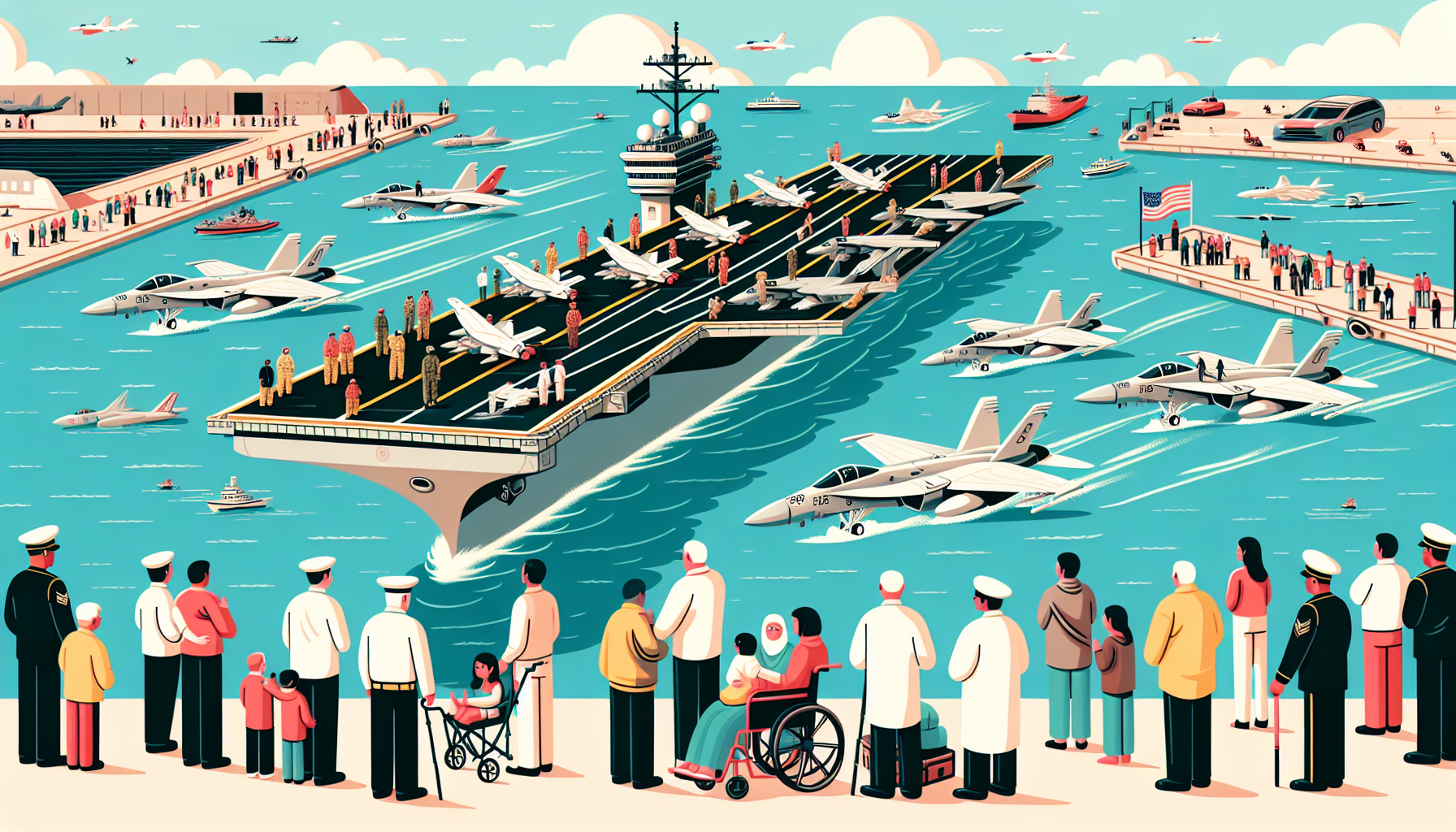
A Carrier Air Wing (CVW) is a term used to describe an operational unit of the United States Navy, consisting of multiple aircraft squadrons. The main purpose of a CVW is to provide tactical air support in both offensive and defensive missions, while being deployed on an aircraft carrier. Each CVW typically includes a mix of various types of aircraft, such as fighter jets, electronic warfare planes, and airborne early warning aircraft, among others.

Key Takeaways

  1. A Carrier Air Wing (CVW) is an operational naval aviation organization composed of several aircraft squadrons and detachments. It provides striking power, electronic warfare, and air support for naval operations.
  2. CVWs operate from aircraft carriers as a team, providing the carrier with various attack and defense capabilities. The composition of a CVW typically includes fighter, attack, and electronic warfare aircraft, as well as helicopters for anti-submarine warfare and search-and-rescue missions.
  3. Each CVW is attached to an individual aircraft carrier and supports the carrier’s mission by providing air superiority, reconnaissance, and close air support to ground forces, as well as aerial refueling and logistics support.

Importance

The term Carrier Air Wing (CVW) holds significant importance in military operations as it represents a fundamental operational unit of naval aviation.

CVWs consist of several aircraft squadrons, each specialized in various combat missions, working together to enhance the combat effectiveness and power projection capabilities of a naval fleet.

By operating from aircraft carriers, CVWs provide an unparalleled degree of flexibility, mobility, and adaptability, enabling rapid response to diverse threats and support for ground forces across the globe.

The integration of various aircraft types, ranging from fighter jets to helicopters, in a CVW ensures optimal utilization of combined assets, allowing it to facilitate a broad spectrum of military operations such as air superiority, strike, reconnaissance, electronic warfare, and logistical support.

Overall, the Carrier Air Wing embodies a vital component of modern naval warfare, bolstering the strength and strategic reach of a country’s armed forces.

Explanation

A carrier air wing (CVW) serves as a critical component within naval military operations, designed to enhance the offensive and defensive capabilities of an aircraft carrier strike group. The primary purpose of a CVW is to project air power and provide aerial support for maritime operations, enabling countries to assert control over their territorial and international waters effectively.

Comprised of various fixed-wing aircraft and rotary-wing helicopters, CVWs are highly versatile and efficient in facing multiple threats from air, surface, and sub-surface targets. As such, they play an integral role in maintaining a robust naval presence and are often employed in various operations, including reconnaissance, air defense, ground attack, and anti-submarine warfare.

Furthermore, CVWs contribute significantly to the flexibility and adaptability of deployed naval forces. By endowing aircraft carriers with unparalleled combat capabilities, they allow naval commanders to engage adversaries across various fronts and promptly respond to evolving threats or emerging contingencies.

This multifaceted nature makes CVWs an indispensable asset in modern naval warfare, where the ability to maneuver quickly and decisively can prove advantageous on the battlefield. In addition, CVWs work in tandem with surface combatants and support vessels within their strike group to maintain a strong, seamless defense, ensuring the protection of strategic maritime interests and preserving freedom of navigation for both commercial and military vessels.

Examples of Carrier air wing (CVW)

CVW-5: USS Ronald Reagan (CVN-76)Carrier Air Wing 5 (CVW-5) is a United States Navy aircraft carrier air wing stationed at Marine Corps Air Station Iwakuni, Japan. CVW-5 is currently assigned to the USS Ronald Reagan, a Nimitz-class nuclear-powered aircraft carrier. The air wing comprises various squadrons of aircraft, including fighter jets such as the F/A-18E/F Super Hornet, electronic attack aircraft like the EA-18G Growler, and support aircraft such as the E-2D Hawkeye and C-2A Greyhound.

CVW-17: USS George H.W. Bush (CVN-77)Carrier Air Wing 17 (CVW-17) is a United States Navy aircraft carrier air wing based at the Naval Air Station Oceana, Virginia. The air wing is currently attached to the USS George H.W. Bush, another Nimitz-class nuclear-powered aircraft carrier. The air wing consists of nine aircraft squadrons, flying a mix of fighter jets, electronic warfare aircraft, airborne early warning aircraft, and various support aircraft. Notable aircraft in this air wing include the F/A-18E/F Super Hornet, E-2 Hawkeye, and EA-18G Growler.

CVW-3: USS Dwight D. Eisenhower (CVN-69)Carrier Air Wing 3 (CVW-3) is a United States Navy aircraft carrier air wing based at Naval Air Station Oceana, Virginia. CVW-3 is assigned to the USS Dwight D. Eisenhower, a Nimitz-class nuclear-powered aircraft carrier. The air wing is composed of multiple aircraft squadrons, with a diverse range of capabilities, including fighter jets such as the F/A-18E/F Super Hornet, electronic attack aircraft like the EA-18G Growler, and support aircraft such as the E-2C Hawkeye and C-2A Greyhound.

Carrier Air Wing (CVW) FAQ

What is a Carrier Air Wing (CVW)?

A Carrier Air Wing (CVW) is a tactical air force unit consisting of several squadrons of aircraft that operate together on an aircraft carrier. It is an essential part of the carrier strike group and provides air power, force projection, and air superiority in maritime operations.

What types of aircraft are commonly found in a CVW?

A modern CVW typically includes a combination of fixed-wing aircraft and helicopters designed for various roles. These may include fighter, attack, airborne early warning, electronic attack, transport, and anti-submarine warfare aircraft, among others.

How many aircraft are typically in a CVW?

The number of aircraft in a CVW can vary, but a typical U.S. Navy Carrier Air Wing usually consists of around 60-70 aircraft. This number may change depending on the type of carrier, mission requirements, and available resources.

What is the role of a CVW during maritime operations?

A CVW’s primary role during maritime operations is to provide air superiority and power projection. A CVW can perform various missions such as air defense, strike warfare, anti-submarine and surface warfare, reconnaissance, airborne command and control, and logistics support.

How are CVWs organized?

Carrier Air Wings are usually organized into squadrons based on their specific roles. For example, fighter squadrons are made up of fighter aircraft, while electronic attack squadrons consist of aircraft specialized in electronic warfare. Other squadrons may include airborne early warning aircraft, transport aircraft, and helicopters for various missions.

Related Military Operation Terms

  • Aircraft Carrier (CV)
  • Naval Aviation
  • F/A-18 Super Hornet
  • E-2C/D Hawkeye
  • Carrier Strike Group (CSG)

Sources for More Information

Benefits.com Advisors

With expertise spanning local, state, and federal benefit programs, our team is dedicated to guiding individuals towards the perfect program tailored to their unique circumstances.

Rise to the top with Peak Benefits!

Join our Peak Benefits Newsletter for the latest news, resources, and offers on all things government benefits.


Related Articles

Carrier control zone

Definition

The Carrier Control Zone (CCZ) is a designated airspace surrounding an aircraft carrier, extending horizontally for a specified distance and vertically throughout the operational flight levels. Its primary purpose is to facilitate safe and organized aircraft movement to and from the carrier. The CCZ is managed by the carrier’s air traffic control and facilitates coordination among aircraft, ensuring safe operations and minimizing the risk of collisions.

Key Takeaways

  1. Carrier Control Zone (CCZ) is a designated airspace surrounding an aircraft carrier, designed to facilitate aircraft operations and enhance air traffic management.
  2. The CCZ provides a safe and organized environment for aircraft takeoffs, landings, and flight maneuvers, ensuring efficient coordination between assets and reducing the risk of accidents.
  3. Within the Carrier Control Zone, the Air Officer (‘Air Boss’) on the aircraft carrier is responsible for coordinating and managing air operations, working closely with aircraft pilots and other support personnel to maintain safety and order.

Importance

The term “Carrier Control Zone” is important in military operations due to its role in managing and maintaining the safety and efficiency of maritime aircraft operations in the vicinity of an aircraft carrier.

It refers to a circular area extending horizontally up to 5 nautical miles from the carrier, within which the carrier exercises absolute authority and control over all airborne activities.

By establishing this designated area, it enables the Carrier Air Traffic Control Center (CATCC) to manage the complex and dynamic aircraft operations, such as takeoffs, landings, recovery, and refueling, while reducing the risk of collisions, and ensuring the smooth execution of critical missions.

Overall, the Carrier Control Zone is vital for sustaining the operational capability and force projection of an aircraft carrier and its associated battle group.

Explanation

The Carrier Control Zone (CCZ) serves as a vital component in the organization and management of military aircraft operations within a specified area around an aircraft carrier. One of the primary purposes of the CCZ is to facilitate the safe and efficient coordination between the carrier’s air traffic control center and the aircraft operating around the ship.

During military operations, the CCZ helps maintain the highest level of safety and order, while allowing for the rapid deployment of aircraft during time-sensitive missions. It is designed to increase overall situational awareness and decrease the risk of collisions or other incidents that may jeopardize the success of a mission or harm personnel and equipment.

In addition to its role in maintaining order and safety, the CCZ also plays a crucial part in maximizing the effectiveness and versatility of an aircraft carrier’s combat capabilities. By establishing boundaries and defining specific flight routes, the CCZ enables seamless integration of various types of aircraft—all with diverse capabilities and mission objectives.

Whether it is launching combat missions, coordinating search and rescue operations, or handling reconnaissance activities, aircraft can operate simultaneously within the CCZ without impeding each other’s progress. Consequently, the Carrier Control Zone proves indispensable for ensuring the smooth functioning of vital naval operations while optimizing the potential of an aircraft carrier and its surrounding assets.

Examples of Carrier control zone

The Carrier Control Zone (CCZ) is an area around an aircraft carrier in which the carrier exercises operational control over aircraft to maintain effective air defense and air operations. Here are three real-world examples where the concept of Carrier Control Zone plays a crucial role:

Operation Enduring Freedom (2001):This military operation, a response to the 9/11 terrorist attacks, saw the U.S. and coalition forces attacking targets in Afghanistan to dismantle the Al-Qaeda network and the ruling Taliban regime. During this operation, aircraft carriers like the USS Carl Vinson and USS Theodore Roosevelt established their Carrier Control Zones in the North Arabian Sea, from where they launched air strikes, surveillance, and support missions over Afghanistan.

Exercise Malabar (annual multinational naval exercise):Exercise Malabar is an annual maritime exercise involving the United States, India, and Japan (with occasional participation from other nations). It aims to enhance interoperability among participating nations and provide training for naval forces in carrier operations. The participating aircraft carriers establish their Carrier Control Zones where aircraft support diverse missions like air defense, anti-submarine warfare, and surface warfare.

Operation Iraqi Freedom (2003):During the U.S.-led invasion of Iraq in 2003, the Coalition naval forces had multiple aircraft carriers deployed to the Persian Gulf, Mediterranean Sea, and Red Sea regions. These carriers, such as the USS Abraham Lincoln and USS Harry S. Truman, established their Carrier Control Zones to coordinate air operations, including air patrols, close air support, and air strikes against strategic targets in Iraq. The carriers ensured the safety of their aircraft and maximized their effectiveness during the combat missions.

FAQ – Carrier Control Zone

What is a Carrier Control Zone?

A Carrier Control Zone, also known as CCZ, is an area around an aircraft carrier in which operational control is exercised by the carrier’s commanding officer. This zone typically extends 5 nautical miles in all directions, with altitude limits specified by the officer.

Why is a Carrier Control Zone important?

Establishing a Carrier Control Zone is important for the safety and efficiency of naval operations. It ensures that the aircraft carrier has control over the airspace within its immediate vicinity and helps prevent any interference or collision with aircraft approaching or departing from the carrier.

How are aircraft coordinated within the Carrier Control Zone?

Within the Carrier Control Zone, the carrier’s Air Traffic Control Center (ATCC) coordinates the movements of both aircraft and surface vessels. Aircraft operating within the zone are required to maintain radio communication with the ATCC and follow all instructions and procedures given by the carrier’s commanding officer.

Who oversees the Carrier Control Zone?

The carrier’s commanding officer is responsible for overseeing the Carrier Control Zone. The officer exercises the authority to establish rules and guidelines for managing the safety, efficiency, and security of all air and sea operations within the zone.

Can other vessels operate within the Carrier Control Zone?

Yes, other vessels may operate within the Carrier Control Zone as long as they maintain communication with the carrier’s Air Traffic Control Center and follow the guidelines set by the commanding officer. This cooperation helps ensure the safety and efficiency of all operations within the zone.

Related Military Operation Terms

  • Restricted Airspace
  • Air Traffic Regulation
  • Terminal Control Area
  • Flight Coordination Zone
  • Communication Navigation Surveillance

Sources for More Information

Benefits.com Advisors

With expertise spanning local, state, and federal benefit programs, our team is dedicated to guiding individuals towards the perfect program tailored to their unique circumstances.

Rise to the top with Peak Benefits!

Join our Peak Benefits Newsletter for the latest news, resources, and offers on all things government benefits.
Related Articles

Carrier strike group (CSG)

Definition

A Carrier Strike Group (CSG) is a naval unit consisting of an aircraft carrier, its air wing, and accompanying surface combatants and support vessels. The primary purpose of a CSG is to protect and support the aircraft carrier while projecting power and conducting offensive and defensive operations. The CSG’s composition can vary, but typically includes guided-missile cruisers, destroyers, and a submarine component for added protection.

Key Takeaways

  1. A Carrier Strike Group (CSG) is a large operational formation of the United States Navy that consists of an aircraft carrier, accompanied by various other warships and support vessels.
  2. CSGs possess an effective mix of capabilities, including power projection, defense against threats, and the ability to provide humanitarian assistance during crises, making them vital for maintaining a strong naval presence globally.
  3. The core of a CSG is the aircraft carrier, which operates as a floating airbase and is supported by destroyers, cruisers, and various supply ships. These assets work together to ensure successful execution of military operations, both offensive and defensive.

Importance

The term Carrier Strike Group (CSG) is important because it represents a formidable and versatile naval force that greatly enhances a nation’s ability to project power, protect strategic interests, and maintain maritime security.

Comprised of an aircraft carrier, accompanied by a combination of destroyers, cruisers, and submarines, a CSG acts as a cohesive and flexible unit capable of executing a wide range of missions, including rapid deployment, deterrence, and even humanitarian assistance.

Its real strength lies in the synergy between its various components, with the aircraft carrier serving as the centerpiece, and other surface and subsurface assets providing robust air, surface, and subsurface defense capabilities.

In essence, the Carrier Strike Group is a vital element in contemporary military strategy, playing a critical role in maintaining regional stability and global security.

Explanation

A Carrier Strike Group (CSG) serves as a formidable and versatile instrument in projecting power and protecting national interests, primarily through its ability to operate in various areas, including open oceans and littorals. The primary purpose of a CSG is to conduct offensive or defensive military operations, provide deterrence, and execute diplomatic engagements on behalf of the nation. When strategically employed, Carrier Strike Groups effectively safeguard sea lines of communication, ensuring the flow of vital resources and trade.

Additionally, CSGs support humanitarian assistance and disaster relief missions, demonstrating a commitment to global stability and fostering international relationships. Central to a Carrier Strike Group is the nuclear-powered aircraft carrier, which, when combined with a versatile array of escorts and support ships, renders the CSG a highly adaptable task force. The escorts usually include guided missile cruisers, destroyers, and submarines, providing advanced air, surface, and sub-surface combat capabilities.

The aircraft carrier functions as a moving airbase, hosting a diverse array of fixed-wing aircraft and helicopters for various purposes, including air superiority, strike warfare, anti-submarine warfare, and reconnaissance. A CSG is not confined to a fixed location, giving it exceptional operational flexibility and readiness to rapidly respond to evolving situations and emerging threats in different parts of the world without relying on foreign basing agreements. In this way, Carrier Strike Groups play a crucial role in safeguarding national interests and maintaining global peace and stability.

Examples of Carrier strike group (CSG)

The U.S. Navy’s John C. Stennis Carrier Strike Group (JCSSG): The JCSSG, named after the USS John C. Stennis aircraft carrier, played a crucial role in Operation Iraqi Freedom in 2003 and Operation Enduring Freedom in the same year. This Carrier Strike Group has conducted naval operations, air strikes, and security missions across the globe, including the Persian Gulf, Arabian Sea, and Western Pacific regions.

The French Navy’s Charles de Gaulle Carrier Strike Group: The Charles de Gaulle is France’s only nuclear-powered aircraft carrier and the flagship of the Marine Nationale. In 2015, the Charles de Gaulle Carrier Strike Group was deployed to the Eastern Mediterranean to carry out airstrikes against ISIS targets in Syria and Iraq as part of Operation Chammal. In 2019, the strike group participated in exercises with the U.S., Indian, and Australian navies in the Bay of Bengal during Exercise La PĂ©rouse.

The U.K. Royal Navy’s Queen Elizabeth Carrier Strike Group (UKCSG): The UKCSG is centered around the HMS Queen Elizabeth, the Royal Navy’s newest and largest aircraft carrier. In 2021, the Queen Elizabeth Carrier Strike Group embarked on a multinational operational deployment called CSG-21 that included stops in the Mediterranean, Indian Ocean, and the Indo-Pacific region. The deployment aimed to strengthen global maritime partnerships, address shared security concerns, and improve overall naval integration.

FAQ: Carrier Strike Group (CSG)

What is a Carrier Strike Group?

A Carrier Strike Group (CSG) is a naval formation consisting of an aircraft carrier, various destroyer ships, cruisers, submarines, and supply ships. The primary mission of a CSG is to project power, provide deterrence, and support naval operations across the globe.

What is the primary role of a CSG?

The primary role of a CSG is to conduct offensive and defensive operations through sea control, power projection, and presence activities. A CSG offers mission flexibility through its diverse capabilities, enabling it to respond to various threats, support humanitarian assistance, and maintain maritime stability.

What types of ships make up a CSG?

A typical CSG is composed of an aircraft carrier, guided-missile cruisers, destroyers, attack submarines, and a supply ship. The specific composition may vary depending on the mission requirements and operational environment.

How does a CSG coordinate its operations?

Coordination within a CSG is crucial for maximum effectiveness. The flagship, usually the aircraft carrier, has command and control centers where the group’s commander and flagship’s commanding officer oversee all group operations. Information is shared, and plans are designed within this central hub, enabling a cooperative, coordinated response to any situation.

How does a CSG enhance a country’s military presence?

A CSG enhances a country’s military presence by providing a visible and capable force for deterrence, rapid response, and humanitarian support. The presence of a CSG showcases a nation’s commitment to maintaining global security and stability, while also serving as a powerful deterrent to potential adversaries.

Related Military Operation Terms

  • Aircraft Carrier (CVN)
  • Guided-Missile Cruiser (CG)
  • Destroyer Squadron (DESRON)
  • Guided-Missile Destroyer (DDG)
  • Fleet Logistics Support Squadron (VRC)

Sources for More Information

Benefits.com Advisors

With expertise spanning local, state, and federal benefit programs, our team is dedicated to guiding individuals towards the perfect program tailored to their unique circumstances.

Rise to the top with Peak Benefits!

Join our Peak Benefits Newsletter for the latest news, resources, and offers on all things government benefits.

Related Articles

Cartridge-actuated device

Definition

A cartridge-actuated device is a tool or mechanism that uses small explosive charges, known as cartridges, to initiate a specific action or function. These devices are commonly found in military equipment, such as aircraft ejection seats and emergency escape mechanisms. The cartridges provide a rapid and reliable source of energy to activate the intended function in critical situations.

Key Takeaways

  1. A cartridge-actuated device (CAD) is a tool or piece of equipment that uses small explosive charges, called cartridges, to perform its function, often in safety, ejection, or release systems.
  2. Commonly found in the aerospace and defense industries, these devices provide quick and reliable mechanical responses critical in emergencies, such as activating ejection seats or releasing payload from a military aircraft.
  3. The cartridges within these devices contain a propellant mixture that, when ignited, produces rapidly expanding gases to generate the necessary force for their respective operations, making CADs highly reliable and efficient.

Importance

The military operations term “cartridge-actuated device” is important because it refers to a critical component used in various military and aerospace applications, including ejection seats, aircraft escape hatches, and missile launchers.

These devices utilize the energy produced by a propellant or a pyrotechnic cartridge to initiate a mechanical action, such as releasing a restraint or deploying an emergency parachute.

The cartridge-actuated device’s ability to rapidly and reliably deliver a precise mechanical movement makes it vital for ensuring the safety and effectiveness of military personnel and equipment, particularly in life-threatening or time-sensitive situations.

Explanation

Cartridge-actuated devices (CADs) serve a critical purpose in various military operations, particularly in the realm of safety and efficiency. These devices function by harnessing the power of a propellant-filled cartridge to trigger a mechanical response. This might involve releasing a restraint, initiating the deployment of essential equipment, or even setting off a controlled explosion.

Furthermore, CADs play an indispensable role in several areas of military applications, including aircraft systems, weapons, and ejection seat technology. Due to their reliability and instant response, CADs have become an integral component of military operations to ensure timely action and accuracy, subsequently enhancing the safety and efficacy of the operation. In the specific context of aircraft systems, CADs are vital in the operation of ejection seats, which can save pilots’ lives in life-threatening situations.

When a pilot pulls the ejection handle, the CAD’s high-energy output drives an actuator, initiating a series of complex actions, such as hatches opening, restraints releasing, and seats ejecting with precision. Similarly, CADs can also be found in emergency escape systems for space and missiles, where their rapid response and dependability are of utmost importance. Overall, the purpose and widespread use of cartridge-actuated devices in military operations highlight their significance as a crucial tool to ensure the safety of personnel and the success of various tasks and missions.

Examples of Cartridge-actuated device

A cartridge-actuated device (CAD) is a tool that uses a small explosive cartridge to perform a specific task. Cartridge-actuated devices are commonly used by military and aerospace sectors. Here are three real-world examples of CADs:

Ejection Seats: In military aircraft, ejection seats are equipped with CADs that propel the pilot out of the plane when their life is in danger. The cartridge-actuated device is responsible for the rapid deployment of the seat and safety of the pilot during an emergency ejection.

Explosive Bolts: These are used to quickly separate and dispose of rocket stages and components during a space launch. The explosive bolt uses a CAD to initiate separation by severing the connection between the two stages, allowing the spent stage to fall away and the next stage to continue its ascent.

Fire Extinguishers (in military or aerospace environments): Some fire extinguishers use CADs to expel fire suppression agents at high speed, ensuring rapid extinguishing of fires. This is particularly useful for dealing with fires caused by fuel leaks or electrical malfunctions in a military aircraft or a spacecraft.

FAQ: Cartridge-Actuated Devices

What is a cartridge-actuated device?

A cartridge-actuated device (CAD) is a component that uses a small explosive charge to rapidly release and deploy mechanical elements in various military applications, such as ejector seats, canopy jettison systems, and missile launchers.

How do cartridge-actuated devices work?

When an electrical signal is applied to a CAD, it ignites a propellant charge inside the device. The expanding gases from the ignition cause pressure to build up, which then drives a mechanical component (like a piston) to rapidly release or move, activating the desired system or mechanism.

What are the common applications of cartridge-actuated devices in the military?

CADs are widely used in military aircraft safety systems, ensuring fast and reliable deployment of life-saving equipment such as ejector seats, life rafts, and canopy jettison systems. They are also used in missile launchers, aircrew escape systems, and restraint systems for cargo and munitions.

What are the safety precautions needed when handling cartridge-actuated devices?

As cartridge-actuated devices contain explosive charges, they should be handled with care to prevent accidental ignition. It is essential to follow safety regulations, including proper storage, transport, and handling procedures. Only authorized personnel should maintain, test, or install CADs, and safety equipment such as gloves, goggles, and protective clothing should be worn during any interaction with these devices.

How are cartridge-actuated devices maintained and tested?

Regular maintenance and testing of CADs are crucial to ensure they function effectively and safely when needed. Skilled and trained personnel should perform inspections, routine maintenance, and system testing while adhering to established guidelines and safety protocols. In some cases, CADs may need to be replaced or upgraded to maintain optimal performance and safety.

Related Military Operation Terms

  • Explosive cartridge
  • Initiator assembly
  • Emergency escape system
  • Ejection seat mechanism
  • Propellant-actuated device

Sources for More Information

  • Naval Technology: A leading global naval defense publication that covers information on cartridge-actuated devices in relation to naval operations and technologies.
  • GlobalSecurity.org: A comprehensive source for military, intelligence, and security information that provides details on various cartridge-actuated devices used in military operations.
  • Janes: A trusted source in global defense and security intelligence that offers insights on cartridge-actuated devices and their applications in the military sector.
  • U.S. Department of Defense: The official website of the United States Department of Defense, providing information on cartridge-actuated devices and their roles in modern military operations.

Benefits.com Advisors

With expertise spanning local, state, and federal benefit programs, our team is dedicated to guiding individuals towards the perfect program tailored to their unique circumstances.

Rise to the top with Peak Benefits!

Join our Peak Benefits Newsletter for the latest news, resources, and offers on all things government benefits.
Related Articles

Case officer

Definition

A case officer, in military operations, usually refers to an intelligence officer who is responsible for managing and handling agents or assets in the field. They are the primary point of contact for these agents, providing guidance, support, and information. The case officer ensures that intelligence is gathered effectively and securely while maintaining the safety and security of the agents under their supervision.

Key Takeaways

  1. A case officer is a trained intelligence officer who is responsible for handling human intelligence (HUMINT) operations, including recruiting, managing, and directing undercover agents or informants.
  2. Case officers must build relationships and trust with their assets (agents/informants), ensuring the collection of reliable information for their government or intelligence organization while also ensuring the safety and security of the agents they manage.
  3. Case officers generally work for intelligence agencies, such as the CIA, MI6, or other similar organizations, and can operate in both domestic and foreign environments as part of covert or clandestine operations to protect national security interests.

Importance

The term “case officer” is important in military operations because it refers to a specialized intelligence officer who plays a critical role in managing and handling agents, informants, and other valuable human intelligence sources.

These officers are responsible for establishing, developing, and maintaining relationships with their assets, ensuring their safety and security while acquiring vital information.

With their unique skills in communication, espionage, and covert operations, case officers contribute significantly to the success of intelligence operations, providing a strategic advantage to their military organization.

Hence, understanding the importance of a case officer is vital to comprehend the complexity and effectiveness of intelligence collection and processing in modern military and defense operations.

Explanation

A case officer serves a crucial purpose in military operations, acting as the primary liaison between the intelligence agency and the covert agents or assets in the field. The case officer’s primary objective is to recruit, direct, and handle these assets or agents, who usually do not have an official connection to the government or military. This role is especially critical during times of conflict, as obtaining accurate and up-to-date intelligence on the enemy’s plans, strategies, and resources can provide a decisive advantage in the field.

Through coordinating and managing these clandestine operations, case officers help streamline the process for gathering crucial information, which ultimately allows governments or militaries to make better-informed decisions. In order to accomplish their objectives, case officers must have a strong understanding of the cultural, social, and political dynamics of the regions they are operating in. They are skilled at building rapport and trust with potential assets, and are well-versed in tactics such as surveillance, communication, and operational security.

Their work requires a high degree of discretion, as their role often involves operating under deep cover within foreign nations or hostile territories. In many situations, case officers may even assume false identities and backgrounds to protect their true affiliation from being uncovered. Overall, the role of a case officer is essential in shaping the effectiveness of military operations, providing timely and valuable intelligence that can help turn the tide of a conflict in favor of their sponsor.

Examples of Case officer

A case officer, also known as a “handler” or an “intelligence officer”, is an individual responsible for recruiting, training, and managing agents or assets who provide information from within a target country, organization, or group. These examples demonstrate real-world situations involving case officers in military operations:Aldrich Ames – A former CIA case officer who committed one of the most significant treacheries in US intelligence history. Ames was responsible for spying on behalf of the Soviet Union and later Russia, compromising the identities and activities of several CIA agents in the late 1980s and early 1990s. He was eventually arrested and sentenced to life in prison without parole.

Sir Maurice Oldfield – A British intelligence officer who served as the Chief of the Secret Intelligence Service (SIS) or MI6 from 1973 toAs a case officer, he was involved in various covert operations during World War II, including the planning and execution of Operation Fortitude, a deception plan aimed at keeping German forces unprepared for the invasion of Normandy.

Dimitri Polyakov – A high-ranking GRU (Soviet Military Intelligence) officer who spied for the US from the early 1960s until his arrest inAs a double-agent, he passed on valuable information about Soviet military plans, technological developments, and other insights. He was handled by several case officers during his time as a spy and contributed to the US’s understanding of the Soviet Union’s strategic capabilities significantly. Polyakov was ultimately arrested, tried, and executed by the Soviet government.

FAQ – Case Officer

1. What is a Case Officer in military operations?

A Case Officer, also known as an Operations Officer, is an intelligence or military officer who serves as the primary manager of human intelligence (HUMINT) agents and their activities. They are responsible for recruiting, training, maintaining, and directing the activities of agents to collect information, which may be crucial for military and national security operations.

2. What are the key responsibilities of a Case Officer?

Some of the key responsibilities of a Case Officer include agent recruitment, communication management, planning and coordinating operations, providing logistical support, conducting risk assessments, ensuring operational security, and submitting detailed reports to their superiors.

3. How does a Case Officer recruit agents?

Case Officers are trained to identify, assess, and recruit individuals who possess crucial information or have access to targets of interest, such as enemy personnel or locations. They use various methods to establish strong relationships with potential agents, build trust, and motivate them to cooperate. These may include offering financial incentives, appealing to patriotism, exploiting personal grievances, or providing false promises of assistance or asylum.

4. What type of training does a Case Officer receive?

Case Officers typically undergo several years of rigorous training, which may include courses in intelligence gathering, surveillance, counterintelligence, psychological operations, operational security, risk assessment, and target analysis. They are also trained in various aspects of human behavior, including communication, negotiation, and manipulation. In addition, they may receive language and cultural training to support their operations in specific regions.

5. What skills are necessary to become a successful Case Officer?

Successful Case Officers often exhibit strong interpersonal skills, an ability to adapt to different environments and situations, a deep understanding of human behaviour, and an analytical mind. They must be comfortable making quick decisions under pressure and operating independently in challenging circumstances. A strong sense of ethics, integrity, and discretion are also crucial to maintain the confidence of their agents and superiors.

Related Military Operation Terms

  • Disability Compensation
  • Veterans Health Administration (VHA)
  • Vocational Rehabilitation & Employment (VR&E)
  • Survivors Pension
  • Appeals Process

Sources for More Information

Benefits.com Advisors

With expertise spanning local, state, and federal benefit programs, our team is dedicated to guiding individuals towards the perfect program tailored to their unique circumstances.

Rise to the top with Peak Benefits!

Join our Peak Benefits Newsletter for the latest news, resources, and offers on all things government benefits.
Related Articles

Casualty

Definition

In military operations, the term “casualty” refers to any person who is lost to their organization due to various reasons, including death, injury, illness, capture, or desertion. It encompasses both combat-related injuries and non-combat incidents that lead to a service member being unable to perform their duties. Casualties are important factors for military planners and leaders, affecting morale, unit cohesion, and overall manpower.

Key Takeaways

  1. A casualty in military operations refers to any person who has suffered injuries, been captured, killed, or is missing in action as a result of engaging in combat or military activities.
  2. Casualties can be categorized into different types, such as killed in action (KIA), wounded in action (WIA), missing in action (MIA), and prisoners of war (POW), to better understand the nature and impact of military engagements on servicemen and women.
  3. The timely and accurate reporting of casualties is essential for military leaders to make informed decisions on resource allocation, risk assessments, and operational strategies, while also helping to keep the public informed about the human cost of warfare.

Importance

The military operations term “casualty” is important as it refers to any person who has been wounded, killed, or is missing in action as a result of military operations.

This term plays a significant role in assessing the human cost and impact of wars, conflicts, and various military engagements.

By monitoring and analyzing casualty figures, military officials, policymakers, and humanitarian organizations can develop strategic plans for troop deployment, resource allocation, risk assessment, as well as initiate appropriate support and rehabilitation processes for affected service members and their families.

Furthermore, casualty figures are critical for understanding the consequences of policy decisions related to warfare, promoting transparency, and evaluating the ethical aspects of military campaigns.

Explanation

The term “casualty” in the context of military operations represents much more than just a statistical figure. It holds a significant purpose, reflecting the gravity of the circumstances faced by military personnel during combat and the consequences for both the individuals involved and their loved ones.

Casualty figures are often used as a key measure to determine the intensity of a conflict, as they provide an insight into the human costs associated with military operations. By understanding the extent of casualties within a specific operation, strategists and decision-makers can better assess the effects of various tactics and strategies, therefore enabling them to adjust and refine their plans in order to minimize further losses and achieve their objectives more effectively.

In addition to its strategic and tactical importance, the term “casualty” serves as a reminder of the ultimate sacrifice made by service members in the line of duty. It acknowledges the impact that every loss has on the military community, as well as the grief experienced by families left behind.

As such, the term plays a crucial role in shaping the way military operations are perceived by the public and policymakers, and contributes to fostering a sense of collective responsibility to honor and support those who have paid the ultimate price in defense of their nation. Consequently, recognizing and understanding the significance of casualties is essential for maintaining the morale of the armed forces, as well as preserving the public’s trust in their ability to execute missions responsibly and effectively.

Examples of Casualty

Battle of Antietam (1862): The Battle of Antietam, fought during the American Civil War, is known as one of the deadliest one-day battles in American history. The battle resulted in roughly 23,000 casualties, which includes soldiers who were killed, wounded, or missing in action. Both the Confederate Army of Northern Virginia, led by General Robert E. Lee, and the Union Army of the Potomac, led by General George B. McClellan, suffered heavy losses that day.

Battle of the Somme (1916): The Battle of the Somme took place during World War I between the British and French forces against the German Army. The battle lasted from July 1 to November 18, 1916, and resulted in over a million casualties from both sides. It is considered one of the bloodiest battles in human history. The heavy losses experienced by both the Allied and Central Powers underscore the devastating consequences of trench warfare tactics employed during the battle.

The Vietnam War – Battle of Khe Sanh (1968): The Battle of Khe Sanh was a major battle during the Vietnam War involving U.S. Marines and the North Vietnamese Army forces. The battle lasted from January 21 to April 9, 1968, and was centered around the U.S. Marine Corps Combat Base at Khe Sanh. U.S. forces sustained around 2,100 casualties, including soldiers who were killed, wounded, or missing in action, while North Vietnamese Army casualties were estimated to be approximately 5,000-10,

This battle demonstrated the brutality of the Vietnam War and the significant human cost associated with protracted military operations.

FAQ: Casualty

What is a military casualty?

A military casualty refers to any member of the armed forces who has lost their ability to continue military operations due to death, injury, illness, or being captured. Military casualties can be classified as either combat-related or non-combat-related, depending on the cause of the injury or loss.

How are casualties counted in a military operation?

Casualties in a military operation are typically counted as the total number of military personnel who have lost their ability to continue participating in the operation. This total includes those killed in action (KIA), wounded in action (WIA), missing in action (MIA), and prisoners of war (POWs). Exact methods of counting casualties may vary depending on the military organization and the specific operation.

What is the difference between a casualty and a fatality?

A casualty refers to any military personnel who can no longer participate in a military operation due to death, injury, illness, or capture. A fatality, on the other hand, specifically refers to a person who has died as a result of the military operation. All fatalities are casualties, but not all casualties are fatalities.

How do military forces minimize casualties?

Military forces work to minimize casualties by employing various strategies and tactics designed to protect their personnel, such as proper training, intelligence gathering, effective communications, and force protection measures. Ultimately, the overall goal of military operations is to achieve mission objectives with the least amount of casualties possible.

What happens to military personnel who become casualties?

When military personnel become casualties, the attending medical personnel treat their injuries as promptly as possible. Injured soldiers are often evacuated to field hospitals or medical facilities for further treatment. If a soldier is killed in action, their remains are typically transported back to their home country for burial, following the proper military protocols and traditions. If a soldier is captured as a prisoner of war, they are subject to international laws and treaties governing the treatment of prisoners, such as the Geneva Conventions.

Related Military Operation Terms

  • Service-Connected Disability
  • Dependency and Indemnity Compensation (DIC)
  • Military Combat-Related Injury
  • Traumatic Servicemembers’ Group Life Insurance (TSGLI)
  • Survivor Benefits Plan (SBP)

Sources for More Information

Benefits.com Advisors

With expertise spanning local, state, and federal benefit programs, our team is dedicated to guiding individuals towards the perfect program tailored to their unique circumstances.

Rise to the top with Peak Benefits!

Join our Peak Benefits Newsletter for the latest news, resources, and offers on all things government benefits.
Related Articles

Casualty evacuation (CASEVAC)

Definition

Casualty evacuation, or CASEVAC, refers to the process of moving injured or ill military personnel from a dangerous or hostile environment to a safe location where they can receive medical attention. This operation is typically carried out using helicopters, ground vehicles, or other means of transportation depending on the situation. CASEVAC is crucial in ensuring the safety and well-being of military personnel during combat or other hazardous missions.

Key Takeaways

  1. Casualty evacuation (CASEVAC) refers to the process of moving injured or sick personnel from a hazardous or combat area to a safer location for medical treatment.
  2. It focuses on getting the wounded out of harm’s way quickly, often without providing extensive treatment during transportation, prioritizing speed and safety.
  3. CASEVAC missions can be carried out using ground, air, or sea assets such as vehicles, helicopters, or ships, depending on the situation and available resources.

Importance

Casualty evacuation, commonly referred to as CASEVAC, is a crucial aspect of military operations due to its direct impact on the survival and well-being of wounded personnel.

By promptly and efficiently extracting injured soldiers from a combat zone and transporting them to a safe location for medical treatment, CASEVAC not only helps to save lives but also preserves the morale and fighting capacity of the unit.

In high-intensity conflict situations, the timely and systematic execution of CASEVAC missions can make a significant difference in ensuring the success of military objectives while minimizing the human cost.

Furthermore, the proper handling of CASEVAC operations reflects the commitment of a military force to take care of its members, ultimately contributing to the overall readiness and effectiveness of the organization.

Explanation

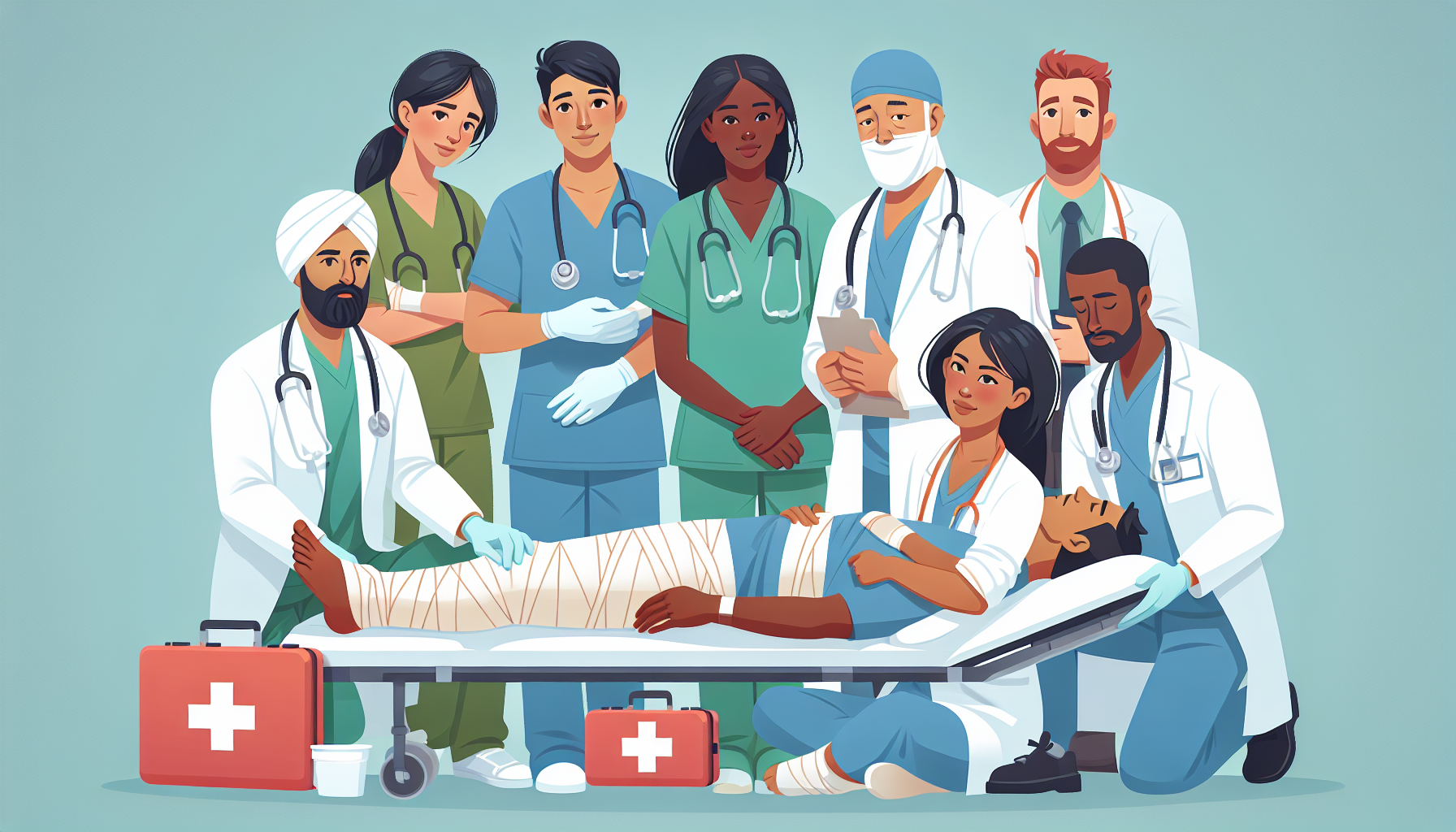
Casualty evacuation (CASEVAC) is a critical aspect of military operations that aims to save lives by efficiently and promptly relocating individuals who have sustained injuries during combat or other high-risk situations. The primary purpose of CASEVAC is to transport injured personnel from unsafe conflict zones to more secure locations where they can receive immediate medical attention, while prioritizing both the safety of the evacuees and the personnel conducting the operation.

This rapid response is crucial to improving the chances of survival and recovery for injured soldiers, and it also plays a vital role in maintaining the morale and cohesion of the military unit as a whole, as the soldiers are aware that there are dedicated resources and planning in place to ensure their safety and well-being should they become injured. CASEVAC operations are executed through a combination of logistical planning and specialized resources, including aircraft, vehicles, equipment, and highly-trained personnel.

These efforts involve well-rehearsed procedures and strict adherence to protocols in order to minimize delays and enhance the effectiveness of the overall operation. This includes providing on-site first aid, stabilizing the condition of the injured, and safe transportation to an appropriate facility where more advanced care can be provided.

Additionally, CASEVAC missions are often undertaken in hostile environments, which require careful coordination and communication between various military elements to ensure that the extraction of injured personnel is carried out securely and efficiently. Ultimately, the primary objective of CASEVAC is to help preserve the lives of those who have been injured while serving their country, ensuring that they receive the necessary care as swiftly as possible.

Examples of Casualty evacuation (CASEVAC)

Operation Red Wings (2005): In June 2005, a U.S. Navy SEAL team was tasked with capturing or killing a high-ranking Taliban leader in Afghanistan. The mission went awry, resulting in four SEALs being stranded in the Hindu Kush mountains. When a Quick Reaction Force was sent in to retrieve the surviving team members, they faced a devastating ambush, leading to the helicopter crash and the death of 16 service members. Eventually, the wounded SEALs were evacuated by CASEVAC from the mountains, showcasing the importance of casualty evacuation in a dangerous combat environment.

Battle of Mogadishu (1993): Also known as the Black Hawk Down incident, this mission involved U.S. forces sent to Somalia to capture high-ranking officials in the Somali government. During the operation, two MH-60 Black Hawk helicopters were shot down, leading to the crash and subsequent stranding of the American ground forces. Casualty evacuation played a crucial role as the ground forces tried to evacuate the wounded soldiers while also defending against opposition forces. After 15 hours of intense fighting, a convoy of armored personnel carriers arrived and evacuated the wounded soldiers, emphasizing the significance of CASEVAC in saving lives in the battlefield.

The Battle of Takur Ghar, Afghanistan (2002): The battle occurred during Operation Anaconda, which aimed to remove al-Qaeda forces from the mountains of eastern Afghanistan. A team of U.S. Special Forces soldiers was sent to establish an observation post on the peak of Takur Ghar. Due to a series of ill-fated circumstances, the team was dropped near a heavily-fortified enemy position, where they faced a violent engagement, sustaining casualties in the process. Several attempts were made to evacuate the wounded and stranded soldiers using helicopters, but each attempt was wrought with enemy fire. Only after the fourth CASEVAC mission were the surviving soldiers able to be evacuated by the helicopter, demonstrating the critical role of CASEVAC in military operations.

FAQ: Casualty Evacuation (CASEVAC)

What is Casualty Evacuation (CASEVAC)?

Casualty Evacuation, or CASEVAC, refers to the transportation of injured or wounded personnel from a combat area to a safe location where they can receive medical treatment. This can involve moving the individual to a higher level of care facility or a secure area for immediate evacuation out of the area of operations.

What is the difference between CASEVAC and MEDEVAC?

CASEVAC and MEDEVAC are both means of evacuating injured personnel from the battlefield, but they differ in terms of urgency, available assets, and procedures. CASEVAC is generally faster, utilizing any available transportation platform without dedicated medical personnel on board. MEDEVAC, on the other hand, refers specifically to the use of medically equipped vehicles, such as helicopters or ambulances, staffed with trained medical personnel on board to provide en-route medical care.

What type of vehicles are used in CASEVAC operations?

A variety of vehicles and aircraft can be used for CASEVAC missions, including armored vehicles, trucks, helicopters, and even airplanes. The choice of transportation depends on the urgency of the situation, the terrain, and the availability of suitable vehicles or aircraft.

How are CASEVAC operations organized?

Depending on the circumstances of the mission, CASEVAC operations can be organized by various military organizations, including special operations units, medical units, or joint task forces. The unit responsible for planning and executing a CASEVAC mission will typically coordinate with other military units, authorities, and non-governmental organizations as required to ensure the safe and timely evacuation of casualties.

What is the purpose of a Casualty Collection Point (CCP)?

A Casualty Collection Point (CCP) is a designated location on or near the battlefield where injured personnel can be safely gathered and stabilized before being transported by CASEVAC or MEDEVAC. The CCP serves as a critical component in the process of evacuating casualties, allowing for the efficient and organized transfer of injured personnel to higher levels of medical care.

Related Military Operation Terms

  • Medevac (Medical evacuation)
  • Tactical Combat Casualty Care (TCCC)
  • Aeromedical evacuation (AE)
  • Combat Search and Rescue (CSAR)
  • Emergency medical technician (EMT)

Sources for More Information

Benefits.com Advisors

With expertise spanning local, state, and federal benefit programs, our team is dedicated to guiding individuals towards the perfect program tailored to their unique circumstances.

Rise to the top with Peak Benefits!

Join our Peak Benefits Newsletter for the latest news, resources, and offers on all things government benefits.
Related Articles

Casualty rate

Definition

The casualty rate in military operations refers to the number of personnel killed, injured, or missing as a proportion of the total force engaged in a particular conflict or operation. It is typically expressed as a percentage or the number of casualties per thousand troops. This rate helps in assessing the intensity of a conflict and the effectiveness of military strategies in place.

Key Takeaways

  1. Casualty rate refers to the measure of the number of military personnel who are killed, wounded, or captured during a war or military operation.
  2. This rate is important in assessing the overall effectiveness of a military action and the impact of various strategies and tactics.
  3. Reducing the casualty rate is a critical objective for military commanders, as it helps to maintain troop morale and public support for the conflict.

Importance

The military operations term “casualty rate” is important because it serves as a vital indicator of the human cost in a conflict or warfare scenario.

By measuring the number of soldiers wounded, killed, captured, or missing as a proportion of the total force, decision-makers and strategists can evaluate the effectiveness of tactics, assess the dangers and risks involved, and determine whether to adjust operational plans or allocate additional resources as needed.

Monitoring the casualty rate allows for informed decision-making, facilitates the protection of troops, and ultimately contributes to the overall success of military operations.

Explanation

Casualty rate, as a military term, serves as a vital component in understanding the severity and impact of armed conflicts. The purpose of evaluating casualty rate is to assess the human cost of military operations, which in turn helps strategists and decision-makers to plan and execute future actions with the goal of minimizing these losses.

By examining casualty rates, military organizations can determine the effectiveness of their tactics, the extent of their preparedness, and identify areas that require improvement or adjustments. Consequently, this indispensable metric enables commanders and leaders to make informed decisions and allocate resources more efficiently.

Furthermore, a comprehensive analysis of casualty rates can reveal patterns, trends, and correlations that give military analysts and advisors a deeper insight into the many facets of warfare. It enables them to differentiate between high-risk and low-risk operations, adjust their force deployment strategy, and better evaluate the consequences of their actions on not just their own troops but also on enemy forces or even local civilian populations.

As a result, monitoring and evaluating casualty rates contributes to shaping military doctrines, refining tactical approaches, and promoting collaboration and coordination among various units in the armed forces, ultimately leading to better preparedness and more effective conduct of military operations.

Examples of Casualty rate

Battle of Iwo Jima, World War II (1945): During this battle between the United States and Imperial Japan, approximately 26,000 casualties were reported among the American forces, accounting for more than a third of the total engaged troops. At the same time, Japan suffered an estimated 18,000 casualties, which represented a staggering 80-90% of their forces during the battle. The high casualty rate demonstrated the ferocity of the fighting and the complex and challenging nature of amphibious assaults.

Battle of Stalingrad, World War II (1942-1943): Known as one of the deadliest and most brutal battles in human history, the Battle of Stalingrad involved a massive German offensive against the Soviet city of Stalingrad (now Volgograd). It resulted in over 700,000 casualties for Axis forces (German, Romanian, Italian, and Hungarian armies) and over 1 million casualties for Soviet forces. The casualty rate was extremely high for both sides, with some estimates suggesting that nearly 75% of those involved in the battle were either killed, wounded, or captured.

Battle of the Somme, World War I (1916): The Battle of the Somme was one of the largest and deadliest engagements of World War I, involving British, French, and German forces. The battle lasted more than four months, with around 57,000 British soldiers becoming casualties on just the first day. By the end of the battle, there were over 1 million casualties from all sides combined (with over 300,000 killed and the rest injured or missing). The casualty rate was particularly high for British forces, with over 40% of those who participated in the battle becoming casualties.

FAQ – Casualty Rate in Military Operations

1. What is casualty rate in military operations?

The casualty rate in military operations refers to the number of soldiers or personnel who have been killed, wounded, declared missing, or taken as prisoners of war during a specific time period or conflict. It is often expressed as a percentage of the total number of troops involved in the operation.

2. How is casualty rate calculated?

To calculate casualty rate, you need to divide the total number of casualties (killed, wounded, missing, and prisoners) by the total number of personnel involved in the operation, then multiply the result by 100 to obtain the percentage. For example, if there were 1,000 personnel involved and 100 casualties, the casualty rate would be 10%.

3. Why is understanding casualty rate important in military operations?

Understanding the casualty rate is essential for assessing the success and effectiveness of military operations. It helps military commanders and strategists determine the level of risk involved in a mission, weigh the benefits and costs of different military objectives, and allocate resources and manpower effectively. Additionally, it may influence public opinion and support for ongoing military operations, as well as guide decisions on whether to continue, adjust or terminate a mission.

4. How does casualty rate differ from fatalities?

While both terms refer to losses in military operations, the main difference lies in the scope. Casualty rate encompasses all types of losses including killed, wounded, missing, and prisoners, whereas fatalities only refer to the number of personnel who have been killed during the operation.

5. Are there historical benchmarks for casualty rates in military operations?

Yes, there are historical benchmarks that can be used to compare casualty rates in different conflicts or missions. However, it is important to consider factors such as the nature of the conflict, technological advancements, and changes in tactics and strategies when making comparisons. For example, the casualty rate in World War II might not be directly comparable to that of more recent conflicts due to differences in weapons technology and military tactics.

Related Military Operation Terms

  • Disability compensation
  • Service-connected injuries
  • Combat-related special compensation
  • Military survivor benefits
  • Wounded Warrior Project

Sources for More Information

Benefits.com Advisors

With expertise spanning local, state, and federal benefit programs, our team is dedicated to guiding individuals towards the perfect program tailored to their unique circumstances.

Rise to the top with Peak Benefits!

Join our Peak Benefits Newsletter for the latest news, resources, and offers on all things government benefits.

Related Articles

Casualty receiving and treatment ship (CRTS)

Definition

Casualty Receiving and Treatment Ship (CRTS) refers to a type of naval vessel specifically designed and equipped for the medical care and treatment of injured personnel during military operations. These ships provide essential medical facilities, services, and staff to cater to various levels of medical needs. Their primary purpose is to deliver immediate care and support to those who have incurred casualties in conflicts, disaster relief operations, or other emergencies.

Key Takeaways

  1. Casualty Receiving and Treatment Ships (CRTS) are specialized, naval vessels designed to provide comprehensive medical care to injured or sick military personnel during times of conflict or disaster relief operations.
  2. These floating hospitals are equipped with advanced medical facilities, including operating rooms, intensive care units, and diagnostic capabilities, enabling them to provide an extensive range of patient care services ashore and offshore.
  3. By providing immediate and advanced medical treatment, CRTS contribute significantly to saving lives and maintaining the operational readiness of military forces, while also assisting in humanitarian and peacekeeping missions around the world.

Importance

The Casualty Receiving and Treatment Ship (CRTS) plays a crucial role in military operations by providing essential medical facilities and treatment to personnel during times of conflict or disaster relief missions.

Equipped with advanced medical equipment, professional healthcare staff, and surgical capabilities, the CRTS ensures that injured personnel receive prompt and appropriate medical care, thus improving their chances of survival and recovery.

Furthermore, the presence of such a specialized ship not only enhances the overall efficiency of military operations but also demonstrates a commitment to the safety and well-being of troops, fostering morale and confidence in the mission.

Explanation

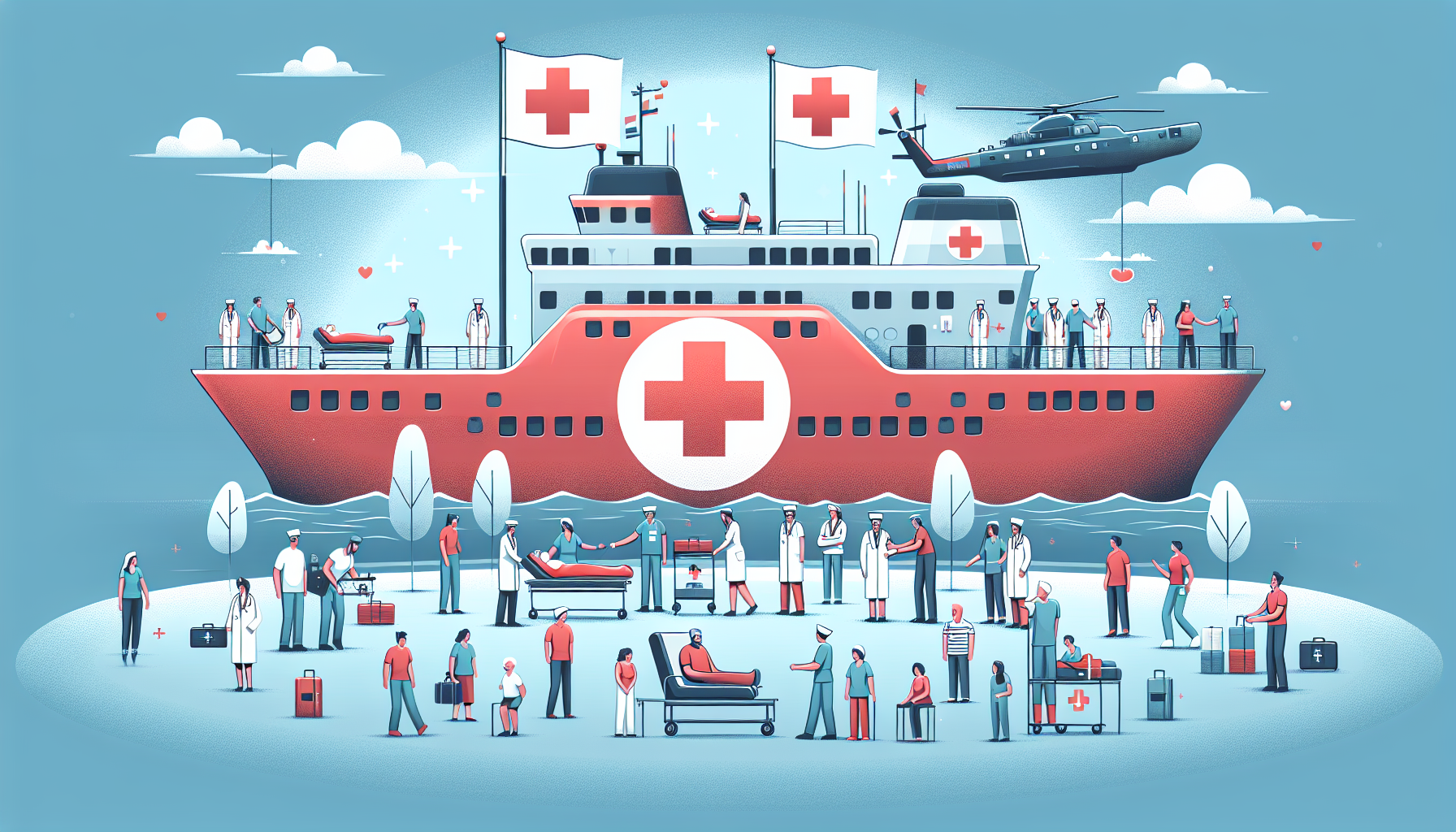
The Casualty Receiving and Treatment Ship (CRTS) serves a critical purpose within the scope of military operations, specifically in providing medical support to troops engaged in combat or humanitarian missions. Its primary function is to offer a full range of medical services, including emergency care, surgery, and post-operative recovery, to injured or ill military personnel and civilians when on-site medical facilities might be inadequate or non-existent.

These vessels are an essential part of a coordinated medical response and work closely with other field hospitals, evacuation teams, and medical transport to ensure that patients receive the necessary care in the fastest and safest way possible. Additionally, CRTSs are equipped with advanced medical facilities comparable to those found in hospitals in non-conflict zones, including specialized medical staff, diagnostic equipment, and life support systems.

This enables CRTSs to cater to a wide array of medical needs ranging from immediate battlefield injuries to chronic health conditions. Being afloat, these ships can be positioned close to the operational area, making them highly accessible during times of crisis or natural disasters.

Overall, the CRTS plays a pivotal role in preserving the lives and wellbeing of those affected by conflict or calamity, acting as a beacon of hope and an indispensable lifeline to those in dire circumstances.

Examples of Casualty receiving and treatment ship (CRTS)

USNS Comfort (T-AH-20): USNS Comfort is a Mercy-class hospital ship of the United States Navy. Launched in 1987, the ship has been involved in various military and humanitarian operations, including Operation Desert Storm, Operation Uphold Democracy, and Operation Continuing Promise. As a CRTS, Comfort provides comprehensive medical services, including trauma care, surgery, radiology, mental health, and dental services, for combat casualties and civilians during military operations and natural disasters.

USNS Mercy (T-AH-19): USNS Mercy is the sister ship of USNS Comfort and is also a Mercy-class hospital ship for the United States Navy. Mercy has been active since 1986 and has participated in humanitarian aid and disaster relief missions such as Operation Fiery Vigil, the response to Typhoon Haiyan in the Philippines, and the COVID-19 pandemic. The ship serves as a CRTS and has the capacity to treat a wide range of medical conditions, from life-threatening injuries to primary care needs.

RFA Argus (A135): The RFA Argus is a British Royal Fleet Auxiliary ship designed to serve as a Primary Casualty Receiving Ship (PCRS). Commissioned in 1988, the ship has a 100-bed medical complex, multiple operating rooms, and can function as a fully-equipped floating hospital. Throughout its service, RFA Argus has participated in several military and humanitarian operations such as the 2003 invasion of Iraq, Operation Gritrock in response to the Ebola crisis in West Africa, and disaster relief efforts after Hurricane Irma. As a CRTS, the ship provides specialized medical care and is equipped to handle both military and civilian casualties.

Frequently Asked Questions: Casualty Receiving and Treatment Ship (CRTS)

What is a Casualty Receiving and Treatment Ship (CRTS)?

A Casualty Receiving and Treatment Ship (CRTS) is a type of military vessel specifically designed to provide medical support and care for injured personnel during military operations. CRTSs are equipped with modern medical facilities and staffed with medical professionals to enable swift treatment of casualties in the field.

What is the primary function of a CRTS?

The primary function of a CRTS is to provide prompt medical attention and ongoing care for injured military personnel during military operations. This includes initial triage, emergency medical treatment, and stabilization of patients for transfer to more specialized medical facilities if required.

How does a CRTS differ from a hospital ship?

While both CRTS and hospital ships provide medical support to military personnel, there are some key differences. A CRTS is typically smaller, more agile, and has a narrower focus on immediate casualty treatment and stabilization. Hospital ships, on the other hand, are larger vessels with more extensive medical facilities and capabilities, including the capacity to treat a broader range of medical conditions and perform advanced medical procedures.

What kind of medical facilities and staff can be found on a CRTS?

A CRTS is equipped with a range of medical facilities, including emergency rooms, operating rooms, intensive care units, and recovery wards. The onboard medical staff typically includes doctors, nurses, medics, and other healthcare professionals, who are trained and experienced in providing urgent care and treatment for combat-related injuries and illnesses.

How do personnel get transported to a CRTS?

Injured personnel are usually transported to a CRTS via military helicopters or small boats, depending on the situation and available resources. In some cases, casualties may be brought directly to the CRTS by fellow soldiers or transported by land-based ambulances if it is safe and practical to do so.

Related Military Operation Terms

  • Medical Evacuation
  • Combat Support Hospital
  • Field Medicine
  • Triage System
  • Emergency Medical Treatment

Sources for More Information

  • United States Navy: The official website of the United States Navy provides information on various naval vessels, including Casualty Receiving and Treatment Ships (CRTS).
  • UK Ministry of Defence: This is the official website of the UK Ministry of Defence, which provides information on military vessels, including CRTS used by the British Armed Forces.
  • Naval Technology: This website is dedicated to providing news and information about a wide range of naval equipment and vessels, including CRTS.
  • The UK Parliament’s Defence Committee: Official reports and publications by the UK Parliament’s Defence Committee can provide additional information on Casualty Receiving and Treatment Ships.

Benefits.com Advisors

With expertise spanning local, state, and federal benefit programs, our team is dedicated to guiding individuals towards the perfect program tailored to their unique circumstances.

Rise to the top with Peak Benefits!

Join our Peak Benefits Newsletter for the latest news, resources, and offers on all things government benefits.
Related Articles

Catastrophic event

Definition

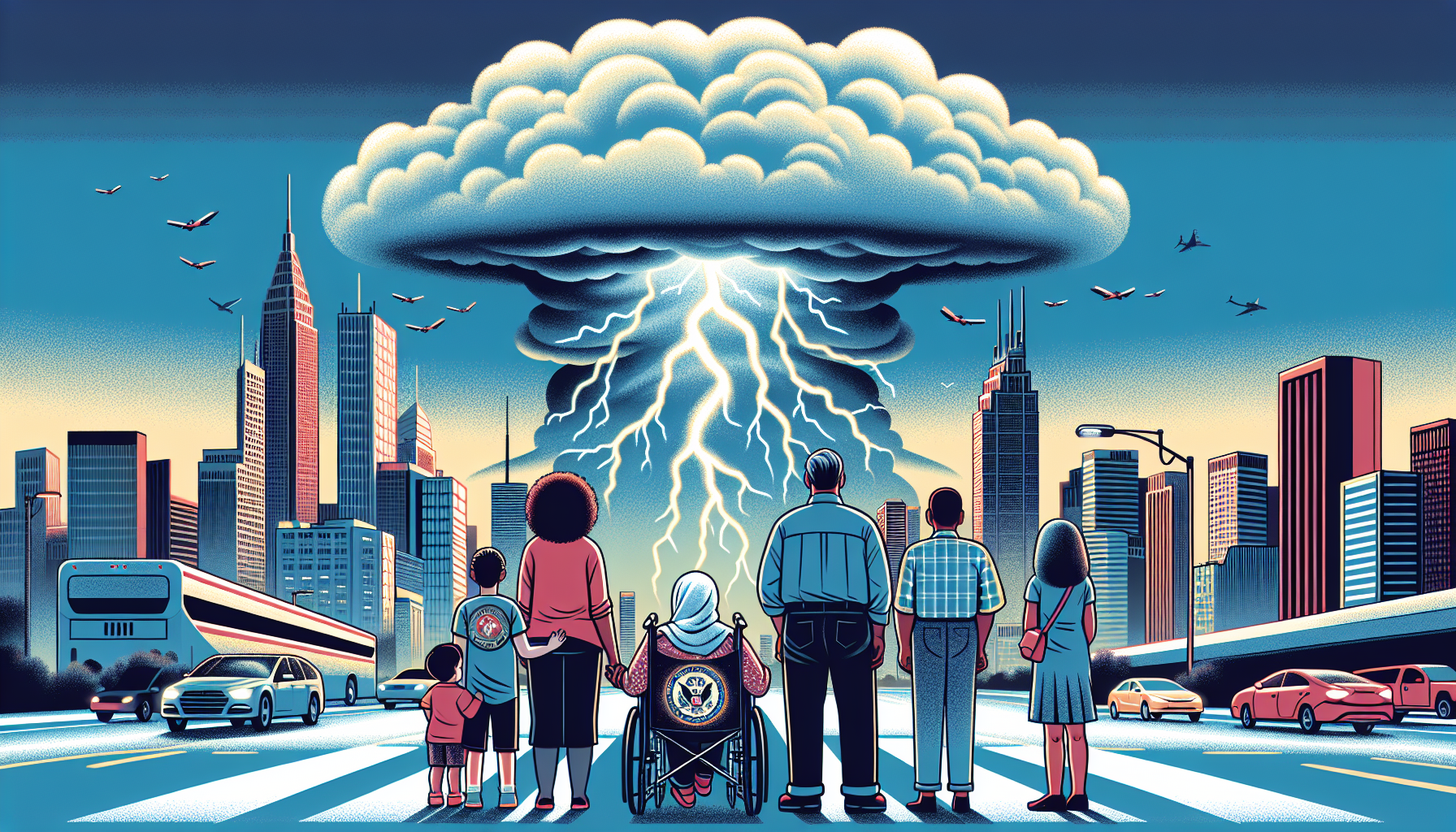
A catastrophic event, in military operations, refers to a sudden and disastrous incident that causes significant harm, devastation, or loss of life and resources. These events can be natural disasters, man-made occurrences, or hostile actions that lead to major damage and immediate response requirements. The consequences of such events can have a profound and long-lasting impact on the involved parties, including military and civilian populations.

Key Takeaways

  1. A catastrophic event in military operations refers to a sudden, unexpected event or incident that causes extensive damage, destruction, or loss of life, usually resulting from a natural disaster, act of terrorism, or human error.
  2. Catastrophic events have a significant impact on a nation’s military capabilities and require rapid and comprehensive responses. These can include humanitarian assistance, search and rescue operations, and military support in the affected area.
  3. Preparing for and responding to catastrophic events is essential for a nation’s military forces. This may include conducting training exercises, maintaining crisis response capabilities, and collaborating with allied forces to build resilience against potential disasters.

Importance

The military operations term “catastrophic event” is important because it signifies a sudden, widespread, and severe incident that results in significant harm to people, property, or the environment.

In the context of military operations, a catastrophic event usually involves the failure of personnel, materials, tactics, or large-scale natural or man-made disasters.

The recognition and understanding of catastrophic events are essential for military personnel and organizations as they help in planning, training, and executing appropriate responses and countermeasures.

These measures minimize risk, protect military assets, safeguard civilian populations, and ensure national security.

Additionally, the study of catastrophic events helps in the continuous improvement of policies, technologies, and strategies aimed at preventing or mitigating their consequences.

Explanation

A catastrophic event in military operations refers to an incident or situation that significantly compromises the ability of a nation’s military, its allies, or its mission objectives. This type of event often has far-reaching consequences and endangers national security, military objectives, and the lives of military personnel.

The purpose of understanding and preparing for catastrophic events is to enable military forces to effectively anticipate, prevent, or mitigate the devastating consequences that may result from such an incident. The awareness and preparation for catastrophic events are crucial in shaping military strategies, contingency plans, and resource allocation.

Military forces rely on continuous training, intelligence gathering, and interdepartmental communication to identify potential risks and vulnerabilities. By doing so, they can develop responses to lessen the impact of these events or even prevent them from occurring.

Additionally, recognition of such events serves to enhance collaboration among various military branches and allied nations, as it fosters cooperation and the sharing of resources and expertise to deal with these extraordinary situations. In essence, addressing the challenges posed by catastrophic events within military operations ensures the readiness, resilience, and overall effectiveness of a nation’s armed forces in safeguarding national interests and fulfilling their objectives.

Examples of Catastrophic event

A catastrophic event in military operations refers to a major, unforeseen incident that causes widespread destruction, loss of life, and/or severe damage to military forces or infrastructure. These events can be natural disasters, enemy attacks, or large-scale accidents. Here are three real-world examples:Pearl Harbor Attack (1941): On December 7, 1941, the Imperial Japanese Navy Air Service launched a surprise military strike against the United States naval base in Pearl Harbor, Hawaii. The attack resulted in the deaths of 2,403 Americans, the destruction of numerous ships and aircraft, and significant damage to the naval base. The event led to the U.S. entering World War II and calling it a “day that will live in infamy.”

2004 Indian Ocean Earthquake and Tsunami: On December 26, 2004, a massive1 magnitude earthquake struck off the coast of Sumatra, Indonesia, generating a devastating tsunami that affected 14 countries and led to the deaths of over 227,898 people. The disaster had significant impacts on military operations in the region, with several countries deploying military forces for rescue, relief and reconstruction efforts. For example, the United States launched Operation Unified Assistance, a humanitarian response involving more than 12,600 military personnel, 21 ships, and 57 aircraft.

Battle of Stalingrad (1942-1943): The battle between the Axis forces led by Nazi Germany and the Soviet Union in Stalingrad during World War II is regarded as one of the largest, bloodiest, and most brutal confrontations in human history. Both military forces suffered catastrophic losses, with estimates of between2 to

5 million casualties and an entire city left in ruins. The Soviet victory in the battle was a turning point in the war and marked the beginning of the end for Hitler’s expansionist ambitions.

Frequently Asked Questions about Catastrophic Events in Military Operations

What is a catastrophic event in the context of military operations?

A catastrophic event in military operations refers to any large-scale, unexpected event that causes significant harm to human life, infrastructure, or the environment. This can include natural disasters, terrorist attacks, or large-scale accidents that necessitate military involvement for disaster response and recovery.

How does the military prepare for catastrophic events?

The military prepares for catastrophic events by developing and maintaining comprehensive disaster response plans, conducting regular training exercises, and establishing coordination mechanisms with other government agencies and civil organizations. This ensures that military personnel are well-equipped and ready to respond effectively to any catastrophic event, mitigating its negative impact.

Why is it important for the military to be involved in catastrophic event response?

The military plays a vital role in catastrophic event response due to its unique capabilities, including logistics, transportation, engineering, and medical support. These resources enable the military to respond quickly, efficiently, and effectively to large-scale disasters, bridging the gap between immediate needs and long-term recovery efforts.

What are some examples of past catastrophic events in which the military has played a significant role?

Examples of catastrophic events where military forces have played a major role in response include the 9/11 terrorist attacks in the United States, the 2010 Haiti earthquake, and the 2011 Tohoku earthquake and tsunami in Japan. In each case, the military provided life-saving assistance, infrastructure support, and ongoing recovery efforts.

What can communities do to support military efforts during a catastrophic event?

Communities can support military efforts during a catastrophic event by following emergency management guidelines, cooperating with government agencies, and volunteering their time and resources to help with recovery efforts. Additionally, understanding and respecting the role of the military during such events can foster a stronger partnership between civilian and military responders.

Related Military Operation Terms

  • Disaster Assistance
  • Emergency Preparedness
  • Post-Traumatic Stress Disorder (PTSD)
  • Temporary Housing Allowance
  • Disability Compensation

Sources for More Information

Benefits.com Advisors

With expertise spanning local, state, and federal benefit programs, our team is dedicated to guiding individuals towards the perfect program tailored to their unique circumstances.

Rise to the top with Peak Benefits!

Join our Peak Benefits Newsletter for the latest news, resources, and offers on all things government benefits.
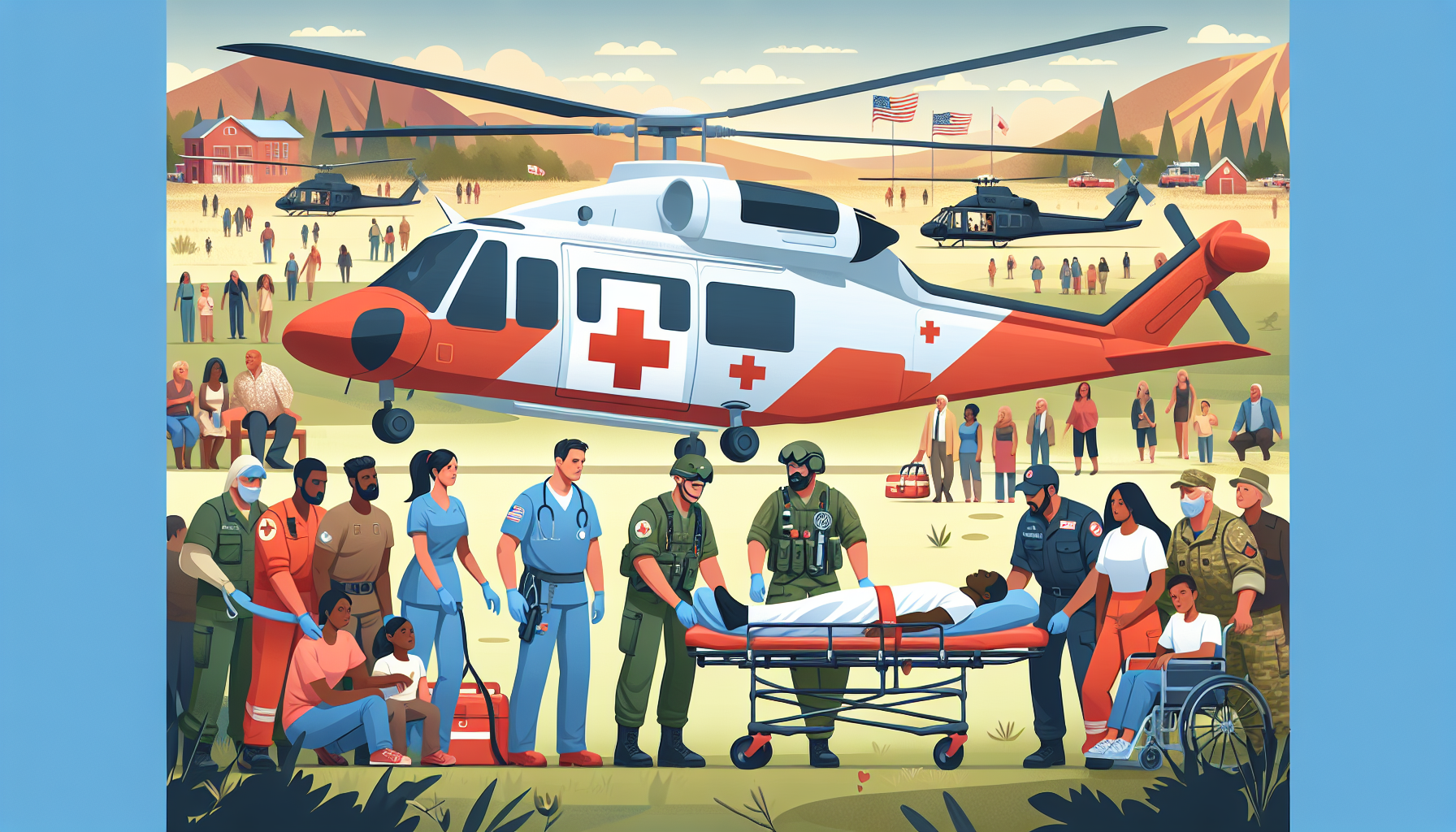
Related Articles

x