









We are privately owned and not affiliated or endorsed by any government agency.

Take the Benefits Quiz

Container

Definition

In military operations, a container refers to a standardized, reusable vessel that is used for storing and transporting goods, supplies, and equipment. It comes in various sizes and types, tailored to secure specific kinds of cargo. They are often designed for ease of loading onto ships, planes, trains, and trucks.

Key Takeaways

  1. The term “Container” in military operations typically refers to a transportation unit used for the transfer of goods, equipment, or personnel. This can include shipping containers where materials and supplies are transported over long distances.
  2. These containers are often standardized, allowing them to be loaded, unloaded, stacked, transported and secured efficiently, and can be moved from one form of transport to another (ship, rail, truck) without unloading and reloading its contents.
  3. In addition to logistics, containers are also often used in military environments for temporary bases or housing, storage facilities, and even field hospitals, due to their rugged construction, portability, and flexibility.

Importance

In the context of military operations, the term “Container” is quite essential and represents an integral component of logistics and supply chain management.

Containers in military use, often referred to as shipping or cargo containers, serve as the primary mode for transporting, storing, and handling several types of materials, equipment, ammunition, or supplies safely and efficiently.

Utilizing these standardize-sized containers allows for streamlined processes in loading and unloading, facilitates quick mobilization of assets, and can enhance the overall operational effectiveness of military forces.

Furthermore, containers can act as temporary field storage, housing, or even command posts, showcasing their multifunctional value in diverse operational contexts.

Hence, their importance lies in their versatility, ease of transport, and role in ensuring a smooth and secure movement of military resources and personnel.

Explanation

A container, in terms of military operations, refers to a standard sized unit of transport used for the shipping and storage of goods or supplies. These containers come in a variety of types and sizes but are typically designed to be stackable, transportable by different modes of transportation (like trucks, trains, planes, or ships), and durable in various weather conditions.

They can efficiently carry anything from food and clothing supplies, to ammunition, vehicles, or even specialized equipment in large quantities. Owing to their standardized design, these can be easily loaded, off-loaded and transferred from one mode of transport to another, reducing downtime and increasing logistical efficiency.

The purpose of these containers is to simplify and standardize the logistics of moving resources, reducing costs and making military operations more efficient. They allow for the quick and efficient packing, transport, and distribution of supplies or equipment in a controlled manner which is crucial in keeping the armed forces operational and mobile.

Moreover, due to their robust design, these containers offer protection to their contents as they travel through potentially harsh environmental conditions or combat zones. Their uniform size and shape also make it possible to quickly calculate space requirements for storage or transport and enable easy stacking, saving space and making planning easier.

Examples of Container

Operation Atlantic Resolve (2014-Present): In this ongoing operation, to reinforce NATO’s eastern flank against potential Russian aggression, the U.S. and its allies deploy significant amount of troops, weapons, and other supplies through container ships. The gear is packed securely inside containers and transported across the ocean to the military bases in Europe.

Operation Enduring Freedom (2001-2014): During the war in Afghanistan, the U.S. military used containers to transport everything from food, ammunition, and medical supplies to vehicles and other large equipment from bases in the U.S. and other nations to the frontline in Afghanistan. The American military also used containerized housing units (CHUs) for the soldiers’ living quarters.

Operation Desert Shield and Desert Storm (1990-1991): During these operations in the Gulf War, containers were heavily used by coalition forces for the transportation of military equipment and supplies. The military vehicles, ammunition, and other logistical support elements were shipped via containers from the United States and other coalition countries to Saudi Arabia and other locations in the Middle East.

FAQs on Military Operations – Container

What is a Military Container?

A military container is a specialized storage unit designed to transport or store military equipment and supplies. These containers could be used in various military operations, from ground to naval or air operations. They are typically customized to ensure the safety and integrity of the items inside, depending on the nature of the items and the operation’s demands.

Why are Containers Important in Military Operations?

Containers play a crucial role in military operations. They facilitate the quick and efficient transport and delivery of necessary equipment and supplies during missions. They also provide safe storage, offering protection against possible theft, damage, and environmental conditions. Additionally, they can be outfitted to serve various specialized needs, such as functioning as mobile command centers or emergency medical units.

What are the Different Types of Military Containers?

There are various types of military containers for different needs. There are standard shipping containers for transporting general supplies, and specialized containers for specific equipment like weapons, vehicles, and medical supplies. Some containers are also designed to be airdropped for rapid supply to remote or conflict zones, while others can be converted to provide temporary housing or workspace in operations.

How are Military Containers Customized?

Military containers can be customized to meet different operational requirements. They can be outfitted with climate control systems, shock-absorbent padding, secure locking mechanisms, and more. Some are also fitted with advanced technologies like GPS for tracking and surveillance. The exteriors could be camouflaged or armored depending on the mission requirements.

Are Military Containers Reusable?

Yes, military containers are designed to be reusable. They are made from durable materials like steel or aluminum and can withstand rigorous conditions. Given their durability, versatility, and adaptability, they can be purposed and repurposed for different operations and missions, making them a cost-effective and sustainable option in military logistics.

Related Military Operation Terms

  • Veteran’s Health Care Eligibility
  • Post-9/11 GI Bill
  • Disability Compensation
  • Veterans Pension
  • Vocational Rehabilitation and Employment

Sources for More Information

  • U.S. Department of Defense: Official website of the US Defense Department which may contain detailed information about “container” in a military context.
  • U.S. Army: The official website of the U.S Army provides a wealth of knowledge on various military operations and terminologies.
  • The Maritime Executive: Though not strictly a military site, it often reports on military operations and may have information on the term “container”.
  • Joint Chiefs of Staff : Official website of the Joint Chiefs of Staff, which provides information about different military strategies and terminologies.

Benefits.com Advisors

With expertise spanning local, state, and federal benefit programs, our team is dedicated to guiding individuals towards the perfect program tailored to their unique circumstances.

Rise to the top with Peak Benefits!

Join our Peak Benefits Newsletter for the latest news, resources, and offers on all things government benefits.


Related Articles

Container control officer (CCO)

Definition

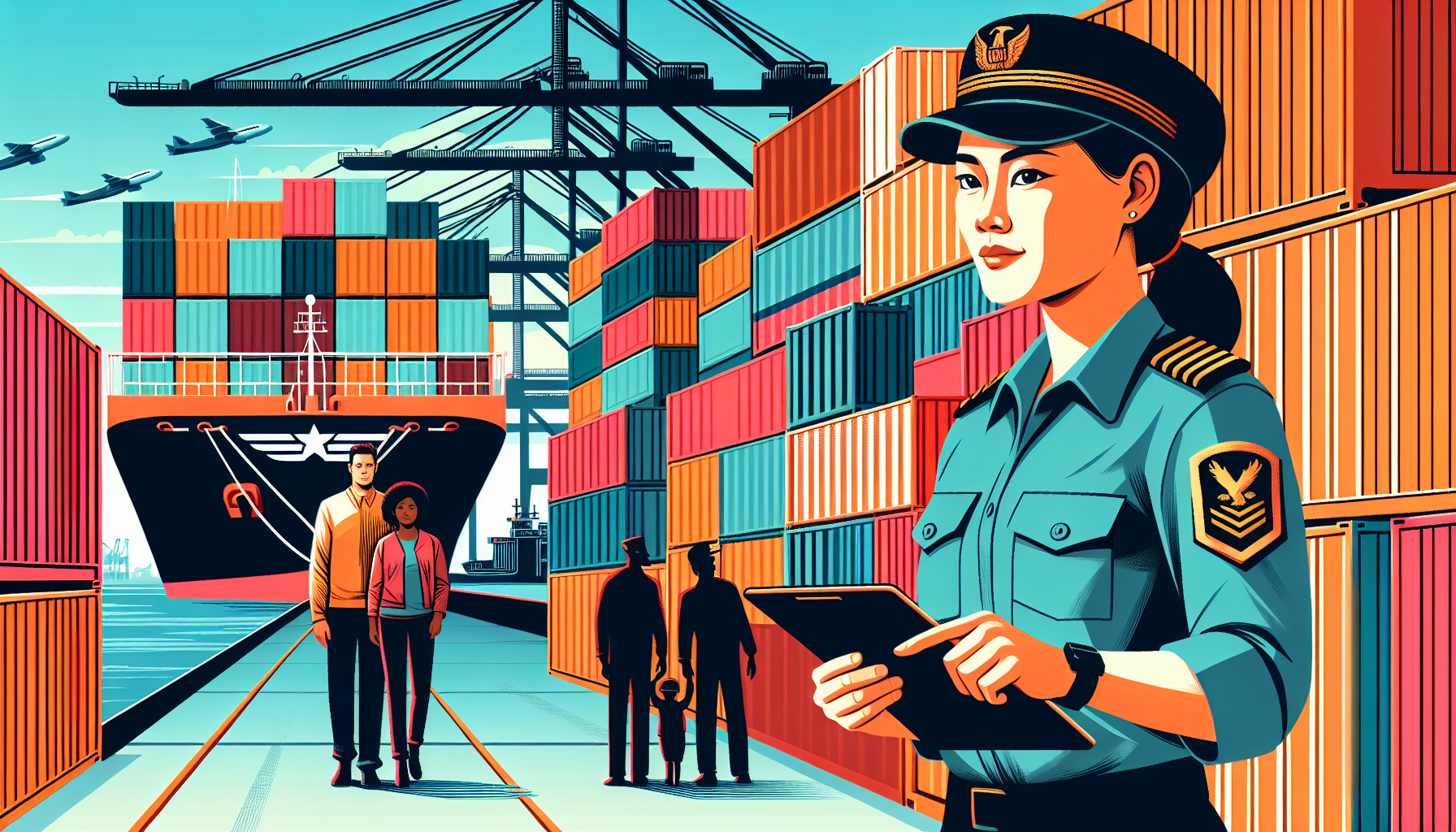
A Container Control Officer (CCO) in military operations is a designated official responsible for supervising, coordinating, and controlling the use and movement of intermodal containers within their assigned sectors or regions. They manage the inventory and ensure the effective circulation and turnover of containers, in compliance with the relevant military directives and international standards. The CCO also handles the processing and transmission of essential container status reports.

Key Takeaways

  1. The Container Control Officer (CCO) is a key figure in the military operations logistics chain. Appointed by commanding officers, it is their responsibility to oversee the process of containerized shipping; this includes monitoring and controlling the movement, availability, and use of all types of containers.
  2. The CCO plays a critical role in tracking the location, quantity, and type of containers within a given operational area. They provide accountability for containers from the beginning to the end of the logistic process, aiding in efficient supply chain management during military operations.
  3. Finally, it is crucial for the CCO to ensure adherence to all relevant safety and operational regulations. They must guarantee every container is in apt condition for transport, properly labeled, and fully documented, contributing to the overall security and effectiveness of logistical operations.

Importance

The role of a Container Control Officer (CCO) in military operations is integral to maintain efficiency and orderliness.

The CCO is tasked with tracking, managing, and directing the movement of all cargo containers within a defined area of responsibility.

This position is critical for ensuring the secure, timely, and orderly deployment of supplies, ammunition, and equipment, which directly impacts the operational readiness and effectiveness of the armed forces.

By providing accurate and updated information about the status and location of each container, the CCO significantly contributes to the optimization of logistics, enabling better strategic planning and decision-making.

Without effective container control, the risks of misplacement, delay or loss of essential resources increase, potentially compromising the success of military operations.

Explanation

A Container Control Officer (CCO) serves a fundamental role in military operations, primarily focusing on the efficient and effective management and tracking of all cargo containers within a specified domain. The main purpose of a CCO is to ensure seamless and secure transportation of goods and materials, which can range from weaponry, machinery, food supplies, and various other necessities required in military operations.

The duties also involve ensuring that each container is loaded and unloaded in an orderly manner to prevent damage to the goods and simultaneously reduce logistical risks associated with transport, like theft or loss of containers. The CCO uses advanced tracking systems and technologies to monitor the movement and location of each container, creating a logistics map that is incredibly valuable in a military operation context.

This information can be used to determine the availability of resources, forecast delivery times, and plan future operations based on the current status of goods. Ultimately, a CCO acts as a linchpin in maintaining a crucial aspect of military logistics, ensuring that operations can continue unimpeded by overseeing the smooth flow of resources within a set military framework.

Examples of Container control officer (CCO)

U.S. Army in Afghanistan: A Container Control Officer (CCO) was designated to manage the logistics of shipping containers being brought into the country during the U.S. military operations in Afghanistan. The CCO was responsible for tracking the arrival, content, location, and movement of each container to ensure efficient distribution of supplies in various military bases throughout the country.

Hurricane Disaster Response: In response to 2017’s Hurricane Maria in Puerto Rico, the U.S. military appointed a CCO to coordinate the shipping, receiving, and transferring of supplies between the continental United States and Puerto Rico. The officer controlled the sea-based containers to assure vital supplies effectively reached those affected by the disaster.

Military Bases in Germany: The role of a CCO is critical in managing the containers in U.S. military bases located in Germany. These officers are in charge of receiving, inspecting, handling, and coordinating the containers given by different sources to the base. The CCO plays a crucial role in maintaining operational readiness by ensuring that containers are secure and ready for deployment whenever required.

FAQs on Container Control Officer (CCO)

What is the role of a Container Control Officer (CCO)?

The Container Control Officer (CCO) is primarily responsible for supervising or performing duties associated with traffic management and control of transportation shipments. This involves the packing, loading and arranging for the transportation of military supplies.

What qualifications are required to become a CCO?

To become a CCO, one must usually have a military background, with experience or training in logistics and transportation. Additional knowledge in regulations and procedures of shipping and securing military equipment is typically expected.

What is the importance of a Container Control Officer in military operations?

A CCO plays a critical role in maintaining efficiency in military operations. They ensure swift, safe, and efficient transportation of military cargo, which can range from food and medical supplies to ammunition and armored vehicles.

What skills are necessary for a Container Control Officer?

Important skills for a CCO include excellent organizational abilities, keen attention to detail, understanding of transportation and shipping procedures, and good communication skills for coordinating with workers and overseeing container transportation procedures.

Are there specific training programs for aspiring Container Control Officers?

Specific training programs may vary depending on the particular military service. However, most armed services do provide specific training and coursework for those involved in logistics and transportation roles.

Related Military Operation Terms

  • VA Disability Compensation
  • Post-911 GI Bill
  • Concurrent Retirement and Disability Payments (CRDP)
  • Veteran Readiness and Employment (VR&E)
  • Survivors’ and Dependents’ Educational Assistance (DEA)

Sources for More Information

  • U.S Army: This is the official website of the U.S Army, a wealth of resources where you can possibly find more information about the role of a Container Control Officer.
  • U.S Marine Corps: The official homepage for the U.S Marine Corps, another credible resource for military operations knowledge.
  • Navy Judge Advocate General’s Corps: The Navy JAG offers insights on varied military operations and roles, such as the Container Control Officer.
  • U.S Department of Defense: The Department of Defense is a reliable source for comprehensive information on military terms and operations.

Benefits.com Advisors

With expertise spanning local, state, and federal benefit programs, our team is dedicated to guiding individuals towards the perfect program tailored to their unique circumstances.

Rise to the top with Peak Benefits!

Join our Peak Benefits Newsletter for the latest news, resources, and offers on all things government benefits.

Related Articles

Container-handling equipment (CHE)

Definition

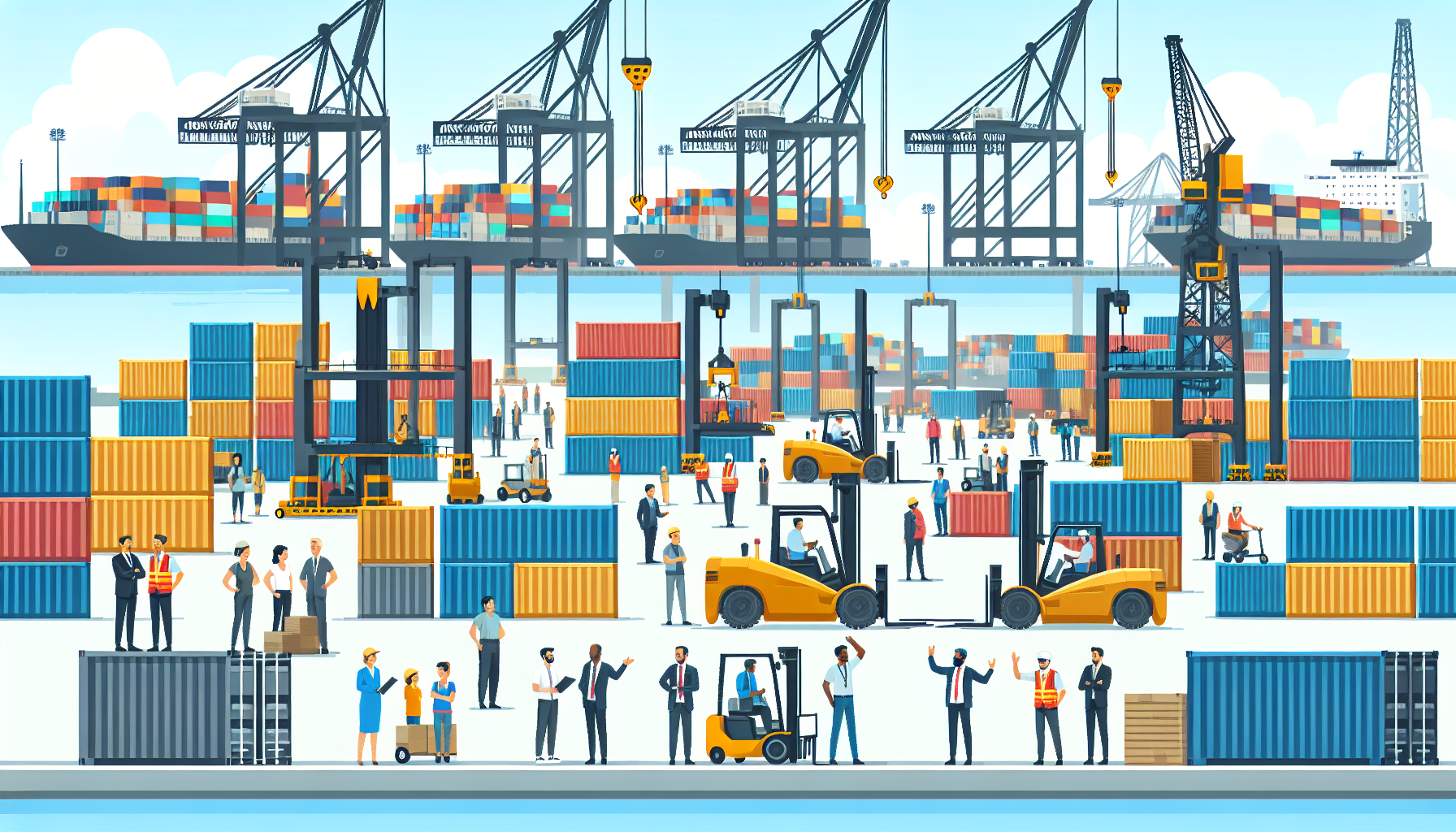
Container-handling equipment (CHE) is a collective term in military operations that refers to machinery or devices used for handling, moving, storing, and loading/unloading containers. This can include items like forklifts, cranes, or special vehicles designed for these tasks. Its role is crucial in logistics operations to ensure smooth transportation of supplies and resources.

Key Takeaways

  1. Container-handling equipment (CHE) refers to the wide range of machines and devices utilized in the storage, transportation, and handling of shipping containers in the military operations.
  2. These essential tools ensure efficiency and safety in the transportation and distribution of resources, especially during crucial military operations. They include forklifts, reach stackers, and container cranes among others.
  3. Understanding and operating CHE requires special training as it involves complicated processes. Proper use of CHE is fundamental in military logistics as it prevents damage to goods, delays, and accidents.

Importance

Container-handling equipment (CHE) is crucial in military operations for the efficient, safe and rapid movement, loading, and unloading of goods, ammunition, food, vehicles, and various other equipment.

In a military context, the ability to swiftly transport and handle resources can directly impact the success and speed of operations.

CHE, which includes various vehicles and machinery like forklifts, cranes, and reach stackers, allows for the handling of heavy loads and large volumes of materials, thus enhancing logistical capabilities.

Furthermore, the proper use of CHE also helps in reducing potential damages and injuries, ensuring the maximum utility of resources and the safety of personnel.

Therefore, CHE plays an indispensable role in facilitating logistics, enhancing operational efficiency, and driving success in military operations.

Explanation

Container-handling equipment, commonly abbreviated as CHE, serves a critical purpose in military operations, particularly in logistics and transport. Their primary aim is to efficiently and securely manage the transport of cargo containers to, from, and within various locations. These containers often carry vital supplies, equipment or personnel necessary for successful military missions.

It ensures that resources are effectively distributed where they’re needed, whether it’s at a base camp, embassy, disaster relief zone, or on the front lines. CHE covers a wide array of machinery including forklifts, cranes, reach stackers, and side loaders, among others. The type of equipment used depends on several factors such as the size and weight of the cargo, the mode of transportation, and the terrain of the location.

These powerful machines are engineered for both precision and heavy-duty work and are operated by specially trained personnel. They are responsible for loading and unloading containers onto ships, trains, trucks and aircraft, as well as stacking containers at ports or storage facilities. Efficient use of CHE can have a significant impact on the speed, cost and safety of military operations.

Examples of Container-handling equipment (CHE)

Use in Military Bases: Container-handling equipment is critical in the day-to-day logistics operations of military bases. For instance, in the American military bases in Afghanistan or Iraq, the CHE such as reach stackers and forklift trucks are extensively used for the loading, unloading, and rearrangement of containers filled with essential supplies, equipments, or even military vehicles.

Deployment in Naval Ships: Container-handling equipment is vital in loading and unloading operations of naval cargo vessels. The US Navy’s ship USS Bob Hope (T-AKR-300), for instance, is capable of carrying about 1,800 20-foot equivalent unit (TEU) containers and has its own on-board CHEs like gantry cranes to handle the containers.

Use in Aerial Delivery: In a broader sense, container-handling equipment can also refer to the palletized loading systems used by military air forces. For example, the U.S. Air Force uses the 463L Master Pallet system for the shipment of cargo items. This type of CHE allows for rapid and efficient loading and unloading of aircraft so that supplies can reach their intended destinations quickly.These examples show that whether it’s land, sea, or air, CHE is used extensively in military operations for the handling of containers in various logistical scenarios.

FAQs about Container-handling equipment (CHE)

What is Container-handling equipment (CHE)?

Container-handling equipment (CHE) refers to a broad range of machines and vehicles used in areas like ports, terminals, and warehouses for the timely and efficient transportation, loading, unloading, and stacking of containers.

What are the different types of CHE?

The types of Container-Handling Equipment include straddle carriers, rubber-tyred gantry cranes (RTGs), rail-mounted gantry cranes (RMGs), reach stackers, among others.

What is the role of CHE in military operations?

In military operations, CHE plays an essential role in efficiently loading and unloading cargo containers from ships and other transport vehicles. This helps in the rapid deployment of supplies and equipment to troops in the field. It helps maintain the throughput of military supply chains.

Is specific training required to operate CHE in military operations?

Yes, specific training is necessary to operate CHE. This ensures safety and efficiency in the process. The military often provides this training as part of logistical roles.

How is CHE maintained in military operations?

Maintenance of CHE in military operations is handled through strict equipment inspection and service schedules. This is done to ensure efficiency and to minimize downtime. These procedures also help to increase the lifespan of the equipment.

Related Military Operation Terms

  • Port Cargo Operations
  • Forklifts and Pallet Jacks
  • Reach Stackers
  • Straddle Carriers
  • Cranes and Hoists

Sources for More Information

Benefits.com Advisors

With expertise spanning local, state, and federal benefit programs, our team is dedicated to guiding individuals towards the perfect program tailored to their unique circumstances.

Rise to the top with Peak Benefits!

Join our Peak Benefits Newsletter for the latest news, resources, and offers on all things government benefits.

Related Articles

Container management

Definition

Container management in military operations refers to the process of coordinating and overseeing the use, movement, tracking, and control of intermodal containers. These containers can be used to transport, store, or house supplies, equipment, or personnel in military contexts. It also includes the maintenance, repair, and inspection of the containers to ensure their usability.

Key Takeaways

  1. Container management in military operations refers to the organization, control, and supervision of resources and goods that are transported in large standardized containers, often in scenarios of logistics, replenishment, and supply chain management.
  2. Effective container management is fundamental to military efficiency as it allows for smooth operations, minimizing delays, losses, and confusion. It ensures the right resources are delivered to the right places at the right times, significantly contributing to the success of military missions.
  3. Using modern tracking systems and advanced technologies like radio-frequency identification (RFID) or satellite-enabled systems contribute to better container management by providing real-time visibility, enabling immediate action in case of irregularities, and enhancing overall operational efficiency.

Importance

Container management is a crucial term in military operations as it refers to the efficient and systematic control over the movement, storage, distribution, and surveillance of containerized cargo in a theater of operations.

This is important for optimally deploying resources, ensuring operational preparedness, accelerating responsiveness, minimizing logistics footprint, and enhancing overall logistical efficiency.

Military efficiency greatly relies on the swift and secure transport and provision of materials, equipment, and supplies.

Thus, effective container management can reduce latency, prevent loss and damage, streamline inventory control, and seamlessly align with strategic military goals.

Additionally, it offers significant safety and security measures by enabling precise tracking and control over sensitive cargo, thereby playing a critical role in the successful execution of military operations.

Explanation

Container management in military operations primarily aims to streamline the logistics of transporting goods, equipment, and personnel. It involves the proper storage, tracking, inspection, and maintenance of all types of containers utilized by the military in their operations. The managerial process encompasses everything from large metal shipping containers used on freighters to smaller containers used on aircraft or ground vehicles.

Through meticulous container management, militaries are able to mitigate losses, prevent logistic challenges, and keep their equipment readily available for use. The use of container management ensures efficiency, security, and the optimal use of resources. For example, by properly managing and tracking the locations and contents of transport containers, the military is able to reduce delays resulting from misplacement, loss of goods, or confusion regarding contents.

It also increases the security of sensitive materials during transit. In military operations where timing and order are of utmost importance, container management provides the structure and reliability needed for operational success. For these reasons, it is an integral part of military logistics.

Examples of Container management

Operation Iraqi Freedom (2003): In Operation Iraqi Freedom, the U.S. military faced considerable challenges in managing the transportation, distribution, and tracking of containers. Supplies had to be brought in from various parts of the world, often through hostile territory, and strict container management practices were necessary to ensure the right supplies reached the troops in a timely manner.

Operation Enduring Freedom (2001): In Operation Enduring Freedom, container management was crucial in establishing supply chains in Afghanistan, a country which had poor infrastructure and was geographically difficult to navigate. Container management systems were used to keep track of shipped supplies, ensuring that vital necessities were provided to the troops.

The 2010 Haiti Earthquake Relief Operation: After the devastating earthquake in Haiti, the U.S. Department of Defense had to organize a large-scale humanitarian relief operation. Container management played a key role in this. Appropriate coordination and distribution of food, water, medical supplies, and shelter materials stored in containers were critical in this massive relief initiative.

FAQs: Container Management in Military Operations

Q1: What is container management in military operations?

Container management in military operations refers to the process of overseeing, controlling, and coordinating the use and movement of military containers. These containers are designed for shipping and handling supplies, equipment, and other essential items necessary for military operations.

Q2: Why is container management important in military operations?

Effective container management can greatly enhance the efficiency and speed of military logistics. This can ensure supplies are delivered on time, reduce the risk of loss, and enables quicker mobilization of resources. Without efficient container management, it can be difficult for military operations to be carried out smoothly and effectively.

Q3: What does a container management system entail?

A container management system features tools and procedures that help track, monitor, and report on the location and status of military containers. This may include software that provides real-time data and visibility, equipment for scanning and reading barcodes or RFID tags, and procedures for checking the physical condition and maintenance of containers.

Q4: What are the challenges of container management in military operations?

Some of the key challenges of container management in military operations include ensuring safe and secure handling of containers, tracking containers in remote or challenging locations, coordinating with multiple parties involved in the logistics chain, managing the lifecycle of containers, and dealing with weather and other environmental factors that may impact the containers.

Related Military Operation Terms

  • Orchestration
  • Docker
  • Container Runtime
  • Pods
  • Kubernetes

Sources for More Information

  • U.S. Army Official Website: This site is the official webpage of the United States Army, providing various information including details about logistics and container management.
  • Defense Acquisition University: DAU offers various resources intended primarily for its students, among them you may find details about military container management.
  • Joint Chiefs of Staff Official Website: This official website of the Joint Chiefs of Staff includes various documents and resources that could provide insight into container management in the military.
  • U.S. Department of Transportation: The department’s site has numerous resources that can provide insights about transportation and logistics, potentially including container management.

Benefits.com Advisors

With expertise spanning local, state, and federal benefit programs, our team is dedicated to guiding individuals towards the perfect program tailored to their unique circumstances.

Rise to the top with Peak Benefits!

Join our Peak Benefits Newsletter for the latest news, resources, and offers on all things government benefits.
Related Articles

Containership

Definition

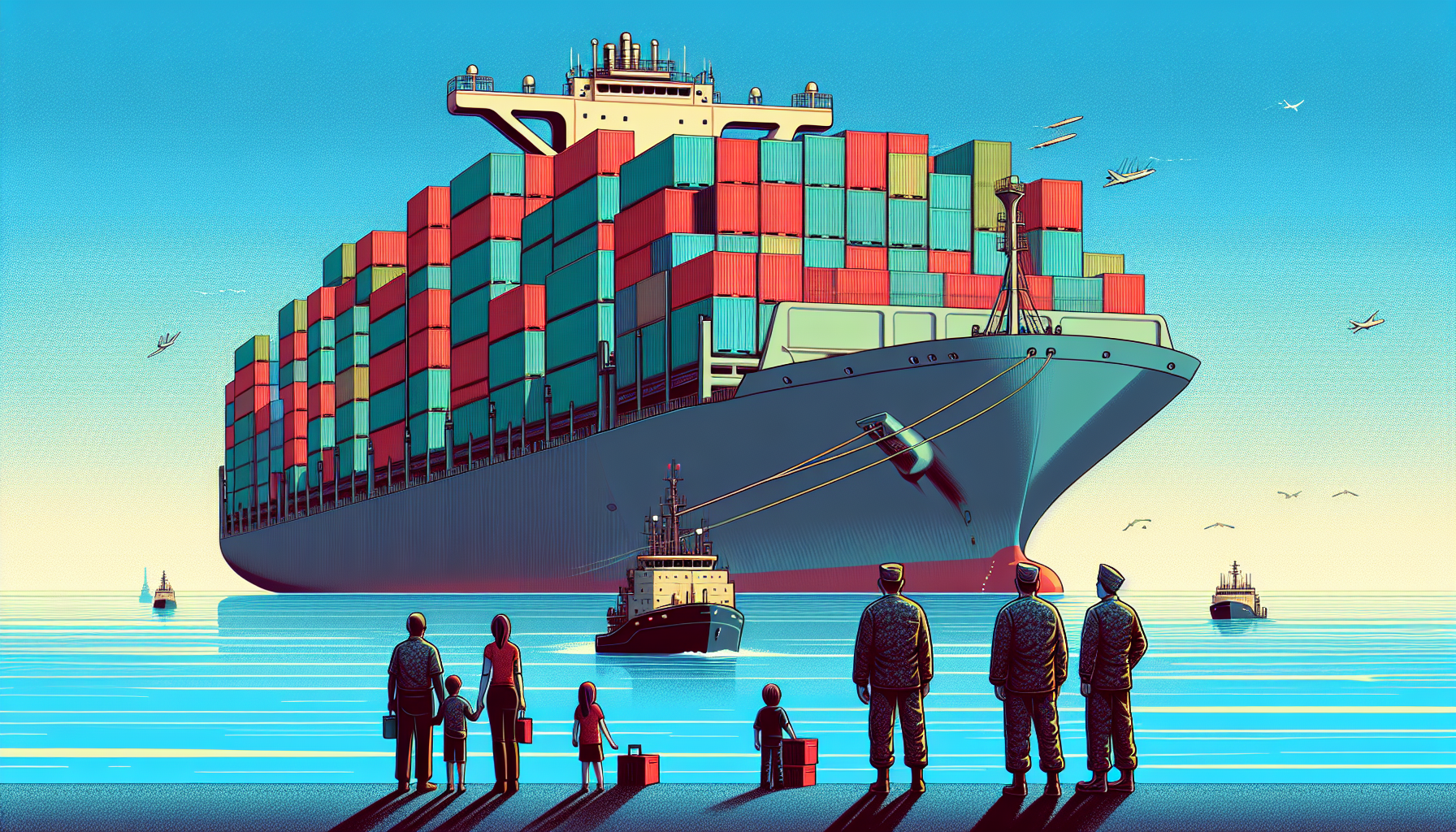
A containership in military operations refers to a vessel designed and fitted for the carriage of cargo in standard containers. These can be used for transportation of military equipment and supplies. Their design allows for efficient and secure loading, transport, and unloading.

Key Takeaways

  1. The term “Containership” in military operations refers to a type of naval ship specifically built for transporting goods in large, standard-sized containers. These containers can carry a wide variety of cargo, making containerships highly versatile.
  2. For military operations, containerships can provide logistical support, including transporting supplies, equipment, and personnel. This would make them an essential part of any large-scale deployment or mission with a substantial logistics component.
  3. Containerships can also be converted for specific military uses, such as command and control centers or floating hospitals, which further demonstrates their adaptability and importance in various military scenarios.

Importance

The term “containership” in military operations is critical due to the strategic role it plays in modern warfare. Essentially, a containership is a commercial ship designed to carry standardized load units known as containers.

This large vessel allows for the efficient and swift transport of substantial amounts of military supplies and equipment across vast sea distances. Its importance comes from its capacity to support sustained military operations, especially in foreign lands, by ensuring that military personnel are well-equipped for their missions.

Furthermore, the containership contributes to the simplification of logistics and inventory management because the containers can be loaded and unloaded efficiently, tracked seamlessly and combined seamlessly into numerous transportation modes. Thus, they are central to logistical strategies in modern military operations.

Explanation

Containership, in the context of military operations, serves a vital purpose in global military logistics. Its primary use is for the efficient transportation and delivery of cargo, supplies, or even military hardware on a scale which traditional methods may struggle with.

A containership, owing to its large capacity, enables armed forces to mobilize significant amounts of resources and equipment across great distances, often over global shipping lanes. This type of seaborne transportation is typically used when air or land routes are inaccessible, inefficient, or risky.

Consequently, the containership’s role is instrumental in sustaining long-term military operations, especially in remote areas or conflict zones. Here, the ability to continuously transport heavy cargo, which may include vehicles, fuel, food, weaponry, even troops or humanitarian aid, becomes crucial.

Security of the cargo is also a defining aspect as containerships are designed to safely protect the materials within. These military-grade containerships, therefore, act as the backbone of logistics support, enabling operational readiness, real-time responsiveness and significantly aiding in strategic supremacy on the global stage.

Examples of Containership

Operation “Atlantic Conveyor”: During the Falklands War between the UK and Argentina in 1982, the Royal Navy requisitioned civilian container ship, SS Atlantic Conveyor. The ship was loaded with war materiel, including helicopters, which was then transported to the war zone. Unfortunately, the vessel was later sunk during an Argentinian air attack.

The Vietnam War – Military Sea Transport Service: In this war, the US military used container ships massively to transport weapons, ammunition, food, and other supplies to their forces stationed in Vietnam. This demonstrated how essential these container ships could be in maintaining an overseas military operation.

Sealift during Operation Desert Shield/Desert Storm: The U.S. military heavily relied on container ships for transporting volumes of supplies, personnel, and equipment to the Middle East during the Gulf War in 1990-

The Military Sealift Command played a crucial role in providing the U.S. military with the essential support it needed for the operation. This increased use of containerships for military operations showcased their interoperability and flexibility.

FAQs about Military Operation: Containership

What is the role of Containerships in military operations?

Containerships in military operations are typically used for the transport of supplies and equipment. They can carry a vast array of goods, from vehicles and weapons to food and medical supplies, making them indispensable for large-scale operations.

Why are Containerships deemed important in military strategy?

Containerships are considered integral to military strategy due to their large capacity, versatility, and ability to support forces deployed over long distances and extended periods. Their size allows for the transportation of heavy equipment and large quantities of supplies, reducing the need for frequent resupplies.

Can Containerships be converted for use in combat?

While primarily used for transport, Containerships can indeed be converted for use in combat in certain situations. These vessels may be modified to serve as auxiliary cruisers, hospital ships, or even aircraft carriers. However, these adaptations are typically the exception rather than the rule.

How are Containerships protected during military operations?

As important assets, Containerships are typically well-protected during military operations. They may be accompanied by escort vessels and can incorporate defensive measures such as anti-aircraft guns or missile systems. Also, their routes are carefully planned to avoid known hostilities whenever possible.

What challenges does the use of Containerships present in military operations?

While invaluable, the use of Containerships does present certain challenges. These include vulnerability to enemy attacks, logistical complexities related to loading and unloading, as well as maintaining and coordinating the movement of a large number of vessels. Furthermore, Containerships typically require significant resources to operate and maintain.

Related Military Operation Terms

I believe there may be a misunderstanding. “Containership” is typically a term used in logistics and shipping, not in relation to VA (Veterans Affairs) benefits. VA benefits deal with aspects related to healthcare, education, disability compensation, pensions, home loans, life insurance, etc.

However, I can create a list of five general terms relating to “Containership.”

“`html

  • Cargo
  • Freight forwarding
  • Intermodal transport
  • Shipping route
  • Port of Call

“`

If you meant another term related to VA benefits, please provide more details. I’m here to help!

Sources for More Information

  • Marine Insight – an authority in maritime knowledge, Marine Insight can provide in-depth information about the term Containership, its relevance in the world shipping industry, and its value in military logistics.
  • Naval Technology – offers comprehensive content on naval matters including military vessels like containerships.
  • United States Navy – as the naval warfare service branch of the U.S. Armed Forces, their official site holds a vast source of information with regards to military operations involving containerships.
  • Ship Technology – provides news and analysis on shipping technology and operations, including containerships.

Benefits.com Advisors

With expertise spanning local, state, and federal benefit programs, our team is dedicated to guiding individuals towards the perfect program tailored to their unique circumstances.

Rise to the top with Peak Benefits!

Join our Peak Benefits Newsletter for the latest news, resources, and offers on all things government benefits.
Related Articles

Contaminated remains

Definition

Contaminated remains refer to the bodies of deceased military personnel that have been exposed to or affected by harmful substances during the course of military operations. These substances can range from biological and chemical agents, radiological materials to unexploded ordinance. The handling and processing of contaminated remains require special procedures to protect the living and the environment.

Key Takeaways

  1. Contaminated remains refer to the bodies of deceased personnel, whether friendly or enemy, that have been exposed to biological, chemical, radiological or nuclear agents. This increases the risk of further spreading these harmful substances.
  2. They require special handling procedures for safe recovery, decontamination and disposition. Equipment, designated teams and specific protocols are usually in place in military operations to deal with such situations appropriately and safely.
  3. Management of contaminated remains is not only crucial for maintaining health and safety standards within the military, but it’s also necessary for maintaining respect for the deceased. Inadequate or incorrect handling can lead to moral and ethical issues, affecting the overall morale and integrity of a unit.

Importance

The military operations term “Contaminated Remains” is important due to its implications for both military personnel and humanitarian standards during wartime or similar situations.

It refers to the bodies of deceased individuals who have been exposed to biological, chemical, nuclear, or any other types of contamination.

The proper handling, treatment, and disposal of these contaminated remains is critical.

This is not just about respecting the dignity of the deceased, but also about ensuring the safety and health of the living, as improper handling of contaminated remains can lead to the spread of diseases or exposure to harmful substances.

This term emphasizes the need for specific protocols and procedures to mitigate the associated risks.

Explanation

Contaminated remains refers to deceased individuals, whether they are military personnel or civilians, who have come into contact with harmful biological, radiological, or chemical contaminants. This term is evidenced in intense warfare or disaster scenarios, where exposure to such hazardous agents is a possible risk.

The identification and handling of these contaminated remains are critical, primarily for protecting those who might come into direct contact with these remains, like recovery teams or medical examiners. The purpose of identifying contaminated remains is fundamental in implementing appropriate protective measures for personnel involved in recovery and decontamination processes.

Without accurately identifying contaminated remains, personnel risk exposure to harmful agents that can jeopardize their health, and even their lives. Moreover, proper handling and disposal methods are applied to contaminated remains to prevent such contaminants from spreading into the environment, or contaminating other people unintentionally.

Thus, the term “contaminated remains” is a key component within military operations for enhancing safety procedures in high-risk environments.

Examples of Contaminated remains

Vietnam War – Aftermath of Agent Orange: This is one of the most recognized examples of contaminated remains in military operations. The U.S. military widely used Agent Orange, a herbicide and defoliant chemical, during Vietnam War between 1962 and 1971 to clear rural/forested land. This resulted in widespread contamination which is estimated to have killed and maimed about 400,000 people, and caused an additional 500,000 birth defects.

Second Gulf War – Depleted Uranium Shells: In the Second Gulf War in Iraq, the U.S and its allies used depleted uranium (DU) projectiles as they were able to pierce armored vehicles easily. However, post-war, there is an increased report of illness and congenital disabilities in areas where these shells were used. Remains of these shells pose a long-lasting threat since uranium has a half-life of

5 billion years, contaminating land and potentially entering the food chain.

World War II – Atomic bombings of Hiroshima and Nagasaki: Perhaps one of the direst examples of contaminated remains was post-World War II, after the U.S dropped atomic bombs on the Japanese cities of Hiroshima and Nagasaki. The aftermath caused vast amounts of destruction, and the severe radiation contaminated the remains and the surroundings. The cities became unlivable due to the high levels of radiation. It took many years to fully clean and restore these parts, and even then, the long-term effects of radiation continue to affect people.

FAQs about Contaminated Remains Operations

What are Contaminated Remains?

Contaminated remains refer to the bodies of deceased individuals that have been exposed to any sort of hazardous substances, including chemicals, bloodborne pathogens, radiological materials or biological contaminants. These remains pose a potential risk of spreading the contaminants and hence require special care and procedures for handling and disposal.

What is the purpose of Contaminated Remains Operations?

The main purpose of Contaminated Remains Operations is to respectfully manage the remains that are contaminated. This involves identification, recovery, processing, transportation, and ultimatel, disposal of the remains in a safe and respectful manner, while minimizing the risk to personnel who are conducting these operations.

Who are involved in the operation of Contaminated Remains?

Primarily, certified individuals like Mortuary Affairs personnel, trained support personnel, medical personnel, specially trained search and recovery teams, and forensic experts can be involved in Contaminated Remains Operations. These experts adhere to strict precautions and guidelines to handle contaminated human remains.

What training is required to handle Contaminated Remains?

Handling of contaminated remains requires special skills and knowledge in order to prevent contamination spread. This includes training in hazardous materials handling, use of personal protective equipment, decontamination procedures, and final disposition of contaminated remains. It is also important to understand the guidelines in accordance with the local, state, and federal regulations.

What is the procedure for disposal of Contaminated Remains?

The disposal of contaminated remains is done in accordance with health, local, and legal guidelines to prevent further contamination. This generally involves incineration, burial in specially designated areas, or other approved techniques. The site selection for disposal must also adhere to certain rules to prevent groundwater contamination and comply with public health standards.

Related Military Operation Terms

  • Veteran’s Compensation for Service-Connected Death
  • Veterans Burial and Memorial Benefits
  • Post-Service Environmental Exposures
  • Military Hazardous Exposures
  • Dependent and Survivor Benefits

Sources for More Information

  • United States Army: The official website of the US Army has a wealth of information about military operations, and may include details about the term “Contaminated Remains.”
  • The U.S. Department of Defense: As the controlling body of all U.S. military branches, this source provides in-depth information on many military terms and procedures, possibly including “Contaminated Remains.”
  • The Centers for Disease Control and Prevention (CDC): The CDC works closely with the military in many capacities, including management of contamination scenarios. It can provide valuable information about the topic.
  • The American Red Cross: The Red Cross conducts work in close partnership with the military and may have information pertaining to the handling and management of “Contaminated Remains.”

Benefits.com Advisors

With expertise spanning local, state, and federal benefit programs, our team is dedicated to guiding individuals towards the perfect program tailored to their unique circumstances.

Rise to the top with Peak Benefits!

Join our Peak Benefits Newsletter for the latest news, resources, and offers on all things government benefits.

Related Articles

Contamination

Definition

In military operations, contamination refers to the presence of hazardous substances, usually coming from biological, chemical, radiological, or nuclear sources, which pose potential harm to personnel, equipment, or the environment. It typically occurs due to the use or release of these substances in warfare or accidents. Prolonged exposure to contamination can cause severe health impacts and impair operational effectiveness.

Key Takeaways

  1. Contamination in military operations refers to the undesirable deposition of nuclear, biological, or chemical (NBC) substances caused by explosions or release of substances, causing potential harm to personnel, equipment, or territory.
  2. Protection against contamination is a crucial aspect of military operations. This includes surveillance, monitoring, identifying contaminated areas, and implementing decontamination procedures to mitigate the risks associated with such substances.
  3. Once an area is contaminated, it poses short or long-term impacts on the ability to effectively conduct operations. Therefore, immediate action is needed to limit the spread and effects of contamination in the target area. This can include isolation, evacuation, or remediation of the contaminated area.

Importance

The term “Contamination,” in military operations, refers to the undesired occurrence where personnel, materials, equipment, or areas become exposed or tainted by nuclear, biological, or chemical substances.

This concept is critical in military scenarios because it can potentially harm or incapacitate soldiers, contaminate equipment and provisions, or render operational areas inaccessible or unsafe.

The knowledge and management of potential contamination are vital to ensure troop safety, operational success, and strategic planning.

It also contributes to the preservation of crucial resources and lives during both military operations and in peacekeeping missions.

Understanding and managing contamination is an integral part of defense strategies, tactics, training, and protocols to effectively address such threats to ensure overall mission effectiveness.

Explanation

In the context of military operations, the term ‘contamination’ is primarily used to refer to the harmful or hazardous substances that are present or introduced into an environment as a result of specific military actions. These harmful substances could be chemical, biological, radiological or nuclear (CBRN) materials, deliberately used during warfare or military exercises.

The aim of such acts is typically to incapacitate the enemy or make certain areas uninhabitable or dangerous to pass through, thereby thwarting enemy progress or territorial advancement. Moreover, employing contamination as a tactical warfare strategy can also serve to incite panic or fear within the enemy ranks, by introducing an unpredictable and difficult to combat factor into the equation.

That said, the use of such methods is regulated under International Humanitarian Law due to the immense potential for civilian collateral damage. Furthermore, the military also uses the term ‘contamination’ in planning and execution of defensive capabilities.

This may involve measures to protect their own personnel and property from contamination (for instance, through protective suits, decontamination protocols etc.), and practices to detect and track the use of such harmful substances by the adversary.

Examples of Contamination

Chernobyl Nuclear Disaster: This 1986 incident is a striking example of radioactive contamination. Following an explosion in the nuclear power plant, the resulting radioactive fallout was detrimental to the surrounding environment and local inhabitants. Though this isn’t a traditional military operation, its after-effects concerning contamination and cleanup were managed somewhat similarly to a military crisis.

Chemical Weapon Use in Syria: The Syrian government has been accused of using chemical weapons against rebel forces and civilians during the civil war. These attacks caused widespread contamination, leading to immediate and long-term harm, such as death and illness from exposure to toxic chemicals.

Agent Orange in the Vietnam War: The U.S. military’s widespread use of Agent Orange throughout the Vietnam War caused immense contamination of forests, watersheds, and human populations. This herbicide not only decimated the environment but also led to generations of health problems among the Vietnamese population and U.S. veterans alike. Years after the end of the war, officials are still working on cleaning up the areas that were heavily contaminated.

Frequently Asked Questions About Contamination in Military Operations

What is contamination in the context of military operations?

Contamination in military operations refers to the presence of any foreign material or substances that can potentially harm forces or civilian population. This can come in several forms such as chemical, biological, radiological, and nuclear.

How is the military prepared for contamination?

The military uses various methods and equipment to detect and decontaminate harmful substances. This includes devices to detect chemical and radiological hazards, suits to protect individuals from contamination, and decontamination vehicles or facilities to clean up contaminated personnel or objects.

What are the procedures followed in a contamination scenario?

In a contamination scenario, the military typically follows a series of steps: detection of the threat, decontamination of individuals and equipment, medical evaluation and treatment for those exposed, and conducting detailed report of the incident for future reference and training.

What resources are available for understanding and mitigating the threat of contamination in military operations?

There are various resources available on the topic. The military provides extensive training and guides on contamination management. Additionally, manuals and handbooks are available that cover details of different contamination scenarios and the methods to manage and mitigate them.

What can be the long-term effects of contamination in a military operation?

Long-term effects of contamination can vary greatly depending on the type of contamination. It can have severe health effects on the soldiers and civilians exposed to it, long-lasting environmental harm, and it may also force the military to abandon or limit operations in a certain area.

Related Military Operation Terms

  • Veterans Health Administration (VHA)
  • Compensation & Pension (C&P) Examinations
  • Exposure Risk Assessment
  • Military Environmental Hazards
  • Post-Service Diseases

Sources for More Information

Sure, here are four reliable sources about the military operations term “Contamination”:

Benefits.com Advisors

With expertise spanning local, state, and federal benefit programs, our team is dedicated to guiding individuals towards the perfect program tailored to their unique circumstances.

Rise to the top with Peak Benefits!

Join our Peak Benefits Newsletter for the latest news, resources, and offers on all things government benefits.

Related Articles

Contamination avoidance

Definition

Contamination avoidance refers to the measures taken to prevent or minimize personnel, vehicles, and equipment from being exposed to or affected by biological, chemical, or nuclear hazards during military operations. These procedures involve identifying potential threats, maintaining operational readiness, and utilizing protective equipment. It’s a critical aspect of ensuring the safety and effectiveness of military forces.

Key Takeaways

  1. Contamination avoidance refers to the measures taken to prevent or reduce contact or interaction with various forms of hazardous substances during military operations. These hazards can be biological, chemical, radiological, or nuclear.
  2. The main objective of contamination avoidance is to minimize the risk and impact of possible threats in order to ensure the safety, health, and performance of military personnel. This can be achieved through various strategies such as detection, warning, training, and protective measures.
  3. Practicing contamination avoidance not only aids in maintaining troop morale and operational readiness but it also greatly contributes to the conservation of combat power, thus, making it an essential part of military strategies and planning.

Importance

Contamination avoidance is a crucial term in military operations because it relates directly to the safety, efficiency, and effectiveness of the troops on the field.

It refers to the measures taken to prevent or minimize exposure to harmful biological, chemical, radiological, and nuclear (CBRN) substances or environmental hazards that could pose deadly threats to soldiers.

This concept is not only important for individual soldiers but also for equipment and vehicles that could be compromised, hindering operational effectiveness.

By emphasizing contamination avoidance, military operations can ensure the health and safety of their personnel, maintain operational readiness, and significantly reduce the risk of mission failure due to unforeseen exposure to hazardous contaminants.

Explanation

Contamination avoidance is a critical aspect in military operations, which focuses on protecting personnel and equipment from potential harmful substances that could be encountered in combat scenarios. The main purpose of contamination avoidance is to reduce vulnerability by minimally exposing forces to nuclear, biological, or chemical (NBC) hazards.

It involves implementing measures to detect, identify, and predict the presence of these contaminants in a timely manner to allow for efficient response and protective actions and minimizing the risk of disruption to the operation. In essence, contamination avoidance primarily directs towards maintaining operational readiness and effectiveness by decreasing the likelihood of attacks or accidental exposure to hazardous contaminants.

It reduces the extent to which military resources, both hardware and troops, might be affected by potential contaminants, which in turn, optimizes the operational capacities and survival of troops. The strategies used can range from incorporating advanced technology for early detection of hazards and avoiding areas of suspected contamination, to meticulously planning troop movements and equipment usage which all contribute to the broader framework of force protection.

Examples of Contamination avoidance

Decontamination Training Exercises: Military personnel are routinely trained on how to avoid contamination in the field. This can often involve drills where they learn the correct procedures for using protective gear, disposing of potentially hazardous materials, and correctly identifying contamination risks. For instance, during the Cold War, many military operations exercises were performed under the assumption of nuclear, biological, or chemical threats, teaching soldiers how to avoid said contamination.

Use of Protective Suits and Equipment: An essential aspect of contamination avoidance in military operations is the use of protective clothing and equipment. In real-world scenarios like the cleanup after nuclear accidents, such as in Fukushima, Japan, or Chernobyl, Ukraine, military personnel were deployed in radiation-resistant suits that helped shield them from radioactive contamination.

Avoidance of Chemical Weapons: The prohibition and non-use of chemical weapons in warfare is a fundamental real-world instance of contamination avoidance. Military operations, mostly abide by international treaties and norms such as the Chemical Weapons Convention, that prevent the use of chemicals that can lead to extensive and long-lasting contamination. If chemical weapons are suspected or used, military strategies focus on avoiding contaminated areas. During the 1991 Persian Gulf War, the U.S. and coalition forces were prepared and equipped to deal with potential chemical and biological weapons, in an effort to avoid contamination.

FAQ Section: Contamination Avoidance

What is contamination avoidance in military operations?

Contamination avoidance in military operations refers to measures taken to prevent or minimize the exposure of personnel, weaponry and equipment to nuclear, biological, and chemical contaminants during conflicts or warfare situations.

Why is it crucial in military operations?

Contamination avoidance plays a vital role in military operations. It contributes to combat effectiveness by limiting disruptions to operations, reducing casualties, and preserving resources. It enables commanders to execute missions without being deterred by the enemy’s use of weapons of mass destruction (WMD).

How is contamination avoidance achieved in the field?

Contamination avoidance can be achieved in the field through techniques like reconnaissance and surveillance to detect and identify threat areas, individual and collective protective measures, hazard prediction, marking contaminated areas, and timely threat warnings.

What are the types of contamination?

There are two main types of contamination: Immediate (direct) contamination which occurs as a direct result of a nuclear, biological or chemical attack, and Residual (indirect) contamination, which is left behind after an attack has occurred. Both types require effective contamination avoidance measures to keep personnel safe.

Which equipment is used for contamination avoidance?

There are several pieces of equipment crucial for contamination avoidance, including protective masks, protective clothing and gear, detection equipment like radiation detectors and chemical agent monitors, decontamination kits, instruments to mark contaminated areas, and warning systems.

Related Military Operation Terms

  • Hazard Mitigation
  • Radiological Protection
  • Biohazard Safety
  • Chemical Threat Reduction
  • Decontamination Procedures

Sources for More Information

  • Army.mil: The official website of the US Army contains a wide range of military operations information, including contamination avoidance.
  • Defense.gov: The Department of Defense’s website provides comprehensive resources about various military operations.
  • NCBI: The National Center for Biotechnology Information website has numerous research articles and information related to biological contamination avoidance in military operations.
  • Rand.org: The RAND Corporation is a research organization that develops solutions to public policy challenges to help make communities around the world safer and more secure, including research on military defense and health.

Benefits.com Advisors

With expertise spanning local, state, and federal benefit programs, our team is dedicated to guiding individuals towards the perfect program tailored to their unique circumstances.

Rise to the top with Peak Benefits!

Join our Peak Benefits Newsletter for the latest news, resources, and offers on all things government benefits.

Related Articles

Contamination control

Definition

Contamination control in military operations refers to the methods used to prevent or limit the spread of contamination from various hazards such as nuclear, biological, or chemical sources. It encompasses measures like cleaning, decontamination, segregation, and avoidance. Its primary goal is to ensure the safety and readiness of personnel, equipment, and areas of operation.

Key Takeaways

  1. Contamination control in military operations refers to all measures taken to prevent or minimize the spread of contamination following a nuclear, biological, or chemical (NBC) attack or accident.
  2. This term also includes the methods taken to decontaminate personnel, equipment, and areas affected by these contaminants, thus ensuring the safety and operational readiness of the military forces involved.
  3. The third crucial takeaway is that it comprises proper planning, training, and use of protective equipment and facilities, ensuring a thorough approach towards managing contamination situations and protecting against potential threats.

Importance

Contamination control is a crucial concept in military operations due to its significant influence on the safety, effectiveness, and efficiency of military personnel and equipment.

It refers to the protocols and procedures designed to prevent, reduce, and manage the spread of contaminants including biological, chemical, or radioactive substances that are often disbursed in the field of combat or military exercises.

Lack of adequate contamination control can result in severe health hazards, incapacitation or death of personnel, and significant degradation in operational capabilities of equipment and tools.

Therefore, its importance lies in safeguarding the physical health and optimal performance of the military force while ensuring a successful operational environment.

Explanation

Contamination control is a critical component in military operations, playing a pivotal role in ensuring the safety and operational readiness of personnel and equipment. The primary purpose of contamination control is to provide an effective method to limit or prevent the spread of contaminants which may impair the ability of military forces to carry out missions. These contaminants can be chemical or biological agents, radioactive substances or any materials that could potentially cause harm to people, impair equipment or deteriorate the environment.

Therefore, by adhering to contamination control procedures, the military force can safeguard its personnel, maintain the functionality of its equipment, and minimize environmental impact. In practice, contamination control’s strategic use relies on various techniques such as thorough decontamination, protective procedures, and regular monitoring. Decontamination involves the systematic removal or neutralization of hazardous substances from personnel and equipment.

Protective measures include utilizing personal protective equipment and avoiding contaminated areas, which can help to prevent initial exposure. Regular monitoring ensures early detection and immediate action to contain the contaminants. Thus, contamination control’s essence is maintaining combat effectiveness during operations while putting major emphasis on health and safety.

Examples of Contamination control

Decontamination Drills in Gulf War: During the 1991 Gulf War, contamination control was exercised by the U.S. and coalition forces to eliminate possible chemical and biological threats. After several detections of possible biological agents, troops conducted regular decontamination drills using specific procedures and equipment to remove the contaminants and reduce its spread, thereby controlling further contamination.

Fukushima Radiation Cleanup: Post the 2011 earthquake and tsunami, Japan deployed its Self-Defense Forces for the contamination control operation at the Fukushima nuclear plant. Highly specialized units wearing protective gears were deployed to clean radioactive materials, which is a form of contamination control albeit in a non-combat, disaster response scenario.

COVID-19 Pandemic Military Response: Military forces worldwide have been involved in contamination control measures in response to the ongoing COVID-19 pandemic. For instance, the U.S. National Guard conducted disinfection operations in public buildings and infrastructure and set up sanitation stations to help limit the spread of the virus.These real-world examples show various contexts where contamination control is implemented by military, whether it’s a defensive mechanism related to warfare, dealing with natural disasters, or responding to biological health threats.

FAQ on Contamination Control

What is contamination control in military context?

Contamination control in the military context refers to the set of procedures followed by armies to minimize or remove potential harmful substances that exist in the environment. The main aim of this control is to protect personnel, maintain operational readiness, and guard against the spread of contaminants.

Why is contamination control important in military operations?

Contamination control is crucial in military operations because it ensures the safety and health of military personnel. It helps reduce the risk of exposure to harmful substances like chemical and biological agents. It also plays a role in maintaining the integrity of the equipment and ensuring that it operates efficiently.

What are the different types of contamination in military operations?

There are several types of potential contamination sources that militaries concern themselves with. These include chemical, biological, radiological, and nuclear (CBRN) substances, as well as naturally occurring substances that may have a detrimental effect on health or the functionality of equipment.

How is contamination controlled in a military operation?

Contamination control in a military operation involves several steps including detection, identification, and assessment of the contamination, followed by decontamination procedures. Personnel protection, equipment cleaning and decontamination, and possible evacuation are common methods used to control contamination on the battlefield.

What equipment is used for contamination control?

In military operations, various types of equipment are used for contamination control such as personal protective equipment (PPE), radiation detectors, decontamination kits, and filtration systems. The specific equipment used depends on the nature of the contaminant and the situation at hand.

Related Military Operation Terms

  • Decontamination procedures
  • Radiation protection standards
  • Hazard communication standards
  • Waste management and disposal
  • Personal protective equipment (PPE)

Sources for More Information

  • FEMA (Federal Emergency Management Agency): This is a U.S. governmental agency that deals with various types of disaster response including contamination control relevant to military operations.
  • CDC (Centers for Disease Control and Prevention): CDC is a national public health institute in the United States providing information on all types of diseases, which can be considered an aspect of contamination control in military operations.
  • WHO (World Health Organization): This organization offers comprehensive resources pertaining to public health, which includes discussions and data about controlling biological contaminants often relevant to military operations.
  • OSHA (Occupational Safety and Health Administration): This agency within the United States Department of Labor specializes in safety laws and regulations. They have vast resources about the control of hazardous materials typically found in military settings.

Benefits.com Advisors

With expertise spanning local, state, and federal benefit programs, our team is dedicated to guiding individuals towards the perfect program tailored to their unique circumstances.

Rise to the top with Peak Benefits!

Join our Peak Benefits Newsletter for the latest news, resources, and offers on all things government benefits.

Related Articles

Contamination mitigation

Definition

Contamination mitigation in military operations refers to the process of reducing, controlling, or eliminating contamination risks that could harm personnel, adversely impact operations, or damage equipment. This typically involves implementing protective measures, decontamination procedures, and safety guidelines. Contaminants may include chemical, biological, radiological, nuclear, or hazardous materials.

Key Takeaways

  1. Contamination Mitigation refers to the range of measures and operations carried out by military forces to either prevent, reduce, or nullify the effects of nuclear, biological, and chemical (NBC) contamination on personnel, equipment, or environments.
  2. In the context of military operations, contamination mitigation is essential to ensure the safety, health, and operational effectiveness of military personnel. This is done through the proper use of protective equipment, good hygiene practices, and appropriate decontamination procedures.
  3. The process involves tracking, identifying, and evaluating the contamination; protecting personnel and equipment, decontaminating/disonation or moving them away from the contaminated zones; and implementing procedures to prevent recontamination. These steps also ensure that the contamination does not spread beyond the initial area of impact.

Importance

Contamination mitigation is a crucial term in military operations that refers to the measures taken to manage and reduce the impact of contamination from any hazardous substances. It could be either radiological, nuclear, biological, chemical, or even environmental contaminants.

This process is significantly important because it helps protect military personnel’s health, equipment, and overall operational effectiveness. Contamination mitigation enables the prevention of direct contact, inhalation, or ingestion of harmful substances during operations.

It also ensures mission readiness by reducing the downtime of military equipment due to decontamination procedures. As such, contamination mitigation plays a pivotal role in maintaining the operational continuity of military forces, protecting the lives of service members, and achieving strategic objectives.

Explanation

The purpose of contamination mitigation in military operations is geared towards reducing the risk and extent of damage caused by harmful substances during or after a potential attack. Such substances could be chemical, biological, radiological or even nuclear (CBRN), each having drastically harmful and widespread consequences. It is essential to place procedures, infrastructure and training in place to manage possible contamination.

Mitigation can save lives, protect resources and be a game-changer in conflict scenarios where these substances might be involved. The role of contamination mitigation is quite varied and complex, as it is used for numerous purposes. First and foremost, it is implemented to protect the personnel who are direct participants of the military operations.

This involves equipping them with the knowledge, gear, and procedures necessary to function or survive in contaminated environments and subsequently decontaminate themselves and others. Beyond the immediate personnel, contamination mitigation is also critical in safeguarding the operational environment. This includes cleaning or neutralizing potentially harmful substances from equipment, vehicles, and terrain.

Finally, it also encompasses measures for preventing or minimizing the spread of contamination to non-combat areas and civilian populations. In essence, contamination mitigation aims to limit casualties, maintain operational efficiency and protect the wider environment and communities in potential conflict zones.

Examples of Contamination mitigation

Fukushima Nuclear Disaster Clean-up Operations: After the 2011 Fukushima nuclear disaster in Japan, military forces (Japan Self-Defense Forces, U.S. military, and others) were involved in decontaminating the area to reduce the spread of radioactive materials. The overall mission encompassed everything from cleaning up debris, washing down structures, to removing topsoil. This can be considered an example of contamination mitigation in a real-world context from a non-combat scenario.

Persian Gulf War: During the Gulf War in 1991, the Iraqi forces set fire to numerous oil wells, resulting in widespread contamination. U.S. and coalition forces conducted operations to extinguish the fires and clean up the oil spills, which prevented further environmental damage.

Syrian Civil War: In the Syrian civil war, there were alleged uses of chemical weapons. In response, international organizations, assisted by various military forces, carried out operations to identify and destroy the chemical weapons stockpiles, thereby mitigating the risks and potential of further contamination. These missions often involved specialized training in dealing with chemical, biological, radiological, and nuclear (CBRN) threats.

FAQs on Contamination Mitigation

What is contamination mitigation in military operations?

Contamination mitigation in military operations refers to the series of procedures implemented to reduce or eliminate the effect of harmful substances in the environment during and after military activities. This may include biological, chemical or nuclear agents, preventing them from posing a threat to the health and safety of soldiers and civilians.

What techniques are used in contamination mitigation?

Techniques used in contamination mitigation can be preventive or responsive. Preventive measures include training soldiers on proper waste management and the use of eco-friendly materials. Responsive measures involve cleanup and decontamination procedures after contamination has occurred, such as the use of cleaning agents and specially designed equipment.

Why is contamination mitigation important in military operations?

Contamination mitigation is crucial in military operations to safeguard the health of military personnel and civilians. It is also part of the military’s responsibility to protect and preserve the environment. Furthermore, efficient contamination mitigation procedures can contribute to the successful execution of military operations by preventing disruptions caused by contamination incidents.

Is contamination mitigation a part of regular military training?

Yes, contamination mitigation is a vital part of the regular training of military personnel. It equips soldiers with the knowledge and skills necessary to implement and maintain safe and clean environments during military operations, ensuring their own safety and the safety of others.

Who is responsible for contamination mitigation in the military?

In the military, contamination mitigation is a shared responsibility. While there may be specific teams or units dedicated to handling contamination incidents, all military personnel are trained in basic contamination avoidance and mitigation procedures to ensure safety and cleanliness in all operations.

Related Military Operation Terms

  • Decontamination protocols
  • Radiation exposure compensation
  • Environmental cleanup efforts
  • Hazardous waste disposal
  • Health and safety measures

Sources for More Information

Benefits.com Advisors

With expertise spanning local, state, and federal benefit programs, our team is dedicated to guiding individuals towards the perfect program tailored to their unique circumstances.

Rise to the top with Peak Benefits!

Join our Peak Benefits Newsletter for the latest news, resources, and offers on all things government benefits.

Related Articles

x