









We are privately owned and not affiliated or endorsed by any government agency.

Take the Benefits Quiz

Confidential

Definition

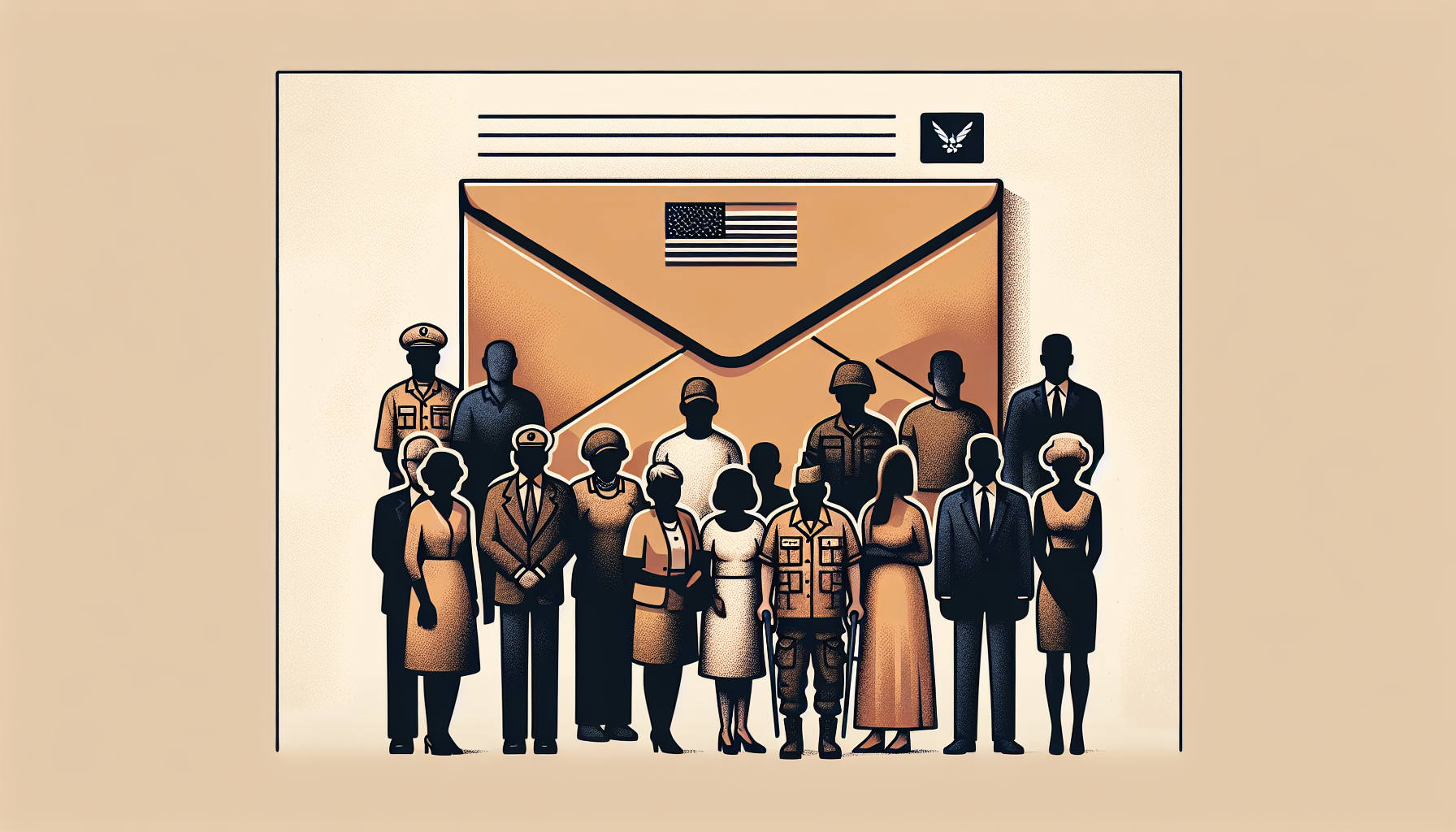
In military operations, “Confidential” is a classification level used to label information whose unauthorized disclosure could be expected to cause damage to national security. It is the lowest level of information classification, beneath “Secret” and “Top Secret”. The disclosure of confidential information is often restricted to individuals with the requisite security clearance.

Key Takeaways

  1. The term “Confidential” in military operations refers to a classification level of information that, if disclosed improperly, could cause damage to national security.
  2. It’s the lowest level of information classification in many countries, coming after Top Secret and Secret classifications in terms of delicacy and potential harm caused by unwarranted disclosure.
  3. “Confidential” information often requires stringent procedures for access, handling, reproduction, circulation, and destruction to ensure its security.

Importance

The term “Confidential” in military operations is critical because it designates a level of classified information that, if disclosed, could cause notable damage to national security.

This classification is used for sensitive strategies, plans, and data that are integral to the successful function and effectiveness of the military.

Maintaining confidentiality ensures the safety of military personnel, the success of military strategies, and the overall security of the nation.

The improper handling or unauthorized release of confidential information can seriously compromise military efforts, ongoing operations, and possibly endanger lives.

Therefore, confidentiality in military operations is not merely important; it is essential.

Explanation

In military operations, the term “Confidential” holds significant relevance as it is extensively used to classify information or material whose unauthorized disclosure could cause damage to the national security. This classification is less severe than “Secret” or “Top Secret,” but still necessitates critical protection measures.

Its main purpose is to protect information that, if public, could disrupt military activities, compromise operations, or jeopardize the safety of military personnel. Therefore, the designation helps safeguard certain details for the sound execution of military operations and strategic planning.

Typically, “Confidential” information can be seen in forms such as tactical plans, deployment schedules, or intelligence reports. The use of this classification ensures that access to particular details is limited only to those who have the necessary clearance and a valid need to know basis.

Ultimately, it’s an essential tool in managing sensitive information and minimizing the risk of intelligence breaches that could negatively influence a nation’s defense stability.

Examples of Confidential

Operation Neptune: Code-named as Operation Neptune, the Normandy landings on D-Day during World War II is a classic example of a confidential military operation. Allied forces kept the plans, date, and location of the operation highly confidential, resulting in a surprise attack against the Nazi forces.

Operation Neptune Spear: This was the covert operation carried out by the US Navy SEAL Team Six in 2011 to capture and kill Osama Bin Laden. The operation was kept under high confidentiality to prevent any possible leak of information.

Operation Desert Storm: This was a military campaign in 1991 led by the United States and coalition forces to drive out Iraqi invaders from Kuwait. The planning, strategies, and specific combat techniques used in the operation remained confidential until the commencement of the operation.

FAQs on Confidential Military Operations

What is a confidential military operation?

A confidential military operation is a mission carried out by military forces where key details are kept secret from the public and sometimes even from other branches of the armed forces. The confidentiality can range from the entire operation being top secret or only certain aspects being confidential.

Why are some military operations confidential?

Confidentiality in military operations is often necessary for the safety of the soldiers involved and the success of the operation. It prevents potential threats from gaining knowledge of the operation and taking countermeasures. Confidentiality is also crucial in maintaining the element of surprise, which can be a deciding factor in many military operations.

What is the process in classifying a military operation as confidential?

The process of classifying a military operation as confidential typically involves a detailed review of the operation’s details and objectives by high-ranking military officials or government bodies. The specifics of this process can vary depending on the nation’s military protocols and legislation relating to national security.

Who has access to information about confidential military operations?

The details of confidential military operations are typically accessible only to a select number of authorized individuals. These may include top-ranking military officers involved in the operation, certain government officials, and in some cases, specific intelligence personnel. The exact individuals with access can vary depending on the nature of the operation and the level of confidentiality.

Can information about confidential military operations be declassified?

Yes, information about confidential military operations can be declassified. The declassification process varies depending on the country’s specific laws and regulations. In general, information may be declassified after a certain period, or when it no longer poses a risk to national security if disclosed.

Related Military Operation Terms

  • Privacy Act
  • Protected Health Information (PHI)
  • Sensitive Personal Information (SPI)
  • Non-Disclosure Agreement (NDA)
  • Health Insurance Portability and Accountability Act (HIPAA)

Sources for More Information

  • U.S. Department of Defense: It is the official website of the U.S. Department of Defense, providing updated news, press releases, and information related to military policies and operations.
  • Central Intelligence Agency (CIA): This is the official public website of the Central Intelligence Agency, offering insight into the agency’s history and the role it plays in U.S. military operations.
  • Encyclopedia Britannica: This is the homepage of one of the world’s most trusted encyclopedias, which includes extensive entries on various military terms including “confidential.”
  • Federation of American Scientists (FAS): FAS provides well-researched information and insight into global security issues including military operations.

Benefits.com Advisors

With expertise spanning local, state, and federal benefit programs, our team is dedicated to guiding individuals towards the perfect program tailored to their unique circumstances.

Rise to the top with Peak Benefits!

Join our Peak Benefits Newsletter for the latest news, resources, and offers on all things government benefits.


Related Articles

Configuration management

Definition

Configuration management in military operations refers to the process of tracking and controlling changes in the software, hardware, documentation, measurements, and other entities during the development and operational stages. Its main purpose is to maintain the consistency and reliability of products and systems throughout their lifecycle. It involves the systematic approach to managing updates and changes to ensure seamless operation and reduce unexpected disruptions.

Key Takeaways

  1. Configuration Management (CM) in military operations refers to the process of systematically managing, organizing, and controlling changes in the documentation, design, and physical attributes of a product or system throughout its life cycle.
  2. CM provides clear and consistent visibility on the operational situations, allowing a structured approach to manage changes, ensure inter-operability, and enhance the overall effectiveness of a military operation by minimizing disruptions and errors.
  3. The practice of Configuration Management encapsulates four primary elements: Configuration Identification, Configuration Control, Configuration Status Accounting, and Configuration Audits. These elements provide a comprehensive system to establish order and enhance the overall performance of military operations.

Importance

Configuration management in military operations is a highly important aspect as it ensures consistency and maintains the performance of a complex system operating in dynamic environments. It encompasses the process of systematically managing, coordinating, and tracking the states of different assets and resources used in operations.

These could include warfare systems, machinery, or information systems. The core idea behind configuration management is to minimize deviations and unexpected outcomes that might affect the mission adversely.

This allows for improved decision-making, productivity, and operational readiness, as well as simplified maintenance, accurate risk identification, and reduction of unnecessary costs. It also supports the ongoing evolution and interoperability of systems while ensuring that all changes are made in a disciplined and transparent manner.

Explanation

In the context of military operations, the purpose of configuration management is to have better control and documentation over military systems and resources. It is a disciplined process aimed at monitoring, tracking and controlling all changes made to a system or its components throughout its lifecycle.

It ensures the consistency and functionality of the system in its initial design, as well as further development stages. By managing and keeping an accurate record of all modifications, configuration management minimises the potential of unwanted system discrepancies, additional costs, and operational inefficiencies.

Configuration management is used for various purposes including asset auditing, system integration, system troubleshooting, network security, and overall operational readiness. For example, it can provide critical information to identify unauthorized changes in system configurations that can potentially weaken network security, thereby enabling military personnel to take necessary corrective actions promptly.

By utilizing configuration management, the military can streamline its processes and equipment, enhancing operational efficiency and accuracy, thereby ensuring optimal performance during tasks and missions. The methodology can also improve resource allocation, system interoperability, and communication among different units and components.

Examples of Configuration management

Configuration management is an important concept in military operations that ensures all systems and sub-systems are consistently maintained in their optimal arrangements or formats. Here are three real-world examples:

F-35 Lightning II Fighter Jet Program: Considered one of the largest and most expensive military projects in history, the F-35 Fighter Jet program by Lockheed Martin can serve as an example. The aircraft is complex, comprising thousands of components designed and manufactured by different companies worldwide. Configuration management plays a vital role in ensuring that every component fits together perfectly and operates effectively. Changes to one part can affect others, so rigorous configuration management is required to prevent defects.

US Navy Warships: These sophisticated machines use sophisticated technology and consist of numerous interconnected systems. Still, through configuration management, the Navy can modify and improve their ships over time, replacing old systems with new upgraded ones while maintaining the functionality and readiness of the vessel. Any change in the structure or systems is properly documented, reviewed, and validated before implementation.

Missile Defense System: This system consists of complex, integrated elements like sensors, interceptors, and command and control systems. Configuration management is crucial in managing this system to ensure each part works seamlessly with each other, making sure that modifications in one system don’t impair the functionality of others. Effective configuration management guarantees that the entire system works as planned, protecting against incoming threats.

FAQs about Configuration Management in Military Operations

1. What is configuration management in military operations?

Configuration management in military operations refers to the process of systematically managing, organizing, and controlling the changes in documents, codes, and other entities involved in operations. It prevents unnecessary alterations, inconsistencies, and confusion during operations.

2. Why is configuration management vital in military operations?

Configuration management is crucial as it enhances operational efficiency, reduces redundant actions and resources, and ensures that changes are beneficial and not harmful to the operations. It also allows for easier understanding and better communication among team members.

3. What are the key components of configuration management?

The key components of configuration management are: Identification, Control, Status Accounting, and Verification and Audit. Each of these components plays a vital role in effectively implementing configuration management in military operations.

4. How is configuration management implemented?

Configuration management is implemented through a systematic process that aligns with the overall objectives of military operations. This process undertakes change through authorised and controlled channels only, thereby mitigating the risk of unnecessary disruptions.

5. What role does technology play in configuration management?

Technology plays a significant role in configuration management. Blockchain, Cloud Technology, Internet of Things (IoT) work together to create an integrated configuration management system, thereby enhancing the efficiency of military operations.

Related Military Operation Terms

  • Baseline Identification
  • Change Control
  • Status Accounting
  • Verification and Audit
  • Release and Deployment Management

Sources for More Information

Benefits.com Advisors

With expertise spanning local, state, and federal benefit programs, our team is dedicated to guiding individuals towards the perfect program tailored to their unique circumstances.

Rise to the top with Peak Benefits!

Join our Peak Benefits Newsletter for the latest news, resources, and offers on all things government benefits.

Related Articles

Conflict prevention

Definition

Conflict prevention refers to the strategies and measures implemented to prevent the occurrence or escalation of violent conflict. It involves analyzing the potential causes of conflict, and actively seeking solutions to mitigate them. Prevention may include diplomatic measures, economic incentives or sanctions, early information gathering, and early warnings to deter threats.

Key Takeaways

  1. Conflict prevention refers to the use of diplomatic, military, and political resources to avoid or cease conflicts before they escalate into war or any form of major violence. It focuses on proactive measures to minimize hostility and contention.
  2. Conflict prevention involves various strategies such as promoting human rights, strategic communication and relationship-building, maintaining law and order, and resolution of ongoing disputes, all aimed at maintaining peace and stability.
  3. The successful implementation of conflict prevention can lead to a more peaceful and safer world, reducing the need for costly military interventions, and contributes to sustainable development and human rights protections worldwide.

Importance

Conflict prevention is a critically important concept in military operations due to its strategic role in maintaining peace and stability, both internationally and domestically. It entails proactive measures taken to recognize, prevent, or contain potential violence or warfare.

These measures can include diplomatic negotiations, economic sanctions, and peacekeeping missions. By preventing conflicts before they escalate, the military not only saves lives, resources, and infrastructure, but also upholds international law and order.

Moreover, conflict prevention allows for more consistent political relations between nations, supporting global cooperation and preventing humanitarian crises. Thus, conflict prevention is a pivotal factor in global security, making it a core element of military operations.

Explanation

Conflict prevention pertains to measures taken to reduce tensions and the risk for violent conflict in order to maintain stability and security. These actions, which can be either diplomatic or military in nature, aim to address root causes of conflicts such as social inequality, resource scarcity, or political instability before they escalate into full-blown warfare or crisis.

The purpose of conflict prevention is to ensure that various disputes and tensions are resolved peacefully and do not evolve into situations that would necessitate armed intervention. This can be accomplished through dialogue, mediation, or negotiation, with the aim of reducing tensions, building trust, fostering understanding, and preventing escalation.

This strategy is particularly important to global peacekeeping efforts, where the focus is generally on maintaining peace and preventing reoccurence of conflict in area already experienced violence. It can include activities such as disarmament, demobilisation and reintegration (DDR) of ex-combatants, fostering reconciliation and peacebuilding in post-conflict societies, or even preemptive efforts to address societal strife before it reaches a tipping point.

Ultimately, the intent behind conflict prevention is to proactively tackle the causes and symptoms of conflict, such that the human and economic costs associated with war can be mitigated or avoided altogether.

Examples of Conflict prevention

The Dayton Agreement (1995): One of the most successful examples of conflict prevention carried out by the military was the Dayton Agreement. The United States led NATO intervention in Bosnia and Herzegovina, which put an end to the Bosnian War. It resulted in the partitioning of Bosnia and Herzegovina into two entities – the Federation of Bosnia and Herzegovina and Republika Srpska, thereby preventing further ethnic conflict in the region.

The Gambia Intervention (2017): The Economic Community of West African States (ECOWAS) led a military intervention in Gambia to prevent a potential conflict following disputed presidential elections. The military action paved the way for a peaceful transition of power and prevented possible military conflict and a potential humanitarian crisis.

The Korean Demilitarized Zone (DMZ): The DMZ between North and South Korea is one of the most heavily militarized borders in the world. Since the Korean Armistice Agreement in 1953, it has served as a buffer zone to prevent direct military conflicts between the two nations. Despite tense situations, the maintenance of the DMZ has thus far prevented a full-scale war.

FAQs about Conflict Prevention

What is conflict prevention?

Conflict prevention refers to the various strategies developed and implemented by nations, militaries, and international organizations, with the aim of avoiding disputes from escalating into violent confrontations.

Why is conflict prevention significant?

The significance of conflict prevention lies in the fact that it helps in avoiding the enormous human, material, and societal costs that accompany armed conflicts. It is perceived as a cost-effective and efficient strategy in maintaining peace and security.

What are some strategies for conflict prevention?

Strategies for conflict prevention include diplomacy, effective communication, crisis management, economic and political incentives, legal arrangements, and more. The idea is to detect and address the root causes of conflicts before they escalate.

Who participates in conflict prevention?

Conflict prevention involves a broad spectrum of actors, including nations, armed forces, international organizations, non-governmental organizations, and even local community leaders. The roles and responsibilities of participants may vary depending on the situation.

What is the role of the military in conflict prevention?

The military plays a significant role in conflict prevention. Apart from maintaining security and defense, the military can be engaged in preventative deployment, peacekeeping operations, and providing support to civil authorities during times of internal disturbances.

How effective is conflict prevention?

The effectiveness of conflict prevention largely depends on a range of factors including the accuracy of threat assessments, timeliness of response, the willingness of parties to resolve disputes amicably, and availability of resources. When successfully implemented, conflict prevention can help in de-escalating potential crises.

Related Military Operation Terms

  • Conflict Resolution Techniques
  • De-Escalation Training
  • Risk Assessment
  • Post Traumatic Stress Disorder
  • Psycho-Social Support

Sources for More Information

Benefits.com Advisors

With expertise spanning local, state, and federal benefit programs, our team is dedicated to guiding individuals towards the perfect program tailored to their unique circumstances.

Rise to the top with Peak Benefits!

Join our Peak Benefits Newsletter for the latest news, resources, and offers on all things government benefits.

Related Articles

Constellation

Definition

In military operations, the term ‘Constellation’ doesn’t have a specific definition related to tactics or strategy. However, it’s used as a name in various military contexts; such as Operation Constellation, a hypothetical WWII campaign, or Project Constellation, a cancelled space program aimed at replacing the Space Shuttle. Additionally, ‘Constellation’ can denote a group or cluster of related elements, metaphorically resembling a grouping of stars.

Key Takeaways

  1. “Constellation” in military operations primarily refers to a system of coordination and strategy that utilizes a diverse range of technologies, resources, and personnel. The concept draws from the astronomical term “constellation,” referring to a group of stars forming a recognizable pattern.
  2. The “Constellation” emphasizes the importance of cooperation and coordination among different units. It operates on the principle that each unit, continually connected to and interfacing with others, functions as part of an intricate network. This strategic interconnection increases the efficiency, scope, and overall impact of operations.
  3. This term is not exclusive to terrestrial units. It also applies to the implementation of satellite systems for military purposes, which are similarly called constellations. These satellite constellations can provide valuable services such as global positioning, communication, and reconnaissance, contributing to overall operational success in modern warfare.

Importance

The military operations term “Constellation” is highly significant as it represents the coordinated efforts and complex network of strategies, resources, and manpower involved in military operations.

A constellation, in its broader sense, embodies a group of interconnected or similar items forming a unified whole, similar to how stars form constellations in the universe.

Thus, in a military context, Constellation signifies the interconnectedness and synchronization of different elements, such as troops, equipment, intelligence, and various strategies, working together for a common mission or objective.

This coordination and synergy not only enhances efficiency but also improves the chances of success in any military operation, making the concept of Constellation crucial in military parlance.

Explanation

In the context of military operations, the term “Constellation” is often used to describe a configuration or group of joint activities, resources, and personnel orchestrated towards a common goal. Military actions often involve a vast array of operations and organizations such as ground troops, naval forces, air forces, intelligence services, and even non-military agencies.

These numerous entities can sometimes be referred to as a “Constellation” due to their interconnectedness and the importance of their cooperation in achieving the strategic objectives. The purpose of maintaining a “Constellation” in military operations is to bring together diverse capabilities and resources necessary to execute comprehensive strategies and operations successfully.

It combines various elements across multiple realms, offering the possibility to gain and maintain a significant strategic advantage over adversaries. In essence, a “Constellation” provides a plurality of options and flexibility to commanders, which allows for multidimensional and adaptable operations.

Therefore, understanding and managing a “Constellation” is paramount in modern military operations, given the growing complexity of warfare.

Examples of Constellation

Global Positioning System (GPS) Constellation: GPS is a network of about 30 satellites in high earth orbit that provides navigational data to military and civilian users globally. It’s a real-world military constellation operation managed by the U.S. Air Force.

Iridium Satellite Constellation: Managed primarily for civilian purposes but also utilized for military communications, the Iridium network offers voice and data coverage across the entire world, including the oceans, airways, and polar regions. This constellation consists of 66 satellites in low earth orbit.

Navic (Indian Regional Navigation Satellite System) Constellation: This is India’s independent regional navigation satellite system, intended to provide positioning information in the Indian region and up to 1500 km around the Indian mainland. Although primarily for civilian benefits, it also offers services for military or strategic use.

FAQ about Military Operation: Constellation

What was Operation Constellation?

Operation Constellation was a military operation. More specific details are dependent on the country and context it was associated with as the name has been used in various military contexts.

Which country was associated with Operation Constellation?

The name Operation Constellation has been used by various countries for their military operations, including the USA. Please check specific references for country details.

What was the purpose of Operation Constellation?

The objective of Operation Constellation can vary based on the context it was used. Generally, like any military operation, it was carried out with a specific strategic goal in mind, which was contingent on the political and military situation at that time.

Was Operation Constellation successful?

As with the purpose of the operation, the success of Operation Constellation would also depend upon the specific context. Results may vary from context to context.

Where can more information be found about Operation Constellation?

More details about Operation Constellation can be obtained from declassified military records, history books, military archives, and reliable online resources.

Related Military Operation Terms

I’m sorry but “Constellation” is not typically associated with VA benefits. It seems there may be a misunderstanding as typically one refers to VA benefits in terms related to healthcare, education, housing, etc. Perhaps you meant another term? I would be happy to assist further if you could provide more context or clarification.

Sources for More Information

  • U.S. Naval History and Heritage Command: This official resource provides a wide range of information about naval operations, including the term “Constellation.”
  • Wikipedia: A user-edited encyclopedia that often provides useful introductions to a wide range of topics, including military terminology.
  • The World Factbook by CIA: This resource, produced by the Central Intelligence Agency, provides detailed information on the history, people, government, economy, geography, communications, transportation, military, and transnational issues for 267 world entities.
  • GlobalSecurity.org: This website provides a wide range of research products and services including military and policy analysis, historical perspectives, and trend analysis.

Benefits.com Advisors

With expertise spanning local, state, and federal benefit programs, our team is dedicated to guiding individuals towards the perfect program tailored to their unique circumstances.

Rise to the top with Peak Benefits!

Join our Peak Benefits Newsletter for the latest news, resources, and offers on all things government benefits.

Related Articles

Constraint

Definition

In military operations, a constraint is a restriction placed on the command by legal, political, ethical, or other considerations. These restrictions limit the actions, tactics, or strategy that the command can undertake. Constraints can be imposed by higher authority levels, agreements, or laws, and must be strictly adhered to during operations.

Key Takeaways

  1. Constraint in military operations refers to a requirement set in place that must be followed, related to limiting the actions, choices or decisions that can be made throughout a mission or operation.
  2. Constraints are essential in strategic planning as they establish clear guidelines or thresholds that cannot be violated, ensuring operational integrity, legal compliance, and moral and ethical standards are upheld.
  3. Violation of a defined constraint can have serious implications, ranging from mission failure to legal and disciplinary repercussions for the military personnel involved.

Importance

In military operations, the term “constraint” is crucial as it refers to the limitations or restrictions that may impact the strategic planning of a mission.

Constraints can be operational such as available personnel, equipment or logistical support, or they could be legal or political, often imposed to avoid collateral damage, non-combatant casualties or violations of international law.

Understanding and accurately factoring in these constraints is vital for shaping a feasible, lawful, and effective operational plan.

They not only help in ensuring the efficient use of resources but also in mitigating potential risks and obstacles, maintaining ethical standards, and achieving the strategic goals within the defined parameters.

Explanation

The term “constraint” in military operations refers to parameters or provisions that limit a commander’s freedom of action in the conduct of military activities. In other words, they are the conditions or restrictions that need to be adhered to during the planning and execution of strategies.

These could pertain to a variety of contexts – it could be legal restrictions, like the need to comply with international laws of warfare or it could pertain to operational restrictions, like limitations of resources, time, or manpower. The purpose of a constraint is to channel military operations in a manner that is legally and morally acceptable, operationally feasible, and strategically sound.

By establishing constraints, command can ensure that the force remains within acceptable boundaries of risk, legality, morality, and strategic purpose. Through safeguarding the appropriate use of military force, constraints help in mitigating potential harm to non-combatants, preventing violation of laws of warfare and ensuring that the military operations align with broader strategic goals.

Therefore, constraints play a critical role in any military operation. They are crucial for the maintenance of operational integrity and command oversight.

Examples of Constraint

Rules of Engagement: In various military operations, soldiers are often restricted by the Rules of Engagement that they must adhere to. These can serve as constraints as they limit the actions soldiers can take during conflicts. For instance, certain actions may be prohibited in order to minimize civilian casualties.

Terrain Limitations: The geography or environment where a military operation is conducted can be looked at as a constraint. For example, a heavily wooded or mountainous area might constrain the movements of ground forces or limit visibility for airstrikes.

Humanitarian and Legal Factors: Sometimes military operations are constrained by humanitarian principles and international law. For instance, the use of chemical weapons is internationally banned, creating a constraint on what types of weaponry can be used in military operations. Similarly, destruction of cultural heritage sites or undue harm to civilian populations may also be heavily restricted or prohibited.

FAQ Section: Military Operations – Constraint

What is a Constraint in Military Operations?

A Constraint in military operations refers to restrictions placed on the overall command by higher regulations or international laws. It limits the manner in which operations can be conducted.

What are some examples of Constraints in Military Operations?

Examples of Constraints in Military Operations include avoiding operations in certain civilian crowded areas, respecting boundaries of international territories, or limiting the use of certain equipment or weapons during the operation.

How are Constraints implemented in Military Operations?

Constraints are implemented in Military Operations by incorporating them into operation plans or rules of engagement. They are followed strictly by military personnel to ensure compliance with the law and maintain international relations.

What happens if Constraints are violated during Military Operations?

If Constraints are violated during Military Operations, it could lead to severe penalties including legal action against the responsible individuals, international disputes, or damage to the reputation of the military force.

Can Constraints be changed during a Military Operation?

It is possible for Constraints to be changed during a Military Operation, but this typically requires approval from a high-ranking official or exceptional circumstances. The ease of changing a Constraint heavily depends on the nature of the Constraint itself.

Related Military Operation Terms

  • Eligibility Requirements
  • Benefit Limitations
  • Disability Rating
  • Income Threshold
  • Service Length Requirement

Sources for More Information

  • Joint Chiefs of Staff: The official website of the Joint Chiefs of Staff provides a comprehensive range of information about the U.S. military, including military terminologies such as ‘Constraint’.
  • U.S. Army: The official website of the U.S. Army is another excellent source of information about military operations.
  • U.S. Department of Defense: The DoD’s official site is an invaluable resource for information about its operations and procedures, including the meaning of ‘Constraint’.
  • Encyclopedia Britannica: Not exclusive to military information but this website offers a large amount of information on a vast number of topics, including military terms.

Benefits.com Advisors

With expertise spanning local, state, and federal benefit programs, our team is dedicated to guiding individuals towards the perfect program tailored to their unique circumstances.

Rise to the top with Peak Benefits!

Join our Peak Benefits Newsletter for the latest news, resources, and offers on all things government benefits.

Related Articles

Consumer

Definition

In military operations, the term “Consumer” often refers to a person, group, or system that uses the intelligence produced by either intelligence systems or agencies. Consumers may include government officials, military commanders, or any specific group that requires such information for decision making. The term emphasizes the end-use of intelligence information, much like a traditional consumer would use a purchased product.

Key Takeaways

  1. In military terminology, ‘Consumer’ refers to a unit, establishment, or individual that receives or uses specific goods or services. This could be in the form of supplies, intelligence data, or even armed support.
  2. Understanding the ‘Consumer’ concept is vital for effective logistic or operational planning in the military. It helps ensure that necessary resources reach the intended recipients without delay or error, supporting their mission.
  3. In the context of intelligence operations, ‘Consumer’ often refers to government leaders or military command who need and use the intelligence data to make informed decisions on national security or military operations.

Importance

The term ‘consumer’ in military operations is important because it refers to the end recipient of information, intelligence, or resources.

As a consumer, military personnel or units rely on this information or resources to execute their operations.

This could range from strategic information for planning, intelligence for tactical decision-making, or the logistical resources needed to conduct actual military activities.

The term signifies the reliance of operational units on accurate, on-time and decisive inputs or resources, thus emphasizing the critical role of effective sharing and management of information or resources within the military system.

Understanding and identifying who the ‘consumer’ is, allows for enhanced efficiency, tailored support, and ensures essential elements are directed where they are most needed in a timely manner.

Explanation

In the context of military operations, the term “consumer” refers to the entity that utilizes the intelligence produced by various sources. This entity could be an individual soldier, a command unit, or even an entire military division.

The consumers of intelligence can range from ground troops to high ranking military officials involved in strategic decision-making. Information processed and disseminated by intelligence agencies is specifically intended to assist these consumers in carrying out their duties more effectively and efficiently by providing them with the most up-to-date and contextually accurate information.

The primary purpose of the consumer in military operations is to make informed decisions based on the intelligence received. Whether these decisions are tactical or strategic in nature, the consumer uses the intel to gain a better understanding of the enemy, the battlefield, and or any other factors that may affect the operation’s outcome.

This intelligence may cover details such as enemy locations, their numbers, strengths and weaknesses, the topography of the battlefield, climate conditions, or even political implications. In a broader perspective, the purpose of a consumer within military operations is to facilitate optimal operational planning and execution, ultimately contributing to mission success.

Examples of Consumer

The term “consumer” in military operations usually refers to the entities that receive, process or use the information, intelligence or equipment provided by military supply chains. Here are three such examples:

Military Intelligence: In a battlefield scenario, a reconnaissance unit might gather crucial information about enemy positions. This information or intelligence, once processed, is then passed on to field commanders who use it to plan operations. In this case, the field commanders are the “consumers” of the intelligence provided by the reconnaissance unit.

Equipment Usage: A military manufacturing unit might produce various equipment like body armor, weapons, vehicles, etc. These items are then distributed to soldiers on the field or in the barracks. Here, the soldiers using the equipment are the “consumers”.

Data and Communication: In command and control centers, sophisticated technology is used to gather and process a great deal of data from various sources – satellites, drones, ground surveillance, among others. This data is then used by strategists, analysts, and commanding officers to make informed decisions. These end-users or decision makers are “consumers” of the data and communication provided by the command and control center.

FAQ Section on Consumer

What does consumer mean in military operations?

In the context of military operations, a consumer refers to an individual, unit, or organization that utilizes the intelligence, information, or service provided by intelligence producers. They can range from tactical units on the field to high-ranking military officials or governmental bodies.

What is the role of a consumer in military operations?

The role of a consumer in military operations is primarily to use the information provided by intelligence services to make informed decisions. This can involve strategic planning, tactical maneuvers, threat assessment, and more.

Can a military unit be both a consumer and producer?

Yes, a military unit can function as both a consumer and a producer. For example, a unit on the ground may gather intelligence (producer role) and then utilize that intelligence for immediate tactical decisions (consumer role).

What is the relationship between consumer and producer in military operations?

The relationship between a consumer and producer in military operations is synergistic. Producers gather, analyse and disseminate intelligence, making it understandable and useful. Consumers, usually decision-makers within the military hierarchy, use this intelligence to inform their actions and decisions. Feedback from consumers also helps producers refine their intelligence products.

Related Military Operation Terms

  • Consumer Protection Act
  • Consumer Finance
  • Consumer Complaints
  • Consumer Rights
  • Consumer Assistance Program

Sources for More Information

I’m sorry for the misunderstanding, but the term “Consumer” does not typically apply to military operations. If you’re referring to “consumer” in a different context, like technology or logistics within the military, could you please provide more details? I would be more than happy to help you with more specific sources of information.

Benefits.com Advisors

With expertise spanning local, state, and federal benefit programs, our team is dedicated to guiding individuals towards the perfect program tailored to their unique circumstances.

Rise to the top with Peak Benefits!

Join our Peak Benefits Newsletter for the latest news, resources, and offers on all things government benefits.

Related Articles

Consumption rate

Definition

The consumption rate in military operations refers to the amount of supplies, equipment, or resources a unit, group, or army needs over a specific period of time to maintain its activities or operations. It is often used in logistical planning to ensure that the troops are adequately supplied. The rate can vary depending on the intensity of the operation, the terrain, the climate, and many other factors.

Key Takeaways

  1. The consumption rate, in military operations, refers to the average quantity of supplies and provisions consumed per day by a unit. It is a vital factor considered in logistics planning.
  2. It is crucial in ensuring the sustainability of military operations as it helps in forecasting the needs of the troops in terms of ammunition, food, fuel, and other necessary supplies.
  3. The rate can vary widely depending on various factors such as type of operation, climate, morale, health, and the intensity of combat. Hence, it requires regular adjustment and careful monitoring.

Importance

The military operations term: “Consumption rate” is critically important as it plays a vital role in strategic planning and logistics. This term refers to the average quantity of supplies or equipment used by a military unit over a given period.

It is essential for military planners to accurately estimate and understand consumption rates to ensure each unit has all the necessary resources to complete its mission effectively. If the consumption rate is underestimated, it could potentially lead to supply shortages, impairing the military unit’s operational capacity.

On the other hand, overestimation could result in resource wastage. Therefore, accurate calculation of consumption rates is fundamental to the successful deployment of both personnel and resources in military operations.

Explanation

The consumption rate in military operations is a critical tool used to forecast and estimate the quantities of various supplies, typically provisions, fuel, ammunition, and other necessities that a military unit may require for a certain period under specific conditions. It is utilized to maintain operational efficiency and ensure that the unit meets its operational and tactical goals.

The consumption rate helps in maintaining the right balance in the demand and supply of the necessary military goods and ensures the smooth running of military operations. It helps in planning and strategizing operations, preventing potential logistic hurdles, shortages, or excesses that could hinder the mission.

By estimating the consumption rate, military operations can align their logistical plans and strategies appropriately. This estimate allows them to build, organize and manage effectual supply chains, ensuring that troops in the field or at sea are well-equipped and provisioned for their mission.

It serves as an essential component for the logistical planning of operations, aids in enforcing budget constraints, and can impact critical decisions related to the mobilization of resources. So, in essence, the consumption rate plays a crucial role in optimizing military readiness and effectiveness.

Examples of Consumption rate

Food and Supplies During War: The consumption rate for food and supplies is one example. This refers to the rate at which soldiers in a wartime setting consume daily necessities. This could involve things like packaged meals, water, medical supplies, ammunition, and more. For instance, during World War II, the U.S. Army used the concept of consumption rate to estimate how much supplies, like MREs (Meals Ready-to-Eat), to deliver to troops overseas.

Fuel Usage in Military Vehicles: Another example could be the consumption rate of fuel in military vehicles. This could apply to tanks, fighters jets, or navy vessels. The military would need to know this rate to plan refueling missions and determine how far a particular vehicle can travel on a specific amount of fuel. For example, the M1 Abrams, a main battle tank used by the US military, reportedly has a fuel consumption of around

67 gallons per mile.

Ammunition Consumption Rate: This refers to the rate at which military forces use ammunition during operations. This could include bullets for firearms, shells for tanks, or rockets for aircraft. Understanding the consumption rate can help military leaders plan resupply operations and maximize their firepower. A real-world example would be during the Gulf War when the U.S.’s consumption rate of certain munitions was higher than anticipated, causing the U.S. to start running low towards the end of the conflict.

Frequently Asked Questions about Consumption Rate

What is Consumption Rate?

The Consumption Rate refers to the amount of resources such as fuel, food, water, etc., that a military unit uses within a specific period of time. It allows for an efficient planning of logistics and resource management in military operations.

Why is Consumption Rate important in military operations?

Understanding of the consumption rate is critical in military logistics. It allows military leaders to plan and ensure that they have adequate resources, from ammunition to food, to sustain operations and maintain the effectiveness of their troops.

How is Consumption Rate calculated?

Consumption Rate is calculated by dividing the total amount of resources used by the time period in which they were consumed. This calculation presents a rate per day, week, or other time period that can be used for logistical planning purposes.

What are the factors affecting Consumption Rate?

Several factors can affect Consumption Rate, such as the intensity of operations, the number of personnel, the type of equipment, and environmental factors. For instance, harsh weather conditions can increase the consumption rate of certain resources such as fuel and food.

What might be the consequences of incorrect Consumption Rate estimation?

Incorrect estimations could lead to logistical issues such as a shortage or surplus of resources. In worst scenarios, a shortage could hinder the effectiveness of military operations and potentially risk the life of military personnel.

Related Military Operation Terms

  • Eligibility Requirement: The set of conditions a veteran must meet in order to qualify for VA benefits.
  • Benefit Utilization: The process or degree to which a veteran uses their VA benefits.
  • Adjustment Rate: The rate at which a veteran’s VA benefits may increase or decrease, often dependent on changes in the law or the veteran’s situation.
  • Disability Compensation: A tax-free monetary benefit paid to veterans with disabilities caused by diseases or injuries that happened while on active duty or were worsened by service.
  • Benefit Exhaustion: The point at which a veteran has fully used their available VA benefits.

Sources for More Information

  • United States Army: The official website of the US Army consists of various articles and information related to different military terminologies, including Consumption rate.
  • Joint Chiefs of Staff: This site provides an extensive amount of resources focused on all aspects of military operations, standards, and guidelines.
  • RAND Corporation: This research organization provides analysis and models on various military concepts, including Consumption Rate in their published reports.
  • GlobalSecurity.org: This is a private, non-profit institution that provides reliable information and news about military science, and may have specific information about Consumption Rate.

Benefits.com Advisors

With expertise spanning local, state, and federal benefit programs, our team is dedicated to guiding individuals towards the perfect program tailored to their unique circumstances.

Rise to the top with Peak Benefits!

Join our Peak Benefits Newsletter for the latest news, resources, and offers on all things government benefits.

Related Articles

Contact mine

Definition

A contact mine is a type of naval weapon used in warfare. It is designed to explode upon direct contact with a vessel or submarine. These mines typically float on or just below the surface of the water, making them a threat to any ship that passes by.

Key Takeaways

  1. Contact mines are naval explosive devices that explode upon physical contact by a vessel. They are widely used due to their effectiveness in destroying targets quickly and with significant damage.
  2. These mines are generally spherical, often equipped with multiple detonators, or ‘horns’, sticking out of their surface. Any pressure applied to these horns can trigger the detonation.
  3. Originally designed for anti-ship warfare, contact mines have now evolved to be able to target submarines and in some circumstances, they can be used against land targets. However, one major disadvantage is their potential indiscriminate nature as they pose a risk to both enemy and friendly vessels.

Importance

The term “Contact Mine” is significant in military operations as it communicates a specific type of naval explosive device that detonates upon physical contact.

These mines are typically placed beneath the water surface and are invisible to the naked eye, representing a considerable threat to any naval vessels in the area.

The significance of contact mines lies in their simplicity, cost-effectiveness, and their ability to significantly disrupt naval operations and sea lines of communication.

They pose a serious risk to both military and civilian vessels, making their detection and clearance a critical aspect of naval defense and maritime security efforts.

Explanation

A contact mine serves as a strategic, offensive tool in naval warfare, created to deter enemy territories and impede their advances. It serves to guard strategic areas such as coasts, sea lanes, and ports against enemy advances. Contact mines operate passively, meaning that they wait for a target to trigger them rather than actively seeking targets.

They are typically laid in areas that submarines, ships, or other naval vessels will likely navigate through. Once they come into contact with a passing ship or submarine, they will detonate causing significant damage or even the destruction of a vessel. Furthermore, the contact mine has a great psychological impact in warfare as it introduces a layer of unpredictability into enemy strategies.

The not knowing of where a mine might be placed adds increased risk for crossing certain territories, and thus, forcing the enemy to change tactics or use resources to clear the mines. This underlines the strategic nature of a contact mine, which is to create obstacles and complications for the enemy beyond just physical damage. Their presence alone can effectively disrupt the enemy’s operations and command a significant influence over their war strategies.

Examples of Contact mine

Operation Starvation (World War II): This military operation by the US against Japan in 1945 was largely characterized by the use of contact mines. The US dropped over 12,000 mines in various water channels and harbors; they were designed to detonate upon direct contact with Japanese vessels, causing a significant disruption in Japan’s maritime supply and transportation lines.

The North Sea Mine Barrage (World War I): This was a major operation carried out by the United States Navy and the Royal Navy in 1918 aimed at restricting the movement of German U-boats from their bases to the Atlantic Ocean. The barrage consisted of large numbers of contact mines laid across the North Sea.

Sinking of USS Samuel B. Roberts (Iran-Iraq War): During the Iran–Iraq War in the late 20th century, the frigate USS Samuel B. Roberts hit a contact mine in the Persian Gulf in

The mine, laid by Iran, detonated on contact with the ship’s hull and caused significant damage. This is a prime example of how contact mines have been used in more modern conflicts.

FAQs on Contact Mine

What is a Contact Mine?

A contact mine is a type of naval explosive device that detonates upon direct contact with a target. The mines are generally spherical and contain a high explosive charge that serves to damage or destroy enemy ships that collide with them.

How does a Contact Mine work?

A contact mine works by using a triggering mechanism that is activated by the physical impact of a ship or submarine. The mechanism triggers the detonator which then ignites the main explosive charge, resulting in a powerful blast.

Where are Contact Mines typically used?

Contact mines are typically used in defensive naval operations and in the creation of minefields. They can be laid in both shallow and deep waters, often in strategic locations like harbors, sea lanes, or chokepoints to obstruct enemy movements.

What are the risks associated with using Contact Mines?

While effective, contact mines carry significant risks. They are indiscriminate weapons, posing a threat to any vessel that makes contact, including those of friendly or neutral parties. Mines that remain undetonated can also pose a hazard long after conflicts end, risking civilian lives and causing environmental harm.

Are Contact Mines still used today?

Modern naval warfare has largely moved away from the use of contact mines due to the aforementioned risks and the evolution of more precise and reliable weapons. However, in some parts of the world, legacy contact mines from previous conflicts still remain, posing ongoing challenges for maritime safety and environmental conservation.

Related Military Operation Terms

I’m sorry for the confusion, but “Contact mine” does not appear to be related to VA benefits, which typically involves terms related to healthcare, education, disability compensation, and other similar subject matter. If you’re looking for terms related to VA benefits, I would be more than happy to provide them. However, please provide more details or clarification so I can give you the most accurate assistance.

Sources for More Information

  • Naval Technology: An online defense magazine with articles covering a range of topics including military equipment and strategies.
  • Defense News: A global website and magazine about the politics, business and technology of defense.
  • Military.com: A free online community for military members, veterans and their families, offering news, veteran jobs, and information about the military benefits.
  • Naval History and Heritage Command: It is a part of the Department of the Navy, providing comprehensive resources about naval history.

Benefits.com Advisors

With expertise spanning local, state, and federal benefit programs, our team is dedicated to guiding individuals towards the perfect program tailored to their unique circumstances.

Rise to the top with Peak Benefits!

Join our Peak Benefits Newsletter for the latest news, resources, and offers on all things government benefits.

Related Articles

Contact point

Definition

A contact point, in military operations, is a specific location where two or more units or organizations agree to meet or communicate. This can be for purposes of exchange of intelligence, coordination, or execution of joint operations. It is usually described by a grid reference or other precise geographical identification.

Key Takeaways

  1. Contact point, in military parlance, typically refers to a specific geographical location or point where two or more units are required to physically meet or touch base and establish a link.
  2. Usually, the term ‘contact point’ is used for coordination during the planning of military operations where different unit or party’s meeting would facilitate secure, effective communication and collaboration.
  3. The establishment of a contact point is a critical aspect of military operations, allowing for unified effort between different military units and ensuring smoother communication and cooperation in the field.

Importance

Contact point in military operations is significant because it serves as a specific, pre-designated location or marker where various elements or units of the military force must physically meet, coordinate, or pass on information.

This term is integral to tactical planning and communication within the military framework, ensuring seamless synchrony between different entities.

Contact points enhance cooperation, understanding, and operational efficiency during missions.

They help in timely decision-making, risk management, and successful execution of strategies by facilitating a clear, structured exchange of vital intelligence or instructions.

Without these contact points, military operations could potentially descend into confusion or chaos, increasing the risk of failure or casualties.

Explanation

The military term “contact point” plays a pivotal role in coordinating operational efforts between different military units. It is typically designated as a specific spot, either physical or geographical, where two or more units must make contact for communication, coordination, or for the initiation of a defined action.

The purpose of a contact point is to ensure seamless interaction between different components of a military force, allowing for synchronized and effective operations. Contact points are used particularly in complex military operations where there are multiple moving parts, or where the timing of various actions is of paramount importance.

For instance, during a coordinated assault, a contact point might be used to signify the location and time where the advancing units should converge, or where they would establish communication with supporting units such as artillery or air support. Hence, establishing clear and defined contact points is critical to enhance operational efficacy, minimize risks of friendly fire, and ensure overall strategic success.

Examples of Contact point

Battle of Normandy during World War II: The communication hub for the Allies was established as a contact point in a secured safehouse in London. This is where all information pertaining to the operation was coordinated and disseminated among the troops.

Operation Neptune Spear in Abbottabad, Pakistan, 2011: The U.S. forces utilized a “contact point” in the form of an CIA safe house for surveillance prior to the operation that led to the elimination of Osama Bin Laden.

Vietnam War: The U.S. commanders used Firebase Ripcord as a contact point to coordinate helicopter troop insertions and combat operations in the A Shau Valley.

FAQs for Contact Point

What is a Contact Point in Military Operations?

A contact point in military operations refers to a specific designated location to which military units are directed for the purpose of establishing communication or coordinating actions.

Why are Contact Points important?

Contact points are vital in the military for seamless coordination and cooperation between different units. By having a pre-designated point of contact, it becomes easier for different entities to effectively communicate and synchronize their actions.

Who usually sets Contact Points?

Designating a contact point is often the responsibility of the operation commander or the team leader. The number and location of these points are determined by the scope and scale of the operation in question.

How are Contact Points communicated?

Once set, the information about the contact point is communicated through appropriate communication channels. This info usually includes the exact location and the unit or individual who will be present at that point.

Can Contact Points change during operations?

Yes, contact points can change during operations. If the commander or the team leader sees the need, they can change the location of the contact point to reflect the changing dynamics of the operation.

Related Military Operation Terms

  • Benefit Officer
  • Hotline Service
  • Email Support
  • Regional Office
  • Veterans Affairs Helpdesk

Sources for More Information

  • Global Security: A reliable source for military, security and intelligence policy, strategy, and planning documents.
  • U.S. Department of Defense: The official website of the U.S. Department of Defense.
  • Military.com: A free online news and information service for military enthusiasts, veterans and military families.
  • U.S. Army: The official homepage of the United States Army that provides news, insight and educational resources about the institution and its operations.

Benefits.com Advisors

With expertise spanning local, state, and federal benefit programs, our team is dedicated to guiding individuals towards the perfect program tailored to their unique circumstances.

Rise to the top with Peak Benefits!

Join our Peak Benefits Newsletter for the latest news, resources, and offers on all things government benefits.

Related Articles

Contact procedure

Definition

Contact procedure is a set of protocols used in the military, involving the use of direct and indirect methods to engage or interact with an unknown or potential enemy. It is typically adopted to avoid accidental conflict, gather intelligence, or establish communication without necessarily initiating a full-scale combat operation. The specific processes may include a range of actions such as visual signals, radio communications, or other non-aggressive engagement tactics.

Key Takeaways

  1. Contact procedures are a part of military operation terminology, primarily serving as communication methods among military operatives in both non-combat and combat situations.
  2. A contact procedure involves activities like correctly identifying one’s self, passing on the necessary information, maintaining proper radio etiquette, and ensuring that the information transmitted is received and understood by the recipient.
  3. Effective and efficient contact procedure aids in maintaining operational security, coordination, and contributes significantly to the successful execution of missions.

Importance

Contact procedure refers to the protocol followed by the military when encountering potentially hostile forces during operations.

It is vitally important because it ensures an orderly and coordinated response, which can minimize the risk of unnecessary escalation or miscommunication.

The procedure outlines specific steps for assessing the situation, communicating with other units, and engaging appropriately.

It safeguards the lives of deployed personnel by providing guidelines and courses of action, ensuring strategic control on the battlefield.

Therefore, the contact procedure not only helps in military decision making and maintaining discipline but also plays a critical role in achieving operational objectives and overall mission success.

Explanation

Contact procedures are a set of established practices within military operations that aim to streamline and improve the safety, efficiency, and effectiveness of communication in potentially hazardous situations. It serves as a primary method by which forces establish, maintain, and bring to completion an encounter engagement with the adversary.

The key purpose of contact procedures is to enable quick and accurate dissemination of information across all levels, aiding troops to make instantaneous decisions while minimizing the potential for error or misinterpretation. Contact procedures define how troops interact with each other, especially during an attack, patrol, or reconnaissance mission.

This is particularly essential in the realm of warfare where pertinent decisions need to be made promptly while maintaining a high degree of precision. Contact procedures allow forces to organize their units accordingly, position their forces effectively on the battlefield, and react strategically to enemy actions.

These procedures also serve to reduce the risk of fratricide or other forms of friendly fire. Overall, it is a critical aspect of military warfare that helps facilitate control, coordination, and flexibility within the troops while reducing confusion and chaos.

Examples of Contact procedure

A “contact procedure” in military operations pertains to the specific protocol that military personnel follow to manage unexpected encounters or interactions with unknown forces, entities, or situations. Here are three real-world examples:

Operation Neptune Spear (2011): This was a covert military operation led by the U.S. Navy SEAL Team Six against Osama Bin Laden in Pakistan. As members of the assault team arrived at Bin Laden’s compound, they followed a specific contact procedure to engage with any threats or unknown individuals they encountered. This procedure involved the identification of targets, threat assessment, and proportional use of force.

Checkpoints in Iraq (2003-2011): During the Iraq War, U.S. and allied forces established checkpoints throughout the country to control movement and deter insurgent activities. Military personnel at these checkpoints followed a contact procedure for interaction with local civilians and vehicles–including warnings, displays of force, and escalations of force as necessary, to ensure both the safety of military personnel and minimize civilian casualties.

Encounter with Unknown Vessels at Sea: Naval forces often use contact procedures when they encounter unknown or potentially hostile ships at sea. For example, during the ongoing tensions in the South China Sea, US Navy follows a specific set of procedures to handle encounters with unknown or potentially hostile vessels. This includes making radio contact, visually signaling, warning shots if required, and escalating degree of response as per the threat level.

FAQs on Military Contact Procedure

What is a Military Contact Procedure?

The Military Contact Procedure refers to the actions, alerts, and communications taken when a potential threat or an unusual event is detected. This encompasses a wide range of scenarios, such as the detection of an unknown vessel, encounters with potential enemies, or information gathering.

Why is the Contact Procedure important?

The Contact Procedure is essential to maintain the safety and security of military personnel and resources. It allows for quick response and appropriate actions, reducing the risk of miscommunication and subsequent potential issues.

What are the steps in a typical Military Contact Procedure?

The exact steps can vary depending upon the situation and the specific military protocols. However, general steps may include detection, classification, identification, and response. Each step involves specific tasks such as establishing communication, gathering information, and deciding on the appropriate action based on the classification of the contact.

What is the role of the commanding officer in the Contact Procedure?

The Commanding Officer plays a crucial role in the Contact Procedure. They are typically responsible for making the final decisions based on the information presented to them, such as whether to engage or avoid the contact, based on their evaluation of the threat level.

Related Military Operation Terms

  • Veterans Affairs Claim Processing
  • VA Health Care
  • Military Service Records Request
  • VA Appeals Process
  • Veterans Crisis Line

Sources for More Information

Benefits.com Advisors

With expertise spanning local, state, and federal benefit programs, our team is dedicated to guiding individuals towards the perfect program tailored to their unique circumstances.

Rise to the top with Peak Benefits!

Join our Peak Benefits Newsletter for the latest news, resources, and offers on all things government benefits.
Related Articles

x