








We are privately owned and not affiliated or endorsed by any government agency.

Take the Benefits Quiz

Pre-Need Eligibility Determination

Definition

Pre-Need Eligibility Determination is a process within the VA benefits system that allows veterans and their families to establish eligibility for burial benefits in VA national cemeteries prior to the time of need. By applying for this determination, individuals can secure their future burial benefits and reduce stress for their families during a difficult time. The eligibility status is determined based on the applicant’s military records and other relevant information.

Key Takeaways

  1. Pre-Need Eligibility Determination is a process offered by the Department of Veterans Affairs (VA) that allows veterans and their families to establish eligibility for funeral and burial benefits in advance of the veteran’s death, ensuring a smoother process during a difficult time.
  2. This proactive approach allows veterans to receive confirmation of their eligibility for burial benefits, burial in a VA national cemetery, and other memorial services, helping to alleviate uncertainty and provide peace of mind for veterans and their families about the future.
  3. To apply for a Pre-Need Eligibility Determination, veterans or their families must submit VA Form 40-10007, Application for Pre-Need Determination of Eligibility for Burial in a VA National Cemetery, along with supporting documents such as military discharge papers or proof of service.

Importance

The VA benefits term “Pre-Need Eligibility Determination” is important because it helps veterans and their families plan for and access critical benefits from the Department of Veterans Affairs (VA) before they are needed.

This proactive process allows individuals to establish eligibility for burial, memorial, and interment benefits in advance, reducing the burden on families and loved ones during times of grief and loss.

By obtaining a pre-need eligibility determination, veterans and their families can have peace of mind knowing that their benefits will be available when the time comes, streamlining the process and ensuring that their final wishes are respected and properly fulfilled.

Explanation

The Pre-Need Eligibility Determination serves as a proactive measure to help streamline the process for veterans and their families to access the benefits they are entitled to, primarily related to burial and memorial services. Its main purpose is to provide veterans and their families with the reassurance that they will receive the benefits they have earned, while reducing the stress and delays that might arise during an emotional time.

This process allows them to be prepared in advance and offers a sense of security, knowing that their burial and final resting place will be taken care of as per their eligibility. To attain this prior determination, veterans and their family members submit the necessary documentation which verifies the veteran’s military service and other relevant criteria.

The Department of Veterans Affairs reviews these submissions and provides a response on eligibility, helping to facilitate a smooth experience when the time comes to request the actual benefits. By determining eligibility in advance, this process ensures that veterans and their families can plan ahead, avoiding any potential complications and enabling a smoother and quicker access to VA burial benefits.

Ultimately, the Pre-Need Eligibility Determination aims to honor and recognize the sacrifices made by veterans, providing peace of mind to both veterans and their loved ones.

Examples of Pre-Need Eligibility Determination

The VA Benefits term “Pre-Need Eligibility Determination” involves a process wherein a veteran or their family members can apply for a preliminary eligibility status for burial in a VA national cemetery before the time of need. Here are three real-world examples of situations where this determination can be relevant:

Aging Veterans with Health Issues: An aging veteran who has been diagnosed with a chronic or terminal illness may seek a pre-need eligibility determination to ensure their future burial in a VA national cemetery. This not only gives the veteran peace of mind, but also assists their family members in making end-of-life arrangements.

Surviving Spouse Benefits: In some instances, a surviving spouse of a veteran may be eligible for burial in a VA national cemetery. If a veteran is already deceased, the spouse can apply for a pre-need eligibility determination to confirm their ability to be laid to rest alongside their partner in the future.

Veteran Family Planning: A veteran planning for their future may proactively apply for a pre-need eligibility determination to ensure they are informed about their burial options and can pass this information on to their family members. This helps to alleviate the burden of decision-making for loved ones when the time comes, knowing that they are following the veteran’s wishes.

FAQs on Pre-Need Eligibility Determination for VA Benefits

Q1: What is Pre-Need Eligibility Determination?

A1: Pre-Need Eligibility Determination is a process that allows individuals to find out if they are eligible for burial benefits in a VA national cemetery before their passing. This service enables veterans, servicemembers, and their eligible family members to plan ahead and ensure they are prepared for burial benefits.

Q2: Who is eligible for Pre-Need Eligibility Determination?

A2: Veterans, servicemembers on active duty, reservists and National Guard members, and eligible family members of the aforementioned individuals can apply for Pre-Need Eligibility Determination.

Q3: How can I apply for Pre-Need Eligibility Determination?

A3: You can apply for Pre-Need Eligibility Determination by completing the VA Form 40-10007, Application for Pre-Need Determination of Eligibility for Burial in a VA National Cemetery. This form is available online to download, fill out, and mail to the National Cemetery Scheduling Office. You can also submit your request online using the VA’s National Cemetery Administration Pre-Need Burial Eligibility Application portal.

Q4: What should I include with my application?

A4: When applying for Pre-Need Eligibility Determination, you should include a copy of your military discharge document, such as the DD-214, along with any other supporting documents that demonstrate your eligibility.

Q5: How long does it take to receive a determination?

A5: The time it takes to receive a Pre-Need Eligibility Determination may vary. Factors like workload and the complexity of the application may impact the processing time. The VA aims to provide determinations within 65 days of receiving the application.

Q6: What happens if my eligibility is confirmed?

A6: If your eligibility is confirmed, you will receive a Pre-Need Eligibility Determination letter by mail. This letter should be kept with your important documents and shared with your loved ones to ensure a timely, smooth burial process at the time of your passing.

Q7: What if my eligibility cannot be determined?

A7: If the VA cannot determine your eligibility for burial in a national cemetery, they may request additional information or documentation. If you still cannot establish your eligibility, you can reapply at a later time when you have more evidence to support your application.

Related VA Benefit Terms

  • Veterans Affairs (VA) Benefits
  • Pre-Need Burial Planning
  • National Cemetery Administration (NCA)
  • VA Form 40-10007
  • Dependency Indemnity Compensation (DIC)

Sources for More Information

Benefits.com Advisors

With expertise spanning local, state, and federal benefit programs, our team is dedicated to guiding individuals towards the perfect program tailored to their unique circumstances.

Rise to the top with Peak Benefits!

Join our Peak Benefits Newsletter for the latest news, resources, and offers on all things government benefits.


Related Articles

VA HISA Grant

VA SMC R1 Requirements

VASRD 2026 Updates

Pre-Need Memorialization Planning

Definition

Pre-Need Memorialization Planning is the process by which individuals plan and arrange for their funeral, burial, or cremation services in advance. This allows the person to make specific choices and arrangements before their death, often resulting in a more personalized experience and easing the burden on family members. Common aspects of pre-need planning include selecting a cemetery or memorial site, choosing a casket or urn, and making payment arrangements to cover the costs of these services.

Key Takeaways

  1. Pre-Need Memorialization Planning allows eligible veterans, their spouses, and dependents to pre-determine eligibility and location preferences for burial in a VA national cemetery.
  2. The process helps veterans and their families to plan ahead, simplifying decision-making and reducing stress during the actual time of need.
  3. Completing the pre-need application does not guarantee a burial space, but it allows the VA to evaluate eligibility and preferences, making it easier for the family to arrange burial when the need arises.

Importance

Pre-Need Memorialization Planning is important for veterans and their families because it ensures the necessary preparations and arrangements are made in advance for their burial services and any related commemorations, providing peace of mind and reducing the burden on loved ones during an emotionally challenging time.

Through this proactive approach, veterans can confirm their eligibility for VA benefits, select a preferred burial site, and organize essential details, such as headstone inscriptions and military honors, well in advance.

By engaging in Pre-Need Memorialization Planning, veterans can ensure the preservation of their legacy, while allowing their families to focus on personal grieving and emotional healing when the time comes.

Explanation

Pre-Need Memorialization Planning serves a vital purpose in helping veterans and their families prepare for the future by making the necessary arrangements for their funeral, burial, or cremation before the actual time of need arises. This thoughtful approach alleviates the burden on grieving family members by addressing key decisions and financial concerns ahead of time, ensuring that a veteran’s final wishes are honored with the dignity and respect that they deserve.

By engaging in pre-need memorialization planning, loved ones can focus on celebrating the veteran’s life and legacy, free from the stress, confusion, and potential disagreements that may arise from making end-of-life arrangements under emotionally charged circumstances. One of the primary uses of pre-need memorialization planning is the identification and reservation of burial or cremation sites in a VA national cemetery.

The Department of Veterans Affairs (VA) enables eligible veterans, their spouses, and their dependents to pre-qualify for a gravesite or columbarium, streamlining the process for families in their time of need and assuring them that space will be available. Pre-need planning also encompasses the selection of memorial headstones or markers, which the VA provides without charge to honor the memory of the deceased.

When veterans and their families proactively engage in pre-need memorialization planning, they create a meaningful and lasting tribute that reflects the life, values, and service of the veteran while providing comfort and peace of mind to those who will carry on their memory.

Examples of Pre-Need Memorialization Planning

Pre-Need Memorialization Planning refers to the process of arranging and organizing funeral services, burial arrangements, and other memorialization options before they are needed to ensure that the veteran’s final wishes are met and to alleviate the burden on their family members. Here are three real-world examples of the VA Benefits term Pre-Need Memorialization Planning:

A veteran creates a detailed funeral plan:A veteran may preemptively meet with a funeral home or funeral director to discuss and document their desired funeral arrangements. This may include choosing the type of casket or urn, selecting a burial site, organizing the funeral service, and designating speakers and pallbearers. By outlining these arrangements in advance, the veteran’s family can refer to the plan and ensure that their loved one’s wishes are carried out after they pass away.

Obtaining pre-approval for burial in a VA National Cemetery:Veterans and their eligible family members can apply for pre-approval for burial in a VA National Cemetery through the VA’s Pre-Need Determination of Eligibility Program. This process involves completing the VA Form 40-10007, Application for Pre-Need Determination of Eligibility for Burial in a VA National Cemetery, and submitting it along with copies of relevant documentation that confirms the veteran’s or the family member’s eligibility for burial. Once approved, the individual will receive a pre-need *etter of eligibility*, which simplifies the burial process during a time of grief and ensures the veteran’s funeral wishes.

Pre-purchasing a burial plot or monument:In some cases, a veteran may choose to pre-purchase a burial plot in a private cemetery. By purchasing a plot in advance, they can ensure that they have a final resting place according to their preference and allow their family members to have a clear understanding of their wishes. Additionally, a veteran might also choose to pre-plan and purchase a headstone or memorial marker. They can select the design, material, and inscriptions, ensuring that their memorialization is a true reflection of their life and service.In all these cases, Pre-Need Memorialization Planning can significantly ease the emotional and financial burden on the veteran’s family, while providing peace of mind to the veteran themselves by ensuring that their final wishes are respected and executed.

FAQ: Pre-Need Memorialization Planning

1. What is Pre-Need Memorialization Planning?

Pre-Need Memorialization Planning is a service provided by the VA to help eligible veterans and their families plan their memorial services in advance. This allows the veteran to make decisions about their final resting place, and appropriate type of memorial during their lifetime, ensuring that their wishes are fulfilled and reducing stress for their loved ones.

2. Who is eligible for Pre-Need Memorialization Planning?

Veterans who have received an honorable or general discharge, as well as their spouses and dependent children, are eligible for Pre-Need Memorialization Planning. Other eligibility criteria may include length of service, wartime service requirements, and certain disability or financial conditions.

3. How do I apply for Pre-Need Memorialization Planning?

To apply for Pre-Need Memorialization Planning, you can submit VA Form 40-10007, “Application for Pre-Need Determination of Eligibility for Burial in a VA National Cemetery,” along with supporting documentation such as a copy of your DD Form 214 or other discharge papers. You can apply online, via mail, or in person at a VA national cemetery or regional office.

4. What services are included in Pre-Need Memorialization Planning?

Pre-Need Memorialization Planning includes selection of a burial location within a VA national cemetery, choosing between options like traditional in-ground burial or placement in a columbarium, alignment services, and coordination with your funeral home or third-party providers. It can also include details about headstones and markers, memorial flag arrangements, and military honors, if desired.

5. Can I change my Pre-Need Memorialization Plan?

Yes, you can change your Pre-Need Memorialization Plan at any time by contacting the VA or submitting an updated application. It’s important to communicate any changes as they occur, and to keep your family and loved ones informed of your wishes.

6. What happens if I pass away before completing my Pre-Need Memorialization Plan?

In the event that you pass away before completing your Pre-Need Memorialization Plan, your family or funeral director can contact the VA to initiate the planning process on your behalf. While your preferences might not have been documented, the VA will still assist in coordinating a respectful and honorable memorial service in accordance with your eligibility status.

Related VA Benefit Terms

  • Advance Directive
  • Funeral Arrangements
  • Cemetery Eligibility
  • Burial Preferences
  • Survivor Benefits

Sources for More Information

Benefits.com Advisors

With expertise spanning local, state, and federal benefit programs, our team is dedicated to guiding individuals towards the perfect program tailored to their unique circumstances.

Rise to the top with Peak Benefits!

Join our Peak Benefits Newsletter for the latest news, resources, and offers on all things government benefits.

Related Articles

VA HISA Grant

VA SMC R1 Requirements

VASRD 2026 Updates

Pre-Need Urn Eligibility Determination

Definition

Pre-Need Urn Eligibility Determination is a process within the U.S. Department of Veterans Affairs (VA) benefits system. It is an advance assessment that establishes a veteran’s eligibility to receive an urn after passing away, as part of their burial benefits. By submitting an application prior to death, veterans and their families can ensure their eligibility for a free, government-furnished urn, intended to hold the veteran’s cremated remains.

Key Takeaways

  1. Pre-Need Urn Eligibility Determination is a process where individuals can find out if they are eligible for a Government-Furnished urn or casket provided by the Department of Veterans Affairs (VA) before the need arises.
  2. This determination helps veterans and their families make informed decisions about funeral plans and ensures that the burial preferences and eligibility requirements are met according to the VA guidelines.
  3. To apply for a Pre-Need Urn Eligibility Determination, the individual or their representative must complete the VA Form 40-10007 and submit it to the National Cemetery Scheduling Office along with any required supporting documentation such as military discharge papers.

Importance

The VA benefits term “Pre-Need Urn Eligibility Determination” is important because it provides veterans and their families the opportunity to establish eligibility for burial benefits, particularly for the provision of a government-furnished urn, in advance of the time of need.

Through this process, individuals can proactively verify their eligibility for these benefits, easing the decision-making process and reducing stress during a difficult time.

This determination also ensures that veterans are honored appropriately for their service and sacrifices and that their families are aware of the resources available to them, ultimately streamlining the arrangements for a veteran’s final resting place.

Explanation

The purpose of Pre-Need Urn Eligibility Determination is to provide veterans, servicemembers, and their families with a proactive method for securing a vital aspect of their eventual end-of-life arrangements. This process was established by the Department of Veterans Affairs (VA) in an effort to alleviate the burden on grieving families by handling specific administrative tasks related to the veteran’s burial service, such as the eligibility for a government-furnished urn.

By determining eligibility in advance, the Pre-Need Urn Eligibility Determination ensures that the VA can efficiently and effectively meet the needs of those who have served our country, providing the dignified and respectful final tribute they deserve. The Pre-Need Urn Eligibility Determination process involves the submission of key documentation to the Department of Veterans Affairs.

Veterans and their families have the opportunity to complete the necessary application (VA Form 40-10007) and provide service-related documentation to establish the individual’s qualifications for receiving a government-furnished urn upon the time of need. This comprehensive program also encompasses other elements of burial planning, such as headstones or markers, Presidential Memorial Certificates, and burial flags.

Ultimately, the Pre-Need Urn Eligibility Determination streamlines the entire process for families in their time of grief, while demonstrating the nation’s unwavering commitment to honoring veterans, servicemembers, and their families during their final celebration of life and service.

Examples of Pre-Need Urn Eligibility Determination

The Pre-Need Urn Eligibility Determination is a provision from the Department of Veterans Affairs (VA) for veterans and their eligible family members to verify their eligibility for certain burial benefits, including a VA-provided urn after cremation.

Example 1: A World War II veteran who has recently passed away and is being cremated. The family contacts the VA for assistance with burial and memorial benefits. Through the Pre-Need Urn Eligibility Determination, it is confirmed that the veteran is eligible for a VA-provided urn, and the family receives it at no cost, ensuring an honorable and respectful interment.

Example 2: A widow of a Vietnam War veteran is planning ahead for her own burial arrangements. She learns about the Pre-Need Urn Eligibility Determination and submits her husband’s service and personal information to the VA for verification. The VA confirms that she is eligible for a VA-provided urn when she passes away, which offers her and her family peace of mind knowing that her husband’s service will be recognized, and she will rest with dignity.

Example 3: An active-duty service member is preparing a will and final wishes with the assistance of a military attorney. The service member gathers information regarding the Pre-Need Urn Eligibility Determination and includes it in their will. This proactive approach ensures that their eligibility for a VA-provided urn is pre-determined, reducing any future burden on their family when planning their burial.

FAQ: Pre-Need Urn Eligibility Determination

What is Pre-Need Urn Eligibility Determination?

Pre-Need Urn Eligibility Determination is a service provided by the Department of Veterans Affairs that allows veterans and their families to determine their eligibility for the Pre-Need Burial Benefit, which includes an urn for the cremated remains of the deceased veteran. This helps families plan ahead and reduces the stress during a time of loss.

Who is eligible for the Pre-Need Urn Eligibility Determination?

Eligibility for the Pre-Need Urn Eligibility Determination extends to veterans who have met the service requirements for an honorable discharge, their spouses, and dependent children. To be eligible for a government-furnished urn, the deceased must be a veteran who died on or after January 10, 2014.

How do I apply for Pre-Need Urn Eligibility Determination?

To apply for Pre-Need Urn Eligibility Determination, you will need to submit VA Form 40-10007, Application for Pre-Need Determination of Eligibility for Burial in a VA National Cemetery. You can complete this form online, or obtain a copy by visiting a VA regional office or national cemetery. You should also provide documentation of your military service, such as a copy of your DD Form 214.

What documents should I include with my application?

When applying for Pre-Need Urn Eligibility Determination, you should include documentation of your military service, such as a copy of your DD Form 214, a discharge certificate, or other official military records. If you are a spouse or dependent of a veteran, you should include documents showing your relationship to the deceased, such as a marriage certificate or birth certificate.

What happens after I submit my application?

After your application is submitted, the VA will determine your eligibility for a Pre-Need Urn. You will receive a written notice of the VA’s decision, which you may need to provide at the time of need. It is recommended that you keep a copy of the provided documents, determination, and decision letter with your other important papers.

What if my eligibility status changes after I have been determined eligible?

If your eligibility status changes after you have been determined eligible for a Pre-Need Urn, you should contact the VA National Cemetery Administration as soon as possible to notify them of the change. Changes in eligibility could include a change in your military service record, discharge status, or dependency status. You may be asked to provide updated documentation to support the change in status.

Related VA Benefit Terms

  • Pre-Need Burial Planning
  • National Cemetery Administration (NCA)
  • Veterans Funeral Benefits
  • 8

  • Surviving Spouse and Dependent Benefits
  • VA Form 40-10007 Application

Sources for More Information

Benefits.com Advisors

With expertise spanning local, state, and federal benefit programs, our team is dedicated to guiding individuals towards the perfect program tailored to their unique circumstances.

Rise to the top with Peak Benefits!

Join our Peak Benefits Newsletter for the latest news, resources, and offers on all things government benefits.

Related Articles

VA HISA Grant

VA SMC R1 Requirements

VASRD 2026 Updates

Prescription Refills

Definition

The VA benefits term “Prescription Refills” refers to the process of obtaining additional quantities or renewals of prescribed medications for eligible veterans. These refills can be requested through VA healthcare providers or the VA’s Consolidated Mail Outpatient Pharmacy (CMOP) system. This benefit ensures that veterans have ongoing access to necessary medications for their medical conditions under the VA healthcare system.

Key Takeaways

  1. Prescription refills through VA benefits allow eligible veterans to conveniently access their medications.
  2. Veterans can refill prescriptions online, by mail, through mobile applications, or via telephone.
  3. VA benefits also provide prescription delivery, allowing medications to be shipped directly to the veteran’s home at no cost.

Importance

The term “Prescription Refills” is important within the context of VA benefits as it refers to the replenishment of medications prescribed to veterans in order to manage their health conditions and improve the overall quality of life.

By ensuring seamless access to prescription refills, the Department of Veterans Affairs (VA) demonstrates a commitment to address the ongoing healthcare needs of veterans.

Proper management of prescription refills not only enables veterans to maintain their treatment plans, but also alleviates any additional strain on the healthcare system.

In essence, a reliable prescription refill process is crucial for meeting the medical needs of veterans while reflecting the VA’s mission to support and care for those who have served their country.

Explanation

The purpose of Prescription Refills as a component of VA benefits is to simplify the process of medication management for eligible veterans. This arrangement ensures that veterans have continued access to essential medications, which is crucial for the effective management of chronic conditions and maintaining overall health.

By offering a seamless prescription refill service, the VA benefits program aims to alleviate the burden of prescription management for veterans, by either eliminating the need for frequent in-person appointments or addressing financial barriers to access essential medications. The system in place for Prescription Refills largely benefits those who require long-term prescriptions for conditions such as hypertension, diabetes, or mental health disorders.

Veterans are able to request refill prescriptions through multiple channels like online, over the phone, and via mail, providing flexibility and convenience in obtaining their required medicines. By facilitating easy access to medication refills, this service not only improves medication adherence but also supports the overall well-being of veterans, enabling them to manage their health conditions more effectively and enhancing their overall quality of life.

Examples of Prescription Refills

In-person Refills Example: A veteran named John, who receives medication for his chronic condition, visits the local VA medical facility to refill his prescription. John provides his VA identification and confirms his contact information with the pharmacy team. They process his request and provide him with the prescription refill for his medication.

Online Refills Example: Susan, a recently retired veteran, is taking medication for her post-traumatic stress disorder (PTSD). To save time, she decides to use the online VA prescription refill system called My HealtheVet. Susan logs in to her account, selects the medication she needs to refill, and submits her request. A few days later, Susan receives her medication by mail.

Telephone Refills Example: Michael, a disabled veteran suffering from diabetes, is unable to leave his house easily. He needs a refill for his insulin prescription. Instead of visiting the VA pharmacy, Michael uses the telephone prescription refill system. He dials the VA facility’s pharmacy phone number, enters his Social Security Number, and follows the automated prompts to request his refill. Michael’s medication is processed and mailed to him, allowing him to promptly receive his insulin without having to visit the pharmacy in person.

FAQ: Prescription Refills for VA Benefits

How do I refill my prescription as a VA beneficiary?

To refill your prescription, you can either use the online My HealtheVet portal, call the automated phone line found on your prescription label, or mail in the refill request form that came with your prescription. Make sure to refill your prescription in advance to avoid running out of medications.

How long does it take to receive my prescription refill?

In most cases, you should receive your prescription refill within 7 to 10 days after the VA pharmacy processes your request. However, processing and delivery times may vary depending on your location and external factors like postal delays.

Can I request a prescription refill for controlled substances online?

Yes, you can request a prescription refill for controlled substances online. However, controlled substances have stricter regulations, and you may need additional verification from your healthcare provider before the VA pharmacy processes the refill request.

What do I do if I’m running low on medications and don’t receive my refill on time?

If you’re running low on medications and concerned about not receiving your refill, immediately contact your VA healthcare team, local VA pharmacy, or the Patient Advocate at your local VA Medical Center. They can help facilitate any necessary arrangements to ensure you receive your medications in a timely manner.

Can I pick up my prescription refills at a local VA pharmacy?

Yes, you can pick up your prescription refills at a local VA pharmacy if it’s more convenient for you. Contact your VA healthcare team or the VA pharmacy to coordinate in-person pick-up.

Related VA Benefit Terms

  • Medication Management
  • Pharmacy Services
  • VA Formulary
  • My HealtheVet
  • Mail Order Pharmacy

Sources for More Information

  • U.S. Department of Veterans Affairs: The official government homepage for VA benefits. You can find an overview of prescription refills and available services.
  • My HealtheVet: The official online personalized health management tool for veterans, offering information and management options of prescription refills.
  • Military.com: A popular news and information website for military and veterans, which includes helpful articles and resources about VA benefits topics, including prescription refills.
  • Veterans of Foreign Wars (VFW): A trusted organization offering support and assistance to veterans, including information and resources on VA benefits and prescription refills.

Benefits.com Advisors

With expertise spanning local, state, and federal benefit programs, our team is dedicated to guiding individuals towards the perfect program tailored to their unique circumstances.

Rise to the top with Peak Benefits!

Join our Peak Benefits Newsletter for the latest news, resources, and offers on all things government benefits.

Related Articles

VA HISA Grant

VA SMC R1 Requirements

VASRD 2026 Updates

Prescription Transfer

Definition

Prescription Transfer, in the context of VA benefits, refers to the process of transferring a veteran’s prescription from their former healthcare provider to a VA pharmacy. This enables veterans to receive their medications through the VA healthcare system, ensuring continuity of care and access to necessary medications. The process is typically facilitated by VA staff and involves coordination between the veteran, their former provider, and the VA pharmacy.

Key Takeaways

  1. Prescription Transfer refers to the process of transferring a veteran’s prescription from a non-VA pharmacy to a VA pharmacy, making it easier for them to access their medications through the VA healthcare system.
  2. Eligible veterans must be enrolled in the VA healthcare system and have a valid prescription from a VA healthcare provider to request a prescription transfer.
  3. Prescription transfers can help veterans save on medication costs, as the VA offers competitive pricing and copayments, and may also provide additional support services like medication education and counseling.

Importance

The VA benefits term “Prescription Transfer” is important because it refers to the process of transferring a veteran’s medication prescriptions from their current healthcare provider or facility to a new one within the VA healthcare system.

This seamless transfer ensures that veterans continue to receive the necessary medications for their health conditions without any interruptions or delays in treatment.

It also enables the new provider to have accurate and up-to-date information about the patient’s medication history, facilitating proper care and preventing any potential adverse drug interactions.

In essence, prescription transfer plays a vital role in maintaining the continuity of care and optimizing the health outcomes for veterans as they navigate the VA healthcare system.

Explanation

The primary purpose of the Prescription Transfer benefit within the scope of VA benefits is to provide seamless access to medications for eligible Veterans, ensuring that they receive the necessary treatments as prescribed by their healthcare professionals. Recognizing that a consistent and timely supply of prescription medications is crucial for maintaining the overall health and well-being of Veterans, the VA acknowledges the need for a convenient and efficient system for transferring prescriptions.

This benefit aids in the transition, particularly when veterans move or change healthcare providers within the VA network. By allowing for the transfer of prescriptions, VA beneficiaries can avoid unnecessary delays in receiving their medications while also reducing the chance of any miscommunication or errors related to their prescriptions.

This process ensures that Veterans continue to receive appropriate care regardless of changes in location or healthcare providers. It also ensures that their prescription history is an up-to-date resource for healthcare providers to reference, allowing for more accurate and comprehensive care.

The Prescription Transfer benefit thus provides Veterans with a sense of continuity and confidence in their healthcare journey, which is essential for maintaining their health, fostering trust in the VA healthcare system, and enhancing overall quality of life.

Examples of Prescription Transfer

The VA Benefits term “Prescription Transfer” refers to the process of transferring a person’s medication prescriptions from one healthcare provider to another. This can occur for various reasons, such as when a veteran transfers their care from a non-VA healthcare provider to a VA Healthcare provider or vice versa. Here are three real-world examples of prescription transfer scenarios related to VA benefits:

A transitioning service member: A service member has recently retired or separated from the military and is transitioning their healthcare to the VA Healthcare System. They have several prescriptions that they need to continue taking, and they visit the VA to get these prescriptions transferred to a VA pharmacy. Their VA care team will assist with transferring the prescriptions, ensuring the veteran has a seamless transition in medication management.

A veteran relocating to a new area: A veteran is moving from one state to another and needs to transfer their prescriptions from their current non-VA healthcare provider to a new VA healthcare facility in the new state. In this situation, the VA care team would coordinate with the transferring provider to ensure that all necessary prescription information is shared, and the veteran can continue receiving their medications without any interruption.

A veteran needing specialty medications: A veteran is receiving specialty medications from a non-VA healthcare provider and wants to transfer their care to a VA facility for convenience or financial reasons. The VA care team will work with the non-VA provider to ensure the medication is transferred properly and discuss any additional necessary authorizations or steps required for the veteran to receive their medication through the VA pharmacy.

FAQ: VA Benefits – Prescription Transfer

How can I transfer my prescriptions to the VA Pharmacy?

You can transfer your prescriptions to the VA Pharmacy by submitting a medication list and completing a “Patient Medication Profile” at your local VA pharmacy. Include information such as dosage and names of medications, and make sure to communicate with your VA providers about any changes to your medications in a timely manner.

Can I fill my non-VA prescriptions at a VA pharmacy?

No, the VA pharmacy can only fill prescriptions written by VA healthcare providers. If you have a non-VA prescription, you will need to have it rewritten by a VA provider before it can be filled at the VA pharmacy. Please consult with your VA provider to discuss your medication needs.

How do I receive my prescription once it has been transferred to a VA pharmacy?

Once your prescription has been transferred to a VA pharmacy, you can either pick up your medications in person at the pharmacy, or you may be eligible for VA’s Consolidated Mail Outpatient Pharmacy (CMOP) program. The CMOP program delivers your medications through the mail for your convenience. For more information and eligibility criteria, contact your local VA pharmacy or visit the VA website.

What do I do if I need an emergency refill for a medication that I had previously filled at a non-VA pharmacy?

If you are in urgent need of a medication refill, and the prescription was previously filled at a non-VA pharmacy, contact your local VA pharmacy to discuss your options. The VA pharmacy staff can assist you in transferring the prescription to the VA pharmacy and getting you the medication you need in a timely manner.

How do I transfer my prescriptions back to a non-VA pharmacy?

If you decide to transfer your prescriptions back to a non-VA pharmacy, you will need to obtain a copy of your VA medication profile and provide it to your non-VA healthcare provider. Your provider can then write new prescriptions and send them to your preferred non-VA pharmacy.

Related VA Benefit Terms

  • Pharmacy Benefits Management (PBM)
  • Mail Order Pharmacy Program
  • Veterans Health Administration (VHA)
  • VA Formulary
  • Medication Therapy Management (MTM)

Sources for More Information

Benefits.com Advisors

With expertise spanning local, state, and federal benefit programs, our team is dedicated to guiding individuals towards the perfect program tailored to their unique circumstances.

Rise to the top with Peak Benefits!

Join our Peak Benefits Newsletter for the latest news, resources, and offers on all things government benefits.

Related Articles

VA HISA Grant

VA SMC R1 Requirements

VASRD 2026 Updates

Preventive Health Services

Definition

Preventive Health Services, in the context of VA benefits, refers to a range of screenings, tests, and vaccinations provided to eligible veterans to prevent or detect potential health problems early on. These services aim to maintain and improve veterans’ overall health and well-being, thereby reducing the risk of illness or disease. Examples of preventive services include annual exams, immunizations, health counseling, and screenings for conditions such as cancer, diabetes, and high blood pressure.

Key Takeaways

  1. Preventive Health Services offered by the VA aim to detect, prevent, and manage various health conditions before they become severe, improving the overall health and well-being of veterans.
  2. These services include screenings, immunizations, health counseling, and specific preventive medications that are tailored to an individual’s age, health status, and risk factors.
  3. Eligible veterans can access Preventive Health Services through the VA healthcare system, often with no copayments or additional costs, ensuring that they receive essential care for maintaining their long-term health.

Importance

The term “Preventive Health Services” is important in the context of VA benefits because it encompasses a range of services aimed at maintaining and promoting the overall well-being of veterans.

These services, which include health screenings, immunizations, and counseling sessions, serve as proactive measures to help veterans identify and prevent potential health issues before they escalate.

By focusing on early detection and prevention, Preventive Health Services play a crucial role in safeguarding the long-term health of veterans, enhancing their quality of life, and reducing the burden of healthcare costs on individuals and the VA system as a whole.

Explanation

The primary purpose of Preventive Health Services within the VA benefits framework is to maintain and improve the overall well-being of veterans by proactively identifying and addressing potential health problems before they escalate into severe issues. This is achieved by providing veterans with a well-rounded approach to healthcare that goes beyond the treatment and management of existing conditions.

The emphasis on prevention ensures that veterans have access to all the requisite resources and tools required to maintain a healthy lifestyle, thereby reducing the risk of debilitating and expensive chronic illnesses. Preventive Health Services encompass a wide range of programs and services tailored to the specific needs of veterans.

These include regular check-ups, screenings, immunizations, and counseling that promote the early detection and prevention of ailments. The services may also extend to providing education and guidance on healthy lifestyle choices, stress management, and support in areas such as nutrition and exercise.

By investing in these preventive measures, the VA aims to reduce the long-term healthcare costs associated with managing chronic conditions and improve the overall quality of life for the veterans in its care.

Examples of Preventive Health Services

Immunizations: One example of preventive health services provided by the VA Benefits is the offering of immunizations to eligible veterans. These include routine vaccinations like flu shots, tetanus boosters, and pneumococcal vaccines to prevent veterans from getting preventable illnesses.

Health Screenings: The VA also offers various health screenings to veterans as a part of its preventive health services. These screenings help in early detection of diseases and promote overall health. For example, routine screenings such as blood pressure checks, cholesterol tests, and diabetes and cancer screenings.

Nutrition Counseling: Another real-world example of VA Benefits’ preventive health services is nutrition and weight management counseling. Eligible veterans can receive personalized advice and attend educational classes on maintaining a healthy weight, eating a balanced diet, and building exercise routines. This support helps veterans in preventing obesity-related health issues, such as diabetes and heart diseases.

FAQ – Preventive Health Services

What are Preventive Health Services for Veterans?

Preventive Health Services for Veterans are a key part of the VA healthcare system, focusing on preventing illness and promoting overall wellness. They include health screenings, vaccinations, preventive medication management, counseling, and lifestyle interventions like exercise and nutrition programs.

Who is eligible for VA Preventive Health Services?

Eligible Veterans enrolled in the VA healthcare system can access Preventive Health Services. Enrollment eligibility is based on factors such as service-related disabilities, income, or other qualifying factors. To determine your eligibility, visit the VA’s website or contact your local VA medical center.

Which preventive health screenings are included in VA Preventive Health Services?

The VA offers various preventive health screenings based on age, gender, and medical history. These may include blood pressure and cholesterol checks, diabetes screening, cancer screenings (e.g., mammography, colonoscopy, prostate exams), and preventive tests for infectious diseases like HIV and Hepatitis C.

Are vaccinations offered as part of VA Preventive Health Services?

Yes, the VA offers a range of vaccinations as part of its Preventive Health Services. These include flu shots, pneumococcal and zoster vaccines, tetanus and hepatitis vaccinations, and any other necessary immunizations based on a Veteran’s specific health needs and travel plans.

Does the VA provide preventive medication management services?

Yes, the VA offers preventive medication management services to help Veterans maintain their health. This includes assessing medication effectiveness, managing chronic conditions, identifying potential medication interactions, and ensuring Veterans receive education on proper medication use and adherence.

Are counseling services available through the VA’s Preventive Health Services?

Yes, counseling services for lifestyle management, mental health, and substance abuse are available through the VA’s Preventive Health Services. These services are designed to promote overall wellness, manage stress, and address any emotional or behavioral issues impacting a Veteran’s well-being.

What resources does the VA provide for exercise and nutrition?

The VA offers a range of resources to support Veterans in adopting healthy lifestyle habits, including the MOVE! program for weight management, nutrition counseling, and exercise classes. Additionally, VA facilities may have gyms or fitness centers for Veterans to access, and other programs may be available to support specific health needs or goals.

Related VA Benefit Terms

  • Immunizations
  • Screenings
  • Wellness Exams
  • Health Education Programs
  • Nutrition Counseling

Sources for More Information

Benefits.com Advisors

With expertise spanning local, state, and federal benefit programs, our team is dedicated to guiding individuals towards the perfect program tailored to their unique circumstances.

Rise to the top with Peak Benefits!

Join our Peak Benefits Newsletter for the latest news, resources, and offers on all things government benefits.

Related Articles

VA HISA Grant

VA SMC R1 Requirements

VASRD 2026 Updates

Primary Care

Definition

Primary Care refers to the basic and routine health care services provided by healthcare professionals, such as general practitioners, nurse practitioners, and physician assistants. These professionals diagnose and treat common illnesses, manage chronic conditions, and provide preventive care services to individuals. In the context of VA benefits, Primary Care is the first point of contact for veterans seeking health care through the Department of Veterans Affairs.

Key Takeaways

  1. Primary Care in VA benefits refers to the basic health care services provided to veterans, including diagnosis, treatment, and management of common medical conditions.
  2. Primary Care providers work closely with veterans to develop personalized health plans, coordinate care with specialists, and promote overall health and well-being.
  3. Access to Primary Care services through the VA can be obtained via the Veterans Health Administration (VHA) medical facilities or community-based outpatient clinics (CBOCs), ensuring veterans receive care in a timely and convenient manner.

Importance

The term “Primary Care” in the context of VA benefits is vital because it refers to the fundamental and initial level of healthcare services provided to veterans.

This encompasses a wide range of medical support, including routine check-ups, preventive care, health education, and the diagnosis and treatment of acute and chronic health issues.

Primary Care serves as the foundation of the Department of Veterans Affairs’ healthcare system, ensuring that veterans have timely access to high-quality and consistent medical care for their overall well-being.

Furthermore, it reinforces VA’s commitment to offering comprehensive care, maintaining strong patient-provider relationships, and promoting the longevity and health of veterans who have served their country.

Explanation

Primary care serves as the foundation of the healthcare system, particularly within the VA benefits framework. Its main purpose is to provide comprehensive, continuous, and coordinated medical services to meet the individual needs of veterans. Primary care within the VA healthcare system plays a vital role in addressing various aspects of veterans’ health, ranging from preventive care and health promotion to evaluation, diagnosis, and management of health issues.

As the initial point of contact within the healthcare system, primary care providers work closely with veterans to not only treat existing medical conditions but also to prevent the onset of new ones through personalized care plans and routine check-ups. Primary care is indispensable in the healthcare journey of veterans, as it integrates the multi-faceted aspects of their mental, physical, and social well-being. Its patient-centric approach ensures that veterans receive timely and efficient care, circumventing the need for specialist interventions in many cases.

Primary care professionals, including physicians, nurses, and other staff, work collaboratively to manage chronic conditions and render care for acute illnesses in a holistic manner, considering veterans’ unique backgrounds and experiences. Furthermore, when specialized care is deemed necessary, primary care providers serve as a liaison between veterans and specialists, ensuring seamless communication and a consistently high quality of care. In this way, primary care within the VA benefits is a cornerstone in supporting and promoting the health and wellness of veterans throughout the nation.

Examples of Primary Care

Veterans Health Administration (VHA) Primary Care Clinics – These clinics provide accessible healthcare services to veterans, serving as the first point of contact for their medical needs. For example, a veteran in need of general medical care for a chronic illness would visit their local VHA primary care clinic. These clinics offer essential care services, from preventive care to managing chronic conditions, ensuring veterans receive consistent and comprehensive healthcare.

VA Patient Aligned Care Teams (PACT) – PACT is a team-based model of primary care within the VA healthcare system that provides veterans with coordinated, patient-centered care. The PACT consists of a primary care provider, a registered nurse care manager, a clinical associate, and an administrative clerk. They collaborate to develop and implement personalized healthcare plans for veterans, addressing their physical, mental, and social well-being. A real-world example is a veteran managing their diabetes by attending regular check-ups and collaborating with the PACT to achieve their health goals.

Women’s Primary Care – The VA healthcare system offers primary care specifically designed for female veterans, addressing their unique healthcare needs. Women’s primary care services include regular screenings, reproductive healthcare, mental health services, and management of chronic conditions. A real-world example is a female veteran receiving regular breast cancer screenings, prenatal care, and other gender-specific services through VA women’s primary care.

FAQ – Primary Care

What is primary care in the context of VA benefits?

Primary care refers to the general healthcare services provided to veterans by the Department of Veterans Affairs (VA). It includes preventative care, health promotion, treatment for acute and chronic illnesses, and other medical services typically handled by primary care providers (PCPs).

How can I access primary care services through the VA?

To access primary care services through the VA, you need to enroll in the VA healthcare system first. You can visit the VA website or your local VA medical facility to enroll. Once enrolled, you can schedule appointments with your assigned primary care provider (PCP). The VA offers face-to-face, online, or phone consultations depending on your needs and preferences.

Who is eligible for primary care services through the VA?

Most veterans who have served on active duty and fulfill certain service requirements are eligible for primary care services. However, eligibility also depends on several factors such as discharge status, service-connected disabilities, income levels, and availability of VA resources. It is recommended to visit the VA website or contact your local VA medical facility to know your specific eligibility status.

Can I choose my primary care provider (PCP) within the VA healthcare system?

Yes, you can choose your primary care provider (PCP) within the VA healthcare system to ensure you receive care from a healthcare professional who best meets your needs. The selection of a PCP depends on various factors, including the provider’s availability and your preferences. To change or select a specific PCP, you can contact your local VA medical facility or talk to your current PCP during an appointment.

What services are included in primary care?

Primary care services include health promotion, disease prevention, health maintenance, counseling, patient education, diagnosis, and treatment of acute and chronic illnesses. These services are provided by primary care providers (PCPs) within the VA healthcare system. Some specific services include routine check-ups, immunizations, mental health screenings, referrals to specialists, and managing chronic conditions, among others.

Related VA Benefit Terms

  • Preventive Care
  • Chronic Disease Management
  • Health Screenings
  • Primary Care Provider (PCP)
  • Integrated Care Teams

Sources for More Information

Benefits.com Advisors

With expertise spanning local, state, and federal benefit programs, our team is dedicated to guiding individuals towards the perfect program tailored to their unique circumstances.

Rise to the top with Peak Benefits!

Join our Peak Benefits Newsletter for the latest news, resources, and offers on all things government benefits.

Related Articles

VA HISA Grant

VA SMC R1 Requirements

VASRD 2026 Updates

Prisoners of War (POW) Benefits

Definition

Prisoners of War (POW) Benefits refer to the specific compensation and support provided to veterans who were held captive as prisoners during a period of war or military conflict. This may include financial compensation, healthcare, and educational services for the affected individual. The intent of these benefits is to recognize the sacrifices made by POW veterans and assist them in their post-service lives.

Key Takeaways

  1. Prisoners of War (POW) Benefits are granted to eligible veterans who were held as prisoners during active military, naval, or air service.
  2. These benefits include compensation payments for disabilities related to the POW experience and other special entitlements, such as healthcare services, nursing home care, and dental care.
  3. For a veteran to be eligible for POW Benefits, they must have been held captive for at least 30 days and show evidence that their disabilities were caused or aggravated by the captivity.

Importance

Understanding the term “Prisoners of War (POW) Benefits” is important as it refers to the range of benefits and compensation provided to eligible military veterans who were subject to captivity during war or a period of international armed conflict.

These benefits aim to acknowledge the immense physical, emotional, and mental sacrifices made by these individuals while enduring adversities as POWs.

By providing medical care, disability compensation, and other supportive services, the Department of Veterans Affairs (VA) works to ensure that former POWs receive appropriate care and assistance for the hardships they have faced, in an effort to improve their quality of life and enable them to live with dignity after their great service to the nation.

Explanation

The purpose of the Prisoners of War (POW) Benefits is to provide comprehensive assistance and support to the US military personnel who have endured the grueling and traumatic experience of being captured, held, and possibly tortured while serving their nation. Recognizing the significant mental, emotional, and physical hardships faced by these brave individuals, the Department of Veterans Affairs (VA) has established a system of benefits and services tailored to address the unique needs that arise from time spent in captivity. The POW Benefits serve not only to improve the quality of life for these veterans but also to acknowledge their immense sacrifice and unwavering dedication to their country.

Under the umbrella of POW Benefits, eligible veterans can access a variety of services, including healthcare, disability compensation, educational opportunities, and vocational rehabilitation. Healthcare provisions are often a crucial component, as many former prisoners of war are left grappling with both physical and psychological issues owing to their captivity. The VA provides comprehensive healthcare at no cost for all medical conditions related to their time as POWs, ensuring that the veterans receive necessary treatments and support to overcome any lingering challenges.

Furthermore, disability compensation is available for those suffering from long-term disability due to their incarceration. For veterans looking to rebuild their lives and careers, the VA offers education and training programs through the GI Bill, as well as vocational rehabilitation and employment support services. In essence, the POW Benefits play an invaluable role in facilitating the reintegration and healing of former prisoners of war, honoring their sacrifice, and enabling them to lead fulfilling lives in the aftermath of their ordeal.

Examples of Prisoners of War (POW) Benefits

The VA Benefits term “Prisoners of War (POW) Benefits” refers to assistance provided by the U.S. Department of Veterans Affairs to former military service members who were held as prisoners of war during their service. These benefits extend to various areas, including compensation, healthcare, and counseling services. Here are three real-world examples related to POW benefits:

Compensation Benefits: In November 2020, Congress passed the National Defense Authorization Act, which includes a provision increasing monthly compensation for POWs who were held captive for more than 30 days. The increase is granted in recognition of the increased difficulty faced during and after captivity, as well the impact on the individual’s life and family.

Healthcare Benefits: Former POWs are eligible for enhanced eligibility for VA healthcare, which includes access to care for injuries or health issues related to their time as prisoners. This may include treatment for physical and mental health issues, such as PTSD, that resulted from their time in captivity. Additionally, former POWs may receive priority access to various medical services, such as dental care and/or hearing aids, if needed as a result of their service.

Counseling Services: Many former POWs experience emotional and psychological difficulties following their time in captivity. They may struggle with PTSD, depression, anxiety, or other mental health issues. To support these veterans, the VA offers various counseling services, including individual therapy, group therapy, and family therapy sessions. These services are designed to help former POWs and their families cope with the long-term effects of captivity and adjust to life after release.Overall, the assistance provided through POW benefits aims to recognize the sacrifices made by these brave individuals and provide them with the support needed to navigate the challenges they face in civilian life.

Prisoners of War (POW) Benefits FAQ

1. What benefits are available for former Prisoners of War?

Former POWs may be eligible for a variety of VA benefits, including medical care, disability compensation, education, and employment services. These benefits may cover physical and psychological conditions related to their captivity or specific service-connected disabilities.

2. How do I apply for VA benefits as a former POW?

To apply for VA benefits, you can submit a completed VA Form 21-526EZ (Application for Disability Compensation and Related Compensation Benefits) to your local VA Regional Office. Additionally, you may apply online through the VA’s eBenefits portal at www.ebenefits.va.gov or seek assistance from a Veterans Service Organization (VSO) to help with the application process.

3. What medical conditions qualify for POW benefits?

The VA recognizes several medical conditions presumptive for former POWs, including psychosis, anxiety, post-traumatic osteoarthritis, heart disease, and certain nutritional deficiencies. These conditions must have persisted for at least six months following the date of your release from captivity. You may also be eligible for benefits related to other service-connected conditions.

4. Are there special health care benefits for former POWs?

Yes, former POWs receive priority access to VA health care and are exempt from copayments for hospital care and outpatient medical services. They may also be eligible for dental care and mental health services specifically related to their captivity.

5. Can family members of former POWs receive benefits?

Dependents or survivors of former POWs may be eligible for certain VA benefits, such as Dependency and Indemnity Compensation (DIC), education and training opportunities through the Survivors’ and Dependents’ Educational Assistance (DEA) program, or VA home loan programs. Additionally, the VA may provide burial and memorial benefits for deceased former POWs.

Related VA Benefit Terms

  • Repatriation Assistance for Former POWs
  • POW Compensation and Benefits
  • Health Care for Former Prisoners of War
  • Disability Compensation for Former POWs
  • Educational and Vocational Rehabilitation for Former POWs

Sources for More Information

Benefits.com Advisors

With expertise spanning local, state, and federal benefit programs, our team is dedicated to guiding individuals towards the perfect program tailored to their unique circumstances.

Rise to the top with Peak Benefits!

Join our Peak Benefits Newsletter for the latest news, resources, and offers on all things government benefits.

Related Articles

VA HISA Grant

VA SMC R1 Requirements

VASRD 2026 Updates

Prostate Cancer Treatment

Definition

VA benefits term “Prostate Cancer Treatment” refers to the medical care provided to veterans diagnosed with prostate cancer. It encompasses various treatment options such as surgery, radiation therapy, hormone therapy, and chemotherapy under the U.S. Department of Veterans Affairs healthcare system, ensuring eligible veterans receive proper care. These benefits may cover the cost of treatment, medications, and necessary follow-up services.

Key Takeaways

  1. Prostate cancer treatment in the VA system offers a comprehensive approach that includes screening, diagnosis, and various treatment options, such as surgery, radiation therapy, hormone therapy, and chemotherapy.
  2. Veterans diagnosed with prostate cancer may be eligible for VA benefits and services, such as coverage for medical appointments, treatments, home care, counseling, and transportation assistance.
  3. VA benefits for prostate cancer treatment may also extend to support programs and resources for veterans and their families, such as educational materials, support groups, and survivorship care planning.

Importance

The VA benefits term Prostate Cancer Treatment is important because it highlights the support and assistance provided by the Department of Veterans Affairs to veterans diagnosed with prostate cancer.

This commitment to ensuring timely access to comprehensive, high quality healthcare enables veterans to receive the necessary medical intervention and support during a challenging time in their lives.

By offering financial, medical, and educational resources, the VA actively addresses the needs of this patient population, while recognizing and honoring their service and sacrifices.

This focus on prostate cancer treatment significantly contributes to promoting better outcomes, improving quality of life, and strengthening the long-term well-being of our nation’s veterans.

Explanation

The VA benefits for prostate cancer treatment serve a vital purpose for veterans diagnosed with this condition. The primary purpose of these benefits is to provide comprehensive medical care and support for veterans who have developed prostate cancer as a result of their service in the military.

Oftentimes, exposure to harmful agents during their service, like Agent Orange, is linked to the development of prostate cancer. By offering these benefits, the Department of Veterans Affairs (VA) ensures that those who have honorably served their country receive the care and assistance they deserve for any health problems that have arisen due to their military service.

Prostate cancer treatment under VA benefits encompasses various therapies and management options depending on the severity and stage of prostate cancer diagnosed. This may include surgery, radiation therapy, hormone therapy, chemotherapy, immunotherapy, or other emerging treatments.

Veterans receiving these benefits will not only get access to top-notch medical care but also receive support throughout their journey, from diagnosis to treatment and follow-up care. The VA comprehensively assesses each case to create a personalized treatment plan tailored to the unique needs of the patient, ensuring that they receive the best care possible while easing the financial burden of cancer treatment.

Examples of Prostate Cancer Treatment

Agent Orange Exposure: Veterans who were exposed to Agent Orange during their military service in Vietnam or other specific locations may develop prostate cancer as a result of that exposure. In such cases, these veterans are eligible for VA benefits to cover treatment costs for prostate cancer, as the condition is considered service-connected. The Department of Veterans Affairs provides healthcare services, compensation, and vocational rehabilitation to eligible veterans diagnosed with prostate cancer due to Agent Orange exposure.

VA Prostate Cancer Treatment Programs: The VA healthcare system offers several comprehensive prostate cancer treatment programs for eligible veterans diagnosed with the disease. These programs may include advanced diagnostic tools, various treatment options such as surgery, radiation therapy, hormone therapy, chemotherapy, or immunotherapy, and supportive care. Eligible veterans can receive these treatments at VA medical facilities or through the Veterans Community Care Program, which allows them to access care at non-VA providers in their community.

Teleoncology Pilot Program: In addition to standard care options, the Department of Veterans Affairs has introduced innovative solutions like the Teleoncology Pilot Program to improve prostate cancer treatment for veterans in remote or rural areas. This program uses telemedicine technology to connect patients with specialists, allowing them to receive high-quality care and expert guidance without having to travel long distances. With the help of this program, veterans with prostate cancer can receive consultations, follow-up appointments, and support from oncologists and other healthcare professionals via videoconferencing, making their treatment more accessible and convenient.

FAQ: Prostate Cancer Treatment VA Benefits

1. What VA benefits are available for prostate cancer treatment?

The VA offers various benefits for eligible veterans diagnosed with prostate cancer, including disability compensation, healthcare services, and access to specialized care like surgery, radiation therapy, hormone therapy, and chemotherapy.

2. How do I apply for VA benefits for prostate cancer treatment?

To apply for VA benefits, you can submit an online application through the VA website, mail in VA Form 21-526EZ, or visit your local VA regional office for assistance. Additionally, a Veterans Service Organization can help guide you through the process.

3. How does the VA determine eligibility for prostate cancer treatment benefits?

The VA considers several factors when determining eligibility, including the veteran’s service record, the length of active duty, the presence of a service-connected disability, and financial need. Evidence linking prostate cancer to service exposure may also be required.

4. Are there special benefits for veterans with Agent Orange exposure?

Yes, prostate cancer is one of the presumptive conditions associated with Agent Orange exposure. Veterans exposed to Agent Orange during service may be eligible for disability compensation and healthcare benefits, even without evidence directly connecting their condition to military service.

5. Can my family members receive VA benefits for my prostate cancer treatment?

Family members of eligible veterans may also qualify for certain benefits, such as CHAMPVA, a program providing healthcare coverage for spouses and dependent children of veterans with a permanent and total service-connected disability.

6. What happens if my prostate cancer treatment is unsuccessful or my condition worsens?

If your condition worsens, you can request an increase in your disability rating and benefits. This process will require you to submit additional medical documentation and may involve a new medical evaluation by the VA.

7. Can I receive VA benefits for post-treatment care and support?

Yes, in addition to treatment, the VA offers various post-treatment care services, such as support groups, follow-up care, and mental health services. Resources are available both at VA medical centers and online to assist veterans coping with prostate cancer and its effects.

Related VA Benefit Terms

  • Radiotherapy
  • Prostatectomy
  • Hormone therapy
  • Chemotherapy
  • Brachytherapy

Sources for More Information

Benefits.com Advisors

With expertise spanning local, state, and federal benefit programs, our team is dedicated to guiding individuals towards the perfect program tailored to their unique circumstances.

Rise to the top with Peak Benefits!

Join our Peak Benefits Newsletter for the latest news, resources, and offers on all things government benefits.

Related Articles

VA HISA Grant

VA SMC R1 Requirements

VASRD 2026 Updates

Prosthetics

Definition

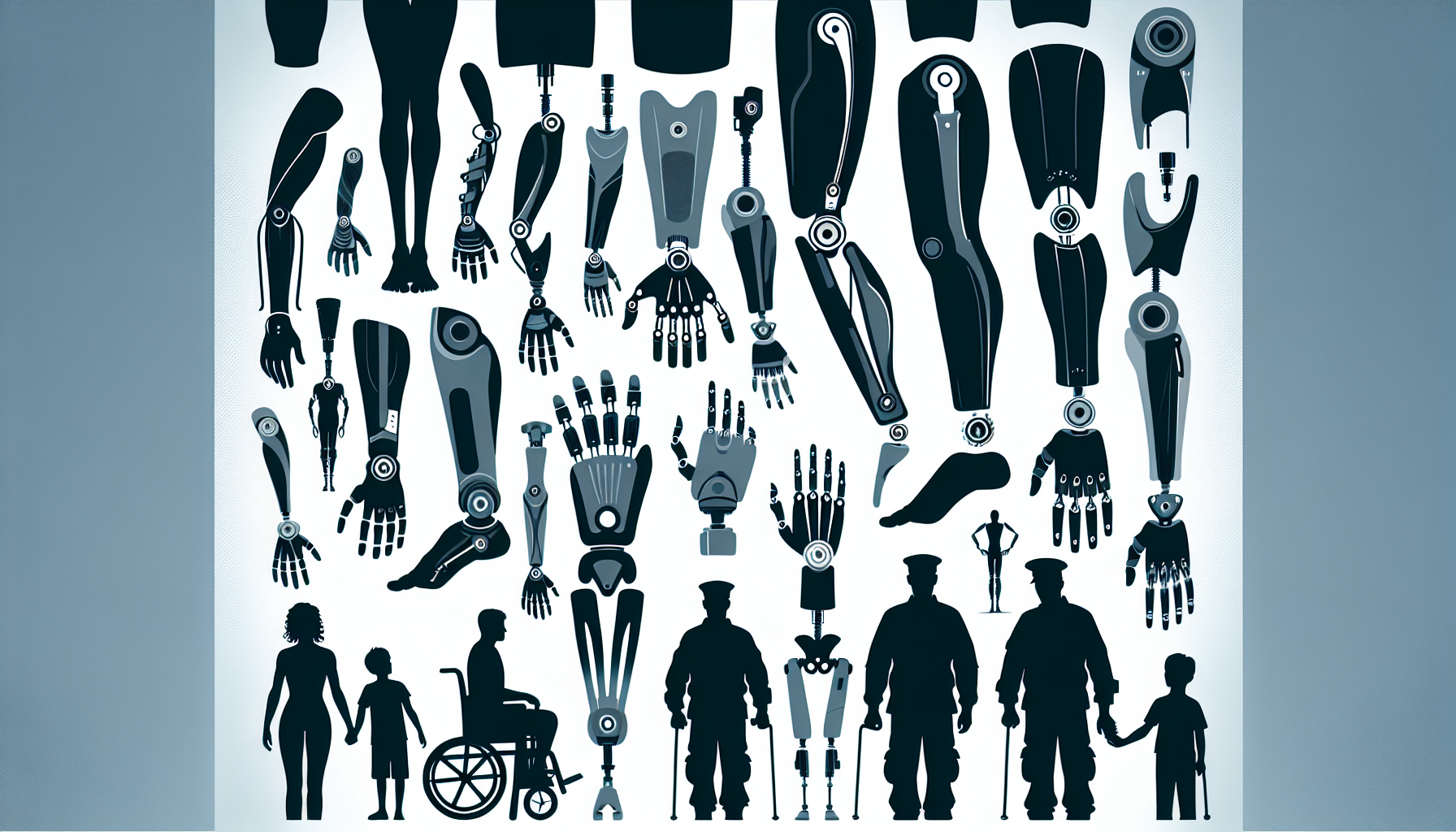
The VA benefits term “Prosthetics” refers to artificial devices used to replace missing or nonfunctional body parts, which can improve the quality of life for veterans who have experienced injuries or disability. These devices can include limbs, eyes, orthopedic braces, or hearing aids. The Department of Veterans Affairs (VA) provides access to prosthetic appliances and services to eligible veterans to help them regain independence and mobility.

Key Takeaways

  1. Prosthetics provided by VA benefits cover a wide range of devices and services, including artificial limbs, orthopedic braces, adaptive equipment, and hearing aids for eligible veterans.
  2. Veterans who have lost a limb, have a disability that affects their mobility, or suffer from hearing loss as a result of their military service are often eligible for these prosthetic benefits through the Department of Veterans Affairs.
  3. VA prosthetics benefits aim to improve the quality of life and functionality of beneficiaries, enabling them to participate in activities of daily living and maintain their independence.

Importance

The VA benefits term “Prosthetics” is important because it refers to the vital support and services provided by the Department of Veterans Affairs (VA) to veterans who require prosthetic devices, orthotics, or sensory aids as a result of an injury or medical condition sustained during their military service.

This ensures that eligible veterans have access to the appropriate technology and care necessary to achieve an optimal level of physical functionality, independence, and overall quality of life.

The VA’s Prosthetic & Sensory Aids Service (PSAS) is dedicated to providing customized, high-quality solutions that address individual needs, enhancing the veterans’ ability to reintegrate into society and lead fulfilling lives.

Explanation

The purpose of prosthetics within the realm of VA benefits is to provide veterans with the highest quality of life by restoring their mobility, functionality, and independence after losing a limb or experiencing a debilitating injury. Prosthetic devices play a critical role in rehabilitation and recovery, ensuring the individual is empowered to continue leading a fulfilling life post-injury. VA benefits cover a wide range of cutting-edge prosthetic technology, enabling the veteran to receive personalized solutions tailored to their unique needs and individual circumstances.

Moreover, the VA works closely with prosthetic experts as well as funding research and development in this field, enabling access to the latest innovations and advancements, ensuring veterans receive the best possible care. Apart from providing these prosthetic devices, the VA benefits also include the necessary healthcare services, resources, and support systems to help veterans integrate these devices into their lives. This includes physical therapy, occupational therapy, and access to specialists who offer guidance and training on using prosthetics effectively and safely.

Furthermore, the VA’s comprehensive approach extends beyond physical recovery, encompassing mental and emotional well-being. Veterans are connected with resources for coping with the psychological impacts of their injuries and the resulting changes, reinforcing their resilience and determination to thrive despite their circumstances. Overall, the VA’s prosthetic benefits encompass not just the provision of the devices themselves but a holistic approach to ensure the overall wellness and success of the veterans.

Examples of Prosthetics

Advanced Prosthetic Limbs: Veterans who have experienced limb loss due to injury or illness can take advantage of VA prosthetic benefits by receiving advanced prosthetic limbs. One example is the DEKA Arm, often referred to as the “Luke Skywalker arm,” which uses electrical signals generated by the wearer’s muscles to control the device and offers a more precise and natural range of motion compared to traditional prosthetics.

Custom Orthotic Devices: Some veterans suffer from conditions that require specialized support for their musculoskeletal system, such as custom orthotic devices for the foot, ankle, or leg. A real-world example is a brace specifically designed to correct foot drop caused by nerve or muscle damage, which can help a veteran walk more comfortably and with greater stability.

Robotic Exoskeletons: VA Benefits may provide access to cutting-edge technology, such as robotic exoskeletons that help paralyzed veterans regain some mobility. Examples include the ReWalk system, which uses a motorized exoskeleton to enable individuals with spinal cord injuries to stand upright, walk, and even climb stairs, and the Indego Exoskeleton, which offers similar capabilities to the ReWalk but is lighter and more modular, allowing for greater customization based on the wearer’s needs.

FAQs about VA Prosthetics Benefits

1. What prosthetic services are available to eligible veterans through the VA?

The VA offers a wide range of prosthetic services for eligible veterans, including prosthetic limbs, orthotic devices, hearing aids, eyeglasses, adaptive equipment, and more. The prosthetic services are tailored to meet the individual needs of each veteran.

2. Who is eligible for VA prosthetic benefits?

Veterans who are enrolled in VA health care are eligible for prosthetic benefits. The eligibility depends on factors such as the veteran’s service-connected disability status, and the medical need for the prosthetic device or service.

3. How can I apply for VA prosthetic benefits?

To apply for VA prosthetic benefits, you must be enrolled in VA health care. To enroll, you can apply online at VA.gov, by phone at 1-877-222-VETS (8387), or in person at your local VA medical center or clinic. Once enrolled, your VA health care provider will determine your needs and make a referral to the prosthetic department.

4. Can I choose my own prosthetist?

The VA allows you to choose your own prosthetist under certain circumstances. You can request a specific provider if they are an approved VA vendor, and your VA health care provider believes that the request is in your best medical interest.

5. Will the VA cover the cost of repairing or replacing my prosthetic device?

Yes, the VA will cover the cost of repairing or replacing a prosthetic device, as long as it meets the VA’s criteria for medical necessity and the device was originally provided by the VA or another source approved by the VA.

6. How often can I get a new prosthetic device?

The frequency at which you can receive a new prosthetic device varies based on factors such as the type of device, wear and tear, changes in your medical condition, and advances in technology. The decision to replace a prosthetic device will be made by your VA health care provider in consultation with the prosthetic department.

7. What should I do if I have a problem with my prosthetic device?

If you have a problem with your prosthetic device, contact your VA health care provider, prosthetist, or your local VA prosthetic department. They can assist you with troubleshooting, adjustments, repairs, or replacement of the device, if necessary.

Related VA Benefit Terms

  • Artificial limbs
  • Orthotic devices
  • Assistive technology
  • Adaptive equipment
  • Rehabilitation services

Sources for More Information

Benefits.com Advisors

With expertise spanning local, state, and federal benefit programs, our team is dedicated to guiding individuals towards the perfect program tailored to their unique circumstances.

Rise to the top with Peak Benefits!

Join our Peak Benefits Newsletter for the latest news, resources, and offers on all things government benefits.
Related Articles

VA HISA Grant

VA SMC R1 Requirements

VASRD 2026 Updates

x