








We are privately owned and not affiliated or endorsed by any government agency.

Take the Benefits Quiz

Exceptional Family Member Program (EFMP)

Definition

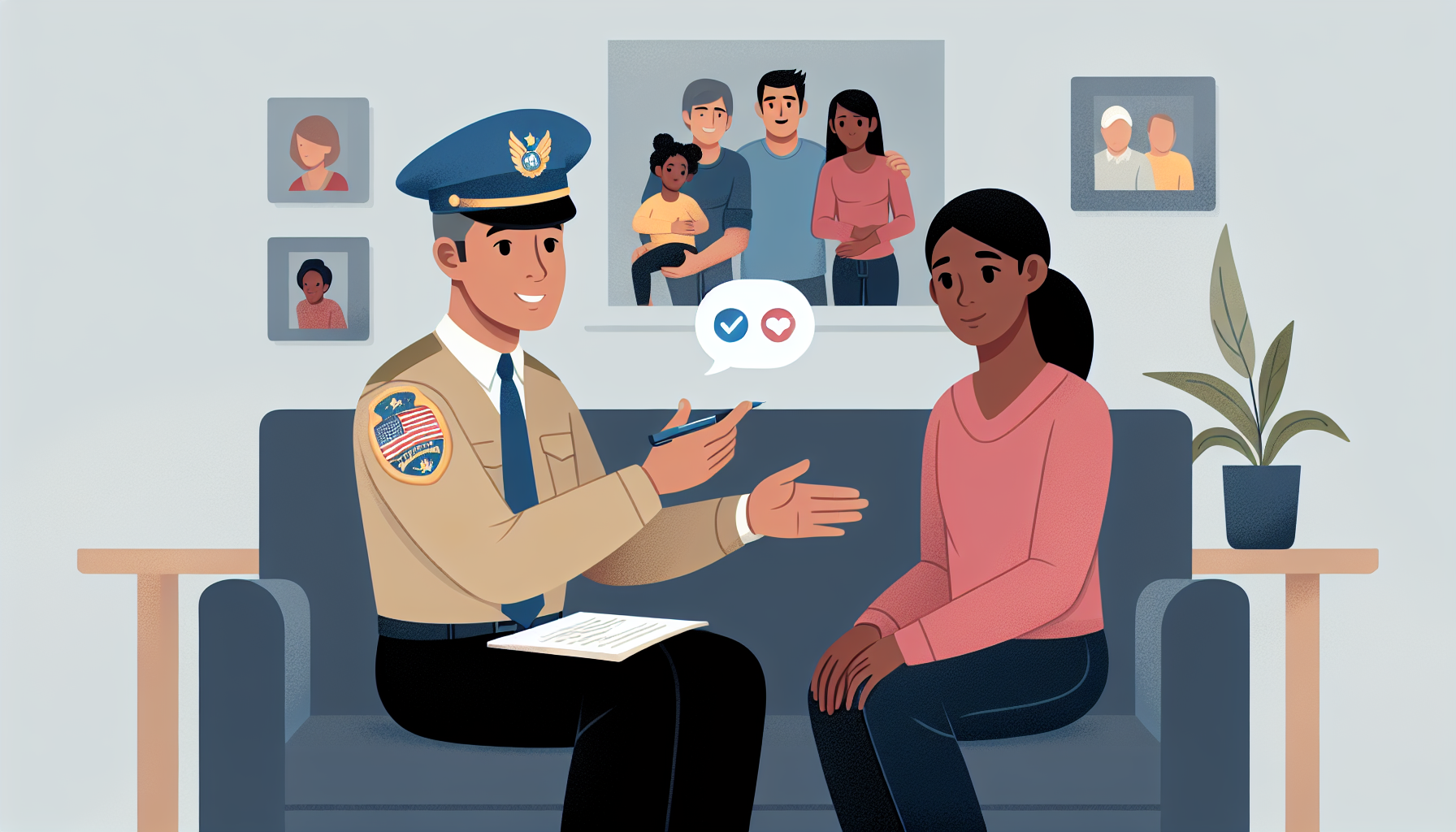
The Exceptional Family Member Program (EFMP) is a Department of Defense (DoD) support initiative for military families with special medical or educational needs. It focuses on providing assistance, resources, and services to enhance the quality of life for these individuals. The primary goals of EFMP include ensuring access to appropriate healthcare and educational services, as well as considering the family member’s needs during the military personnel’s assignments and relocations.

Key Takeaways

  1. EFMP is a mandatory enrollment program designed to support military families with special medical or educational needs, providing tailored services and resources.
  2. The program aims to ease the transition and relocation process for eligible family members while ensuring access to appropriate care and support services.
  3. Enrollment in EFMP ensures that family members’ needs are taken into consideration during the assignment process, promoting long-term family stability and well-being.

Importance

The Exceptional Family Member Program (EFMP) is an essential term in the context of VA benefits because it demonstrates the Department of Defense’s commitment to providing comprehensive and coordinated support to military families with special needs.

This program aims to ensure that military personnel, who have family members with physical, emotional, developmental, or intellectual disabilities, receive assistance in accessing medical, educational, and other essential services.

By properly classifying and enrolling family members in the EFMP, military families can receive the necessary support and resources, which in turn helps maintain the service member’s mission readiness and overall well-being.

Additionally, awareness of this program is vital for service members and their families to take full advantage of the benefits offered by the VA and DoD.

Explanation

The Exceptional Family Member Program (EFMP) is an essential support system with a critical purpose of aiding military families with extraordinary needs. Its primary objective is to ensure that military personnel’s family members with special requirements receive adequate and appropriate care while implementing comprehensive consideration of their medical, educational, or disability-related needs during the assignment process.

Apart from facilitating services, this program also aims to heighten the military community’s awareness and understanding of the unique challenges faced by exceptional family members. EFMP is designed to work as a collaborative effort that unites various service branches to extend resources and services to military families.

These include medical, housing, and educational support catered to the specific individual’s conditions. By tailoring resources and assistance under this program, EFMP serves as a critical component in enabling military families managed coping mechanisms and enhancing their overall quality of life.

Additionally, the program enables service members to focus on their professional duties with the assurance that their exceptional family members are receiving the needed care and support, ultimately strengthening our military’s readiness and effectiveness.

Examples of Exceptional Family Member Program (EFMP)

The Exceptional Family Member Program (EFMP) is a mandatory enrollment program for military families with special needs, including medical, dental, mental health, developmental, or educational requirements. The goal of the program is to provide necessary support and resources to families so they can thrive while serving the nation. Here are three real-world examples demonstrating the impact of EFMP:

Mandatory special needs assessment: A military family with a child diagnosed with autism moves to a new duty station. The EFMP coordinator at the new location works with the family to assess the child’s unique requirements, including specialized educational services, therapy services, and medical care. This ensures that the family can access the appropriate resources at their new location.

Assignment coordination assistance: A military spouse has a chronic health condition requiring specialized medical care. When her service member receives new orders, the EFMP coordinator works closely with the gaining installation to ensure the new duty location can accommodate the spouse’s medical needs. This coordination avoids any disruptions in the spouse’s care and contributes to the family’s well-being during the transition.

Support groups and workshops: An army couple has a child diagnosed with ADHD and they’re struggling to adapt to the child’s needs. The Family Support component of the EFMP connects the couple to a local support group for parents of children with ADHD. Additionally, the family can attend workshops and seminars related to ADHD management, giving them the tools and resources to better support their child.

Exceptional Family Member Program (EFMP) FAQ

What is the Exceptional Family Member Program (EFMP)?

The Exceptional Family Member Program (EFMP) is a support program for military families with special needs members. It aims to assist service members in managing the unique challenges and logistical aspects tied to caring for family members with special needs while serving in the military.

Who can enroll in the EFMP?

Active Duty service members who have a special needs family member can enroll in the EFMP. This includes spouses, children, and dependent adult family members with medical, behavioral, or educational needs that require ongoing assistance or support.

How do I enroll my family member in the EFMP?

Enrollment in the EFMP starts by visiting your local military treatment facility or contacting your command’s EFMP representative. You’ll need to complete the necessary forms and provide medical documentation to support the enrollment. Once your family member’s eligibility is confirmed, they will be enrolled in the EFMP.

What types of benefits and services does the EFMP provide?

The EFMP provides a variety of support services, such as medical care coordination, educational assistance, resource referrals, relocation assistance, and family support. These services are designed to help families more effectively navigate the unique challenges that come with having a special needs family member while serving in the military.

Will enrollment in the EFMP affect my service member’s career?

Enrollment in the EFMP should not negatively impact a service member’s career. The EFMP is designed to support military families and ensure that special needs members receive the necessary care and assistance. Enrollment in the program may result in assignment limitations or considerations related to ensuring access to appropriate resources for the family member with special needs.

How do I update or change my EFMP enrollment information?

If there are any changes in your family member’s medical or educational needs or if you need to update your contact information, contact your local EFMP representative or military treatment facility. They will guide you through the process of updating your enrollment records and making any necessary adjustments to your family member’s support services.

Related VA Benefit Terms

  • Family Support Services
  • Individualized Education Program (IEP)
  • TRICARE Extended Care Health Option (ECHO)
  • Medical Assignment Screening
  • Special Needs Accommodations

Sources for More Information

Benefits.com Advisors

With expertise spanning local, state, and federal benefit programs, our team is dedicated to guiding individuals towards the perfect program tailored to their unique circumstances.

Rise to the top with Peak Benefits!

Join our Peak Benefits Newsletter for the latest news, resources, and offers on all things government benefits.


Related Articles

VA HISA Grant

VA SMC R1 Requirements

VASRD 2026 Updates

Extension of Benefits

Definition

Extension of Benefits, in the context of VA benefits, refers to the prolongation of assistance or coverage provided to eligible veterans, dependents, and survivors. This extension can be granted in situations such as extended educational programs, extended healthcare, or disability benefits. The goal is to continue supporting the individuals who qualify for these benefits beyond the initial period or in cases of special circumstances.

Key Takeaways

  1. Extension of Benefits refers to a period in which veterans or their eligible dependents can continue to receive educational or training benefits beyond the original expiration date due to specific circumstances.
  2. These benefits extensions may be granted for factors such as illness, pregnancy, parental leave, or military service, and can help veterans make the most of their educational and training opportunities
  3. To request an Extension of Benefits, veterans must notify the Department of Veterans Affairs, provide necessary documentation, and submit an application. Approval and extension lengths are determined on a case-by-case basis.

Importance

The term “Extension of Benefits” is crucial in the context of VA benefits as it ensures continued support and assistance to eligible veterans, service members, and their families, often beyond the initial predetermined period.

The significance of extending benefits lies in addressing the changing circumstances and needs of veterans throughout their lifetime, such as medical care, education, financial assistance, and vocational rehabilitation.

Consequently, this helps honor their service, facilitate reintegration into civilian life and contributes to their overall well-being and satisfaction.

Understanding and exploring extension of benefits options can greatly assist veterans in maximizing the advantages of their earned benefits and support them at various stages of life.

Explanation

The primary purpose of the extension of VA benefits is to provide additional support to eligible veterans, their families, and survivors who may have missed or need extra time to access the resources and services offered by the Department of Veterans Affairs. This extra support ensures that veterans, who have served and sacrificed for their nation, can continue to receive all the benefits they are entitled to, even beyond the standard time limits for those benefits.

Extensions could apply to a variety of benefits, including healthcare, education, disability compensation, pension, vocational rehabilitation, and more. By providing extensions, the VA acknowledges the ongoing needs of qualified beneficiaries who might face certain circumstances, such as physical or mental challenges, long-term illnesses, or simply the inability to utilize certain benefits during their originally designated timeframe.

Extensions of benefits are used not only to offer continued assistance but also to adapt to the evolving needs of the veteran community, bridging the gap between standard benefits and any additional support required. This adaptability allows the VA to serve its core mission of caring for those who have served; by providing these benefits extensions, it ensures that no eligible beneficiaries are left behind or denied access to the critical resources they need for their well-being.

Ultimately, the extension of benefits plays a significant role in promoting the health, financial stability, and quality of life for United States military veterans and their families, honoring their brave service and commitment to the nation.

Examples of Extension of Benefits

The VA Benefits term “Extension of Benefits” refers to the extension of specific benefits and services for eligible veterans or their dependents, often due to exceptional circumstances or particular needs. Here are three real-world examples:

Post-9/11 GI Bill Extension:In August 2017, the Harry W. Colmery Veterans Educational Assistance Act, also known as the “Forever GI Bill,” was signed into law. This legislation eliminated the expiration date for veterans who became eligible for the Post-9/11 GI Bill after January 1,

This extension allows eligible veterans to access their educational benefits for their entire lifetime, thereby providing more opportunities to pursue higher education and vocational training.

Extension of Disability Compensation:A veteran who has a service-connected disability may be eligible for disability compensation. In certain cases, the Department of Veterans Affairs (VA) may extend the period during which a veteran can file a claim for disability compensation. For instance, if a veteran was not able to file a claim within the prescribed timeline due to a medical condition or other extenuating circumstances, the VA may extend the deadline for filing, allowing the veteran to access the benefits they deserve.

Extension of Home Loan Benefits for Surviving Spouses:The VA offers a home loan guaranty program, which allows eligible veterans to secure mortgages with favorable terms. Normally, the spouse of a deceased veteran may be eligible for these benefits if the veteran died while on active duty or due to a service-related disability. However, in 2015, the Veterans’ Survivor Benefits Improvement Act extended the eligibility period for surviving spouses who remarried before December 16, 2003, and are aged 57 or older. This extension enables more surviving spouses to access the VA home loan benefits and secure housing for themselves and their families.

“`

FAQ – Extension of Benefits

1. What is the Extension of Benefits?

The Extension of Benefits is a provision that allows eligible veterans to receive additional VA benefits beyond their initial eligibility period. This may include continued access to healthcare, education, and other beneficial programs and services.

2. Who is eligible for the Extension of Benefits?

Eligibility for the Extension of Benefits varies depending on the specific benefit program. Generally, veterans with an honorable discharge, an active duty service period, and a qualifying VA disability rating may be eligible. Some benefits may also extend to dependents and surviving spouses of eligible veterans.

3. How can I apply for the Extension of Benefits?

To apply for the Extension of Benefits, visit the VA.gov website and create an account if you don’t already have one. From there, navigate to the relevant benefit program page to access the application form and follow the instructions provided. You may also apply in person at a VA regional office, or by mail or fax, depending on the specific program.

4. How long can I receive the Extension of Benefits?

The duration of benefit extensions varies depending on the specific VA program and your eligibility status. Please refer to the program’s official resources or contact the VA for more information on extension periods.

5. Can my family members receive the Extension of Benefits?

Some VA benefits extend to eligible dependents and surviving spouses of veterans. These may include healthcare, education assistance, and home loan assistance, among others. For more information and specific eligibility criteria, visit the relevant program page on the VA.gov website or contact the VA.

“`

Related VA Benefit Terms

  • Extended Eligibility Period
  • Post-9/11 GI Bill
  • Vocational Rehabilitation and Employment (VR&E)
  • Survivor and Dependent Benefits
  • Disability Compensation

Sources for More Information

Benefits.com Advisors

With expertise spanning local, state, and federal benefit programs, our team is dedicated to guiding individuals towards the perfect program tailored to their unique circumstances.

Rise to the top with Peak Benefits!

Join our Peak Benefits Newsletter for the latest news, resources, and offers on all things government benefits.

Related Articles

VA HISA Grant

VA SMC R1 Requirements

VASRD 2026 Updates

Environmental Health Clinicians

Definition

Environmental Health Clinicians are specialized medical professionals within the Department of Veterans Affairs (VA) who address and assess health concerns related to environmental exposures. Their primary role is to evaluate veterans’ health issues arising from exposure to hazardous materials, toxins, or other environmental hazards during military service. These clinicians offer necessary medical support, consultation, and advice to veterans to ensure the right care and benefits are provided for their service-related environmental health conditions.

Key Takeaways

  1. Environmental Health Clinicians are medical professionals who specialize in evaluating, diagnosing, and treating health conditions related to environmental and occupational exposures.
  2. These clinicians play a key role in the Department of Veterans Affairs (VA) system, as they help assess and address various environmental hazards that veterans may have encountered during their military service.
  3. VA benefits often include access to Environmental Health Clinicians to ensure that veterans receive proper care and treatment for health issues resulting from exposure to harmful substances, such as chemical, physical, or biological agents.

Importance

Environmental Health Clinicians play a crucial role in the administration and management of VA benefits for veterans who may have been exposed to environmental hazards during their military service.

These specialized healthcare professionals are responsible for identifying, evaluating, and addressing potential health effects linked to environmental exposures and occupational hazards.

By doing so, they help to ensure that veterans receive timely and appropriate medical care and support, in addition to addressing any potential long-term health implications.

Their expertise not only contributes significantly to the overall well-being of veterans but also to the ongoing pursuit of improving veteran care within the VA system.

Explanation

Environmental Health Clinicians play an essential role in the care and well-being of veterans by primarily focusing on the identification, evaluation, and management of conditions affected by interactions between the veterans and their environment. These dedicated professionals not only address the potential health hazards that may arise from veterans’ occupational and environmental exposures but also help to develop health programs and preventive measures to mitigate the harmful impacts of such exposure.

Through their work, Environmental Health Clinicians empower veterans to lead healthier lives by providing vital assistance in understanding potential hazards and guiding them towards the appropriate treatments or interventions when needed. One of the critical functions of Environmental Health Clinicians is to evaluate the veterans’ risk from various sources, such as chemical, biological, and physical factors, related to their past military service.

This may entail analyzing and interpreting complex information regarding exposures during wartime, peacetime, and other military operations. The clinicians then use this information to provide medical advice, consultations, and outreach to veterans and healthcare providers in the Veterans Affairs (VA) health care system.

By doing so, they support the VA’s mission to provide comprehensive care, tailored to the unique needs of veterans who may have developed health issues due to their service. Moreover, Environmental Health Clinicians actively collaborate with other medical professionals and researchers to advance the knowledge and resources available for addressing veterans’ environmental and occupational health concerns.

Examples of Environmental Health Clinicians

The Environmental Health Clinician term may refer to medical professionals focusing on the relationship between the environment and human health, specifically for veterans. They may be involved in identifying, preventing, and treating illnesses or injuries stemming from environmental exposures. Here are three real-world examples related to the VA Benefits term “Environmental Health Clinicians”:

Gulf War Veterans’ Illnesses: Environmental health clinicians play a crucial role in diagnosing and treating illnesses related to Gulf War veterans. These medical professionals may review medical records, assess patients’ physical and mental health, and work with interdisciplinary teams to develop customized treatment plans. They may address various health concerns, such as chronic fatigue syndrome, fibromyalgia, and functional gastrointestinal disorders, which are prevalent among Gulf War veterans.

Agent Orange Exposure: Veterans exposed to Agent Orange during the Vietnam War may suffer from related health issues, such as diabetes, heart diseases, and various cancers. Environmental health clinicians can assess these veterans to determine any potential connections between their illnesses and their exposure to Agent Orange. The clinicians work to ensure proper medical care and treatment are provided to those veterans, and help them obtain disability benefits if necessary.

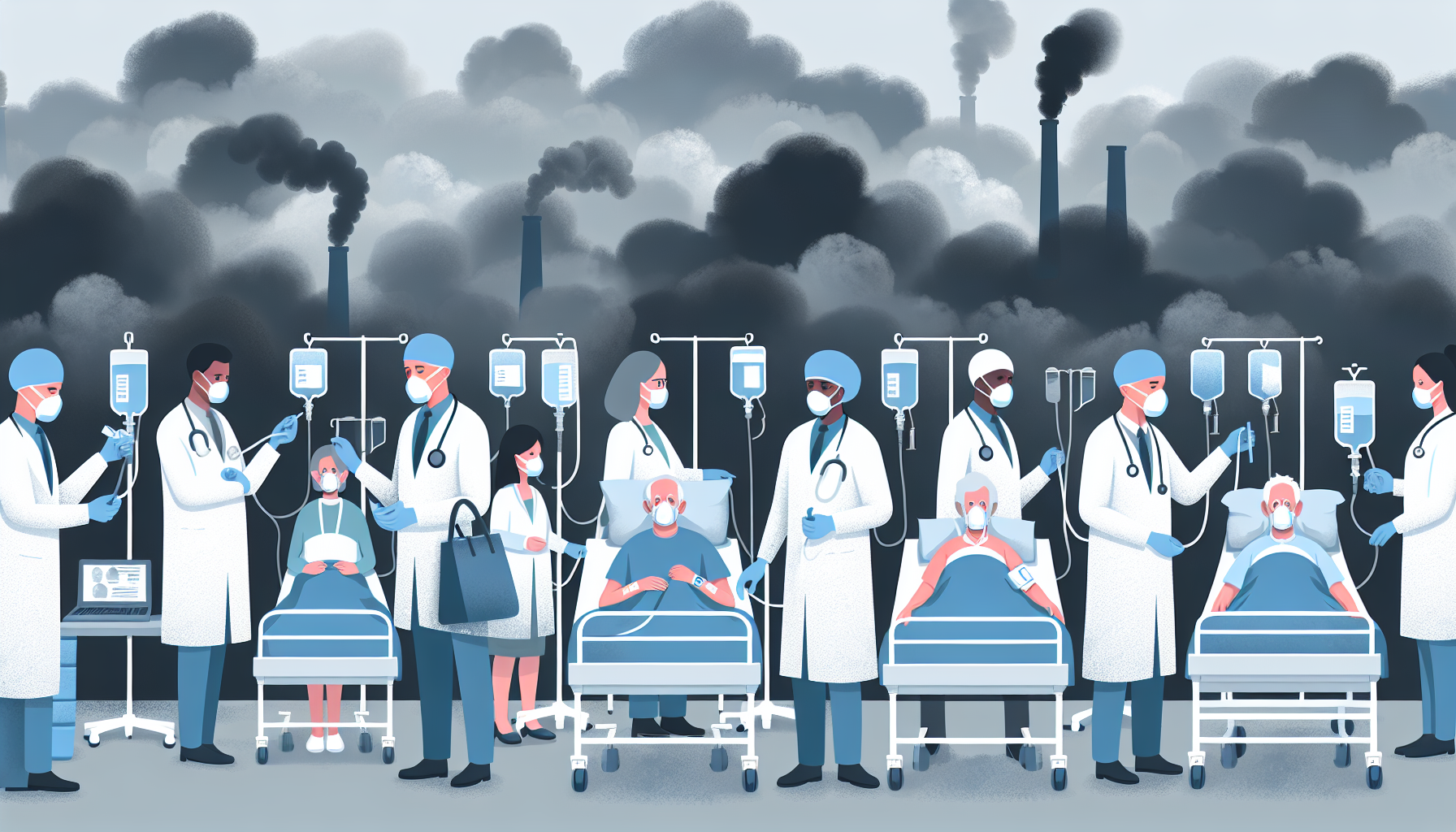
Burn Pit Exposure: Service members exposed to burn pits during their deployments in Iraq and Afghanistan may develop respiratory illnesses and other health complications. Environmental health clinicians are tasked with diagnosing and treating these conditions, which can result from inhaling toxic fumes from the burning of waste materials. These professionals may collaborate with other healthcare providers, researchers, and VA benefits administrators to develop diagnostic strategies and appropriate treatments for affected veterans.

FAQ: VA Benefits for Environmental Health Clinicians

1. What services are offered by Environmental Health Clinicians in the VA system?

Environmental Health Clinicians within the VA system offer a range of services for veterans. These include health assessments and monitoring for potential health issues related to environmental exposures, providing information on specific hazards, and offering guidance on managing health concerns. Additionally, they work closely with veterans to help them access necessary treatments and services.

2. How can I find an Environmental Health Clinician in my area?

To find an Environmental Health Clinician in your area, visit the VA’s online facility locator and enter your zip code or address. The search results will show nearby VA facilities, including those providing environmental health services. Alternatively, you can contact your local VA Medical Center or Regional Health Office for more information on available clinicians in your vicinity.

3. Are all veterans eligible for Environmental Health Clinician services?

Most veterans who have been exposed to environmental hazards during their service or through other VA-related activities are eligible for these services. However, some benefits may vary depending on the specific details of the exposure and the veteran’s service history. To determine your eligibility, please contact your local VA Environmental Health Coordinator.

4. Will receiving environmental health services impact my VA benefits?

Receiving environmental health services considers your overall health and well-being. Utilizing these services does not negatively impact your VA benefits. The goal is to help you manage any health concerns related to environmental exposures and ensure access to appropriate health care services and treatments.

5. What types of environmental exposures are commonly assessed by Environmental Health Clinicians?

There are various environmental exposures that Environmental Health Clinicians may assess. These can include exposure to chemicals, contaminated water, radiation, biological hazards, and airborne pollutants. The Clinicians work with veterans to evaluate potential health effects from these exposures and provide guidance on managing any concerns that may arise.

Related VA Benefit Terms

  • Occupational Exposure Evaluation
  • Environmental Health Registries
  • Hazardous Materials Assessments
  • Indoor Air Quality Management
  • Health Risk Communication

Sources for More Information

Benefits.com Advisors

With expertise spanning local, state, and federal benefit programs, our team is dedicated to guiding individuals towards the perfect program tailored to their unique circumstances.

Rise to the top with Peak Benefits!

Join our Peak Benefits Newsletter for the latest news, resources, and offers on all things government benefits.

Related Articles

VA HISA Grant

VA SMC R1 Requirements

VASRD 2026 Updates

Enrollment in VA Healthcare

Definition

Enrollment in VA Healthcare refers to the process by which eligible veterans register for healthcare services provided by the U.S. Department of Veterans Affairs. Once enrolled, veterans gain access to an extensive range of medical, dental, and mental health services. Eligibility is typically determined by factors such as service record, discharge status, and income.

Key Takeaways

  1. Enrollment in VA Healthcare provides eligible veterans with access to comprehensive medical care, including primary care, specialty care, and preventive services, through the Veterans Health Administration (VHA).
  2. Veterans must enroll in VA Healthcare to access these services, and the enrollment process includes determining eligibility, submitting an application (either online, by mail, or in person), and receiving an official determination of enrollment.
  3. Once enrolled, veterans have access to a wide range of healthcare benefits and services, such as mental health care, home health care, and telehealth services, which are tailored to each individual’s unique needs and service-connected disabilities.

Importance

Enrollment in VA Healthcare is important because it allows eligible veterans to access a wide range of comprehensive medical services provided by the Department of Veterans Affairs (VA). As a critical aspect of the VA benefits package, enrolling in the healthcare system ensures that veterans receive timely, high-quality healthcare catered to their specific needs, including primary care, specialty care, mental health services, and other support services at low or no cost.

In addition to this, enrollment in VA Healthcare also helps the VA to allocate resources effectively and efficiently, ensuring that these healthcare services can continue to be provided to all veterans who qualify.

Consequently, enrollment contributes significantly to the overall physical, mental, and emotional well-being of veterans as they transition back to civilian life or face life after service-related injuries or traumas.

Explanation

Enrollment in VA Healthcare serves as a vital tool in ensuring that eligible veterans have access to comprehensive, high-quality, and cost-effective medical care. The primary purpose of this enrollment process is to streamline and simplify veterans’ entry into the healthcare system, guaranteeing that those who have served their country receive the medical attention they deserve.

The U.S. Department of Veterans Affairs (VA) prioritizes each applicant based on factors such as service-related disabilities, income, and geography.

This system allows the VA to allocate its resources more efficiently, enabling timely care and support for those veterans most in need. As well as providing essential medical services and resources, the VA Healthcare enrollment process is designed to support the broader goal of fostering a comprehensive health and wellness program for veterans.

By enrolling in the VA Healthcare System, eligible individuals gain access to an extensive array of services, such as primary care, preventative services, mental health care, and specialized services tailored to the unique needs of veterans. As a testament to the importance of its purpose, the VA Healthcare System continuously strives to improve the quality and accessibility of healthcare services and remains committed to addressing the challenges faced by veterans seeking medical assistance.

Examples of Enrollment in VA Healthcare

John, a U.S. Army veteran, recently separated from active duty and needs continued medical care for various service-connected health issues. John can enroll in VA Healthcare to receive primary care, specialized care, and prescription medications. He can apply by mail, online, or in person at a nearby VA medical center, and upon successful enrollment, John will be assigned a priority group, indicating the level of benefits he’s eligible for.

Maria, a U.S. Navy veteran who served during the Gulf War, is experiencing lingering effects of exposure to environmental hazards during her service. Maria can enroll in VA Healthcare to receive comprehensive health care services, including specialized treatment for environmental exposures, mental health services, and preventative care. VA Healthcare will also cover her pre-existing conditions related to service without the need for copayments.

Kevin, a U.S. Air Force veteran, is experiencing post-traumatic stress disorder (PTSD) and depression after serving in a combat zone. Kevin can enroll in VA Healthcare to access a wide range of mental health services, including individual and group therapy, medications, and support. VA Healthcare also offers specialized programs for combat veterans, helping Kevin transition from military to civilian life with the necessary support and care.

FAQ – Enrollment in VA Healthcare

1. Who is eligible for enrollment in VA Healthcare?

Eligibility for enrollment in VA Healthcare depends on various factors, including military service history, current income level, disability rating, and other benefits. Generally, any veteran who has served in the active military and received an honorable discharge is eligible.

2. How can I apply for VA Healthcare?

You can apply for VA Healthcare online, by phone, by mail, or in person at your local VA medical facility. To apply online, visit the VA website at www.va.gov, and fill out the VA Form 10-10EZ.

3. What benefits can I expect if I am enrolled in VA Healthcare?

VA Healthcare offers a wide range of benefits, including preventive care, mental health services, emergency care, and more. Some services, like dental care, are available only for eligible veterans, so be sure to check your specific coverage when enrolling.

4. Is there a VA Healthcare enrollment deadline?

While there is no specific deadline to enroll in VA Healthcare, it’s essential to apply as soon as you become eligible. Doing so ensures that you can access benefits as soon as possible and avoid potential delays in receiving care.

5. Are family members eligible for VA Healthcare benefits?

Spouses, dependents, and family caregivers of certain eligible veterans may qualify for benefits under the Civilian Health and Medical Program of the Department of Veterans Affairs (CHAMPVA). To learn more about these benefits and eligibility, visit the CHAMPVA website or contact your local VA office.

Related VA Benefit Terms

  • Eligibility Requirements
  • Application Process
  • Healthcare Services
  • Priority Groups
  • VA Medical Facilities

Sources for More Information

Benefits.com Advisors

With expertise spanning local, state, and federal benefit programs, our team is dedicated to guiding individuals towards the perfect program tailored to their unique circumstances.

Rise to the top with Peak Benefits!

Join our Peak Benefits Newsletter for the latest news, resources, and offers on all things government benefits.

Related Articles

VA HISA Grant

VA SMC R1 Requirements

VASRD 2026 Updates

Enrollment Priority Groups

Definition

Enrollment Priority Groups refer to the classification system used by the Department of Veterans Affairs (VA) to determine a veteran’s access to healthcare services and benefits. This system categorizes veterans into eight priority groups, based on factors such as service-connected disabilities, income, and military service history. The priority groups determine the order in which veterans receive benefits, with higher priority groups receiving access to resources first.

Key Takeaways

  1. Enrollment Priority Groups determine the order and eligibility for veterans to receive various VA benefits and healthcare services, such as hospital care, outpatient care, and preventive services.
  2. There are eight priority groups that veterans are assigned to based on specific criteria, including service-connected disabilities, income level, service history, and other factors. Higher priority groups receive more timely access and lower copayments.
  3. Understanding an individual veteran’s priority group is essential for them to navigate the VA healthcare system, maximize their benefits, and access necessary care and services in a timely manner.

Importance

The VA benefits term “Enrollment Priority Groups” is important because it allows the Department of Veterans Affairs to manage the allocation of resources and healthcare services effectively to the vast veteran population.

By categorizing veterans into different priority groups based on factors such as disability ratings, service-connected disabilities, income levels, and military service history, the VA can ensure that those with the most pressing needs are given priority access to healthcare services and other benefits.

This system plays a crucial role in providing efficient, high-quality care and support to all veterans while addressing the unique needs of each individual, ensuring that no one is left behind and that resources are distributed equitably.

Explanation

The purpose of Enrollment Priority Groups in the VA benefits system is to streamline and clarify the process of allocating resources and access for veterans seeking health care services. These groups are essential in ensuring that those who have suffered the most severe disabilities and service-connected conditions, as well as military service members who have received certain distinctions and awards, get prioritized access to the care they need in a timely manner.

This system enables the VA to allocate its resources most effectively in addressing the comprehensive needs of the millions of veterans it serves every year. Enrollment Priority Groups are used to manage the demand for VA health care by categorizing veterans based on specific criteria, such as service-connected disabilities, compensable disability ratings, or former Prisoner of War status.

This allows the VA to strategically prioritize certain groups of veterans over others when it comes to access to health care services and programs that may be limited in capacity or necessitate immediate attention. Ultimately, the Priority Groups system promotes a more thorough, structured, and organized approach to distributing crucial health care services for veterans from all walks of life, ensuring that those in the greatest need of help and support receive the care that they deserve.

Examples of Enrollment Priority Groups

The VA Benefits term “Enrollment Priority Groups” refers to the categorization system used by the Department of Veterans Affairs (VA) to determine the priority and eligibility of veterans for healthcare services and benefits through the VA. Here are three real-world examples:Example 1: A veteran who has a service-connected disability rated at 50% or higher would be placed in Priority Group

This priority level provides the highest level of access to VA healthcare services, including support for their service-connected disabilities, as well as any other necessary medical care and medication without co-payments.Example 2: A World War II or Korean War veteran who is currently receiving a VA pension would be placed in Priority Group

This priority level allows the veteran to access VA healthcare services without paying copayments for their care, as long as the services are not related to a service-connected disability. They may also receive financial assistance for long-term care service if their income is at or below a specified threshold.Example 3: A post-9/11 Gulf War veteran who does not have a service-connected disability or meet any other qualifications for higher priority groups would be placed in Priority Group

This priority level provides access to VA healthcare services, including access to the VA’s comprehensive healthcare package. However, these veterans may be required to pay copayments for specific types of care, such as outpatient visits and pharmacy benefits, depending on their financial situation.

Enrollment Priority Groups

What are Enrollment Priority Groups?

Enrollment Priority Groups are categories of veterans prioritized by the Department of Veterans Affairs (VA) when enrolling in healthcare benefits. These groups are based on factors such as service-connected disability status, financial resources, and other qualifying conditions.

How many Enrollment Priority Groups are there?

There are eight Enrollment Priority Groups within the VA healthcare system, numbered 1 through 8. The lower the group number, the higher the priority for enrollment and access to healthcare resources.

How do I find out which Enrollment Priority Group I belong to?

To determine your Enrollment Priority Group, you can contact your local VA healthcare facility or visit the VA’s website to complete an online benefits application. The VA will evaluate your eligibility based on factors such as service-connected disabilities, income, and other qualifying factors.

Can I change my Enrollment Priority Group?

Your Enrollment Priority Group may change if your circumstances or eligibility status changes. You should notify the VA of any significant changes in your situation, such as an increase or decrease in your service-connected disability rating or changes to your financial resources. The VA will then re-evaluate your eligibility and adjust your Priority Group if necessary.

Are all VA healthcare services available to every Enrollment Priority Group?

While most VA healthcare services are available to veterans in all Enrollment Priority Groups, some services may have limited availability based on demand and funding. In some cases, veterans in higher priority groups may have priority access to certain services. It is best to consult with your local VA healthcare facility to understand the availability of specific services for your Priority Group.

Related VA Benefit Terms

  • Disability Ratings
  • Income Thresholds
  • Service-Connected Designations
  • Combat Veterans
  • Medal of Honor Recipients

Sources for More Information

Benefits.com Advisors

With expertise spanning local, state, and federal benefit programs, our team is dedicated to guiding individuals towards the perfect program tailored to their unique circumstances.

Rise to the top with Peak Benefits!

Join our Peak Benefits Newsletter for the latest news, resources, and offers on all things government benefits.

Related Articles

VA HISA Grant

VA SMC R1 Requirements

VASRD 2026 Updates

Enhanced-Use Lease

Definition

Enhanced-Use Lease (EUL) is a program established by the Department of Veterans Affairs (VA) to optimize the utilization of its real estate assets. The program allows underused VA properties to be leased to public or private entities for various commercial purposes. Through EUL agreements, the VA generates revenue or receives in-kind services that directly benefit veterans.

Key Takeaways

  1. Enhanced-Use Lease (EUL) is a VA program that allows underutilized VA properties to be leased to private entities for development, resulting in enhanced services or resources for Veterans and their families.
  2. EUL agreements enable the VA to generate revenue through long-term leases, which can be used to fund improvements, create supportive housing, or provide other services that directly benefit Veterans and local communities.
  3. The EUL program promotes partnerships between the VA, developers, and local governments to support Veteran-centered initiatives, reduce property maintenance costs, and improve the utilization of VA assets for the betterment of Veterans’ lives.

Importance

The term Enhanced-Use Lease (EUL) is important within the context of VA benefits as it refers to a valuable program implemented by the Department of Veterans Affairs to efficiently utilize its underutilized real estate assets.

The program allows private sector developers to lease VA property for developing projects that achieve specific objectives in alignment with the VA’s mission, including the provision of affordable housing for veterans, facilities for providing healthcare services, or other supportive initiatives.

EULs create a mutually beneficial arrangement, offering public-private partnerships that advance the VA’s goals while providing opportunities for private sector enterprises to participate in social responsibility projects and contribute to improving the lives of veterans and their families.

Explanation

The Enhanced-Use Lease (EUL) program was developed as an innovative tool to fulfill the needs of veterans and maximize the potential of underutilized Department of Veterans Affairs (VA) properties. The primary purpose of this initiative is to generate revenue and value using non-veteran related VA underutilized land and property.

These assets, which have been deemed non-essential to the VA’s mission, are leased to public and private entities, thereby promoting the more efficient use of underutilized resources and the generation of additional funds that can be allocated to better serve veterans and improve VA facilities. The program has been successful in creating partnerships with various entities, advancing veteran housing stability, and promoting adaptable reuse of VA properties to benefit proper asset management.

The implementation of Enhanced-Use Leases serves to support a variety of veteran-focused projects and services, including but not limited to affordable housing, enhanced recreational amenities, and job training programs. Through the EUL program, the VA can more efficiently allocate its resources and direct its focus to providing healthcare and other related services to veterans, rather than managing excess property.

The revenues generated from EUL agreements are reinvested into enhancing the quality of VA facilities and veteran services while allowing for innovative solutions that can ultimately contribute to the well-being of veterans. As a result, the EUL program provides a unique opportunity for the government, the private sector, and the community to work together to ensure better utilization of assets and resources, all while benefitting the very individuals who have bravely served the country.

Examples of Enhanced-Use Lease

The Enhanced-Use Lease (EUL) program is a Department of Veterans Affairs (VA) initiative that allows underutilized VA properties to be leased out to private or public entities for development that supports the VA’s mission and benefits local Veterans. Here are three real-world examples of Enhanced-Use Lease initiatives:

The EUL at the VA West Los Angeles campus: The West Los Angeles VA campus has entered into Enhanced-Use Lease agreements to develop a variety of supportive housing and services for Veterans, including permanent supportive housing, short-term transitional housing, and a comprehensive range of medical, mental health, vocational, and recreational services. This effort helps address the needs of homeless Veterans living in the Greater Los Angeles area.

The Milwaukee VA Soldiers Home: In Milwaukee, Wisconsin, an Enhanced-Use Lease was obtained to restore and rehabilitate six historic buildings on the campus of the Milwaukee VA Medical Center. This project, undertaken in partnership with The Alexander Company and the Housing Authority of Milwaukee, has transformed these dilapidated and vacant buildings into 101 affordable housing units for Veterans and their families who are homeless or at risk of homelessness. This initiative has not only supported Veterans in need but also preserved the historic character of the Milwaukee Soldiers Home District.

The Menlo Park EUL project: The Menlo Park VA campus in California entered into an Enhanced-Use Lease to develop 60 units of permanent supportive housing for homeless Veterans along with essential supportive services. The development known as the Willow Housing project was completed in 2016 and has since provided safe, stable housing with access to support services that help Veterans transition to healthy and stable lives.

FAQ – Enhanced-Use Lease (EUL)

What is an Enhanced-Use Lease (EUL)?

An Enhanced-Use Lease (EUL) is a VA program that leverages the value of underutilized VA properties to generate revenue and support VA projects, services, and initiatives. Through the EUL program, the VA enters into long-term agreements with public and private entities to redevelop VA properties for various purposes.

What types of projects can be developed under the EUL program?

Projects developed under the EUL program are diverse and can range from commercial and industrial projects to the development of housing for homeless veterans. These projects aim to improve VA facilities and provide benefits to veterans and their families.

What are the benefits of an Enhanced-Use Lease for veterans?

Enhanced-Use Leases generate revenue for the VA which can be reinvested in services and programs that directly benefit veterans. Additionally, EUL projects can enhance the VA’s ability to improve healthcare facilities, address veteran homelessness, and provide other vital support services.

How are Enhanced-Use Lease partners selected?

To select EUL partners, the VA issues a Request for Proposals (RFP) for specified VA properties. Interested parties submit proposals, which are then evaluated based on their financial feasibility, alignment with VA goals and objectives, and their capacity to provide benefits for veterans and their families. The selected partners are invited to negotiate and enter into a long-term lease agreement with the VA.

Are local communities involved in the EUL process?

Yes, the VA works closely with local communities and stakeholders throughout the EUL process. Collaboration and input from the community ensures that veteran needs are met and that potential concerns are addressed. The VA seeks to create EUL projects that are in harmony with the surrounding community while benefiting veterans and their families.

Related VA Benefit Terms

  • Long-term Agreement
  • Underutilized VA Property
  • Revenue Generation
  • Collaboration with Private Entities
  • Public-Private Partnership

Sources for More Information

Benefits.com Advisors

With expertise spanning local, state, and federal benefit programs, our team is dedicated to guiding individuals towards the perfect program tailored to their unique circumstances.

Rise to the top with Peak Benefits!

Join our Peak Benefits Newsletter for the latest news, resources, and offers on all things government benefits.
Related Articles

VA HISA Grant

VA SMC R1 Requirements

VASRD 2026 Updates

Educational Assistance Program

Definition

The Educational Assistance Program, also known as the GI Bill, is a U.S. Department of Veterans Affairs (VA) program that provides financial assistance for veterans, service members, and their families to pursue education and training opportunities. The program covers expenses related to tuition, housing, books, and supplies for attending college, university, vocational, or on-the-job training. It is designed to support those who served in the military to achieve their educational goals and smoothly transition into the civilian workforce.

Key Takeaways

  1. The Educational Assistance Program (EAP) is a VA benefit designed to support veterans, active duty service members, and their qualified family members in furthering their education and career goals.
  2. EAP provides financial assistance for tuition, fees, books, and supplies to eligible individuals enrolled in approved educational and training programs, which can include higher education, vocational and technical training, and apprenticeships.
  3. Some common programs under EAP are the Post-9/11 GI Bill, Montgomery GI Bill, and the Survivors’ and Dependents’ Educational Assistance (DEA) Program, each with their specific eligibility criteria and benefits.

Importance

The VA benefits term: Educational Assistance Program is important because it provides vital financial support and resources to eligible veterans, active-duty service members, and their families in pursuing higher education, vocational training, or other career-enhancing programs.

By offering a range of benefits, including tuition assistance, housing allowances, and stipends for books, this program aims to increase access to quality education, promote career advancement, and improve the overall quality of life for those who have selflessly served their country.

Recognizing the value of education in the transition from military to civilian life, the Educational Assistance Program plays a significant role in empowering and equipping individuals with the skills and knowledge they need to achieve long-term success and contribute positively to their communities.

Explanation

The purpose of the Educational Assistance Program (EAP) under VA benefits is to provide eligible veterans, service members, and their dependents with financial assistance to support their pursuit of higher education, vocational training, and other educational programs. This support aims to enhance their post-military career opportunities, promote their personal and professional development, and ease the transition from military to civilian life.

The EAP acknowledges the vital contributions made by veterans and recognizes the importance of investing in their education as they return to civilian life. The EAP is utilized by offering a variety of financial support programs designed to cater to a wide range of educational needs and situations.

These programs include the Post-9/11 GI Bill, Montgomery GI Bill, and Vocational Rehabilitation and Employment Services, among others. Beyond covering tuition costs, assistance may also extend to housing, textbooks, and even apprenticeships, depending on the program.

By offering these financial benefits, the VA strives to empower former service members and their loved ones in achieving their academic and career ambitions, ultimately improving their quality of life and fostering their potential to contribute positively to society at large.

Examples of Educational Assistance Program

The VA Benefits term “Educational Assistance Program” refers to a range of programs designed to help veterans, service members, and their families access higher education and vocational training. Here are three real-world examples of educational assistance programs under the VA Benefits:

Post-9/11 GI Bill (Chapter 33): The Post-9/11 GI Bill provides financial support to individuals with at least 90 days of aggregate service on or after September 11, 2001, or those discharged with a service-connected disability after serving for at least 30 consecutive days. This program covers tuition and fees, a monthly housing allowance, and a stipend for books and supplies to help veterans and eligible dependents pursue higher education degrees, vocational training, or other approved programs.

Montgomery GI Bill – Active Duty (Chapter 30): The Montgomery GI Bill offers educational assistance for individuals who served on active duty for at least two years and paid into the program. This benefit can be used for college programs, technical or vocational courses, flight training, and other programs related to the pursuit of academic or professional development. Eligible participants receive a monthly benefit amount, which varies depending on the type of educational program and the individual’s length of service.

Survivors’ and Dependents’ Educational Assistance Program (Chapter 35): The DEA program offers educational assistance to spouses and dependents of veterans who have died or are permanently and totally disabled due to a service-related condition, or those who are missing in action, captured, or forcibly detained. These benefits can be used for degree and certificate programs, apprenticeships, or on-the-job training. Beneficiaries receive a monthly allowance based on the type of program and duration of their educational endeavor.

FAQ: VA Educational Assistance Program

1. What is the VA Educational Assistance Program?

The VA Educational Assistance Program, also known as the GI Bill, is a benefit provided by the U.S. Department of Veterans Affairs that helps eligible veterans, service members, and their families cover the costs of education and training programs.

2. Who is eligible for the VA Educational Assistance Program?

Eligibility for the VA Educational Assistance Program depends on your specific circumstance, such as your length of service, duty status, and service-related disability. Generally, individuals may be eligible if they served on active duty after September 10, 2001, or if they’re the spouse or dependent of a qualifying veteran.

3. What types of educational programs are covered by the VA Educational Assistance Program?

The program covers a wide range of educational and training opportunities, including undergraduate and graduate degree programs, vocational and technical training, on-the-job training, and apprenticeships. It can also cover certain licensing and certification fees, as well as tutoring assistance and entrepreneurship training.

4. How do I apply for the VA Educational Assistance Program benefits?

To apply, visit the Veterans Affairs website and complete the online application (VA Form 22-1990) or obtain a paper copy of the form and submit it through mail. You may also apply in person at a VA regional office, or work with a VA-approved education or training facility to help with the application process.

5. How long do I have to use my VA Educational Assistance Program benefits?

For most programs, you have 15 years from the date of your last period of active duty lasting at least 90 consecutive days to use your benefits. However, some benefit programs may have different timeframes for using the benefits. It’s important to check specific details regarding the benefit program you’re eligible for.

Related VA Benefit Terms

  • Post-9/11 GI Bill
  • Montgomery GI Bill
  • Yellow Ribbon Program
  • Vocational Rehabilitation and Employment (VR&E)
  • Survivors’ and Dependents’ Educational Assistance (DEA) Program

Sources for More Information

Benefits.com Advisors

With expertise spanning local, state, and federal benefit programs, our team is dedicated to guiding individuals towards the perfect program tailored to their unique circumstances.

Rise to the top with Peak Benefits!

Join our Peak Benefits Newsletter for the latest news, resources, and offers on all things government benefits.

Related Articles

VA HISA Grant

VA SMC R1 Requirements

VASRD 2026 Updates

Educational Support Programs

Definition

Educational Support Programs, under VA benefits, refer to financial assistance, services, and resources provided to eligible veterans, active-duty service members, and their families to pursue education and training opportunities. These programs include the GI Bill, Vocational Rehabilitation and Employment, and Yellow Ribbon Program, aimed at covering tuition, fees, and other educational expenses. The goal of these programs is to support career advancement, transition to civilian life, and promote personal growth for the individuals who have served or are currently serving in the U.S. military forces.

Key Takeaways

  1. Educational Support Programs offered by the VA provide various financial assistance and vocational training opportunities to veterans, active-duty service members, and their dependents to help them achieve their educational and career goals.
  2. Major programs under Educational Support Programs include the Post-9/11 GI Bill, Montgomery GI Bill, Vocational Rehabilitation and Employment (VR&E) program, and Survivors’ and Dependents’ Educational Assistance (DEA) program, each with its own eligibility requirements and benefits.
  3. These programs cover a wide range of educational pursuits, such as undergraduate and graduate degrees, certifications, apprenticeships, on-the-job training, and tutorial assistance, empowering beneficiaries to pursue diverse career paths and contribute to their communities.

Importance

The VA benefits term “Educational Support Programs” is important because it encompasses a wide range of services and opportunities provided to veterans, active-duty service members, and their eligible dependents to assist them in pursuing their educational and career goals.

These programs serve as a crucial transition aid for individuals shifting from military to civilian life, offering financial assistance, employment resources, and support in obtaining certifications and licenses.

By investing in the education and training of veterans, the VA strengthens the overall potential of these individuals, better positioning them for successful civilian careers and personal growth while simultaneously contributing to the nation’s workforce and economic development.

Explanation

The Educational Support Programs under the VA benefits serve the critical purpose of assisting U.S. veterans, service members, reservists, and their dependents in achieving their educational and professional goals.

Recognizing the importance of education in transitioning from military to civilian life, these programs offer financial assistance in the form of grants, scholarships, and other forms of aid, enabling recipients to access a wide range of educational opportunities. The underlying objective of these programs is to offer growth and career development to the military community, facilitating a smooth transition into the civilian workforce and enhancing the overall well-being of service members and their families.

These programs cater to varied educational interests and aptitudes, offering support for diverse training paths such as college and university degrees, vocational and technical training, on-the-job training, and apprenticeships, among others. The most well-known offerings include the Post-9/11 GI Bill, Montgomery GI Bill, and the Yellow Ribbon Program, each designed to address the unique needs of veterans and their families.

These programs, coupled with other resources such as academic and career counseling, work-study opportunities, and tuition assistance, open up diverse avenues for professional advancement and improve the lives of service members and their families, as they adapt to the civilian world after their dedicated service to the country.

Examples of Educational Support Programs

The Department of Veterans Affairs (VA) offers various educational support programs to eligible veterans and their families, aimed at helping them pursue their educational and career goals. Here are three real-world examples of these educational support programs:

GI Bill: The GI Bill is one of the most well-known educational support programs provided by the VA. The Post-9/11 GI Bill, Montgomery GI Bill Active Duty, and Montgomery GI Bill Selected Reserve offer financial assistance for tuition, fees, supplies, and housing to eligible veterans, active-duty service members, and reservists who wish to pursue higher education or vocational training. Benefits vary depending on the specific GI Bill program and the recipient’s service eligibility. For example, the Post-9/11 GI Bill provides up to 36 months of financial assistance to be used within 15 years of the individual’s last period of active duty service.

Vocational Rehabilitation and Employment (VR&E): The VR&E program offers educational and career counseling, as well as support services for veterans with service-connected disabilities. The program aims to help eligible participants prepare for, find, and maintain suitable careers by offering individualized career planning and support services. Depending on the individual’s needs, services may include help with resume development, job seeking skills coaching, educational or vocational training, or additional services like assistive technology for those with disabilities.

Survivors’ and Dependents’ Educational Assistance (DEA) Program: The DEA program, also known as Chapter 35, provides education and training opportunities to eligible dependents of veterans who have died or are permanently and totally disabled due to a service-related condition. This program offers up to 45 months of educational benefits to eligible spouses and children of veterans, including financial assistance for degree and certificate programs, apprenticeships, and on-the-job training.These programs illustrate the VA’s commitment to supporting veterans and their families in reaching their educational and career goals, while also acknowledging the sacrifices made by those who served in the military.

FAQ: VA Benefits – Educational Support Programs

1. What are the educational support programs provided by the VA?

The VA offers various educational support programs, including the GI Bill, the Yellow Ribbon Program, the Survivors’ and Dependents’ Educational Assistance (DEA) Program, Vocational Rehabilitation and Employment (VR&E), and the Education and Career Counseling Program.

2. What is the GI Bill, and who is eligible?

The GI Bill provides financial assistance for veterans, active-duty service members, and their dependents to receive education and training. It includes two programs: the Post-9/11 GI Bill and the Montgomery GI Bill. Eligibility for both programs varies, but in general, you must have served on active duty for a certain period and meet the requirements specified by the VA.

3. What is the Yellow Ribbon Program, and how does it work?

The Yellow Ribbon Program is a provision of the Post-9/11 GI Bill that allows approved educational institutions to provide additional financial support to eligible veterans. The VA matches the amount provided by the institution, effectively reducing or eliminating out-of-pocket costs for tuition and fees exceeding the Post-9/11 GI Bill national cap.

4. What is the Survivors’ and Dependents’ Educational Assistance (DEA) Program?

The DEA Program provides education and training benefits to eligible dependents, including spouses and children, of veterans who are permanently disabled or have died due to a service-related condition. It offers assistance for degree and certificate programs, apprenticeships, and on-the-job training, among others.

5. What is the Vocational Rehabilitation and Employment (VR&E) Program?

The VR&E Program, also known as VetSuccess, assists service-disabled veterans by providing services such as employment counseling, job training, and job placement. It also helps veterans with service-connected disabilities develop the skills needed to pursue suitable careers.

6. What is the Education and Career Counseling Program?

The Education and Career Counseling Program provides guidance and support to veterans transitioning from military to civilian life, helping them identify suitable career paths, educational opportunities, and other resources related to their goals.

Related VA Benefit Terms

  • Post-9/11 GI Bill
  • Montgomery GI Bill – Active Duty (MGIB-AD)
  • Vocational Rehabilitation and Employment (VR&E)
  • Survivors’ and Dependents’ Educational Assistance (DEA)
  • Yellow Ribbon Program

Sources for More Information

Benefits.com Advisors

With expertise spanning local, state, and federal benefit programs, our team is dedicated to guiding individuals towards the perfect program tailored to their unique circumstances.

Rise to the top with Peak Benefits!

Join our Peak Benefits Newsletter for the latest news, resources, and offers on all things government benefits.

Related Articles

VA HISA Grant

VA SMC R1 Requirements

VASRD 2026 Updates

Educational and Vocational Counseling

Definition

Educational and Vocational Counseling, in the context of VA benefits, refers to the professional guidance provided to veterans, service members, and their dependents to assist with their educational and career choices. This counseling helps individuals explore, define, and work towards achieving their education or career goals. Services may include assessing interests and abilities, exploring educational programs, and identifying suitable employment opportunities.

Key Takeaways

  1. Educational and Vocational Counseling, also known as Chapter 36 services, helps veterans, service members, and dependents explore potential educational and career paths and provides guidance in selecting appropriate courses and opportunities tailored to their abilities and interests.
  2. Eligible beneficiaries include transitioning service members, veterans with a discharged or released status, as well as dependents of veterans who are eligible for VA education benefits. It assists them in setting short- and long-term educational and vocational goals, and in overcoming barriers to achieve these objectives.
  3. To apply for Chapter 36 services, beneficiaries can complete a VA Form 28-8832 (Application for Counseling) and submit it to the nearest VA Regional Office, or they may apply online through VA eBenefits portal. The counseling services are provided free of charge as a part of VA benefits.

Importance

Educational and Vocational Counseling is an important aspect of VA benefits because it empowers veterans, service members, and eligible dependents to make well-informed decisions regarding their educational, vocational, and employment objectives.

By offering guidance and resources tailored to their unique needs, skills, and experiences, this service plays a crucial role in facilitating a smooth transition from military to civilian life while maximizing their chances for personal and professional success.

These invaluable counseling services can not only improve the overall well-being of the individuals involved but also contribute to the enrichment of communities and the workforce at large by fostering the growth of qualified and driven professionals.

Explanation

Educational and Vocational Counseling is a significant aspect of the VA benefits designed to support veterans, service members, and their dependents in achieving their academic and professional goals. The purpose of this service is to provide individuals with personalized career guidance and planning with respect to their unique aptitudes, skillsets, and interests.

By taking advantage of this resource, beneficiaries can navigate the often challenging journey of transitioning from military to civilian life with greater confidence and a clear sense of direction, ultimately empowering them to excel in their future occupations and contribute meaningfully to society. Apart from identifying suitable educational or vocational programs, these counseling services may also offer assistance in overcoming obstacles that may hinder their progress and attainment of success.

The key is to address potential skill gaps and capitalize on available opportunities, such as financial support, mentorships, or training programs, to enhance their preparedness for the competitive job market ahead. Additionally, counselors might provide guidance in developing an actionable roadmap for beneficiaries in their desired careers, thus maximizing the long-term value of the VA benefits that they have rightfully earned through their service.

Overall, Educational and Vocational Counseling contributes substantially to the holistic wellbeing of veterans and their families, ensuring that they receive the necessary support required to excel in both their personal and professional lives.

Examples of Educational and Vocational Counseling

College Selection: A veteran is planning to enroll in college after completing their military service. They want to find the right program that fits their interests and career goals. The VA Benefit for Educational and Vocational Counseling provides them with professional counseling assistance to help them evaluate their educational options and choose an appropriate field of study. This service helps the veteran to make informed decisions about their post-military education and set attainable career goals.

Skills Assessment: A veteran who is transitioning to civilian life may be unsure about how to apply their military skills and experience to a new career field. They can utilize the VA Benefit for Educational and Vocational Counseling to receive an assessment of their strengths, aptitudes, and interests. Based on this assessment, a counselor will work with the veteran to identify suitable career paths and educational opportunities that align with their skills and preferences, ultimately assisting them in making a smooth transition from military to civilian life.

Vocational Rehabilitation: A service member who has been injured during their military service may be eligible for vocational rehabilitation and employment services under the VA Benefits program. The Educational and Vocational Counseling service can help them identify suitable career options that accommodate their unique limitations and challenges. The counselor will help the veteran explore new career fields and develop a plan to pursue the necessary education, training, and certifications needed for success in their chosen field. This support can also include guidance on acquiring assistive technology, reasonable accommodations, and job placement assistance.

Educational and Vocational Counseling FAQ

What is Educational and Vocational Counseling?

Educational and Vocational Counseling is a service provided by the VA that assists veterans, service members, and dependents in achieving their educational and career goals. This includes guidance on choosing the appropriate academic or vocational program, exploring career options, and identifying local resources to support the transition from military to civilian life.

Who is eligible for Educational and Vocational Counseling?

Eligibility for Educational and Vocational Counseling varies depending on individual circumstances. Generally, veterans, service members, and dependents using VA education benefits may be eligible. To determine if you qualify, it’s best to contact your local VA office for specific criteria and requirements.

How can I apply for Educational and Vocational Counseling?

To apply for Educational and Vocational Counseling, first visit the VA website and complete the online application form (VA Form 28-8832). You may also download, print, and mail the form to the appropriate VA Regional Office. After submitting your application, a counselor will reach out to discuss your needs and goals and develop a plan tailored to your individual situation.

Are there any fees associated with Educational and Vocational Counseling?

There are no fees associated with Educational and Vocational Counseling provided by the VA. The service is available to eligible individuals at no cost as part of their VA benefits package.

Can Educational and Vocational Counseling help me find a job?

Educational and Vocational Counseling is focused on helping you achieve your educational and career goals. While it may not directly secure job placement, the guidance and resources provided can assist you in making informed decisions about your future, ultimately increasing your chances of finding employment aligned with your goals and interests.

Related VA Benefit Terms

  • Post-9/11 GI Bill
  • Vocational Rehabilitation and Employment (VR&E)
  • Transition Assistance Program (TAP)
  • Yellow Ribbon Program
  • Joint Services Transcript (JST)

Sources for More Information

Benefits.com Advisors

With expertise spanning local, state, and federal benefit programs, our team is dedicated to guiding individuals towards the perfect program tailored to their unique circumstances.

Rise to the top with Peak Benefits!

Join our Peak Benefits Newsletter for the latest news, resources, and offers on all things government benefits.

Related Articles

VA HISA Grant

VA SMC R1 Requirements

VASRD 2026 Updates

Educational and Vocational Training

Definition

Educational and Vocational Training, under VA benefits, refers to programs and services designed to assist veterans, service members, and their dependents in acquiring skills, knowledge, and aptitudes needed for successful employment. This includes benefits such as the GI Bill, which provides financial support for higher education, vocational rehabilitation, and employment assistance programs. The goal is to help veterans transition into civilian life by providing resources and support to achieve their educational and career goals.

Key Takeaways

  1. Educational and Vocational Training benefits refer to programs that assist veterans in acquiring new skills, obtaining degrees, or gaining certifications for various careers.
  2. These benefits include the Post-9/11 GI Bill, Montgomery GI Bill, Vocational Rehabilitation and Employment (VR&E), and other educational assistance programs offered by the Department of Veterans Affairs.
  3. Veterans can access these benefits for various types of training, such as college programs, apprenticeships, on-the-job training, and non-college degree programs.

Importance

The VA benefits term “Educational and Vocational Training” is important because it encompasses a variety of essential programs and support services that help veterans, service members, and their families achieve their academic and career goals.

These programs, which include the GI Bill, Vocational Rehabilitation and Employment (VR&E), and other educational assistance initiatives, are designed to facilitate a smoother transition back to civilian life and enable veterans to secure meaningful employment opportunities.

Furthermore, these benefits honor the sacrifice and service of veterans by investing in their personal and professional development, thereby empowering them to make significant contributions to society and the overall economy.

Explanation

The purpose of the Educational and Vocational Training aspect of VA benefits is to empower veterans and qualifying dependents by providing them with the resources and support necessary to pursue further education, acquire workforce skills, and achieve personal and professional growth. These programs, designed specifically for veterans transitioning from military to civilian life, aim to enhance employability, reduce unemployment rates, and ultimately facilitate a successful integration and re-entry into the workforce.

By investing in the education and vocational training of veterans, the VA is not only acknowledging and appreciating their service and sacrifice but also actively working to ensure their overall well-being and financial stability in the long run. To fulfill this objective, the VA offers a variety of educational and vocational training programs such as the Post-9/11 GI Bill, Montgomery GI Bill, and Vocational Rehabilitation and Employment (VR&E) program.

These programs cover a wide range of educational endeavors, including traditional degree programs, technical training, on-the-job training, apprenticeships, and entrepreneurship courses. Additionally, many of these benefits extend to eligible dependents, ensuring their access to quality education and career development opportunities.

By equipping veterans and their families with the skills and knowledge necessary to thrive in the civilian workforce, the VA is actively contributing to the stability and success of both individuals and communities across the nation.

Examples of Educational and Vocational Training

Post-9/11 GI Bill (Chapter 33): This educational benefit is available to eligible veterans, active-duty service members, and their dependents. It covers the cost of tuition and fees, provides a monthly housing allowance, and a stipend for books and supplies. This can be used for various educational programs, including college degrees, vocational/technical training, apprenticeships, on-the-job training, and tutorial assistance, among others.

Vocational Rehabilitation and Employment (VR&E) Program (Chapter 31): This program helps veterans with service-connected disabilities to find suitable employment and achieve their career goals. It provides assistance with job training, employment accommodations, resume building, and job-seeking skills coaching. Veterans may also be eligible for financial support to pursue further education, vocational training, and licensing/certification for specialized occupations.

Montgomery GI Bill (MGIB) – Active Duty (Chapter 30) and Selected Reserve (Chapter 1606): These two programs provide educational benefits to veterans and service members who have served on active duty (Chapter 30) or as reservists in the Selected Reserve (Chapter 1606). It can be used to finance various educational and training programs, including but not limited to college degrees, vocational/technical courses, flight training, correspondence training, and licensing and certification tests. The benefits provide a set monthly payment directly to the recipient, who can use it towards the cost of the chosen program.

FAQ: Educational and Vocational Training VA Benefits

What is the GI Bill and how does it support educational and vocational training?

The GI Bill is a collection of educational benefits provided by the Department of Veterans Affairs (VA) for eligible service members, veterans, and their dependents. It supports educational and vocational training by offering financial assistance, housing allowances, and covering fees for schools, apprenticeships, and other training programs.

What are the different types of GI Bill benefits available to veterans?

There are several types of GI Bill benefits, including the Post-9/11 GI Bill (Chapter 33), Montgomery GI Bill – Active Duty (Chapter 30), Montgomery GI Bill – Selected Reserve (Chapter 1606), and the Reserve Educational Assistance Program (REAP). The eligibility criteria and benefits vary for each program, so it’s important to research which one is most suitable for your needs.

How do I apply for the GI Bill benefits?

To apply for GI Bill benefits, you can submit an online application through the VA’s Veterans On-Line Application (VONAPP) website or mail in a completed VA Form 22-1990 (Application for VA Education Benefits). Additionally, you can visit a VA regional office or consult with a School Certifying Official (SCO) at your chosen educational institution for assistance in submitting the application.

Can I transfer my GI Bill benefits to my dependents?

Yes, you can transfer your GI Bill benefits to your spouse or dependent children if you meet certain eligibility requirements, such as having completed at least six years of service in the Armed Forces and committing to an additional four years of service. To do so, you need to request a transfer through the Department of Defense’s Transfer of Education Benefits (TEB) website.

What is the Vocational Rehabilitation and Employment (VR&E) program?

The Vocational Rehabilitation and Employment (VR&E) program, also known as Chapter 31, is a VA benefit that helps eligible veterans with service-connected disabilities prepare for, find, and maintain suitable employment. It offers support such as job coaching, resume development, and professional training, as well as assistance in entrepreneurial endeavors and independent living services for those who cannot work.

Related VA Benefit Terms

  • Post-9/11 GI Bill
  • Vocational Rehabilitation and Employment (VR&E)
  • Yellow Ribbon Program
  • Montgomery GI Bill
  • Survivors’ and Dependents’ Educational Assistance (DEA)

Sources for More Information

Benefits.com Advisors

With expertise spanning local, state, and federal benefit programs, our team is dedicated to guiding individuals towards the perfect program tailored to their unique circumstances.

Rise to the top with Peak Benefits!

Join our Peak Benefits Newsletter for the latest news, resources, and offers on all things government benefits.

Related Articles

VA HISA Grant

VA SMC R1 Requirements

VASRD 2026 Updates

x