









We are privately owned and not affiliated or endorsed by any government agency.

Take the Benefits Quiz

Diagnostic Test

Definition

The “Diagnostic Test” in the context of VA benefits refers to a medical exam or procedure that is conducted to identify the presence, nature, and severity of a disease or injury. These tests are crucial in determining the appropriate course of treatment and care for veterans. They may include various types of imaging, blood tests, or other examinations by healthcare professionals.

Key Takeaways

  1. Diagnostic tests are essential tools for determining the presence, nature, or extent of a medical condition or disability in veterans.
  2. These tests are often necessary to qualify veterans for various VA healthcare benefits, such as assistance for mental health issues, chronic illnesses, or service-related injuries.
  3. The VA benefits system covers the cost of many diagnostic tests ordered by VA healthcare providers or as part of approved treatment plans, reducing financial burden for veterans seeking care.

Importance

The VA benefits term “Diagnostic Test” is important because it refers to the various tests and evaluations performed by medical professionals to determine the specific health conditions or disabilities that a veteran may have incurred during their military service.

These tests play a crucial role in assessing the severity of a disability and are essential for accurately calculating the disability rating that directly impacts the veteran’s benefits.

The Department of Veterans Affairs (VA) uses the diagnostic test results to establish a connection between the veteran’s military service and their current health conditions, ensuring that they receive the appropriate care and financial support they deserve.

Thus, diagnostic tests are an indispensable tool in providing veterans with access to vital resources and services as they transition into civilian life.

Explanation

The purpose of a diagnostic test in the context of VA benefits is to assist medical professionals in identifying, understanding, and evaluating medical conditions that may be affecting a veteran’s health. These tests play a crucial role in the VA healthcare system, as they help determine the type and extent of healthcare benefits veterans are eligible to receive.

Diagnostic tests enable healthcare providers to accurately assess a veteran’s health status and make informed decisions regarding a personalized treatment plan tailored to their specific needs. Without these tests, it may be challenging for a veteran to receive the proper medical care required to maintain or improve their health.

Moreover, diagnostic tests serve as a valuable tool in monitoring the progression of a veteran’s medical condition, ensuring that the provided treatment remains effective. In some cases, the results of a diagnostic test may reveal the need for a change in treatment or the addition of support resources offered by the VA, such as rehabilitation programs or mental health services.

In essence, diagnostic tests act as a critical component in the VA benefits system, enhancing the quality of healthcare received by veterans and enabling them to lead healthier, more comfortable lives after their service.

Examples of Diagnostic Test

The term “Diagnostic Test” in VA Benefits refers to medical tests or procedures that help identify and diagnose health conditions potentially affecting veterans. Here are three real-world examples of diagnostic tests frequently used within the context of VA Benefits:

CT (Computed Tomography) Scan: A CT scan is a diagnostic imaging test that uses x-rays and computer technology to create detailed, cross-sectional images of the body. CT scans can help detect conditions like cancer, traumatic injuries, or blood vessel disorders. Veterans might undergo this test to diagnose an illness or injury resulting from their military service.

Blood Tests: A blood test is a common diagnostic tool used to examine various health aspects, such as checking for infections, measuring hormone levels, or testing organ function. For veterans, blood tests can help identify service-related conditions like exposure to infectious diseases or assessing the ongoing effects of a specific event (e.g., exposure to Agent Orange) on the individual’s health.

Audiometry: This diagnostic test is used to assess hearing loss and identify possible causes, such as noise exposure or an underlying condition. Veterans exposed to loud noises or blast waves during their military service are at increased risk for hearing loss and tinnitus. Audiometry can help in determining the severity of the hearing loss and the need for further evaluation or treatment.These diagnostic tests provide important information for healthcare professionals and play a pivotal role in determining eligibility for VA Benefits.

FAQs: VA Benefits – Diagnostic Test

What types of diagnostic tests are covered by VA benefits?

VA benefits cover various diagnostic tests, including blood tests, X-rays, MRIs, CT scans, ultrasounds, and more. The specific diagnostic tests covered depend on the individual’s eligibility and medical needs.

How do I know if I am eligible for VA-covered diagnostic tests?

Eligibility for diagnostic tests under VA benefits depends on factors like the length and nature of service, service-connected disabilities, and income. You can find more information and check your eligibility on the VA website or consult your healthcare provider.

Where can I receive VA-covered diagnostic tests?

You can receive diagnostic tests covered by your VA benefits at VA healthcare facilities or community care providers who are part of the VA healthcare network. Contact your nearest VA facility to schedule an appointment or discuss your options with a healthcare provider.

Do I need a referral from my VA healthcare provider to get a diagnostic test?

Yes, you typically need a referral or pre-approval from your VA healthcare provider to schedule a diagnostic test. In some cases, if you require immediate care for a health issue, you can receive the necessary tests without pre-approval, but it’s best to consult with your provider first.

Will I be charged any fees for the diagnostic tests covered by VA benefits?

Diagnostic tests are generally provided at no cost to eligible veterans under VA benefits. However, in some cases, you may be responsible for a copay depending on your treatment priority group, service-related conditions, and the type of test required. Contact your local VA facility for more information regarding any potential costs.

Related VA Benefit Terms

  • Medical Evaluation
  • Radiology Services
  • Laboratory Tests
  • Pathology Tests
  • Neurological Assessments

Sources for More Information

Benefits.com Advisors

With expertise spanning local, state, and federal benefit programs, our team is dedicated to guiding individuals towards the perfect program tailored to their unique circumstances.

Rise to the top with Peak Benefits!

Join our Peak Benefits Newsletter for the latest news, resources, and offers on all things government benefits.


Related Articles

VA HISA Grant

VA SMC R1 Requirements

VASRD 2026 Updates

Disability Accommodation

Definition

Disability Accommodation, in the context of VA benefits, refers to modifications or adjustments provided to veterans with disabilities to ensure equal access to programs, services, and resources. These accommodations may include physical changes to living spaces or workplace, assistive devices, or altered work policies. The goal is to enable disabled veterans to participate in daily activities and employment without experiencing discrimination or barriers.

Key Takeaways

  1. Disability Accommodation refers to the various adjustments, modifications, and assistance provided by the VA to veterans with disabilities to ensure they have equal access to benefits, services, and programs.
  2. These accommodations can include physical modifications to living spaces or work environments; assistive technology or devices, such as hearing aids or wheelchairs; and support services like sign language interpreters or personal assistants.
  3. Eligible veterans must have a service-connected disability and can apply for disability accommodations through various VA programs, such as housing and healthcare services, vocational rehabilitation, and employment assistance.

Importance

The VA benefits term: Disability Accommodation is of crucial importance because it emphasizes the various supports and adjustments provided to disabled veterans to ensure they can fully participate in life activities and receive the necessary care they deserve.

It highlights the U.S.

Department of Veterans Affairs’ commitment to assisting veterans with disabilities by providing resources and services that cater to their unique needs.

Disability accommodation encompasses a wide range of modifications such as accessible housing, adaptive equipment, workplace adjustments, and special arrangements for medical treatment.

By focusing on these accommodations, veterans can maintain their quality of life, achieve greater independence, and secure equal opportunities in society, thereby honoring their selfless service to the nation.

Explanation

The primary purpose of “Disability Accommodation” in the context of VA benefits is to ensure that disabled veterans can access and engage in the multitude of services available to them, without being hindered by their disabilities. This provision aims at promoting ease of accessibility and creating equal opportunities for all veterans, regardless of their physical, mental, or emotional limitations. Disability Accommodation takes into account the unique needs of disabled veterans and attempts to balance those requirements with the resources and available programs within the VA system.

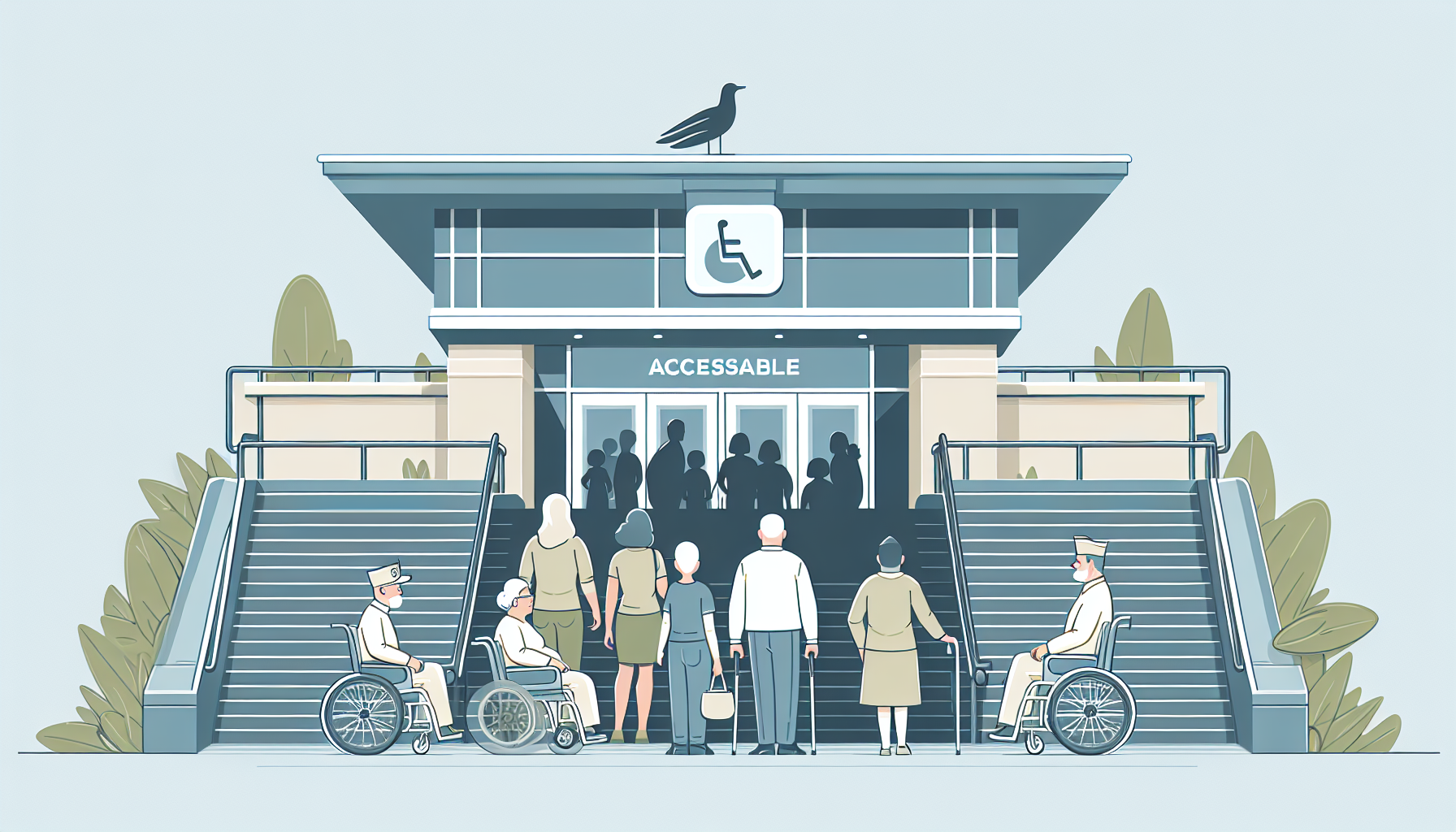
When effectively implemented, this process allows disabled veterans to regain a sense of dignity, partake in the services they are entitled to and integrate more fully into society. Disability Accommodation is used in scenarios such as negotiating adaptations to the living and work environment, accessing healthcare services, and determining eligibility for various monetary benefits. This may involve modifications to physical structures, such as providing wheelchair ramps or grab bars, that enable easier mobility in housing or medical facilities.

It may also entail making provisions for additional medical care or mental health support specific to the disabled veteran’s condition. Moreover, Disability Accommodation is used to evaluate the level of disability a veteran experiences, tying it to potential monetary benefits and support programs. In doing so, the VA benefits system acknowledges that not all disabilities are visible, and caters to both physical and non-physical disabilities among veterans, fostering an environment of understanding and inclusivity.

Examples of Disability Accommodation

Home Modification Grants: A disabled veteran with mobility issues may receive assistance to modify their home with disability accommodations, such as installing wheelchair ramps, widening doorways, and adding handrails. The VA offers grants like the Specially Adapted Housing (SAH) Grant, Special Housing Adaptation (SHA) Grant, and Home Improvements and Structural Alterations (HISA) Grant to support these modifications, ensuring that the veteran’s home is accessible and safe.

Adaptive Vehicle Assistance: Disabled veterans who require modifications to their vehicles to accommodate their disabilities can receive financial assistance from the VA for these adaptations. For example, a veteran with limited mobility may receive funding for hand controls for brakes and accelerators, wheelchair lifts, or other vehicle modifications. The VA Automobile Allowance and Adaptive Equipment program provides assistance in purchasing, leasing, or modifying a vehicle for this purpose.

Workplace Accommodations: Disabled veterans who are employed may require modifications to their workplace to accommodate their disabilities. Under the U.S. Americans with Disabilities Act (ADA), employers are required to provide reasonable accommodations for employees with disabilities, including disabled veterans. Examples of such accommodations include providing ergonomic office furniture, assistive technologies like screen-reading software or adjustable workstations, or modified work schedules to accommodate medical appointments or other disability-related needs. The VA’s Vocational Rehabilitation and Employment (VR&E) program can also help disabled veterans identify and implement these necessary workplace accommodations.

FAQs on Disability Accommodation

What is Disability Accommodation?

Disability Accommodation refers to adjustments and modifications made in the environment, workplace, or services to make them accessible and effective for individuals with disabilities. These adjustments can be temporary or permanent, depending on the individual’s needs and situation.

What are some examples of Disability Accommodation?

Some examples of Disability Accommodation include but are not limited to, providing ramps or elevators for wheelchair users, offering sign language interpreters for deaf individuals, making assistive technology available for visually impaired individuals, and providing flexible work hours for those with mental health or other health-related issues.

How can I request Disability Accommodation?

To request Disability Accommodation for VA benefits, you will need to fill out and submit a VA Form 27-8742, Application for Individualized Tutorial Assistance, or any other relevant form specific to the accommodation you need. You can visit your nearest VA regional office or contact their Vocational Rehabilitation and Employment (VR&E) program to request help with the application process.

Am I eligible for Disability Accommodation in VA benefits?

Eligibility for Disability Accommodation in VA benefits depends on a number of factors, including your disability status, the severity of the disability, and the type of benefit you are applying for. In general, if you have a service-connected disability, you may be eligible for certain accommodations. It is best to consult with a VA representative to discuss your specific situation and needs.

What legal protections are in place for individuals with disabilities requiring accommodation?

There are several federal laws in place to protect individuals with disabilities, including the Americans with Disabilities Act (ADA) of 1990, the Rehabilitation Act of 1973, and the Architectural Barriers Act (ABA) of 1968. These laws aim to ensure equal opportunity for people with disabilities in various aspects of life, such as employment, accessibility of public spaces, and communication.

Related VA Benefit Terms

  • Accessible Housing
  • Adaptive Equipment
  • Service-connected Disability
  • Vocational Rehabilitation
  • Disability Compensation

Sources for More Information

Benefits.com Advisors

With expertise spanning local, state, and federal benefit programs, our team is dedicated to guiding individuals towards the perfect program tailored to their unique circumstances.

Rise to the top with Peak Benefits!

Join our Peak Benefits Newsletter for the latest news, resources, and offers on all things government benefits.

Related Articles

VA HISA Grant

VA SMC R1 Requirements

VASRD 2026 Updates

x