








We are privately owned and not affiliated or endorsed by any government agency.

Take the Benefits Quiz

Disability Support

Definition

Disability support, in the context of VA benefits, refers to the assistance provided by the Department of Veterans Affairs to veterans with service-connected disabilities. This support may include financial compensation, vocational rehabilitation, healthcare services, and adaptive housing, depending on the specific needs of the disabled veteran. The goal of disability support is to help these veterans maintain a high quality of life, despite any physical or mental limitations resulting from their service.

Key Takeaways

  1. Disability Support refers to the various benefits provided by the Department of Veterans Affairs (VA) to eligible veterans with service-connected disabilities, aiming to compensate for their physical and mental impairments.
  2. The benefits under the Disability Support umbrella include disability compensation, vocational rehabilitation and employment services, adapted housing grants, and other specialized support services tailored to the individual needs of the disabled veteran.
  3. Eligibility for Disability Support is based on the severity of the service-connected disability, with the VA assigning a disability rating percentage that directly impacts the amount of compensation and level of support that the veteran is entitled to receive.

Importance

Disability Support is an essential term in the context of VA benefits as it represents the assistance and resources provided to veterans with service-connected disabilities.

Veterans who have sustained physical or mental injuries during their military service often face challenges in their everyday lives, including financial strain and difficulty in accessing appropriate care and services.

The VA’s Disability Support program aims to alleviate these hardships by offering compensation, healthcare services, vocational rehabilitation, and adaptive housing solutions tailored to individual needs.

By understanding this term, one can better appreciate the commitment to care and support for disabled veterans, ensuring they receive the necessary help to lead a better quality of life.

Explanation

Disability Support, as part of the VA benefits, serves a critical purpose in ensuring that veterans who have sustained disabilities or injuries related to their military service receive adequate assistance and resources. This support aims to help veterans maintain a good quality of life and ease the burden of medical expenses that might arise due to their disabilities.

It enables former service members to reclaim their independence and re-integrate into society with dignity. The vital support provided to veterans includes access to healthcare services, rehabilitation, adequate housing, and financial assistance in the form of disability compensation.

One of the essential aspects of Disability Support is the comprehensive healthcare services that are tailored specifically to address the unique needs of veterans. These services include medical, surgical, dental, and mental health care, in addition to assistive technologies and prosthetics.

Furthermore, veteran-centered rehabilitation programs, such as vocational rehabilitation and employment services, help disabled veterans transition back into working life by providing them with job training, counseling, and support in their job-search process. Through these concerted efforts, Disability Support contributes significantly not only to the overall well-being of disabled veterans, but also to their families and communities, allowing them to thrive post-service.

Examples of Disability Support

Veteran’s Disability Compensation: A former service member who has become injured or disabled during their time in service may be eligible for monthly tax-free payments called disability compensation. For example, a soldier who sustained a back injury while on duty may receive financial assistance from the Department of Veterans Affairs (VA) to compensate for their inability to work or the decreased quality of their life.

Vocational Rehabilitation and Employment (VR&E) Program: A veteran who has a service-connected disability that impairs their ability to find or maintain a job may take advantage of the VA’s VR&E program. Real-world example: a veteran who experienced hearing loss during their military service might receive assistance from the VA in obtaining hearing aids, job training in a field that accommodates their disability, and job placement support.

Specially Adapted Housing (SAH) Grant: Veterans or service members with certain types and severities of service-connected disabilities may receive a grant to help in building, remodeling, or purchasing an adapted home. For instance, a wheelchair-bound veteran, due to a service-connected disability, may receive financial assistance from the VA to modify their existing home or purchase a new one that is more accessible to their needs, such as installing ramps, wider doorways, or a roll-in shower.

“`html

FAQ – Disability Support

What is disability support in the VA benefits program?

Disability support in the VA benefits program is the assistance provided to Veterans with service-connected disabilities. This includes disability compensation, grants for adapted housing and vehicles, vocational rehabilitation, and employment services.

How do I apply for disability compensation?

To apply for disability compensation, you can submit a claim online through the Department of Veterans Affairs website (VA.gov), by mail, or in person at a VA regional office. You will need to provide evidence supporting your claim, such as medical records and service records.

Am I eligible for disability support even if my service-connected disability was not incurred during combat?

Yes, you can be eligible for disability support regardless of whether your service-connected disability was incurred during combat or not. The VA determines eligibility based on the severity of your disability and its connection to your military service, not specifically where or when it was incurred.

What is a service-connected disability?

A service-connected disability is a physical or mental condition caused or worsened by an event or condition that occurred during your military service. This can include injuries, illnesses, or mental health conditions such as post-traumatic stress disorder (PTSD).

What type of benefits can I expect to receive with disability support?

Disability support benefits may include monthly disability compensation, grants for specially adapted homes or vehicles, vocational rehabilitation and employment services, healthcare, and access to education and training programs. The specific benefits you receive will depend on the severity of your disability and your individual needs.

“`

Related VA Benefit Terms

  • Disability Compensation
  • Vocational Rehabilitation
  • Special Monthly Compensation
  • Adaptive Housing Grants
  • Disabled Veterans Insurance

Sources for More Information

Benefits.com Advisors

With expertise spanning local, state, and federal benefit programs, our team is dedicated to guiding individuals towards the perfect program tailored to their unique circumstances.

Rise to the top with Peak Benefits!

Join our Peak Benefits Newsletter for the latest news, resources, and offers on all things government benefits.


Related Articles

VA HISA Grant

VA SMC R1 Requirements

VASRD 2026 Updates

Disability Tax Credit

Definition

The Disability Tax Credit (DTC) is a non-refundable tax credit in the United States that helps reduce the amount of income tax that individuals with disabilities or their supporting family members may have to pay. This credit aims to provide financial relief as well as improve the overall financial accessibility for people with severe and prolonged impairments. The DTC eligibility criteria and application process are determined by the Internal Revenue Service (IRS) or a taxpayer’s local tax agency.

Key Takeaways

  1. The Disability Tax Credit is a non-refundable tax credit designed to help veterans with disabilities or their families reduce the amount of income tax they need to pay, making it more manageable for those with life-long disabilities and financial burdens.
  2. To be eligible for the Disability Tax Credit, a veteran must be significantly restricted in at least one of the basic activities of daily living (such as vision, hearing, or mobility) or need life-sustaining therapy, and the disability must be long-lasting or expected to last for at least 12 months.
  3. It’s important for veterans or their families to consult with a qualified tax professional when applying for the Disability Tax Credit, as the application process can be complex, and it’s essential to provide accurate and comprehensive information about the veteran’s health condition and specific needs.

Importance

The VA benefits term “Disability Tax Credit” is crucial because it serves as a key financial relief for disabled veterans, acknowledging their sacrifices for the nation.

This tax credit helps alleviate the tax burden by reducing the taxable income, and in some cases, it can be sizable and provide a significant tax refund.

By understanding and utilizing this benefit, eligible veterans can improve their financial stability and focus on aspects like health, rehabilitation, and adapting to their new lifestyle.

Furthermore, it highlights the importance of adequately supporting our veterans and ensuring they have access to the resources they need for an improved quality of life.

Explanation

The Disability Tax Credit (DTC) is a federal tax credit designed to support eligible Veterans and individuals living with disabilities by reducing their tax burden. This non-refundable tax credit aims to provide financial relief, aiding those with disabilities to maintain their quality of life and offset additional expenses that often accompany disability.

By mitigating the financial strain experienced by disabled veterans and individuals, the DTC strives to create more equitable conditions and ease the challenges associated with their disabilities. This tax credit is used for various purposes as it addresses the distinct needs of disabled veterans and individuals.

For instance, the DTC can help cover the costs of accessibility modifications to homes or vehicles, specialized medical treatments, assistive devices, and therapies that insurance may not cover. Additionally, qualifying for the DTC can lead to eligibility for other disability-related benefits and programs, further contributing to the financial support system for those experiencing disabilities.

Overall, the Disability Tax Credit serves to empower veterans and disabled individuals by helping them maintain independence and engage more fully in their day-to-day activities without being overburdened by the financial costs associated with their disabilities.

Examples of Disability Tax Credit

The Disability Tax Credit (DTC) is a non-refundable tax credit in Canada aimed at helping individuals with disabilities and their families reduce their income tax burden. While the VA Benefits term typically refers to benefits provided by the U.S. Department of Veterans Affairs, the concept of financial relief for those with disabilities still holds relevance. Here are three real-world examples of individuals who could potentially qualify for the Disability Tax Credit:

A Canadian Armed Forces Veteran with a service-related disability: A veteran who was injured during their active duty service and has ongoing challenges with mobility, daily function, or mental health as a direct result of their service-connected disability can apply for the Disability Tax Credit in Canada. If their disability significantly impacts daily living activities and is expected to last at least one year, they may qualify for the DTC.

An individual diagnosed with multiple sclerosis: A person living with a progressive condition like multiple sclerosis (MS) may experience a range of symptoms from muscle weakness, vision problems, balance issues, and cognitive impairment. These challenges can significantly impact the individual’s ability to perform everyday tasks, and in turn, qualify them for the Disability Tax Credit. A medical practitioner needs to confirm their eligibility based on the DTC criteria.

A working-age individual with a severe hearing impairment: If an individual suffers from a severe hearing impairment that has a marked impact on their daily life and their ability to communicate, they may be eligible for the Disability Tax Credit. A qualified audiologist must certify the severity of the hearing impairment and determine whether it meets the criteria for the DTC.

FAQs about Disability Tax Credit

What is the Disability Tax Credit?

The Disability Tax Credit (DTC) is a non-refundable tax credit that helps persons with disabilities or their supporting family members to reduce the amount of income tax they have to pay. It is designed to provide tax relief and financial support to those with long-term disabilities or impairments in physical or mental function.

Who is eligible for Disability Tax Credit?

To be eligible for the DTC, you must have a severe and prolonged physical or mental impairment that is expected to last at least 12 months. The impairment must cause a significant restriction in basic daily living activities and be certified by a qualified medical practitioner, such as a doctor, nurse practitioner, or psychologist.

How do I apply for the Disability Tax Credit?

To apply for the Disability Tax Credit, you need to fill out the application form (Form T2201), have it certified by a qualified medical practitioner, and submit it to the Canada Revenue Agency (CRA). You can download the form from the CRA website or request a copy by contacting their call centre. Once the CRA approves your application, you can claim your DTC amount on your income tax return.

How much is the Disability Tax Credit worth?

The amount of the Disability Tax Credit varies depending on your personal circumstances, such as your age, income, and province of residence. The DTC provides a federal tax credit as well as provincial or territorial tax credits in some cases. The federal tax credit amount is adjusted annually for inflation. For current DTC amounts and detailed information, consult the CRA website.

Can I claim the DTC for previous years if I didn’t apply before?

Yes, if you were eligible for the DTC in previous years but did not apply for it, you can request adjustments for up to 10 years under the CRA’s Taxpayer Relief Provisions. You will need to submit Form T1-ADJ, T1 Adjustment Request, for each year you are requesting an adjustment, along with the certified form T2201.

Related VA Benefit Terms

  • Disability Benefits
  • Disability Compensation
  • Medical Expense Deduction
  • Veterans Pension
  • Disabled Veterans Property Tax Exemption

Sources for More Information

Benefits.com Advisors

With expertise spanning local, state, and federal benefit programs, our team is dedicated to guiding individuals towards the perfect program tailored to their unique circumstances.

Rise to the top with Peak Benefits!

Join our Peak Benefits Newsletter for the latest news, resources, and offers on all things government benefits.

Related Articles

VA HISA Grant

VA SMC R1 Requirements

VASRD 2026 Updates

Disability Transition Assistance Program (DTAP)

Definition

The Disability Transition Assistance Program (DTAP) refers to a program provided by the U.S. Department of Veterans Affairs (VA) to assist service members who are transitioning from military to civilian life due to a service-connected disability. DTAP offers guidance and resources regarding VA benefits, vocational counseling, job search assistance, and other supportive services. The primary goal is to ensure a seamless transition and help the disabled veterans successfully reintegrate into society.

Key Takeaways

  1. Disability Transition Assistance Program (DTAP) is designed to aid service members in transitioning from active duty to civilian life by providing information on available resources and assistance for those with service-connected disabilities.
  2. DTAP offers guidance on the application process, effective communication with the VA, and understanding the benefits offered under the Vocational Rehabilitation and Employment (VR&E) program, along with assistance in identifying suitable employment or educational opportunities.
  3. Attendance at DTAP workshops is highly encouraged for service members who are within 180 days of separation or retirement, as it helps in maximizing the use of available resources and offers essential support during the adjustment process.

Importance

The Disability Transition Assistance Program (DTAP) is a crucial term in the realm of VA benefits, as it ensures a seamless transition for military personnel dealing with service-connected disabilities into civilian life.

DTAP emphasizes the importance of early intervention, aiming to equip servicemembers with vital information, counseling, and assistance regarding their eligibility for vocational rehabilitation, educational assistance, medical care, and other support services.

These resources enable injured and disabled veterans to adapt more effectively to their new circumstances, reinforcing their self-sufficiency and enhancing their overall quality of life.

In summary, DTAP plays a pivotal role in providing the necessary support to facilitate a smooth and successful transition for disabled veterans, fostering their integration into society as independent and capable individuals.

Explanation

The Disability Transition Assistance Program (DTAP) serves a significant purpose in supporting and facilitating a smooth and successful transition for service members into civilian life, specifically those who have been injured or disabled during their military service. The primary objective of DTAP is to provide vital services, resources, and counseling to eligible service members and veterans, ensuring they receive the necessary tools, guidance, and assistance to adapt to life beyond military service.

By focusing on areas such as vocational rehabilitation, financial planning, and healthcare, DTAP ultimately aids in laying the foundation for a stable and secure future for these brave individuals who have sacrificed a lot for their country. In order to accomplish its purpose, DTAP works in collaboration with various organizations and agencies, ensuring that service members and veterans have access to a holistic range of services and programs tailored to their specific needs.

This may include connecting them with the appropriate medical care providers, assisting in job-search efforts, and providing education and training opportunities. Additionally, DTAP raises awareness about the benefits and compensation packages that disabled service members and veterans are entitled to, such as disability compensation and pension benefits.

By empowering veterans with the necessary knowledge and resources, DTAP ensures they can overcome the challenges they may face, and successfully navigate their journey into civilian life.

Examples of Disability Transition Assistance Program (DTAP)

The Disability Transition Assistance Program (DTAP) is a program designed to assist service members who are transitioning from active duty military service to civilian life, particularly those with disabilities. Here are three real-world examples of how DTAP has played a crucial role in supporting individuals during their transitions:

Helping with Job Training and Placement: DTAP has been instrumental in assisting many service members with disabilities find suitable employment after leaving the military. In one case, a veteran with a hearing disability was provided guidance and resources to attend a specialized training program in Information Technology (IT). Upon completing the program, DTAP also helped him secure a job as an IT professional in a well-known company where his disability didn’t hinder his work performance.

Facilitating Further Education: Another example involves a veteran who lost the use of his legs and went through a challenging physical and emotional transition. With the support of DTAP, the veteran was able to research educational opportunities and apply for financial assistance to pursue a degree in engineering at a prominent university. Upon graduation, he secured a position at a leading engineering firm, with the company making necessary accommodations for his disability.

Assisting with Healthcare and Rehabilitation: A third example showcases the importance of DTAP in assisting a service member who suffered from post-traumatic stress disorder (PTSD) and a traumatic brain injury (TBI) after serving in a combat zone. With the help of DTAP, the veteran was able to access critical healthcare resources, including therapy sessions and support groups. Additionally, DTAP guided them through the process of receiving appropriate disability compensation and benefits. Through this support, the individual gained skills to better manage PTSD symptoms and successfully transition into civilian life.

FAQ: Disability Transition Assistance Program (DTAP)

What is the Disability Transition Assistance Program (DTAP)?

The Disability Transition Assistance Program (DTAP) is a program designed to provide support, resources, and guidance to service members transitioning from military service with disabilities. The goal is to ease their transition into civilian life, assisting them with rehabilitation and employment resources.

Who is eligible for the DTAP program?

Service members who are being discharged from the military for a service-connected disability, or those who believe they have a disability that may qualify for benefits through the Department of Veterans Affairs (VA) are eligible for the DTAP program. This includes active duty, National Guard, and Reserve service members.

What benefits can I receive through the DTAP program?

The DTAP program provides various benefits, including assistance with accessing VA’s vocational rehabilitation and employment services, support for addressing physical and mental health concerns, guidance on navigating the disability evaluation system, assistance with filing for disability benefits, and more. The program aims to help service members prepare for civilian life and achieve their personal and professional goals.

How do I apply for the DTAP program?

To apply for the DTAP program, you should contact your Transition Assistance Program (TAP) office on your military installation. They will be able to provide you with more information about the program and the application process. Additionally, you can find more information on the VA’s website at www.va.gov.

Where can I find more information and resources related to the DTAP program?

For more information on the DTAP program and additional resources, visit the VA’s website at www.va.gov. Additionally, contact your local VA medical center or regional office, as they may have information about resources specific to your area.

Related VA Benefit Terms

  • Vocational Rehabilitation and Employment (VR&E)
  • Transition Assistance Program (TAP)
  • Post-9/11 GI Bill
  • Disability Compensation
  • Separation Health Assessment (SHA)

Sources for More Information

Benefits.com Advisors

With expertise spanning local, state, and federal benefit programs, our team is dedicated to guiding individuals towards the perfect program tailored to their unique circumstances.

Rise to the top with Peak Benefits!

Join our Peak Benefits Newsletter for the latest news, resources, and offers on all things government benefits.

Related Articles

VA HISA Grant

VA SMC R1 Requirements

VASRD 2026 Updates

Disability-Adjusted Life Years (DALY)

Definition

Disability-Adjusted Life Years (DALY) is a metric used to measure the burden of diseases and disabilities on a population. It combines two aspects: years of life lost due to premature death, and years lived with disability or diminished quality of life. Essentially, DALY quantifies the overall impact of diseases and disabilities by accounting for both mortality and morbidity.

Key Takeaways

  1. Disability-Adjusted Life Years (DALY) is a measure of overall disease burden, expressed as the number of years lost due to ill-health, disability, or early death. It combines both the time lived with a disability and the time lost due to premature death.
  2. DALYs are used to assess the effectiveness of medical interventions, guide public health policy decisions, and allocate resources efficiently across healthcare services. By understanding the impact of different diseases and conditions, it’s possible to prioritize interventions and ensure the best possible outcomes for a community.
  3. When calculating DALYs, the method involves estimating Years of Life Lost (YLL) due to premature mortality and Years Lived with Disability (YLD) due to the health condition. Both YLL and YLD are then summed to obtain the total DALY value, which provides a comprehensive understanding of the overall burden of disease in a given population.

Importance

The VA benefits term Disability-Adjusted Life Years (DALY) is important because it is a comprehensive measure that evaluates the overall burden of disease and disability on an individual, taking into account both the years of healthy life lost due to illness or injury and the years lived with disability.

It helps to prioritize and allocate healthcare resources by highlighting health problems that cause the most significant loss of well-being for the affected population.

By quantifying the impact of various disabilities and health conditions, the DALY metric provides valuable information to policymakers and healthcare professionals, enabling them to identify the areas with greatest needs and address the underlying issues to improve the quality of life for veterans and the general population.

This, in turn, allows for more effective healthcare planning and targeted interventions, ultimately leading to better health outcomes for everyone.

Explanation

Disability-Adjusted Life Years (DALY) serves as a critical measure utilized in assessing the overall burden of disease, with the primary goal of guiding policy makers and medical professionals in their efforts to address and prioritize public health issues. This composite metric considers the impact of both morbidity and mortality on a population, allowing for a comprehensive understanding of the health status of a society.

By quantifying the number of healthy years lost due to illness, disability, or premature death, DALY highlights areas in need of intervention and enables a more effective allocation of resources towards those issues that pose the greatest threat to public health. Beyond shaping policy decisions, the application of DALY provides a valuable framework to evaluate and compare the effectiveness of different healthcare initiatives, thereby informing their improvement and refinement.

In this context, the measure serves as a crucial benchmark to identify trends and gaps in healthcare provision, allowing governments and organizations to better understand the return on investment for various health-related programs. Ultimately, DALY facilitates informed decision-making in public health, ensuring that the most pressing health issues are addressed effectively to reduce both human suffering and the economic burden associated with avoidable illness and disability.

Examples of Disability-Adjusted Life Years (DALY)

Disability-Adjusted Life Years (DALY) is a measure used to quantify the burden of diseases, injuries, or risk factors on a population’s health. It combines the years of life lost due to disability and years of life lost due to early death. While the concept is primarily applied to public health, below are three real-world examples of disease/injury situations where DALY can help to assess the overall health impact:

Malaria in sub-Saharan Africa: Malaria is a significant public health concern in sub-Saharan Africa, leading to both premature deaths and long-term disabilities among those who survive the disease. DALY can be used to measure the overall burden of malaria in this region, taking into account the years of life lost due to early death as well as the years of life spent living with malaria-related disabilities. This information can be crucial in the allocation of resources and implementation of prevention and treatment strategies.

Road traffic accidents in Southeast Asia: Road traffic accidents are a leading cause of death and disability in Southeast Asia. By using DALYs to quantify the burden of road traffic accidents, policymakers and other stakeholders can identify the extent of the problem, as well as develop and prioritize targeted interventions to reduce the number of accidents and minimize their impact on health and well-being.

Mental health disorders in high-income countries: Mental health disorders, such as depression, anxiety, and bipolar disorder, are known to cause significant disability in high-income countries. Using DALYs, health professionals can quantify the burden of these mental health disorders on overall population health, which includes both the years of life lost due to early death from mental health disorders and the years of life lost due to disability caused by the disorders. This can help guide future healthcare policies and determine best practices in the provision of mental health services.

FAQ Section: Disability-Adjusted Life Years (DALY)

What is Disability-Adjusted Life Years (DALY)?

Disability-Adjusted Life Years (DALY) is a measure used to estimate the overall burden of disease in a population. It combines years of life lost due to premature mortality and years of life lived with disability or illness. DALY is used to compare the impacts of different diseases, injuries, or risk factors and to help prioritize public health interventions.

How is DALY calculated?

DALY is calculated by adding the years of life lost (YLL) due to premature mortality and the years lived with disability (YLD) for a specific disease, injury, or risk factor. YLL is calculated by multiplying the number of deaths from a particular cause by the remaining life expectancy at the age of death, while YLD is calculated by multiplying the number of incident cases by the average duration of the disease and a disability weight that reflects the severity of the disease.

What is the purpose of using DALY in public health?

The purpose of using DALY in public health is to provide a comprehensive assessment of the burden of disease and guide decision-makers to allocate resources effectively. It helps in understanding the relative importance of different health issues, determining the effectiveness of interventions, and prioritizing areas for prevention and treatment.

How does DALY account for the severity of different diseases?

DALY accounts for the severity of different diseases by using disability weights, which are assigned to each health condition based on the impact of the disease on an individual’s quality of life. Disability weights range from 0 (representing perfect health) to 1 (representing death). Higher disability weights indicate more severe health conditions, and these weights are used in the calculation of the years lived with disability (YLD) component of DALY.

What are some limitations of DALY?

Some limitations of DALY include possible inaccuracies in data sources, difficulty in assigning appropriate disability weights, and the potential for cultural bias in determining the severity of different diseases. Additionally, DALY does not account for variations in the quality of healthcare or the socio-economic conditions of a population, which can influence the overall burden of disease.

Related VA Benefit Terms

  • Quality-Adjusted Life Years (QALY)
  • Years of Potential Life Lost (YPLL)
  • Health-Adjusted Life Expectancy (HALE)
  • Disability Weights (DW)
  • Global Burden of Disease (GBD)

Sources for More Information

Benefits.com Advisors

With expertise spanning local, state, and federal benefit programs, our team is dedicated to guiding individuals towards the perfect program tailored to their unique circumstances.

Rise to the top with Peak Benefits!

Join our Peak Benefits Newsletter for the latest news, resources, and offers on all things government benefits.

Related Articles

VA HISA Grant

VA SMC R1 Requirements

VASRD 2026 Updates

Disabled Access Credit

Definition

The Disabled Access Credit is a tax credit available for small businesses in the United States to cover expenses incurred while making their facilities accessible for customers and employees with disabilities. This non-refundable credit is aimed at encouraging businesses to comply with the Americans with Disabilities Act (ADA) guidelines. It allows businesses to claim up to 50% of eligible accessibility-related expenses between $250 and $10,250, resulting in a maximum tax credit of $5,000 per year.

Key Takeaways

  1. The Disabled Access Credit is a tax credit provided by the IRS under the Americans with Disabilities Act (ADA), aimed at helping small businesses make accommodations for employees and customers with disabilities.
  2. Qualifying businesses can claim a non-refundable credit of up to 50% of eligible expenses exceeding $250 but not more than $10,250, resulting in a maximum credit of $5,000.
  3. Eligible expenses include costs associated with removing architectural barriers, providing auxiliary aids/services, and making improvements to comply with ADA standards, such as widening doorways, installing ramps, or purchasing Braille signage.

Importance

The term “Disabled Access Credit” is important in the context of VA benefits because it signifies a significant financial provision designed to assist small businesses in accommodating disabled veterans and other disabled individuals.

This non-refundable tax credit allows eligible businesses to offset the cost of making their facilities or services more accessible, removing barriers, and ensuring compliance with the Americans with Disabilities Act (ADA). By doing so, the Disabled Access Credit promotes inclusivity, fostering equal opportunities for disabled veterans and individuals to access essential services and participate more fully in various aspects of society.

Ultimately, this benefits both the disabled community and the businesses, creating a more diverse and accessible world.

Explanation

The Disabled Access Credit aims to assist small businesses in their endeavor to comply with the requirements of the Americans with Disabilities Act (ADA). This federal legislation safeguards the rights of individuals with disabilities by ensuring they receive equal access to various facets of public life, including employment, transportation, and services provided by public and private entities. By providing financial incentives for small businesses to accommodate employees and customers with disabilities, the Disabled Access Credit fosters an inclusive and diverse working environment and ensures that no one is left behind.

In achieving its purpose, the Disabled Access Credit is designed to support businesses in overcoming the financial challenges they may face while implementing necessary adjustments to remain ADA compliant. These modifications may encompass a range of activities, such as providing sign language interpreters, installing ramps or grab bars, widening doorways, and modifying equipment to accommodate users with disabilities.

Not only does the Disabled Access Credit alleviate some of the financial burden on small businesses, it also promotes inclusivity in the larger context by creating accessible environments for everyone. Ultimately, this financial incentive serves to encourage a more equitable and barrier-free society for individuals with disabilities.

Examples of Disabled Access Credit

The Disabled Access Credit (DAC) is a tax credit provided to eligible small businesses to encourage them to make accessibility improvements for disabled individuals under the Americans with Disabilities Act (ADA). Here are three real-world examples of how the DAC can be used:

A local coffee shop: A small coffee shop owner realizes that their entrance is not wheelchair-accessible due to a few steps at the entryway. The owner decides to install a ramp to make it easier for customers with disabilities to access the shop. The cost of the ramp and its installation can be eligible for the Disabled Access Credit, thereby reducing the coffee shop’s tax liability.

A dentist’s office: A dentist’s office decides to improve its accessibility for patients with disabilities. They invest in upgrading doorways to meet ADA standards, installing additional handrails in restrooms, and purchasing an adjustable dental chair to accommodate patients in wheelchairs. These expenses can qualify for the Disabled Access Credit, providing a tax benefit for the dental practice.

A retail store: A small clothing store notices that their store layout is not easily navigable for individuals using mobility aids, such as wheelchairs or walkers. The store owner decides to rearrange the store layout and create wider aisles, lower countertops, and provide lower clothing racks to improve accessibility for disabled customers. The costs associated with these improvements may qualify for the Disabled Access Credit, reducing the store’s tax bill.

FAQ: Disabled Access Credit

What is the Disabled Access Credit?

The Disabled Access Credit is a non-refundable tax credit offered to small businesses that incur expenses for providing access to persons with disabilities. The credit is intended to help businesses comply with the requirements of the Americans with Disabilities Act (ADA).

Who is eligible for the Disabled Access Credit?

Small businesses with 30 or fewer full-time employees and less than $1 million in annual gross receipts in the previous tax year may be eligible for the Disabled Access Credit.

What types of expenses qualify for the Disabled Access Credit?

Eligible expenses include costs associated with removing physical barriers, providing accessible services and materials, modifying equipment, and hiring interpreters or other auxiliary aids and services required under the ADA.

How much is the Disabled Access Credit and how is it calculated?

The credit is equal to 50% of the eligible access expenditures in a year, up to a maximum of $10,000. However, businesses must subtract $250 from the amount of eligible expenses to calculate the credit, meaning the maximum credit is $5,000. For example, if a business spends $10,500 on eligible expenses, the credit would be 50% of ($10,500 – $250) = $5,125. Since the maximum credit is $5,000, the business would receive the full $5,000 credit.

How do I claim the Disabled Access Credit?

Businesses can claim the Disabled Access Credit by completing and submitting IRS Form 8826, Disabled Access Credit, along with the business’s income tax return.

Can I carry the credit forward or backward if I cannot use it against my current year’s tax liability?

No, the Disabled Access Credit is a non-refundable credit, which means that it can only be used to offset your current year’s tax liability. Any unused credit cannot be carried forward or backward to other tax years.

Related VA Benefit Terms

  • Accessible Building Modifications
  • Adaptive Equipment
  • Disability Tax Credit
  • Barrier Removal
  • Wheelchair Ramps

Sources for More Information

Benefits.com Advisors

With expertise spanning local, state, and federal benefit programs, our team is dedicated to guiding individuals towards the perfect program tailored to their unique circumstances.

Rise to the top with Peak Benefits!

Join our Peak Benefits Newsletter for the latest news, resources, and offers on all things government benefits.

Related Articles

VA HISA Grant

VA SMC R1 Requirements

VASRD 2026 Updates

Disabled American Veterans (DAV)

Definition

Disabled American Veterans (DAV) is a nonprofit organization that offers support and assistance to veterans with disabilities. Its primary goal is to help disabled veterans access the full range of benefits and services they are entitled to, such as healthcare, employment opportunities, and financial assistance. DAV also advocates for veterans’ rights, raises awareness about their needs, and provides free services like claims assistance and transportation to medical appointments.

Key Takeaways

  1. Disabled American Veterans (DAV) is a nonprofit organization that provides support and services to disabled veterans, including assistance with VA benefits, connecting veterans with resources, and advocating for their rights.
  2. DAV helps veterans in filing disability claims with the Department of Veterans Affairs and offers free, professional assistance to veterans regardless of their membership status or level of disability.
  3. They also offer a wide range of programs, including transition assistance, job placement services, and volunteering opportunities, aimed at improving the quality of life for disabled veterans and their families.

Importance

The term Disabled American Veterans (DAV) is important as it represents a non-profit organization dedicated to assisting and advocating for disabled veterans in the United States.

By providing various support services, such as disability compensation, accessing healthcare, and employment opportunities, the DAV plays a vital role in ensuring that disabled veterans receive the benefits and assistance they deserve after serving their country.

Additionally, the DAV emphasizes public awareness of the challenges these veterans face as they reintegrate into civilian life.

By understanding the importance of the DAV, society can better appreciate and support the sacrifices made by disabled veterans and advocate for necessary resources to enhance their quality of life.

Explanation

The Disabled American Veterans (DAV) is an organization dedicated to empowering and uplifting veterans with disabilities by ensuring they receive the support, benefits, and advocacy they deserve. It serves as an essential lifeline for these individuals, assisting them in their transition from military to civilian life, helping to protect their rights, and promoting their well-being.

The DAV actively advocates for disabled veterans on Capitol Hill, where they work to promote policy changes, pushing for improved healthcare access and quality, and addressing the overall challenges and needs of their members. In addition to advocating for policy change, the DAV assists veterans in navigating the often complex Department of Veterans Affairs (VA) benefits system—a process that can be daunting and confusing, even for the most adept.

They offer expert guidance in applying for benefits and appeals, as well as free assistance in securing necessary healthcare and support services. Furthermore, the organization helps disabled veterans find meaningful employment opportunities, providing them with essential tools, resources, and training to succeed in the civilian workforce.

Ultimately, DAV’s ongoing efforts aim to enrich the lives of disabled American veterans, championing their well-being and enabling them to lead fulfilling, self-sufficient lives.

Examples of Disabled American Veterans (DAV)

Disabled American Veterans (DAV) organization: The DAV is a national nonprofit organization dedicated to helping disabled veterans of all wars and their families. They offer various services such as helping veterans obtain the benefits they deserve, including education, employment, financial assistance, and healthcare. Additionally, the DAV advocates for the rights and interests of disabled veterans in both legislative and policy matters.

DAV Transportation Network: One of the practical services that the DAV offers is the transportation network. This service provides free rides to disabled veterans who need assistance in getting to and from medical appointments at Veterans Affairs facilities. Operated by volunteers, the DAV transportation network helps thousands of veterans each year, ensuring they receive the necessary healthcare without the stress of finding reliable transportation.

DAV Career Fairs: To support disabled veterans in transitioning to civilian life, the DAV organizes and sponsors career fairs across the United States. These events connect veterans with employers who have open positions and value the skills and experience that veterans bring to the workforce. The career fairs provide an opportunity for disabled veterans to find meaningful work, network with potential employers, and access resources for career development and job-hunting support.

Disabled American Veterans (DAV) FAQ

What is the Disabled American Veterans (DAV) organization?

Disabled American Veterans (DAV) is a nonprofit organization dedicated to providing a lifetime of support for veterans of all generations and their families. DAV helps more than one million veterans each year by providing assistance in navigating the VA system, fundraising for veterans programs, and advocating for policy changes to improve veterans’ lives.

What services does DAV provide?

DAV offers various services such as assistance with disability compensation claims, vocational rehabilitation, employment support, transportation to medical appointments, and support for homeless veterans. They also advocate for policies that protect veterans’ rights and provide better access to care and quality of life for disabled veterans and their families.

How can I become a member of DAV?

Any veteran who has been injured, disabled, or has a long-term illness related to military service can become a member of DAV. You can apply for membership online through the DAV website, by mail, or by visiting a local DAV chapter. Membership is free, and benefits include access to advocacy and support services, discounted medical and insurance services, and a one-year subscription to DAV Magazine.

How can I locate a local DAV chapter?

To find a local DAV chapter, visit the DAV website and use their Chapter Locator tool. You can search by entering your zip code or state, or by using the interactive map provided. The search results will display contact information, addresses, and meeting times for nearby chapters.

How can I donate to DAV?

Donations to DAV can be made online through their secure donation form, by phone, or by mail. They accept one-time donations as well as recurring contributions. Financial donations help provide essential services to disabled veterans, while vehicle and clothing donations can be donated to support DAV programs and initiatives.

How can I volunteer with DAV?

DAV offers several volunteer opportunities, including driving veterans to medical appointments, assisting with local chapter events, and providing administrative support. To become a DAV volunteer, visit the DAV website and complete the volunteer application or reach out to your local DAV chapter.

Related VA Benefit Terms

  • Service-Connected Disability Compensation
  • Vocational Rehabilitation and Employment (VR&E) Services
  • 

  • Disability Pension
  • Adaptive Housing Grants
  • DAV Transportation Network

Sources for More Information

Benefits.com Advisors

With expertise spanning local, state, and federal benefit programs, our team is dedicated to guiding individuals towards the perfect program tailored to their unique circumstances.

Rise to the top with Peak Benefits!

Join our Peak Benefits Newsletter for the latest news, resources, and offers on all things government benefits.

Related Articles

VA HISA Grant

VA SMC R1 Requirements

VASRD 2026 Updates

Disabled Veteran Outreach Program (DVOP)

Definition

The Disabled Veteran Outreach Program (DVOP) is a U.S. Department of Labor initiative aiming to develop and assist disabled veterans in achieving their employment goals. DVOP specialists provide dedicated job services, including career counseling, job search assistance, and job placement for eligible veterans with significant barriers to employment. The program focuses on connecting disabled veterans to suitable job opportunities and helping them overcome challenges related to their disabilities.

Key Takeaways

  1. The Disabled Veteran Outreach Program (DVOP) is specifically designed to provide dedicated and specialized employment services to disabled veterans, ensuring they have the resources and assistance needed to successfully transition into the civilian workforce.
  2. DVOP specialists work closely with veterans to assess their skills, identify barriers to employment, and develop effective job search strategies, providing them with job-ready assistance, career counseling, and referrals to appropriate support services.
  3. The program operates in collaboration with other federal, state, and local agencies, as well as veterans’ organizations, ensuring a comprehensive network of support and resources for disabled veterans seeking meaningful employment opportunities.

Importance

The Disabled Veteran Outreach Program (DVOP) is important because it demonstrates a dedicated effort to provide comprehensive support and assistance for disabled veterans, targeting a population that has made immense sacrifices in service of their country.

The program aims to address the unique challenges that disabled veterans often face when seeking employment, vocational training, or other essential services.

By assigning DVOP specialists with specialized knowledge and training in veterans’ issues, the program ensures that these heroes receive tailored, one-on-one support as they reintegrate into civilian life, improving their chances of success and overall well-being.

In essence, the DVOP serves as a vital resource and lifeline for disabled veterans, championing their rights and opportunities and ultimately enhancing the quality of their lives.

Explanation

The Disabled Veteran Outreach Program (DVOP) serves as a valuable resource designed with a primary objective to support disabled veterans in overcoming various barriers they may encounter as they seek to reintegrate into the workforce. The program plays a key role in assisting these individuals in attaining stable and meaningful employment, thereby promoting self-sufficiency and independence.

DVOP aims to facilitate a smooth transition for the disabled veterans, who have made immense sacrifices in serving their nation, by providing them with essential resources, training, and guidance tailored to suit their specific needs and requirements. DVOP specialists collaborate with a multitude of stakeholders, including state workforce agencies, vocational training institutions, and local employers, in order to create a comprehensive support system.

The services offered by DVOP go beyond merely connecting veterans to job opportunities. It also involves the provision of vocational counseling, assistance in resume and interview preparation, skill development and enhancement, and referrals to additional support services such as medical treatment, housing, and transportation.

By doing so, DVOP fosters an environment where disabled veterans are equipped with the necessary tools and resources to achieve success in their civilian careers, dramatically improving their overall quality of life and contributing positively to their communities.

Examples of Disabled Veteran Outreach Program (DVOP)

Job Training and Placement Assistance: In Clarksville, TN, a disabled veteran participated in the Disabled Veteran Outreach Program (DVOP) offered by the Tennessee Department of Labor and Workforce Development along with TN Career Centers. The disabled veteran received assistance in resume development and job search workshops, leading to employment in a local manufacturing company. The veteran attributed his success in securing a job to the specialized one-on-one assistance he received through the DVOP.

Navigation of Resources and Benefits: A veteran in Phoenix, AZ, reached out to the Arizona Department of Economic Security’s Disabled Veterans Outreach Program (DVOP). The veteran faced multiple service-connected injuries and needed help in navigating the resources and benefits relevant to disabled veterans. The DVOP specialist connected the veteran to vocational rehabilitation services, as well as additional resources such as healthcare, counseling, and emergency financial assistance. This comprehensive support helped the veteran to obtain stable employment and improve their overall quality of life.

Collaborative Partnerships for Successful Outcomes: In Fargo, ND, a DVOP specialist from the North Dakota Job Service office partnered with the Veterans Affairs Vocational Rehabilitation and Employment (VR&E) program to assist a disabled veteran with significant physical disabilities. Through this collaboration, the veteran received job readiness and interview training, as well as reasonable accommodation assessment and individualized placement assistance. As a result, the disabled veteran secured employment with a local nonprofit organization in a role that met his skills, abilities, and career goals.

Disabled Veteran Outreach Program (DVOP) FAQ

1. What is the Disabled Veteran Outreach Program (DVOP)?

The Disabled Veteran Outreach Program (DVOP) is a specialized program aimed at providing dedicated employment services to disabled veterans and helping them overcome barriers to employment by preparing them for suitable job opportunities.

2. Who is eligible for the DVOP program?

Eligible participants in the DVOP program generally include veterans with service-connected disabilities, veterans who have experienced significant barriers to employment, and veterans who are homeless or at risk of homelessness.

3. How can I apply for the DVOP program?

You can apply for the DVOP program by contacting your local American Job Center or State Workforce Agency. They will connect you with a Disabled Veterans Outreach Program Specialist who will assist you through the application process and support your employment goals.

4. What types of services are provided through the DVOP program?

The DVOP program provides a range of employment services, including career counseling, job placement assistance, job training, resume preparation, and labor market information. The goal is to prepare disabled veterans for successful, long-term employment in their desired fields.

5. Are there any costs associated with participating in the DVOP program?

There are no costs associated with participating in the DVOP program. The program is funded by the US Department of Labor’s Veterans’ Employment and Training Service (VETS), which aims to help disabled veterans secure stable and meaningful employment.

6. How long do DVOP services last?

The duration of DVOP services may vary depending on the individual’s needs and progress. The program will continue to provide assistance and support until the disabled veteran has successfully achieved their employment goals.

Related VA Benefit Terms

  • Vocational Rehabilitation and Employment (VR&E)
  • Post-9/11 GI Bill (Chapter 33)
  • Veterans Employment and Training Service (VETS)
  • Local Veterans’ Employment Representative (LVER)
  • Service-Connected Disability Compensation

Sources for More Information

Benefits.com Advisors

With expertise spanning local, state, and federal benefit programs, our team is dedicated to guiding individuals towards the perfect program tailored to their unique circumstances.

Rise to the top with Peak Benefits!

Join our Peak Benefits Newsletter for the latest news, resources, and offers on all things government benefits.
Related Articles

VA HISA Grant

VA SMC R1 Requirements

VASRD 2026 Updates

Disabled Veterans Rehabilitation Program

Definition

The Disabled Veterans Rehabilitation Program refers to a collection of programs and services aimed at helping disabled veterans reintegrate into society, achieve personal independence, and find suitable employment. These programs are facilitated by the U.S. Department of Veterans Affairs and may include vocational training, educational assistance, and job-search support. The ultimate goal is to improve the quality of life for disabled veterans and assist them in overcoming barriers caused by their disabilities.

Key Takeaways

  1. The Disabled Veterans Rehabilitation Program (DVRP) provides assistance to veterans with service-connected disabilities, focusing on vocational rehabilitation and employment services.
  2. This program helps eligible veterans develop a personalized plan for rehabilitation, offering resources such as education, training, job placement, and independent living support.
  3. Participants in DVRP must have at least a 20% disability rating related to service and need professional assistance to overcome barriers to employment or independent living.

Importance

The Disabled Veterans Rehabilitation Program is a crucial element within the realm of VA benefits, as it plays a significant role in the reintegration and overall well-being of veterans who have acquired disabilities during their service.

This program offers comprehensive services such as education, training, employment, and support to help disabled veterans overcome any socio-economic barriers and successfully transition into civilian life.

By focusing on fostering independence, vocational rehabilitation, and self-sufficiency, the Disabled Veterans Rehabilitation Program ensures that those who have made significant sacrifices for their country receive the essential assistance and resources they need to adapt and thrive in their post-service lives.

Explanation

The Disabled Veterans Rehabilitation Program serves a crucial purpose in providing support and assistance to disabled veterans in their transition back into civilian life. Often, these brave individuals have acquired disabilities resulting from their service, which can impede their ability to secure meaningful employment, access healthcare, and reintegrate into society.

Recognizing the challenges that disabled veterans face, the program is designed to equip them with the necessary resources and services that enable them to lead independent and fulfilling lives. It also ensures that veterans are not left to fend for themselves but are supported in their journey to regain agency, build self-reliance, and ultimately contribute to their communities and the nation.

One of the key aspects of Disabled Veterans Rehabilitation Program focuses on vocational rehabilitation and employment services that not only assess the veterans’ skills, interests, and abilities, but also provide them with comprehensive career counseling, job search assistance, and support with resume building. By doing so, the program aims to increase the likelihood of finding suitable employment, leading to a stable income and sense of self-worth.

Additionally, the program offers educational assistance, wherein veterans are given access to various training programs and education benefits, enabling them to complete or further their education and enhance their skills. Through these initiatives, the Disabled Veterans Rehabilitation Program demonstrates its commitment to upholding the welfare of disabled veterans and ensuring that their sacrifices are duly acknowledged and honored through sustained support and care.

Examples of Disabled Veterans Rehabilitation Program

The Disabled Veterans Rehabilitation Program refers to Vocational Rehabilitation and Employment (VR&E), also known as Chapter 31, which provides support services to eligible veterans with service-related disabilities. Here are three real world examples:

Veteran A: A veteran who served in the US Army lost his leg during a combat mission and has a 70% service-connected disability rating. After being medically retired, he decides to pursue a new career in finance. Through the VR&E program, he receives financial assistance for tuition, books, and supplies to complete a degree in finance, as well as career counseling and job placement services, allowing him to successfully transition into the civilian workforce.

Veteran B: A Navy veteran suffers from PTSD due to her military service, making it difficult for her to maintain employment. With a 60% service-connected disability rating, she is eligible for the Disabled Veterans Rehabilitation Program. She is provided a Vocational Rehabilitation Counselor who helps her develop an individualized rehabilitation plan, providing her with training and therapy, and eventually securing a work-from-home job that accommodates her condition.

Veteran C: A United States Marine Corps veteran is left with significant cognitive and physical impairments after experiencing a traumatic brain injury (TBI) during training. He has a 100% service-connected disability rating. Through the VR&E program, alongside medical care, he receives independent living services that help him learn to manage his daily tasks, such as preparing meals, managing finances, and navigating public transportation. This support allows him to live a more independent life in his community.

FAQ: Disabled Veterans Rehabilitation Program

What is the Disabled Veterans Rehabilitation Program?

The Disabled Veterans Rehabilitation Program is a VA benefit program designed to provide rehabilitation and vocational services to veterans with service-connected disabilities. The goal is to help these veterans achieve their highest level of independence and return to meaningful employment or active community life.

Who is eligible for the Disabled Veterans Rehabilitation Program?

Eligibility for the Disabled Veterans Rehabilitation Program is based on having a service-connected disability rating of at least 10% from the VA. Additional requirements include the need for vocational rehabilitation services due to the service-connected disability, and being within 12 years of the date the VA notified the veteran of their disability rating.

What services are provided by the Disabled Veterans Rehabilitation Program?

Services offered by the Disabled Veterans Rehabilitation Program include vocational and personal counseling, post-secondary education and training programs, supportive rehabilitation services, and assistance with job searching and placement. The program also offers independent living services for veterans who are unable to work due to their disabilities.

How can I apply for the Disabled Veterans Rehabilitation Program?

To apply for the Disabled Veterans Rehabilitation Program, you can submit an application through the eBenefits web portal, visit your local VA regional office, or contact a VA Vocational Rehabilitation Counselor. You will need to provide documentation of your service-connected disability rating and demonstrate the need for vocational rehabilitation services.

How long does the Disabled Veterans Rehabilitation Program provide services for?

The length of the Disabled Veterans Rehabilitation Program varies depending on the individual needs and goals of each veteran. The program generally provides services for up to 48 months, although extensions may be granted in certain circumstances if additional time is required to achieve the rehabilitation goals.

Related VA Benefit Terms

  • Vocational Rehabilitation and Employment (VR&E) services
  • Individualized rehabilitation plan
  • Disability compensation benefits
  • Education and career counseling
  • Independent Living Program

Sources for More Information

Benefits.com Advisors

With expertise spanning local, state, and federal benefit programs, our team is dedicated to guiding individuals towards the perfect program tailored to their unique circumstances.

Rise to the top with Peak Benefits!

Join our Peak Benefits Newsletter for the latest news, resources, and offers on all things government benefits.

Related Articles

VA HISA Grant

VA SMC R1 Requirements

VASRD 2026 Updates

Disaster Assistance

Definition

Disaster Assistance, in the context of VA benefits, refers to financial and non-financial support provided by the Department of Veterans Affairs to veterans, their families, and survivors affected by natural or man-made disasters. This aid can include temporary housing, medical care, financial relief, and assistance in rebuilding or repairing damaged property. The goal of disaster assistance is to help impacted individuals regain stability and normalcy in their lives after a disaster event.

Key Takeaways

  1. Disaster Assistance is a crucial part of VA benefits that provides support and resources to veterans, their families, and survivors when they experience a natural disaster, emergency, or civil unrest situation.
  2. This assistance aims to facilitate the well-being and security of veterans by ensuring that they have access to resources like temporary housing, financial support, and other essential services during challenging times.
  3. Eligible veterans can receive Disaster Assistance by applying through various programs, reaching out to local VA offices, or connecting with organizations that collaborate with the Department of Veterans Affairs to offer aid during emergencies.

Importance

Disaster Assistance is a crucial term within the VA benefits framework, as it signifies the financial or material support provided by the Department of Veterans Affairs to veterans, service members, and their families who have been adversely affected by natural disasters, accidents, or other emergencies.

This assistance plays a vital role in guiding and supporting individuals throughout the recovery process, ensuring they can navigate these difficult circumstances and swiftly return to a stable life.

The term is important because it highlights the VA’s dedication to the welfare of veterans and their dependents, demonstrating their ongoing commitment to offering relief and resources in times of crisis.

Explanation

Disaster Assistance serves a crucial role in supporting veterans and their families during unforeseen hardships brought on by catastrophes, both natural and man-made. The purpose of this valuable VA benefit is to provide a safety net for those who have served and sacrificed for their country, enabling them to effectively respond to and recover from the devastating impacts that disasters can have on their lives and communities.

By ensuring that veterans have access to essential resources and services, such as financial assistance, housing support, and mental health care, Disaster Assistance aims to alleviate the burdens that accompany these distressing events and promote the overall well-being of the veteran community during times of need. In addition to its primary function, Disaster Assistance is utilized to connect veterans with an extensive network of resources offered by the Department of Veterans Affairs, which can help expedite the recovery process and create a more resilient support system.

This broad range of assistance may encompass healthcare services, counseling for those experiencing trauma or grief, and guidance on navigating through the complexities of insurance claims and other practical matters. Moreover, Disaster Assistance fosters collaboration and solidarity among veterans and local communities, empowering them to stand united in the face of adversity, and fostering a spirit of perseverance emblematic of the service members it aims to support.

Examples of Disaster Assistance

Hurricane Response and Recovery: In the aftermath of a hurricane, the Department of Veterans Affairs (VA) offers disaster assistance to veterans and their families by providing access to emergency shelters, mental health services, and financial assistance through the Veterans Benefits Administration (VBA). For example, after Hurricane Harvey in 2017, the VA provided support to affected veterans and their families by opening a Disaster Recovery Center, providing access to telehealth services, delivering medical supplies, and processing claims for disaster-related loans and grants.

Wildfire Relief and Support: During massive wildfires, such as the California wildfires in 2018 and 2020, the VA offers disaster assistance by coordinating with federal, state, and local agencies to ensure that veterans have access to health care, financial assistance, housing, and other critical resources. The VA also deploys Mobile Vet Centers to affected areas, providing counseling, information, and referral services to veterans and their families who have been displaced or impacted by the fires.

Flood Relief Efforts: In cases of severe flooding, such as the Louisiana Floods in 2016, the VA provides disaster assistance by working with various organizations to deliver support and aid to affected veterans and their families. The VA may set up emergency shelters, provide access to medical care, and expedite claims processing for benefits and financial assistance. Additionally, the VA may collaborate with the American Red Cross to provide counseling services and support to veteran families who have experienced loss or trauma during the disaster event.

FAQ: VA Disaster Assistance Benefits

What is VA Disaster Assistance?

VA Disaster Assistance is a program providing support and benefits to veterans, service members, and their families affected by natural disasters or emergencies. This assistance includes financial relief, housing, medical help, and access to mental health resources.

Who is eligible for VA Disaster Assistance benefits?

Veterans, active-duty service members, National Guard and Reserve members, and their families who have been directly affected by a natural disaster or emergency are eligible for VA Disaster Assistance benefits.

What types of disasters are covered under VA Disaster Assistance benefits?

VA Disaster Assistance benefits cover a wide range of natural disasters and emergency situations, including hurricanes, floods, wildfires, earthquakes, tornadoes, and other events that result in extreme hardship for veterans and their families.

How do I apply for VA Disaster Assistance benefits?

To apply for VA Disaster Assistance benefits, visit the VA website or contact your local VA office for guidance. Applications and eligibility requirements may vary depending on the specific disaster situation and the type of assistance needed.

What kind of financial assistance can I expect from VA Disaster Assistance benefits?

VA Disaster Assistance can provide financial relief through various means, such as short-term loans, grants, and allowances for veterans and their families. The specific type and amount of assistance can vary depending on the situation and individual circumstances.

Can VA Disaster Assistance benefits help with housing?

Yes, VA Disaster Assistance benefits can help with housing-related issues, such as providing temporary housing, assistance with rent or mortgage payments, and facilitating home repairs or replacement for those impacted by a disaster.

What medical and mental health resources are available through VA Disaster Assistance benefits?

VA Disaster Assistance benefits can provide access to medical and mental health care services, including emergency medical treatment, mental health counseling, and referrals to specialized care facilities. These services are aimed at ensuring the well-being of veterans and their families during and after a disaster.

Related VA Benefit Terms

  • Federal Emergency Management Agency (FEMA)
  • Emergency Temporary Housing
  • National Flood Insurance Program (NFIP)
  • Individual Assistance Program (IAP)
  • Disaster Survivor Assistance (DSA)

Sources for More Information

Benefits.com Advisors

With expertise spanning local, state, and federal benefit programs, our team is dedicated to guiding individuals towards the perfect program tailored to their unique circumstances.

Rise to the top with Peak Benefits!

Join our Peak Benefits Newsletter for the latest news, resources, and offers on all things government benefits.

Related Articles

VA HISA Grant

VA SMC R1 Requirements

VASRD 2026 Updates

Dependency Indemnity Compensation (DIC) Claim

Definition

Dependency Indemnity Compensation (DIC) is a tax-free monetary benefit provided to eligible survivors or dependents of service members who pass away during active duty or veterans who die due to service-related disabilities. A DIC claim is the formal process families or dependents go through to apply for and obtain these compensations. The benefits are intended to provide financial support and assistance to the surviving family members after the loss of their service member or veteran.

Key Takeaways

  1. Dependency Indemnity Compensation (DIC) is a tax-free monetary benefit paid to eligible survivors of military service members who died in the line of duty or eligible survivors of veterans whose death resulted from a service-related injury or disease.
  2. Eligibility for DIC claim includes surviving spouses, unmarried children under the age of 18 (or 23 if pursuing education), and sometimes parents of deceased veterans who were financially dependent on the deceased service member or veteran.
  3. To file a DIC claim, eligible survivors need to submit VA Form 21-534EZ “Application for DIC, Death Pension, and/or Accrued Benefits” along with supporting documents such as proof of relationship, military discharge records, and essentials of marriage and divorce if applicable.

Importance

Dependency Indemnity Compensation (DIC) Claim is important because it provides essential financial support to the surviving dependents of military personnel who died during active duty or as a result of a service-related injury or disease.

This valuable benefit, administered by the Department of Veterans Affairs (VA), ensures that the eligible spouses, children, or parents of deceased veterans receive monthly tax-free payments to help alleviate financial hardship and honor their loved one’s sacrifice and commitment to their country.

By understanding the significance of DIC claims, families and dependents can access and utilize the benefits they rightfully deserve to help maintain their well-being and stability in the wake of their loved one’s service-related loss.

Explanation

Dependency Indemnity Compensation (DIC) Claim serves as a valuable resource for the surviving family members of military service members and veterans who have lost their lives either during service or as a result of service-connected disabilities. The primary purpose of DIC claims is to provide essential financial assistance to eligible spouses, children, and sometimes parents of the deceased service members to help them maintain a stable and secure lifestyle after the unexpected loss of their loved one.

This initiative represents the government’s commitment to honor the sacrifices made by service members and veterans, and to ensure that their families receive appropriate support to enable them to cope with their loss. These benefits are designed to help address the financial challenges that surviving families may encounter after the death of their service member or veteran.

The amount of compensation granted through a DIC claim varies based on several factors, including the relationship to the deceased, the existence of any dependent children, and the extent of the deceased’s disability, among others. By relieving some of the financial burdens faced by these families, the Dependency Indemnity Compensation program aims to demonstrate the nation’s gratitude for the contributions made by the fallen heroes and help their loved ones transition to a new normal.

While no monetary compensation can ever replace the emotional void experienced after such a tragic loss, DIC claims serve to provide much-needed support during the grieving and recovery process.

Examples of Dependency Indemnity Compensation (DIC) Claim

Example 1: A military spouse, Jane, loses her husband, a retired Marine, after he suffers from a service-related illness. Jane becomes eligible to apply for Dependency Indemnity Compensation (DIC) benefits to receive financial support for herself and her children. She submits a DIC claim with the Department of Veterans Affairs (VA) to start receiving the benefits.

Example 2: John is a retired Army soldier who suffers from a service-related injury, resulting in a 100% disability rating. He passes away due to complications from the injury, and his surviving spouse, Sarah, is now eligible for DIC benefits. Sarah submits a DIC claim with the VA to receive monthly payments, which will help her cover living expenses and maintain financial stability for herself and John’s children.

Example 3: A Vietnam War veteran, Mike, passes away from a condition related to exposure to Agent Orange, which is recognized as a service-connected disability by the VA. His surviving spouse, Linda, starts the process of filing a DIC claim with the VA to access financial benefits for herself and Mike’s dependent children. After providing the necessary documentation, Linda’s DIC claim is approved, and she starts receiving financial support to supplement her family’s income.

“`html

FAQs – Dependency Indemnity Compensation (DIC) Claim

What is Dependency Indemnity Compensation (DIC)?

Dependency Indemnity Compensation (DIC) is a tax-free monetary benefit paid to eligible survivors of military service members who died in the line of duty or eligible survivors of veterans whose death resulted from a service-related injury or disease.

How do I apply for a DIC claim?

To apply for a DIC claim, you can fill out the VA Form 21-534EZ, “Application for DIC, Death Pension, and/or Accrued Benefits” and submit it to the VA along with supporting documents such as the veteran’s death certificate, marriage certificate, and discharge papers.

Who is eligible for a DIC claim?

Eligible beneficiaries for DIC claims include surviving spouses, unmarried children under the age of 18 (or 23 if attending school), and in some cases, parents of the deceased veteran when dependency criteria are met.

What are the current DIC payment rates?

DIC payment rates are determined by the VA and are subject to change each year. You can find current DIC payment rates on the VA website at https://www.va.gov/disability/survivor-dic-rates/.

Can I receive DIC benefits if I am also receiving Social Security benefits?

Yes, receiving Social Security benefits does not affect your eligibility for DIC benefits. However, other federal or state benefits may be affected, so it’s important to inform the VA and Social Security Administration of any changes in your benefits.

How long does it take to process a DIC claim?

The processing time for a DIC claim can vary depending on the complexity of the case and the amount of supporting documentation provided. On average, it takes about 6-12 months for the VA to make a decision on a DIC claim.

Can I appeal the VA’s decision on my DIC claim?

Yes, if you disagree with the VA’s decision on your DIC claim, you can initiate an appeal process. You should contact the VA within one year of the decision date to request reconsideration or begin the formal appeal process.

“`

Related VA Benefit Terms

  • Survivors Pension
  • Service-Connected Death
  • VA Accredited Claims Agent
  • Burial Benefits
  • Dependency and Indemnity Allowance

Sources for More Information

Benefits.com Advisors

With expertise spanning local, state, and federal benefit programs, our team is dedicated to guiding individuals towards the perfect program tailored to their unique circumstances.

Rise to the top with Peak Benefits!

Join our Peak Benefits Newsletter for the latest news, resources, and offers on all things government benefits.
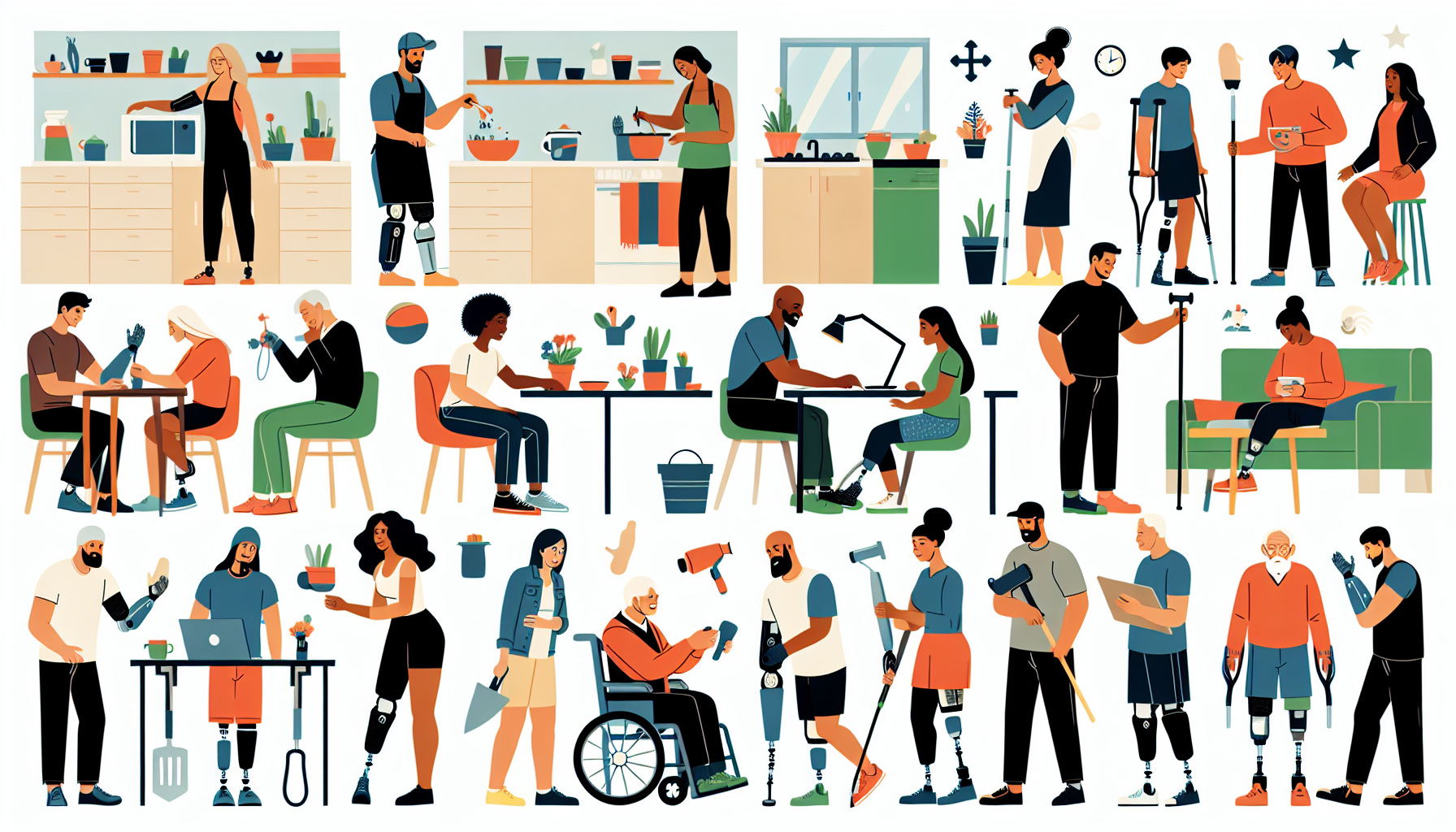
Related Articles

VA HISA Grant

VA SMC R1 Requirements

VASRD 2026 Updates

x