








We are privately owned and not affiliated or endorsed by any government agency.

Take the Benefits Quiz

Dental Treatment

Definition

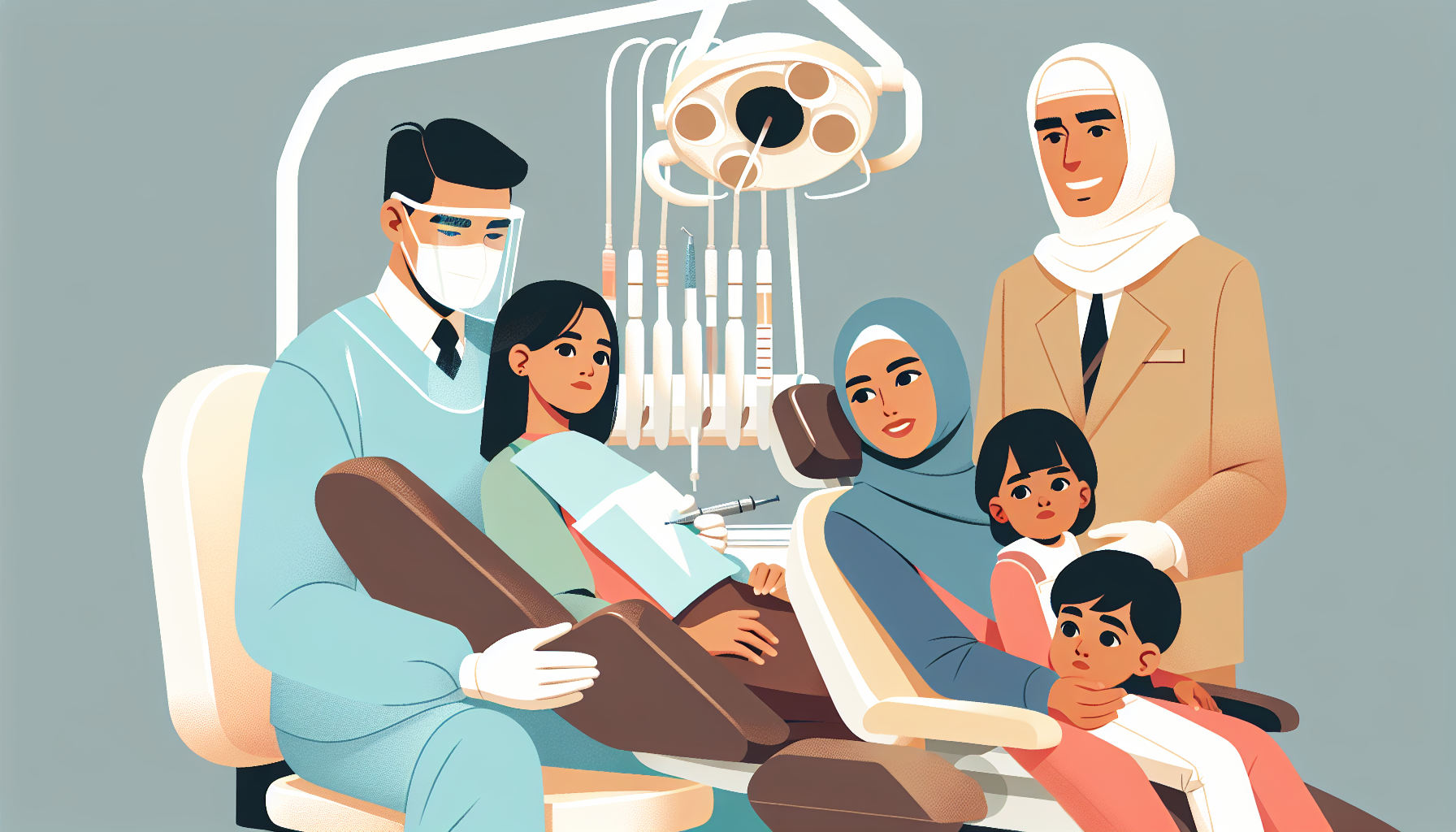
Dental treatment, in the context of VA benefits, refers to the oral healthcare services provided to eligible veterans by the United States Department of Veterans Affairs. These services may include preventative care, diagnostics, restorative procedures, and surgeries. The availability and extent of dental treatment benefits depend on various factors, such as a veteran’s disability rating and service-connected injury status.

Key Takeaways

  1. VA dental benefits provide eligible veterans with a comprehensive range of dental treatment options, including preventive care, diagnostic services, and dental procedures.
  2. Eligibility for VA dental benefits is determined by various factors, such as service-connected disability status, former prisoner-of-war status, or homelessness.
  3. Veterans can receive dental treatment through VA dental clinics, mobile dental units, and contracted community providers, ensuring accessible and quality dental care.

Importance

The VA benefits term “Dental Treatment” is important because it denotes the crucial dental care services provided to veterans as a part of the comprehensive healthcare benefits offered by the Department of Veterans Affairs (VA). Proper dental care is essential for maintaining overall health, preventing oral diseases, and ensuring good quality of life for veterans.

By offering dental treatments, the VA acknowledges the importance of oral health in the well-being of its beneficiaries, helping them to maintain their teeth, gums, and oral tissues in optimal condition.

Additionally, dental treatments enable veterans to access necessary and affordable dental services, reducing the burden of costly treatments and ensuring that those who have served the nation receive the comprehensive healthcare they deserve.

Explanation

The primary purpose of dental treatment benefits provided by the Department of Veterans Affairs (VA) is to aid eligible veterans in maintaining their dental well-being, which is an essential aspect of overall health. By offering these benefits, the VA seeks to ensure that veterans have access to the necessary dental care to address their specific needs, preventing complications and promoting good oral hygiene practices. Dental treatment can range from routine check-ups and cleanings to more advanced procedures such as extractions, root canals, or prosthetic rehabilitation.

In addition to general dental health, dental treatment benefits can also play a critical role in addressing service-related injuries or medical conditions that directly impact oral health. Apart from promoting dental health, dental treatment services provided by VA benefits also contribute to the overall well-being of veterans. Proper dental care can prevent the development of dangerous infections, minimize the risk of heart disease or stroke, and even enhance self-confidence.

By prioritizing access to dental treatment for veterans, the VA aims to mitigate these potential health issues and support veterans’ reintegration into civilian life. It is important to note that eligibility for VA dental benefits varies based on factors such as service-connected dental disabilities, service length, or financial need. By understanding and utilizing the dental treatment services available, eligible veterans can experience the full range of advantages in maintaining their oral health and overall quality of life.

Examples of Dental Treatment

Veterans Affair Dental Insurance Program (VADIP): VADIP is a real-world example of VA Benefits for dental treatment, where eligible veterans and their dependents can receive discounted dental insurance plans. These plans cover a variety of dental treatments such as dental cleanings, fillings, crowns, root canals, and more. The goal is to provide affordable dental care to veterans and their families.

Free Dental Treatment at VA Medical Centers: Veterans who are eligible for VA health care benefits may also receive dental treatment at VA Medical Centers across the country. This dental care typically includes preventive, restorative, and surgical treatments. For instance, a veteran with a service-connected dental disability could visit their local VA Medical Center for a regular cleaning and exam or more specialized care like dental implants or periodontal treatments.

Homeless Veterans Dental Program: This program aims to provide comprehensive dental care to homeless veterans, who often have difficulty accessing dental services. Through partnerships with local dental clinics and VA Medical Centers, these veterans can receive vital dental care that can help improve their overall health and wellbeing. Some of the dental services provided through this program include screenings, cleanings, extractions, dentures, and other necessary treatments.

FAQ: Dental Treatment VA Benefits

What dental benefits are available to veterans?

Eligible veterans can receive various dental care services, such as preventive care, restorative treatment, and oral hygiene support, through the Department of Veterans Affairs (VA). The extent of dental coverage depends on the veteran’s classification using the VA priority groups 1-8 and any special eligibility factors.

How do I know if I qualify for dental treatment through the VA?

The VA classifies veterans into priority groups to determine the eligibility for coverage. Factors that affect eligibility include service-related disabilities, financial need, and military status. To determine your eligibility, you can check the VA’s dental benefits eligibility chart or contact your local VA medical facility.

Can I get dental treatment in my community or do I have to use a VA dental clinic?

Generally, the VA requires eligible veterans to receive dental treatment within VA dental clinics. However, in some cases where VA dental clinics are not available or in emergency situations, the VA may authorize dental care within the community. Prior approval is necessary to avoid being responsible for the costs.

What services are covered under the VA dental benefits?

The coverage of dental services depends on the veteran’s classification and eligibility factors. Common dental services covered include diagnostic and preventive services, teeth cleaning, oral exams, fillings, extractions, crowns, bridges, dentures, and root canals.

Are there any limitations or exclusions to the VA dental benefits?

Yes, there are limitations and exclusions in the VA dental benefits. The VA may limit the coverage of certain dental services based on priority group and eligibility factors. Only dental services considered to be medically necessary are covered. Services such as cosmetic dentistry, implants, and orthodontics may not be covered unless they are required due to a service-related condition or other qualifying factors.

How do I apply for VA dental benefits?

To apply for VA dental benefits, you must first enroll in VA health care. You can apply online at the VA website, by phone, by mail, or in person at a VA medical facility. Once you are enrolled and your eligibility is determined, you can make an appointment with a VA dental clinic or request authorization for community dental care if necessary.

Related VA Benefit Terms

  • Periodontal Care
  • Oral Surgery
  • Restorative Dentistry
  • Preventative Measures
  • Orthodontics

Sources for More Information

Benefits.com Advisors

With expertise spanning local, state, and federal benefit programs, our team is dedicated to guiding individuals towards the perfect program tailored to their unique circumstances.

Rise to the top with Peak Benefits!

Join our Peak Benefits Newsletter for the latest news, resources, and offers on all things government benefits.


Related Articles

VA HISA Grant

VA SMC R1 Requirements

VASRD 2026 Updates

Social Security Back Pay

Dental Examination

Definition

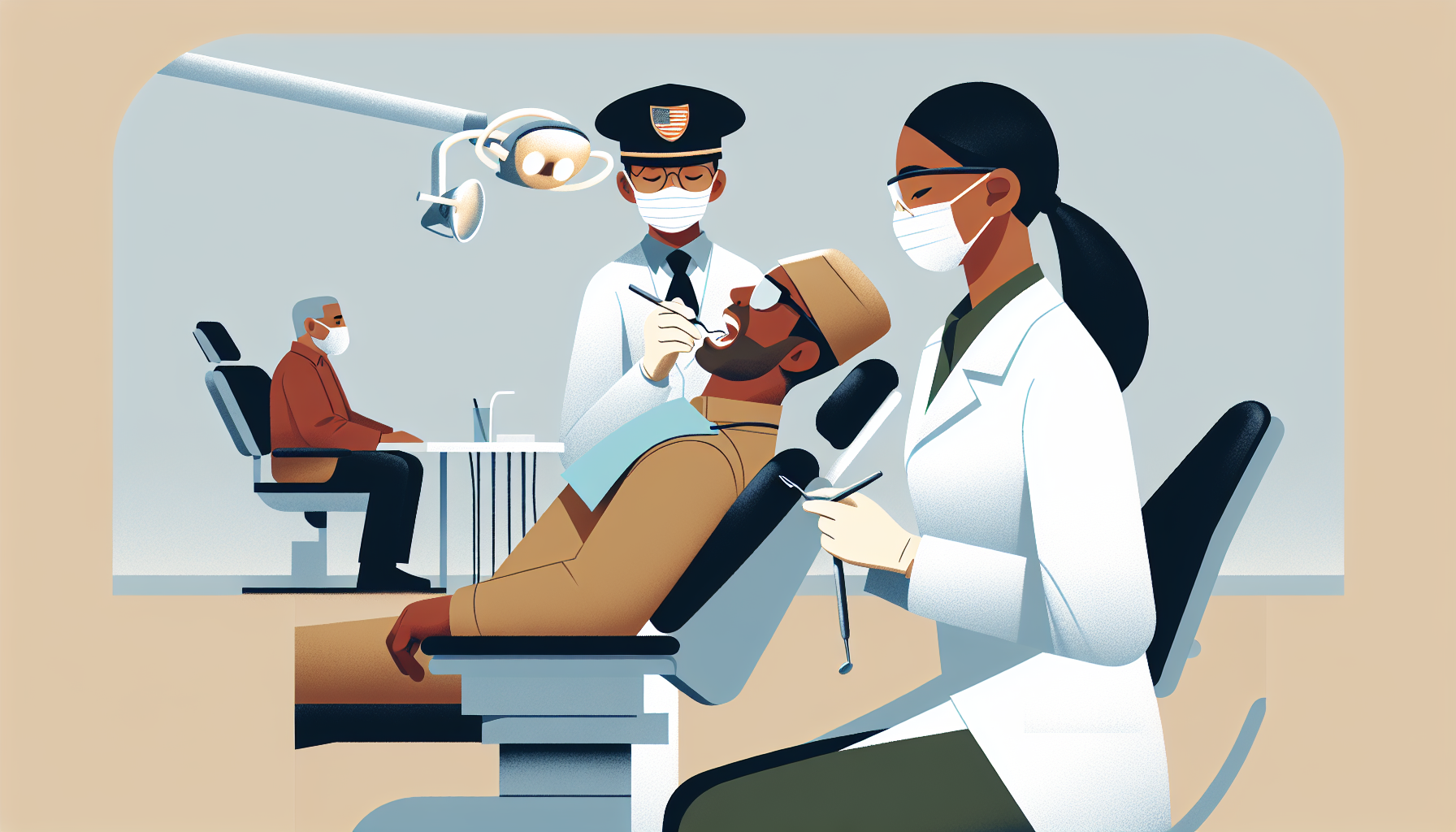
In the context of VA benefits, dental examination refers to an evaluation provided by a dentist or dental specialist that assesses a veteran’s oral health. The examination includes identifying any existing dental issues and recommending appropriate treatment. These dental examinations are provided to qualified veterans under the VA dental benefits program.

Key Takeaways

  1. VA dental benefits provide eligible veterans with various dental care services, including examinations, cleanings, fillings, and more depending on the veteran’s eligibility status.
  2. Dental examinations are essential for maintaining oral health and preventing dental issues, as they help detect issues and ensure proper treatment.
  3. To access VA dental benefits, veterans must meet specific criteria such as service-connected disabilities, former prisoners of war status, or homelessness; they can apply through the Veterans Affairs website or local VA medical centers.

Importance

The VA benefits term “Dental Examination” is important because it pertains to the oral healthcare services provided to eligible veterans through the Department of Veterans Affairs (VA). These dental examinations are essential for maintaining and improving a veteran’s overall dental health, which is directly linked to their general well-being.

This benefit ensures that veterans can receive preventative care, assessments, and treatments, which can ultimately help detect and address dental complications or diseases at early stages.

Furthermore, dental examinations contribute to enhancing the quality of life for veterans by addressing potential health risks associated with poor oral health and promoting good oral hygiene practices.

Overall, ensuring access to dental examinations for veterans acknowledges their selfless service to the nation and supports their continued health and well-being.

Explanation

The purpose of a dental examination as a part of the VA benefits spectrum is to ensure the routine and preventive oral care of eligible veterans and to identify any potential dental issues early on. This examination plays a crucial role in maintaining the overall health and well-being of veterans, as oral health has a significant impact on an individual’s general health.

Dental examinations under VA benefits aim to provide veterans with the necessary oral care comprising the thorough evaluation of their teeth, gums, and other oral structures that can influence overall physical health. Dental examinations made available through VA benefits serve multiple functions, such as early detection of oral diseases, managing existing dental conditions, and providing necessary treatments to keep veterans’ oral health in optimal condition.

Through routine check-ups, veterans receive dental cleanings and examinations that help in preventing problems such as tooth decay and gum diseases. Moreover, the dental examination may involve necessary restorative procedures and oral health education to help maintain dental hygiene.

By addressing dental care needs efficiently, VA dental benefits significantly contribute to sustaining the quality of life and overall health of veterans.

Examples of Dental Examination

The term VA Benefits, particularly Dental Examination, refers to the dental services provided by the Department of Veterans Affairs to eligible veterans. Here are three real-world examples of VA Benefits related to dental examination:

Eligibility Based on Service-Connected Dental Issues: A veteran has a dental condition directly related to their military service, like a combat injury that led to the loss of teeth. As a result, they qualify for VA dental benefits, including regular dental examinations to monitor and maintain their oral health.

Dental Health Care for Former Prisoners of War: A World War II veteran, who had been a prisoner of war during the conflict, now needs dental care. The VA provides dental care, including routine dental examinations, as part of their benefits package for former POWs. The veteran is regularly seen by VA dental providers to ensure their dental health is well taken care of.

100% Disabled Veteran Accessing VA Dental Care: A veteran has a 100% service-connected disability rating due to a severe back injury sustained in the line of duty. As part of their VA benefits package, they are eligible for comprehensive dental care. This includes regular dental examinations to ensure their oral health is maintained, along with any necessary dental treatments that may arise.

VA Benefits: Dental Examination

What dental benefits are available for eligible veterans?

Eligible veterans can receive a range of dental benefits through the VA. These benefits can include regular dental examinations, cleanings, fillings, crowns, root canals, extractions, and other necessary dental treatments for maintaining oral health.

How do I determine if I am eligible for VA dental benefits?

To determine eligibility for dental benefits, veterans must be enrolled in the VA health care system. Eligibility criteria can include factors such as disability ratings, service-connected dental injuries, and being a former prisoner of war. You can visit the VA’s official website to check your eligibility and enroll in the VA health care system if needed.

How do I make an appointment for a dental examination?

If you are eligible for VA dental benefits, you can make an appointment by contacting your local VA dental clinic. Alternatively, you can call the VA’s main customer service line at 1-800-827-1000 and they can assist you in finding the nearest dental clinic and scheduling an appointment.

Are dental examinations covered by the VA at no cost to the veteran?

Dental examinations are generally covered by the VA, but the extent of coverage may depend on factors such as your eligibility class and the VA dental clinic’s guidelines. In some cases, there may be copays or other costs associated with dental care. It’s always best to confirm with your local VA dental clinic about any out-of-pocket expenses before your appointment.

Does the VA cover dental treatments resulting from the examination?

Depending on the findings from your dental examination, the VA may cover the cost of necessary dental treatments. This can include preventative care, emergency services, and treatments for dental conditions. The extent of coverage will depend on your eligibility class and specific dental needs. Be sure to discuss your treatment plan with your VA dentist to understand what services are covered and any potential costs.

Related VA Benefit Terms

  • Periodontal Treatment
  • Oral Prophylaxis
  • Restorative Dentistry
  • Dental Implants
  • Orthodontic Services

Sources for More Information

Benefits.com Advisors

With expertise spanning local, state, and federal benefit programs, our team is dedicated to guiding individuals towards the perfect program tailored to their unique circumstances.

Rise to the top with Peak Benefits!

Join our Peak Benefits Newsletter for the latest news, resources, and offers on all things government benefits.

Related Articles

VA HISA Grant

VA SMC R1 Requirements

VASRD 2026 Updates

Social Security Back Pay

Discharge Upgrades

Definition

Discharge upgrades refer to an improvement in the characterization of a military veteran’s discharge status. Veterans may seek this change to access additional benefits, such as education, healthcare, and disability. The upgrade is typically achieved through a formal application process presented to a Discharge Review Board or Military Board of Correction.

Key Takeaways

  1. A discharge upgrade refers to the process of changing a veteran’s military discharge status to a more favorable one, which can increase their eligibility for VA benefits.
  2. Upgrading a discharge requires the submission of an official application to the Discharge Review Board or the Board for Correction of Military Records. The veteran needs to provide evidence or new information supporting their case for an upgrade.
  3. Discharge upgrades can be difficult to obtain as the burden of proof lies with the veteran. Legal assistance, as well as clear and compelling documentation, can significantly improve the chances of a successful outcome.

Importance

The term “Discharge Upgrades” is important in relation to VA benefits as it refers to the process of modifying a veteran’s military discharge status, which can significantly impact their eligibility for various benefits and assistance.

Some veterans may have received an unfavorable discharge status (e.g., other than honorable) due to reasons like misconduct, medical issues, or administrative errors during their service.

By seeking a discharge upgrade, veterans can potentially acquire a more favorable discharge status, and in turn, become eligible to access essential VA benefits such as healthcare, education, vocational rehabilitation, and housing assistance.

Therefore, understanding and pursuing discharge upgrades is crucial for veterans striving to improve their quality of life and access the benefits they rightfully deserve.

Explanation

Discharge Upgrades serve a critical purpose in ensuring that former military personnel can access their rightful benefits and entitlements. The primary purpose of Discharge Upgrades is to amend or modify a veteran’s military record to accurately reflect their service period and circumstances surrounding their separation from the military.

This process allows eligible veterans to be granted an improved characterization of service, allowing them to gain access to resources and support they may have been previously denied due to the nature of their discharge. This could range from health care and disability benefits to education or home loans under the GI Bill.

In addition to providing access to essential resources, Discharge Upgrades also work to restore a veteran’s reputation and dignity, by recognizing and correcting any unjust discharges or characterizations that do not align with their service’s conduct or values. This can particularly impact those who may have faced discriminatory practices or were misunderstood during their time in service.

Discharge Upgrades ultimately foster a more equitable and supportive environment for all veterans, thereby promoting a smoother transition back into civilian life and encouraging them to reach their full potential.

Examples of Discharge Upgrades

A Discharge Upgrade refers to the process by which a military veteran can apply to have their discharge status improved, thus making them eligible for more VA benefits. The most common types of discharges that may be upgraded are General (Under Honorable Conditions) and Other Than Honorable. Here are three real-world examples:

Example 1: A veteran who served in the military and received a General (Under Honorable Conditions) discharge due to minor misconduct, such as being late to formations or failing room inspections, may apply for a Discharge Upgrade. If the veteran can demonstrate that their service and accomplishments outweigh the misconduct, they may be granted an upgrade to an Honorable discharge, providing access to more VA benefits and services.

Example 2: A veteran who received an Other Than Honorable discharge after testing positive for drug use during their service may apply for a Discharge Upgrade. If the veteran can show that they have since completed a drug rehabilitation program and have made significant positive changes in their life, a Discharge Review Board may consider upgrading their discharge status, making them eligible for certain VA benefits.

Example 3: A veteran who was discharged from military service with an Other Than Honorable discharge due to misconduct related to post-traumatic stress disorder (PTSD) incurred during their service may request a Discharge Upgrade. If the veteran can provide evidence that their misconduct was directly connected to their PTSD, the Discharge Review Board may take this into consideration and grant an upgrade, resulting in increased access to VA benefits and services like healthcare and education programs.

FAQ: Discharge Upgrades

What is a Discharge Upgrade?

A Discharge Upgrade is a process where a veteran challenges the nature of their discharge from the military in order to become eligible for veteran benefits, services, and programs. Upgrading a discharge can potentially improve a veteran’s opportunities for employment, education, and eligibility for VA benefits.

Who is eligible to apply for a Discharge Upgrade?

Veterans who were discharged under conditions other than honorable, general, or honorable can apply for a Discharge Upgrade. However, those with a dishonorable discharge are not eligible for upgrades.

How do I apply for a Discharge Upgrade?

To apply for a Discharge Upgrade, you need to submit a DD Form 293 (Application for the Review of Discharge from the Armed Forces of the United States) to your respective military department’s Discharge Review Board (DRB). You can also submit an appeal to the Board for Correction of Military Records (BCMR) if your DRB application was denied.

What are the factors considered in a Discharge Upgrade request?

The Discharge Review Board (DRB) or the Board for Correction of Military Records (BCMR) considers factors like inequity, propriety, length of service, disciplinary records, character references, and the petitioner’s post-service conduct when reviewing a Discharge Upgrade request. Additionally, they also consider medical and mental health information related to the veteran’s service.

How long does it take to receive a decision on my Discharge Upgrade request?

The processing time for a Discharge Upgrade request varies depending on the complexity of the case and the workload of the DRB or BCMR. In general, it can take several months to over a year to receive a decision.

Can I appeal a denied Discharge Upgrade request?

Yes, if your Discharge Upgrade request has been denied by the Discharge Review Board (DRB), you can submit an appeal to the Board for Correction of Military Records (BCMR). You may also seek legal assistance or a qualified representative to help with the process.

Related VA Benefit Terms

  • Military Discharge Review Boards
  • Character of Service Determination
  • DD-214 Revisions
  • Upgraded Disability Benefits
  • Veterans Appeals Process

Sources for More Information

Benefits.com Advisors

With expertise spanning local, state, and federal benefit programs, our team is dedicated to guiding individuals towards the perfect program tailored to their unique circumstances.

Rise to the top with Peak Benefits!

Join our Peak Benefits Newsletter for the latest news, resources, and offers on all things government benefits.

Related Articles

VA HISA Grant

VA SMC R1 Requirements

VASRD 2026 Updates

Social Security Back Pay

Direct Deposit

Definition

Direct Deposit is a financial term referring to the electronic transfer of funds directly into a beneficiary’s bank account. In the context of VA benefits, it allows veterans and their dependents to receive benefits such as disability compensation, pension, or educational assistance more securely and quickly. By eliminating the need for paper checks, Direct Deposit promotes convenience and reduces the risk of lost or stolen checks.

Key Takeaways

  1. Direct Deposit is a secure and convenient method for receiving VA benefits, as it ensures payments are directly credited to your bank account.
  2. By choosing Direct Deposit, you can eliminate the risk of lost, stolen, or delayed paper checks, allowing faster access to your funds.
  3. To enroll in Direct Deposit, you can either call the VA helpline, sign up through VA eBenefits, or provide your bank account information on related VA forms.

Importance

The term “Direct Deposit” is important in the context of VA benefits because it provides a safe, secure, and efficient way for veterans to receive their benefits electronically.

Instead of receiving a physical check in the mail, funds are automatically and directly deposited into the recipient’s bank account, ensuring timely and consistent access to their benefits.

By utilizing direct deposit, veterans can avoid potential check-related issues such as lost or delayed mail, theft, or damaged checks.

Additionally, direct deposit reduces the need for paper checks, saving time, effort, and resources for both the Department of Veterans Affairs and the veteran.

It also allows veterans to access their funds faster, making it a crucial feature for managing their financial needs.

Explanation

Direct deposit is a vital service provided as part of the VA benefits to ensure that veterans, service members, and their families receive their compensation timely, securely, and efficiently. The purpose of direct deposit is to deliver monetary benefits such as disability compensation, educational assistance, pension, survivor benefits, and others, directly into the beneficiaries’ bank accounts.

By utilizing this method, VA eliminates the need for paper checks and the potential delays or risks associated with postal delivery, making the disbursement process more streamlined and reliable. The use of direct deposit for VA benefits offers valuable advantages for both the recipients and the government.

For the beneficiaries, it offers a peace of mind knowing that their hard-earned benefits will be readily accessible when needed, without the worry of lost or stolen checks. It also eliminates the need to visit a financial institution to physically deposit a check, allowing for quicker access to funds.

From the VA’s perspective, it reduces administrative costs, enhances security, and substantially minimizes the likelihood of fraudulent activities. Overall, direct deposit serves as an essential tool in upholding the VA’s commitment to provide the most efficient and dependable means to disburse benefits to those who have honorably served our country.

Examples of Direct Deposit

Monthly pension payments: A U.S. military veteran who is eligible for a pension can receive their monthly pension payments via direct deposit. This allows the funds to be automatically transferred from the U.S. Department of Veterans Affairs (VA) to the veteran’s designated bank account, ensuring timely and secure access to their pension.

Educational benefits payments: Veterans and their eligible dependents may receive VA educational benefits under the GI Bill or other related programs. By opting for direct deposit, these beneficiaries can have their funds automatically transferred to their bank accounts, making it easier to pay for tuition, books, and other education-related expenses.

VA disability compensation payments: Veterans who have a service-connected disability may be eligible for VA disability compensation. Direct deposit allows these veterans to receive their monthly compensation payments in a timely and secure manner, without the need for paper checks. This helps veterans have quick access to their compensation, which can be essential for paying bills and other financial obligations.

FAQ: VA Benefits – Direct Deposit

What is Direct Deposit for VA benefits?

Direct Deposit is a safe, reliable, and convenient way to receive your VA benefits automatically into your bank account. Instead of receiving a physical check, your funds are electronically transmitted to your account, ensuring timely and secure access to your funds.

How do I sign up for Direct Deposit?

To sign up for Direct Deposit, you can visit the VA website and log in to your eBenefits account. From there, you can navigate to the “Direct Deposit and Contact Information” section and follow the instructions to set up your Direct Deposit. Alternatively, you can call the VA helpline at 1-800-827-1000, or visit a local VA office for assistance.

Can I change the bank account where my VA benefits are deposited?

Yes, you can change the bank account where your VA benefits are deposited. Log in to your eBenefits account, go to the Direct Deposit and Contact Information section, and follow the instructions to update your bank account information. It may take up to two payment cycles for the changes to take effect.

What should I do if I haven’t received my VA benefits via Direct Deposit?

If you haven’t received your VA benefits via Direct Deposit, you should first verify that your bank account information is correct in your eBenefits account. Additionally, check with your bank to ensure there were no issues with the transfer. If you still have not received your benefits, you can contact the VA helpline at 1-800-827-1000, or visit a local VA office for assistance.

Is Direct Deposit available for all VA benefits?

Yes, Direct Deposit is available for most VA benefits, including disability compensation, pension, education benefits, vocational rehabilitation, and various survivors’ benefits. However, it may not be available for certain one-time payments or reimbursements. To verify your eligibility for Direct Deposit, you can visit the VA website, call the VA helpline, or visit a local VA office.

Related VA Benefit Terms

  • Electronic Funds Transfer (EFT)
  • Bank Routing Number
  • Account Number
  • Deposit Frequency
  • VA Compensation and Pension Payments

Sources for More Information

Benefits.com Advisors

With expertise spanning local, state, and federal benefit programs, our team is dedicated to guiding individuals towards the perfect program tailored to their unique circumstances.

Rise to the top with Peak Benefits!

Join our Peak Benefits Newsletter for the latest news, resources, and offers on all things government benefits.
Related Articles

VA HISA Grant

VA SMC R1 Requirements

VASRD 2026 Updates

Social Security Back Pay

Dependency Determination

Definition

Dependency determination is a process conducted by the Department of Veterans Affairs (VA) to establish and verify a veteran’s family members as dependents. These dependents, usually a spouse or children under age 18, are considered eligible to receive certain VA benefits and services. The determination is based on factors such as marriage, birth or adoption records, and financial dependence on the veteran.

Key Takeaways

  1. Dependency Determination refers to the process of establishing a veteran’s dependent(s) as eligible for receiving VA benefits, such as healthcare, education, and financial assistance.
  2. This determination is important for the VA to properly calculate and distribute benefits to the eligible family members of veterans, such as spouses, children, and in some cases, parents.
  3. Documentation, such as marriage and birth certificates or adoption records, are required to validate dependent relationships and ensure accurate benefits distribution for the veteran’s family.

Importance

The term “Dependency Determination” is essential in the context of VA benefits because it establishes an individual’s eligibility for certain benefits and financial support in relation to their connection with a veteran.

Dependency Determination validates the relationship between a family member, such as a spouse or a child, and a veteran who has served in the military.

This validation ensures that those who are financially or emotionally reliant on the veteran due to their military service can access critical resources like healthcare, education, housing, and financial assistance.

In essence, Dependency Determination plays an integral role in providing support and care to the families of veterans by helping them obtain the necessary benefits they are entitled to.

Explanation

Dependency determination serves a critical purpose in the realm of VA benefits, as it ensures that eligible family members of veterans receive the support they need and are entitled to. Such family members could include dependents like a spouse, children, or parents who rely on the veteran’s income for sustenance and well-being.

Through dependency determination, the Department of Veterans Affairs establishes who is eligible for VA benefits and in doing so, it helps bridge the financial gap that may emerge due to the veteran’s service-related disabilities, retirement, or even death. Consequently, this process safeguards the welfare of those who have made sacrifices for their nation through their family ties.

The dependency determination process considers multiple factors, such as the relationship with the veteran, shared financial obligations, and the dependent’s needs, to accurately identify eligible beneficiaries. VA benefits covered under dependency determination may encompass educational, healthcare, compensation, or pension support.

Moreover, dependents’ benefits can extend to cover disability compensation, survivor pensions, and additional disability pay in certain cases. By conscientiously deliberating the specifics of dependencies, the entire process plays an invaluable role in uplifting and supporting service members’ families, thereby recognizing their immense support and integral place in the veterans’ lives.

Examples of Dependency Determination

A dependency determination in the context of VA benefits refers to establishing an eligible relationship between a veteran and their dependents, such as a spouse, a child, or a dependent parent. This allows the dependents to be eligible for certain benefits and compensation from the Department of Veterans Affairs (VA).Three real-world examples of dependency determination for VA benefits include:

A veteran, John, served in the military and now has a service-connected disability. He is married to Jane and has a son named Michael. To apply for increased disability compensation due to having dependents, John needs to submit the appropriate forms and documentation to the VA, such as a marriage certificate and his son’s birth certificate, showing their relationship. Once dependency is determined, John’s disability compensation may increase due to his dependents, and his family may be eligible for certain educational or healthcare benefits provided by the VA.

A Vietnam War veteran, Laura, has a service-connected disability and receives VA benefits. At the age of 68, her elderly mother, Susan, becomes financially dependent upon her for daily living needs. To add Susan as a dependent and possibly increase her VA benefits, Laura needs to apply for a dependency determination, providing relevant documents such as a birth certificate or adoption records. If approved, Laura’s VA benefits may increase to assist in providing care for Susan.

Another example is Emily, a widow of a veteran who served in the Korean War and passed away due to a service-connected disability. To apply for Dependency and Indemnity Compensation (DIC) as a surviving spouse, Emily needs to provide the VA with a marriage certificate, death certificate, and any other relevant documentation to prove her relationship with the veteran along with demonstrating the cause of death being service-related. If the dependency determination is approved, Emily may receive a monthly benefit from VA to help support her financially.

Dependency Determination FAQ

What is Dependency Determination?

Dependency Determination is a process that evaluates if a veteran’s family members, such as their spouse or children, are eligible to receive benefits from the Department of Veterans Affairs (VA). This process is essential to ensure that eligible dependents receive the appropriate benefits and support from the VA.

Who qualifies as a dependent for VA benefits?

A dependent for VA benefits can include a veteran’s spouse, children under the age of 18, children between the ages of 18 and 23 who are attending an eligible educational institution, and children with permanent disabilities occurring before age 18. In some cases, a veteran’s parents may also qualify as dependents if they meet certain income and net worth requirements.

How do I apply for Dependency Determination?

To apply for Dependency Determination, you can submit the necessary forms online through VA’s eBenefits portal or by mail. For adding a spouse or child, you will need to submit VA Form 21-686c (Declaration of Status of Dependents). If you are applying for the addition of a parent as a dependent, you will need to submit VA Form 21P-509 (Statement of Dependency of Parent).

What documents do I need to provide for Dependency Determination?

You will need to provide supporting documents depending on the type of dependent you are adding. For a spouse, you will need to provide a marriage certificate. For children, you will need to provide birth certificates or adoption records. For disabled children over the age of 18, you will need to provide medical evidence of their permanent disability.

How long does the Dependency Determination process take?

The processing time for Dependency Determination can vary depending on the complexity of your case and the VA’s current workload. Generally, it can take several weeks or even months for the VA to make a determination on your application. You can check the status of your application through the eBenefits portal.

What benefits do dependents receive as a result of Dependency Determination?

Once a dependent is determined to be eligible for VA benefits, they may receive benefits such as dependency and indemnity compensation (DIC), survivors’ pension, educational assistance, vocational rehabilitation, and healthcare services through CHAMPVA (Civilian Health and Medical Program of the Department of Veterans Affairs). The specific benefits your dependent receives will depend on their eligibility and your specific situation as a veteran.

Related VA Benefit Terms

  • Dependency and Indemnity Compensation (DIC)
  • Survivors Pension
  • Additional Allowances for Dependents
  • Marriage and Divorce Documentation
  • Proof of Child Relationship

Sources for More Information

Benefits.com Advisors

With expertise spanning local, state, and federal benefit programs, our team is dedicated to guiding individuals towards the perfect program tailored to their unique circumstances.

Rise to the top with Peak Benefits!

Join our Peak Benefits Newsletter for the latest news, resources, and offers on all things government benefits.

Related Articles

VA HISA Grant

VA SMC R1 Requirements

VASRD 2026 Updates

Social Security Back Pay

Dependency Status

Definition

Dependency status in VA benefits refers to the relationship between a veteran and their dependents, such as a spouse, child, or parent. It is a determining factor for eligibility and the amount of compensation and benefits a veteran may receive. The VA considers factors such as marriage, birth, adoption, and age of dependents when assessing dependency status.

Key Takeaways

  1. Dependency Status refers to the eligibility of family members of veterans, such as spouses, children, and, in some cases, parents, to receive various VA benefits and services, including disability compensation, educational assistance, and healthcare.
  2. Dependency and Indemnity Compensation (DIC) is a tax-free monetary benefit generally payable to a surviving spouse, child, or parent of service members who died in the line of duty or from a service-related injury or disease. The VA determines the dependency status based on specific eligibility criteria.
  3. To establish dependency status, the veteran or family member must provide evidence of their relationship, like marriage or birth certificates. Claims for dependency benefits can be submitted through the VA Form 21-686c (Declaration of Status of Dependents) or through the VA’s online eBenefits portal.

Importance

The VA benefits term Dependency Status is important because it determines the type and amount of benefits that a veteran, service member, or their family may be eligible to receive from the Department of Veterans Affairs (VA). Dependency Status refers to the presence and number of dependents that a veteran has, such as a spouse, children, or dependent parents, who rely on them for support.

This information is crucial in assessing the financial responsibility and specific needs of veterans and their families.

Ultimately, understanding and maintaining accurate dependency information allows the VA to provide tailored benefits and services, including financial compensation, education assistance, housing support, and healthcare, to help veterans and their dependents lead comfortable and secure lives.

Explanation

Dependency status plays a crucial role in the administration and distribution of various VA benefits, as it helps determine the entitlements and beneficial programs available to Veterans, their spouses, and family members. By accounting for a Veteran’s dependents, such as their spouse, children, or parents, dependency status enables the Department of Veterans Affairs to assess the appropriate amount of support and resources that should be allocated to each family.

This not only ensures that the unique needs of each Veteran’s loved ones are acknowledged, but it also allows the VA to equitably distribute benefits across the diverse range of families within the Veterans community. In order to establish dependency status, Veterans and their family members are often required to provide information and documentation that verifies their relationship to one another.

Factors such as marriage, birth, and adoption records, along with details outlining the extent of a dependent’s financial reliance on the Veteran, are some of the aspects taken into consideration. Once dependency status is determined, the VA can offer comprehensive and tailored assistance through a variety of programs, including but not limited to: educational benefits, compensation and pension adjustments, healthcare, and survivors’ benefits.

Ultimately, understanding and effectively utilizing dependency status is critical for ensuring eligible Veterans and their dependents receive the appropriate support and benefits to which they are entitled.

Examples of Dependency Status

Dependency status in the context of VA benefits refers to the eligibility of a veteran’s family members to receive certain benefits and support based on their relationship with the veteran. Here are three real-world examples related to dependency status:

Dependency and Indemnity Compensation (DIC): DIC is a tax-free monetary benefit paid to eligible survivors (i.e., dependent spouse, children, or parents) of service members who died while on active duty, or veterans who died from service-related injuries or diseases. The dependents must prove their relationship (e.g. marriage certificate, birth certificate) and meet criteria defined by the VA.

Transfer of Post-9/11 GI Bill Benefits: In some cases, service members or veterans are eligible to transfer their Post-9/11 GI Bill educational benefits to their dependents (spouse or children). The decision to allow transferring these benefits is at the discretion of the Department of Defense (DoD). The dependent family members can then use these benefits for educational purposes like attending college, vocational school, or pursuing on-the-job training programs.

CHAMPVA Health Insurance for Dependents: The Civilian Health and Medical Program of the Department of Veterans Affairs (CHAMPVA) is a comprehensive health care program in which the VA shares the cost of covered health care services and supplies with eligible beneficiaries. Dependent spouses, unmarried children under age 18 (or up to age 23 if enrolled in school), and dependent parents may qualify for CHAMPVA if the sponsoring veteran meets specific VA eligibility criteria, such as having a permanent and total service-related disability.In each of these examples, the dependency status of the individual determines their eligibility for these VA benefits and helps support families affected by a service member or veteran’s military service.

FAQs on Dependency Status for VA Benefits

1. What is Dependency Status for VA Benefits?

Dependency status for VA benefits is the process of determining whether a veteran’s family members or dependents are eligible for certain benefits provided by the Department of Veterans Affairs.

2. Who qualifies as a dependent for VA benefits?

A dependent for VA benefits can be a spouse, a child under the age of 18 (or up to 23 if attending school), or a parent in need of financial support. Other family members, such as stepchildren, adopted children, or legal wards, may also qualify, but specific criteria must be met.

3. How can I add a dependent to my VA benefits?

To add a dependent to your VA benefits, you must apply for Dependency and Indemnity Compensation (DIC), Survivors Pension, or other VA programs. You can apply online through the VA.gov website, by mail, or in person at a VA regional office. You will need to provide documentation, such as marriage certificates, birth certificates, or proof of adoption, to support your claim.

4. Can I add a dependent if I am receiving VA disability compensation?

Yes, if you are receiving VA disability compensation and have a service-connected disability rating of at least 30%, you may be eligible for additional compensation to support your qualified dependents. You will need to apply for dependency status by submitting the necessary forms and documentation to VA.

5. Can my dependents receive VA education benefits?

Yes, eligible dependents may qualify for VA education benefits, such as the Post-9/11 GI Bill or the Fry Scholarship. The qualifications for each program may vary, and you should consult the VA.gov website for detailed information on eligibility and how to apply for these programs.

6. Can dependency status affect my VA healthcare benefits?

Dependency status does not directly affect your own VA healthcare benefits. However, your dependents may qualify for healthcare coverage through the Civilian Health and Medical Program of the Department of Veterans Affairs (CHAMPVA), which provides care to eligible dependents of permanently and totally disabled veterans or those who died as a result of a service-related disability.

Related VA Benefit Terms

  • Dependents Allowance
  • Survivors Pension
  • Educational Assistance
  • Dependency and Indemnity Compensation (DIC)
  • Healthcare Benefits for Dependents

Sources for More Information

Benefits.com Advisors

With expertise spanning local, state, and federal benefit programs, our team is dedicated to guiding individuals towards the perfect program tailored to their unique circumstances.

Rise to the top with Peak Benefits!

Join our Peak Benefits Newsletter for the latest news, resources, and offers on all things government benefits.

Related Articles

VA HISA Grant

VA SMC R1 Requirements

VASRD 2026 Updates

Social Security Back Pay

Disability Benefits

Definition

Disability Benefits, within the context of VA benefits, refer to the financial assistance provided to veterans who have become disabled due to their military service. This compensation aims to support the affected veterans in managing their living expenses and the impact of their disabilities. The monetary benefits, determined by the severity of the disability, are paid out monthly and are tax-free.

Key Takeaways

  1. Disability Benefits are financial compensation provided by the U.S. Department of Veterans Affairs (VA) to veterans with service-connected disabilities, helping them manage the impact of their injuries on daily life.
  2. The amount of compensation veterans receive is based on the severity of their disabilities, which are rated on a scale of 0 to 100 percent in 10 percent increments. Certain conditions may also qualify for additional allowances.
  3. Applying for VA Disability Benefits involves submitting an official claim with medical evidence, military service records, and any supporting documentation. Processing times can vary, but receiving an initial decision typically takes a few months.

Importance

Disability benefits are an important aspect of VA benefits because they provide vital financial support and assistance to eligible veterans who have sustained injuries or illnesses as a result of their service in the military.

These benefits not only serve as a form of compensation for the sacrifices made by veterans, but also often extend to their families, ensuring a higher quality of life and financial stability during challenging times.

Furthermore, disability benefits play a significant role in helping veterans access medical care, rehabilitation services, and vocational support, ultimately demonstrating the nation’s commitment to supporting and honoring the men and women who have bravely served in the armed forces.

Explanation

Disability Benefits, provided by the Department of Veterans Affairs (VA), serve a crucial role in fulfilling the nation’s commitment to support veterans who have made sacrifices in the line of duty. The purpose of these benefits is to offer financial assistance, medical care, and various support services to compensate for physical or psychological challenges resulting from service-related disabilities.

These disabilities may range from minor ailments to severe conditions that impede the veterans’ everyday lives. Veteran Disability Benefits are designed to help ease the burden on veterans and their families, allowing them to maintain an optimal quality of life even as they face hardship because of service-induced health issues.

Through an extensive network of medical facilities, the VA provides veterans access to quality healthcare and service-related injury treatments. Furthermore, Disability Benefits include monetary compensation, calculated based on a disability rating system that takes into account the severity of the condition as well as the impact it has on the veteran’s employment.

Vocational rehabilitation, employment assistance, and adapted housing grants are also made available to help disabled veterans reintegrate into society and maintain independence. Essentially, Disability Benefits manifest the nation’s gratitude to veterans for their unwavering dedication and acknowledges the challenging repercussions they may face following their service.

Examples of Disability Benefits

A U.S. military veteran who suffered a spinal cord injury during active duty may be eligible for VA disability benefits. These benefits can help cover the costs of medical care, physical therapy, and adaptive equipment, such as a wheelchair or modifications to their home or vehicle.

A veteran who was exposed to Agent Orange during their service in the Vietnam War and later developed Parkinson’s disease as a result of the exposure could be eligible for VA disability benefits. These benefits would provide them with financial assistance to help cover medical expenses and any necessary lifestyle adjustments, such as in-home care or mobility aids.

A service member who develops post-traumatic stress disorder (PTSD) as a result of a traumatic event during their military service might qualify for VA disability benefits. These benefits would help cover the cost of professional counseling, medication, and support programs tailored to help veterans manage and improve their mental health.

FAQ – VA Disability Benefits

What are VA Disability Benefits?

VA Disability Benefits are funds provided by the Department of Veterans Affairs (VA) to veterans who have been injured or have developed disabilities as a result of their military service. These benefits can help to compensate for lost wages and cover medical expenses related to their service-connected disabilities.

Who is eligible for VA Disability Benefits?

Veterans who have served on active duty, including those from the National Guard or Reserve, with a medical condition or injury that is directly related to their service may be eligible for VA Disability Benefits. Recipients must be able to provide evidence that their disability is service-connected and have been discharged from service under conditions other than dishonorable.

How do I apply for VA Disability Benefits?

To apply for VA Disability Benefits, you can either apply online via the VA’s eBenefits portal, submit a paper application by mail, or apply in person at your local VA office. You will need to complete the VA Form 21-526EZ, provide your military discharge documents (DD214 or equivalent), and include any relevant medical documents that support your claim for a service-connected disability.

How are VA Disability Benefits calculated?

VA Disability Benefits are calculated based on the severity of your service-connected disability, as determined by the VA. The severity is assessed on a scale of 0% to 100%, with 0% representing no disability and 100% representing total and permanent disability. The higher the disability rating, the higher your monthly compensation will be. Additionally, you may be eligible for additional benefits or allowances, depending on the nature of your disability and your family situation.

Can I work while receiving VA Disability Benefits?

Yes, you can work while receiving VA Disability Benefits. For veterans with a disability rating of less than 100%, there are no constraints on your ability to work. However, for those with a 100% rating, you must be careful not to engage in “Substantial Gainful Activity” (SGA), as this could result in the reduction of your benefits. The VA defines SGA as work that provides income over a certain threshold, or work that requires significant physical or mental effort.

Related VA Benefit Terms

  • Service-Connected Disability
  • Disability Compensation
  • Veterans Health Administration (VHA)
  • 4.

  • Individual Unemployability
  • Disability Rating

Sources for More Information

Benefits.com Advisors

With expertise spanning local, state, and federal benefit programs, our team is dedicated to guiding individuals towards the perfect program tailored to their unique circumstances.

Rise to the top with Peak Benefits!

Join our Peak Benefits Newsletter for the latest news, resources, and offers on all things government benefits.

Related Articles

VA HISA Grant

VA SMC R1 Requirements

VASRD 2026 Updates

Social Security Back Pay

Disabled Veterans Outreach Program (DVOP)

Definition

The Disabled Veterans Outreach Program (DVOP) is a U.S. Department of Labor initiative aimed at providing dedicated career assistance to disabled veterans. This program connects eligible veterans with employment opportunities, career counselling, and support services tailored to their individual needs. The main goal is to help these veterans overcome barriers to employment and achieve economic stability.

Key Takeaways

  1. The Disabled Veterans Outreach Program (DVOP) is a federal initiative designed to provide specialized employment services to eligible veterans with significant barriers to employment, including service-connected disabilities.
  2. Under the DVOP, Local Veterans’ Employment Representatives (LVERs) work closely with state and local workforce agencies to facilitate employment, job training, and support services for eligible veterans, ensuring they have access to quality career opportunities and resources.
  3. Eligible participants in the DVOP receive comprehensive services, including job placement assistance, vocational counseling, case management, and guidance in utilizing various veterans’ benefits and services to help them achieve their employment and career goals.

Importance

The Disabled Veterans Outreach Program (DVOP) is a crucial initiative aimed at supporting and empowering disabled veterans as they reintegrate into the civilian workforce.

By providing specialized and comprehensive employment services, the program effectively addresses the unique challenges faced by these veterans in their job search and career development.

The DVOP helps to establish a strong support network and promotes equal opportunities for disabled veterans, ultimately enhancing their quality of life and fostering a more inclusive society.

Through collaboration with community organizations, employers, and other stakeholders, the program also highlights the valuable skills and contributions of disabled veterans, encouraging their recognition and appreciation in the workforce.

Explanation

The Disabled Veterans Outreach Program (DVOP) serves a crucial role in aiding disabled veterans as they navigate the challenges of transitioning to civilian life and finding stable, fulfilling employment. Its primary purpose is to address the unique employment needs of disabled veterans and provide them with the resources, support, and opportunities necessary to overcome any obstacles they may face.

DVOP specialists work closely with these veterans, offering individualized career planning, vocational guidance, and job placement assistance. By directly engaging with disabled veterans, the program helps to ensure that they are afforded the chance to reintegrate into society and lead productive lives.

Through an extensive network of partnerships with various organizations, the DVOP connects disabled veterans to a wealth of career development and job training services tailored to suit their specific needs. It emphasizes the creation of strong relationships with businesses, community organizations, and educational institutions to secure job opportunities that match the skills and interests of these veterans.

Furthermore, DVOP specialists collaborate closely with other support programs like the Local Veterans Employment Representative Program (LVER) and the Transition Assistance Program (TAP), reinforcing the network of assistance available to disabled veterans. Ultimately, the DVOP seeks to empower disabled veterans by providing them with the tools, resources, and connections they require to establish meaningful careers and prosper in civilian life.

Examples of Disabled Veterans Outreach Program (DVOP)

The Disabled Veterans Outreach Program (DVOP) is designed to help disabled veterans find employment and training opportunities. Here are three real-world examples of how the DVOP has assisted disabled veterans:

Job Training and Placement: In 2019, a disabled veteran from Florida was struggling to find stable employment due to his disability. He met with a DVOP specialist who helped him with job training and placement services. The veteran received assistance with resume building, interview preparation, and job leads. Eventually, he was successfully placed in a job that met both his vocational and financial goals.

Career Counseling and Training: In 2017, a female veteran from California, who suffered from post-traumatic stress disorder (PTSD), had difficulty transitioning to civilian life and finding employment. She reached out to a local DVOP specialist, who provided her with career counseling, job training resources, and referrals to various support services. They also helped her to find a suitable training program that built upon her military experiences. Upon completion of the training, she secured a job in her desired field.

Access to Educational Opportunities: In 2018, a veteran from Texas who had a service-connected disability approached a DVOP specialist for assistance in furthering his education. The DVOP specialist connected him to the proper resources, including counseling, financial guidance, and information about the various educational programs available. With the support of the DVOP, the veteran secured funding for his education and enrolled in a vocational program that was in line with his long-term career goals.

Disabled Veterans Outreach Program (DVOP) – Frequently Asked Questions

What is the Disabled Veterans Outreach Program (DVOP)?

The Disabled Veterans Outreach Program (DVOP) is a U.S. government initiative designed to provide targeted employment and training services to veterans with service-connected disabilities, special disabled veterans, economically disadvantaged veterans, and other categories of veterans with barriers to employment.

Who is eligible for the DVOP services?

Eligibility for DVOP services is limited to veterans with service-connected disabilities, special disabled veterans, economically disadvantaged veterans, and other categories of veterans facing significant barriers to employment.

What services does DVOP provide to eligible veterans?

DVOP provides various services to eligible veterans, including career counseling, job search assistance, resume development, skill assessments, specialized vocational assessments, referrals to supportive services, and connections to training and educational resources.

How can I find my local DVOP representative?

You can find your local DVOP representative by contacting your state’s Department of Labor or equivalent agency, or by visiting the U.S. Department of Labor’s website and searching for your local American Job Center.

Can DVOP help me find a job suitable for my needs and skills?

Yes, DVOP representatives are trained to help you identify job opportunities that match your skills, interests, and abilities. They can also assist you in developing a tailored job search strategy and provide access to resources that may help you start a new career or transition to another industry.

Do I have to pay for DVOP services?

No, DVOP services are provided free of charge to eligible veterans. This program receives funding from the U.S. Department of Labor’s Veterans’ Employment and Training Service (VETS).

Related VA Benefit Terms

  • Vocational Rehabilitation and Employment (VR&E)
  • Disability Compensation
  • 3.

  • Employment Assistance
  • 4.

  • Transition Assistance Program (TAP)
  • 5.

  • Local Veterans Employment Representative (LVER)

Sources for More Information

Benefits.com Advisors

With expertise spanning local, state, and federal benefit programs, our team is dedicated to guiding individuals towards the perfect program tailored to their unique circumstances.

Rise to the top with Peak Benefits!

Join our Peak Benefits Newsletter for the latest news, resources, and offers on all things government benefits.

Related Articles

VA HISA Grant

VA SMC R1 Requirements

VASRD 2026 Updates

Social Security Back Pay

Dislocation Allowance

Definition

Dislocation Allowance (DLA) is a one-time financial compensation provided to military service members during a Permanent Change of Station (PCS) move. This allowance aims to cover moving-related expenses not covered by other military allowances, such as housing and utility deposits. DLA is intended to help service members transition smoothly to their new location and lessen the financial burden associated with relocating.

Key Takeaways

  1. Dislocation Allowance (DLA) is a financial benefit provided by the US Department of Veterans Affairs to military service members and their families when they are required to move due to a Permanent Change of Station (PCS) or other government-ordered relocation.
  2. The purpose of the Dislocation Allowance is to help offset the costs associated with setting up a new household, such as lodging, traveling expenses, and other miscellaneous costs incurred during the relocation process.
  3. The amount of DLA a service member can receive depends on their rank, dependency status, and other factors, such as whether it is their first PCS or they have dependents. The VA periodically updates the DLA rates to account for inflation and changes in living expenses.

Importance

The Dislocation Allowance (DLA) is an important VA benefits term as it provides financial assistance to military personnel and their families when they’re required to relocate due to a Permanent Change of Station (PCS) or military-initiated move.

This allowance is designed to help offset the costs associated with moving, such as temporary lodging, transportation, and other expenses that are not covered by the military’s standard moving allowances.

By providing this support, DLA helps ease the financial burden and stress associated with frequent relocations, allowing service members and their families to focus on transitioning smoothly to their new location and ensuring their well-being throughout the often-challenging moving process.

Explanation

The Dislocation Allowance (DLA) is among several benefits available to eligible service members, playing a crucial role in easing their financial burdens associated with relocating. Its primary purpose is to alleviate the often overlooked costs that arise when military personnel and their families are required to move due to military orders, such as Permanent Change of Station (PCS) orders.

The DLA plays an important role in compensating for the miscellaneous expenses that may not be directly tied to housing or travel, making it an essential aspect of the support system provided by the Department of Veterans Affairs (VA) to active duty military members and their families during a PCS move. The DLA serves to assist service members and families by offsetting costs related to rental or residential deposits, utility connection fees, purchasing new household items, and other expenses commonly encountered when establishing a new residence.

It is a one-time payment offered during a PCS, and the amount disbursed varies depending on the military member’s rank, dependency status, and destination, among other factors. By providing financial assistance, the Dislocation Allowance aims to make the process of relocating less stressful for military families, allowing them to focus on their new assignments and acclimate to their new environment.

This benefit demonstrates the VA’s commitment to supporting those who serve and ensuring their well-being throughout their military careers.

Examples of Dislocation Allowance

Dislocation Allowance (DLA) is a financial benefit provided to military service members in the United States when they relocate due to orders for a Permanent Change of Station (PCS). This allowance helps to cover the costs associated with moving and settling into a new location. Here are three real-world examples of situations where DLA may be applied:

A service member stationed at Fort Riley in Kansas receives PCS orders to relocate to Fort Bragg in North Carolina. They are eligible for DLA to help cover the costs of moving their household goods, finding new housing, and settling their family in their new location.

A Navy sailor stationed in Norfolk, Virginia, is ordered to move to San Diego, California, to work aboard a new ship. They can apply for DLA, which will help them with expenses such as breaking their lease in Norfolk, securing new housing in San Diego, and transporting their belongings across the country.

An Air Force officer stationed at Ramstein Air Base in Germany receives a PCS order to transfer to Joint Base Elmendorf-Richardson in Alaska. In this case, the officer will be eligible for DLA to cover the expenses associated with international travel, temporary lodging, and the shipment of their household goods to their new duty station.

Dislocation Allowance FAQ

What is the Dislocation Allowance?

The Dislocation Allowance (DLA) is a military benefit designed to help service members partially reimburse the costs of relocating during a Permanent Change of Station (PCS) move. DLA is meant to ease the financial burden of moving and assist with expenses not covered by travel and transportation allowances.

Who is eligible for Dislocation Allowance?

Active-duty service members, reservists, and National Guard members on active duty who are relocating due to PCS orders are eligible for DLA. In some cases, members separating or retiring from the military may also be eligible. Service members without dependents must be moving to new accommodations to qualify, while service members with dependents are eligible even if their family does not move with them.

How much is the Dislocation Allowance?

DLA rates depend on the service member’s rank and whether they have dependents. The rates are adjusted yearly to account for inflation. To check the current rates, you can refer to the Defense Travel Management Office’s (DTMO) website for updated rate tables.

How do I apply for the Dislocation Allowance?

Service members can apply for DLA by submitting a travel voucher, DD Form 1351-2, to their local finance office. It is important to include all necessary documentation, such as PCS orders and receipts for relevant expenses. You should consult your unit’s administrative or finance office for guidance on how to submit the application correctly.

When will I receive my Dislocation Allowance payment?

Typically, DLA is paid as a lump sum after submitting your travel voucher and completing your PCS move. The exact time for payment can vary depending on your finance office’s processing time. It is essential to submit your application promptly and provide complete documentation to avoid delays in receiving your payment.

Related VA Benefit Terms

  • Relocation Expenses
  • Military Housing Allowance
  • Temporary Lodging Expense
  • Travel Reimbursement
  • Permanent Change of Station

Sources for More Information

Benefits.com Advisors

With expertise spanning local, state, and federal benefit programs, our team is dedicated to guiding individuals towards the perfect program tailored to their unique circumstances.

Rise to the top with Peak Benefits!

Join our Peak Benefits Newsletter for the latest news, resources, and offers on all things government benefits.

Related Articles

VA HISA Grant

VA SMC R1 Requirements

VASRD 2026 Updates

Social Security Back Pay

Discharge Documents

Definition

Discharge documents refer to the official paperwork provided to veterans upon their release from military service. These documents contain important information like the reason for discharge, service dates, and the individual’s service history. They are essential for veterans to access VA benefits and services.

Key Takeaways

  1. Discharge Documents are essential records that verify a veteran’s military service history, proving eligibility for various VA benefits.
  2. These documents may include DD Form 214, Report of Separation, or other official, comparable documents that contain information such as terms of service, reason for discharge, and character of service.
  3. Submitted discharge documents should be accurate and complete in order to process and obtain VA benefits such as education, home loans, and disability compensation.

Importance

Discharge Documents are crucial to veterans as they serve as the primary evidence of a veteran’s military service.

These records provide essential information, such as the nature, dates, and any honors or special circumstances associated with their service.

For VA benefits eligibility, the Discharge Documents, including the DD Form 214 (Report of Separation), are required to verify the veteran’s service record and to determine the type of discharge they received.

A favorable discharge status, such as Honorable or General, is necessary for a veteran to access a wide range of benefits, healthcare, education support, and other resources provided by the Department of Veterans Affairs.

Consequently, accurate and readily available Discharge Documents are essential for veterans to seamlessly claim and receive the assistance they deserve for their service to the nation.

Explanation

Discharge Documents play a crucial role in the lives of veterans after they have completed their service in the military. The primary purpose of these documents is to provide official proof of an individual’s military service, particularly the nature of their discharge (honorable, general, or other) and their service period.

In many cases, these documents serve as the cornerstone for accessing various benefits associated with the veteran status, including but not limited to healthcare, education, and housing support. Furthermore, discharge documents act as an essential tool for transitioning successfully from the military to civilian life, as they directly impact and facilitate access to a range of services for former service members.

For veterans, possession of these discharge documents is vital to tap into the various assistance programs offered by the Department of Veterans Affairs (VA), as well as other federal and state organizations. Discharge documents enable veterans to demonstrate eligibility and receive benefits, including the GI Bill, VA home loans, disability compensation, and burial allowances, among others.

Additionally, these documents can also prove useful while seeking civilian employment, as they provide potential employers with a clear record of past military service and any commendations, skills, or specialized training acquired during that time. In summary, discharge documents are invaluable for veterans as they bridge the gap between military service and civilian life, unlocking numerous benefits and opportunities in the process.

Examples of Discharge Documents

Discharge documents are official records that prove your service in the military and your separation or discharge status. These are crucial for veterans when applying for various VA benefits. Here are three real-world examples of discharge documents:

DD Form 214 (Certificate of Release or Discharge from Active Duty): This is the most common discharge document and is issued to all military service members when they separate from active duty service. It contains information about the veteran’s military service, such as the dates of service, type of discharge, character of service, awards, and any reenlistment codes. DD Form 214 is a critical document when applying for VA benefits, including education benefits, home loans, disability compensation, and health care.

NGB Form 22 (Report of Separation and Record of Service): This discharge document is issued to National Guard members separating from active service. Similar to the DD Form 214, the NGB Form 22 contains information about the veteran’s time in the National Guard, type of discharge, and character of service. It is also essential for obtaining VA benefits.

WD AGO (War Department Adjutant General’s Office) Form: These discharge documents were issued to World War II-era veterans. They are equivalent to the modern DD Form 214 and include pertinent information about a veteran’s military service, such as dates of service, character of service, and details of awards and decorations received. Veterans or their families who need these documents for VA benefits can request a free copy through the National Archives.In all cases, it is crucial for veterans and their families to retain copies of discharge documents, as they are critical for accessing various VA benefits.

FAQ Section: Discharge Documents

What are discharge documents?

Discharge documents are official records provided by the military upon a service member’s separation from active duty. These documents contain important information, including the type of discharge, dates of service, and service member’s achievements during their time in the military.

Why are discharge documents important for VA benefits?

Discharge documents are necessary for determining eligibility for various VA benefits, such as disability compensation, education benefits, and home loan guarantees. The type of discharge and service history listed in these documents helps the VA assess which benefits a veteran may qualify for.

What is a DD Form 214 and why is it important?

The DD Form 214, Certificate of Release or Discharge from Active Duty, is the most common discharge document and carries significant importance for veterans. It summarizes the veteran’s military career, including their type of discharge, service dates, and any awards or recognitions received. This information is required when applying for most VA benefits and services.

How can I request a copy of my discharge documents?

Veterans or their next-of-kin can request copies of discharge documents by submitting a request through the National Archives’ eVetRecs online portal or by mailing a completed Standard Form 180 (SF-180) to the National Personnel Records Center. It is important to provide as much information as possible in your request to ensure a timely response.

What if my discharge documents are incorrect or incomplete?

If you find errors or omissions in your discharge documents, you can request corrections or updates by submitting a DD Form 149, Application for Correction of Military Record. Be sure to provide relevant documentation or evidence to support your request, such as performance evaluations, medical records, or sworn statements from fellow service members who witnessed the events in question.

Related VA Benefit Terms

  • DD Form 214: Certificate of Release or Discharge from Active Duty
  • Report of Separation Papers
  • Notice of Separation: Pre-1950s Version of Discharge Papers
  • General Discharge: Less Favorable Discharge Status
  • Honorable Discharge: Favorable Discharge Status

Sources for More Information

Benefits.com Advisors

With expertise spanning local, state, and federal benefit programs, our team is dedicated to guiding individuals towards the perfect program tailored to their unique circumstances.

Rise to the top with Peak Benefits!

Join our Peak Benefits Newsletter for the latest news, resources, and offers on all things government benefits.

Related Articles

VA HISA Grant

VA SMC R1 Requirements

VASRD 2026 Updates

Social Security Back Pay

x