










We are privately owned and not affiliated or endorsed by any government agency.

Take the Benefits Quiz

Drop zone (DZ)

Definition

The term “Drop Zone” (DZ) in military operations refers to a specific area where airborne troops, equipment, or supplies are parachuted from aircraft. It is usually marked and designated for a particular mission and is chosen for its suitability and strategic advantage. The location could be behind enemy lines or in friendly territories depending on the operation’s objectives.

Key Takeaways

  1. A Drop Zone (DZ) can be defined as a specific area where airborne troops, equipment or supplies are parachuted from aircraft during military operations. It’s a pivotal element in planning airborne operations.
  2. Drop Zones are typically identified and marked in advance, often by ground forces, to ensure accuracy during the drop. They are selected based on multiple factors including enemy threat level, availability of landing sites, and proximity to operational objectives.
  3. Effective usage and management of DZs can significantly impact operational efficiency, timing, and safety of the troops. Therefore, thorough understanding and preparation connected with DZs is crucial in military strategies.

Importance

The military operations term ‘Drop Zone’ (DZ) is crucial because it specifies the area where parachutists, or cargo, are expected to land after jumping from an aircraft.

The precision in identifying a DZ plays a significant role in numerous factors, including mission success, minimizing potential casualties, and enhancing operational efficiency.

It aids in strategic planning and allocation of resources, as troops and supplies can be deployed swiftly and accurately to the required location.

Mistakes in determining or securing a drop zone can potentially lead to hazardous consequences, such as landing in hostile territory or on inaccessible terrain, thereby compromising the safety of the troops or the success of a mission.

Hence, mastering the concept of a DZ is vital for effective and safe military operations.

Explanation

A drop zone, commonly referred to as a DZ, fulfills a crucial purpose during military operations. This purpose predominantly lies in aiding the strategic deployment of troops, vehicles, and supplies from the air to required terrestrial points in situations of both peace and conflict. These pre-set geographical areas, marked on the ground, are known for providing tightly coordinated delivery points where aircraft can safely offload their cargos, either through parachuting or direct landing.

DZs can be located on or off of established military bases worldwide and can be used in a variety of operations, from training exercises to key troop movements in a theater of operation. The key usage of a drop zone is underscored by its role in streamlining operational logistics. The drop zone serves as a rendezvous spot, minimizing confusion and enhancing the efficiency of soldiers assembling after an air drop.

This is especially crucial when speed and undetected deployment are necessary elements of a successful operation. It also plays a significant role in emergency supply deliveries, especially in hostile environments. Strategically located DZs can allow the military to maintain supply lines in otherwise inaccessible areas, delivering vital resources such as food, ammunition, medical supplies, and more.

In an overarching sense, the DZ aids in providing a tactical advantage by supporting swift and flexible troop movement.

Examples of Drop zone (DZ)

Normandy Landings, WWII: One of the most famous examples of a military drop zone was during Operation Overlord, more commonly known as D-Day, on June 6,

Thousands of US, British, and Canadian paratroopers were dropped into designated zones behind enemy lines in Normandy, France. Their mission was to disrupt German defenses and aid in the successful amphibious invasion by Allied forces.

Operation Market Garden, WWII: Another historical example of the use of drop zones was during Operation Market Garden on September 17,

This was a failed Allied military operation where British, American, and Polish airborne forces were tasked to seize a series of bridges in the Netherlands. The paratroopers were dropped at various zones along the route.

Air Assault on Fort Campbell, KY, USA: In a modern case, the Army conducts regular air assault trainings at Fort Campbell, Kentucky. The drill would include dropping troops via helicopter into designated drop zones within the training area. This is crucial for training soldiers to understand the mechanics and requirements of assaulting an enemy-held area from the air.

Frequently Asked Questions about Drop Zone (DZ)

What is a Drop Zone (DZ)?

A Drop Zone (DZ) is a specific area where paratroopers aim to land after making their jump. It is typically marked with visual indicators on the ground that the unit can identify from the air.

Who determines the location of a DZ?

The location of a DZ is determined by a variety of factors including the mission, enemy capabilities, terrain, and weather. The final decision on the DZ is usually taken by the mission commander, in consultation with the jumpmaster and aircrew.

What is the role of a DZ Safety Officer?

A Drop Zone Safety Officer (DZSO) is responsible for managing the safety aspects of a Drop Zone. The DZSO ensures that the DZ is clear of ground hazards, watches for any air traffic conflicts, and communicates with the aircraft crew and jumpers during the operation.

Is there a difference between a DZ, LZ and PZ?

Yes, there are differences. A DZ is a Drop Zone where paratroopers land. An LZ is a Landing Zone, used by helicopters. A PZ is a Pickup Zone, where helicopters pick up personnel or supplies. All these terms may be used in the context of airborne operations, and each one has different considerations for selection and preparation.

Are there different types of DZs?

Yes, there are. Based on the mode of dispatch, DZs can be categorized as High Altitude Low Opening (HALO) DZs, High Altitude High Opening (HAHO) DZs, and Low Altitude DZs. Each type is associated with different types of airborne operations and has its own unique set of considerations.

Related Military Operation Terms

  • Paratrooper Training
  • Jumpmaster
  • Aerial Delivery
  • Static Line Jump
  • Airborne Operation

Sources for More Information

  • U.S. Army Official Website: A good source for any information pertaining to military operations and terminologies. Information can be found in sections dedicated to terms, operations, training, and publications.
  • U.S. Department of Defense: The official website of the U.S Department of Defense containing up-to-date news, press releases, statements, briefings and calendar of events. Includes details on military operations and terminologies.
  • GlobalSecurity.org: A good source for defense, space, and intelligence information. This site often contains detailed descriptions of military terms and procedures.
  • U.S. Marine Corps Official Website: This official website of the Marine Corps also provides resources for many military operations and terminologies.

Benefits.com Advisors

With expertise spanning local, state, and federal benefit programs, our team is dedicated to guiding individuals towards the perfect program tailored to their unique circumstances.

Rise to the top with Peak Benefits!

Join our Peak Benefits Newsletter for the latest news, resources, and offers on all things government benefits.


Related Articles

VA HISA Grant

VA SMC R1 Requirements

VASRD 2026 Updates

Social Security Back Pay

Drug interdiction

Definition

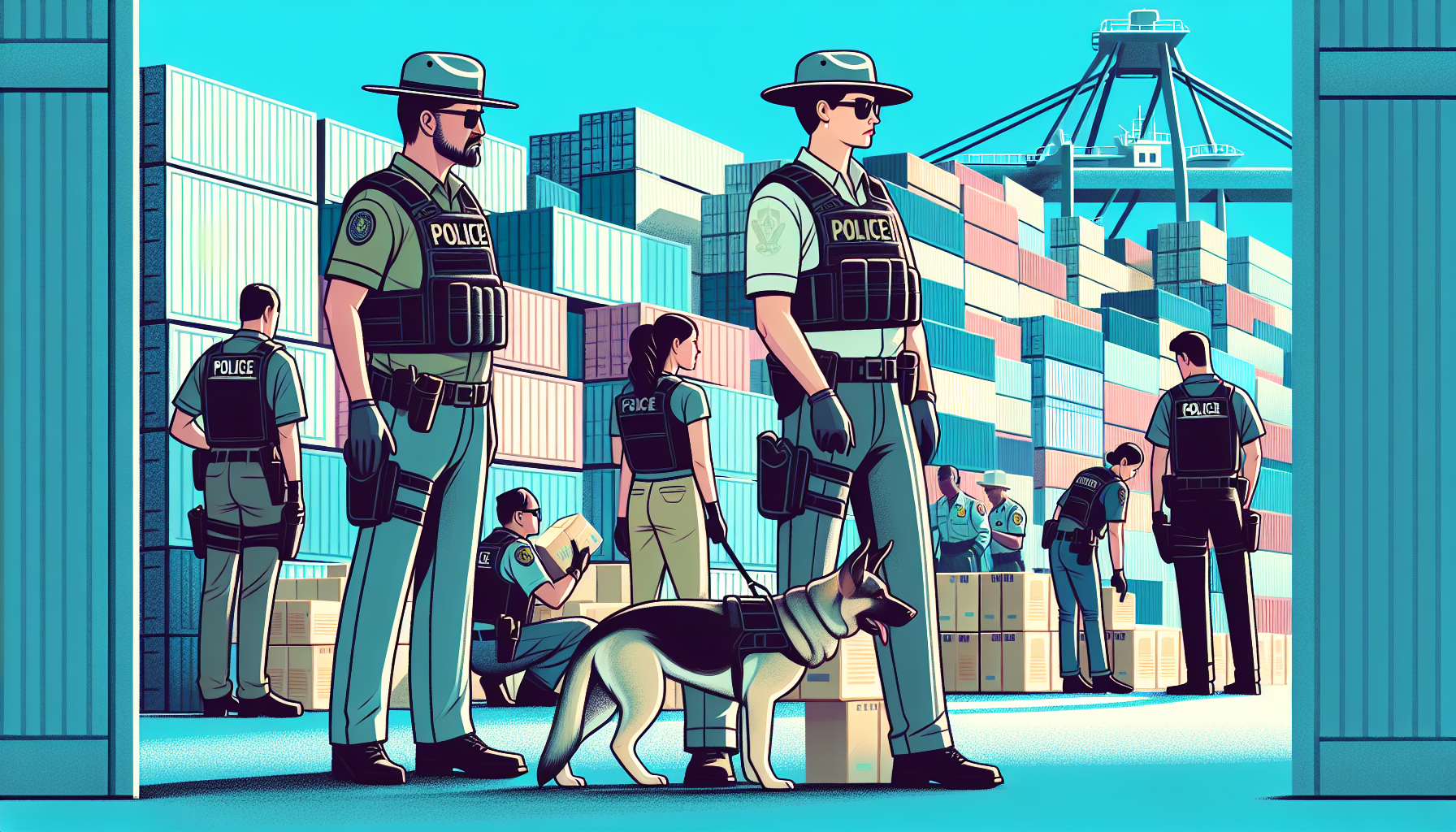
Drug interdiction in military operations refers to measures taken to interrupt or halt the production, trafficking, and distribution of illicit drugs. This can involve various strategies such as surveillance, law enforcement operations, and direct combat against drug cartels. It’s employed by many nations as part of their defense and security policies to mitigate the societal harm caused by drug abuse.

Key Takeaways

  1. Drug interdiction is a military operation targeted at interrupting illegal drug trafficking. This involves stopping substances before they reach their intended destination.
  2. It leverages military resources such as personnel, vehicles, aircraft, and naval vessels. It is a multinational effort often requiring cooperation amongst different countries to effectively curb drug trafficking.
  3. While effective in some cases, drug interdiction operations have been critiqued due to issues like displacement effects (pushing traffickers to new routes), potential violation of sovereignty of nations, and not completely eliminating the problem due to high demand for illegal substances.

Importance

The term “Drug interdiction” is of significant importance in military operations as it refers to the act of disrupting or halting the production, transport, and sale of illegal drugs.

This is an integral part of maintaining national security and public safety, as the illicit drug trade often supports criminal activity, undermines social stability, and can fuel conflict.

By carrying out drug interdiction efforts, the military plays a vital role in cutting off the supply of illegal drugs, weakening criminal or insurgent groups, and enhancing the well-being of communities impacted by the drug trade.

Effective drug interdiction can also contribute to stronger international cooperation and peace-building efforts.

Explanation

Drug interdiction in military operations is predominantly tasked with the goal of disrupting and halting the illegal drug trade. Given the significant volume of illegal narcotics circulating globally, drug interdiction emerges as a critical aspect of national security strategies.

It is used to stifle the resources of drug cartels and networks that often use the illicit profits to fund other criminal activities or in some cases, terrorism. Also, the scale and spread of drug production and trade implicate numerous nations, thus drug interdiction often requires cooperative international efforts.

In terms of application, drug interdiction can encompass a wide variety of actions. These might include strategies like aerial surveillance for fields cultivating illicit drugs, naval patrols to inspect ships suspected of drug smuggling, or cooperating with partner nations to raid and dismantle drug trafficking hubs.

Additionally, interdiction efforts may also involve tracing and freezing financial assets linked to the drug trade or creating public awareness campaigns about the dangers of drug abuse. Hence, the purpose of drug interdiction is not only to restrict the movement of drugs but also to cripple the financial and institutional infrastructure that supports the illicit drug trade.

Examples of Drug interdiction

Operation Panama Express – This is a long-term, high-risk, undercover investigation led by the United States Drug Enforcement Administration (DEA). The operation is focused on drug interdiction through advanced surveillance of maritime channels coming from South and Central America. It has resulted in over a thousand arrests and the seizure of hundreds of tons of cocaine.

The Golden Triangle Drug Interdiction – The Golden Triangle, covering parts of Myanmar, Laos, Thailand, and Vietnam, is one of the world’s foremost regions in the production and trafficking of opium and heroin. Various military operations have been launched over the years by local governments, supported by international agencies, to interdict drug trafficking in this region.

Operation Martillo – This is an international mission that gathers Western Hemisphere and European nations in order to stop the illicit drug trafficking routes in the coastal waters along the Central American isthmus. Led by the U.S. Joint Interagency Task Force South (JIATFS), the operation focuses on sharing information and bringing together air, land, and sea assets from the U.S. Department of Defense, the Department of Homeland Security, and international partners.

FAQs on Drug Interdiction Military Operations

What is drug interdiction in military operations?

Drug interdiction in military operations refers to the act of interrupting or stopping the flow of illegal drugs into a specific area or country. Military forces are often deployed to enforce drug laws and prevent the trafficking and distribution of drugs.

Why is drug interdiction important in military operations?

Drug interdiction is crucial in military operations because it helps reduce the supply of illegal drugs, destabilizes and disrupts drug trafficking organizations, and enhances national security. It’s also important for maintaining law and order and keeping communities safe.

Which military branches are involved in drug interdiction operations?

Various branches of the military, including the Army, Navy, Air Force, and Coast Guard, are typically involved in drug interdiction operations. The level of involvement may vary depending on the specific mission and the geographical area.

What tactics are involved in drug interdiction?

The tactics involved in drug interdiction may include securing borders, conducting surveillance operations, intercepting smugglers at sea, and searching and seizing illegal drugs. The exact tactics used can vary based on the specifics of the operation.

What challenges are faced in drug interdiction operations?

Some challenges faced in drug interdiction operations can include the vast geographical areas to be covered, the sophistication and adaptability of drug trafficking networks, and the various tactics used by traffickers to avoid detection and arrest.

Related Military Operation Terms

  • Military Service
  • Substance Abuse
  • Prescription Medications
  • Veterans Health Administration
  • Treatment Programs

Sources for More Information

Benefits.com Advisors

With expertise spanning local, state, and federal benefit programs, our team is dedicated to guiding individuals towards the perfect program tailored to their unique circumstances.

Rise to the top with Peak Benefits!

Join our Peak Benefits Newsletter for the latest news, resources, and offers on all things government benefits.

Related Articles

VA HISA Grant

VA SMC R1 Requirements

VASRD 2026 Updates

Social Security Back Pay

Dual-role tanker

Definition

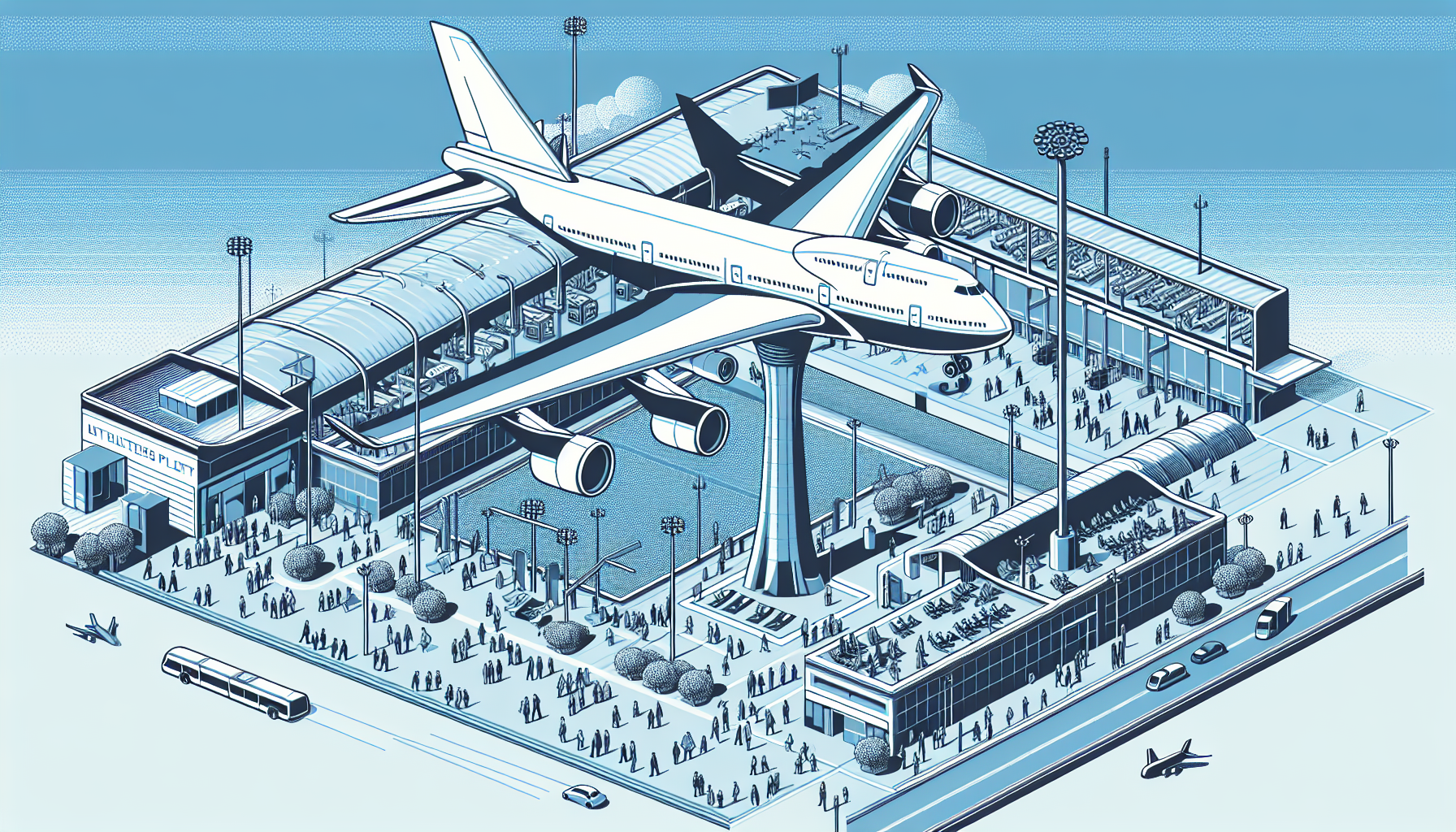
A dual-role tanker in military operations is an aircraft that is equipped to perform two functions simultaneously. It is designed to refuel other aircraft mid-air, thereby extending their operational range, and it can also be used to transport cargo or personnel. This multi-purpose functionality enhances efficiency and flexibility in military missions.

Key Takeaways

  1. The term “Dual-role tanker” in military operations refers to a type of aircraft that is significantly built not only for aerial refueling but also to carry cargo. This allows for a more versatile usage in missions.
  2. With a dual-role tanker, it can significantly extend the range and endurance of front-line combat aircraft during critical battle scenarios. This enables military forces to effectively conduct their operations by reaching far-off locations without needing to land for refueling.
  3. The cargo carrying potential of a dual-role tanker adds to its operational flexibility. It can simultaneously conduct aerial refueling and carry troops, medical evacuees, or other essential supplies in the same mission, enhancing the military logistics and response capability.

Importance

Dual-role tankers are fundamentally important in military operations due to their dynamic functionality.

These air assets serve both as cargo carriers and aerial refueling aircraft, thereby increasing operational effectiveness and efficiency.

They bolster an air force’s ability to carry out long-range operations by extending the range and endurance of fighter jets and other military aircraft, while concurrently transporting troops, cargo, or supporting humanitarian missions.

In essence, dual-role tankers epitomize versatility within military logistics, ensuring sustained operations with their dual-capacity that saves resources, time, and enhances strategic prowess in military operations.

Explanation

The term “dual-role tanker” is used to denote a type of military aircraft that has been designed or modified for dual functionality: aerial refueling and strategic transportation. The main purpose of a dual-role tanker is to extend the range and endurance of other aircraft by providing mid-flight refueling.

By means of this capability, aircraft can carry out long-haul missions without requiring frequent ground stops for refueling, enabling military operations to be conducted more efficiently and flexibly. Additionally, these dual-role tankers function as cargo and troop carriers, adding to their utility in strategic military operations.

They are equipped to transport a variety of cargo, including troops, equipment, and supplies, to support mission requirements or humanitarian relief operations. Hence, dual-role tankers serve as a versatile asset in military operations, marrying logistics and air-to-air refueling functions within a single advanced platform.

This flexibility in operational roles greatly enhances deployment options, global reach, and sustainment of forces while ensuring a more agile and audacious military capability.

Examples of Dual-role tanker

KC-46A Pegasus: An American military aerial refueling and strategic military transport aircraft developed by Boeing. The KC-46 is designed to carry passengers, cargo and patients, in addition to providing aerial refueling, hence serves as a dual-role tanker.

Airbus A330 MRTT: A multi-role tanker transport aircraft developed by Airbus. Besides its primary role of aerial refueling, it can also be used as a pure transport aircraft, capable of carrying up to 300 troops, or a payload of up to 45 tonnes. It can also be configured to perform Medical Evacuation (MedEvac) missions.

KC-10 Extender: The KC-10 Extender is a U.S. Air Force aircraft used for aerial refueling and the transport of personnel and equipment. This aircraft is designed to perform both these roles simultaneously, hence it is an example of a dual-role tanker.

FAQs about Dual-Role Tanker Operations

What is a dual-role tanker?

A dual-role tanker is a military aircraft that is capable of performing both aerial refuelling and transport duties. Depending on the mission requirements, the dual-role tanker can swiftly be configured for either role.

What are the advantages of using a dual-role tanker?

The dual-role tanker offers flexibility and efficiency in military operations. With a single aircraft performing multiple roles, the military can optimize resources, improve logistical capabilities, and ensure quick response times.

What are the typical features of a dual-role tanker?

Dual-role tankers often feature a large fuel capacity for refuelling operations, ample cargo space for transport duties, and advanced avionics systems. These aircraft may also have a capability for medical evacuation and disaster relief operations.

How does a dual-role tanker contribute to the effectiveness of military operations?

A dual-role tanker enhances mission effectiveness by ensuring sustained operations. The tanker refuels aircraft during the mission, extending their operational time and range. In transport duty, it can carry troops, vehicles, and equipment directly to the field, improving logistics and efficiency.

Related Military Operation Terms

  • Refueling Operations: This pertains to the functions performed by a dual-role tanker, such as air-to-air or ground refueling.
  • Military Aviation: The field in which dual-role tankers are usually involved. It pertains to the use of aircraft and other flying machines for the purposes of conducting or supporting warfare.
  • Strategic Airlift: This is a potential role or operation that a dual-role tanker can perform, including the transportation of arsenal, manpower, equipment, etc. across long distances.
  • Veterans Affairs (VA): This department is directly related to the term as it is responsible for providing benefits to veterans, which may include support related to dual-role tankers such as training, benefits, and healthcare.
  • Reimbursement: This term is related to VA benefits by being a potential form of aid a licensed operator of a dual-role tanker can receive for operating and maintaining the vehicle.

Sources for More Information

  • U.S. Department of Defense Official Website: This website has information about different aspects of the U.S. military, including equipment and operations details.
  • Airforce Technology: This is a site dedicated to the latest news and updates in the global airforce industry, often including details about different types of aircraft including dual-role tankers.
  • United States Navy Official Website: The official Navy website may contain information about naval dual-role tankers, as they are often used in naval operations.
  • Global Security: The site contains in-depth articles on a multitude of defense, space, and security topics. This includes information about dual-role tanker operations.

Benefits.com Advisors

With expertise spanning local, state, and federal benefit programs, our team is dedicated to guiding individuals towards the perfect program tailored to their unique circumstances.

Rise to the top with Peak Benefits!

Join our Peak Benefits Newsletter for the latest news, resources, and offers on all things government benefits.

Related Articles

VA HISA Grant

VA SMC R1 Requirements

VASRD 2026 Updates

Social Security Back Pay

Dwell time

Definition

In military operations, “dwell time” refers to the period a service member spends in their home station or country between deployments. It is a rest period that allows soldiers to recuperate, reconnect with family, and prepare for next deployment. The duration of dwell time varies based on factors such as the intensity of previous deployments and individual service policies.

Key Takeaways

  1. Dwell Time refers to the period a military personnel spends in their home station or country between deployments. This time is meant for rest, recovery, and reconnection with families, providing a crucial break from combat situations.
  2. In military operational planning, ideal dwell time significantly varies. However, a common rule is for every year deployed, soldiers should spend two years at home. This balance is aimed at reducing stress, maintaining morale, and ensuring readiness for the next mission.
  3. Dwell Time is a key parameter when deploying military forces for overseas missions, and as such, it directly impacts military strategies and policies. Extended periods without adequate dwell time can lead to issues like decreased service member well-being, impaired performance, and higher rates of post-traumatic stress disorder (PTSD).

Importance

Dwell time is a crucial military operations term as it pertains to the amount of time that service members spend at their home station or on non-deployment status between deployments.

It’s crucial for multiple reasons, such as maintaining morale, ensuring sufficient rest, and replenishing resources among the service members.

Furthermore, it’s significant for training and preparation for future missions, allowing soldiers to acquire new skills and knowledge necessary for their duties.

Notably, it also provides an opportunity for military personnel to reconnect with their families and loved ones, achieving a sense of balance and normalcy that is essential for their mental and emotional well-being.

Hence, dwell time plays a substantial role in the productivity, efficiency, and overall welfare of military units.

Explanation

Dwell time is a critical component in military operations, offering an essential period of respite to service personnel serving in a deployment cycle. It represents the period during which military personnel are stationed at their home base after being deployed for an operational tour overseas.

It is intended to provide them with an opportunity to recover, rejuvenate, undertake further training, as well as strengthen their family and social ties. Dwell time is a significant aspect of personnel management in the armed forces, and it is strategically designed to ensure a balance between the capacities to partake in active operations and the need for rest.

Moreover, this concept serves a dual purpose of achieving the readiness objectives of the military. Firstly, it helps in maintaining morale and psychological well-being of the troops by providing them with a structured environment for recuperation from arduous and potentially traumatic deployments.

Secondly, it facilitates the troops’ preparation for potential future operations by providing opportunities for them to participate in enhancement training programs and to update their skill sets. Therefore, dwell time not only optimizes the well-being of individual soldiers, but it also plays a momentous role in enhancing the overall operational readiness of the military.

Examples of Dwell time

“Operation Iraqi Freedom”: This was a military operation from 2003 to 2011 where American servicemen were stationed in Iraq, during which the concept of “Dwell Time” was applied when the soldiers rotated out of combat zones back to their home country for rest, recovery, and training. There was a policy implemented in 2009 affording soldiers a dwell time of 2 years upon returning from 12 months of deployment.

Operation Desert Storm: During this operation in the early 1990s, American military forces were deployed to the Middle East. Many of these forces had a dwell time upon returning from this operation, allowing them to rest and recuperate before potentially being redeployed.

The Global War on Terror: Since the 9/11 attacks in 2001, US troops have been continuously deployed in combat zones like Afghanistan and Iraq. However, the U.S. military has attempted to adhere to a dwell time policy to give servicemen ample time to recuperate between deployments. For instance, the U.S. Army strives for a goal of two years of dwell time for active component Soldiers and four years for Army National Guard and Army Reserve Soldiers.

FAQs about Dwell Time

What is Dwell Time in Military Terms?

Dwell Time is the period a soldier spends in their home base or station between deployments. In the context of military operations, it is a crucial aspect of managing the workload and stress of military personnel. It allows the military personnel to recover, spend time with their family, as well as train and prepare for their next deployment.

How is Dwell Time calculated?

Dwell Time is usually calculated as a ratio between the time deployed and the time spent at home. For instance, a 1:1 ratio means that a soldier gets to spend an equal amount of time at home as they do deployed. The exact ratio can vary depending on military policy and operational demands.

Why is Dwell Time significant?

Dwell Time is significant for various reasons: it’s a significant factor in military personnel morale, it impacts family life, and it influences the readiness and overall efficacy of the force. Extended periods without adequate dwell time can lead to issues like burnout and increased mental health problems among military personnel.

Does every soldier get equal Dwell Time?

While the aim is to provide every soldier with adequate Dwell Time, the reality is that the actual time can vary based on different factors. These can include operational demands, the specific role of the soldier, and the policies of their particular branch of the military. As such, some soldiers might receive more or less dwell time than others.

Can a soldier’s Dwell Time be shortened?

Yes, a soldier’s Dwell Time can be shortened in circumstances of high operational demand or in cases of national emergencies. However, repeated shortening of Dwell Time is generally avoided due to its potential negative impact on personnel morale and readiness.

Related Military Operation Terms

  • Deployment Cycle
  • Reintegration Period
  • Active Duty Status
  • Tour of Duty
  • Service Period

Sources for More Information

  • U.S. Army Official Website: The U.S. Army’s official website offers a vast amount of information on military terms and practices, including dwell time.
  • U.S. Department of Defense: The U.S. Department of Defense website contains extensive information on many military operations and terms, including ‘Dwell Time’.
  • RAND Corporation: This is a research organization that develops solutions to public policy challenges including military and defense topics. They might have reports or articles discussing the concept of dwell time.
  • Military.com: This is a comprehensive website that provides news and resources on various aspects of the military, including information on the term “dwell time”.

Benefits.com Advisors

With expertise spanning local, state, and federal benefit programs, our team is dedicated to guiding individuals towards the perfect program tailored to their unique circumstances.

Rise to the top with Peak Benefits!

Join our Peak Benefits Newsletter for the latest news, resources, and offers on all things government benefits.
Related Articles

VA HISA Grant

VA SMC R1 Requirements

VASRD 2026 Updates

Social Security Back Pay

Dynamic targeting

Definition

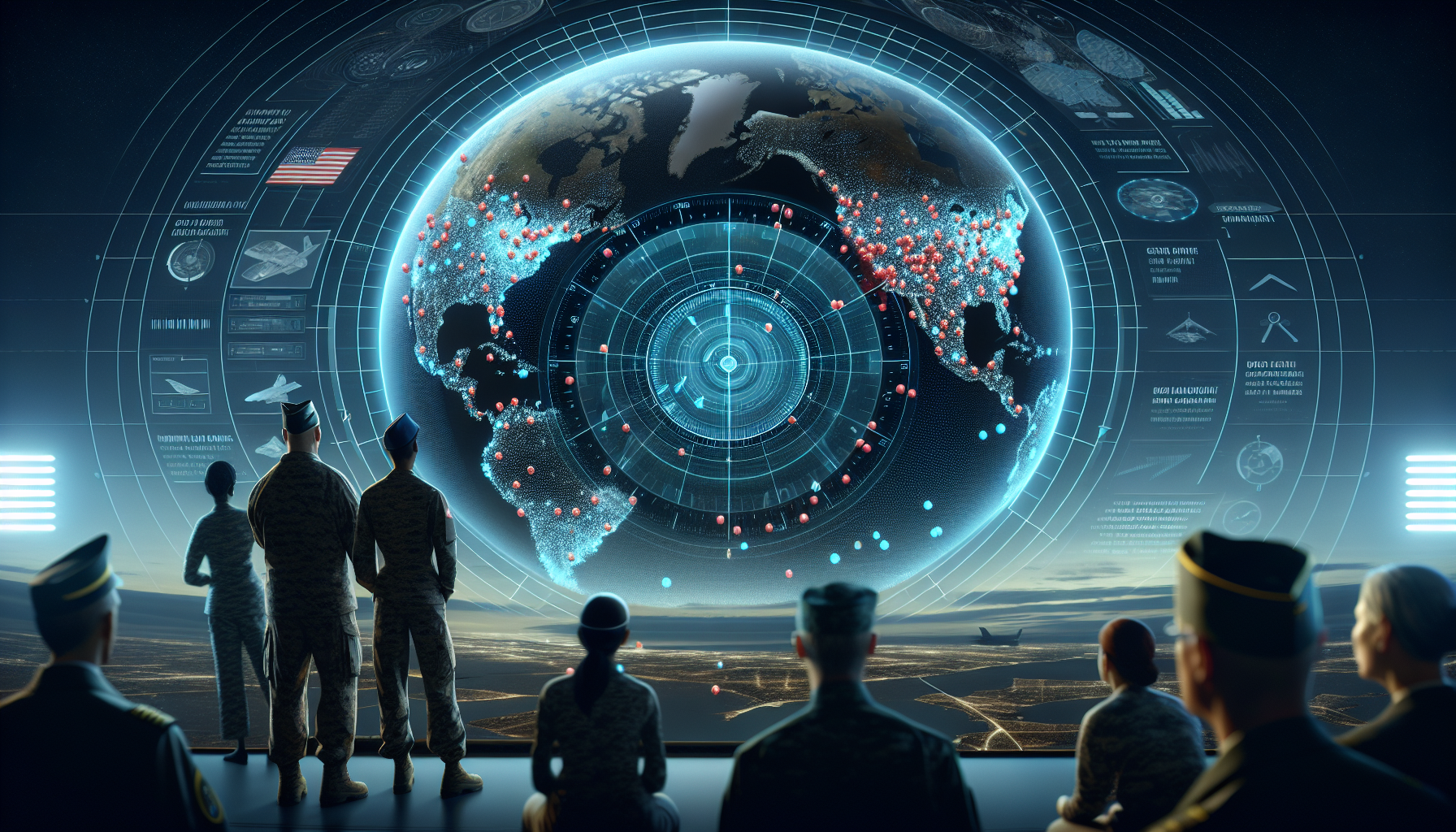
Dynamic targeting refers to a military tactic where resources are rapidly reallocated to engage targets that hadn’t been previously planned or anticipated. This approach requires real-time information and flexible command and control systems. The intent is to exploit opportunities and react to rapid changes on the battlefield.

Key Takeaways

  1. Dynamic targeting refers to the military practice of identifying, analyzing, and tracking targets that were not previously planned or known. These targets typically emerge during the course of an operation, necessitating quick decisions and responses.
  2. The process involves various stages including “find”, “fix”, “track”, “target”, “engage”, and “assess”. These stages help in the identification, tracking, decision-making, implementing actions, and evaluating results of dynamic targeting operations respectively.
  3. Dynamic targeting is an essential aspect of modern warfare, providing the military with the ability to respond quickly to rapidly changing scenarios, thereby remaining adaptive and effective in the face of unprecedented situations.

Importance

Dynamic targeting is a critical military operations term because it refers to the process of identifying, analyzing, and responding to high-priority targets in real-time.

This tactic is of high importance and enables a swift response against adversaries with the aim of diminishing their capabilities or disrupting their operations.

The primary purpose of dynamic targeting is to handle targets that may not be addressed through deliberate targeting, typically due to time-sensitivity or the target’s transient nature.

Dynamic targeting facilitates a quick and effective response to emergent threats, helping to increase the adaptability and efficiency of military operations, contributing to operational success and the ultimate achievement of strategic objectives.

Explanation

Dynamic targeting is mainly utilized within military operations to address targets that are time-sensitive, fleeting, or movable and arise beyond the planning cycle’s scope. It is an integral part of modern warfare and focuses on adaptability and quick responses to changing circumstances.

Dynamic targeting involves the formulation of a quick response strategy designed to engage targets that couldn’t have been foreseen during the pre-battle phase, such as enemy combatants on the move or temporal high-value targets, like commanders, specialized weaponry, or other strategic assets. It requires advanced intelligence, surveillance, and reconnaissance, as well as reliable and quick communication channels.

The purpose of dynamic targeting is to provide the capability to track and engage targets that are not fixed, allowing increased flexibility and adaptability in orchestrating military missions. This methodology maximizes the opportunities to eliminate threats and achieve mission objectives.

It also enhances real-time decision-making and accelerates the operational tempo, which gives the armed forces an advantage over the opponent. Thus, dynamic targeting not only promotes efficiency and effectiveness in operations but also increases the probability of mission success.

Examples of Dynamic targeting

Operation Chromite during the Korean War: One of the key aspects of dynamic targeting was illustrated during the Korean War’s Operation Chromite, where the US military had to constantly adjust their targets based on the movements and activities of the North Korean forces. When the original landing site for the amphibious operation was discovered by the enemy, the target was shifted to another location in real-time to ensure the success of the operation.

The North Atlantic Treaty Organization’s (NATO) Operation Unified Protector in Libya, 2011: The operation is known for its extensive use of dynamic targeting where time-sensitive targets were continuously identified and neutralized. NATO forces launched airstrikes on pro-Gadhafi military assets which constantly moved to avoid being targeted.

Operation Neptune Spear, the raid to capture Osama Bin Laden in 2011: This operation employed dynamic targeting in navigating the rapid changes during the mission. Given the classified and sensitive nature of Operation Neptune Spear, real-time information was crucial for US forces to adapt their plans while maintaining the goal of capturing or neutralizing Osama Bin Laden. This mission demonstrated dynamic targeting’s ability to adjust to risks, threats, and unexpected changes in the operation while achieving its objective.

FAQs on Dynamic Targeting

1. What is Dynamic Targeting?

Dynamic targeting is a military strategy that uses real-time information to make decisions about potential targets. It’s part of a larger strategy known as adaptive planning which encompasses identifying, assessing, and attacking targets that are not always known in advance.

2. How does Dynamic Targeting function in military operations?

Dynamic targeting in military operations functions by actively and continuously tracking real-time information. This information then helps in the identification, assessment, and prioritization of targets Then, the most appropriate assets are assigned to engage the targets.

3. Why is Dynamic Targeting essential to military operations?

Dynamic targeting is essential to military operations because it allows for a more adaptable, precise, and effective response. This is especially important in situations where targets may change rapidly or are time-sensitive. The real-time decision-making capability provided by dynamic targeting can lead to enhanced military effects and reduced collateral damage.

4. What are the drawbacks of Dynamic Targeting?

Some drawbacks of dynamic targeting include the potential for information overload and the need for significant resources to gather and analyze data. Additionally, there can be challenges in communication and coordination between different units involved in the targeting process. It also often requires advanced technology and skilled personnel to effectively utilize dynamic targeting strategies.

5. What technology supports dynamic targeting operations?

Several technologies support dynamic targeting operations which include certain reconnaissance assets like drones, radar systems, and advanced communication systems. Advanced computer systems for data analysis and decision-making, and precision-guided munitions for effective strikes also support dynamic targeting operations.

Related Military Operation Terms

  • Benefit Eligibility: The criteria that must be met to receive dynamic targeting for VA benefits.
  • VA Health Care System: The system where dynamic targeting is implemented to provide benefits to the veterans.
  • Service-Connected Disabilities: The injuries or diseases that occurred or were aggravated during active military service, often a primary consideration in dynamic targeting.
  • VA Compensation Rate: The amount provided to the veterans which can differ based on dynamic targeting.
  • Needs-based Assessment: A system used to determine the allocation of resources, including VA benefits which form a part of dynamic targeting.

Sources for More Information

  • Joint Chiefs of Staff: This is the official U.S. Department of Defense website, which offers a vast wealth of information including details about dynamic targeting in military operations.
  • RAND Corporation: As a global policy think tank, RAND conducts a lot of research related to military affairs. The website offers numerous publications on dynamic targeting.
  • Air University: The Air War College at Air University often publishes articles and papers related to air power, which include dynamic targeting in air operations.
  • U.S. Naval Institute: This organization provides an independent forum for those who dare to read, think, speak, and write in order to advance the professional, literary, and scientific understanding of sea power and other issues critical to national defense. This includes discussion and information about dynamic targeting in naval operations.

Benefits.com Advisors

With expertise spanning local, state, and federal benefit programs, our team is dedicated to guiding individuals towards the perfect program tailored to their unique circumstances.

Rise to the top with Peak Benefits!

Join our Peak Benefits Newsletter for the latest news, resources, and offers on all things government benefits.
Related Articles

VA HISA Grant

VA SMC R1 Requirements

VASRD 2026 Updates

Social Security Back Pay

Dynamic threat assessment (DTA)

Definition

Dynamic Threat Assessment (DTA) is a military operations term referring to the continual evaluation and analysis of potential threats during a mission or operation. It involves real-time assessments that can change fluidly as the situation evolves. This process assists commanders in making informed decisions by providing updated information on possible risks and threats.

Key Takeaways

  1. Dynamic Threat Assessment or DTA is an approach in military operations which entails continual and real-time evaluation of potential threats. It involves assessing changing situations and threats rather than focusing on pre-identified factors. This enables the military to react swiftly and effectively to unpredictable scenarios.
  2. DTA comprises two main phases: identifying the threat and implementing necessary measures. The identification phase involves understanding the operational environment, potential adversaries, and their capabilities. After identifying the threat, the military can then implement measures to neutralize potential harm. This could involve mobilizing resources, changing tactics, or enhancing cyber or physical security.
  3. A major benefit of DTA is its flexibility and adaptability. Due to its dynamic nature, it enables the military forces to intelligently anticipate and respond to emerging threats. It’s a proactive rather than reactive approach, mitigating risks before they escalate to serious issues.

Importance

Dynamic Threat Assessment (DTA) is vital in military operations as it serves as a real-time evaluation and analysis tool for potential risks or threats.

This continuous and systematic process allows for prompt adjustments and responses to evolving situations, enhancing the effectiveness of strategic planning and decision-making.

By identifying, quantifying, and prioritizing threats, DTA aids in optimizing resource allocation, thereby minimizing vulnerabilities and maximizing security.

It also provides a broader understanding of the operational environment, which is crucial for making informed tactical decisions.

Therefore, DTA plays an indispensable role in fortifying defense strategies, ensuring personnel safety, and maintaining mission readiness.

Explanation

Dynamic Threat Assessment (DTA), in a military context, is a vital process that focuses on the real-time identification, evaluation, and prioritizing of potential threats in an ever-changing environment. The prime purpose of DTA is to safeguard crucial assets and personnel by predicting and preventing malicious activities. DTA brilliantly merges intelligence gathering, data analysis, and response tactics in order to underpin strategic and operational safety procedures.

It serves many useful purposes beyond optimizing defense, such as aiding in prevention, detection, and mitigation of potential threats, thus improving readiness and resilience in the face of any form of hostility. One of the main applications of Dynamic Threat Assessment is managing resources in conflict or potentially dangerous situations. By following a DTA, military forces can enhance their efficiency in deploying resources where they’re needed most.

This in turn leads to reduced risk and response time, thereby maximizing the protection of personnel and assets. Also, DTA plays a crucial role in military decision-making processes, enabling commanders to make informed decisions. By comprehending the evolving state of threats and adjusting to them in real-time, military forces can maintain a competitive edge over their adversaries.

Examples of Dynamic threat assessment (DTA)

Operation Desert Storm: During the Gulf War in 1991, the U.S. military used dynamic threat assessment to evaluate the threat conditions day by day. The assessment was dynamic in nature, relying on real-time information to determine the capabilities of enemy forces and their planned course of action. The U.S. was able to make necessary adjustments in their operational plans based on the changing threat assessment.

U.S. Drone Operations in Pakistan and Afghanistan: These operations required dynamic threat assessments to be successful. The military assessed the threat and adjusted measures constantly based on real-time information about factors like meteorological conditions, enemy force activities, and other variables. The drone operators could shift their focus depending on the outcome of the dynamic threat assessment.

Counter-Terrorism Operations Post 9/11: In the wake of the 9/11 attacks, dynamic threat assessments became crucial in counter-terrorism operations worldwide. These assessments allowed different security agencies to share real-time intelligence and adjust their plans as the threat levels changed. For example, in operations such as the one that led to the capture of Osama bin Laden, dynamic threat assessments were used to analyze information and prepare actionable tactics based on changing situations and intelligence.

Frequently Asked Questions About Dynamic Threat Assessment (DTA)

What is Dynamic Threat Assessment (DTA)?

Dynamic Threat Assessment (DTA) is a continuously updated evaluation process used in military operations to identify and analyze potential threats in real-time. It helps in creating a flexible response strategy to ensure security and accomplish missions.

How does Dynamic Threat Assessment (DTA) work?

DTA works by gathering real-time data about potential threats, and analyzing them using various analytical tools and techniques. This analysis then helps to predict possible threats and take appropriate action to mitigate them. The data may be collected through various means such as surveillance, intelligence reports, electronic sensors, etc.

Why is Dynamic Threat Assessment (DTA) important?

DTA is crucial in military operations as it helps in predicting and managing threats intelligently. It promotes proactive security measures, enhances situational awareness, supports decision-making, and leads to more effective operational planning. Ultimately, it augments the military’s capability to protect its personnel and fulfill its operational objectives.

What are the key components of Dynamic Threat Assessment (DTA)?

The key components of DTA include continuous data collection, threat analysis, prediction, and response. These components work together to provide a comprehensive and timely understanding of the potential threat environment and to develop effective response strategies.

Related Military Operation Terms

  • DTA Risk Analysis: The process of identifying, evaluating, and understanding the specific threats connected to DTA in relation to VA benefits.
  • DTA Management Tools: Tools and software used to manage and analyse Dynamic Threat Assessments.
  • Security Measures: Protection strategies and approaches applied based on assessments from Dynamic Threat Assessment analyzes.
  • Incident Response Protocol: Established procedures for responding to perceived threats identified through DTA.
  • DTA Training: Programs designed to provide VA benefits staff with knowledge and understanding of the Dynamic Threat Assessment process.

Sources for More Information

  • United States Army Official Website: A credible source of information for anything related to military operations, including Dynamic Threat Assessment (DTA).
  • Department of Defense (DOD) Official Website: The DOD is part of the U.S. government that supervises all agencies and functions related directly to national security and the U.S. military, hence the information on DTA would be reliable here.
  • Academia: This is a platform for academics to share research papers. A search for “Dynamic Threat Assessment” might bring up studies and scholarly articles on the topic.
  • The RAND Corporation: A research organization that develops solutions to public policy challenges to help make communities throughout the world safer and more secure.

Benefits.com Advisors

With expertise spanning local, state, and federal benefit programs, our team is dedicated to guiding individuals towards the perfect program tailored to their unique circumstances.

Rise to the top with Peak Benefits!

Join our Peak Benefits Newsletter for the latest news, resources, and offers on all things government benefits.

Related Articles

VA HISA Grant

VA SMC R1 Requirements

VASRD 2026 Updates

Social Security Back Pay

Disability Compensation

Definition

Disability Compensation refers to a tax-free, monthly financial benefit awarded to veterans by the U.S. Department of Veterans Affairs (VA). It is specifically provided to veterans who have sustained an injury, illness or worsened pre-existing condition during their military service. The amount of compensation is determined based on the severity of the disability and its impact on the veteran’s ability to work and perform daily activities.

Key Takeaways

  1. Disability Compensation is a tax-free monetary benefit provided to veterans who suffer from service-related injury or illness, as recognized by the Department of Veterans Affairs (VA).
  2. The amount of compensation veterans can receive is based on the severity of their disability, measured in percentage increments (10% to 100%) depending on the impact the disability has on the veteran’s daily life and ability to work.
  3. Veterans who are eligible for disability compensation may also qualify for additional benefits, such as special monthly compensation, vocational rehabilitation, and employment services, which can assist in improving their quality of life and overall well-being.

Importance

Disability Compensation is an important term in the context of VA benefits, as it signifies the financial assistance provided to veterans who have been injured or have fallen ill due to their military service.

This compensation aims to alleviate the financial burden caused by the loss of income or additional expenses associated with their disability, such as medical treatments and rehabilitation.

Recognizing and understanding this term allows veterans and their families to be aware of the entitlements available to them, ensuring that they receive the necessary support as they transition into civilian life, ultimately demonstrating the nation’s commitment to its servicemen and women who have made sacrifices for their country.

Explanation

Disability Compensation is a financial assistance program designed with a purpose to provide support to veterans who have suffered from injuries or diseases that are a direct result of their active duty military service. This program is aimed at ensuring that disabled veterans receive necessary monetary aid to ease their struggles encountered during their time in service.

By compensating for the physical or mental disabilities incurred, Disability Compensation encourages veterans to reintegrate into civilian life and helps mitigate the impact of their disabilities on their daily lives. Hence, it is a tax-free benefit that recognizes the sacrifices made by military servicemen and women and supports them in leading a more comfortable life.

The primary use of Disability Compensation is to financially assist veterans in coping with the adverse effects of their service-related disabilities on their employment opportunities, social interactions, and overall well-being. This compensation is determined based on the severity of the disability, ranging from 10% to 100% in increments of 10%. Factors such as loss of range of motion, amputations, or mental disorders play a crucial role in evaluating the extent of the disability.

Apart from just providing monetary benefits, Disability Compensation also creates eligibility for other assistance programs introduced by the Department of Veterans Affairs (VA), including vocational rehabilitation, healthcare, and adaptive home modifications. Overall, Disability Compensation plays an indispensable role in supporting disabled veterans by addressing their health, social, and economic needs arising due to their service-related disabilities.

Examples of Disability Compensation

Disability compensation is a benefit offered by the U.S. Department of Veterans Affairs (VA) to veterans who have service-connected injuries or disabilities. Here are three real-world examples:

A veteran, John, served in the military during a deployment to Afghanistan. While on duty, he sustained a severe back injury due to a vehicle accident. This injury has made it difficult for John to perform physical tasks and maintain steady employment. As a result, he applied for VA disability compensation to receive monthly payments to help offset the financial impact of his disability.

Another veteran, Sarah, developed Post-Traumatic Stress Disorder (PTSD) after her military service in Iraq. She experiences anxiety, depression, and difficulty sleeping, which negatively impact her quality of life and ability to maintain a job. Sarah files a claim for disability compensation, and the VA determines that her PTSD is directly connected to her military service. Consequently, they grant her a monthly disability payment based on the severity of her condition.

Lastly, a veteran named Mark served in the military during the Vietnam War and was exposed to Agent Orange, a toxic herbicide widely used during the conflict. Years after his service, Mark developed type 2 diabetes, which was found to be linked to his exposure to Agent Orange. He applied for VA disability compensation and received benefits which helped him cover medical treatment costs and provide financial support to adjust to his disability.

FAQ: Disability Compensation

What is Disability Compensation?

Disability Compensation is a tax-free monetary benefit paid to Veterans with disabilities that are the result of a disease or injury incurred or aggravated during active military service. The benefit amount is based on the severity of the disability, and it is intended to provide compensation for the reduced earning capacity due to the disability.

How do I apply for Disability Compensation?

To apply for Disability Compensation, you can submit a claim online through the VA.gov website. You’ll need to provide evidence supporting your disability claim, such as medical records and service records. It is also possible to apply through a VA-accredited attorney, claims agent, or Veterans Service Organization (VSO).

How is the Disability Compensation amount determined?

The amount of Disability Compensation is determined by the disability rating assigned by the VA. Disability ratings are expressed as percentages, ranging from 0% to 100%, in increments of 10. The higher the disability rating, the greater the amount of compensation received. Additional compensation may be provided for dependents, including spouses and children.

Can I receive Disability Compensation if I am still working?

Yes, you can receive Disability Compensation even if you are currently employed. The benefit is designed to compensate for the reduced earning capacity caused by the disability, not the individual’s actual earnings. Therefore, you can work and still receive compensation, including at the maximum 100% disability rating.

Can my family members receive benefits due to my disability?

Yes, additional benefits may be provided for eligible dependents, such as your spouse, children, and dependent parents. The eligibility requirements and benefits available vary depending on the specific VA benefit program. Some common programs include Dependency and Indemnity Compensation (DIC) and Survivors’ Pension.

Related VA Benefit Terms

  • Service-Connected Disability
  • Disability Rating
  • Veterans Compensation
  • Schedule for Rating Disabilities
  • Combined Disability Evaluation

Sources for More Information

Benefits.com Advisors

With expertise spanning local, state, and federal benefit programs, our team is dedicated to guiding individuals towards the perfect program tailored to their unique circumstances.

Rise to the top with Peak Benefits!

Join our Peak Benefits Newsletter for the latest news, resources, and offers on all things government benefits.
Related Articles

VA HISA Grant

VA SMC R1 Requirements

VASRD 2026 Updates

Social Security Back Pay

Dependency and Indemnity Compensation (DIC)

Definition

Dependency and Indemnity Compensation (DIC) is a tax-free monetary benefit paid to eligible survivors of military service members who died during active duty, or veterans who passed away due to service-related injuries or diseases. This benefit aims to provide financial support to the surviving spouse, children, and sometimes parents. DIC eligibility and payment amounts are determined by the Department of Veterans Affairs based on the recipient’s relation to the deceased and other criteria.

Key Takeaways

  1. Dependency and Indemnity Compensation (DIC) is a tax-free monetary benefit offered by the Department of Veterans Affairs to eligible survivors of military service members or veterans who died as a result of service-related injuries or diseases.
  2. The primary beneficiaries of DIC are surviving spouses, dependent children, and in certain cases, dependent parents.
  3. To qualify for DIC, the surviving family members must meet specific eligibility criteria, such as the cause of death, length of service, and relationship to the deceased service member.

Importance

Dependency and Indemnity Compensation (DIC) is an important term for VA benefits because it provides financial support to the surviving spouses, children, and sometimes parents of service members or veterans who have passed away due to service-related injuries, diseases, or disabilities.

This compensation offers essential financial assistance, acknowledgment, and security to the family members left behind.

By understanding DIC and the benefits provided, eligible dependents can access critical resources that help to cover expenses, find stability in the wake of a loss, and honor the memory of their loved one’s service and sacrifice.

Explanation

The purpose of Dependency and Indemnity Compensation (DIC) is to provide financial support to the surviving family members of military personnel who have sacrificed their lives in the line of duty or who have died as a result of a service-related injury or illness. This compensation aims to alleviate the financial burden faced by the dependents, including spouses, children, and sometimes even parents, after the loss of their loved one.

DIC serves as a critical safety net, acknowledging the immense sacrifices made by service members and ensuring that families affected by these losses are not left to struggle financially. In addition to providing a sense of financial security, DIC also plays a significant role in honoring the memories and service of fallen heroes.

By offering this compensation, the Department of Veterans Affairs (VA) demonstrates a commitment to supporting the families left behind and ensuring they are cared for in the aftermath of such a tragedy. Ultimately, DIC is not just a financial safety net; it is a tangible reminder of the nation’s gratitude for the selfless service and sacrifice made by those who have served in the military, as well as their families who bear the weight of their loss.

Examples of Dependency and Indemnity Compensation (DIC)

Dependency and Indemnity Compensation (DIC) is a tax-free monetary benefit paid to eligible survivors of military service members who died in the line of duty, or eligible survivors of veterans whose death resulted from a service-related injury or disease.Example 1:John, a veteran, passes away due to a service-related injury. He leaves behind a spouse, Emily, and two children under the age of

Emily applies for DIC benefits and, as an eligible surviving spouse, she receives monthly tax-free compensation to help provide financial support for the family. The children also may receive additional benefits under DIC, as they are considered eligible survivors.Example 2:Samantha, a veteran, loses her life while serving her country in a military conflict. Her parents, who depended on Samantha for financial support, may apply and receive DIC benefits as eligible survivors. It is important to note that, if Samantha had a surviving spouse or child, the DIC benefits would generally be paid to them first.Example 3:Mike, a veteran, dies from a disease that is later recognized by the Department of Veterans Affairs (VA) as being service-related. His widow, Susan, previously unaware that her husband’s death was due to his military service, becomes eligible for DIC benefits after the VA’s decision. Susan is subsequently able to apply for and receive DIC, receiving financial support following the loss of her husband.

FAQ: Dependency and Indemnity Compensation (DIC)

What is Dependency and Indemnity Compensation (DIC)?

Dependency and Indemnity Compensation (DIC) is a tax-free monetary benefit generally payable to a surviving spouse, child, or parent of servicemembers who died while on active duty, active duty for training, or inactive duty training, or to survivors of veterans who died from their service-connected disabilities.

Who is eligible for DIC benefits?

Surviving spouses, children, and parents of deceased servicemembers or veterans who meet certain eligibility criteria can qualify for DIC benefits. The benefit is designed to partially compensate for the lost income and support due to the servicemember’s or veteran’s death.

How do I apply for DIC benefits?

Eligible survivors may apply for DIC benefits by filling out and submitting an application form (VA Form 21-534EZ, or VA Form 21-534a for surviving parents). Along with the completed form, submit supporting documentation such as the deceased veteran’s DD214, marriage certificate, death certificate, and other relevant paperwork.

How much money can I expect to receive from DIC benefits?

The amount of DIC benefits varies based on the survivor’s relationship to the deceased veteran or servicemember and other factors. The VA provides a base monthly amount for surviving spouses, which can increase with additional allowances for dependent children and other eligible circumstances. Check the VA website for the current DIC benefit rate.

Can I receive DIC benefits if I remarry or have other sources of income?

Surviving spouses receiving DIC benefits who remarry on or after turning 57 years old can continue to receive DIC benefits. However, if the surviving spouse remarries before age 57, they may lose their eligibility for DIC benefits. Other sources of income do not generally impact DIC benefits, but it’s essential to report any changes in marital status or the number of dependents to the VA.

Related VA Benefit Terms

  • Survivors Pension
  • Service-Connected Death
  • Spouse and Child Benefits
  • Parents DIC
  • Accrued Benefits

Sources for More Information

Benefits.com Advisors

With expertise spanning local, state, and federal benefit programs, our team is dedicated to guiding individuals towards the perfect program tailored to their unique circumstances.

Rise to the top with Peak Benefits!

Join our Peak Benefits Newsletter for the latest news, resources, and offers on all things government benefits.

Related Articles

VA HISA Grant

VA SMC R1 Requirements

VASRD 2026 Updates

Social Security Back Pay

Dental Care

Definition

Dental Care in the context of VA benefits refers to the oral health services provided to eligible veterans by the Department of Veterans Affairs. These services can range from preventive care to major dental procedures, depending on the individual’s eligibility status and specific needs. The extent of coverage may vary based on factors like the veteran’s disability rating, service-connected dental conditions, or other qualifying circumstances.

Key Takeaways

  1. VA dental care offers a wide range of services, including cleanings, fillings, root canals, and dentures, for eligible veterans.
  2. Eligibility for VA dental care is determined by factors such as service-connected dental disabilities, former prisoner of war status, or specific medical conditions.
  3. Veterans can apply for VA dental care benefits through the VA website, by mail, or in person at a VA medical facility.

Importance

Dental care is a critical aspect of the VA benefits for veterans, as it ensures their overall health and well-being by offering affordable and accessible oral healthcare services.

The importance of Dental Care stems from its role in preventing, diagnosing, and treating various dental issues, such as cavities, gum diseases, and other oral conditions.

Oral health, which is an integral part of general health, can greatly impact a veteran’s quality of life, self-esteem, and ability to perform daily tasks.

By providing dental care services as a part of their benefit package, the VA not only helps maintain the health of veterans but also recognizes and appreciates their contributions to the nation.

Explanation

The purpose of Dental Care under VA benefits is to promote the overall health and wellbeing of eligible veterans by providing comprehensive dental services. Good oral health is crucial, as it can not only impact a person’s self-confidence and quality of life, but it also plays a vital role in preventing systemic health issues.

By ensuring veterans have access to quality dental care, the VA aims to mitigate potential health risks associated with poor oral hygiene or untreated dental conditions, ultimately contributing to the longevity and wellness of the veterans who have served their country. Dental Care under the VA benefits provides a range of services to cater to the varied needs of the veterans, including preventive care, restorative treatments, surgical procedures, and oral rehabilitation.

Depending on a veteran’s eligibility, they may receive different levels of dental benefits, thus ensuring personalized treatment plans that cater to their specific needs. Moreover, in cases of service-related dental injuries or conditions, the system aims to provide necessary care and rehabilitation, further emphasizing the nation’s commitment to supporting its veterans.

Overall, Dental Care as a VA benefit is designed to improve and maintain the oral health of eligible veterans, making it a crucial component of their comprehensive healthcare package.

Examples of Dental Care

Veterans Dental Insurance Program (VADIP): The Veterans Dental Insurance Program is a real-world example of VA Dental Care benefit, where eligible veterans and their family members can purchase dental insurance through private dental insurance providers approved by the VA. This program aims to provide a comprehensive dental care solution to veterans at a lower cost than at private dental clinics and offers various plans to choose from based on individual needs.

VA Dental Clinics: Another example of VA Dental Care is the dental clinics that are located within the VA medical centers across the United States. Eligible veterans can receive dental care services at these clinics, depending on their eligibility and the availability of resources. These clinics provide a wide range of dental services including preventive care, basic dental procedures, and in some cases, even specialty dental services. Veterans with a service-connected dental disability or condition often receive priority in these clinics.

VA Dental Care for Homeless Veterans: The VA’s Health Care for Homeless Veterans (HCHV) is a program that aims to help homeless veterans by providing various healthcare services, including dental care. VA dental care providers collaborate with community organizations and service providers to offer dental care services for homeless veterans. This can include basic dental cleanings, fillings, extractions, and more specialized treatments depending on the individual’s needs and eligibility.

VA Benefits: Dental Care FAQ

1. Who is eligible for VA dental care benefits?

Eligibility for VA dental care benefits depends on various factors such as your discharge status, service-related disabilities, and income. Veterans who meet certain criteria, like being a former prisoner of war or having received the Purple Heart, may also be eligible for VA dental care benefits.

2. What dental services are covered under VA dental care benefits?

VA dental care benefits provide a wide range of dental services, including examinations, cleanings, fillings, crowns, dentures, and dental implants. The specific services you are eligible for may depend on your eligibility class.

3. Can I use VA dental care benefits at any dental office?

VA dental care benefits are generally provided in VA dental clinics or contracted dental offices. If you need specific dental treatment that is not available at a VA dental clinic, a VA dentist may refer you to a private dentist.

4. How do I apply for VA dental care benefits?

You can apply for VA dental care benefits online, by mail, or in person at your local VA medical center. You will need to fill out VA Form 10-10EZ (Application for Health Benefits) and provide supporting documentation, such as your DD214 or other separation documents, to confirm your veteran status.

5. What happens after I apply for VA dental care benefits?

After you submit your application, the VA will review your eligibility for dental care benefits. If you are eligible, you will receive notification of your enrollment and instructions on how to schedule your first dental appointment.

6. Are dependents eligible for VA dental care benefits?

Dependents of veterans, such as spouses and children, are generally not eligible for VA dental care benefits, unless they qualify for benefits under the Civilian Health and Medical Program of the Department of Veterans Affairs (CHAMPVA) or the VA’s Comprehensive Assistance for Family Caregivers program.

7. Can I use my VA dental care benefits with other dental insurance?

Yes, you can use your VA dental care benefits in conjunction with other dental insurance. In some cases, your other dental insurance may cover services that the VA does not or may help cover your copays, if applicable.

Related VA Benefit Terms

  • VA Dental Insurance Program (VADIP)
  • Eligibility Requirements for VA Dental Care
  • Class I-IV Dental Benefits Categories
  • Community Care Dental Services
  • Oral Health and Wellness Resources for Veterans

Sources for More Information

Benefits.com Advisors

With expertise spanning local, state, and federal benefit programs, our team is dedicated to guiding individuals towards the perfect program tailored to their unique circumstances.

Rise to the top with Peak Benefits!

Join our Peak Benefits Newsletter for the latest news, resources, and offers on all things government benefits.

Related Articles

VA HISA Grant

VA SMC R1 Requirements

VASRD 2026 Updates

Social Security Back Pay

Disability Rating

Definition

A Disability Rating is a percentage assigned by the Department of Veterans Affairs (VA) to represent the severity of a service-connected disability. The rating, ranging from 0% to 100%, determines the amount of compensation and benefits a veteran is eligible to receive. Higher ratings indicate more severe disabilities, resulting in increased benefits and support for the affected individuals.

Key Takeaways

  1. Disability Rating is a percentage assigned by the Department of Veterans Affairs (VA) to represent the severity of a veteran’s service-connected disability, ranging from 0% to 100%.
  2. The higher the rating, the greater the level of compensation and benefits a veteran may be eligible to receive, such as monthly payments, healthcare, and vocational rehabilitation.
  3. Disability Ratings are determined through a medical evaluation process, taking into consideration the veteran’s medical records, service history, and any applicable evidence, to ensure the most accurate assessment possible.

Importance

The VA benefits term “Disability Rating” is crucial as it serves as a critical determinant in establishing the compensation and benefits that a veteran with a service-connected disability will receive.

The Department of Veterans Affairs assigns a disability rating percentage, ranging from 0 to 100, to reflect the severity of the veteran’s condition and its impact on their ability to work and perform daily activities.

This rating directly influences the amount of monthly disability compensation, healthcare services, vocational rehabilitation, and other benefits that the veteran becomes eligible for.

Essentially, the disability rating helps to ensure that veterans receive appropriate levels of support based on their individual needs, allowing them to have improved quality of life and access to necessary resources.

Explanation

The disability rating serves a crucial purpose in the administration and allocation of VA benefits among veterans with service-related disabilities. This percentage-based rating is a reflection of the severity of the veteran’s condition and the impact it has on their ability to perform daily activities, work, and maintain a self-sufficient lifestyle.

The primary objective of the disability rating system is to ensure that financial and medical support provided by the VA is proportional to the individual needs of each veteran, and efficiently address many aspects of their lives such as personal care, mobility, income, and healthcare access. As a result, the disability rating is vital in determining the level of compensation that eligible veterans receive.

Furthermore, the disability rating is used as a foundation for numerous VA programs, giving veterans access to an array of specialized benefits and services tailored to their unique circumstances. For example, a higher disability rating may grant access to increased vocational rehabilitation services, employment support, education opportunities, and adaptive housing solutions.

Additionally, veterans who are dependent on others for their care may qualify for Aid and Attendance benefits, providing financial support to secure the necessary assistance. In this way, the disability rating acts as a critical tool to evaluate and prioritize the multifaceted needs of disabled veterans, allowing for a just distribution of resources and support that can help improve their overall quality of life.

Examples of Disability Rating

A disability rating is assigned by the Department of Veterans Affairs (VA) to veterans who suffer from service-related injuries or illnesses. The rating indicates the percentage of disability suffered and can range from 0% to 100%. This helps determine the amount of disability compensation a veteran is eligible to receive. Here are three real-world examples of VA disability ratings:

A veteran who suffered hearing loss: A veteran who served in the U.S. Armed Forces may have been exposed to hazardous noise levels during his service. Due to this exposure, he experiences significant hearing loss, tinnitus, and difficulty communicating. After a thorough evaluation, the VA assigns him a 40% disability rating for his hearing-related issues.

A veteran with a knee injury: During her service, a veteran may have suffered a knee injury resulting from rigorous physical activities and training. The injury has led to chronic pain, stiffness, and limited range of motion. After a comprehensive examination, she is assigned a 20% disability rating due to her knee injury, which impacts her daily life and ability to work.

A veteran diagnosed with post-traumatic stress disorder (PTSD): A veteran who served in a combat zone may experience PTSD as a result of the traumatic events he witnessed or encountered during his service. He struggles with intrusive thoughts, flashbacks, anxiety, depression, and has difficulty maintaining healthy relationships. After diagnostics and evaluation, the VA assigns a 70% disability rating for his PTSD, acknowledging the significant impact it has on his daily life.

FAQ: VA Benefits – Disability Rating

What is a VA disability rating?

A VA disability rating is a percentage assigned by the Department of Veterans Affairs to represent the severity of a service-connected disability. The rating determines the amount of monthly compensation a veteran will receive and access to other benefits, such as healthcare and vocational rehabilitation services.

How is a VA disability rating calculated?

VA disability ratings are calculated based on medical evidence provided in a veteran’s claim, which includes medical records, service records, and any supporting evidence. The VA uses the VA Schedule for Rating Disabilities (VASRD) to assign a percentage based on the severity of the disability and its impact on a veteran’s daily life.

Can a VA disability rating be increased?

Yes, a VA disability rating can be increased if there is evidence to support that the service-connected disability has worsened over time. Veterans can submit a Request for Increase to the VA, along with up-to-date medical evidence showing the progression of the disability.

Can a VA disability rating be decreased?

Yes, a VA disability rating can be decreased if the VA determines that a veteran’s service-connected disability has improved. The VA will notify the veteran in writing and provide a proposed rating decision. Veterans have the right to present evidence against the proposed decrease within 60 days of the notice.

What is the process to appeal a VA disability rating decision?

Veterans who disagree with their disability rating decision can file an appeal by submitting a Notice of Disagreement (NOD) to the VA within one year of the rating decision date. They can choose between three different review options: Supplemental Claim, Higher-Level Review, or an appeal to the Board of Veterans’ Appeals. Veterans should consider seeking assistance from a VA-accredited representative or attorney when submitting an appeal.

Do VA disability ratings ever expire?

No, VA disability ratings do not expire. Once a veteran has been granted a disability rating, it remains in effect for the duration of the veteran’s life unless it is decreased due to improvement in their service-connected disability or due to an error in the initial decision. Some disability ratings may be considered “protected” after a certain period, which makes them less likely to be reduced.

Related VA Benefit Terms

  • Service-Connected Disability
  • Combined Disability Rating
  • Compensation and Pension Exam (C&P Exam)
  • Benefit Rate Tables
  • Disability Compensation

Sources for More Information

Benefits.com Advisors

With expertise spanning local, state, and federal benefit programs, our team is dedicated to guiding individuals towards the perfect program tailored to their unique circumstances.

Rise to the top with Peak Benefits!

Join our Peak Benefits Newsletter for the latest news, resources, and offers on all things government benefits.

Related Articles

VA HISA Grant

VA SMC R1 Requirements

VASRD 2026 Updates

Social Security Back Pay

x