







We are privately owned and not affiliated or endorsed by any government agency.

Take the Benefits Quiz

Anticoagulation Clinics

Definition

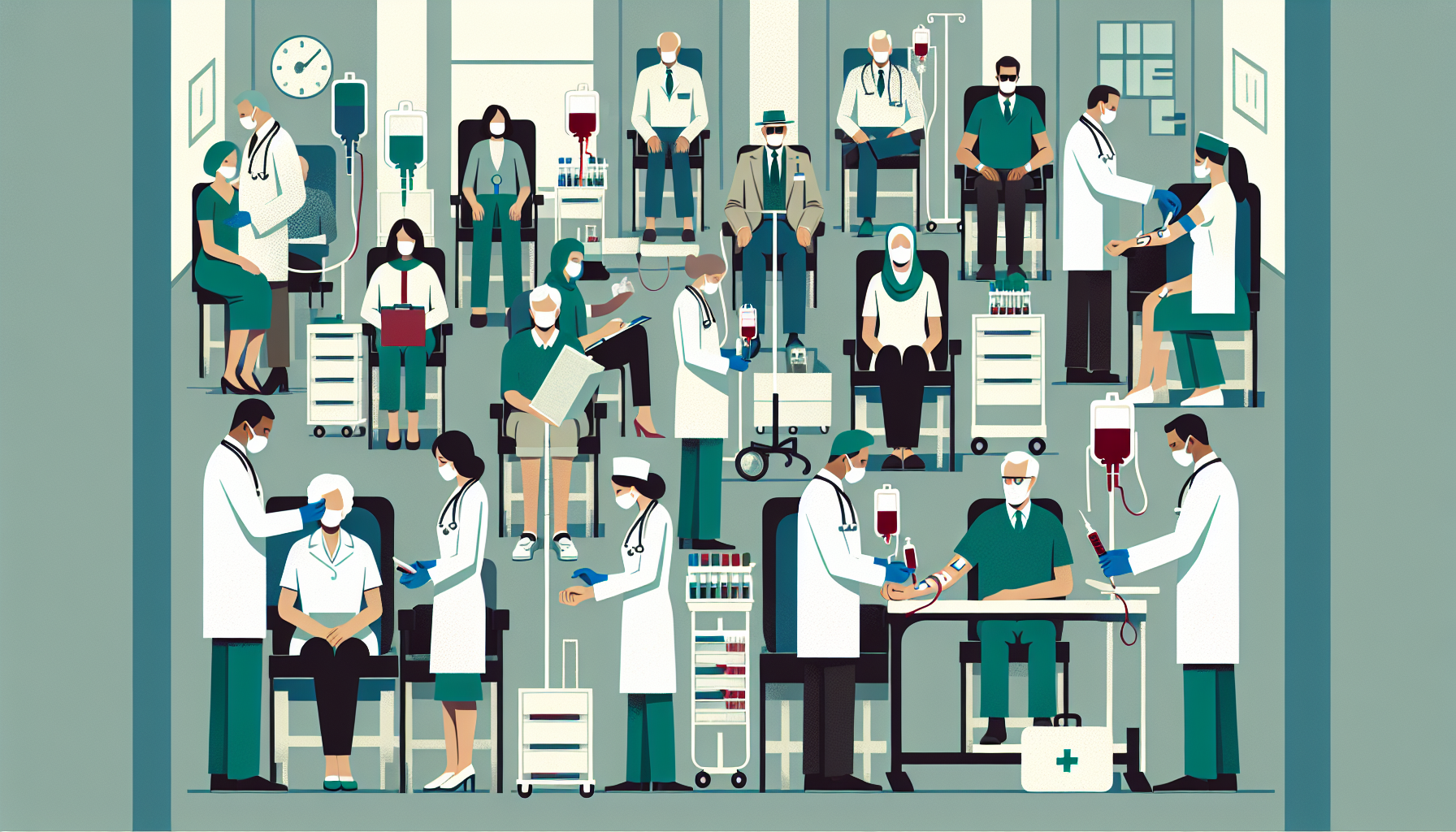
Anticoagulation clinics are specialized medical facilities within the Veterans Affairs (VA) healthcare system, dedicated to managing and monitoring patients who are on anticoagulant medications (blood thinners). These clinics aim to optimize patient outcomes by ensuring proper dosage, adjusting medication if needed, and preventing complications such as bleeding or blood clots. They provide comprehensive care services including education, routine testing, and follow-up for veterans on long-term anticoagulant therapy.

Key Takeaways

  1. Anticoagulation Clinics provide specialized care to patients on anticoagulant medications, ensuring proper management and monitoring of their therapy.
  2. These clinics are staffed by healthcare professionals such as pharmacists, nurses, and physicians, who work closely with patients to ensure their safety and achieve optimal treatment outcomes.
  3. VA benefits cover the services offered at Anticoagulation Clinics, making them accessible to eligible veterans, and ensuring they receive comprehensive support in managing their anticoagulant therapy.

Importance

Anticoagulation clinics are important within the context of VA benefits as they play a vital role in the management and monitoring of patients receiving anticoagulation therapy.

These specialized clinics ensure that veterans who require anticoagulant medications, commonly prescribed for conditions such as atrial fibrillation, deep vein thrombosis, or pulmonary embolism, receive the appropriate dosage and ongoing evaluation needed to minimize potential side effects and complications.

By concentrating expertise and resources in a dedicated clinic, the Department of Veterans Affairs enhances the quality of care for beneficiaries, promoting optimal health outcomes while preventing adverse events.

Therefore, anticoagulation clinics are a crucial component of comprehensive healthcare services provided to veterans.

Explanation

Anticoagulation clinics serve a vital purpose in the healthcare system, primarily catering to the needs of patients who require continuous monitoring and management of their anticoagulation therapy. The primary objective of these specialized clinics is to ensure that patients receive optimal care and support for their clotting conditions, such as atrial fibrillation, venous thromboembolism, or for those with mechanical heart valves requiring long-term anticoagulation medication.

These medications help reduce the occurrence of blood clots, minimizing the risk of stroke, heart attack, and other possible complications related to abnormal blood clot formation. These clinics provide specialized and comprehensive services, which include patient education and personalized assessment, initiation and adjustment of anticoagulant therapies, as well as regular monitoring of the patient’s condition.

Through the use of a multidisciplinary team of healthcare professionals consisting of pharmacists, nurses, and physicians, anticoagulation clinics foster a collaborative and tailored approach to the management of anticoagulation therapy. This allows for healthcare practitioners to effectively manage and tailor anticoagulant dosages to each patient’s specific needs and physiological parameters.

Moreover, the clinics contribute to reduced hospitalizations, and they provide patients with essential knowledge about their condition, treatment options, and how to manage any potential side effects or complications of their medication regimen.

Examples of Anticoagulation Clinics

Anticoagulation clinics are specialized healthcare facilities focusing on the management of patients on anticoagulant medications, such as Warfarin, Heparin, or direct oral anticoagulants (DOACs). These clinics help in monitoring blood clotting levels and adjusting doses to ensure optimal therapeutic goals for individuals requiring anticoagulation therapy. Here are three real-world examples of Anticoagulation Clinics within the Veterans Affairs (VA) healthcare system:

San Francisco VA Health Care System – Anticoagulation Clinic: Located at the San Francisco VA Medical Center, this clinic serves thousands of veterans receiving anticoagulation therapy. The clinic staff, including pharmacists, nurses, and physicians, collaborate to monitor blood clotting times, adjust medication doses, and provide patient counseling and education to ensure the safe and effective use of anticoagulant medications.

Minneapolis VA Health Care System – Anticoagulation Clinic: The Anticoagulation Clinic at this VA Medical Center helps veterans on anticoagulation therapy to manage their conditions effectively. Services provided at this clinic include INR (International Normalized Ratio) testing, dosing and monitoring of anticoagulant medications, patient education, and support for anticoagulant-related issues.

VA Boston Healthcare System – Anticoagulation Clinic: The Anticoagulation Clinic at this VA healthcare facility offers comprehensive anticoagulation management services to veterans. The specialized team of healthcare providers assesses each patient’s unique risk factors, closely monitors medication therapy, and counsels patients on actions they can take to minimize complications associated with anticoagulant use.These Anticoagulation clinics are just a few examples within the VA healthcare system. These clinics are crucial in ensuring that veterans who need anticoagulation therapy receive the best possible care, reducing the risk of blood clots, and minimizing potential adverse effects.

FAQ – Anticoagulation Clinics

What are anticoagulation clinics?

Anticoagulation clinics are specialized healthcare facilities that provide personalized, clinical management and monitoring of patients on anticoagulant medications such as Warfarin (Coumadin). The clinics assess and adjust patients’ medications to minimize the risk of blood clots and bleeding complications, ensuring optimal therapy outcomes.

Why should I go to an anticoagulation clinic?

Going to an anticoagulation clinic helps ensure that you receive the appropriate oversight, monitoring, and adjustments to your medication. The clinic’s specialized healthcare professionals have extensive experience managing anticoagulant medications and can help you avoid potentially dangerous complications from blood thinners through regular monitoring and education.

How do anticoagulation clinics work?

At an anticoagulation clinic, your healthcare provider will conduct an assessment of your medical condition and history before prescribing an anticoagulant. They will closely monitor your blood tests and adjust your medication dosage as needed to optimize treatment. You may also receive education on topics such as drug interactions, lifestyle factors, and self-monitoring, to help you manage your anticoagulant therapy effectively.

Who can benefit from anticoagulation clinics?

Anticoagulation clinics are particularly beneficial for individuals who take blood thinners like Warfarin (Coumadin) or other anticoagulant medications. These individuals may have conditions such as atrial fibrillation, deep vein thrombosis (DVT), or pulmonary embolism (PE). Patients with mechanical heart valves or those at high risk for blood clotting disorders may also benefit from attending an anticoagulation clinic.

How do I find an anticoagulation clinic near me?

To find an anticoagulation clinic near you, consult with your primary care provider or a healthcare professional familiar with your medical history. They can provide recommendations and referrals to local anticoagulation clinics. Additionally, you may search online for local anticoagulation clinics and check their reviews, locations, and services provided.

Related VA Benefit Terms

  • Anticoagulation therapy management
  • Warfarin monitoring
  • Direct Oral Anticoagulants (DOACs)
  • INR (International Normalized Ratio) testing
  • Patient education and counseling

Sources for More Information

Benefits.com Advisors

With expertise spanning local, state, and federal benefit programs, our team is dedicated to guiding individuals towards the perfect program tailored to their unique circumstances.

Rise to the top with Peak Benefits!

Join our Peak Benefits Newsletter for the latest news, resources, and offers on all things government benefits.

Related Articles

SSDI Approval Rate by Age

SSDI Pay Chart 2026

VA Survivor Benefits

VA Disability Appeal Success Rate

Appeal to Higher-Level Review

Definition

An Appeal to Higher-Level Review is a request from a veteran or claimant in the Veterans Affairs (VA) benefits process. It asks for a new evaluation of their claim decision by a more experienced adjudicator. This review aims to identify errors in the original decision, potentially resulting in a change to the claim’s outcome.

Key Takeaways

  1. An Appeal to Higher-Level Review is a request made by a veteran to have a more experienced Veterans Affairs adjudicator review their case and make a new decision based on the evidence in the existing record.
  2. During a Higher-Level Review, no new evidence can be submitted, ensuring the focus remains on the accuracy and correctness of the initial decision based on the original information provided.
  3. In addition to a Higher-Level Review, veterans have other options such as filing a Supplemental Claim with additional evidence or directly appealing to the Board of Veterans’ Appeals for reconsideration.

Importance

The VA benefits term, “Appeal to Higher-Level Review,” is important because it allows veterans who disagree with the initial decision made on their claim for benefits to seek further evaluation from a more senior decision-maker.

This process ensures that veterans have the opportunity to have their claims reassessed and potentially receive fairer compensation for their service-connected disabilities or benefits they may be entitled to.

By offering an additional level of review, the VA demonstrates its commitment to serving veterans, addressing their concerns, and improving the accuracy and consistency of its decision-making process.

Explanation

The appeal to Higher-Level Review is a significant facet of the VA benefits system, whose primary purpose is to ensure that veterans are granted the appropriate level of benefits and disability compensation by giving them the opportunity to appeal their claims when dissatisfied with the initial decision. This review process enables veterans to have their cases reassessed by a more experienced and higher authority within the Department of Veterans Affairs (VA), providing an additional layer of fairness and accuracy when it comes to determining the rightful entitlements of those who have served.

As such, the Higher-Level Review is essential in safeguarding veterans’ interests and upholding the integrity of the VA benefits system. In practice, the Higher-Level Review is an invaluable tool for veterans seeking to challenge certain decisions made by the VA regarding their benefits, such as a disagreement over the assigned disability rating or effective date.

By choosing the Higher-Level Review option, the veteran has their case re-evaluated by a senior-level adjudicator with a more thorough and comprehensive understanding of the VA regulations, policies, and procedures. This comprehensive and unbiased review aims to rectify any potential errors or overlooked evidence that may have occurred in the initial decision-making process, thereby ensuring that veterans receive the appropriate level of benefits in a timely and efficient manner.

In essence, the appeal to Higher-Level Review underscores the VA’s commitment to providing accurate, fair, and just support to the men and women who have selflessly served their country.

Examples of Appeal to Higher-Level Review

Example 1: A veteran who has been receiving disability benefits for a service-related injury submits a claim for an increased disability rating due to the worsening of their condition. The VA Regional Office reviews the claim and decides not to grant an increase in the disability rating. The veteran believes this decision is incorrect and decides to appeal to a Higher-Level Review. In this instance, the veteran requests a more experienced adjudicator to review their case and reconsider the initial decision.

Example 2: A surviving spouse of a deceased veteran submits a claim for Dependency and Indemnity Compensation (DIC), which is meant to provide financial support to the survivors of veterans who have died due to service-related conditions. The VA denies the claim, stating that the veteran’s death was not directly related to their military service. The surviving spouse believes there is sufficient evidence to support their claim. In this example, they would appeal to a Higher-Level Review, seeking another evaluation of the case by a senior adjudicator.

Example 3: A veteran has been receiving VA benefits for post-traumatic stress disorder (PTSD) resulting from their military service. They apply for additional benefits, such as vocational rehabilitation and employment services, to help them find suitable employment. The VA denies their application, arguing that the veteran does not meet the eligibility requirements for the program. The veteran feels that the decision is incorrect and wants their case reevaluated. In this example, they would submit an Appeal to a Higher-Level Review to have a more experienced adjudicator look at their case and determine if they are eligible for the additional benefits.

FAQ: Appeal to Higher-Level Review

What is a Higher-Level Review?

A Higher-Level Review is a type of appeal where a more experienced adjudicator, known as a Higher-Level Reviewer, reviews a veteran’s initial claim decision. The reviewer looks at all the evidence on file and considers the errors the claimant or their representative has identified in the initial decision. The main goal of a Higher-Level Review is to get a new decision on a VA benefits claim without submitting new evidence.

How do I request a Higher-Level Review?

To request a Higher-Level Review, you must submit VA Form 20-0996 (Decision Review Request: Higher-Level Review) to the VA. You can submit this form online through your VA.gov account, by mail, or by fax. Contact the VA for specific mailing addresses and fax numbers. Ensure you provide all required information, including your name, contact details, and information about the initial claim decision you’re appealing.

How long do I have to request a Higher-Level Review?

You have one year from the date of the VA’s initial decision letter to request a Higher-Level Review. If you miss this deadline, you may still appeal, but you will have to use the Supplemental Claim process, which requires submitting new evidence to support your claim.

Can I submit new evidence for a Higher-Level Review?

No, you cannot submit new evidence during a Higher-Level Review. The reviewer will only consider the evidence that was already in your VA file at the time of the initial decision. If you have new evidence to submit, you should consider appealing through a Supplemental Claim instead.

How long does a Higher-Level Review take?

While the processing time for a Higher-Level Review may vary, the VA aims to complete these reviews within 125 days. You can check the status of your review on your VA.gov account or by contacting the VA directly.

Can I appeal further if I’m still not satisfied with the Higher-Level Review outcome?

Yes, if you are not satisfied with the outcome of your Higher-Level Review, you can appeal through the Board of Veterans’ Appeals (BVA). You have 90 days from the date the VA sends the Higher-Level Review decision letter to file an appeal with the BVA. In this stage, you can submit new evidence and request a hearing, if desired.

Related VA Benefit Terms

  • Board of Veterans’ Appeals
  • Supplemental Claim
  • Decision Review Officer
  • Veterans Benefits Administration
  • Notice of Disagreement

Sources for More Information

Benefits.com Advisors

With expertise spanning local, state, and federal benefit programs, our team is dedicated to guiding individuals towards the perfect program tailored to their unique circumstances.

Rise to the top with Peak Benefits!

Join our Peak Benefits Newsletter for the latest news, resources, and offers on all things government benefits.

Related Articles

SSDI Approval Rate by Age

SSDI Pay Chart 2026

VA Survivor Benefits

VA Disability Appeal Success Rate

Appeals Management Center

Definition

The Appeals Management Center (AMC) is a specialized department within the U.S. Department of Veterans Affairs. It is responsible for processing and reviewing appeals made by veterans regarding their benefits, compensation, and pension claims. The AMC aims to provide timely and accurate resolution of these appeals, ensuring that veterans receive the support and assistance they are entitled to.

Key Takeaways

  1. The Appeals Management Center (AMC) is a specialized facility within the Department of Veterans Affairs, dedicated to handling and resolving VA benefits appeals.
  2. AMC’s mission is to provide timely and accurate decisions on appealed VA claims, ensuring that veterans receive the benefits they are entitled to.
  3. AMC operates under the guidance of the Board of Veterans’ Appeals, working closely with the Veterans Benefits Administration and the VA Office of General Counsel to deliver efficient and fair appeals processing.

Importance

The VA Benefits term “Appeals Management Center” is important because it is a centralized office within the Department of Veterans Affairs (VA) that specializes in the timely processing and effective management of appeals related to veterans’ benefits claims.

The Appeals Management Center (AMC) plays a critical role in ensuring that veterans dissatisfied with VA decisions about their benefits can have their cases re-evaluated and receive fair and thorough reconsideration.

By streamlining the appeals process, the AMC helps veterans get the benefits and services they deserve, while promoting transparency, accuracy, and accountability within the VA benefits system.

Explanation

The primary purpose of the Appeals Management Center (AMC) is to streamline and expedite the resolution of disputes related to the decisions made on Veterans’ benefits claims by the Department of Veterans Affairs (VA). By centralizing the management and adjudication of appeals, the AMC aims to ensure a faster, more consistent, and accurate review process for benefits claims appeals, ultimately improving the experience for Veterans and their families. The AMC serves as a pivotal resource for Veterans who may disagree with the decisions made by the VA on their claims, providing them with a dedicated center focused solely on addressing those disputes and ensuring that their concerns are thoroughly evaluated and resolved.

In addition to facilitating the appeals process, the AMC works closely with Veterans Service Organizations, attorneys, and other authorized representatives to support and guide claimants through the often complex and sometimes overwhelming appeals process. By providing thorough instructions, comprehensive resources, and optimal assistance, the AMC helps Veterans not only to understand their options but also to make informed choices throughout the appeals process.

Furthermore, the AMC collaborates with various stakeholders within the VA to identify and address systemic issues and bottlenecks in the processing of appeals, thereby working towards continuous improvement in the delivery of benefits and services to Veterans. Ultimately, the Appeals Management Center exists to serve as a driving force for positive change, while striving to ensure that Veterans receive the benefits they have earned through their service and sacrifice.

Examples of Appeals Management Center

The VA Benefits term “Appeals Management Center (AMC)” refers to the office within the Department of Veterans Affairs that is responsible for processing claims appeals for veterans benefits, such as disability benefits and education benefits. Here are three real-world examples of issues or cases that the AMC may handle:

Example 1: A veteran with a service-connected injury files a claim to receive disability compensation but is denied due to a lack of sufficient medical evidence. The veteran believes that the available evidence does in fact substantiate their claim, so they decide to file an appeal to the Appeals Management Center. The AMC reviews the claim and all submitted evidence, potentially resulting in the reversal of the initial decision and awarding of disability compensation.

Example 2: A veteran is receiving education benefits under the GI Bill but has their benefits significantly reduced after the VA finds an overpayment error. Believing the reduction to be unjust, the veteran appeals to the AMC, which is responsible for looking at previous benefit disbursements and determining whether an overpayment took place and if the reduction was warranted.

Example 3: A surviving spouse of a veteran who passed away from a service-connected ailment files a claim for Dependency and Indemnity Compensation (DIC) benefits. The VA denies the claim, stating that the veteran’s passing was not related to their military service. The spouse feels that there is enough evidence to demonstrate the connection between the veteran’s ailment and their service. They submit the case to the Appeals Management Center, which will review the evidence and the initial claim decision to determine if the spouse is eligible for DIC benefits.

FAQ Section: Appeals Management Center

What is the Appeals Management Center (AMC)?

The Appeals Management Center (AMC) is a centralized office within the Department of Veterans Affairs (VA) that processes and manages appeals related to VA benefits. Its primary goal is to reduce the backlog of appeals and provide timely and accurate processing for veterans appealing their benefit claims.

What types of appeals does the Appeals Management Center handle?

The AMC handles appeals related to various VA benefits, including disability compensation, pension, education, home loan guaranty, and vocational rehabilitation and employment benefits. They review the cases, gather any additional evidence needed, and make decisions on the appeals.

How do I file an appeal with the Appeals Management Center?

To file an appeal with the AMC, you should first receive a decision on your VA benefits claim. If you disagree with the decision, you can initiate an appeal by filing a Notice of Disagreement (NOD) with your local VA office where your initial claim was processed. The local VA office will then forward your case to the Appeals Management Center for review and processing.

How long does the appeals process take at the Appeals Management Center?

The appeals process at the AMC can vary in length depending on the complexity of your case, the availability of evidence, and the current workload. Generally, the process can take several months to a few years. Keep in mind that the VA is continually working to improve the appeals process and reduce processing times.

What can I do if I am not satisfied with the decision made by the Appeals Management Center?

If you are not satisfied with the decision made by the AMC, you can continue the appeal process by appealing the decision to the Board of Veterans’ Appeals (BVA). The BVA is an independent body within the VA that reviews appeals and makes final decisions on benefit claims.

Related VA Benefit Terms

  • Board of Veterans’ Appeals
  • Decision Review Officer (DRO)
  • Notice of Disagreement (NOD)
  • Veterans’ Claims Assistance Act (VCAA)
  • Statement of the Case (SOC)

Sources for More Information

Benefits.com Advisors

With expertise spanning local, state, and federal benefit programs, our team is dedicated to guiding individuals towards the perfect program tailored to their unique circumstances.

Rise to the top with Peak Benefits!

Join our Peak Benefits Newsletter for the latest news, resources, and offers on all things government benefits.

Related Articles

SSDI Approval Rate by Age

SSDI Pay Chart 2026

VA Survivor Benefits

VA Disability Appeal Success Rate

Appointment of Veterans Service Organization as Claimant’s Representative

Definition

Appointment of Veterans Service Organization as Claimant’s Representative refers to the process in which a veteran or claimant authorizes a Veterans Service Organization (VSO) to act on their behalf in matters related to VA benefits. The VSO representative provides assistance in navigating through the claims process, advocating for the veteran’s interests, and resolving any issues that may arise. This appointment ensures that the veteran receives proper support and information, facilitating their access to entitled benefits.

Key Takeaways

  1. An Appointment of Veterans Service Organization as Claimant’s Representative allows a veteran to designate a specific organization to assist them with their benefits claim, providing representation throughout the process.
  2. Veterans Service Organizations (VSOs) are groups that advocate for veterans, offering expertise and support on VA benefit claims, appeals, and other issues related to the VA system.
  3. Appointing a VSO as a representative can streamline the claims process, provide valuable guidance, and increase a veteran’s chances of receiving their deserved benefits and compensation.

Importance

The term “Appointment of Veterans Service Organization as Claimant’s Representative” holds significance as it allows a disabled veteran to assign an accredited and experienced representative from a recognized Veterans Service Organization (VSO) to act on their behalf.

This representative helps navigate and manage the complex process of filing claims for VA benefits, ensuring the claimant receives the proper support, advice, and maximized benefits they are eligible for.

By appointing a VSO representative, the veteran can have peace of mind knowing that a dedicated expert is advocating on their behalf, minimizing errors, enhancing the claim’s quality, and potentially expediting the decision-making process within the VA system.

Explanation

The Appointment of Veterans Service Organization as Claimant’s Representative serves a critical role in ensuring that veterans receive appropriate assistance in navigating the often complex process of obtaining and managing the benefits they are entitled to receive. By appointing a Veterans Service Organization (VSO) as their representative, a veteran authorizes the organization to act on their behalf in all matters related to their benefits claims, including gathering crucial documentation, preparing and submitting appeals, and providing support throughout the entire claims process.

This effectively allows the VSO to be a dependable advocate for the veteran, offering their experience, knowledge, and resources. The purpose of this appointment is to alleviate the stress and confusion that may arise while seeking benefits, simplifying the process for the veteran and their family and ensuring that their rights are adequately represented.

Many VSOs possess a comprehensive understanding of the benefits system and the various programs available to veterans, such as health care, education, disability compensation, pension, and vocational rehabilitation. This specialized understanding is invaluable for claimants, as it allows the VSO to efficiently and effectively pursue the best outcome for the veteran and ensure that they receive everything to which they are entitled.

Furthermore, having a VSO as their representative offers veterans a peace of mind and increases their confidence in the claims process. By receiving guidance and support throughout the entire journey, veterans can focus on their personal well-being and recovery, knowing that a dedicated advocate is working in their best interests to secure their much-deserved benefits.

Examples of Appointment of Veterans Service Organization as Claimant’s Representative

Disabled American Veterans (DAV) as Claimant’s Representative: An Army veteran who served in Iraq suffered from post-traumatic stress disorder (PTSD) and was having difficulty navigating the VA benefits process. The veteran appointed the DAV as their representative to help submit their disability compensation claim, gather supporting documentation, and communicate with the Department of Veterans Affairs on their behalf. The DAV’s expertise allowed the veteran to better understand their benefits and appeal their claim, ultimately helping them receive the appropriate compensation for their service-related disability.

Veterans of Foreign Wars (VFW) as Claimant’s Representative: A Navy veteran who served during the Vietnam War was diagnosed with a respiratory condition that was caused by exposure to Agent Orange. They faced challenges navigating the VA benefits system and turned to the VFW for assistance. The VFW appointed a trained service officer to help the veteran submit his claim, compile necessary medical documentation, and stayed in touch with the VA throughout the process. The VFW’s support led to the veteran receiving their deserved compensation and access to medical care.

American Legion as Claimant’s Representative: An Air Force veteran who served during the Gulf War faced severe back problems due to their military service. They needed assistance filing for VA disability benefits but felt overwhelmed by the complex process. The veteran appointed the American Legion as their representative, and a dedicated service officer helped to submit a well-prepared claim, compile evidence, and handle communication with the VA. Through their partnership with the American Legion, the veteran was granted disability compensation and received access to specialized medical care.

FAQs – Appointment of Veterans Service Organization as Claimant’s Representative

What is a Veterans Service Organization (VSO)?

A Veterans Service Organization (VSO) is a nonprofit group that advocates and provides support for veterans and their families. VSOs help veterans better understand and access their benefits through various services, including assistance with claims preparation and representation before the Department of Veterans Affairs (VA).

Why should I appoint a VSO as my representative?

Appointing a VSO as your representative can make the claims process easier and increase the likelihood of receiving the benefits you deserve. A VSO representative is knowledgeable about the VA benefits process, understands the necessary evidence and documentation, and can assist in identifying and developing your claim to maximize your potential benefits.

How can I appoint a VSO as my claimant’s representative?

To appoint a VSO as your claimant’s representative, you can submit VA Form 21-22 (Appointment of Veterans Service Organization as Claimant’s Representative). This form is available on the VA website and can be submitted online, by mail, or in person at your local VA regional office. When choosing a VSO, it is essential to research and select a reputable and accredited organization.

Can I change or remove my VSO representative?

Yes, you can change or remove your VSO representative at any time during the claims process. If you wish to change your representative, you can submit a new VA Form 21-22 with the details of the new organization. To remove your VSO representative, submit VA Form 21-22a (Appointment of Individual as Claimant’s Representative) indicating your intent to represent yourself or appoint a different non-VSO representative.

Is there a fee for using a VSO representative?

Most VSOs provide their services to veterans free of charge. It is important to research and choose a reputable VSO that is accredited by the VA to ensure that you receive the best possible assistance with your claims process.

Related VA Benefit Terms

  • Power of Attorney for Veterans Claims
  • Accredited Veterans Service Officer
  • Representation for VA Appeals
  • Assistance in Filing VA Benefits Claims
  • Advocacy for Veterans Rights

Sources for More Information

Benefits.com Advisors

With expertise spanning local, state, and federal benefit programs, our team is dedicated to guiding individuals towards the perfect program tailored to their unique circumstances.

Rise to the top with Peak Benefits!

Join our Peak Benefits Newsletter for the latest news, resources, and offers on all things government benefits.

Related Articles

SSDI Approval Rate by Age

SSDI Pay Chart 2026

VA Survivor Benefits

VA Disability Appeal Success Rate

Approved Program

Definition

An Approved Program, in the context of VA benefits, refers to an educational or vocational training program that has been reviewed and recognized by the Department of Veterans Affairs (VA). It establishes that the program meets the necessary criteria to receive funds under the VA’s educational benefits initiatives. These programs can include degrees, certificates, apprenticeships, and on-the-job training courses.

Key Takeaways

  1. An Approved Program refers to a course of study, training program, or degree program that the Department of Veterans Affairs recognizes and deems eligible for VA education benefits.
  2. Approval is given by State Approving Agencies, ensuring that the program maintains standards and criteria set by the VA for quality, integrity, and effectiveness of education and job training opportunities for veterans.
  3. Eligible veterans can use their VA benefits, such as the GI Bill, to cover the cost of tuition and other expenses related to an Approved Program, supporting their transition to the civilian workforce and enhancing their career opportunities.

Importance

The VA benefits term “Approved Program” is important because it refers to the educational or training programs that have been reviewed and approved by the Department of Veterans Affairs (VA) for veterans, service members, and their eligible dependents to utilize their education and training benefits.

These programs provide crucial opportunities for individuals in furthering their career goals, personal development, and overall quality of life after military service.

By ensuring that these programs meet certain criteria and standards, the VA helps protect veterans from sub-standard education, financial exploitation, and assists in guiding them toward reputable institutions and courses that facilitate their successful transition into civilian life, contributing to their long-term success.

Explanation

The purpose of an Approved Program in the realm of VA benefits focuses on providing comprehensive educational, vocational, and career development opportunities to veterans, military personnel, and their eligible family members. These programs play a crucial role in ensuring the welfare of veterans by equipping them with the skills, knowledge, and support required to reintegrate into society and the workforce after completing their service.

By helping the veterans to obtain higher education or pursue training in various disciplines, Approved Programs contribute to the overall mission of the Department of Veterans Affairs – assisting those who served to lead fulfilling and successful lives post-service. In order to achieve this purpose, VA benefits Approved Programs include a wide range of educational and training options such as college degree and certificate programs, apprenticeships, on-the-job training, correspondence courses, and Licensing & Certification test reimbursement, among others.

The VA closely examines and vets these programs to ensure that they meet all accreditation and certification requirements, along with providing the highest quality of service to those eligible. The VA’s overarching goal is to adapt to the evolving needs of veterans, empowering them with the tools that are best suited for their chosen career path, and ultimately helping them excel as productive members of society.

By leveraging the extensive resources of Approved Programs, veterans can be confident in their journey as they strive to succeed in their civilian lives.

Examples of Approved Program

The term “Approved Program” in the context of VA Benefits refers to educational programs or vocational training that the U.S. Department of Veterans Affairs (VA) recognizes for eligible veterans, service members, and their dependents to receive educational benefits. Here are three real-world examples of approved programs:

University Degree Programs: Many public and private universities and colleges offer undergraduate and graduate programs that are approved for VA Benefits. For example, a veteran may pursue a Bachelor’s degree in Business Administration, a Master’s degree in Computer Science, or a Doctorate in Psychology at an approved institution and receive educational financial support from the VA.

Vocational and Technical Training: The VA also approves various non-degree educational programs that focus on vocational and technical training. For instance, a veteran could enroll in an approved HVAC technician program, truck driving school, or a course in cybersecurity offered by a community college or trade school.

Apprenticeships and On-the-Job Training (OJT) Programs: Eligible individuals can also use their VA Benefits for approved apprenticeships or OJT programs in private or public organizations. Some examples include apprenticeships in carpentry, plumbing, electrical work, or OJT in graphic design or sales.It is essential to keep in mind that the VA approves and certifies educational institutions and training providers, so verifying an organization’s status is crucial before enrolling in their offered program.

FAQs for Approved Program VA Benefits

What is an approved program for VA Benefits?

An approved program refers to an educational course or curriculum that the Department of Veterans Affairs (VA) has pre-approved for receiving VA educational benefits. Approved programs include vocational courses, college or university programs, high school coursework, and other training programs that meet the VA’s educational requirements.

How can I find out if a program is approved for VA benefits?

You can utilize the VA’s online tool called the “WEAMS Institution Search” to determine if a specific program is approved for VA benefits. This tool provides an updated list of educational institutions and their approved programs, enabling you to find information about the program and its eligibility for VA education benefits.

What types of education benefits are available for veterans?

There are several education benefits available for veterans, these include, but are not limited to: the Post-9/11 GI Bill (Chapter 33), Montgomery GI Bill – Active Duty (MGIB-AD, Chapter 30), Montgomery GI Bill – Selected Reserve (MGIB-SR, Chapter 1606), Reserve Educational Assistance Program (REAP), Survivors’ and Dependents’ Educational Assistance (DEA, Chapter 35) and the Vocational Rehabilitation & Employment (VR&E, Chapter 31) program. Each program has different eligibility criteria and provides various levels of assistance.

Can I use my VA education benefits for non-college programs?

Yes, you can use your VA education benefits for non-college programs, such as vocational, technical, or other job-related courses and training programs. These programs must be approved by the VA in order for you to receive benefits for completing them.

How do I apply for VA benefits to use towards an approved program?

To apply for VA benefits for an approved program, you must first submit the appropriate application either online through the Veterans On-Line Application (VONAPP) website, or by submitting a paper application (VA Form 22-1990 or VA Form 22-5490, depending on your eligibility status). You should also consult with the school or training provider’s Veterans Affairs office or certifying official to ensure your enrollment is properly submitted and certified with the VA.

Related VA Benefit Terms

  • Education Benefits
  • Post-9/11 GI Bill
  • Vocational Rehabilitation
  • Montgomery GI Bill
  • Survivors’ and Dependents’ Educational Assistance

Sources for More Information

Benefits.com Advisors

With expertise spanning local, state, and federal benefit programs, our team is dedicated to guiding individuals towards the perfect program tailored to their unique circumstances.

Rise to the top with Peak Benefits!

Join our Peak Benefits Newsletter for the latest news, resources, and offers on all things government benefits.

Related Articles

SSDI Approval Rate by Age

SSDI Pay Chart 2026

VA Survivor Benefits

VA Disability Appeal Success Rate

Architectural Barriers Act

Definition

The Architectural Barriers Act (ABA) is a federal law enacted in 1968, aimed at ensuring that buildings and facilities designed, constructed, or altered with federal funds are accessible to people with physical disabilities. The Act applies to federal buildings, post offices, social security offices, and some federally-funded facilities. Under ABA, accessibility standards are determined by the US Access Board, which enforces compliance and addresses complaints.

Key Takeaways

  1. The Architectural Barriers Act (ABA) of 1968 is a federal legislation in the United States that mandates all federally funded or leased buildings and facilities to be accessible to people with disabilities.
  2. The ABA provides guidelines and standards for designing and constructing buildings and facilities to eliminate physical barriers for people with disabilities, ensuring they can access and utilize public spaces with ease.
  3. The United States Access Board, an independent federal agency, enforces the ABA and oversees its compliance through the development and implementation of accessibility guidelines known as ABA Accessibility Standards.

Importance

The Architectural Barriers Act (ABA) is an important term in the context of VA benefits because it ensures that public buildings and facilities, including those designed, built, or altered with federal dollars, are accessible to and can be used by people with disabilities, including veterans.

Enacted in 1968, the ABA serves as a critical piece of legislation that promotes inclusion and equal opportunity for everyone, regardless of their physical abilities.

By removing barriers that may have previously restricted individuals from accessing essential services provided by VA facilities, this act plays a vital role in fulfilling the mission of the Department of Veterans Affairs, by delivering comprehensive support services for veterans and helping them lead more independent and fulfilling lives.

Explanation

The Architectural Barriers Act (ABA) plays an indispensable role in ensuring that individuals with disabilities have equitable access to federally funded or leased facilities by eliminating physical barriers that may limit their ability to navigate and utilize these spaces. Enacted in 1968, the ABA serves as a testament to the commitment of the federal government to provide a truly inclusive and accessible environment for all its citizens, no matter their abilities.

The main purpose of ABA is to establish guidelines for constructing or renovating federal buildings so that they are accessible and usable for people with disabilities. This enables individuals with disabilities to lead an independent and fulfilling life without any hindrance or discrimination in accessing public spaces funded by the federal government.

To achieve its primary objective, the ABA requires that federal facilities adhere to a set of accessibility standards, known as the Architectural Barriers Act Accessibility Standards (ABAAS). These standards are developed by the United States Access Board in consultation with the General Services Administration (GSA), the Department of Defense (DoD), the Department of Housing and Urban Development (HUD), and the United States Postal Service (USPS), and they are enforced by these agencies based on their jurisdiction. Consequently, not only does the ABA help break down architectural barriers for people with disabilities, it also educates and sensitizes stakeholders, including designers, architects, and building contractors, to the importance of accessibility and inclusivity in the built environment.

By doing so, the Architectural Barriers Act plays a crucial part in fulfilling the broader vision of a barrier-free society.

Examples of Architectural Barriers Act

The Architectural Barriers Act (ABA) of 1968 is a U.S. federal law that requires certain facilities designed, built, or altered with federal funds to be accessible to people with disabilities. It is important to note that the ABA is different from the Americans with Disabilities Act (ADA), although their intentions are similar. Here are three real-world examples related to the Architectural Barriers Act:

Post Office Access: Many post offices across the United States receive federal funding. Therefore, they must comply with the ABA and ensure that they are accessible to individuals with disabilities. This includes providing accessible parking spaces, ramps for wheelchair users, and tactile signage for visually impaired individuals.

National Park Accessibility: National parks come under the jurisdiction of the federal government, and many receive federal funding for improvements and maintenance. According to the ABA, these parks must have accessible facilities, such as restrooms, campgrounds, and visitor centers, along with accessible trails and other features. An example of this would be Yellowstone National Park, which has taken deliberate steps to make sure that facilities are accessible to all visitors, complying with the ABA guidelines.

Public Housing: When public housing projects receive federal funds, they must ensure that a certain percentage of the units are accessible to those with disabilities, reaching compliance with the ABA. This could include installing grab bars in bathrooms, wider doorways, and lowered countertops for wheelchair access or implementing visual and auditory alarms for those with hearing or visual impairments.

FAQ: Architectural Barriers Act

What is the Architectural Barriers Act (ABA)?

The Architectural Barriers Act (ABA) is a federal law passed in 1968 that requires all buildings and facilities designed, built, altered, or leased with specific federal funds to be accessible to people with disabilities. The purpose of the ABA is to ensure that such buildings and facilities are designed, constructed, and altered in a way that allows all individuals, including those with disabilities, to have equal access.

Which buildings and facilities are subject to the ABA?

Any building or facility that is either constructed, altered, or leased with federal funds from specific federal agencies, including the Departments of Defense, Housing and Urban Development, Interior, Justice, and Transportation, are subject to the ABA. This can include federally owned and leased buildings, as well as privately owned facilities that receive federal funding.

What accessibility standards must be met under the ABA?

Buildings and facilities covered by the ABA must meet the accessibility standards established by the General Services Administration (GSA), Department of Defense (DOD), Department of Transportation (DOT), and the United States Postal Service (USPS). These standards are designed to make facilities accessible to both individuals with mobility impairments and those with vision, hearing, or cognitive disabilities.

Who enforces compliance with the ABA?

Compliance with the ABA is enforced by the Architectural and Transportation Barriers Compliance Board (also known as the Access Board), an independent federal agency. The Access Board investigates complaints regarding violations of the ABA, assists with compliance efforts, and provides guidance on meeting accessibility standards.

How can I file a complaint if I believe a building or facility is not in compliance with the ABA?

If you believe a building or facility covered by the ABA is not in compliance with accessibility standards, you can file a complaint with the Access Board. The Access Board provides an online complaint form on their website, as well as instructions for submitting complaints by mail, fax, or email.

Related VA Benefit Terms

  • Accessibility Standards
  • Universal Design
  • ADA (Americans with Disabilities Act)
  • Section 504 (Rehabilitation Act)
  • Building Code Compliance

Sources for More Information

Benefits.com Advisors

With expertise spanning local, state, and federal benefit programs, our team is dedicated to guiding individuals towards the perfect program tailored to their unique circumstances.

Rise to the top with Peak Benefits!

Join our Peak Benefits Newsletter for the latest news, resources, and offers on all things government benefits.

Related Articles

SSDI Approval Rate by Age

SSDI Pay Chart 2026

VA Survivor Benefits

VA Disability Appeal Success Rate

Archives and Records

Definition

The term “Archives and Records” in the context of VA benefits refers to the collection and preservation of documents, files, and records associated with a veteran’s military service and benefit claims. These records contain essential data for proving eligibility and entitlement to various Department of Veterans Affairs benefits and services. They are maintained and managed by official government agencies like the National Archives and Records Administration (NARA).

Key Takeaways

  1. Archives and Records refer to the collection of documents, files, and records that pertain to a veteran’s military service, benefits, and personal information. These documents are vital in supporting a veteran’s claim for various VA benefits and services.
  2. The National Archives and Records Administration (NARA) and the Department of Veterans Affairs (VA) are responsible for maintaining and managing these records. Veterans and their family members can access these archives to obtain proof of military service, obtain copies of official records, or verify eligibility for benefits.
  3. To request copies of specific records, veterans or their family members can submit a Standard Form (SF) 180, Request Pertaining to Military Records, which is available on the VA and NARA websites. Processing times for records requests may vary depending on the type and age of the requested record.

Importance

The term “Archives and Records” is crucial for VA benefits because it refers to the systematic documentation, preservation, and management of essential records pertaining to veterans and their families.

These archives contain critical information such as service and discharge records, medical files, and other relevant data that ensures veterans receive appropriate benefits and assistance based on their service and needs.

Accurate and efficiently managed archives and records serve as a reliable source of information for the Department of Veterans Affairs to facilitate the fair and prompt distribution of benefits, healthcare services, education, and housing opportunities for veterans and their loved ones, as well as for future generations to understand and appreciate their sacrifices.

Explanation

The purpose of the Archives and Records within the realm of VA benefits is to ensure the accurate storage, preservation, and organization of Veterans’ records and documents. These records contain vital information that establishes a veteran’s eligibility for various benefits and services, such as medical care, disability compensation, and educational assistance, among others.

By maintaining a comprehensive and accessible archive, the Department of Veterans Affairs (VA) can efficiently evaluate and process benefit claims, thus providing the support and resources to the veterans who have honorably served their country. The effective use of these Archives and Records plays a crucial role in assisting veterans and their dependents throughout their lives.

The VA utilizes these records to make informed decisions on claims and appeals, while also preventing identity theft and fraud. Moreover, the archives enable veterans to access their records promptly, as needed, without incurring unnecessary delays or complications.

In essence, the VA’s Archives and Records system is a fundamental component that serves to streamline the delivery process of benefits to veterans, while also ensuring the accurate preservation of their service history and entitlements.

Examples of Archives and Records

National Archives and Records Administration (NARA): NARA is an independent agency responsible for preserving and documenting government and historical records in the United States. It operates multiple facilities around the country, including the National Personnel Records Center (NPRC) in St. Louis, Missouri, which houses military records, including those related to veterans’ benefits and services. Veterans and their families can request specific military records directly from the NARA website (https://www.archives.gov) to assist with their VA benefits claims or to support the research of a veteran’s service history.

Veterans Affairs Claim Files: When a U.S. veteran submits a claim for disability compensation, education benefits, pension, or other VA benefits, the Department of Veterans Affairs creates a claims file that contains all the relevant information submitted by the veteran, along with documents from other sources like military records and medical documents. These files are essential when it comes to determining eligibility for various veterans’ benefits and services, and they are stored in the Veterans Benefits Administration’s (VBA) electronic archive system, known as the Veterans Benefits Management System (VBMS).

Library of Congress Veterans History Project (VHP): Launched in 2000, the VHP is a program that aims to collect and preserve the personal accounts of U.S. war veterans so that future generations can better understand the realities of war. Through the project, veterans, their families, and volunteers can submit oral histories, letters, photographs, and other documents related to a veteran’s military service. All materials are preserved digitally in the Library of Congress American Folklife Center, and the collection is searchable online (https://www.loc.gov/vets/), providing valuable context for researchers, students, and the general public interested in veterans’ experiences and the broader implications of war.

FAQ: Archives and Records VA Benefits

What are VA archives and records?

VA archives and records are a collection of important documents, information, and records that pertain to veterans and their military service. These records include military personnel files, service-related medical files, and historical documents maintained by the Department of Veterans Affairs (VA) for the purpose of supporting various benefits and services for veterans.

Why are VA archives and records essential?

VA archives and records play a crucial role in determining a veteran’s eligibility for benefits and services provided by the VA. They serve as a source of historical documentation confirming the veteran’s military service, and as a reference for any claims or applications filed by the veteran to access specific benefits. Additionally, they help preserve the history and sacrifices of American service members.

How can veterans access their records?

Veterans can request their records, including service and medical records, through the National Archives’ National Personnel Records Center (NPRC). Another option is submitting a request directly to the VA for records related to benefits, compensation, and pension claims. The Veterans Service Records website provides details on accessing various records for former service members and their families.

Can a family member access a veteran’s records?

Family members and next-of-kin can request a veteran’s records by providing proof of the veteran’s legal relationship, such as a birth certificate or marriage certificate, and documentation of the veteran’s death, if applicable. Records can be requested through the National Archives’ National Personnel Records Center (NPRC) or the appropriate VA office handling the veteran’s claims.

What should I do if my records are damaged or missing?

If your records are damaged, missing, or incomplete, you should attempt to obtain alternative documentation of your military service. Contact your previous military unit or branch for assistance in obtaining records, or speak to your Veterans Service Organization representative. Notify the VA of the situation, and they may consider substitute documentation to establish your eligibility for benefits and services.

Related VA Benefit Terms

  • Historical Military Documents
  • Veterans Service Records
  • VA Claims Files
  • Personnel Folders
  • Discharge Papers

Sources for More Information

Benefits.com Advisors

With expertise spanning local, state, and federal benefit programs, our team is dedicated to guiding individuals towards the perfect program tailored to their unique circumstances.

Rise to the top with Peak Benefits!

Join our Peak Benefits Newsletter for the latest news, resources, and offers on all things government benefits.

Related Articles

SSDI Approval Rate by Age

SSDI Pay Chart 2026

VA Survivor Benefits

VA Disability Appeal Success Rate

Arts in Healing

Definition

Arts in Healing refers to a therapeutic approach that integrates various forms of art, such as visual arts, music, dance, and writing, into the treatment and recovery process of veterans. It is designed to foster physical, emotional, and mental healing while promoting self-expression, communication, and a positive well-being. The Department of Veterans Affairs implements diverse Arts in Healing programs to support veterans’ recovery from physical and mental health conditions, as well as to enhance their overall quality of life.

Key Takeaways

  1. Arts in Healing refers to therapeutic art programs that support the mental, emotional, and physical well-being of Veterans through creative expression.
  2. These programs can include various forms of art, such as visual arts, music, dance, and writing, that are facilitated by professional artists and therapists.
  3. Participating in Arts in Healing can aid in stress reduction, symptom management, improved communication, and community reintegration for Veterans receiving VA healthcare services.

Importance

The VA benefits term “Arts in Healing” is important because it recognizes and emphasizes the significant role that creative arts therapies play in the rehabilitation and recovery process for veterans.

These therapeutic methods, which include art, music, dance, and drama, contribute significantly to fostering physical, mental, and emotional well-being among veteran participants.

By providing an alternative and holistic approach to traditional treatment methods, Arts in Healing not only assists veterans in coping with traumas such as PTSD and other service-related disabilities, but also enhances their overall quality of life, communication, and social integration.

Thus, the inclusion of Arts in Healing within the VA benefits system ensures a comprehensive framework of support and therapeutic options for veterans, enabling them to lead fulfilling lives post-service.

Explanation

The Arts in Healing initiative is a transformative program aimed at enhancing the well-being and recovery of military service members, veterans, and their families by incorporating creative arts therapies into their rehabilitation process. This innovative approach harnesses the power of artistic expression as an essential tool for fostering personal growth, emotional healing, and positive transformation.

By encouraging veterans to explore the depths of their experiences and emotions through various forms of creative expression, such as music, visual arts, dance, and writing, Arts in Healing offers an invaluable means of communication and catharsis for individuals who may struggle to express themselves through traditional verbal or written communication. The underlying purpose of the Arts in Healing program is to address the unique challenges and needs that military service members and veterans often face in their transition to civilian life, ranging from post-traumatic stress disorder (PTSD) to traumatic brain injuries, depression, and anxiety.

By tapping into the participants’ innate creativity, the program provides a positive and nurturing environment for healing and self-discovery, which in turn can significantly contribute to improvements in mental health, cognitive function, and overall quality of life. Furthermore, by fostering a sense of community and shared experiences, the Arts in Healing program helps to break down barriers and stigmas surrounding mental health, while also empowering veterans to become creative problem solvers, active community members, and inspiring role models for future generations.

Examples of Arts in Healing

Creative Forces – Military Healing Arts Network: Creative Forces is an initiative organized in partnership with the National Endowment for the Arts, the U.S. Department of Defense, and the Department of Veterans Affairs (VA). The initiative aims to improve the health, wellness, and quality of life for military service members, veterans, and their families through engagement in creative art therapies. These therapies include visual art projects, music, dance, and other forms of artistic expression, which have been shown to reduce symptoms of post-traumatic stress disorder, traumatic brain injury, and depression, and help veterans reintegrate into civilian life.

Operation We Are Here – Art Therapy for Veterans: Operation We Are Here is an extensive online resource library for military veterans and their families, which offers various helpful resources, including Art Therapy opportunities. They provide a comprehensive list of organizations offering art therapy programs for military service members and veterans. These programs engage participants in dance, visual arts, writing, photography, and other creative outlets to improve mental health and enhance well-being.

The Veteran’s Art Studio at the University of Arkansas: The Veteran’s Art Studio, located at the University of Arkansas, offers veterans access to art therapy, workshops, and classes. Through artistic expression, veterans can cope with stress, work through traumatic experiences, and build connections with others who have shared experiences. The program welcomes veterans of all skill levels and provides them with opportunities to display their work in galleries and exhibitions, encouraging healing through creativity, camaraderie, and community integration.

FAQ: Arts in Healing VA Benefits

What is the Arts in Healing Program?

The Arts in Healing Program is designed to use creative arts therapies, such as art, music, drama, and dance, to aid in the recovery, treatment, and overall well-being of veterans in a holistic approach. This program helps veterans to develop new skills, connect with other veterans, and promote self-expression to ultimately improve mental, emotional, and physical health.

Who is eligible for the Arts in Healing Program?

All veterans, including those with physical disabilities and mental health conditions, maybe eligible to participate in the Arts in Healing Program. In most cases, you should be enrolled in the VA healthcare system to participate in the program. It is available for veterans dealing with trauma, PTSD, depression, anxiety, and other service-related emotional and physical issues.

How can I apply for the Arts in Healing Program?

To apply for the Arts in Healing Program, you should contact your local VA Medical Center and inquire about the availability of the program in your area. You can also discuss your interest in participating in the program with your VA healthcare provider, who may provide referrals or recommend specific creative arts therapies based on your needs.

Is there any cost associated with the Arts in Healing Program?

Generally, there is no cost associated with participating in the Arts in Healing Program for eligible veterans. The VA covers the cost of providing these therapies and related materials. However, some programs or events organized by external organizations in collaboration with the VA may have nominal fees or other costs that are not covered by the VA. It is advised to contact your local VA Medical Center for specific details.

What are the benefits of participating in the Arts in Healing Program?

Participating in the Arts in Healing Program can provide numerous benefits to veterans, including improved mental health, reduced stress, and increased overall well-being. Engaging in creative activities can help veterans to develop new skills and interests, foster social connections, and promote self-esteem and self-expression. These outcomes can contribute to an enhanced quality of life and may complement other treatments and therapies for veterans.

Related VA Benefit Terms

  • Art Therapy
  • Creative Expression
  • Healing Through Creativity
  • Therapeutic Arts Programs
  • Veteran Arts Engagement

Sources for More Information

Benefits.com Advisors

With expertise spanning local, state, and federal benefit programs, our team is dedicated to guiding individuals towards the perfect program tailored to their unique circumstances.

Rise to the top with Peak Benefits!

Join our Peak Benefits Newsletter for the latest news, resources, and offers on all things government benefits.
Related Articles

SSDI Approval Rate by Age

SSDI Pay Chart 2026

VA Survivor Benefits

VA Disability Appeal Success Rate

Assistance and Support

Definition

Assistance and Support, in the context of VA benefits, refers to a range of services and resources provided to veterans and their families. These services may include financial support, healthcare, education, housing, vocational training, and access to other government programs. The objective is to facilitate the well-being and smooth transition of veterans, especially after they return from active duty, helping them adjust to civilian life and address any challenges they may face.

Key Takeaways

  1. Assistance and Support in the VA benefits context refers to the variety of programs and services offered to veterans and their families to aid them in areas such as education, employment, healthcare, and housing.
  2. These benefits are designed to help veterans transition to civilian life, maintain their well-being, and potentially address any challenges they may face due to their service-connected disabilities or experiences.
  3. Qualifying for Assistance and Support VA benefits generally requires the individual to be a veteran, active-duty service member, or the spouse, child, or dependent of an eligible veteran.

Importance

The term “Assistance and Support” is important in the context of VA benefits because it encompasses a wide range of services and resources provided to veterans, their families, and survivors.

These benefits aim to improve their overall quality of life, support their unique needs, and address any challenges they may face after their military service.

By providing financial, medical, educational, and vocational assistance, the Department of Veterans Affairs ensures that veterans can reintegrate into civilian life with as much ease as possible, while also helping them to achieve personal and professional success.

Ultimately, assistance and support enable veterans to receive the recognition and care they deserve for their selfless service to their country and is a crucial pillar of VA benefits.

Explanation

The purpose of Assistance and Support, a vital component of VA benefits, is to enhance the quality of life for veterans and their families by providing a diverse range of services, resources, and opportunities. These benefits enable the brave individuals who have served in the United States military to successfully reintegrate into civilian life and continue to thrive. By offering tailored assistance and support, the U.S.

Department of Veterans Affairs demonstrates its unwavering commitment to the well-being of former servicemembers, ensuring that their sacrifices are not forgotten and their ongoing needs are addressed. Assistance and Support encompasses an extensive array of services designed to empower veterans in various aspects of their lives, such as education, employment, healthcare, and housing. This can include programs that facilitate job training and placement for former military personnel looking to engage in the civilian workforce, as well as educational support to expand their skillset and advance their careers.

Moreover, this benefit term also covers comprehensive health care services, counseling, and assistance with navigating the complexities of disability benefits. For housing needs, eligible veterans can access support for obtaining affordable mortgages or accessing resources designed to combat homelessness. By offering this holistic support network, the VA benefits system ensures that veterans receive the necessary care, support, and opportunities to lead healthy, fulfilling, and dignified lives post-service.

Examples of Assistance and Support

Educational Assistance: The Post-9/11 GI Bill is an example of educational assistance provided by the VA to eligible veterans, active duty service members, and eligible family members. This program offers financial support for tuition, housing, books, and other educational expenses, allowing veterans and their families to further their education and expand their career opportunities.

Health Care Assistance: VA Medical Centers provide a wide range of health care services for eligible veterans, including primary care, specialty care, mental health care, dental care, and prescription medications. In addition, VA Health Care System offers veterans a variety of support programs, such as telehealth services, women’s health services, and caregiver support programs to ensure their well-being and facilitate their access to essential healthcare services.

Home Loan Assistance: The VA Home Loan Guaranty Program is designed to help veterans, service members, and eligible surviving spouses obtain a mortgage with favorable terms, such as no down payment or reduced interest rates. This assistance program also provides support for refinancing existing home loans and offers assistance to borrowers experiencing difficulty in making mortgage payments to prevent foreclosures.

FAQs on VA Benefits: Assistance and Support

1. What types of assistance and support are available through VA benefits?

VA benefits offer a wide range of assistance and support programs for veterans and their families, including healthcare, education, disability compensation, vocational rehabilitation, life insurance, pension, survivor benefits, and home loans.

2. How do I apply for VA assistance and support benefits?

First, you need to determine which benefits you may be eligible for. Eligibility requirements vary by program, so visit the VA website (https://www.va.gov/) for details. Once you have determined your eligibility, you can apply for benefits online through eBenefits (https://www.ebenefits.va.gov/), by mail, or in person at your nearest regional VA office.

3. Are there any assistance programs for veterans transitioning to the civilian workforce?

Yes, VA’s Vocational Rehabilitation and Employment (VR&E) program assists veterans with service-connected disabilities to prepare for, find, and maintain suitable jobs. Services provided by the VR&E program include vocational counseling, job search assistance, resume development, and other support services. For more information, visit the VR&E website (https://www.benefits.va.gov/vocrehab/).

4. How does the VA healthcare system support veterans?

The VA healthcare system provides comprehensive medical care to eligible veterans, including primary and preventive care, hospital services, mental health services, and long-term care. Eligible veterans can apply for VA healthcare online at https://www.va.gov/health-care/apply/application/introduction or by visiting their nearest VA medical facility.

5. Are there any VA benefits available to support the families of veterans?

Yes, the VA offers several benefits and services to support the families of veterans, including dependents’ education assistance, survivor benefits, and burial and memorial benefits. For more information on these benefits and eligibility requirements, visit the VA website (https://www.va.gov/).

Related VA Benefit Terms

  • Disability Compensation
  • Educational Assistance
  • Vocational Rehabilitation
  • Healthcare Services
  • Survivors’ and Dependents’ Benefits

Sources for More Information

Benefits.com Advisors

With expertise spanning local, state, and federal benefit programs, our team is dedicated to guiding individuals towards the perfect program tailored to their unique circumstances.

Rise to the top with Peak Benefits!

Join our Peak Benefits Newsletter for the latest news, resources, and offers on all things government benefits.
Related Articles

SSDI Approval Rate by Age

SSDI Pay Chart 2026

VA Survivor Benefits

VA Disability Appeal Success Rate

Assistance Dog

Definition

An Assistance Dog, in the context of VA benefits, refers to a specially trained canine that provides aid and support to individuals with disabilities, including veterans. These dogs undergo specific training to perform tasks that alleviate the challenges faced by their handlers, such as guiding visually impaired people, detecting sounds for those with hearing impairments, or assisting with mobility and balance. VA benefits may cover the cost of an assistance dog, as they acknowledge the positive impact these dogs have on the physical, emotional, and psychological well-being of veterans.

Key Takeaways

  1. Assistance Dogs are specially trained dogs to help veterans with disabilities, enhancing their quality of life and providing support in everyday tasks.
  2. These dogs can be categorized into three main types: Service Dogs, Emotional Support Dogs, and Therapy Dogs, each addressing specific needs of the veteran.
  3. VA benefits can cover the cost of an Assistance Dog, veterinary care, and equipment, depending on the veteran’s eligibility and the dog’s specific function.

Importance

The term “Assistance Dog” is important within the context of VA benefits because it highlights the acknowledgment and support provided by the Department of Veterans Affairs (VA) for veterans with disabilities.

Assistance dogs are professionally trained to perform specific tasks or work, which aid disabled veterans in their daily lives.

These dogs provide physical, emotional, and mental support to their handlers, significantly improving their mobility, autonomy, and overall well-being.

In recognizing the value of assistance dogs, the VA demonstrates its commitment to caring for veterans with disabilities and addressing their unique needs, empowering them to regain confidence, independence, and a higher quality of life.

Explanation

The purpose of an Assistance Dog in the context of VA benefits is to provide vital support and companionship to disabled veterans, enhancing their quality of life and fostering greater independence. These highly-trained dogs are skilled at performing tasks that the veterans might find challenging due to physical or mental disabilities, such as Post-Traumatic Stress Disorder (PTSD), traumatic brain injuries, or mobility impairments.

Assistance Dogs help their handlers navigate public spaces, interact with others, and perform daily activities, offering a crucial lifeline that can improve emotional well-being and overall function. Assistance Dogs serve a variety of roles in helping veterans with various needs.

Some dogs are trained to provide physical support or perform tasks that help with mobility, making it easier for the veteran to move around and engage in daily activities. Others are trained to recognize and respond to signs of psychological distress, offering invaluable emotional support during times of high anxiety or emotional turmoil.

These dogs play a crucial role in helping disabled veterans reintegrate into society, rebuild their lives, and regain a sense of normalcy, ultimately creating a profound, lasting impact on the lives of those they serve.

Examples of Assistance Dog

The VA Benefits term “Assistance Dog” refers to dogs that are specially trained to provide assistance to veterans with disabilities. Three real-world examples of Assistance Dogs being used to benefit veterans include:

Guide Dogs for the Blind: These assistance dogs are specially trained to help visually impaired veterans navigate their environment safely. By offering their support, guide dogs allow veterans to maintain their independence and undertake daily activities with more confidence. An example is a guide dog assisting a visually impaired veteran in navigating city streets, crossing roads, and avoiding potential obstacles.

Mobility Assistance Dogs: These dogs are trained to support veterans who have mobility issues or impairments. Mobility assistance dogs may help by pulling wheelchairs or providing stability for veterans who have difficulty walking. They can also assist with tasks such as retrieving dropped items or providing physical support when needed. An example is when a Mobility Assistance Dog helps a veteran stand up from a seated position or open doors.

Psychiatric Service Dogs: Psychiatric Service Dogs are trained to help veterans with Post-Traumatic Stress Disorder (PTSD), anxiety, depression, or other mental health conditions. These assistance dogs provide comfort, support, and grounding during episodes of anxiety or panic, and may also be trained to recognize the signs of an impending episode and intervene to prevent escalation. An example is when a Psychiatric Service Dog helps calm a veteran experiencing anxiety by providing physical contact and support, such as placing their head on the person’s lap or leaning into their body to offer relief.

FAQ on Assistance Dog VA Benefits

What are Assistance Dog VA Benefits?

Assistance Dog VA Benefits are a set of support services provided by the Department of Veterans Affairs (VA) for eligible veterans who require a service dog for disability assistance. These benefits may include financial assistance, dog training support, and veterinary care benefits.

Who is eligible for Assistance Dog VA Benefits?

Veterans who have a service-connected disability, such as a mobility impairment, PTSD, or a hearing or vision impairment, may qualify for Assistance Dog VA Benefits. The VA will evaluate each veteran’s unique circumstances to determine eligibility.

How can I apply for Assistance Dog VA Benefits?

To apply for Assistance Dog VA Benefits, start by contacting your local VA office or your current VA healthcare provider. They can guide you through the application process, which may require submitting medical documentation, attending assessments, and providing information about your service dog.

Does the VA provide Assistance Dogs?

The VA does not directly provide service dogs, but they partner with approved organizations that train and provide assistance dogs. If you are deemed eligible for Assistance Dog VA Benefits, the VA will connect you with an appropriate service dog provider.

What costs are covered under Assistance Dog VA Benefits?

Under Assistance Dog VA Benefits, the VA may cover expenses related to the training, equipment, and initial veterinary costs for approved service dogs. They may also cover ongoing costs, such as veterinary care, equipment replacement, and travel expenses for required training sessions.

Related VA Benefit Terms

  • Service Dog
  • Mobility Assistance Dog
  • Therapy Dog
  • Hearing Dog
  • Psychiatric Service Dog

Sources for More Information

Benefits.com Advisors

With expertise spanning local, state, and federal benefit programs, our team is dedicated to guiding individuals towards the perfect program tailored to their unique circumstances.

Rise to the top with Peak Benefits!

Join our Peak Benefits Newsletter for the latest news, resources, and offers on all things government benefits.

Related Articles

SSDI Approval Rate by Age

SSDI Pay Chart 2026

VA Survivor Benefits

VA Disability Appeal Success Rate

x