








We are privately owned and not affiliated or endorsed by any government agency.

Take the Benefits Quiz

Aids and Appliances

Definition

Aids and Appliances, in the context of VA benefits, refers to various devices and equipment that are provided to qualified veterans to assist with their daily needs. These items include prosthetics, orthotics, and adaptive equipment designed to enhance their quality of life and level of independence. These benefits are provided by the Department of Veterans Affairs to help veterans cope with disabilities caused or aggravated by their military service.

Key Takeaways

  1. Aids and Appliances refer to the wide range of equipment and devices provided by the VA to assist veterans in their daily lives, promoting independence and improving their overall quality of life.
  2. These benefits are generally available to eligible veterans with disabilities, service-connected injuries, or health conditions that affect their daily functioning and ability to perform everyday tasks independently.
  3. Some examples of Aids and Appliances provided by the VA include orthopedic braces, prosthetics, adaptive home and vehicle modifications, wheelchairs, and communication devices, all aimed at enhancing the veteran’s functional capabilities and well-being.

Importance

The term “Aids and Appliances” is important in the context of VA benefits, as it pertains to the support and assistance provided to veterans to maintain their independence, improve their quality of life, and facilitate daily living tasks.

This support includes various types of medical equipment, devices, and assistive technology that cater to the veterans’ specific needs, disabilities, or health conditions resulting from their service.

By offering access to aids and appliances, the VA benefits program demonstrates its commitment to veterans’ well-being, ensuring they receive the essential care and tools necessary for a more comfortable, dignified, and autonomous life after their service.

Explanation

The purpose of Aids and Appliances under the VA benefits system is to significantly enhance the quality of life for veterans with disabilities, injuries, or illnesses that have resulted from or were exacerbated by their military service. These benefits aim to provide veterans with the necessary assistive devices and equipment needed to maintain a level of functional independence, mobility, and productivity.

By supplying veterans with appropriate aids and appliances, the VA ensures they can complete daily tasks, engage in recreational activities, and feel included in their communities, thereby promoting both their physical and mental well-being. Aids and Appliances encompass a wide range of medical and rehabilitative devices, from custom prosthetic limbs and orthopedic braces to modified utensils and adaptive sporting equipment.

The VA works closely with healthcare providers and specialists to assess each veteran’s unique needs and recommend the most appropriate equipment for their situation. The provision of mobility aids, such as wheelchairs and scooters, allows veterans to navigate their environments more easily, while home modifications ensure safety and accessibility.

By supplying these aids and appliances through VA benefits, the goal is to support the holistic well-being of veterans, enabling them to lead fulfilling lives while managing the challenges that arise from their service-related disabilities.

Examples of Aids and Appliances

The term “Aids and Appliances” in the context of VA benefits refers to equipment and devices that help disabled veterans perform daily functions and maintain a higher level of independence. Here are three real-world examples:

Mobility aids: Wheelchairs, power scooters, canes, and walkers are aids that help veterans with limited mobility navigate their environments and maintain a certain level of autonomy.

Prosthetic devices: These are artificial limbs and other replacement body parts designed to help veterans regain function lost due to injury or chronic medical conditions. For example, a veteran who has lost a leg may receive a prosthetic leg through their VA benefits, which allows them to walk again.

Hearing aids: Veterans with hearing impairments or loss can benefit from hearing aids, cochlear implants, or other auditory assistance devices provided through their VA benefits to help improve their ability to communicate and engage with their surroundings.These aids and appliances may be provided to eligible veterans through the VA’s prosthetic and sensory aids services, ensuring they receive the support they need to live more comfortably and independently.

FAQs on Aids and Appliances

1. What are aids and appliances for veterans?

Aids and appliances are equipment and devices designed to assist veterans in their daily activities, mobility, and communication. These include items such as wheelchairs, hearing aids, prosthetic limbs, and accessible home modifications.

2. Who is eligible for aids and appliances benefits?

Eligible individuals include veterans, active-duty service members, and surviving family members (e.g., spouses or dependent children) who have a service-connected disability or illness.

3. What VA benefits are available for aids and appliances?

The VA provides benefits to cover the cost of aids and appliances, including the initial purchase, repair, or replacement. This can include adaptive automobile equipment, home modifications, mobility aids, and communication devices.

4. How do I apply for aids and appliances benefits?

To apply for VA aids and appliances benefits, you will need to complete the necessary forms and submit them either online, by mail, or in person at your local VA office. You may be required to provide additional documentation, such as medical records and proof of your disability, along with your application.

5. What happens after I submit my application for benefits?

Once your application is submitted, the VA will review it and determine your eligibility for aids and appliances benefits. If approved, you will receive a determination letter outlining your benefits and any necessary steps to receive your equipment or modifications.

6. Can I receive financial assistance for aids and appliances I have already purchased?

In some cases, the VA may provide reimbursement for previously purchased aids or appliances if they were necessary for your treatment or care. You will need to provide receipts and documentation of the purchase to be considered for reimbursement.

7. Where can I find more information about VA aids and appliances benefits?

For more information about VA aids and appliances benefits, visit the VA’s website or contact your local VA office. Additional resources can be found through veterans service organizations and disability advocacy groups.

Related VA Benefit Terms

  • Prosthetic devices
  • Orthopedic equipment
  • Hearing aids
  • Adaptive housing modifications
  • Assistive technology

Sources for More Information

Benefits.com Advisors

With expertise spanning local, state, and federal benefit programs, our team is dedicated to guiding individuals towards the perfect program tailored to their unique circumstances.

Rise to the top with Peak Benefits!

Join our Peak Benefits Newsletter for the latest news, resources, and offers on all things government benefits.

Related Articles

SSDI Approval Rate by Age

SSDI Pay Chart 2026

VA Survivor Benefits

VA Disability Appeal Success Rate

Airborne Hazards Center of Excellence (AHCE)

Definition

The Airborne Hazards Center of Excellence (AHCE) is a specialized division within the U.S. Department of Veterans Affairs (VA) that focuses on issues related to airborne hazards and their impact on veterans’ health. It conducts research, provides clinical expertise, and develops policies and programs to address the long-term health effects of exposures to such hazards. The AHCE primarily deals with the impacts of exposure to burn pit smoke, sand, dust, and other airborne pollutants that veterans may encounter during their military service.

Key Takeaways

  1. The Airborne Hazards Center of Excellence (AHCE) is a specialized organization within the Department of Veterans Affairs (VA) that focuses on addressing potential health issues related to airborne hazards experienced by military service members during their deployments.
  2. AHCE conducts research and provides medical expertise to improve the overall understanding of the long-term effects of exposure to hazards such as particulate matter, burn pits, and other airborne contaminants, helping to better serve and provide care for affected veterans.
  3. The center collaborates with other government agencies, medical institutions, and academic partners to develop and refine evidence-based medical practices, recommendations, and policies to support veterans who have been exposed to airborne hazards during their service.

Importance

The Airborne Hazards Center of Excellence (AHCE) is a crucial entity within the VA benefits system as it specializes in addressing the health concerns and service-related issues faced by veterans due to their exposure to airborne toxins during military service.

By conducting research, providing education, and offering comprehensive clinical care, AHCE fosters a better understanding of the long-term implications of airborne hazards on veterans’ health.

Additionally, it plays a pivotal role in evaluating disability claims and ensuring that those eligible receive proper support and compensation.

The work done by AHCE enables informed policy-making and helps improve the quality of life for veterans affected by airborne hazards, acknowledging and addressing the unique challenges they face.

Explanation

The Airborne Hazards Center of Excellence (AHCE) serves a significant purpose within the Department of Veterans Affairs as an essential resource for veterans and the VA community. Primarily, it aims to address the unique health concerns arising from exposure to airborne hazards during military service, such as burn pits, dust, and other toxic substances.

By focusing on the research, understanding, and treatment of health issues associated with these hazards, AHCE plays a critical role in supporting the well-being of veterans who may have been affected during their service. Moreover, AHCE is committed to providing effective and up-to-date resources and information for its beneficiaries, VA healthcare providers, and partner organizations.

To achieve this, it collaborates with research institutions, federal entities, and non-governmental organizations to tap into their knowledge and expertise. As a result, AHCE’s work directly influences policy development, cutting-edge medical treatments, and healthcare services, ensuring that veterans who have faced airborne hazards receive the diligent care and attention that they deserve.

Examples of Airborne Hazards Center of Excellence (AHCE)

The Airborne Hazards Center of Excellence (AHCE) is a part of the U.S. Department of Veterans Affairs (VA) whose focus is on researching, diagnosing, and treating veterans with respiratory illnesses due to airborne hazards. They assist vets who have been exposed to hazardous airborne substances during their military service. Here are three real-world examples of how the AHCE is making a difference.

Burn Pit Registry: The AHCE is responsible for managing and maintaining the Airborne Hazards and Open Burn Pit Registry, which collects and analyzes information regarding veterans’ exposure to burn pits and airborne hazards during deployment. This database helps monitor the health of veterans who have been exposed to these hazards, allowing for research on the long-term effects and development of effective medical treatments. By participating in this registry, eligible veterans can contribute to the understanding and treatment of conditions that may have resulted from exposure to airborne hazards.

Deployment-Related Lung Disease Research: AHCE conducts research on deployment-related lung diseases to gain a deeper understanding of the possible long-term health issues facing veterans. Research programs focus on various lung conditions, including constrictive bronchiolitis, asthma, and sarcoidosis. Through collaborations with other researchers, the AHCE shares findings with other physicians and VA hospitals to better understand and develop new treatments for veterans with these conditions.

Education and Training Initiatives: AHCE also provides education and training for medical professionals and veterans to increase awareness about airborne hazards and potential health effects. They host seminars, develop educational materials, and create partnerships with academic institutions to ensure that clinicians are up-to-date on relevant information and effective treatment methods for addressing airborne hazard-related health issues. This enables healthcare providers to better care for veterans exposed to burn pits and other sources of airborne hazards during their military service.

Airborne Hazards Center of Excellence (AHCE) FAQ

What is the Airborne Hazards Center of Excellence (AHCE)?

The Airborne Hazards Center of Excellence (AHCE) is a specialized center focused on addressing health concerns related to airborne hazards and potential long-term health effects on veterans who were exposed to them during their military service.

What types of airborne hazards does AHCE address?

AHCE addresses various airborne hazards, such as burn pits, dust and sand, oil well fires, smoke from military operations, and environmental exposures that may have potential long-term health effects on veterans.

How can veterans access AHCE services?

Veterans can access services from AHCE by contacting their local VA medical center, speaking to their VA health care provider, or visiting the official AHCE website for more information and resources.

What kind of support does AHCE provide to veterans?

AHCE provides support and resources to veterans through research, education, and clinical care. This includes analyzing exposure data, assessing potential health concerns related to airborne hazards, providing expert consultation, and offering evidence-based recommendations for healthcare providers.

Are there any eligibility requirements to utilize AHCE services?

AHCE services are available to veterans who have concerns about potential airborne hazard exposures during their military service. Veterans should discuss their concerns with their VA health care provider, who can then request a consult with AHCE if necessary.

How does the AHCE work with VA healthcare providers to address veterans’ concerns?

AHCE collaborates with VA healthcare providers to help evaluate and address veterans’ health concerns related to airborne hazards. This includes providing consultative services, evaluating patient history and exposure data, and offering evidence-based recommendations for clinical care and treatment plans.

Related VA Benefit Terms

  • Exposure Assessment Program
  • Veterans Health Administration (VHA)
  • Toxic Embedded Fragments (TEF)
  • Burn Pit Registry
  • Environmental Health Coordinator (EHC)

Sources for More Information

Benefits.com Advisors

With expertise spanning local, state, and federal benefit programs, our team is dedicated to guiding individuals towards the perfect program tailored to their unique circumstances.

Rise to the top with Peak Benefits!

Join our Peak Benefits Newsletter for the latest news, resources, and offers on all things government benefits.

Related Articles

SSDI Approval Rate by Age

SSDI Pay Chart 2026

VA Survivor Benefits

VA Disability Appeal Success Rate

Airborne Hazards Registry

Definition

The Airborne Hazards Registry is a program under the U.S. Department of Veterans Affairs (VA) that tracks the health status of veterans who may have been exposed to hazardous substances during their military service. The registry specifically focuses on airborne hazards, such as particulate matter and burn pit exposure, which can have long-term health effects. By participating in the registry, veterans can receive health evaluations, learn about potential health risks, and access specialized care and treatment if needed.

Key Takeaways

  1. The Airborne Hazards Registry is a program that enables eligible veterans to report and document their exposure to potentially harmful substances during their military service, primarily focusing on airborne hazards such as burn pit smoke and other toxic pollutants.
  2. Participation in the registry allows veterans to receive free health evaluations, which can help them identify possible health issues related to the exposure and provide them with important information to make informed healthcare decisions.
  3. By taking part in the Airborne Hazards Registry, veterans also contribute to the ongoing research on the long-term health effects of exposure to airborne hazards, helping the Department of Veterans Affairs (VA) improve its understanding and develop better policies and treatments for affected veterans.

Importance

The VA benefits term, “Airborne Hazards Registry,” is essential because it is a comprehensive list of veterans exposed to hazardous airborne contaminants during their military service.

This registry aims to identify potential health problems resulting from exposure to toxic substances like burn pits, oil well fires, or desert dust.

By participating in this registry, veterans may receive proper medical assessment, track health issues, and obtain necessary treatments for conditions linked to airborne hazards exposure.

Furthermore, the Airborne Hazards Registry helps the Department of Veterans Affairs (VA) to conduct research, develop better healthcare policies, and advocate for improved benefits for the veterans, ultimately enhancing their long-term health and well-being.

Explanation

The Airborne Hazards and Open Burn Pit Registry serves as a vital resource to both veterans and active duty service members who have been exposed to airborne hazards during their military tenure. The primary purpose of this registry is to facilitate a greater understanding of the correlation between these airborne hazards and any potential long-term health effects.

By gathering critical health data from this large pool of affected individuals, medical professionals and researchers can work together to develop more effective treatment plans and prevention strategies that can be specifically targeted towards the unique circumstances and ailments faced by veterans. Furthermore, participation in the registry ensures that service members receive up-to-date information on ongoing research and available medical support.

This empowers veterans and active-duty military personnel to better manage their health conditions and make more informed decisions when seeking assistance from medical professionals. Ultimately, the Airborne Hazards and Open Burn Pit Registry aims to protect the health and well-being of current and former service members by addressing the potential health implications of exposure to burning waste, dust, sand, and other airborne pollutants that can be specifically linked to military service.

Examples of Airborne Hazards Registry

The Airborne Hazards and Open Burn Pit Registry is a database managed by the United States Department of Veterans Affairs (VA). It collects information on veterans who may have been exposed to airborne hazards and toxic substances during their military service. Here are three real-world examples of how the VA Benefits term “Airborne Hazards Registry” is utilized:

Helping Veterans identify potential health issues: Veterans who were exposed to airborne hazards, such as burn pits or other toxic substances, may develop health problems related to their exposure. By enrolling in the Airborne Hazards Registry, veterans can access information about potential health issues, monitor their health, and help identify trends or risks related to exposure.

Research and studies: The data collected in the Airborne Hazards Registry is used by the VA and other organizations to conduct research and gather insights into the possible long-term health effects of exposure to airborne hazards during military service. This information can then be used to develop treatments, prevention measures, and policies to help protect future service members and improve the quality of life for affected veterans.

Advocacy and legislative support: The information in the Airborne Hazards Registry helps VA and other organizations advocate for policies and laws that support veterans and their families. For example, the database can show the extent of the problem and provide documentation that may lead to legislation or other measures to provide necessary benefits, resources, and medical care to affected veterans.

Airborne Hazards Registry FAQ

1. What is the Airborne Hazards Registry?

The Airborne Hazards Registry is a program designed to monitor and investigate health concerns related to potential exposure to airborne hazards during military service. It helps veterans access proper healthcare by tracking their health status and aiding in the research of long-term health effects.

2. Who is eligible to participate in the Airborne Hazards Registry?

Eligible veterans are those who served on active duty in Iraq, Afghanistan, Djibouti, or the Arabian Peninsula after August 2, 1990, and veterans who served near burn pits or were exposed to airborne hazards during their service.

3. How can I enroll in the Airborne Hazards Registry?

To enroll in the Airborne Hazards Registry, veterans must first complete the online Airborne Hazards Registry questionnaire. Upon completion, a copy of the questionnaire will be sent to the local VA Environmental Health Coordinator (EHC), who will contact the veteran to schedule an in-person or virtual registry exam.

4. Is there a cost to participate in the Airborne Hazards Registry?

There is no cost for eligible veterans to participate in the registry. The registry exam and any related medical appointments with the VA are provided free of charge.

5. How does participating in the Airborne Hazards Registry benefit me?

Participating in the Airborne Hazards Registry can help veterans monitor their health and address any health concerns related to potential exposure. It also helps the VA collect important data to understand and address long-term health effects associated with military service.

6. Can participating in the Airborne Hazards Registry impact my disability claim?

While the registry exam can provide valuable information about your health, it is not part of the disability claims process. Participating in the registry will not impact your disability rating or eligibility for VA disability compensation. However, information from the exam can be useful in supporting a claim related to an airborne hazard exposure.

Related VA Benefit Terms

  • Agent Orange Exposure
  • Burn Pit Registry
  • Gulf War Syndrome
  • Radiation Exposure
  • Project SHAD (Shipboard Hazard and Defense)

Sources for More Information

Benefits.com Advisors

With expertise spanning local, state, and federal benefit programs, our team is dedicated to guiding individuals towards the perfect program tailored to their unique circumstances.

Rise to the top with Peak Benefits!

Join our Peak Benefits Newsletter for the latest news, resources, and offers on all things government benefits.

Related Articles

SSDI Approval Rate by Age

SSDI Pay Chart 2026

VA Survivor Benefits

VA Disability Appeal Success Rate

Aircraft Radiation Experiments

Definition

The term Aircraft Radiation Experiments refers to a series of tests conducted by the U.S. Department of Defense (DoD) to study the effects of ionizing radiation on military aircraft and its components. These experiments were carried out during various periods between 1945 and 1962 and involved exposure to nuclear detonations, radioactive contamination, or scientific research related to aircraft shielding. Veterans involved in these experiments may be eligible for specific VA benefits due to potential exposure to harmful radiation.

Key Takeaways

  1. The Aircraft Radiation Experiments are a series of research projects conducted by the Department of Veterans Affairs to study the potential health risks and exposures associated with military flight missions in ionizing radiation environments.
  2. These experiments aim to better understand and quantify the radiation doses encountered by flight crew members during their service, as well as to develop strategies to mitigate any related health risks and improve protection measures for future generations of veterans.
  3. As a result of these studies, veterans who have participated in certain military flight operations may be eligible to receive VA benefits for any health issues that may have arisen from their exposure to aircraft radiation during their service.

Importance

The VA benefits term “Aircraft Radiation Experiments” is important because it refers to a series of military tests conducted between 1945 and 1962, where U.S.

service members were exposed to ionizing radiation while participating in activities such as handling radioactive materials, observing nuclear tests, and flying through air spaces contaminated by radioactive fallout.

These exposures could lead to potential long-term health effects like cancer and various illnesses.

Recognizing the significance of these experiments helps ensure that veterans who were involved in these activities receive proper healthcare and compensation for potential service-related health conditions.

Hence, it is crucial for veterans and the Department of Veterans Affairs to acknowledge these experiments in the context of providing appropriate opportunities and support for those affected.

Explanation

The Aircraft Radiation Experiments conducted by the Department of Veterans Affairs (VA) primarily serve the purpose of understanding the impact of radiation exposure on military personnel who participated in these experiments during their service. The research focuses on evaluating the long-term health effects that may arise as a result of exposure to ionizing radiation, which can result from activities such as airborne nuclear tests and nuclear maintenance operations.

By studying the effects of radiation exposure on aircraft crew members and other veterans involved in the radiation experiments, the VA aims to better comprehend the risks, provide appropriate healthcare, and establish necessary measures to protect service members in the future. These experiments involve comprehensive studies that analyze data from veterans who participated in radiation activities, which helps the VA to determine the prevailing patterns of diseases and health issues associated with exposure.

The results from these studies inform the development and implementation of effective medical care plans and support services for affected veterans. Additionally, through the knowledge and understanding gathered from the Aircraft Radiation Experiments, the VA is able to expand their efforts in providing relevant education and outreach programs that promote awareness of the potential risks and necessary precautions in relation to radiation exposure for service members and the general public.

Examples of Aircraft Radiation Experiments

The VA Benefits term “Aircraft Radiation Experiments” refers to the various experiments conducted by the Department of Defense (DoD) and other government institutions to assess the effects of radiation on aircraft and their crew in various atmospheric conditions. These experiments were critical in understanding nuclear reactions, high-altitude radiation exposure, and improving aviation safety in the context of nuclear warfare. Here are three real-world examples of aircraft radiation experiments:

Operation Dominic – Fishbowl Series (1962): Part of a larger series of nuclear tests, the Operation Dominic-Fishbowl Series involved conducting high-altitude nuclear explosions in the Pacific Ocean. The primary objective was to assess the effects of these explosions on our atmosphere, communications systems, and aircraft flying at high altitudes. Aircraft participating in these tests were exposed to direct and indirect radiation effects, and the data gathered from the experiments helped update safety standards for both military and civilian aircraft operations.

Project Sunflower (1951-1957): This research project aimed to study and understand the Earth’s natural radiation environment, particularly the types of radiation encountered by high-flying aircraft at various altitudes and latitudes. These experiments involved flying aircraft equipped with radiation detectors through the Earth’s upper atmosphere to measure the radiation levels, cosmic rays, and other phenomena affecting aircraft operation. Results from Project Sunflower contributed to the development of more accurate radiation dose assessments for flight crews and guidelines for operational safety.

Operation Argus (1958): This top-secret project was a series of nuclear weapons tests designed to study the effects of high-altitude nuclear explosions. Under this operation, three low-yield nuclear devices were detonated at an altitude between 160 and 540 km in the South Atlantic Ocean. The aircraft participating in these tests were exposed to high levels of radiation to gather information on how radiation might impact avionics, communication systems, and the crew. Additionally, Operation Argus also aimed to research the creation of an artificial radiation belt that might disrupt enemy communications and missile detection during a conflict.These experiments helped significantly in understanding radiation’s effects on aircraft and crew members. Knowledge gained from these experiments contributed to the development of better safety measures, materials, and technologies to protect aircraft and crew members during flights in areas with high radiation exposure.

FAQ – Aircraft Radiation Experiments VA Benefits

What are Aircraft Radiation Experiments?

Aircraft Radiation Experiments refer to various research operations conducted by the U.S. Department of Defense on military aircraft to study the effects of ionizing radiation. These experiments were conducted between 1945 and 1960s to evaluate the effectiveness of radiation shielding and its impact on aircraft performance.

Who are eligible for VA benefits under Aircraft Radiation Experiments?

Veterans who participated in Aircraft Radiation Experiments during their military service and have developed medical conditions related to ionizing radiation exposure may be eligible for VA benefits. This includes disability compensation and healthcare services.

What evidence is required to support a claim for VA benefits?

To be eligible for VA benefits related to Aircraft Radiation Experiments, veterans must provide evidence of their participation in the experiments and a connection between their current medical condition and the radiation exposure. Evidence may include service records, medical records, or information from a Radiation Risk Activity to establish this connection.

What medical conditions are associated with radiation exposure from Aircraft Radiation Experiments?

Several medical conditions are associated with ionizing radiation exposure from Aircraft Radiation Experiments. These include various types of cancers, leukemia, non-malignant thyroid nodular disease, parathyroid adenoma, posterior subcapsular cataracts, and others. For a full list of conditions, please visit the official VA website.

How to apply for VA benefits for health issues related to Aircraft Radiation Experiments?

You can apply for VA benefits by submitting a claim through the VA website, by mail, or in-person at a VA regional office. Additionally, you can work with an accredited representative or Veterans Service Organization to help you through the application process.

Related VA Benefit Terms

  • Airborne Radiation Monitoring
  • Ionizing Radiation Exposure
  • Flight Crew Health Risks
  • Radiation Protection Measures
  • Radiation Dosimetry

Sources for More Information

Benefits.com Advisors

With expertise spanning local, state, and federal benefit programs, our team is dedicated to guiding individuals towards the perfect program tailored to their unique circumstances.

Rise to the top with Peak Benefits!

Join our Peak Benefits Newsletter for the latest news, resources, and offers on all things government benefits.

Related Articles

SSDI Approval Rate by Age

SSDI Pay Chart 2026

VA Survivor Benefits

VA Disability Appeal Success Rate

Alaska Native Vietnam Era Veterans

Definition

Alaska Native Vietnam Era Veterans refers to indigenous individuals from Alaska who served in the U.S. military during the Vietnam War period, specifically between August 5, 1964, and May 7, 1975. These veterans may qualify for certain benefits, programs, and services provided by the U.S. Department of Veterans Affairs. The term highlights the distinct experiences and needs of this specific veteran population.

Key Takeaways

  1. Alaska Native Vietnam Era Veterans refers to the indigenous people of Alaska who served in the U.S. military during the Vietnam War period, which includes service between August 5, 1964 and May 7, 1975.
  2. These veterans are eligible for various VA benefits including healthcare, education, disability compensation, vocational rehabilitation, and home loans, among others.
  3. In addition to standard VA benefits, Alaska Native Vietnam Era Veterans may also be eligible for specific programs and resources tailored to their unique circumstances, such as the Alaska Native Veterans Program and cultural resources provided by organizations like the Alaska Native Tribal Health Consortium.

Importance

The term “Alaska Native Vietnam Era Veterans” is important because it refers to a group of individuals who served in the military during the Vietnam War and possess a unique cultural and geographic background.

These veterans, who are part of the diverse indigenous populations in Alaska, faced distinctive challenges both during and after their military service.

Recognizing their service helps ensure that they receive the appropriate benefits, resources, and support specifically tailored for them.

By identifying this group of veterans, the Department of Veterans Affairs can allocate resources more efficiently, address issues of access to care and services, acknowledge the contributions of Alaska Native communities to the military, and foster better understanding of their distinctive experiences and needs.

Explanation

The Alaska Native Vietnam Era Veterans program serves a significant purpose in acknowledging and supporting the unique population of Alaska Native veterans who served in the Vietnam War. This program focuses on assisting these veterans and ensuring they receive appropriate benefits and recognition for their service. The purpose of the program is to provide a wide range of support in various aspects of the veterans’ lives, including healthcare, housing, education, and employment.

In addition to these benefits, the program also aims to help them navigate through any potential challenges they may face as a result of their military service during the Vietnam era. By offering these resources, the program seeks to improve the quality of life for the Alaska Native Vietnam Era Veterans community and their families. For many Alaska Native Vietnam Era Veterans, transitioning back to civilian life can be a difficult process, as they might have encountered traumatic experiences and challenges during their military service.

This is why the VA benefits program is essential in offering support and assistance tailored specifically for these veterans. Through various initiatives, the program ensures that the services provided are culturally appropriate, as recognizing and addressing the unique experiences and needs of Alaska Native veterans is fundamental to their wellbeing and recovery. Furthermore, the program strives to establish continuous dialogue and collaboration with other organizations and agencies within the Alaska Native community, fostering strong partnerships and increasing accessibility to the resources essential for a better, well-deserved quality of life for these brave veterans.

Examples of Alaska Native Vietnam Era Veterans

The term “Alaska Native Vietnam Era Veterans” refers to those individuals of Alaska Native descent who served in the United States military during the Vietnam War era, which is typically considered to be from August 5, 1964, to May 7,

Here are three real-world examples regarding their VA benefits:

Land Allotments: The Alaska Native Vietnam Era Veterans Allotment Act of 2019 allows qualifying Alaska Native Vietnam Era Veterans to apply for up to 160 acres of federal land in the State of Alaska. This program is an effort to fulfill a promise made to Alaska Native Veterans who potentially missed out on the opportunity to select a land allotment due to their service in Vietnam.

Health Care Benefits: Like other Veterans, Alaska Native Vietnam Era Veterans are eligible for a variety of health care benefits through the VA. Depending on their specific needs and the availability of services, these benefits may include access to medical professionals, mental health care, dental care, and emergency care services.

Educational Opportunities: VA benefits also encompass educational assistance for Alaska Native Vietnam Era Veterans to advance their potential after serving their country. They can access the GI Bill, which offers tuition coverage, monthly housing allowance, and stipends for books for eligible veterans interested in attending college, vocational/technical schools, or other educational programs. Alongside the GI Bill, VA also offers other programs and resources tailored for these veterans to achieve their educational goals.

FAQ for Alaska Native Vietnam Era Veterans Benefits

1. Who is considered an Alaska Native Vietnam Era Veteran?

An Alaska Native Vietnam Era Veteran is an individual who served on active duty in the U.S. Armed Forces between August 5, 1964, and May 7, 1975, and who is of Alaska Native descent, that is, a member of one of Alaska’s indigenous tribes or a descendant of a tribal member.

2. What benefits are available for Alaska Native Vietnam Era Veterans?

There are several benefits specifically offered to these veterans, including educational benefits, healthcare, disability compensation, pensions, vocational rehabilitation, and employment services. Some programs may also provide additional benefits such as housing, land allotments, and burial assistance. Moreover, they are eligible for the general VA benefits available to all veterans.

3. How can an Alaska Native Vietnam Era Veteran apply for VA benefits?

To apply for VA benefits, these veterans can start by submitting an application online through the U.S. Department of Veterans Affairs website (www.va.gov). Additionally, they can consult with a VA representative at a local VA office, or work with a Veterans Service Officer (VSO) who is trained to provide assistance with applications and claims.

4. Are there any specific land allotment programs for Alaska Native Vietnam Era Veterans?

Yes, under the Alaska Native Vietnam Era Veterans Land Allotment Act, eligible veterans can apply for an allotment of up to 160 acres of federal land in Alaska. This program is intended to provide landownership opportunities for veterans who may have missed the chance to apply for land allotments under other programs.

5. Are there any healthcare services specifically for Alaska Native Vietnam Era Veterans?

While the healthcare services provided by the VA are generally available to all eligible veterans, the Alaska VA Healthcare System offers specific programming tailored to the unique healthcare needs and cultural background of Alaska Native Veterans. This includes targeted outreach efforts and specialized services such as telehealth access for remote areas and integration of traditional healing practices.

6. How do I find out if I’m eligible for a specific VA benefit as an Alaska Native Vietnam Era Veteran?

The best course of action to determine eligibility is to consult with a VA representative or a Veterans Service Officer (VSO). These experts can provide guidance on the eligibility criteria for specific benefits and help you navigate the application process.

Related VA Benefit Terms

  • Alaska Native Claims Settlement Act (ANCSA)
  • Department of Veterans Affairs (VA)
  • Vietnam Era Veterans’ Educational Assistance Program (VEAP)
  • Alaska Native Corporations (ANCs)
  • Post-Traumatic Stress Disorder (PTSD) Support

Sources for More Information

Benefits.com Advisors

With expertise spanning local, state, and federal benefit programs, our team is dedicated to guiding individuals towards the perfect program tailored to their unique circumstances.

Rise to the top with Peak Benefits!

Join our Peak Benefits Newsletter for the latest news, resources, and offers on all things government benefits.

Related Articles

SSDI Approval Rate by Age

SSDI Pay Chart 2026

VA Survivor Benefits

VA Disability Appeal Success Rate

Alcohol and Drug Dependence

Definition

The VA benefits term “Alcohol and Drug Dependence” refers to a medical condition in which an individual is unable to control their use of alcohol or drugs, leading to negative consequences on their health, personal life, and overall well-being. This dependence is characterized by compulsive consumption, strong cravings, and withdrawal symptoms when trying to stop or reduce usage. The Department of Veterans Affairs (VA) provides support and resources to veterans struggling with substance dependence, including medical treatment, counseling, and rehabilitation programs.

Key Takeaways

  1. Alcohol and Drug Dependence refers to a medical condition where an individual is unable to control their consumption of alcohol or drugs, leading to a range of physical, emotional, and social problems.
  2. Veterans Affairs (VA) offers various benefits and treatment programs for veterans diagnosed with Alcohol and Drug Dependence, such as counseling, medication, and inpatient or outpatient rehabilitation programs.
  3. Eligible veterans seeking assistance for Alcohol and Drug Dependence can access these VA benefits by contacting their local VA facility or enrolling in the VA health care system to receive the necessary care and support for recovery.

Importance

The VA benefits term: Alcohol and Drug Dependence is important because it acknowledges the unique challenges and needs faced by veterans who struggle with substance abuse issues.

By specifically addressing alcohol and drug dependence, the Department of Veterans Affairs (VA) can provide resources and programs tailored to assist veterans in their recovery process, including treatment, rehabilitation, and ongoing support.

Recognizing and treating substance abuse as a crucial aspect of veterans’ wellbeing helps ensure these individuals receive the necessary care and aid to successfully reintegrate into society, improve their quality of life, and reduce the risk of relapse.

As a part of overall health care, addressing alcohol and drug dependence is key to supporting the mental, emotional, and physical health of veterans who have honorably served their country.

Explanation

The purpose of the Alcohol and Drug Dependence term within VA benefits is to address the specific needs of veterans who struggle with substance abuse disorders. By acknowledging the detrimental impact that these dependencies have on an individual’s quality of life and ability to fully reintegrate into society, the VA is able to provide a range of support services, such as health care, rehabilitation, and social reintegration programs tailored to their unique challenges.

These benefits are designed to aid veterans in their recovery journey, ensuring that they receive comprehensive physical and emotional support, as well as access to necessary resources during their transition to a healthier and more stable lifestyle. One of the primary uses of the Alcohol and Drug Dependence term in VA benefits is to facilitate access to targeted treatment programs, such as outpatient counseling, inpatient residential treatment, and various evidence-based therapies, including cognitive-behavioral therapy and medication-assisted treatment.

Moreover, VA resources extend beyond clinical care, encompassing vocational counseling, employment assistance, financial guidance, and support with housing and education, all aimed at addressing the various elements of a veteran’s life that can be upended by substance dependence. By offering an extensive range of support services, this term demonstrates the VA’s commitment to helping veterans in their struggle against addiction and embracing their valuable contribution to society.

Examples of Alcohol and Drug Dependence

The VA Benefits term “Alcohol and Drug Dependence” refers to support and resources provided to veterans struggling with substance abuse issues. Here are three real-world examples of how VA Benefits can address alcohol and drug dependence among veterans:

Residential Rehabilitation Treatment Programs (RRTP): The Department of Veterans Affairs provides residential, inpatient treatment services for veterans dealing with alcohol and drug dependence. These programs include therapy, medication management, group support, and recreational activities to help veterans overcome addiction and reintegrate into daily life.

Outpatient Treatment: The VA also offers outpatient care for veterans struggling with substance use disorders. This includes counseling, group therapy, and medication-assisted treatment. This option allows veterans to maintain their daily routines while receiving the necessary support to confront their alcohol and drug dependence.

The Opioid Overdose Education and Naloxone Distribution (OEND) Program: This program, provided by the VA, aims to prevent opioid overdose-related deaths among veterans by educating them about the risks of opioid use, recognizing the signs of an overdose, and administering naloxone when necessary. The VA provides veterans with naloxone kits to help save lives in case of an opioid overdose.These services are designed to assist veterans in overcoming alcohol and drug dependence, while ensuring their well-being and supporting their reintegration into society.

FAQ – Alcohol and Drug Dependence VA Benefits

1. What types of VA benefits are available for veterans with alcohol and drug dependence?

There are several VA benefits available to help veterans with alcohol and drug dependence, including treatment programs, therapy, medications, and support services. Benefits also include disability compensation for veterans with a service-connected mental health condition, such as PTSD, which may contribute to substance abuse.

2. How can I apply for VA benefits for alcohol and drug dependence treatment?

To apply for VA benefits for alcohol and drug dependence treatment, visit the VA’s website and complete an online Application for Health Benefits (VA Form 10-10EZ) or contact your local VA medical center. You will be asked to provide information about your military service, current health condition, and financial status.

3. Am I eligible for VA benefits for alcohol and drug dependence treatment?

Eligibility for VA benefits for alcohol and drug dependence treatment depends on several factors, such as your discharge status, length of service, and availability of services at your local VA medical center. Veterans with an honorable or general discharge are generally eligible for VA benefits, while veterans with a dishonorable or bad conduct discharge may not qualify.

4. Will my VA benefits cover the full cost of my alcohol and drug dependence treatment?

VA benefits for alcohol and drug dependence treatment are generally provided at no out-of-pocket cost to eligible veterans. However, some veterans may be required to pay modest copayments for outpatient care, medications, or residential care, depending on their financial situation.

5. Can my family members receive VA benefits for alcohol and drug dependence treatment?

Family members of eligible veterans may have access to VA benefits for alcohol and drug dependence treatment through the VA’s family support services program. Services include counseling, education, support groups, and referral to community resources. In some cases, family members may be eligible for VA-sponsored care in their own right, such as CHAMPVA insurance for dependents or VA caregiver programs.

Related VA Benefit Terms

  • Substance Abuse Treatment Programs
  • Intensive Outpatient Care
  • VA Counseling Services
  • Alcoholics Anonymous (AA) & Narcotics Anonymous (NA) Support Groups
  • Opioid Substitution Therapy

Sources for More Information

Benefits.com Advisors

With expertise spanning local, state, and federal benefit programs, our team is dedicated to guiding individuals towards the perfect program tailored to their unique circumstances.

Rise to the top with Peak Benefits!

Join our Peak Benefits Newsletter for the latest news, resources, and offers on all things government benefits.

Related Articles

SSDI Approval Rate by Age

SSDI Pay Chart 2026

VA Survivor Benefits

VA Disability Appeal Success Rate

Alcohol and Drug Dependence Rehabilitation

Definition

Alcohol and Drug Dependence Rehabilitation is a treatment program offered by the Department of Veterans Affairs (VA) for veterans to overcome substance abuse issues. The program provides a comprehensive, structured approach to assist veterans in achieving and maintaining abstinence from alcohol and drugs. It offers a variety of services, including detoxification, inpatient and outpatient care, and various forms of behavioral therapy to promote long-term recovery.

Key Takeaways

  1. Alcohol and Drug Dependence Rehabilitation refers to a comprehensive treatment program offered by the VA to help eligible Veterans overcome substance abuse issues and lead healthier, productive lives.
  2. The program covers a range of services, including detoxification, medical treatments, counseling, and therapy, as well as offering support for mental health and social reintegration after completing the program.
  3. Eligible Veterans should be enrolled in the VA health care system and must meet specific criteria based on their service history, substance abuse history, and the severity of their addiction to qualify for this rehabilitation program.

Importance

The VA benefits term “Alcohol and Drug Dependence Rehabilitation” is important because it acknowledges the vital support and treatment that veterans may require to overcome issues related to substance abuse.

Many veterans face the challenges of addiction after returning from service, often as a result of stress, trauma, or difficulties adjusting to civilian life.

By offering rehabilitation programs specifically designed for veterans, the VA helps individuals regain control over their lives, build lasting coping skills, and ultimately improve their overall health and well-being.

These programs not only promote healthier lifestyles and stronger communities but also demonstrate a commitment to the long-term welfare of veterans and their families.

Explanation

Alcohol and Drug Dependence Rehabilitation is a vital component of the VA benefits aimed at assisting veterans in their journey towards overcoming substance abuse issues and readjusting to a healthier lifestyle. The purpose of this rehabilitation program is to provide veterans with the essential tools, resources, and support needed to identify the root causes of their addiction, address them, and ultimately, lead a life free from the clutches of alcohol and drug dependence.

Access to comprehensive psychological, medical, and social intervention services ensures that veterans receive tailored treatment plans that cater to their individual needs. It also underlines the VA’s commitment to the holistic well-being of those who have dedicated their lives to serving the nation.

By offering Alcohol and Drug Dependence Rehabilitation, the VA helps veterans reintegrate more smoothly into their communities and enjoy a better quality of life. It enables veterans to regain control over their lives and facilitates their social and economic reintegration by focusing on areas such as employment, housing, and relationships.

Moreover, such support services are firmly grounded in evidence-based practices, ensuring improved treatment outcomes for the veterans involved. Overall, the Alcohol and Drug Dependence Rehabilitation program is an indispensable part of VA benefits, designed both to honor the sacrifices made by military personnel and empower them to create a brighter, substance-free future.

Examples of Alcohol and Drug Dependence Rehabilitation

Residential Rehabilitation Treatment Program (RRTP): The RRTP is a VA program that offers residential rehabilitation services to eligible veterans struggling with alcohol and drug dependence. This program provides a comprehensive, evidence-based approach, including various therapy options such as individual and group counseling, as well as education on substance use disorders and relapse prevention. Veterans participating in the RRTP receive a supportive environment within a VA facility to begin their recovery journey.

Substance Use Disorder (SUD) Program: The VA’s Substance Use Disorder Program provides various outpatient treatment services to eligible veterans who have problems related to substance use, including alcohol and drug dependence. This can include individual and group therapy, medical detoxification, medication-assisted treatment, peer support, and family therapy. By participating in this program, veterans can work towards recovery while still maintaining their daily routines and responsibilities outside of treatment.

Opioid Treatment Program (OTP): Recognizing the growing opioid epidemic in the United States, the VA has established specialized Opioid Treatment Programs to help veterans facing opioid addiction. These programs provide comprehensive treatment plans that incorporate medication-assisted treatment with counseling and behavioral therapies. OTPs primarily use medications such as methadone, buprenorphine, or naltrexone to reduce opioid dependence and alleviate withdrawal symptoms, allowing veterans to focus on the therapeutic aspects of their recovery process.

FAQ: Alcohol and Drug Dependence Rehabilitation

What is the VA Alcohol and Drug Dependence Rehabilitation Program?

The VA Alcohol and Drug Dependence Rehabilitation Program is a healthcare program designed to help veterans struggling with substance abuse issues, including alcohol and drug dependence. The program offers inpatient and outpatient treatment options, as well as comprehensive counseling services and continued support for long-term recovery.

Who is eligible for the VA Alcohol and Drug Dependence Rehabilitation Program?

Veterans who are enrolled in the VA healthcare system and are struggling with alcohol or drug addiction are eligible for the program. To qualify, a veteran must have a substance use disorder and have served in active military, naval, or air service. The program is available to veterans of any age, gender, and service era.

How can a veteran apply for the Alcohol and Drug Dependence Rehabilitation Program?

To apply for the VA Alcohol and Drug Dependence Rehabilitation Program, a veteran can contact their local VA Medical Center or discuss the issue with their healthcare provider. The healthcare provider will help determine the appropriate level of care and complete the necessary forms for program enrollment.

What types of treatment options are available in this program?

The VA offers a variety of treatment options for veterans struggling with alcohol and drug dependence. These include inpatient and outpatient treatment, detoxification services, individual and group therapy, medication management, and family therapy. The goal of these programs is to help veterans overcome their addiction and maintain long-term sobriety.

Will the VA provide support for family members of veterans dealing with substance abuse issues?

Yes, the VA recognizes that family support is crucial to a veteran’s recovery from alcohol and drug dependence. The VA offers family therapy services as part of its rehabilitation program, and many VA Medical Centers also have support groups and educational resources for family members of veterans dealing with substance abuse issues.

Related VA Benefit Terms

  • Detoxification Programs
  • Outpatient Rehab Services
  • Residential Treatment Facilities
  • Counseling and Therapy
  • Sober Living Support

Sources for More Information

Benefits.com Advisors

With expertise spanning local, state, and federal benefit programs, our team is dedicated to guiding individuals towards the perfect program tailored to their unique circumstances.

Rise to the top with Peak Benefits!

Join our Peak Benefits Newsletter for the latest news, resources, and offers on all things government benefits.

Related Articles

SSDI Approval Rate by Age

SSDI Pay Chart 2026

VA Survivor Benefits

VA Disability Appeal Success Rate

Alcohol Use Disorder

Definition

Alcohol Use Disorder (AUD) is a medical condition characterized by an individual’s inability to manage their alcohol consumption, leading to negative impacts on personal, social, and professional aspects of their life. It involves a pattern of problematic behaviors and a dependency on alcohol, causing adverse psychological and physical consequences. The VA may offer benefits and treatment services to eligible veterans dealing with AUD for recovery and to address related health issues.

Key Takeaways

  1. Alcohol Use Disorder (AUD) is a medical condition characterized by an impaired ability to stop or control alcohol consumption despite its negative impact on an individual’s health, relationships, and social obligations.
  2. For veterans, VA benefits may include various supportive resources such as treatment programs, counseling services, and support groups to manage and overcome AUD.
  3. Veterans with AUD may also be eligible for disability compensation from the VA if their condition is linked to their military service, or if it has been aggravated by service-connected disabilities.

Importance

The term “Alcohol Use Disorder (AUD)” is important in the context of VA benefits as it acknowledges the challenges faced by veterans who struggle with alcohol-related issues resulting from their military service.

AUD is a medical condition characterized by compulsive alcohol consumption, impaired control over alcohol intake, and negative emotional states when not consuming alcohol.

By incorporating AUD into VA benefits, it highlights the commitment of the Department of Veterans Affairs to address alcohol addiction effectively by providing necessary medical support, treatment options, and financial assistance for affected veterans.

Recognizing and addressing AUD as a significant concern not only helps improve the quality of life for veterans but also facilitates recovery, reintegration into society, and overall well-being.

Explanation

Alcohol Use Disorder (AUD) is a term used by the U.S. Department of Veterans Affairs (VA) to describe a problematic pattern of alcohol consumption, leading to clinically significant distress or impairment.

This condition plays a significant role in the lives of veterans, as studies have indicated a higher prevalence of AUD amongst individuals who have served in the military as compared to the general population. The purpose of addressing AUD within the context of VA benefits is to provide necessary assistance and resources to veterans who struggle with alcohol addiction, ultimately aiming to improve their quality of life and overall well-being.

The VA acknowledges the potential impact of AUD on a veteran’s mental and physical health, as well as the challenges it can pose for a successful reintegration into civilian life. By including AUD within the scope of VA benefits, the VA seeks to offer comprehensive support in the form of counseling, treatment programs, and other medical services to affected veterans.

Treating AUD and providing aid can help veterans regain control over their lives, develop healthy coping mechanisms, and mitigate the risk of negative consequences associated with excessive alcohol use, such as relationship issues, employment difficulties, legal problems, and other health complications. Providing support and assistance to veterans with AUD demonstrates the VA’s commitment to the holistic care of those who served in the military and their dedication to fostering a well-rounded and flourishing post-service life.

Examples of Alcohol Use Disorder

The VA Benefits term “Alcohol Use Disorder” refers to a problematic pattern of alcohol consumption, which can lead to significant impairment or distress. Here are three real-world examples of situations pertaining to Alcohol Use Disorder and how it relates to veterans seeking assistance:

Veteran’s Treatment Program: A veteran develops Alcohol Use Disorder after returning home from deployment, struggling with readjusting to civilian life. The VA offers specialized treatment programs focusing on substance use disorders, specifically targeting alcohol and providing counseling, medication, and support groups for improved recovery and coping.

Disability Compensation: VA addresses Alcohol Use Disorder by offering disability compensation for veterans who are suffering from this disorder as a secondary condition linked to a service-connected disability. For example, a veteran diagnosed with post-traumatic stress disorder (PTSD) from their time in service might have turned to alcohol as a coping mechanism, exacerbating their overall health. Through VA benefits, they may receive disability compensation and healthcare resources to manage both conditions.

Mental Health Programs: The VA acknowledges that mental health disorders such as depression, anxiety, or PTSD can contribute to the development of Alcohol Use Disorder. In these cases, the VA may integrate mental health treatment, like cognitive-behavioral therapy, with addiction treatment to ensure that veterans have a comprehensive support system to overcome the intertwined challenges of alcohol addiction and mental health struggles.

FAQ for Alcohol Use Disorder VA Benefits

What is Alcohol Use Disorder (AUD)?

Alcohol Use Disorder (AUD) is a medical condition characterized by the excessive consumption of alcohol, the inability to control alcohol intake, and the continued use of alcohol despite negative personal, social, or health consequences. It may range from mild to severe and can impact individuals both physically and mentally.

Are veterans at a higher risk of developing Alcohol Use Disorder?

Yes, veterans are at a higher risk of developing Alcohol Use Disorder due to factors such as stress, trauma, and mental health conditions like post-traumatic stress disorder (PTSD) that may result from their military service. The stresses of military life and exposure to traumatic events can lead to an increased reliance on alcohol as a coping mechanism, increasing the risk of developing AUD.

Does the VA provide benefits and treatment for veterans suffering from Alcohol Use Disorder?

Yes, the VA offers several benefits and treatment options for veterans dealing with Alcohol Use Disorder. These include mental health treatment, medical care, counseling, and support groups. These services aim to help veterans in their recovery process and improve their overall well-being.

What types of treatment options does the VA offer for veterans with Alcohol Use Disorder?

The VA offers various treatment options for veterans with AUD, including inpatient and outpatient care, detoxification services, medication-assisted treatment, and behavioral therapies such as cognitive-behavioral therapy, motivational enhancement therapy, and 12-step facilitation therapy. The VA also provides care coordination between these different services to ensure the most effective treatment plan for each individual veteran.

How can a veteran access VA benefits and treatment for Alcohol Use Disorder?

To access VA benefits and treatment for Alcohol Use Disorder, a veteran can contact their local VA Medical Center or VA Community Based Outpatient Clinic and inquire about available services. They will likely undergo an initial assessment to determine the severity of their AUD and the most appropriate treatment options. The VA may also refer veterans to community resources, support groups, and additional treatment providers as needed.

Are there any costs associated with the VA’s treatment for Alcohol Use Disorder?

Some veterans may be required to pay a copay for their treatment, depending on their VA health care eligibility and enrollment priority group. However, the VA is committed to making AUD treatment accessible to all veterans, regardless of their financial status. It’s essential to contact your local VA facility to determine the specific costs associated with your treatment and to discuss financial assistance options if necessary.

Related VA Benefit Terms

  • Treatment Programs
  • Substance Use Disorder
  • Rehabilitation Services
  • AA Meetings (Alcoholics Anonymous)
  • Telehealth Counseling

Sources for More Information

Benefits.com Advisors

With expertise spanning local, state, and federal benefit programs, our team is dedicated to guiding individuals towards the perfect program tailored to their unique circumstances.

Rise to the top with Peak Benefits!

Join our Peak Benefits Newsletter for the latest news, resources, and offers on all things government benefits.

Related Articles

SSDI Approval Rate by Age

SSDI Pay Chart 2026

VA Survivor Benefits

VA Disability Appeal Success Rate

Allergy and Immunology

Definition

Allergy and Immunology, in the context of VA benefits, refers to a medical specialty focused on diagnosing, treating, and managing allergies, asthma, and immune system disorders. It is a relevant term for veterans seeking medical coverage and benefits related to these specific health issues stemming from their military service. Veterans with documented allergies or immunological disorders may receive VA benefits to address their medical needs.

Key Takeaways

  1. Allergy and Immunology refers to the branch of medicine that deals with the diagnosis, treatment, and prevention of allergic and immunologic conditions affecting veterans.
  2. VA benefits for Allergy and Immunology services include consultation, various tests to identify allergens, and personalized treatment plans to manage and prevent symptoms of allergy and other immunological conditions.
  3. Eligible veterans can access Allergy and Immunology services through the VA healthcare system by enrolling in VA healthcare and requesting a referral from their primary care provider.

Importance

Allergy and Immunology is an important term in the context of VA benefits, as it refers to a medical specialty focused on diagnosing, treating, and managing allergic and immune system disorders often faced by veterans.

By recognizing this field within VA benefits, it acknowledges the significance of addressing health concerns such as asthma, allergies, chronic sinusitis, and autoimmune diseases among the veteran population.

This ultimately leads to better healthcare options and resources for veterans suffering from these conditions and ensures that they receive expertise in managing their specific health needs, while also supporting their overall wellbeing and improving their quality of life.

Explanation

The VA benefits term, Allergy and Immunology, encompasses a specialized medical field that focuses on diagnosing, treating, and managing a wide assortment of allergic and immunologic conditions that affect both veterans and the general population. The primary aim of this specialty is to improve the health and quality of life of patients – particularly veterans – who suffer from various immune system disorders, allergen-induced reactions, and other related health complications.

As part of the comprehensive healthcare services provided by the Department of Veterans Affairs (VA), Allergy and Immunology services are tailored to address the unique needs and circumstances of service members, who might have acquired allergies or developed immune system problems due to their military duties or diverse environmental exposures during their service. One of the key purposes of Allergy and Immunology services within the VA healthcare system is to ensure that veterans are accurately diagnosed and provided with appropriate medical treatments and preventive strategies for managing their allergies and immune system disorders.

The qualified healthcare professionals in this field conduct thorough evaluations and assessments, employing state-of-the-art diagnostic tools, and evidence-based treatment plans to address the specific needs of each patient. This scope of care ranges from the treatment of common seasonal allergies to the management of complex autoimmune diseases, chronic hives, asthma, and anaphylaxis.

Ultimately, Allergy and Immunology services represent the VA’s commitment to prioritizing the health and well-being of veterans suffering from allergies and immune system disorders, by providing them with access to specialized, high-quality care, and customized support essential for enhancing their daily lives.

Examples of Allergy and Immunology

Allergy Testing and Treatment: VA benefits may cover allergy testing and treatment for eligible veterans. For example, a veteran who developed respiratory allergies during their military service may receive comprehensive testing to identify specific allergens (such as pollen, mold, or pet dander) and receive appropriate treatment, which may include prescription medications, immunotherapy (allergy shots), or lifestyle recommendations.

Asthma Management: Asthma, a chronic respiratory condition often related to allergies, can also be addressed under the Allergy and Immunology umbrella of VA benefits. A veteran with service-connected asthma may receive ongoing management and care by a healthcare provider specializing in allergies and immunology. This could include regular monitoring, medication adjustment, education on avoiding triggers, and access to emergency medications like inhalers and nebulizers.

Immunodeficiency Care: Immunodeficiencies, which refers to weakened immune systems, may also be covered as part of the Allergy and Immunology VA benefits. Veterans with service-connected primary immunodeficiency diseases (PIDD) could receive specialized treatment and monitoring from an immunologist. This may include diagnostic tests to identify the specific immunodeficiency, treatment with immunoglobulin replacement therapy, and providing medical guidance for managing the condition and preventing infections.

Allergy and Immunology VA Benefits

1. What is Allergy and Immunology in VA benefits?

Allergy and Immunology in VA benefits refers to the coverage provided to eligible veterans for the diagnosis, treatment, and management of allergic and immunologic conditions, including allergic rhinitis, asthma, and various immunodeficiency disorders.

2. How does a veteran qualify for Allergy and Immunology benefits?

A veteran must be eligible for VA healthcare benefits to receive coverage for allergy and immunology services. Eligibility requirements include, but are not limited to, having served in the active military, naval or air service, been discharged under any circumstances other than dishonorable, and meeting minimum service requirements.

3. What types of Allergy and Immunology services are provided through VA benefits?

VA benefits for allergy and immunology services include diagnostic testing (such as skin tests and laboratory tests), medication prescriptions and management, allergen immunotherapy (allergy shots), and preventive care education for allergic and immunologic conditions.

4. Are family members of eligible veterans covered for Allergy and Immunology services?

Family members of eligible veterans may receive coverage for allergy and immunology services under certain circumstances, such as through the Civilian Health and Medical Program (CHAMPVA) for eligible spouses or dependents, or through the VA Caregiver Support Program. Eligibility varies depending on the specific program.

5. How can a veteran access Allergy and Immunology services through VA benefits?

To access Allergy and Immunology services through VA benefits, veterans should first consult with their VA primary care provider who can then refer them to a specialist within the VA healthcare system. Some services may also be available through community care providers if a VA facility is not available or is not able to offer the required services.

Related VA Benefit Terms

  • Allergen testing
  • Immunotherapy
  • Anaphylaxis management
  • Autoimmune disorders
  • Vaccinations

Sources for More Information

Benefits.com Advisors

With expertise spanning local, state, and federal benefit programs, our team is dedicated to guiding individuals towards the perfect program tailored to their unique circumstances.

Rise to the top with Peak Benefits!

Join our Peak Benefits Newsletter for the latest news, resources, and offers on all things government benefits.

Related Articles

SSDI Approval Rate by Age

SSDI Pay Chart 2026

VA Survivor Benefits

VA Disability Appeal Success Rate

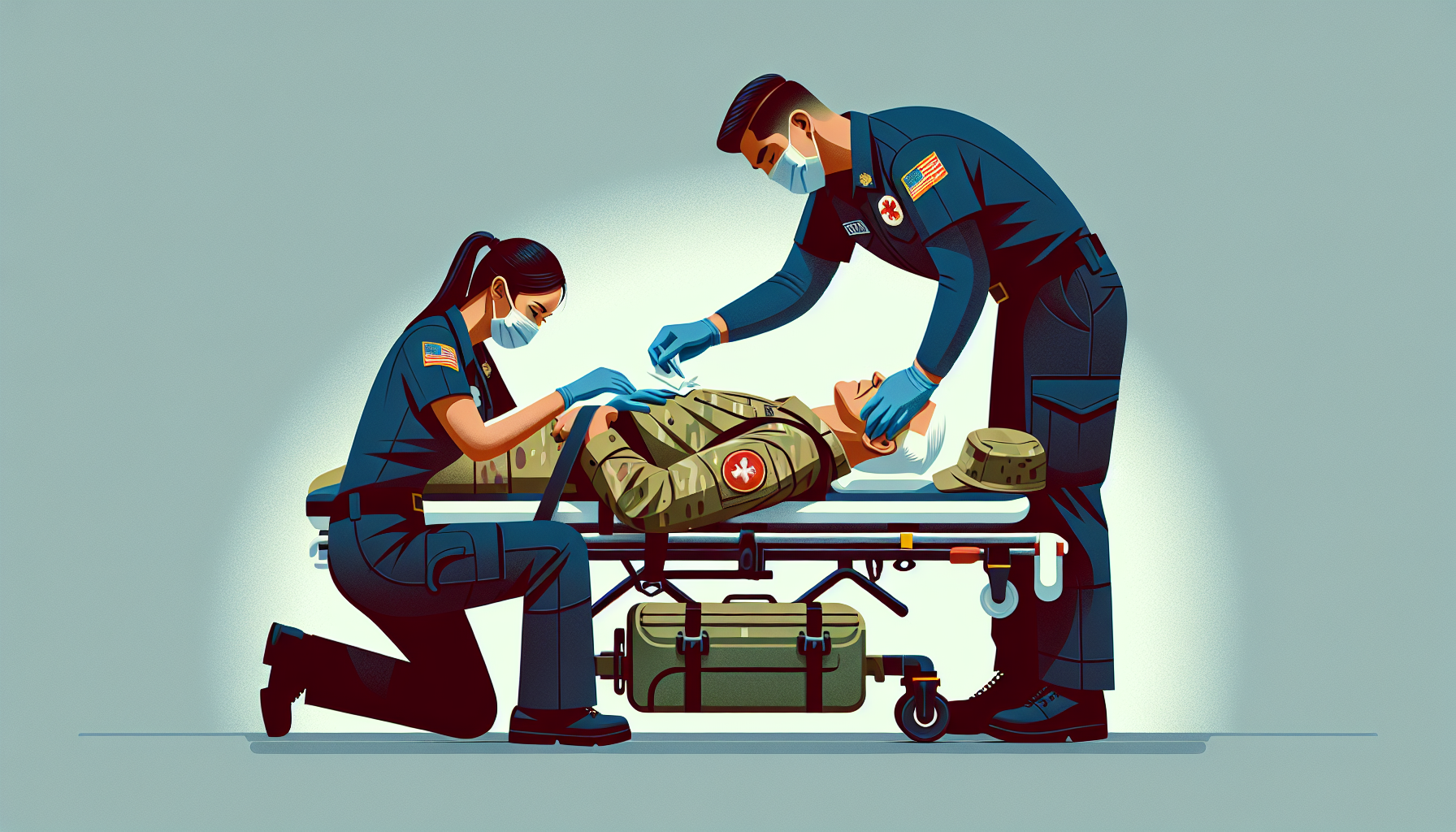
Ambulance Services

Definition

Ambulance Services, in the context of VA benefits, refers to the provision of emergency transportation for eligible veterans to the nearest appropriate medical facility. This service is typically covered by the Veterans Affairs department if it is deemed medically necessary and related to the veteran’s service-connected condition. Non-emergency ambulance transportation may also be covered if preauthorization is obtained and the transport is deemed essential for the veteran’s ongoing care and treatment.

Key Takeaways

  1. VA benefits for ambulance services cover the transportation costs for eligible veterans, providing accessible and timely medical care in emergency and non-emergency situations.
  2. Ambulance services may be covered under VA benefits when the transportation is medically necessary, the preferred facility is a VA or VA-affiliated facility, and a prior-authorization is obtained in certain cases.
  3. Eligible veterans can receive coverage for emergency ground or air ambulance transportation and reimbursement under specific conditions, ensuring financial assistance and expedited care during critical moments.

Importance

The VA benefits term “Ambulance Services” is important because it ensures that veterans who require emergency medical transportation receive prompt and appropriate care.

Under VA benefits, qualified veterans may obtain coverage for ambulance services in critical situations and/or when transportation is medically necessary.

This essential provision aims to alleviate the financial burden often associated with ambulance transport, while prioritizing the health and well-being of veterans.

It further demonstrates the commitment of the Department of Veterans Affairs to provide accessible, high-quality medical support for those who have served and protected their country.

Explanation

VA Ambulance Services represent an essential component of the healthcare system provided to eligible veterans by the Department of Veterans Affairs (VA). The overarching purpose of these services is to ensure timely, safe, and efficient transportation of veterans in emergency situations, non-emergency situations when necessary, and transferring between healthcare facilities when required. By providing veterans with access to ambulance services, the VA aims at catering to their healthcare needs and maintaining a reasonable quality of life, particularly for those individuals with chronic health conditions, disabilities, and those needing urgent medical attention.

Ambulance Services encompass various forms of transportation such as ground, air, or sea-based ambulance vehicles, depending on the veterans’ location and the urgency of their medical needs. These services play a vital role in addressing the healthcare needs of veterans by providing rapid assistance during emergency situations that require immediate intervention, such as heart attacks, severe injuries, or accidents.

In non-emergency conditions, the VA Ambulance Services help veterans with limited mobility or severe medical conditions, for instance, by transporting them to medical appointments or planned medical procedures. Ultimately, the purpose of the VA Ambulance Services is to facilitate access to proper healthcare for veterans as a recognition and reward for their dedicated service to the country.

Examples of Ambulance Services

The U.S. Department of Veterans Affairs (VA) provides ambulance services benefits to eligible veterans in specific situations. Here are three real-world examples of when these services may be utilized:

Emergency transportation: If an eligible veteran experiences a medical emergency, such as a heart attack, stroke, or severe injury, the VA may cover the cost of ambulance transportation from the scene of the emergency to the nearest appropriate medical facility. The VA will typically cover these costs if it determines that the transportation is necessary for life-saving treatment or to prevent further deterioration of the veteran’s health.

Transfer between medical facilities: Sometimes, after receiving care at one medical facility, a veteran may need to be transferred to another facility for specialized treatment, additional tests, or surgery. In such cases, if the VA determines that the transfer is medically necessary, it may cover the cost of the ambulance service.

Non-emergency transportation: In some situations, a veteran may require non-emergency medical transportation, such as from their home to a VA medical center for an appointment or treatment. If the VA determines that using a wheelchair van or ambulance is necessary due to the veteran’s health condition, it may cover the cost of these services.Note that the VA ambulance services benefits are subject to eligibility criteria, and coverage will depend on the veteran’s specific healthcare needs and circumstances. Additionally, veterans should promptly notify the VA of any ambulance service usage to ensure proper coverage and reimbursement.

FAQ – Ambulance Services

What ambulance services are covered by the VA?

The VA covers emergency ambulance services when a Veteran’s life, limb, or eyesight is at immediate risk, and they need immediate medical care. They may also cover non-emergency ambulance services for approved medical conditions, depending on the Veteran’s benefits eligibility.

How can I qualify for the VA’s emergency ambulance services?

To qualify for the VA’s emergency ambulance services, a veteran needs to be enrolled in the VA health care system, have an immediate need for medical care due to an injury or illness that poses a threat to the veteran’s life, limb, or eyesight, and have no other means of transportation available.

Are there any copayments for the ambulance services?

Yes, copayments may apply for non-service-connected outpatient ambulance services. However, copayments are not charged for service-connected ambulance services, as well as emergency ambulance services for at-risk illness or injury.

Are non-emergency ambulance services covered by the VA?

Non-emergency ambulance services may be covered by the VA if it is deemed medically necessary and meets specific criteria, and if the Veteran is eligible for the services under their VA benefits plan. This typically includes transportation to and from VA medical facilities or authorized non-VA facilities.

How do I arrange for ambulance services?

For emergency medical situations, call 911. For non-emergency ambulance services, get in touch with your primary care provider or VA health care team to determine if transportation is medically necessary and to arrange for the services before the scheduled appointment.

Are Air or Sea ambulance services covered?

The VA may cover air or sea ambulance services when medically necessary and in specific situations, especially when ground transportation is inaccessible or inadequate for the required treatment. Authorization from the VA is required for these services.

Related VA Benefit Terms

  • Emergency Medical Transportation
  • Non-emergency Medical Transportation
  • Air Ambulance Services
  • 4.

  • Community Paramedicine
  • 5.

  • Ground Ambulance Services

Sources for More Information

Benefits.com Advisors

With expertise spanning local, state, and federal benefit programs, our team is dedicated to guiding individuals towards the perfect program tailored to their unique circumstances.

Rise to the top with Peak Benefits!

Join our Peak Benefits Newsletter for the latest news, resources, and offers on all things government benefits.

Related Articles

SSDI Approval Rate by Age

SSDI Pay Chart 2026

VA Survivor Benefits

VA Disability Appeal Success Rate

x