







We are privately owned and not affiliated or endorsed by any government agency.

Take the Benefits Quiz

Armed Forces of the United States

Definition

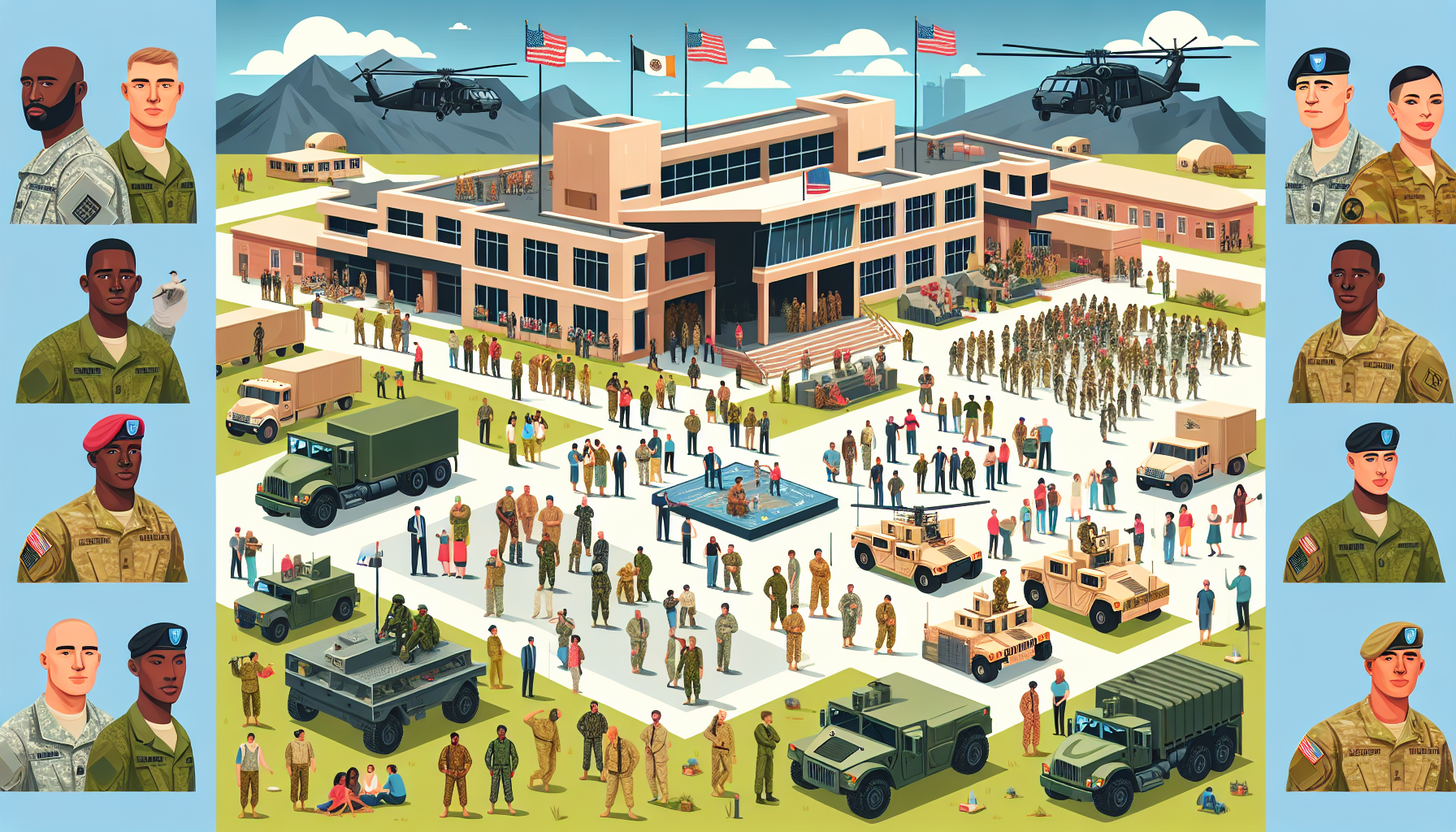
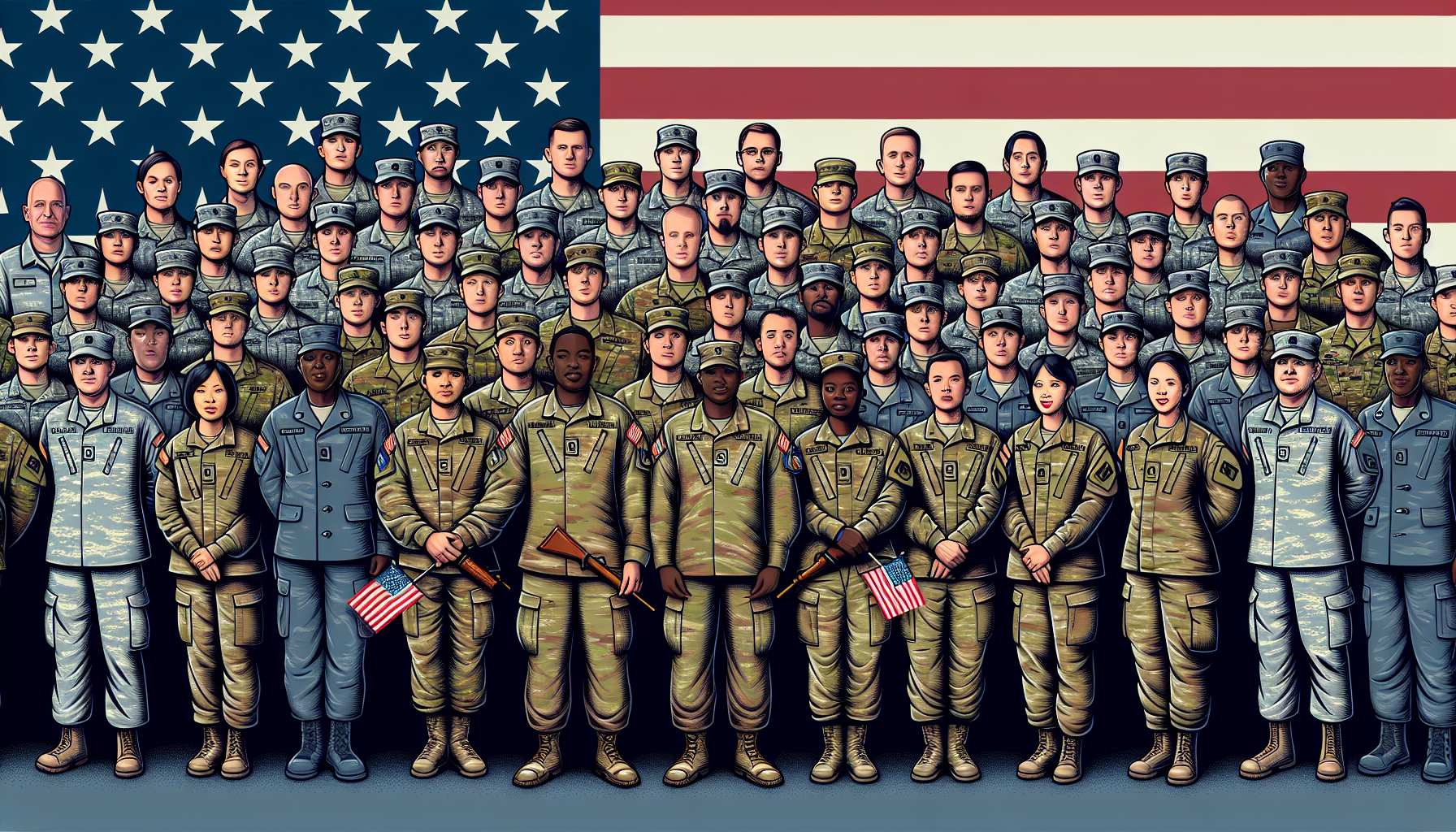
The term “Armed Forces of the United States” refers to the combined military forces of the United States, comprising the Army, Navy, Air Force, Marine Corps, and Coast Guard. These forces serve to protect and defend the United States and its interests both domestically and internationally. They operate under the authority of the Department of Defense, except the Coast Guard, which falls under the Department of Homeland Security in peacetime and can be transferred to the Department of Defense during wartime.

Key Takeaways

  1. The Armed Forces of the United States is a collective term used to represent the five branches of military service: the Army, Navy, Air Force, Marines, and Coast Guard, which together serve to protect and defend the nation’s security and interests.
  2. These branches are organized under the Department of Defense (DoD) with the exception of the Coast Guard, which belongs to the Department of Homeland Security, but can be transferred to the DoD during wartime.
  3. The President of the United States acts as the Commander-in-Chief of the Armed Forces, providing civilian oversight and control, while the Secretary of Defense and the Joint Chiefs of Staff manage military operations, strategy, and policy.

Importance

The term “Armed Forces of the United States” is important because it designates the collective entirety of the five military services—the Army, Navy, Air Force, Marine Corps, and Coast Guard—responsible for defending the nation’s security, preserving peace and maintaining national values.

Coordinated under the Department of Defense, these branches operate as a unified force with a shared mission and collaborative efforts.

By using this term, it underscores the essential purpose of the military, highlighting the significant role they play in safeguarding the United States and its citizens while showcasing the synergy and commitment of its various components.

Explanation

The purpose of the Armed Forces of the United States is to serve as the principal instrument of national defense, ensuring the security of the nation and preserving its way of life. Comprised of the Army, Navy, Air Force, Marine Corps, Coast Guard, and the newly established Space Force, this professional military organization is tasked with protecting the United States from external threats and maintaining global stability through diplomatic, military, and humanitarian efforts.

Throughout history, the Armed Forces of the United States have played a vital role in maintaining peace, averting war, and providing assistance in times of crisis or natural disasters worldwide. In addition to preserving national security, the Armed Forces of the United States also serve as a projection of the country’s influence and values in the international arena.

The U.S. military’s presence in numerous countries and regions across the globe helps to forge strategic alliances, secure trade routes, and promote democracy and human rights.

The American military also engages in joint exercises with partner nations to build regional security cooperation, share best practices, and maintain a readiness for potential contingencies. Through these actions and partnerships, the Armed Forces of the United States work to deter aggression, enhance global stability, and protect the safety and prosperity of the nation and its allies.

Examples of Armed Forces of the United States

Operation Iraqi Freedom (2003-2011): Operation Iraqi Freedom was a military operation launched by the Armed Forces of the United States, along with coalition forces, to remove Saddam Hussein’s regime in Iraq and to establish a democratic government in its place. This operation demonstrated the various branches of the U.S. military working together to achieve a common objective, with significant involvement of the U.S. Army, the U.S. Air Force, the U.S. Navy, and the U.S. Marine Corps.

Operation Enduring Freedom (2001-2014): This military operation was initiated by the United States Armed Forces in response to the 9/11 terrorist attacks. The goal of the operation was to dismantle the Al-Qaeda terrorist organization and remove the Taliban regime from power in Afghanistan. During this operation, the United States worked closely with its NATO partners and other allied nations. Various branches of the U.S. military, including the Army, Navy, Air Force, and Marine Corps, were actively involved in the operation.

Operation Desert Storm (1991): Operation Desert Storm was the combat phase of the Gulf War, a conflict between the United States and its allies against Iraq following Iraq’s invasion and annexation of Kuwait. The U.S. Armed Forces, in conjunction with coalition forces, led a large-scale air and ground offensive to drive Iraqi forces out of Kuwait and ensure the restoration of Kuwaiti sovereignty. This operation showcased the capabilities and coordination of various branches of the U.S. military, including the Army, Air Force, Navy, and Marine Corps, as well as allied forces from around the world.

FAQ Section: Armed Forces of the United States

1. What are the branches of the Armed Forces of the United States?

The United States Armed Forces consist of five branches: the Army, Navy, Air Force, Marine Corps, and Coast Guard.

2. What is the purpose of the US Armed Forces?

The main purpose of the Armed Forces of the United States is to defend the country, its territories, and interests from external threats, as well as to maintain national security and support American allies when necessary.

3. How can I join the US Armed Forces?

To join the US Armed Forces, you must meet certain requirements, such as being a US citizen or green card holder, being between the ages of 17 to 39 (depending on the branch), and having a high school diploma or GED. Each branch has its own specific requirements and application processes, so please check the websites for the Army, Navy, Air Force, Marine Corps, and Coast Guard for detailed information.

4. What benefits can I expect if I join the Armed Forces?

Members of the US Armed Forces can expect many benefits, including competitive pay, housing allowances, health care, education assistance, job training, and retirement benefits. Additionally, military service can provide valuable life skills and personal growth opportunities.

5. What is the role of the Department of Defense in the Armed Forces?

The Department of Defense (DoD) is responsible for overseeing and coordinating the activities of the US Armed Forces. This includes managing budgets, providing logistical support, and planning strategic initiatives to achieve national defense goals.

Related Military Operation Terms

  • Active duty service members
  • Veterans Affairs (VA) benefits
  • Reserve components
  • Military retirement
  • Post-9/11 GI Bill

Sources for More Information

Benefits.com Advisors

With expertise spanning local, state, and federal benefit programs, our team is dedicated to guiding individuals towards the perfect program tailored to their unique circumstances.

Rise to the top with Peak Benefits!

Join our Peak Benefits Newsletter for the latest news, resources, and offers on all things government benefits.


Related Articles

VASRD 2026 Updates

Social Security Back Pay

SSDI Approval Rate by Age

SSDI Pay Chart 2026

VA Survivor Benefits

Arming

Definition

Arming refers to the process of equipping military personnel or units with weapons, ammunition, and other necessary combat gear. This can include preparing and loading weapons systems, issuing individual firearms, and distributing other essential equipment prior to a mission. The term is vital to ensuring that the military is fully prepared and capable of executing their tasks effectively during operations.

Key Takeaways

  1. Arming refers to the process of equipping an individual, group, or vehicle with the necessary weapons, ammunition, and other related equipment for military operations or combat situations.
  2. The act of arming plays a crucial role in establishing a military’s capacity to defend its territory or engage in offensive activities, providing soldiers or military assets with the means to effectively execute their mission objectives.
  3. Arming extends beyond physical equipment and can also encompass preparing military personnel with the knowledge, strategies, and skills necessary to utilize their weaponry and other resources effectively in conflict situations.

Importance

Arming is a crucial term in military operations as it refers to the preparation and equipping of military forces with appropriate weaponry, ammunition, protective gear, and other essential resources.

This process is vital to ensure that soldiers are ready to perform their duties efficiently and effectively during times of conflict, crisis, or any mission assigned to them.

Proper arming enables forces to successfully engage with adversaries, protect their interests, and maintain national security.

Moreover, it also enhances the overall operational readiness of military units, greatly contributes to the morale and confidence of soldiers, and establishes a strong deterrent against potential threats.

Explanation

Arming, as a concept in military operations, plays a crucial role in the effective functioning of any armed forces unit. The purpose of arming lies in the fact that it primarily ensures the readiness of military personnel and weapons systems to engage in combat, as well as to respond effectively to any threats or crisis situations.

This process involves allocating the necessary resources, tools and equipment vital for the performance of defense-related missions, including firearms, ammunition, protection gear, and communication devices. The overall operational capability of a military unit depends on its state of arming, which directly translates to its ability to protect national interests, achieve strategic goals, and ultimately, maintain peace and stability in a region.

Arming is vital to the success of military operations, as it dictates the flexibility and adaptability of a unit in the face of ever-evolving threats and diverse mission requirements. The process of arming takes into account the unique needs of a specific operation, from the type of environment, opponents, potential obstacles, and the desired outcome.

As a result, arming not only comprises providing the appropriate weapons and gear but also focuses on preparing personnel through extensive training, honing skills, and integrating complex strategies to increase the effectiveness of any military operation. The ability to stay ahead in arming contributes significantly to the perceived strength and resilience of a nation’s defense forces, ultimately shaping global power dynamics and fostering a deterrent effect against potential adversaries.

Examples of Arming

Arming of the Syrian Rebels: During the Syrian Civil War, which began in 2011, various Western and regional powers provided military aid and support to various factions fighting against the Syrian regime led by Bashar al-Assad. This involved arming rebel groups with weapons, ammunition, and military equipment, in order to weaken the Assad regime and establish a new political order in Syria. The operation failed to achieve the desired results, as the Syrian regime, with the support from Russia and Iran, eventually emerged victorious in the conflict.

Arming the Afghan Mujahideen: During the Soviet-Afghan War between 1979 and 1989, the United States, along with other Western and Arab allies, provided extensive military aid and support to Afghan resistance fighters, known as the Mujahideen. The objective was to counter the Soviet invasion of Afghanistan and weaken the Soviet Union during the Cold War. This arming and supporting operation included providing arms, ammunition, and other military supplies, as well as training for the Mujahideen fighters. The operation was successful to an extent, as it contributed to the eventual withdrawal of Soviet forces from Afghanistan.

Arming of Britain’s Home Guard during WWII: The Home Guard was a British volunteer defense force established in 1940 during World War II. Its role was to provide secondary defense against enemy invasions, and the members were typically older men not eligible for active military duty. The arming of the Home Guard involved providing these volunteer soldiers with basic military equipment, such as firearms, ammunition, and uniforms. The Home Guard played a vital role in bolstering British civilian morale and assisted in local defense tasks.

FAQ – Arming

1. What is the purpose of arming in military operations?

Arming in military operations refers to the process of equipping military personnel with weapons, ammunition, and other necessary gear. The purpose of arming is to ensure that military forces are prepared for combat and can effectively defend their territory or carry out offensive actions against adversaries.

2. What types of weapons are typically used in arming military personnel?

Arming military personnel typically involves providing firearms, such as rifles, handguns, and machine guns, as well as more specialized weapons like rocket launchers, grenades, and mortars. Additionally, military personnel may also be equipped with non-lethal devices, such as stun grenades and tear gas, for use in specific situations.

3. How are military forces trained in the use of weaponry?

Military forces undergo extensive training in the use of their assigned weapons. This training generally covers a broad range of topics, including weapon handling, maintenance, safety procedures, and marksmanship skills. Additionally, personnel receive instruction in various tactics and strategies, enabling them to use their weapons effectively in combat situations.

4. Are there any international regulations regarding the arming of military personnel?

Yes, there are international regulations concerning the arming of military personnel. Various treaties and agreements, such as the Geneva Conventions and the Arms Trade Treaty, establish guidelines and restrictions for the use of certain types of weapons in warfare. These regulations aim to minimize the suffering of combatants and non-combatants alike, as well as promote international stability and security.

5. What measures are taken to ensure the security of weapons and ammunition?

Maintaining the security of weapons and ammunition is a top priority for military forces. Security measures include the use of secure storage facilities, access control systems, and regular inventories to account for all weapons and ammunition. Additionally, personnel who handle weapons and ammunition receive training in proper handling, storage, and transportation procedures to minimize the risk of accidents or theft.

Related Military Operation Terms

  • Disability compensation
  • Education and training
  • Veteran’s pensions
  • Vocational rehabilitation
  • Healthcare benefits

Sources for More Information

Benefits.com Advisors

With expertise spanning local, state, and federal benefit programs, our team is dedicated to guiding individuals towards the perfect program tailored to their unique circumstances.

Rise to the top with Peak Benefits!

Join our Peak Benefits Newsletter for the latest news, resources, and offers on all things government benefits.

Related Articles

VASRD 2026 Updates

Social Security Back Pay

SSDI Approval Rate by Age

SSDI Pay Chart 2026

VA Survivor Benefits

Arms control agreement

Definition

An arms control agreement is a formal, often legally binding, contract struck between nations or international organizations to regulate, limit, or reduce their military capabilities, such as the possession, production, or deployment of weapons. The primary purpose of such agreements is to establish a more cooperative environment in international relations, minimize the chances of conflict, and promote global security. The Treaty on the Non-Proliferation of Nuclear Weapons (NPT) and the Strategic Arms Reduction Treaty (START) are notable examples of arms control agreements.

Key Takeaways

  1. Arms control agreements are negotiated and legally binding contracts signed by two or more nations, aiming to regulate, limit, or reduce the production, deployment, or proliferation of certain types of military weapons and technology.
  2. Such agreements can lead to increased regional or global stability by reducing the chances of an arms race, fostering trust and cooperation between countries, and promoting transparency in military activities and capabilities.
  3. Examples of notable arms control agreements include the Treaty on the Non-Proliferation of Nuclear Weapons (NPT), the Strategic Arms Reduction Treaty (START), and the Intermediate-Range Nuclear Forces Treaty (INF), all of which have played significant roles in shaping international security policies and relationships.

Importance

The term “Arms control agreement” is crucial in military operations as it involves a mutually agreed-upon framework between nations to limit or regulate the development, production, testing, deployment, and stockpiling of weapons, particularly those of mass destruction like nuclear, biological, and chemical weapons.

These agreements aim to promote global security and stability by fostering trust, transparency, and cooperation among countries.

By reducing the chances of arms races and accidental escalations of conflicts, arms control agreements manage potential threats and contribute to international peace efforts, making them an essential aspect of military diplomacy and global relations.

Explanation

Arms control agreements serve a critical purpose in global security and diplomatic relations, mainly aiming to prevent or mitigate risks associated with the proliferation of weapons and potential military conflicts. These agreements are designed with a multitude of intentions, including reducing the threat of nuclear warfare, limiting the spread of conventional weapons, and promoting a sense of stability among nations.

Ultimately, they work towards fostering an environment of international trust and cooperation, and preventing an arms race that could shift the balance of power and lead to devastating consequences. By promoting transparency and restricting the development, deployment, or use of military weapons, arms control agreements contribute to a safer and more stable world for all nations involved.

Apart from ensuring global security, arms control agreements often lead to the reallocation of valuable resources towards non-military purposes, such as social and economic development. In this way, nations prioritize the well-being and advancement of their citizens, rather than engaging in costly military endeavors that can drain their economy and hinder progress.

Furthermore, these agreements provide a platform for diplomatic dialogue among participating nations, often involving compromises and fostering a sense of respect and understanding among them. Through these negotiations, countries can collectively address their security concerns and work towards the peaceful resolution of conflicts, all the while striving to maintain a balance of power and stability around the world.

Examples of Arms control agreement

The Treaty on the Non-Proliferation of Nuclear Weapons (NPT) – Signed in 1968 and implemented in 1970, the NPT is one of the most crucial arms control agreements in history. Its primary goal is to prevent the spread of nuclear weapons and promote the peaceful use of nuclear technology. The treaty currently has 191 member states, with North Korea being the only nation that withdrew from the agreement in

The Strategic Arms Reduction Treaty (START I) – Signed in 1991 between the United States and the Soviet Union, START I aimed to reduce and limit the number of strategic offensive arms possessed by both parties. The treaty was highly successful in reducing the nuclear arsenals of both countries’, contributing to the end of the Cold War. START I led to further arms control agreements such as START II and the New START treaty.

The Intermediate-Range Nuclear Forces Treaty (INF) – The INF treaty was signed in 1987 by U.S. President Ronald Reagan and Soviet leader Mikhail Gorbachev. The treaty aimed to eliminate an entire class of nuclear and conventional ground-launched ballistic and cruise missiles with ranges between 500 to 5,500 kilometers. Both countries successfully destroyed 2,692 missiles under the treaty by

However, in 2019, the U.S. formally withdrew from the treaty, citing Russian violations.

FAQ: Military Operations – Arms Control Agreement

What is an arms control agreement?

An arms control agreement is a mutual understanding or treaty between two or more nations that aims to restrict the development, proliferation, or use of weapons. This may involve limiting the number of weapons, placing restrictions on weapon types or capabilities, or setting guidelines on how they can be used or deployed.

Why are arms control agreements important?

Arms control agreements are essential tools for promoting international peace and security by reducing the threat of armed conflict. They help to minimize the risks of an arms race, which can destabilize the world politically and economically. Moreover, these agreements can lead to cost savings for participating nations and contribute to increased trust and communication among them.

What famous arms control agreements are currently in place?

Some notable arms control agreements include the Treaty on the Non-Proliferation of Nuclear Weapons (NPT), the Intermediate-Range Nuclear Forces Treaty (INF), the Strategic Arms Reduction Treaty (START I and II), and the Treaty on the Prohibition of Nuclear Weapons (TPNW). Some of these agreements have faced challenges in recent years, but they continue to be important tools for managing global security issues.

How are arms control agreements verified and enforced?

Verification and enforcement of arms control agreements typically involve a combination of on-site inspections, data exchanges, technical cooperation, and national intelligence efforts. International organizations like the United Nations and specialized agencies like the International Atomic Energy Agency (IAEA) often play an essential role in overseeing these processes.

What are the challenges of reaching and implementing arms control agreements?

Reaching and implementing arms control agreements can be challenging due to the varying political, economic, and security interests of participating nations. Mistrust and concerns about revealing sensitive information may complicate negotiations, and conflicting priorities can make enforcement difficult. However, despite these hurdles, arms control agreements have historically been significant contributors to global stability and security.

Related Military Operation Terms

  • Non-Proliferation Treaty (NPT)
  • Strategic Arms Reduction Treaty (START)
  • Intermediate-Range Nuclear Forces Treaty (INF)
  • Comprehensive Nuclear-Test-Ban Treaty (CTBT)
  • Missile Technology Control Regime (MTCR)

Sources for More Information

Benefits.com Advisors

With expertise spanning local, state, and federal benefit programs, our team is dedicated to guiding individuals towards the perfect program tailored to their unique circumstances.

Rise to the top with Peak Benefits!

Join our Peak Benefits Newsletter for the latest news, resources, and offers on all things government benefits.

Related Articles

VASRD 2026 Updates

Social Security Back Pay

SSDI Approval Rate by Age

SSDI Pay Chart 2026

VA Survivor Benefits

Army air-ground system (AAGS)

Definition

The Army Air-Ground System (AAGS) is a term used to describe the collective coordination, communication, and integration between ground forces and aviation elements, primarily within the United States Army. It aims to improve tactical and operational effectiveness through synchronized command and control activities. The AAGSystem ultimately facilitates joint operations, intelligence sharing, and mission planning while enhancing battlefield situational awareness.

Key Takeaways

  1. The Army Air-Ground System (AAGS) is a comprehensive framework designed to enhance the coordination and integration of air and ground forces, improving the capabilities and efficiency of military operations.
  2. AAGS emphasizes communication, planning, and execution between Army ground units and the aviation assets to support them; these components include tactical command and control, air traffic control, airspace management, and mission planning processes.
  3. By utilizing the Army Air-Ground System, forces on the battlefield can maximize their potential, achieving greater situational awareness, reduced response times, precision targeting capabilities, and improved survivability and mobility.

Importance

The Army Air-Ground System (AAGS) is a vital component of military operations as it facilitates seamless coordination and communication between ground and air forces.

It enhances the overall tactical, operational, and strategic effectiveness of the military by enabling joint decision-making, streamlined coordination, and faster execution of missions.

The AAGS ensures the efficient integration and utilization of air and ground assets and resources, ultimately improving the response time, situational awareness, and combat capabilities of the military forces.

As a result, the AAGS significantly contributes to ensuring the success and safety of military personnel in various combat scenarios, making it an essential element of modern military operations.

Explanation

The Army Air-Ground System (AAGS) is a vital component in modern military operations, designed to ensure seamless communication and collaboration between ground-based units and aviation assets. Its principal purpose is to enhance the effectiveness of both divisions, allowing them to work in unison to achieve mission objectives more efficiently and bolster overall combat power.

This is crucial for maximizing situational awareness, coordinating maneuvers, and providing critical support during various types of military engagements, including reconnaissance, combat, and logistics missions. The AAGS thus plays a pivotal role in the successful execution of joint operations, as it enables the army to harness the full potential of its combined combat capabilities.

One of the key aspects of the AAGS is the integration of advanced communication systems and sophisticated data-sharing platforms that facilitate real-time exchange of information between ground forces and aviation elements. This helps overcome the challenges posed by rapidly changing battlefield environments and allows commanders to make informed decisions based on accurate situational updates from both air and ground perspectives.

Furthermore, the AAGS enables synchronized planning and execution of fire support, close air support, and air mobility operations which are critical to successful mission outcomes. By providing a unified structure for coordinating and employing these resources, the Army Air-Ground System significantly bolsters the overall efficacy of military operations, ensuring that air and ground units can work together harmoniously and effectively to achieve their strategic goals.

Examples of Army air-ground system (AAGS)

Operation Desert Storm (1991): During the Gulf War, the Army Air-Ground System (AAGS) was crucial in enhancing the effectiveness of joint military operations between the United States Army and the U.S. Air Force. Integrating the capabilities of both air and ground forces, this system enabled a rapid and decisive victory against Iraqi forces. The AAGS facilitated communication, resource sharing, and coordinated planning that maximized the utilization of air and ground resources, supporting the seamless exchange of intelligence, targeting, and battle damage assessment.

The Joint Readiness Training Center (JRTC), Fort Polk, Louisiana: The JRTC serves as a prime example of how the AAGS is employed in training exercises for joint-force air-ground operations. This large-scale training facility is designed to simulate various types of military environments, and it offers opportunities to practice coordination and integration between army and air force units. The AAGS is essential in fostering seamless communication, planning, and execution during these complex and realistic training scenarios.

Forward Air Controllers (FAC) during the Vietnam War: The AAGS played a critical role in missions led by Forward Air Controllers (FAC) during the Vietnam War. FACs were responsible for directing U.S. Air Force and Army aircraft in close air support missions, assisting ground troops in combat against enemy forces. Utilizing the AAGS, FACs were able to accurately communicate the positions of friendly and enemy units, ensuring that air support was effectively delivered where needed. This greatly improved the chances of success during numerous tactical engagements in the conflict.

FAQ: Army Air-Ground System (AAGS)

What is the Army Air-Ground System (AAGS)?

The Army Air-Ground System (AAGS) is a comprehensive communication system that provides effective coordination and integration between ground forces and aviation assets during military operations. This system ensures information sharing, timely decision making, and synchronized actions, enhancing the overall effectiveness of military missions.

What are the main components of the AAGS?

The key components of the AAGS include the Air-Ground Operations System (AGOS), the Tactical Airspace Integration System (TAIS), and the Army Airborne Command and Control System (A2C2S). These systems work together, incorporating various communication, surveillance, and data management tools to facilitate seamless collaboration between ground and airborne forces.

What is the role of the AAGS in military operations?

The AAGS plays a critical role in military operations by streamlining the flow of information between ground and air units, ensuring accurate targeting, coordinating troop movements, and enhancing situational awareness. By effectively integrating and managing these communication channels, the AAGS improves battlefield efficiency and increases the chances of a successful mission outcome.

How does the AAGS support joint operations?

The AAGS supports joint operations by allowing seamless interoperability with other branches of the military, such as the Air Force, Marine Corps, and Navy. This compatibility enables the integration of additional resources, skill sets, and capabilities, and provides more accurate and timely information for decision-making processes and mission execution.

What are some challenges and limitations of the AAGS?

While the AAGS is incredibly beneficial in coordinating military operations, it is not without challenges or limitations. Some of these challenges include the need for constant updates to keep pace with rapidly changing technological advancements, the high cost of implementation, and potential vulnerabilities to cyberattacks or electronic warfare. Additionally, ensuring effective communication between different systems can be quite complex and requires continuous attention and maintenance.

Related Military Operation Terms

  • Joint Terminal Attack Controller (JTAC)
  • Forward Air Controller (FAC)
  • Tactical Air Control Party (TACP)
  • Close Air Support (CAS)
  • Airborne Warning and Control System (AWACS)

Sources for More Information

Benefits.com Advisors

With expertise spanning local, state, and federal benefit programs, our team is dedicated to guiding individuals towards the perfect program tailored to their unique circumstances.

Rise to the top with Peak Benefits!

Join our Peak Benefits Newsletter for the latest news, resources, and offers on all things government benefits.

Related Articles

VASRD 2026 Updates

Social Security Back Pay

SSDI Approval Rate by Age

SSDI Pay Chart 2026

VA Survivor Benefits

Army corps

Definition

An Army corps, in military operations, refers to a large unit consisting of two or more divisions, which are smaller formations, along with support elements such as logistics, artillery, and engineering units. The primary role of an Army corps is to conduct large-scale ground operations, maintain tactical command over divisions, and coordinate communication and resources. The composition and size of the corps can vary significantly based on the nation and the nature of the mission but generally include thousands of personnel.

Key Takeaways

  1. An Army corps is a significant formation in modern militaries that typically consists of two or more divisions, including combat, combat support, and service support units, and is led by a corps commander who holds the rank of a major general or higher.
  2. Army corps are versatile formations that can perform different tasks ranging from executing offensive and defensive operations to providing humanitarian assistance, and their primary function is to coordinate and synchronize the activities of their subordinate units to achieve operational and strategic objectives.
  3. Due to their size, flexibility, and ability to integrate components from other military branches, Army corps can operate independently or in conjunction with other friendly forces, depending on the mission and circumstances, and they can be rapidly deployed to respond to various contingencies worldwide.

Importance

The term “Army corps” is crucial in military operations as it represents a large, highly adaptable formation in an army, which comprises of thousands of personnel and varied combat/ support units.

It serves as a key level of command and organization, enabling multiple divisions to coordinate capabilities, resources, and assets effectively while maintaining flexibility, rapid response, and a high degree of operational efficiency.

As a vital structural component in military hierarchy, the Army corps allows for strategic planning, execution of complex military campaigns, and adaptation to diverse battle scenarios, ultimately contributing to a nation’s overall defense and security objectives.

Explanation

The purpose of an Army corps is to fulfill a crucial role in the organization, operation, and effectiveness of a nation’s military forces. It serves as an intermediary level between smaller formations, such as divisions or brigades, and the broader army group or field army.

Be it land engagements, logistics operations, or deft defense execution, an Army corps efficiently establishes an integrated approach to fulfilling diverse strategic missions by pooling together resources, manpower and command systems. Specifically, commanders of an Army corps have the responsibility of coordinating military maneuvers while managing a massive number of specialized combat units, allowing for better orchestration and higher efficiency during military operations.

Furthermore, the Army corps is utilized for large-scale military engagements, where the synergy of various components like infantry, artillery, cavalry, and support units along with intelligence and engineering factions is pivotal to achieving operational superiority. Notably, Army corps facilitate flexibility, enabling the military to adjust rapidly to new threats and swiftly adapt to varying battlefield environments.

As such, a well-structured and versatile Army corps proves invaluable in terms of consolidating strategic national security interests, and thereby, safeguarding peace and stability throughout the world.

Examples of Army corps

The Union Army during the American Civil War: The Union Army created the Army Corps structure to better manage large groups of troops. The Army of the Potomac, the main Union fighting force, was divided into several Army Corps, with each corps consisting of two to four divisions containing multiple brigades. Major generals commanded these corps, while Lieutenant generals commanded the entire Army. One famous corps in the Union Army was the II Corps, commanded by Major General Winfield Scott Hancock, which played a significant role in the Battle of Gettysburg.

The German Army during World War II: In World War II, the German Army (Wehrmacht) utilized the corps structure to organize its forces. One notable corps was the Afrika Korps, led by General Erwin Rommel, which fought in North Africa against British and American forces. The Afrika Korps consisted of several divisions, including the 15th Panzer Division and the 21st Panzer Division, and played a crucial role during battles such as the Battle of El Alamein.

The US Army during the Vietnam War: The US Army employed numerous corps during the Vietnam War to better coordinate and manage its forces. One example was the I Field Force, Vietnam (IFFV), commanded by Lieutenant General Stanley R. Larsen and later Major General Charles A. Corcoran. IFFV managed US and allied forces in the highlands of South Vietnam, consisting of several divisions and brigades, including the 4th Infantry Division, the 173rd Airborne Brigade, and the 1st Brigade, 101st Airborne Division. The corps was responsible for both regionally-focused counter-insurgency missions and major search and destroy operations.

FAQ: Army Corps

What is an Army Corps?

An Army Corps is a large military formation that typically consists of two or more divisions and their support units. An Army Corps can have tens of thousands of soldiers, and the unit is usually commanded by a corps-commanding general, often a lieutenant general or a three-star general.

What is the role of an Army Corps in military operations?

An Army Corps plays a significant role in military operations by conducting large-scale offensives, defensive operations, and maneuvers. An Army Corps has the command and control capabilities to plan, coordinate, and execute complex operations that involve multiple divisions, as well as the ability to integrate air and ground assets effectively.

How is an Army Corps organized?

An Army Corps is typically organized into divisions, which are further divided into brigades or regiments. Each division usually consists of three to five brigades, which can include infantry, armor, artillery, and other support units. The Army Corps headquarters is responsible for coordinating the activities of all its subordinate units and providing them with logistical, intelligence, and communication support.

What is the history of Army Corps?

The concept of an Army Corps dates back to the Napoleonic Wars when the French army was organized into corps to improve its mobility, responsiveness, and flexibility on the battlefield. The United States adopted the Army Corps structure during the American Civil War, and other countries subsequently adopted similar formations. Today, Army Corps are a common organizational structure in many modern militaries.

How do Army Corps cooperate with other military branches?

Army Corps often work closely with other military branches like the Air Force and Navy during joint operations. They coordinate with other services to integrate their capabilities and ensure a seamless execution of the mission. Cooperation may include sharing intelligence, providing logistical support, coordinating air and artillery support, and conducting joint maneuvers, among other activities.

Related Military Operation Terms

  • GI Bill
  • Veterans Health Administration
  • Army Reserve Forces
  • Disability Compensation
  • Post-9/11 Educational Assistance

Sources for More Information

Benefits.com Advisors

With expertise spanning local, state, and federal benefit programs, our team is dedicated to guiding individuals towards the perfect program tailored to their unique circumstances.

Rise to the top with Peak Benefits!

Join our Peak Benefits Newsletter for the latest news, resources, and offers on all things government benefits.

Related Articles

VASRD 2026 Updates

Social Security Back Pay

SSDI Approval Rate by Age

SSDI Pay Chart 2026

VA Survivor Benefits

Army Service component command (ASCC)

Definition

The Army Service Component Command (ASCC) is a term used in military operations to describe a command organization within the United States Army. These organizations are responsible for fulfilling operational and administrative missions in their respective geographical areas or theaters of operation. In essence, an ASCC serves as the primary link between a Combatant Command and the Army’s forces assigned to that command, ensuring effective coordination and support.

Key Takeaways

  1. Army Service Component Command (ASCC) is a major subordinate command within the U.S. Army, which serves as the primary interface between the Army and the respective Combatant Commanders (CCDRs) for the purpose of planning, preparing, and executing operations within their assigned areas of responsibility.
  2. ASCCs provide operational and administrative control for Army forces assigned to each Combatant Command, ensuring that these forces are ready, trained, and equipped for a variety of missions, including providing support in humanitarian efforts, natural disasters, and combat operations.
  3. There are multiple ASCCs in the U.S. Army framework, each responsible for different geographical regions and tailored to meet the unique needs and challenges of their respective combatant commands. Examples of ASCCs include United States Army Europe (USAREUR), United States Army Central (USARCENT), and United States Army Pacific (USARPAC).

Importance

The term Army Service Component Command (ASCC) is important because it refers to a high-level organizational structure within the United States Army, responsible for overseeing and integrating the diverse aspects of Army capabilities within a geographic or functional combatant command.

These commands play a crucial role in maintaining the readiness and effectiveness of Army forces, aligning and tailoring support to the specific requirements of the assigned combatant command.

Through effective coordination, the ASCC ensures seamless synchronization between active Army, Army Reserve, and National Guard units while supporting joint and combined operations.

This command structure enhances the Army’s responsiveness, decision-making, and mission accomplishment in support of the United States’ global national security objectives.

Explanation

The Army Service Component Command (ASCC) serves a pivotal role in coordinating and synchronizing the efforts of multiple units and agencies within the US Army towards the accomplishment of strategic objectives. An effective tool in streamlining communication, the ASCC’s primary purpose lies in bridging the gap between higher headquarters, such as combatant commands, and subordinate units.

In doing so, the ASCC facilitates seamless cooperation among various entities, ultimately propelling the US Army towards mission success. Furthermore, as the senior army echelon in a theater of operation, the ASCC possesses the authority to allocate critical resources and manage logistics, playing an indispensable part in orchestrating a rapid, coordinated response in times of crisis.

ASCCs demonstrate a considerable degree of versatility, as these commands adapt and cater to the unique requirements of their assigned combatant commands. By integrating with best practices, knowledge, and expertise from different echelons, ASCCs cultivate a thorough understanding of a combatant command’s priorities and vision, ultimately driving the operational and tactical planning in alignment with said objectives.

Equipped with this contextual understanding, ASCCs also maintain responsibility for providing and managing administrative, as well as combat and operational support, further amplifying their utility during diverse military operations. In summary, the Army Service Component Command’s purpose and significance lie in its ability to synchronize and integrate efforts across the US Army, a vital element in realizing objectives within the complex, dynamic landscape of modern military operations.

Examples of Army Service component command (ASCC)

United States Army Forces Command (FORSCOM): FORSCOM is the largest Army Service Component Command in the United States, with headquarters at Fort Bragg, North Carolina. Its primary mission is to provide trained and ready forces to Combatant Commanders worldwide. FORSCOM trains, mobilizes, deploys, sustains, transforms, and reconstitutes conventional forces, providing relevant and ready land power to the joint force.

United States Army Pacific (USARPAC): As the ASCC under the United States Indo-Pacific Command, USARPAC has its headquarters in Fort Shafter, Hawaii. Its mission is to provide ready land forces capable of conducting a full spectrum of operations throughout the Indo-Asia Pacific region. USARPAC works with regional partners to build relationships, maintain security and stability, and respond to crises or contingencies.

United States Army Europe and Africa (USAREUR-AF): Headquartered in Wiesbaden, Germany, USAREUR-AF serves as the ASCC under both United States European Command and United States Africa Command. Its main mission is to assure allies and partners, deter adversaries, enable the U.S. Army, and protect the nation through developing strong relationships, preparing and deploying trained forces, and ensuring strategic access to critical infrastructure and lines of communication.

FAQ: Army Service Component Command (ASCC)

What is an Army Service Component Command (ASCC)?

An Army Service Component Command (ASCC) is a command within the United States Army that acts as the primary source of theater-specific support for geographical unified combatant commands. Each of these commands is responsible for planning, providing, and managing resources for their assigned regions in coordination with other military services and defense agencies.

What are the roles and responsibilities of an ASCC?

An ASCC has several key roles and responsibilities, including but not limited to: providing trained and ready forces for combatant commanders, planning and executing operational support missions, supporting theater security cooperation, overseeing administrative and logistical operations within their assigned regions, and coordinating with joint, interagency, and multinational partners.

How is the command structured?

Each ASCC is led by a commanding general (typically a 3-star general), who is responsible for planning and executing operational support missions in their assigned area. The ASCC contains various subordinate commands and units, tailored to specific operational requirements. The structure of an ASCC may differ depending on its assigned missions and region, but generally, it includes a headquarters element, combat support and sustainment units, and direct reporting units from various Army disciplines.

Which combatant commands are supported by ASCCs?

ASCCs are responsible for supporting the following geographical unified combatant commands: U.S. Central Command (USCENTCOM), U.S. European Command (USEUCOM), U.S. Indo-Pacific Command (USINDOPACOM), and U.S. Southern Command (USSOUTHCOM). Additional ASCCs support U.S. Africa Command (USAFRICOM) and U.S. Northern Command (USNORTHCOM).

What is the difference between an ASCC and other major Army commands?

An Army Service Component Command (ASCC) focuses primarily on supporting a specific combatant command within a designated geographic area, whereas other major Army commands may have broader responsibilities across multiple regions or worldwide. For example, Training and Doctrine Command (TRADOC) is responsible for developing doctrine, training, and education for the entire Army, whereas an ASCC is primarily responsible for providing theater-specific support to combatant commanders.

Related Military Operation Terms

  • Active Duty
  • Reserve Component
  • National Guard
  • Operation and Maintenance Budget
  • Force Readiness

Sources for More Information

Benefits.com Advisors

With expertise spanning local, state, and federal benefit programs, our team is dedicated to guiding individuals towards the perfect program tailored to their unique circumstances.

Rise to the top with Peak Benefits!

Join our Peak Benefits Newsletter for the latest news, resources, and offers on all things government benefits.

Related Articles

VASRD 2026 Updates

Social Security Back Pay

SSDI Approval Rate by Age

SSDI Pay Chart 2026

VA Survivor Benefits

Army special operations forces (ARSOF)

Definition

Army Special Operations Forces (ARSOF) refers to the elite units within the United States Army that are specifically trained and equipped to conduct unconventional warfare, special reconnaissance, counterterrorism, and other specialized missions. These forces often operate in highly sensitive or hostile environments and require unique skills and expertise that set them apart from conventional military forces. Key components of ARSOF include the U.S. Army Special Forces (Green Berets), the 75th Ranger Regiment, and the 160th Special Operations Aviation Regiment (SOAR).

Key Takeaways

  1. Army Special Operations Forces (ARSOF) are elite, highly-trained units within the U.S. Army, focused on executing specialized and unconventional missions to achieve strategic objectives.
  2. ARSOF units include the Special Forces (Green Berets), Rangers, Civil Affairs, Psychological Operations, and other specialized units, each with unique skills and capabilities to perform unconventional warfare, direct action, special reconnaissance, and counterterrorism operations.
  3. ARSOF personnel undergo rigorous selection and training processes, maintaining a high level of readiness and adaptability to conduct rapid, flexible, and efficient operations in complex environments around the world.

Importance

Army Special Operations Forces (ARSOF) play a vital role in the execution of military operations and strategies, often times facing complex and high-risk challenges.

The importance of ARSOF lies in their unique capabilities, skills, and expertise in conducting unconventional warfare, special reconnaissance, counterterrorism, foreign internal defense, and civil affairs.

These elite forces are highly trained and capable of operating across a wide range of environments and situations, often working as force multipliers by collaborating with allied forces, interagency partners, and local populations.

Given the increasing complexities and challenges in modern warfare and global security, the ARSOF have become crucial assets in promoting regional stability, enhancing security, and achieving mission objectives with precision, discretion, and efficiency.

Explanation

The primary purpose of Army Special Operations Forces (ARSOF) is to execute highly specialized missions, often with a strategic significance, that surpass the capabilities of conventional military forces. Tasked with addressing unconventional threats and challenges, ARSOF units are highly trained, agile, and adaptable. These elite soldiers engage in a wide range of military operations, including unconventional warfare, psychological operations, counterterrorism, special reconnaissance, and many others.

Operating under the United States Army Special Operations Command (USASOC), ARSOF serves as a critical component in projecting power and protecting national interests, both domestically and internationally. The effectiveness of ARSOF in executing complex missions lies in its versatility and proficiency in various facets of warfare. These special operators work closely with partner nations, fostering relationships and providing assistance in building their capabilities.

For instance, ARSOF units may train foreign military forces, equipping them with the skills and resources necessary to preserve stability and security in their regions. Often, ARSOF units conduct operations in austere environments and are embedded within foreign societies to gather critical intelligence or to support resistance movements that align with U.S. national objectives.

Consequently, Army Special Operations Forces are an invaluable asset in advancing U.S. strategic goals and ensuring the nation’s readiness to address emerging threats.

Examples of Army special operations forces (ARSOF)

Operation Neptune Spear (2011): This was a covert operation conducted by the United States Naval Special Warfare Development Group (also known as SEAL Team Six) to kill or capture Osama bin Laden, the founder and head of the Islamist terrorist organization Al-Qaeda. The operation resulted in the death of bin Laden, and it showcased the capabilities and effectiveness of Army Special Operations Forces in high-stakes missions.

Raid on the Son Tay Prison Camp (1970): The United States Army’s Green Berets conducted a daring rescue mission to liberate American Prisoners of War (POWs) held at the Son Tay prison camp in North Vietnam during the Vietnam War. Although the operation did not result in the rescue of any POWs (due to them being moved before the raid), it demonstrated the operational capabilities and bravery of the ARSOF and is considered a significant milestone in the development of modern special operations forces.

Operation Anaconda (2002): This operation was a joint effort between the United States military (including Army Special Operations Forces such as 10th Mountain Division, 75th Ranger Regiment, and elements of Delta Force) and the Afghan Northern Alliance to remove large concentrations of Taliban and Al-Qaeda forces from the Shahi-Kot Valley in Afghanistan. The operation successfully disrupted and dismantled enemy forces in the area, allowing for the consolidation of newly formed Afghan government control. This operation showcased the effectiveness of ARSOF in working alongside conventional and allied forces in counterinsurgency and counterterrorism missions.

FAQ Section: Army Special Operations Forces (ARSOF)

What are the Army Special Operations Forces (ARSOF)?

Army Special Operations Forces (ARSOF) are elite military units that specialize in unconventional warfare, special reconnaissance, direct action, and counter-terrorism operations. These forces are highly trained and equipped to perform a wide range of critical missions around the world.

What are the different ARSOF units?

The main ARSOF units include the U.S. Army Special Forces (Green Berets), the 75th Ranger Regiment, Delta Force (1st Special Forces Operational Detachment-Delta), Special Operations Aviation Regiment (160th SOAR), and Intelligence Support Activity (ISA). Each unit focuses on specific tasks and mission profiles.

What is the primary mission of ARSOF?

The primary mission of ARSOF is to provide specialized military capabilities to the U.S. government and its allies, in support of strategic objectives and combating unconventional threats. This includes conducting special warfare, special reconnaissance, direct action, and counter-terrorism operations, as well as providing advice and assistance to foreign military forces.

How are ARSOF personnel trained and selected?

ARSOF personnel undergo rigorous selection and assessment processes, followed by specialized training in their respective fields. This includes physical fitness tests, psychological evaluations, language proficiency, and technical skills development. Upon completion of their training pipeline, ARSOF soldiers are experts in their areas of specialization and are prepared for a wide range of challenging missions.

How do ARSOF units work with conventional military forces?

ARSOF units often work alongside conventional military forces, providing specialized capabilities and expertise to enhance the effectiveness of joint operations. This can include coordinating with other U.S. military branches, as well as working with foreign military partners to build relationships, share intelligence, and offer guidance on unique combat tactics and strategies.

Related Military Operation Terms

  • Airborne and Ranger training
  • Special Forces (Green Berets)
  • Delta Force
  • 75th Ranger Regiment
  • Psychological Operations

Sources for More Information

Benefits.com Advisors

With expertise spanning local, state, and federal benefit programs, our team is dedicated to guiding individuals towards the perfect program tailored to their unique circumstances.

Rise to the top with Peak Benefits!

Join our Peak Benefits Newsletter for the latest news, resources, and offers on all things government benefits.

Related Articles

VASRD 2026 Updates

Social Security Back Pay

SSDI Approval Rate by Age

SSDI Pay Chart 2026

VA Survivor Benefits

Army support area

Definition

The Army support area (ASA) refers to a designated location within a larger operational area, where crucial logistical, administrative, and other support functions for military operations take place. It serves as a hub for supplies, maintenance, and medical services that are essential to sustain combat forces. The ASA ensures the continuous flow of resources and assistance, playing a vital role in maintaining the overall effectiveness and readiness of military units.

Key Takeaways

  1. An Army support area (ASA) is a designated location in the field where logistical, administrative, and support functions are centralized to effectively sustain military operations.
  2. The ASA is structured to enhance force protection and enable efficient coordination, communication, and resource management between various support units and combat forces.
  3. Typical activities in an Army support area include maintenance and repair, medical services, transportation of goods and personnel, replenishment of supplies, and other functions that help maintain combat readiness for the troops at the front lines.

Importance

The military operations term “Army support area” is crucial because it designates a specific region in the operational area, where critical logistics, administrative, and medical resources are stationed and organized to supply, maintain, and support fielded forces.

This area enables smooth command and control functions, facilitates communication, and ensures the readiness of troops.

By efficiently managing the logistics and support elements, an army support area ensures continuous and unobstructed flow of supplies, services, and reinforcements to the engaged frontline military personnel, ultimately contributing to the successful execution of military missions and objectives.

Explanation

The primary purpose of an Army Support Area (ASA) is to provide comprehensive and centralized logistical support for military forces engaged in combat operations. These areas function as a vital backbone for sustaining the fighting capacity of armed forces. Located behind front-line positions, they serve as a hub where support units coordinate to deliver essential services such as maintenance, medical care, and the replenishment of supplies such ammunition, fuel, and food.

By streamlining the provision of these resources, ASAs allow combat units to maintain their focus on their operational objectives, significantly enhancing their effectiveness on the battlefield. In addition to logistical functions, ASAs play a crucial role in command and control, communications, and intelligence gathering. They house the necessary infrastructure and personnel to facilitate the rapid dissemination of vital information for decision-making and the coordination of both tactical and strategic operations.

By centralizing these support functions, ASAs enable a more effective use of resources and improve the overall operational efficiency of the military force. Furthermore, they provide the flexibility needed to adapt to changing circumstances on the battlefield, ensuring that military personnel receive the necessary logistical support, regardless of the conditions they face. Overall, the Army Support Area remains an indispensable component of modern military operations, as it underpins the capabilities of combat forces and contributes to their success on the battlefield.

Examples of Army support area

Operation Desert Storm (1991): During the Gulf War, the Coalition forces led by the United States established Army Support Areas (ASA) in the vast deserts of Saudi Arabia. These ASAs played a crucial role in providing logistical support, maintenance, and administration services to the troops involved in the offensive against the Iraqi forces. Large stockpiles of fuel, ammunition, water, and food were stored in these areas, with support units working around the clock to ensure supply lines remained operational.

Operation Joint Endeavor (1995-1996): In supporting peacekeeping operations in Bosnia-Herzegovina under the Dayton Peace Agreement, the NATO-led multinational Implementation Force (IFOR) required extensive logistical and administrative support. Army Support Areas were established in countries like Croatia and Hungary, providing key logistical support for the transportation of troops, supplies, and equipment into the conflict area. These ASAs helped maintain the operational tempo and readiness required for effective peacekeeping missions.

The Iraq War (2003-2011): During the invasion of Iraq by US-led forces, Army Support Areas were set up in neighboring Kuwait. These ASAs were critical in supplying the Coalition forces with the necessary resources to conduct their military operations. The ASAs ensured that the military forces were well equipped and stocked with ammunition, fuel, and rations, while also offering medical, administrative, and repair services. These support areas played an essential role in sustaining the momentum of Coalition forces throughout the war, especially during the initial offensive and subsequent occupation periods.

FAQ: Army Support Area

1. What is an Army Support Area (ASA)?

An Army Support Area (ASA) is a designated location within a combat zone where units provide essential logistical, medical, and tactical support to frontline units. It serves as a staging ground, coordination center, and supply hub for combat forces.

2. What are the primary functions of an Army Support Area?

The primary functions of an ASA include maintenance, resupply, medical support, communications, and command and control of troops. Its purpose is to increase the operational effectiveness of combat units by providing a reliable source of support and resources.

3. What units are typically found in an Army Support Area?

Units commonly found in an ASA include supply, transportation, maintenance, medical, signal, and military police units. These specialized units work together to provide the necessary support to keep combat forces operational.

4. How is the location of an Army Support Area determined?

The location of an ASA is determined by factors such as the mission, terrain, potential enemy threats, and proximity to friendly forces. It is typically located far enough from the front lines to reduce vulnerability to enemy attacks, but close enough to provide timely support to combat units.

5. How are supplies and equipment delivered to an Army Support Area?

Supplies and equipment are typically delivered to an ASA through a combination of ground and air transportation. This can include truck convoys, cargo aircraft, and helicopter resupply missions. The method of delivery depends on factors such as urgency, resource availability, and security risks.

Related Military Operation Terms

  • Logistics support operations
  • Combat service support
  • Military deployments
  • Base operations
  • Force sustainment

Sources for More Information

Benefits.com Advisors

With expertise spanning local, state, and federal benefit programs, our team is dedicated to guiding individuals towards the perfect program tailored to their unique circumstances.

Rise to the top with Peak Benefits!

Join our Peak Benefits Newsletter for the latest news, resources, and offers on all things government benefits.

Related Articles

VASRD 2026 Updates

Social Security Back Pay

SSDI Approval Rate by Age

SSDI Pay Chart 2026

VA Survivor Benefits

Arrival zone

Definition

The arrival zone, in military operations, refers to a designated area where forces or supplies are received, offloaded, and/or assembled after being transported during an airborne, air assault, or airdrop mission. The location is typically in close proximity to the intended objective or operational area. This zone allows for troops and equipment to regroup, prepare, and coordinate before advancing to their target or mission objectives.

Key Takeaways

  1. An arrival zone is a designated location within an operational area where military units assemble and organize before engaging in combat or other activities.
  2. It serves as a crucial staging area for receiving units, allowing them to regroup, resupply, and prepare for their missions while also ensuring proper coordination and communication.
  3. Arrival zones are often established near the area of operations, ensuring that troops and resources are readily available when needed, thereby enhancing response time and overall effectiveness of military engagements.

Importance

The term “Arrival Zone” is significant in military operations because it refers to a designated area where troops, equipment, and supplies are strategically assembled and organized after being transported from their origin.

The proper functioning and management of the arrival zone are crucial to the success of a mission, as it ensures a smooth and efficient deployment of personnel and resources to the targeted locations.

Additionally, a well-coordinated arrival zone enables rapid response in times of conflict or emergency, streamlines the logistics process, and minimizes the risk of miscommunication and disarray among military forces.

Overall, the concept of the arrival zone is essential for maintaining an organized, effective, and responsive military operation.

Explanation

The arrival zone serves as a critical component within military operations, bearing significant implications on various tactical activities and the strategic goals of these operations. Its primary purpose lies in facilitating the safe and efficient transfer of military troops and equipment from a staging area to a designated area within the field of operations, ensuring that a coordinated and timely response can be deployed.

Typically, an arrival zone is established in proximity to the mission’s intended area of operation, in locations such as forward operating bases, airfields, bridges, and waterways; this strategic placement is critical as it allows for strong support of the combat units and provides an advantageous position in the event of potential confrontations. Moreover, selecting an appropriate arrival zone has repercussions on bolstering military strength, bolstering its ability to confront adversaries, and adapting to dynamic changes in the operational environment.

Constant communication and information sharing are crucial in the maintenance and functionality of an arrival zone, with pertinent data relayed between multiple elements, ranging from reconnaissance teams and intelligence operatives to the actual troops being deployed – ensuring that all involved parties are aware of current conditions, threats, and opportunities. Ultimately, the arrival zone represents a vital component in the overall success of military operations, acting as a pivotal bridge between the preparation and execution phases, and directly impacting the safety, readiness, and effectiveness of the forces involved.

Examples of Arrival zone

Operation Overlord (D-Day): During World War II, the Allied forces launched Operation Overlord, the largest amphibious invasion in history, on the coast of Normandy, France. The arrival zone for this operation comprised five beach landing zones (Utah, Omaha, Gold, Juno, and Sword) where troops and equipment arrived to begin making their way inland. Paratrooper drop zones also served as arrival zones to establish control over essential transportation infrastructure and disrupt enemy defenses.

Operation Just Cause: In 1989, the United States launched a military operation to topple Panamanian dictator Manuel Noriega and secure the safety of U.S. nationals. This operation involved various arrival zones throughout Panama, including airborne and helicopter landing zones where U.S. troops were delivered to engage with enemy forces. Key locations included Fort Amador, Torrijos International Airport, and Rio Hato Airbase.

Operation Iraqi Freedom (2003 Invasion of Iraq): At the start of the invasion in March 2003, the U.S. and coalition forces used multiple arrival zones for their military operations. The city of Umm Qasr in southern Iraq was one of the most important arrival zones, as it is a strategic port city for bringing in necessary supplies and reinforcements. Additionally, the Al Faw Peninsula and Ramaila oilfields were targeted to secure key infrastructure and resources. Paratroopers also secured arrival zones in the north, such as the Harir Airfield in Kurdish territory.

FAQ: Arrival Zone

What is an Arrival Zone in military operations?

An Arrival Zone is a designated area within or adjacent to the objective area that enables the tactical maneuver of troops, vehicles, and equipment during military operations. It is usually a temporary location where forces gather, reorganize, and prepare to engage in a specific mission.

What is the purpose of an Arrival Zone?

The purpose of an Arrival Zone is to provide a safe and secure area where military forces can temporarily accumulate and transition from the movement phase to the execution phase of an operation. It allows for the consolidation and reorganization of personnel, equipment, and vehicles for conducting tactical maneuvers and launching assaults on the designated objective.

How is an Arrival Zone selected and established?

An Arrival Zone is selected based on the tactical requirements of a mission, and several factors are considered, such as the terrain, enemy disposition, available routes, and proximity to the objective. The selected area should be large enough to accommodate the force, offer concealment and protection from enemy observation and direct fire, and provide suitable ground for vehicles and equipment. Once identified, the area is secured by ground forces or air support to establish a safe Arrival Zone for the deploying units.

What types of operations use Arrival Zones?

Arrival Zones are commonly used in various types of military operations, including air assault, airborne, maritime, and ground-based operations. They are essential for coordinating the arrival and transition of forces during the conduct of offensive, defensive, support, and stability operations.

How does an Arrival Zone differ from an Assembly Area?

An Arrival Zone is a temporary area used for the transition of forces during the execution phase of a mission, whereas an Assembly Area is typically a larger, more permanent staging location where units gather, coordinate, and prepare for upcoming operations. Assembly Areas are typically situated further away from the objective and serve as a base to launch multiple missions, whereas Arrival Zones are closer to the objective and used for a singular mission.

Related Military Operation Terms

  • Disability Compensation
  • Veterans Pension
  • Education Benefits
  • Vocational Rehabilitation
  • Healthcare Services

Sources for More Information

Benefits.com Advisors

With expertise spanning local, state, and federal benefit programs, our team is dedicated to guiding individuals towards the perfect program tailored to their unique circumstances.

Rise to the top with Peak Benefits!

Join our Peak Benefits Newsletter for the latest news, resources, and offers on all things government benefits.

Related Articles

VASRD 2026 Updates

Social Security Back Pay

SSDI Approval Rate by Age

SSDI Pay Chart 2026

VA Survivor Benefits

Ascent phase

Definition

The ascent phase refers to the initial stage of a missile’s flight trajectory, during which it climbs in altitude after being launched. This phase starts from the moment the missile leaves its launch platform and continues until it reaches an altitude where its engines consume most or all of their fuel. It is a critical stage as the missile transitions from the initial boost and begins to move toward its established flight path.

Key Takeaways

  1. The ascent phase refers to the initial period during which a missile or spacecraft lifts off and gains altitude, typically after a successful launch.
  2. During the ascent phase, the missile or spacecraft encounters various challenges, such as gravitational forces, aerodynamic stresses, and thermal pressures, which affect its performance and structural integrity.
  3. In military operations, monitoring and tracking of the ascent phase of enemy missiles is crucial for early warning systems and missile defense strategies, as it provides information on the missile’s trajectory and potential target.

Importance

The ascent phase is an important term in military operations as it refers to the initial stage of a missile’s trajectory, wherein the missile climbs from the ground and gains altitude towards its target.

This phase plays a critical role as it determines the overall flight path, speed, and accuracy of the missile.

Additionally, the ascent phase is marked by distinct challenges, including high aerodynamic forces, heat, and the need for robust guidance systems to maneuver and maintain optimal trajectory despite potential hardware and software failures.

Once the missile successfully passes through this critical stage, it can progress further in its mission.

Consequently, understanding and mastering the ascent phase is essential for the development, deployment, and success of military missile systems.

Explanation

The ascent phase is a critical portion of any military operation, as it refers to the initial trajectory of a vehicle or projectile after it has been launched, directly impacting the outcome of the mission. It includes the time from liftoff until it reaches its designated altitude or trajectory. The purpose of this phase varies depending on the situation and the type of vehicle being launched, but it is generally focused on achieving a higher position or altitude to accomplish the main objective of the operation.

For instance, in a missile launch scenario, the ascent phase is crucial because it allows the missile to reach its projected altitude and trajectory to strike a designated target with precision. In other situations, such as in the deployment of a reconnaissance vehicle, the ascent phase is essential in allowing the vehicle to reach the necessary altitude or position to collect and transmit valuable intelligence. One of the primary concerns during the ascent phase is the potential for detection and interception by the enemy or opposing forces.

Consequently, the strategic planning and execution of this phase must take into account various external factors, such as enemy radar systems, countermeasures, and other potential obstacles. By evaluating these concerns, military planners and operators can create strategies and utilize advanced technologies, such as stealth, to minimize the likelihood of detection and enhance the success of their missions. Ultimately, the ascent phase serves as a vital component in executing complex military operations, ensuring the proper positioning of assets and successful delivery of payloads, thereby contributing to the overall effectiveness of a military force.

Examples of Ascent phase

The ascent phase refers to the period during which a projectile, such as a missile or an aircraft, climbs from its launch point to reach its desired altitude or trajectory. Here are three real-world examples of ascent phase in military operations:

Operation Black Buck (Falklands War, 1982): During the Falklands War between Argentina and the United Kingdom, British Vulcan bombers launched air raids against Argentine positions on the Falkland Islands. The ascent phase in this operation refers to the initial climb of the bombers after take-off from their base in Ascension Island. The British bombers had to reach a cruising altitude before starting their long flight towards the target area.

Trident II D5 SLBM (Submarine-Launched Ballistic Missile): As part of the United States’ strategic nuclear deterrent, Trident II D5 missiles are launched from submarines underwater. The ascent phase in this case refers to the missile’s climb from its underwater launch point to the surface and then further into the atmosphere. The missile must overcome water resistance and then air resistance as it reaches for its predetermined trajectory.

Russian Soyuz rocket launches (International Space Station resupply missions): Although not generally classified as a military operation, the Russian Soyuz spacecraft often carries military satellites and other payloads into space. The ascent phase for these launches includes the climb of the rocket from the launchpad to its scheduled trajectory in space. The Soyuz spacecraft is boosted into the atmosphere by a series of rocket stages that fall away as they are depleted, leaving the spacecraft to continue to climb into space.

“`

FAQ – Ascent Phase

1. What is the ascent phase?

The ascent phase is a stage in a ballistic missile’s flight during which it travels upwards from the launch point into space. This phase is critical for ensuring the missile achieves its optimal trajectory for reaching its intended target.

2. How long does the ascent phase last?

The duration of the ascent phase can vary depending on the type of missile and its capabilities. Generally, the ascent phase of a ballistic missile can last from a few minutes to around 30 minutes.

3. What happens after the ascent phase?

Following the ascent phase, the missile enters the midcourse phase, where it coasts in space along a predetermined trajectory. The missile then enters the terminal phase, during which it begins its descent toward the target.

4. Why is the ascent phase important for missile accuracy?

The ascent phase establishes the missile’s trajectory and altitude, which are crucial for the midcourse guidance system to maintain an accurate path towards the target. Failure to achieve the correct trajectory in the ascent phase can lead to a higher likelihood of missing the target in the final stages of flight.

5. What countermeasures can be employed during the ascent phase?

There are several potential countermeasures that can interfere with the ascent phase of a ballistic missile. These include interceptor missiles designed to destroy the attacking missile during its ascent, electronic countermeasures that jam the missile’s guidance systems, and decoys that can confuse the attacking missile’s guidance system.

“`

Related Military Operation Terms

  • Vertical Takeoff
  • Trajectory Optimization
  • Thrust Profile
  • Guidance and Control
  • Aerodynamic Forces

Sources for More Information

Benefits.com Advisors

With expertise spanning local, state, and federal benefit programs, our team is dedicated to guiding individuals towards the perfect program tailored to their unique circumstances.

Rise to the top with Peak Benefits!

Join our Peak Benefits Newsletter for the latest news, resources, and offers on all things government benefits.
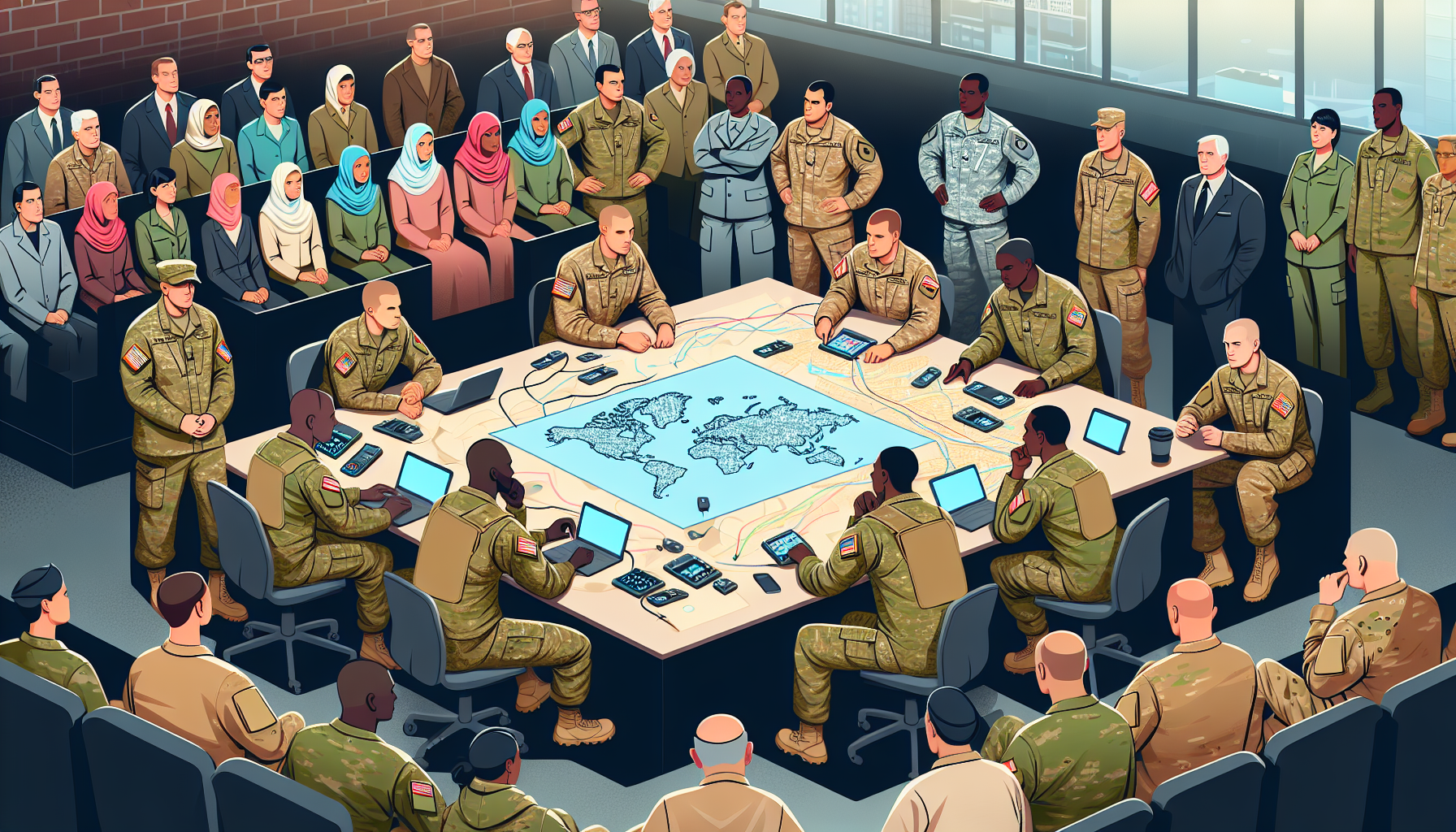
Related Articles

VASRD 2026 Updates

Social Security Back Pay

SSDI Approval Rate by Age

SSDI Pay Chart 2026

VA Survivor Benefits

x