








We are privately owned and not affiliated or endorsed by any government agency.

Take the Benefits Quiz

Air Traffic Control Section (ATCS)

Definition

The Air Traffic Control Section (ATCS) is a specialized unit within military aviation operations responsible for coordinating and managing the safe and efficient flow of air traffic. Their primary duties include guiding aircraft during takeoff, landing, and en-route, ensuring proper spacing and avoiding collisions. ATCS personnel use advanced technology, such as radar equipment and communication systems, to achieve their mission and maintain airspace safety.

Key Takeaways

  1. The Air Traffic Control Section (ATCS) is a crucial component of military operations responsible for managing and coordinating the efficient movement of military aircraft in the airspace.
  2. ATCS personnel are tasked with providing air traffic services such as separation, sequencing, and navigation assistance to maintain safety and efficiency for military aviation, including during times of high operational tempo and complex environments.
  3. The ATCS operates alongside civilian air traffic control authorities, ensuring seamless integration and interoperability while adhering to established rules, procedures, and regulations, both nationally and internationally.

Importance

The Air Traffic Control Section (ATCS) is a crucial component of military operations as it is responsible for organizing, directing, and managing the safe and efficient movement of military and civilian aircraft within a designated airspace.

As a specialized unit within the military, ATCS is tasked with maintaining the highest level of communication, coordination, and professionalism to prevent accidents and ensure orderly and swift execution of aerial missions.

It plays a vital role in seamless navigation, surveillance, and information sharing among pilots, ground units, and command centers to maintain overall airspace safety and effective military response.

In summary, the ATCS is important because it significantly contributes to the success of military operations while safeguarding the lives and assets involved.

Explanation

The Air Traffic Control Section (ATCS) plays a vital role in maintaining the safety and efficiency of military aviation operations. Its primary purpose is to manage and coordinate the movement of military aircraft within designated airspace, as well as on the ground, ensuring their seamless integration with civilian air traffic. This is essential for executing a variety of missions, such as intelligence gathering, combat, cargo transport, and humanitarian aid delivery.

ATCS personnel are skilled in maintaining situational awareness, providing timely instructions to pilots, and coordinating with other military units and civilian entities, thus preventing air accidents and ensuring smooth and successful operations. ATCS is responsible for coordinating various aspects of air traffic management, including flight planning, air traffic surveillance, communication, and separation of aircraft. In addition, they play a crucial role in managing information, providing weather updates, and addressing any potential hazards or emergency situations that could impact the mission’s success.

In modern military operations, ATCS is more technologically advanced than ever before, utilizing radar systems, satellite navigation, and advanced software to monitor and direct aircraft. By serving as a central hub for information exchange and decision-making, ATCS enables seamless communication between pilots, ground crews, mission commanders, and other stakeholders. Ultimately, the Air Traffic Control Section is a key component of military aviation, ensuring that airspace is effectively used to achieve the strategic objectives of the mission at hand.

Examples of Air Traffic Control Section (ATCS)

Operation Inherent Resolve (2014-Present) – The ATCS played a crucial role in managing airspace during the ongoing military intervention against ISIS in Iraq and Syria. The Air Traffic Control Section coordinated air operations between multiple coalition countries and air forces, ensuring safe, effective, and efficient use of airspace for conducting combat missions and humanitarian support.

Operation Enduring Freedom (2001-2014) – During the war in Afghanistan, ATCS personnel managed the airspace to facilitate air support for ground forces fighting against the Taliban and Al-Qaeda. The ATCS ensured the safe movement of military aircraft, such as fighter jets, transport planes, and helicopters, in a challenging and complex airspace environment that involved both military and civilian air traffic.

Operation Odyssey Dawn (2011) – The ATCS played an essential role in the NATO-led military intervention in Libya, which aimed to enforce a United Nations-mandated no-fly zone. The Air Traffic Control Section facilitated the integration of multinational air assets, coordinating with NATO and non-NATO countries to ensure effective air operations in the dense and complex airspace over Libya. This included managing the movements of fighter jets, surveillance aircraft, and tanker planes providing fuel for continuous air operations.

Air Traffic Control Section (ATCS) FAQ

What is the purpose of the Air Traffic Control Section (ATCS)?

The Air Traffic Control Section (ATCS) is responsible for coordinating and managing the safe and orderly flow of air traffic in the airspace around an airfield or within a designated area. This includes providing instructions and information to pilots to ensure the safe separation of aircraft and assisting with navigation, weather, and emergency situations.

How does the ATCS communicate with pilots?

ATCS communicates with pilots through radio transmissions, using standardized phraseology and procedures to provide clear and concise instructions. Controllers use a combination of radar, navigational aids, and visual observations to maintain situational awareness and ensure the safety and efficiency of air traffic.

What qualifications are required to become an air traffic controller in the ATCS?

To become an air traffic controller in the ATCS, candidates must meet certain eligibility requirements, including age, medical fitness, and education. They must also pass a series of tests and evaluations, including written exams, a background investigation, and a rigorous training program. Once training is complete, controllers must obtain certification from their respective regulatory authority.

What is the role of the ATCS during emergencies?

During emergencies, the ATCS plays a critical role in coordinating the response of various agencies and services. This may include providing information to pilots about the nature of the emergency, directing aircraft to alternate airports, coordinating with emergency services on the ground, and assisting with search and rescue operations as needed.

How is technology used in the ATCS to enhance safety and efficiency?

Modern ATCS systems utilize advanced technology to improve the safety and efficiency of air traffic control. This includes radar systems, satellite-based navigation, automated flight data processing, and digital communication systems that enable controllers to share real-time information with pilots and other stakeholders in the aviation community. These technologies enable greater accuracy, improved situational awareness, and increased capacity for managing air traffic.

Related Military Operation Terms

  • Aviation Safety and Operations
  • Air Traffic Control Specialists (ATCS)
  • Flight Data Processing System (FDPS)
  • Airspace Management and Coordination
  • Terminal Radar Approach Control (TRACON)

Sources for More Information

Benefits.com Advisors

With expertise spanning local, state, and federal benefit programs, our team is dedicated to guiding individuals towards the perfect program tailored to their unique circumstances.

Rise to the top with Peak Benefits!

Join our Peak Benefits Newsletter for the latest news, resources, and offers on all things government benefits.


Related Articles

VASRD 2026 Updates

Social Security Back Pay

SSDI Approval Rate by Age

SSDI Pay Chart 2026

VA Survivor Benefits

Alert Order (ALERTORD)

Definition

An Alert Order (ALERTORD) is a preliminary notice in the military, informing relevant units or commands about a potential mission or operation. It serves as a pre-warning, enabling them to prepare for the forthcoming mission and gather necessary resources. However, the ALERTORD does not commit to any specific course of action or deployment until a formal order is issued.

Key Takeaways

  1. An Alert Order (ALERTORD) is a warning issued by military command, informing relevant units about a potential mission, task, or operation that may take place in the near future, and advising them to prepare accordingly.
  2. ALERTORD gives the units involved in the potential operation crucial time to gather intelligence, plan, and coordinate their resources, ensuring readiness in case they receive further orders to execute the mission.
  3. In addition to establishing readiness for a specific operation, ALERTORD also bolsters overall readiness levels by keeping both personnel and equipment on standby, potentially enhancing the effectiveness of a military response when needed.

Importance

Alert Order (ALERTORD) is a crucial military operations term because it allows military commanders and their units to be promptly informed of a potential mission or deployment, ensuring that they have ample time to prepare and plan accordingly.

An ALERTORD typically provides information regarding the general situation, mission objectives, and any special instructions that need to be considered.

By issuing an ALERTORD, military forces can achieve a heightened state of readiness and effectiveness, facilitating rapid response capabilities, enhancing operational efficiency, and ensuring better coordination between various units.

This significantly contributes to the overall success and adaptability of military operations in the face of emerging threats and evolving global scenarios.

Explanation

The purpose of an Alert Order (ALERTORD) in military operations is to serve as an essential communication tool that prepares military units for potential deployment and lays the groundwork for various strategic and tactical actions. This order provides crucial information about the threat or situation, making units aware of the need for heightened readiness in response to a forthcoming or anticipated event.

An ALERTORD is an initial stage in the chain of command, ensuring that the United States and its allies can react quickly and decisively to emerging threats or military requirements, demonstrating a commitment to defend their interests and maintain global security. With the ALERTORD, units can plan, allocate resources, and take necessary actions to guarantee their ability to execute upcoming missions swiftly and effectively.

By communicating the intention to carry out specific military operations, an ALERTORD enables subunits to focus on their respective responsibilities and take essential preparatory steps. This might include carrying out pre-deployment training, requisitioning supplies, conducting maintenance on equipment, and preparing personnel for the challenges they may face during deployment.

An ALERTORD thus helps ensure military units are operationally ready, capable of rapid response, and mission-effective, thereby strengthening the overall preparedness and resilience of the armed forces.

Examples of Alert Order (ALERTORD)

Operation Desert Storm (1990-1991): An Alert Order was initiated for the U.S. military forces to deploy to the Persian Gulf in response to Iraq’s invasion of Kuwait. This ALERTORD set in motion a series of preparations and deployments that ultimately led to the start of Operation Desert Shield and later Operation Desert Storm, which successfully liberated Kuwait from Iraqi occupation.

Operation Enduring Freedom (2001): Following the September 11th terrorist attacks, the U.S. issued an Alert Order to mobilize military forces for a potential military intervention in Afghanistan. The ALERTORD was crucial in initiating the rapid deployment and preparations of military personnel and equipment, supporting the U.S. mission to dismantle the Taliban regime and disrupt the operations of Al-Qaeda in Afghanistan.

Operation Odyssey Dawn (2011): When the United Nations Security Council passed Resolution 1973, authorizing the enforcement of a no-fly zone over Libya, the U.S. and NATO allies issued an Alert Order to mobilize assets and personnel to respond to the Libyan crisis. This ALERTORD led to the rapid initiation of the mission known as Operation Odyssey Dawn, which aimed to protect civilians from the Gaddafi regime’s forces and help enforce the no-fly zone.

FAQ: Alert Order (ALERTORD)

What is an Alert Order (ALERTORD)?

An Alert Order (ALERTORD) is a military directive issued by a higher authority to notify units or personnel that they may be called to undertake a specific mission or operation. It serves as an early warning of a potential task and allows the recipients to begin planning and preparation for that eventuality.

What is the purpose of issuing an Alert Order?

The main purpose of an Alert Order is to ensure that units or personnel are aware of a potential mission or operation and are ready to act when required. It enables them to conduct the necessary planning, preparation, and coordination, which increases their readiness and responsiveness for the impending task.

What information is usually included in an Alert Order?

An Alert Order typically contains information such as the potential mission or operation’s nature, the units or personnel involved, the timeframe in which they may be required to act, any preliminary instructions or guidance, and any additional resources or support that might be required. The specific details may vary based on the situation and the issuing authority.

How is an Alert Order different from other military orders?

An Alert Order is different from other military orders, such as Warning Orders (WARNORD) or Execute Orders (EXORD), in that it serves as a preliminary notification of a potential mission or operation. It does not provide the final authorization or detailed instructions for the mission, as these are usually included in subsequent orders. The primary goal of an Alert Order is to increase readiness and facilitate pre-emptive preparation for a potential task.

How do units or personnel respond to an Alert Order?

Upon receiving an Alert Order, units or personnel are expected to begin initial planning, preparation, and coordination activities related to the potential mission or operation. This may include gathering intelligence, conducting resource assessments, identifying potential challenges, and coordinating with other units or agencies as necessary. These actions are designed to ensure that the unit or personnel are prepared to execute the mission effectively and efficiently when instructed to do so by a higher authority.

Related Military Operation Terms

  • Veterans Affairs (VA)
  • Pre-Discharge Program (PDP)
  • Benefits Delivery at Discharge (BDD)
  • VA disability compensation
  • Transition Assistance Program (TAP)

Sources for More Information

Benefits.com Advisors

With expertise spanning local, state, and federal benefit programs, our team is dedicated to guiding individuals towards the perfect program tailored to their unique circumstances.

Rise to the top with Peak Benefits!

Join our Peak Benefits Newsletter for the latest news, resources, and offers on all things government benefits.

Related Articles

VASRD 2026 Updates

Social Security Back Pay

SSDI Approval Rate by Age

SSDI Pay Chart 2026

VA Survivor Benefits

Alliance

Definition

In military operations, the term “alliance” refers to a formal agreement or partnership between two or more countries or factions, working together to achieve common goals. Alliances are generally established for mutual protection, sharing resources, and coordinating strategic efforts during times of conflict or crisis. The collaboration within an alliance can include joint military exercises, intelligence sharing, and diplomatic support.

Key Takeaways

  1. An alliance is a formal agreement between two or more nations, usually formed to advance common goals, enhance national security, and offer mutual protection against potential threats.
  2. Alliances can be temporary or long-lasting, depending on the changing geopolitical landscape, and may include military, political, and economic collaboration between member states.
  3. Some well-known military alliances throughout history include the North Atlantic Treaty Organization (NATO), the Warsaw Pact, and the Triple Alliance and Triple Entente during World War I.

Importance

The term “Alliance” holds significant importance in military operations as it defines the collaborative relationship established between two or more nations, enabling them to work together in achieving shared strategic goals, enhancing their collective defense capabilities, and ensuring regional or global stability.

Alliances are a critical component of international relations and military strategy as they often lead to increased resources, strategic locations, and advanced technologies.

An effective alliance allows the involved parties to capitalize on their respective strengths, foster diplomatic cooperation, and provide mutual support, thereby increasing their security and reducing the threat posed by potential adversaries.

In essence, alliances act as force multipliers, demonstrating the power of collective strength and joint collaboration in addressing security challenges and maintaining peace among nations.

Explanation

An alliance, as a military operations term, serves as a purposeful coalition between countries that establishes a mutual agreement on cooperative actions and support. The core objective of forming such an alliance is to bolster the collective security of the participating nations, increase their strategic advantages, and strengthen their defense capabilities.

By sharing resources, intelligence, and personnel, allies can maximize their potential to respond to external threats and deter aggression from common adversaries. In times of conflict or crisis, an alliance can amplify the military effectiveness of the participating nations by fostering a coordinated and synergistic approach to warfare, crisis response, and humanitarian assistance missions.

Beyond its immediate military benefits, an alliance frequently fosters trust and cooperation among the participating nations in various domains, including economic, diplomatic, and political spheres. By pooling resources and sharing strategic burdens, allied countries can often respond more efficiently to security challenges and create a stable regional or global environment conducive to economic growth and diplomatic engagement.

Furthermore, a robust alliance can send a potent message to potential adversaries, signifying that belligerent actions against any alliance member may encounter a united and proportionate response from multiple nations. Thus, military alliances serve as both a safeguard and an influential instrument for the parties involved, enabling them to navigate a complex geopolitical landscape and pursue their national interests with collective strength.

Examples of Alliance

NATO (North Atlantic Treaty Organization): Established in 1949, NATO is a political and military alliance of 30 member countries across North America and Europe. The alliance was founded to provide collective defense against any potential threat, most notably the Soviet Union during the Cold War. NATO’s main purpose is to guarantee the safety and freedom of its member countries through political and military means.

US-Japan Security Treaty: Signed in 1960 between the United States and Japan, this treaty represents a military alliance that establishes a framework for mutual cooperation in defense planning and security measures. Under the treaty, the US pledges to defend Japan in case of foreign invasion, while Japan allows the US to maintain military bases on its territory as a strategic presence in the Asia-Pacific region. The alliance aims to maintain peace and security in the region and boost both countries’ military capabilities.

ANZUS Treaty (Australia, New Zealand, and United States Security Treaty): This alliance was formed in 1951 as a collective defense and security agreement between Australia, New Zealand, and the United States. The treaty aims to foster a close relationship between the member countries, facilitating mutual cooperation for their common defense. While ANZUS initially focused on the Asia-Pacific region, the alliance has evolved over the years to address a broader range of global security challenges.

Alliance Military Operations FAQ

What is the concept of an alliance in military operations?

An alliance in military operations refers to the cooperation between two or more nations in jointly planning and conducting military activities. They often include sharing intelligence, resources, and technology to achieve a more effective strategic response to potential threats or ongoing conflicts.

What are some famous military alliances in history?

Some significant military alliances in history include the North Atlantic Treaty Organization (NATO), the Warsaw Pact, and the Allies of World War II (comprising the United States, United Kingdom, Soviet Union, and several others).

What are the advantages of forming a military alliance?

Forming a military alliance can provide significant benefits, such as improving collective defense, enhancing deterrence against potential adversaries, fostering political unity, and promoting military interoperability. Moreover, alliances allow for the pooling of resources, resulting in cost savings and more effective defense spending for the member countries.

Do military alliances always guarantee success in conflicts?

While military alliances can provide numerous benefits, they are not a guarantee of success. Alliance members must be committed to the objectives, contribute appropriately, and communicate effectively to ensure that the alliance’s strength is maximized. Sometimes, internal disagreements or differing national interests can undermine the effectiveness of a military alliance.

How do countries form a military alliance?

Military alliances are often formed through treaties, agreements, or informal arrangements between the involved countries. The formation process usually involves negotiation, discussions about mutual interests, and an assessment of each party’s capabilities and contributions towards the common goals. Once an agreement is reached, periodic meetings and joint exercises are conducted to maintain the alliance’s effectiveness and adapt to changing circumstances.

Related Military Operation Terms

  • Partnerships
  • Collaboration
  • Joint Initiatives
  • Veterans Service Organizations
  • Community Resources

Sources for More Information

Benefits.com Advisors

With expertise spanning local, state, and federal benefit programs, our team is dedicated to guiding individuals towards the perfect program tailored to their unique circumstances.

Rise to the top with Peak Benefits!

Join our Peak Benefits Newsletter for the latest news, resources, and offers on all things government benefits.

Related Articles

VASRD 2026 Updates

Social Security Back Pay

SSDI Approval Rate by Age

SSDI Pay Chart 2026

VA Survivor Benefits

Allocation

Definition

Allocation, in military operations, refers to the distribution or assignment of limited resources, such as personnel, equipment, or supplies, to support specific tasks or missions. This process aims to ensure effective utilization of resources, thereby enhancing military capabilities and achieving strategic objectives. Allocation decisions are typically made at higher command levels and are influenced by factors such as priority, urgency, and feasibility of missions.

Key Takeaways

  1. Allocation refers to the distribution and assignment of available resources, such as troops, equipment, and supplies, to fulfill specific military objectives.
  2. In military operations, allocation is a vital part of strategic planning that ensures efficient resource management and effective force readiness.
  3. The allocation process takes into account factors such as mission requirements, organizational structure, available resources, and potential conflicts or threats, allowing decision-makers to make informed choices and prioritize military tasks.

Importance

The term “allocation” in military operations holds significant importance, as it pertains to the efficient and effective distribution of resources and capabilities to achieve desired objectives and ensure combat readiness.

Allocation plays a crucial role in making decisions on the amount, type, and location of forces, equipment, and other resources that are assigned to various operational areas.

Well-planned allocation requires strategic thinking, coordination, and prioritization between different operational levels, which can significantly enhance the military’s ability to accomplish missions, respond to rapidly changing scenarios, and maintain a competitive advantage in both peacetime and wartime situations.

Explanation

Allocation, within the context of military operations, serves as a critical planning and decision-making tool to effectively distribute available resources and capabilities among various strategic objectives. The purpose of this process is to optimize the use of finite military assets like troops, equipment, funds, and time in a way that prioritizes the most vital needs and missions throughout the course of a conflict or peacetime engagement.

By evaluating specific situations, threats, and operational goals, military leaders can allocate resources in a manner that maximizes strategic advantage while minimizing potential waste, inefficiency, or operational risk. The process of allocation not only involves judicious distribution of resources, but also calls for a continuous reassessment and reallocation in response to evolving circumstances on the battlefield or diplomatic front.

This adaptability helps maintain an edge in rapidly changing scenarios and keeps military forces agile and flexible in their approach. Essentially, allocation provides a framework for military leaders to effectively balance competing requirements, ensuring critical missions receive the necessary support while preserving the operational readiness of troops and the overall resilience of the military infrastructure.

In summary, allocation underpins both operational efficiency and strategic success in military engagements by guiding the informed deployment of valuable resources to meet ever-changing priorities and goals.

Examples of Allocation

Operation Desert Storm (1991): During the Gulf War, the allocation of military assets, such as strategic air and ground forces, was crucial in ensuring the successful removal of Iraqi forces from Kuwait. Coalition forces led by the United States used their allocated resources, such as aircraft carriers, fighter jets, and ground troops, to execute a well-coordinated aerial and ground campaign.

NATO’s Response to the Kosovo Crisis (1999): The North Atlantic Treaty Organization (NATO) allocated military resources and personnel to participate in an international peacekeeping mission in Kosovo amidst the escalating conflict in the region. NATO forces, including troops from various member countries, were allocated to areas in Kosovo to help establish and maintain peace and security, as well as to support humanitarian aid efforts.

The Counter-ISIS Campaign (2014-present): In response to the rise of the Islamic State (ISIS), an international coalition led by the United States has allocated military resources and personnel to combat the terror group in Iraq and Syria. This includes the allocation of air support, such as airstrikes, surveillance, and reconnaissance conducted by various nations, as well as ground forces to train and support local forces engaging ISIS on the ground. This cooperative international effort has been instrumental in reclaiming territories and weakening the terrorist organization’s influence.

FAQ on Military Operations Allocation

What is allocation in military operations?

Allocation refers to the distribution of resources, personnel, and equipment to various units, tasks, or purposes within military operations. This is done to ensure optimal performance and efficiency by allocating the right resources to the right places at the right times.

Why is allocation important in military operations?

Allocation is crucial in military operations as it ensures that resources are utilized effectively and missions are accomplished successfully. Proper allocation allows for streamlined decision-making, swift action, and precise coordination between various units. Without efficient allocation, military forces may struggle to perform their duties and fail to achieve their objectives.

What factors are considered during allocation in military operations?

Factors considered during allocation in military operations include the mission objectives, available resources, personnel, and equipment, the capabilities and limitations of each unit, and the priority of tasks. Commanders and planners also take into account the potential risk and threats associated with various tasks, as well as political, economic, and geographical considerations.

How does allocation relate to the strategic planning process in military operations?

Allocation is an integral part of the strategic planning process in military operations. During strategic planning, commanders assign resources and personnel to the various phases of the operation, ensuring that each unit is well-equipped to achieve its goals. Allocation also plays a key role in mission analysis, course of action development, and execution of operations, as it helps planners to determine the optimal way to utilize available resources in pursuit of their objectives.

Can allocation in military operations change during execution?

Yes, allocation in military operations can change during execution. As the operational environment evolves, commanders may need to reassess their allocation decisions and adjust them accordingly. This flexibility is essential to adapt to changing circumstances, enable rapid response to emerging threats, and maintain operational effectiveness throughout the mission.

Related Military Operation Terms

  • Entitlement
  • Disbursement
  • Beneficiary
  • Eligibility
  • Apportionment

Sources for More Information

Benefits.com Advisors

With expertise spanning local, state, and federal benefit programs, our team is dedicated to guiding individuals towards the perfect program tailored to their unique circumstances.

Rise to the top with Peak Benefits!

Join our Peak Benefits Newsletter for the latest news, resources, and offers on all things government benefits.

Related Articles

VASRD 2026 Updates

Social Security Back Pay

SSDI Approval Rate by Age

SSDI Pay Chart 2026

VA Survivor Benefits

Allocation Request (ALLOREQ)

Definition

The term Allocation Request (ALLOREQ) in military operations refers to a formal request made by a unit, organization, or authority seeking the allocation of specific resources or support. These resources may include manpower, equipment, supplies, intelligence, or any other asset needed to conduct a mission or task effectively. The request is usually submitted through a chain of command or a specific operational or logistics channel to ensure proper allocation and coordination.

Key Takeaways

  1. Allocation Request (ALLOREQ) is a formal communication process in military operations used to request the allocation of resources, such as personnel, equipment, or ammunition, to support ongoing missions or activities.
  2. ALLOREQs are typically submitted through a hierarchical chain of command and are essential for ensuring that adequate resources are allocated to fulfill mission requirements and maintain operational readiness.
  3. For an ALLOREQ to be effective, it must contain clear, accurate, and well-documented information specifying the required resources, timelines, and rationale behind the request, enabling decision-makers to assess and prioritize the allocation of available resources.

Importance

The military operations term Allocation Request (ALLOREQ) is crucial as it serves as a primary means for commanders to request and coordinate the allocation of essential resources, support, and capabilities for specific missions and activities.

By submitting an ALLOREQ, commanders can effectively communicate their requirements to the appropriate higher authorities, ensuring that the necessary resources, such as personnel, equipment, and logistical support, are made available to execute their missions successfully.

This standardized process also promotes efficient communication, collaboration, and coordination between different units and echelons within the military, enabling rapid response and optimal utilization of limited resources during critical military operations.

Explanation

The Allocation Request (ALLOREQ) serves as an essential tool in modern military operations by streamlining communication between various commanders, platforms, and systems involved in the planning and execution of missions. Its primary purpose is to enable the efficient allocation and management of limited resources, such as intelligence, surveillance, and reconnaissance (ISR) assets.

By establishing a standardized method for requesting and prioritizing assets, ALLOREQ contributes to the overall effectiveness of military operations, ensuring that vital information reaches the appropriate parties in a timely manner. This results in informed decision-making at different levels of command, which optimizes the utilization of resources and support in high-pressure situations.

ALLOREQ functions as an integral component within the broader military decision-making framework known as the Joint Operation Planning Process (JOPP). Within this framework, ALLOREQs are submitted by subordinate commanders to higher authorities, outlining their specific ISR requirements for a given mission or operation. These requests take into account factors such as mission priorities, operational environment, and asset availability, helping commanders to balance competing needs and make informed decisions about the allocation of limited resources.

In this way, ALLOREQs play a crucial role in facilitating communication and coordination among various units and levels of command, enabling a synchronized and effective response to dynamic and complex situations on the battlefield.

Examples of Allocation Request (ALLOREQ)

Operation Desert Storm (1991): During the Gulf War, coalition forces executed Operation Desert Storm to expel Iraqi forces from Kuwait. Throughout the operation, the allocation request (ALLOREQ) process was extensively used to manage and allocate military resources such as aircraft, surveillance, bombs, and personnel. Commanders continuously requested and sent ALLOREQs to higher authorities to ensure the proper distribution of resources to achieve their mission objectives.

NATO Operations in the Balkans (1995-1999): In the late 1990s, NATO launched military interventions in the Balkans to mitigate ethnic tensions and enforce peace agreements. The ALLOREQ process was essential during this complex operation as it facilitated the proper allocation of military assets. Each participating country had to submit their resource allocations request, and these requests then had to be coherently integrated into NATO’s overall operational plan to ensure effective execution of the peacekeeping mission.

Operation Enduring Freedom (2001-2014): The war in Afghanistan saw the use of the ALLOREQ process extensively as the United States and allied nations worked together to dismantle the Taliban regime and eliminate terrorist threats in the region. Throughout the operation, military commanders and coalition partners utilized the ALLOREQ process to allocate resources such as troops, vehicles, and intelligence assets across different task forces and missions. Coordination and prioritization of these resources ultimately proved critical in ensuring the accomplishment of various objectives throughout the protracted conflict.

FAQ: Allocation Request (ALLOREQ)

What is an Allocation Request (ALLOREQ)?

An Allocation Request (ALLOREQ) is a formal request made by one military unit or organization to another, seeking the allocation of specific assets or resources. This request is typically made to ensure the smooth execution of operations and coordinate resources effectively between different units or departments.

Why are Allocation Requests (ALLOREQ) necessary?

Allocation Requests (ALLOREQ) are necessary since they help facilitate the effective sharing and distribution of vital resources and assets in a military context. They ensure that units or departments receive the necessary supplies, personnel, or equipment for a specific operation. Furthermore, they foster proper coordination between different units by streamlining communication and resource management.

What information is included in an Allocation Request (ALLOREQ)?

An Allocation Request (ALLOREQ) typically includes the following information:

  • The requesting unit or organization’s identifier
  • The unit or organization responsible for the allocation of resources
  • A clear description of the assets or resources requested (e.g., personnel, equipment, etc.)
  • An explanation of why the requested resources are needed
  • Any relevant timeframe or deadline for the allocation of requested resources
  • Any additional information or context that may facilitate the approval of the request

How do military units or organizations process Allocation Requests (ALLOREQ)?

Allocation Requests (ALLOREQ) are generally processed through a chain of command, wherein the request is first reviewed and assessed by the relevant approving authority. If the request is deemed valid and necessary, it is then passed on to the appropriate unit or organization responsible for allocating the requested resources. The allocation of the requested assets or resources is carried out, and the requesting unit or organization is informed of the outcome of their request.

Can Allocation Requests (ALLOREQ) be denied or modified?

Yes, Allocation Requests (ALLOREQ) can be denied or modified based on various factors such as availability of the requested resources, competing requests, or a change in operational priorities. The approving authority may also propose alternative solutions in cases where the requested resources are not available or suitable for the specific operation. If an ALLOREQ is denied or modified, the requesting unit or organization should be provided with an explanation outlining the reasons for the decision.

Related Military Operation Terms

  • Benefits Delivery at Discharge (BDD)
  • Dependency and Indemnity Compensation (DIC)
  • Education and Training Assistance (G.I. Bill)
  • Veterans Health Administration (VHA)
  • Disability Compensation (DC)

Sources for More Information

Benefits.com Advisors

With expertise spanning local, state, and federal benefit programs, our team is dedicated to guiding individuals towards the perfect program tailored to their unique circumstances.

Rise to the top with Peak Benefits!

Join our Peak Benefits Newsletter for the latest news, resources, and offers on all things government benefits.

Related Articles

VASRD 2026 Updates

Social Security Back Pay

SSDI Approval Rate by Age

SSDI Pay Chart 2026

VA Survivor Benefits

Allowable Cabin Load (ACL)

Definition

Allowable Cabin Load (ACL) is a term used in military operations, particularly in air transportation. It refers to the maximum cargo weight that can be safely carried inside an aircraft’s cabin, considering factors such as available space, structural limitations, and aircraft performance. The ACL ensures the aircraft remains within safe operating limits while transporting personnel, equipment, and supplies.

Key Takeaways

  1. Allowable Cabin Load (ACL) refers to the maximum cargo and passengers weight that can be safely carried within an aircraft’s cabin while adhering to safety, regulatory, and operational requirements.
  2. ACL is a crucial factor for both military and commercial aviation, as it helps determine aircraft performance and mission capabilities. It also ensures that the aircraft maintains safe weight distribution and does not exceed its load limits.
  3. Properly calculating and managing ACL is essential to optimize aircraft performance, reduce fuel consumption, and minimize operational risks. Factors such as aircraft configuration, fuel reserves, and environmental conditions must be considered when determining the ACL.

Importance

The military operations term “Allowable Cabin Load (ACL)” is important because it represents the maximum cargo weight that can be safely carried within an aircraft’s cabin without compromising the structural integrity, stability or performance of the aircraft during flight.

Properly managing and adhering to the ACL ensures operational efficiency, safety of the crew, and the successful completion of missions.

By accurately determining and complying with the ACL, military planners can optimize cargo loading, minimize risks, and maximize the utilization of available resources, ultimately contributing to the overall effectiveness and success of military operations.

Explanation

Allowable Cabin Load (ACL) is a critical aspect of military operations related to air transport and logistics. The primary purpose of this concept is to optimize and maximize the utilization of aircraft capacity during missions. This ensures that each flight operates safely and efficiently while carrying a diverse range of cargo and personnel.

For military operations, this may include essential supplies such as food, ammunition, equipment, and vehicles, as well as troops and medical evacuation patients. By accurately determining the ACL, military planners can ensure optimal use of resources, streamline strategic decision-making, and enhance the overall effectiveness of critical missions. In addition to enhancing efficiency, ACL plays a significant role in ensuring the safety of aircrews and passengers.

Properly calculating ACL is essential to maintaining the aircraft’s structural integrity as well as ensuring stability and balance during take-off, cruise, and landing. To achieve this, factors such as the aircraft’s weight, available cargo space, and capacity restrictions are carefully considered. Furthermore, ACL calculations must take into account shifting factors, such as fuel consumption and changes in weight distribution during flight.

Ultimately, the accurate determination of Allowable Cabin Load contributes to both the safety and success of military aviation operations, reinforcing the strategic capabilities of air forces around the world.

Examples of Allowable Cabin Load (ACL)

Allowable Cabin Load (ACL) is a term used in military aviation to describe the maximum cargo weight that an aircraft can carry while still performing its mission effectively. Here are three real-world examples of how ACL is relevant to military operations:

Humanitarian Assistance and Disaster Relief (HADR) Missions: In the aftermath of natural disasters like earthquakes, storms, or floods, military aircraft are often dispatched to deliver much-needed supplies, such as food, water, and medical equipment, to affected areas. The ACL for these aircraft is crucial to determine the maximum amount of relief cargo that can be delivered efficiently and safely.Example: In the aftermath of the 2010 Haiti Earthquake, the U.S. military deployed C-130 Hercules and C-17 Globemaster cargo planes to deliver humanitarian aid to disaster-hit areas. Before the mission, the pilots and cargo masters needed to calculate the ACL to ensure their aircraft were not overloaded and therefore able to transport the maximum amount of assistance possible while taking off and landing safely.

Troop Transport during Military Deployments: Military aircraft, such as the U.S. C-5 Galaxy or C-17 Globemaster, are often tasked with transporting large numbers of troops and their equipment across long distances in a short amount of time. Transporting troops to deployment areas or evacuating them requires a clear understanding of the ACL for these aircraft to safely transport the required personnel and equipment.Example: During the 2003 Iraq War, the U.S. military had to transport large amounts of troops and equipment from the United States to bases in the Middle East. In these instances, understanding the ACL was necessary to ensure the safety and efficiency of transporting these essential military assets.

Aerial Refueling Aircraft Load Calculations: In-flight refueling is a critical component of modern military aviation operations, allowing aircraft to remain in the air for longer periods while increasing their range. Large tanker aircraft, such as the KC-135 Stratotanker or KC-46 Pegasus, must calculate their ACL to accommodate not only the weight of fuel they will offload but also any cargo or additional personnel they might carry.Example: In an overseas military operation, aerial refueling may be required to allow fighter jets to reach their intended targets. The tanker aircraft must calculate its ACL to ensure it can carry enough fuel for the refueling mission, along with any additional cargo or crew members it may be required to transport. This enables mission planners to determine how many refueling missions can be completed without overloading the aircraft or compromising its performance.

Frequently Asked Questions: Allowable Cabin Load (ACL)

What is Allowable Cabin Load (ACL)?

Allowable Cabin Load (ACL) is the maximum amount of cargo and passengers that can be safely carried within the cabin of an aircraft. It takes into account the aircraft’s structural limitations, as well as the distribution of weight within the cabin to maintain optimum balance and performance.

How is ACL calculated?

ACL is calculated by considering various factors such as the aircraft’s Maximum Gross Weight (MGW), the total weight of the aircraft including fuel, cargo, and passengers, and the balance of weight in the cabin. It also takes into account any operational restrictions or specific regulations that may apply to the aircraft.

Why is it important to abide by the ACL?

It is crucial to adhere to the ACL to ensure the safety and stability of the aircraft during flight. Exceeding the ACL can lead to structural damage, decreased performance, and compromised safety. It is the responsibility of both the pilots and the aircraft operators to ensure the ACL is not exceeded.

What happens if the ACL is exceeded?

If the ACL is exceeded, the aircraft may become unstable during flight, leading to a higher risk of accidents or emergency landings. It can also result in reduced fuel efficiency, increased wear and tear, and potential damage to the aircraft’s structure. Aircraft operators and pilots must closely monitor the cabin load to prevent these issues.

How can the ACL be maintained during an operation?

Airlines and operators should develop clear loading and operational procedures to ensure the ACL is maintained during every flight. This may include systematic planning of passenger seating, proper distribution of cargo, weight and balance calculations, and close communication between crew members and ground staff. Implementation of proper monitoring systems and regular training can also help maintain the ACL within safe limits.

Related Military Operation Terms

  • Passenger Capacity
  • Baggage Allowance
  • Cargo Restrictions
  • Seating Configuration
  • Weight and Balance

Sources for More Information

Benefits.com Advisors

With expertise spanning local, state, and federal benefit programs, our team is dedicated to guiding individuals towards the perfect program tailored to their unique circumstances.

Rise to the top with Peak Benefits!

Join our Peak Benefits Newsletter for the latest news, resources, and offers on all things government benefits.

Related Articles

VASRD 2026 Updates

Social Security Back Pay

SSDI Approval Rate by Age

SSDI Pay Chart 2026

VA Survivor Benefits

All-Source Intelligence

Definition

All-Source Intelligence refers to the process of collecting, analyzing, and integrating information from multiple sources to produce comprehensive and accurate intelligence assessments. These sources may include human intelligence (HUMINT), signals intelligence (SIGINT), geospatial intelligence (GEOINT), open-source intelligence (OSINT), and other relevant sources. This holistic approach to intelligence gathering allows military and government entities to make well-informed decisions and strategies based on a broader understanding of the situation.

Key Takeaways

  1. All-Source Intelligence refers to the collection, processing, and analysis of information from multiple sources, including signals intelligence (SIGINT), human intelligence (HUMINT), geospatial intelligence (GEOINT), and other areas to provide a comprehensive understanding of a situation or conflict.
  2. By integrating information from a variety of intelligence disciplines, All-Source Intelligence increases the accuracy, relevance, and timeliness of assessments, allowing military decision-makers to make informed decisions and develop effective strategies.
  3. All-Source Intelligence is a fundamental aspect of modern military operations, as it enables the identification of threats, evaluation of enemy capabilities and intentions, and formulation of appropriate courses of action. Its importance has grown with the increasing complexity of the global security environment and the availability of diverse sources of information.

Importance

All-Source Intelligence is important in military operations as it refers to the comprehensive analysis and integration of intelligence collected from various sources, including human intelligence (HUMINT), signals intelligence (SIGINT), geospatial intelligence (GEOINT), and open-source intelligence (OSINT), among others.

This holistic approach facilitates a more accurate and complete understanding of the situation at hand, allowing military commanders to make well-informed decisions based on a broader spectrum of information.

By combining and validating intelligence from diverse sources, All-Source Intelligence significantly contributes to the effectiveness of military operations, thereby enhancing national security and reducing potential threats.

Explanation

All-source intelligence serves a critical purpose in military operations as it contributes to a comprehensive understanding of the operational landscape and potential threats. Drawing upon diverse sources, it incorporates information from various intelligence disciplines, such as human intelligence (HUMINT), signals intelligence (SIGINT), and geospatial intelligence (GEOINT), as well as others.

By combining and analyzing this multi-faceted input, it strives to create a more accurate, robust, and timely assessment of adversaries and their capabilities, facilitating informed decision-making by military commanders. In essence, all-source intelligence strives to minimize the uncertainty that inherently accompanies the fog of war and increases a military operation’s chances of success.

Moreover, the integration and coordination of data from multiple disciplines within all-source intelligence enables military leaders to make informed decisions in a rapidly evolving and complex global security environment. As the military confronts a multitude of threats – from state actors to non-state insurgents, terrorists, and cyber-attacks – all-source intelligence helps identify potential risks, pinpoint vulnerabilities, and assess the enemy’s intent.

This, in turn, supports military planners in developing and implementing strategic, operational, and tactical plans that effectively counter threats and achieve specific objectives. Recognizing the crucial role of all-source intelligence in military operations, national defense organizations worldwide continue to invest in better tools and techniques to transform raw data into actionable insights that ultimately safeguard national security.

Examples of All-Source Intelligence

All-Source Intelligence refers to the collection, analysis, and integration of information from multiple sources to support military or security operations. Here are three real-world examples concerning the military operations term:

The Iraq War (2003): In the lead-up to the US-led invasion of Iraq, intelligence agencies made extensive use of all-source intelligence techniques. Analysts combined data from human intelligence (HUMINT), signals intelligence (SIGINT), geospatial intelligence (GEOINT), and a variety of other sources to assess the threat posed by Iraq’s alleged weapons of mass destruction (WMD) and to develop plans for the invasion. While the intelligence assessments turned out to be flawed, particularly regarding the existence of WMDs, this example illustrates the use of all-source intelligence in developing comprehensive intelligence reports and formulating military strategies.

Operation Neptune Spear (2011): The operation for the extrajudicial killing of Osama bin Laden, Operation Neptune Spear, also made use of all-source intelligence. The U.S. intelligence community worked together to gather and interpret intelligence from multiple sources, such as CIA agents on the ground, signals intelligence from intercepted phone calls, and intelligence-sharing with other nations, including Pakistan. By pooling together information from different sources, the intelligence community was able to provide crucial data to military planners and Special Operations Forces, leading to the successful execution of the mission.

Countering Russian interference in the 2016 US Presidential Election: In the aftermath of the 2016 US Presidential Election, the intelligence community determined that the Russian government had engaged in a campaign to interfere with the election process. All-source intelligence, including data from HUMINT, SIGINT, and open-source intelligence (OSINT), played a crucial role in identifying and tracking these efforts. The combined analysis of these sources contributed to the identification of specific individuals, organizations, and tactics employed by the Russian government to manipulate public opinion and disrupt the electoral process. This comprehensive understanding of the threat allowed the US government to institute countermeasures, inform the public, and take appropriate legal actions against those responsible.

All-Source Intelligence FAQ

What is All-Source Intelligence?

All-Source Intelligence is an intelligence discipline that refers to the process of collecting, analyzing, and disseminating intelligence from multiple sources to support military planning, operations, and decision making. This includes a wide range of information from human intelligence (HUMINT), signals intelligence (SIGINT), imagery intelligence (IMINT), and other types of data.

Why is All-Source Intelligence important?

All-Source Intelligence is crucial in providing a comprehensive intelligence picture for military operations. By integrating information from various sources, this intelligence discipline helps military leaders make informed decisions, reduce risks, and increase the likelihood of mission success. All-Source Intelligence also helps identify gaps in information and highlights areas where further intelligence gathering is necessary.

What are the key elements of All-Source Intelligence?

The key elements of All-Source Intelligence include collection, processing, analysis, dissemination, and evaluation. Collection focuses on obtaining information from various sources using different methods. Processing refines raw data into usable formats. Analysis involves evaluating the processed data and developing intelligence assessments. Dissemination means sharing intelligence reports with relevant parties, and evaluation assesses the quality and usefulness of the intelligence provided.

What is the role of an All-Source Intelligence analyst?

An All-Source Intelligence analyst is responsible for collecting, processing, evaluating, and analyzing information from multiple sources to produce actionable intelligence. They work closely with other intelligence specialists, such as imagery analysts, signals analysts, and human intelligence collectors. Their main task is to synthesize intelligence findings to support military planning, decision making, and operations.

How is All-Source Intelligence used in military operations?

All-Source Intelligence is used to support various aspects of military operations, including planning, targeting, situational awareness, force protection, and operational assessments. Intelligence products derived from All-Source analysis help inform commanders about threats, potential adversaries, terrain, weather, and other factors that may impact their missions. This information enables military leaders to make informed decisions, reduce operational risks, and increase mission effectiveness.

Related Military Operation Terms

  • Geospatial Intelligence (GEOINT)
  • Human Intelligence (HUMINT)
  • Signals Intelligence (SIGINT)
  • Open Source Intelligence (OSINT)
  • Measurement and Signature Intelligence (MASINT)

Sources for More Information

Benefits.com Advisors

With expertise spanning local, state, and federal benefit programs, our team is dedicated to guiding individuals towards the perfect program tailored to their unique circumstances.

Rise to the top with Peak Benefits!

Join our Peak Benefits Newsletter for the latest news, resources, and offers on all things government benefits.

Related Articles

VASRD 2026 Updates

Social Security Back Pay

SSDI Approval Rate by Age

SSDI Pay Chart 2026

VA Survivor Benefits

Ammunition Lot

Definition

An Ammunition Lot refers to a specific quantity of ammunition, produced uniformly and intended to have consistent characteristics. It is manufactured, assembled, or packed under similar conditions to ensure reliability and performance. Each lot is assigned a unique identification number, which enables better traceability, quality control, and management during storage and use.

Key Takeaways

  1. Ammunition Lot refers to a specific batch of ammunition that has been produced and tested under uniform conditions to ensure consistent performance and quality.
  2. Each Ammunition Lot receives a unique identification number, allowing tracking, control, and management throughout the supply chain, preventing mixing of lots with varying quality levels or performance attributes.
  3. In case of defects or malfunctions, the identification number of an Ammunition Lot aids in rapidly tracing, isolating, and recalling specific lots to protect soldiers and maintain effective combat capabilities.

Importance

The term “Ammunition Lot” is crucial in military operations because it refers to a specific batch of ammunition that is manufactured, assembled, and packaged under uniform conditions and procedures, ensuring consistent quality and performance.

This standardization of ammunition production is essential for accurate record-keeping, inventory control, reliability, and safety during military operations.

By assigning unique lot numbers, potential defects or issues arising from a specific batch can be swiftly traced and addressed, minimizing hazards and accidents for military personnel in the field.

Ultimately, the ammunition lot concept contributes significantly to the efficiency, effectiveness, and overall success of military missions.

Explanation

Ammunition Lot serves a crucial purpose in organizing and managing the vast array of munitions used by military forces. By assigning a specific, unique identification number to a batch of similar ammunition, military personnel can easily track, distribute, and monitor the quality and performance of the ammunition within their inventory.

This systematic approach ensures that the ammunition is properly accounted for, enabling effective logistics management during peacetime, training exercises, and combat operations. The benefits of the Ammunition Lot system are numerous.

For instance, it allows for quick identification of defective batches in case of performance discrepancies, enabling immediate corrective action and investigation into potential manufacturing issues. Furthermore, this system simplifies inventory control and ensures that ammunition is used in a systematic way, thereby minimizing waste and promoting efficiency.

In addition, Ammunition Lot numbers can provide crucial information on the age and shelf life of the munitions, thus ensuring that outdated or potentially unsafe materials are not used in critical situations. Overall, the Ammunition Lot system plays a vital role in ensuring combat readiness and effectiveness of military forces.

Examples of Ammunition Lot

An Ammunition Lot refers to a specific group of ammunition that is produced together, under the same conditions and with the same materials. Ammunition lots are crucial for ensuring uniformity and quality control, as well as for tracking purposes during issuance, transport, and storage. Here are three real-world examples related to Ammunition Lot:

Operation Desert Storm (1991): During this U.S.-led military operation against Iraq, Ammunition Lots were vital in keeping supplies organized. The United States and its allies were using large quantities of various types of ammunition, ranging from small arms to artillery shells and missiles. By tracking and managing Ammunition Lots, the military was able to ensure that resources were distributed efficiently, and any quality control issues could be identified and resolved promptly.

Providing Ammunition to Allies: One example of Ammunition Lots being utilized in the real world is when countries provide military support to their allies. For instance, the United States has provided ammunition to countries such as Ukraine and Afghanistan. In these cases, Ammunition Lots help identify the origin of the ammunition, production details, and the specific characteristics – helping recipient countries to organize, store, and use the ammunition effectively.

Ammunition Recalls: Occasionally, manufacturers discover defects in their ammunition production that could pose a danger to the users. An example of this is the 2016 ammunition recall by Olin Winchester, where they recalled two lots of 9mm Luger 115 grain Full Metal Jacket ammunition due to the risk of overpressure. By tracking Ammunition Lots, manufacturers could inform the public and military personnel which specific lots needed to be returned, helping to ensure the safety of those using the ammunition.

FAQs about Ammunition Lot

What is an Ammunition Lot?

An Ammunition Lot is a quantity of ammunition, usually of the same type and manufactured under similar conditions, that has been assigned a unique identification number. Each lot number allows the military to track the performance, quality, and reliability of the ammunition produced during that specific production run.

Why is it important to track Ammunition Lots?

Tracking Ammunition Lots is crucial for maintaining the safety and effectiveness of ammunition. Lot numbers help with quality control, ensuring the ammunition meets military specifications and performance requirements. In case of any malfunctions or defects, the lot number can be traced back to identify the source of the problem, allowing the military to take appropriate actions, such as recalling or disposing of affected ammunition.

How is an Ammunition Lot assigned?

An Ammunition Lot number is typically assigned by the manufacturer during the production process. The lot number may include information such as the manufacturing date, production shift, and other details relating to the production run. The lot number ensures that the ammunition can be traced throughout its life cycle, from production to storage, transportation, distribution, and ultimately, its use in the field.

What makes an Ammunition Lot reliable?

A reliable Ammunition Lot is one that has been produced with strict adherence to the military’s quality assurance guidelines, specifications, and performance requirements. This includes proper storage and handling to prevent it from any damage or degradation. The reliability of the Ammunition Lot contributes to the overall efficiency and safety of military operations involving the use of firearms and other weapon systems.

How should Ammunition Lots be stored and transported?

Ammunition Lots should be stored and transported according to specific military guidelines, ensuring the ammunition’s safety and integrity. Proper storage includes using a controlled environment with appropriate temperature, humidity, and ventilation levels. In- Transit security measures also need to be followed when transporting the ammunition, including safeguards against theft, loss, damage, and unauthorized access.

Related Military Operation Terms

  • Explosive Materials
  • Ammunition Storage
  • Hazard Classification
  • Ammunition Inspection
  • Ammunition Disposal

Sources for More Information

  • GlobalSecurity.org – Comprehensive information on security issues, including military operations and ammunition lots
  • U.S. Department of Defense – Official website offering information on the military, various operations, and ammunition lots
  • RAND Corporation – Research organization providing policy analysis, research, and expertise on defense and military topics
  • Janes.com – Source for defense, aerospace, and security analysis, news, and data, including information on military ammunition lots

Benefits.com Advisors

With expertise spanning local, state, and federal benefit programs, our team is dedicated to guiding individuals towards the perfect program tailored to their unique circumstances.

Rise to the top with Peak Benefits!

Join our Peak Benefits Newsletter for the latest news, resources, and offers on all things government benefits.

Related Articles

VASRD 2026 Updates

Social Security Back Pay

SSDI Approval Rate by Age

SSDI Pay Chart 2026

VA Survivor Benefits

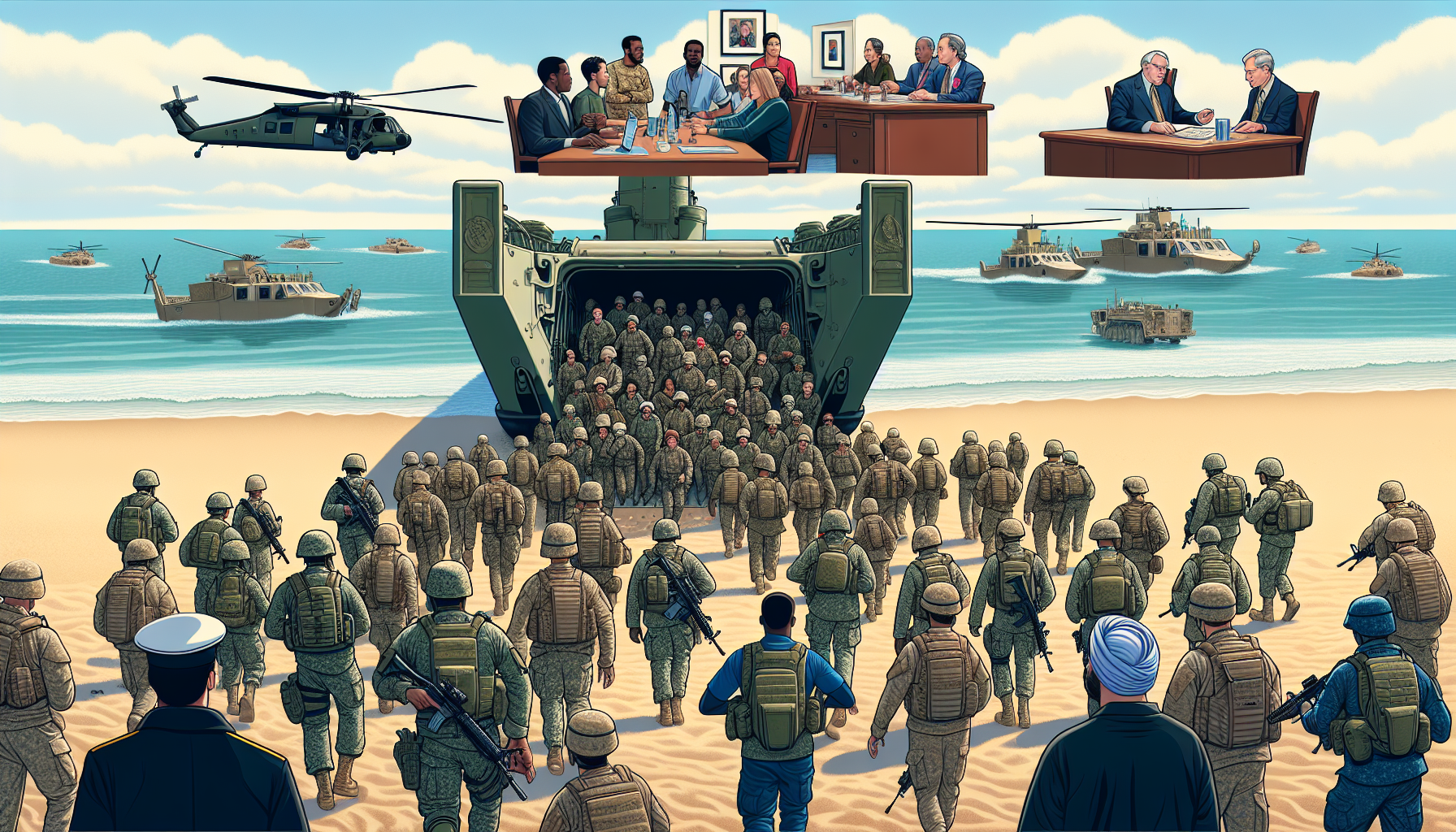
Amphibian

Definition

In military operations, the term “amphibian” refers to a vehicle or craft that is capable of operating on both land and water. These vehicles are specifically designed for transporting troops, equipment, and supplies across diverse terrains. They play a crucial role in amphibious warfare, providing flexibility and adaptability during military missions.

Key Takeaways

  1. An amphibious operation refers to the coordinated deployment and movement of both land and naval forces to conduct military operations, typically involving the passage of troops and their equipment from sea to land.
  2. Amphibious operations can include a variety of mission types, such as assaults, raids, infiltration, reconnaissance, and evacuations, all aimed at establishing or securing a foothold on a hostile or potentially hostile shore.
  3. Amphibious forces, comprising specialized units like amphibious assault vehicles and landing craft, play a crucial role in overcoming the logistical challenges involved in transitioning between sea and land environments, ensuring smooth and effective execution of these operations.

Importance

The term “Amphibian” in military operations is important because it signifies the capability of a military force to conduct both land and water-based operations seamlessly.

This strategic ability greatly expands the scope and reach of a military campaign, allowing for increased flexibility and adaptability in various scenarios.

The amphibious forces are vital in scenarios like beach landings, island defense, and coastal raids, as they enable the rapid deployment of troops, equipment, and other essential resources from sea to land or vice versa.

This dual capability enables quick and efficient responses to a wide range of potential threats, making amphibian operations a vital aspect of contemporary military planning and execution.

Explanation

Amphibious military operations play a critical role in modern warfare by providing a seamless transition between land and water-based missions. The primary purpose of these operations is to establish a tactical advantage through a rapid and coordinated deployment of forces, whether for invasion, defense, or humanitarian aid.

By employing a diverse array of specialized equipment, personnel, and tactics, amphibious operations enable military forces to efficiently maneuver through diverse terrains, evade enemy defenses, and broaden the scope of their operational reach. The flexibility provided by such operations is vital in today’s constantly evolving combat scenarios, allowing military strategists to adapt quickly to changing battlefield conditions and maintain the element of surprise against their adversaries.

To achieve success in amphibious operations, specialized amphibious vehicles, ships, and aircraft are utilized to transport troops, equipment, and supplies across bodies of water and onto hostile shores. These assets are designed to overcome natural and man-made obstacles, such as rough seas, hostile beaches, and entrenched fortifications, paving the way for a successful invasion or evacuation.

Additionally, amphibious forces are composed of highly trained personnel, such as the United States Marine Corps or Navy SEALs, who are capable of operating in a wide array of environments and combat situations. Their expertise in reconnaissance, attack, and defense strategies ensures that amphibious operations remain a formidable component of modern military capabilities, and a crucial element in maintaining the balance of power across the globe.

Examples of Amphibian

Operation Overlord (D-Day) – On June 6, 1944, the Allied forces conducted a massive amphibious assault on the beaches of Normandy, France. This operation marked a turning point in World War II as it led to the liberation of Western Europe from Nazi control. Over 150,000 soldiers crossed the English Channel on boats, landing crafts, and ships, while facing heavy German resistance on the fortified shores.

Battle of Inchon – During the Korean War in September 1950, General Douglas MacArthur led an ambitious amphibious invasion at Inchon, South Korea. This operation comprised of over 75,000 United States and South Korean troops, who aimed to outflank and cut off the North Korean forces that had pushed the United Nations and South Korean armies to the southeastern corner of the Korean Peninsula. The successful amphibious assault quickly turned the tide of the war, leading to the recapturing of Seoul and other key territories.

Falklands War – In 1982, the United Kingdom launched Operation Corporate, an amphibious campaign to retake the Falkland Islands after Argentina invaded and occupied the British overseas territory. The operation involved transporting thousands of British troops, weapons, and supplies across the Atlantic on naval vessels, prior to conducting an amphibious assault on the islands. After a series of ground battles, the British forces successfully reclaimed the Falkland Islands, demonstrating the importance and effectiveness of amphibious operations in modern warfare.

Amphibian Military Operations FAQ

What are amphibian military operations?

Amphibian military operations are operations that involve the coordination of naval and ground forces to carry out missions on the coast or land areas. These operations facilitate the transition of forces from sea to land and back, making them highly effective in various combat scenarios.

Why are amphibian operations significant for military strategy?

Amphibian operations hold strategic importance primarily because they enable a nation’s military to exploit the element of surprise. By securing a foothold in enemy territory through amphibious landing, forces can swiftly and effectively execute their attack and defensive plans, giving them a potential advantage over land-locked adversaries.

What is an example of a successful amphibian operation?

One of the most well-known and successful amphibian operations in history was Operation Overlord, also known as the Normandy landings, which took place during World War II. The operation saw the large-scale invasion of Nazi-occupied France by Allied forces, ultimately leading to the liberation of Western Europe from Axis control.

What are the challenges faced during amphibian operations?

Amphibian operations pose several challenges, including achieving coordination between naval and ground forces, dealing with weather and sea conditions, ensuring the safe transportation of equipment and personnel, and securing beachheads in hostile environments. Additionally, these operations often require extensive intelligence gathering and planning to ensure accurate timing and coordination before execution.

How has technology advanced amphibian operations?

Technological advancements have significantly enhanced amphibian operations, with improvements in communication systems allowing for better coordination between forces. The development of specialized amphibious vehicles has also facilitated the transport of equipment and personnel from sea to land, while advancements in weaponry and air support have further increased the effectiveness and security of such operations.

Related Military Operation Terms

  • VA disability compensation
  • Amphibious operations
  • Combat-related injuries
  • Marine Corps veterans
  • Amphibious assault vehicles

Sources for More Information

Benefits.com Advisors

With expertise spanning local, state, and federal benefit programs, our team is dedicated to guiding individuals towards the perfect program tailored to their unique circumstances.

Rise to the top with Peak Benefits!

Join our Peak Benefits Newsletter for the latest news, resources, and offers on all things government benefits.

Related Articles

VASRD 2026 Updates

Social Security Back Pay

SSDI Approval Rate by Age

SSDI Pay Chart 2026

VA Survivor Benefits

Amphibious Advance Force

Definition

The Amphibious Advance Force is a specialized component of a military operation designed to lead and facilitate amphibious assaults. It primarily consists of naval and ground units that are skilled in reconnaissance, intelligence gathering, and securing maritime and beach objectives. This force is critical in preparing the way for the main assault force by providing vital information, neutralizing enemy resistance, and establishing initial control over target areas.

Key Takeaways

  1. An Amphibious Advance Force is a specialized military group that is trained to conduct both land and water-based operations, making them highly versatile in various combat scenarios.
  2. The primary objective of an Amphibious Advance Force is to secure beachheads, ports, and coastal areas, facilitating the smooth deployment and organization of larger forces for a systematic invasion or defense.
  3. An Amphibious Advance Force requires advanced training, specialized equipment, and coordinated teamwork between various units such as infantry, aviation, and naval assets, for successful execution of their mission.

Importance

The term “Amphibious Advance Force” (AAF) is important because it refers to a specialized and well-trained military unit responsible for securing and preparing the environment for a larger amphibious force, ensuring a successful and smooth entry of the main military force into a specific domain, often, in hostile territories.

AAF’s importance stems from its multifaceted roles such as gathering critical intelligence, carrying out reconnaissance, identifying and neutralizing obstacles, ensuring the safety of landing sites, and communicating with other military elements.

Their ability to function on land, air, and sea increases their operational flexibility, making them crucial components in executing complex military strategies and maintaining a high level of preparedness and readiness during potential crises or conflicts.

Explanation

Amphibious Advance Force (AAF) serves as a critical component in modern military operations, predominantly aimed at facilitating and ensuring the success of larger-scale amphibious assaults. The primary purpose of an AAF is to conduct reconnaissance and initial securing of the target area, laying the groundwork for the main assault force.

This typically involves the covert insertion of specialized units, such as Navy SEALs or Marine Reconnaissance teams, to gather intelligence on enemy positions, strength, terrain, and other factors that may influence the operation. Additionally, the advance force may engage in limited offensive or sabotage actions to weaken the enemy’s defenses and create confusion, thus further enhancing the conditions for the main amphibious assault.

Furthermore, the AAF plays a vital role in shaping the battlespace for the approaching amphibious task force. This typically includes securing beachheads, key infrastructure, and other strategic locations to ensure that the main force can effectively and rapidly establish a foothold upon arrival.

To that end, the advance force coordinates closely with air and naval assets to maintain situational awareness, ensuring that the incoming assault force is well-informed of any changes in the tactical situation. Ultimately, the effectiveness of the Amphibious Advance Force contributes significantly to the success and operational advantage for the main force, allowing them to effectively execute their mission with minimal surprises and resistance.

Examples of Amphibious Advance Force

Operation Overlord (D-Day) – June 6, 1944: The most notable amphibious advance force operation in history was the World War II Allied invasion of Normandy. Operation Overlord saw a massive amphibious assault of 156,000 Allied troops from the United States, the United Kingdom, and Canada onto the beaches of Normandy, France. The goal was to establish a beachhead, push inland, and eventually liberate France from Nazi occupation. The advance force helped to secure the beachheads, clear obstacles, and capture key defense points, paving the way for the main invasion force to come ashore and successfully breach Hitler’s Atlantic Wall.

Battle of Inchon – September 15, 1950: During the Korean War, the United Nations forces, led by General Douglas MacArthur, executed a surprise amphibious landing at Inchon, South Korea, with the objective of recapturing Seoul from the North Korean forces. The amphibious advance force consisted of Republic of Korea (ROK) Marine Corps and U.S. Marine Corps troops. They were tasked with rapidly seizing key objectives, such as Wolmi-do Island, which provided an important defensive position for the North Korean forces. The success of the amphibious advance force allowed the main invasion force to land and eventually led to the liberation of Seoul.

The Falklands War – April 21, 1982 – June 14, 1982: The Falklands War was a conflict between Argentina and the United Kingdom over the disputed Falkland Islands, South Georgia, and South Sandwich Islands. A major part of the British strategy involved an amphibious advance force. On May 21, 1982, the British forces initiated amphibious landings at San Carlos Bay, Falkland Islands, to establish a beachhead from which they could launch further offensives to regain control of the islands. The British amphibious advance force, composed primarily of the British Royal Marines, was responsible for securing the landing area and neutralizing any resistance so that the main invasion force could come ashore. This operation was ultimately successful, leading to the recapture of the Falkland Islands by the British forces.

FAQ: Amphibious Advance Force

What is an Amphibious Advance Force?

An Amphibious Advance Force is a specially trained military unit that conducts advanced operations usually from the sea or water, primarily to initiate a main assault. These forces are skilled in navigating various terrains and in executing complex missions that often involve a combination of land, sea, and air components.

What is the role of an Amphibious Advance Force in military operations?

The primary role of an Amphibious Advance Force is to secure key locations ahead of the main assault force, establish beachheads, and create a safe environment for the larger force to move in. This involves reconnaissance, intelligence gathering, sabotage, as well as direct combat when necessary.

Which countries have Amphibious Advance Forces?

Many countries with a significant naval presence and capabilities maintain Amphibious Advance Forces. Some notable examples include the United States Marine Corps, United Kingdom’s Royal Marines, Russia’s Naval Infantry, and China’s People’s Liberation Army Navy Marine Corps.

What types of equipment and vehicles are used by Amphibious Advance Forces?

Amphibious Advance Forces utilize specialized equipment and vehicles that are designed for operations in diverse environments. These may include amphibious assault vehicles, landing craft, hovercraft, small patrol boats, helicopters, and even specialized combat swimmers. To support their missions, these forces also employ advanced communication and reconnaissance technologies.

How are soldiers selected and trained for Amphibious Advance Forces?

Soldiers selected for Amphibious Advance Forces are usually among the best-performing in their respective armed forces. They undergo rigorous physical and mental training programs that prepare them for the unique challenges they will face in amphibious operations. Such training typically involves a combination of land, sea, and air exercises, as well as instruction in tactics, communications, and teamwork.

Related Military Operation Terms

  • Marine Expeditionary Unit (MEU)
  • Amphibious Warfare Ships
  • Joint Force Maritime Component Commander (JFMCC)
  • Amphibious Operations
  • Assault Landing Operations

Sources for More Information

Benefits.com Advisors

With expertise spanning local, state, and federal benefit programs, our team is dedicated to guiding individuals towards the perfect program tailored to their unique circumstances.

Rise to the top with Peak Benefits!

Join our Peak Benefits Newsletter for the latest news, resources, and offers on all things government benefits.

Related Articles

VASRD 2026 Updates

Social Security Back Pay

SSDI Approval Rate by Age

SSDI Pay Chart 2026

VA Survivor Benefits

x