






We are privately owned and not affiliated or endorsed by any government agency.

Take the Benefits Quiz

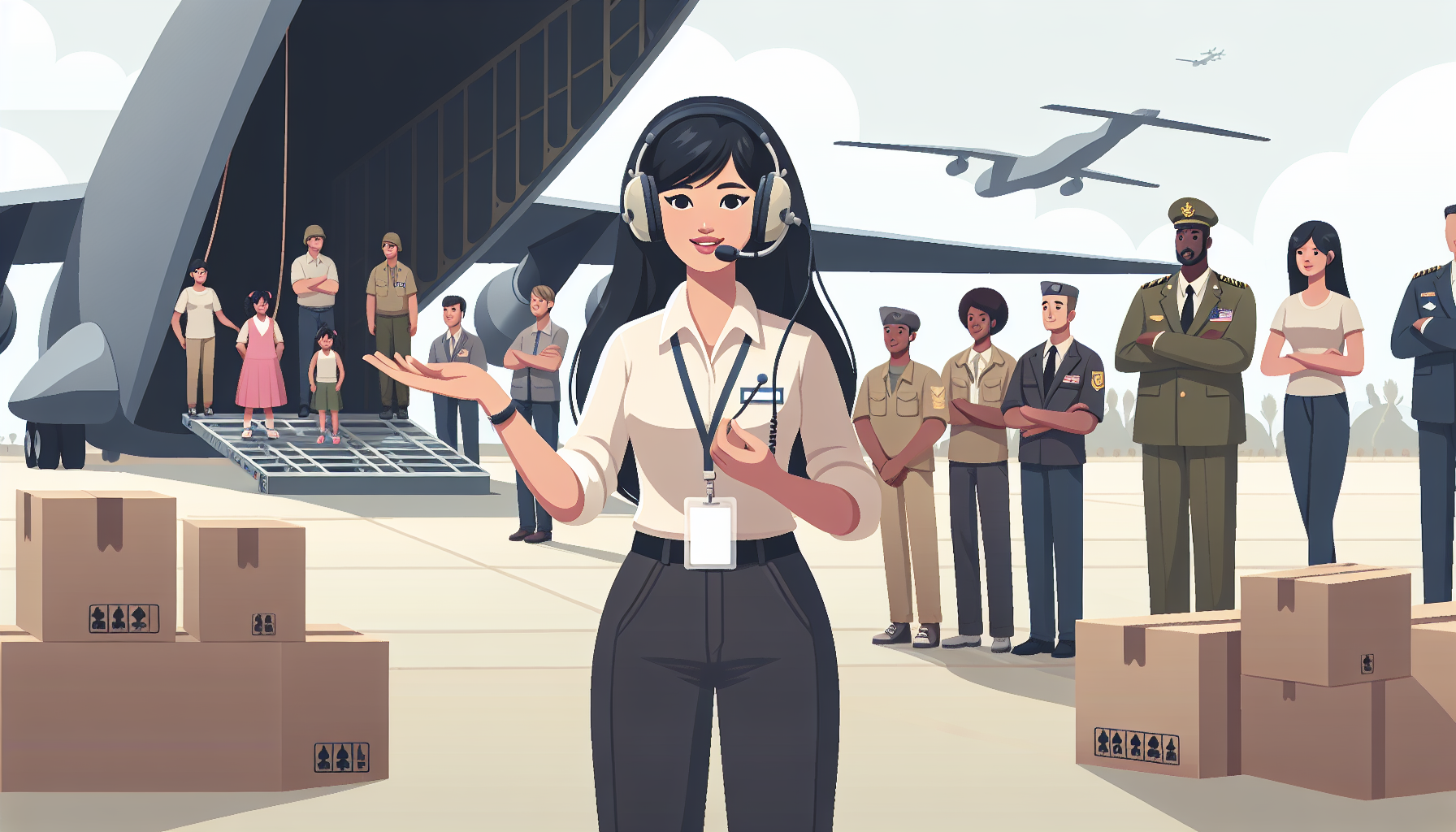
Airlift mission commander

Definition

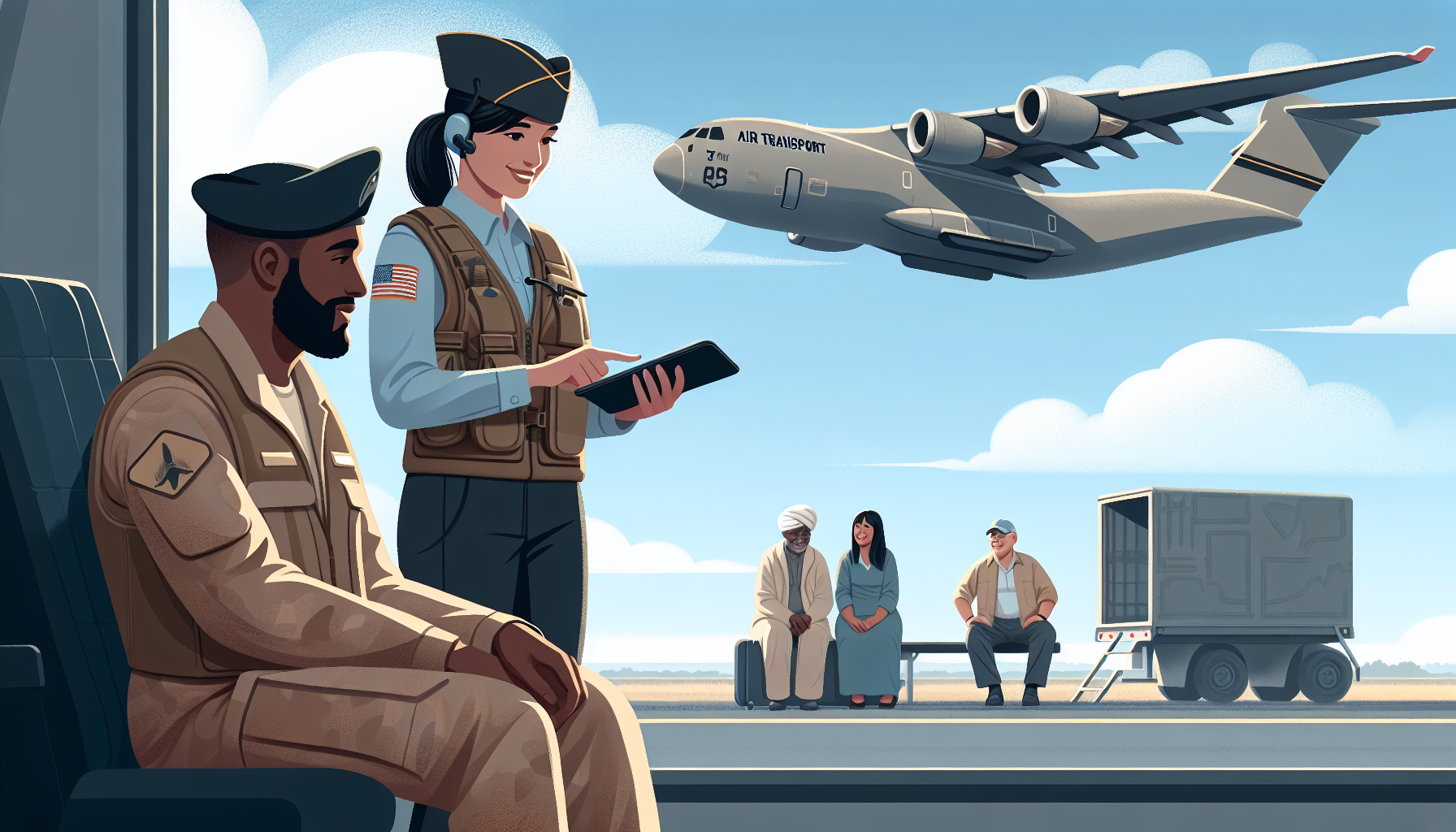
The airlift mission commander (AMC) is a designated individual who holds the overall responsibility for the successful execution of an airlift operation. This person typically has extensive experience in aviation and military planning. They are in charge of coordinating and directing various mission aspects such as aircraft movements, cargo loads, support personnel management, and liaising with relevant agencies or organizations.

Key Takeaways

  1. An Airlift Mission Commander (AMC) is responsible for planning, coordinating, and executing military air transport and logistics operations, ensuring the timely and efficient movement of personnel, equipment, and supplies.
  2. The AMC serves as the primary liaison between the airlift crew, ground personnel, and various agencies such as Air Mobility Command, ensuring that all mission objectives are achieved in compliance with rules, regulations, and safety standards.
  3. Airlift Mission Commanders possess a significant amount of experience and expertise in air transportation operations, including expertise in aircraft types, mission requirements, and problem-solving skills, enabling them to manage complex airlift operations under dynamic and challenging circumstances.

Importance

The Airlift Mission Commander (AMC) is an essential role in military operations due to its comprehensive responsibilities in managing and executing airlift missions.

As the key leader for these missions, the AMC ensures the safe, efficient, and timely transportation of vital personnel, materials, and equipment across various locations.

This role is crucial in supporting humanitarian relief efforts, military deployments, and emergency evacuations and contributes to the overall readiness and effectiveness of military forces.

Additionally, the AMC is tasked with coordinating with ground support elements, adhering to strict safety protocols, and navigating complex logistical requirements, further emphasizing their importance in maintaining robust and successful airlift operations.

Explanation

The primary purpose of the Airlift Mission Commander (AMC) is to orchestrate and oversee strategic airlift operations during military and humanitarian missions. Airlift mission commanders play a crucial role in ensuring the rapid, efficient, and secure transportation of personnel, equipment, and supplies to various locations around the world. Such missions encompass a wide range of scenarios, including combat deployments, peacekeeping operations, disaster relief efforts, and even the repatriation of fallen service members.

Coordinating with multiple agencies and stakeholders, the AMC ensures that airlift resources are optimally allocated, and that operations are seamlessly executed to fulfill their assigned objectives. To effectively carry out their role, an Airlift Mission Commander needs to possess strong leadership, communication, and organizational skills. One of the key aspects of the AMC’s role involves assembling and directing the right teams to carry out specific tasks, such as loading and unloading cargo, maintaining aircraft, and conducting pre-flight and post-flight briefings.

The AMC is also responsible for developing and implementing contingency plans, ensuring the safety and well-being of personnel on board the aircraft, and maintaining constant communication with other military units and command structures. Additionally, the AMC’s decision-making is guided by intelligence and reconnaissance data to minimize risks posed to the mission and personnel involved. By diligently fulfilling these roles, an Airlift Mission Commander plays a pivotal role in the success of military operations, helping to project and sustain a nation’s military power and, when necessary, provide much-needed support during times of crisis.

Examples of Airlift mission commander

Operation Nickel Grass (1973): Operation Nickel Grass was an airlift mission commanded by the United States Air Force during the Yom Kippur War. The mission aimed to provide Israel with military supplies and weapons, including tanks, ammunition, aircraft spare parts, and other essential items. The airlift mission commander was responsible for ensuring the safe and timely delivery of these supplies. It involved about 566 missions and transported more than 22,000 tons of equipment to support Israel during the conflict.

Berlin Airlift (1948-1949): One of the most notable airlift missions in history, the Berlin Airlift was initiated as a response to the Soviet Union’s blockade of West Berlin. The airlift mission commander was responsible for organizing and coordinating the delivery of essential supplies such as food, fuel, and other goods to the isolated city of West Berlin. Over 277,500 flights were carried out during the operation, which lasted for 11 months, and approximately

3 million tons of supplies were delivered to the city.

Operation Unified Assistance (2004-2005): Following the devastating Indian Ocean earthquake and tsunami in December 2004, several nations came together to provide humanitarian aid to the affected areas. The US military launched Operation Unified Assistance, an airlift mission aimed at delivering relief goods to devastated coastal regions in countries like Indonesia, Sri Lanka, and Thailand. The airlift mission commander was responsible for coordinating the various aircraft and personnel involved in the operations to ensure that aid reached those in need promptly. Thousands of tons of supplies, including food, water, medicine, and other relief items, were transported to the affected areas during this operation.

Airlift Mission Commander FAQ

What is an airlift mission commander?

An airlift mission commander is the person in charge of overseeing and coordinating air transportation operations, which involve the movement of personnel, equipment, and supplies by air. This role involves planning, execution, and management of airlift missions to ensure the safe and efficient transportation of cargo and passengers.

What are the responsibilities of an airlift mission commander?

The responsibilities of an airlift mission commander include planning and scheduling airlift missions, coordinating with various agencies and units to ensure mission success, managing personnel and resources, ensuring compliance with safety regulations and procedures, and making critical decisions during the mission to ensure the safety of personnel and cargo. The commander is also responsible for maintaining effective communication with all parties involved in the mission and for providing regular updates on mission progress.

What qualifications are required to become an airlift mission commander?

To become an airlift mission commander, one must typically have extensive experience as a pilot, navigator, or aircrew member and possess a strong understanding of airlift operations. A background in military operations and leadership is also essential, as the role involves coordinating with various units, agencies, and personnel. Additionally, these officers must have an excellent command of communication skills, decision-making abilities, and problem-solving skills to ensure mission success.

What training is necessary to prepare for this role?

Individuals aspiring to become airlift mission commanders typically undergo rigorous military training, including attending specialized schools and obtaining the necessary qualifications and certifications. This training provides them with in-depth knowledge of aircraft systems, air transportation operations, mission planning, and the techniques and procedures necessary to execute and manage airlift missions. Additionally, they must complete leadership courses and gain experience in various roles within military aviation to develop their skills and understanding of airlift operations.

How does an airlift mission commander contribute to the success of military operations?

An airlift mission commander plays a vital role in the success of military operations by ensuring the timely and efficient delivery of personnel, equipment, and supplies to the intended destination. Their advanced planning, coordination, and decision-making abilities enable them to adapt to changing situations and make critical decisions quickly and effectively. By leading and managing airlift missions, these officers contribute to the overall success of military operations by providing essential support where it is needed most.

Related Military Operation Terms

  • Air Mobility Command (AMC)
  • Veterans Airlift Command (VAC)
  • Wounded Warrior transportation
  • Humanitarian Airlift Operations
  • Aeromedical Evacuation

Sources for More Information

Benefits.com Advisors

With expertise spanning local, state, and federal benefit programs, our team is dedicated to guiding individuals towards the perfect program tailored to their unique circumstances.

Rise to the top with Peak Benefits!

Join our Peak Benefits Newsletter for the latest news, resources, and offers on all things government benefits.


Related Articles

VASRD 2026 Updates

Social Security Back Pay

SSDI Approval Rate by Age

SSDI Pay Chart 2026

VA Survivor Benefits

Airlift requirement

Definition

Airlift requirement is a military operations term referring to the calculated need for transporting personnel, equipment, or supplies by air during a specific period or mission. This requirement takes into consideration various factors such as the urgency of the situation, the number of troops or resources to be transported, and the availability of transportation assets. Establishing an airlift requirement enables military planners to effectively allocate and coordinate air transport resources to support missions and achieve objectives.

Key Takeaways

  1. Airlift requirement refers to the necessary transport of personnel, equipment, or supplies by air, which plays a critical role in military operations, disaster relief, and humanitarian assistance.
  2. In order to meet the airlift requirement, military forces must have reliable aircraft, specialized planning, and effective communication between different units to ensure the smooth and efficient execution of air transportation missions.
  3. Airlift requirements are often subject to change due to various factors such as operational needs, tactical situations, or political considerations, requiring constant adjustment and flexibility from the airlift units involved.

Importance

The military operations term “airlift requirement” is important because it refers to the essential need for rapidly transporting troops, equipment, supplies, or other resources via air to support military objectives.

This capability is crucial in modern warfare, as it enables swift deployment, reinforcement, or extraction of personnel and resources, contributing significantly to mission success.

Furthermore, it allows military forces to maintain a strategic advantage by responding swiftly to emerging threats or crisis situations, ensuring that military units maintain their efficiency, mobility, and overall readiness.

Proper assessment and execution of airlift requirements are thus vital components in the planning and execution of military operations, directly impacting the outcome and effectiveness of these operations.

Explanation

Airlift requirement is a critical aspect of military operations, as it focuses on the process of identifying and addressing the needs associated with transporting personnel, equipment, and supplies via air transportation. The purpose of determining airlift requirements is to facilitate rapid deployment of forces, timely delivery of logistic and humanitarian support, and efficient execution of various military operations, ultimately ensuring mission success and personnel safety.

By assessing airlift requirements, military planners can optimize and prioritize the allocation of resources, synchronize air transportation efforts with overall military strategies, and enhance the flexibility and effectiveness of air mobility operations. In practical terms, airlift requirements serve as the foundation for decision-making and resource allocation within the realm of air transportation.

This entails evaluating several key factors, such as the type and quantity of aircraft needed, the availability of airbases and infrastructure, fuel management, and the capabilities of allied or partner air forces. As global geopolitical landscapes evolve and military challenges become more complex, the role of airlift requirements becomes increasingly vital in adapting to emerging threats, maintaining operational readiness, and supporting military forces in diverse theaters of operations.

Thus, an accurate and timely analysis of airlift requirements contributes significantly to strengthening strategic and operational capacities within military organizations.

Examples of Airlift requirement

Berlin Blockade and Airlift (1948-1949): During the early days of the Cold War, Soviet forces blockaded all road, rail, and water access to West Berlin in an attempt to force the Western Allies to abandon their control of the region. In response, the United States, United Kingdom, France, and other allies launched Operation Vittles, an extensive airlift operation that delivered food, fuel, and other essential supplies to the residents of West Berlin. Over 200,000 flights were made during the operation, demonstrating the critical role of airlift requirements in sustaining a population cut off from ground supply routes.

Operation Nickel Grass (1973): During the Yom Kippur War, Israeli forces faced a critical shortage of supplies such as weapons, ammunition, and spare parts due to the high intensity of the conflict. To address this, the United States organized Operation Nickel Grass, an airlift operation that transported over 22,000 tons of supplies to Israel over the course of several weeks. This operation demonstrated the importance of airlift requirements to quickly resupply and reinforce allied forces during a time-sensitive military conflict.

Operation Unified Assistance (2004-2005): In the aftermath of the devastating 2004 Indian Ocean tsunami, which killed over 200,000 people and displaced millions, a multinational military airlift operation was launched to deliver humanitarian aid and assistance to affected countries. This operation, known as Operation Unified Assistance, saw the transport of food, water, temporary shelters, medical supplies, and other relief items to stricken areas. This example highlights the critical role of airlift requirements in the rapid delivery of aid during humanitarian crises and natural disasters.

Airlift Requirement FAQ

What is an airlift requirement?

An airlift requirement refers to the necessary transport capacity or logistical support needed to move troops, equipment, or supplies by air during military operations. This may include the number of aircraft, manpower, and resources necessary to accomplish the mission.

Why are airlift requirements important in military operations?

Airlift requirements are essential in military operations for various reasons. These can include rapidly deploying forces to different locations around the globe, resupplying troops in remote areas, evacuating casualties, and providing humanitarian support during crises. Effective airlift capabilities can significantly improve the success and efficiency of military operations.

What factors affect airlift requirements?

Several factors can affect airlift requirements, such as mission objectives, terrain, weather conditions, distance, available aircraft, and the size and weight of cargo or personnel being transported. Additionally, operational constraints, political considerations, and international agreements may contribute to determining the specific airlift requirements for a particular mission.

What types of aircraft are commonly used for airlift operations?

Various types of aircraft can be utilized for airlift operations. Typically, they are categorized into three primary groups: strategic, tactical, and intra-theater. Strategic airlifters, such as the C-5 Galaxy and C-17 Globemaster III, are designed to transport large volumes of cargo and personnel over long distances. Tactical airlifters, like the C-130 Hercules, are used for shorter distances and often have the ability to land on unimproved airstrips. Intra-theater aircraft, such as helicopters and Ospreys, specialize in vertical take-off and landings, allowing for efficient transport across smaller distances within a specific operational area.

How is airlift capacity measured?

Airlift capacity is often measured in terms of tonnage or the number of passengers that can be transported. Additionally, it may be defined in relation to the aircraft’s range and the time it takes to move a specific number of resources or personnel over a certain distance. Airlift capacity can also be affected by factors like load and fuel efficiency, as well as aircraft availability and readiness level.

Related Military Operation Terms

  • Emergency Evacuation Support
  • Disabled Veteran Air Transportation
  • Specialized Medical Air Transport
  • Air Mobility Command (AMC) services
  • Wounded Warrior Airlift

Sources for More Information

Benefits.com Advisors

With expertise spanning local, state, and federal benefit programs, our team is dedicated to guiding individuals towards the perfect program tailored to their unique circumstances.

Rise to the top with Peak Benefits!

Join our Peak Benefits Newsletter for the latest news, resources, and offers on all things government benefits.

Related Articles

VASRD 2026 Updates

Social Security Back Pay

SSDI Approval Rate by Age

SSDI Pay Chart 2026

VA Survivor Benefits

Air mobility

Definition

Air mobility refers to the ability to transport and position military personnel, equipment, and supplies quickly and efficiently through the use of aircraft. It encompasses a range of capabilities, including airlift, air refueling, and aeromedical evacuation. This strategic advantage enhances a military force’s responsiveness, flexibility, and overall operational effectiveness.

Key Takeaways

  1. Air mobility refers to the ability to rapidly transport troops, equipment, and supplies through the use of aircraft, thereby providing flexibility and adaptability in military operations.
  2. It includes various subcomponents such as airlift, air refueling, and aeromedical evacuation, which play crucial roles in supporting and sustaining combat and humanitarian missions.
  3. Air mobility enables armed forces to bypass geographic barriers, expedite deployment and response times, and project force across vast distances, making it a vital asset in modern warfare and disaster relief efforts.

Importance

Air mobility is a crucial aspect of military operations, as it allows for the rapid and efficient transportation of personnel, equipment, and supplies both within and across conflict zones.

By integrating aircraft such as fixed-wing planes, helicopters, and aerial refueling platforms, air mobility enhances the strategic reach, operational flexibility, and overall effectiveness of armed forces.

Additionally, it enables rapid response to emerging threats, facilitates medical evacuations, aids in humanitarian assistance, and expedites the deployment of troops in various theaters of operation.

In essence, air mobility ensures that military forces can maintain a robust and adaptable presence, granting them a competitive edge in modern warfare.

Explanation

Air mobility plays a crucial role in modern military operations, as it encompasses the swift and efficient transport of personnel, equipment, and supplies through air assets. This can include both fixed-wing aircrafts as well as rotary-wing platforms like helicopters.

Serving a myriad of purposes, air mobility ensures that forces can be strategically deployed or redeployed in a timely manner, disorders enemy defenses, extends operational reach, and promotes quick response to contingencies. With its multidimensional value, air mobility greatly enhances the capabilities of any military force by fundamentally optimizing the movement and sustainment of troops.

Furthermore, air mobility serves as a reliable mechanism for conducting disaster relief and humanitarian assistance missions. In these scenarios, rapid transport of critical supplies, personnel, and equipment to affected areas can be life-saving and prevents further escalation of the crisis situation.

Moreover, air mobility assets can conduct missions such as aerial refueling, medical evacuation, and extraction of key personnel or citizens from hostile environments. Ultimately, air mobility empowers military forces with unparalleled versatility and adaptability, consequently enabling the agile execution of strategic objectives and crisis response throughout a rapidly evolving global landscape.

Examples of Air mobility

Operation Nickel Grass (1973): During the Yom Kippur War, the United States executed a strategic airlift operation called Operation Nickel Grass to deliver military supplies, equipment, and replacement aircraft parts to their Israeli allies. The U.S. Air Force’s Military Airlift Command and numerous civilian aircraft provided air mobility support to ensure that Israel maintained its military capabilities during the conflict.

Berlin Airlift (1948-1949): One of the most notable examples of air mobility is the Berlin Airlift, also known as Operation Vittles. During the Cold War, the Soviet Union blocked access to the Western-held sectors of Berlin, cutting off crucial ground-based supply routes. In response, the United States and its allies set up a massive air transport operation to deliver food, fuel, and other essential supplies to the citizens of West Berlin. This operation lasted for nearly a year and involved over 278,000 flights, demonstrating the power and effectiveness of air mobility as a strategic tool.

Operation Unified Assistance (2004-2005): Following the devastating Indian Ocean earthquake and tsunami in December 2004, a significant international relief effort was launched, led by the United States. Air mobility played a crucial role in delivering humanitarian aid and assistance to affected areas, including the hardest-hit regions of Indonesia, Sri Lanka, and Thailand. The U.S. military’s air mobility capabilities allowed for the rapid deployment of personnel, supplies, and vehicles to establish field hospitals, deliver food and clean water, and provide search and rescue operations in the disaster-stricken areas.

Air Mobility FAQ

What is Air Mobility?

Air Mobility refers to the capability of rapidly moving and positioning personnel, equipment, and supplies by air. This can include airlift, air refueling, and aeromedical evacuation operations, which are essential for military forces to deploy and sustain operations globally.

What are the key components of Air Mobility?

The key components of Air Mobility include airlift, air refueling, and aeromedical evacuation. Airlift is the transportation of personnel, equipment, and supplies by aircraft, while air refueling involves transferring fuel from one aircraft to another during flight. Aeromedical evacuation refers to transporting injured or ill personnel to medical facilities.

What types of aircraft are involved in Air Mobility operations?

There are various types of aircraft involved in Air Mobility operations, including cargo aircraft, tanker aircraft, and specialized aeromedical evacuation aircraft. Cargo aircraft, such as the C-130 Hercules and C-17 Globemaster III, have the primary role of transporting personnel and equipment. Tanker aircraft, like the KC-135 Stratotanker and KC-10 Extender, are designed for air refueling missions. Specialized aeromedical evacuation aircraft, such as the C-9 Nightingale or converted C-130s and C-17s, can transport patients while providing in-flight medical care.

How do Air Mobility operations support military objectives?

Air Mobility operations enhance the military’s ability to respond quickly to crises, deploy forces, and sustain operations. By rapidly positioning personnel, equipment, and supplies, military forces can maintain a global presence and flexibility required for modern military operations. Additionally, air refueling extends the range and endurance of aircraft, allowing for longer mission durations and increased responsiveness. Aeromedical evacuation provides critical medical care to injured or ill personnel, improving the overall capabilities and readiness of military forces.

What are some examples of Air Mobility operations?

Some examples of Air Mobility operations include humanitarian assistance and disaster relief missions, military deployments, and noncombatant evacuation operations. Air Mobility has played a key role in the response to natural disasters such as earthquakes, hurricanes, and tsunamis, by delivering essential supplies and personnel. Military deployments, such as Operation Desert Storm and Operation Iraqi Freedom, also relied heavily on Air Mobility for the rapid movement of forces and sustainment of operations. Noncombatant evacuation operations, such as the evacuation of US citizens from Lebanon in 2006, demonstrate the strategic importance of Air Mobility in supporting diplomatic and security objectives.

Related Military Operation Terms

  • Air transportation
  • Strategic airlift
  • Aeromedical evacuation
  • Air refueling
  • Air Mobility Command (AMC)

Sources for More Information

  • United States Air Force – The official website for the United States Air Force provides information on air mobility and various aircraft used in these operations.
  • GlobalSecurity.org – GlobalSecurity.org is a private, non-profit organization that provides an abundance of military, aerospace, and homeland security information, including details on air mobility.
  • RAND Corporation – The RAND Corporation is a research organization that studies the operational aspects of different military branches, including air mobility for the U.S. Air Force and other nations.
  • Air Force Times – Air Force Times is a news publication catering to those in the U.S. Air Force community. It features news, analysis, and opinions on air mobility and a multitude of other air force-related topics.

Benefits.com Advisors

With expertise spanning local, state, and federal benefit programs, our team is dedicated to guiding individuals towards the perfect program tailored to their unique circumstances.

Rise to the top with Peak Benefits!

Join our Peak Benefits Newsletter for the latest news, resources, and offers on all things government benefits.

Related Articles

VASRD 2026 Updates

Social Security Back Pay

SSDI Approval Rate by Age

SSDI Pay Chart 2026

VA Survivor Benefits

Air Mobility Command

Definition

Air Mobility Command (AMC) is a major command within the United States Air Force. It is responsible for providing global air mobility, including air transport, aerial refueling, and aeromedical evacuation. AMC’s mission is to ensure rapid, flexible, and efficient movement of military personnel and resources in support of national objectives.

Key Takeaways

  1. Air Mobility Command (AMC) is a major command within the United States Air Force, playing a critical role in providing global air mobility through airlift and aerial refueling capabilities.
  2. The primary mission of AMC is to enable rapid global mobility, moving personnel and materiel rapidly to support U.S. military and humanitarian operations worldwide, as well as assisting in disaster relief efforts.
  3. AMC operates a fleet of various aircraft, including cargo planes like the C-5 Galaxy, C-17 Globemaster III, and the C-130 Hercules, as well as aerial refueling tankers like the KC-135 Stratotanker and the KC-10 Extender, ensuring its ability to execute a diverse range of mission requirements.

Importance

Air Mobility Command (AMC) is a crucial component of military operations as it is responsible for providing swift, global air mobility solutions in both peacetime and wartime situations.

This includes the transportation of troops, cargo, and essential equipment, as well as conducting aerial refueling and medical evacuation missions.

As the key enabler of rapid deployment and sustainment of forces, AMC plays a vital role not only in ensuring national and international security but also in carrying out humanitarian aid delivery and disaster relief operations.

By maintaining a responsive and efficient air mobility force, AMC bolsters the military’s capability to project power globally and effectively respond to evolving threats and crises.

Explanation

The Air Mobility Command (AMC) serves as a vital component within military operations and is primarily responsible for providing crucial air transportation and air refueling services. The main purpose of this specialized command is to ensure rapid and efficient delivery of personnel, equipment, and supplies to various locations and situations.

This strategic capability is significant in expediting humanitarian assistance, disaster relief operations, or the deployment of military forces, supporting the United States Department of Defense in sustainment and projection of national security commitments around the globe. To accomplish these missions in an effective and safe manner, the Air Mobility Command relies on a diverse fleet of airlift and tanker aircraft enabling them to respond to a wide range of logistical and emergency situations.

The AMC also plays a pivotal role in medical evacuation, ensuring that injured servicemen and women receive optimal medical treatment. Its aerial refueling capabilities are essential to extend the range and on-station time of U.S.

and coalition fighter, bomber, and cargo aircraft, further amplifying its usefulness during military and non-military operations. In essence, the Air Mobility Command helps to maintain the United States’ global reach, allowing the nation to rapidly project power and execute missions in a flexible and strategic manner.

Examples of Air Mobility Command

Operation Desert Storm (1991): Air Mobility Command (AMC) played a significant role during this military operation to expel Iraqi forces from Kuwait. AMC was responsible for the strategic airlift and aerial refueling operations, enabling the rapid deployment of a massive U.S. and coalition military force. C-5 Galaxy, C-141 Starlifter, and C-130 Hercules aircraft transported troops, equipment, and essential supplies on an unprecedented scale, while the KC-135 Stratotanker and KC-10 Extender aircraft ensured the fighter jets and bombers were always fueled and ready.

Operation Enduring Freedom (2001-2014): During this operation against the Taliban and Al-Qaeda in Afghanistan, Air Mobility Command was integral to the success of the campaign. AMC aircraft assisted in the rapid deployment and transportation of troops and supplies from different locations around the world directly to Afghanistan. Aerial refueling kept bomber and fighter aircraft missions functioning, while aeromedical evacuation capabilities facilitated the swift transport of wounded service members to higher levels of medical care.

Operation Unified Response (2010): In response to the catastrophic earthquake that struck Haiti in January 2010, AMC played a vital role in facilitating humanitarian assistance and disaster relief. As part of Operation Unified Response, AMC aircraft delivered thousands of tons of cargo and aid to the country, including food, water, shelter materials, and medical supplies. AMC personnel also assisted with evacuating American citizens and military personnel from Haiti.

Air Mobility Command FAQ

What is Air Mobility Command (AMC)?

Air Mobility Command (AMC) is a major command of the United States Air Force that provides global air mobility. AMC’s main mission is to deliver military personnel, cargo, and equipment around the world through various airlift and air refueling services.

When was Air Mobility Command established?

Air Mobility Command was established on June 1, 1992, following the inactivation of Military Airlift Command (MAC) and Strategic Air Command (SAC). The primary goal was to focus on the mobility aspect of those commands in a single organization.

What aircraft are used by the Air Mobility Command?

What is the role of Air Mobility Command during humanitarian aid missions?

During humanitarian aid missions, Air Mobility Command plays a crucial role by delivering supplies, vehicles, and personnel to affected areas. AMC participates in disaster relief operations, medical evacuations, and supports international organizations’ missions to help those in need.

What are some notable Air Mobility Command operations?

Some notable Air Mobility Command operations include Operation Restore Hope in Somalia, Operation Enduring Freedom in Afghanistan, Operation Iraqi Freedom, and various humanitarian relief efforts such as during Hurricane Katrina and the earthquake in Haiti.

Related Military Operation Terms

  • Air Mobility Operations
  • Airlift and Air Refueling
  • Expeditionary Mobility Task Force
  • Contingency Response Wing
  • Air Force Enroute Support

Sources for More Information

Benefits.com Advisors

With expertise spanning local, state, and federal benefit programs, our team is dedicated to guiding individuals towards the perfect program tailored to their unique circumstances.

Rise to the top with Peak Benefits!

Join our Peak Benefits Newsletter for the latest news, resources, and offers on all things government benefits.

Related Articles

VASRD 2026 Updates

Social Security Back Pay

SSDI Approval Rate by Age

SSDI Pay Chart 2026

VA Survivor Benefits

Air Mobility Control Team (AMCT)

Definition

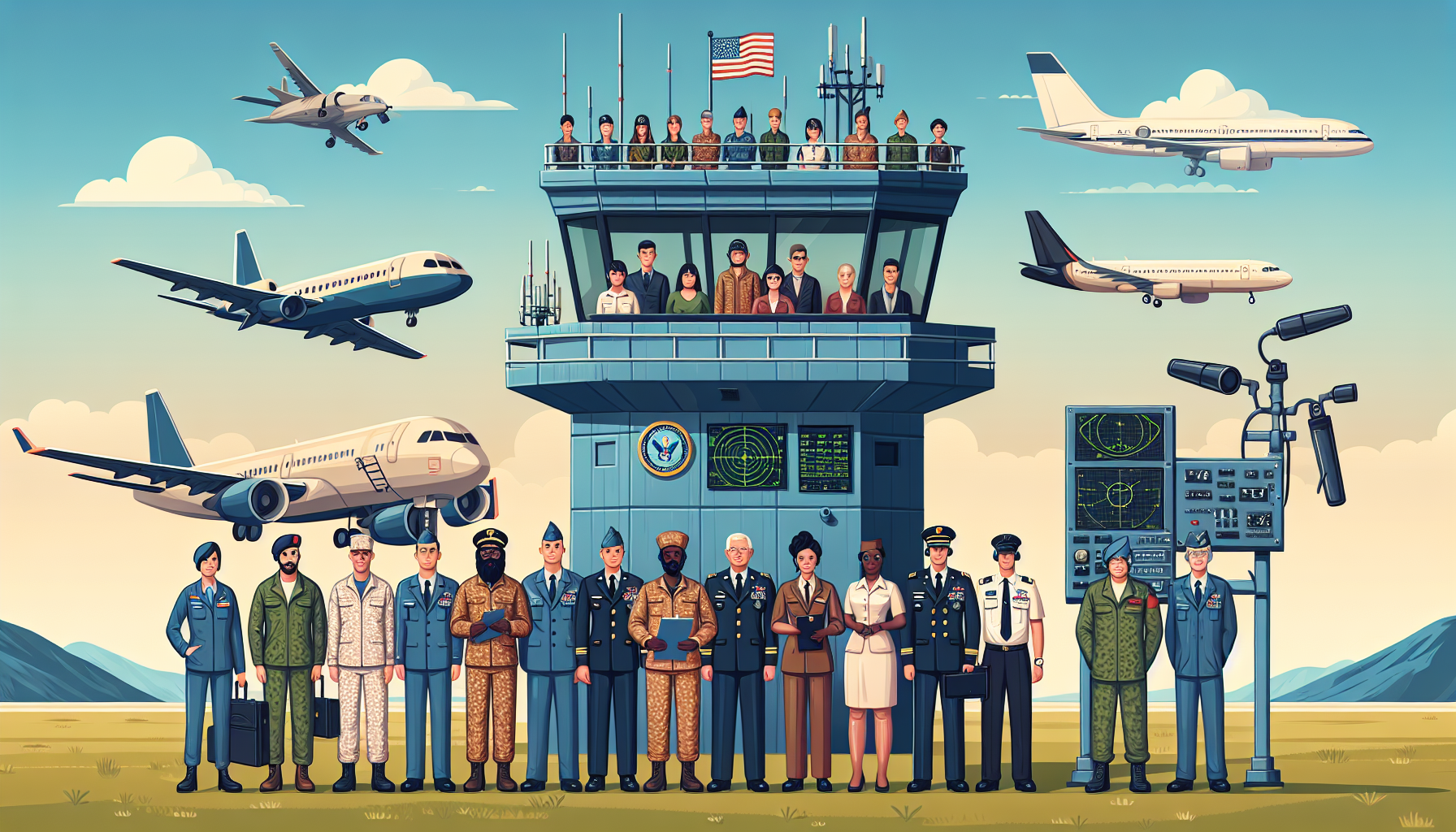
The Air Mobility Control Team (AMCT) is a specialized group responsible for coordinating and managing air mobility missions and resources during military operations. Their primary role is to ensure the effective and efficient use of air transportation assets for the movement of personnel, equipment, and supplies. Additionally, they liaise with other units and organizations to facilitate seamless communication and synchronization between air mobility assets and ground operations.

Key Takeaways

  1. Air Mobility Control Team (AMCT) is a specialized unit within the Air Force, responsible for coordinating and managing air mobility assets such as transport aircraft and aerial refueling assets.
  2. AMCT serves as the primary liaison between airlift and air refueling units, air traffic control agencies, and ground forces, ensuring efficient air mobility operations in support of military objectives.
  3. The team plays a vital role in mission planning, resource allocation, and monitoring in-flight operations, ultimately contributing to the overall effectiveness and safety of air mobility missions.

Importance

The Air Mobility Control Team (AMCT) is an essential component in military operations as it plays a critical role in managing and coordinating the swift and efficient movement of personnel, equipment, and resources by air.

To ensure strategic and timely response to rapidly changing situations in the theater of operation, the AMCT integrates various air mobility assets such as airlift, air refueling, and aeromedical evacuation for seamless transportation and delivery.

By assuring effective communication, planning, and collaboration between multiple units and organizations, the AMCT enhances overall mission accomplishment and operational success, making it a crucial element in maintaining robust defense capabilities.

Explanation

The Air Mobility Control Team (AMCT) plays a critical role in ensuring the efficient coordination and execution of air mobility operations. This is achieved through the effective management of both strategic and tactical airlift assets, which include cargo aircraft and air refueling tanker resources. The AMCT is responsible for planning, organizing, and directing air mobility movements, from the allocation of resources to the execution of aerial missions.

Its purpose is to facilitate the rapid deployment of military personnel, equipment, fuel, and other cargo in support of various military objectives, ranging from humanitarian aid missions to combat operations. By providing dedicated oversight and control, the AMCT ensures that air mobility assets are used to their maximum potential, enabling a timely response to emergent requirements. The AMCT also plays a crucial part in establishing efficient communication and coordination between various military stakeholders, such as airlift control centers, airlift units, air traffic control agencies, and supported organizations.

This involves overseeing the assignment of airlift missions, monitoring real-time aircraft movements, prioritizing missions based on urgency and national security objectives, and facilitating the sharing of necessary information among the involved parties. Additionally, AMCTs may participate in contingency planning, working closely with other military and civilian agencies to develop and refine air mobility plans and procedures. In essence, the Air Mobility Control Team serves as the hub of air mobility operations, promoting effective decision-making and ensuring the seamless execution of airlift missions in pursuit of strategic goals.

Examples of Air Mobility Control Team (AMCT)

Operation Enduring Freedom (2001-2014): During this operation in Afghanistan, Air Mobility Control Teams (AMCTs) played a critical role in coordinating and controlling the movement of troops, equipment, and supplies in support of military efforts. The AMCTs worked closely with NATO forces to ensure cargo aircraft were scheduled and routed appropriately, safeguarding the transportation of essential resources in a timely and efficient manner.

Humanitarian Assistance and Disaster Relief Efforts – Typhoon Haiyan (2013): Following Typhoon Haiyan in the Philippines, AMCTs were deployed to facilitate the rapid delivery of international aid, equipment, and medical supplies to those affected by the disaster. The teams managed the flow of cargo aircraft ensuring disaster relief support was efficiently transported to serve communities in dire need.

Airlift Operations during the Rwandan Genocide (1994): The United Nations launched ‘Operation Provide Comfort’ in response to the Rwandan Genocide and the refugee crisis it created. AMCTs played a pivotal role in managing the transportation of humanitarian aid, peacekeepers, and other resources into Rwanda and neighboring countries. They were responsible for coordinating the movements of air transport assets on tight timelines and in complex operating environments.

Air Mobility Control Team (AMCT) FAQs

What is an Air Mobility Control Team (AMCT)?

An Air Mobility Control Team (AMCT) is a specialized unit within the military that focuses on coordinating and managing all air mobility operations. This includes overseeing the transportation of personnel, equipment, and supplies by air, ensuring efficient and safe air travel for military forces.

What are the primary responsibilities of AMCT members?

AMCT members are responsible for the planning, scheduling, communication, and control of air mobility missions. This includes coordinating with other military units, managing air traffic control, and ensuring the security and safety of all air mobility assets.

What type of training do AMCT personnel receive?

AMCT personnel typically receive specialized education and training in various aspects of air mobility operations, such as air traffic control, mission coordination, and air cargo handling. This training is designed to prepare them for the high-stakes and rapidly changing environment of military air transport.

How does AMCT support other military units?

AMCT supports other military units by coordinating and providing efficient air transportation for troops, equipment, and supplies. This ensures that military forces can rapidly deploy and move between different locations to respond to various missions and threats. The AMCT also assists with search and rescue operations, humanitarian relief efforts, and other specialized transport missions.

What types of aircraft are used in AMCT operations?

The AMCT coordinates the use of various types of aircraft for air mobility operations, including fixed-wing transport aircraft, helicopters, and cargo planes. The specific aircraft used will depend on the mission requirements and available resources.

Related Military Operation Terms

  • Air Force Transportation
  • Cargo Movement Coordination
  • Personnel Airlift Support
  • Aeromedical Evacuation
  • Air Traffic Control Liaison

Sources for More Information

Benefits.com Advisors

With expertise spanning local, state, and federal benefit programs, our team is dedicated to guiding individuals towards the perfect program tailored to their unique circumstances.

Rise to the top with Peak Benefits!

Join our Peak Benefits Newsletter for the latest news, resources, and offers on all things government benefits.

Related Articles

VASRD 2026 Updates

Social Security Back Pay

SSDI Approval Rate by Age

SSDI Pay Chart 2026

VA Survivor Benefits

Air Mobility Division (AMD)

Definition

The Air Mobility Division (AMD) is a specialized unit within a military organization that focuses on the strategic planning, coordination, and execution of air transportation and aerial refueling missions. These missions can involve personnel, equipment, and supplies for both military and humanitarian operations. The AMD plays a vital role in supporting the rapid deployment of forces around the world and maintaining their logistical needs throughout operations.

Key Takeaways

  1. Air Mobility Division (AMD) is responsible for coordinating and managing the air mobility assets and missions for a specified region or operation within a joint task force or theater of operations.
  2. AMD serves as the central hub for planning, tasking, executing, and monitoring air mobility operations, working alongside other mission support elements like air refueling and airlift operations units.
  3. AMD provides crucial support in deploying, sustaining, and redeploying forces, contributing to mission success by providing air transportation solutions, ensuring the timely delivery of personnel, equipment, and supplies.

Importance

The Air Mobility Division (AMD) holds significant importance within military operations due to its critical role in ensuring efficient transportation of personnel, equipment, and essential supplies across vast distances.

In times of conflict or disaster, AMD’s swift and coordinated efforts facilitate rapid response, deployment, and sustainment of forces, enabling the military to maintain its global reach and agility.

By orchestrating strategic air movements, identifying the best routes, and coordinating refueling or airlift missions, AMD bolsters the capacity of armed forces to successfully execute their missions while minimizing risk.

Moreover, the AMD’s capabilities also contribute to humanitarian aid, disaster relief, and evacuation operations, demonstrating its broader impact on global security and saving lives.

Explanation

The Air Mobility Division (AMD) serves a vital purpose within military operations by streamlining the strategic planning and efficient coordination of air transportation resources. The primary responsibility of AMD is to ensure that troops, equipment, supplies, and other critical assets are rapidly and safely transferred from one location to another during times of conflict, crisis, or humanitarian relief efforts.

The AMD is composed of highly skilled professionals who work tirelessly to meet the logistical demands of military forces throughout the world, enabling leaders to deliver a rapid and agile response to any situation that arises. The division’s incomparable level of expertise also provides critical support for joint, allied, and coalition partners, underscoring its essential function in maintaining global stability.

The AMD accomplishes its mission by utilizing a variety of air mobility assets, including aircraft such as the C-5 Galaxy, C-17 Globemaster III, and C-130 Hercules, as well as various air refueling assets such as the KC-135 Stratotanker and KC-10 Extender. By effectively managing these resources, the AMD can ensure the rapid deployment of military forces and essential supplies to nearly any location in the world.

Moreover, the division maintains a robust network of air mobility support facilities and personnel on a global scale, ensuring seamless coordination across all assets involved in a given operation. Overall, the Air Mobility Division plays a pivotal role in military operations by guaranteeing the effective and efficient transportation of manpower and materiel, supporting the strategic objectives of global defense and promoting peace and security throughout the world.

Examples of Air Mobility Division (AMD)

Operation Desert Shield/Desert Storm (1990-1991): During this military operation, the Air Mobility Division (AMD) played a crucial role in providing strategic air mobility support to the U.S. forces and their coalition partners. AMD coordinated the massive airlift of troops, equipment, and supplies to the Persian Gulf region. The successful air mobility efforts during this operation allowed rapid build-up and sustainment of military forces in the region, ultimately contributing to the liberation of Kuwait.

Operation Enduring Freedom (2001-2014): AMD was heavily involved in the Afghanistan war, providing logistical support and the movement of troops and equipment throughout the region. This included not only transport between the United States and the Middle East but also tactical airlifts within the region, such as air drops of humanitarian aid and supplies. The contribution of the Air Mobility Division was essential in both the initial response and long-term security efforts in Afghanistan.

Humanitarian Assistance and Disaster Relief Operations: The Air Mobility Division has been an integral part of international humanitarian missions and disaster relief efforts. Examples include the 2010 earthquake in Haiti (Operation Unified Response), the 2013 Typhoon Haiyan in the Philippines (Operation Damayan), and the 2014 Ebola outbreak in West Africa (Operation United Assistance). In these missions, the AMD coordinated and supported the transportation of vital relief supplies, medical personnel, and equipment to the affected areas to assist in recovery and stabilization efforts.

Air Mobility Division (AMD) – Frequently Asked Questions

What is the Air Mobility Division (AMD)?

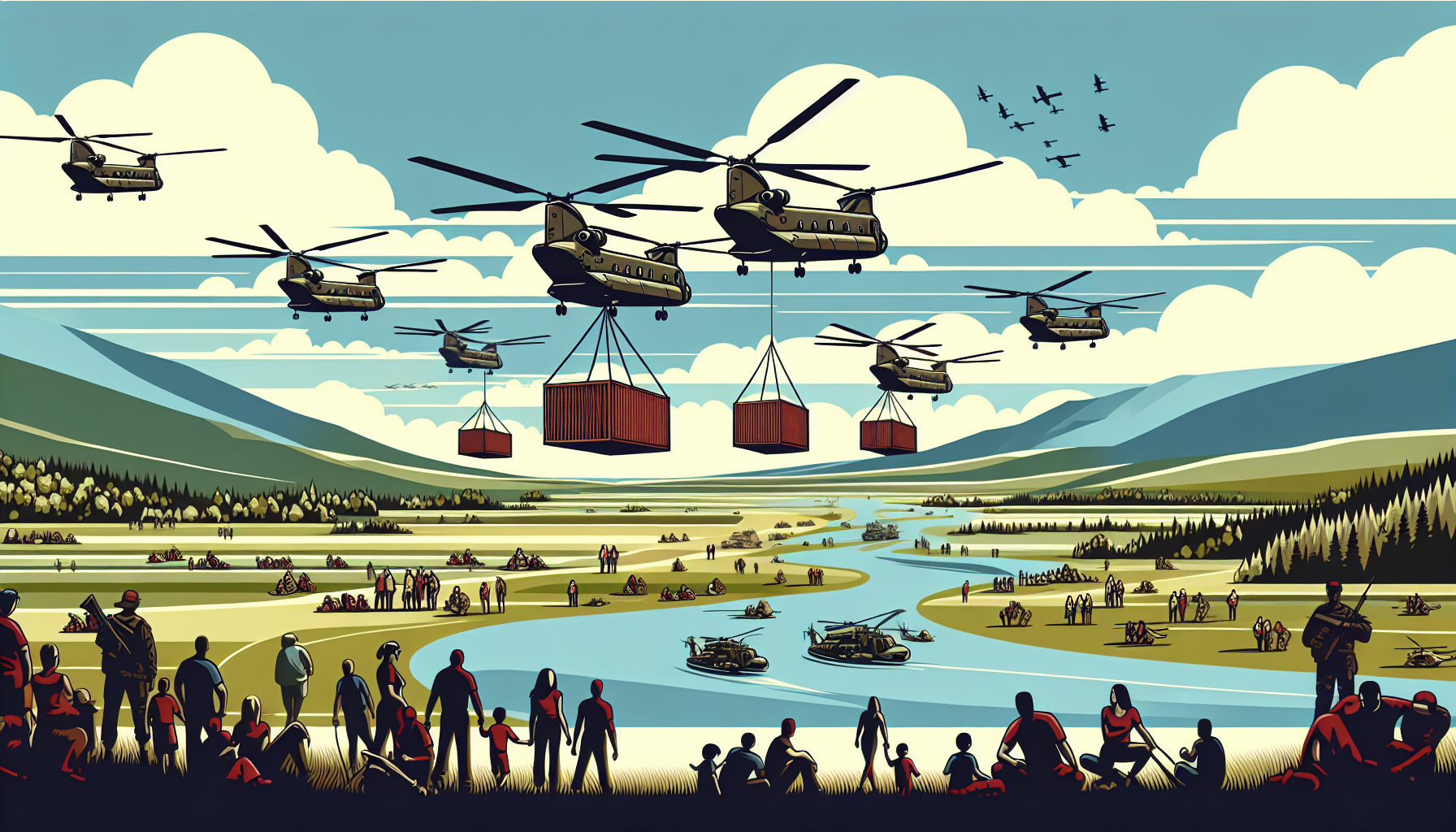
The Air Mobility Division (AMD) is a vital component of the military that manages and supports air and ground transportation operations. It focuses on planning, coordinating, and executing air transport and airdrop missions, and ensures the efficient delivery of troops, equipment, and supplies to various locations around the world.

What is the primary mission of the AMD?

The primary mission of the AMD is to provide rapid, reliable, and flexible air mobility support to meet the needs of the military and other agencies. This includes strategic airlift, air refueling, air mobility support, and aeromedical evacuation, all of which contribute to enhancing the operational capabilities of the military forces.

What types of aircraft are used by the AMD?

The AMD uses a variety of aircraft to fulfill its air mobility mission, including cargo planes, tanker aircraft, and helicopters. Some common aircraft used by the AMD include the C-130 Hercules, C-17 Globemaster III, KC-135 Stratotanker, KC-46 Pegasus, and the CH-47 Chinook.

How is the AMD organized?

The AMD is typically organized into several units and sub-units, such as airlift squadrons, tanker squadrons, and operational support squadrons. Each unit has specific roles and responsibilities related to air mobility operations, and they work closely with one another to ensure the overall success of the division’s mission.

What role does the AMD play during humanitarian assistance and disaster relief operations?

During humanitarian assistance and disaster relief operations, the AMD plays a crucial role in providing rapid transportation of personnel, equipment, and supplies to affected areas. This includes flying in search and rescue teams, medical personnel, and relief supplies, as well as evacuating injured or displaced persons. The AMD’s expertise and resources are instrumental in ensuring a timely and effective response to emergencies around the world.

Related Military Operation Terms

  • Airlift operations
  • Strategic airlift
  • Tactical airlift
  • Air transportation coordination
  • Air mobility support

Sources for More Information

Benefits.com Advisors

With expertise spanning local, state, and federal benefit programs, our team is dedicated to guiding individuals towards the perfect program tailored to their unique circumstances.

Rise to the top with Peak Benefits!

Join our Peak Benefits Newsletter for the latest news, resources, and offers on all things government benefits.
Related Articles

VASRD 2026 Updates

Social Security Back Pay

SSDI Approval Rate by Age

SSDI Pay Chart 2026

VA Survivor Benefits

Air Mobility Liaison Officer (AMLO)

Definition

An Air Mobility Liaison Officer (AMLO) is a specially trained individual who serves as a liaison between air mobility units and ground forces in military operations. Their primary function is to facilitate effective communication and coordination of air transportation assets for the seamless execution of mission objectives. Additionally, they assist in planning, coordinating, and integrating air mobility support to ground forces and ensure efficient utilization of air transportation resources.

Key Takeaways

  1. Air Mobility Liaison Officer (AMLO) is a specialized role in the military aviation community, responsible for coordinating and facilitating communication between air mobility units and ground forces.
  2. AMLOs work closely with units from the Army, Marine Corps, and other branches to ensure the effective and timely integration of air mobility assets, such as cargo aircraft and air refueling missions, to support various military operations.
  3. AMLOs possess extensive knowledge of air mobility operations, including air transport, aerial refueling, and air support. This expertise allows them to provide critical guidance and advice to ground commanders in planning and executing missions that depend on air mobility capabilities.

Importance

The Air Mobility Liaison Officer (AMLO) is a vital role within military operations as they serve as the crucial link between air mobility assets and ground units, ensuring smooth and well-coordinated air transportation support.

An AMLO’s responsibilities include planning, executing, and supervising air mobility missions in concert with the supported commander’s objectives.

They possess specialized knowledge in air mobility operations, enabling them to provide expert advice and assistance to ground force commanders, deploying forces, and interagency partners, resulting in improved efficiency and effectiveness of joint air mobility operations.

The AMLO’s ability to communicate and coordinate with multiple agencies and teams, enhancing overall situational awareness, and ensuring mission success remains paramount to the effectiveness of air operations on the battlefield.

Explanation

The primary purpose of an Air Mobility Liaison Officer (AMLO) within military operations is to serve as a critical link between the air mobility community and ground forces. This ensures the seamless integration and coordination of air assets, such as airlift and aerial refueling, in support of combat, humanitarian, and contingency missions.

Engaging at the tactical, operational, and strategic levels, AMLOs facilitate effective communication and cooperation between the United States Air Force (USAF) and other military branches, as well as coalition partners and host nations. This collaboration is vital for mission success, enabling the quick and efficient delivery of personnel and cargo to areas of need throughout the theater of operations.

In addition to their intermediary role, AMLOs are specifically trained to rapidly plan and execute complex air mobility operations, often in austere and dynamic environments. They are responsible for analyzing a wide range of factors, including terrain, weather, operational tempo, air assets availability, and ground-asset movements, translating this information into actionable plans and enhancing the overall responsiveness of the supported units.

These officers bring with them an in-depth knowledge of the Air Mobility Command (AMC) capabilities and limitations, ensuring that the supported commander’s requirements are met without unnecessary strain on air mobility resources. Through their considerable expertise, AMLOs play a significant role in optimizing air-ground integration, enhancing the mobility, efficiency, and effectiveness of military operations around the globe.

Examples of Air Mobility Liaison Officer (AMLO)

Operation Enduring Freedom (2001-2014): During Operation Enduring Freedom (OEF) in Afghanistan, Air Mobility Liaison Officers played a crucial role in coordinating and facilitating air mobility support between the U.S. Air Force and coalition ground forces. AMLOs were embedded with ground units and worked closely with their counterparts to ensure the effective delivery of cargo, personnel, and air support to the battlefield. Their presence significantly improved communication, planning, and execution of critical air mobility missions throughout the operation.

Humanitarian Assistance and Disaster Relief – Typhoon Haiyan (2013): In the aftermath of Typhoon Haiyan in the Philippines, Air Mobility Liaison Officers were critical in coordinating disaster relief efforts. AMLOs worked closely with the U.S. Agency for International Development (USAID), the local government, and other humanitarian organizations to coordinate the delivery of food, water, medical supplies, and personnel to affected areas. They helped to establish and manage airfields, identify suitable landing zones, and maintain proper communication with aircraft to ensure the safe arrival and distribution of vital aid supplies.

Operation Inherent Resolve (2014-Present): As part of the ongoing multinational military campaign against ISIS in Iraq and Syria, Air Mobility Liaison Officers continue to provide valuable support in coordinating air mobility missions between the U.S. Air Force, partner nations, and ground forces. Positioned in various locations throughout the region, AMLOs work closely with ground commanders to provide timely and accurate air support to troops on the ground. This collaboration ultimately enhances the effectiveness of coalition efforts to combat ISIS and achieve operational objectives in both Iraq and Syria.

Air Mobility Liaison Officer (AMLO) FAQs

What is an Air Mobility Liaison Officer (AMLO)?

An Air Mobility Liaison Officer (AMLO) is a specially trained military officer who serves as a liaison between the air mobility community and ground forces, primarily assisting in the planning and coordination of air mobility missions.

What are the key responsibilities of an AMLO?

An AMLO’s main responsibilities include advising ground forces on air mobility capabilities and limitations, planning and coordinating air movements, managing airdrop and air landing operations, and providing critical information for the prioritization and allocation of air mobility assets.

Which military branch do AMLO officers belong to?

AMLOs are typically part of the United States Air Force, but they also work closely with other branches like the U.S. Army, Navy, and Marine Corps to ensure successful air mobility operations.

What kind of training does an AMLO go through?

An AMLO is usually a commissioned officer who undergoes initial skills training in air mobility operations, followed by advanced courses that focus specifically on the liaison role. This training covers various subjects, including joint force planning, air mobility tactics, and airdrop procedures.

What is the role of an AMLO during a military operation?

During a military operation, the AMLO serves as the primary point of contact to provide real-time information and facilitate coordination between the air mobility and ground forces. They help ensure that the air mobility assets are utilized efficiently and effectively to accomplish the mission objectives, often requiring close collaboration and communication with various units participating in the operation.

Related Military Operation Terms

  • Air Force Special Operations Command (AFSOC)
  • Tactical Air Control Party (TACP)
  • Joint Air-to-Ground (JAG)
  • Terminal Attack Control (TAC)
  • Combat Air Support (CAS)

Sources for More Information

Benefits.com Advisors

With expertise spanning local, state, and federal benefit programs, our team is dedicated to guiding individuals towards the perfect program tailored to their unique circumstances.

Rise to the top with Peak Benefits!

Join our Peak Benefits Newsletter for the latest news, resources, and offers on all things government benefits.

Related Articles

VASRD 2026 Updates

Social Security Back Pay

SSDI Approval Rate by Age

SSDI Pay Chart 2026

VA Survivor Benefits

Air Movement

Definition

Air movement is a military operations term referring to the transportation of troops, equipment, or supplies via aircraft. It is a crucial component of military strategy, allowing for rapid deployment and redeployment of forces across long distances or over challenging terrains. This method of movement enhances the flexibility, reach, and speed of military operations in both combat and non-combat situations.

Key Takeaways

  1. Air Movement refers to the strategic and tactical relocation of personnel, equipment, and supplies through the use of aircraft, such as helicopters and transport planes.
  2. It plays a crucial role in modern military operations, enabling rapid response to evolving situations, enhancing force projection capability, and facilitating medical evacuation and humanitarian assistance.
  3. Efficient air movement requires extensive planning, coordination, and communication between multiple military branches, as well as the careful management of air traffic, refueling, and logistical support.

Importance

Air movement is an essential term in military operations as it encompasses the strategic transportation of personnel, equipment, and supplies through the use of aircraft.

This method of movement is crucial in facilitating rapid deployment, force projection, and flexibility in various situations such as crisis response, humanitarian aid, and combat missions.

Air movement enables the military to efficiently navigate challenging terrains and avoid ground obstacles, ensuring troops and resources arrive at their destination in a timely and secure manner.

In essence, air movement is a critical aspect of modern military operations, contributing significantly to the overall effectiveness and success of missions.

Explanation

Air movement is a critical component of modern military operations, strategically designed to transport personnel, equipment, and supplies in the most efficient and responsive manner. The primary purpose of air movement is to facilitate the rapid deployment and redeployment of forces during combat, humanitarian assistance missions, or other military operations.

By utilizing air assets, military commanders can quickly and decisively maneuver their forces in support of various mission objectives, reduce the risk of enemy interdiction and maintain a more flexible operational tempo. Air movement can also play a crucial role in supporting non-combat missions, such as disaster response and rescue operations.

Beyond its essential role in transporting troops and equipment, air movement also serves as a force multiplier by allowing for better command and control, logistical support, and intelligence gathering. By increasing operational reach and enabling rapid reaction, air movement can effectively extend the military’s overall capabilities and project power in diverse theaters of operation.

The ability to respond to emerging threats in a timely manner can often mean the difference between success and failure, making air movement an indispensable part of any comprehensive military strategy. Furthermore, air movement can be used in synergy with other maneuver elements such as ground and naval forces, fostering a highly integrated multidomain approach that can overcome complex operational challenges.

Examples of Air Movement

Air movement refers to the act of moving personnel, equipment, and supplies via aircraft in military operations. Here are three real-world examples of air movement in military operations:

Operation Market Garden (1944): Operation Market Garden was a major airborne operation during World War II, in which Allied forces attempted to seize a series of bridges in the Netherlands. The operation involved the air movement of around 34,600 troops, 14,589 vehicles, and 3,342 tons of supplies, using a combination of gliders and paratroopers. Despite initial success, the operation ultimately failed due to various factors, including strong German resistance.

Berlin Airlift (1948-1949): The Berlin Airlift was a massive air movement operation conducted by the United States, United Kingdom, and other countries during the Cold War. The operation was a response to the Soviet Union’s blockade of West Berlin, an attempt to force the Allies to abandon the city. For almost a year, hundreds of aircraft were used to transport essential supplies such as food, fuel, and medicines to the people of West Berlin. At its peak, around 8,000 tons of supplies were airlifted daily.

Operation Desert Storm (1991): Operation Desert Storm was a large-scale military operation led by the United States and a coalition of 34 countries during the Gulf War. During the operation, one of the largest air movements in history took place, transporting troops, equipment, and supplies to the Middle East to confront Iraqi forces that had invaded Kuwait. The air movement included both strategic airlift in C-5 and C-17 transport aircraft and tactical airlift in C-130 Hercules aircraft. Operation Desert Storm resulted in an overwhelming victory for the coalition forces and the liberation of Kuwait.

Air Movement FAQ

What is Air Movement?

Air Movement is the process of transporting personnel, equipment, and supplies through the use of military aircraft. This can include both fixed-wing and rotary-wing aircraft and can be carried out during combat and non-combat operations.

What are the types of Air Movement?

There are several types of Air Movement, including Airlift, Air Assault, Airborne Operations, and Aeromedical Evacuation. Each type serves a specific purpose depending on the mission requirements and operational context.

What is the difference between Air Movement and Air Mobility?

Air Movement is a component of Air Mobility, which is a broader concept that encompasses all aspects of moving and sustaining personnel and resources by air. Air Movement focuses on the actual transportation process, while Air Mobility includes other elements such as mission planning, air traffic control, and logistical support.

How is Air Movement used in military operations?

Air Movement is used in a variety of military operations such as rapid deployment and redeployment of forces, evacuation of casualties, resupply and logistical support, and insertion or extraction of special operations forces. It allows for flexibility and speed in responding to various operational requirements and enhances the overall effectiveness of military actions.

What are the main challenges faced in Air Movement operations?

Some challenges faced in Air Movement operations include adverse weather conditions, limited airfield capacity, enemy defenses, and coordination of multiple aircraft movements. To overcome these challenges, extensive planning, coordination, and execution are required, as well as the development of specialized skills and technologies to enhance overall operational capabilities.

Related Military Operation Terms

  • Cargo Airlift
  • Medical Evacuation
  • Troop Transportation
  • Aeromedical Staging Facility
  • Strategic Airlift Capability

Sources for More Information

Benefits.com Advisors

With expertise spanning local, state, and federal benefit programs, our team is dedicated to guiding individuals towards the perfect program tailored to their unique circumstances.

Rise to the top with Peak Benefits!

Join our Peak Benefits Newsletter for the latest news, resources, and offers on all things government benefits.

Related Articles

VASRD 2026 Updates

Social Security Back Pay

SSDI Approval Rate by Age

SSDI Pay Chart 2026

VA Survivor Benefits

Air Operations Center (AOC)

Definition

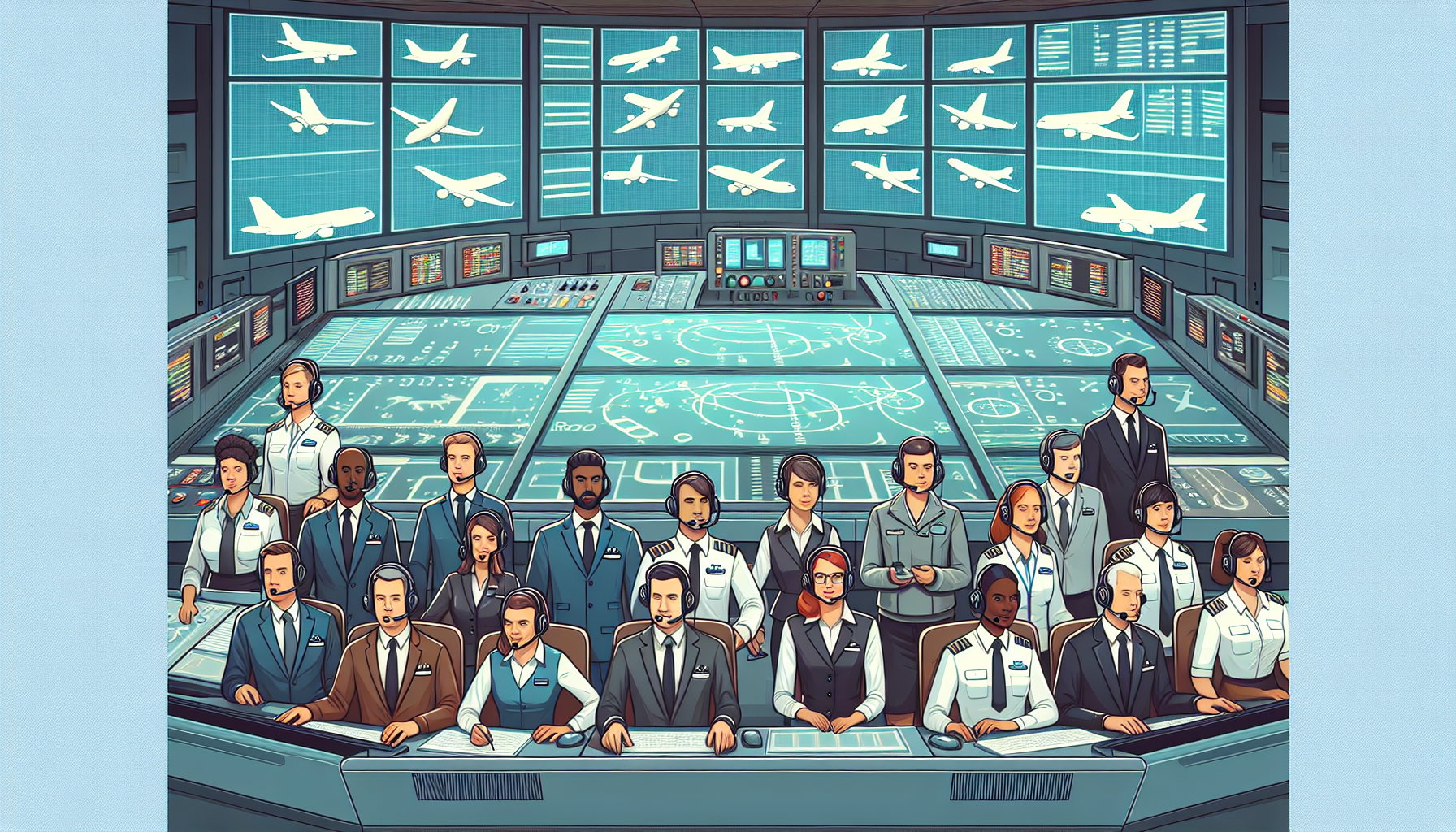
The Air Operations Center (AOC) is a centralized hub responsible for planning, executing, and monitoring air combat operations within a specified theater of operations. It facilitates real-time communication, command, and control of both offensive and defensive actions among various air assets. The AOC utilizes sophisticated information systems to enable the execution of joint and multinational air campaigns and significantly contributes to their strategic effectiveness.

Key Takeaways

  1. The Air Operations Center (AOC) is the primary command and control facility responsible for planning, coordinating, and directing air operations for the air component of a joint or combined military force.
  2. AOCs function across a wide range of operations, from humanitarian assistance and disaster relief to full-scale combat missions, and they continually process and disseminate information to ensure situational awareness and rapid decision-making.
  3. AOCs consist of various divisions, such as Combat Plans, Combat Operations, and Intelligence, Surveillance, and Reconnaissance (ISR), which work together to develop, execute, and assess airpower operations in support of the overall mission objectives.

Importance

The Air Operations Center (AOC) is a crucial component in military operations due to its role in providing effective command and control for air, space, and cyber forces.

As the central hub for planning, executing, and assessing these operations, the AOC enables efficient decision-making and the seamless integration of forces within a joint or combined environment.

By leveraging a team of skilled personnel and advanced technologies, the AOC ensures the successful execution of various missions, ranging from air defense and surveillance to offensive strike operations.

Its ability to coordinate and synchronize operations across multiple domains enhances the overall combat effectiveness and responsiveness of the military, thus making the AOC a vital element in maintaining national security and achieving strategic objectives.

Explanation

An Air Operations Center (AOC) serves as the central nervous system for military air operations, playing a crucial role in effectively executing aerial missions and maintaining comprehensive situational awareness. One of the primary purposes of an AOC is to plan, direct, and control the utilization of air assets in a designated region, ensuring optimal operational outcomes in support of wider military objectives.

This is achieved by integrating various components and resources, such as intelligence, surveillance, reconnaissance, logistical support, and communication systems, to facilitate the seamless flow of information between all relevant stakeholders. Consequently, the AOC constantly collaborates with joint forces, national agencies, and allied partners to manage dynamic and complex operations in an effective and agile manner.

To accomplish its purpose, the AOC consists of several specialized divisions that collaborate to monitor, analyze, and make decisions regarding air operations. Each division focuses on a different aspect of the mission, such as air tasking, intelligence, targeting, or air mobility.

By leveraging real-time data and advanced technologies, these teams coordinate and synchronize airpower across land, sea, and space domains, and undertake a diverse range of tasks such as force protection, command and control, combat search and rescue, and offensive and defensive counter-air measures. Ultimately, the Air Operations Center is vital to ensuring the successful execution of air missions and the preservation of operational effectiveness, reinforcing the military’s capacity to achieve strategic and tactical objectives in contemporary conflict scenarios.

Examples of Air Operations Center (AOC)

Combined Air Operations Center (CAOC) Al Udeid Air Base, Qatar: The CAOC at Al Udeid Air Base is a key AOC for the United States Central Command (USCENTCOM) and is responsible for planning, directing, and controlling air operations across the Middle East and Central Asia. The Al Udeid AOC coordinates and conducts various air missions, including air superiority, surveillance, airlift, aerial refueling, and close air support for missions in countries like Afghanistan, Iraq, and Syria.

601 Air Operations Center (AOC), Ramstein Air Base, Germany: Located at Ramstein Air Base, the 601st AOC is responsible for air operations within European and African theaters. As part of the United States Air Forces in Europe and Air Forces Africa (USAFE-AFAFRICA), the 601 AOC manages a wide range of air missions, including air defense, reconnaissance, and humanitarian assistance. Through this center, NATO allies can coordinate and carry out joint air operations during various exercises and real-world contingencies.

613th Air Operations Center (AOC), Joint Base Pearl Harbor-Hickam, Hawaii: The 613th AOC serves as the primary air operations hub for the United States Indo-Pacific Command (USINDOPACOM). Responsible for planning and executing air operations across the Asia-Pacific region, the 613th AOC supports a wide range of missions, including air superiority, intelligence, surveillance and reconnaissance (ISR), and humanitarian assistance and disaster relief. This AOC plays a crucial role in maintaining regional stability and ensuring the security of the United States and its allies in the Indo-Pacific region.

Air Operations Center (AOC) FAQ

What is an Air Operations Center (AOC)?

An Air Operations Center (AOC) is the primary command and control center responsible for planning, executing, and assessing air and space operations. AOCs are an essential part of an integrated air defense system and facilitate effective coordination between air, ground, and naval forces.

What are the primary functions of an AOC?

An AOC performs several critical functions, including airspace management, intelligence gathering, surveillance, target acquisition, mission planning, and overall tactical and strategic coordination. It is also responsible for allocating and directing air assets to achieve the desired objectives during a military operation.

How is an AOC organized?

An AOC is divided into several divisions, each responsible for specific functions. Key divisions include Intelligence, Surveillance, and Reconnaissance (ISR), Strategy, Combat Plans, Combat Operations, and Air Mobility. Each of these divisions works together to provide a comprehensive picture of the battlespace and ensure efficient execution of air and space operations.

Where are AOCs typically located?

AOCs are usually situated in well-protected facilities, either on or near major airbases, or in mobile command centers for rapid deployment. The exact location depends on the specific requirements of a mission and the available infrastructure.

How do AOCs communicate with other military elements?

AOCs utilize a sophisticated array of communication systems to connect with various military elements, such as aircraft, ground forces, and naval vessels. These communication systems range from satellite-based systems to secure radio and terrestrial networks, ensuring a seamless flow of information during air and space operations.

Related Military Operation Terms

  • Air Traffic Control (ATC)
  • Command and Control (C2) System
  • Airspace Management (ASM)
  • Area of Responsibility (AOR)
  • Combatant Command (COCOM)

Sources for More Information

Benefits.com Advisors

With expertise spanning local, state, and federal benefit programs, our team is dedicated to guiding individuals towards the perfect program tailored to their unique circumstances.

Rise to the top with Peak Benefits!

Join our Peak Benefits Newsletter for the latest news, resources, and offers on all things government benefits.
Related Articles

VASRD 2026 Updates

Social Security Back Pay

SSDI Approval Rate by Age

SSDI Pay Chart 2026

VA Survivor Benefits

Air Refueling (AR)

Definition

Air Refueling (AR) is a process in which aircraft, typically military, refuel during flight by transferring fuel from a tanker aircraft to the receiving aircraft. This operation allows the receiving aircraft to extend its range, stay in the air for longer periods, and reduce dependence on ground-based refueling stations. It is a critical component of military operations, enabling aircraft to perform missions at great distances and providing increased flexibility and efficiency in military operations.

Key Takeaways

  1. Air Refueling (AR) is a crucial military operation that enables aircraft to extend their range, endurance, and payload capacity by transferring fuel from one aircraft (the tanker) to another (the receiver) during flight.
  2. AR enhances the flexibility and overall capability of military aircraft, allowing them to maintain a longer presence in the operational area, avoiding the need for frequent stops at air bases and increasing the speed and efficiency of military missions.
  3. Air refueling is performed using two primary methods: the flying boom method, where a rigid telescoping tube extends from the tanker and connects to the receiver aircraft, and the probe-and-drogue method, in which the receiving aircraft inserts a probe into the drogue (a flexible, funnel-shaped device) trailing from the tanker’s hose.

Importance

Air Refueling (AR) is a crucial aspect of military operations as it significantly enhances the operational capabilities and range of military aircraft.

By transferring fuel from one airborne aircraft to another, AR allows fighter jets, bombers, and other aircraft to remain in the air for extended periods without needing to return to base for refueling.

This extended range and endurance enable military forces to conduct sustained operations and rapidly respond to crises or threats over long distances.

Furthermore, AR provides the strategic benefit of reducing the need for land bases, which may be scarce or inaccessible in certain conflict scenarios.

Overall, air refueling ensures that military forces can maintain air superiority, flexibility, and rapid deployment capabilities, essential elements for success in modern warfare.

Explanation

Air Refueling (AR) is a vital military operation that significantly expands the range, endurance, and capabilities of military aircraft. Its primary purpose is to allow aircraft to stay airborne for extended periods of time while receiving fuel from specialized tanker aircraft, without the need to land and refuel on the ground.

This increases operational flexibility, allowing military forces to respond rapidly and efficiently to time-sensitive and distant threats. Moreover, AR helps reduce the time needed to transport personnel, equipment, and supplies to various locations around the globe, enabling faster military support.

Air refueling also has tactical and strategic advantages during combat missions and other operations. It allows fighter jets, bombers, and other military aircraft to maintain constant presence and readiness in the designated airspace, boosting their reach and ability to carry out continuous aerial support.

Additionally, AR ensures that aircraft can cover vast distances in a shorter time span, enabling military personnel to cross international boundaries and fulfill objectives without the need for stopovers in potentially hostile territories. Furthermore, air refueling is crucial for maintaining the effectiveness of surveillance and reconnaissance aircraft, enabling them to gather crucial intelligence without being restricted by fuel availability concerns.

Examples of Air Refueling (AR)

Operation Black Buck (1982): During the Falklands War between the United Kingdom and Argentina, the Royal Air Force conducted a series of long-range bombing missions against Argentine military targets. The mission, named Operation Black Buck, saw British Vulcan bombers fly an incredible 6,800 miles round-trip from Ascension Island to the Falklands and back. This massive distance made the missions heavily reliant on air refueling, utilizing Victor tanker aircraft to complete multiple air-to-air refueling operations during each mission.

Operation Desert Storm (1991): Air refueling played a significant role during the Gulf War, facilitating extended combat missions over Iraq and Kuwait. The United States and its coalition partners conducted numerous air refueling missions to support various aircraft, including the strategic bombers B-52 and B-1, as well as tactical aircraft like the F-15E and F-

Air-to-air refueling capabilities were essential for maintaining air superiority and conducting long-range strikes over enemy territory.

Operation Odyssey Dawn (2011): As part of the NATO-led intervention in Libya, the United States and its allies utilized air refueling to support aircraft conducting operations to enforce a no-fly zone and protect civilians from the forces of Libyan leader Muammar Gaddafi. Air refueling enabled aircraft such as F-16 Fighting Falcons, F/A-18 Hornets, and B-2 Spirit bombers to maintain a constant presence over Libya and execute their missions without needing to land and refuel from forward operating bases. Additionally, aerial tankers such as the KC-135 Stratotanker and KC-10 Extender played a crucial role in enabling a sustained air campaign to support the overall military operation.

Air Refueling (AR) FAQ

What is Air Refueling (AR)?

Air Refueling (AR) is the process of transferring aviation fuel from one military aircraft, the tanker, to another military aircraft, the receiver, while both are in flight. This extends the range and endurance of the receiving aircraft, allowing it to remain operational for more extended periods.

How does Air Refueling work?

There are two primary methods of Air Refueling: the probe-and-drogue system and the flying boom system. The probe-and-drogue system involves a flexible hose extending from the tanker aircraft with a drogue (a funnel-shaped device) attached at the end. The receiver aircraft has a probe (a rigid, extendable arm) that inserts into the drogue to receive fuel. In the flying boom system, the tanker aircraft has a rigid, telescopic boom with small wings, operated by a boom operator. The boom is flown into a receptacle on the receiving aircraft for fuel transfer.

Why is Air Refueling important in military operations?

Air Refueling is crucial for increasing the operational range, flexibility, and endurance of military aircraft. Refueling in flight enables aircraft to stay airborne for extended periods, project power over greater distances, and reach targets beyond their standard range. Additionally, it helps avoid the need for setting up forward refueling bases and reduces vulnerability to ground attacks.

Which aircraft are used for Air Refueling?

Various specialized aircraft are used for air refueling purposes, including the KC-135 Stratotanker, KC-10 Extender, KC-46 Pegasus, and the Airbus A330 MRTT (Multi Role Tanker Transport). These tanker aircraft are generally modified versions of commercial or military transport aircraft equipped with the necessary systems for Air Refueling missions.

Can all military aircraft participate in Air Refueling?

Not all military aircraft are compatible with air refueling. Usually, aircraft designed for longer missions, such as strategic bombers, transport aircraft, and some fighter and reconnaissance aircraft, are equipped with aerial refueling capability. However, aircraft with shorter mission profiles or those intended for close range combat and support may not be equipped for Air Refueling.

Related Military Operation Terms

  • Refueling Aircraft: These are specialized airplanes, such as the KC-135 or the KC-46, that are equipped with air refueling systems to provide fuel to other aircraft in-flight.
  • Boom Operator: This is the crew member responsible for controlling the refueling boom, which connects the refueling aircraft to the receiver aircraft during air refueling operations.
  • Receiver Aircraft: The airplane that is being refueled in-flight, such as a fighter jet or transport aircraft, is referred to as the receiver aircraft.
  • Tanker Task Force: This is a group of refueling aircraft and crews specifically tasked with conducting air refueling missions to support military operations and exercises around the world.
  • Air Refueling Track: A designated route or corridor in the sky, usually within military training airspace, where air refueling missions are conducted under standardized procedures and protocols.

Sources for More Information

Benefits.com Advisors

With expertise spanning local, state, and federal benefit programs, our team is dedicated to guiding individuals towards the perfect program tailored to their unique circumstances.

Rise to the top with Peak Benefits!

Join our Peak Benefits Newsletter for the latest news, resources, and offers on all things government benefits.

Related Articles

VASRD 2026 Updates

Social Security Back Pay

SSDI Approval Rate by Age

SSDI Pay Chart 2026

VA Survivor Benefits

x