








We are privately owned and not affiliated or endorsed by any government agency.

Take the Benefits Quiz

Airborne assault

Definition

An airborne assault is a type of military operation where troops, equipment, and supplies are transported by aircraft, typically by parachutes, onto enemy territory or strategic locations. This tactic enables rapid deployment of forces, and can help establish surprise and seize critical objectives. Airborne assaults are often used to capture key points, support ground forces, or gain a foothold in hostile areas.

Key Takeaways

  1. Airborne assault refers to a military operation in which troops, equipment, and supplies are transported and airdropped by aircraft, allowing forces to rapidly deploy in hostile or inaccessible locations.
  2. These operations are highly coordinated and can involve various types of aircraft, such as transport planes, helicopters, and gliders, to deliver forces, artillery, and resources to the target area.
  3. Airborne assaults can be risky due to factors such as the vulnerability of aircraft during transport, unexpected weather conditions, and enemy defenses, but they offer strategic advantages like the element of surprise and bypassing traditional ground defenses.

Importance

Airborne assault plays a crucial role in military operations as it enables rapid deployment of troops and resources into enemy territory or conflict zones through the use of aircraft and parachutes.

This strategic approach allows forces to surprise the enemy, bypass traditional ground defenses, secure key objectives quickly, and establish a foothold for further operations.

Additionally, airborne assaults demonstrate a nation’s capability to project power beyond its borders and enhance the overall effectiveness of its military strategy, while instilling confidence in allies and posing a credible threat to adversaries.

Explanation

Airborne assault is a military strategy that plays a crucial role in providing rapid deployment and maneuverability of forces during conflicts. The primary purpose of an airborne assault is to swiftly insert troops behind enemy lines, seize critical objectives, and gain a strategic advantage on the battlefield. This tactic enables a force to circumvent traditional battlefield obstacles, like natural terrain barriers or heavily guarded borders, allowing for surprise and potentially demoralizing the enemy.

Furthermore, airborne assaults are vital in securing strategically significant targets, such as airfields, bridges, or enemy installations, which can force an adversary to respond, disrupt their defenses, and facilitate the advancement of ground forces. One noteworthy aspect of airborne assaults is the emphasis on coordination, planning, and precision. Paratroopers, often supported by air assault forces, are required to undergo rigorous training in order to effectively conduct high-risk missions.

Moreover, airborne assaults rely on well-orchestrated logistics and intelligence to ensure the optimal drop zone, avoid enemy detection, and maintain proper communication with supporting units. For instance, an airborne assault can be carried out as part of an integrated operation which engages multiple echelons, such as ground troops, aerial and artillery support, special operations forces, and other assets, working in unison to achieve a common objective. By incorporating airborne assaults into a broader campaign plan, military forces create a potent blend of tactics that can effectively pressure enemy defenses, increase the pace of operations, and improve the prospects of achieving a decisive victory.

Examples of Airborne assault

Operation Market Garden (1944): Operation Market Garden was an Allied military operation during World War II that took place in September

The operation involved a large-scale airborne assault by British, American, and Polish paratroopers who aimed to capture key bridges in the Netherlands. The goal was to establish a foothold across the Rhine River and advance into Germany. While some objectives were achieved, the operation ultimately failed to secure a bridge across the Rhine, leading to a prolonged end of the war.

Operation Varsity (1945): Operation Varsity was an airborne assault conducted during the final stages of World War II, aimed at securing a crossing of the Rhine River into Germany. In March 1945, British and American airborne divisions were dropped behind enemy lines near Wesel, Germany. The forces captured vital bridges and disrupted German defenses, allowing ground troops to cross the Rhine River and continue their advance into Germany, thus accelerating the end of the war.

Invasion of Grenada (1983): Also known as Operation Urgent Fury, this airborne assault was undertaken by the United States and Caribbean allies in response to political turmoil on the island of Grenada. The operation aimed to restore stability, protect U.S. citizens, and prevent the island from becoming a communist stronghold. On October 25, 1983, U.S. Army Rangers and 82nd Airborne Division paratroopers conducted a series of drops to capture strategic positions on the island and neutralize hostile forces. Within a week, the intervention succeeded in its objectives, restoring order and paving the way for a democratic government.

“`

FAQ – Airborne Assault

What is airborne assault?

An airborne assault is a military operation in which troops, their equipment, and sometimes even vehicles are transported to the battlefield by aircraft, such as helicopters or transport planes. These troops then parachute or disembark from the aircraft and engage the enemy on the ground.

What is the main purpose of an airborne assault?

The primary purpose of an airborne assault is to quickly deploy forces to strategic locations, surprise enemy forces, and rapidly achieve objectives. Airborne assaults are often used to capture key objectives, such as bridges, airfields, or command and control centers.

What are the key elements for a successful airborne assault?

A successful airborne assault requires precise planning, coordination, timing and execution. Key elements include drop zone selection, airborne insertion, coordination between air and ground forces, troop assembly after landing, and rapid movement towards objectives.

What are some challenges and risks in airborne assaults?

There are several challenges and risks in airborne assaults: difficult weather and visibility conditions, potential injuries to soldiers during landing, possible disorganization upon landing, limited resupply options, enemy anti-air fire. Additionally, failure to achieve surprise and secure objectives may lead to troops being isolated and vulnerable to enemy counterattacks.

Can you provide an example of a famous airborne assault in history?

One famous example of an airborne assault is Operation Market Garden during World War II. It was a large-scale Allied operation that aimed to gain control of key bridges in the Netherlands. Despite initial success, the operation ultimately failed as the Allies were unable to capture all the intended objectives, resulting in a costly and prolonged battle.

“`

Related Military Operation Terms

  • Paratrooper training
  • HALO/HAHO jumps
  • Static line jumps
  • Aerial insertion
  • Combat jump operations

Sources for More Information

Benefits.com Advisors

With expertise spanning local, state, and federal benefit programs, our team is dedicated to guiding individuals towards the perfect program tailored to their unique circumstances.

Rise to the top with Peak Benefits!

Join our Peak Benefits Newsletter for the latest news, resources, and offers on all things government benefits.


Related Articles

VASRD 2026 Updates

Social Security Back Pay

SSDI Approval Rate by Age

SSDI Pay Chart 2026

VA Survivor Benefits

Airborne early warning

Definition

Airborne Early Warning (AEW) refers to the use of aircraft equipped with radar systems to detect and monitor enemy aircraft, ships, and other potential threats from a significant distance. These aircraft act as an extended eye in the sky, providing advanced warning and increased situational awareness to military forces. AEW contributes to effective air defense and strategic decision-making by allowing for timely response to potential threats.

Key Takeaways

  1. Airborne Early Warning (AEW) systems are airborne radar systems designed to detect aircraft, ships, and vehicles at long ranges, providing advanced situational awareness for military operations.
  2. AEW aircraft act as a force multiplier for military forces, as they provide crucial real-time information, command and control capabilities, and early warning on potential threats, allowing for effective planning and execution of missions.
  3. Modern AEW systems are capable of tracking multiple targets simultaneously, coordinating the activities of multiple aircraft, and providing over-the-horizon surveillance which significantly extends the situational awareness of military assets on the ground, at sea, and in the air.

Importance

Airborne Early Warning (AEW) is a crucial military operations term, signifying the use of airborne systems to detect and track aircraft, missiles, and other potential threats at long ranges, well beyond the capabilities of ground-based radar systems.

The primary purpose of AEW is to provide early detection and real-time situational awareness, enabling military forces to respond and counteract hostile actions effectively and efficiently.

AEW systems, typically mounted on aircraft or drones, contribute significantly to a nation’s air defense by functioning as an extended “eye in the sky,” enhancing command and control, improving coordination of forces, and streamlining communication between various defense units.

Overall, AEW plays a pivotal role in maintaining air superiority and safeguarding national security interests, making it an indispensable aspect in modern military strategies.

Explanation

Airborne Early Warning (AEW) plays an essential role in modern warfare by significantly enhancing situational awareness for military forces. Its primary purpose is to promptly detect, track, and transmit information about potential airborne threats as early as possible to the necessary command and control centers, granting decision-makers ample time to prepare and mobilize an effective response.

Additionally, AEW systems also provide valuable intelligence regarding maritime and ground-based threats, significantly improving the strategic and operational efficiency of military forces in the battlespace. Moreover, AEW systems solidify and streamline communication between various units, ensuring exceptional coordination among air, sea, and land forces.

These systems are typically equipped with advanced radar and surveillance technology, mounted on aircraft like the E-3 Sentry or E-2 Hawkeye, allowing them to survey large areas from high altitudes. As a result, they promptly detect and monitor enemy movements, which provides crucial information to counteract and neutralize adversaries.

In essence, Airborne Early Warning systems serve as crucial force multipliers in conflicts, providing situational awareness, command and control capabilities, and facilitating swift communication and coordination amongst military assets.

Examples of Airborne early warning

E-3 Sentry Airborne Warning and Control System (AWACS): Operated by the United States, NATO, and other allied forces, the E-3 Sentry aircraft is equipped with a large rotating radar dome mounted on top of a Boeing 707 airframe. This long-range airborne early warning and control system allows for effective surveillance, command and control, and enhanced situational awareness in various military operations, serving as a critical element in the execution of coordinated air defense missions.

E-2 Hawkeye: Used by the United States Navy, the E-2 Hawkeye is a twin-turboprop aircraft designed for carrier-based operations. It is equipped with advanced radar and communications systems to provide early warning, threat analysis, and airborne battle management to naval commanders. With its distinctive rotating radar dome, the E-2 Hawkeye plays a crucial role in supporting both air and naval operations, particularly in maintaining security over vast stretches of ocean.

Russian A-50 Mainstay: The A-50 Mainstay is an airborne early warning and control (AEW&C) aircraft developed and utilized by the Russian Air Force. Based on the Ilyushin Il-76 transport airframe, it features a large, saucer-shaped rotating radar dome mounted atop the fuselage. The A-50 Mainstay is responsible for detecting and tracking airborne and ground targets, providing early warning of potential threats, and directing friendly aircraft in coordinated defense operations. This contributes significantly to Russia’s overall air defense capabilities and facilitates an effective response to potential adversaries’ actions.

Airborne Early Warning FAQ

What is Airborne Early Warning (AEW)?

Airborne Early Warning (AEW) is a radar system carried on an aircraft or drone that is designed to detect enemy aircraft, ships, or ground vehicles at long ranges, providing early warning, situational awareness, and command and control to military forces.

How does an AEW system function?

An AEW system uses a powerful radar system, typically mounted on a rotating radar dome above an aircraft. The radar scans the airspace around the aircraft, detecting and identifying potential threats at long distances, and then communicates this information to friendly forces for better tactical decision-making and coordination.

Which types of aircraft can carry an AEW system?

AEW systems can be carried by various types of military aircraft, including fixed-wing aircraft, such as the E-3 Sentry, E-2 Hawkeye, and the Saab 340 AEW&C, as well as rotary-wing aircraft like the helicopter-based Ka-31. AEW systems are also being integrated into drones and unmanned aerial vehicles (UAVs) to provide greater operational flexibility and persistence.

What are the advantages of using an AEW system?

AEW systems provide a number of strategic and tactical advantages in military operations, such as increased situational awareness, longer range detection of enemy forces, improved coordination among friendly forces, and early warning against potential threats. This allows commanders to make more informed decisions and deploy countermeasures more effectively, ultimately enhancing force protection and mission success.

Does an AEW system have any limitations or challenges?

While AEW systems provide valuable intelligence and early warning, they may also face certain limitations and challenges. High operating costs, potential vulnerability to enemy countermeasures (such as electronic warfare or anti-radiation missiles), and coordination with ground-based radar systems are some of the challenges that need to be addressed when deploying AEW systems. Despite these challenges, AEW remains an essential component of modern air and naval operations.

Related Military Operation Terms

  • AEW&C (Airborne Early Warning and Control)
  • AWACS (Airborne Warning and Control System)
  • Radar Surveillance
  • Combat Air Patrol
  • Command and Control (C2)

Sources for More Information

Benefits.com Advisors

With expertise spanning local, state, and federal benefit programs, our team is dedicated to guiding individuals towards the perfect program tailored to their unique circumstances.

Rise to the top with Peak Benefits!

Join our Peak Benefits Newsletter for the latest news, resources, and offers on all things government benefits.

Related Articles

VASRD 2026 Updates

Social Security Back Pay

SSDI Approval Rate by Age

SSDI Pay Chart 2026

VA Survivor Benefits

Airborne mission coordinator

Definition

An Airborne Mission Coordinator (AMC) is a designated individual, usually on board a command and control aircraft, responsible for overseeing and managing various aspects of a specific airborne mission. The AMC ensures effective communication, coordination, and tactical planning among participating aircraft and ground units. Their primary role is to enhance the mission’s effectiveness and adapt to changes in a dynamic operational environment while maintaining situational awareness.

Key Takeaways

  1. Airborne Mission Coordinator (AMC) is an individual responsible for overseeing, directing, and synchronizing activities of aerial assets during military operations.
  2. AMC ensures seamless communication and coordination between different aircraft elements, as well as with ground control centers, to accomplish mission objectives effectively and safely.
  3. This specialized role demands extensive training and knowledge of various combat systems, avionics, and mission procedures to optimize the deployment and management of airborne assets.

Importance

The Airborne Mission Coordinator (AMC) plays a critical role in the success of military operations, particularly in managing and synchronizing aerial assets to ensure mission objectives are effectively achieved.

By coordinating efforts between various airborne platforms, ground forces, and command centers, the AMC enhances overall situational awareness, promotes communication, and ensures the optimal utilization of resources in the tactical environment.

This highly skilled professional offers crucial decision-making support in terms of planning, monitoring, and adapting airborne missions, which in turn contributes to increased operational efficiency, reduced chances of mission failure, and ultimately, the safeguarding of lives and strategic interests in complex and dynamic military operations.

Explanation

An Airborne Mission Coordinator (AMC) serves an essential role in ensuring the success and efficiency of military air operations. While the term itself signifies a position of authority, the primary purpose of an AMC encompasses a diverse set of responsibilities, including operational planning, mission facilitation, and aircrew coordination.

AMCs work tirelessly to optimize airborne assets and team resources, leveraging their wealth of knowledge and experience to formulate aerial strategies that maximize the tactical effectiveness of all participants. Additionally, their expertise in communications and technology allows them to adapt to changing mission requirements and address any challenges that may arise during real-time operations.

In military settings, one of the most significant contributions of an Airborne Mission Coordinator lies in their ability to serve as a vital link between ground and air-based units. This is accomplished through coordination with various entities, such as intelligence, surveillance, and reconnaissance (ISR) units, air traffic control, and other mission support elements, ensuring precise and timely execution of aerial missions.

Whether it is delivering critical supplies, conducting search and rescue operations, or providing close air support for ground forces, AMCs strive to ensure that all mission objectives are adequately met with minimal risk to personnel and equipment. Through efficient communication, detailed planning, and well-executed coordination, Airborne Mission Coordinators play a crucial role in guaranteeing the success of complex military air operations.

Examples of Airborne mission coordinator

Operation Just Cause (1989): The United States initiated Operation Just Cause to remove Panamanian dictator Manuel Noriega from power and restore democracy in Panama. The Airborne Mission Coordinator for this operation played a crucial role in planning and coordinating the movements of various airborne units, including the 82nd Airborne Division, the 75th Ranger Regiment, and other special operations forces. The coordinator was responsible for managing resources, directing airdrops, and ensuring proper communication between airborne forces and ground units.

Operation Market Garden (1944): During World War II, the Allied forces launched Operation Market Garden, aiming to secure key bridges in the Netherlands to facilitate a rapid advance into Germany. In this airborne operation, the Airborne Mission Coordinator was responsible for planning the parachute and glider insertions of the 1st British Airborne Corps, the 82nd, and 101st US Airborne Divisions. Unfortunately, it resulted in a setback for the Allies due to insufficient coordination and communication between airborne and ground troops.

Operation Neptune (1944): A critical component of the greater Operation Overlord (also known as D-Day), Operation Neptune involved the largest airborne operation in history at that time. The Airborne Mission Coordinator was responsible for overseeing the coordination of the Allied air assault, which included the 101st and 82nd US Airborne Divisions, as well as the British 6th Airborne Division. The coordinator played a key role in ensuring successful airborne landings, managing resources, and maintaining communication between units to help secure key objectives behind enemy lines.

Airborne Mission Coordinator FAQ

What is an Airborne Mission Coordinator (AMC)?

An Airborne Mission Coordinator (AMC) is a military professional responsible for planning, supervising, and coordinating various airborne missions. The AMC ensures that all aspects of the mission, including personnel, equipment, and logistics, are effectively managed and executed.

What are the main responsibilities of an Airborne Mission Coordinator?

The main responsibilities of an AMC include creating mission plans, coordinating with other units and agencies, conducting intelligence analysis, managing mission resources, and ensuring the safety and efficiency of all mission elements.

What qualifications are required to become an Airborne Mission Coordinator?

Qualifications for an AMC position may vary based on the specific military branch and unit. Generally, candidates must have a strong background in aviation, military operations, and coordination. Knowledge of aircraft systems, mission planning software, and communication systems is also essential. Some positions may require additional certifications, such as Airborne Tactical Officer or Joint Terminal Attack Controller qualifications.

What challenges do Airborne Mission Coordinators face during a mission?

AMCs face numerous challenges during a mission, including rapidly changing situations, coordinating multi-agency and multi-national efforts, maintaining situational awareness, and making critical decisions throughout the mission. Effective communication and strong leadership skills are necessary for overcoming these challenges and ensuring mission success.

How do Airborne Mission Coordinators contribute to the success of a mission?

AMCs play a crucial role in mission success by providing essential coordination and guidance to all elements of the mission. They ensure proper communication between units, develop and implement mission plans, and maintain situational awareness. Their expertise and decision-making abilities contribute significantly to the effective execution of airborne missions, ultimately supporting the overall mission objectives and enhancing the military’s capability to carry out successful operations.

Related Military Operation Terms

  • Parachute deployment operations
  • Air traffic controller communication
  • Mission planning and execution
  • Aircrew coordination and briefing
  • Emergency procedures management

Sources for More Information

Benefits.com Advisors

With expertise spanning local, state, and federal benefit programs, our team is dedicated to guiding individuals towards the perfect program tailored to their unique circumstances.

Rise to the top with Peak Benefits!

Join our Peak Benefits Newsletter for the latest news, resources, and offers on all things government benefits.

Related Articles

VASRD 2026 Updates

Social Security Back Pay

SSDI Approval Rate by Age

SSDI Pay Chart 2026

VA Survivor Benefits

Airborne operation

Definition

An airborne operation is a military maneuver in which troops, equipment, and supplies are transported to and deployed in a combat zone via aircraft. This often involves the use of paratroopers and air assault forces who parachute or are airlifted into the designated area. The primary goal of an airborne operation is to quickly establish a presence, gain strategic advantage, and surprise the enemy.

Key Takeaways

  1. An airborne operation refers to the deployment of military forces through the use of aircraft, such as helicopters, airplanes, and gliders, which enables rapid deployment and the element of surprise.
  2. Airborne troops are highly trained and versatile, with the ability to conduct various missions, including air assault, reconnaissance, and securing key objectives behind enemy lines.
  3. Despite their effectiveness, airborne operations carry inherent risks like adverse weather conditions, limited resupply capabilities, and vulnerability to enemy anti-aircraft systems that may affect mission success.

Importance

Airborne operations are essential in modern military strategy as they provide a significant tactical advantage by rapidly deploying forces behind enemy lines or in key strategic locations.

As a specialized military tactic, airborne operations involve the use of aircraft to transport and deliver troops, equipment, and supplies, usually via parachuting or airlanding.

This enables forces to bypass geographic barriers, evade enemy defenses, and establish an immediate presence, making it an invaluable tool for swift intervention.

Moreover, these operations showcase a military’s sophisticated capabilities and responsiveness, projecting a nation’s power and influence on a global scale.

In summary, the term “airborne operation” is important because it represents a critical component in the strategic execution and effectiveness of military actions, bolstering a nation’s defense and international standing.

Explanation

Airborne operations hold immense strategic significance in modern military combat, particularly due to their ability to allow rapid deployment of troops and equipment directly into enemy territory, often bypassing traditional land defenses. The primary purpose of these operations is to swiftly project force by inserting military personnel, resources, and support infrastructure into key locations to secure objectives, launch surprise attacks, or reinforce existing ground forces.

Additionally, airborne operations enable military forces to evade geographical constraints such as rivers, mountains, and border fortifications, which may pose significant challenges for land-based movements and transport. Throughout history, airborne operations have proven to be an indispensable tool in achieving crucial battle victories and shaping the outcome of wars.

For instance, during World War II, major airborne operations such as D-Day, Operation Market Garden, and the invasion of Crete played a vital role in advancing the Allied forces and expediting the war’s closure. Moreover, these operations enable swift humanitarian assistance and disaster relief efforts by delivering supplies and support personnel to inaccessible or remote areas.

Overall, the effectiveness of airborne operations is contingent upon careful planning, coordination, and execution to mitigate risks and maximize mission success.

Examples of Airborne operation

Operation Overlord (D-Day): One of the most well-known airborne operations in history took place during World War II on June 6,

As part of the larger Operation Overlord, thousands of paratroopers from the US 82nd and 101st Airborne Divisions, along with British and Canadian airborne forces, were dropped behind enemy lines in Normandy, France, under the cover of darkness. Their mission was to secure key bridges, disrupt German reinforcements, and support the main amphibious landings on the beaches of Normandy.

Operation Market Garden: Another notable airborne operation from World War II occurred in September

Operation Market Garden, led by British Field Marshal Bernard Montgomery, aimed to secure several key bridges in the Netherlands and enable a rapid advance into Germany. The plan involved three Allied airborne divisions dropping into the Netherlands – the US 82nd and 101st Airborne Divisions, and the British 1st Airborne Division. However, due to various factors, including strong German resistance and communication failures, the operation did not achieve all its objectives and is considered a costly failure.

Operation Just Cause: This US military operation took place in December 1989 in Panama, with the objective of removing Panamanian dictator Manuel Noriega from power. As part of the operation, US Army airborne units, including the 82nd Airborne Division and elements of the 75th Ranger Regiment, conducted several night-time airborne assaults on key installations, such as the Torrijos-Tocumen Airfield near Panama City. These airborne operations helped to quickly seize control of crucial objectives and contributed to the overall success of the mission.

Airborne Operation FAQ

What is an airborne operation?

An airborne operation is a military maneuver in which forces, usually paratroopers or air assault troops, are transported to the battlefield by aircraft. This allows them to rapidly deploy to a combat area and perform a swift tactical strike or reinforce ground units from the air. Airborne operations provide a strategic advantage due to their speed, flexibility, and ability to bypass enemy defenses.

What are some historical examples of airborne operations?

There have been several notable airborne operations in military history, including the German invasion of Crete during World War II (Operation Mercury) and the Allied airborne landings in Normandy on D-Day (Operation Neptune). Other examples include Operation Market Garden, the U.S. invasion of Grenada (Operation Urgent Fury), and the Battle of Mogadishu (Operation Restore Hope).

How are airborne operations conducted?

Airborne operations typically involve fixed-wing aircraft or helicopters to transport troops and their equipment into the designated combat area. Paratroopers may conduct static line or free-fall jumps from fixed-wing aircraft. Air assault troops are often transported by helicopter and can rappel or fast-rope to the ground. Once on the ground, these forces can quickly assemble, secure objectives, and reinforce other friendly units as needed.

What are the challenges faced during airborne operations?

Airborne operations can present multiple challenges, such as adverse weather conditions, navigation and communication difficulties, and potential exposure to enemy fire during air insertion. Additionally, troops involved in airborne operations may experience fatigue and physical stress from carrying heavy loads and the physically demanding nature of their tasks.

What types of units are involved in airborne operations?

Various types of military units can participate in airborne operations, including paratroopers, air assault troops, special operations forces, and reconnaissance units. Supporting elements may include aircraft crew, ground logistics units, and air traffic control teams. The specific composition of the forces involved in an airborne operation will depend on the objectives and requirements of the mission.

Related Military Operation Terms

  • Paratrooper training
  • Military freefall
  • HALO/HAHO jumps
  • Airborne qualifying school
  • Combat jumps

Sources for More Information

  • U.S. Army – Official website of the United States Army, which contains detailed information about airborne operations and history.
  • NATO – Official website of the North Atlantic Treaty Organization, which offers insights into airborne operations and doctrines used by NATO member countries.
  • U.S. Air Force – Official website of the United States Air Force, providing information on airborne operations and capabilities of the Air Force.
  • RAND Corporation – A research organization that conducts studies and analyses on topics related to airborne operations, defense, and national security.

Benefits.com Advisors

With expertise spanning local, state, and federal benefit programs, our team is dedicated to guiding individuals towards the perfect program tailored to their unique circumstances.

Rise to the top with Peak Benefits!

Join our Peak Benefits Newsletter for the latest news, resources, and offers on all things government benefits.

Related Articles

VASRD 2026 Updates

Social Security Back Pay

SSDI Approval Rate by Age

SSDI Pay Chart 2026

VA Survivor Benefits

Air-breathing missile

Definition

An air-breathing missile is a type of missile that relies on an air-breathing engine, such as a jet or ramjet engine, for propulsion instead of using an internal oxidizer like a rocket engine. These missiles are typically cruise missiles or anti-ship missiles that operate at a sustained speed and require constant intake of atmospheric oxygen to maintain combustion. Their ability to use ambient air as an oxidizer makes them lighter and allows them to have longer range and endurance compared to rocket-powered missiles.

Key Takeaways

  1. Air-breathing missile refers to a missile that uses an air-breathing jet engine, such as a turbojet, turbofan, or ramjet, to provide propulsion. This engine requires an oxidizer from the atmosphere, as opposed to a rocket-powered missile that carries its own oxidizer.
  2. These missiles are typically faster and have longer range compared to their rocket-powered counterparts. Air-breathing missile systems can also be more fuel efficient, as they utilize oxygen from the environment instead of a heavy oxidizer supply.
  3. Air-breathing missiles can be used for various military purposes, including air-to-air combat, air-to-ground attacks, and anti-ship operations. Examples of such missiles include the United States’ AGM-158 JASSM and Russia’s PJ-10 Brahmos.

Importance

The term “air-breathing missile” is important in military operations because it refers to a specific class of strategically significant weapons that use an air-breathing engine, such as a ramjet, turbojet, or turbofan, to propel themselves through the atmosphere.

Unlike rocket-powered missiles, air-breathing missiles take in oxygen from the surrounding air to ignite their fuel, enabling them to have a longer range, faster speeds, and increased maneuverability.

These attributes make air-breathing missiles a potentially formidable threat in modern warfare, as they can be used to efficiently engage various targets, including enemy aircraft, ships, and ground installations while presenting a challenging obstacle for defense systems to counteract.

The development and deployment of air-breathing missiles have therefore become a key aspect of military strategy and technological advancement in contemporary armed forces worldwide.

Explanation

Air-breathing missiles serve as vital components of modern military strategy and warfare, providing nations with the capability to engage targets at extended ranges with precision and flexibility. These missiles derive their propulsion from air-breathing engines, such as ramjets or turbojets, which allow them to attain high speeds while efficiently utilizing the oxygen present in the atmosphere for combustion.

This characteristic, in contrast with traditional rocket-powered systems, offers advantages of longer flight duration and increased range, making them suitable for various military operations, including air-to-air, air-to-surface, and surface-to-surface scenarios. The versatility of air-breathing missiles stems from their capacity to carry different types of payloads, such as conventional or nuclear warheads, and their incorporation with advanced guidance systems to ensure accuracy in striking designated targets.

As a strategic weapon, air-breathing missiles significantly enhance a nation’s ability to project power and deter potential adversaries. They can be employed to eliminate high-value enemy assets such as radar installations, command-and-control centers, surface combatants, and aircraft, crippling an opponent’s ability to maintain air superiority and establish dominance.

Additionally, their low-altitude and high-speed flight profiles often reduce the likelihood of detection and interception by enemy air defenses, thereby increasing their survivability and effectiveness during critical missions. The incorporation of air-breathing missiles into a diverse array of platforms, including aircraft, ships, and ground-based launchers, ensures that military forces can rapidly respond to emerging threats in complex, evolving battle environments.

Examples of Air-breathing missile

Air-breathing missiles are a type of military weapon that utilizes an air-breathing jet engine to propel themselves towards their target instead of a rocket engine. They are designed for various purposes, such as anti-ship, land-attack, or air-to-air missions. Here are three real-world examples:

AGM-158 Joint Air-to-Surface Standoff Missile (JASSM): The AGM-158 is a long-range, precision-guided, land attack cruise missile developed by Lockheed Martin for the United States Armed Forces. It is powered by a Teledyne CAE J402 turbojet engine and has a range of approximately 620 miles (1,000 kilometers).

BrahMos: BrahMos is a supersonic cruise missile developed by BrahMos Aerospace, a joint venture between India’s Defence Research and Development Organisation (DRDO) and Russia’s NPO Mashinostroyeniya. It is powered by a Ramjet engine and can be launched from various platforms, including ships, aircraft, submarines, or land-based vehicle launchers. With a range of approximately 290 miles (450 kilometers), the BrahMos is designed for anti-ship and land-attack missions.

Meteor: The Meteor is a beyond-visual-range air-to-air missile (BVRAAM) developed by the European defense consortium MBDA for various European countries’ air forces. It is powered by a solid-fueled Ramjet engine, which allows it to maintain high speeds and excellent maneuverability throughout its flight. The Meteor’s range is estimated to be over 62 miles (100 kilometers), making it one of the most advanced air-to-air missiles in the world.

Frequently Asked Questions about Air-breathing Missiles

1. What is an air-breathing missile?

An air-breathing missile is a type of missile that uses an air-breathing jet engine, such as a ramjet or turbojet, to propel itself. This engine relies on the oxygen from the surrounding atmosphere for combustion, eliminating the need for carrying its own oxidizer like traditional rocket-powered missiles.

2. What are the advantages of air-breathing missiles over traditional rocket-powered missiles?

Air-breathing missiles offer several advantages, such as increased range, higher efficiency, and faster speeds. They can cover longer distances without running out of energy while maintaining high speeds, which makes them harder to intercept and providing more accurate targeting. Also, their smaller size allows for a greater payload on the launching platform.

3. What are some examples of air-breathing missiles?

Some notable examples of air-breathing missiles include the BrahMos missile, a supersonic cruise missile jointly developed by India and Russia, the Meteor, an active radar-guided beyond-visual-range air-to-air missile employed by the European defense industry, and the American AGM-158 Joint Air-to-Surface Standoff Missile (JASSM).

4. How do air-breathing engines work?

Air-breathing engines, like ramjets or turbojets, work by taking in air from the atmosphere, compressing it, and then mixing it with fuel. This mixture is then ignited, resulting in a high-pressure and high-velocity combustion gas that produces the thrust needed to propel the missile. Unlike rocket engines, air-breathing engines do not need to carry an onboard oxidizer, which reduces the overall weight and complexity of the missile.

5. Can air-breathing missiles be intercepted?

While air-breathing missiles are more challenging to intercept due to their high speeds, it is still possible. Advanced air defense systems, like the long-range surface-to-air missile systems and interceptor aircraft with sophisticated sensors and radar-guided missiles, are capable of detecting and intercepting air-breathing missiles. However, the interception’s success depends on various factors, such as the missile’s speed, altitude, trajectory, and evasive maneuvers employed.

Related Military Operation Terms

  • Guided Missile Technology
  • Cruise Missiles
  • Turbojet Propulsion
  • Missile Guidance Systems
  • Air-to-Surface Missiles

Sources for More Information

Benefits.com Advisors

With expertise spanning local, state, and federal benefit programs, our team is dedicated to guiding individuals towards the perfect program tailored to their unique circumstances.

Rise to the top with Peak Benefits!

Join our Peak Benefits Newsletter for the latest news, resources, and offers on all things government benefits.

Related Articles

VASRD 2026 Updates

Social Security Back Pay

SSDI Approval Rate by Age

SSDI Pay Chart 2026

VA Survivor Benefits

Air-capable ship

Definition

An air-capable ship is a vessel designed to support and accommodate aircraft operations, such as launching, landing, and maintaining aircraft on board. These ships typically feature a flight deck, hangar, and aviation facilities, allowing them to carry out maritime aviation missions. Examples of air-capable ships include aircraft carriers, amphibious assault ships, and some helicopter carriers.

Key Takeaways

  1. Air-capable ships are naval vessels designed to support and launch aircraft operations, providing a platform for a variety of missions such as reconnaissance, surveillance, and force projection.
  2. These ships include a variety of vessel types, such as aircraft carriers, amphibious assault ships, and helicopter destroyers, each with unique capabilities and limitations in terms of aircraft capacity and overall mission scope.
  3. Air-capable ships offer a significant strategic advantage by extending a nation’s airpower and force projection capabilities beyond its geographical boundaries, enabling them to respond rapidly to international crises and support a wide range of maritime operations.

Importance

The term “air-capable ship” is important in military operations because it refers to a type of naval vessel primarily designed to support, launch, and recover aircraft, providing a potent mix of strategic and tactical capabilities.

These ships enable a military force to project air power beyond their shores, playing a critical role in expeditionary warfare and humanitarian response efforts.

Additionally, they offer flexibility and mobility for the deployment of aircraft in remote or contested areas without relying on established air bases, thereby increasing the operational reach of a military force.

In essence, air-capable ships serve as invaluable assets to modern naval warfare, enhancing a country’s ability to conduct power projection, surveillance, and logistical support in various scenarios.

Explanation

An air-capable ship plays a significant role in modern military operations by extending the reach and capabilities of naval forces. The primary purpose of these vessels is to provide a versatile platform for conducting air operations such as surveillance, reconnaissance, search and rescue, as well as offensive and defensive air support. These ships are equipped with a flight deck and other essential infrastructure that enable the embarkation, launch, and recovery of various types of aircraft, including helicopters and short takeoff and vertical landing (STOVL) planes.

By incorporating a variety of aircraft, air-capable ships enhance the strategic flexibility of naval forces, enabling them to quickly adapt and respond to different mission requirements and evolving threats. Furthermore, air-capable ships contribute to the effectiveness of joint and coalition military operations. They act as mobile bases for close air support, facilitating rapid deployment of forces and minimizing the need for establishing large-scale ground infrastructure in remote or hostile areas.

As force multipliers, these vessels enable naval forces to establish air superiority while maintaining a secure presence in contested maritime regions. Moreover, they provide valuable humanitarian assistance and disaster relief capabilities during non-combat missions, as their aircraft can promptly deliver crucial aid, equipment, and personnel to affected areas. In essence, air-capable ships serve as indispensable assets in projecting power and maintaining stability across the diverse spectrum of modern military operations.

Examples of Air-capable ship

USS America (LHA-6): The USS America is a U.S. Navy amphibious assault ship, which serves as an air-capable ship that can accommodate various aircraft types for different military operations. The ship has a large flight deck and hangar, enabling it to support and maintain helicopters and vertical take-off and landing (VTOL) aircraft, such as the F-35B Lightning II and MV-22 Osprey. Its primary role is to transport and support U.S. Marine Corps landing forces during amphibious operations.

HMS Queen Elizabeth (R08): The HMS Queen Elizabeth is the flagship of the Royal Navy and is an air-capable ship designed to operate as a mobile airbase. It is a short take-off and vertical landing (STOVL) aircraft carrier, primarily intended for the operation of F-35B Lightning II fighter jets. Alongside these fighter aircraft, it also supports a range of helicopters, including the Merlin and Wildcat, for various roles like anti-submarine warfare, reconnaissance, and humanitarian assistance.

INS Vikrant (IAC-1): The INS Vikrant is the first indigenous aircraft carrier of the Indian Navy, designed and built in India. As an air-capable ship, it is intended to carry a mix of fighter aircraft, such as the MiG-29K and the upcoming HAL Tejas-N naval variant, and helicopters, such as the HAL Dhruv, HAL Chetak, and the Kamov Ka-

The primary role of the INS Vikrant is to enable the Indian Navy to project air power in the Indian Ocean Region and support various military operations, including maritime security and humanitarian assistance.

Air-Capable Ships FAQ

What is an air-capable ship?

An air-capable ship is a type of naval vessel that has the ability to launch and support helicopters, tiltrotor aircraft, and vertical or short takeoff and landing (V/STOL) aircraft operations. These ships may not be exclusively designed for aviation but possess features that enable them to support such operations.

What types of air-capable ships exist?

There are several types of air-capable ships, including aircraft carriers, helicopter carriers, amphibious assault ships, and amphibious command ships. Each type has different characteristics and capabilities depending on the type of aircraft they support and their specific mission requirements.

What kind of aircraft operate on air-capable ships?

A variety of aircraft can operate on air-capable ships, including helicopters, fighter jets, and transport planes. Some common aircraft that operate on these ships are the F-35B Lightning II, AV-8B Harrier II, MV-22 Osprey, CH-53 Sea Stallion, and the UH-60 Blackhawk.

How do air-capable ships differ from traditional aircraft carriers?

Air-capable ships are typically smaller than traditional aircraft carriers, have a limited aircraft capacity, and may have a lower top speed. While aircraft carriers specialize in supporting fixed-wing aircraft operations, air-capable ships can also support other missions, such as amphibious assaults, troop transport, and ballistic missile defense.

What is the role of an air-capable ship in a military operation?

Air-capable ships play a crucial role in military operations by providing air support, surveillance, reconnaissance, and transport capabilities. They can also support humanitarian aid missions, disaster relief operations, and training exercises by offering a mobile platform for different types of aircraft and resources.

Related Military Operation Terms

  • Aircraft Carrier
  • Amphibious Assault Ship
  • Helicopter Landing Dock
  • Aviation Support Vessel
  • Vertical/Short Takeoff and Landing (V/STOL) Ship

Sources for More Information

Benefits.com Advisors

With expertise spanning local, state, and federal benefit programs, our team is dedicated to guiding individuals towards the perfect program tailored to their unique circumstances.

Rise to the top with Peak Benefits!

Join our Peak Benefits Newsletter for the latest news, resources, and offers on all things government benefits.

Related Articles

VASRD 2026 Updates

Social Security Back Pay

SSDI Approval Rate by Age

SSDI Pay Chart 2026

VA Survivor Benefits

Air corridor

Definition

An air corridor is a designated route or pathway in the airspace that is specifically established for the controlled and efficient movement of military aircraft during operations, exercises, or humanitarian missions. It helps in minimizing potential conflicts with civilian air traffic and enhances operational safety. Air corridors are generally defined by their geographic location, altitude, and specific width to assist pilots with navigation and coordination.

Key Takeaways

  1. An air corridor is a designated airspace within which military or civilian aircraft can safely fly between two points, ensuring safety and efficient air traffic management.
  2. In military operations, air corridors are crucial for maintaining clear and secure airways for transporting troops, cargo, and conducting reconnaissance missions, while minimizing the risk of friendly fire or unexpected encounters with enemy forces.
  3. Air corridors often have defined altitude restrictions, communication frequencies, and checkpoints to ensure proper coordination between air traffic control and pilots, thereby reducing the chances of accidents and maintaining overall operational effectiveness.

Importance

The term “air corridor” is important in military operations because it refers to a designated airspace or controlled pathway for military aircraft to travel through during missions.

These corridors ensure safe and efficient movement while reducing the risk of mid-air collisions, enemy detection, and interference with civilian air traffic.

Furthermore, air corridors provide a structured environment for organizing, coordinating, and monitoring the movement of military aircraft, contributing to the overall effectiveness, tactical advantage, and success of military operations.

The strategic planning and implementation of air corridors are crucial for maintaining excellent communication, security, and operational control in challenging, high-stakes scenarios that involve aerial assets.

Explanation

Air corridors serve a vital role in streamlining military operations by providing specific routes in the sky for military aircraft to traverse during various mission types, ultimately enhancing efficiency, safety, and coordination. These predetermined pathways play a crucial part in organizing air traffic during large-scale operations or joint exercises by establishing a clear and systematic route for military assets, such as fighters, transport aircraft, and helicopters.

Furthermore, air corridors also provide a delineation for controlled airspace, ensuring that civilian aircraft and other non-military air traffic can safely maneuver around military operations without incursions or interference, effectively segregating the skies to avoid any disastrous consequences. In addition to establishing strategic and organized pathways for military aircraft, air corridors also provide valuable ground support by delineating the airspace for close air support missions and enabling rapid deployment of air assets in times of crises.

During such missions, air corridors facilitate seamless coordination between air and ground forces, making sure that targets or enemy positions are accurately identified and engaged, while minimizing the risk of friendly fire. Additionally, air corridors are also used for air evacuation operations, humanitarian assistance, and disaster response, allowing for efficient deployment of vital resources, personnel, and medical assistance.

In essence, air corridors are indispensable tools in streamlining a wide range of military operations, ensuring a harmonious and safe coordination of air and ground assets, and subsequently contributing to mission success.

Examples of Air corridor

An air corridor, also known as an air route, is a designated airspace that is established to ensure safe and efficient air traffic control between specific points. Air corridors are often established in war zones or conflict areas to allow for the safe passage of military and humanitarian aid flights.

Berlin Airlift (1948-1949): One of the most famous historical examples of an air corridor was the Berlin Airlift during the early Cold War. After the Soviet Union blockaded West Berlin, the Western Allies (the United States, the United Kingdom, and France) established air corridors to provide critical supplies such as food, fuel, and medicine to the people living in West Berlin. Over the course of the operation, around 278,000 flights were made across three major air corridors.

Operation Provide Comfort (1991): Following the end of the Gulf War, the United States, along with several NATO countries, established air corridors to deliver humanitarian aid to Kurdish refugees in northern Iraq. These air corridors allowed allied aircraft to safely provide food, shelter, and medical supplies to hundreds of thousands of displaced Kurds.

No-Fly Zones over Iraq (1991-2003): During the period between the end of the Gulf War and the beginning of the Iraq War, the United Nations established two no-fly zones over Iraq—one in the north and one in the south—to protect Kurds and Shiite Muslims from potential attacks by Saddam Hussein’s forces. Within these no-fly zones, air corridors were established for coalition aircraft to conduct patrols and enforce the no-fly restrictions.

FAQ: Air Corridor

What is an air corridor?

An air corridor is a designated airspace that allows for safe and efficient air travel between two or more points. These corridors are established to manage and regulate air traffic, ensuring that aircraft maintain a specific distance from one another while on their designated routes.

Why are air corridors important in military operations?

Air corridors are crucial in military operations as they provide a controlled and secure airspace for the deployment of military aircraft and transportation of cargo, troops, and supplies. By designating specific routes for military air traffic, air corridors help to minimize conflicts with civilian air traffic and maintain overall air safety.

How are air corridors assigned during military operations?

During military operations, air corridors are assigned by coordinating with civil aviation authorities, allied or partner nations, and relevant military command structures. This process ensures that air corridor assignments are in accordance with international air traffic regulations and agreed-upon protocols, avoiding potential conflicts and promoting situational awareness for all parties involved.

What is the role of air traffic control in managing air corridors for military operations?

Air traffic control plays a vital role in managing air corridors for military operations. They are responsible for monitoring and controlling the flow of military and civilian aircraft within designated airspace, ensuring safe distances between aircraft, providing navigational information, and coordinating any necessary changes in flight paths due to unforeseen circumstances or emergencies.

How can air corridors impact the success of military operations?

Proper management and coordination of air corridors during military operations can greatly impact their success. Ensuring that military aircraft can safely and efficiently travel along designated routes minimizes the risk of accidents or conflicts, while maintaining a clear communication chain with air traffic control can help to quickly adapt to changing conditions on the ground, allowing military forces to reliably reach their intended destinations and execute their missions effectively.

Related Military Operation Terms

  • Air Mobility Command
  • En-route Patient Staging System
  • Aeromedical Evacuation
  • In-flight Medical Care
  • Strategic Airlift Capability

Sources for More Information

Benefits.com Advisors

With expertise spanning local, state, and federal benefit programs, our team is dedicated to guiding individuals towards the perfect program tailored to their unique circumstances.

Rise to the top with Peak Benefits!

Join our Peak Benefits Newsletter for the latest news, resources, and offers on all things government benefits.
Related Articles

VASRD 2026 Updates

Social Security Back Pay

SSDI Approval Rate by Age

SSDI Pay Chart 2026

VA Survivor Benefits

Aircraft carrier

Definition

An aircraft carrier is a large naval vessel designed to serve as a floating airbase, primarily deployed for launching, recovering, and maintaining military aircraft. Equipped with a flat, expansive flight deck, these warships enable a nation’s military to extend its air power across vast distances and in various locations independent of land-based airstrips. Aircraft carriers typically play a vital role in modern naval operations, providing support for attack missions, aerial reconnaissance, and defense against enemy air threats.

Key Takeaways

  1. An aircraft carrier is a large, floating military base and a capital warship, primarily designed to deploy and recover aircraft, functioning as a seaborne airbase for naval military operations.
  2. These versatile vessels are equipped with a full-length flight deck and are commonly used for force projection, power projection, maritime security, and humanitarian assistance missions, often exhibiting the capability to transport and operate various aircraft types, such as helicopters and fighter jets.
  3. Aircraft carriers typically possess advanced technology, including powerful defensive systems, command and control capabilities, radar systems, and provisions for housing, supporting, and maintaining a crew of thousands and dozens of aircraft.

Importance

The military operations term “Aircraft carrier” is important because an aircraft carrier serves as a vital strategic asset in modern naval warfare, enabling nations to project air power and military force across vast distances.

As a floating airbase, the aircraft carrier provides a platform for launching, recovering, and maintaining various aircraft, including fighter jets, helicopters and surveillance planes.

This allows for rapid response capabilities in various situations such as disaster relief, search and rescue, and power projection in conflicted regions.

Additionally, aircraft carriers often travel as part of a larger carrier strike group, offering a robust defense system and enhanced combat capabilities through the integration of other naval vessels and resources.

Overall, the significance of aircraft carriers in military operations cannot be overstated, as they play a critical role in a nation’s ability to safeguard its interests and assert its influence globally.

Explanation

Aircraft carriers serve as a critical component in modern naval forces, primarily designed to provide a mobile, strategic platform for the deployment, takeoff, and landing of various types of aircraft in both offensive and defensive operations. As floating airbases, these colossal vessels enable nations to project and assert their military power far beyond their shores, allowing them to respond quickly and flexibly to emergent threats or objectives.

Furthermore, aircraft carriers are often accompanied by a group of accompanying vessels, referred to as a carrier strike group, consisting of destroyers, cruisers, and submarines, which help to protect and support these vital assets during missions. The primary purpose of an aircraft carrier is to extend the reach and capabilities of a nation’s air power, transporting fighter jets, attack aircraft, and support planes efficiently and expeditiously to conflict zones or areas of strategic interest.

By reducing the reliance on land-based airfields, which may be vulnerable to attack and are limited in number, aircraft carriers afford a greater degree of flexibility and resilience to military operations. Moreover, these vessels serve as crucial platforms for humanitarian assistance and disaster relief missions, providing helicopters, medical facilities, and supplies to affected regions promptly and effectively.

Overall, the aircraft carrier serves as a potent symbol of a nation’s military might, its multifaceted functionalities underscoring its enduring importance in contemporary warfare and global security.

Examples of Aircraft carrier

USS Nimitz (CVN-68): USS Nimitz is a prominent example of an aircraft carrier in real-world military operations. Commissioned in 1975, this United States Navy aircraft carrier is the lead ship of its class. The Nimitz-class carriers are known for their capacity to carry a large variety of aircraft, including fighters, helicopters, and support planes. With its crew and air wing, USS Nimitz conducts various military tasks, from combat missions to disaster relief and humanitarian support around the globe.

HMS Queen Elizabeth (R08): Commissioned in 2017, HMS Queen Elizabeth is the lead ship of the Queen Elizabeth-class aircraft carriers of the Royal Navy. This British aircraft carrier has the ability to carry up to 70 military aircraft. In 2021, HMS Queen Elizabeth successfully deployed on its maiden operational voyage, known as Carrier Strike Group 21, hosting a multinational fleet of warships and aircraft while conducting military exercises and supporting NATO missions.

INS Vikramaditya (R33): This aircraft carrier is operated by the Indian Navy and originally served the Soviet Navy as Baku before being acquired by India in

The conversion and modernization of the carrier added significant improvements, including new sensors and weapon systems. INS Vikramaditya can carry a combination of aircraft, such as the MiG-29K fighters and Ka-31 helicopters. With a displacement of around 45,000 tons, this vessel significantly strengthened India’s naval capabilities and plays a crucial role in the country’s maritime security.

FAQ – Aircraft Carrier

What is an aircraft carrier?

An aircraft carrier is a large naval vessel that serves as a floating airbase. It is equipped with a full-length flight deck and facilities for carrying, launching, refueling, and recovering aircraft. Aircraft carriers enable nations to deploy air power across vast distances in support of military operations and serve as an essential component of modern naval power.

How do aircraft take off and land on an aircraft carrier?

Aircraft take off from an aircraft carrier using a catapult system or a ski-jump ramp. The catapult provides rapid acceleration to aircraft, enabling them to reach takeoff speed within a short distance. Likewise, landing on an aircraft carrier is assisted by an arresting gear system. Aircraft touch down on the flight deck and engage an arresting cable, which then brings the aircraft to a rapid stop. Alternatively, some aircraft carriers use a ski-jump ramp, where aircraft accelerate and climb a short ramp to become airborne off the front of the ship. Vertical or short takeoff and landing (V/STOL) aircraft can also take off and land vertically or with minimal runway requirements.

What types of aircraft are typically found on an aircraft carrier?

Aircraft carriers can carry various types of aircraft, depending on the carrier’s size and capabilities. Aircraft types include fighters, strike aircraft, electronic warfare or airborne early warning aircraft, helicopters, and sometimes V/STOL aircraft like the Harrier or F-35B. These aircraft can perform various missions, such as air defense, ground attack, maritime strike, reconnaissance, and troop transport.

How many aircraft can a typical aircraft carrier carry?

A typical aircraft carrier can carry anywhere from 30 to 100 aircraft, depending on its size and configuration. Smaller carriers, such as the Invincible-class ships, might carry around 30 aircraft, while larger carriers, like the Nimitz-class or Ford-class, can hold up to around 100 aircraft. The mix of aircraft types and the amount of space dedicated to operational requirements can also affect the total capacity.

What role do aircraft carriers play in modern warfare?

Aircraft carriers play a crucial role in modern warfare due to their ability to project power and maintain a presence in strategic locations. They allow nations to deploy air power far from their shores, extending the range and effectiveness of offensive and defensive military operations. Carriers are also considered as a symbol of national prestige and technological prowess, and their presence can act as a deterrent to potential adversaries.

Related Military Operation Terms

  • Naval aviation
  • Flight deck
  • Air wing
  • Sea trials
  • CATOBAR (Catapult Assisted Take-Off Barrier Arrested Recovery)

Sources for More Information

Benefits.com Advisors

With expertise spanning local, state, and federal benefit programs, our team is dedicated to guiding individuals towards the perfect program tailored to their unique circumstances.

Rise to the top with Peak Benefits!

Join our Peak Benefits Newsletter for the latest news, resources, and offers on all things government benefits.

Related Articles

VASRD 2026 Updates

Social Security Back Pay

SSDI Approval Rate by Age

SSDI Pay Chart 2026

VA Survivor Benefits

Air defense

Definition

Air defense refers to the various methods, strategies, and tactics employed to protect a specific area, including military assets and civilian populations, from hostile air threats. These threats can include enemy aircraft, missiles, and drones. Air defense measures involve the use of anti-aircraft weaponry, radar systems, and fighter aircraft to detect, track, and neutralize or destroy approaching threats.

Key Takeaways

  1. Air defense refers to all measures taken to protect against enemy aircraft or missile attacks, including detection, surveillance, interception, and destruction of incoming threats.
  2. Air defense systems typically incorporate a combination of passive and active measures, such as early warning radar, ground-based or shipborne interceptors, surface-to-air missile systems, and electronic countermeasures.
  3. Air defense plays a crucial role in modern warfare, as it enables security forces to maintain airspace control, protect critical infrastructure, and ensure the safety of their population and military assets against aerial threats.

Importance

Air defense is a crucial component of modern military operations, as it plays a significant role in maintaining the security and integrity of a nation’s airspace against potential aerial threats.

With the advancement of technology, adversaries are constantly developing new tactics and weaponry, including aircraft, missiles, and drones, which can pose a substantial risk to both civilian and military installations.

A robust air defense system allows a nation to identify, track, and neutralize these threats through a combination of early warning systems, advanced radar capabilities, interceptor aircraft, and ground-based missile systems.

This not only acts as a deterrent against potential aggressors, but also enables the protection of critical infrastructure, is essential in ensuring the safety of citizens, and maintains the nation’s overall strategic advantage in the face of evolving threats.

Explanation

Air defense serves as a critical shield to protect a nation’s security, military assets, and civilian population from enemy aerial threats such as aircraft, helicopters, unmanned aerial vehicles (UAVs), and missiles. Throughout history, as the nature of warfare has evolved, so too has the importance of developing an effective air defense system.

In modern warfare, where air dominance can significantly impact the course of a conflict, having a robust and efficient air defense network is indispensable. Air defense not only plays a key role in preventing the loss of life and valuable resources but also in ensuring a nation’s sovereignty remains unchallenged.

To achieve this purpose, air defense strategies rely on a combination of interceptor aircraft, missile systems, radar installations, and sophisticated command and control systems. These components work cohesively to create multiple layers of protection, from early warning detection to actually taking out enemy targets.

With the constant advancements in missile technology, stealth capabilities, and electronic warfare, it is crucial for air defense systems to continuously adapt and modernize to counter emerging threats. By doing so, it provides a nation’s military forces with the confidence to focus on executing their mission objectives, knowing that they have a steadfast defense shield protecting them from above.

Examples of Air defense

Battle of Britain (1940): The Battle of Britain was a significant example of air defense during World War II. The Royal Air Force (RAF) successfully defended the United Kingdom against a large-scale bombing campaign conducted by the German Air Force, the Luftwaffe. The RAF used radar technology, a sophisticated early warning system, and fighter aircraft to intercept and defend against the German bombers, ultimately preventing the planned invasion of the UK by German forces. This battle marked the first time air defense had played such a crucial role in determining the outcome of a major conflict.

Operation Desert Storm (1991): During the Gulf War, the United States and its coalition partners executed a comprehensive air defense strategy to secure air superiority over Iraq and Kuwait. The Coalition deployed several air defense systems, such as the MIM-104 Patriot missile system, to protect military assets and civilian population centers from Iraqi Scud missiles. These systems proved critical in limiting the damage caused by Iraqi missile attacks and played a pivotal role in the swift and decisive victory over Iraqi forces.

Israeli Iron Dome System (2011-Present): The Iron Dome is an advanced air defense system developed by Israel to defend against short-range rocket and artillery attacks, primarily from the Gaza Strip. The system uses a combination of radar and missile interceptors to detect, track, and destroy incoming projectiles before they can reach their targets. Since its deployment, the Iron Dome has successfully intercepted hundreds of rockets and has been widely credited with saving countless Israeli lives and preventing significant property damage.

Air Defense FAQ

What is Air Defense?

Air Defense is the strategic military effort to protect the airspace against potential threats, such as hostile aircraft, drones, missiles, or any other airborne attacks. This involves a combination of various defense systems, including early warning systems, detection and tracking sensors, and surface-to-air weapons to intercept and neutralize enemy threats.

What are the main components of an Air Defense system?

The primary components of an Air Defense system include: early warning systems that detect potential threats; Command, Control, Communications, Computers, and Intelligence (C4I) systems that facilitate decision-making and coordinate defensive actions; interceptor aircraft, missiles, or anti-aircraft guns that engage and neutralize airborne threats; and electronic warfare systems to disrupt enemy communications and radar.

How does an Air Defense system distinguish between friendly and enemy aircraft?

Air Defense systems utilize a combination of radar, identification systems, and cooperation with ally forces to identify friendly and enemy aircraft. The Identification, Friend or Foe (IFF) system is a crucial tool that uses transponders to transmit and receive coded signals. These signals help in determining whether an aircraft is friendly or hostile, helping to prevent friendly fire incidents.

What roles do fighter aircraft play in Air Defense?

Fighter aircraft are an essential element of Air Defense, as they provide a rapid response to potential threats and engage targets at close range, or even beyond the visual range. They also cooperate with ground-based radar and air defense systems to relay information and coordinate defensive strategies. Fighter aircraft can be equipped with air-to-air missiles, guns, and other countermeasure systems to neutralize enemy threats.

How has technology evolved in Air Defense systems?

Technology has continually advanced in Air Defense systems to improve detection, tracking, engagement, and communication capabilities. Radar systems have evolved from basic ground-based systems to 3D phased-array radars that can track multiple targets and provide precise target location data. Newer missile systems have better guidance and increased range, while stealth technology can reduce the radar visibility of friendly aircraft. Additionally, modern C4I systems enable faster decision-making and better coordination among defense assets.

Related Military Operation Terms

  • Missile defense systems
  • Radar detection and tracking
  • Anti-aircraft warfare
  • Unmanned aerial vehicle (UAV) countermeasures
  • Airborne early warning (AEW) systems

Sources for More Information

Benefits.com Advisors

With expertise spanning local, state, and federal benefit programs, our team is dedicated to guiding individuals towards the perfect program tailored to their unique circumstances.

Rise to the top with Peak Benefits!

Join our Peak Benefits Newsletter for the latest news, resources, and offers on all things government benefits.

Related Articles

VASRD 2026 Updates

Social Security Back Pay

SSDI Approval Rate by Age

SSDI Pay Chart 2026

VA Survivor Benefits

Air defense area

Definition

An air defense area is a specific region of airspace designated by military authorities for the purpose of air defense. Within this area, restrictions and controls are implemented to protect key assets, installations, or locations from aerial threats. These defense measures include the use of surveillance, communication systems, and various defense weapons such as anti-aircraft and missile systems.

Key Takeaways

  1. An air defense area is a specially designated region of airspace in which military authorities monitor and control air traffic, aiming to ensure the security and defense of the region from aerial threats.
  2. Within an air defense area, specific rules and procedures are enforced to identify and differentiate between friendly and hostile aircraft. This typically includes communication protocols, plane identification, and restricted flying areas.
  3. Air defense areas may vary in size and location, depending on the perceived threat level, strategic importance, and regional tensions. These areas can also be expanded or contracted as needed to adapt to changing security situations.

Importance

The term “air defense area” is important in military operations because it refers to a specific region of airspace that is designated for the protection of critical assets, such as military installations, key infrastructure, or civilian population centers, against potential aerial threats.

This area is established and monitored by military forces to detect, identify, and respond to any hostile or unidentified aircraft or missile activities.

Implementing air defense areas helps ensure the nation’s security, maintain strategic advantages, and safeguard vital national interests by minimizing the risk of surprise attacks and mitigating the impact of aerial threats.

Effective air defense enhances overall combat capabilities, deters aggression, and contributes to a stable global security environment.

Explanation

The purpose of an air defense area (ADA) serves as a crucial element of a nation’s security strategy, designed to safeguard a country’s airspace from potential airborne threats and to facilitate the adequate preparation of the air defense system. Within an air defense area, specific rules and regulations are imposed, ensuring tight control over the designated airspace, which could potentially be a site vulnerable to attack or of strategic significance. By establishing an ADA, a nation can maintain site surveillance and air traffic control, enabling the military to respond promptly to hostile actions or possible invasions.

This level of preparedness ensures the protection of key military, economic, and infrastructural assets, thereby maintaining the nation’s overall stability and preserving its sovereignty. Air defense areas are used to implement protocols for identification, intercept, and engagement of suspected hostile aircraft entering the defined airspace. Within an ADA, various assets such as radar systems, anti-aircraft weaponry, and fighter aircraft work in synergy to provide a robust defense infrastructure.

By intricately managing the aerial resources, a nation can strengthen its air defense, deploy needed assets quickly in emergency situations, and prevent potential enemy aircraft from gaining a tactical advantage. Additionally, an air defense area enables cooperation and coordination amongst different forces, such as ground troops, air force, and naval fleets, to work collectively and assure optimal protection of the nation’s airspace. In conclusion, the air defense area serves as a fundamental part of a nation’s defense landscape, ensuring the safety and security of its airspace and citizens from potential aerial threats.

Examples of Air defense area

Washington, D.C. Air Defense Identification Zone (ADIZ)Established after the September 11, 2001, terrorist attacks, the Washington, D.C., Air Defense Identification Zone is a region surrounding the capital to protect it from potential aerial threats. The zone extends approximately 30 miles in all directions from the Washington, D.C. Metropolitan Area, and aircraft entering the zone must follow specific procedures to identify themselves and obtain permission to operate in the airspace.

North American Aerospace Defense Command (NORAD)NORAD is a joint military organization between the United States and Canada tasked with detecting and responding to potential aerospace threats. As part of their mission, they maintain a series of air defense areas throughout North America to monitor any potential threats and take appropriate defensive actions to ensure the safety and security of the airspace.

United Kingdom’s Air Defense Region (UK ADR)The UK ADR is an air defense area established by the United Kingdom’s Royal Air Force to monitor and secure the country’s airspace against potential threats. The RAF employs radar systems, air defense units, and fighter aircraft in order to monitor the area and respond to any potential security breach.

FAQ: Air Defense Area

What is an Air Defense Area?

An Air Defense Area (ADA) is a designated region of airspace over land or water where military air defense assets are primarily responsible for monitoring, identifying, and tracking potential hostile aircraft. This region is typically established to protect key national interests and is used by the military to maintain situational awareness and control of the airspace for national security purposes.

Why are Air Defense Areas important?

Air Defense Areas are vital for a nation’s security, as they enable the military to detect and defend against potential airborne threats. These areas allow the military to monitor any unauthorized aircraft movements and coordinate appropriate response measures, ensuring the safety and security of strategic installations, key population centers, and sensitive areas from potential attack or espionage.

How do Air Defense Areas function?

Military assets, such as radar systems, sensors, and air defense units, are positioned within or near the Air Defense Area to provide continuous surveillance and tracking of any aircraft entering the region. Aircraft entering the ADA are required to adhere to specific rules and procedures, including identifying themselves and providing flight-related information to the controlling authority. Non-adherence to these rules can result in interception by fighter jets to identify and, if necessary, neutralize potential threats.

Are there any international regulations or agreements governing Air Defense Areas?

As Air Defense Areas are specific to individual nations, there is no overarching international treaty or agreement governing their establishment or operations. However, countries typically adhere to generally accepted practices to minimize confusion and avoid misunderstandings. This includes providing appropriate notification to neighboring countries or international aviation authorities when designating or modifying an Air Defense Area. Additionally, military training and joint exercises between partner nations can help to ensure cooperation and understanding related to the management of ADAs.

What happens when an unidentified or hostile aircraft enters an Air Defense Area?

When an unidentified or potentially hostile aircraft enters an Air Defense Area, the controlling authority will attempt to establish contact and require the aircraft to provide identification and flight-related information. If the aircraft fails to respond or continues to pose a threat, military interceptor aircraft may be scrambled to investigate and intercept the intruding aircraft. In certain circumstances, the use of force may be authorized to neutralize a potential threat, depending on the rules of engagement and the perceived level of danger to national security.

Related Military Operation Terms

  • Air Traffic Control (ATC)
  • Restricted Airspace
  • Missile Defense System
  • Ground-to-Air Communications Network
  • Early Warning Radar

Sources for More Information

Benefits.com Advisors

With expertise spanning local, state, and federal benefit programs, our team is dedicated to guiding individuals towards the perfect program tailored to their unique circumstances.

Rise to the top with Peak Benefits!

Join our Peak Benefits Newsletter for the latest news, resources, and offers on all things government benefits.
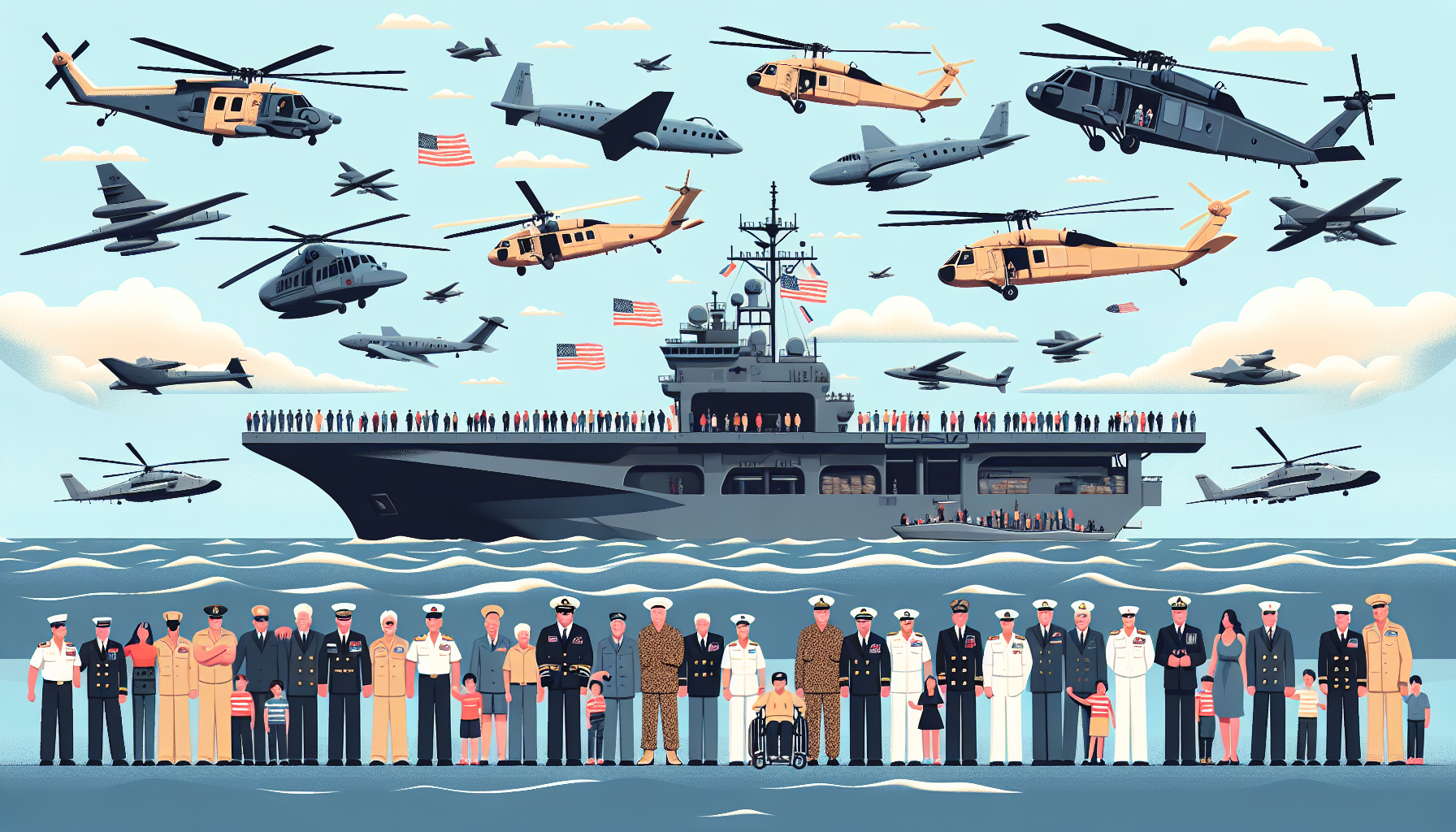
Related Articles

VASRD 2026 Updates

Social Security Back Pay

SSDI Approval Rate by Age

SSDI Pay Chart 2026

VA Survivor Benefits

x