














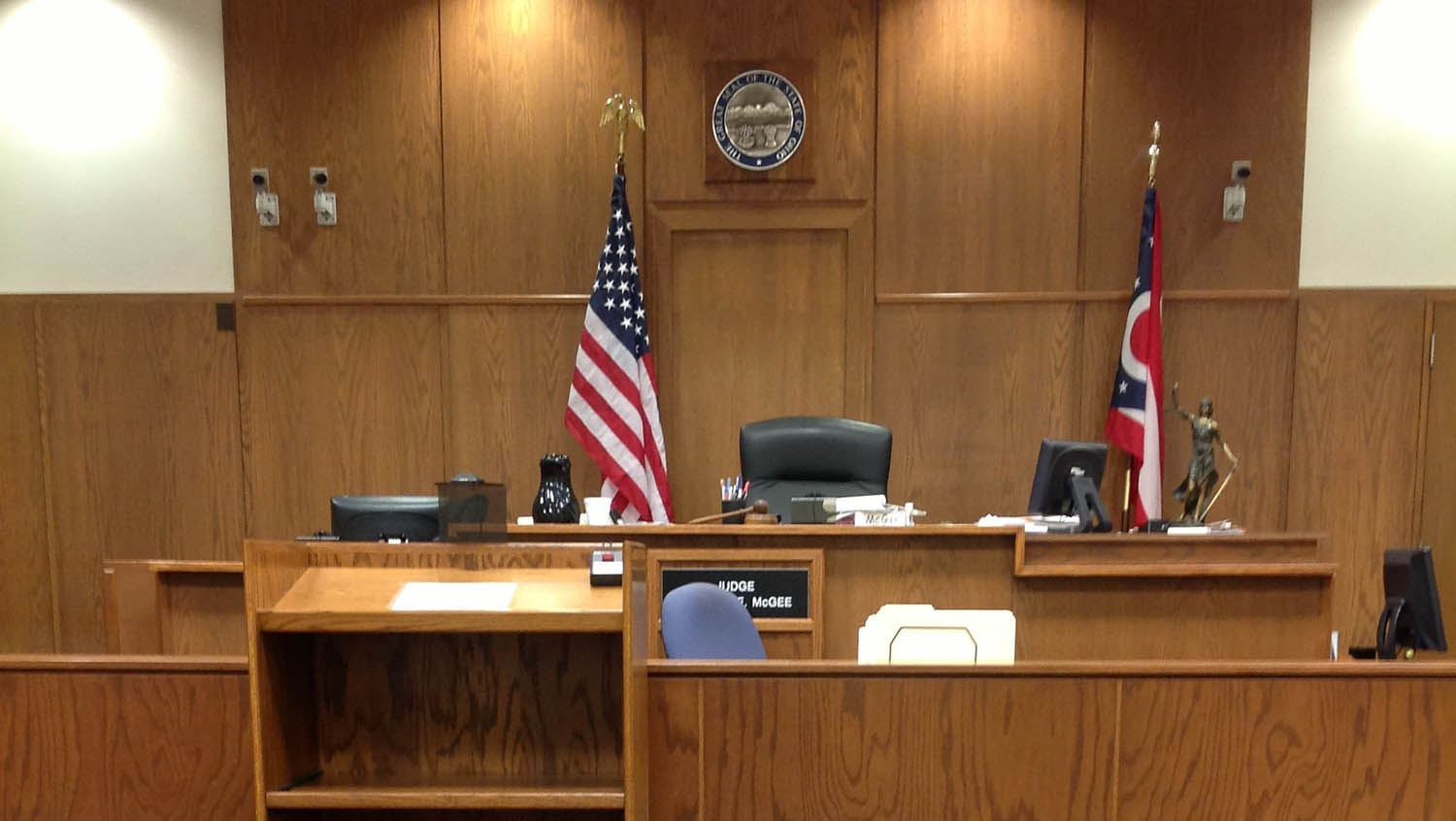
A Social Security hearing before an Administrative Law Judge (ALJ) is the second level of appeal. You may request a hearing if your reconsideration was denied or only partially approved. Once your request is submitted, your case is transferred to the Office of Hearings Operations (OHO), previously known as the Office of Disability Adjudication and Review (ODAR).
Waiting for Your Hearing Date and Decision
Most of the delay occurs before the hearing is scheduled, not after. In many cases, it can take 12 to 18 months (or longer in some regions) to receive a hearing date after you request one. The time after the hearing—when the judge writes the decision—is typically much shorter.
What You Can Do to Support Your Case While You Wait
- Continue Medical Treatment:
– Follow your doctor’s instructions.
– Keep all appointments and fill prescriptions promptly.
– Inform your doctors that you are applying for disability benefits and may need their support in providing documentation. - Hire an Experienced Attorney Early:
– A Social Security Disability attorney can help gather and submit the necessary evidence, identify legal arguments, and present your case effectively.
– Hiring a representative early gives them time to prepare a strong case well before the hearing. - Keep Your Medical Evidence Updated:
– Submit updated medical records every six months—or every three months as your hearing date nears.
– Notify your attorney or the hearing office of any new diagnoses or worsening symptoms. - Report Work Activity:
– If you work during the waiting period, even part-time, document all hours, duties, and pay.
– You may still qualify as disabled if your income is below the Substantial Gainful Activity (SGA) threshold:
• For 2025, the SGA limit is $1,550/month for non-blind individuals and $2,590/month for statutorily blind individuals.
– If self-employed, special rules apply, and impairment-related work expenses (IRWEs) can lower your countable earnings. - Notify of Changes:
– Report changes in health, work activity, or contact information to both your attorney and the hearing office.
What If the Appeals Council Sends My Case Back?
If the Appeals Council reviews your claim and identifies legal or factual errors, it may remand the case back to the same ALJ with instructions to gather more evidence or hold another hearing.
Common Reasons for Remand
– The judge failed to address vocational evidence or did not properly question a vocational expert (VE).
– The ALJ overlooked or failed to develop issues related to your medical conditions or limitations.
– The Appeals Council might require a consultative exam (CE) to obtain missing medical information.
The Occasional Supplemental Hearing
Sometimes, after the first hearing, the judge may request new documents—such as updated medical records or expert opinions. If the new evidence is significant, the judge may schedule a supplemental hearing to address it before making a final decision.
Tips for Attending and Preparing for Your Hearing
- Attend Your Hearing:
– Even if you have a lawyer, attend the hearing in person or via video. Your testimony and non-verbal cues (fatigue, pain, mobility issues) can influence the judge’s decision. - Be Honest and Specific:
– Describe your daily limitations in detail. Judges want real-life examples: How long can you stand? How often do you rest? Can you focus long enough to complete a task? - Know What to Expect:
– Hearings are informal but structured. The judge may ask questions directly or through your attorney. A vocational expert and/or medical expert may also testify.
How to Strengthen a Disability Reconsideration
- Submit New Medical Evidence:
– Include doctor’s opinions, updated test results, or new diagnoses. This shows your condition is serious and ongoing. - Fix Application Gaps:
– Review your initial application for missing or unclear information. Clarify your work history, functional limitations, and treatment details. - Write a Strong Appeal Letter:
– Clearly explain why the decision was wrong. Tie your symptoms to Social Security’s disability rules and list how your condition limits your ability to work. - Complete a Function Report:
– Be specific about how your condition affects your ability to sit, walk, stand, lift, and perform daily tasks. - Get Legal Help:
– An experienced representative improves your chances by preparing evidence, meeting deadlines, and presenting your case clearly.
Summary: Key Reminders for Success
- Stay in treatment.
- Communicate regularly with your attorney and the hearing office.
- Keep evidence current.
- Show up and speak up at your hearing.
- Don’t go it alone—get experienced help early.
At Benefits.com, we aim to point you in the right direction towards all the benefits available to you. Take our free eligibility quiz today to get started!
 Benefits.com Advisors
With expertise spanning local, state, and federal benefit programs, our team is dedicated to guiding individuals towards the perfect program tailored to their unique circumstances.
Rise to the top with Peak Benefits!
Join our Peak Benefits Newsletter for the latest news, resources, and offers on all things government benefits.