









We are privately owned and not affiliated or endorsed by any government agency.

Take the Benefits Quiz

Design basis threat (DBT)

Definition

The Design Basis Threat (DBT) is a term used in military and security operations to describe a theoretical set of characteristics related to potential threats that a facility, system, or resource might face. It serves as a basis for the design of security systems and procedures by outlining possible threat scenarios. These scenarios may include aspects like the size, capabilities, and tactics of a hypothetical adversary.

Key Takeaways

  1. The Design Basis Threat (DBT) is a fundamental concept used in the protection and securing of military installations. It is essentially defined as the highest level of threat that a facility or system might be expected to face. This includes both physical as well as non-physical threats that could potentially pose a risk to the infrastructure or operation.
  2. DBT is not a constant or fixed term; it is dynamic and subject to regular reviews. The nature and level of threats might change over time due to changing geopolitical scenarios, technological advancements, or evolution of warfare methodologies. Thus, maintaining the relevance of DBT requires continual evaluation and updating.
  3. The design and implementation of preventive measures to counter the defined DBT is a critical aspect. This includes defining the standards for the design, construction, and operation of facilities as well as equipping the military with suitable responses to potentially threatening scenarios. The ultimate aim of DBT planning is to ensure that military operations and installations maintain a high level of security to deter, detect, and decisively respond to potential threats.

Importance

The Design Basis Threat (DBT) is a crucial concept in military operations because it provides a standardized framework for assessing and managing potential threats.

The DBT lays out the characteristics of the most severe, plausible threats to a facility or operation, including factors such as the number of attackers, their tactics, weapons, and skills.

This understanding allows for the design and implementation of security measures that can effectively counter these potential threats.

By identifying, evaluating, and preparing for the DBT, the military can ensure that safeguards are capable and adequate to protect against identified threats, thus safeguarding national security and protecting lives and valuable resources.

Explanation

The purpose of the Design Basis Threat (DBT) concept in military operations is to provide a standardized baseline for assessing and improving security measures. It identifies and defines the attributes and characteristics of potential insider and/or external adversary threats. The DBT is essential in this context as it assists institutions, operators, or agencies in developing the necessary countermeasures to appropriately protect assets and infrastructure.

Moreover, it provides a comprehensive ground for setting up structured protection strategies, allocating resources, and realizing potential vulnerabilities. DBT is utilized as a fundamental component in the risk management process. It serves to determine the severity of potential threats, thereby aiding in the formulation of effective security protocols, plans, and policies.

The DBT doesn’t merely assess the likelihood of a threat but rather focuses on the worst-case scenarios and ensures that safeguards are put in place to mitigate potential harm. To this end, it often incorporates numerous factors such as the opponents’ capabilities, intentions, tactics, and the potential impact of their actions. Thus, the utilization of the DBT in military operations helps ensure that the most effective and appropriate countermeasures are adopted for the security of crucial assets and operations.

Examples of Design basis threat (DBT)

Nuclear Facilities: In the U.S. and other countries, design basis threat (DBT) is used to assess the level of threat that nuclear facilities may be up against. This includes potential sabotage, terrorist attacks or any other malicious activities. The facilities are then designed and prepared to defend against these identified threats. An example is the revision of the DBT for nuclear facilities after the 9/11 terrorist attacks in the US, which considered the possibility of high decibel explosive threats and the use larger aircraft as weapons.

Fortifying Embassies: Many nations use the concept of DBT to assess the level of threat their embassies in foreign countries might be exposed to and take necessary steps to ensure their security. A real world example of this would be the fortification of US embassies around the world following the 2012 attack on the US Consulate in Benghazi, Libya.

Airport Security: The Transport Security Administration (TSA) in U.S. uses the concept of DBT to assess the different types of threats that airports might face. The threats can range from hijacking, bombing, to suicide attacks. TSA then uses this DBT to develop its security measures which include screening of passengers, checked and cabin baggage, deployment of air marshals, counter-terrorism measures etc. A prime example is the increase in security measures post 9/11 attacks.

Frequently Asked Questions about Design Basis Threat (DBT)

What is Design Basis Threat (DBT)?

Design Basis Threat (DBT) is a document used in the military and government organizations that outlines potential threats to a facility and the magnitude of the threat. It’s employed in the designing stage to properly construct the facility to protect against those potential threats.

Why is the DBT important?

The DBT is important as it guides the design and implementation of safety and security measures to be undertaken for a facility. It helps in determining the resources required for the protection of the facility against threats.

How is the DBT developed?

The DBT is usually developed by analyzing potential threats and risks. This involves information collection, risk assessment, and threat characterization. It also incorporates lessons learned from past threat events.

What are some examples of threats in a DBT?

Common examples of threats addressed in a DBT might include natural disasters like floods and earthquakes, criminal activities like theft or vandalism, cyber threats, as well as possible terrorist attacks.

Who is responsible for the implementation of the DBT?

The organization that owns the facility is typically responsible for implementing the measures outlined in the DBT. However, there can be collaboration with external security consultants and government agencies to ensure the full implementation of the DBT.

Related Military Operation Terms

  • Security Measures
  • Protection Strategy
  • Threat Assessment
  • VA Security Policy
  • Risk Mitigation

Sources for More Information

Benefits.com Advisors

With expertise spanning local, state, and federal benefit programs, our team is dedicated to guiding individuals towards the perfect program tailored to their unique circumstances.

Rise to the top with Peak Benefits!

Join our Peak Benefits Newsletter for the latest news, resources, and offers on all things government benefits.


Related Articles

VA SMC R1 Requirements

VASRD 2026 Updates

Social Security Back Pay

SSDI Approval Rate by Age

SSDI Pay Chart 2026

Desired perception

Definition

In military operations, the term “Desired Perception” refers to the specific understanding or viewpoint that a military entity aims to instill in the minds of its opponents, audience, or public. This concept is frequently used in information or psychological operations where shaping perception is a key tactic. It is applied in various contexts, like fostering support, instigating disarray among enemies, or influencing decision-making processes.

Key Takeaways

  1. “Desired Perception” in military operations refers to the intended understanding or interpretation that a military wants an adversary, its own forces, or a third party to have of a particular situation or action.
  2. Creating a “Desired Perception” is a key component of Psychological Operations (PSYOP) and Information Operations (INFOOP), as it involves shaping the information environment to influence the behaviors and decisions of others in support of mission achievement.
  3. Effective creation and management of “Desired Perception” require careful planning, analysis of the target audience, and strategic communication, and it involves both overt and covert methods of disseminating truthful, misleading, or false information.

Importance

The term “Desired Perception” in military operations is crucial as it denotes the image or understanding that a military wants to project or instill in the minds of its adversaries or even its own troops and allies.

It’s a strategic psychological tool for shaping the narrative in the theatre of operations, influencing thoughts, motivations, and actions.

This could involve projecting strength and resolve to intimidate and dissuade opponents, or conveying unity, trustworthiness, and a just cause to retain the support and morale of one’s own troops and win over civilian populations or international actors.

Effectively managing the desired perception can greatly impact the outcome of military operations and campaigns.

Explanation

The concept of ‘Desired Perception’ plays a critical role in military operations, particularly within the sphere of psychological operations (PsyOps) and strategic communication. Its purpose largely revolves around shaping the perception or understanding of stakeholders (which may include adversaries, domestic and international public, and organizations) in a manner that gives advantage or supports the objectives of the military operation in question.

Thus, it is leveraged as a powerful tool in controlling the narrative, influencing decision-making processes, and potentially swaying a conflict’s outcome without solely relying on kinetic, or physical, force. ‘Desired Perception’ is used in different ways depending on the nature and stage of military operations.

For tactical purposes, it could be employed to deceive adversaries about your force’s strength, location, or strategy thus creating confusion and chaos in their ranks leading to miscalculations or erroneous judgments. At the strategic level, it could aim at managing the perceptions of broader audiences such as the international community or the home front.

This might involve highlighting the legitimacy and necessity of your actions, downplaying the severity of collateral damage, or emphasizing the inhumanity or illegality of your opponent’s approach. In essence, it serves to win hearts and minds, secure support, and delegitimize the opposition, retaining moral ascendancy while advancing your operational objectives.

Examples of Desired perception

Operation Overlord – D-Day: Leading up to the invasion of Normandy during World War II, the Allied forces launched a series of disinformation campaigns under the code name Operation Bodyguard to make German forces believe the invasion would occur elsewhere. This managed to create a desired perception among the enemy, leading them to disperse their forces and making the Normandy invasion more successful.

Operation Desert Storm: During the Gulf War in 1991, US-led coalition forces employed a variety of tactics to shape Saddam Hussein’s perception. In one deceptive effort, the Coalition launched a large number of naval operations and exercises in the Red Sea, leading Iraq to believe that an amphibious invasion was imminent there. This misdirection resulted in Iraq deploying significant forces to the Red Sea coast, which eased pressure on the actual attack line in Kuwait.

Operation Neptune Spear: This refers to the mission that resulted in the death of Osama bin Laden. U.S. forces made use of the desired perception by maintaining complete secrecy about their operation, making bin Laden and his protectors believe they were safe at their compound in Abbottabad. This lack of suspicion allowed the Navy Seals to infiltrate the compound with limited resistance. The U.S. government also managed the perception of the event to the world after the mission was complete, carefully delivering news to maintain a positive image and control the narrative around the operation.

FAQs about Desired Perception in Military Operations

What is Desired Perception in military operations?

The Desired Perception, in the context of military operations, refers to the intended belief or understanding that a military operation wants to instill in the viewer or the enemy. It can be a part of psychological operations where the aim is to persuade, alter opinions, or create a specific narrative.

Why is Desired Perception important?

Desired Perception is vital as it aids in achieving strategic goals in military operations. By creating a specific narrative or belief, you can potentially influence the decisions, actions, and perceptions of the enemy or neutral parties.

How is Desired Perception used in military operations?

Desired Perception is used in various ways. For instance, it might be used in withholding true operational intentions, misguiding the enemy, creating a fear of imminent destruction, or portraying that peaceful negotiations are the best solution. The actual usage highly depends on the scenario and strategic objectives.

Are civilians influenced by the Desired Perception in military operations?

Yes, civilians can be influenced by Desired Perception. Psychological operations can be aimed at domestic or foreign civilians to support the military’s goals. The information may be used to influence their perception of their own military, the adversary’s military, or the operational situation.

What are some examples of Desired Perception in military operations?

Desired Perception can range from subtle to overt actions. For example, during the Cold War, both the USA and Soviet Union extensively used propaganda to shape perceptions. In a more localized form, during combat operations, military forces may offer humanitarian aid to local communities to foster a positive perception and gain their support.

Related Military Operation Terms

  • Beneficiary Satisfaction
  • Service Quality
  • Perceived Value
  • Expectation Management
  • Post-Benefit Perception

Sources for More Information

  • RAND Corporation: This organization’s research spans over a variety of fields including military operations and strategy.
  • U.S. Department of Defense: This is the official website of the U.S. Department of Defense and may include information about the term “desired perception” in a military context.
  • USA.gov: As an official site of the U.S. Government, it provides access to federal, state, local, tribal governments’ resources which can include military terminologies.
  • Brookings Institution: A nonprofit public policy organization that frequently publishes articles and research on military and defense topics.

Benefits.com Advisors

With expertise spanning local, state, and federal benefit programs, our team is dedicated to guiding individuals towards the perfect program tailored to their unique circumstances.

Rise to the top with Peak Benefits!

Join our Peak Benefits Newsletter for the latest news, resources, and offers on all things government benefits.

Related Articles

VA SMC R1 Requirements

VASRD 2026 Updates

Social Security Back Pay

SSDI Approval Rate by Age

SSDI Pay Chart 2026

Desired point of impact (DPI)

Definition

The Desired Point of Impact (DPI) in military operations refers to a precise point, associated with a target, where forces aim to strike for maximum effectiveness. It is usually linked to particular weapon systems or attack techniques, and is used to guide the execution of an attack. The DPI could be any spot like a critical facility within a broader target area, a weak spot on a vehicle, or a specific location on a battlefield.

Key Takeaways

  1. The Desired Point of Impact (DPI) refers to a precise spot where a military operation aims to effectively use its firepower. This could include a specific location in enemy territory or a strategic position.
  2. A DPI is an important part of military planning and strategy. It helps to ensure that resources are utilized effectively and military objectives are achieved with minimal collateral damage.
  3. Accurate identification and description of a DPI often involves the use of advanced technology, including Geographic Information Systems (GIS), satellite imagery, and other reconnaissance data. This allows for better precision and effectiveness in military operations.

Importance

The term “Desired Point of Impact” (DPI) is highly significant in military operations due to its role in defining and directing precise actionable targets.

The DPI refers to the exact location where a weapon system is to impact to achieve the desired effect, be it destruction, incapacitation, or disruption.

Correct identification and communication of the DPI is vital for mission success as it directly influences the accuracy of the strike and the minimization of collateral damage.

It forms the base for mission planning, conduct, and evaluation, having a substantial effect on both offensive and defensive strategic operations.

Therefore, the DPI’s accuracy is crucial for effective operational control, assessment, and execution in the military realm.

Explanation

The Desired Point of Impact, commonly known amongst military personnel as DPI, serves a pivotal role in military operations, in particular those involving targeted strikes. Its core purpose is to provide precision and accuracy.

Specifically, DPI refers to the precise location where military forces aim their weapons for maximum impact and success during a mission. The term can apply to a variety of principles, from a sniper’s bullet to an aerial bombardment, ensuring troop safety through accurate, designed attacks.

Calculating and determining the Desired Point of Impact is a complex process founded on a combination of intelligence data, reconnaissance, meteorological factors, and the capabilities of the weapon system in use. This information contributes to mission planning, minimizing collateral damage, and ensuring maximum effectiveness.

DPI is critical to the successful execution of military strategies and operations for both offensive and defensive measures. Notably, in today’s technologically advanced warfare environment where precision-guided munitions are commonplace, the utilization of DPI has become an integral part of military strategy.

Examples of Desired point of impact (DPI)

Operation Neptune Spear: The operation that resulted in the death of Osama bin Laden in 2011 is said to have had a DPI; the precise compound in Abbottabad, Pakistan where bin Laden was found. U.S Special Forces had to ensure the helicopters landed as close to the desired point as possible within the compound to minimize exposure and maintain the element of surprise.

World War II’s D-Day Invasion: Each of the beaches targeted during the D-Day Invasion was a DPI for Allied forces. Each of the beaches – Utah, Omaha, Gold, Juno, and Sword – had been meticulously mapped and analyzed so that the invading forces would know exactly where they needed to land.

Operation Desert Storm (Gulf War): In this operation, the U.S. and coalition forces identified several DPIs for military strikes, which included command and control centers, infrastructure, and Iraqi military installations. Precision-guided munitions often referred to as “smart bombs,” were widely used for the first time in this conflict to maximize the chance of hitting the intended DPI and minimize collateral damage.

FAQs for Desired point of impact (DPI)

What is Desired Point of Impact (DPI)?

Desired Point of Impact (DPI) refers to a specific point or area that military forces aim to strike during a military operation. It’s a precise location identified using geographic coordinates or marked by specific features.

Why is a Desired Point of Impact (DPI) important?

A DPI is significant as it helps military forces to focus their resources accurately and effectively during an operation or a mission. It plays a crucial role in achieving the strategic and tactical objectives of a military operation.

How is a Desired Point of Impact (DPI) determined?

A DPI is typically determined through thorough intelligence collection and detailed planning. It takes into account factors such as target importance, force capabilities, mission objectives, terrain, and enemy defenses.

Can a Desired Point of Impact (DPI) change during a mission?

Yes, a DPI can change during a mission based on evolving operational circumstances, intelligence updates, or command decisions. The ability to dynamically alter a DPI and redirect assets is a key aspect of modern military operations.

What types of assets are typically directed at a Desired Point of Impact (DPI)?

The types of assets directed at a DPI can range from artillery and guided munitions to special operations forces and air strikes, depending on the operation’s nature and the DPI’s characteristics.

Related Military Operation Terms

  • Veterans Benefits Administration (VBA)
  • Non-Service Connected Pension
  • Post-9/11 GI Bill
  • Disability Compensation
  • Surpivor Benefits

Sources for More Information

  • U.S. Army Official Website: This is the official website of the United States Army, where military terms and procedures, including the Desired point of impact (DPI), are explained.
  • U.S. Navy Official Website: The homepage of the United States Navy is also a reliable source of information regarding military operations, tactics, and terminologies.
  • U.S. Department of Defense: This is the official website of the U.S. Department of Defense, which is a primary source of official information on U.S. military activities and terms.
  • U.S. Air Force Official Website: The United States Air Force website offers detailed information and discussions on various military strategies and operations, including the concept of DPI.

Benefits.com Advisors

With expertise spanning local, state, and federal benefit programs, our team is dedicated to guiding individuals towards the perfect program tailored to their unique circumstances.

Rise to the top with Peak Benefits!

Join our Peak Benefits Newsletter for the latest news, resources, and offers on all things government benefits.

Related Articles

VA SMC R1 Requirements

VASRD 2026 Updates

Social Security Back Pay

SSDI Approval Rate by Age

SSDI Pay Chart 2026

Detainee

Definition

A “detainee” in military operations refers to an individual who is held in custody by armed forces due to security concerns, during periods of active conflict, or for law enforcement reasons. They are not formally charged with a crime and might be held for questioning or for maintaining security. The treatment and rights of detainees are outlined in various international humanitarian laws.

Key Takeaways

  1. The term ‘Detainee’ in military operations primarily refers to an individual who is held in custody by a state or armed forces, particularly during times of war or conflict. This person may not necessarily be a prisoner of war, but could be an individual who is considered to pose a threat.
  2. Treatment of detainees is subject to strict international and national laws and regulations to prevent abuses. This includes the Geneva Conventions, which dictate humane treatment of detainees, regardless of their status or the reason for their detention.
  3. The process of identifying, capturing, and detaining individuals is an important aspect of military operations, as it can provide valuable intelligence and prevent potential threats. However, it can also raise complex ethical, legal, and strategic issues.

Importance

The military operations term “Detainee” signifies an individual held in custody for security reasons, for protection, or because he or she may have valuable information.

It’s a significant term since it delineates the legal and ethical protocols the military must follow concerning the treatment of these individuals.

The treatment and handling of detainees is guided by internationally recognized protocols such as the Geneva Conventions to prevent human rights abuses, guaranteeing the right to humane treatment despite their status.

Hence, in the context of military operations, the term “Detainee” is directly connected to human rights, international law, and ethical practices of warfare.

Explanation

Detainee is a term often heard in military operations, referring to individuals who are detained by armed forces during combat or a conflict. The purpose of detaining these individuals typically involves ensuring the safety of military operations, gathering intelligence, or maintaining order in a war-torn region.

When armed forces encounter an individual who may pose a threat to their mission, say, either by direct participation in hostilities against them or by possible critical intelligence they may hold, the forces might detain this individual. These detainees are typically held to prevent them from further participation in the conflict until their status can be determined or the conflict has ended.

The treatment and status of detainees are often a focus of international humanitarian law and the law of military conflict, ensuring they are treated fairly and humanely. For instance, under the Geneva Conventions, detainees are entitled to certain rights and protections, such as proper medical care, safety from violence, and fair treatment during any interrogation.

Detaining hostile individuals for the purpose of preventing them from further engaging in a conflict is thus a key part of a military operation, helping to ensure the protection of ongoing military efforts, and the safety and security of the personnel involved. It is crucial, however, that this process respects international law and the detainees’ human rights.

Examples of Detainee

Guantanamo Bay Detention Camp – This is probably the most well-known example of detainees in a military operation. Following the 9/11 attacks in America, the U.S. military detained suspected terrorists in this camp located at Guantanamo Bay Naval Base, Cuba. Detainees came from all over the world and were detained without trial for countless years.

Abu Ghraib Prison – During the Iraq War in the early 2000s, U.S. military forces detained a large number of Iraqi prisoners suspected of activities against the coalition forces. Later on, there was a huge scandal regarding the mistreatment and abuse of these detainees which caused an international outcry.

Japanese-American Internment during WWII – Post the Pearl Harbor attack, around 120,000 Japanese-Americans were detained and forcibly relocated to internment camps by the U.S. government out of fear of disloyalty and espionage. Although this example is from the past, it is a major incident involving the use of detainee status in a large-scale military operation. Even though these individuals were citizens of the U.S., they were considered detainees in this context due to the circumstances of war.

FAQ Section

What is a Detainee?

A detainee is an individual held in custody. In military terms, detainees are often individuals captured in relation to an armed conflict, such as war criminals, prisoners of war, or civilians who pose a threat.

What is the protocol for handling detainees in the military?

In the military, detainees are handled in strict compliance with international law, including the Geneva Conventions. This means they must be treated humanely and can’t be tortured, among other protections.

Where are military detainees held?

Detainees captured by the military are usually held at specialized detention facilities, which vary in location depending on the specific conflict and nation involved. One of the most well-known is the Guantanamo Bay detention camp.

What rights do detainees have?

Detainees have numerous rights under international law. These include the right to humane treatment, freedom from torture, ability to communicate with the outside world, and provision of a fair trial if charged with a crime.

Can a military detainee be released?

Yes, military detainees can be released. Release procedures may depend on several factors, such as the detainee’s perceived ongoing threat, their health, and the political landscape.

Related Military Operation Terms

  • War Hazard Compensation Act
  • Hostage Situation and Compensation
  • Disability Compensation
  • POW Benefits
  • Military Detention

Sources for More Information

  • Law.cornell.edu: Cornell Law School’s Legal Information Institute provides comprehensive legal references and definitions.
  • Un.org: The United Nations homepage offers global perspective on human rights issues including detainees.
  • Hrw.org: Human Rights Watch is an independent organization dedicated to defending and protecting human rights, including providing information about the treatment of detainees.
  • Icrc.org: The International Committee of the Red Cross provides resources related to humanitarian issues including detainees during military operations.

Benefits.com Advisors

With expertise spanning local, state, and federal benefit programs, our team is dedicated to guiding individuals towards the perfect program tailored to their unique circumstances.

Rise to the top with Peak Benefits!

Join our Peak Benefits Newsletter for the latest news, resources, and offers on all things government benefits.

Related Articles

VA SMC R1 Requirements

VASRD 2026 Updates

Social Security Back Pay

SSDI Approval Rate by Age

SSDI Pay Chart 2026

Detainee collection point (DCP)

Definition

A Detainee Collection Point (DCP) is a short-term holding facility used within military operations to temporarily house detainees immediately after capture. It is often located near the field of combat and serves as the initial processing point before transfer to a long-term detention facility. The function of a DCP includes keeping detainees secure, properly treating them according to international standards, and often involves initial intelligence gathering.

Key Takeaways

  1. The Detainee Collection Point (DCP) refers to a secure location, specifically set up by military forces, where people arrested or detained during military operations are initially brought for processing and temporary hold.
  2. A DCP is designed with the aim to ensure the secure and humane treatment of all detainees in accordance with international humanitarian law. It provides the necessary care and protection to detainees, including adequate food, water, shelter, and medical care.
  3. The categorization, interrogation, and documentation of detainees are generally conducted at the DCP before transferring them to a more permanent detention facility. This helps in maintaining records, investigation processes, and proper management of detainees’ information.

Importance

The term Detainee Collection Point (DCP) is significant in military operations because it denotes the initial area where individuals taken into custody on the battleground are temporarily held before being transported to a more secure and permanent detention facility.

The essence of the DCP lies in the maintenance of order, the procurement of vital intelligence, and the upholding of human rights.

The DCP must be managed efficiently and humanely to ensure the safety and well-being of both detainees and military personnel, while also ensuring compliance with international humanitarian law.

The protocols followed at a DCP can greatly impact the perception and reputation of the detaining forces and shape the course of the larger conflict, thereby underlining its importance in military logistics.

Explanation

A Detainee Collection Point, or DCP, serves a crucial purpose within military operations as a temporary holding zone for detainees. These include individuals who have been captured during combat or other military activities, and may be enemy combatants, non-combatants, or even prisoners of war. The primary aim of a DCP is to consolidate and hold these detainees in a secure manner, ensuring both the safety of the holding forces and the detainees themselves.

Structures such as fences, tents or even existing buildings may be used to form a DCP, with military personnel responsible for the safety and security of these facilities. Furthermore, the DCP serves as a critical first step in the detainee management process. At the DCP, initial records of detainees are created, which include basic demographic information as well as the circumstances of their capture.

It’s also the site for initial screenings and interrogations, a process that is necessary for the military to acquire vital intelligence that could impact ongoing or future military operations. After detainee processing at the DCP, individuals are then transported to a more permanent detention facility where they may be held for further questioning or until hostilities cease. Thus, a DCP is an essential part of efficient and safe detainee management during military operations.

Examples of Detainee collection point (DCP)

Guantanamo Bay Detention Camp, Cuba: This is perhaps the most notorious example of a Detainee Collection Point (DCP). Operated by the United States, it began detaining suspects from the War on Terror in

It has been a subject of controversy due to allegations of human rights abuses.

Abu Ghraib Prison, Iraq: During the Iraq War, US forces utilized the Abu Ghraib prison as a DCP. The prison gained international attention in 2004 when reports and images of physical, psychological, and sexual abuse of prisoners conducted by US military personnel became public.

Australian-run Offshore Detention Centres: The Australian Government operates offshore processing centers on Nauru and Papua New Guinea’s Manus Island. These facilities have been criticized due to the conditions under which detainees are held and the length of their internment. Remember, DCPs could also exist in a temporary or ad-hoc manner in conflict zones or during military operations, for collecting detainees prior to their processing or routing to longer-term detention facilities.

Frequently Asked Questions about Detainee Collection Point (DCP)

What is a Detainee Collection Point (DCP)?

A Detainee Collection Point (DCP) is a temporary holding facility where detainees captured on a battlefield are gathered for initial processing.

What’s the main function of a DCP?

The main function of a DCP is to centralize and organize the collection of detainees before they are relocated to a more secure long-term detention facility.

Who is responsible for managing a DCP?

Usually, a military police unit is responsible for the management and security of a Detainee Collection Point. They are in charge of maintaining order and ensuring the safety and humane treatment of all detainees.

What are the typical facilities at a DCP?

A typical DCP may contain areas for identification, medical screenings, security checks, and temporary detainment. All these facilities are established in accordance with the rules of international humanitarian laws to ensure the human rights of detainees.

Why is a DCP necessary in military operations?

A DCP is necessary to facilitate swift and humane management of detainees during military operations. It helps prevent escape attempts, maintains order, and ensures all detainees receive necessary care and attention.

Related Military Operation Terms

  • Prisoner of War (POW)
  • Veteran’s Compensation for Service-Connected Disabilities
  • Military Detainee Processing
  • Post-Traumatic Stress Disorder (PTSD) Benefits
  • War-time Detention

Sources for More Information

  • Joint Chiefs of Staff: Official website of the Joint Chiefs of Staff, the top military advisers within the Department of Defense.
  • Department of Defense (DoD): The official website of the Department of Defense, the U.S. government’s largest and most important military and executive department.
  • U.S. Department of State: The Department provides information about international rights issues, including the treatment of detainees.
  • International Committee of the Red Cross: An international organization that provides humanitarian aid and protection, and also monitors compliance with international laws regarding treatment of war detainees.

Benefits.com Advisors

With expertise spanning local, state, and federal benefit programs, our team is dedicated to guiding individuals towards the perfect program tailored to their unique circumstances.

Rise to the top with Peak Benefits!

Join our Peak Benefits Newsletter for the latest news, resources, and offers on all things government benefits.

Related Articles

VA SMC R1 Requirements

VASRD 2026 Updates

Social Security Back Pay

SSDI Approval Rate by Age

SSDI Pay Chart 2026

Detainee debriefing

Definition

Detainee debriefing refers to the process of interviewing individuals held in custody, typically by military or law enforcement entities, to gather valuable intelligence information. It is initiated after the detainee’s apprehension and initial processing, and may involve questions relating to plans, capabilities, or intentions of hostile groups. The goal of this procedure is to obtain timely, accurate, and actionable intelligence to support the mission.

Key Takeaways

  1. Detainee debriefing is a critical process in military operations wherein the collected intelligence from a detained individual is meticulously recorded and analyzed. It is essential for data acquisition, threat assessment, and strategic planning.
  2. This type of debriefing is not simply an interview but a systematic process that involves several stages including rapport building, questioning, and collection of evidence. It requires well-trained personnel to execute effectively.
  3. The debriefing’s ethical conduct is paramount to ensure the protection of the detainee’s human rights. National and international laws regulate these procedures to prevent any form of mistreatment or coercion.

Importance

Detainee debriefing plays a critical role in military operations as it involves gathering valuable information from individuals who have been taken into custody.

This process is not only important for gathering intelligence that can aid in ongoing operations or future strategic planning, but also provides valuable insights into enemy tactics, techniques, and procedures.

Through effective debriefing, the military can better understand the intentions, capabilities, and structures of hostile forces.

Additionally, this can also help in identifying any potential threats or risks for the armed forces, thereby contributing significantly to the overall security of the operation and the safety of all personnel involved.

Explanation

Detainee debriefing is a critical process in military operations, aiming to gather valuable intelligence from the detainees captured in conflict zones. This process serves multiple vital purposes, foremost of which is the extraction of information that could lead to a better understanding of enemy tactics, leadership hierarchies, military capabilities, plans, and strategies.

Such first-hand data often prove essential to future missions, contributing to tactical decisions and strategic planning for ongoing or imminent operations. The collected information might reveal enemy vulnerabilities or offer insight into their motives, which could in turn craft more effective countermeasures.

Moreover, the detainee debriefing process is instrumental for the safety and security of military personnel. These debriefings can help uncover potential threats to the military forces, be it planned ambushes, embedded operatives, or even potential information leaks from within.

By extracting this information, it acts as a potential early warning system, enabling forces to secure their positions, perform damage control procedures, and prioritize their next steps based on the severity and immediacy of the threats detected. Therefore, detainee debriefing, beyond being a tool for collecting information, becomes a mechanism for proactive defense and risk management.

Examples of Detainee debriefing

Operation Iraqi Freedom (2003): This was a military campaign carried out by the US and allied forces to disarm Iraq of its weapons of mass destruction and to end the regime of Saddam Hussein. There were numerous instances of detainee debriefing, where captured Iraqi soldiers and supporters of the regime were extensively questioned for intelligence that could assist the military forces in the conflict.

War in Afghanistan (2001-2021): The US military was involved in this conflict to overthrow the Taliban. Detainee debriefing played a significant role in understanding the operations, plans, and strategies of the terrorist groups involved. Guantanamo Bay Detention Center was one place where these debriefings took place, providing valuable insights into Al-Qaeda and other extremist groups.

World War II (1939-1945): Detainee debriefing was heavily employed during this global conflict. When soldiers from the Axis Powers were apprehended, they were debriefed to gain insight information about battle plans, troop locations, and strategies. Such information significantly aided the Allies in planning their operations.

Military Operations: Detainee Debriefing

What is Detainee Debriefing?

Detainee debriefing is the process of interviewing detained individuals to gather information that can be useful for intelligence purposes.

Who conducts the Detainee Debriefing?

Usually, [military organization] trained specialists or intelligence officers conduct the detainee debriefing.

What is the primary goal of Detainee Debriefing?

The primary goal is to gather sensitive information that may help in future operations, increase situational awareness, or uncover potential threats.

Is Detainee Debriefing part of the standard procedure during detentions?

Yes, detainee debriefing is a standard procedure in many military operations whenever individuals are detained.

How long does a Detainee Debriefing usually take?

The duration of a detainee debriefing can vary significantly based on the information to be collected and the detainee’s willingness to cooperate.

Related Military Operation Terms

  • Interrogation: A method used during detainee debriefing to question the individual and gather information.
  • Human Rights: This term is related as the guidelines for detainee debriefing should be in adherence with global human rights standards.
  • Geneva Convention: A series of international treaties that dictate the treatment of prisoners of war, which includes processes such as detainee debriefing.
  • Intelligence Gathering: This is the primary goal of detainee debriefing, as information collected can be crucial to national security efforts.
  • Military Law: This is the body of law which governs military personnel, and provides the structure and guidelines for processes like detainee debriefing.

Sources for More Information

  • U.S. Department of Defense: The official website of the U.S. Department of Defense, which should contain reliable information about military procedures including detainee debriefing.
  • International Committee of the Red Cross: This organization is devoted to the humane treatment of prisoners of war, and should provide good contextual information about the standards and procedures for detainee debriefing.
  • Central Intelligence Agency: The CIA is involved in information gathering, including potentially from detainees. While it’s not certain how much specific information they provide publicly, they can be a reliable source about interrogation methodologies.
  • Amnesty International: While this organization is primarily focused on human rights, they often report on treatment of detainees and may give useful contextual information about the process of detainee debriefing.

Benefits.com Advisors

With expertise spanning local, state, and federal benefit programs, our team is dedicated to guiding individuals towards the perfect program tailored to their unique circumstances.

Rise to the top with Peak Benefits!

Join our Peak Benefits Newsletter for the latest news, resources, and offers on all things government benefits.

Related Articles

VA SMC R1 Requirements

VASRD 2026 Updates

Social Security Back Pay

SSDI Approval Rate by Age

SSDI Pay Chart 2026

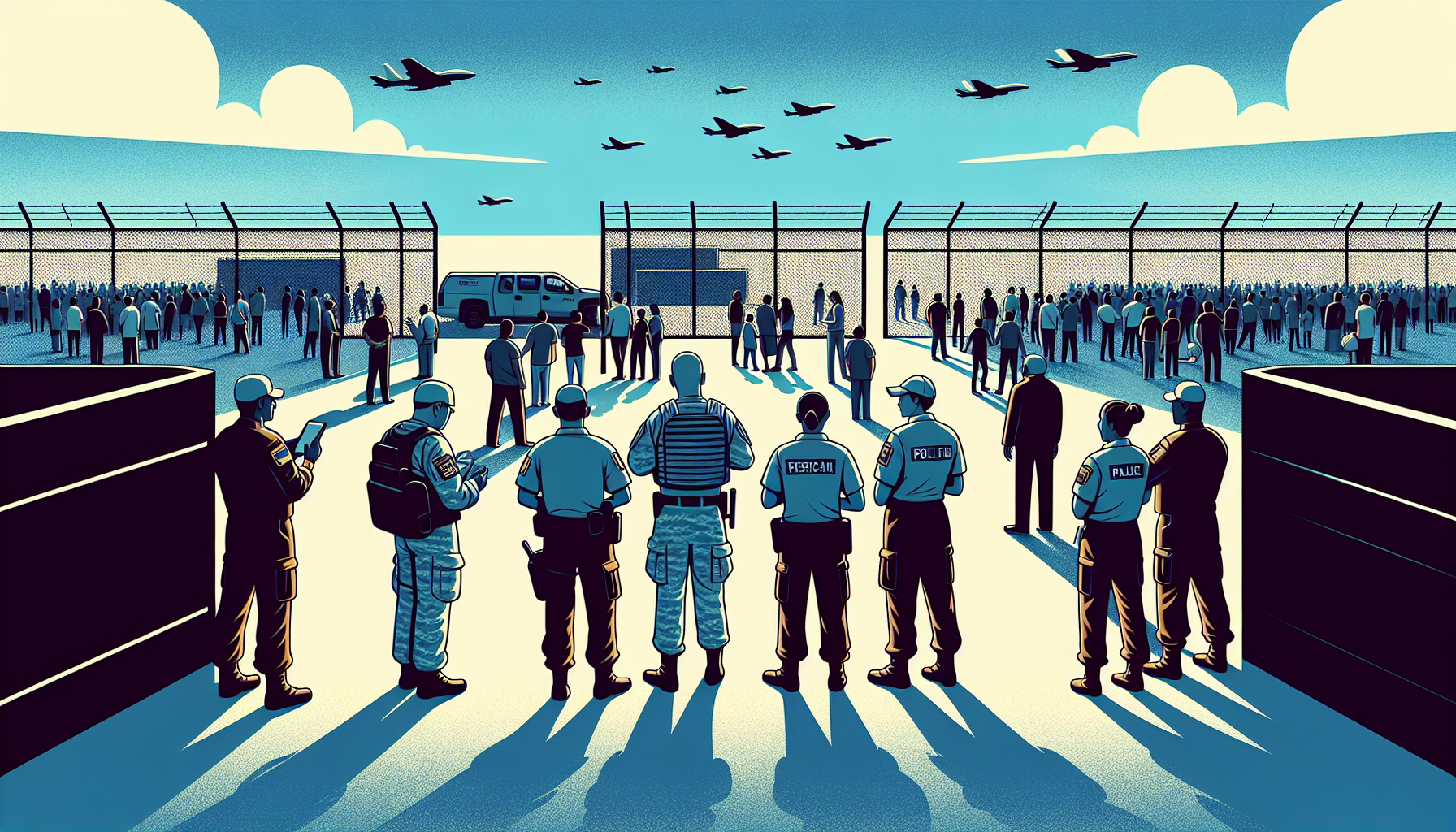
Detainee holding area (DHA)

Definition

A Detainee Holding Area (DHA) is a term used in military operations referring to a temporary facility used to hold and process detainees. These are individuals captured in connection to military engagements until their status can be determined and appropriate actions can be taken. The term can also refer to areas where detainees are held for transportation to longer-term detention facilities.

Key Takeaways

  1. A Detainee Holding Area (DHA) is a secure location where detainees are held temporarily following their capture during military operations. It is primarily used for initial processing and interrogation before being moved to a more permanent detention facility.
  2. The DHA must adhere to international laws and regulations regarding the humane treatment of detainees. This includes providing basic requirements like adequate food, water, shelter, and medical care, as well as ensuring that detainees are not subjected to torture or any form of inhumane treatment.
  3. The operations of a DHA are also subject to certain procedural standards. These include proper record-keeping, ensuring the security of the area, and guaranteeing that detainees have the opportunity to communicate with the outside world and receive visits from international organizations, such as the International Committee of the Red Cross (ICRC).

Importance

The term Detainee Holding Area (DHA) is crucial in military operations because it refers to a specific site where individuals who have been detained during military activities are held.

In the context of managing potentially hostile environments, holding areas play a critical part in operations by providing secured and monitored spaces for those who may pose a risk to the mission or the local population.

Importantly, DHAs should uphold the principles of human rights and international law, even in volatile contexts, ensuring detainees are treated fairly and humanely.

Hence, a DHA’s effective establishment and management serve operational effectiveness, security, as well as moral and legal obligations.

Explanation

The purpose of a Detainee Holding Area (DHA) within military operations is to temporarily house and secure detainees that have been captured during a conflict. The design and function of a DHA usually aim at ensuring the safety, security and well-being of both the detainees and the military personnel responsible for their supervision. DHAs are employed in situations where detainees need to be held temporarily, usually right after capture, before they are transported or processed further.

While the conditions at a DHA can vary, they all share the core premise of maintaining secure environments as set by international and domestic laws and guidelines. A DHA is usually used for processing and initial interrogation of detainees. Interrogations here are focused on obtaining immediate tactical intelligence.

The gathered information can often be crucial in shaping the course of ongoing operations. Additionally, DHAs are also designed to provide basic humanitarian needs to detainees such as food, water, and appropriate medical care, as mandated by the Geneva Conventions. Once these initial processes are completed, detainees are usually moved to more permanent facilities or prison camps.

In essence, the Detainee Holding Area serves as the temporary, initial nexus between capture, processing, and longer-term detainment.

Examples of Detainee holding area (DHA)

Guantanamo Bay Detention Camp: This is a United States military prison located within Guantanamo Bay Naval Base, Cuba. Established in 2002 by President George W. Bush’s administration during the War on Terror, this DHA has housed hundreds of detainees, many accused of being involved in terrorist activities. It continues to operate, despite ongoing controversies about the treatment of prisoners and the legality of its operation.

Abu Ghraib Prison: Located in Iraq, this was used by U.S. forces during the Iraq War as a DHA, and detained numerous Iraqi prisoners. The prison became notoriously known for the serious violations of human rights, including physical and psychological abuses, acts of torture, and even murder committed by U.S. Army and CIA personnel that came to light in

Camp Bucca: This was a detention facility maintained by the United States military in the vicinity of Umm Qasr, Iraq. Operational from 2003 to 2009, the camp held as many as 20,000 detainees at its peak. The facility was known as the main DHA for Iraq due to the vast number of inmates it housed, and it was the birthplace of what eventually became the terrorist organization ISIS.

FAQs about Detainee Holding Area (DHA)

What is a Detainee Holding Area (DHA)?

A Detainee Holding Area (DHA) refers to a confinement structure where detainees are held temporarily. This term is commonly used in the military and can range from ad-hoc enclosures to more established facilities depending on the scale of the operation.

What is the primary role of a DHA in military operations?

The primary role of a DHA is to provide a secure environment for keeping detainees. It ensures the safe and lawful custody of detainees, along with maintaining decent living conditions, until they can be handed over to a longer-term detention facility or released.

Who supervises the DHA?

The supervision of a DHA is typically under the realm of the military police or unit assigned with a detention task. These personnel are trained to facilitate the administration, security and welfare of the detainees.

What’s the importance of having a DHA in a military operation?

A DHA is crucial in a military operation as it provides a controlled environment to house detainees. It serves to uphold humanitarian standards by ensuring secure, humane treatment while maintaining operational security. It diminishes the risk of detainees slipping away or causing discord within the ranks of military personnel.

How are the conditions inside a DHA?

A DHA tries to adhere to international humanitarian laws and standards. The conditions inside are generally basic but uphold human dignity. Provision of food, clean water, medical assistance, and necessary sanitation facilities are just some of the measures to ensure the welfare of detainees.

Related Military Operation Terms

  • Detention Facility
  • Military Custody
  • Prisoner of War (POW)
  • Internment Camp
  • Geneva Convention Rights

Sources for More Information

Sure, here are some reliable sources that provide information about the term ‘Detainee holding area (DHA)’ :

  • Joint Chiefs of Staff – Official website of the Joint Chiefs of Staff, the highest-ranking military officers in the United States department of defense, who advise the President, the Secretary of Defense, and the National Security, Homeland Security Councils.
  • U.S. Department of Defense (DoD) – The website provides a lot of detailed and official information on military operations of the United States.
  • Department of Justice (DOJ) – This website might include legal definitions and contexts for the Detainee holding area.
  • International Committee of the Red Cross (ICRC) – The ICRC works globally to provide humanitarian help for people affected by conflict and armed violence and to promote the laws that protect victims of war. The website might provide an international legal perspective on ‘Detainee holding area’

Benefits.com Advisors

With expertise spanning local, state, and federal benefit programs, our team is dedicated to guiding individuals towards the perfect program tailored to their unique circumstances.

Rise to the top with Peak Benefits!

Join our Peak Benefits Newsletter for the latest news, resources, and offers on all things government benefits.
Related Articles

VA SMC R1 Requirements

VASRD 2026 Updates

Social Security Back Pay

SSDI Approval Rate by Age

SSDI Pay Chart 2026

Detainee operations

Definition

Detainee operations refer to the processes and procedures carried out by military forces regarding the capture, detention, and care of individuals collected during military operations. These operations are designed to ensure that detainees are treated in accordance with the law of armed conflict. It involves tasks like security, intake, care, custody and control of individuals detained.

Key Takeaways

  1. Detainee operations refer to the process carried out by military forces in securing, holding, and controlling individuals who have been captured, imprisoned, or otherwise detained in a conflict or war scenario.
  2. These operations are governed by strict rules, regulations, and protocols, usually aligned with international laws and conventions (like the Geneva Conventions) to ensure the detainee’s human rights and dignities are honored.
  3. Detainee operations aren’t solely limited to detaining. They also involve interrogation for intelligence gathering, assessment for threat level, and eventually either prosecution, release, or transfer to another authority.

Importance

Detainee operations plays an essential role in military operations due to several key reasons.

Firstly, it enables military forces to manage and control persons captured, detained, or otherwise held in custody by an armed force.

This process contributes significantly to the preservation of life, prevention of escalation, and intelligence gathering, serving critical tactical, operational, and strategic functions.

The operations must be conducted professionally, humanely, and in accordance with international law to uphold the reputation and legitimacy of the military organization involved.

Thus, understanding and effectively managing detainee operations is crucial for successful military engagements, reinforcing security, and ensuring ethical standards.

Explanation

Detainee operations primarily serves the purpose of ensuring safety and security as well as upholding international laws during military engagements. They are critical to maintaining order during conflict situations, especially when concerning non-combatants or enemy combatants who are captured during such operations.

Detainee operations are structured to provide humane treatment to those who are in military custody while also acquiring valuable intelligence to assist in ongoing operations. It is fundamental that detainee operations are strictly regulated under military law as well as international human rights standards, such as the Geneva Convention.

This encompasses all aspects including capture, transport, classification, custody, and, in some cases, eventual release or transfer of detainees. Ultimately, the aim of detainee operations is to prevent harm to friendly forces and non-combatants, demilitarize enemy combat forces, facilitate intelligence collection, and comply with legal obligations under international law.

Examples of Detainee operations

Guantanamo Bay Detention Camp: This is one of the most infamous real-world examples of detainee operations. Established by the U.S. government in 2002, the detention camp is located within Guantanamo Bay Naval Base in Cuba. It was primarily established to house suspects connected with global terrorism, specifically those associated with al-Qaeda and the Taliban.

Abu Ghraib Prison: This was another high-profile example of detainee operations during the Iraq War, run by the U.S. military. It gained global attention in 2003 when severe violations of human rights, including physical and psychological abuses against detainees, were exposed.

World War II POW Camps: During World War II, several nations engaged in detainee operations by setting up Prisoner-of-War (POW) camps. These camps were primarily used for detaining captured military personnel of the enemy side. Countries like Germany, the U.S., the UK, and Japan had various POW camps, each with their unique operation policies.

FAQs on Detainee Operations

What is meant by Detainee Operations?

Detainee Operations refers to the responsibilities that military personnel have over individuals detained during warfare. These responsibilities can range from ensuring prisoners of war are treated humanely to providing healthcare for detainees.

Why are Detainee Operations necessary?

Detainee Operations are necessary for maintaining order during times of conflict. Proper treatment of detainees also adheres to laws of war and helps in preventing additional conflicts or escalation of existing issues.

What are the rules governing Detainee Operations?

Detainee Operations are governed by international laws and treaties, specifically the Geneva Conventions. They state that detainees must be treated humanely, be given proper medical care, and not be subjected to torture or degrading treatment.

What are the challenges associated with Detainee Operations?

The challenges linked with Detainee Operations can involve communication barriers, logistical issues in providing necessary care, and maintaining security measures while ensuring humane treatment. Balancing the needs and rights of detainees with militaries’ operational objectives also poses significant difficulties.

How are Detainee Operations conducted?

Detainee Operations are performed following clearly defined procedures/military doctrines. These procedures should cover how to handle detainees, security controls, reporting and documentation, detainee accounting, and release or transfer of custody procedure.

Related Military Operation Terms

  • Detention facility management
  • Human Rights and International Laws
  • Military Police Duties
  • Interrogation Procedures
  • Prisoner Transport Protocol

Sources for More Information

  • U.S. Department of Defense: Provides the latest updates and information related to detainee operations. Resources including guidelines, policies, and official statements can be found here.
  • U.S. Air Force Judge Advocate General’s Reporter: Offers detailed explanations and in-depth exploration of military operations, including detainee operations.
  • International Committee of the Red Cross: International organization that provides humanitarian assistance and protection for victims of armed conflict and other situations of violence. Their site also includes information about international humanitarian law as it pertains to detainees.
  • Human Rights First: An independent advocacy and action organization that challenges America to live up to its ideals, their site includes information and analysis on the treatment of detainees in the US military.

Benefits.com Advisors

With expertise spanning local, state, and federal benefit programs, our team is dedicated to guiding individuals towards the perfect program tailored to their unique circumstances.

Rise to the top with Peak Benefits!

Join our Peak Benefits Newsletter for the latest news, resources, and offers on all things government benefits.

Related Articles

VA SMC R1 Requirements

VASRD 2026 Updates

Social Security Back Pay

SSDI Approval Rate by Age

SSDI Pay Chart 2026

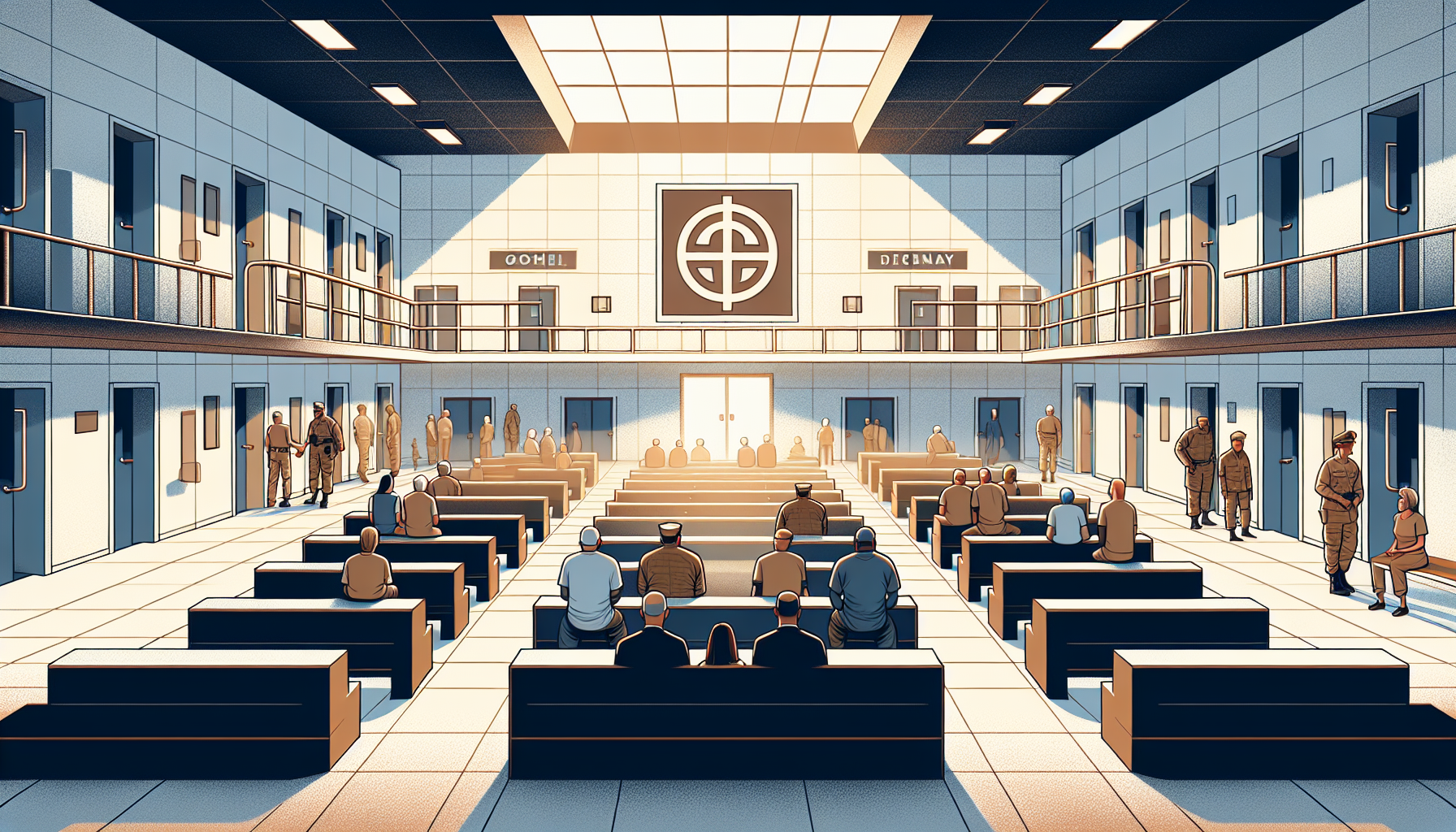
Detection

Definition

In military operations, detection refers to the discovery or identification of the presence of forces, objects, substances, or activities. This can be achieved through various means such as radar, satellite imagery, or reconnaissance. Detection helps in determining potential threats, ensuring security, and planning military actions.

Key Takeaways

  1. Detection in military operations refers to the process of discovering, identifying, and locating potential physical or electronic threats in the theater of operation.
  2. Effective detection is imperative for successful military operations as it forms the backbone of decision-making, enemy engagement and overall strategic planning.
  3. Modern detection measures include the use of advanced technologies like radar, sonar, signals intelligence (SIGINT), and surveillance satellites to ensure accurate and early identification of threats.

Importance

Detection is a crucial term in military operations as it pertains to the vital task of identifying potential threats, targets or changes in the environment that could impact mission success.

Its importance lies in enabling informed decision-making, timely responses, and strategic planning.

The process of detection involves the use of various technologies and intelligence resources, from radar systems to satellite imagery to human intelligence.

These tools help collect and analyze data, providing valuable insight into enemy activities, locations, and capabilities.

Hence, accurate and prompt detection directly contributes to the overall preparedness, safety, and effectiveness of military forces by allowing pre-emptive action, precise strikes, or avoidance of enemy ambushes, thereby helping to mitigate risks and save lives.

Explanation

Detection in the context of military operations primarily serves the objective of gaining tactile information about enemy forces or operational environments. The purpose of detection is to locate, identify, and track threats or potential threats to facilitate appropriate and timely response.

Whether it’s surface, airborne, or electronic, detection plays a critical role in establishing and maintaining situational awareness, a key factor in tactical decisions and strategies. Early detection often provides the advantage of preparation time and tactical response initiative, enabling forces to thwart enemy plans or minimize the degree of threat or damage.

Detection is also used for navigation, communication, surveillance, and reconnaissance. In modern military operations, detection technologies such as radar, sonar, infrared, lasers, and satellite imaging are widely used, contributing to more efficient and effective defense mechanisms.

Specialized equipment like Unmanned Aerial Vehicles (UAVs) and artificial intelligence applications in military technologies also greatly aid in detection. Accurate and timely detection can be pivotal to mission success, significantly reducing risks, ensuring safety, and enhancing the probability of mission achievement.

Examples of Detection

Radar Systems: One real-world example of detection in military operations is the use of radar systems. These systems detect the presence, direction, distance, and speed of objects like aircraft, ships, missiles, etc. For instance, the early warning radar systems used during the Cold War were instrumental in detecting incoming ballistic missiles.

Surveillance Drones: Unmanned aerial vehicles (UAVs) or drones are another example. Drones are used extensively by modern militaries for reconnaissance and surveillance purposes. They are capable of detecting enemy activities and positions from a safe distance, often while remaining undetected themselves.

Sonar Systems: Sonar systems used by Naval forces are another real-life example. These use sound propagation to detect objects on or under the surface of the water, such as other submarines or mines. They are vital for carrying out anti-submarine warfare operations.

Frequently Asked Questions about Military Operations: Detection

What is Detection in Military Terms?

Detection in military terms refers to the discovery of the presence or identification of enemy forces through direct observation or monitoring of signals, sounds or activities. It plays a crucial role in developing situational awareness and decision-making in operations.

How is Detection Applied in Modern Warfare?

Modern warfare utilizes a number of technological tools for detection such as radars, satellites, UAVs, and sensors. These tools detect heat signatures, electronic signals, and physical movements to monitor enemy activities and to plan strategic responses in real-time to maintain operational advantage.

What Are the Challenges of Detection in Military Operations?

The challenges of detection in military operations include accurate identification, decision-making speed, and stealth capabilities of the enemy. Technological limitations, environmental factors, and human errors can also affect the effectiveness of detection processes.

Is There any Training For Detection in Military Forces?

Yes, military forces often undergo training in detection techniques. These can include practical training with detection equipment, scenario-based training exercises, and classroom instructions on theory and best practices.

How Important is Detection in Military Strategic Planning?

Detection is a crucial element of military strategic planning. It is the first step in understanding the operational environment and provides essential information for planning offensive or defensive actions. Without effective detection, military operations can become reactive rather than proactive.

Related Military Operation Terms

  • Screening: This term refers to the process of identifying diseases or conditions in people who do not yet have any symptoms. In relation to VA benefits, this could refer to routine health screenings for veterans.
  • Diagnosis: Diagnosis is the process of identifying a specific disease or condition, often through various tests or examinations. For veterans, the VA may cover the cost of diagnostic tests.
  • Prevention Services: This term refers to actions taken to prevent diseases or conditions rather than treating them after they occur. This could include vaccinations or regular screenings and check-ups provided as part of VA benefits.
  • Treatment: The plan for managing a disease or condition once it has been detected. This could refer to VA benefits covering the cost of treatment for conditions detected during screenings.
  • Health monitoring: Ongoing tracking of a patient’s health status, often through regular check-ups and screenings. This term could relate to the ongoing care and monitoring provided to veterans through the VA.

Sources for More Information

  • U.S. Department of Defense: Official website of the Department of Defense of the United States offering extensive information on military operations including Detection.
  • NATO: The North Atlantic Treaty Organization official site may have articles, documents, and resources related to military detection operations.
  • U.S Army: The official site for the U.S. Army has resources and publications that may provide greater insight into Detection as a term in military operations.
  • Jane’s by IHS Markit: Trusted source of defense and security intelligence which could offer meticulous details about military detection techniques.

Benefits.com Advisors

With expertise spanning local, state, and federal benefit programs, our team is dedicated to guiding individuals towards the perfect program tailored to their unique circumstances.

Rise to the top with Peak Benefits!

Join our Peak Benefits Newsletter for the latest news, resources, and offers on all things government benefits.
Related Articles

VA SMC R1 Requirements

VASRD 2026 Updates

Social Security Back Pay

SSDI Approval Rate by Age

SSDI Pay Chart 2026

Deterrence

Definition

Deterrence in military operations refers to the method of preventing or discouraging an adversary from taking an action, such as initiating a war or conflict, by instilling fear of the potential consequences. This is typically achieved via a credible threat of retaliation or by displaying superior military capability to convince the adversary that the costs or risks outweigh the benefits of the action. The goal of deterrence is to maintain peace and security without resorting to open warfare.

Key Takeaways

  1. Deterrence in military operations refers to the method whereby a country or organization discourages an adversary from taking an unwelcome action, especially through fear or doubt about the consequences.
  2. The strategy of deterrence is typically employed to discourage a potential aggressor from pursuing hostile actions, and aims to present such a credible threat of retaliation that the aggressor prefers to restrain itself.
  3. Pure deterrence theory entails maintaining a state of readiness and the ability to retaliate strongly, thus making the cost of initiating aggression too high for the adversary. It underpins the balance of power in international relations and is a central principle of modern military strategy.

Importance

Deterrence is an important concept in military operations due to its focus on preventing aggression before it starts.

It involves establishing a credible threat of significant retaliation against potential adversaries to dissuade them from initiating an attack or conflict.

The ultimate aim of deterrence is to maintain peace and security, as potential attackers are discouraged by the prospect of incurring heavy losses.

Hence, the success of deterrence is largely based on the perceived strength, readiness, and willingness of a country to use force, if necessary, to defend itself.

Having an effective deterrence strategy allows a country to safeguard its interests and maintain stability in its region, making it a crucial element in military and defense planning.

Explanation

The primary purpose of deterrence in military operations is to prevent potential enemies from engaging in hostile action, primarily by fostering fear of the devastating consequences. Through a combination of diplomacy, strategic planning, psychological operations and grand displays of power, the intention is to instill an intimidation factor strong enough to dissuade potential enemies.

Essentially, a successfully executed deterrence strategy should convince potential aggressors that the costs of conducting hostile actions will significantly outweigh any potential gains, thus ensuring the maintenance of peace and security. Deterrence is not just about showcasing military might, but it also encompasses the judicious and strategic use of intelligence, counterintelligence, and diplomacy.

In order to have effective deterrence, a nation must possess both the capacity to retaliate and the willingness to do so, which will convince potential aggressors of the imminent risks. This approach to security is essential in preemptive conflict resolution as threats or acts of aggression are countered even before they fully materialize.

Thus, deterrence is an indispensable tool in the maintenance of geopolitical balance and the preservation of peace at a macro scale.

Examples of Deterrence

Cold War Era – The Balance of Power: During the Cold War, the existence of nuclear weapons served as a deterrent between the United States and the Soviet Union. Both nations had enough weapons to destroy each other, and this concept of ‘Mutually Assured Destruction’ (MAD) prevented each side from initiating a nuclear war. This kind of deterrence is often referred to as a “nuclear deterrent”.

North Atlantic Treaty Organization (NATO): NATO can be seen as a form of deterrence. The defensive alliance, made up of 30 North American and European countries, acts as a deterrent to any potential aggressors. The principle of collective defense, which talks about an attack against one ally being considered as an attack against all allies, has been a significant deterrent against military action towards any NATO member nation.

The Korean Peninsula: The U.S. military bases and presence in South Korea act as a deterrent to North Korea. While open conflict isn’t the intended outcome, the reality is that the U.S. represents a significant military power. Should North Korea engage in attack against South Korea, it would find itself in direct conflict with the United States – a situation North Korea would likely prefer to avoid. This effectively deters them from taking military action against South Korea.

FAQs on Military Operation: Deterrence

1. What is the concept of deterrence in military operations?

In military operations, deterrence refers to a strategic approach where a nation develops and maintains military capabilities to discourage adversaries from taking actions that can jeopardize their security. This is achieved by raising the potential costs or risks associated with aggressive actions to a level that the adversary considers too high.

2. How does deterrence work in a real-world scenario?

Deterrence works in a real-world scenario by convincing potential adversaries that they cannot achieve their objectives through aggression. This may involve threatening the adversary with unacceptable retaliation or by denying them the ability to achieve their operational objectives.

3. What are the key elements of a successful deterrence strategy?

A successful deterrence strategy entails the capability, credibility, and communication. Capability means having sufficient military power to back up threats or assure allies. Credibility requires an adversary to believe you are willing to use that power. Communication entails signaling intentions to allies and adversaries, effectively conveying the willingness and capability to carry out a threat if provoked.

4. Does deterrence strategy apply only to nuclear conflicts?

No, deterrence strategy is not exclusive to nuclear conflicts. It also applies to conventional military conflicts, cyber warfare, space conflicts among others. Any form of aggression that can potentially be deterred can be the subject of a deterrence strategy.

5. Can deterrence be used in a defensive military operation?

Yes. The principle of deterrence lies in discouraging a perceived attack by offering the potential for retaliation and response. This makes deterrence an essentially defensive measure by nature. Its primary goal is to preserve peace and prevent wars by discouraging aggression.

Related Military Operation Terms

  • Prevention: This refers to strategies designed to discourage actions or behaviors through fear of potential consequences, a basic principle in the concept of deterrence.
  • Security Measures: These are specific actions, methods, or procedures put in place to increase deterrence and reduce threats to safety and security.
  • Disciplinary Actions: Punishments or penalties imposed for bad behaviors can be a form of deterrence, discouraging the behavior from happening again.
  • Military Strength: The strength of a nation’s military can act as a deterring factor, dissuading other entities from engaging in hostile activities.
  • Diplomacy/Negotiation: The art of diplomacy and negotiation often relies on deterrence as a tool for assuring and maintaining peace among nations.

Sources for More Information

Benefits.com Advisors

With expertise spanning local, state, and federal benefit programs, our team is dedicated to guiding individuals towards the perfect program tailored to their unique circumstances.

Rise to the top with Peak Benefits!

Join our Peak Benefits Newsletter for the latest news, resources, and offers on all things government benefits.

Related Articles

VA SMC R1 Requirements

VASRD 2026 Updates

Social Security Back Pay

SSDI Approval Rate by Age

SSDI Pay Chart 2026

x