










We are privately owned and not affiliated or endorsed by any government agency.

Take the Benefits Quiz

Denied area

Definition

A denied area in military operations refers to a region or territory where access is limited or prohibited due to enemy control or hostile conditions. It represents challenging operative zones with high risks for military forces. The hostility can be due to environmental factors, political conditions, or active combat.

Key Takeaways

  1. A “Denied Area” in military operations is defined as an area under the effective control of hostile forces. It is typically harder for friendly forces to operate freely in these areas due to enemy presence and the risk of engagement.
  2. In the context of special operations, operations in denied areas often require particular military skills, stealth, and sophistication. These may comprise covert and clandestine activities and might require careful planning to mitigate risk.
  3. Denied areas can also be relevant in non-conventional conflicts, such as insurgency or guerilla warfare. In these cases, “Denied Areas” may be regions where hostile non-state actors have established control, making it difficult for state military forces to operate.

Importance

In military operations, the term “denied area” is highly significant as it refers to a region or territory where it is risky or nearly impossible to execute a mission due to high threat levels or tight enemy control.

These areas are usually fortified with robust defense mechanisms and possess strong enemy presence, thereby posing substantial challenges to the friendly forces.

Understanding the concept of a denied area is crucial for military strategists and personnel since it aids in threat assessment, planning of operations, tactics formulation, and resource allocation.

Any underestimation or oversight regarding denied areas can lead to severe failures, debilitating losses, and unexpected enemy advancements.

Therefore, the strategic importance of denied areas is insurmountable in military operations planning and execution.

Explanation

Denied area, in terms of military operations, refers to geographical regions or territories where adversary forces exercise control, limiting or preventing the access and conduct of friendly operations. These regions could be under a state’s governance, an occupying military force, or controlled by insurgent or non-state actors.

The control in these areas is primarily manifested in the form of operational or tactical command, regulation of movements, and actions that restrict the entry and operation of other forces. The purpose of identifying and dealing with denied areas is strategically significant in military operations.

By defining these territories, military leadership is equipped with an understanding of areas that are under potential threat, thus helping strategize operations more effectively. The use of this term allows for the appropriate allocation of resources, planning covert operations, identifying risks, and determining the best approach for entry and operations in these areas.

For instance, access to a denied area may involve discreet ground operations, cyber operations, or use of long-range weapons. Overall, the term “denied area” aids in planning and reasoning about military activities, providing insights into where and how to direct efforts during conflict situations.

Examples of Denied area

Operation Neptune Spear (2011): Perhaps the most famous real-world example of a military operation in a denied area is Operation Neptune Spear, where US Navy SEALs covertly infiltrated Pakistan to capture and kill Osama Bin Laden. Pakistan is considered a denied area for the US military due to the lack of permission for US forces to operate within its borders.

North Korea’s Demilitarized Zone (DMZ): The DMZ that separates North and South Korea is one of the most heavily fortified places on Earth, where any military activity is strictly prohibited by international treaty. For South Korean and US forces, the North Korean side of the DMZ is a perfect example of a denied area.

Iranian Nuclear Facilities: Iran’s suspected nuclear facilities represent denied areas for many countries, including the US and Israel, due to its geopolitical context and sovereignty. These countries suspect Iran of illegal nuclear activities, but they cannot conduct military operations in these areas without eliciting international condemnation, and potentially, war.

FAQs: Denied Area Military Operations

Q1: What is a Denied Area in military operations?

A Denied Area in military operations refers to a region where standard military operations cannot be conducted. This can be due to high-risk levels, extreme conditions or hostile control. Any government, international, or even non-hostile operational forces are usually prohibited from access and operational execution in these regions.

Q2: What types of operations occur in Denied Areas?

Operations in Denied Areas often involve covert actions or smuggling. These activities are designed to avoid detection and are typically undertaken by special forces, intelligence agencies, or guerrilla warfare groups. The exact nature of such operations is highly classified in most cases.

Q3: What are some challenges faced in Denied Area operations?

Denied Area operations face multiple challenges including the difficulty of securing access, risk of detection and capture, harsh conditions, and potential resistance from hostile forces. These operations require sophisticated plans, specialized training, and often the use of unconventional tactics.

Q4: Can denied areas change over time?

Yes, denied areas can change over time based on fluctuating geopolitical situations, military strategies, and relationships between nations. A region that was previously a denied area can become accessible, and vice versa.

Q5: What resources are needed for operations in Denied Areas?

Operations in Denied Areas require high levels of preparedness, including specialized training, advanced technology for surveillance and navigation, precise intelligence, robust contingency plans, and often the capacity for self-sustainment over an extended time.

Related Military Operation Terms

  • Appeals Process
  • Eligibility Requirements
  • Compensation and Pension
  • Disability Determination
  • Claim Reevaluation

Sources for More Information

  • Global Security – A reliable resource for a vast amount of global security and military-related topics, including the term ‘Denied Area’.
  • Federation of American Scientists – An organization focused on using science and scientific analysis to attempt to make the world more secure. They provide information on a variety of military terms.
  • RAND Corporation – A research organization that develops solutions to public policy challenges. They may have studies or reports that discuss the concept of ‘Denied Area’ in a military context.
  • Office of the Director of National Intelligence – This U.S. government agency is involved with national security and may have public information related to ‘Denied Area’.

Benefits.com Advisors

With expertise spanning local, state, and federal benefit programs, our team is dedicated to guiding individuals towards the perfect program tailored to their unique circumstances.

Rise to the top with Peak Benefits!

Join our Peak Benefits Newsletter for the latest news, resources, and offers on all things government benefits.


Related Articles

VA SMC R1 Requirements

VASRD 2026 Updates

Social Security Back Pay

SSDI Approval Rate by Age

SSDI Pay Chart 2026

Department of Defense civilian

Definition

A Department of Defense civilian is a federal employee who is not an active duty military member but works directly for the Department of Defense (DOD). They fulfill critical roles within the department, working alongside uniformed counterparts in every unit and office within the DOD. Their roles range from support services to intelligence analysis, engineering, and other specialized fields.

Key Takeaways

  1. The term “Department of Defense civilian” refers to individuals who are employed by the Department of Defense (DoD) but are not active duty military personnel. They play key roles in supporting military operations and are integrated into all aspects of the DoD.
  2. DoD civilians possess a vast range of skills and expertise, from engineers and scientists to management professionals and medical personnel. They contribute to the military preparedness and effectiveness of the United States through their knowledge and skills.
  3. DoD civilians are dedicated public service professionals who often work directly with uniformed military personnel and may sometimes be deployed to serve in war zones or other overseas locations in support of the U.S. military missions.

Importance

The term “Department of Defense (DoD) civilian” is important in military operations because it refers to the individuals employed by the Department of Defense who are not active-duty military personnel but play critical roles in supporting and facilitating the functioning of the military.

These civilians contribute a wide range of specialized skills and expertise, covering key areas such as logistics, research, intelligence, maintenance, supply chain management, administration, and many other fields necessary for the efficient operation and readiness of the defense system.

As a result, DoD civilians are an integral part of the military structure, ensuring continuity, providing institutional knowledge, and offering critical support services that allow the military to effectively carry out its national security mission.

Explanation

The Department of Defense civilian is an intrinsic part of the overall machinery that ensures the smooth functioning of the United States military. These individuals are non-military personnel who serve important roles within the Department of Defense, adding expertise and support in vital areas such as medicine, engineering, technology development, intelligence, logistics, and administration. With their dedicated service, they make an invaluable contribution to the nation’s defense structure, and their role is meant to assist in maintaining the readiness and strategic capabilities of the U.S.

armed forces, meshing seamlessly with military personnel to create a united front. Moreover, Department of Defense civilians are deployed worldwide alongside military personnel to provide technical know-how or fill in for roles that may not need to be carried out by uniformed military members. They help streamline operations, free up uniformed military personnel for combat-related roles, and bring a wide-dimensional perspective which often results in better decision-making.

Beside the battlefield or during peacetime, they contribute to policy formulation, procurement of advanced technologies, and managing financial resources. In essence, they are deployed to bolster the strength and efficiency of U.S. military operations while also helping to ensure the effective utilization of resources.

Examples of Department of Defense civilian

Defense Finance and Accounting Service (DFAS): This is a Department of Defense civilian service responsible for all payments to service members, employees, contractors, and vendors. They manage military retirement and health benefits, military payroll, and travel pay.

Defense Intelligence Agency (DIA): Civilian analysts working in the Defense Intelligence Agency conduct a variety of intelligence gathering and analysis tasks related to national security. These civilians might specialize in a particular region of the world or in a specific type of intelligence, like signals intelligence or human intelligence.

The Pentagon force protection agency: This organization employs civilian law enforcement officers to provide security and policing services for the Pentagon and other Department of Defense properties in the National Capital Region. In each of these examples, those civilians are not military personnel but undertake vital roles in ensuring the smooth operation and safety of the Defense Department and its missions. Their work involves a broad range of tasks, from managing budgets and providing legal advice to performing analyses that inform military strategy.

FAQs about the Department of Defense Civilian

Who is a Department of Defense Civilian?

A Department of Defense Civilian, often abbreviated as DoD Civilian, is a federal employee who is part of the United States Department of Defense. Despite not being in the armed forces, DoD Civilians play crucial roles in supporting military operations and the defense infrastructure.

What roles do DoD Civilians play?

DoD Civilians perform a variety of roles, ranging from administrative work to logistics, engineering, healthcare, and intelligence, among others. They support the U.S. military and help ensure the readiness, efficiency, and effectiveness of the defense operations.

What are the qualifications for a DoD Civilian position?

Qualifications vary greatly depending on the specific role. They can range from specialized degrees and experience in areas like engineering and healthcare to administrative abilities, communication skills, or even knowledge of foreign languages. Each job listing would provide specific qualifications required.

How does one become a DoD Civilian?

To become a DoD Civilian, one must apply to job postings on the USAJobs government website. The application process might involve submitting detailed resumes, professional references, and often going through a rigorous interview process.

Are DoD Civilians eligible for the same benefits as military personnel?

While DoD Civilians do receive extensive federal benefits, including health insurance, retirement plans, and paid time off, their benefits package is not identical to that of military personnel. For instance, they do not receive military-specific benefits like combat pay or housing allowances.

Related Military Operation Terms

  • Defense Civilian Intelligence Personnel System (DCIPS)
  • Office of Workers’ Compensation Programs (OWCP)
  • Department of Defense Civilian Retirement System
  • DoD Civilian Health and Medical Program (CHAMPUS)
  • Uniformed Services Employment and Reemployment Rights Act (USERRA)

Sources for More Information

  • Department of Defense: The official website of the U.S. Department of Defense, which includes information about its various departments and civilian personnel.
  • Defense Civilian Personnel Advisory Service: The DCPAS provides human resources services to Department of Defense civilian employees.
  • Fedweek: A publication dedicated to federal employees, including Department of Defense civilians. It provides regular updates and news about issues related to federal service.
  • U.S. Office of Personnel Management: The OPM is responsible for managing the civil service of the federal government, including Department of Defense civilians. It provides information about hiring, benefits, and training for federal employees.

Benefits.com Advisors

With expertise spanning local, state, and federal benefit programs, our team is dedicated to guiding individuals towards the perfect program tailored to their unique circumstances.

Rise to the top with Peak Benefits!

Join our Peak Benefits Newsletter for the latest news, resources, and offers on all things government benefits.

Related Articles

VA SMC R1 Requirements

VASRD 2026 Updates

Social Security Back Pay

SSDI Approval Rate by Age

SSDI Pay Chart 2026

Department of Defense components

Definition

The term “Department of Defense components” refers to the military departments and defense agencies within the United States Department of Defense (DoD). These include the Army, Navy, Air Force, and other subdivisions such as the National Security Agency and the Defense Intelligence Agency. Each component has its own specific responsibilities and roles in supporting the country’s military operations and national security.

Key Takeaways

  1. The Department of Defense components consist of all military departments, including the Army, Navy, Air Force, and other offices, agencies, activities, and commands under the authority, direction, and control of the Secretary of Defense. They play a crucial role in the maintainance of national security and military purposes.
  2. These components work in synchrony to ensure high readiness levels of the U.S. military, controlling military operations and procedures. They are also vital in providing logistical, intelligence, and technological support to the armed forces.
  3. Chaired by the Secretary of Defense, The Department of Defense components aim at streamlining the U.S. military functions and operations within a well-structured hierarchy. They strive to attain optimal national defense while adhering to the principles of unity, efficiency, and effectiveness.

Importance

The term “Department of Defense components” is crucial in military operations because it refers to the various subdivisions of the U.S.

Department of Defense (DoD) that provide critical functions and capabilities necessary for national security.

These components include the Army, Navy, Air Force, Marine Corps, and recently, the Space Force, as well as numerous agencies, field activities, and commands.

Each has unique roles and responsibilities within defense and warfare strategy, from tactical ground combat to intelligence, logistics, cyber operations, and beyond.

The coordinated effort of all these components is instrumental in maintaining a robust, versatile defense infrastructure that can respond effectively to various security threats and challenges on both domestic and international fronts.

Explanation

The Department of Defense Components refer to the multiple individual parts that collectively make up the U.S. Department of Defense (DoD). These components serve a crucial purpose in the organization, coordination, and execution of national security and defense operations. They exist to ensure the most effective and efficient use of military and defense resources.

Under each DoD component, there are further sub-divisions and units, each holding its own responsibilities and jurisdictions that directly contribute towards the principal objective of the defense department – to provide the military forces needed to deter war and protect the security of the nation. Each of these components, such as the Navy, Air Force, Army, Marine Corps, and Coast Guard, maintain their own distinct operational capabilities, individual strengths and specialized skills. They are coherently utilized and coordinated by the Department of Defense for a common goal.

For example, they may work together during joint operations, leveraging their unique capabilities to achieve complex objectives that single components would not be able to achieve on their own. The Department of Defense also includes several unified and specified combatant commands and agencies which provide operational and strategic guidance and support in various fields like logistics, intelligence, technology, space, missiles and special operations to name a few. In this manner, the DoD components ensure a comprehensive, multifaceted approach to national defense that can adapt to an array of threats and challenges.

Examples of Department of Defense components

U.S. Army: The US Army is one of the most notable components of the Department of Defense. They are responsible for land-based military operations. It is the oldest and largest established component of the U.S. Armed Forces with numerous divisions and bases around the world.

U.S. Navy: The US Navy, another prominent component of the Department of Defense, guards the sea routes and provides naval power projection, sea transport, and maritime security. Additionally, the Navy cooperates with the Marine Corps and supports it with naval gunfire, transport, and other needs.

Defense Intelligence Agency (DIA): The DIA is a Department of Defense component that specializes in defense and military intelligence. Their job is to collect and analyze valuable information to aid military operations, to manage defense intelligence systems, and to support U.S. warfighters, defense policymakers, and force planners in the Department of Defense and the U.S. Intelligence Community.These examples showcase the wide range of responsibilities handled by different components under the Department of Defense, emphasizing the range of the military operational term.

FAQs for Department of Defense Components

What are the major components of the Department of Defense?

The Department of Defense is made up of three major components: the Department of the Army, the Department of the Navy, and the Department of the Air Force.

What role do these components play in the Department of Defense?

These components are responsible for the military readiness of the United States and for the implementation of military operations, defense policy, and defense resources management.

Who is in charge of these components?

Each component is headed by its respective Secretary (Secretary of the Army, Secretary of the Navy, Secretary of the Air Force) who are, in turn, under the overall direction of the Secretary of Defense.

How are the Department of Defense Components structured?

Each component has its own unique structure to fulfill its specific roles and duties. For instance, the Department of the Army is composed of the Regular Army, the Army National Guard, and the Army Reserve.

Can civilian personnel work in the Department of Defense Components?

Yes, civilian personnel make a significant contribution to the Department of Defense by providing vital services and skills that support the military forces.

Related Military Operation Terms

  • Military Service Branches
  • Defense Finance and Accounting Services (DFAS)
  • Common Access Card (CAC)
  • Defense Eligibility Enrollment System (DEERS)
  • TRICARE Health Services

Sources for More Information

Benefits.com Advisors

With expertise spanning local, state, and federal benefit programs, our team is dedicated to guiding individuals towards the perfect program tailored to their unique circumstances.

Rise to the top with Peak Benefits!

Join our Peak Benefits Newsletter for the latest news, resources, and offers on all things government benefits.

Related Articles

VA SMC R1 Requirements

VASRD 2026 Updates

Social Security Back Pay

SSDI Approval Rate by Age

SSDI Pay Chart 2026

Department of Defense construction agent

Definition

A Department of Defense construction agent is a military or civil entity designated by the U.S. Department of Defense (DoD) to carry out and oversee construction projects for the department. The construction agent’s responsibilities often include project planning, design, and construction. This agent creates establishments to support the defense mission, including the maintenance and repair of existing infrastructure.

Key Takeaways

  1. The Department of Defense (DoD) Construction Agent refers to the organizations responsible for implementing and overseeing military construction projects. These entities ensure that all construction efforts are carried out efficiently and in compliance with set standards.
  2. The Construction Agent’s roles may include planning, designing, contracting, and supervising the construction works. They also oversee the maintenance and repair of military properties, ensuring they are in optimal condition and fit for their intended purposes.
  3. The U.S. Army Corps of Engineers and the Naval Facilities Engineering Command are typically designated as DoD Construction Agents. They play a pivotal role in providing infrastructure necessary to support the DoD’s mission and readiness.

Importance

The term “Department of Defense construction agent” is important in military operations because it refers to an entity, which could be a military department or agency, that has been assigned by the U.S.

Department of Defense to oversee and manage the design, construction, and operation of buildings, facilities, or other infrastructure needed to support U.S.

military operations.

This function is crucial for ensuring that all military facilities, whether at home or abroad, meet the necessary safety, security, and operational standards.

The construction agent not only ensures that the armed forces have the physical infrastructure they require to operate effectively, but also ensures that taxpayers’ money is utilized efficiently and appropriately.

Explanation

The Department of Defense Construction Agent (DoDCA) plays a crucial role in the architecture, planning, and effective execution of construction projects related to the military operations of the United States. This intermediary is principally tasked with overseeing the successful completion of national defense or military construction projects. The purpose is to make certain that any necessary facilities or infrastructures for the U.S.

military are built effectively, on time, and according to set guidelines and standards. This typically involves the management of the design, construction, and repair of military installations, facilities, civil works projects, and more. Particularly, the DoDCA supervises the project design, acquisition of necessary materials, advising on technical standards, and enforcing quality control.

They administer contracts, coordinate with different parties like military departments, defense agencies, and commands. The intent is to ensure that the project fulfills its intention and aligns with the immediate or strategic needs of the military operation. They also monitor safety standards and legal processes, ensuring compliance and minimizing any potential risks.

Moreover, the Construction Agent is frequently a key player in orchestrating collaborative efforts between military departments and private sector entities. This role is strategically vital in maintaining a high degree of military readiness, effectiveness, and security.

Examples of Department of Defense construction agent

The term “Department of Defense construction agent” refers to an agency that is responsible for managing and implementing construction, renovation, or repair projects for the Department of Defense (DoD). Here are three real-world examples related to this term:

The U.S. Army Corps of Engineers (USACE): The USACE is often designated as a DoD construction agent. They oversee a variety of construction projects, ranging from military base renovations to infrastructure developments. For example, they were responsible for the construction of the New Orleans hurricane protection system, a defense project in the wake of Hurricane Katrina.

The Naval Facilities Engineering Systems Command (NAVFAC): NAVFAC is another primary component of the DoD’s construction agents. They manage the planning, design, and construction of naval shore facilities. An example of their work is the construction of Camp Lemonnier in Djibouti, which supports approximately 4,000 U.S., joint and allied forces military and civilian personnel and contractors.

The U.S Air Force Civil Engineer Center (AFCEC): The AFCEC also acts as a DoD construction agent for Air Force projects. For instance, they’ve been deeply involved in the renovation and rebuilding of air bases, such as Tyndall Air Force Base in Florida following damage.These organizations undertake construction tasks not only domestically, but also internationally as part of military missions or humanitarian efforts.

Frequently Asked Questions: Department of Defense Construction Agent

What is the Department of Defense Construction Agent?

The Department of Defense Construction Agent is the body under the Department of Defense that is responsible for designing, constructing, and maintaining military facilities. This includes all the infrastructural needs of the armed forces.

What type of work does the Department of Defense Construction Agent carry out?

The Department of Defense Construction Agent undertakes a wide range of duties. This includes managing the construction and repair of military installations, executing military family housing initiatives, and overseeing civil works projects.

Who can work as a Department of Defense Construction Agent?

Typically, associated roles are open to government civilians and military personnel. The specific requirements for positions vary but can include a combination of education, specialized experience, and clearances.

How are contracts awarded in the Department of Defense Construction Agency?

The Department of Defense Construction Agency abides by strict federal regulations when awarding contracts for construction projects. This ensures that contracts are awarded on a fair and transparent basis, with an emphasis on competition and value for money.

Where can I find more information about the Department of Defense Construction Agent?

Official information about the Department of Defense Construction Agent can be found on the official website of the Department of Defense or through direct contact with the agency.

Related Military Operation Terms

  • Defense Base Act Insurance
  • Military Construction Projects
  • DoD Contract Management
  • Military Infrastructure Development
  • Armed Forces Housing Improvements

Sources for More Information

Benefits.com Advisors

With expertise spanning local, state, and federal benefit programs, our team is dedicated to guiding individuals towards the perfect program tailored to their unique circumstances.

Rise to the top with Peak Benefits!

Join our Peak Benefits Newsletter for the latest news, resources, and offers on all things government benefits.

Related Articles

VA SMC R1 Requirements

VASRD 2026 Updates

Social Security Back Pay

SSDI Approval Rate by Age

SSDI Pay Chart 2026

Department of Defense container system

Definition

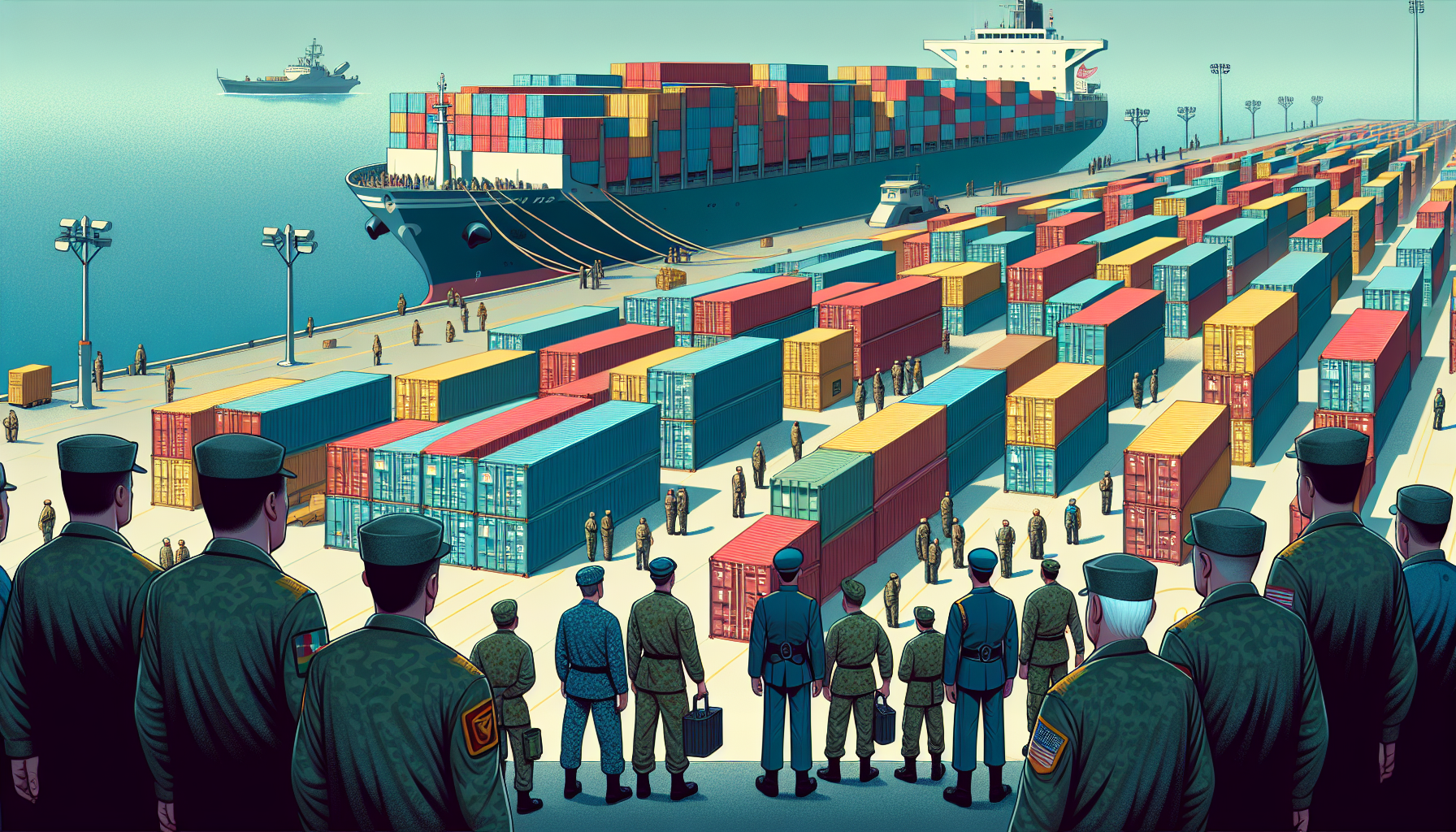
The Department of Defense Container System, in military operations, refers to all Department of Defense-owned, leased, and controlled 20- or 40-foot intermodal ISO (International Organization for Standardization) containers. These are utilized for shipping a variety of cargo globally, with operations overseen by the U.S. Transportation Command (USTRANSCOM). It also includes systems, equipment, and processes that support the usage, maintenance, and control of these containers.

Key Takeaways

  1. The Department of Defense (DoD) container system refers to a key logistical tool used by the U.S. military that allows for efficient transportation and storage of a broad range of goods and equipment necessary for operation.
  2. These containers are designed to meet specific standards set by the DoD, ensuring they are of high quality, durable and capable of carrying heavy loads. They are conformant with both national and international transportation regulations which allows for intermodal transportation.
  3. The DoD container system is essential for military readiness and operations, providing a means to rapidly and securely deliver troops, equipment, and supplies to any location worldwide.

Importance

The Department of Defense (DoD) Container System is critical for military operations due to its role in ensuring effective, efficient, and secure transportation of cargo and supplies.

It standardizes container usage across various branches of the military, simplifying logistical planning and enhancing operational readiness.

This system also contributes to the speed and flexibility of military responses, enabling rapid deployment of troops and equipment to any global location.

Furthermore, its rigorous security measures protect sensitive cargo from potential threats, which is vital to maintaining the integrity of military operations.

Hence, the DoD Container System is a cornerstone of military logistics and a crucial factor in upholding national defense capabilities.

Explanation

The Department of Defense (DoD) container system principally serves as a mechanism to streamline and standardize the process of transporting military materials and supplies. This system actively contributes to an efficient and organized logistical operation. Within the context of military operations, these containers are used for mobilizing and shipping crucial supplies- from food and medical supplies to weapons and machinery- to support the military forces stationed in different parts of the world.

The standardized dimensions of these containers facilitate the seamless loading and unloading process while ensuring an improvement in handling and storage efficiencies. Moreover, the DoD container system is integral to ensuring the safe and secure transportation of goods. The risk of loss or damage to materials is minimized through firm sealing mechanisms and the durable construction of the containers.

This safeguarding functionality is especially critical in transporting sensitive or high-value materials. Additionally, the tracking features in the DoD container system contribute to a significant reduction in logistical errors, as it allows for real-time locations and progress tracking. This becomes increasingly important in an environment where promptness and precision directly impact the success of missions.

Examples of Department of Defense container system

Operation Iraqi Freedom: During Operation Iraqi Freedom in 2003, the Department of Defense (DoD) container system played a major role in the shipment of ammunition, food supplies, equipment, and even vehicles to support American troops on the ground in Iraq. Standardized containers were loaded onto transport ships, ensuring a streamlined and efficient process for the unloading and distribution of key supplies.

Hurricane Katrina Relief Efforts: In the aftermath of Hurricane Katrina in 2005, the DoD container system was utilized to distribute emergency relief supplies such as food, clothing, and medical supplies to the affected regions. Using their systems, they could effectively manage the logistics of delivering huge quantities of aid material.

COVID-19 Pandemic Response: During the COVID-19 pandemic, the Department of Defense leveraged their container system to quickly distribute necessary equipment like ventilators, PPE (personal protective equipment), and testing kits to military installations and civilian hospitals around the country. This system facilitated a rapid response to the constantly shifting needs of the pandemic.

FAQs for Department of Defense Container System

What is the Department of Defense Container System?

The Department of Defense Container System is a series of standardized containers designed and used by the United States military for the purpose of transporting goods, supplies, and materiel. This system allows for efficient and secure transport of items across the globe, particularly in support of military operations.

What are the features of the Department of Defense Container System?

The Department of Defense Container System is known for its high durability and flexibility. These containers can be transported by various methods, including ships, planes, trains, and trucks, and are designed to withstand extreme conditions and environments. They are also configured for ease of loading, unloading, and storage, with the aim of maximizing efficiency and minimizing logistical challenges in military operations.

Who uses the Department of Defense Container System?

The primary user of the Department of Defense Container System is the United States military. However, other government agencies and NATO allies may also use these containers in support of joint operations or mutual aid commitments.

How is the security of the Department of Defense Container System ensured?

The Department of Defense has implemented stringent security measures to prevent unauthorized access to these containers. This includes the use of sealed locks, monitoring devices, and strict personnel access controls. Additionally, every container is tracked and accounted for to ensure the security of its contents at all stages of transportation.

How is the Department of Defense Container System regulated?

The Department of Defense Container System is regulated by various arms of the U.S. military, each of which has specific standards and procedures that must be adhered to. Accountability, safety, and operational readiness are key aspects of these regulations.

Related Military Operation Terms

  • Defense Finance and Accounting Service (DFAS)
  • Military Surface Deployment and Distribution Command (SDDC)
  • Joint Intermodal Transportation Capability (JITC)
  • Defense Transportation System (DTS)
  • Defense Personal Property System (DPS)

Sources for More Information

  • Department of Defense: The official website of the U.S. Department of Defense; it offers a wide range of information on military operations and equipment.
  • U.S. Transportation Command (TRANSCOM): TRANSCOM is responsible for the global transport of Department of Defense personnel and material, which includes information on their container system.
  • National Defense Transportation Association (NDTA): This PDF document from NDTA provides a case study on the Department of Defense container system.
  • RAND Corporation: RAND provides research and analysis to the United States Armed Forces, including information about the Department of Defense container system.

Benefits.com Advisors

With expertise spanning local, state, and federal benefit programs, our team is dedicated to guiding individuals towards the perfect program tailored to their unique circumstances.

Rise to the top with Peak Benefits!

Join our Peak Benefits Newsletter for the latest news, resources, and offers on all things government benefits.

Related Articles

VA SMC R1 Requirements

VASRD 2026 Updates

Social Security Back Pay

SSDI Approval Rate by Age

SSDI Pay Chart 2026

Department of Defense information network

Definition

The Department of Defense Information Network, often abbreviated as DoDIN, is a globally interlinked telecommunications infrastructure in the US that provides a broad array of information capabilities. This network is responsible for transmitting, storing, and processing Department of Defense’s (DoD) information. It encompasses all owned, operated, leased, or controlled networks and systems by DoD, including those used for sensitive and classified data.

Key Takeaways

  1. The Department of Defense Information Network (DoDIN) is a globally interconnected, end-to-end set of information capabilities for collecting, processing, storing, disseminating and managing information on demand to warfighters, policymakers, and support personnel.
  2. It includes all owned and leased communications and computing systems and services, satellite systems, sensors, and networks used to transmit DoD information. It’s essentially the nervous system of the Department of Defense (DoD).
  3. DoDIN provides secure communication and information system capabilities to the DoD, allowing for strategic command, control, communication, and intelligence (C3I) operations. It is critical to national security and military operations.

Importance

The term “Department of Defense Information Network” (DODIN) is crucial in military operations as it refers to the globally interconnected, end-to-end set of information capabilities, associated processes, and personnel for collecting, processing, storing, disseminating, and managing information on demand.

DODIN ensures the seamless flow of information that is vital for the country’s defense systems.

It enables the department to conduct its operations and support decision-making processes efficiently.

The importance of a secure, reliable, and resilient DODIN has even greater emphasis in today’s digital era, where cyber threats and information warfare pose significant risks to national security.

It plays a crucial role in both defensive and offensive military operations, making it a vital entity in maintaining the efficacy and superiority of the Department of Defense.

Explanation

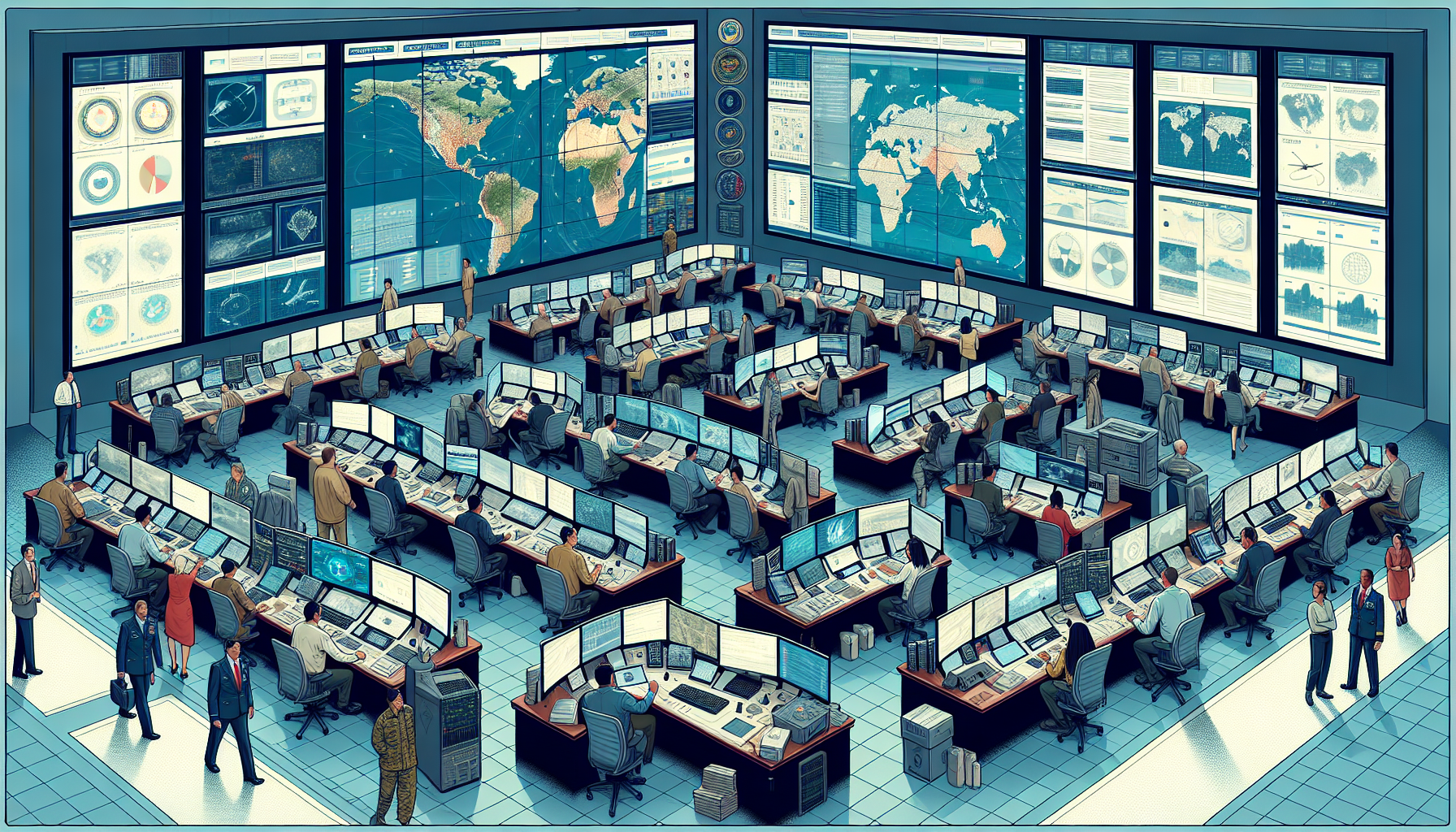
The Department of Defense Information Network, often referred to as DoDIN, is primarily focused on providing for the seamless operation and defense of the United States’ military cyber network infrastructure. It serves a significant role in managing and coordinating data, information, and communications that are relevant and necessary for the operations of the U.S. Military.

Through this, the DoDIN helps to facilitate the mission-critical decision-making processes across the different branches of the military as it promotes the swift and secured exchange of intelligence, data, and directives among all levels within the Defense Department. In terms of its usability, the DoDIN is leveraged to ensure the stability and security of military operations. As modern warfare increasingly involves the use of cyber-technologies, the DoDIN serves as the bulwark against potential cybersecurity threats and cyber warfare that could impair national defense.

Ensuring the secure passage and receipt of communications, the DoDIN bolsters the US military’s capacity to operate effectively without compromise to its crucial data and communication systems. Therefore, the DoDIN not only serves as the primary information infrastructure of the U.S. Military, but its very backbone, supporting the defense efforts of the United States both in times of peace and tension.

Examples of Department of Defense information network

Joint Regional Security Stacks (JRSS): JRSS is a suite of equipment that performs firewall functions, intrusion detection and prevention, enterprise management, virtual routing and forwarding, and network security capabilities. It is a key aspect of the Department of Defense’s (DoD) ongoing efforts to consolidate its information networks to increase efficiency and security.

The Defense Information Systems Agency (DISA): The DISA operates the DoD’s backbone network (DODIN) for global military operations. This involves managing and providing a range of data, information, and communications services to support military operations and daily business needs of the military.

Defense Enterprise Email (DEE): This is an email service provided by the DoD to its service members. DEE is part of the DoD’s Information Network and gives military members secure access to their email accounts from anywhere in the world, at any time, from a wide range of devices – a crucial service for an organization as globally distributed as the U.S. military.

“`html

FAQs on Department of Defense Information Network

What is the Department of Defense Information Network?

The Department of Defense Information Network (DODIN) is the set of information capabilities, and associated processes for collecting, processing, storing, disseminating, and managing information on-demand to warfighters, policy makers, and support personnel.

Who operates the Department of Defense Information Network?

The DODIN is managed and operated by the United States Cyber Command (USCYBERCOM).

What is the purpose of the Department of Defense Information Network?

The purpose of DODIN is to support the Department of Defense’s mission to provide information and communications support to all elements within its structure.

Is the Department of Defense Information Network secure?

Yes, DODIN offers secure services for information exchange, with a robust set of security measures in place to protect the integrity and confidentiality of data.

How does the Department of Defense Information Network affect military operations?

Through the DODIN, military operations have access to real-time, relevant information. It enables better decision-making, coordination, and execution of missions globally.

“`

Related Military Operation Terms

  • Defense Information Systems Agency (DISA)
  • DoD Cyber Exchange
  • Joint Information Environment (JIE)
  • DoD Information Network Operations (DODIN Ops)
  • Defense Collaboration Services (DCS)

Sources for More Information

  • U.S. Department of Defense (Official Website): Their official website is a reliable source for information about the Department of Defense information network.
  • Defense Information Systems Agency (DISA): DISA is a combat support agency of the Department of Defense and specifically responsible for the DODIN.
  • Department of Defense Inspector General: This is the official Department of Defense Inspector General’s website which provides oversight on all aspects of the Department’s activities including the information network.
  • Global Security: This is a reliable website featuring defence and security related news and it has comprehensive information on the Department of Defense and its information network.

Benefits.com Advisors

With expertise spanning local, state, and federal benefit programs, our team is dedicated to guiding individuals towards the perfect program tailored to their unique circumstances.

Rise to the top with Peak Benefits!

Join our Peak Benefits Newsletter for the latest news, resources, and offers on all things government benefits.

Related Articles

VA SMC R1 Requirements

VASRD 2026 Updates

Social Security Back Pay

SSDI Approval Rate by Age

SSDI Pay Chart 2026

Department of Defense information network operations

Definition

Department of Defense Information Network Operations, often shortened to DoDIN Operations, refers to actions taken to manage and supervise the Department of Defense Information Network (DoDIN) to ensure its optimal functionality, integrity, and security. It involves the execution of tasks to design, build, configure, secure, operate, maintain, and sustain the network. The aim is to guarantee efficient and reliable communication and data exchange within the military units and support services.

Key Takeaways

  1. Department of Defense Information Network Operations refers to the management and use of the Department of Defense’s (DoD) global network infrastructure, telecommunication services, and information systems. This operation is integral in ensuring seamless communication and data flow among the DoD and other related entities.
  2. These operations play a pivotal role in fortifying the defense systems of the country. The primary purpose of DoD Information Network Operations is to protect, optimize, and maintain the functionality of the networks, ensuring they remain secure and efficient in transmitting classified and unclassified data.
  3. The Department of Defense Information Network Operations requires a strict adherence to cybersecurity protocols. Defense against malicious network attacks from potential threats is a critical aspect of these operations, ensuring the safety and integrity of all transmitted data.

Importance

Department of Defense Information Network Operations, often abbreviated as DoDIN Operations, is a mission-critical concept in military operations that refers to the actions taken to design, build, configure, secure, operate, maintain, and sustain the Department of Defense’s information network. This concept is of utmost importance for two primary reasons.

Firstly, it focuses on safeguarding the integrity and effectiveness of the DoD’s cyberspace infrastructure and resources, which is crucial for the smooth functioning of the military’s operational, intelligence, and business missions. Secondly, it emphasizes ensuring the security and resilience of the network against potential cyber-attacks and intrusions, thus upholding the national security posture.

In a world increasingly driven by digitalization and marred by sophisticated cyber threats, the role of DoDIN Operations in maintaining the strategic edge and readiness of the U.S. military can’t be overstated.

Explanation

The Department of Defense Information Network (DODIN) Operations serves as the critical foundation for defense organization’s communication and information sharing. DODIN Operations provide essential infrastructure that enables the U.S.

military to command and control their forces worldwide, conduct intelligence operations, and maintain a variety of armed force functions. In essence, the purpose of DODIN Operations is to ensure the seamless flow of relevant, accurate, and timely information which is vital for the successful execution of military operations globally.

DODIN Operations are often used for conducting global operations in real-time, allowing immediate decision making and quicker responses to a global crisis. Furthermore, all the joint forces use the DODIN to connect to their operating forces, logistics, intelligence, and other necessary services to conduct combined operations.

With a fundamental focus on cybersecurity, DODIN Operations actively defend, combat and neutralize any cyber threats attempting to compromise the Defense Department’s vital information or disrupt their networks. Therefore, DODIN Operations is not just a communication network, it is an extensive, secure, and resilient digital platform that empowers the United States military to maintain its strategic edge in the modern digital warfare era.

Examples of Department of Defense information network operations

Operation Glowing Symphony: In 2016, the U.S. Defense Department’s Cyber Command launched Operation Glowing Symphony, aimed at disrupting the Islamic State’s media and propaganda machinery that was used for recruitment, spreading information, and conducting operations. It was one of the largest military cybersecurity operations and showed how defense information network operations can be used to disrupt an enemy’s digital infrastructure.

Defense Collaboration Services (DCS): DCS is a secured video conferencing and messaging tool used by the Department of Defense (DoD) for internal collaborations. This tool is part of DoD’s information network operations,maintaining its secure communications. It enables secure video and text communications across various DoD departments, while conforming to defense information network protocols.

Joint Worldwide Intelligence Communications System (JWICS): This is another operational component under the DoD’s information network operations. JWICS is a system of interconnected computer networks used by the U.S. DoD and Department of State to transmit classified information. The system represents how the DoD uses network operations to transfer information securely at different levels of classification, ensuring its resilience to potential cyber threats.

FAQ Section: Department of Defense Information Network Operations

What is the Department of Defense Information Network (DoDIN)?

The Department of Defense Information Network, often referred as DoDIN, is an interconnected information network that supports the Department of Defense (DoD) in its internal operations and mission execution. It encompasses all DoD information network capabilities, services, and operations.

What is the purpose of DoDIN operations?

The primary purpose of DoDIN operations is to ensure the Department of Defense’s ability to command and control its forces effectively. This includes maintaining the efficacy, security, and resiliency of the network, addressing ever-evolving threats, and utilizing new technologies efficiently and securely.

Who maintains the DoDIN?

The DoDIN is maintained and operated by the Defense Information Systems Agency (DISA), under the direction of the Secretary of Defense. DISA works closely with the Joint Staff, Combatant Commands, and other DoD components to enable seamless command and control and information delivery across the department.

What is the strategic importance of the DoDIN?

The DoDIN’s strategic importance is profound, as it impacts every aspect of the Defense Department’s operations, from communications between military units to the sharing of classified and unclassified information. The network plays an essential role in executing the DoD’s mission and maintaining its operational readiness.

How is the security of the DoDIN ensured?

The security of the DoDIN is guaranteed through a range of processes and systems, including rigorous access control, continuous monitoring, regular auditing, and adherence to strict cybersecurity protocols. Every individual and entity accessing the network is responsible for safeguarding Information and maintaining the integrity of the network.

Related Military Operation Terms

  • Network Defense
  • Information Assurance
  • Cybersecurity Operations
  • Information System Infrastructure
  • Command and Control Systems

Sources for More Information

  1. U.S. Department of Defense: Official Website
  2. Office of the Department of Defense’s Chief Information Officer: Official Website
  3. Defense Information Systems Agency: Official Website
  4. National Security Agency: Official Website

Benefits.com Advisors

With expertise spanning local, state, and federal benefit programs, our team is dedicated to guiding individuals towards the perfect program tailored to their unique circumstances.

Rise to the top with Peak Benefits!

Join our Peak Benefits Newsletter for the latest news, resources, and offers on all things government benefits.
Related Articles

VA SMC R1 Requirements

VASRD 2026 Updates

Social Security Back Pay

SSDI Approval Rate by Age

SSDI Pay Chart 2026

Department of Defense Intelligence Information System

Definition

The Department of Defense Intelligence Information System (DoDIIS) is a secure system established by the U.S. Department of Defense. It’s used to support intelligence, surveillance, and reconnaissance activities. This system facilitates the collection, processing, interpretation, and dissemination of intelligence data across different branches of the military.

Key Takeaways

  1. The Department of Defense Intelligence Information System (DoDIIS) is an integrated system designed to support the intelligence process. This includes planning, decision-making, and operations within the Department of Defense (DoD).
  2. DoDIIS provides a secure structure for intelligence agencies to share information, collaborate, and execute their missions effectively. It acts as the connective tissue between numerous defense intelligence entities.
  3. DoDIIS is crucial for national security as it facilitates timely, comprehensive, and relevant intelligence data to military and security operations. This data is invaluable when making strategic, tactical, and operational decisions.

Importance

The Department of Defense Intelligence Information System (DODIIS) is a crucial component in military operations for its critical role in facilitating information sharing and intelligence analysis.

As a key intelligence platform, DODIIS allows various defense agencies and military branches to seamlessly communicate, collaborate, and exchange essential classified information.

Its purpose is to ensure that every decision is made based on the most accurate, timely, and relevant information, which significantly boosts operational efficiency and effectiveness while minimizing risks.

The system is vitally important not just for maintaining national security, but also in supporting the United States’ strategic defense planning and global military operations.

Explanation

The Department of Defense Intelligence Information System (DODIIS) serves a crucial role in the US military operations. Its primary purpose is to manage, facilitate, and conduct the collection, processing, dissemination, and storage of strategic, operational, and tactical intelligence information. It encompasses the range of systems and programs that support the intelligence functions of the different branches of the US military, including the Army, Navy, and Air Force, among others.

By providing a comprehensive network of intelligence data and insight, DODIIS assists defense personnel in making informed decisions, offering a clear understanding of the battlefield and enemy capabilities, and ensuring the safety of military operations. In practical terms, the Department of Defense Intelligence Information System provides a technological foundation for executing intelligence tasks effectively. This may involve gathering signal intelligence, image intelligence, and human intelligence, essentially collecting and integrating a variety of disparate intelligence inputs into a cohesive whole.

It offers the ability to share, retrieve, store, and analyze a high volume of information conveniently and promptly, thus enhancing the speed and accuracy of response to potential threats. From counter-terrorism to surveillance missions, DODIIS supports a wide spectrum of military operations, aiding in maintaining national security and defense preparedness. Through DODIIS, the Department of Defense not only standardizes its approach to intelligence but also ensures the readiness and effectiveness of the US Armed Forces.

Examples of Department of Defense Intelligence Information System

The Department of Defense Intelligence Information System (DoDIIS) refers to an integrated system in the U.S. military that collects, processes, stores, and disseminates intelligence information to support the Department of Defense’s mission. Here are three real-world examples of how this system operates:

Enhancing Military Operations: In the real-world scenario of military operations such as Operation Iraqi Freedom or Operation Enduring Freedom, the DoDIIS would gather and analyze a vast amount of data (like satellite imagery, human intelligence submissions, signal intelligence, etc.) to aid in decision-making processes. The information system allows for real-time intelligence to be available to commanders on the ground, enhancing strategic planning and response.

Counter-terrorism Efforts: An example of DoDIIS in action can be seen on how U.S. intelligence agencies, specifically the National Counterterrorism Center (NCTC), use the system. The NCTC collects data from various sources, including international partners, to compile and continuously update its Terrorist Identities Datamart Environment (TIDE). This crucial database assists in identifying and tracking potential threats, and sharing this information across agencies for swift action.

Cybersecurity: The DoDIIS is critical in the DoD’s efforts to protect against cyber threats. The Defense Information Systems Agency (DISA) uses the system to detect, track, and mitigate cyber threats to U.S. networks and systems. An example of this was when the DoD established the Joint Force Headquarters-DOD Information Networks (JFHQ-DODIN) to coordinate defense and offensive cyber operations. The system uses intelligence from the DoDIIS to guide activities and responses.

Frequently Asked Questions About Department of Defense Intelligence Information System

What is the Department of Defense Intelligence Information System (DoDIIS)?

DoDIIS, also known as the Department of Defense Intelligence Information System, is a globally accessible information system that supports the U.S. Intelligence Community with timely, objective, and cogent military intelligence. It is essentially the IT backbone of the Defense Intelligence Agency.

What is the main function of the Department of Defense Intelligence Information System?

The main function of DoDIIS is to provide vital information and technology support to various military and intelligence operations. This includes providing a secure, flexible, and reliable platform where users can access and exchange intelligence data across different levels of classification and domains.

Who uses the Department of Defense Intelligence Information System?

The DoDIIS is primarily used by the U.S. Intelligence Community, which includes the Defense Intelligence Agency, the military services, the combatant commands, and other Department of Defense members who require access to intelligence information. Other federal agencies and coalition partners can also gain access under certain circumstances.

Is the DoDIIS secure?

Yes, the DoDIIS is built to adhere to the highest security standards set by the Department of Defense. This allows it to safely store, process, and transmit sensitive and classified information. It also uses advanced cybersecurity measures to protect against potential threats.

How does the Department of Defense Intelligence Information System support the U.S military?

The DoDIIS plays a crucial role in supporting U.S military operations. By providing comprehensive intelligence data, it aids in tactical decision-making, strategic planning, and threat assessment. It also promotes greater situational awareness and understanding of the operational environment.

Related Military Operation Terms

  • Defense Intelligence Agency
  • Joint Worldwide Intelligence Communications System
  • Defense Information System for Security
  • Military Intelligence Program
  • Information Assurance

Sources for More Information

  • U.S. Department of Defense – The official website of the U.S. Department of Defense includes comprehensive information about various intelligence systems, including the Department of Defense Intelligence Information System.
  • Federation of American Scientists – This organization examines various national security-related subjects and publishes detailed reports that include information about the Department of Defense Intelligence Information System.
  • National Security Agency – As the U.S. government’s main hub for all things related to signals intelligence and information assurance, this website could also provide reliable information about the Department of Defense Intelligence Information System.
  • Central Intelligence Agency – Although mainly pertaining to the CIA’s activities, this website also includes information about the broader U.S. intelligence community, which may include details about the Department of Defense Intelligence Information System.

Benefits.com Advisors

With expertise spanning local, state, and federal benefit programs, our team is dedicated to guiding individuals towards the perfect program tailored to their unique circumstances.

Rise to the top with Peak Benefits!

Join our Peak Benefits Newsletter for the latest news, resources, and offers on all things government benefits.

Related Articles

VA SMC R1 Requirements

VASRD 2026 Updates

Social Security Back Pay

SSDI Approval Rate by Age

SSDI Pay Chart 2026

Department of Defense support to counterdrug operations

Definition

Department of Defense support to counterdrug operations is a strategic effort by the U.S Department of Defense to provide assistance and resources in response to domestic and international drug trafficking. It encompasses activities such as surveillance, intelligence, training, and equipment supply to aid in detecting, monitoring, and helping law enforcement authorities to disrupt drug production and trafficking. This support is intended to enhance national security and public safety.

Key Takeaways

  1. The Department of Defense (DoD) plays a critical role in supporting domestic and international counterdrug operations. This includes surveillance, reconnaissance, intelligence sharing, and training to assist in curtailing the production, trafficking, and sale of illicit drugs.
  2. DoD’s support to counterdrug operations is bound by legal and policy guidelines. Its role is generally supportive and the primary responsibility for enforcement lies with civil authorities at national and international levels.
  3. The effectiveness of DoD’s support to counterdrug operations can have significant impacts on national security. It can help stabilize regions affected by drug trafficking, reduce funding for terrorist organizations that use drug trade for support, and curb substance abuse in home nation.

Importance

The term “Department of Defense support to counterdrug operations” is important and speaks to the crucial role the U.S.

military plays in preventing and combating drug trafficking and associated crime.

This role considers not just the immediate act of stopping drugs from entering the country, but also the broader strategic implications of drug trafficking, such as its impact on national security, political stability, and public health.

As such, it encompasses a range of activities, including surveillance, intelligence sharing, training of foreign security forces, technology development and transfer, and more.

All these efforts are geared towards dismantling domestic and international drug networks, thereby reducing the availability of illicit substances, contributing to public safety and the well-being of the nation.

Explanation

The Department of Defense (DoD) support to counterdrug operations is an essential facet of U.S. national security policy. Its primary purpose is to reduce the inflow and distribution of illegal narcotics and substances within U.S. boundaries and to disrupt international drug cartels’ operations.

This is accomplished by providing policy, strategy, and overall coordination for the DoD’s counterdrug efforts, contributing to the broader U.S. Government counterdrug mission. In this regard, the DoD plays an instrumental role in augmenting domestic law enforcement agencies’ capabilities by offering unique resources and capabilities which range from intelligence, surveillance and reconnaissance to logistical, operational and training support. This support to counterdrug operations significantly enhances the ability of U.S.

authorities to combat drug trafficking, production, and related activities that pose a threat to national security. The aim is not just to arrest individual offenders, but to disrupt and dismantle organized drug entities. Additionally, this initiative often extends beyond domestic borders and includes cooperation with international partners and allies. These international efforts are mainly focused on deterrence, that is, discouraging drug production and trafficking in source and transit nations.

It’s a multi-faceted operation with a crucial impact on both domestic safety and international relations.

Examples of Department of Defense support to counterdrug operations

Operation Bahamas, Turks and Caicos (OPBAT): The Department of Defense, along with several other U.S. and international agencies, has been involved in counterdrug operations in the Bahamas since the early 1980s. The operations primarily focus on intercepting drug smugglers who use the vast archipelago as a transit zone for narcotics bound for the USA. The military assistance provided involves radar surveillance, intelligence sharing, personnel training, and logistical support.

Joint Interagency Task Force South (JIATF-S) Operations: Based in Key West, Florida, the JIATF-S is a collaborative effort between the Department of Defense and various other federal agencies to conduct detection and monitoring of illicit drug trafficking in the Caribbean and Eastern Pacific. The Department of Defense contributes maritime and aerial surveillance, intelligence, and equipment in this mission, which has resulted in the seizure of hundreds of tons of cocaine and other drugs annually.

Operation Nayarit: Initiated in 2012, this is a joint U.S.-Mexican operation targeting drug cartels in Mexico. The Department of Defense support includes sharing intelligence, providing operational advice and training Mexican military personnel. This operation is aimed at inhibiting the illegal drug actions through enhanced cooperation between the Mexican and U.S. government and military.

FAQs on Department of Defense Support to Counterdrug Operations

What is the Department of Defense’s role in counterdrug operations?

The Department of Defense (DoD) provides support to domestic law enforcement agencies in their efforts to reduce the entry and distribution of illegal drugs in the country. This includes surveillance, reconnaissance, intelligence, and logistical support.

Which Department of Defense agencies are involved in these operations?

All branches of the military, including the Army, Air Force, Navy, and Marine Corps, can get involved in counterdrug operations. Specific agencies like the Defense Intelligence Agency (DIA) and the United States Northern Command (USNORTHCOM) may play leading roles.

What type of training does the Department of Defense provide for counterdrug operations?

The DoD offers extensive specialized training for those involved in these operations. This can include detection and monitoring, intelligence analysis, and various forms of tactical support training.

How does the Department of Defense coordinate with other agencies in counterdrug operations?

The DoD works closely with local, state, and federal law enforcement agencies, as well as international partners. This ensures a comprehensive, unified approach to tackling the problem of illegal drugs.

What is the legal basis for the Department of Defense’s involvement in counterdrug operations?

The DoD’s involvement in counterdrug operations is authorized by Title 10 of the United States Code, which allows the military to support civilian law enforcement agencies in the enforcement of drug laws.

Related Military Operation Terms

  • Military Assistance to Civilian Law Enforcement
  • National Guard Counterdrug Program
  • Joint Task Force North (JTF-N)
  • Operation Nighthawk
  • Drug Interdiction and Counter-Drug Activities (DICA)

Sources for More Information

Benefits.com Advisors

With expertise spanning local, state, and federal benefit programs, our team is dedicated to guiding individuals towards the perfect program tailored to their unique circumstances.

Rise to the top with Peak Benefits!

Join our Peak Benefits Newsletter for the latest news, resources, and offers on all things government benefits.
Related Articles

VA SMC R1 Requirements

VASRD 2026 Updates

Social Security Back Pay

SSDI Approval Rate by Age

SSDI Pay Chart 2026

Department of the Air Force (DAF)

Definition

The Department of the Air Force (DAF) is one of the three military departments within the Department of Defense of the United States of America. Established in 1947, DAF manages all affairs and operations concerning the U.S. Air Force, including matters related to aviation and space. It is led by the Secretary of the Air Force, under the authority, direction, and control of the Secretary of Defense.

Key Takeaways

  1. The Department of the Air Force (DAF) is one of the three military departments within the Department of Defense of the United States of America. Formed in 1947, it is dedicated to providing efficient air and space facilities for the country.
  2. The primary function of the DAF is to organize, train, equip, and provide for the welfare and representation of the United States Air Force and Space Force. This includes performing aerial and space operations, and to aid the overall national security and defense.
  3. The DAF is governed by the Secretary of the Air Force, who is appointed by the President and approved by the Senate. The Secretary is responsible for the efficient operation of the Air Force, and also to implement the policies and procedures of the Department of Defense.

Importance

The Military Operations Term “Department of the Air Force” (DAF) is significant because it refers to one of the three military departments within the Department of Defense of the United States.

Established in 1947, the DAF plays a crucial role in ensuring the protection and security of the nation and its interests, contributing to global strategy, operations, and tactics.

It organizes, trains, equips, and provides for the welfare of its Airmen and their families, and also oversees the development and procurement of air and space capabilities.

The DAF’s importance lies in its strategic influence and operational capabilities, helping maintain the United States as a dominant force in air, space, and cyberspace domains.

Explanation

The Department of the Air Force (DAF) is a division of the United States Department of Defense tasked primarily with organizing, training, equipping, and providing for the welfare of its personnel. It plays an important role in helping the U.S. maintain air superiority and in conducting air operations in conjunction with the other branches of the military.

The purpose of the DAF is to ensure the readiness and effectiveness of the U.S. Air Force, providing the personnel, training, and equipment necessary to ensure the country’s defense and security in line with the national military strategy. The DAF is also responsible for the development and implementation of policies, procedures, standards, and guidance for the Air Force personnel.

This includes managing and directing Air Force operations and activities, overseeing administrative affairs, and handling budgeting issues. It is also responsible for the operation of the U.S. Air Force Academy which trains the next generation of Air Force officers.

Overall, the DAF serves as a vital pillar in the country’s defensive infrastructure, ensuring that the U.S. maintains its edge in air and space power worldwide.

Examples of Department of the Air Force (DAF)

Operation Enduring Freedom – In 2001, under the directives of Department of the Air Force (DAF), the U.S. Air Force conducted military operations in Afghanistan. This operation was aimed at dismantling al-Qaeda terrorist organization and ending its use of Afghanistan as a base. The Air Force carried out air strikes, surveillance missions, and cargo troop transport.

Operation Inherent Resolve – This ongoing operation involves the DAF overseeing the U.S. Air Force’s actions in combating the threat posed by the Islamic State (ISIS). The operation includes targeted airstrikes against ISIS militants, providing intelligence and surveillance, and humanitarian support.

Operation Odyssey Dawn – In 2011, the DAF directed the U.S. Air Force’s participation in the international military operation in Libya. The initiative was designed to enforce a no-fly zone to protect civilians during a period of civil unrest. The Air Force was responsible for carrying out bombing missions, providing air support, and enforcing the no-fly zone.

Frequently Asked Questions about the Department of the Air Force (DAF)

What is the Department of the Air Force (DAF)?

The Department of the Air Force (DAF) is one of the three military departments within the Department of Defense of the United States of America. The DAF organizes, trains, equips, and provides for the welfare of Air and Space Forces efficiently, effectively, and directly supports the National Defense Strategy.

What is the mission of the DAF?

The mission of the DAF is to deliver dominant Air and Space Forces for America and its allies. This is done through organizing, training, and equipping these forces and providing welfare and sustainment in a way that is efficient, effective, and directly supports the national defense strategy.

Who leads the DAF?

The DAF is led by the Secretary of the Air Force, who is appointed by the President and confirmed by the Senate. This position carries out the directions, policies, and programs central to the achievement of the DAF mission and function.

What are some key roles within the DAF?

The DAF consists of the Secretary of the Air Force, the Chief of Staff of the Air Force, and the Chief of Space Operations. These key leaders, along with their supporting staff, work together to deliver on the DAF’s mission.

How does the DAF support the U.S. Department of Defense?

The DAF supports the U.S. Department of Defense by providing air and space capabilities that are integral to the nation’s security. This includes air superiority, global precision attack capabilities, rapid global mobility, space capabilities, and robust command and control.

Related Military Operation Terms

  • Air Force Personnel Center (AFPC)
  • Tricare (Healthcare program for Uniformed Service members and their families)
  • Post 9/11 GI Bill (Education benefits for service members)
  • Air Force Aid Society (AFAS)
  • Servicemembers’ Group Life Insurance (SGLI)

Sources for More Information

  • The Official Site of the U.S. Air Force: Offers comprehensive information about the Department of the Air Force, including their organizational structure, missions, news and updates.
  • U.S. Department of Defense: Provides wide-ranging information about the U.S. military departments, including the Department of the Air Force.
  • Air University(AU): As a component of the Department of the Air Force, this site provides detailed information about Air Force education and training programs.
  • Air Force Special Operations Command: Offers insights into special tactics teams within the Department of the Air Force.

Benefits.com Advisors

With expertise spanning local, state, and federal benefit programs, our team is dedicated to guiding individuals towards the perfect program tailored to their unique circumstances.

Rise to the top with Peak Benefits!

Join our Peak Benefits Newsletter for the latest news, resources, and offers on all things government benefits.

Related Articles

VA SMC R1 Requirements

VASRD 2026 Updates

Social Security Back Pay

SSDI Approval Rate by Age

SSDI Pay Chart 2026

x