








We are privately owned and not affiliated or endorsed by any government agency.

Take the Benefits Quiz

Dispersion

Definition

Dispersion in military operations refers to the distribution of individuals, units, or formations to minimize the potential harm from enemy fire. It is a fundamental defensive measure that aims to reduce the effectiveness of enemy attacks by diluting targets. Additionally, it can refer to the scattering of personnel, vehicles or equipment over a broad area for concealment or security purposes.

Key Takeaways

  1. Dispersion in military operations refers to the spreading out of military forces across a wide area rather than concentrating them in one location. This is done to minimize the risk of being targeted all at once and to enable a more flexible response to enemy actions.
  2. While dispersion may increase survivability and flexibility, it can also lead to challenges in command and control, communications, and logistics. Therefore, achieving the right balance is essential in military planning, with dispersion tactics typically used in conjunction with other strategies to mitigate these potential downsides.
  3. Given today’s advancements in long-range precision weapons and intelligence, surveillance and reconnaissance (ISR) capabilities, dispersion has taken on a new significance. It can help to evade enemy’s ISR capabilities, reduce vulnerability to precision strikes, and create difficulties for the enemy in discerning real targets.

Importance

Dispersion in military operations is a vital tactical consideration due to several reasons. First, it helps to minimize the risk of enemy attacks causing significant casualties or damage due to the clustering of forces or resources.

Thus, spreading out forces or assets can heighten their survival possibility during enemy attacks. Moreover, it can potentially confuse the enemy regarding the exact locations and strength of the military units.

Lastly, dispersion can accommodate flexibility in maneuvering and staging surprise attacks. Nonetheless, while strategic dispersion can bolster security, it also necessitates robust communication and coordination systems to prevent fragmentation and ensure cohesive action.

Explanation

Dispersion in military operations is a crucial strategic move that seeks to minimize the vulnerability of personnel and equipment. This strategy purposefully spreads out soldiers, equipment, and military assets over a wide area, reducing the possible impact of an enemy attack on a single concentrated spot.

By doing so, it deter single-point failures or catastrophes, ensuring that a targeted strike doesn’t result in excessive casualties or decimation of resources. Furthermore, it prevents easy detection and targeting by the enemy, making it difficult for the foe to predict or plot accurate strikes.

The strategy of dispersion is used not just for troop positioning but across various military aspects, including air defense, naval fleet movements, military camps, and others. Dispersion tactics could be used in multiple scenarios: when a military unit is in transit, at rest, or when setting up for an assault.

In essence, dispersion introduces unpredictability and resilience into military operations. It makes it hard for opponents to measure the full scale of resources deployed, thus contributing to the deception and misdirection that are indispensable aspects of military strategy.

Examples of Dispersion

Operation Desert Storm: During the 1991 Gulf War, Coalition forces utilized the principle of dispersion in military operations. The Coalition air forces used a strategy of widespread target engagement, attacking a variety of military and infrastructural locations simultaneously to disorient and overwhelm Iraq’s defense systems. This dispersion of targets effectively weakened Iraq’s ability to respond and concentrate its defenses on any single threat.

D-Day and the Invasion of Normandy: This is another good example of dispersion. Allied forces during World War II dispersed their assault teams across a large swathe of the Normandy coast, which confused and divided the German defense forces. The Allies also utilized air drops to further scatter their forces in both space and time, creating further surprises and challenges for the defending Germans.

Conflict in Afghanistan: The U.S. and its allies have also faced dispersion strategies from opposing forces. In the conflict in Afghanistan, Taliban and other insurgent forces utilized dispersed tactics as a means of warfare. Rather than grouping their forces and engaging in direct conflict, they dispersed small units and individuals across wide areas, blending in with the local population and engaging in guerrilla warfare tactics. This dispersion made it difficult for U.S. and allied forces to identify and engage enemy assets.

FAQs on Military Operation: Dispersion

What does dispersion mean in the context of military operations?

Dispersion in military operations refers to the distribution of units or formations separated by distance and time to decrease their susceptibility to an enemy attack.

Why is dispersion considered a suitable tactic in the military field?

Dispersion is a standard military practice because it protects the troops by making it more difficult for an enemy to target and destroy a large group of forces at once. It thus increases the survival and combat capabilities of the group.

What are the disadvantages of dispersion in military operations?

While dispersion can minimize the risk of enemy attack, it can also potentially complicate command and control operations, logistical support, and can lead to isolation of small units on the battlefield. Therefore, proper planning and coordination are vital during dispersed operations.

What is the ideal balance between concentration and dispersion in military operations?

The ideal balance between concentration and dispersion varies based on specific scenarios and is often a strategic decision made by the command based on the terrain, enemy capability, communication technology, and other operational factors. When forces need to engage, they concentrate. When they need to conserve and protect, they disperse.

How has advanced technology influenced dispersion in military operations?

Advancements in technology have significantly influenced dispersion strategies in military operations. Enhanced communications and information systems allow for more effective command and control over dispersed units. Drones and other remote-operated systems also allow forces to project power over a wide area without physical presence, increasing dispersion capability.

Related Military Operation Terms

  • VA Health Care System: A nationwide network of medical centers, clinics, and counseling centers run by the Department of Veterans Affairs to provide health services to eligible veterans.
  • Eligibility Criteria: These are the set requirements that a Veteran must meet in order to receive benefits. Criteria could be based on factors like duration of service, disability status etc.
  • Compensation: The monetary benefits provided to veterans who are disabled by an injury or disease that occurred or was worsened by active military service.
  • VA Pension: A benefit paid out to war-time veterans with low income, who are either 65 years or older, or have a non-service-connected disability.
  • Aid & Attendance: An increased monthly pension amount paid by Veterans Affairs to veterans or surviving spouses who need help for daily living or are housebound.

Sources for More Information

  • Encyclopedia Britannica: A historical database that provides comprehensive explanations and articles on a wide range of military terms including “Dispersion”.
  • Global Security: An online resource specialized in security and military topics. It provides definitions and explanations for many military tactics, including dispersion.
  • Military Factory: This platform offers in-detail military databases, covering modern and historical warfare. You can find articles explaining the concept of dispersion in a military context here.
  • Federation of American Scientists (FAS): This site provides information on a vast majority of topics concerning science, technology, and public policy, including military terminology like dispersion.

Benefits.com Advisors

With expertise spanning local, state, and federal benefit programs, our team is dedicated to guiding individuals towards the perfect program tailored to their unique circumstances.

Rise to the top with Peak Benefits!

Join our Peak Benefits Newsletter for the latest news, resources, and offers on all things government benefits.


Related Articles

VA SMC R1 Requirements

VASRD 2026 Updates

Social Security Back Pay

SSDI Approval Rate by Age

SSDI Pay Chart 2026

Displaced person

Definition

A displaced person, in military operations, refers to any person who has been forced or obliged to leave their habitual residence or place of residence because of conflict, natural disaster, or other circumstances that have disrupted their normal living conditions. These individuals have not crossed an internationally recognized border and remain within the boundaries of their home country. They are often vulnerable and may require assistance for their immediate needs such as food, water, shelter, medical care and safety.

Key Takeaways

  1. A displaced person in military operations is an individual who is forced to leave their home or place of habitual residence due to a wide range of reasons including war, conflict, persecution, or natural disasters.
  2. Such individuals may end up in Internally Displaced Persons camps, or flee to non-conflict areas within their country or across international borders, thereby becoming refugees. Their status and the aid they require differ based on their circumstances.
  3. The role of the military often involves the creation and protection of safe zones for displaced persons, ensuring the delivery of humanitarian aid, and each military operation involving displaced persons must handle the situation while respecting human rights and international humanitarian law.

Importance

The term “displaced person” is crucial in military operations as it refers to individuals who have been forced to leave their usual place of residence due to factors such as war, natural disasters, or persecution.

These individuals, often innocent civilians, can face significant hardship, deprivation, and violation of their basic human rights.

A fundamental aspect of modern military operations includes strategies to minimize the creation of displaced persons and provisions for their protection, basic living necessities, and eventual resettlement or repatriation.

Recognizing and addressing the situation of displaced persons is essential for maintaining humanitarian standards during conflicts and ensuring post-conflict rehabilitation and recovery.

Explanation

The military operations term, ‘displaced person’ carries significant humanitarian implications and is used for several purposes mainly to highlight the issue of people who have been forced or obliged to leave their traditional home. The term broadly applies to both individuals who have been moved within their own country (internally displaced persons) and those who have been moved beyond their nation’s borders (refugees). The purpose of this term is instrumental in navigating military operations, governmental decisions, and international humanitarian interventions by providing a contextual understanding of the complex dynamics at play during conflicts or disasters.

In a military context, ‘displaced person’ is used to manage persons who are made homeless or forced to leave their place of residence due to war, conflict, or other upheavals. The presence of displaced person(s) in an operational area necessitates special consideration from the military leadership.

These are made in terms of provisions for basic needs, shelter, medical aid, and safety to prevent further exposure to violence or human rights violations. Thus, understanding who the ‘displaced persons’ are, and their needs, can shape military strategy and tactics, determine where to set up operations and can influence measures taken by the military to minimize disruption to local populations.

Examples of Displaced person

During the Syrian Civil War: Due to the ongoing conflict since 2011, millions of Syrians have been displaced from their homes. Some have sought shelter in other parts of Syria, while others have crossed international borders, seeking refuge in countries like Turkey, Lebanon, and Germany.

After the Rwandan Genocide: The genocide in Rwanda in 1994 caused a massive displacement of people. As many as 2 million people, mainly Hutus, fled to neighboring countries such as Tanzania, Zaire (now the Democratic Republic of Congo) and Uganda to escape the violence.

During World War II: Massive population displacements occurred during the Second World War. The upheaval caused forced millions from their homes. Polish, Russian, Jewish, and Romani communities were particularly affected. Many people were also displaced as a result of strategic bombing, the Holocaust, and other atrocities. This displacement continued for several years after the war as displaced persons were returned home or relocated.

FAQs about Displaced Person in Military Operations

What is a Displaced Person in Military Terms?

A displaced person in military terms is an individual who is forced to leave their home or place of habitual residence due to reasons such as armed conflict, generalized violence, natural disasters, nationwide instability, or a violation of human rights.

How does the Military Aid Displaced Persons?

In scenarios where displacement due to conflict or disaster occurs, the military often steps in to provide immediate aid. This can include offering emergency shelter, medical help, food, water, and necessary security measures to protect displaced populations.

Are there any International Laws Protecting Displaced Persons?

Yes, several international laws and conventions exist to protect the rights and welfare of displaced persons. These laws oblige nations and militaries to respect, protect, and fulfill the rights of displaced persons during and after displacement.

What is the Military’s Role in the Resettlement of Displaced Persons?

The military can play several roles in the resettlement of displaced persons. Beyond providing immediate relief and security, the military may also assist in the transportation of displaced persons to safer areas, and coordination with local and international humanitarian organizations for further aid and long-term solutions.

What Challenges does the Military Face in Assisting Displaced Persons?

The military can face numerous challenges when dealing with displaced persons. These can include logistical difficulties, such as reaching remote or conflict-impacted areas, ensuring the security of these vulnerable populations, maintaining respect for human rights and dealing with limited resources.

Related Military Operation Terms

  • Refugee
  • Asylum Seeker
  • Eligibility Criteria
  • Resettlement Programs
  • Post-Displacement Support

Sources for More Information

Benefits.com Advisors

With expertise spanning local, state, and federal benefit programs, our team is dedicated to guiding individuals towards the perfect program tailored to their unique circumstances.

Rise to the top with Peak Benefits!

Join our Peak Benefits Newsletter for the latest news, resources, and offers on all things government benefits.

Related Articles

VA SMC R1 Requirements

VASRD 2026 Updates

Social Security Back Pay

SSDI Approval Rate by Age

SSDI Pay Chart 2026

Display

Definition

In military operations, the term ‘Display’ refers to a visual presentation of information. It includes the graphical presentation of unit positions, movements, or any other relevant data on a map or a screen. This information is used to plan, execute, and control military operations.

Key Takeaways

  1. The term “Display” in military operations refers to the visual representation of data or information that allows quick comprehension and understanding. It includes various forms of presentation such as maps, charts, diagrams, or digital screens.
  2. Display plays an integral role in the military command and control system. It helps in effective decision-making, planning, and execution of military operations by facilitating clear visualization and interpretation of complex situational data.
  3. In a modern technological context, display systems in the military can utilize elements of augmented reality, virtual reality, and artificial intelligence to enhance the quality, accuracy, and relevance of the data presented.

Importance

The military operations term ‘Display’ is an essential component as it refers to the visual representation of an abstract idea or concept or a physical entity such as geographical area or situational awareness.

It’s important because it aids in strategic planning, decision-making, and operational efficiency.

Displays can include maps, charts, models, and even real-time digital representations that provide commanders a comprehensive understanding of their operational environment, troop locations, enemy positions, and other critical factors.

Therefore, the accuracy, clarity, and comprehensibility of these displays directly impact the effectiveness of military operations.

They are critical for communication, coordination, and execution of tactical maneuvers on the field, thus underlining their importance.

Explanation

In military operations, the term “Display” refers to a system, or an instrument, that presents valuable tactical information to military personnel. It serves a critical purpose in simplifying and visualizing key data that aids in commanding, planning, and executing military assignments.

Commonly, these displays depict a wide array of relevant and timely data, such as the location and movements of friendly and enemy forces, geographical position, trajectory, and more. This helps in building situational awareness that is crucial for delicate strategies and making informed decisions.

The use of display plays a pivotal role in enriching critical thinking and sharpness of military officers during operations, enhancing both the efficiency and effectiveness of the mission at hand. Advanced technologies have enabled the use of high-end digital and interactive displays that can provide real-time updates.

These digital displays can be customized to present data in various formats, such as graphs, charts, maps, etc., and can also incorporate data from multiple sources. Thus, the role of display in military operations is to synthesize complicated information into comprehensible and usable forms, thereby improving the probability of success of a mission.

Examples of Display

Operation Overlord (D-Day): This is a prime example of military display as it entailed a comprehensive layout of plans, maps, and models to guide the invasion. The military commanders visualized their battlefield plans and strategies on a wall-sized display board, which aided them in coordinating the extensive land, air, and sea operations.

Operation Desert Storm: During the Gulf War, the United States military and coalition forces effectively deployed ample display systems. Advanced computerized systems allowed for real-time display of enemy movements and locations. These visual depictions provided crucial information to the decision-makers and helped them in planning and managing the operations.

Battle of Gettysburg: While today’s technology wasn’t available at this time, the concept of display was still evident. Military leaders used terrain maps and other physical aids to visualize the battlefield and position their troops. They also used visual signaling like flags and smoke to communicate and coordinate during the battle, quite literally “displaying” their commands.

FAQs on Military Operations

What are military operations?

Military operations refer to the coordinated military actions of a state, or a non-state actor, in response to developments. These actions are designed to achieve specific objectives within a given time and space.

What are the types of military operations?

There are several types of military operations, including offensive operations, defensive operations, stability operations, and support operations. Each type has specific goals and methods.

Who conducts military operations?

Military operations are usually conducted by the army, navy, or air force of a country. In some countries, other specialized institutions such as the Marines or Special Forces might also conduct certain types of operations.

What is the purpose of military operations?

The primary purpose of military operations is to ensure national security and national interests by using military force and other instruments of power. Other purposes include maintaining peace and stability, promoting humanitarian ideals, and enforcing international laws and agreements.

What is the role of technology in military operations?

Technology plays a significant role in today’s military operations. It enhances the ability of armed forces to conduct operations more efficiently and effectively. With advanced technologies such as satellite imagery and unmanned aerial vehicles (UAVs), the military can carry out operations with precision without putting human lives at risk.

Related Military Operation Terms

  • Eligibility
  • Benefits Application
  • Claim Status
  • Benefit Rates
  • Health Care Benefits

Sources for More Information

  • U.S. Department of Defense: This is the homepage of the U.S. Department of Defense which provides extensive information on all aspects of American military operations including terms and jargon.
  • U.S. Army: The official U.S. Army website often provides definitions and context for many military operation terms.
  • NATO: The North Atlantic Treaty Organization provides extensive resources about international military terms and operations.
  • Britannica: An online encyclopedia that covers a wide range of topics, including military terminologies and operations.

Benefits.com Advisors

With expertise spanning local, state, and federal benefit programs, our team is dedicated to guiding individuals towards the perfect program tailored to their unique circumstances.

Rise to the top with Peak Benefits!

Join our Peak Benefits Newsletter for the latest news, resources, and offers on all things government benefits.

Related Articles

VA SMC R1 Requirements

VASRD 2026 Updates

Social Security Back Pay

SSDI Approval Rate by Age

SSDI Pay Chart 2026

Dissemination and integration

Definition

In military operations, Dissemination and Integration refers to the phase where all essential information collected from various sources is circulated to relevant parties for effective decision-making. This ensures that all levels of operations are adequately informed and understand the necessary details about the ongoing situation. The term “integration” is added to indicate the harmonization of this information within and across different levels or units of the military to work collectively towards a common goal.

Key Takeaways

  1. Dissemination and Integration is a crucial process in military operations that involves the distribution and alignment of crucial information across all relevant platforms and units. This creates a synergetic operating environment that supports successful execution of operations.
  2. Without effective Dissemination and Integration, the capabilities of individual units or platforms may not be leveraged effectively, leading to less than optimal operational outcomes. It encompasses timely sharing of information, aligning strategies and resources, and enabling seamless communication.
  3. Dissemination and Integration is a continuous process that not only applies to active military operations but also to training, planning, and strategic development phases. It must be managed and revamped when necessary to keep up with rapidly changing operational environments and threat landscapes.

Importance

The military operations term, “Dissemination and Integration” is incredibly important as it pertains to effective communication and cohesive functionality in military operations. It implies the distribution of relevant and critical information across all units and sectors within the defense system.

This is crucial because it ensures everyone is informed and understands the shared strategic objectives. This process of integration refers to the seamless incorporation of various military units, allowing them to work together harmoniously towards a shared goal.

The integration also promotes efficiency and efficacy in operations, reducing any duplicated efforts. The efficient dissemination and integration processes are, hence, vital for harmonized decision-making, achieving strategic objectives, and maintaining operational efficiency in military operations.

Explanation

The primary purpose of the term “dissemination and integration” in military operations is to efficiently transfer and coordinate vital data or information among different units or elements of the military, merging human and material assets in the process. This is an ongoing and crucial process conducted throughout the information lifecycle, from collection, analysis, and processing, and continues all the way to the use of that information in the field.

Dissemination ensures that accurate and relevant information aligns with operational requirements and reaches all required elements, including decision-makers and frontline personnel. This allows for informed decision making based on the most current information, which can drastically affect real-time operations and strategic outcomes.

Integration, on the other hand, is this process’s following part where the disseminated data is shared and combined within and between military units to achieve a united effort. The integration process serves to enhance interoperability and synchronization, aiding the alignment of actions, efforts, and decisions.

This integrated information creates a uniform awareness of the operational situation among different components of the military, subsequently facilitating effective coordination and synergy. Hence, dissemination and integration play a pivotal role in ensuring information superiority and effective command and control within military operations, promoting collective and synchronized performance towards the success of the military objectives.

Examples of Dissemination and integration

Operation Overlord (D-Day) during World War II: This is one of the most famous military operations in history where dissemination and integration played a key role. Information on the planned invasion was disseminated on a need-to-know basis to ensure secrecy. Strategies, identities of troops, and plans of attack were systematically integrated into the operation’s framework, which involved multiple allied countries, resulting in one of the most successful military invasions.

The Gulf War’s Operation Desert Storm: Prior to the actual operation, in-depth data related to the enemy’s positions, strength, and capacities were gathered. This information was properly disseminated among different units of the coalition forces. The coalition forces integrated their capabilities and launched a synchronized attack, with ground and air forces working in tandem to achieve their objectives.

The Abbottabad Operation (The Killing of Osama Bin Laden): To track down Osama Bin Laden, the United States made use of various sources to gather intelligence, including surveillance from CIA operatives and satellites. This information was then disseminated to different force units involved in the operation. The integration happened at various levels from planning the raid, the SEAL Team 6 practicing the raid in a replica of the compound, to the final action. The operation was a success due to effective dissemination and integration.

FAQs for Dissemination and Integration in Military Operations

1. What is Dissemination and Integration in military operations?

Dissemination and Integration in military operations refers to the process of spreading and implementing various military tactics, techniques, and procedures throughout an organization. It is an essential component in enhancing the efficacy and responsiveness of military operations.

2. Why is Dissemination and Integration important in military operations?

Dissemination and Integration play a crucial role in ensuring that all units or components of the military organization understand and adopt new strategies, technologies, and operational modes. This understanding ensures a unified and effective response, thereby increasing the overall success of military operations.

3. What are some methods in which Dissemination and Integration is achieved?

Dissemination and Integration are often achieved through training programs, workshops, informational briefings, and the provision of updated operational manuals. Modern technologies also play an essential role by enabling secure and efficient communication amid unpredictable operational environments.

4. What is the role of leadership in Dissemination and Integration?

Leadership plays a significant role in Dissemination and Integration. Armed forces leaders must constantly ensure that new approaches are effectively communicated and understood across all levels of their organizations. They are also responsible for providing necessary resources and creating an environment that encourages learning and adoption of new tactics, techniques, and procedures.

5. How does Dissemination and Integration improve operational effectiveness?

By ensuring consistent understanding and adoption of new procedures, technologies, and strategies, Dissemination and Integration helps in reducing operational lag and confusion. This unity and clarity of purpose further accelerates decision-making processes, thereby improving the speed and overall effectiveness of military operations.

Related Military Operation Terms

  • Knowledge Transfer
  • Service Delivery
  • Information Sharing
  • Operational Integration
  • Regulatory Compliance

Sources for More Information

  • Joint Chiefs of Staff Official Website: This website provides various military publications and doctrine where dissemination and integration process in context of military operations can be found.
  • U.S. Department of Defense: It’s the official website of the U.S Department of Defense where they frequently share information about their various military operation strategies including dissemination and integration.
  • United States Army Official Website: This website contains information about various US Army operations and concepts, including dissemination and integration strategies utilized by them.
  • Federation of American Scientists (FAS): FAS provides resources on a variety of military and security topics, and they have several materials on the concepts of dissemination and integration in military operations.

Benefits.com Advisors

With expertise spanning local, state, and federal benefit programs, our team is dedicated to guiding individuals towards the perfect program tailored to their unique circumstances.

Rise to the top with Peak Benefits!

Join our Peak Benefits Newsletter for the latest news, resources, and offers on all things government benefits.

Related Articles

VA SMC R1 Requirements

VASRD 2026 Updates

Social Security Back Pay

SSDI Approval Rate by Age

SSDI Pay Chart 2026

Distant retirement area

Definition

A distant retirement area in military operations refers to a specified region located at a significantly remote distance from the battlefield or active conflict zone. The purpose of this area is to allow for the retreat and recuperation of combat forces that need to reorganize, regroup, or recover. Its distance from the front lines provides safety and security for these forces while they reassemble or maintain their readiness.

Key Takeaways

  1. Distant Retirement Area refers to an area in warfare where military units move back to after they have completed their primary mission or during a planned retreat.
  2. Entities present in a Distant Retirement Area include not just soldiers, but also equipment, supplies and sometimes even wounded soldiers. It serves as a resource hub for potential future deployments.
  3. The strategic use of Distant Retirement Areas are crucial in military tactics, functioning both as a rest and recovery location, and also as a staging point for further operations.

Importance

The term “Distant Retirement Area” in military operations is of significant importance as it pertains to strategic planning and troop management during conflict.

It refers to an area distant from the battlefield where soldiers can retract to recover and regroup, particularly after heavy engagement or when the situation demands a temporary withdrawal.

It provides an integral support system where troops can replenish resources, reinforce strength, or undertake an analysis of the current battle situation, thus enabling them to maintain operational effectiveness.

The existence and awareness of such an area ensure improved troop morale, continuity of operations, and strategic advantages over adversarial forces as it allows for rest, recuperation, resupply, and re-strategizing before re-engaging with the enemy.

Explanation

Distant retirement areas, as conceptualized in military operations, serve as zones of retreat, regrouping, or recuperation away from immediate conflict zones. These regions are meant to provide relative safety and security, functioning as backdrops for the military to reorganize, replenish resources, treat the wounded, and strategize for subsequent maneuvers or operations.

Thus, their purpose lies essentially in enabling military forces to sustain their operational capabilities, retain their battle readiness, and prepare for potential re-engagements with the enemy. These areas are also instrumental in improving the morale and resilience of military personnel by providing them with some respite from the frontlines.

Armed soldiers and supporting staff can receive necessary medical attention, psychological relief, and rest within these zones. Additionally, the distant retirement areas often act as logistical hubs where essential supplies like food, ammunition, equipment, and extra troops are organized or stored for use.

Therefore, they play a significant role in managing the logistics of military operations, ensuring strategic strength, and enhancing overall mission success.

Examples of Distant retirement area

Distant Retirement Area refers to a designated area to which a military force may need to retreat or withdraw in the face of enemy pressure, typically located some distance away from the frontlines.

Dunkirk Evacuation during WWII: When the German forces cut off and surrounded Allied forces in the Dunkirk region of France in 1940, an operation known as Dynamo was launched to evacuate the hundreds of thousands of trapped troops. The beaches and port of Dunkirk served as a distant retirement area, where troops retreated from the frontlines and from there, were transported across the English Channel to safety.

Withdrawal of US troops from Vietnam in 1973: The Paris Peace Accords marked an important withdrawal of US troops from South Vietnam. This withdrawal was not towards a physical area, but rather home country, which served as the distant retirement area.

Retreat of Napoleon from Russia in 1812: After the failed invasion of Russia, Napoleon’s Grand Army had to retreat from Moscow during the brutal Russian winter. Their distant retirement area was their home country, France. The retreat was disastrous, resulting in heavy loss of life and ultimately led to Napoleon’s downfall.

Frequently Asked Questions about Distant Retirement Area

What is a Distant Retirement Area?

A Distant Retirement Area is a specified location used by the military where personnel retire or move to from their current active duty station. It can be located in a different region or country.

Who can retire in a Distant Retirement Area?

All active service members who have completed their service terms and chosen to retire are eligible to move to a Distant Retirement Area.

Does the military assist in the transition to a Distant Retirement Area?

Yes, the military offers several support services to help with the transition, including pre- and post-retirement counseling, aid in finding housing, and moving assistance.

Is there a specific time period for moving to a Distant Retirement Area?

The time period for moving to a Distant Retirement Area usually depends on the retiree’s final exit from the active service. It’s advisable to start planning well in advance and consult with the appropriate military authorities about the exact timeline.

Are there any benefits associated with moving to a Distant Retirement Area?

There can be several benefits depending on the specifics of the military’s policies, the retirement area’s location, and personal preferences. These benefits might include cost of living adjustments, housing assistance, healthcare facilities, and access to military community resources.

Related Military Operation Terms

  • Relocation Assistance: Services provided to help veterans move to distant retirement areas.
  • Pension Benefits: Financial support provided to retirees who have served in the military.
  • Housing Assistance: Support provided to help veterans buy homes in distant retirement areas.
  • Medical Care: Healthcare services available to veterans in distant retirement areas.
  • Transportation Services: Services offered to assist veterans with transportation needs in distant retirement areas.

Sources for More Information

  • U.S. Department of Defense: The official website of the United States Department of Defense, which would provide access to a large number of military documents and resources.
  • U.S. Joint Chiefs of Staff: The website of the U.S. Joint Chiefs of Staff can offer a wealth of information, including terms related to military operations.
  • USA Government’s Official Web Portal: This website provides a wide variety of military resources and would have information related to the term “Distant retirement area”.
  • Central Intelligence Agency: The official website of the CIA has an extensive library of information related to military operations and terms.

Benefits.com Advisors

With expertise spanning local, state, and federal benefit programs, our team is dedicated to guiding individuals towards the perfect program tailored to their unique circumstances.

Rise to the top with Peak Benefits!

Join our Peak Benefits Newsletter for the latest news, resources, and offers on all things government benefits.

Related Articles

VA SMC R1 Requirements

VASRD 2026 Updates

Social Security Back Pay

SSDI Approval Rate by Age

SSDI Pay Chart 2026

Distressed person

Definition

In military operations, a distressed person refers to an individual who is in immediate danger or distress, often requiring urgent assistance. This might involve a situation where they are injured, lost, trapped, or under hostile conditions. The military executes specific rescue or relief operations to aid such individuals.

Key Takeaways

  1. The term “Distressed Person” in military operations primarily refers to an individual who is in immediate danger or harm and requires urgent assistance for survival.
  2. In military context, this term often involves initiating rescue or recovery missions. The procedures for handling such situations are meticulously designed to ensure rapid response and safety of both the distressed person and rescue team.
  3. The term is not just limited to battlefields or war scenarios. It can apply to any emergency or disaster situation, such as natural calamities, where military assistance is required for evacuation or rescue efforts.

Importance

The term “distressed person” in military operations is significant because it is frequently used to refer to individuals who are in immediate danger or under urgent threat. This could include people in a war zone, hostages, or civilians trapped in a crisis.

Recognizing and assessing the situation of a distressed person is a crucial part of any military operation. It helps shape strategic planning, seeing that the protection of human life forms an integral part of their mission.

Furthermore, the identification of distressed persons also contributes to prioritizing resource allocation, deciding the urgency level of the missions, and determining the necessity for humanitarian intervention, evacuation, or rescue operations. Thus, this term plays a key role in military operations, and its importance can not be overlooked.

Explanation

In military operations, the term “distressed person” refers predominantly to any individual who is in desperate need of assistance due to either physical, environmental, or challenging circumstances. This term is frequently applied in situations where individuals find themselves in critical, possibly life-threatening conditions such as being stranded at sea, lost behind enemy lines in combat situations, or trapped in disaster-stricken areas.

These distressed persons can include not only military personnel but also civilians caught in conflict zones or natural disasters. The purpose of identifying someone as a “distressed person” is to prioritize and mobilize military resources for rescue and assistance mission.

It helps guide the military response in a manner dictated by the urgency and importance of the situation. When a distress signal is received, it triggers an immediate and coordinated response where a rescue team, comprised of skilled military personnel, is dispatched to the location using the appropriate procedures.

The ultimate aim here is to mitigate the risk to life and ensure the safety of the distressed person. This broad term, therefore, plays a crucial role in initiating rescue operations bringing to focus the humanitarian aspect of military operations.

Examples of Distressed person

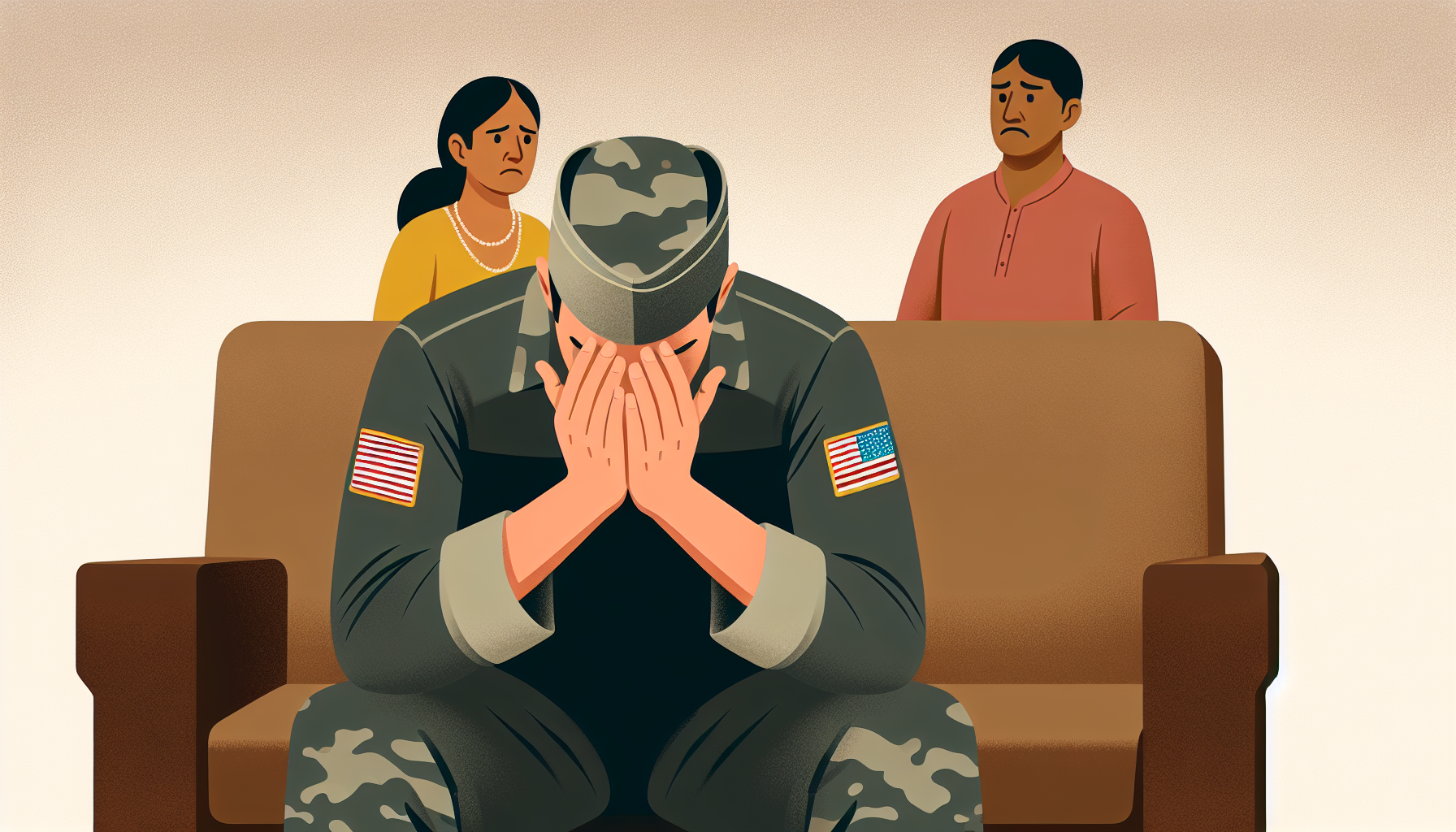
Soldiers experiencing PTSD: One of the most common real-world examples of a distressed person within military operations is soldiers experiencing Post-Traumatic Stress Disorder (PTSD). This disorder may involve symptoms like flashbacks or nightmares about a traumatic event, extreme anxiety and uncontrollable thoughts about the event.

Civilians in Conflict Zones: Civilians living in conflict or war zones often become distressed due to the incessant threats to their life, livelihood, and normal rhythms of living. Military often steps in to provide protection, evacuate distressed persons, or provide provisionary supplies to these distressed civilians.

Prisoners of War: Individuals held captive during military confrontations endure immense distress due to the physical and psychological traumas they go through. The armed forces are usually responsible for the immediate care and repatriation of these individuals following international laws and treaties.

FAQ on Military Operations: Distressed Person

What does the term ‘Distressed Person’ mean in military operations?

In military operation terminology, a ‘Distressed Person’ generally refers to a non-combatant who finds themselves in a situation needing immediate rescue or aid due to unexpected circumstances, such as natural disasters, armed conflict, or other emergencies.

How does the military respond to situations with a Distressed Person?

The military responds to situations with a distressed person through specialized operations, often involving Search and Rescue (SAR) teams, and the implementation of humanitarian law. The nature of the help depends highly on the needs of the distressed person and the circumstances they are under.

Are Distressed Persons always civilians?

While a ‘Distressed Person’ often refers to civilians, it is not limited to them. Anyone who is not currently engaged in combat but requires immediate help due to life-threatening circumstances can be classified as a distressed person. This term could potentially apply to soldiers, aid workers, journalists, or any other individuals present in a conflict zone.

What kind of training does the military undergo to handle Distressed Person scenarios?

Military personnel undergo significant training to handle situations involving distressed persons. This often involves courses on emergency medical skills, crisis negotiation, evacuation procedures, and the principles of international humanitarian law. The goal is to enable them to effectively respond to a wide variety of emergency situations.

What resources can family members of a Distressed Person access for information or assistance?

Family members of distressed persons seeking information or assistance can typically reach out to local military offices, embassies, or consulates, depending on the situation. Many countries also have dedicated hotlines and websites that provide updates and resources for those seeking information about their loved ones in distress.

Related Military Operation Terms

  • PTSD (Post-Traumatic Stress Disorder): A mental health condition that’s triggered by a terrifying event. Many war veterans, and therefore recipients of VA benefits, suffer from this condition.
  • Veterans Crisis Line: A service available to all veterans, even those not enrolled in VA health services. Provides immediate access to mental health crisis intervention and support.
  • Compensation and Pension (C&P) Exam: This exam is often required as part of the process to receive disability benefits. The VA uses this exam to evaluate the veteran’s distress and condition.
  • Disability Compensation: A tax-free monetary benefit paid to veterans with disabilities that are the result of a disease or injury incurred or aggravated during active military service.
  • Veterans Health Administration (VHA): The component of the United States Department of Veteran Affairs that implements the healthcare program of the VA and serves the healthcare needs of distressed persons among veterans.

Sources for More Information

Here are four reliable sources for further information about the term “Distressed Person” in military operations:

  • Department of Defense – The official website of the U.S. Department of Defense. It contains comprehensive information on various military terminologies and operations.
  • U.S. Army – Official website of the United States Army. It has a wide array of articles and resources pertinent to military operations and terms.
  • North Atlantic Treaty Organization (NATO) – The authorized site of NATO, an international military alliance. It offers detailed information on various military concepts and terms.
  • Joint Chiefs of Staff – The official site of the Joint Chiefs of Staff provides a deep insight into military doctrine, including the term “Distressed Person”.

Benefits.com Advisors

With expertise spanning local, state, and federal benefit programs, our team is dedicated to guiding individuals towards the perfect program tailored to their unique circumstances.

Rise to the top with Peak Benefits!

Join our Peak Benefits Newsletter for the latest news, resources, and offers on all things government benefits.

Related Articles

VA SMC R1 Requirements

VASRD 2026 Updates

Social Security Back Pay

SSDI Approval Rate by Age

SSDI Pay Chart 2026

Distribution

Definition

Distribution in military operations refers to the process of allocating and delivering resources and manpower to different sections within the operation. It includes logistics, supply chain management, transportation, and deployment across multiple geographic locations. In essence, it ensures the necessary materials, information, and personnel are correctly distributed where they are needed.

Key Takeaways

  1. Distribution, in military terms, often refers to the process of strategically supplying and moving resources such as personnel, material, and information between different points in military operations. This encompasses planning, inventory, transportation, demand fulfillment, and finally the delivery.
  2. It is a critical aspect of military logistics. Efficient distribution ensures that troops and equipment are supplied adequately at the right time and at the right place. The effectiveness of distribution can greatly influence the outcome of military operations.
  3. The distribution system must be capable of adapting to changing circumstances or requirements, considering factors such as the geographical location, transportation, weather conditions, and even the current tactical situation. Therefore, it involves a deep level of coordination and communication across different levels and units within the military infrastructure.

Importance

The term “Distribution” in military operations is of great importance as it refers to the critical process of delivering resources, personnel, and capabilities across wide-ranging and often remote geographical locations where the military operates.

Given the scope of military activities, efficient distribution system is crucial in ensuring that the forces receive timely and adequate supplies, including weapons, food, medical supplies, and troops.

This process not only supports the ongoing operational readiness, but also contributes to achieving strategic goals during military missions.

Missteps or inefficiencies in distribution can lead to operational breakdowns, ultimately impacting the effectiveness of the military operations.

Therefore, “Distribution” is a vital component in the successful execution of military operations.

Explanation

Distribution in military operations refers to a systematic process employed to deliver personnel, resources, and services from one location to another. It’s an essential component of logistics that directly contributes to bringing all necessary supplies – from ammunition to sustenance to fuel – to the right place at the right time.

The central purpose of distribution is to ensure smooth, continuous, and efficient flow of resources, thus enabling an effective military response and supporting military objectives. To do this, it involves various interconnected activities like transportation, material handling, warehousing, inventory control, and order fulfillment.

Military operations depend heavily on an effective distribution system to ensure both short-term tactical success and long-term strategic victory. For example, during combat, it is vital that troops on the ground receive timely supplies of food, equipment, medical supplies, and ammunition.

These complex operations often require extreme precision and meticulous planning. Therefore, distribution is at the heart of military logistics, it plays a vital role in maintaining combat readiness, sustaining operations, and supporting missions effectively.

Examples of Distribution

Operation Enduring Freedom: This was a military operation by U.S. and allied forces in Afghanistan. Distribution was key for ensuring troops had necessary supplies like food, water, and ammunition. Supply chains were established from the U.S. to bases in or near Afghanistan, ensuring these resources were distributed effectively.

Operation Iraqi Freedom: During this military operation in Iraq, U.S. military forces focused on establishing effective distribution systems to ensure soldiers had necessary supplies, such as body armor, food, and gasoline for their vehicles.

World War II Pacific Theater: The U.S. military had to establish a complex distribution system for moving troops and supplies across the Pacific Ocean. This included building infrastructure like airfields and ports, and organizing shipping routes for distributing supplies and reinforcements to various islands. This played a crucial role in the success of the military operation.

FAQs about Military Operations: Distribution

What is distribution in military operations?

Distribution in military operations refers to the process of delivering resources in a timely and efficient manner among military bodies. This could be anything from personnel, weaponry, ammunition, food and other types of supplies required during military operations.

Why is distribution important in military operations?

Distribution is paramount in military operations because it impacts the efficiency and effectiveness of every military operation. A well-organized distribution system ensures every unit has the supplies and personnel they need, at the right times and in the right places. This not only impacts the successful execution of operations but also the safety and morale of the troops involved.

What challenges are faced with distribution in military operations?

The distribution process in military operations faces a number of challenges. These could range from logistical issues to technical hitches. Moving large quantities of supplies to often remote or hostile locations can be complex. Real-time communication and coordination between different units may also be a challenge. Therefore, planning and properly managing distribution can significantly enhance the overall efficiency of a military operation.

How has technology impacted distribution in military operations?

Technology has immensely reshaped the manner in which distribution is handled in military operations. With advancements in technology, real-time tracking, more efficient communication and improved logistics systems have greatly enhanced the ability to plan and implement distribution strategies. Through technology, it is now possible to deploy resources to exactly where they are needed, quickly and cost-effectively.

What skills are needed for organizing and managing distribution in military operations?

The skills required for managing distributions in military operations may include strategic planning, resource management, logistics, efficient communication, and sometimes, skills in relevant technology. Effectively managing distribution also often requires the ability to anticipate future needs and possible challenges, and to plan accordingly.

Related Military Operation Terms

  • Benefit Allocation
  • Pension Disbursement
  • Veteran’s Compensation Payment
  • Education Benefit Distribution
  • Healthcare Benefit Release

Sources for More Information

Sure, here are four reliable sources to learn more about the military operations term “Distribution”:

  • Joint Chiefs of Staff: Official website of the U.S Joint Chiefs of Staff where you can find information about military operations and terms.
  • U.S. Department of Defense: The official website of the United States Department of Defense. This site can offer articles, reports, and updates related to military operations.
  • U.S. Army: Official website of the United States Army. Detailed and specific information about army logistics and operations can be found here.
  • Marine Corps University: An educational organization within the United States Marine Corps which can provide academic perspectives and in-depth analysis of military terms and tactics.

Benefits.com Advisors

With expertise spanning local, state, and federal benefit programs, our team is dedicated to guiding individuals towards the perfect program tailored to their unique circumstances.

Rise to the top with Peak Benefits!

Join our Peak Benefits Newsletter for the latest news, resources, and offers on all things government benefits.

Related Articles

VA SMC R1 Requirements

VASRD 2026 Updates

Social Security Back Pay

SSDI Approval Rate by Age

SSDI Pay Chart 2026

Distribution manager

Definition

A distribution manager in military operations refers to a designated individual who is responsible for the process involving the supply, delivery, and movement of material, personnel, and other related aspects within a military framework. This individual oversees and coordinates logistics to ensure effective and efficient distribution in the field. Their tasks include planning, implementing, and controlling procedures for the efficient flow of goods and resources.

Key Takeaways

  1. The Distribution Manager in military operations is responsible for planning, organizing, and overseeing the distribution of supplies and materials to all military departments or units.
  2. This role includes the management and tracking of all inventory, ensuring that supplies reach their designated locations accurately and on time. They use complex logistics and supply chain strategies to achieve these objectives.
  3. The Distribution Manager also plays a pivotal role in formulating and implementing strategies to improve operational efficiency, cost-effectiveness, and service quality in the supply chain process within military operations.

Importance

The role of a Distribution Manager in military operations is critical as they ensure an efficient and effective flow of resources, supplies, and information from their point of origin to the point of consumption, often across wide geographic areas.

This includes ensuring the safe and timely delivery of essential goods – such as ammunition, fuel, food, or medical supplies – to soldiers on the battlefield.

Furthermore, good distribution management contributes to strategic planning, as it helps maintain operational readiness and sustainability of the forces, while also minimizing waste or loss of resources.

Hence, a Distribution Manager plays a fundamental role in overall logistics management, ultimately influencing the success of military operations.

Explanation

The purpose of a distribution manager within military operations is vital for ensuring a smooth, efficient and timely delivery of supplies, goods and resources. This position plays a central role in ensuring that the military unit or formation they serve has every necessary item, from weapons and ammunition to foodstuffs and medical supplies.

The role involves overseeing the supply chain, scheduling deliveries, monitoring stock levels, and determining supply needs. In essence, their role is about planning, organizing and overseeing the movement of those goods to ensure that the right item gets to the right place at the right time.

Moreover, the distribution manager in military operations is in charge of coordinating with different parties, both internal and external, to facilitate and regulate the supply process. They liaise with suppliers and transport companies, manage logistical challenges, predict potential issues and devise solutions to mitigate them, all while adhering strictly to established procurement rules and regulations.

Their purpose extends beyond mere management, as they must also be strategic planners anticipating needs, potential problems, and required responses. Therefore, a distribution manager serves a pivotal role in ensuring the functionality and readiness of a military unit, contributing significantly to the success of their mission.

Examples of Distribution manager

U.S. Army Logistics Command: In the United States Army, the primary distribution manager might be found within the U.S. Army Logistics Command. This part of the military organization is responsible for the distribution of supplies, equipment, and personnel to various locations where the military operates.

NATO’s Distribution Management: The North Atlantic Treaty Organization (NATO) also has distribution managers who plan, deliver, track and optimize the flow of resources such as ammunition, food, medical supplies, vehicles, and other necessary items. They’re often the ones who ensure the smooth management of transportation, distribution, and logistical services within the organization in different parts of the world.

Deployment Distribution Operations Center (DDOC): The DDOC, operated by the United States Transportation Command, is yet another example. This entity manages the distribution and redeployment of military units and supplies across the globe. The manager’s responsibility here would be to ensure that the right assets are delivered to the right place at the right time.

Frequently Asked Questions about the Distribution Manager in Military Operations

What is the role of a distribution manager in military operations?

The distribution manager is responsible for the effective coordination, organization, tracking, and distribution of military resources and supplies. They ensure that materials get to where they are needed on time and in an efficient manner.

What skills are required for a distribution manager in military operations?

Key skills for a distribution manager include strong leadership, strategic planning, emphasis on safety, excellent organizational skills, and the ability to work under pressure. Knowledge of logistics software and understanding of the military supply chain processes are also important.

Is there any specific training for a distribution manager in military operations?

Yes, specific training is generally provided by the military since distribution management in the armed forces can be significantly different from civilian distribution management. This could include training in logistics software, supply chain management, resource allocation, and strategies for distribution in challenging or combat situations.

What are the challenges faces by a distribution manager in military operations?

Some of the challenges faced by distribution managers in military operations include ensuring effective distribution in difficult terrains or combat zones, coping with the demands of rapid resource allocation, and managing distribution while maintaining the quality and safety of the supplies.

Can a civilian be a distribution manager in military operations?

Typically, most military roles, including that of a distribution manager, are filled by enlisted personnel or officers. However, in some unique circumstances, such as cooperation between the military and a civilian organization, a civilian may act in a similar capacity.

Related Military Operation Terms

  • Inventory Control
  • Supply Chain Management
  • Logistics Coordination
  • Fulfillment Operations
  • Warehouse Management

Sources for More Information

  • U.S. Department of Defense: The official website of the U.S Department of Defense, where you can gain a lot of insights into various military operations including the role of Distribution Manager.
  • U.S. Army: The official website of U.S. Army gives detailed info about various military ranks, roles, and responsibilities, including Distribution Manager.
  • Defense Logistics Agency: This website directly deals with military logistics, and hence, you could find detailed info about the role and duties of a Distribution Manager.
  • U.S. Air Force Academy: An educational institution focused on military leadership and management. It provides many resources and insights into the operative roles within the military, including distribution management.

Benefits.com Advisors

With expertise spanning local, state, and federal benefit programs, our team is dedicated to guiding individuals towards the perfect program tailored to their unique circumstances.

Rise to the top with Peak Benefits!

Join our Peak Benefits Newsletter for the latest news, resources, and offers on all things government benefits.
Related Articles

VA SMC R1 Requirements

VASRD 2026 Updates

Social Security Back Pay

SSDI Approval Rate by Age

SSDI Pay Chart 2026

Distribution pipeline

Definition

The distribution pipeline, in military operations, refers to a system of arranging and managing the delivery of supplies, personnel or resources from the point of origin to their end-use locations. It involves meticulous planning and coordination of transportation, storage, and handling procedures. This pipeline is essential in ensuring a smooth, uninterrupted supply of resources, vital for the efficient functioning of the military.

Key Takeaways

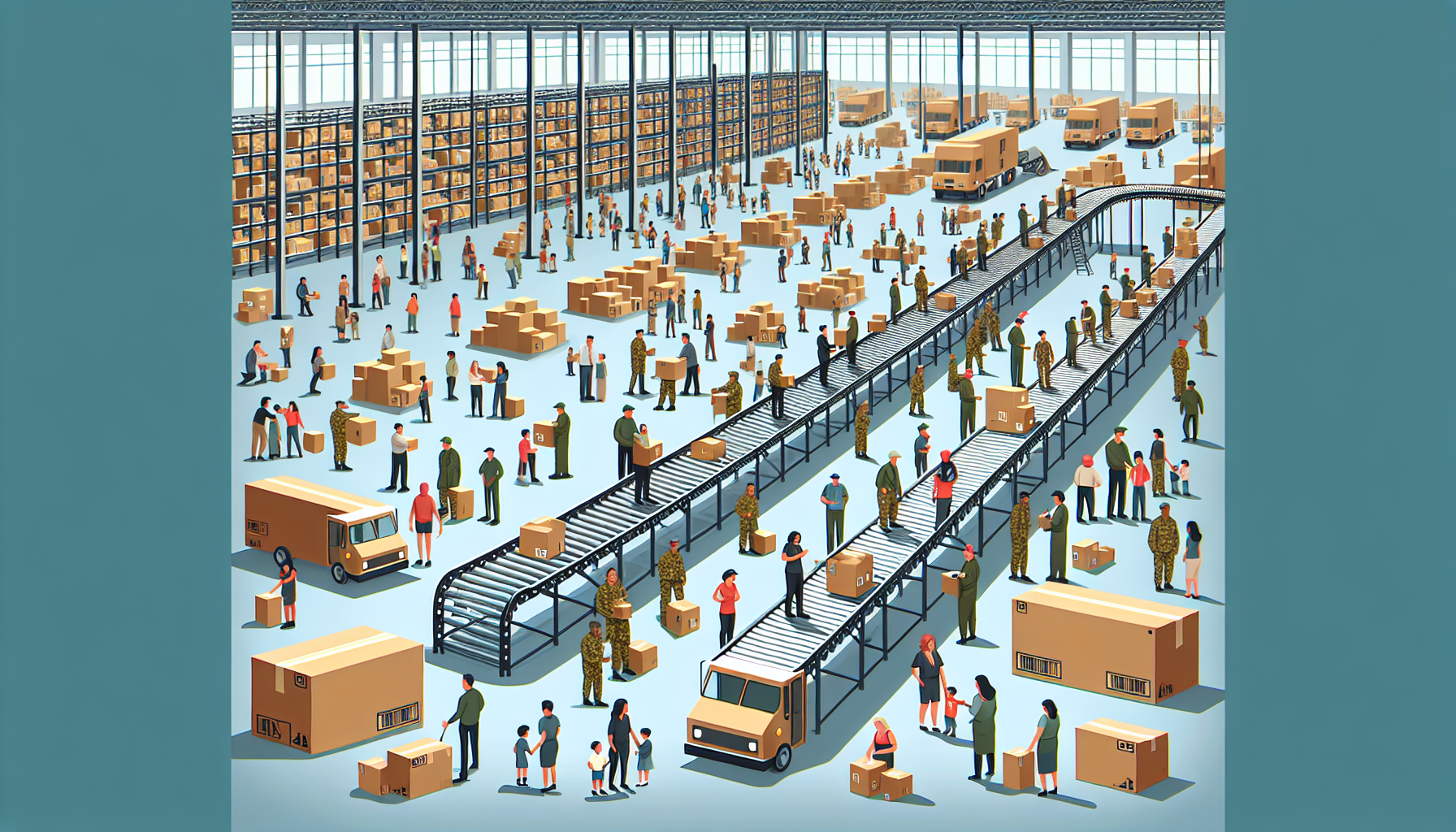
  1. The distribution pipeline in military operations refers to a system that ensures the delivery of logistics from one point to the next. It’s a complex network that is designed to supply soldiers with everything they need including fuel, food, ammunition, and other supplies.
  2. This term not only pertains to physical distribution of goods but also the efficient communication of information. This might involve organizing, processing, and transmitting necessary reports and updates to ensure the smooth operation of military processes.
  3. The success of the distribution pipeline is focused on effective management and strategic organization. If the distribution pipeline is disrupted or damaged, operations can be hindered. Thus, ensuring its efficiency and security is vital in military operations.

Importance

The term “distribution pipeline” in military operations is crucial because it refers to the complex network of supply chains responsible for transporting vital resources – weapons, fuel, food, and other necessities – from their sources to the frontline forces.

It’s a significant term because the efficiency and reliability of this pipeline directly impact the operational readiness and combat effectiveness of military units.

A well-maintained distribution pipeline ensures that all logistics demands are met promptly and accurately, reducing downtime, thereby increasing the chances of success in any military operation.

Furthermore, it symbolizes the logistical strategy’s fluidity and adaptability, responding quickly to the ever-changing dynamics of the battlefield.

Explanation

The distribution pipeline plays an essential function in military operations, mainly associated with the purpose of logistic management. This term revolves around the systematic and managed flow of resources, ranging from equipment, food, fuel, ammunition, to military personnel, from their point of departure to their intended destination.

Essentially, it ensures the smooth transit and delivery of these elements, crucial for military functioning, to the required areas in a time-bound manner. This efficient coordination greatly aids timely decision-making and enhances the overall military response in various strategic contexts.

More importantly, the primary goal of a distribution pipeline in military operations is to enable readiness and improve the effectiveness of military forces. It serves as the backbone of supply chain management by establishing an unimpeded flow of resources, regardless of geographic or environmental challenges, thus ensuring that the troops deployed in different parts of the world can continue their operations without any supply-related disruptions.

The ability of the distribution pipeline to adapt quickly to changes or issues, might significantly impact the outcome of the mission or operation. The emphasis is always on maintaining a reliable, adaptable, and resilient pipeline, that is able to respond swiftly to the dynamic demands of military operations.

Examples of Distribution pipeline

Military Food Supply Chain: One of the most crucial aspects of any military operation is the distribution and supply of meals to soldiers. Armies often have a vast and complex food supply chain, known as the distribution pipeline, which includes steps like procurement, transportation, storage, and distribution to ensure every soldier in different regions and war zones gets nutritious meals on time.

Ammunition and Arms Supply: Military or defense operations require optimal, efficient, and reliable distribution pipelines to deliver ammunition as well as arms to troops stationed in various parts of the world. This distribution pipeline might encompass processes such as procurement from various suppliers, assessment and quality check, storage in secure locations, and the eventual distribution to different military outposts or during the time of war or conflict.

Military Medicines and Medical Supplies: The distribution pipeline for military health and medical service is essential, especially during operations where medical resources might be required urgently. This pipeline presents a chain of activities such as purchasing or manufacturing, quality checks, storage, and distribution throughout the military hospitals, mobile medical units, and military bases to make sure they are available when needed.

FAQs about Distribution Pipeline in Military Operations

What is a Distribution Pipeline in military operations?

A Distribution Pipeline in military operations refers to the systematic flow of resources and equipment from the point of origin to their final destination. This pipeline facilitates the necessary movement of goods needed for the functionality of military operations.

Why is the Distribution Pipeline important?

The Distribution Pipeline is crucial in military operations as it ensures that necessary supplies, personnel, and equipment are available where and when they’re needed. This contributes to the effectiveness and efficiency of military campaigns.

What are the common challenges associated with Distribution Pipeline?

The common challenges associated with distribution pipelines in military operations can include logistics and supply chain coordination, transportation of goods under potentially hostile or challenging conditions, and ensuring timely delivery. Additionally, maintaining the security and integrity of the pipeline can be of utmost concern during war-time scenarios.

How can we enhance the efficiency of the Distribution Pipeline?

Efficiency of the Distribution Pipeline can be enhanced by incorporating advanced technologies for logistics and supply chain management, predictive analytics for demand forecasting, real-time tracking for better transparency, and regular auditing and training of personnel involved.

Is the Distribution Pipeline only exclusive to military operations?

No, the concept of a Distribution Pipeline is not exclusive to military operations. It’s a broad term used in supply chain management across various industries including but not limited to manufacturing, retail, healthcare etc. However, in the context of military operations, it assumes specific significance due to the high stakes involved.

Related Military Operation Terms

  • Veteran’s Compensation
  • Pension Benefits
  • Education and Training Benefits
  • Healthcare Coverage
  • Home Loan Guarantees

Sources for More Information

  • Department of Defense: This is the official homepage of the U.S. Department of Defense and you can get a lot of information about military operations here.
  • Global Security: This website provides up-to-date and in-depth coverage of military, security, and intelligence topics, including the topic of distribution pipelines.
  • RAND Corporation: This organization conducts research and analysis on a wide range of topics, including military logistics and distribution pipelines.
  • Joint Chiefs of Staff : This is the homepage of the Joint Chiefs of Staff, and it contains a wealth of information about U.S. military operations.

Benefits.com Advisors

With expertise spanning local, state, and federal benefit programs, our team is dedicated to guiding individuals towards the perfect program tailored to their unique circumstances.

Rise to the top with Peak Benefits!

Join our Peak Benefits Newsletter for the latest news, resources, and offers on all things government benefits.
Related Articles

VA SMC R1 Requirements

VASRD 2026 Updates

Social Security Back Pay

SSDI Approval Rate by Age

SSDI Pay Chart 2026

Distribution plan

Definition

A distribution plan in military operations refers to a strategic method detailing how resources, such as personnel, equipment, and supplies, are to be allocated and transported to specified locations. It directs the flow of materials, goods, or services from source to destination efficiently. The plan ensures all necessary resources reach the right place at the right time to support combat operations.

Key Takeaways

  1. A Distribution Plan in military operations refers to the coordinated, comprehensive plan that outlines the logistics of moving personnel, equipment, and supplies to and from different locations.
  2. This plan is critical for the successful execution of missions and operations, ensuring that all resources are effectively and efficiently utilized and delivered to the right place at the right time.
  3. Creating a robust Distribution Plan requires strategic planning, taking into account factors like location, transportation methods, resources, timelines and potential risks or challenges.

Importance

A Distribution Plan in military operations is crucial because it outlines the strategic allocation and movement of personnel, equipment, and supplies required for the successful completion of a mission.

It serves as a roadmap, detailing when, where, and how resources should be deployed.

The effectiveness of a distribution plan directly impacts the ability of a military unit to maintain readiness, operational efficiency, and sustainment.

It ensures that all resources are optimized, and logistical challenges are mitigated ahead of time.

Without a well-crafted Distribution Plan, coordinated efforts and timely responses in military operations could be seriously compromised, affecting the overall mission success.

Explanation

The purpose of a distribution plan in military operations is to orchestrate a systematic and efficient movement and delivery of resources to where they are needed the most in the field. This might involve the deployment of troops, delivery of equipment, food, medical supplies, or any other essential materials.

These distribution plans are essential for maintaining logistical support in both peace time and during war situations. Moreover, a distribution plan serves as a dynamic blueprint of logistical and supply chain activities in the military theatre.

It aids in forecasting and identifying the potential requirements and ensures that they are met timely and accurately. It outlines the pathway and the protocols to be followed for transferring ammunition, equipment, and manpower from one point to another.

Thus, these plans are integral to operational success in military missions, maintaining operational readiness, and ensuring the welfare and survivability of the forces involved.

Examples of Distribution plan

Operation Enduring Freedom: A significant example of a distribution plan used in a military operation was during the United States’ Operation Enduring Freedom in Afghanistan in

The plan involved the coordination and distribution of resources such as ammunition, food, medical supplies, and soldiers throughout various military bases in Afghanistan. The plan was instrumental in ensuring the resources were timely and efficiently distributed to where they were needed the most.

Operation Desert Storm: During the Gulf War, the U.S. military operation “Desert Storm” had a highly detailed and successful distribution plan. This plan ensured supplies, equipment, and personnel were effectively distributed from the U.S. and across the Middle East. This complex plan included careful coordination of sea, air, and land resources.

Operation Overlord (D-Day): D-Day, the allied invasion of Normandy during World War II, required an incredibly complex distribution plan. Millions of troops, along with their necessary supplies and equipment, were transported across the English Channel and distributed to specific locations on the beach. The plan encompassed fuel, ammunition, food, medical supplies, and transportation vehicles to support the troops in their mission. The operation was one of the largest amphibious military assaults in history and required intricate planning and logistics for effective distribution.

FAQs about Distribution Plan

What is a Distribution Plan?

A distribution plan is a strategic document that outlines how your military operations will distribute its goods or services to its various end users. This can include strategies around transportation, storage, and delivery.

Why is a Distribution Plan important?

A well-strategized distribution plan is crucial in military operations. It ensures supplies and services get to where they are most needed in a timely and efficient manner, aiding in the successful completion of missions and operations.

What does a Distribution Plan include?

Typically, a distribution plan includes details about the nature of the goods or services being distributed, the locations they need to reach, transportation methods, storage facilities, and designated delivery routes and schedules.

How is a Distribution Plan created?

The creation of a distribution plan involves careful analysis of multiple factors including the needs of the operation, available resources, logistics, potential challenges, etc. Distribution plans are often developed by logistics and operations experts with input from the strategic leaders of an operation.

What are the potential challenges in a Distribution Plan?

Potential challenges in executing a distribution plan can exist in various forms; some common ones are unpredictable weather conditions, dangerous conflict zones, inefficient transportation modes, logistical errors, or insufficient storage facilities. A good distribution plan anticipates these challenges and includes strategies to mitigate them.

Related Military Operation Terms

  • Benefit Entitlement
  • Post-Service Benefits
  • Disability Compensation
  • Educational Assistance
  • Pension Plan

Sources for More Information

  • Joint Chiefs of Staff: They are the primary military advisory group to the President of the United States, and their website often includes helpful military terminology and policy explanations.
  • U.S. Department of Defense: This is the official site of the Department of Defense and it robustly covers military operations, policies and terms like the Distribution Plan.
  • U.S. Army: The U.S. Army’s official website includes a vast library of doctrines, manuals and articles that usually have detailed explanations of military terms.
  • U.S. Naval War College: An institution that offers research and education on naval warfare and the broader issues associated with defense. Best utilized for understanding the strategic implications of terms like Distribution Plan.

Benefits.com Advisors

With expertise spanning local, state, and federal benefit programs, our team is dedicated to guiding individuals towards the perfect program tailored to their unique circumstances.

Rise to the top with Peak Benefits!

Join our Peak Benefits Newsletter for the latest news, resources, and offers on all things government benefits.

Related Articles

VA SMC R1 Requirements

VASRD 2026 Updates

Social Security Back Pay

SSDI Approval Rate by Age

SSDI Pay Chart 2026

x