







We are privately owned and not affiliated or endorsed by any government agency.

Take the Benefits Quiz

Directive authority for logistics (DAFL)

Definition

Directive Authority for Logistics (DAFL) is a term used in military operations, referring to the authority given to a commander to govern and direct specific logistical functions within the command’s jurisdiction. The authority includes the ability to order and control logistics capabilities to ensure successful mission execution. However, the distribution and extent of DAFL depends on the mission requirements and resources at hand.

Key Takeaways

  1. Directive Authority for Logistics (DAFL) refers to the authority that within a military operation gives the command the ability to direct appropriate logistical measures and operations to adequately support their forces.
  2. DAFL assigns responsibilities for logistics functions and balances the need to support operational requirements with the efficient use of resources. It ensures that the assigned forces have the crucial logistical support they require to execute their mission.
  3. This authority generally lies with a senior commander who can direct logistics across the entities under their command, ensuring all components of the military operation are well-supplied and ready for action.

Importance

Directive Authority for Logistics (DAFL) is a crucial military operations term due to its role in enabling effective coordination and management of logistics within joint operations.

It provides a designated officer with the authority to issue directives related to logistics to ensure synchronization and integration across various units and services.

This ensures that all logistician services, including transportation, medical support, and supplies amongst others, are effectively coordinated without jurisdictional disputes.

The consistent and efficient flow of supplies and reinforcement is vital, as it directly influences the operational readiness and the ability of the military to execute its missions effectively.

Thus, the importance of DAFL lies in its function as a principal mechanism for the integration of logistics, which is central to the success of military operations.

Explanation

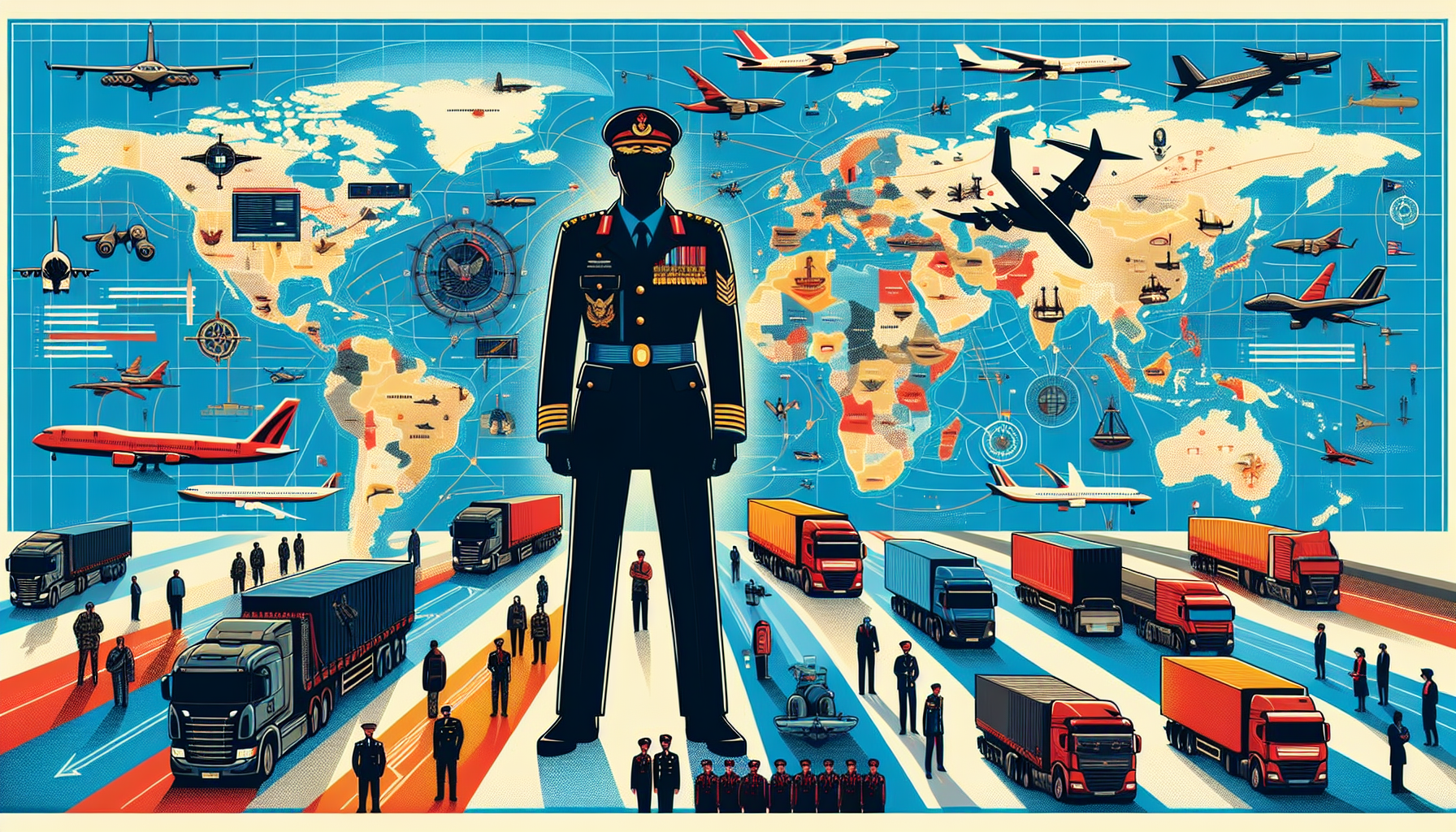
The Directive Authority for Logistics (DAFL) is a vital aspect of military operations, as it serves to streamline and regulate the overall logistics of an operation. DAFL’s primary purpose is to ensure that there is a centralized command overseeing the logistical needs of an operation.

Its role includes the direction of logistics capabilities and resources in support of military missions. This command comprehensively embraces aspects such as procurement, transportation, maintenance, operation of certain services, health services, and the allocation of available resources.

In terms of its usage, DAFL plays a key role in effective planning, coordinating, and execution of military operations. By directing the logistics responsibilities in a comprehensive manner, the DAFL guarantees that military operational needs are met in the most efficient, timely and cost-effective way possible.

In other words, its principle operation is endowing a single authority to unify and synchronize logistics efforts by eliminating the possible confusion and redundancy that might result from shared commands. Therefore, DAFL is essential in enhancing readiness, supporting sustained operations and enabling optimal employments of forces.

Examples of Directive authority for logistics (DAFL)

Operation Desert Storm (1991) – In this military operation, the United States and its allies deployed a huge number of forces in a short period of time to counter Iraq’s invasion of Kuwait. The U.S Central Command exercised DAFL by controlling and directing all logistical activities such as transport, supply, and services that were necessary for the operation. Using DAFL ensured that logistics resources were provided to the right place at the right time and in the required quantities.

The Afghanistan War (2001-Present) – The North Atlantic Treaty Organization (NATO) has exercised DAFL through the International Security Assistance Force (ISAF) and Resolute Support Mission (RSM). This logistical authority allowed NATO to synchronize the logistical efforts of the coalition forces in Afghanistan for sustained offensive operations against the Taliban and other hostile forces.

Operation Unified Protector (2011) – In this NATO-led operation in Libya, DAFL was used to manage the use of military logistics resources of participating nations. From coordinating the delivery of ammunition and other supplies, to ensuring fuel availability for aerial sorties, DAFL played a critical role in executing NATO’s mandate in the Libyan conflict. In these examples, Directive Authority for Logistics plays a critical role in ensuring coordinated and efficient supply and support for military forces in the field.

FAQs on Directive Authority for Logistics (DAFL)

1. What is Directive Authority for Logistics (DAFL)?

Directive Authority for Logistics (DAFL) is the authority given to a military leader to direct logistics operations under their command to perform specific missions. This includes reallocating resources, modifying current processes, and overseeing logistical operations to ensure efficiency and effectiveness.

2. Which military rank does DAFL typically apply to?

DAFL typically applies to personnel at the level of General or Admiral, coming under the command of a Unified Combatant Command (UCC). The range of authority may vary by context, mission, and the specific rules of engagement for a given operation.

3. What responsibilities come with DAFL?

Responsibilities under DAFL include planning, coordinating, synchronizing, and overseeing the execution of logistics operations under one’s command. This might include managing supply chains, overseeing transportation of equipment and personnel, and ensuring resources are allocated efficiently to meet mission objectives.

4. Does DAFL include authority over civilian logistics structures?

Generally, DAFL does not give authority over civilian entities unless explicitly stated under specific rules of execution. The primary focus is on military logistics operations. However, in some cases, DAFL may extend to joint military and civilian operations when specified by higher command.

5. How does DAFL contribute to the effectiveness of military operations?

DAFL allows for streamlined, effective, and expedient logistics operations by granting authority to a single commander. This helps to avoid duplication of effort, ensures resources are used optimally, and facilitates quick decision-making and operational flexibility.

Related Military Operation Terms

  • Resource Allocation: The process of assigning and managing assets in a manner that supports DAFL.
  • Asset Management: The systematic process of operating, maintaining, upgrading, and disposing of assets related to DAFL in the most cost-efficient way.
  • Logistics Policy: Guidelines and regulations that oversee the implementation of DAFL.
  • Supply Chain Management: The oversight of materials, information, and finances related to DAFL.
  • Logistics Operations: The planning and execution of the physical flow of goods and services in support of DAFL.

Sources for More Information

  • Joint Chiefs of Staff: This official U.S. Department of Defense entity is a reliable, authoritative source for military operations terminology including DAFL.
  • U.S. Department of Defense: The official site of Department of Defense often provides definitions and explanations of various military terms and concepts.
  • U.S. Navy: The Navy’s site could provide information about DAFL in the naval context.
  • GlobalSecurity.org: This non-profit organization provides broad coverage of security-related information including military operations terms like DAFL.

Benefits.com Advisors

With expertise spanning local, state, and federal benefit programs, our team is dedicated to guiding individuals towards the perfect program tailored to their unique circumstances.

Rise to the top with Peak Benefits!

Join our Peak Benefits Newsletter for the latest news, resources, and offers on all things government benefits.


Related Articles

VA SMC R1 Requirements

VASRD 2026 Updates

Social Security Back Pay

SSDI Approval Rate by Age

SSDI Pay Chart 2026

Direct liaison authorized (DIRLAUTH)

Definition

Direct Liaison Authorized (DIRLAUTH) is a military term indicating that permission has been given for direct communication or coordination between different units, command levels, or organizations. This usually pertains to specific matters or topics, and is often used to expedite the flow of information and promote efficiency. However, it doesn’t signify a transfer of authority or change in the chain of command.

Key Takeaways

  1. Direct liaison authorized (DIRLAUTH) is a term used in military operations to indicate that the lower command levels have the authority to directly coordinate actions relating to operational matters with each other.
  2. DIRLAUTH is an efficient way of maintaining communication and coordinating tasks because it bypasses intermediate command levels, reducing the time taken to send and receive orders or important information.
  3. The use of DIRLAUTH requires a strict adherence to the chain of command and should not lead to the bypassing of the authority of any commanding officer. It is only used when the situation makes it necessary and is usually outlined in operational orders or plans.

Importance

The military operations term “Direct Liaison Authorized”, often abbreviated as DIRLAUTH, is significantly important due to its role in enhancing communication, coordination, and efficiency in operations.

DIRLAUTH allows the authorized units, agencies, or personnel to directly coordinate and exchange information with each other, bypassing the usual chain of command.

By doing so, it facilitates quicker decision-making processes, promotes inter-departmental collaboration, and ensures the immediate relay and receipt of crucial, time-sensitive information.

Thus, DIRLAUTH is vital for operational flexibility, adaptability, and maintaining a rapid tempo of operations in a complex and dynamic military environment.

Explanation

The term Direct Liaison Authorized (DIRLAUTH) refers to a permission that allows direct coordination and communication between corresponding levels of departments or units within the military structure. Its fundamental purpose is to facilitate a more efficient and effective exchange of tactical information necessary for the timely execution of operations.

In essence, it bypasses the usual hierarchical communication chain which can sometimes delay the relay of essential information. DIRLAUTH is typically used in complex operations where different military units or services need a more immediate exchange of information or coordination without going through regular chain of command protocols.

It eases the coordination efforts in joint operations, promotes interoperability, and ensures all necessary teams have access to relevant and time-sensitive information directly from the source. Importantly, DIRLAUTH does not override or remove the normal chain of command but essentially supplements it in cases where a direct exchange of information is most efficient or necessary.

However, it is crucial that the appropriate military leaders are kept aware of any essential communications made under DIRLAUTH to maintain integrity and synchronization within the operations.

Examples of Direct liaison authorized (DIRLAUTH)

NATO Exercises: Within multinational NATO exercises, the participating countries may authorize direct liaison (DIRLAUTH) between their respective military units. This communication authorization not only enhances cooperation and understanding, but it also strengthens the planning and execution of the joint operations.

Joint Military Operations: During joint military operations, DIRLAUTH may be enacted. For example, during the Operation Desert Storm, the US-led coalition engaged in direct liaison authorization with various partner countries’ forces for effective coordination on the battlefield. This ensured timely flow of accurate information between different military hierarchies, contributing to the successful outcome.

Humanitarian Assistance and Disaster Relief Operations: During significant humanitarian crises, military forces often serve as first responders and are in Direct Liaison Authorized (DIRLAUTH) status with multiple agencies and non-government organizations. For example, in the aftermath of the 2010 earthquake in Haiti, various military forces from around the world had DIRLAUTH to work directly with humanitarian organizations, including the United Nations agencies, Red Cross, etc. This facilitated coordinated and effective responses to disaster relief efforts.

FAQ: Direct Liaison Authorized (DIRLAUTH)

What Does DIRLAUTH Mean In Military Operations?

DIRLAUTH stands for Direct Liaison Authorized. It’s a term used in military operations that gives permission to liaise directly with an agency or person without having to go through the regular channels or hierarchy. It encourages effective cooperation and communication in certain situations requiring immediate attention.

When Is DIRLAUTH Typically Used?

DIRLAUTH is typically used during military operations when quick decisions are necessary. It enables direct and faster communication, bypassing the traditional hierarchical routes. It is often used during intense or complex operations where prompt decisions can significantly influence the outcome of the operation.

Does DIRLAUTH Overrule the Existing Command Hierarchy?

No. While DIRLAUTH allows for direct communication, it doesn’t overrule or disrupt the existing command hierarchy. It is simply a tool for efficient communication in specific situations and should be used while respecting the existing chain of command. Leadership should always be notified of these communications to maintain coordination and control.

What Are The Advantages Of Using DIRLAUTH In Military Operations?

DIRLAUTH allows for faster decision-making processes by enabling immediate communication with necessary personnel irrespective of rank or position in the hierarchy. This not only ensures swift action when required but also promotes the real-time exchange of critical information and perspectives necessary for a successful operation. However, it should be used judiciously to avoid miscommunication or misunderstanding.

Can Any Personnel Receive DIRLAUTH?

DIRLAUTH is usually granted based on the individual’s role and their alertness to handle crucial situations without having to wait for the chain of command. Commonly, commanders or key personnel involved directly in a mission or operation might be given this authority. It’s typically not a blanket authorization but granted on a case-by-case basis.

Related Military Operation Terms

  • Veteran’s Affairs (VA)
  • Benefits Eligibility Screening
  • Service-Connected Disability
  • VA Pensions
  • Appealing VA Decisions

Sources for More Information

  • Joint Chiefs of Staff: The official website of the U.S Joint Chiefs of Staff. Here you can find various resources regarding military terms, strategies, and doctrine, including DIRLAUTH.
  • NATO: Official site of the North Atlantic Treaty Organisation. It provides access to several resources on NATO military terminologies including DIRLAUTH.
  • U.S. Department of Defense: This is the main source of information about U.S military terms, operations, and much more, which should include DIRLAUTH.
  • United States Army: The official site for the US Army gives insight into various military operations including the use of terms like DIRLAUTH.

Benefits.com Advisors

With expertise spanning local, state, and federal benefit programs, our team is dedicated to guiding individuals towards the perfect program tailored to their unique circumstances.

Rise to the top with Peak Benefits!

Join our Peak Benefits Newsletter for the latest news, resources, and offers on all things government benefits.

Related Articles

VA SMC R1 Requirements

VASRD 2026 Updates

Social Security Back Pay

SSDI Approval Rate by Age

SSDI Pay Chart 2026

Director of mobility forces (DIRMOBFOR)

Definition

The Director of Mobility Forces (DIRMOBFOR) is a designated officer in charge of coordinating strategic and tactical airlift, air refueling, and aeromedical evacuation for a specific theater of operations within the United States military. This individual is responsible for advising the joint force air component commander (JFACC) on operations planning and execution related to airlift and air mobility. DIRMOBFOR is key to ensuring efficient and effective use of air mobility assets in military operations.

Key Takeaways

  1. The Director of Mobility Forces (DIRMOBFOR) is a senior officer who is responsible for coordinating strategic and theater airlift operations, air refueling, and aeromedical evacuation. This includes tasks like coordinating the right aircraft for the job, managing requests, and ensuring smooth spectrum of operations.
  2. DIRMOBFOR acts as a principal advisor to the Joint Force Air Component Commander (JFACC) and supports the JFACC in maintaining complete oversight over air mobility forces. This involves reporting on the posture, readiness, and employment of air mobility assets within the theater.
  3. Finally, the DIRMOBFOR plays an essential role in planning, coordinating, tasking, and controlling trainings and missions. This officer is responsible for adapting to ever-changing operational environments, making strategic decisions to ensure mission success, and safeguarding the wellbeing of all men and women in the mobility forces.

Importance

The term Director of Mobility Forces (DIRMOBFOR) is significant in military operations because it denotes a key leadership position that oversees and controls air mobility elements within a theater.

The DIRMOBFOR is primarily responsible for the effective planning, coordination, and execution of air mobility operations which include airlift, air refueling, and aeromedical evacuation.

They act as a liaison between the commander, the Air Operations Center (AOC), and other components of the force, ensuring effective and efficient use of air mobility resources.

Therefore, the effectiveness of a DIRMOBFOR can significantly impact the outcome of a mission or operation, making this role crucial in military operations.

Explanation

The Director of Mobility Forces (DIRMOBFOR) plays a key role within the military operations in maintaining the seamless execution of air mobility. More specifically, this position is predominantly oriented towards ensuring the effective and efficient coordination, integration and management of all air mobility assets within a specified theatre of operations.

The individual appointed in this role has a key purpose of providing expertise on all aspects of air mobility operations, intended to aid in achieving a maximum operational advantage. This includes roles in planning, executing and controlling air mobility missions that may encompass aerial refueling, air evacuation and airlift missions.

Moreover, a DIRMOBFOR also serves as a critical link between the air mobility operations and the Joint Force Air Component Commander, or JFACC. The JFACC relies on the DIRMOBFOR for essential advice on air mobility issues and accurate assessments of air mobility capabilities within their theater of operations.

Thus, by fulfilling their role, the DIRMOBFOR significantly contributes to the overall success of the JFACC’s mission within an assigned airspace. They are the bridge that connects the broader strategic objectives of the command structure with the operational capacities of the air mobility forces, thereby playing a crucial role in successful military outcomes.

Examples of Director of mobility forces (DIRMOBFOR)

Operation Iraqi Freedom: During Operation Iraqi Freedom in 2003, the DIRMOBFOR was responsible for coordinating, overseeing, and tracking the numerous troop and equipment movements. This included the robust challenge of overseeing a sudden influx of forces and machines into the region and their subsequent movements.

Hurricane Katrina Relief Operations: After the disastrous Hurricane Katrina in the U.S., the Director of Mobility Forces was key in the relief efforts. The position managed the movement of troops, emergency supplies, food, and medical equipment in and out of the disaster-stricken zone, coordinating with various non-military organizations for efficient results. The DIRMOBFOR also coordinated the evacuation of civilians in some scenarios.

NATO Operations: In NATO operations such as Operation Allied Force in Yugoslavia, the establishment of a DIRMOBFOR helped to plan, coordinate, and task aircraft assets moving into, out of, and within the designated theater. The DIRMOBFOR’s role was fundamental in dealing with the complexities of air mobility in a multinational environment, enhancing not only effectiveness but also optimizing the use of valuable and limited resources.

FAQs on Director of Mobility Forces (DIRMOBFOR)

What is DIRMOBFOR?

The Director of Mobility Forces or DIRMOBFOR is a designated officer who is responsible for the planning, coordination, and execution of air mobility operations in a particular area of operations.

What are the roles of a DIRMOBFOR?

The DIRMOBFOR serves as the primary advisor to the Joint Force Air Component Commander and other commanders on mobility issues. They also orchestrate the air mobility mission to integrate with the overall air campaign plan. Additionally, they guide the allocation and tasking of air mobility forces.

Who can be assigned as a DIRMOBFOR?

An experienced officer who understands air mobility forces’ capabilities and employment from the strategic to the tactical level is typically assigned as a DIRMOBFOR. This officer is usually a senior air mobility pilot, but others with extensive air mobility command and control (C2) experience can also be appointed.

Where does a DIRMOBFOR operate?

The DIRMOBFOR operates from within the Air Operations Center (AOC) of the affiliated area of operation. This allows them to have complete visibility of, and communication with, all assigned mobility resources.

Does every military operation need a DIRMOBFOR?

Not every operation requires a DIRMOBFOR. The decision to assign a DIRMOBFOR depends on the scale, complexity, and requirements of the specific military operation.

Related Military Operation Terms

  • Air Mobility Command (AMC)
  • Joint Force Air Component Commander (JFACC)
  • Air Operations Center (AOC)
  • Theater Air Control System (TACS)
  • Air Tasking Order (ATO)

Sources for More Information

Sure, here are four reliable sources that can provide more information about the term “Director of Mobility Forces (DIRMOBFOR)”:

Benefits.com Advisors

With expertise spanning local, state, and federal benefit programs, our team is dedicated to guiding individuals towards the perfect program tailored to their unique circumstances.

Rise to the top with Peak Benefits!

Join our Peak Benefits Newsletter for the latest news, resources, and offers on all things government benefits.

Related Articles

VA SMC R1 Requirements

VASRD 2026 Updates

Social Security Back Pay

SSDI Approval Rate by Age

SSDI Pay Chart 2026

Direct support (DS)

Definition

Direct Support (DS) in military operations refers to a mission requiring a force to support another specific force and authorizing it to answer directly to the supported force’s request for assistance. It allows for immediate reaction to changes in the tactical situation. The supporting force aids the supported force in accomplishing its missions, without requiring formal request and approval paths.

Key Takeaways

  1. Direct support (DS) is a mission command relationship where a supporting unit provides capabilities directly to a supported unit to carry out operations more effectively.
  2. In a DS mission, the supporting unit remains under the control of its parent unit but the priority of its tasks and allocation of resources is influenced by the needs of the supported unit.
  3. Direct support is flexible and adaptable, allowing the commanders to maximize the use of available resources by shifting support as required by the operations.

Importance

The term “Direct Support (DS)” is crucial in military operations as it denotes a specific type of mission support that is provided by one military unit to another. This support is given on a priority basis to aid, protect, complement, or sustain the supported unit in achieving its objectives.

DS is a focused and coordinated effort, ensuring that resources are effectively allocated and utilized where they are most needed. Consequently, it enhances operational efficiency, timely decision-making, and overall mission effectiveness.

By providing direct support, military forces can maximize their capacities, achieve a synergy of efforts, and fully actualize operational goals, thereby contributing to the strategic success of the military operation. Therefore, understanding and effectively implementing DS is fundamental for robust military operational planning and execution.

Explanation

Direct Support (DS) is a pivotal term in military operations, which fundamentally relates to the purpose of providing dedicated assistance to a specific force or a set of operations. The essential purpose of DS is to enhance the operational efficiency and effectiveness of a specific force or set of operations. This is achieved by providing tailored support in a variety of areas such as logistics, supplies, artillery coordination, or any other form of assistance, as and when required.

The DS units are typically responsible for attending to the tactical combat needs of the supported force, ultimately strengthening its mobility, sustainability, and battle efficacy. In tactical military operations, direct support plays a vital role in equipping forces with the necessary tools and resources, enabling them to carry out their missions effectively and efficiently. It comprises the provision of immediate aid, which can range from medical services to technical assistance, from ammunition supplies to intelligence input.

The underlying intention is to optimize mission success and deescalate risks. It ensures that the specific force is neither logistically nor strategically hampered, thereby aiding swift and effective mission accomplishment. In essence, DS helps sustain the combat readiness and augment the combat power of the military units they serve, thereby significantly contributing to operational success.

Examples of Direct support (DS)

Operation Desert Storm: During this 1991 Gulf War operation, Direct Support units were crucial. US Armored Divisions had direct support from artillery battalions throughout the military campaign. The artillery units supplied direct fire support to the maneuver units, providing cover and facilitating their forward movement.

Operation Enduring Freedom: In the aftermath of the September 11th attacks, Direct Support was a vital part of the US Army’s strategy in Afghanistan. Special Forces units often had direct support from Intelligence, Surveillance, and Reconnaissance (ISR) units. This support offered crucial insights on enemy activity, aiding Special Forces in their campaigns against Al-Qaeda and Taliban forces.

NATO operations in Kosovo: During this operation, US forces involved in the air campaign provided direct support to the NATO forces on the ground. The air units conducted bombing runs on strategic targets, which helped to weaken enemy resistance and pave the way for successful ground operations.

FAQs on Direct Support (DS) Military Operations

What is Direct Support (DS) in military operations?

Direct Support (DS) in military operations refers to a mission requiring a force to support another specific force and authorize it to answer directly the supported force’s request for assistance.

What is the significance of Direct Support in the military?

Direct Support is significant in the military as it facilitates focused assistance and ensures specific resources are made directly available to the supported forces when they need them. It promotes efficiency and effectiveness in military operations.

How is Direct Support different from General Support?

While Direct Support is dedicated to a specific force and can directly respond to their needs, General Support isn’t tied to a specific unit. Instead, it is allotted to the overall force for use where it is most needed.

Can one unit provide both Direct and General Support?

Yes, a military unit can be tasked to provide both Direct and General Support. However, the planning, allocation, and execution of resources may vary based on the set requirements and priorities.

When is Direct Support usually implemented?

Direct Support is usually implemented in specific operations where dedicated, streamlined support and resources are required for the success of a particular force or mission.

Related Military Operation Terms

  • Veteran Services
  • Disability Compensation
  • Education and Training Assistance
  • Healthcare Benefits
  • Pension Benefits

Sources for More Information

  • U.S. Army Official Website: The official website of the U.S. Army often provides detailed explanations of various military terms and concepts, including Direct Support (DS).
  • Joint Chiefs of Staff Official Website: This official website usually provides information on the strategies, plans, and doctrine for the joint operations of the U.S. military, providing a comprehensive understanding of certain military terms.
  • U.S Government Accountability Office (GAO): This website often publishes reports on a variety of topics, including military operations and concepts.
  • RAND Corporation: This research organization provides analysis and insights on a variety of topics, including military strategies and operations.

Benefits.com Advisors

With expertise spanning local, state, and federal benefit programs, our team is dedicated to guiding individuals towards the perfect program tailored to their unique circumstances.

Rise to the top with Peak Benefits!

Join our Peak Benefits Newsletter for the latest news, resources, and offers on all things government benefits.

Related Articles

VA SMC R1 Requirements

VASRD 2026 Updates

Social Security Back Pay

SSDI Approval Rate by Age

SSDI Pay Chart 2026

Disaster assistance response team (DART)

Definition

A Disaster Assistance Response Team (DART) is a group of experts in various fields, assembled by a country’s defense or foreign affairs sector to provide immediate relief in the aftermath of large-scale disasters. The team is designed to be self-sufficient and fully deployable within 48 hours, providing initial disaster response until longer term aid operations can be established. DART teams typically offer services such as medical care, clean water, basic sanitation, and critical infrastructure repair.

Key Takeaways

  1. The Disaster Assistance Response Team (DART) is an armed forces team specifically designed to provide immediate emergency assistance in the aftermath of a significant global disaster.
  2. DART is able to provide specific services including medical care, engineering help, water purification and other essential services necessary during a disaster recovery period.
  3. The primary goal of DART is to manage and reduce the immediate suffering caused by such disasters until more long-term aid organizations can arrive and set up.

Importance

The Disaster Assistance Response Team (DART) is a critical component in military operations due to its crucial role in providing immediate humanitarian assistance during times of international emergencies, including natural disasters or other crises.

Armed with the skills and capacity in providing medical care, clean water, and infrastructure repairs among other necessities to disaster-stricken areas, DART plays a key role in contributing to the immediate alleviation of suffering and maintaining human dignity during disasters.

Its existence underscores the military’s commitment to humanitarian aid and establishes a nexus between military operations and humanitarian response, showcasing the integrated approach to addressing crisis situations.

Explanation

The Disaster Assistance Response Team (DART) is fundamentally a specialized unit within the military operations designed to rapidly respond to global emergencies. Its primary purpose is to provide immediate relief and assistance in the aftermath of significant disasters, predominantly those that exceed the response capacity of national and regional entities.

The creation of DARTs emanates from an understanding that rapid and immediate response to disasters is vital in mitigating the hardships that affected populations experience, hence serving a pivotal role in lessening human suffering. Disaster Assistance Response Teams can be utilized in a broad range of missions, all aimed at minimizing the impact of catastrophic events on human life.

This includes providing emergency medical services, clean water, food, shelter, and communication support in disaster-stricken regions. In addition to providing immediate relief, DARTs usually work in conjunction with other organizations such as local response units, Non-Governmental Organizations (NGOs), and international partners to facilitate lasting recovery and build more resilient communities.

Thus, apart from merely addressing immediate needs, DARTs are invested in long-term stability and disaster preparedness, further underlining their critical role in global disaster management.

Examples of Disaster assistance response team (DART)

Nepal Earthquake (2015): In the aftermath of a devastating

8 magnitude earthquake in Nepal, Canada sent its Disaster Assistance Response Team to provide aid. The DART worked with local officials and organizations to provide emergency help, such as medical treatment, clean drinking water, and help with search and rescue operations.

Typhoon Haiyan in the Philippines (2013): After Typhoon Haiyan struck the Philippines, Canada’s DART was deployed to the region to provide aid. They assisted in providing basic medical care, repairing critical infrastructure, and purifying water. This was instrumental in helping to control disease outbreaks and providing some relief to the displaced population.

Earthquake in Pakistan (2005): Following a severe earthquake in Pakistan, the United States deployed its Disaster Assistance Response Team to provide support. DART was highly engaged in the provision of immediate life-saving assistance, rescue and relief operations, and in delivering essential commodities like food, clean water and medical supplies to those affected in this disaster.

FAQs on Disaster Assistance Response Team (DART)

What is DART?

The Disaster Assistance Response Team (DART) is an elite team within the military that is specifically trained to respond to international humanitarian disasters by providing aid and relief.

What is the purpose of DART?

The main purpose of the DART is to save lives, alleviate suffering, and maintain the dignity of those affected by disasters or conflict by providing immediate assistance where needed.

Who makes up the DART?

The DART is composed of specialists drawn from across the military, including medical professionals, engineers, logisticians, security personnel, communications experts and many more.

When is DART deployed?

DART is rapidly deployed in response to international disasters, usually within 48 hours of a decision to deploy. This quick response time allows them to begin their aid and relief duties as soon as possible.

How does DART assist in disaster-stricken areas?

DART provides immediate aid and relief in disaster-stricken areas. They are capable of setting up medical treatment facilities, providing clean water, making necessary repairs to infrastructure, distributing food and other vital supplies, providing security, and coordinating relief efforts with other organizations on the ground.

Related Military Operation Terms

  • Emergency Management Coordination
  • Disaster Recovery Plan
  • First Responder Team
  • Crisis Response Strategy
  • Displaced Veterans Services
  • Sources for More Information

    Sure, here are the sources:

    • Department of National Defence and the Canadian Armed Forces: This is the governmental organization responsible for managing Canada’s defense resources. They operate the DART (Disaster Assistance Response Team).
    • American Red Cross: The American Red Cross works closely with governmental organizations like the DART and provides significant disaster response services.
    • United Nations: As an international governing body, the United Nations coordinates multiple disaster response teams, including DARTs, from different countries.
    • USAID: The United States Agency for International Development operates its own Disaster Assistance Response Teams and works in close collaboration with similar organizations worldwide.

    Benefits.com Advisors

    With expertise spanning local, state, and federal benefit programs, our team is dedicated to guiding individuals towards the perfect program tailored to their unique circumstances.

    Rise to the top with Peak Benefits!

    Join our Peak Benefits Newsletter for the latest news, resources, and offers on all things government benefits.
    Related Articles

    VA SMC R1 Requirements

    VASRD 2026 Updates

    Social Security Back Pay

    SSDI Approval Rate by Age

    SSDI Pay Chart 2026

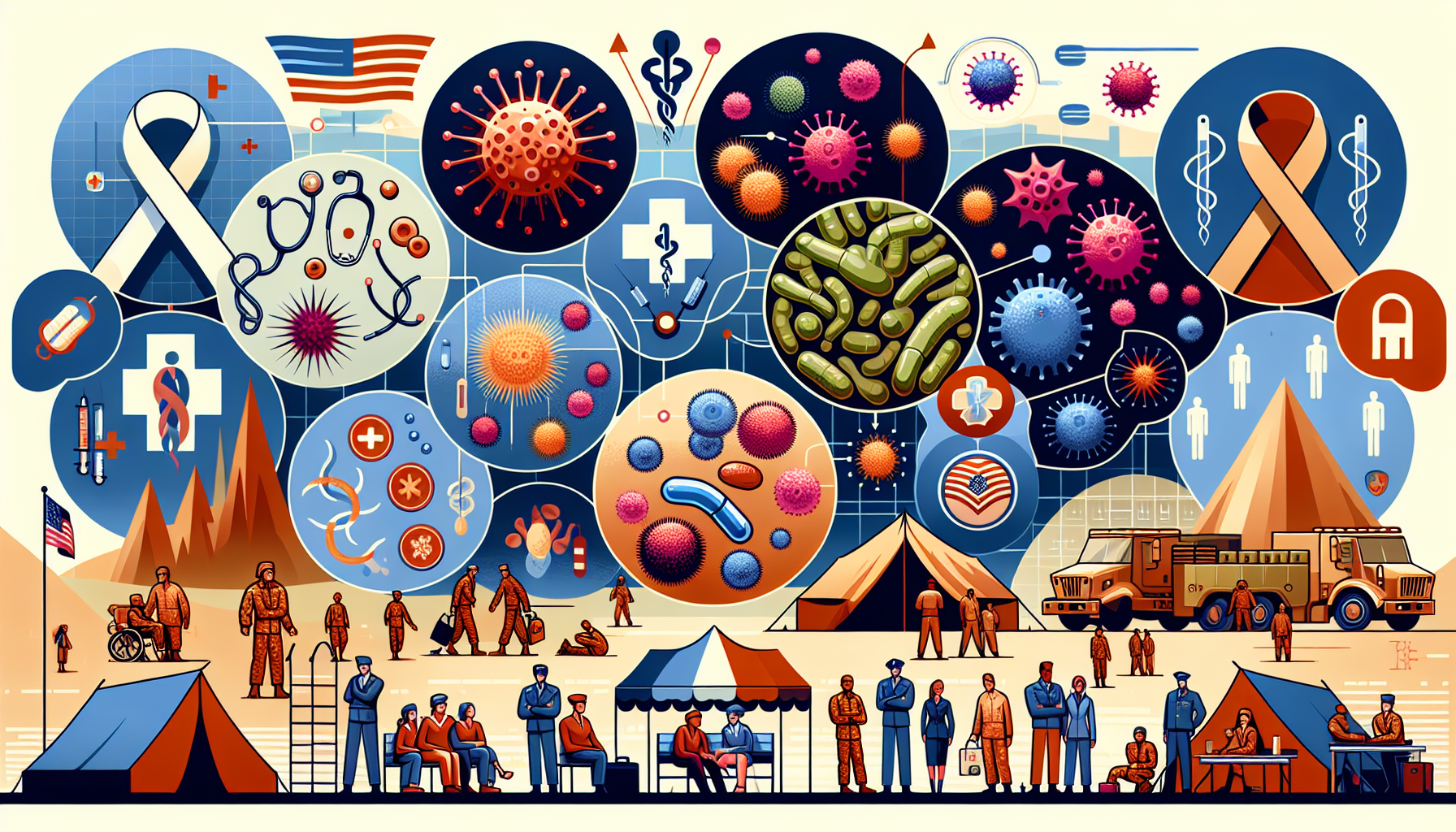
    Disease and nonbattle injury (DNBI)

    Definition

    Disease and Non-Battle Injury (DNBI) refers to casualties or fatalities that occur in the military outside of direct combat. These can be due to illnesses, diseases, or accidents not related to actual warfare. DNBI rates are essential in assessing the overall health and readiness of a military unit.

    Key Takeaways

    1. DNBI, or Disease and Non-Battle Injury, is a term used in military operations to describe medical issues that are not caused by direct engagement in warfare. These issues can range from diseases contracted during service to injuries caused by accidents or training incidents.
    2. DNBIs can have a profound impact on a military unit’s combat readiness and effectiveness. Due to the potential for these non-combat incidents to decrease a unit’s ability to perform its duties, it is important for military organizations to have measures in place to prevent and respond to DNBIs.
    3. The rate of DNBIs tends to vary depending on factors like the location of the military operation, the specific activities being performed, and the preventive measures in place. Research and historical data are used to learn more about how to prevent and combat DNBIs in all sorts of different scenarios.

    Importance

    The military operational term Disease and Nonbattle Injury (DNBI) is extremely crucial as it refers to casualties in the military, not directly attributable to enemy action, but due to diseases, environmental conditions or accidents.

    Understanding and managing DNBIs is vital since they can significantly impact the operational readiness of a military unit.

    For instance, disease outbreaks or severe injuries can reduce the number of active soldiers, disrupt military strategy, and increase the logistical burden on medical services.

    Hence, military leadership stresses on preventive measures, proper sanitation, vaccination, training, and safety protocols to keep DNBI rates as low as possible to maintain combat effectiveness.

    Explanation

    Disease and Non-Battle Injury (DNBI) is a crucial term used in military operations to categorize the ailments which do not result from active combat but can significantly affect a mission’s successful completion. These can include both physical and mental illnesses, as well as injuries or conditions ensuing from environmental hazards, accidents, or improper living conditions. Assessing DNBI rates is integral for military strategists and healthcare services, as it provides vital insights into the well-being status of troops and the potential effectiveness (or lack thereof) of preventative measures being taken.

    The purpose of tracking and analyzing DNBIs is manifold. Firstly, it can help in identifying the prevalence and type of illnesses and injuries, providing a clearer picture of the overall health situation within a military unit. Additionally, it can mark the need for better sanitary practices or enhanced protective measures, as higher DNBI rates might suggest.

    It also helps military medical teams to prepare adequately by ensuring they have the requisite skills, equipment, and medicines to deal with the commonly occurring health issues. DNBIs can significantly impact a unit’s fighting capability and morale, thereby influencing the outcome of a mission or operation. Hence, taking proper cognizance of DNBIs and implementing prevention strategies is an essential aspect of military operations.

    Examples of Disease and nonbattle injury (DNBI)

    Operation Desert Shield/Desert Storm (1990-1991): In this military operations, the U.S. Department of Defense reported that 75% of hospital admissions were due to DNBI. The hot, arid climate and unsanitary living conditions resulted in a number of illnesses including diarrheal diseases, respiratory infections, and skin diseases. It showcased the significance of Disease and nonbattle injury (DNBI) in military operations.

    Vietnam War (1955-1975): In the Vietnam War, many American troops suffered from infectious diseases such as malaria, dysentery, and tropical diseases. Battle injury was certainly a significant cause for concern, but nonbattle injuries like these diseases, heat stroke, falling from heights, etc. also led to significant loss in manpower.

    Operation Iraqi Freedom (2003-2011): The range of sickness and injuries categorized under DNBI was brought into focus during this operation. Beyond direct combat, military personnel had to face various health risks related to heat, dust, and potential exposure to hazardous materials. This resulted in various cases of heat stroke, Leishmaniasis (a disease caused by the bite of a sand fly), respiratory and gastrointestinal illnesses, and injuries sustained during various non-combat activities.

    FAQs on Disease and Nonbattle Injury (DNBI)

    What is Disease and Nonbattle Injury (DNBI)?

    Disease and Nonbattle Injury (DNBI) categorizes all medical casualties within military operations that do not result directly from enemy action. It encompasses a wide range of issues like illnesses, diseases, or other medical problems experienced by troops which are not caused by active combat.

    What are some common examples of DNBI?

    Examples of DNBI can include conditions like malaria, heat stroke, stress, frostbite, other environmental issues, and various types of injuries incurred during training or in circumstances not involving active conflict. It could also refer to mental health problems like post-traumatic stress disorder (PTSD).

    What is the impact of DNBI on military operations?

    DNBI can have substantial impacts on military operations. They can significantly reduce the strength and readiness of an active force, decrease cost efficiency, and contribute to mission failure if not properly managed. It is therefore critical for military health services to effectively monitor, prevent, and treat DNBI in all operating environments.

    What measures are taken to prevent DNBI?

    Prevention of DNBI involves a multi-layered approach that includes preventive medicine, proper training for soldiers on health risks, maintaining high standards of sanitation, routine health evaluations, immunizations, early detection, and timely treatment of diseases and injuries.

    Related Military Operation Terms

    • Veteran’s Medical Benefits
    • Noncombat Related Injury Compensation
    • Disease-Related Disability Compensation
    • Veteran’s Healthcare Services
    • Preventive Health Care Coverage for Veterans

    Sources for More Information

    Benefits.com Advisors

    With expertise spanning local, state, and federal benefit programs, our team is dedicated to guiding individuals towards the perfect program tailored to their unique circumstances.

    Rise to the top with Peak Benefits!

    Join our Peak Benefits Newsletter for the latest news, resources, and offers on all things government benefits.

    Related Articles

    VA SMC R1 Requirements

    VASRD 2026 Updates

    Social Security Back Pay

    SSDI Approval Rate by Age

    SSDI Pay Chart 2026

    Disengagement

    Definition

    In military operations, disengagement refers to the tactical decision to break off combat with an enemy, done either to evade battle or shift resources. This may be undertaken in order to relocate forces, prepare for a new offensive, or conduct a strategic withdrawal. It is a planned process and involves the use of tactics to minimize losses and maintain unit cohesion during withdrawal.

    Key Takeaways

    1. Disengagement in military operations refers to the deliberate decision to cease combat with an enemy or withdraw from an occupied territory. This does not necessarily mean the complete end of hostilities or a loss, but might be a tactical move to reposition, regroup, or reassess.
    2. The process of disengagement is more complex than just leaving the battlefield. It involves careful planning and execution to minimize risk, maintain morale, and avoid giving advantages to the enemy. The protection of retreating or withdrawing forces is a crucial part of disengagement strategy.
    3. Disengagement does not occur in a vacuum in terms of strategic implications. It can lead to shifts in political or diplomatic landscapes. Effective disengagement may make room for peaceful negotiations and can influence the overall outcome of conflicts or wars.

    Importance

    Disengagement in military operations is a critical strategic concept as it allows for preservation, regrouping, or redirection of forces.

    It refers to the process where a military force intentionally moves away from an ongoing engagement with the enemy.

    This can be important for various reasons such as avoiding unnecessary encounters, reducing casualties, or reallocating resources to other areas where they are needed most.

    Disengagement should not be confused with retreat, as it is a calculated military move, often utilized when tactical advantages are not clear or when a stalemate or diminishing resources threaten the success of the mission.

    Ultimately, it ensures that military forces maintain their strategic flexibility to face different challenges in the battlefield.

    Explanation

    Disengagement is a vital operation in the broader context of military strategy, principally used to potentially ensure the safety and preservation of tactical units or to facilitate the execution of different strategic plans. In essence, it deals with the intended withdrawal of forces from an ongoing engagement with the enemy in a manner that is organized and planned.

    This drawdown could either be partial, where certain troops or units withdraw while others still engage the enemy, or complete, where the entire force withdraws. The purpose of disengagement can vary, but the primary objective is to regain flexibility and freedom of maneuver or action in an operational environment.

    This maneuver might be used to avoid unwinnable battles, shift focus towards more vital objectives, or even to regroup and improve strategic or tactical positioning. Disengagement should not necessarily be understood as retreat or concession, but instead as a tactical move with precise purpose — one that is intended to realize short or long-term benefits, or to limit costs and exposure to risk.

    Examples of Disengagement

    The US Troop Withdrawal from Vietnam (1973): During the Vietnam War, the Americans engaged in a period of disengagement, strategically withdrawing their combat troops and transferring responsibility to South Vietnamese forces, a process known as “Vietnamization”.

    Soviet Withdrawal from Afghanistan (1989): After a decade-long controversial military intervention, the Soviet Union disengaged from Afghanistan in

    The gradual withdrawal strategy was adopted to avoid giving an impression of defeat and preserve the pro-Soviet regime in Kabul.

    US Exit Strategy in Iraq (2011): After years of armed conflict in Iraq, the United States began to disengage their combat forces in

    The operation was carefully planned to facilitate an orderly withdrawal of troops while promoting stability and self-governance in Iraq, enabling Iraq’s own forces to assume responsibility for their national security.

    FAQs on Military Operations: Disengagement

    What is Disengagement in Military Operations?

    Disengagement in military operations refers to a deliberate decision by a commanding officer to break off from combat with an enemy. This can happen for reasons like gaining a more advantageous position, preserving forces, or redirecting resources to another critical area.

    Does Disengagement Mean Retreat in a Military Context?

    No, disengagement does not necessarily mean a retreat. While retreat is a form of disengagement, it’s typically done under duress, and may imply a loss. On the other hand, disengagement can be a calculated move, executed as part of a larger strategic plan.

    What are the Challenges of Disengagement in Military Operations?

    One of the biggest challenges of disengagement is being pursued by the enemy, who might take advantage of the situation. It requires careful planning, rapid action, and coordinated efforts. Moreover, it could potentially affect the morale of troops if not properly managed.

    Can Disengagement be a Positive Tactic?

    Yes, disengagement can indeed be a positive tactic in many military circumstances. It allows forces to withdraw from unfavorable situations, regroup, and potentially strike back from a stronger position. It can be crucial to reducing unnecessary casualties and making efficient use of resources.

    How is Disengagement Command Given and Executed?

    The disengagement command can come from the top command based on the intelligence and battlefield situation. The execution must be swift and well-coordinated, often involving suppression of the enemy’s capabilities, creating a diversion, or employing deception tactics. These ensure safe withdrawal from the direct engagement with the enemy.

    Related Military Operation Terms

    • Disability Compensation
    • Veteran Rehabilitation
    • Post-Service Transition Support
    • VA Education benefits
    • Veteran Healthcare Benefits

    Sources for More Information

    • Encyclopedia Britannica: Provides comprehensive information covering a wide range of topics including military terms and definitions.
    • Military.com: This is a trusted and reliable platform that provides military news, benefits, and other useful information about military operations.
    • United States Army: The official website of the U.S. Army, where you can find official resources and news about military operations, including disengagement.
    • NATO (North Atlantic Treaty Organization): NATO’s official site, it provides various resources and detailed information about military strategies and terms, including disengagement.

    Benefits.com Advisors

    With expertise spanning local, state, and federal benefit programs, our team is dedicated to guiding individuals towards the perfect program tailored to their unique circumstances.

    Rise to the top with Peak Benefits!

    Join our Peak Benefits Newsletter for the latest news, resources, and offers on all things government benefits.

    Related Articles

    VA SMC R1 Requirements

    VASRD 2026 Updates

    Social Security Back Pay

    SSDI Approval Rate by Age

    SSDI Pay Chart 2026

    Dislocated civilian (DC)

    Definition

    A Dislocated Civilian (DC) is a term used in military operations to refer to a person who has been forced or obliged to leave their home as a result of war, conflict, or other disturbances. This can encompass refugees, evacuees, internally displaced persons, and migrants. These individuals may require emergency assistance in terms of shelter, medical aid, food, and protection.

    Key Takeaways

    1. A dislocated civilian refers to a person who has been dislodged or displaced from his or her habitual place of residence due to reasons such as war, natural disaster, or government policies. This term is commonly used within military operations.
    2. Dislocated civilians often require humanitarian assistance, including food, water, shelter, medical aid and protection. Military operations may have strategies in place to assist these individuals, both in their immediate needs and in eventual relocation or repatriation processes.
    3. The presence of dislocated civilians can complicate military operations. Clear, consistent and respectful communication between the military, humanitarian organizations, and these civilians is key to managing these challenges and ensuring the well-being of the displaced populations.

    Importance

    The term “Dislocated Civilian” (DC) is critically important in military operations because it refers to individuals who are displaced from their homes due to conflicts or natural disasters.

    Understanding and addressing their needs often form an integral part of any military operation, mainly due to humanitarian and moral reasons as well as for ensuring security and stability in a specific region.

    Dislocated civilians may need immediate assistance, such as food, shelter, medical care, and protection, which, if left unattended, could potentially escalate into a broader crisis.

    Thus, proper management of dislocated civilians is essential not only to alleviate human suffering but also to prevent potential secondary conflicts, enhance successful mission accomplishment, and uphold the moral and ethical obligations of the military.

    Explanation

    Dislocated Civilian (DC) is a term predominantly used in military operations to highlight the importance of accounting for and addressing the needs of civilians forcefully driven from their homes due to natural disasters, severance of economic and social infrastructure, military operations, or other similar circumstances. Military entities, especially those dealing with Civilians Affairs, use the term DC to categorize and craft operational strategies that can effectively address the complex dynamics associated with people uprooted from their habitual living confines.

    By understanding and recognizing this specific group, military operations can become more adept at dealing with populations affected by their operations, ensuring better management of humanitarian aspects in a combat environment. The purpose behind utilizing the term Dislocated Civilian is to develop comprehensive plans for handling such challenges during operation.

    Establishing a specific term for it helps military sectors to effectively strategize plans for aiding, relocating, or protecting civilians during military pursuits. Moreover, understanding DCs’ specific needs and vulnerabilities can help military entities minimize any unintended negative impacts of operations on civilian populations.

    This comprehensive understanding improves the military’s interaction with the civilian population, ensures the protection of human rights, and aligns combat operations with international humanitarian laws and guidelines. It encourages meticulous navigation of military tasks, ensuring minimum disruption for civilians, hence promoting an environment conducive for peace-building and mitigation of adverse impacts on civilian life.

    Examples of Dislocated civilian (DC)

    Syrian Civil War: The ongoing conflict in Syria has caused a large dislocation of civilians. Many cities and towns have been destroyed, forcing people to flee their homes and become dislocated civilians. They are living in temporary shelters within the country or have fled to neighboring countries, resulting in the largest refugee crisis since World War II.

    The Rohingya Crisis: In Myanmar, the Rohingya Muslim minority group has been subjected to what the UN calls “a textbook example of ethnic cleansing.” These individuals are dislocated civilians, as they had to leave their homes due to the violent military operations and persecution. The majority are currently living in refugee camps in Bangladesh.

    World War II: The war led to horrific examples of dislocated civilians on a massive scale. Many people, particularly Jews and other persecuted groups, became dislocated as they tried to escape the horrors of the Holocaust. Additionally, the widespread, destructive combat led to numerous people being displaced from their homes throughout Europe and Asia.

    FAQs about Dislocated Civilians (DC)

    Who are Dislocated Civilians (DC)?

    Dislocated Civilians, also referred to as DC, are individuals who have been forced or obliged to flee or to leave their homes or places of habitual residence as a result of or in order to avoid the effects of armed conflict, situations of generalized violence, violations of human rights, or natural or human-made disasters.

    What is the military’s role in assisting Dislocated Civilians (DC)?

    The military may provide assistance in preserving life, reducing suffering, and promoting security for Dislocated Civilians. This could involve logistical support, providing security, assisting with shelter, medical care, food, and water distribution, or other resources as necessary.

    What challenges can the military encounter when dealing with Dislocated Civilians (DC)?

    The military may face a range of challenges when encountering displaced civilians, both logistical and situational. These could include language barriers, cultural differences, resource limitations, managing complex coordination among multiple agencies, or ensuring the safety of civilians amidst ongoing conflict or insecurity.

    What training does the military personnel receive for handling Dislocated Civilians (DC)?

    Military personnel undergo specific training to ensure they understand the complexities and requirements of dealing with Dislocated Civilians. This includes training on international and domestic law, cultural sensitivities, logistical management, and specific tactical considerations for interaction with non-combatants in zones of conflict.

    Related Military Operation Terms

    • Displacement compensation
    • Emergency evacuee benefits
    • Veterans relocation assistance
    • Resettlement programs for dislocated civilians
    • Post-dislocation healthcare benefits

    Sources for More Information

    • Joint Chiefs of Staff: This is the official site of the Joint Chiefs of staff, pentagon’s highest-ranking military officers. They have extensive information about military terminology and operations, including Dislocated Civilian (DC).
    • USAID: The U.S. Agency for International Development is heavily involved in the issue and care of dislocated civilians across the globe. They provide detailed information about what constitutes a DC and the circumstances that can lead to this status.
    • American Red Cross: As part of their mission to alleviate human suffering, the American Red Cross may offer insights into how Dislocated Civilians are helped and supported.
    • United Nations: The United Nations has a large number of resources dedicated towards the aid and assistance of Dislocated Civilians. Their website would provide a wealth of reliable information about the topic.

    Benefits.com Advisors

    With expertise spanning local, state, and federal benefit programs, our team is dedicated to guiding individuals towards the perfect program tailored to their unique circumstances.

    Rise to the top with Peak Benefits!

    Join our Peak Benefits Newsletter for the latest news, resources, and offers on all things government benefits.
    Related Articles

    VA SMC R1 Requirements

    VASRD 2026 Updates

    Social Security Back Pay

    SSDI Approval Rate by Age

    SSDI Pay Chart 2026

    Dispersal

    Definition

    Dispersal in military operations refers to the distribution of units, personnel, or resources across a wide area. This tactic is used to lessen the impact of an enemy attack, making it difficult to target a large amount of forces at once. It can also improve chances for survival, recovery, and regrouping after an attack.

    Key Takeaways

    1. Dispersal is a crucial military strategy that involves the distribution of units, personnel, or vehicles to reduce the potential damage from enemy attack.
    2. This strategy increases the military’s chance of survival and operational capability by minimizing the impact of a single, concentrated enemy attack.
    3. Dispersal in the military requires careful planning and effective communication to maintain control and coordination among the dispersed units while achieving the strategic objectives.

    Importance

    Dispersal is a critical term in military operations referring to the strategic distribution of troops, equipment, and resources across a broad area. This concept is important because it reduces the risk of total destruction or immobilization from a single enemy attack.

    If military assets are concentrated in one location, they become an easy target. However, when these assets are dispersed, they become less vulnerable, making it harder for an adversary to cripple a military force in one strike.

    Dispersal strategy also adds to operational flexibility and resilience by allowing forces to regroup, reposition or redeploy swiftly from multiple locations. Thus, dispersal is a cornerstone of tactical planning and force protection in military operations.

    Explanation

    Dispersal in military operations is a strategic action taken to minimize risk and damage. Its main purpose is to distribute or spread out troops, equipment, aircrafts, naval vessels, or even bases to reduce the concentration in a particular area.

    By dispersing forces or assets over a larger area, military strategists aim to limit the potential impact of enemy attacks, making it difficult for opposing forces to cause significant harm in a single strike. This strategy also provides some level of redundancy as the destruction or impairment of some units or assets does not necessarily impair the entire operation.

    One key application of dispersal in the military sphere is in the placement of airbases or the deployment of naval fleets. For example, instead of clustering all aircraft in a single runway or hangar, which makes it a tempting target for a decisive enemy attack, military planners use a dispersal strategy to park aircraft in remote and separate locations.

    Similarly, naval fleets also utilize dispersal to make it harder for enemy forces to locate and destroy them. Dispersal, in essence, serves to increase survivability and operational stability in unpredictable conflict scenarios.

    Examples of Dispersal

    Operation Desert Storm: During the Gulf War in 1991, coalition forces employed the tactic of dispersal to scatter their forces and assets across the desert, minimizing the impact of potential Iraqi attacks. By doing so, they not only enhanced their survivability, but also created logistical challenges for the enemy’s targeting strategy.

    D-Day in World War II: During the invasion of Normandy in 1944, Allied forces used dispersal as a military tactic to confuse German defenders about the main landing zones. Paratroopers were scattered into multiple drop zones behind enemy lines which created confusion among the German forces and successfully diverted their attention and resources.

    The Battle of Guadalcanal during World War II: The Japanese employed dispersal to protect their forces from being completely wiped out by the United States. Much of their army was dispersed into the jungle during the day and would only come together to attack at night. This made it harder for the US to locate and destroy their troops entirely.

    “`html

    Frequently Asked Questions about: Dispersal in Military Operations

    What is Dispersal in a Military Context?

    In a military context, dispersal refers to the act of spreading troops and equipment over a wide area. This is often done to make it more difficult for an enemy to target the military force with concentrated fire.

    Why is Dispersal Important in Military Operations?

    Dispersal is important in military operations for several reasons. Firstly, it makes it more difficult for the enemy to inflict significant damage on your forces, as they are spread out rather than concentrated in one area. Secondly, dispersal can make it harder for the enemy to predict your movements and strategy. Lastly, a well-dispersed force can often bring more of its power to bear on specific points of the enemy’s forces.

    What are the Risks Associated with Dispersal?

    While dispersal has many advantages in terms of military strategy, it also has some risks. The main risk is that by scattering the forces, units may become isolated and therefore easier to defeat in detail. Additionally, command, control, and communication become more difficult with dispersal, as units are physically farther apart from one another.

    What Techniques are Used for Effective Dispersal?

    Effective dispersal requires careful planning and strategy. It typically involves spreading out troops and equipment over a wide area, while still maintaining sufficient concentrations of force at key points. The use of mobile forces and effective communication systems can also aid in successful dispersal. Moreover, methods like camouflage, concealment, and deception can enhance the effects of dispersal by making it harder for the enemy to detect and target dispersed units.

    “`

    Related Military Operation Terms

    • Beneficiary: This is the person who is eligible to receive the VA benefits represented by the term dispersal.
    • Compensation: A VA term referring to the financial benefits disbursed to veterans for injuries or illnesses that occurred during, or were worsened by, their military service.
    • Survivors’ benefits: The monetary benefits disbursed to the family members of a deceased veteran.
    • Pension: A regular payment made by the VA to veterans or their beneficiaries, especially to those who have retired due to age or disability.
    • Direct deposit: A method of payment where the VA benefits (dispersal) is electronically transferred directly into the beneficiary’s bank account.

    Sources for More Information

    Sure, here are four reputable sources where you can find more information about the military term “Dispersal”:

    Benefits.com Advisors

    With expertise spanning local, state, and federal benefit programs, our team is dedicated to guiding individuals towards the perfect program tailored to their unique circumstances.

    Rise to the top with Peak Benefits!

    Join our Peak Benefits Newsletter for the latest news, resources, and offers on all things government benefits.
    Related Articles

    VA SMC R1 Requirements

    VASRD 2026 Updates

    Social Security Back Pay

    SSDI Approval Rate by Age

    SSDI Pay Chart 2026

    Dispersal airfield

    Definition

    A dispersal airfield is a secondary airfield used by the military for the purpose of reducing congestion and becoming less targetable by enemies during a time of conflict. It’s designed for operations during situations where the primary airfields may be compromised. These airfields allow military aircraft to take off, land, and be serviced without the risk of overcrowding or being easily targeted.

    Key Takeaways

    1. A dispersal airfield refers to an alternate, backup location for military aircraft operations. It’s used when main operational bases are under threat or have been compromised.
    2. The main purpose of a dispersal airfield is to spread military aircraft over a wider area, minimizing the risk of them being wiped out in a single attack. Therefore, they play a crucial role in military strategies and defense mechanisms.
    3. Dispersal airfields are generally equipped with essential facilities for operations, maintenance, and rearming of aircraft, albeit usually on a smaller scale than main bases. They are situated at a safe distance from primary bases to avoid any simultaneous attack.

    Importance

    The term “dispersal airfield” holds significance in military operations as it refers to an alternate airfield used to disperse aircraft strategically to prevent potential losses in case of an enemy attack on primary airfields.

    It allows for spreading out or detailing of military aircraft to various locations, reducing the chances of multiple aircraft being destroyed in a single strike.

    These airfields are crucial to maintaining aircraft survivability and ensuring the continuation of operations during periods of conflict.

    They serve as a vital component of military strategies aimed to minimize damage and safeguard valuable resources.

    Explanation

    Dispersal airfields play a crucial role in military operations, primarily for the purpose of safeguarding military aircraft from attacks. In essence, they serve as secondary or backup airfields, usually located in relative proximity to the main airbase, but strategically spread around to help disperse aircraft and thus minimize potential damage from a concentrated attack.

    By distributing aircraft across multiple sites rather than confining them to one location, military forces can substantially reduce the risks associated with single-point attacks. During periods of escalated threat or actual war, these disperse airfields can be utilized to prevent the enemy from disabling an entire fleet or air operation with just one successful strike.

    In addition to protecting valuable military resources, dispersal airfields also represent an adaptive measure for execution of effective military operations. These extended airfields provide the military with alternative options for takeoff and landing, which can be crucial when the primary airbase is under attack or is rendered inoperable for any reason.

    They also facilitate the strategic positioning of aircraft for speedy response to changing battle conditions, thus ensuring that air power can be readily deployed as needed. Thus, from both defensive and offensive viewpoints, dispersal airfields are vital components in military aviation strategy.

    Examples of Dispersal airfield

    Al Asad Airbase, Iraq: During the Iraq War, US military used Al Asad Airbase as a dispersal airfield. The airfield was designed to host an array of aircraft operations, ensuring their principal airfields were not congested and providing protection against potential attacks on primary bases.

    RAF Sculthorpe, UK: During the Cold War, RAF Sculthorpe in England served as a dispersal airfield for the U.S. Strategic Air Command, playing a key role in dispersing aircraft to minimize potential damage from a nuclear attack.

    Forward Operating Base Shank, Afghanistan: This airfield was heavily used by the U.S. military during the War in Afghanistan as a dispersal site. It allowed for the decentralization of aircraft, minimizing chances of catastrophic losses from a single attack, and ensuring continued air operations in case main airbases were attacked.

    FAQs on Dispersal Airfield

    What is a Dispersal Airfield?

    Dispersal Airfields are secondary airports utilized in military operations for aircraft to land and take-off when primary airfields are under attack or not operational. They are strategically built to ensure continuity in operations during inopportune situations.

    What is the significance of a Dispersal Airfield in military operations?

    Dispersal Airfields play a vital role in military operations. They enable aircraft to continue functioning in a war-like situation, by providing an alternative landing and take-off location, should the primary airfield be compromised. These airfields are kept ready at all times to support military operations instantly.

    How are Dispersal Airfields designed?

    Dispersal Airfields are designed to handle both routine and emergency situations. They contain requisite infrastructure including runways, landing systems, communication systems etc. They are typically smaller than main airfields, and located within a feasible distance from the main airfield to allow for swift repositioning of aircraft.

    Are Dispersal Airfields used only in times of war?

    No, Dispersal Airfields are not solely used in times of war. They can also serve other purposes like training, testing new aircraft, or managing civil aviation traffic, depending on the policies of the specific military organization.

    Related Military Operation Terms

    • Veteran Compensation
    • Disability Benefits
    • Military Pension
    • Health Care Eligibility
    • Education and Training Assistance

    Sources for More Information

    • Encyclopaedia Britannica – Airport: This article provides information about airfields and their functionalities, including dispersal airfields.
    • Military Factory: A site dedicated to military terms, including ‘dispersal airfield’.
    • GlobalSecurity.org: A reliable source that offers in-depth information on military systems and aircraft facilities, including dispersal airfields.
    • Air University (US Air Force): The official educational system site of the U.S. Air Force. Although it may not have specific articles about ‘dispersal airfield’, it could offer relevant context and surrounding information.

    Benefits.com Advisors

    With expertise spanning local, state, and federal benefit programs, our team is dedicated to guiding individuals towards the perfect program tailored to their unique circumstances.

    Rise to the top with Peak Benefits!

    Join our Peak Benefits Newsletter for the latest news, resources, and offers on all things government benefits.

    Related Articles

    VA SMC R1 Requirements

    VASRD 2026 Updates

    Social Security Back Pay

    SSDI Approval Rate by Age

    SSDI Pay Chart 2026

    x